
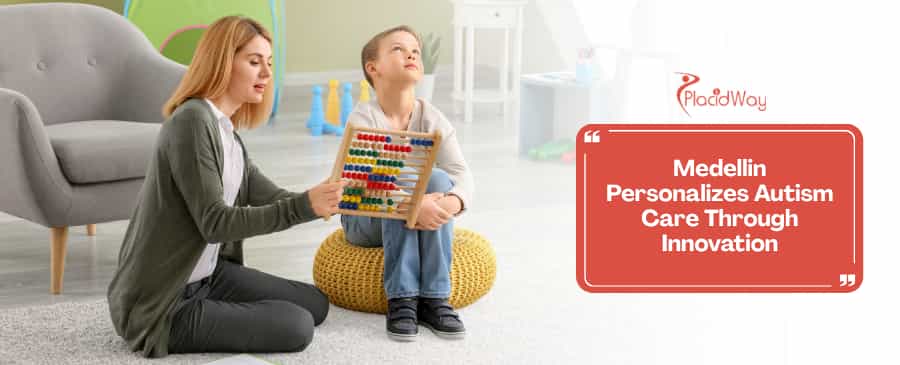
Autism Spectrum Disorder (ASD) presents unique neurodevelopmental challenges that prompt many families to explore advanced medical interventions. In recent years, stem cell therapy for autism in Colombia has gained international attention as a promising, complementary approach. Utilizing regenerative medicine, this therapy generally focuses on addressing underlying neuro-inflammation and immune system dysregulation often associated with ASD.
The "Medellin Model" represents a sophisticated evolution in this field by integrating artificial intelligence into clinical protocols. Rather than relying on standard estimations, this methodology typically employs AI algorithms to calculate highly personalized cell dosages. This integration of biotechnology and data science aims to optimize patient outcomes while maintaining stringent international safety standards.
- Biomarker Analysis: Utilizes patient-specific biological markers to tailor treatment.
- Precision Delivery: AI assists in determining the exact volume of cells per kilogram of body weight.
- Comprehensive Evaluation: Combines regenerative therapies with functional medicine principles.
Studies suggest that up to 60% of children with ASD exhibit markers of neuro-inflammation, which mesenchymal stem cells are typically utilized to target.
Why the Medellin Model is Revolutionizing Autism Care for Global Families
The landscape of global healthcare is rapidly shifting, with specialized regional hubs emerging as leaders in specific treatments. Medical tourism in Colombia has grown exponentially, driven by the country's investment in state-of-the-art medical infrastructure and highly trained specialists. Medellin, in particular, has positioned itself as an innovator in regenerative therapies, attracting families from North America, Europe, and beyond.
What sets the Medellin Model apart is its departure from "one-size-fits-all" medicine. By leveraging data-driven insights, clinics generally provide a bespoke medical journey that respects the profound biological diversity of the autism spectrum. Families choosing this route often find a holistic ecosystem of care that bridges advanced cellular science with compassionate, patient-centric support.
- Technological Integration: Advanced software models predict cellular viability and optimal dosing windows.
- World-Class Infrastructure: Facilities frequently mirror or exceed North American biosafety standards.
- Multidisciplinary Care: Treatment generally includes oversight by neurologists, immunologists, and pediatric specialists.
The World Health Organization (WHO) consistently ranks Colombia's healthcare system among the highest in Latin America, outperforming many developed nations in accessible, high-quality care metrics.
The Science Behind Stem Cell Dosing for Autism in Medellin Colombia
At the core of this regenerative protocol is the use of Mesenchymal Stem Cells (MSCs), typically derived from ethically sourced, donated umbilical cord tissue. When exploring autism treatment in Medellin, it is vital to understand that these cells do not act as a cure. Instead, they are generally administered for their robust immunomodulatory and paracrine properties, which may help regulate abnormal immune responses in the body.
The science of dosing is where the AI framework becomes critical. Human biology is complex, and the optimal number of stem cells required to trigger a therapeutic response varies drastically. The system typically analyzes neuro-inflammatory markers, metabolic panels, and genetic predispositions to formulate a precise cellular prescription, maximizing the potential for the cells to reach targeted areas of inflammation.
- Immunomodulation: MSCs may help balance the immune system, potentially reducing brain inflammation.
- Paracrine Effect: Cells secrete growth factors that generally promote tissue repair and neural connectivity.
- Angiogenesis: The promotion of new blood vessel formation, which can improve blood flow and oxygenation to the brain.
Umbilical Cord-Derived Mesenchymal Stem Cells (UC-MSCs) are considered immunoprivileged, meaning they typically evade immune recognition and rarely cause allergic reactions or rejection in the recipient.
Cost of Stem Cell Therapy for Autism in Colombia Compared to Global Options
Financial feasibility is often a primary catalyst for families seeking cross-border healthcare. Accessing affordable stem cell therapy in Colombia allows international patients to receive premium care without the staggering financial burden often associated with unregulated or experimental clinics in North America. The favorable exchange rate and lower administrative overhead costs contribute to these competitive price points.
It is important to note that costs can fluctuate based on the AI-determined dosage, the child's weight, and any adjunctive therapies required. However, the overall expense generally remains a fraction of what families might pay elsewhere. Below is an estimated market comparison to provide transparent insight into realistic pricing structures.
| Procedure / Service Component | Average Cost in Colombia (USD) | Estimated Cost in USA/Canada (USD) |
|---|---|---|
| Comprehensive Medical Evaluation & AI Profiling | $500 - $800 | $1,500 - $3,000 |
| UC-MSC Therapy (Standard Pediatric Dose) | $4,500 - $7,000 | $12,000 - $25,000+ |
| Exosome Therapy Add-on (If Indicated) | $1,500 - $2,500 | $4,000 - $8,000 |
| Total Estimated Program Range | $6,500 - $10,300 | $17,500 - $36,000+ |
Patient Candidacy for Autism Stem Cell Treatment in Colombia
Determining whether a patient is a suitable candidate is the most crucial step before traveling. Leading autism clinics in Colombia mandate rigorous pre-treatment evaluations to ensure that the therapy holds potential value for the individual. Not every person diagnosed with ASD is an ideal candidate for regenerative procedures.
Physicians generally prioritize patients exhibiting clear signs of neuro-inflammation, immune dysregulation, or those who have experienced distinct developmental regression. Conversely, strict contraindications exist to protect patient safety. Active infections, severe underlying genetic syndromes unrelated to typical ASD, or certain pre-existing medical conditions typically disqualify a patient from the protocol.
- Ideal Candidates: Patients with diagnosed ASD showing high inflammatory markers or gastrointestinal immune issues.
- Age Considerations: While treated at various ages, early intervention (ages 3-10) is frequently noted by specialists as a highly responsive window.
- Contraindications: Active oncology cases, severe bleeding disorders, or acute infections are generally strict exclusions.
Always gather comprehensive medical records, including recent blood work, neurological assessments, and genetic testing results, before initiating a consultation with international specialists.
What to Expect During Stem Cell Autism Care in Medellin
Understanding the clinical timeline can alleviate much of the anxiety associated with medical travel. When families arrive for stem cell treatment in Medellin, they generally embark on a structured, multi-day itinerary designed for comfort and close medical observation. The atmosphere in these specialized centers is typically calm and child-friendly.
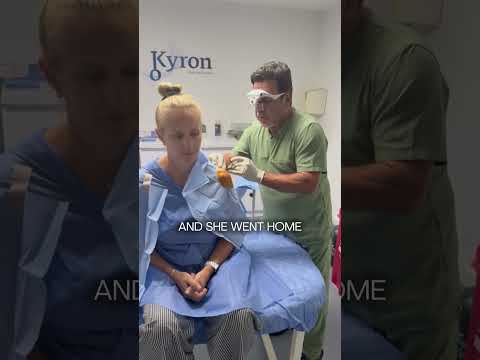
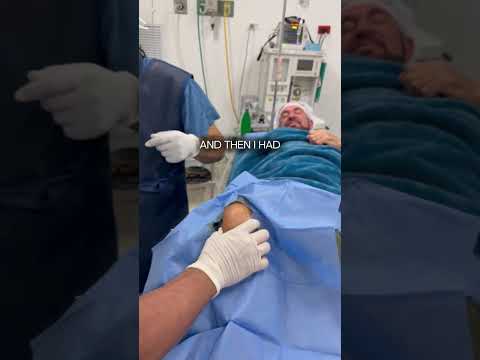
The procedure itself is generally minimally invasive. Based on the physician's assessment, stem cells are typically administered via an intravenous (IV) drip over a few hours. In specific, medically indicated cases, an intrathecal injection may be recommended to bypass the blood-brain barrier directly, though this requires specialized anesthesiology support and a longer recovery observation.
- Day 1 - Assessment: In-person consultations, baseline vitals, and final blood analyses are completed.
- Day 2 - Treatment: The precise AI-dosed cells are prepared in a highly sterile lab and administered to the patient.
- Day 3 & 4 - Observation: Patients are monitored for any mild adverse reactions, such as low-grade fevers, before being cleared to travel.
Medellin is known as the "City of Eternal Spring" due to its consistently pleasant, mild climate year-round, which creates a comfortable and stress-free recovery environment for pediatric patients.
The Role of AI in Personalizing Stem Cell Dosing in Colombia
The concept of applying artificial intelligence to cellular medicine represents a paradigm shift. Within the scope of regenerative medicine in Colombia, AI operates as an advanced analytical tool that supports, rather than replaces, the physician's clinical judgment. By rapidly cross-referencing massive datasets of previous clinical outcomes, the software aids in predicting the optimal treatment parameters.
Historically, stem cell dosing was largely based on generalized body weight metrics. The AI-driven Medellin Model generally takes a more nuanced approach, factoring in granular details such as metabolic rates, specific inflammatory cytokine levels, and biological age. This computational precision aims to maximize therapeutic efficacy and mitigate unnecessary cellular waste.
- Predictive Analytics: Forecasting potential patient responses based on historical clinical data.
- Dynamic Adjustments: Modifying dosages if pre-treatment lab works show sudden shifts in inflammatory markers.
- Safety Enhancement: Reducing the margin of human error in complex volumetric calculations.
Algorithms used in advanced stem cell dosing can analyze up to 50 distinct patient variables simultaneously, far surpassing traditional manual calculation methods used in older clinical protocols.
Evaluating the Safety and Efficacy of Stem Cells for Autism in Colombia
For any parent, safety is unequivocally the highest priority. The leading protocols for stem cell therapy in Colombia operate under strict national and international biosafety regulations. The processing laboratories are generally certified with Good Manufacturing Practices (GMP), ensuring that all cellular products are rigorously screened for pathogens, viruses, and genetic abnormalities before administration.
Regarding efficacy, transparent communication is essential. No ethical physician can guarantee specific outcomes. While many families report noticeable improvements in communication, eye contact, and behavioral self-regulation, others may see minimal changes. The therapy is generally viewed as an adjunctive tool that may enhance the child's overall quality of life.
- Stringent Screening: Donor tissues undergo exhaustive virological and bacteriological testing.
- Cell Viability Testing: Flow cytometry is generally used to ensure only high-viability, live cells are administered.
- Post-Treatment Monitoring: Dedicated follow-up channels to track patient progress and safety over time.
Colombia's medical regulatory body, INVIMA, maintains oversight standards that are highly respected globally, often collaborating with international health organizations to ensure patient safety.
Preparation and Travel for Medical Tourism in Colombia
Embarking on a journey for pediatric medical tourism in Colombia requires thoughtful logistical planning. Beyond the clinical prerequisites, families must manage travel arrangements tailored to the unique sensory needs of a child with ASD. Airlines and international airports increasingly offer accessibility services that can make transit much smoother.
Medellin boasts a modern infrastructure with internationally recognized hotels and amenities situated close to medical districts. Most facilities generally advise families to arrive a day or two before the scheduled treatment to acclimatize and rest, minimizing travel-induced stress which can skew pre-treatment baseline evaluations.
- Medical Clearances: Ensure your local primary care physician provides a "fit to fly" clearance if required.
- Sensory Preparation: Bring familiar toys, snacks, and noise-canceling headphones to soothe the patient during transit.
- Local Logistics: Arrange for private, secure transportation from the airport to your accommodation.
When booking accommodations, request a quiet room away from elevators and street noise, and check if the hotel offers kitchens, as maintaining a specialized diet during travel is crucial for many ASD patients.
Real Patient Experiences with Autism Stem Cell Clinics in Colombia
Clinical data provides the foundation, but anecdotal evidence offers emotional insight. Families who have navigated autism care in Medellin frequently share their stories to guide others. These experiences highlight the diverse ways patients respond to the Medellin Model.
It is crucial to remember that patient outcomes are highly individualized. While some report rapid shifts in developmental milestones, others note gradual, subtle improvements. The summaries below represent typical variations in the patient journey.
A Step Forward in Speech
A family from Canada traveled with their 5-year-old non-verbal son. Roughly four months post-infusion, they reported an increase in babbling and the eventual emergence of spontaneous, single words, which they attributed to the therapy combined with intensive speech coaching.
Enhanced Focus and Calmness
Parents of an 8-year-old boy from the United States noted that after their trip, his severe sensory meltdowns decreased significantly in frequency. They observed longer spans of focus during his occupational therapy sessions back home.
Improved Gastrointestinal Health
A teenager experiencing severe GI distress alongside ASD symptoms underwent treatment. The family reported that general systemic inflammation appeared to subside, leading to better sleep patterns and a more regulated mood.
Subtle Yet Meaningful Changes
A family from the UK noted that while their 6-year-old daughter did not experience rapid leaps in speech, her eye contact improved markedly, and she began to engage more willingly in parallel play with her siblings.
Integrating Post-Treatment Autism Care After Visiting Colombia
The journey of healing extends far beyond the clinic walls. To maximize the potential benefits of stem cell procedures in Colombia, families must implement a comprehensive post-treatment strategy. Stem cells are not magic bullets; they generally function best when acting as a biological catalyst alongside sustained educational and therapeutic support.
Upon returning home, specialists typically emphasize a multidisciplinary approach. Maintaining strict adherence to dietary plans, attending regular check-ins with local pediatric neurologists, and continuing behavioral therapies are vital steps to harness neuroplasticity.
- Continued Therapy: Intensive ABA, Speech, and Occupational therapies should generally resume as soon as the child is comfortable.
- Nutritional Support: Maintaining anti-inflammatory or gluten/casein-free diets, if previously prescribed, supports systemic healing.
- Supplementation: Following the clinic's recommendations for vitamins and supplements to nourish recovering neural pathways.
Never discontinue your child's currently prescribed neurological or psychiatric medications without the direct supervision and authorization of their primary treating physician back home.
Comparing Top Medical Tourism Destinations for Autism Treatment
When planning for medical travel, families routinely evaluate several global destinations. While the Medellin Model for autism offers a distinct advantage with its AI integration, countries like Panama and Mexico also host reputable regenerative clinics. Comparing these options empowers parents to make informed, confident choices.
The primary differentiators generally lie in the cost structure, the specific origin of the stem cells, and the regulatory environment. Colombia typically strikes an optimal balance, offering top-tier technological integration and ethical cellular sourcing at a highly competitive price point compared to its regional neighbors.
- Colombia: Known for AI-driven precision dosing, high safety standards, and excellent cost-to-value ratios.
- Panama: Offers established, world-renowned clinics, though treatments are generally significantly more expensive.
- Mexico: Highly accessible for North Americans, with a wide variety of clinical options ranging in price and protocol styles.
Medical tourism in Latin America has seen a 20% year-over-year growth, with Colombia capturing a significant share due to its focus on specialized fields like regenerative medicine and cardiology.
How PlacidWay Assists Your Stem Cell Therapy Medical Tourism Journey in Colombia
Planning international healthcare requires coordination, trust, and accurate information. When you decide to explore regenerative autism treatment in Colombia, navigating international medical systems independently can be incredibly daunting. Partnering with experienced facilitators ensures you are supported at every step.
PlacidWay serves as a crucial bridge, connecting global families with strictly vetted, globally recognized medical facilities. We focus on providing you with the educational resources and direct provider access necessary to make the best healthcare decisions for your family.
- Connecting you with highly accredited, top-tier medical facilities specializing in the Medellin Model.
- Facilitating the secure transfer of complex medical records to international specialists for preliminary evaluations.
- Providing transparent, comprehensive cost estimates directly from the medical providers to aid in financial planning.
- Offering access to dedicated patient coordinators who guide you through the consultation and booking process.
- Assisting with multilingual communication bridges between you and the leading pediatric specialists abroad.
Frequently Asked Questions About Stem Cell Therapy for Autism in Colombia
Gathering comprehensive information is the cornerstone of medical advocacy. Below, we address some of the most common inquiries families have when considering stem cell treatments for autism in Colombia.
These responses are intended to provide general clarity based on widely accepted clinical protocols. For definitive guidance regarding your child's specific condition, a thorough evaluation by a qualified specialist is indispensable.
Is stem cell therapy a cure for autism?
No, stem cell therapy is not considered a cure for Autism Spectrum Disorder. It is generally utilized as a complementary approach aimed at reducing neuro-inflammation and potentially improving the patient's quality of life and behavioral symptoms.
Why do international patients choose Colombia for this procedure?
Many global families opt for medical tourism in Colombia due to its combination of highly regulated, advanced clinical protocols—like the AI-driven Medellin Model—and significantly lower treatment costs compared to North America and Europe.
What type of stem cells are typically used in Colombia for autism?
Clinics in Colombia typically utilize Umbilical Cord-Derived Mesenchymal Stem Cells (UC-MSCs). These cells are preferred because they are generally immunoprivileged, meaning they have a low risk of rejection by the patient's immune system.
How does AI improve stem cell dosing?
AI algorithms analyze multiple patient variables, including body weight, age, and metabolic markers. This data generally helps clinicians calculate a highly precise cell dosage tailored to the individual's unique biological profile.
Are there side effects to the treatment?
Most patients experience only mild, temporary side effects, such as a low-grade fever, fatigue, or slight soreness at the injection site. Serious adverse events are rare when protocols are strictly followed in certified facilities.
How long does the patient need to stay in Colombia?
Families typically need to plan for a stay of 5 to 7 days. This timeframe generally allows for pre-treatment medical evaluations, the therapy administration itself, and a brief observation period before traveling home.
Do I need a special visa for medical travel to Colombia?
Citizens from the US, Canada, the EU, and many other countries generally do not require a special medical visa for short stays up to 90 days. However, always verify current travel requirements with your local embassy prior to booking.
When might we see improvements after therapy?
Results vary widely among individuals. If improvements occur, parents generally report noticing changes in areas like speech, focus, or behavioral regulation within 3 to 6 months post-treatment.
Can my child continue behavioral therapy after stem cell treatment?
Yes, continuing traditional therapies is strongly encouraged. Stem cell therapy is typically viewed as a supportive measure that may enhance a child's receptiveness to standard speech, occupational, and behavioral therapies.
How are the stem cells administered?
Administration methods vary based on the specialist's assessment. Most clinics generally use safe, standard routes such as intravenous (IV) drips, or in some specialized cases, intrathecal injections to bypass the blood-brain barrier.
Ready to explore personalized, AI-driven stem cell therapy for autism in Colombia? Let PlacidWay guide your journey to world-class care.
References
- National Institutes of Health (NIH). Stem Cell Basics and Applications. https://stemcells.nih.gov/info/basics/stc-basics
- National Center for Biotechnology Information (NCBI). Mesenchymal Stem Cell Therapy for Autism Spectrum Disorder. https://pubmed.ncbi.nlm.nih.gov/41862938/
- ClinicalTrials.gov. Efficacy and Safety of Stem Cells for Autism. https://clinicaltrials.gov/ct2/results?cond=Autism+Spectrum+Disorder&term=Stem+Cells
- Mayo Clinic. Regenerative Medicine and Stem Cell Therapy. https://www.mayoclinic.org/tests-procedures/bone-marrow-transplant/in-depth/stem-cells/art-20048117










.jpg)
.jpg)
.png)
.png)








Share this listing