


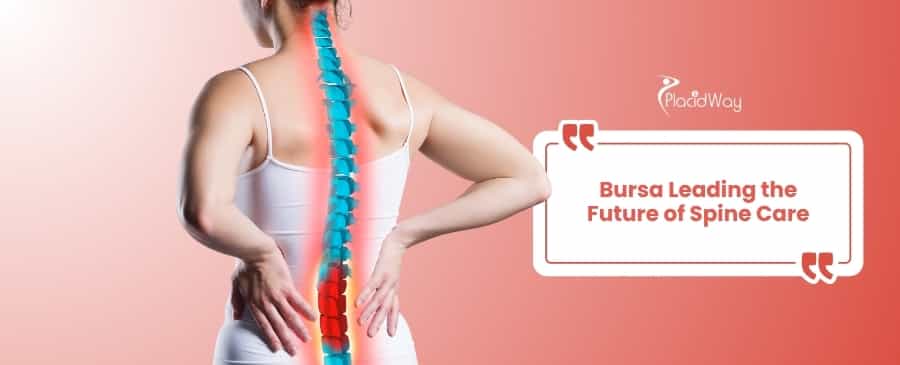
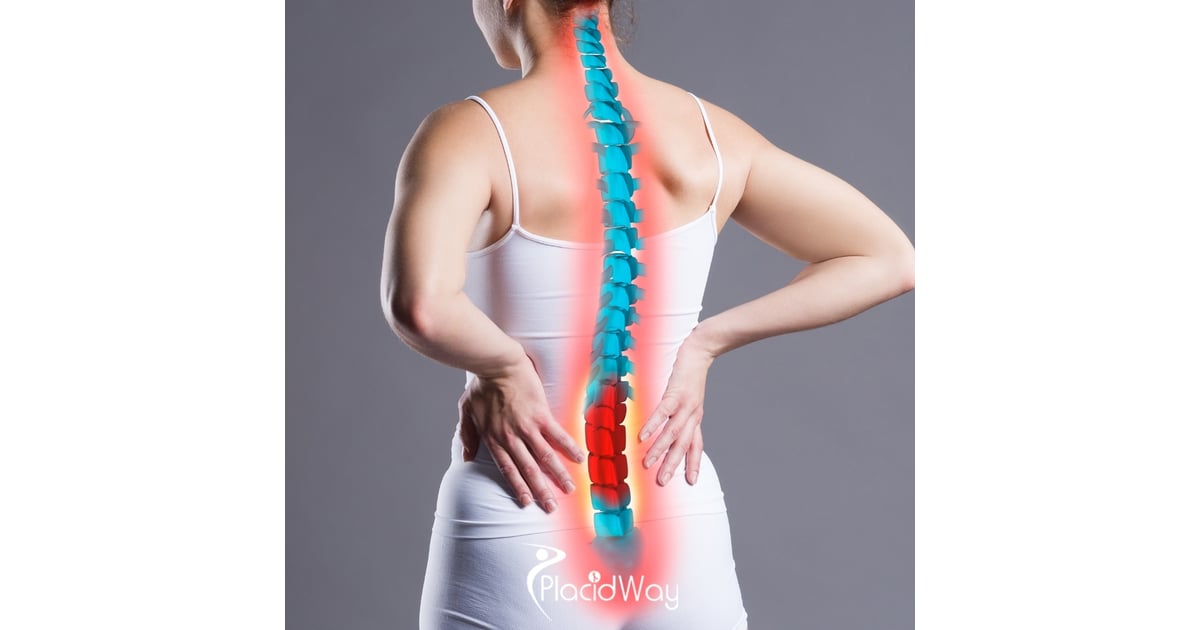
For individuals suffering from chronic back pain, sciatica, or herniated discs, the prospect of undergoing spine surgery can be a daunting one. The global medical landscape, however, is rapidly shifting, and Minimally Invasive Spinal Decompression in Bursa, Turkey is emerging as a compelling alternative to traditional open surgeries. This procedure utilizes specialized instruments and microscopic visual aids to relieve pressure on the spinal cord or nerve roots, typically requiring significantly smaller incisions than conventional methods.
As healthcare infrastructure evolves, Bursa has steadily positioned itself to become a recognized Tier-1 medical hub by 2026. The integration of advanced robotic-assisted platforms has allowed this historical city to outpace many Western counterparts in terms of surgical precision and technological accessibility. For an international audience looking into medical tourism in Bursa, Turkey, this destination offers an intriguing blend of highly specialized medical care, rigorous safety protocols, and deeply integrated international patient departments.
Bursa is historically known as the first major capital of the Ottoman Empire, but today, its massive investments in healthcare infrastructure are transforming it into a futuristic medical capital recognized throughout Europe and the Middle East.
The Rise of Robotic Spine Surgery in Bursa
The transition from traditional open spine surgery to robotic-assisted procedures marks a significant milestone in modern orthopedics and neurosurgery. In recent years, Spinal Decompression clinics in Bursa, Turkey have aggressively integrated navigated robotic guidance systems into their surgical suites. These systems generally allow surgeons to map out the patient's exact spinal anatomy in 3D prior to making any physical incisions, creating a customized surgical blueprint.
This rapid technological adoption is largely driven by strategic investments in both private healthcare and specialized medical training programs across the region. By prioritizing minimally invasive techniques, healthcare providers in Bursa aim to mitigate common surgical risks such as excessive blood loss and prolonged muscle retraction. Consequently, international patients are increasingly looking toward this emerging hub as a viable option for high-complexity spinal care.
Studies suggest that robotic-assisted spine surgeries can potentially increase screw placement accuracy up to 98-99%, significantly reducing the likelihood of requiring revision surgeries.
- Enhanced Precision: Robotic arms provide steady, highly calibrated movements that mitigate natural human tremors.
- Real-time Imaging: Surgeons utilize active navigation that updates the spinal position dynamically as the patient breathes or moves slightly during the operation.
- Reduced Radiation Exposure: Because of the advanced pre-operative mapping, both the patient and the surgical team typically face less exposure to intraoperative fluoroscopy (X-rays).
Benefits of Minimally Invasive Spinal Decompression in Bursa, Turkey
Choosing to undergo a complex medical procedure abroad requires careful consideration of the tangible advantages a specific destination offers. The benefits of seeking Minimally Invasive Spinal Decompression in Bursa, Turkey extend beyond the surgical suite. Patients generally benefit from a multidisciplinary approach, where orthopedic surgeons, neurologists, and physical therapists collaborate closely to design personalized pre-operative and post-operative care plans.
Furthermore, the minimally invasive nature of these procedures inherently aims to preserve the structural integrity of the spinal musculature. Unlike traditional open surgeries that strip muscles away from the spine, microscopic and tubular retractor techniques gently separate the muscle fibers. This approach typically leads to less postoperative pain, a lower dependency on strong narcotic pain medications, and a more favorable environment for early physical rehabilitation.
Minimally invasive spinal decompression frequently utilizes incisions that are less than one inch in length, often closed with dissolvable sutures or surgical glue to minimize external scarring.
Cost of Minimally Invasive Spinal Decompression in Bursa, Turkey
A primary factor driving the surge of international patients is the highly competitive Spinal Decompression cost in Bursa, Turkey. Western healthcare systems often face inflated operational overheads, insurance administrative costs, and high litigation premiums, which heavily inflate the price of advanced robotic surgeries. In contrast, Bursa’s healthcare economy benefits from favorable exchange rates, streamlined administrative processes, and government-backed healthcare subsidies designed to attract global patients.
It is vital for prospective patients to understand that affordable Minimally Invasive Spinal Decompression in Bursa, Turkey does not imply compromised quality. The cost savings are a reflection of macroeconomic differences rather than a lack of technological capability. Below is a detailed cost comparison providing a realistic market range for various sub-procedures related to spinal decompression, demonstrating the financial viability for patients traveling from the United States or the United Kingdom.
When reviewing a cost estimate for medical care abroad, always ask for a detailed, itemized breakdown. Ensure that pre-operative imaging, anesthesia fees, and initial postoperative physical therapy sessions are explicitly outlined to avoid unexpected expenses.
| Procedure Name | Average Cost in Bursa, Turkey | Estimated Cost in US/UK |
|---|---|---|
| Robotic Microdiscectomy | $4,500 - $6,500 | $20,000 - $35,000 |
| Minimally Invasive Laminectomy | $5,000 - $7,200 | $25,000 - $40,000 |
| Decompression with Spinal Fusion | $8,000 - $12,500 | $40,000 - $80,000+ |
| Foraminotomy | $4,000 - $5,800 | $18,000 - $30,000 |
Candidacy for Robotic Spinal Decompression Surgery in Bursa
While the technological advancements available at Spinal Decompression clinics in Bursa, Turkey are highly appealing, not every patient is an ideal candidate for minimally invasive robotic procedures. Determining candidacy requires a rigorous diagnostic workup, typically involving recent MRI or CT scans, detailed medical histories, and virtual consultations prior to any international travel. Ideal candidates generally experience symptoms like radiating leg or arm pain, numbness, or tingling that have not responded to conservative treatments such as physical therapy or epidural steroid injections.
Conversely, there are strict contraindications for these procedures. Patients who suffer from severe multi-level spinal instability, significant spinal deformities, active systemic infections, or advanced osteoporosis are usually advised against undergoing robotic minimally invasive techniques. In such cases, more traditional surgical interventions or specialized conservative management may be necessary, underscoring the absolute necessity for transparent, objective medical evaluations.
Never substitute internet research for professional medical evaluation. The information provided regarding patient candidacy is strictly for educational purposes. A qualified, board-certified spine surgeon must thoroughly review your specific radiological images and clinical symptoms to safely recommend any form of surgical intervention.
Understanding the Procedure for Spinal Decompression in Bursa, Turkey
A comprehensive understanding of what transpires in the operating room can help alleviate the anxiety associated with medical tourism in Bursa, Turkey. Once general anesthesia is administered, the patient is carefully positioned. The surgical team then utilizes the robotic platform's specialized software to overlay the patient’s pre-operative imaging onto their real-time anatomy, ensuring the surgical path is meticulously defined before a scalpel is ever used.
The surgeon proceeds by making a small incision and inserting a series of tubular retractors. These retractors gently push the surrounding muscle and tissue aside, creating a narrow corridor to the spine. High-powered surgical microscopes and tiny surgical instruments are then employed through this tube to precisely remove the bone spurs, herniated disc material, or thickened ligaments that are compressing the spinal nerves. Once the decompression is successfully achieved, the retractors are removed, allowing the muscle to return to its original position naturally.
Technology Driving Minimally Invasive Spine Procedures in Bursa
The core catalyst for Bursa’s impending status as a 2026 Tier-1 medical hub is its unwavering commitment to integrating next-generation medical technology. When patients seek affordable Minimally Invasive Spinal Decompression in Bursa, Turkey, they are often surprised by the caliber of the equipment utilized. Technologies such as neuro-monitoring tools are frequently employed in tandem with robotic arms to constantly assess nerve function throughout the duration of the surgery, providing an added layer of safety.
Furthermore, customized 3D-printed spinal models are occasionally utilized for complex cases to allow surgeons to physically practice the decompression strategy prior to the actual surgery. This level of technological synergy—combining robotics, real-time neuro-monitoring, and 3D visualization—helps medical professionals in Bursa maintain exceptionally high standards of care that frequently rival, and occasionally surpass, options available in standard Western clinics.
Haptic feedback technology is often integrated into the robotic systems used in spine surgeries. This means the surgeon can actually "feel" physical resistance through the controls if an instrument approaches critical nerve tissues, creating a vital safety boundary.
Rehabilitation and Recovery Timeline for Spinal Surgery in Bursa
Post-operative recovery is a critical phase where expectations must be realistically managed. Following Minimally Invasive Spinal Decompression in Bursa, Turkey, patients typically experience a faster initial recovery trajectory compared to open surgery. Most patients are encouraged by physical therapists to stand and take brief, assisted walks within hours of waking from anesthesia to stimulate blood flow and reduce the risk of deep vein thrombosis.
The standard recommendation for international travelers is to remain in Bursa for roughly 7 to 14 days post-surgery. This timeframe allows the medical team to conduct vital follow-up examinations, monitor the incision site for any signs of infection, and ensure the patient is physically capable of managing the rigors of commercial air travel back home. Full recovery and maximum therapeutic benefit, however, may take several weeks to a few months of dedicated, ongoing physical therapy.
When planning your return flight after spine surgery, it is highly advisable to request wheelchair assistance at the airport and to book an aisle seat with extra legroom to ensure you can stand and stretch periodically during the journey.
Risks and Safety of Minimally Invasive Spinal Decompression in Bursa
Transparency regarding surgical risks is a cornerstone of ethical medical tourism in Bursa, Turkey. While robotic-assisted and minimally invasive methods are explicitly designed to minimize surgical trauma, no medical procedure is entirely devoid of risk. Patients must acknowledge that potential complications can include, but are not limited to, adverse reactions to anesthesia, localized infections, bleeding, or the extremely rare possibility of inadvertent dural tears causing cerebrospinal fluid leaks.
It is equally important to understand that results can never be guaranteed. While a significant majority of patients experience substantial relief from radicular pain, some individuals may face persistent localized back pain or may require additional treatments in the future. Reputable clinics mandate comprehensive informed consent protocols, ensuring patients have a lucid understanding of these possibilities before traveling internationally.
Data generally indicates that minimally invasive spinal decompression boasts infection rates of less than 2%, significantly lower than traditional open surgeries, highlighting the safety advantages of smaller incisions.
Preparing for Medical Tourism in Bursa, Turkey
Logistical preparation is just as vital as physical readiness when embarking on a journey to Spinal Decompression clinics in Bursa, Turkey. Patients must prioritize obtaining comprehensive digital copies of all relevant medical records, especially high-resolution MRI or CT scans taken within the last three to six months. These records are the foundational tools surgeons rely upon to confirm diagnoses and finalize surgical blueprints.
Additionally, prospective medical tourists must navigate the necessary visa requirements to enter Turkey. Depending on citizenship, securing an e-Visa is generally a straightforward online process. It is also imperative for patients to coordinate closely with their primary care physicians at home to safely manage the cessation of certain medications, such as blood thinners or specific anti-inflammatory drugs, well before the scheduled surgical date.
Patient Success Stories from Spinal Decompression Clinics in Bursa
Understanding the lived experiences of former patients can provide valuable context for those considering Minimally Invasive Spinal Decompression in Bursa, Turkey. While every individual's anatomical condition and recovery process is unique, hearing about the practical realities of receiving medical care abroad helps demystify the experience. Patient narratives frequently highlight the efficiency of the medical staff and the high standard of facility cleanliness.
The following summaries reflect the general themes and outcomes frequently reported by international patients who have traveled to Bursa for robotic-assisted spinal procedures. Please remember that these are illustrative cases, and personal results will inherently vary based on specific medical conditions and adherence to post-operative rehabilitation protocols.
Overcoming Severe Sciatica
A 52-year-old patient from the UK sought treatment after enduring radiating leg pain that severely hindered daily mobility. Following a minimally invasive robotic microdiscectomy in Bursa, the patient reported a substantial reduction in nerve pain within 48 hours and successfully returned to light desk work within a month.
Relief from Spinal Stenosis
Struggling to walk more than short distances, a 64-year-old North American patient underwent a targeted robotic laminectomy. The precision of the 3D-mapped procedure allowed for a brief hospital stay, and after adhering strictly to the physiotherapy regimen, the patient noted a marked improvement in walking endurance.
Managing Herniated Discs
A 45-year-old athlete faced chronic lower back issues that conservative therapies failed to resolve. Traveling for the procedure allowed them access to advanced robotic guidance that minimized muscle trauma, facilitating a smoother transition back into a structured, low-impact exercise routine post-recovery.
Addressing Nerve Compression
After multiple consultations locally with long waitlists, a 58-year-old European patient chose to undergo decompression surgery in Bursa. The patient was particularly impressed by the rigorous pre-operative screening and the constant communication maintained between the surgical team and the patient's local doctor upon return.
Why Bursa is Emerging as a Leading Medical Hub for Spine Care?
While Istanbul often dominates the conversation surrounding medical tourism in Bursa, Turkey offers a distinct environment that appeals to patients seeking specialized orthopedic and neurological care. Bursa operates at a slightly different pace, providing a calmer, less congested atmosphere which many patients find highly conducive to post-operative recovery. The city has intentionally carved out a niche by investing heavily in sub-specialized clinics focusing intensely on robotic orthopedics and complex spine care.
By 2026, Bursa's strategic development plan aims to solidify its reputation not just as a cost-effective alternative, but as a primary innovator in medical quality. The collaboration between prominent medical universities and private hospital networks in the region fosters a continuous loop of medical education and technological acquisition. This proactive approach ensures that the medical workforce remains deeply fluent in the latest global surgical methodologies.
Bursa is frequently referred to as "Green Bursa" due to its numerous parks, forests, and renowned thermal baths. While post-surgical patients cannot immediately use the baths, the tranquil, nature-rich environment offers a restorative backdrop for early rehabilitation.
How PlacidWay Assists Your Medical Tourism Journey in Bursa, Turkey?
Navigating the complex landscape of international healthcare can be an overwhelming endeavor for patients managing chronic pain. Finding reliable, transparent, and high-quality affordable Minimally Invasive Spinal Decompression in Bursa, Turkey demands careful curation and advocacy. This is where specialized medical tourism facilitators play a crucial role in safeguarding patient interests.
PlacidWay serves as a vital bridge between international patients and certified global healthcare providers. By focusing strictly on medical facilitation, PlacidWay ensures that patients are empowered to make highly informed decisions regarding their spinal health. Here is how PlacidWay adds value to your medical journey:
- Assisting with the secure transfer of high-resolution medical records and MRI scans to specialized medical teams for accurate pre-evaluations.
- Facilitating virtual consultations between you and appropriately credentialed spine surgeons before you commit to international travel.
- Providing transparent access to verified hospital credentials, surgeon qualifications, and detailed facility capabilities.
- Coordinating professional, medical-grade language interpretation services to ensure there are no communication barriers regarding your care.
- Assisting in the establishment of structured post-operative communication channels between the international surgical team and your local primary care provider.
Frequently Asked Questions
Making a deeply informed decision about your healthcare requires clear answers to practical concerns. As the popularity of the Spinal Decompression cost in Bursa, Turkey continues to draw international attention, prospective patients frequently have similar inquiries regarding safety, logistics, and expected outcomes.
Below is a curated list of common questions designed to provide concise, authoritative information to help you better understand the reality of seeking advanced spinal care abroad.
Minimally invasive spinal decompression is generally considered safe when performed by experienced surgical teams using advanced robotic assistance. However, all surgeries carry inherent risks such as infection or nerve damage. It is crucial to undergo a thorough medical evaluation prior to traveling for surgery.
Most patients are advised to remain in the country for 7 to 14 days following their procedure to allow for post-operative monitoring and initial follow-up appointments. This duration ensures your surgical team can effectively evaluate your early healing progress before you fly home.
The overall cost typically depends on the exact nature of the decompression required, the use of specialized robotic technology, and facility fees. Additional diagnostic imaging, pre-operative testing, and the complexity of your spinal condition can also influence the final price.
Yes, many top-tier medical professionals managing medical tourism in Bursa, Turkey are highly proficient in English. Specialized hospitals frequently employ multilingual staff to ensure clear communication regarding medical history, procedural steps, and post-operative instructions.
No ethical medical provider can guarantee completely pain-free results or an absolute cure for spinal conditions. While many patients experience significant relief, individual outcomes vary based on age, the severity of spinal compression, and adherence to physical rehabilitation.
Depending on your country of origin, an e-Visa or a specific medical visa may be required to enter Turkey for healthcare purposes. You should consult your local Turkish consulate or official government portals well in advance of your planned surgery dates.
Many patients are encouraged to begin gentle, assisted walking within 24 hours of their procedure to promote healthy circulation. However, this early mobility is strictly guided by the surgical team and depends on how well you tolerate the immediate post-operative phase.
Healthcare facilities in Bursa frequently utilize advanced 3D imaging and robotic navigation platforms that assist surgeons in plotting precise surgical trajectories. This technology is designed to minimize tissue damage while maximizing accuracy during spinal decompression.
International patients typically return home with detailed digital medical records, surgical reports, and imaging files to share with their local physicians. Medical tourism platforms and hospitals often facilitate virtual consultations to monitor your ongoing rehabilitation progress.
Patients with severe spinal instability, active systemic infections, or advanced osteoporosis are generally contraindicated for this specific minimally invasive approach. A comprehensive pre-surgical screening is mandatory to determine if alternative therapies are more appropriate.
Ready to explore your options for Minimally Invasive Spinal Decompression in Bursa, Turkey?
Connect with PlacidWay to securely share your medical records and receive a personalized treatment evaluation from top-tier medical facilities.
References
- Mayo Clinic. Spinal Decompression Surgery. https://www.mayoclinic.org/tests-procedures/laminectomy/about/pac-20394533
- National Center for Biotechnology Information (NCBI). Robotic Assistance in Minimally Invasive Spine Surgery. https://www.ncbi.nlm.nih.gov/pmc/articles/PMC8218151/
- World Health Organization (WHO). Medical Tourism and Cross-Border Health Care. https://www.who.int/europe/news/item/05-03-2024-who-and-un-tourism-make-health-a-priority-for-developing-resilient--inclusive-and-sustainable-tourism
- MedlinePlus. Minimally Invasive Spine Surgery. https://spinehealth.org/article/minimally-invasive-spine-surgery-what-you-need-to-know/
- Johns Hopkins Medicine. Laminectomy. https://www.hopkinsmedicine.org/health/treatment-tests-and-therapies/laminectomy
.png)



.png)










Share this listing