


The landscape of modern orthopedics is rapidly evolving, and knee stem cell therapy in Japan has emerged as a globally recognized standard for non-surgical joint care. Situated in the heart of Tokyo, the upscale district of Ginza is not only famous for its luxury boutiques but has also quietly become a hub for high-tech medical excellence. International patients are increasingly traveling here to access sophisticated treatments aimed at addressing osteoarthritis, cartilage degradation, and chronic joint pain.
This innovative approach utilizes the body's own biological materials to potentially slow down degeneration and promote a healing environment within the knee joint. By extracting, concentrating, and precisely injecting cellular components, specialists aim to modulate inflammation and support tissue repair. For global travelers seeking an alternative to invasive knee replacement surgeries, the specialized clinics in this district offer streamlined, world-class regenerative protocols.
- Focuses on utilizing autologous (patient's own) biological material.
- Aims to reduce chronic joint inflammation and improve mobility.
- Conducted in state-of-the-art facilities compliant with Japan's strict regenerative medicine laws.
- Designed as an outpatient procedure, minimizing required hospital stays.
Japan enacted the Act on the Safety of Regenerative Medicine (ASRM) in 2014, making it one of the first countries in the world to establish a comprehensive, specialized legal framework specifically regulating stem cell research and clinical therapies.
The Science Behind Stem Cell Treatment for Knees in Japan
At the core of stem cell treatment for knees in Ginza is the application of Mesenchymal Stem Cells (MSCs). These multipotent cells, typically harvested from the patient's own adipose (fat) tissue or bone marrow, have a unique capacity to differentiate into various cell types, including cartilage and bone cells. More importantly, scientific consensus suggests that MSCs release powerful signaling molecules—cytokines and growth factors—that orchestrate a robust anti-inflammatory response within a damaged joint.
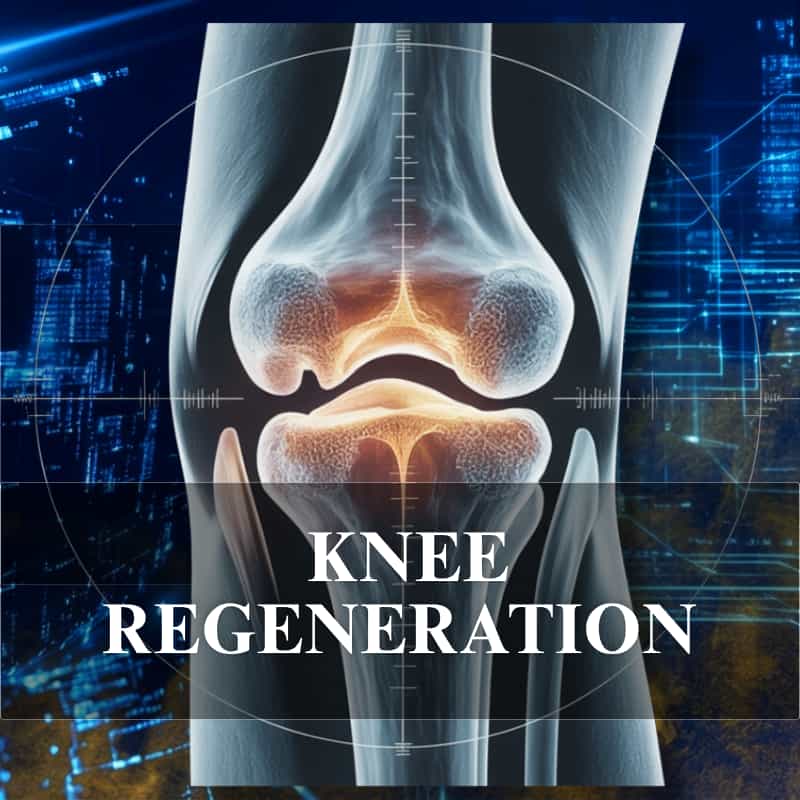
When these cells are processed and injected directly into the synovial capsule of the knee, they interact with the degraded tissue environment. The scientific goal is not necessarily to "regrow" an entirely new knee, but rather to halt the catabolic (breakdown) processes of osteoarthritis and stimulate the local microenvironment to repair damaged tissue. Advanced laboratories in Tokyo use proprietary techniques to maximize the viability and concentration of these cells prior to injection.
- Autologous Extraction: Utilizing the patient's own cells generally eliminates the risk of immune rejection.
- Paracrine Effect: Stem cells release growth factors that signal the body's natural repair mechanisms.
- Image-Guided Delivery: Ultrasound or fluoroscopy is typically used to ensure pinpoint accuracy during the injection.
Why Choose Medical Tourism in Japan for Joint Healing
The decision to pursue medical tourism in Japan is largely driven by the country's unparalleled commitment to technological precision, safety, and patient care. While many countries offer regenerative medicine, Japan’s heavily regulated environment ensures that only rigorously vetted laboratories and highly qualified medical professionals can handle stem cell processing. This regulatory safety net provides immense peace of mind for international travelers seeking complex medical interventions.
Furthermore, Ginza offers an ideal environment for medical travelers. Combining the highest standards of clinical hygiene with world-renowned Japanese hospitality (Omotenashi), patients experience a deeply respectful and attentive standard of care. The efficiency of the healthcare system here allows for rapid diagnostics, advanced cellular processing, and immediate treatment—ideal for patients who have limited time abroad.
The World Health Organization consistently ranks Japan's healthcare system among the top ten globally for overall efficiency, quality of care, and patient outcomes.
Affordable Knee Stem Cell Therapy Cost in Japan
When evaluating international options, understanding the cost of stem cell therapy in Japan is a vital step in the medical tourism journey. While not the cheapest destination globally, Japan offers highly competitive pricing when compared to the equivalent tier of premium, high-tech medical care found in North America or Western Europe. Patients are often willing to pay a moderate premium for the assured safety standards and cutting-edge laboratory techniques available in Tokyo.
The overall financial investment depends on the specific protocol utilized, the source of the stem cells (adipose vs. bone marrow), and whether the treatment includes additional regenerative boosters like Platelet-Rich Plasma (PRP). Below is a transparent overview comparing the estimated costs of these advanced treatments. Note: Costs are estimates and can vary based on individual medical requirements and currency fluctuations.
| Procedure Name | Average Cost in Japan (USD) | Cost Comparison (USA/UK Avg) |
|---|---|---|
| Adipose-Derived MSC Knee Injection | $7,500 - $9,500 | $12,000 - $15,000 |
| Bone Marrow Aspirate Concentrate (BMAC) | $6,500 - $8,500 | $10,000 - $14,000 |
| Cultured MSC Protocol (Elite Protocol) | $12,000 - $16,000 | $20,000 - $30,000+ |
| Supplemental PRP Integration | $800 - $1,500 | $1,500 - $2,500 |
The Elite 48-Hour Knee Stem Cell Protocol Explained
The hallmark of premium regenerative medicine in Tokyo is the highly efficient, expertly orchestrated 48-hour protocol. This streamlined process is designed specifically for international executives and medical tourists who require world-class care without prolonged disruption to their schedules. By integrating rapid diagnostics with state-of-the-art laboratory processing, patients undergo a seamless transition from consultation to treatment.
Typically, Day 1 involves a comprehensive joint assessment, MRI review, and the minimally invasive extraction of the biological material (usually from the abdominal fat or iliac crest). Overnight, specialized biotechnicians work in clean-room laboratories to isolate, wash, and concentrate the stem cells. On Day 2, the patient returns for the precise, image-guided reinjection of the purified cells directly into the affected knee joint, allowing them to rest and prepare for their journey home.
Arrive in Tokyo at least one full day before your Day 1 appointment. Giving your body time to recover from jet lag helps reduce systemic inflammation and ensures you are well-rested for the extraction procedure.
Ideal Candidates for Regenerative Knee Treatments in Tokyo
While the prospect of non-surgical joint repair is exciting, identifying the right candidates for stem cell clinics in Japan is crucial for achieving satisfactory outcomes. Thorough medical screening is an essential first step. Typically, the most responsive candidates are individuals suffering from mild to moderate osteoarthritis, partial ligament tears, or focal cartilage defects who have not found relief through conventional physical therapy or corticosteroid injections.
Conversely, patients with severe, late-stage "bone-on-bone" osteoarthritis may not experience significant benefits from cellular therapies, as there is insufficient cartilage matrix left to repair. Additionally, individuals with active systemic infections, certain blood disorders, or a recent history of cancer are generally contraindicated for stem cell protocols. A transparent medical evaluation is always necessary to set realistic expectations.
Stem cell therapy is not a universal cure for all joint ailments. Patients with advanced grade 4 osteoarthritis typically require surgical intervention (such as a total knee arthroplasty) and should rely on careful consultation with an orthopedic specialist rather than pursuing regenerative injections.
Benefits of Advanced Stem Cell Clinics in Japan
Choosing to undergo knee stem cell therapy in Japan offers unique advantages distinct from standard orthopedic practices. Foremost is the minimally invasive nature of the procedure. Because it relies on injections rather than surgical incisions, the risks associated with general anesthesia, major bleeding, and extensive hospital-acquired infections are significantly mitigated. Patients generally appreciate the swift transition from the clinic back to their accommodation.
Furthermore, Japanese clinics emphasize a holistic approach to joint health. Beyond the cutting-edge cellular processing, medical teams in Ginza frequently integrate advanced biomechanical assessments, nutritional guidance, and bespoke post-treatment physical therapy plans into their care models. This comprehensive perspective is designed to address not just the symptom of joint pain, but the underlying mechanical issues contributing to joint wear.
Preparing for Your Medical Travel to Ginza for Joint Therapy
Meticulous preparation is the key to a successful medical tourism in Japan experience. Prior to boarding your flight to Tokyo, it is imperative to coordinate closely with your chosen healthcare facilitation service. Patients must gather all relevant medical records, including recent high-resolution MRI scans (usually taken within the last six months) and detailed clinical histories, to allow the Japanese medical team to accurately pre-assess joint candidacy.
In addition to medical documentation, logistical preparation is essential. Ensure your passport is valid for at least six months and verify visa requirements based on your nationality; many travelers can utilize standard short-term visitor visas for outpatient protocols. It is also wise to arrange ground transportation that minimizes walking and stress on the knees immediately upon your arrival in the bustling metropolis.
Tokyo features an incredibly efficient and accessible public transport system, but many premium clinics in Ginza offer specific guidance on private, wheelchair-accessible car services for international patients undergoing joint therapies.
The Stem Cell Extraction and Injection Process in Japan
Understanding the clinical steps of the stem cell treatment for knees in Ginza helps demystify the procedure for anxious travelers. The process begins with the extraction phase, performed under local anesthesia. A physician will carefully harvest a small amount of adipose tissue (usually via a mini-liposuction procedure from the abdomen) or aspirate bone marrow from the pelvis. Most patients report feeling pressure rather than sharp pain during this step.
Once harvested, the tissue is immediately transported to the adjacent sterile laboratory. Here, biotechnicians utilize high-speed centrifugation and proprietary filtration techniques to isolate the highly concentrated mesenchymal stem cells. Within 24 to 48 hours, the patient returns for the final step: the injection. Guided by real-time ultrasound, the physician precisely delivers the concentrated cellular serum into the specific damaged compartments of the knee joint.
Recovery and Aftercare for Knee Stem Cell Therapy in Japan
Proper post-procedure aftercare is just as critical as the regenerative medicine in Tokyo itself. Immediately following the injection, patients are generally advised to rest and severely limit weight-bearing activities for the first 24 to 48 hours. Mild to moderate swelling, stiffness, and localized discomfort at both the extraction and injection sites are typical inflammatory responses that signal the beginning of the cellular healing cascade.
Doctors typically prohibit the use of Non-Steroidal Anti-Inflammatory Drugs (NSAIDs) like ibuprofen for several weeks post-treatment, as these medications can inadvertently blunt the required healing inflammation. Instead, patients are guided on using specific pain management alternatives and are gradually introduced to a structured physical therapy regimen aimed at restoring joint mobility and strengthening supporting musculature over the following months.
Pack comfortable, loose-fitting clothing that can easily roll up over the knee. Compression garments or a specialized knee brace may be provided by the clinic, and having flexible clothing will make travel and clinical visits much more manageable.
Understanding the Risks of Regenerative Medicine in Japan
As with any medical intervention, pursuing knee stem cell therapy in Japan involves inherent risks that must be transparently acknowledged. Although autologous treatments significantly reduce the risk of allergic reactions or tissue rejection, the procedures are not entirely risk-free. Commonly, most patients experience temporary localized pain, swelling, or minor bruising at both the harvest and injection sites.
Rarer complications can include localized infections, nerve irritation, or blood clots, though adherence to strict Japanese clinical hygiene standards minimizes these occurrences. Crucially, a significant risk is the possibility of non-response; some patients may undergo the full protocol and experience little to no improvement in their joint pain or function. Outcomes can never be guaranteed, making realistic expectations and proper medical screening essential.
The biological environment of the knee is largely avascular (lacking a heavy blood supply). This is why cartilage heals so poorly on its own, and why direct injection of regenerative cells is required to stimulate local repair mechanisms.
Success Rates and Long-Term Joint Health Expectations
Evaluating the long-term effectiveness of stem cell clinics in Japan requires a measured perspective. Clinical data suggests that candidates with mild to moderate joint degeneration typically report gradual, sustained improvements in pain reduction and joint mobility starting 4 to 12 weeks post-procedure. The biological repair process is gradual, often continuing for 6 to 12 months after the initial protocol.
While regenerative therapies have shown promise in delaying the need for invasive joint replacement surgeries for several years in responsive patients, it is not a permanent fountain of youth. Sustaining joint health long-term generally requires a commitment to lifestyle modifications, including maintaining a healthy body mass index (BMI), engaging in low-impact joint-strengthening exercises, and prioritizing anti-inflammatory nutrition.
Various international orthopedic studies suggest that approximately 70% to 80% of appropriately screened patients with mild to moderate osteoarthritis experience clinically significant pain reduction following autologous stem cell injections, though long-term durability continues to be studied.
Real Patient Experiences with Knee Stem Cell Therapy in Ginza
To truly grasp the impact of the cost of stem cell therapy in Japan and the overall patient journey, it is helpful to review summarized experiences from international travelers. These accounts highlight the typical timelines, recovery processes, and varied outcomes encountered by those who have navigated the elite 48-hour protocol.
These summaries reflect general patient experiences and highlight the importance of individual physiological responses to regenerative therapies.
Michael T., 54 (United States)
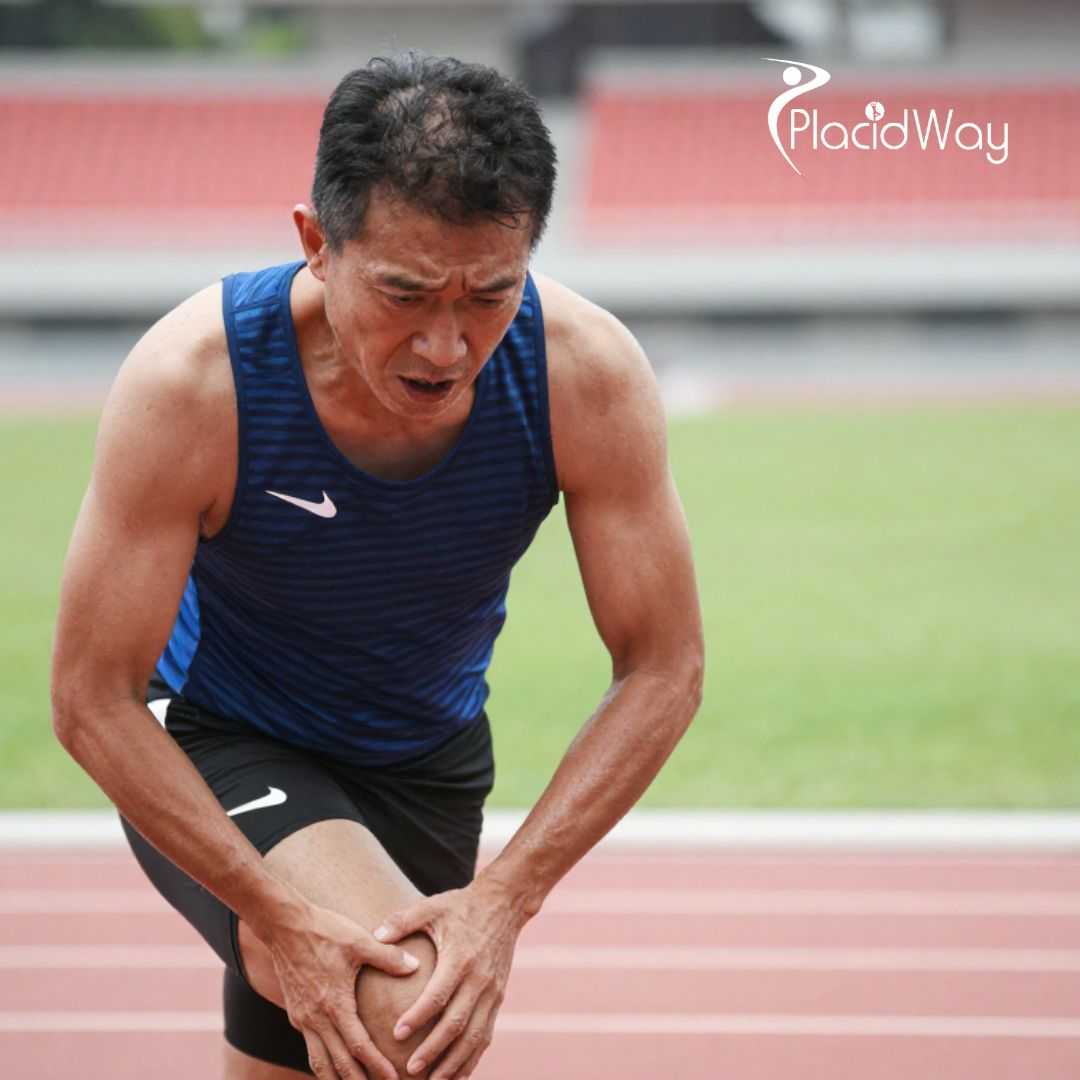
Struggling with chronic runner's knee, Michael traveled to Ginza for a rapid adipose-derived MSC protocol. He reported mild discomfort during the mini-liposuction but found the facility's professionalism outstanding. By month three, he noted a gradual decrease in morning stiffness and was able to resume light jogging.
Sarah L., 62 (Australia)
Facing a potential knee replacement, Sarah opted for a bone marrow aspirate concentrate (BMAC) procedure in Tokyo. She experienced swelling for the first week post-treatment. However, alongside diligent physical therapy upon returning home, she experienced significant pain relief by her six-month evaluation, successfully delaying surgical intervention.
David H., 48 (United Kingdom)
An avid skier with focal cartilage damage, David sought out an elite cultured MSC protocol. Impressed by the seamless 48-hour timeline, he appreciated how the Japanese medical staff explained every diagnostic step. He reported noticeable improvements in joint stability and a reduction in sharp joint pains after eight weeks.
Elena R., 68 (Canada)
Elena underwent stem cell injections for more advanced osteoarthritis. While she appreciated the exemplary clinical care in Ginza, her results were modest. She noted a reduction in daily pain but ultimately recognized that the structural damage to her knee still limits her ability to undertake strenuous physical activities.
How PlacidWay Assists Your Knee Stem Cell Medical Tourism Journey in Japan?
Navigating international healthcare systems requires careful planning, trusted connections, and reliable information. Embarking on medical tourism in Japan for advanced joint treatments is a significant decision, and organizing the clinical aspects from afar can feel overwhelming. PlacidWay is dedicated to bridging the gap between global patients and world-class regenerative medicine facilities.
By offering an integrated platform for medical travelers, PlacidWay ensures you have the necessary resources to make informed, confident healthcare choices. Here is how our facilitation services empower your medical journey to Tokyo:
- Providing comprehensive access to highly accredited regenerative medicine facilities in Japan.
- Facilitating secure and direct transfer of medical records and MRI scans for pre-travel clinical evaluations.
- Assisting with transparent cost estimates and procedure comparisons across different international destinations.
- Helping patients coordinate virtual consultations with top-tier medical specialists prior to making commitments.
- Delivering objective educational resources regarding procedure expectations, candidacy requirements, and safety protocols.
Frequently Asked Questions (FAQ)
The cost typically ranges from $7,500 to $12,000 depending on the type of cell extraction and processing required. This is often more affordable compared to similar high-tier regenerative treatments in the United States.
The core medical procedure is completed over two consecutive days, encompassing consultation, extraction, lab processing, and the final injection. However, international patients should plan to stay a few extra days for initial rest and follow-up evaluations.
Most patients experience only mild discomfort during the extraction and injection phases, as local anesthesia is utilized. Post-procedure soreness is common but generally subsides within a few days.
For a short 48-hour outpatient procedure, many international travelers can use a standard tourist visa, depending on their country of origin. However, a specific medical stay visa is available for longer recovery periods or extensive treatments.
No medical procedure can guarantee results. Outcomes vary widely based on the patient's age, the severity of joint degeneration, and adherence to post-care physical therapy guidelines.
While patients are typically able to walk out of the facility, doctors generally advise minimizing weight-bearing activities for the first 24 to 48 hours. Using crutches or a knee brace may be recommended initially.
Clinics typically utilize autologous mesenchymal stem cells (MSCs) harvested from the patient’s own adipose (fat) tissue or bone marrow. These cells are preferred due to their regenerative potential and low risk of immune rejection.
Japan has some of the strictest regenerative medicine laws in the world, ensuring high standards of laboratory safety and cell processing. While safe, patients must still be aware of standard procedural risks like localized infection or swelling.
Patients typically begin to notice improvements in pain and mobility within 4 to 12 weeks post-procedure. The cellular repair process continues internally for up to a year following the initial treatment.
Yes, targeted physical therapy is strongly recommended once the initial healing phase is complete. A guided rehabilitation program helps strengthen the surrounding muscles and supports the regenerating joint.
Ready to explore advanced regenerative medicine options in Japan? Let PlacidWay guide your journey to better joint health.
References
- World Health Organization (WHO). World Health Systems Performance. https://www.who.int/publications/i/item/9789240042476
- National Center for Biotechnology Information (NCBI). Mesenchymal Stem Cells in Knee Osteoarthritis Treatment https://pmc.ncbi.nlm.nih.gov/articles/PMC7640936/
- Mayo Clinic. Stem cell therapy: What it is and what it does. https://www.mayoclinic.org/tests-procedures/bone-marrow-transplant/in-depth/stem-cells/art-20048117
- Nature. Japan’s Stem-Cell Rules https://www.nature.com/articles/4601068a
- International Society for Cellular Therapy (ISCT). Regulatory Guidelines for Cell Therapy in Asia https://lms.isctglobal.org/catalog


.png)



.png)
.png)
.png)
.png)

.png)
-(6).png)








Share this listing