



For thousands of seniors across the United Kingdom, chronic knee pain is a daily reality that severely restricts mobility, independence, and overall quality of life. Osteoarthritis and joint degeneration do not pause while you wait for medical care. Unfortunately, the current landscape of the National Health Service (NHS) presents a daunting challenge, with joint replacement waitlists stretching from several months to well over a year. As the pain intensifies and mobility diminishes, waiting is simply no longer a viable option.
Faced with exorbitant costs for private healthcare within the UK, a rapidly growing number of proactive UK seniors are looking beyond their borders. They are discovering that medical tourism in Turkey offers a life-changing alternative. By choosing a robotic knee replacement in Istanbul, Turkey, or other major Turkish cities, patients are bypassing agonizing delays and accessing some of the most advanced orthopedic care in the world.
This article explores the seven compelling reasons why UK seniors are confidently packing their bags for Turkey, trading endless NHS waitlists for state-of-the-art robotic joint reconstruction, VIP medical packages, and a swift return to an active, pain-free life.
1. Bypassing Unbearable and Deteriorating NHS Waitlists
The most immediate catalyst driving UK seniors toward international healthcare is the unprecedented backlog within the NHS. When diagnosed with severe knee osteoarthritis requiring surgical intervention, patients are often placed on a waiting list that can extend from 12 to 24 months, depending on the regional trust. During this prolonged waiting period, joint degeneration continues to worsen.
Prolonged immobilization due to knee pain leads to muscle atrophy, weight gain, and cardiovascular decline, making the eventual surgery riskier and the rehabilitation harder. Furthermore, the constant reliance on strong painkillers to manage daily agony takes a significant toll on digestive health and overall well-being. By opting for treatment abroad, patients take control of their health timeline. In Turkey, consultations, preoperative assessments, and the surgery itself can be scheduled within a matter of weeks, halting the cycle of pain and physical decline immediately.
"Delaying joint replacement surgery does not merely mean living with pain longer; it actively compromises the surrounding musculoskeletal structure. Prompt intervention preserves bone stock and muscle tone, directly contributing to a smoother and faster postoperative recovery."
2. Access to Cutting-Edge Robotic Technology
While the NHS provides excellent standard care, access to advanced robotic-assisted surgery is highly limited and often reserved for complex cases or specific research hospitals. In contrast, medical tourism hubs in Turkey have heavily invested in the latest orthopedic technologies, making robotic knee replacements the standard of care for international patients.
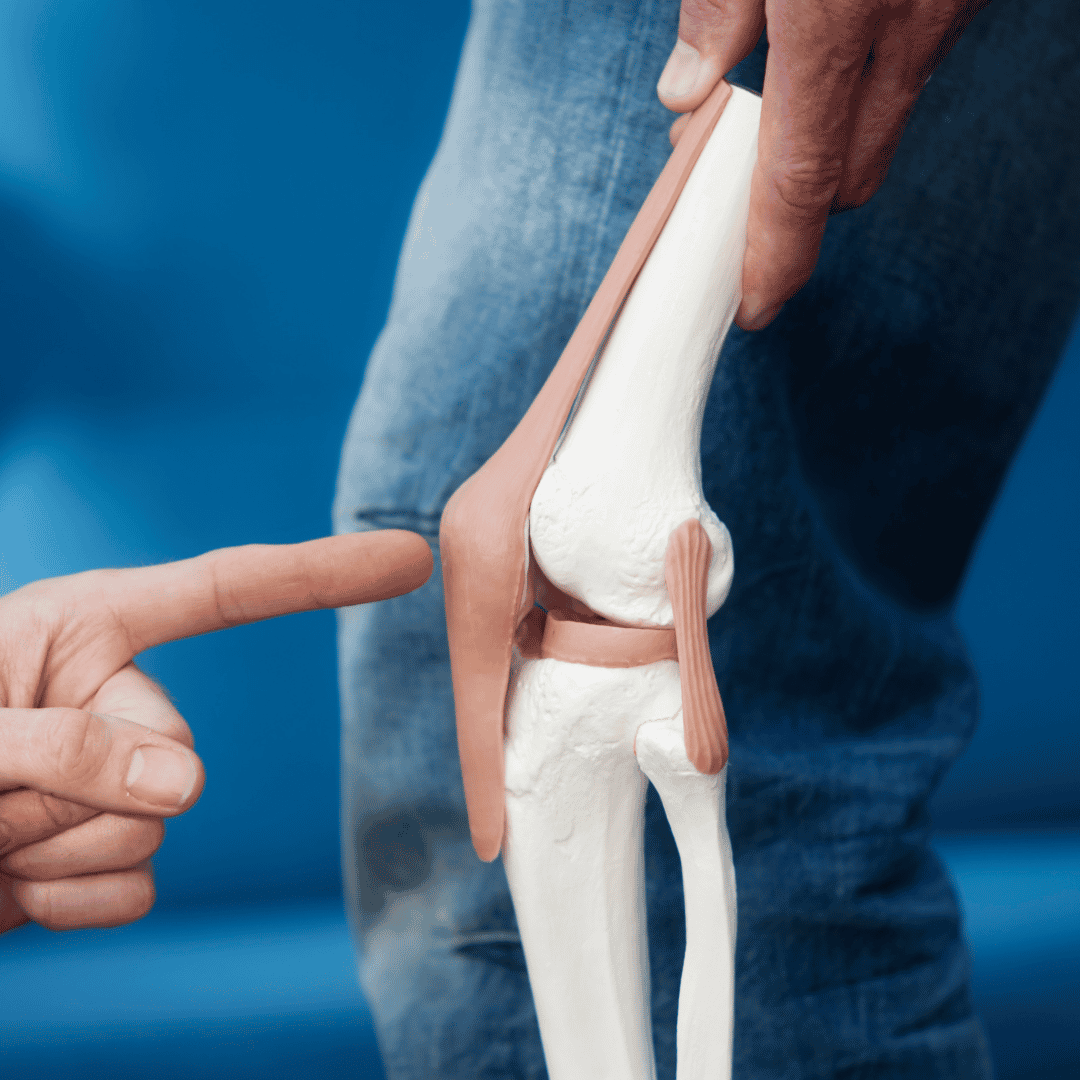
Systems like MAKOplasty and ROSA Knee function by utilizing a 3D CT scan of the patient's unique knee anatomy. This allows the surgeon to create a highly personalized preoperative surgical plan. During the procedure, the robotic arm assists the surgeon by providing real-time tactile, visual, and auditory feedback. The robot creates a "haptic boundary," ensuring the surgeon removes only the diseased bone and preserves the maximum amount of healthy tissue and surrounding ligaments.
For a UK senior, this translates to profound benefits:
- Millimeter Precision: The implant is aligned with absolute accuracy, reducing wear and tear and extending the lifespan of the artificial joint.
- Less Invasive: Smaller incisions and reduced soft tissue trauma mean less postoperative pain.
- Faster Rehabilitation: Patients often stand and take steps within hours of the surgery, a crucial factor for seniors traveling abroad who wish to return home quickly.
Robotic-assisted knee replacements result in a more natural-feeling joint. Because the ligaments are perfectly balanced using real-time computer data during the surgery, patients frequently report that they forget they even have an artificial knee.
3. Substantial Cost Savings for Premium Private Care
If a UK patient attempts to escape the NHS waitlist by seeking private care domestically, they are met with staggering costs. A traditional knee replacement in a UK private hospital can easily exceed £12,000 to £15,000. If robotic assistance is requested, the price climbs even higher, making it financially out of reach for many pensioners living on fixed incomes.
This is where the financial logic of traveling becomes undeniable. The robotic knee replacement cost in Istanbul Turkey is typically a fraction of the UK private sector price. Generally, patients can expect to save between 50% and 70%, even when factoring in flights, accommodation, and premium hospital care. The lower cost is not a reflection of lower quality, but rather the result of favorable exchange rates, lower local administrative costs, and government subsidies designed to boost the medical tourism sector.
| Feature / Location | UK Private Healthcare | Private Healthcare in Turkey |
|---|---|---|
| Estimated Procedure Cost | £12,000 - £16,000+ | £6,000 - £8,500 (Package) |
| Wait Time | Immediate to 1 month | Immediate (Scheduled at your convenience) |
| Inclusions | Surgery and hospital stay only | Surgery, hotel, transfers, rehab, implants |
4. Highly Skilled and Internationally Trained Orthopedic Specialists
A common and understandable concern for any senior traveling abroad for surgery is the expertise of the medical professional holding the scalpel. However, the caliber of surgeons in Turkey routinely exceeds expectations. When seeking a robotic knee replacement specialist in Istanbul, Turkey, patients find professionals who possess world-class credentials.
Many of the leading orthopedic surgeons in Turkey have completed extensive fellowships in the United States, the United Kingdom, or Germany. They are active members of prestigious international boards such as the American Academy of Orthopaedic Surgeons (AAOS) or the European Society of Sports Traumatology, Knee Surgery and Arthroscopy (ESSKA). Because medical tourism in Turkey brings in a high volume of global patients, these specialists perform hundreds of robotic joint replacements annually. This sheer volume of experience translates to refined surgical techniques, an intuitive understanding of the robotic interfaces, and a significantly lower rate of surgical complications compared to surgeons who only perform the procedure occasionally.
Due to the high influx of medical tourists, a specialized orthopedic surgeon in Turkey may perform up to three times as many robotic joint replacements in a single year as their equivalent counterpart in a standard European public hospital.
5. World-Class Healthcare Infrastructure and Accreditation
The medical infrastructure in Turkey has undergone a massive transformation over the last two decades. For UK seniors accustomed to aging NHS facilities, the hospitals in Turkey are often a revelation. Seeking out robotic knee replacement clinics in Izmir, Turkey, or Istanbul introduces patients to sprawling, ultra-modern medical campuses that look and feel more like five-star hotels than clinical institutions.
Crucially, the top hospitals catering to international patients hold Joint Commission International (JCI) accreditation. This is the gold standard for global healthcare quality. JCI accreditation ensures that the hospital adheres strictly to international protocols regarding patient safety, infection control, anesthesia administration, and emergency preparedness. Operating theaters are equipped with advanced HEPA filtration systems to minimize infection risks—a vital consideration for joint replacement surgery where infection prevention is paramount.
Patients are accommodated in private, en-suite recovery rooms designed with comfort in mind, featuring smart beds, entertainment systems, and ample space for an accompanying spouse or family member to stay comfortably.
6. Comprehensive VIP All-Inclusive Packages
The logistics of traveling abroad for major surgery can seem daunting, especially for senior citizens. Turkey has masterfully solved this through the creation of comprehensive, all-inclusive medical packages. The goal is to remove all logistical stress from the patient, allowing them to focus 100% of their energy on healing and physical therapy.
From the moment you land, you are guided. A typical package for a robotic knee replacement in Turkey includes:
- VIP Airport Transfers: Private, wheelchair-accessible vehicles collect you from the airport and transport you seamlessly between the hotel and the hospital.
- Luxury Accommodation: Stays in partnered 4- or 5-star hotels located close to the clinic, ensuring comfort for both you and your traveling companion.
- Pre-Operative Diagnostics: All necessary blood tests, ECGs, X-rays, and 3D CT scans required for the robotic mapping.
- The Surgical Procedure: Surgeon fees, anesthesiologist fees, operating theater costs, and the premium FDA-approved titanium/polyethylene knee implant.
- In-Patient Hospital Stay: Typically 3 to 5 nights in a private room with 24/7 nursing care.
- Dedicated Patient Host: A fluent English-speaking coordinator who translates, handles paperwork, and acts as your personal advocate throughout the stay.
- Initial Physical Therapy: Post-operative physiotherapy sessions initiated right in your hospital bed to ensure safe mobilization before you fly home.
"Stress directly impedes the body's healing processes by elevating cortisol levels. The true value of an all-inclusive medical package is that it completely insulates the patient from logistical anxieties, creating an optimal psychological environment for rapid physical recovery."
7. Combining Recovery with a Restful Retreat
Recovering from orthopedic surgery requires rest, positivity, and a supportive environment. The dreary weather and immediate plunge back into household responsibilities in the UK can make the initial weeks of recovery tough. By contrast, choosing to recover in Turkey allows UK seniors to experience a "healing holiday."
Cities like Antalya, Izmir, and Istanbul offer mild climates, stunning coastlines, and a serene atmosphere. Once discharged from the hospital, patients typically spend an additional 7 to 10 days in a luxury hotel recovering. During this time, they engage in prescribed physical therapy, enjoy nutritious Mediterranean cuisine, and relax in a tranquil environment without the burden of cooking or cleaning. The warm weather is particularly beneficial for healing joints, and the change of scenery provides a massive psychological boost, making the challenging early days of rehabilitation feel much more manageable.
Ready to Reclaim Your Mobility? Let PlacidWay Guide Your Journey
You do not have to accept a life restricted by pain, nor do you have to wait years for the care you deserve. Navigating international medical travel may seem overwhelming, but you do not have to do it alone. PlacidWay is your trusted partner in medical tourism, connecting UK seniors with the most prestigious, internationally accredited hospitals and highly specialized orthopedic surgeons in Turkey.
Our dedicated team ensures your safety and peace of mind by rigorously vetting healthcare providers, coordinating comprehensive all-inclusive packages, and providing ongoing support from your first inquiry until you return home with a renewed stride. Don't let the NHS waitlist dictate your quality of life. Take the first step toward a pain-free future today.
Get Free Quote
.png)














Share this listing