

Living with relentless sciatic nerve pain or a ruptured disc can dictate every aspect of your life, making you seek reliable and effective spine solutions abroad. By exploring minimally invasive herniated disc surgery in Turkey, you gain access to world-class endoscopic and microdiscectomy procedures at significantly lower costs compared to North America or the UK. This comprehensive guide will help you confidently navigate the medical tourism landscape, detailing exactly how to evaluate hospital Ministry of Health licenses, verify surgeon board certifications, and plan a safe, structured recovery pathway.
Quick Summary: Spine Surgery in Turkey
- Estimated Cost: Typically ranges between $4,500 and $8,000 USD, depending on the specific technique (endoscopic vs. microscopic) and clinic inclusions.
- Safety & Certifications: Always prioritize facilities licensed by the Turkish Ministry of Health (Sa?l?k Bakanl???) and surgeons certified by the Turkish Neurosurgical Society.
- Ideal Candidate: Patients suffering from persistent radiating leg pain, numbness, or weakness due to a confirmed herniated disc that has not responded to conservative treatments.
- Recovery Time: Most patients walk within hours after surgery, with return to light desk work in 2 to 4 weeks, depending on individual healing.
- Why Patients Choose Turkey: Access to advanced spinal navigation technology, highly experienced neurosurgeons, and comprehensive care packages without long waiting lists.
- Important Caution: Never finalize your treatment without a virtual consultation to ensure the surgeon confirms your specific MRI results and diagnostic needs.
Understanding the Appeal of Minimally Invasive Herniated Disc Surgery in Turkey
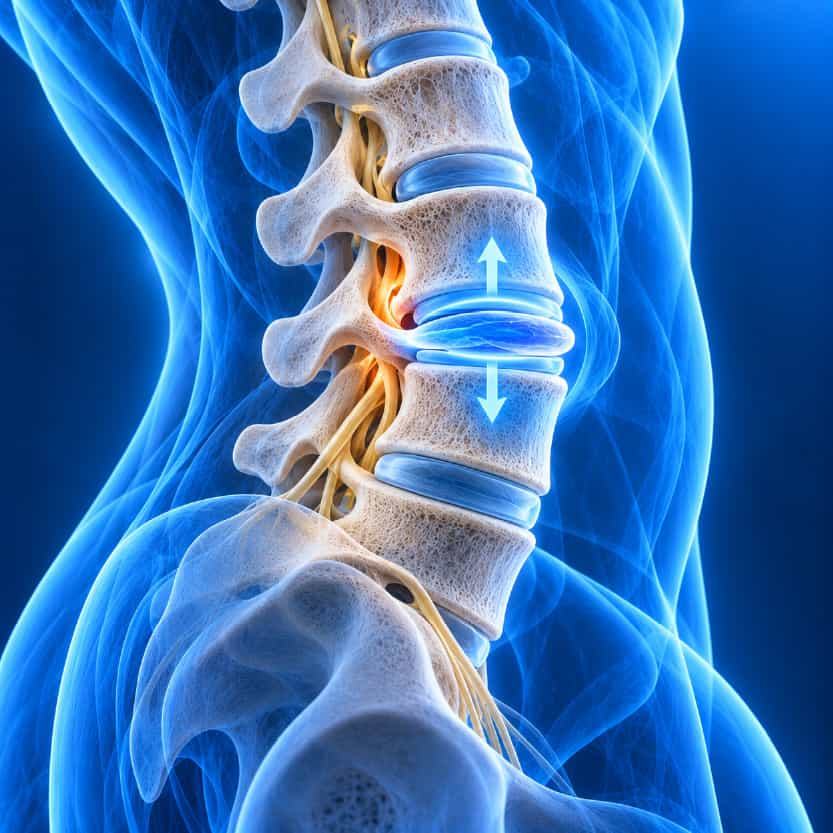
Severe disc herniation occurs when the soft inner core of a spinal disc pushes out through its tough exterior, placing intense pressure on nearby spinal nerves. Patients worldwide frequently travel to Turkish medical centers to resolve this debilitating condition through minimally invasive techniques rather than traditional open surgery. These modern approaches utilize tiny incisions and specialized instruments, preserving muscle tissue and dramatically reducing postoperative pain.
Choosing to undergo a complex medical procedure abroad is a major life decision that requires careful clinical consideration. International patients consistently select Turkish spine centers due to a unique combination of regulatory oversight, highly trained surgical specialists, and state-of-the-art medical infrastructure.
- Avoidance of six-to-twelve-month wait times in nationalized healthcare systems (like the NHS or Canadian Medicare).
- Financial accessibility compared to out-of-pocket costs in the United States.
- Availability of highly specialized endoscopic spine techniques not offered in all regional hospitals.
- Access to comprehensive recovery programs that combine surgery, physiotherapy, and post-operative monitoring.
- Surgeons who often hold international fellowships and possess high annual case volumes.
When researching this treatment pathway, it is crucial to understand the demographics of medical travelers and the clinical success rates driving this trend. Documented healthcare data indicates a steady influx of international patients specifically seeking neurosurgical interventions.
Types of Minimally Invasive Herniated Disc Surgery in Turkey
Turkish neurosurgical departments primarily offer two advanced methodologies to treat lumbar or cervical disc herniations. Both techniques aim to remove the herniated disc material compressing the nerve, but they differ slightly in surgical execution.
Your treating surgeon will recommend the specific procedure based on your MRI results, the exact location of the herniation, and the anatomy of your spinal canal. It is vital to understand that both procedures require general or specialized local anesthesia and precision visualization tools.
| Surgical Technique | Clinical Description | Typical Incision Size |
|---|---|---|
| Microdiscectomy | Utilizes a high-powered operating microscope to visualize the nerve root and disc. Muscles are gently retracted rather than cut. | 1 to 2 inches (2.5 - 5 cm) |
| Endoscopic Discectomy | Uses a thin tube (endoscope) equipped with a tiny camera inserted through a highly localized puncture. Tissue disruption is minimal. | Less than 0.5 inches (7 - 10 mm) |
While endoscopic procedures offer the smallest possible incision, microdiscectomy remains the gold standard for many complex herniations. Turkish hospitals are fully equipped with the specialized optical technology required for both interventions, allowing surgeons to adapt to your specific anatomical needs.
Evaluating Patient Demographics and Clinical Outcomes in Turkey
The profile of patients traveling to Turkey for neurosurgery has evolved significantly over the past three years. Recent 2024 healthcare travel data indicates that the average patient seeking spinal intervention is between 35 and 55 years old, a demographic largely driven by sports injuries, occupational strain, or early-onset degenerative disc disease.
Clinical data from Turkish registries published in early 2025 demonstrates a strong upward trajectory in the utilization of minimally invasive techniques over traditional open surgeries. This shift reflects both advancements in medical training and growing patient demand for muscle-sparing procedures.
This rising volume highlights a growing confidence among international patients in the safety protocols and surgical competence found within the Turkish healthcare ecosystem. Patients are no longer traveling solely for medical necessity; they are traveling to optimize their recovery and quality of life.
Determining Your Eligibility for Minimally Invasive Herniated Disc Surgery
Not every patient experiencing back pain is a suitable candidate for minimally invasive herniated disc surgery in Turkey. This procedure specifically targets radicular pain—pain that radiates down the leg or arm—caused by physical nerve compression. General mechanical back pain without nerve involvement typically requires different treatment modalities.
Surgeons in Turkey follow strict international clinical guidelines before approving a patient for surgical intervention. You will need to provide recent diagnostic imaging, primarily an MRI scan performed within the last three to six months, for the surgical team to evaluate.
- You have a confirmed MRI diagnosis of a herniated, bulging, or ruptured disc.
- You experience sciatica, leg weakness, numbness, or tingling.
- You have attempted conservative treatments (physical therapy, epidural injections, medications) for at least 6 weeks without significant relief.
- You do not have severe spinal instability, extensive structural deformities, or active spinal infections.
- You are in good general health to undergo anesthesia safely.
If you experience sudden loss of bowel or bladder control, this indicates a medical emergency known as Cauda Equina Syndrome. In such rare instances, you must seek immediate emergency surgical care in your home country rather than attempting international travel.
Cost of Minimally Invasive Herniated Disc Surgery in Turkey
The financial aspect of medical travel is a primary motivator for patients seeking treatment in Turkey. The cost of minimally invasive herniated disc surgery in Turkey is highly competitive, often saving patients up to 60% compared to private healthcare rates in North America or Western Europe. These savings are due to lower operational costs, favorable exchange rates, and government support for the medical tourism sector.
When reviewing treatment quotes, it is crucial to understand that prices vary based on the specific hospital's tier, the surgeon’s experience level, the surgical technique utilized, and what is included in the treatment package. Below is an estimated breakdown of treatment costs.
| Surgical Procedure | Estimated Cost (USD) |
|---|---|
| Lumbar Microdiscectomy | $4,500 - $6,500 |
| Endoscopic Discectomy | $5,500 - $8,000 |
| Cervical Discectomy (Without Fusion) | $5,000 - $7,000 |
Most reputable clinics in Turkey offer all-inclusive medical packages. These packages typically cover the surgical fees, hospital stay, pre-operative testing, airport transfers, and sometimes hotel accommodations. Always request a transparent, itemized written quote before making any financial commitments.
Cost Comparison: Turkey vs. Global Alternatives
To fully grasp the financial viability of traveling for spine care, it is helpful to compare the average out-of-pocket costs across different international healthcare markets. The figures below represent average procedural costs without insurance coverage.
| Country | Estimated Procedure Cost (USD) |
|---|---|
| United States | $20,000 - $35,000+ |
| United Kingdom (Private) | $12,000 - $18,000 |
| Canada (Private) | $15,000 - $20,000 |
| Turkey | $4,500 - $8,000 |
While the initial cost is substantially lower, patients must factor in the price of flights, visas, and potential complications insurance. Even with these additional travel expenses, the overall financial burden remains remarkably lower for patients seeking minimally invasive herniated disc surgery in Turkey.
Selecting the Right Hospital for Minimally Invasive Spine Surgery in Turkey
Your safety and surgical outcome depend heavily on the facility where your procedure takes place. Turkey boasts a robust healthcare infrastructure with many hospitals specifically tailored to international medical travelers. However, standards can vary, making rigorous vetting essential.
Do not base your decision solely on website aesthetics or promotional pricing. Instead, focus strictly on the hospital's regulatory licensing and clinical capabilities.
- Ministry of Health License: The facility must be officially licensed by the Turkish Ministry of Health (Sa?l?k Bakanl???).
- International Health Tourism Authorization: The hospital must hold a specific certificate from the government allowing them to treat foreign patients.
- National Accreditation (TUSKA): Look for accreditation from the Turkish Healthcare Quality and Accreditation Institute.
- Intensive Care Unit (ICU): Ensure the hospital has an on-site, fully equipped ICU in case of rare surgical emergencies.
- JCI Accreditation: While not legally required, Joint Commission International accreditation is a strong indicator of rigorous patient safety protocols.
Furthermore, inquire about the hospital's dedicated international patient department. Reputable hospitals employ full-time medical coordinators and in-house interpreters who assist with translation, discharge instructions, and seamless communication with the surgical team.
How to Verify a Spine Surgeon's Credentials in Turkey
The skill and experience of your neurosurgeon or orthopedic spine specialist are the most critical factors in the success of your minimally invasive herniated disc surgery. In Turkey, medical education is rigorous, and specialist training takes many years to complete.
You have the right to request your surgeon's full curriculum vitae before agreeing to treatment. A highly qualified surgeon should be entirely transparent about their education, fellowship training, and annual surgical volume.
What to Look For in a Surgeon:
- Active registration with the Turkish Medical Association (Türk Tabipleri Birli?i).
- Board certification or active membership in the Turkish Neurosurgical Society (Türk Nöro?irürji Derne?i).
- Specific fellowship training or extensive clinical focus in minimally invasive spine surgery.
- A high volume of procedures, ideally performing more than 100 spine surgeries annually.
- Willingness to conduct a thorough pre-operative video consultation with you.
Avoid any clinic that refuses to disclose the name of your attending surgeon until you arrive in the country. Direct communication with your designated specialist builds trust and ensures your specific medical needs are thoroughly understood before travel.
The Step-by-Step Treatment Process in Turkey
Traveling for medical care involves a highly structured process designed to ensure patient safety at every stage. Reputable Turkish clinics utilize a coordinated pathway that begins long before you board your flight.
The journey starts with a remote medical evaluation. You will send your recent MRI imaging and medical history to the clinic, where the neurosurgeon will review your case to determine if minimally invasive surgery is biologically appropriate for your condition.
- Day 1 (Arrival): VIP airport pickup and transfer to your hotel or directly to the hospital for initial blood tests.
- Day 2 (Pre-op & Surgery): Comprehensive physical examination, anesthesiology clearance, and the surgical procedure.
- Day 3 (Hospital Recovery): Post-operative monitoring, initial mobilization with a physical therapist, and pain management.
- Days 4-7 (Hotel Recovery): Discharge to your hotel, follow-up consultations, wound checks, and final clearance to fly.
This timeline ensures that you are closely monitored during the critical early stages of healing. Your surgical team will provide detailed post-operative guidelines before approving your return flight.
Recovery Expectations and Post-Operative Care
One of the primary advantages of minimally invasive herniated disc surgery is the accelerated recovery timeline. Because the surgeon avoids cutting major back muscles, patients experience significantly less surgical trauma compared to traditional open discectomy.
Most patients are encouraged to stand and walk within just a few hours after waking up from anesthesia. Early mobilization is a key component of modern clinical guidelines to prevent blood clots and encourage spinal mobility.
| Timeframe | Biological Progress | Patient Activity Level |
|---|---|---|
| 24 to 48 Hours | Initial wound healing begins. Acute nerve decompression is achieved. | Short walks. Avoid bending, lifting, or twisting (BLT rule). |
| 1 to 2 Weeks | Soft tissue inflammation subsides. Incision site closes externally. | Gradual increase in walking distance. Clearance for international flights. |
| 4 to 6 Weeks | Nerve root continues to heal and regenerate. | Return to desk jobs and light duties. Physical therapy begins. |
| 12+ Weeks | Complete structural stabilization of the surgical site. | Return to sports, heavy lifting, and demanding physical labor (with doctor approval). |
While the sciatic leg pain often disappears almost immediately after surgery, you may experience temporary numbness or tingling in the leg as the irritated nerve root heals over several weeks. Consistent physical therapy, once cleared by your surgeon, is vital for strengthening the core muscles supporting your spine.
Potential Risks and Complications of Spine Surgery
All surgical interventions carry inherent risks, regardless of how minimally invasive the technique may be or where the procedure is performed. As a patient, you must be fully informed of these potential complications to make an educated healthcare decision.
During your pre-operative consultation, your Turkish neurosurgeon will explain the clinical risks specific to your anatomy. The most common complication associated with herniated disc surgery is re-herniation, which can occur in a small percentage of patients within the first few months.
- Infection: A risk in any surgery, managed with sterile operating environments and prophylactic antibiotics.
- Dural Tear: A leak of cerebrospinal fluid that may require repair during the operation and extended bed rest.
- Nerve Damage: Rare, but potential injury to the nerve root causing weakness or altered sensation.
- Bleeding or Blood Clots: Mitigated by early mobilization and careful surgical technique.
To minimize these risks, strictly adhere to your post-operative instructions, particularly the rule against bending, lifting, and twisting. If you experience fever, severe worsening pain, or new weakness after returning home, you must seek medical evaluation immediately.
Logistics: Travel, Visas, and Health Preparations
Preparing for medical travel involves coordinating both healthcare and logistics. Turkey is highly accessible for international patients, with major airports in Istanbul, Ankara, and Izmir serving hundreds of direct global flights daily.
Depending on your nationality, you may require an e-Visa to enter Turkey. This process is generally swift and can be completed online prior to your departure. Ensure your passport is valid for at least six months from your date of entry.
Pre-Travel Checklist
- Obtain physical copies of your MRI scans (on CD/USB) and medical reports.
- Arrange medical complications travel insurance.
- Pack loose, comfortable clothing and slip-on shoes for post-surgery comfort.
- Inform your local primary care physician of your surgical plans abroad.
Flying After Surgery
- Request wheelchair assistance at the airport to avoid prolonged standing.
- Walk in the airplane aisle periodically to prevent deep vein thrombosis (DVT).
- Wear compression socks during your return flight.
- Ensure you have enough prescribed pain medication for the journey home.
Most spine surgeons in Turkey require international patients to remain in the country for at least 5 to 7 days post-surgery. This buffer ensures you are biologically stable, your wound is healing appropriately, and you are fit for the pressurization of commercial air travel.
How PlacidWay Can Support Your Medical Journey
Navigating international healthcare options, evaluating hospital credentials, and comparing complex medical quotes can be overwhelming for patients already dealing with severe chronic pain.
PlacidWay Medical Tourism assists international patients by providing transparent access to vetted healthcare providers, detailed cost comparisons, and essential logistical support, ensuring you make informed, confident decisions regarding your spine care.
Ready to Explore Spine Surgery Options in Turkey?
Connect with top-rated neurosurgeons, request a free MRI review, and receive customized treatment quotes.
Request Information NowFrequently Asked Questions About Spine Surgery in Turkey
Is minimally invasive herniated disc surgery painful?
Because the surgery avoids large muscle incisions, post-operative pain is typically localized and manageable with prescribed oral medications. Most patients report immediate relief from the severe sciatic nerve pain they experienced prior to the operation.
How long do I need to stay in Turkey for microdiscectomy surgery?
International clinical protocols generally require a stay of 6 to 8 days in Turkey. This includes one day for pre-operative testing, 1 to 2 nights in the hospital, and several days resting at a hotel for follow-up wound checks before flying home.
Can a herniated disc heal without surgery?
Yes, many herniated discs resolve over several months through conservative care such as physical therapy and epidural injections. Minimally invasive surgery is usually only recommended when these non-surgical methods fail to provide relief after 6 to 8 weeks.
What is the success rate of endoscopic spine surgery in Turkey?
Clinical literature suggests that minimally invasive discectomy procedures have success rates between 85% and 90% for relieving radicular leg pain. However, individual outcomes depend heavily on patient anatomy and post-operative care compliance.
Do surgeons in Turkey speak English?
Top neurosurgeons operating in internationally certified hospitals in Turkey are highly proficient in English. Additionally, reputable clinics provide dedicated bilingual patient coordinators who accompany you throughout all medical consultations.
Will I need general anesthesia for a microdiscectomy?
Microdiscectomy is typically performed under general anesthesia to ensure you are completely still and comfortable. Some highly specialized endoscopic procedures may be performed using conscious sedation and local anesthesia, depending on the surgeon's protocol.
How do I send my MRI to a clinic in Turkey?
You can upload your DICOM-format MRI files to secure, encrypted cloud transfer services provided by the medical clinic or facilitator. The neurosurgical team will review these digital images to assess your surgical eligibility remotely.
Is medical travel insurance available for spine surgery abroad?
Yes, several specialized insurance providers offer medical complications insurance for medical tourists. This coverage is highly recommended as it helps protect you financially in the rare event that unexpected post-operative complications arise.
When can I return to work after minimally invasive spine surgery?
Patients with desk jobs can typically return to work within 2 to 4 weeks, provided they have an ergonomic setup. Those with physically demanding jobs involving lifting or vibration may require 3 to 6 months of recovery before returning safely.
What happens if my disc re-herniates after surgery?
While re-herniation occurs in a small minority of cases, it can often be treated conservatively. If symptoms are severe, revision surgery may be recommended. Discuss the clinic’s revision policy and guarantees prior to traveling.
Disclaimer: This information is for educational purposes only and does not replace professional medical advice. Always consult a qualified healthcare provider before making medical decisions.
References
- Low Back Pain Fact Sheet – World Health Organization (WHO)
- Healthcare Regulations and Licensing – Republic of Turkey Ministry of Health
- Guidelines for Minimally Invasive Spine Procedures – International Society for the Advancement of Spine Surgery (ISASS)
- Surgeon Certification Standards – Turkish Neurosurgical Society
- National Healthcare Accreditation Data – Turkish Healthcare Quality and Accreditation Institute (TUSKA)
- Microdiscectomy Spine Surgery Overview – American Academy of Orthopaedic Surgeons (AAOS)
- Clinical Outcomes of Endoscopic Spine Surgery – National Center for Biotechnology Information (NCBI)


























Share this listing