


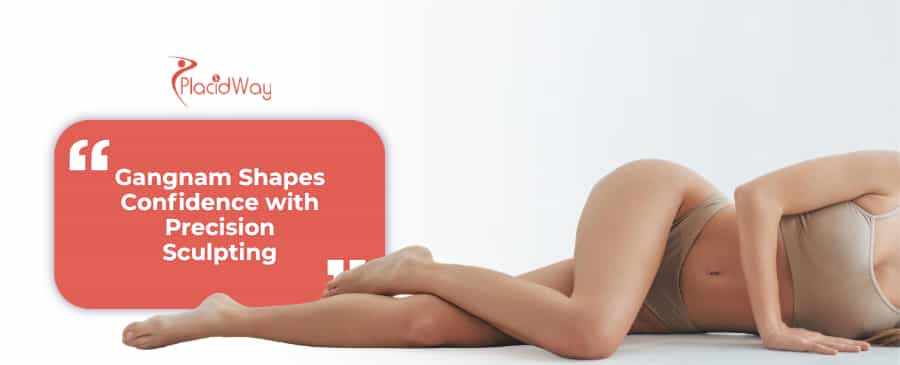
South Korea has emerged as a premier destination for individuals seeking advanced cosmetic enhancements, particularly for body contouring procedures. The nation is globally recognized for its state-of-the-art medical technology and highly skilled practitioners who specialize in aesthetic medicine. International patients increasingly choose liposuction in South Korea to target stubborn fat deposits that do not respond to traditional diet and exercise routines. The country's commitment to continuous medical innovation creates an environment where modern surgical techniques consistently flourish.
The Gangnam district in Seoul is at the epicenter of this healthcare revolution, offering an unparalleled standard of clinical excellence. Facilities in this region are heavily regulated, ensuring that international medical standards are meticulously upheld to protect every patient. By combining deep aesthetic expertise with stringent safety protocols, medical tourism in South Korea continues to expand rapidly across the globe. Most patients experience a highly organized, supportive journey from their initial consultation through their final recovery stages.
South Korea hosts hundreds of thousands of international medical tourists annually, with aesthetic and cosmetic procedures consistently ranking among the top three reasons for medical travel to Seoul.
- Access to highly specialized, board-certified aesthetic medical professionals.
- Implementation of the latest minimally invasive surgical technologies.
- Comprehensive, multilingual patient support designed for international visitors.
- Strict adherence to stringent national healthcare safety regulations.
Understanding the Popularity of Medical Tourism in Gangnam
The district of Gangnam has achieved international fame not just in pop culture, but as a global hub for advanced medical and aesthetic treatments. This bustling area houses a high concentration of specialized medical facilities, fostering an environment of competitive excellence and continuous improvement. When patients seek body contouring in Gangnam, they are tapping into an ecosystem where practitioners constantly refine their skills to meet demanding global standards. The region's infrastructure is specifically tailored to accommodate the unique needs of healthcare travelers.
Beyond the clinical expertise, the appeal lies in the seamless integration of healthcare services with world-class hospitality. International patients generally find that navigating their treatment plans is made remarkably straightforward due to dedicated international patient departments. The reputation of liposuction clinics in South Korea is built upon a foundation of delivering meticulously planned, patient-centric care. This organized approach typically minimizes stress, allowing individuals to focus entirely on their health and aesthetic goals.
The term "Medical Street" in Gangnam refers to a specific avenue densely populated with advanced cosmetic medical facilities, making it incredibly convenient for international patients seeking consultations.
- Gangnam clinics frequently employ dedicated translation staff for seamless communication.
- Medical facilities use advanced 3D imaging technology for precise pre-surgical planning.
- The district offers a highly supportive environment tailored to medical travelers.
- Post-operative care programs in Gangnam are recognized for their thoroughness.
Types of Fat Removal Procedures Available for International Patients
Medical facilities in Seoul offer a diverse array of surgical techniques to address varying body types and aesthetic goals. Traditional tumescent liposuction remains a foundational method, utilizing a specialized saline solution to minimize bleeding and facilitate easier fat extraction. For those seeking advanced precision, ultrasound-assisted techniques like VASER have become highly sought after by medical tourists. Choosing the right fat removal surgery in Seoul depends heavily on individual anatomical factors and the specific recommendations of the operating specialist.
In addition to traditional methods, laser-assisted and power-assisted technologies are frequently utilized to optimize tissue retraction and procedural efficiency. These modern variations typically aim to reduce trauma to surrounding tissues, which can result in smoother postoperative experiences. When exploring liposuction in South Korea, a comprehensive medical consultation is necessary to determine which modality will be most effective. The choice of technology is always customized to ensure the highest standard of patient care.
| Liposuction Technique | Mechanism of Action | Typical Application |
|---|---|---|
| Tumescent Liposuction | Fluid injection to swell fat cells for easier removal. | Large volume fat reduction across major body areas. |
| Ultrasound-Assisted (VASER) | Sound waves used to gently liquefy fat before extraction. | Fibrous areas like the back, or high-definition sculpting. |
| Laser-Assisted (SmartLipo) | Laser energy melts fat and promotes skin tightening. | Small, localized areas requiring skin contraction. |
| Power-Assisted (PAL) | Mechanized cannula vibrates to break up dense fat. | Revision surgeries or extensive fat volume removal. |
Affordable Liposuction Cost in South Korea Compared to the West
One of the primary catalysts driving global patients to Asia is the highly competitive pricing structure for complex medical procedures. Patients can access world-class surgical expertise without facing the often exorbitant healthcare costs prevalent in North America and Western Europe. Finding affordable liposuction in South Korea does not mean compromising on clinical quality or safety standards. Instead, the favorable exchange rates and a highly competitive local medical market naturally regulate the pricing to the benefit of international patients.
The overall liposuction cost in South Korea is typically comprehensive, encompassing facility fees, anesthesia, and essential follow-up care. However, prospective patients must understand that exact pricing fluctuates based on the number of areas treated and the specific technology utilized. Budgeting for medical travel requires careful consideration of both the surgical expenses and the logistical aspects of international travel. Below is a realistic comparison of average market prices across different regions.
| Procedure Name / Target Area | Average Cost in South Korea (USD) | Average Cost in US/UK/Aus (USD) |
|---|---|---|
| Abdomen (Upper and Lower) | $2,500 - $4,000 | $6,000 - $9,000 |
| Thighs (Inner and Outer) | $2,800 - $4,500 | $6,500 - $10,000 |
| Arms (Brachioplasty contouring) | $2,000 - $3,500 | $4,500 - $7,000 |
| 360-Degree Lipo (Full Torso) | $5,500 - $8,500 | $12,000 - $18,000 |
Exploring the Benefits of Advanced Liposuction Clinics in South Korea
The medical infrastructure in this country is heavily characterized by modernization, rapid technological adoption, and a strong emphasis on patient comfort. Specialized aesthetic centers are intentionally designed to alleviate anxiety, often resembling upscale hospitality environments rather than traditional hospitals. Patients pursuing medical tourism in South Korea benefit immensely from comprehensive pre-operative screening processes designed to maximize procedural safety. This meticulous approach ensures that every individual is medically cleared and mentally prepared for their surgical journey.
Furthermore, these medical establishments are staffed by dedicated, highly educated professionals who frequently participate in global medical symposiums. The operational standards at top-tier liposuction clinics in South Korea involve rigorous sanitation protocols and advanced monitoring systems. Multidisciplinary teams collaborate closely to craft personalized surgical plans that align with realistic anatomical expectations. Most patients report a profound sense of confidence when surrounded by such an attentive and highly trained clinical staff.
Always verify that your chosen medical facility possesses international accreditations or is officially certified by the South Korean Ministry of Health and Welfare for treating foreign patients.
- State-of-the-art surgical suites equipped with modern monitoring technology.
- Comprehensive, multilingual nursing staff providing continuous care.
- Integration of specialized postoperative recovery lounges.
- Strict adherence to international infection control guidelines.
Preparing for Your Body Sculpting Treatment as a Medical Tourist
Thorough preparation is an absolutely critical component for ensuring a smooth and safe international medical experience. Before arriving for your fat removal surgery in Seoul, you will be required to complete an extensive medical history review and possibly undergo blood tests in your home country. Your healthcare provider will supply a specific list of medications and supplements that must be avoided to minimize bleeding risks. Adhering strictly to these pre-operative instructions is vital for achieving a safe surgical environment.
Logistical preparation is equally as important as medical readiness when traveling across international borders for healthcare. Individuals seeking liposuction in South Korea must arrange appropriate travel documentation and ensure their accommodations are conducive to post-operative rest. It is highly recommended to plan for an adequate stay duration to accommodate both the surgery and the critical initial follow-up appointments. A well-organized itinerary significantly reduces stress, allowing the body to focus entirely on the healing process.
Smoking significantly impairs blood circulation and can dramatically increase the risk of severe surgical complications. Medical professionals typically require patients to cease smoking completely at least four weeks prior to any surgical procedure.
- Obtain medical clearance from your primary care physician at home.
- Pause the use of blood-thinning medications and herbal supplements as directed.
- Arrange for comfortable, ground-floor or elevator-accessible accommodations.
- Pack loose, comfortable clothing that is easy to put on post-surgery.
What to Expect During Your Fat Reduction Surgery in Seoul
Understanding the surgical workflow helps demystify the experience and greatly alleviates pre-procedural anxiety for international travelers. On the day of your body contouring in Gangnam, you will have a final consultation where the surgical specialist carefully marks the targeted anatomical zones. The anesthesia team will then administer the chosen sedative or general anesthetic, prioritizing your absolute safety and comfort. Throughout the entire duration, your vital signs are meticulously monitored by specialized clinical staff.
The actual duration of the procedure varies considerably, typically ranging from one to four hours depending on the complexity of the body sculpting required. The surgical technique utilized for your liposuction in South Korea involves making tiny incisions through which specialized cannulas are inserted to gently suction out excess fat. Once the desired contour is achieved, the incisions are carefully closed, and you are transferred to a dedicated recovery unit. Most patients wake up gradually under the watchful eyes of experienced postoperative nurses.
The small incisions made during the procedure are strategically placed in natural body creases or easily hidden areas to minimize the visibility of future scarring.
- Pre-surgical markings are done while the patient is standing to account for gravity.
- Incision points are typically less than a quarter-inch in length.
- Intravenous fluids are administered continuously to maintain hydration.
- Compression garments are usually applied immediately after the surgery concludes.
The Recovery Process and Aftercare Following Your Procedure
The postoperative phase is a crucial period that requires patience, rest, and strict adherence to provided medical guidelines. Immediately after receiving affordable liposuction in South Korea, patients typically experience varying degrees of swelling, bruising, and localized discomfort. A customized compression garment is prescribed and must be worn diligently, as it helps minimize swelling and supports the newly contoured tissues. Pain management protocols are established by your medical team to ensure a manageable and comfortable initial recovery.
While light walking is encouraged to promote healthy blood circulation, strenuous physical activities must be avoided for several weeks. Those participating in medical tourism in South Korea should attend all scheduled follow-up appointments before receiving medical clearance to fly home. The body requires substantial time to adapt, and final aesthetic outcomes generally become visible after several months once residual swelling subsides entirely. Every individual heals at a unique pace, making personalized aftercare absolutely essential.
Clinical observations indicate that approximately 80% of post-operative swelling typically resolves within the first four to six weeks, while the remaining subtle swelling may take up to six months to completely dissipate.
- Wear the provided compression garment exactly as instructed by the medical team.
- Engage in short, gentle walks to reduce the risk of deep vein thrombosis.
- Maintain a highly nutritious diet and stay thoroughly hydrated to aid tissue healing.
- Avoid submerging incisions in baths or pools until officially cleared by a doctor.
Addressing Potential Risks and Safety Protocols for Liposuction
While advanced surgical practices have made body contouring highly dependable, it remains an invasive medical procedure carrying inherent clinical risks. Individuals considering liposuction in South Korea must engage in transparent discussions with their providers regarding potential complications, which can include infection, fluid accumulation, or asymmetry. Numbness or temporary changes in skin sensation are also common occurrences that typically resolve gradually during the healing phase. No surgical intervention is entirely devoid of risk, and medical professionals can never guarantee flawless results.
To mitigate these factors, reputable facilities enforce strict contraindications, declining to operate on individuals with certain uncontrolled systemic illnesses. Liposuction clinics in South Korea employ rigorous patient screening to ensure only ideal, healthy candidates undergo these demanding surgical interventions. Following all pre-and post-operative medical advice is the most effective way a patient can actively contribute to a safe outcome. Immediate medical attention must be sought if unusual symptoms, such as excessive pain or fever, occur during recovery.
Liposuction is strictly a body contouring procedure and is not an effective treatment for obesity or a substitute for proper diet and exercise. Candidates should generally be within 30% of their ideal body weight prior to undergoing surgery.
- Potential for temporary contour irregularities or skin dimpling.
- Risks associated with the administration of general or local anesthesia.
- Possibility of seromas (fluid pockets) forming under the skin requiring drainage.
- Risk of hematomas or prolonged, excessive bruising in treated areas.
Combining Body Contouring Procedures for Comprehensive Results
Many international patients choose to maximize their travel investment by bundling multiple aesthetic treatments into a single, cohesive surgical plan. A popular approach involves pairing fat removal surgery in Seoul with fat transfer procedures, where harvested fat is purified and re-injected to enhance areas like the buttocks or breasts. This technique, often referred to as fat grafting, provides a dual benefit of slimming one area while adding natural volume to another. Careful medical evaluation is required to ensure the body can safely tolerate combined surgical interventions.
Another frequent combination is pairing fat reduction with skin excision surgeries, such as abdominoplasty (tummy tuck), to address significant skin laxity. Patients pursuing comprehensive body contouring in Gangnam often find that addressing both excess fat and loose skin simultaneously yields superior aesthetic harmony. However, extended surgical times generally correlate with longer, more complex recovery periods. A qualified medical specialist will outline the most prudent and safe approach for your specific anatomical requirements.
Fat grafting utilizes your body's own biological material, effectively eliminating the risk of allergic reactions or implant rejection that can occasionally occur with synthetic alternatives.
- Combining procedures can reduce the total number of anesthesia exposures.
- Consolidating surgeries often leads to lower overall facility and surgical fees.
- Total recovery time may be extended when multiple areas are treated simultaneously.
- Strict limits on total fat extraction volumes are maintained to preserve patient safety.
Real Patient Experiences with Liposuction in South Korea
Hearing firsthand accounts from individuals who have navigated the international healthcare system provides invaluable insight for prospective patients. The experiences of those who have undergone liposuction in South Korea frequently highlight the exceptional attentiveness of the clinical staff and the meticulous nature of the surgical planning. These summaries reflect the structured, professional environment that characterizes the medical sector in Seoul. Below are summarized accounts of typical patient journeys.
While every medical journey is distinct, common themes consistently emerge regarding the high standards of cleanliness and the modern amenities provided. Individuals who engage in medical tourism in South Korea often express high satisfaction with the thoroughness of their postoperative aftercare programs. These accounts underscore the importance of realistic expectations and dedication to the recovery process. Individual results will naturally vary based on personal anatomy and adherence to medical guidelines.
Sarah's Journey to Confidence
Sarah traveled from Australia for abdominal contouring. She noted that the pre-operative imaging process helped her set realistic expectations. Her recovery was managed smoothly by supportive, English-speaking clinical staff.
Mark's Experience with VASER Technology
Seeking a solution for stubborn flank fat, Mark chose a specialized clinic in Seoul. He found the use of advanced ultrasound technology resulted in manageable bruising, allowing him to fly home safely after two weeks.
Elena's Comprehensive Contouring
Elena combined her fat reduction procedure with natural fat grafting. She appreciated the extensive medical screening that prioritized her safety before the extensive, multi-hour surgery commenced.
David's Focus on Aftercare
For David, the standout element of his treatment was the diligent postoperative care. He received detailed instructions on compression garment use, which significantly aided his comfort during the initial healing weeks.
How to Select the Right Specialists for Liposuction in Gangnam
Choosing the correct medical professional is the single most critical decision in your international healthcare journey. When searching for top-tier liposuction clinics in South Korea, it is vital to prioritize facilities staffed by board-certified specialists who focus exclusively on aesthetic and reconstructive surgery. Reviewing a practitioner's verified credentials, professional affiliations, and specific experience with international patients is essential. Transparency regarding their clinical outcomes and complication rates is a hallmark of a trustworthy provider.
An effective consultation should feel unhurried, educational, and strictly focused on your medical well-being rather than high-pressure sales tactics. Before committing to affordable liposuction in South Korea, request to view extensive portfolios of past cases that share your body type. A reliable specialist will honestly assess your candidacy, clearly outline potential risks, and refuse to promise unrealistic, guaranteed results. Thorough research directly correlates with a safer, more organized medical experience.
Prepare a comprehensive list of medical questions prior to your virtual or in-person consultation. Ask specifically about the surgical setting, the type of anesthesia used, and emergency protocols.
In South Korea, specialist medical training for aesthetic surgery is highly rigorous, often requiring over a decade of higher education, specialized residencies, and intensive clinical fellowships.
- Verify board certification through official South Korean medical registries.
- Ensure the medical facility has dedicated, in-house anesthesiologists.
- Inquire about the protocol and associated costs for potential revision surgeries.
- Confirm the availability of reliable, professional medical translators.
How PlacidWay Assists Your Liposuction Medical Tourism Journey in South Korea
Navigating the global healthcare landscape requires reliable information, transparent communication, and structured planning. PlacidWay acts as a valuable facilitator, connecting individuals with carefully vetted healthcare providers across the globe. By simplifying the initial research and connection phases, patients can focus more effectively on their actual medical and aesthetic goals. PlacidWay ensures you have access to essential resources when planning liposuction in South Korea.
Working with an established medical tourism platform helps bridge the gap between international patients and leading clinical specialists. Instead of managing complex international inquiries alone, patients can utilize specialized support systems designed to foster informed healthcare decisions. The assistance provided ensures a comprehensive approach to securing your body contouring in Gangnam.
- Providing access to profiles of globally accredited medical facilities and board-certified specialists.
- Facilitating direct, secure communication channels between patients and international medical teams.
- Assisting with the acquisition of personalized, detailed medical quotes from various top-tier clinics.
- Offering educational resources and comprehensive guides regarding international healthcare standards.
- Streamlining the medical consultation scheduling process prior to international departure.
Frequently Asked Questions About Liposuction Surgery in South Korea
When preparing for an international medical procedure, having clear, concise answers to common concerns is crucial for peace of mind. Patients looking into medical tourism in South Korea frequently have questions regarding safety, logistics, and procedural specifics. Gathering accurate information helps establish a realistic framework for the entire journey.
Below is a curated list of the most common inquiries regarding fat removal surgery in Seoul. These answers provide general guidance; however, a direct consultation with a medical professional is always necessary for personalized advice.
Is liposuction in South Korea safe for international patients?
Yes, it is generally considered safe when performed in accredited facilities with qualified medical professionals. The country maintains strict healthcare regulations and advanced technological standards to ensure patient safety. However, as with any surgical procedure, there are inherent risks that should be thoroughly discussed with your healthcare provider.
How much does liposuction cost in South Korea on average?
The average cost typically ranges from $2,500 to $6,500 depending on the specific body areas being treated and the surgical technique used. This pricing is often significantly lower than comparable procedures in the United States or the United Kingdom. Pricing variations depend heavily on the complexity of your individualized treatment plan.
What is the typical recovery time for body contouring surgery?
Most patients experience a primary recovery period of about one to two weeks before they can return to non-strenuous work activities. Full recovery and the final settling of the contoured results can take several months. It is crucial to wear compression garments and follow all post-operative instructions for optimal healing.
Do I need a special visa for medical tourism in South Korea?
Many international patients can travel for short-term medical treatments using a standard tourist visa or a visa waiver program, depending on their home country. For more extensive treatments requiring long stays, South Korea offers a specific medical tourist visa (C-3-3 or G-1-10). Always verify the current immigration requirements with the South Korean embassy prior to planning your trip.
Which areas of the body can be treated during this procedure?
Commonly treated areas include the abdomen, flanks, thighs, arms, back, and submental (chin) region. Surgeons often combine multiple areas during a single session, commonly referred to as 360-degree liposuction, to create a harmonious silhouette. A thorough consultation will determine which target areas are most appropriate for your body type.
Will the results of my fat removal surgery be permanent?
The fat cells removed during the procedure are permanently eliminated from the body, and they do not grow back. However, remaining fat cells can still expand if you gain significant weight after the surgery. Maintaining a stable, healthy lifestyle through balanced nutrition and exercise is essential to preserving your surgical outcomes.
What type of anesthesia is typically used?
The procedure is usually performed under general anesthesia or deep intravenous sedation, depending on the volume of fat being removed and patient preference. For very small, localized areas, local anesthesia combined with light sedation may be sufficient. Your medical team will evaluate your health history to recommend the safest anesthetic approach.
How soon can I fly home after undergoing treatment?
Medical professionals generally advise patients to wait at least 7 to 14 days before taking a long-haul flight to minimize the risk of blood clots and complications. You will need clearance from your attending physician before making any air travel arrangements. Staying hydrated and walking periodically during the flight is highly recommended.
Are there non-surgical alternatives to traditional fat reduction?
Yes, many clinics offer non-invasive options such as cryolipolysis (fat freezing), radiofrequency ablation, and ultrasound fat cavitation. While these alternatives involve minimal downtime, they typically produce more subtle changes compared to surgical interventions. Non-surgical methods are generally best suited for patients very close to their ideal body weight.
How does PlacidWay help international patients?
PlacidWay acts as a comprehensive medical tourism facilitator, connecting international patients with accredited healthcare providers worldwide. They assist with gathering quotes, facilitating direct communication with medical specialists, and providing valuable resources for informed decision-making. Their goal is to streamline the initial steps of your international healthcare journey.
Ready to start your body contouring journey with trusted medical professionals? Let PlacidWay guide you to top-rated specialists worldwide.
References:
- American Society of Plastic Surgeons. What is Liposuction? https://www.plasticsurgery.org/cosmetic-procedures/liposuction
- Wikipedia. Medical Tourism in South Korea. https://en.wikipedia.org/wiki/Medical_tourism_in_South_Korea
- National Center for Biotechnology Information (NCBI). Liposuction: Principles and Techniques. https://www.ncbi.nlm.nih.gov/books/NBK563135/
- International Society of Aesthetic Plastic Surgery (ISAPS). Aesthetic Surgery Global Statistics. https://www.isaps.org/discover/about-isaps/global-statistics/
- Visit Korea Medical. Healthcare & Medical Tourism System in Korea. https://english.visitkorea.or.kr/svc/contents/contentsView.do?menuSn=923&dataSetId=115&vcontsId=219764





.jpg)









Share this listing