
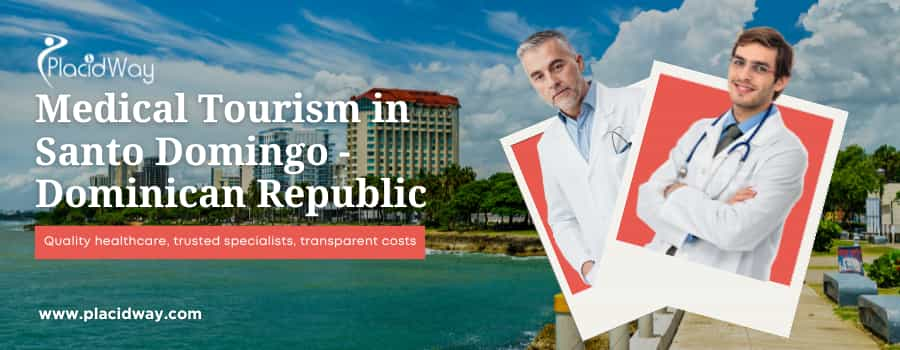
A Patient's Complete Guide to Medical Tourism in Santo Domingo, Dominican Republic
The warm Caribbean breeze greets you the moment you exit Las Américas International Airport, immediately softening the inherent anxiety of your travel day. Your dedicated patient coordinator is already waiting curbside, guiding you toward a private, air-conditioned vehicle bound for the upscale neighborhoods of the capital. While your primary goal is pursuing medical tourism in Santo Domingo, Dominican Republic, the vibrant palm-lined avenues and historic Spanish colonial architecture quickly remind you that this city is also a world-class destination for rest and recovery.
It is completely understandable to feel a mix of anticipation and nervousness when seeking healthcare across borders, especially for the first time. By understanding both the advanced clinical facilities available in this modern Caribbean hub and the restorative environment of the island, you can approach your journey with confidence. Navigating a foreign healthcare system becomes significantly less daunting when you know exactly what to expect from your medical team, your recovery accommodations, and the local culture.
Key Takeaways
- Patients traveling to the Dominican Republic frequently save between 40% and 60% on complex medical procedures compared to North American healthcare averages.
- Top-tier clinics in the capital city are regularly monitored and accredited by the Dominican Ministry of Public Health.
- Upscale districts like Piantini and Naco offer luxury, medically-equipped hotels designed specifically for safe postoperative recovery.
- The tropical climate requires patients to carefully plan their indoor, air-conditioned rest periods to ensure proper wound healing.
- Bilingual patient coordinators bridge the communication gap, seamlessly connecting your medical appointments with local tourism logistics.
Top Procedures Driving Medical Tourism in Santo Domingo, Dominican Republic
Deciding to travel for healthcare requires a deep trust in the destination's specific medical expertise alongside its capacity to support your physical healing. The capital has cultivated specialized medical sectors that perfectly complement the island's relaxing, hospitality-driven environment. Patients from the United States and Canada consistently travel here for treatments that benefit from a prolonged, low-stress recovery period.
Clinics are strategically located near luxury hotels, allowing patients to transition smoothly from the operating room to a comfortable, resort-like setting. The integration of high-quality surgical intervention with the tranquil atmosphere of the Caribbean creates an ideal ecosystem for these specific procedures.
| Medical Procedure | Clinical Focus | Tourism & Recovery Synergy |
|---|---|---|
| Cosmetic & Plastic Surgery | Body contouring, facial rejuvenation, and breast procedures utilizing modern aesthetic techniques. | Patients recover discreetly in private luxury suites, utilizing room service and avoiding public scrutiny back home. |
| Advanced Restorative Dentistry | Full-mouth restorations, all-on-4 dental implants, and complex cosmetic veneers. | Minimal physical downtime allows patients to explore historic sites and enjoy soft, local tropical foods immediately. |
| Bariatric Weight Loss Surgery | Gastric sleeve and bypass surgeries performed via minimally invasive laparoscopic methods. | The warm weather encourages gentle, necessary post-op walking along scenic, flat coastal pathways like the Malecon. |
| Fertility Treatments (IVF) | In vitro fertilization, egg freezing, and comprehensive reproductive endocrinology. | The deeply relaxing island environment significantly reduces cortisol levels, which is highly beneficial during fertility cycles. |
| Orthopedic Interventions | Joint replacements and minimally invasive arthroscopic joint repairs. | Accessible, ADA-compliant resorts offer hydrotherapy pools and level grounds to assist with initial physical therapy. |
Cost Comparison: Santo Domingo vs. North American Markets
Financial concerns often drive the initial curiosity about cross-border healthcare, making clear, transparent pricing a major priority for traveling patients. It is entirely natural to weigh the out-of-pocket expenses of domestic care against the combined costs of international treatment, flights, and accommodations. Even when factoring in a luxurious two-week stay at a premier hotel, the overall expenditure in the Caribbean often remains significantly lower.
These financial advantages stem from lower administrative overhead, favorable exchange rates, and a lower cost of living, rather than a compromise in medical quality. The table below illustrates typical published estimates as of 2023, though individual quotes will vary based on specific medical needs and chosen travel amenities.
| Treatment Category | Estimated Cost (USA) | Estimated Cost (Canada) | Estimated Cost (Santo Domingo) |
|---|---|---|---|
| Gastric Sleeve Surgery | $15,000 - $20,000 | $18,000 - $22,000 | $5,500 - $7,000 |
| Single Dental Implant (with crown) | $3,500 - $5,000 | $3,000 - $4,500 | $1,000 - $1,500 |
| Rhinoplasty (Nose Reshaping) | $8,000 - $12,000 | $9,000 - $11,000 | $3,500 - $5,000 |
| In Vitro Fertilization (per cycle) | $12,000 - $15,000 | $10,000 - $13,000 | $5,000 - $7,500 |
| Mommy Makeover (Combined) | $18,000 - $25,000 | $20,000 - $28,000 | $8,000 - $11,000 |
Navigating Healthcare Standards and Local Accreditation
Safety is rightfully the foremost concern for any patient leaving their home country for a medical procedure. You want the reassurance that the facility operating on you adheres to rigorous, internationally recognized hygiene and safety protocols. In the Dominican Republic, clinical oversight is heavily integrated with the nation's broader initiative to protect its vital tourism and visitor economy.
Top medical centers do not operate in isolation; they are part of an interconnected network of hospitality and healthcare designed specifically for international visitors. By understanding how to verify a clinic's standing, you can confidently select a provider that meets stringent local and global benchmarks.
- Ministry of Public Health Oversight: Every legitimate clinic must hold current licensing from the Ministerio de Salud Pública, ensuring adherence to national sanitation and surgical safety mandates.
- International Board Certifications: Leading surgeons in the capital frequently complete fellowships in the United States or Europe, maintaining active memberships in global medical societies.
- JCI and Global Accreditations: Several premier hospitals seek Joint Commission International accreditation or similar global seals to demonstrate their commitment to world-class patient care.
- Integrated Recovery Protocols: Accredited clinics often partner directly with specific certified recovery houses, extending medical oversight directly into your tourist accommodation.
- Transparent Malpractice Infrastructure: Established medical tourism facilitators only partner with clinics that maintain robust, verifiable medical liability insurance for international patients.
- Rigorous Pre-Op Clearances: Reputable doctors require comprehensive cardiovascular and blood panel testing upon your arrival, refusing to proceed if travel has compromised your health baseline.
Planning Your Arrival: Flights to Las Américas International Airport
The logistics of international travel can be exhausting, which is why minimizing transit friction is crucial before a major medical event. Fortunately, Las Américas International Airport (SDQ) serves as a highly connected hub, offering direct, brief flights from major cities across the United States, Canada, and the United Kingdom. Knowing that you will not endure endless layovers helps preserve your physical and mental energy for the upcoming consultations.
Once you land, the transition from traveler to patient begins seamlessly, provided you have planned your ground logistics in advance. The infrastructure surrounding the airport is specifically designed to welcome visitors, ensuring your first hours on the island are stress-free.
- Direct Flight Accessibility: Cities like Miami, New York, and Toronto offer daily direct flights, keeping your total travel time under four hours in many cases.
- VIP Airport Fast-Tracking: Many medical packages include VIP airport services, allowing you to bypass long customs lines and preserve your energy.
- Curbside Medical Concierge: Patient coordinators typically meet you immediately at the arrivals gate, holding a sign and assisting with all heavy luggage.
- Proximity to the City Center: The airport is situated roughly 30 to 40 minutes from the primary medical districts, meaning a short, comfortable drive to your hotel.
- Wheelchair and Mobility Assistance: Airlines and local airport staff are highly accustomed to medical travelers, readily providing mobility support upon request.
- Immediate Climate Adjustment: Transitioning directly from the plane into pre-arranged, air-conditioned transport prevents exhaustion from the immediate tropical humidity.
The Zona Colonial Experience During Early Consultations
The days leading up to a medical procedure are often filled with nervous anticipation, making distraction and relaxation highly therapeutic. The Zona Colonial, a UNESCO World Heritage site, offers a perfect, low-stress environment for patients to explore before their surgical or dental appointments. Walking through the oldest permanent European settlement in the Americas provides a profound sense of peace and historical grounding.
Because many top clinics are located just a short drive from this historic center, integrating a bit of sightseeing into your pre-operative schedule is effortlessly manageable. It allows you to appreciate the beauty of the Dominican Republic while remaining fully accessible to your medical team.
- Low-Impact Walking Tours: The flat, cobblestone streets allow for gentle strolls to view 16th-century architecture without overexerting yourself before surgery.
- Relaxing Plaza Cafes: Sitting in Parque Colón with a local coffee offers a calm environment to mentally prepare for your upcoming medical consultations.
- Proximity to Clinical Centers: The historic zone is well-connected to modern medical districts, ensuring your commute to the doctor takes less than twenty minutes.
- Pre-Surgery Dining Options: High-end restaurants in the area offer clean, varied menus, making it easy to adhere to any pre-operative dietary restrictions.
- Cultural Distraction Therapy: Engaging with local art galleries and museums effectively redirects your focus away from medical anxiety and toward cultural enrichment.
- Safe Tourist Environment: The area is heavily patrolled by specialized tourist police (Cestur), ensuring a secure atmosphere for international visitors at all hours.
Selecting the Right Recovery Accommodation in Piantini or Naco
Where you choose to sleep and recover is just as critical to your overall outcome as the clinic you select for your procedure. The upscale neighborhoods of Piantini and Naco are the epicenter of luxury and business in the capital, heavily populated with high-end hotels and certified medical recovery houses. These districts provide a quiet, highly secure environment shielded from the more chaotic, high-energy tourist hubs.
Choosing accommodations in these specific areas ensures you are intimately close to your surgeon for any necessary follow-up visits. It also guarantees access to reliable infrastructure, such as uninterrupted electricity, high-speed internet, and premium room service required during convalescence.
- Proximity to Medical Care: Staying in Piantini or Naco places you within a five-minute drive of the capital’s most prestigious hospitals and specialist clinics.
- Dedicated Recovery Houses: These specialized facilities offer 24/7 nursing care, specialized medical beds, and tailored meal plans for post-surgical patients.
- Luxury Hotel Partnerships: Many high-end hotels offer hidden "medical concierge" services, including discreet side entrances and in-room mobility modifications.
- Reliable Infrastructure: Premium districts guarantee powerful, continuous air conditioning and backup generators, which are essential for comfortable wound healing.
- Accessibility and Elevators: Modern buildings in these neighborhoods feature spacious elevators and level thresholds, crucial for patients with limited post-op mobility.
- Quiet, Upscale Environment: The residential nature of these districts ensures a peaceful night’s sleep, free from the late-night noise common in heavy nightlife zones.
Balancing Rest and Tourism: What to See Post-Treatment
Once the initial phase of your recovery has passed, cabin fever can set in, leading to a strong desire to leave the hotel and experience the Caribbean. However, it is vital to balance this wanderlust with strict adherence to your surgeon’s mobility and activity restrictions. Fortunately, the city offers numerous low-exertion activities that allow you to enjoy your vacation without compromising your medical results.
By selecting controlled, shaded, and accessible environments, you can transition smoothly from a medical patient back into an active tourist. The key is planning short excursions that offer immediate access to seating and air conditioning whenever fatigue sets in.
- Sunset Malecon Drives: Hiring a private driver to cruise along the oceanfront Malecon allows you to enjoy the sea breeze without the physical strain of walking.
- Jardín Botánico Nacional: The botanical gardens offer shaded, paved pathways and motorized train tours, perfect for gentle, doctor-approved postoperative walks.
- Air-Conditioned Museums: Visiting modern museums like the Museo de Arte Moderno provides cultural immersion in a cool, physically forgiving environment.
- Upscale Shopping Centers: Malls like BlueMall in Piantini offer smooth walking surfaces, ample seating, and a safe, climate-controlled space to stretch your legs.
- Avoidance of Open Water: Patients must strictly avoid swimming in the ocean or resort pools to prevent severe infections in fresh surgical incisions.
- Hydration Breaks: No matter the activity, incorporating frequent stops at local cafes for water and rest is a mandatory rule for recovering travelers.
Transportation Safety and Private Transfers in the City
Navigating unfamiliar traffic in a bustling foreign capital is stressful under normal circumstances, and entirely inadvisable when you are recovering from surgery. The transportation infrastructure in the Dominican Republic is vibrant but heavily congested, requiring localized driving expertise to navigate safely. Relying on professional, pre-arranged transport ensures you are never left waiting on a hot curb while feeling vulnerable or in pain.
Top medical tourism packages explicitly remove this burden by providing dedicated drivers familiar with your physical limitations. Knowing that your transit is secure allows you to focus entirely on your healing rather than reading a map.
- Clinic-Provided Transport: Reputable medical facilitators provide door-to-door shuttle services in spacious, modified vans tailored for patient comfort.
- Uber Black Reliability: For personal excursions, the premium tiers of ride-sharing apps offer highly reliable, air-conditioned transit with vetted local drivers.
- Avoiding Public Transit: Recovering patients should strictly avoid local buses (guaguas) or public transport due to crowding and sudden stops.
- Spacious Vehicle Requirements: If you are recovering from body contouring or orthopedic surgery, request an SUV to ensure you do not have to bend deeply to enter the vehicle.
- Bilingual Chauffeurs: Utilizing drivers who speak English minimizes confusion regarding clinic entrances, pharmacy stops, or return trips to the hotel.
- Door-to-Door Coordination: Hotel bellhops and clinic receptionists frequently communicate directly with your driver to ensure you are picked up exactly at the entrance.
Climate Considerations for Your Surgical Recovery
The allure of a tropical Caribbean climate is undeniably strong, but intense heat and humidity introduce specific variables into the postoperative healing process. Excessive sweating can irritate fresh incisions, increase the risk of localized infections, and exacerbate postoperative swelling. Therefore, managing your exposure to the environment is just as important as taking your prescribed medications.
By respecting the power of the tropical sun and organizing your day around the cooler hours, you can safely enjoy the island's warmth. This requires a strategic approach to clothing, daily scheduling, and continuous fluid intake.
- Strict Sun Avoidance: Direct UV exposure can cause severe, permanent hyperpigmentation on fresh surgical scars; keeping incisions covered is medically essential.
- Air-Conditioned Sanctuaries: Spending the peak heat hours (11 AM to 4 PM) indoors prevents excessive swelling and keeps bandages dry and sterile.
- Evening Excursions: Scheduling your gentle recovery walks for the early evening allows you to enjoy the cooling ocean breezes comfortably.
- Aggressive Hydration: The combination of recovery medications and tropical humidity demands doubling your usual water intake to prevent sudden dizziness.
- Breathable Fabrics: Wearing loose, 100% cotton or linen clothing prevents friction against sensitive areas while allowing the skin to breathe.
- Managing Compression Garments: If your surgery requires compression wear, request extra sets so you can frequently change out of garments dampened by tropical humidity.
Dietary Needs: Finding Healing Foods in the Capital
Proper nutrition is the fuel that drives cellular repair, making your diet a critical component of your medical tourism journey. While exploring a new culinary landscape is a highlight of international travel, recovering patients must prioritize easily digestible, protein-rich foods over heavy or spicy local delicacies. The culinary scene in the capital is incredibly diverse, seamlessly catering to both strict medical diets and the desire for tropical flavors.
Local markets and upscale hotel restaurants are well-equipped to modify classic Dominican dishes to suit delicate postoperative stomachs. By communicating your dietary needs, you can enjoy the healing benefits of the region’s fresh, natural bounty.
- Healing Broths and Soups: Sancocho, a traditional root vegetable and meat broth, can be prepared lightly to provide immense energy and gentle nutrition.
- Abundant Vitamin C: Fresh, locally sourced tropical fruits like papaya, mango, and passionfruit promote collagen production and support immune function.
- Lean Caribbean Protein: Freshly caught local white fish, grilled simply without heavy sauces, offers the clean protein necessary for rapid tissue regeneration.
- Hydration via Coconut Water: Fresh coconut water (agua de coco) is ubiquitous in the city and serves as a natural, electrolyte-rich alternative to sugary sports drinks.
- Customized Hotel Menus: Luxury hotels in Naco and Piantini are accustomed to medical guests and will readily puree meals or prepare low-sodium options upon request.
- Safe Bottled Water: To prevent gastrointestinal distress during recovery, patients must consume and brush their teeth exclusively with sealed, bottled water.
Essential Spanish Phrases for Healthcare and Hospitality
The fear of a language barrier during a vulnerable medical moment is one of the most common anxieties for international patients. While top-tier surgeons and clinical coordinators in the capital are highly proficient in English, the nursing staff, pharmacy clerks, and hotel employees may only speak Spanish. Bridging this gap with a few fundamental phrases can dramatically reduce your stress and foster a warmer connection with your caregivers.
Dominicans are famously hospitable and deeply appreciate any effort made by visitors to speak their native language. Carrying a translation app on your smartphone, paired with some basic vocabulary, ensures you can always advocate for your comfort.
- Expressing Pain: Knowing how to say "Tengo dolor" (I have pain) helps alert nursing staff immediately if your medication needs adjusting.
- Requesting Assistance: The phrase "Necesito ayuda, por favor" (I need help, please) is essential for requesting mobility support in the clinic or hotel.
- Navigating the Pharmacy: Understanding words like "Pastillas" (pills) and "Receta" (prescription) simplifies the process of filling your post-op medications.
- Dietary Restrictions: Saying "Sin sal" (no salt) or "Solo agua embotellada" (only bottled water) helps you maintain your strict recovery diet at local restaurants.
- Showing Gratitude: A simple "Muchísimas gracias" (Thank you very much) goes a long way in acknowledging the warm hospitality of your care team.
- Utilizing Technology: Pre-downloading Spanish offline on a translation app ensures you can communicate complex medical nuances even without a Wi-Fi connection.
Packing for Your Santo Domingo Medical Journey
Preparing your suitcase for a medical trip requires an entirely different strategy than packing for a standard Caribbean beach vacation. You must anticipate the physical limitations your body will face post-surgery, prioritizing comfort, accessibility, and medical necessity over fashion. Every item you bring should serve a distinct purpose in reducing friction during your recovery phase.
A well-thought-out packing list eliminates the need for stressful, last-minute shopping trips in an unfamiliar city. By blending essential medical documents with practical tropical attire, you set the stage for a seamless experience.
- Front-Closing Garments: Button-down shirts or zip-up hoodies are mandatory, as raising your arms to pull shirts over your head may be impossible or strictly forbidden.
- Slip-On Footwear: Bending over to tie shoelaces can be painful or dangerous post-op; supportive, non-slip sandals are essential for clinic visits.
- Comprehensive Medical Portfolio: Always pack physical, printed copies of your medical history, pre-op lab results, and the clinic’s emergency contact numbers in your carry-on bag.
- Entertainment for Downtime: Recovery involves many hours of bed rest; pre-loaded e-readers and noise-canceling headphones help pass the time peacefully in your hotel room.
- Specialized Travel Pillows: A U-shaped neck pillow or a wedge pillow helps you maintain the specific, elevated sleeping positions often required by surgeons.
- High-SPF Protection: A wide-brimmed hat and clinical-grade sunscreen are vital to protect sensitive healing skin from the intense Caribbean sun during transit.
Understanding Cultural Nuances in Dominican Healthcare
Stepping into a foreign medical facility introduces you not only to different clinical protocols but also to an entirely new cultural approach to patient care. In the Dominican Republic, healthcare is often delivered with a profound sense of familial warmth, physical closeness, and emotional empathy that might feel distinctly different from the highly clinical nature of North American hospitals. It is normal to feel momentarily surprised when a surgeon offers a warm embrace or shares their personal WhatsApp number for direct contact.
Understanding and leaning into this culturally inherent compassion can deeply enhance your healing experience. While the medical standards remain strict and professional, the bedside manner is designed to make you feel like a valued guest rather than a chart number.
- Enhanced Patient Warmth: Doctors and nurses frequently use endearing terms and gentle physical reassurance, aiming to reduce patient anxiety through genuine human connection.
- Direct Communication Lines: It is highly common for lead surgeons to bypass administrative desks and communicate with international patients directly via messaging apps.
- The Concept of "Dominican Time": While surgeries are rigidly scheduled, expect a more relaxed, unhurried pace during pre-op consultations and post-op follow-ups.
- Family-Centric Healing: Clinics are highly accommodating to traveling companions, recognizing that family support is considered a crucial element of the medical recovery process.
- Respectful Formality: Despite the warmth, medical professionals are traditionally addressed formally with "Doctor" or "Doctora," reflecting the deep societal respect for the profession.
- Holistic Care Approach: Caregivers often inquire about your emotional state, sleep quality, and dietary enjoyment, treating the whole person rather than just the surgical site.
The Illustrative Journey of Medical Tourism in Santo Domingo, Dominican Republic
Visualizing the step-by-step flow of your trip can drastically reduce the fear of the unknown. Consider a typical patient journey from the United States traveling for a multi-day dental restoration or cosmetic procedure. This composite timeline illustrates how seamlessly medical logistics are interwoven with Dominican hospitality.
While every procedure dictates a unique recovery timeline, understanding this rhythm highlights the deep support system built around international patients. You are never left to navigate the process alone.
- Day 1: Arrival and Settling In. You are greeted at the airport, driven to a luxury hotel in Piantini, and spend the evening enjoying a light room-service meal while resting.
- Day 2: Pre-Op and Consultation. A private driver takes you to the clinic for comprehensive bloodwork, an EKG, and a detailed, unhurried consultation with your primary surgeon.
- Day 3: The Procedure. You arrive at the clinic early; the bilingual staff preps you with reassuring care, and the procedure is executed using state-of-the-art medical technology.
- Days 4-6: Supervised Recovery. You return to your accommodation, receiving daily visits from nursing staff to change bandages and monitor vitals while you relax in air-conditioned comfort.
- Day 7: Light Exploration. Cleared for mild activity, you enjoy a late afternoon guided walk through the Zona Colonial, safely participating in the local culture.
- Day 10: Final Clearance and Departure. Following a final clinical examination and the handover of all medical records, you are driven back to the airport, fully cleared for the journey home.
Ensuring Seamless Long-Term Care After Returning Home
Your medical journey does not end when your flight touches back down in your home country. The fear of being abandoned by your international medical team post-surgery is common, but premier clinics in the Caribbean possess robust protocols for long-term patient continuity. Successful healing requires a dedicated partnership between your overseas surgeon and your local primary care provider.
By establishing clear communication channels before you depart the island, you guarantee that any complications or questions are handled swiftly. The focus is on seamless, continuous oversight.
- Comprehensive Record Transfer: Clinics provide digital, translated copies of all operative reports, implant serial numbers, and discharge summaries for your domestic doctor.
- Scheduled Telehealth Follow-Ups: Surgeons typically arrange mandatory video consultations at the one-week, one-month, and three-month marks to visually monitor your healing progress.
- Domestic Medical Partnerships: Many international facilitators can recommend a network of domestic physicians in your home state who are willing to assist with suture removals or routine follow-ups.
- Direct Messaging Access: Patients usually retain direct WhatsApp access to their assigned medical coordinator, ensuring questions about swelling or medications are answered within hours.
- Clear Emergency Protocols: Before leaving, you are provided with a strict set of guidelines detailing exactly what symptoms require immediate domestic emergency room attention.
- Prescription Continuity: Your team will ensure you leave with enough medication to bridge the gap until you can legally fill any remaining required prescriptions at your local pharmacy.
Frequently Asked Questions
Is it safe to travel to Santo Domingo for a medical procedure?
Yes, it is generally safe when utilizing accredited clinics and established medical tourism facilitators. Top medical centers adhere to strict hygiene and safety protocols monitored by the Ministry of Public Health. Patients maximize their safety by staying in premium districts, utilizing private transportation, and strictly following their surgeon's postoperative guidelines.
Do doctors in the Dominican Republic speak fluent English?
The vast majority of lead surgeons and specialist dentists catering to international patients speak excellent English, often having completed fellowships in the United States or the UK. Clinics employ dedicated bilingual coordinators to ensure clear communication. However, knowing basic Spanish is helpful for interacting with local hotel and pharmacy staff.
How much money can I save by having surgery in Santo Domingo?
Patients typically experience savings ranging from 40% to 60% compared to average out-of-pocket healthcare costs in the United States or Canada. These savings apply across various specialties, including dentistry, cosmetic surgery, and bariatrics. The total financial benefit remains substantial even after factoring in premium flights and luxury hotel accommodations.
Can I combine my medical procedure with a beach vacation?
While you can enjoy the beautiful tropical climate, true beach vacations involving swimming and sunbathing are strictly prohibited immediately following surgery. Sun exposure darkens scars, and ocean or pool water introduces severe infection risks to fresh incisions. Tourism should be limited to gentle walks, shaded sightseeing, and relaxing indoors.
What happens if I experience a complication after returning home?
Reputable international clinics provide comprehensive discharge summaries and establish scheduled telehealth follow-ups to monitor your recovery. You will maintain direct digital contact with your surgical team. If a physical complication arises, you will be directed to share your operative records with a local domestic physician for immediate intervention.
Do I need to bring someone with me for my medical trip?
While many patients travel alone and rely on certified medical recovery houses with 24/7 nursing staff, bringing a companion is highly recommended. A trusted friend or family member provides essential emotional support, assists with luggage, helps manage medications, and acts as a secondary advocate during your recovery phase.
What forms of payment are accepted by Dominican clinics?
Most major international clinics accept credit cards, wire transfers, and sometimes specialized medical financing plans. It is crucial to notify your home bank of your travel plans to prevent international fraud blocks on large medical transactions. Cash is rarely required for the procedure itself but is useful for small local purchases.
How long should I plan to stay in the city for my procedure?
Your required length of stay depends entirely on the complexity of your procedure, ranging from 4 days for minor dentistry to 14 days for major surgery. Surgeons require you to remain in the city until you are medically cleared to withstand the changes in cabin pressure and limited mobility associated with flying.
Are specialized medical recovery houses better than standard hotels?
For extensive surgeries like body contouring or bariatrics, certified recovery houses offer superior postoperative care, including hospital beds, skilled nursing, and medically tailored meals. For less invasive procedures like dental work, a luxury hotel in Piantini or Naco provides sufficient comfort, privacy, and accessibility.
How do I verify the credentials of a Dominican surgeon?
You can verify a doctor's credentials by checking their standing with the Dominican Medical College (Colegio Médico Dominicano) and looking for memberships in recognized international organizations like ISAPS or ASPS. Reliable medical tourism facilitators perform this vetting process for you, exclusively partnering with licensed, board-certified professionals.
Take the Next Step in Your Healthcare Journey
It is completely normal to have questions about logistics, surgeon credentials, and specific treatment plans. Our dedicated team is here to listen to your needs, provide transparent information, and help you confidently explore your options for medical tourism in Santo Domingo, Dominican Republic.
References
- Medical Tourism Guidelines – Centers for Disease Control and Prevention (CDC)
- Global Quality Standards and Accredited Organizations – Joint Commission International (JCI)
- Patient Safety and International Travel – International Society of Aesthetic Plastic Surgery (ISAPS)
- Your Health Abroad: Medical Tourism – U.S. Department of State
- Health and International Travel Information – World Health Organization (WHO)
- Safety Considerations for Medical Tourism – American Society of Plastic Surgeons (ASPS)
- Traveler's Health: Dominican Republic – Centers for Disease Control and Prevention (CDC)
Medical Disclaimer: The information provided in this article is for educational and informational purposes only and does not constitute medical advice. Treatment outcomes, recovery times, and medical costs vary significantly based on individual health conditions and specific facility protocols. Always consult with a qualified, licensed healthcare physician in your home country before making any decisions regarding international medical travel or undergoing any surgical procedures.























Share this listing