
Contents
Imagine staring at a treatment estimate from your local clinic in the US or Canada, wondering if you accidentally asked for a down payment on a luxury car instead of a root canal and crown. For many, the soaring out-of-pocket costs at home have turned routine dental care or complex restorations into a financial nightmare. Instead of draining their savings, thousands of patients are packing their bags and heading south for a solution that makes sense. Exploring dental work in Cabo Mexico offers a way to address serious oral health issues without compromising on the standard of care.
Combining a brief trip with high-quality dentistry is a practical reality for those seeking relief from medical inflation. In Cabo, procedures like dental crowns start at around $350, while a single dental implant frequently costs about $850—a fraction of North American prices. Safety, however, must always outrank savings. It is crucial to look for reputable clinics holding active certifications from the Mexican Dental Association (ADM) or those following strict American Dental Association (ADA) sterilization guidelines.
Key Insights
Navigating international healthcare is much easier when a facility groups essential services together into one clear treatment plan. Reputable dental centers frequently provide comprehensive packages that cover your imaging, extractions, temporary prosthetics, and the final procedure. Some options even include local airport transfers and nearby hotel accommodations to reduce travel stress. Explore the comprehensive dental packages listed below to find a streamlined approach to your care.
`Transparent pricing remains the primary reason patients seek restorative dentistry south of the border. In Cabo San Lucas, standard porcelain crowns generally average around $350 to $450, while surgical placement of a single dental implant hovers near $850. For extensive full-mouth restorations like All-on-4 implants, patients typically expect costs between $9,000 and $12,000 per arch. Review the detailed cost estimates below to help accurately plan your medical budget.
Dentistry Cost Comparison in Mexico
| Country | Procedure | Price |
|---|---|---|
| Canada | Teeth Whitening, Dentistry | $1653 |
| Mexico | Dental Braces Abroad, Dentistry | $2749 |
| Mexico | Deep Cleaning, Dentistry | $263 |
| Mexico | Root Canal, Dentistry | $444 |
| Mexico | Teeth Whitening, Dentistry | $197 |
| USA | Dental Braces Abroad, Dentistry | $8537 |
Finding the right facility for dental work abroad requires more than just looking at a modern lobby and a friendly staff. You need to verify that the clinic follows strict international sterilization protocols and employs specialists rather than general dentists for complex surgeries. Look for verifiable medical licenses, ongoing continuing education, and active memberships in recognized dental boards. Take time to carefully review and compare the clinic options listed below to see which accredited facility best aligns with your clinical needs.
PURE Smile Makeover Center
Cabo San Lucas,San Jose del Cabo, Mexico
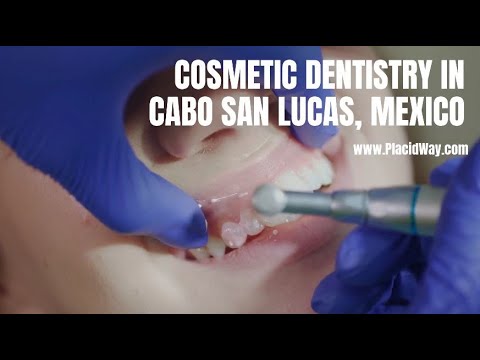
Sometimes, reading about a smile makeover or bone grafting isn't quite enough to ease the nerves of traveling to a new country. Watching clinical footage, facility tours, and dentist interviews can give you a much clearer picture of the environment waiting for you. These visuals help bridge the gap between expectation and reality, allowing you to observe the modern diagnostic equipment firsthand. Browse the videos provided below to get a better sense of what the patient experience looks like.
Hearing directly from individuals who have already sat in the dentist's chair can be incredibly reassuring when planning overseas care. Authentic testimonials offer insight into the staff's bedside manner, pain management strategies, and the longevity of the final dental restorations. Pay close attention to reviews discussing post-operative communication and the handling of any unexpected complications. Read through the patient experiences below to gauge which dental team delivers consistent, high-quality results.

Planning your oral surgery or cosmetic dentistry trip naturally involves practical questions about safety, logistics, and recovery timelines. Below, we address the most common concerns patients have when scheduling their dental treatments in this coastal location.
Is it safe to get dental work in Cabo?
Yes, it is generally safe if you choose a fully accredited clinic. Ensure the facility adheres to international sterilization standards and employs specialists with verifiable medical credentials.
Do dentists in Cabo speak English?
Most dental professionals treating international patients are fully bilingual. Clinics located in major tourist areas cater heavily to US and Canadian visitors, ensuring clear communication regarding your treatment plan.
How many trips are required for dental implants?
Traditional implants require two trips spaced three to six months apart to allow the jawbone to heal. Some clinics offer immediate load implants, but your suitability depends on your specific bone density.
Can I use my US dental insurance?
While Mexican clinics generally do not bill US insurance companies directly, many will provide the necessary itemized receipts and diagnostic forms for you to submit a claim for out-of-network reimbursement.
What payment methods do clinics accept?
The majority of clinics accept major credit cards, cash in US dollars, and bank transfers. Check with your specific provider regarding processing fees for credit card payments before your trip.
Do providers offer guarantees on their work?
Many reputable facilities provide warranties ranging from one to five years on materials like crowns, veneers, and implant posts. Always ask for the terms and conditions of this guarantee in writing.
How long should I plan to stay in Cabo?
Simple procedures like crowns or fillings usually require two to three days. For complex surgeries like extractions and bone grafting, plan to stay five to seven days for adequate follow-up checks.
Is sedation dentistry available?
Yes, facilities handling extensive oral surgeries typically offer local anesthesia, oral sedatives, and IV sedation. IV sedation requires a licensed anesthesiologist to be present during your procedure.
Which airport should I fly into?
International patients should book flights to Los Cabos International Airport (SJD). It is the main travel hub servicing the area and offers direct flights from many major North American cities.
Is the water safe at the dental clinics?
Top-tier clinics utilize highly sophisticated, self-contained water filtration systems for all dental units and sterilization equipment to ensure patient safety and prevent the risk of waterborne bacteria.
A successful smile restoration ultimately comes down to the hands of the practitioner performing the procedure. It is vital to seek out professionals who specialize in specific fields, such as periodontics for gum health, endodontics for root canals, or prosthodontics for custom crowns. Many highly skilled Mexican dentists have completed advanced training or specialized fellowships in the United States or Europe. Explore the profiles of the specialized dentists below to review their distinct clinical credentials.
Cabo San Lucas sits at the southern tip of the Baja California Peninsula, seamlessly blending world-class vacation amenities with advanced dental care infrastructure. Patients primarily travel from the US West Coast, particularly California and Washington, as well as nearby Canadian provinces, drawn by the short flight times and year-round sunshine.
Most international patients fly directly into Los Cabos International Airport (SJD), which hosts daily direct flights from major North American hubs. Once you arrive, getting around the region is straightforward, with reliable private shuttles and trusted taxi services connecting the airport to the main resort and clinic areas.
| Primary Airport | Los Cabos International Airport (SJD) |
| Flight Time (from LAX) | Approximately 2.5 hours |
| Main Medical Hubs | Cabo San Lucas & San José del Cabo |
| Recovery Environment | Relaxed beachfront and quiet resorts |
While you should avoid strenuous activities or swimming in the ocean immediately after an oral surgery, the tranquil environment makes for an ideal, stress-free recovery period. Many patients find that resting by a resort pool significantly reduces post-operative anxiety.
Deciding to travel abroad for major dental restorations is a significant step, and having the right organizational support can make a noticeable difference in your comfort and safety. PlacidWay connects you with verified clinics, helps you request accurate medical estimates, and assists in coordinating the logistics of your journey. By taking the time to thoroughly review all your options, you can make a highly informed, confident choice about your oral healthcare. Compare the detailed provider listings below to determine the best path forward, or reach out to us directly for guidance.
References
- Travelers' Health: Mexico – Centers for Disease Control and Prevention (CDC)
- Medical Tourism – American Dental Association (ADA)
- Oral Health Fact Sheet – World Health Organization (WHO)
- Dental Infection Control and Safety – Organization for Safety, Asepsis and Prevention (OSAP)
- Global Oral Health Standards – FDI World Dental Federation


















Share this listing