

Contenuto
Sapevi che Istanbul, in Turchia, ospita alcuni degli studi dentistici più all'avanguardia al mondo? Grazie alle sue cliniche moderne e ai suoi professionisti qualificati, puoi trovare ottime soluzioni per protesi dentarie che miglioreranno il tuo sorriso e la tua sicurezza.
Il panorama sanitario di Istanbul è fiorente, con un numero crescente di centri odontoiatrici dedicati a fornire cure di qualità. Molte persone devono affrontare sfide come costi elevati e scelte limitate quando si tratta di cure odontoiatriche, ma Istanbul offre soluzioni convenienti senza compromettere la qualità.
Informazioni chiave a colpo d'occhio
- A Istanbul i pazienti possono risparmiare dal 60 all'80% su tutti i tipi di protesi dentarie rispetto ai prezzi nel Regno Unito, negli Stati Uniti e in Europa.
- Le cliniche di Istanbul utilizzano tecniche avanzate e materiali biocompatibili di alta qualità per creare protesi dentarie comode, dall'aspetto naturale e dalla vestibilità ottimale.
- La procedura per ottenere protesi dentarie personalizzate è efficiente e spesso viene completata entro 5-7 giorni .
- Le opzioni spaziano dalle tradizionali protesi complete e parziali alle moderne protesi altamente stabili supportate da impianti .
- Per ottenere i migliori risultati è fondamentale scegliere una clinica con un protesista specializzato e un laboratorio odontotecnico interno.
Cosa sono le protesi dentarie e quali sono le mie opzioni?
L'odontoiatria moderna offre diversi tipi di protesi dentarie e le migliori cliniche di Istanbul sono competenti in tutte. La scelta giusta dipende dal numero di denti mancanti e dalle vostre esigenze specifiche.
1. Protesi complete (Protesi complete)
Si utilizzano quando mancano tutti i denti della mascella superiore o inferiore (o di entrambe). Una base in acrilico color carne si adatta alle gengive, con la protesi superiore che copre il palato (il tetto della bocca) e quella inferiore a forma di ferro di cavallo per lasciare spazio alla lingua.
2. Protesi parziali
Vengono utilizzate quando uno o più denti naturali rimangono nella mascella superiore o inferiore. Una protesi parziale riempie gli spazi creati dai denti mancanti e impedisce agli altri denti di cambiare posizione. In genere è costituita da denti sostitutivi fissati a una base in plastica del colore della gengiva, talvolta collegata da una struttura metallica che mantiene la protesi in posizione.
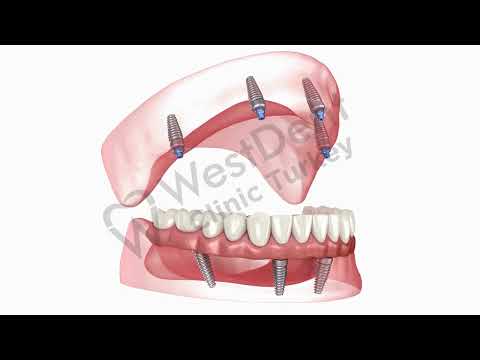
3. Protesi supportate da impianti (overdenture)
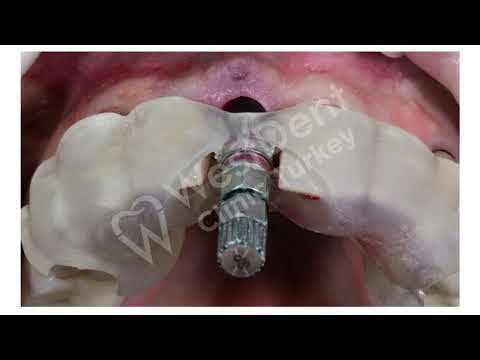
Questo è il gold standard moderno per chi indossa una protesi dentaria. La protesi è fissata a due o più impianti dentali inseriti nell'osso mascellare. Questi impianti sono dotati di attacchi speciali che si agganciano alla protesi, fissandola in modo incredibilmente sicuro. Questo elimina lo scivolamento e il movimento tipici delle protesi dentarie tradizionali, migliorando notevolmente la capacità masticatoria e la sicurezza.
Il processo per ottenere una protesi dentaria a Istanbul
- Giorno 1: Consulenza e impronte primarie. Il tuo protesista esaminerà la tua bocca e discuterà i tuoi obiettivi. Verrà presa la prima serie di impronte (calchi) della tua mascella.
- Giorno 2: Impronte finali e registrazione del morso. Le impronte finali, più precise, vengono prese utilizzando mascherine personalizzate. Il dentista registrerà anche il morso, ovvero la relazione tra mascella superiore e inferiore, per garantire il corretto funzionamento della protesi.
- Giorno 3: Prova in cera. Verrà creato un modello in cera della protesi con i denti artificiali posizionati. La proverai e il dentista ne controllerà l'adattamento, la masticazione e l'aspetto. Questa è la fase cruciale in cui potrai apportare modifiche alla forma, alle dimensioni, al colore e alla disposizione dei denti fino a ottenere il risultato desiderato.
- Giorno 4-5: Elaborazione in laboratorio. Il laboratorio odontotecnico utilizza il modello in cera approvato per creare la protesi definitiva e permanente in acrilico resistente e di alta qualità.
- Giorno 6-7: Adattamento finale e regolazioni. Riceverai la tua protesi finita. Il dentista apporterà eventuali piccole modifiche necessarie per garantire una vestibilità perfetta e confortevole e ti fornirà istruzioni su come prendertene cura.
Scegliere la clinica giusta per le protesi dentarie a Istanbul
- Cercate un protesista: si tratta di uno specialista in odontoiatria che ha seguito diversi anni di formazione specifica nella creazione di protesi, corone e ponti. La sua competenza è di gran lunga superiore a quella di un dentista generico.
- Dare priorità a un laboratorio interno: una clinica con un laboratorio odontotecnico interno garantisce che il protesista possa lavorare a stretto contatto con l'odontotecnico. Questa collaborazione è fondamentale per apportare le modifiche più precise che si traducono in un adattamento perfetto e un aspetto naturale.
- Informazioni sui materiali: informatevi sulla qualità dell'acrilico e dei denti artificiali utilizzati. Le cliniche di lusso utilizzano denti stratificati di alta qualità che imitano la traslucenza e l'aspetto dello smalto naturale.
- Leggi le recensioni dei pazienti: cerca le recensioni di altri pazienti che hanno utilizzato protesi dentarie. Possono fornire informazioni preziose sul comfort, la vestibilità e l'aspetto delle protesi realizzate dalla clinica.
Esplora i pacchetti per protesi dentarie e cure odontoiatriche a Istanbul, in Turchia, dove abbiamo selezionato opzioni a basso costo da cliniche affidabili. Questi pacchetti sono pensati per offrirti un'assistenza di alta qualità senza gravare sul tuo budget. Dai un'occhiata alle nostre offerte e trova il pacchetto più adatto alle tue esigenze e al tuo portafoglio!
`Le protesi dentarie a Istanbul, in Turchia, rappresentano una scelta conveniente per ritrovare il sorriso. In media, il costo di una protesi dentaria varia dai 300 ai 600 dollari, molto inferiore ai 1.500-3.000 dollari solitamente richiesti negli Stati Uniti. Questo significa che puoi risparmiare fino all'80% continuando a ricevere cure di alta qualità. Fattori come materiali e servizi aggiuntivi possono influire sul prezzo, ma stai tranquillo: non sacrificherai la qualità in nome del risparmio. Esplora le tue opzioni oggi stesso!
Dentures Confronto dei costi in Turkey
| Paese | Procedura | Prezzo |
|---|---|---|
| United Kingdom | Dentures, Dentistry | $1900 |
| Canada | Dentures, Dentistry | $1300 |
| United States | Dentures, Dentistry | $1500 |
Le nostre cliniche partner a Istanbul, in Turchia, offrono una vasta gamma di servizi di protesi dentarie e trattamenti odontoiatrici. Con medici qualificati e strutture di alta qualità, questi centri si impegnano a fornire un'assistenza di prim'ordine ai pazienti internazionali. Scorri verso il basso per scoprire l'elenco delle nostre cliniche.

Tower Dental Clinic
Istanbul,Turkey

Novusklinik Istanbul Turkey
Istanbul,Turkey
Guarda i nostri video su protesi dentarie e odontoiatria a Istanbul, Turchia! Questi utili video ti aiuteranno a comprendere il processo, cosa aspettarti e ti daranno consigli per la convalescenza. Sono un'ottima risorsa per sentirti pronto e sicuro delle tue scelte. Guarda i video qui sotto per saperne di più e supportare il tuo percorso!

Scopri le storie di pazienti reali che si occupano di protesi dentarie e odontoiatria a Istanbul, in Turchia. Le recensioni di Google e Trustpilot ti offrono spunti utili su cosa aspettarti durante il tuo percorso di trattamento!

Domande frequenti su protesi dentarie e odontoiatria a Istanbul, Turchia
Quali tipi di protesi dentarie sono disponibili a Istanbul, Turchia?
A Istanbul, in Turchia, sono disponibili vari tipi di protesi dentarie per soddisfare le esigenze individuali. I pazienti possono scegliere tra:
- Protesi dentarie complete per chi ha perso tutti i denti.
- Protesi parziali per individui con alcuni denti naturali rimanenti.
- Protesi dentarie supportate da impianti per maggiore stabilità e comfort.
- Protesi flessibili più comode ed estetiche.
Ogni opzione ha i suoi vantaggi e i dentisti di Istanbul possono aiutarti a scegliere la soluzione più adatta in base alla tua salute dentale e al tuo budget.
Come faccio a scegliere la clinica dentistica giusta per le protesi dentarie a Istanbul?
La scelta della clinica dentistica giusta per le protesi dentarie a Istanbul comporta diverse considerazioni:
- Informatevi sulla reputazione della clinica: cercate recensioni e testimonianze di pazienti passati.
- Verificare le qualifiche: assicurarsi che i dentisti siano certificati ed esperti nelle procedure di protesi dentaria.
- Visita la clinica: se possibile, visita la clinica per valutarne la pulizia e la professionalità del personale.
- Consulenza: programma una consulenza iniziale per discutere delle tue esigenze e valutare l'approccio della clinica.
Adottare questi accorgimenti può contribuire a garantire un'esperienza positiva e risultati soddisfacenti.
Come avviene il recupero dopo l'inserimento della protesi dentaria a Istanbul?
Il processo di recupero dopo l'inserimento di una protesi dentaria a Istanbul può variare in base al tipo di protesi e alla guarigione individuale:
- Disagio iniziale: è normale provare un po' di indolenzimento o irritazione mentre la bocca si adatta.
- Visite di controllo: i controlli regolari con il dentista sono essenziali per garantire la corretta vestibilità e il massimo comfort.
- Tempi di adattamento: molti pazienti si adattano alla nuova protesi dentaria in poche settimane, ma per altri potrebbe volerci più tempo.
- Igiene orale: mantenere una buona igiene orale è essenziale per la guarigione e il benessere.
Il tuo dentista ti fornirà consigli personalizzati per una guarigione senza problemi.
Gli interventi odontoiatrici a Istanbul sono sicuri per i pazienti internazionali?
Sì, le procedure odontoiatriche a Istanbul sono generalmente sicure per i pazienti internazionali. La città ospita numerose cliniche accreditate che aderiscono agli standard sanitari internazionali. I fattori che contribuiscono alla sicurezza includono:
- Professionisti qualificati: molti dentisti di Istanbul sono altamente qualificati ed esperti.
- Tecnologia moderna: le cliniche utilizzano spesso tecnologie e tecniche odontoiatriche avanzate.
- Assistenza al paziente: le cliniche si concentrano sul comfort del paziente e seguono rigorosi protocolli igienici.
È importante fare delle ricerche e scegliere una clinica affidabile per le proprie esigenze odontoiatriche.
Cosa dovrei sapere prima di recarmi a Istanbul per cure odontoiatriche?
Prima di recarsi a Istanbul per cure odontoiatriche, è opportuno tenere presente quanto segue:
- Documenti di viaggio: assicurati che il tuo passaporto sia valido e controlla i requisiti per il visto in base alla tua nazionalità.
- Cartella clinica: raccogli i documenti medici pertinenti alla tua salute dentale.
- Pianificazione del soggiorno: prevedere tempo sufficiente per la convalescenza e gli appuntamenti di controllo, che potrebbero durare da 1 a 4 settimane.
- Comunicazione: per comunicare facilmente, prendi in considerazione l'opzione delle schede SIM locali o del roaming internazionale.
Una preparazione adeguata può contribuire a garantire un viaggio dentistico a Istanbul senza intoppi e con successo.
Logistica e pianificazione per il tuo viaggio dentistico a Istanbul
Elementi essenziali prima del viaggio
Prima del tuo viaggio, assicurati di procurarti questi oggetti essenziali:
- Validità del passaporto: controlla la data di scadenza del tuo passaporto per assicurarti che sia valido per almeno sei mesi oltre la data di ritorno.
- Requisiti per il visto: verifica i requisiti per il visto per la Turchia in base alla tua nazionalità. Consulta le fonti governative ufficiali per informazioni accurate.
- Raccolta di documenti medici: raccogliere tutta la documentazione medica necessaria, compresa l'anamnesi dentale e gli eventuali trattamenti precedenti.
Organizzazione del viaggio
Quando prenoti il tuo viaggio, tieni presente quanto segue:
- Prenotazione voli: cerca voli che consentano una certa flessibilità. Valuta se un volo diretto o uno in coincidenza sono più comodi per il tuo viaggio post-operatorio.
- Trasporto locale: per maggiore comodità, è possibile organizzare il prelievo dall'aeroporto e il trasporto da e per la clinica odontoiatrica.
Alloggio
Decidi dove alloggiare durante la tua visita:
- Opzioni alberghiere: cercate hotel che offrano comfort e servizi adatti alla convalescenza.
- Case di recupero specializzate: prendi in considerazione case di recupero o appartamenti che potrebbero fornirti ulteriore supporto e cure durante la tua convalescenza.
- Vicinanza alla clinica: soggiornate vicino alla clinica odontoiatrica per facilitare le visite di controllo.
Durata del soggiorno
Pianificare la durata del soggiorno è fondamentale:
- Tempi di recupero: a seconda della procedura, potrebbe essere necessario rimanere a Istanbul per 1-4 settimane per il recupero e gli appuntamenti di controllo.
- Segui i consigli del chirurgo: segui sempre le raccomandazioni del tuo dentista in merito ai tempi di recupero, poiché volare troppo presto può comportare dei rischi.
Comunicazione
Assicurati di poter comunicare facilmente:
- Scheda SIM locale: valuta l'acquisto di una scheda SIM locale per il tuo telefono al momento dell'arrivo.
- Roaming internazionale: verifica con il tuo operatore le opzioni di roaming internazionale.
- Utilizzo delle app: scarica app di comunicazione come WhatsApp per rimanere in contatto con familiari e amici.
Finanze
Pianifica le tue finanze prima di partire:
- Informa la tua banca: informa la tua banca dei tuoi piani di viaggio per evitare problemi nell'accesso ai fondi all'estero.
- Accesso ai fondi: valuta la possibilità di portare con te un mix di contanti e carte per avere flessibilità nei pagamenti.
Are There Any Unexpected Costs for Dental Treatment in Turkey for Europeans?
Are There Any Hidden Costs for Dental Treatment in Turkey For Europeans? Turkey has become a global hotspot for high-quality, affordable dental care, attracting thousands of international patients each year. The significant price difference compared to countries like the US, UK, and Australia is a major draw. However, the prospect of traveling abroad for dental work can come with concerns about transparency and unexpected expenses. The question on many people's minds is: are there any hidden costs for dental treatment in Turkey? The straightforward answer is that while reputable clinics strive for transparency, potential extra charges can exist if patients are not fully aware of what their treatment package includes. Understanding these potential costs is key to a smooth and stress-free dental tourism experience. This guide is designed to shed light on all the potential hidden costs you might encounter. We will break down what is typically included in the initial quote and what might be considered an 'extra'. From the initial consultation and diagnostic tests to the materials used and aftercare, being well-informed will empower you to ask the right questions and choose a clinic that offers true value and transparency. The goal is to ensure that the attractive price you are quoted is the price you actually pay, with no unwelcome surprises along the way. By the end of this article, you will have a clear understanding of how to navigate the financial aspects of getting your dental work done in Turkey, ensuring your journey to a new smile is as seamless as it is affordable. What is typically included in the advertised price for dental treatment in Turkey for Europeans? "Typically, the advertised price for dental treatment in Turkey for europeans, especially in 'all-inclusive' packages, covers the core dental procedure, the dentist's fees, and often accommodation and airport transfers." When you see a price for dental implants, veneers, or a full smile makeover in Turkey, it usually encompasses the main components of your treatment. For instance, a dental implant package will generally include the implant itself, the abutment, and the crown. Similarly, a veneer package will cover the cost of the veneers per tooth. Many clinics, especially those catering to international patients, bundle their services into packages to simplify the process. These packages often include a set number of nights in a partner hotel and VIP transfers between the airport, hotel, and the clinic. However, it's crucial to remember that the level of inclusivity can vary significantly from one clinic to another. A lower advertised price might not be as comprehensive as a slightly higher one. Always request a detailed breakdown of what is included in the quoted price. This should be a clear and itemized list that leaves no room for ambiguity. A reputable clinic will be more than happy to provide this information, as it builds trust and demonstrates their commitment to transparency. Are initial consultations and X-rays considered extra costs? "In most cases, initial consultations and standard X-rays (like panoramic X-rays) are included in the treatment package at reputable dental clinics in Turkey. However, more advanced scans may incur an additional fee." Most dental clinics in Turkey offer free initial consultations to attract international patients. These consultations can often be done remotely, where you send pictures of your teeth and any existing X-rays for a preliminary assessment. Once you arrive in Turkey, a more thorough in-person consultation will be conducted, which typically includes a panoramic X-ray to assess your overall dental health. For straightforward cases, these initial diagnostic services are usually part of the package. Where you might encounter an extra charge is if you require more detailed imaging, such as a 3D Cone Beam Computed Tomography (CBCT) scan. This type of scan provides a much more detailed view of your jawbone and is often necessary for complex implant placements. While some premium 'all-inclusive' packages may cover the cost of a CBCT scan, many clinics will charge for it separately. It is essential to clarify this with the clinic beforehand, especially if you suspect you might need a more complex procedure. What about the cost of anesthesia? Is it always included? "Local anesthesia is almost always included in the quoted price for dental procedures in Turkey. However, if you opt for or require sedation or general anesthesia, this will likely be an additional cost." For the vast majority of dental treatments, including fillings, crowns, and even standard implant placements, local anesthesia is sufficient to ensure a painless experience. The cost of local anesthesia is minimal and is factored into the overall price of the procedure. You should not expect to see a separate charge for this on your bill. However, for patients who have dental anxiety or are undergoing extensive procedures like a full mouth reconstruction, sedation or even general anesthesia might be an option. These services are provided by a qualified anesthesiologist and require more resources and monitoring, hence they come at an extra cost. If you think you might prefer sedation, you should inquire about the availability and the associated fees when you are getting your initial quote. This will prevent any surprises on the day of your treatment. Are there different prices for different materials for Europeans? "Yes, the type and brand of materials used for your dental treatment can significantly impact the final cost. The initial quote you receive may be for standard materials, with premium options available at an extra charge." This is one of the most common areas where "hidden" costs can appear. For example, when getting dental crowns or veneers, the price will vary depending on whether you choose porcelain-fused-to-metal (PFM), zirconia, or E-max. Zirconia and E-max are considered premium materials due to their superior aesthetics and durability, and they will be more expensive than PFM. Similarly, for dental implants, the brand of the implant plays a crucial role in the cost. A well-known, high-quality implant brand from Switzerland or Germany will cost more than a lesser-known brand. When you receive a quote, it's vital to ask which specific materials and brands are included. If the quote seems significantly lower than others, it might be because it's for standard, lower-cost materials. A transparent clinic will present you with all the options and explain the pros, cons, and price differences of each. This allows you to make an informed decision based on your budget and preferences. What if I need additional procedures like a bone graft or sinus lift? "Additional procedures such as bone grafts, sinus lifts, or tooth extractions are typically not included in the standard price for dental implants and will be charged separately." For a dental implant to be successful, there needs to be sufficient bone density in the jaw to support it. If you have been missing a tooth for a while, you may have experienced bone loss. In such cases, a bone graft is necessary to build up the bone. Similarly, if you are getting implants in the upper jaw, a sinus lift might be required to create enough space for the implant. These are surgical procedures that require additional time, materials, and expertise, and therefore, they are not part of the standard implant price. A good dental clinic will identify the need for these additional procedures during your initial assessment (ideally through a CBCT scan) and include them in your detailed treatment plan and quote from the beginning. However, if the need for a bone graft or sinus lift is only discovered after you have arrived in Turkey, it will be an unexpected but necessary additional cost. To avoid this, it's best to provide the clinic with as much information as possible, including recent X-rays, before you travel. Are temporary crowns or veneers included in the price? "In most comprehensive dental treatment packages in Turkey, the cost of temporary crowns or veneers is included. However, it's always wise to confirm this with your chosen clinic." When you are getting dental crowns or veneers, the process usually involves two stages. In the first stage, your teeth are prepared, and impressions are taken. These impressions are then sent to a dental lab to create your permanent restorations. This process can take a few days. In the meantime, you will be fitted with temporary crowns or veneers to protect your prepared teeth and maintain your appearance. The cost of these temporary restorations is usually factored into the overall price of your treatment. However, you should not take this for granted. Some clinics might offer a very low baseline price that excludes temporaries. It's a simple but important question to ask during your consultation. Ensuring that temporaries are included will prevent the inconvenience of having to pay extra for them or, in a worst-case scenario, having to go without them while you wait for your permanent restorations. What are the costs for aftercare and follow-up appointments? "Immediate aftercare and follow-up appointments within your treatment period in Turkey are generally included. However, long-term follow-up care in your home country will be your own responsibility and cost." Reputable dental clinics in Turkey will provide you with all the necessary aftercare instructions and any immediate follow-up appointments required before you head back home. This is part of ensuring a successful treatment outcome. You will also be given a supply of any necessary medications, such as painkillers or antibiotics, which are usually included in the package price. The "hidden" cost in this area relates to long-term care. Dental implants, for example, require regular check-ups and professional cleanings, just like natural teeth. These ongoing maintenance appointments will need to be done with a dentist in your home country, and you will be responsible for these costs. It's important to factor in the long-term maintenance costs when considering the overall affordability of getting dental treatment abroad. Do I have to pay for medication separately? "Most all-inclusive dental packages in Turkey include the cost of essential medications required immediately after your procedure, such as antibiotics and painkillers." When you undergo a dental procedure like an extraction, root canal, or implant placement, your dentist will likely prescribe antibiotics to prevent infection and painkillers to manage any discomfort. The cost of these initial medications is typically included in your treatment package. The clinic will usually provide you with the necessary supply to cover the first few days of your recovery. However, if you require any special medication due to a pre-existing condition or if you need a repeat prescription after you have finished the initial supply, you may have to pay for it separately. It's always a good idea to bring any regular medications you take from home and to clarify with the clinic what is included in terms of post-operative medication. Are there any hidden fees related to travel and accommodation in "all-inclusive" packages? "While 'all-inclusive' packages are designed to cover your accommodation and transfers, there can be hidden fees related to flight tickets, hotel upgrades, extra nights, or personal expenses." The term "all-inclusive" in the context of dental tourism in Turkey usually refers to the dental treatment, accommodation, and ground transfers. Your flight tickets are almost always your own responsibility. When it comes to accommodation, the package will typically include a specific number of nights in a standard room at a partner hotel. If you wish to upgrade to a better room, stay for extra nights, or have a companion stay with you, there will be additional charges. Furthermore, your personal expenses, such as food, sightseeing, and shopping, are not included in the package. It's important to budget for these separately. To avoid any misunderstandings, ask the clinic for the name of the hotel and what is included in the accommodation (e.g., breakfast). This will help you plan your budget more accurately. What happens if there are complications? Are correction procedures free? "Reputable dental clinics in Turkey provide a warranty or guarantee for their work. Minor adjustments are usually free, but the terms for correcting more significant complications can vary." This is a critical aspect to clarify before you commit to any treatment. A good clinic will stand by its work and offer a warranty, especially for procedures like implants and crowns. This warranty should cover any defects in the materials or workmanship. For example, if a crown cracks or an implant fails within the warranty period, the clinic should rectify the issue at no extra cost for the dental work itself. However, you will likely have to cover your own travel and accommodation expenses for the return trip. It's essential to get the warranty terms in writing. Understand what is covered, for how long, and what might void the warranty (e.g., poor oral hygiene or getting work done on the same tooth by another dentist). A transparent clinic will have a clear and fair warranty policy. How can I get a fully transparent and all-inclusive quote? "To get a fully transparent and all-inclusive quote, you must provide the clinic with detailed information about your dental health, including recent X-rays, and ask for an itemized breakdown of all potential costs." The key to avoiding hidden costs is proactive and clear communication. Don't just accept the initial price you are given. Engage with the clinic's patient coordinator and ask detailed questions. Here’s how you can ensure transparency: Provide comprehensive information: Share clear photos of your teeth and gums, and if possible, a recent panoramic X-ray. The more information the dentist has, the more accurate your initial treatment plan and quote will be. Request an itemized quote: Ask for a detailed written quote that lists every single component of your treatment, including the consultation, X-rays, the procedure itself, the materials to be used, anesthesia, temporary restorations, and aftercare. Discuss potential additional procedures: Ask the dentist if they foresee the need for any other treatments, like a bone graft or extractions, and what the costs for these would be. What specific questions should I ask my dental clinic to avoid hidden costs? "To avoid hidden costs, you should ask your dental clinic in Turkey a series of specific questions about what is included in the quote, the materials they use, their warranty policy, and any potential additional charges." Being prepared with a list of questions can save you a lot of money and stress. Here are some essential questions to ask: Is the price quoted a package deal? What exactly does it include? Are there any additional charges for consultations, X-rays, or 3D scans? What type and brand of materials will be used for my crowns/veneers/implants? Are there other options, and what are the price differences? Is the cost of local anesthesia, sedation, or general anesthesia included? Will I need any additional procedures like a bone graft or sinus lift? If so, what is the cost? Is the cost of temporary restorations included? What does the warranty cover, and for how long? Do I have to pay for travel and accommodation if a correction is needed? What are the payment terms? Are there any fees for using a credit card or for currency exchange? Are there any currency exchange or payment processing fees? "Yes, there can be additional fees related to currency exchange and payment processing when paying for your dental treatment in Turkey. It's important to clarify the accepted payment methods and any associated charges." Most dental clinics in Turkey will quote their prices in Euros, US Dollars, or British Pounds for international patients. When you pay, the final amount in your home currency will depend on the exchange rate at that time. If you are paying by credit card, your bank may charge a foreign transaction fee. Some clinics may also add a small percentage (typically 2-3%) for credit card payments to cover their own processing fees. To keep costs down, you might consider paying in cash, but be mindful of the risks of carrying large amounts of money. Another option is a bank transfer, but check for any fees from your bank. The best approach is to discuss all payment options with the clinic in advance and choose the one that is most cost-effective for you. Do I need to pay for a translator? "At most dental clinics in Turkey that cater to international patients, translation services are provided free of charge. The staff, including dentists and patient coordinators, are often fluent in English and other languages." Language barriers are a common concern for medical tourists. However, the top dental clinics in Turkey have invested heavily in creating a welcoming environment for international patients. This includes having multilingual staff. Your patient coordinator, who will be your main point of contact, will likely be fluent in your language. The dentists themselves often have excellent English skills, having trained or attended conferences internationally. It is highly unlikely that you would need to hire and pay for your own translator. However, it's always a good idea to confirm this with the clinic. A good clinic will ensure that you can communicate effectively and comfortably throughout your treatment journey. How do I ensure the quoted price is the final price? "To ensure the quoted price for your dental treatment in Turkey is the final price, you need to choose a reputable clinic, get a detailed and itemized treatment plan in writing, and have a clear understanding of the clinic's warranty and complication policies." Ultimately, the best way to avoid hidden costs is to do your due diligence. Here's a summary of the key steps: Research and choose a reputable clinic: Look for clinics with a long history of treating international patients, positive reviews, and international accreditations. Have a thorough remote consultation: Provide them with all the necessary information to create an accurate initial plan. Get everything in writing: Your treatment plan should be detailed and itemized. Your warranty policy should be clear and comprehensive. Ask questions: Don't be shy about asking all the questions we've outlined in this guide. A good clinic will welcome your questions. By taking these steps, you can be confident that the attractive price you are quoted for your dental treatment in Turkey will be the final price you pay, allowing you to focus on what truly matters: achieving a healthy and beautiful smile. Ready to explore your options for high-quality, affordable dental care in Turkey? PlacidWay can help you connect with trusted and pre-screened dental clinics. Explore our network of world-class dental providers and get a free, no-obligation quote for your personalized treatment plan. Your journey to a new smile starts here!
What Do All-Inclusive Dental Packages in Turkey Include?
All-inclusive dental packages in Turkey typically bundle your specific dental treatment, such as implants or veneers, with local transfers, hotel accommodation, and translation services. Treatment costs generally range from $3,000 to $8,000. Key Takeaways Packages usually combine clinical treatments with hotel stays and local transit. Prices depend heavily on case complexity and the international materials used. Verifying dentist credentials through official registries is a vital step before traveling. Patients must plan for local aftercare and maintenance upon returning home. International flights are rarely included and must be booked separately by the patient. What specific treatments do all-inclusive dental packages in Turkey cover? These packages typically cover major restorative and cosmetic procedures such as implants, veneers, and full mouth rehabilitations. They bundle the clinical work with logistical support for international patients. Most international patients travel for comprehensive restorative work rather than routine checkups. This usually includes placing multiple titanium posts, fitting custom ceramic crowns, or completing extensive cosmetic adjustments using porcelain veneers. The clinical portion generally encompasses the initial remote consultation, on-site panoramic X-rays or 3D scans, the main surgical or cosmetic procedure, and necessary follow-up checks before the patient departs. Basic procedures like simple fillings or routine cleanings are rarely the primary reason individuals seek these bundles due to the associated travel costs. Instead, complex clinical cases that require specialized laboratory equipment and significant chair time are the primary focus. Some comprehensive bundles may also incorporate necessary preparatory work, such as dental extractions or sinus lifts, though these additions often alter the final financial estimate. It is crucial to understand that not all individuals are suitable candidates for every advertised treatment. A thorough remote assessment utilizing recent dental records is usually the first step to determine what a bundle might realistically cover. Final treatment plans and their associated clinical steps are always subject to an in-person physical examination upon arrival. How much does the average dental packages cost in Turkey compared to other regions? The estimated dental packages cost in Turkey generally ranges from $3,000 to $8,000 depending on the procedure. This is often significantly lower than estimates in North America or Western Europe. Cost variations are driven by several clinical and logistical factors, including the brand of materials used, the complexity of the patient case, and the specific city where the facility is located. Bundles utilizing internationally recognized implant systems naturally cost more than those using regional alternatives. Patients should always request an itemized financial breakdown to understand exactly what clinical materials and logistical services are included. Treatment Type Estimated Cost in Turkey Estimated Cost in US/UK Single Dental Implant (with Crown) $700 - $1,200 $3,500 - $5,000 Full Veneer Set (20 Teeth) $3,500 - $5,500 $15,000 - $25,000 Full Mouth Restoration (Implants) $6,000 - $12,000 $25,000 - $40,000 While the upfront financial estimate is often attractive, patients must budget for additional travel expenses. These typically include international flights, meals consumed outside the hotel, comprehensive travel insurance, and potential costs for local aftercare once they return home. Unforeseen clinical complications could also lead to extended hotel stays, adding to the overall financial commitment. It is highly advisable to avoid choosing a facility based solely on the lowest advertised price. Unusually cheap bundles might compromise on material quality or the experience level of the attending professionals. Verifying standard pricing across multiple reputable facilities helps ensure a realistic and safe budget for your journey. Did You Know? Dental treatment plans can change after an in-person physical examination, meaning initial cost estimates provided online may be adjusted once you arrive at the clinic and undergo detailed 3D imaging. What accommodation and logistics are typically provided in these packages? Most comprehensive bundles include a set number of nights in a partner hotel and local transfers between the airport, hotel, and clinical facility. International flights are almost never included in the quoted estimate. The accommodation provided usually ranges from comfortable business hotels to luxury lodging located reasonably close to the dental facility. The duration of the stay is tailored strictly to the expected clinical recovery time and the number of mandatory facility visits required. Patients are typically responsible for their own daily meals unless a basic breakfast is covered by the standard hotel policy. Local transportation is a standard staple of these bundles designed to reduce stress for international visitors. A designated driver usually picks up the patient from the airport upon arrival and manages all necessary transit to and from scheduled dental appointments. This eliminates the need to navigate unfamiliar public transportation networks or negotiate with local taxis while recovering from surgical treatment. Dedicated patient coordinators often assist with daily logistics and scheduling throughout the clinical stay. They help ensure patients arrive on time for their mandatory check-ups and can sometimes assist with minor local translation requests. However, patients should always confirm the exact scope of these logistical services in writing before finalizing their travel plans. How do I verify the credentials of a dental clinic in Turkey? Verifying a dental clinic in Turkey involves checking the professional registration of the dentists and the accreditation status of the facility. Always look for transparent documentation of their qualifications. Verify that the treating dentist holds a valid registration with the Turkish Dental Association and relevant health ministries. Request specific details about the specialist handling complex surgeries, ensuring they hold appropriate postgraduate qualifications. Inquire about the facility adherence to international sterilization and patient safety protocols. Ask for documented details on the brands and materials used, ensuring they are globally recognized and cleared for use. Review the facility policy on post-treatment complications and what clinical support they offer if issues arise after you return home. Avoid relying solely on promotional social media imagery; seek verifiable patient histories and official credentials. What are the potential risks and complications of dental treatments abroad? Traveling for dental work carries inherent medical risks such as infection, implant failure, or dissatisfaction with cosmetic results. Treating these unexpected complications back home can be clinically complex. Surgical procedures always involve a baseline risk of infection, unexpected bleeding, or adverse reactions to local anesthesia, regardless of where they are performed globally. In a travel context, flying shortly after oral surgery can exacerbate certain clinical issues, such as sinus pressure or localized swelling. Following all post-operative travel guidelines provided by the treating professional is strictly necessary to mitigate these risks. If an implant fails to integrate or a veneer chips after the patient has returned to their home country, addressing the issue requires either a return flight or finding a local professional willing to take over the case. Many local practitioners hesitate to modify or repair work performed abroad due to strict liability concerns or unfamiliarity with the specific implant systems used. Communication barriers can sometimes lead to clinical misunderstandings regarding aesthetic expectations or vital medical instructions. Ensuring that the chosen facility provides fluent translation services and clear, written post-treatment guidelines is essential. Patients must advocate for themselves and ensure they fully understand all risks before consenting to extensive work. Important Consideration Always request your complete dental records, including pre-operative and post-operative X-rays, before leaving the facility. You will likely need these records for your local dentist back home. How does medical tourism in Turkey ensure patient safety and care quality? Medical tourism in Turkey is regulated by local health authorities, which require facilities treating international patients to hold specific health tourism authorization certificates. Facilities operating within the international sector must meet strict criteria set by the Turkish government regarding clinical hygiene, technical infrastructure, and staff qualifications. Regular administrative inspections are conducted to ensure these facilities maintain operational standards. However, regulatory enforcement can vary by region, making thorough patient due diligence highly critical before booking. Many reputable facilities pursue independent international accreditations to visually demonstrate their commitment to quality clinical care. These voluntary accreditations require strict adherence to global protocols for patient safety, rigorous infection control, and continuous medical education for all staff. Identifying facilities with these voluntary certifications adds an extra layer of reassurance for traveling patients. The rapid growth of the sector has led to significantly improved clinical infrastructure, including advanced imaging technology and modern surgical suites. Reputable facilities invest heavily in modern equipment such as advanced 3D scanners and computerized milling machines to enhance surgical precision and reduce overall treatment times for traveling international patients. What is the typical timeline for completing extensive dental work abroad? Treatment timelines vary significantly by procedure, but cosmetic work usually requires a single visit of five to seven days, while implant procedures often require two separate visits. For aesthetic treatments like custom dental veneers or ceramic crowns, the clinical process involves initial tooth preparation, laboratory fabrication, and the final permanent fitting. This sequence generally takes about one full week, allowing sufficient time for the specialized dental lab to create custom pieces and for the dentist to make necessary functional adjustments before the patient departs. Standard dental implants are typically a multi-stage clinical process. The first visit involves surgically placing the titanium posts into the jawbone, which generally requires a local stay of roughly three to five days for monitoring. The patient then returns to their home country for three to six months to allow the bone to properly heal and functionally integrate with the new implant. The second mandatory visit involves attaching the permanent abutments and placing the custom artificial crowns. This final restorative stage usually requires another five to eight-day local stay. While some facilities advertise immediate loading implants that condense this timeline, these are only suitable for highly specific clinical cases and carry different, often elevated, risk profiles. What kind of aftercare is required once I return home from my dental procedure? Proper post-operative aftercare involves maintaining rigorous oral hygiene, adhering to specific dietary restrictions during the healing phase, and scheduling routine check-ups locally. Follow all prescribed medication schedules carefully, including antibiotic courses and pain management protocols, exactly as directed. Stick strictly to soft food diets during the initial weeks after surgery to avoid placing undue mechanical stress on healing implants. Maintain excellent daily brushing and flossing routines to proactively prevent peri-implantitis or localized gum disease. Establish a working relationship with a local dentist for routine prophylactic cleanings and immediate attention if discomfort arises. Wear provided protective night guards if prescribed to shield new ceramic restorations from nocturnal grinding or clenching. Why Choose PlacidWay for exploring global dental treatment options? PlacidWay provides a comprehensive informational platform for patients to research and compare global healthcare providers. We focus on offering transparent data to help you make informed decisions. Access a vast global directory of internationally recognized healthcare facilities and specialized dental centers. Compare estimated clinical treatment costs and available supportive services across multiple global destinations. Review detailed facility profiles that clearly outline structural accreditations and listed staff qualifications. Connect directly with designated clinic coordinators to ask specific clinical questions and request customized preliminary estimates. Utilize free educational resources to better understand complex medical procedures and the realistic logistics of health tourism. Empower yourself with transparent, side-by-side informational comparisons without the pressure of committed bookings. Frequently Asked Questions Are consultation fees included in Turkish dental packages? Yes, initial consultations and preliminary imaging are usually included. Most comprehensive bundles package the preliminary panoramic X-ray and the initial doctor evaluation into the total advertised cost. However, complex 3D scans might incur separate fees depending on the facility policy. Do dental packages in Turkey cover flights? No, international airfare is almost never included in these bundles. Patients are strictly responsible for booking and financing their own flights to and from the destination. Local airport transfers, however, are a standard inclusion to assist with ground logistics. Can I bring a companion with my dental package? Yes, traveling companions are generally welcome to accompany you. The hotel rooms provided are typically double occupancy, allowing a companion to stay without incurring extra accommodation charges. Their daily meals and separate travel expenses are not covered. What happens if I need a bone graft before implants? Bone grafting is usually an additional clinical cost not covered in standard estimates. If pre-operative scans reveal insufficient bone density, a graft is medically required, which extends the overall treatment timeline and adds to the final financial bill. Are medications included in the overall package price? Basic post-operative medications are often provided upon clinical discharge. Antibiotics, standard painkillers, and specialized mouthwashes necessary for immediate surgical recovery are typically handed to the patient before they return to their hotel. How long are the hotel stays usually covered? Covered hotel stays generally range from five to eight nights. The exact duration depends entirely on the specific clinical requirements of the procedure being performed and the mandatory post-operative monitoring period required by the dentist. Is language translation provided during dental appointments? Yes, professional translation services are a standard logistical inclusion. Facilities catering to international patients employ dedicated patient coordinators who are fluent in English and other major languages to ensure clear medical communication. What payment methods are generally accepted by Turkish clinics? Facilities typically accept major international credit cards and physical cash. Visa, Mastercard, and cash payments in major global currencies like US Dollars, Euros, or British Pounds are commonly accepted, though patients should verify exchange rates. Do I need a visa for dental treatment in Turkey? Visa requirements depend entirely on your specific nationality and citizenship. Many North American and European citizens require a standard tourist e-Visa, which must be obtained online prior to boarding their international flight. What types of materials are used for crowns and veneers in Turkey? Reputable facilities typically use globally recognized dental materials. High-grade Zirconia, E-max ceramics, and medical-grade titanium are industry standards, but patients should always independently verify the specific international brands utilized by their chosen facility. Compare Dental Implant Options Explore reputable clinics, compare estimated costs, and gather transparent information to make an informed decision about your dental care abroad. Request Treatment Information References Medical Tourism Guidelines – Centers for Disease Control and Prevention (CDC) Patient Safety Fact Sheet – World Health Organization (WHO) Going Abroad for Treatment – National Health Service (NHS) Policy on Dental Tourism – American Dental Association (ADA) International Principles on Dental Care – FDI World Dental Federation Accreditation Standards for International Healthcare – International Society for Quality in Health Care (ISQua) Guidelines for Professional Conduct – Turkish Dental Association
How Do I Choose a Reputable Dental Clinic in Turkey?
"Choosing a reputable dental clinic in Turkey involves researching accreditations, checking dentist qualifications and experience, reviewing patient testimonials, verifying hygiene standards, assessing technology, ensuring transparent pricing, and evaluating post-treatment care." Turkey has become a leading destination for dental tourism, attracting individuals worldwide seeking high-quality and affordable dental care. The allure lies in the combination of advanced dental technology, experienced professionals, and significantly lower costs compared to many Western countries. However, with numerous clinics available, selecting a truly reputable one is crucial to ensure a safe and successful treatment experience. This guide aims to provide a comprehensive roadmap for making an informed decision, covering all essential aspects from credentials to patient support. What accreditations should a dental clinic in Turkey have? "A reputable dental clinic in Turkey should ideally be accredited by the Ministry of Health for Medical Tourism and have dentists registered with the Turkish Dental Association (TDB)." Beyond these fundamental requirements, look for clinics that hold international certifications from organizations like Joint Commission International (JCI) or are members of professional bodies such as the American Academy of Cosmetic Dentistry (AACD). These accreditations and memberships signify adherence to global standards of quality, safety, and ethical practice. While JCI accreditation is a strong indicator of overall excellence in healthcare, Ministry of Health accreditation specifically ensures the clinic is authorized and equipped to handle international patients. How important are dentist qualifications and experience? "The qualifications and experience of the dentists are paramount; ensure they are licensed, certified, and have a proven track record in the specific dental procedures you require." Always verify that the dentists are licensed by the Turkish Dental Association (TDB) and have relevant specialized training for the procedures you need, such as dental implants or veneers. Experienced dentists, especially those with many years of practice in complex cases, are more likely to deliver successful outcomes and handle any unforeseen complications effectively. Many reputable clinics will display their dentists' CVs, educational backgrounds, and specializations on their websites. Don't hesitate to ask for this information. How can I verify patient reviews and testimonials? "To verify patient reviews, look for detailed testimonials on independent platforms like Google Reviews and Trustpilot, and be wary of overly generic or unverified comments; video testimonials can offer more authentic insights." While clinic websites often feature positive testimonials, it's essential to cross-reference these with reviews on third-party sites. Pay attention to the specifics mentioned in reviews, such as the dentist's name, the procedure performed, and the overall patient experience. Genuine reviews often include a balance of positive feedback and constructive criticism. Be cautious of clinics with a sudden influx of generic, short, or excessively positive reviews, as these may be fabricated. Video testimonials can be particularly valuable, as they provide a more personal and verifiable account of a patient's journey. What hygiene and sterilization standards should I expect? "Reputable clinics in Turkey must adhere to stringent international hygiene and sterilization protocols, including modern autoclave sterilization for instruments and proper disposal of single-use items, to prevent infections." Patient safety is non-negotiable. Inquire about the clinic's sterilization processes and infection control measures. Look for clinics that use state-of-the-art sterilization equipment, such as Class B autoclaves, and maintain a visibly clean and organized environment. Ask about their protocols for disposable materials and how they prevent cross-contamination. A commitment to high hygiene standards is a fundamental indicator of a trustworthy clinic. What kind of technology and facilities should a good clinic have? "A reputable dental clinic should utilize modern technology such as CAD/CAM systems, 3D tomography, digital X-rays, and intraoral scanners for precise diagnosis and efficient treatment." Advanced technology enhances the accuracy, efficiency, and comfort of dental procedures. CAD/CAM (Computer-Aided Design/Computer-Aided Manufacturing) technology, for instance, allows for same-day fabrication of crowns and veneers, significantly reducing treatment time. 3D tomography provides detailed images for precise implant placement, while digital X-rays reduce radiation exposure. Clinics that invest in such equipment demonstrate a commitment to providing high-quality, up-to-date care. How important is transparent pricing and what should I look for? "Transparent pricing is crucial; a reputable clinic will provide a detailed, itemized treatment plan with no hidden costs, including all fees for consultation, procedures, materials, and any post-treatment care." Beware of clinics that offer suspiciously low prices or vague cost estimates. Request a comprehensive breakdown of all expenses before agreeing to any treatment. This should include the cost of the procedure itself, materials used (e.g., brand of dental implants or veneers), anesthesia, any temporary prosthetics, and follow-up appointments. Inquire about payment plans and whether they accept international insurance if applicable. A transparent financial approach builds trust and helps you budget effectively. What aftercare and warranty services should a clinic offer? "A reputable dental clinic should offer clear aftercare instructions and a warranty or guarantee on their treatments, especially for procedures like dental implants and crowns, to cover potential issues." Good aftercare is essential for the long-term success of your dental work. The clinic should provide detailed instructions on how to care for your new teeth, what to expect during recovery, and when to schedule follow-up appointments. For significant procedures like implants, a warranty on the materials and workmanship provides peace of mind. Clarify the terms and duration of any warranty offered before proceeding with treatment. Should the clinic have multilingual staff? "Yes, for international patients, it is highly beneficial for the dental clinic to have multilingual staff or professional translation services to ensure clear communication throughout the treatment process." Effective communication is vital for understanding your diagnosis, treatment plan, and any post-operative instructions. Clinics catering to international patients often have English-speaking staff or dedicated translators to bridge any language barriers. This ensures you can ask questions, express concerns, and feel comfortable and understood during your entire visit. What is the typical timeframe for dental treatment in Turkey? "The typical timeframe for dental treatment in Turkey varies by procedure; some cosmetic treatments like teeth whitening can be done in a single visit, while complex procedures like dental implants might require multiple visits spread over several months for healing." For procedures like veneers or crowns using CAD/CAM technology, treatment can often be completed within a few days. However, dental implant procedures typically involve two stages: the surgical placement of the implant, followed by a healing period of 3-6 months, and then the placement of the crown. Many clinics offer packages that accommodate international patients by condensing appointments or structuring treatment plans to minimize travel. Are the materials used in Turkish dental clinics of high quality? "Reputable Turkish dental clinics use high-quality, internationally recognized materials from reputable brands for procedures like dental implants (e.g., Straumann, Nobel Biocare) and veneers (e.g., E-max, Zirconia)." The quality of materials directly impacts the longevity and success of your dental treatment. Always inquire about the brands and types of materials the clinic uses for your specific procedure. Trusted clinics will be transparent about their suppliers and often provide certificates of authenticity for materials like dental implants and crowns. Avoid clinics that are vague about material sourcing or offer prices that seem too good to be true, as this might indicate the use of substandard materials. How can I assess the clinic's overall patient support and experience? "Assess the clinic's patient support by observing their responsiveness to inquiries, how they assist with travel and accommodation, their empathy during consultations, and their commitment to a comfortable and stress-free patient journey." A good clinic goes beyond just providing dental treatment. They often offer assistance with airport transfers, accommodation arrangements, and local guidance. Pay attention to how promptly they respond to your initial inquiries, how thorough their pre-consultation information is, and how comfortable you feel interacting with their team. Clinics that prioritize patient comfort and satisfaction throughout the entire process, from initial contact to post-treatment follow-up, are usually a good choice. What should I do if something goes wrong after returning home? "If issues arise after returning home, contact the clinic immediately to discuss their aftercare policy and warranty; reputable clinics will have protocols for remote consultation or, in some cases, offer solutions for corrective treatment." Before your trip, clarify the clinic's policy for post-treatment complications. A trustworthy clinic will have a clear process for handling issues that may arise after you return home. This might include remote consultations via video call, guidance for local dentists, or, in rare cases where the warranty applies, arrangements for you to return for corrective treatment. Having these assurances beforehand can provide significant peace of mind. Can I combine my dental treatment with a vacation in Turkey? "Yes, many individuals combine their dental treatment in Turkey with a vacation, leveraging the country's rich culture and beautiful landscapes, as many reputable clinics are conveniently located in popular tourist cities like Istanbul, Antalya, or Izmir." Turkey offers a unique opportunity to combine high-quality dental care with an enriching travel experience. Many clinics are situated in major tourist hubs, allowing you to explore historical sites, enjoy the local cuisine, and relax before or after your appointments. This dental tourism trend is actively supported by clinics that offer comprehensive packages, often including accommodation and transfers, making it easier to integrate your treatment with leisure. Choosing a reputable dental clinic in Turkey requires diligence and a thorough understanding of what constitutes quality care. By focusing on accreditations, dentist qualifications, patient feedback, hygiene, technology, transparent pricing, and comprehensive patient support, you can make an informed decision and achieve the beautiful, healthy smile you desire. Explore PlacidWay for solutions related to medical tourism, healthcare services, and other relevant offerings.
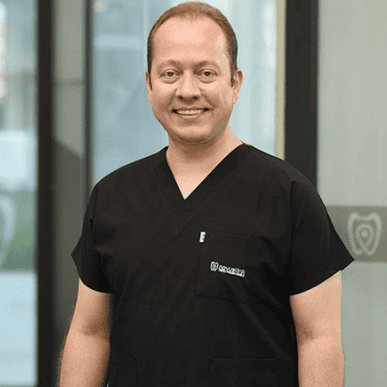
Incontra i nostri dentisti esperti a Istanbul, in Turchia, specializzati in protesi dentarie e impegnati a fornire cure sicure e affidabili. Scopri di più sui nostri specialisti certificati e su come possono aiutarti qui sotto.
Istanbul, in Turchia, una città dove Oriente e Occidente si incontrano, è una destinazione entusiasmante per i viaggiatori che desiderano cure mediche. Mentre cercate trattamenti come protesi dentarie o odontoiatria, cogliete l'occasione per esplorare i suoi splendidi monumenti e la sua vivace cultura.
Santa Sofia
Ammirate la splendida Basilica di Santa Sofia, un capolavoro architettonico che riflette la ricca storia di Istanbul. Originariamente cattedrale, poi moschea e ora museo, offre uno scorcio del variegato patrimonio culturale della città.
Gran Bazar
Esplorate il vivace Gran Bazar, uno dei mercati coperti più grandi e antichi del mondo. Qui potrete trovare artigianato tradizionale, spezie e souvenir, il che lo rende il luogo perfetto per immergervi nella cultura locale.
Stretto del Bosforo
Passeggiate lungo lo Stretto del Bosforo e godetevi una crociera panoramica che vi permetterà di ammirare lo skyline mozzafiato della città. Questo pittoresco corso d'acqua è perfetto per il relax e offre viste mozzafiato sia sul lato europeo che su quello asiatico di Istanbul.
Moschea Blu
Da non perdere la Moschea Blu, un capolavoro dell'architettura ottomana, nota per le sue splendide piastrelle blu e le grandi cupole. Questa moschea, ancora attiva, permette ai visitatori di apprezzarne la bellezza rispettandone il significato spirituale.
Viale Istiklal
Per un tocco moderno, visitate il Viale Istiklal, rinomato per i suoi negozi, i ristoranti e l'atmosfera vivace. Questa via pedonale è il luogo ideale per scoprire la Istanbul contemporanea, con numerosi ristoranti per soddisfare ogni palato.
Moschea di Santa Sofia e un parco a Istanbul di notte |

Garantire esperienze mediche sicure e di qualità
Quando si valuta il turismo medico, verificare le credenziali dei chirurghi e gli standard della struttura è fondamentale per garantire la sicurezza e ottenere risultati di qualità. Ecco alcuni aspetti chiave per orientare la vostra ricerca:
Credenziali del chirurgo
È essenziale comprendere le qualifiche di un chirurgo. Cerca:
- Certificazione del consiglio o designazioni equivalenti, che indicano il livello più elevato di formazione nella loro specializzazione.
- Ampia esperienza, in particolare nella procedura a cui sei interessato.
Per verificare le credenziali, considera:
- Richiedere informazioni dettagliate sulle credenziali.
- Verifica dell'appartenenza ad associazioni professionali pertinenti.
- Chiedere informazioni tramite facilitatori medici per ottenere indicazioni e verifiche.
Standard della struttura
È fondamentale scegliere una clinica o un ospedale che rispetti elevati standard di sicurezza e qualità. Prestate attenzione a segnali come:
- Adesione a certificazioni di qualità riconosciute.
- Accreditamento nazionale o licenza rilasciata dai ministeri della salute locali.
- Attrezzature moderne e rigorose pratiche igieniche.
La valutazione degli standard della struttura può comportare:
- Richiediamo tour virtuali se disponibili.
- Esaminando le foto della struttura.
- Porre domande specifiche sui protocolli di sicurezza.
- Controllo delle recensioni incentrate sulla qualità della struttura.
Ricorda, una ricerca approfondita è tua responsabilità ed è fondamentale per garantire un'esperienza di viaggio medica positiva. Acquisisci le conoscenze necessarie per prendere decisioni consapevoli.
Pronti a scoprire le opzioni per le vostre protesi dentarie a Istanbul? Siamo qui per aiutarvi in ogni fase del percorso! Contattate PlacidWay oggi stesso per tutte le informazioni di cui avete bisogno e per semplificare il processo. Il vostro viaggio verso un sorriso sicuro inizia con un semplice messaggio!





















Share this listing