The estimated cost of a face lift in Bangkok, Thailand typically ranges from $3,500 to $8,000, depending on the surgical technique, anesthesia type, and facility fees. This generally represents a more affordable option compared to standard prices in North America or Western Europe.
As aesthetic procedures become increasingly accessible globally, many people are looking beyond their local borders for care. Exploring a face lift in Bangkok, Thailand has become a popular consideration for those seeking to address signs of facial aging while potentially managing their healthcare budget. Thailand is known for its developed medical infrastructure, and understanding the financial aspects of care there is an important first step.
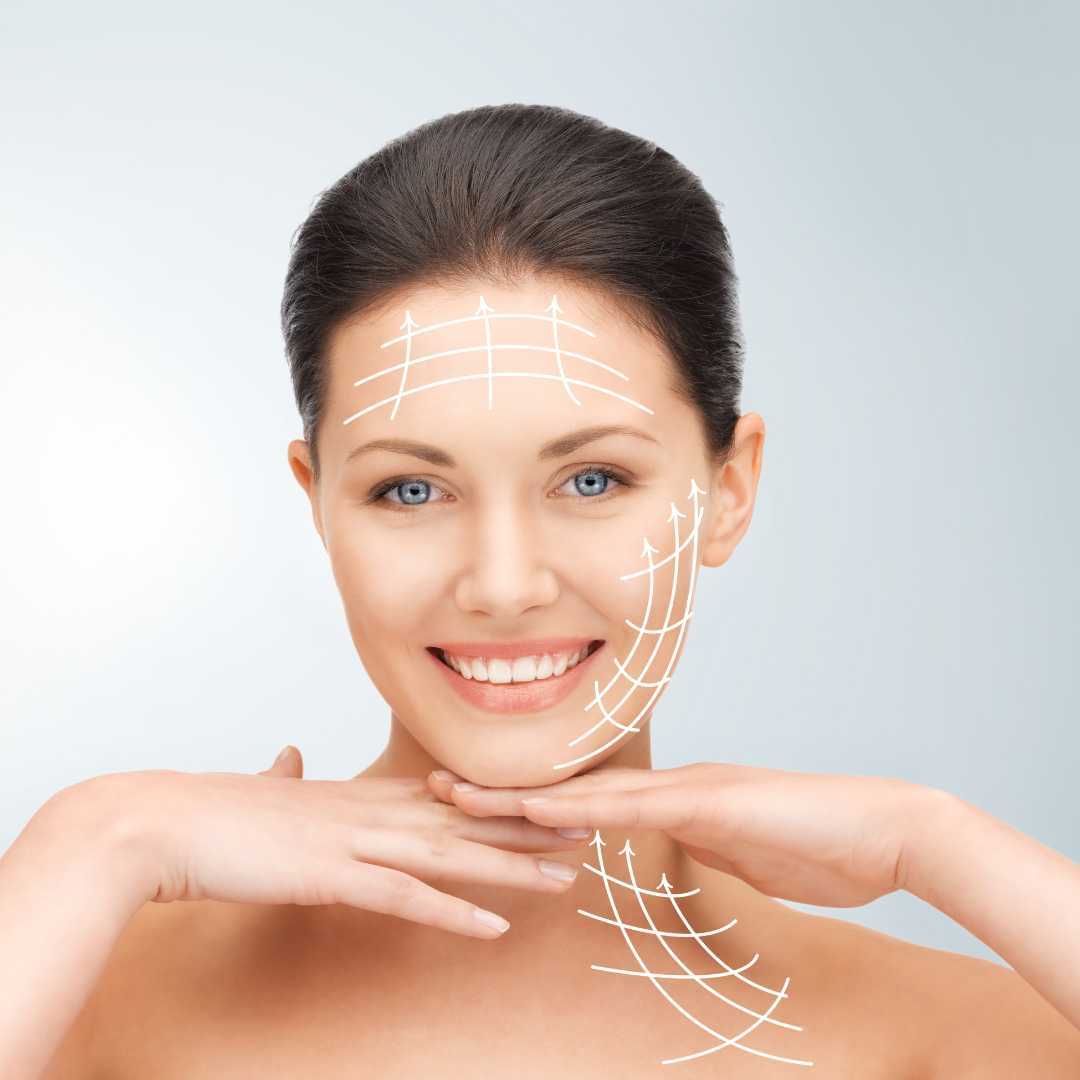
A face lift, medically known as a rhytidectomy, involves tightening facial tissues, removing excess skin, and smoothing deep folds to create a more rested appearance. Because pricing can vary significantly based on individual anatomy and clinic choices, this guide explores the estimated face lift cost in Bangkok, Thailand, what affects these prices, and how to approach care safely.
Key Takeaways
Price Estimates: Costs generally fall between $3,500 and $8,000, subject to variation.
Procedure Types: Pricing changes depending on whether you need a mini, full, or lower face and neck lift.
Package Inclusions: Many international centers bundle hospital stays, surgical fees, and medications into one price.
Travel Planning: Patients must budget for flights, accommodations, and a 10 to 14-day recovery period before flying home.
Safety First: Thorough medical evaluations and realistic expectations are essential; a face lift involves distinct surgical risks.
What factors influence the cost of a face lift in Bangkok?
The final price you pay is largely shaped by the surgeon's experience level, the type of anesthesia used, the complexity of the surgical technique, and the accreditation of the medical facility.
No two faces are exactly alike, which means no two surgical plans are identical. When you consult with a provider, they will tailor the procedure to your specific structural needs and aging patterns. If your surgery requires intricate work on the deeper muscle layers (such as a SMAS lift), it will naturally require more time in the operating room, increasing the overall cost.
Additionally, the reputation and location of the hospital play a role. A large, internationally accredited hospital in the city center typically has higher overhead costs than a smaller, independent clinic. The fees for an anesthesiologist and the type of sedation—whether general anesthesia or local anesthesia with sedation—also contribute to the final bill.
What is typically included in a face lift package?
Medical tourism packages in Thailand often combine the surgeon's fee, anesthesia, operating room charges, a 1-to-2 night hospital stay, standard post-operative medications, and follow-up consultations.
One reason patients look into medical tourism in Bangkok, Thailand is the comprehensive nature of the care packages offered to international visitors. When requesting price quotes, it helps to ask for a line-by-line breakdown to understand exactly what is covered.
Surgical and Facility Fees: Covers the operating theater, equipment, and the medical team.
Inpatient Stay: Many full face lifts require at least one night of monitoring in the hospital for safety.
Medications: Basic painkillers and antibiotics for the initial recovery phase.
Garments: Specialized compression wraps used immediately after surgery to help manage swelling.
Transfers: Some facilities offer complementary transport between the airport, hotel, and hospital.
How much do different types of face lifts cost?
Prices vary based on the extent of the lift. A mini face lift may cost between $3,000 and $5,000, while a traditional full face lift with neck contouring generally ranges from $5,000 to $8,000.
The term "face lift" is a broad category. Depending on your degree of skin laxity and your personal goals, a surgeon might recommend different approaches. Below is an estimated comparison of procedure types. Keep in mind that these are rough estimates and can fluctuate.
Procedure Type
Estimated Cost Range
Description
Mini Face Lift
$3,000 – $5,000
Focuses on the lower third of the face, utilizing shorter incisions. Suitable for mild to moderate sagging.
Full Face Lift
$5,000 – $8,000
Addresses the mid-face, jowls, and deeper tissues (SMAS). Offers more comprehensive rejuvenation.
Face & Neck Lift
$6,500 – $9,000+
Combines a full face lift with tightening of the neck muscles and removal of excess neck skin.
Why is a face lift in Thailand generally more affordable?
Lower treatment costs are primarily due to Thailand's broader economic factors, including a lower cost of living, favorable currency exchange rates, and reduced administrative and labor expenses.
A lower price tag does not automatically mean a compromise in medical standards. The affordability of healthcare in Southeast Asia is tied directly to the local economy. Rent, utilities, staffing, and administrative overhead are considerably less expensive than in places like the United States or the United Kingdom.
Furthermore, the medical tourism sector is highly competitive. Numerous hospitals invest heavily in modern technology and infrastructure to attract international patients, keeping prices competitive while striving to maintain high standards of care.
Are there hidden costs when getting plastic surgery abroad?
Patients must budget for travel-related expenses, mandatory medical clearance tests, potential treatment for unforeseen complications, and the costs of a travel companion, none of which are typically included in surgical quotes.
When calculating the total financial commitment, looking only at the surgical quote can be misleading. You need to account for the entire journey. Before surgery, you may need comprehensive blood panels or an EKG, which could incur extra fees.
Travel logistics also add up. You will need to pay for round-trip airfare, accommodation for several weeks during recovery, specialized medical travel insurance, daily meals, and local transportation. Furthermore, if you experience a complication that requires an extended stay or extra medication, you will need an emergency financial buffer to cover those unexpected out-of-pocket costs.
Important Consideration: Always clarify what happens financially if a revision surgery is needed. While some clinics offer limited policies for touch-ups, the cost of flying back to Thailand and booking hotels will still be your responsibility.
How long should I plan to stay in Bangkok for recovery?
Most surgeons require international patients to remain in the city for 10 to 14 days following a face lift. This allows time for drain removal, suture removal, and critical post-operative monitoring before flying.
Recovery from a face lift takes time, and rushing the process can jeopardize your results and your health. The first few days usually involve significant swelling, bruising, and a feeling of tightness. You will likely have follow-up appointments scheduled a few days after surgery to remove surgical drains, and again around day seven to ten to remove stitches.
Flying too soon after major surgery introduces severe risks, including Deep Vein Thrombosis (blood clots) and increased swelling due to cabin pressure fluctuations. You should only board a plane once your surgeon officially clears you for travel. Therefore, budgeting for a two-week stay in a comfortable, relaxing hotel is a necessary part of the process.
What are the potential risks and complications of a face lift?
Like all major surgeries, a face lift carries risks, including hematoma (blood pooling), infection, poor wound healing, visible scarring, facial nerve injury, and adverse reactions to anesthesia.
It is vital to approach cosmetic surgery with a realistic understanding of the medical risks. A face lift is an invasive procedure. One of the most common complications is a hematoma, which requires prompt surgical drainage. Smokers are at a significantly higher risk for poor wound healing and skin loss, which is why surgeons universally require patients to stop using nicotine weeks before and after the procedure.
Though rare, damage to the facial nerves can occur, resulting in temporary or, in very rare cases, permanent muscle weakness or asymmetry. You should have a thorough discussion with your doctor about your medical history, any medications you take (especially blood thinners), and how these factors might influence your individual risk profile.
How do I know if I am a good candidate for this procedure?
Ideal candidates are generally healthy non-smokers who have noticeable sagging in the face and neck, but whose skin still retains some natural elasticity. They also possess strong underlying bone structure and realistic expectations.
A face lift is designed to correct specific signs of aging, such as deep creases below the lower eyelids, sagging jowls, and loose skin on the neck. It does not treat superficial wrinkles, sun damage, or irregularities in skin color—those often require complementary treatments like laser resurfacing or chemical peels.
During a consultation, a physician will review your medical history to ensure conditions like high blood pressure or diabetes are well-managed, as uncontrolled systemic diseases can complicate surgery and recovery. Having realistic expectations is also crucial; surgery can rejuvenate your appearance, but it cannot make you look entirely different or stop the natural aging process from continuing.
What should I look for when choosing a plastic surgery clinic?
When evaluating any face lift clinic in Bangkok, Thailand, prioritize internationally recognized accreditations (like JCI), verify the surgeon's board certifications, and look for transparent communication regarding risks and costs.
Navigating foreign healthcare requires diligence. You should seek facilities that adhere to strict safety and hygiene protocols. Hospitals accredited by the Joint Commission International (JCI) are evaluated on stringent global standards for patient safety and care quality.
Furthermore, investigate the specific surgeon performing the procedure. Check their educational background, their membership in recognized aesthetic or plastic surgery societies, and their experience specifically with facial rejuvenation. A reputable clinic will facilitate a direct conversation or video consultation with the surgeon prior to you making any financial commitments.
How do I manage aftercare once I return home?
Successful recovery continues long after you leave Thailand. You must arrange for a local general practitioner to assist with ongoing healing, monitor for delayed complications, and guide your long-term skin maintenance.
Once you return home, your local healthcare provider becomes an essential part of your recovery journey. It is highly advisable to inform your primary care doctor of your travel plans before you leave so they are prepared to see you upon your return. If you develop a fever, unusual pain, or unexpected swelling, you must have a local medical contact to evaluate you immediately.
Long-term maintenance also requires discipline. Protecting your healing skin from the sun is critical to prevent dark scars. Using broad-spectrum sunscreen and maintaining a healthy lifestyle will help you support the healing process and preserve your results for as long as possible.
Why Choose PlacidWay for Medical Tourism in Thailand?
Navigating healthcare options abroad can be complex. PlacidWay acts as an informational platform to help you research and organize your options.
Broad Network: Provides access to information on numerous accredited medical facilities and clinics globally.
Easy Comparisons: Helps you compare estimated pricing, facility profiles, and available procedures in one place.
Direct Communication: Facilitates initial contact between you and the international medical providers.
Educational Resources: Offers guides and articles to help you understand what to expect from medical travel.
Patient Empowerment: Encourages you to gather multiple quotes and consult directly with professionals before making healthcare decisions.
Frequently Asked Questions (FAQs)
Can I combine a face lift with eyelid surgery in Bangkok?
Yes, many patients choose to combine a face lift with eyelid surgery (blepharoplasty) or a brow lift to address multiple areas of the face during a single operation. This can reduce overall recovery time and facility fees, but it also increases the complexity and duration of the surgery. Your surgeon will evaluate your health to determine if a combined procedure is safe for you.
Does health insurance cover face lifts in Thailand?
Standard health insurance policies typically do not cover face lifts because they are considered elective cosmetic procedures. Patients traveling for medical tourism usually pay out-of-pocket. However, it is advisable to purchase specialized medical travel insurance that covers unexpected complications.
What type of anesthesia is used for a face lift?
A full face lift is most often performed under general anesthesia, meaning you will be completely asleep. Some less invasive procedures, like a mini face lift, may be performed using local anesthesia combined with intravenous sedation. The choice depends on the surgical plan and the anesthesiologist's recommendation.
How long do the results of a face lift typically last?
While a face lift does not stop the aging process, the results often last between 7 to 10 years, depending on the technique used, your skin quality, genetics, and lifestyle factors like sun exposure and smoking. Aging will naturally continue, but you will generally continue to look younger than if you had not had the procedure.
Will I have visible scars after the procedure?
Incisions are typically placed in natural skin creases, such as around the ears and into the hairline, to help conceal scarring. Over time, these scars usually fade and become less noticeable. However, individual healing varies, and some patients may experience more prominent scarring.
Is it safe to fly immediately after facial surgery?
No, it is not recommended to fly immediately after surgery. Changes in cabin pressure and prolonged sitting can increase swelling and the risk of blood clots (DVT). Most surgeons advise waiting at least 10 to 14 days before taking an international flight home.
What is a SMAS face lift?
A SMAS (Superficial Musculoaponeurotic System) face lift is a technique that targets the deeper structural layers of the face, rather than just pulling the skin. By repositioning this underlying muscle layer, surgeons can often achieve more natural-looking and longer-lasting results compared to older skin-only techniques.
How much does a mini face lift cost compared to a full one?
A mini face lift generally costs less than a full face lift because it is less invasive, takes less time in the operating room, and often requires less anesthesia. In Bangkok, a mini lift might range from $3,000 to $5,000, while a full face lift is usually between $5,000 and $8,000.
Do clinics in Bangkok offer financing for international patients?
Direct financing or payment plans for international patients are relatively rare in foreign clinics due to the difficulties of cross-border debt collection. Most patients secure funding in their home country through personal loans, savings, or specialized medical credit companies before traveling.
What happens if I need a revision surgery after going home?
If complications arise after returning home, you will need to seek care from a local medical professional. While some overseas clinics have revision policies, returning abroad involves additional travel costs and logistical challenges. Establishing a relationship with a local doctor before you travel is highly recommended.
Explore Your Aesthetic Options
Take the next step in gathering information. Compare clinics, review estimated costs, and consult with professionals to see if treatment is right for you.
Request Treatment Information
References
Facelift Guide – American Society of Plastic Surgeons (ASPS)
Medical Tourism Safety and Travel Guidelines – Centers for Disease Control and Prevention (CDC)
Facelift Procedure Information – International Society of Aesthetic Plastic Surgery (ISAPS)
Face-lift: Risks and Recovery – Mayo Clinic
Rhytidectomy Details – Cleveland Clinic
JCI Accredited Organizations – Joint Commission International
Medical Disclaimer: The information provided in this article is for educational and informational purposes only and does not constitute medical advice. Surgery involves distinct risks, and outcomes vary by individual patient. Prices listed are estimates and subject to change based on specific medical needs and facility policies. Never disregard professional medical advice or delay seeking it because of something you have read here. Always consult with a qualified, board-certified healthcare provider to evaluate your medical history and determine if a procedure is appropriate for you.


































Share this listing