

Conteúdo
A Colômbia se consolidou como uma das principais capitais mundiais da cirurgia plástica, atraindo milhares de pacientes internacionais anualmente para procedimentos que vão desde lipoaspiração a lifting facial. O país oferece uma combinação irresistível de altos padrões cirúrgicos, expertise artística e custos de 50% a 70% menores do que nos Estados Unidos ou na Europa. Cidades como Bogotá, Medellín e Cali são renomadas por suas clínicas modernas e hospitais com acreditação JCI.
Os cirurgiões plásticos colombianos são famosos por sua habilidade em esculpir a "Curva Colombiana" — uma silhueta em forma de ampulheta alcançada por meio de técnicas avançadas como Lipo 360 e BBL. Eles também são líderes em estética facial, utilizando técnicas de rejuvenescimento profundo para resultados naturais. Os cirurgiões passam por treinamento rigoroso e são certificados pela Sociedade Colombiana de Cirurgia Plástica (SCCP), garantindo que a segurança do paciente seja primordial.
Um diferencial da experiência colombiana é a infraestrutura das "Casas de Recuperação". Essas instalações especializadas oferecem cuidados de enfermagem 24 horas por dia, 7 dias por semana, refeições saudáveis e massagens pós-operatórias em um ambiente confortável, semelhante ao de um hotel, tornando a recuperação mais segura e relaxante do que realizá-la sozinho em um hotel comum.
Seja para uma transformação pós-parto ou uma lipoescultura de alta definição, a Colômbia oferece uma experiência médica de excelência, transformadora e acessível.
Você sabia?
A Colômbia é líder mundial na fabricação de cintas pós-cirúrgicas de compressão, conhecidas como **"Fajas"**. Essas cintas são essenciais para modelar o corpo após lipoaspiração ou abdominoplastia. Por serem fabricadas localmente, as pacientes na Colômbia recebem cintas de compressão personalizadas da mais alta qualidade imediatamente após a cirurgia, garantindo os melhores resultados de contorno corporal.
Principais conclusões em resumo
Os procedimentos custam de 50% a 70% menos do que nos EUA. Um Mommy Makeover completo pode ser encontrado por menos de US$ 8.000.
O acesso a cuidados de enfermagem acessíveis, 24 horas por dia, 7 dias por semana, em centros de recuperação especializados, é um item padrão do pacote.
Uso generalizado de VASER, Microaire e J-Plasma (Renuvion) para firmeza superior da pele e remoção de gordura.
Os melhores cirurgiões são certificados pela SCCP e, frequentemente, são membros da ASPS, garantindo a adesão aos protocolos de segurança.
Protocolos avançados, como bombas de infusão de analgésicos e anestesia por expulsão, tornam o processo de recuperação muito mais confortável.
Voos diretos de curta duração partindo das principais cidades dos EUA (Miami, Nova York, Houston) para Bogotá, Medellín e Cali.
A Capital "Combo"
A Colômbia é mundialmente famosa por suas cirurgias combinadas. A mais popular é a "Lipoabdominoplastia com BBL", onde a gordura da cintura e das costas é usada para modelar os glúteos enquanto o abdômen é remodelado. Os cirurgiões colombianos são especialistas em gerenciar a logística e a segurança dessas operações com múltiplos procedimentos, proporcionando uma transformação corporal completa em uma única viagem.
Encontrar o pacote certo pode simplificar significativamente sua jornada médica. Na seção abaixo, selecionamos uma lista de fornecedores bem avaliados em Bogotá, Medellín e Cali que oferecem pacotes cirúrgicos completos. Esses pacotes geralmente incluem os honorários da cirurgia, anestesia, custos da sala de cirurgia, exames pré-operatórios, medicação pós-operatória, roupas de compressão, massagens de drenagem linfática e traslados do aeroporto. Muitos também incluem estadias em casas de recuperação especializadas. Navegue pelas opções para encontrar um pacote que corresponda aos seus objetivos estéticos e ao seu orçamento.
Observação: Os pacotes de "Mommy Makeover" são altamente personalizáveis, permitindo que você escolha entre implantes mamários ou lifting, com ou sem abdominoplastia.
.png)
Price starting from $6,000
Mommy Makeover in Bogota, Colombia by Dr. Felipe Castro
Dr. Felipe Castro Esguerra - Plastic Surgeon in Colombia
- Cosmetic/Plastic Surgery
Bogota, Colombia
.png)
Price starting from $4,200
Rhinoplasty Package in Bogota, Colombia by Dr. Felipe Castro
Dr. Felipe Castro Esguerra - Plastic Surgeon in Colombia
- Cosmetic/Plastic Surgery
Bogota, Colombia
.png)
Price starting from $4,320
Tummy Tuck Package in Colombia by Dr. Alvaro Uribe
Dr. Alvaro Uribe - Plastic Surgery in Colombia
- Cosmetic/Plastic Surgery
Barranquilla, Colombia

Price starting from $4,080
Breast Augmentation Package in Colombia by Dr. Alvaro Uribe
Dr. Alvaro Uribe - Plastic Surgery in Colombia
- Cosmetic/Plastic Surgery
Barranquilla, Colombia
.png)
Price starting from $4,500
Facelift Package in Bogota Colombia by Dr. Felipe Castro
Dr. Felipe Castro Esguerra - Plastic Surgeon in Colombia
- Cosmetic/Plastic Surgery
Bogota, Colombia
.png)
Price starting from $2,500
Eyelid Surgery Package in Bogota Colombia by Dr. Felipe Castro
Dr. Felipe Castro Esguerra - Plastic Surgeon in Colombia
- Cosmetic/Plastic Surgery
Bogota, Colombia
Compreender o compromisso financeiro é crucial para a sua decisão. A tabela abaixo apresenta uma análise transparente dos custos médios de procedimentos populares como lipoaspiração, abdominoplastia e aumento de mama na Colômbia, em comparação com os preços nos EUA. Embora esses valores sejam estimativas, eles destacam a economia significativa disponível, que muitas vezes permite realizar um procedimento mais completo ou optar por implantes de melhor qualidade.
Dica: Um pacote padrão de Lipo 360 + BBL geralmente custa entre US$ 4.500 e US$ 6.000 na Colômbia.
Cosmetic/Plastic Surgery Comparação de custos de centros em Colombia
| Provedor | Procedimento | Preço |
|---|---|---|
| Dr. David Guarin Cirugia Plastica | Liposuction, Cosmetic/Plastic Surgery | $5000 |
| Dr. David Guarin Cirugia Plastica | Gynecomastia, Cosmetic/Plastic Surgery | $4000 |
| Dr. Felipe Castro Esguerra - Plastic Surgeon in Colombia | Tummy Tuck Surgery, Cosmetic/Plastic Surgery | $5000 |
| Dr. Felipe Castro Esguerra - Plastic Surgeon in Colombia | Eyelid Surgery, Cosmetic/Plastic Surgery | $2500 |
| Dr. Alvaro Uribe - Plastic Surgery in Colombia | Breast Augmentation, Cosmetic/Plastic Surgery | $4080 |
| Dra Libia Hincapie - Plastic Surgeon in Medellin Colombia | Brazilian Butt Lift, Cosmetic/Plastic Surgery | $5000 |
Cosmetic/Plastic Surgery Comparação de custos em Colombia
| País | Procedimento | Preço |
|---|---|---|
| Canada | Nose Surgery Rhinoplasty, Cosmetic/Plastic Surgery | $10000 |
| United States | Tummy Tuck Surgery, Cosmetic/Plastic Surgery | $11000 |
| United States | Breast Augmentation, Cosmetic/Plastic Surgery | $11000 |
Sua segurança e os resultados dependem muito da clínica que você escolher. Selecionamos uma lista de clínicas e hospitais de cirurgia plástica de primeira linha na Colômbia, reconhecidos por sua especialização em procedimentos estéticos. Essas clínicas foram avaliadas por sua infraestrutura moderna, protocolos de esterilização e certificações das autoridades sanitárias locais. Explore os perfis abaixo para saber mais sobre seus históricos de segurança, tecnologias e comodidades para pacientes.
Padrão: Procure clínicas que operem dentro de grandes complexos médicos com acesso à UTI para máxima segurança durante cirurgias de grande porte.
Dr. Felipe Castro Esguerra - Plastic Surgeon in Colombia
Bogota, Colombia

Dra. Maria Sanchez
Cordoba, Argentina
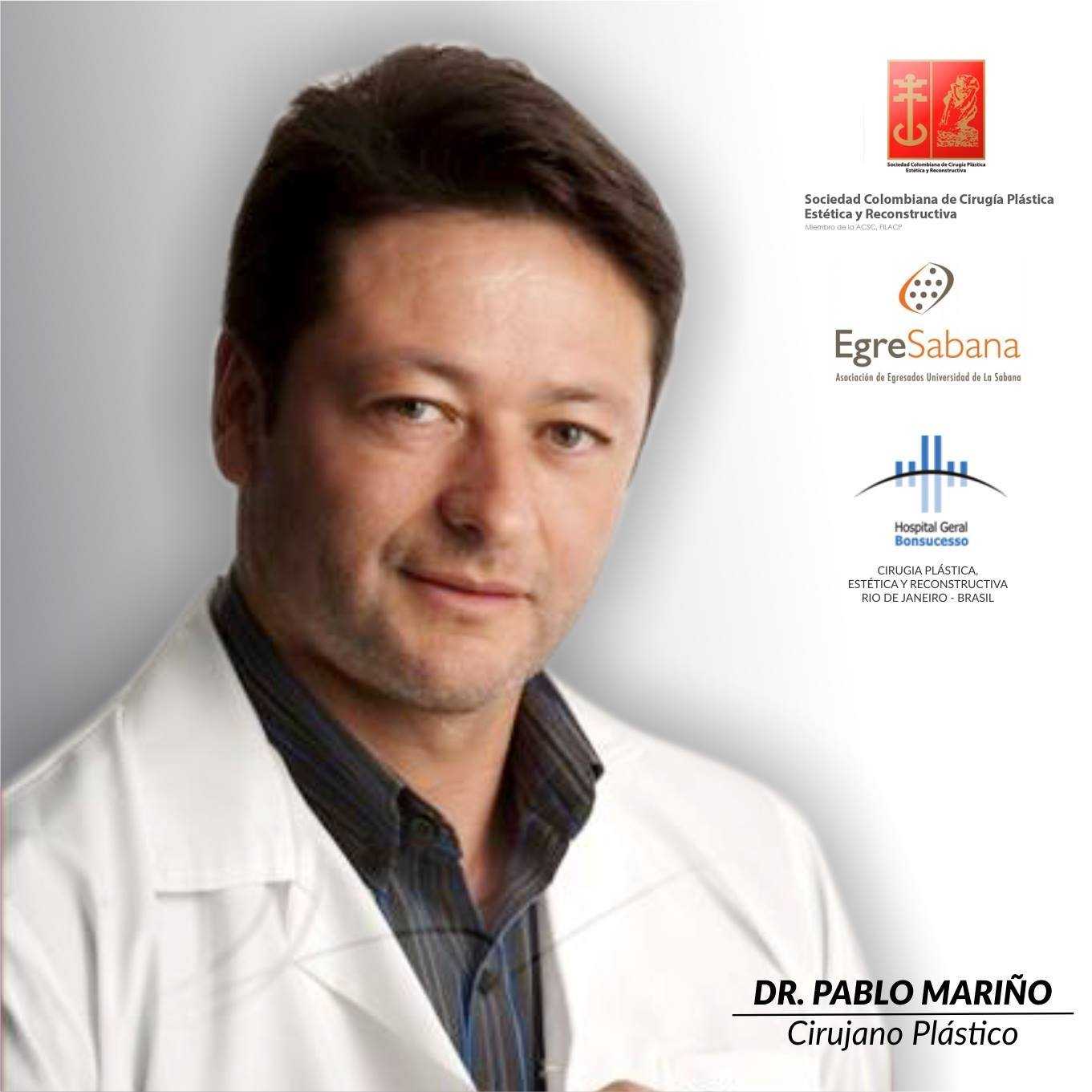
Pablo Marino
Bogota, Colombia
Dr. Alvaro Uribe - Plastic Surgery in Colombia
Barranquilla, Colombia
Dr. Juan Sanabria Plastic Surgeon
Bogota, Colombia
Dr. Maria Azain
Medellin, Colombia
Ouvir diretamente de pacientes anteriores pode oferecer um conforto inestimável. Os depoimentos em vídeo abaixo mostram histórias reais de pessoas que viajaram para a Colômbia em busca de transformação. Assista aos vídeos para saber mais sobre a jornada delas, a qualidade das casas de recuperação, a atenção dos enfermeiros e a satisfação com seus novos corpos.
Observação: Os pacientes costumam enfatizar o benefício de ter cuidados de enfermagem 24 horas por dia, 7 dias por semana, nas casas de recuperação, o que tornou a primeira semana de recuperação muito mais fácil.



As avaliações dos pacientes oferecem uma visão honesta da qualidade do atendimento. Nesta seção, você encontrará avaliações e classificações verificadas de pacientes que confiaram seus corpos a especialistas na Colômbia. Leia os comentários sobre a habilidade do cirurgião, o conforto da acomodação e a experiência geral para ajudar na sua escolha de profissional.
Dica para avaliações: Procure avaliações que mencionem a qualidade das massagens pós-operatórias e a comunicação de acompanhamento após o retorno para casa.

How Much Is Liposuction in Colombia?
If you are considering traveling abroad for body contouring, you are likely wondering about the liposuction cost in Colombia. Over the past decade, South America has become a popular destination for elective procedures, drawing patients looking for experienced surgeons and favorable exchange rates. Understanding the financial aspects, medical considerations, and logistics of having liposuction in Colombia can help you make a well-informed decision for your healthcare journey. The estimated cost of liposuction in Colombia typically ranges from $2,500 to $4,500. Prices vary based on the number of areas treated, the surgical technique, and clinic fees. Always consult a board-certified surgeon for a personalized quote. Key Takeaways Estimated prices range from $2,500 to $4,500, though complex cases can cost more. Costs fluctuate depending on the number of body areas treated and the technology used (such as Vaser or laser). Patients must account for travel, accommodation, post-op garments, and lymphatic massages in their total budget. Choosing a properly accredited facility and a board-certified plastic surgeon is vital for patient safety. Liposuction is not a weight-loss solution; it is designed for contouring stubborn pockets of fat in individuals near their target weight. 1. What factors affect the overall liposuction cost in Colombia? The price of your procedure is influenced by the number of areas being treated, the surgeon's expertise, the type of facility, and the specific surgical technology utilized. When evaluating quotes, you will notice that prices are rarely flat across the board. The primary driver of cost is the scope of the surgery. Treating a single area, such as the chin or lower abdomen, requires less time in the operating room and less anesthesia compared to a multi-area procedure (like treating the abdomen, flanks, back, and thighs simultaneously). Another major factor is the geographic location of the clinic. Major cities like Bogotá, Medellín, and Cali have robust medical infrastructures, but costs can vary between neighborhoods based on facility overhead. Additionally, highly experienced, board-certified plastic surgeons usually charge more for their time and expertise than less experienced providers. Important Consideration Your Body Mass Index (BMI) may also affect pricing. Some surgeons charge higher fees for higher BMI patients because the procedure requires more time, effort, and specific safety protocols. 2. What does a typical liposuction package in Colombia include? A standard surgical quote usually covers the surgeon's fee, operating room costs, anesthesia, and basic medical supplies for the day of surgery. When communicating with a potential liposuction clinic in Colombia, you should carefully review what is itemized in your quote. Most reputable clinics will clearly outline their fees to help you avoid surprises. The core surgical estimate almost always includes the payment for the plastic surgeon, the anesthesiologist's fee, and the use of an accredited surgical suite. However, medical tourism packages differ widely. Some clinics cater explicitly to international patients by bundling the surgery with hotel accommodations, airport transfers, and bilingual concierge services. Others only bill for the medical portion of your trip, leaving you to handle the logistics. Always ask for an itemized breakdown before making a deposit. 3. Are there hidden fees when traveling to Colombia for liposuction? While they aren't necessarily "hidden," expenses like pre-operative lab work, post-surgical garments, prescription medications, and lymphatic drainage massages are often excluded from initial quotes. Proper budget planning goes far beyond the surgical fee. To ensure a safe and smooth recovery, patients usually need to pay for several out-of-pocket medical necessities once they arrive. Common additional costs include: Pre-operative testing: Blood work, EKGs, and consultations with an internist to ensure you are fit for surgery. Compression garments (Fajas): Specialized medical garments worn for weeks after surgery to reduce swelling and shape the body. You typically need at least two. Post-operative massages: Lymphatic drainage massages are highly recommended (and often required by Colombian surgeons) to manage swelling and prevent fluid buildup. A package of 10 sessions is common. Medications: Antibiotics, painkillers, and anticoagulants prescribed for your recovery. Travel insurance: Specialized medical tourism insurance to cover unexpected complications or trip cancellations. 4. How do different liposuction techniques impact the price? Advanced technologies like Vaser (ultrasound-assisted) or laser-assisted liposuction usually cost more than traditional tumescent liposuction due to the expensive equipment required. Surgeons utilize different methods to break up and extract fat, and the method chosen can influence your final bill. Traditional tumescent liposuction involves injecting a sterile solution to numb the area and minimize bleeding, followed by manual extraction. This remains a highly effective and generally more affordable option. Alternatively, many modern clinics utilize energy-assisted devices. Vaser liposuction uses ultrasound waves to liquefy fat cells before removal, which may reduce trauma to surrounding tissues. Laser-assisted liposuction (such as SmartLipo) uses thermal energy to melt fat and potentially encourage skin tightening. Power-assisted liposuction (PAL) uses a vibrating cannula to ease fat removal. Because these devices require significant capital investment by the clinic and specialized training for the surgeon, procedures using them often carry a premium price. Technique Estimated Cost Range Key Characteristic Traditional Tumescent $2,000 - $3,500 Standard fluid injection and manual extraction Vaser (Ultrasound) $2,800 - $4,500+ Uses sound waves to liquefy fat gently Laser-Assisted $2,500 - $4,500 Uses thermal energy; may aid in skin retraction *Note: Prices are generalized estimates and vary widely by clinic, patient anatomy, and extent of surgery. 5. Why do international patients choose medical tourism in Colombia for body contouring? Patients are drawn to Colombia due to the combination of internationally trained surgeons, high-quality medical facilities, and overall affordability compared to North American healthcare. The rise of medical tourism in Colombia is backed by the country's longstanding reputation in the field of aesthetic medicine. According to global aesthetic surgery statistics, Colombia consistently ranks among the top countries worldwide for the volume of cosmetic procedures performed annually. This high volume means that many local surgeons possess extensive hands-on experience in body contouring. In addition to medical expertise, the financial benefits are substantial. Due to differences in the cost of living and favorable exchange rates for those holding US dollars, Euros, or Canadian dollars, patients can often access premium surgical care and extended recovery stays for less than the cost of just the surgery back home. 6. How can you find a safe and reputable liposuction clinic in Colombia? You can verify a clinic’s safety by checking if the surgeon is a registered member of the Colombian Society of Plastic Surgery (SCCP) and ensuring the facility holds local health department approvals. Research is your strongest defense against complications. When traveling abroad, it is crucial not to base your decision on price alone. You should look for a board-certified plastic surgeon, which in Colombia usually means verifying their membership with the Sociedad Colombiana de Cirugía Plástica Estética y Reconstructiva (SCCP). Membership indicates they have completed rigorous specialized training. Furthermore, the facility where the surgery takes place should be heavily scrutinized. Major procedures should be performed in a fully accredited surgical center or hospital equipped to handle medical emergencies. Avoid practitioners who offer to perform surgery in unaccredited offices or spas. Ask the clinic about their emergency protocols and their infection rate statistics before committing. Expert Insight Always ask to see before-and-after photos of patients with a similar body type to yours. This helps set realistic expectations regarding the surgeon's aesthetic style and capability. 7. Who is an ideal candidate for liposuction surgery? The best candidates are non-smokers in good overall health who are close to their ideal body weight but struggle with localized, diet-resistant fat deposits. A common misconception is that liposuction treats obesity. In reality, it is a localized contouring tool. Surgeons typically look for patients who have maintained a stable weight for several months and have a BMI within a healthy or slightly overweight range (often under 30). Treating patients with a high BMI increases surgical risks and may yield less predictable aesthetic outcomes. Skin elasticity also plays a major role in your candidacy. Because liposuction removes the underlying fat, the skin must be able to naturally shrink and conform to your new shape. Older patients or those with significant stretch marks and loose skin might require excisional surgery (like a tummy tuck) instead of, or in addition to, liposuction to achieve their desired look. 8. What is the typical recovery process after liposuction in Colombia? Recovery involves resting for several days, wearing a compression garment for weeks, managing expected swelling and bruising, and attending post-operative appointments. Immediately following the procedure, patients generally experience soreness, bruising, and fluid drainage from the incision sites. Your surgeon will prescribe pain medication and antibiotics to manage discomfort and reduce the risk of infection. You will be instructed to wear a medical-grade compression garment (faja) around the clock during the initial healing phase. This garment minimizes swelling and supports your newly contoured tissues. Most patients feel well enough to return to desk work and light activities within one to two weeks. However, strenuous exercise and heavy lifting must be avoided for four to six weeks, as directed by your physician. In Colombia, it is standard practice to undergo regular lymphatic drainage massages during the first few weeks of recovery to accelerate healing and prevent irregular fluid accumulation (seromas). 9. What are the potential risks and complications of liposuction? Like any surgical procedure, liposuction carries risks such as infection, bleeding, contour irregularities, fluid accumulation, and reactions to anesthesia. Patient safety must always come first. While modern liposuction is generally safe when performed by a qualified professional in a sterile environment, complications can occur. Minor aesthetic issues may include skin dimpling, asymmetry, or changes in skin sensation. These sometimes resolve on their own, but occasionally require revision surgery. More severe, though rare, medical complications include deep vein thrombosis (DVT), pulmonary embolism, fat embolism syndrome, severe infections, and internal organ puncture. To minimize these risks, you must disclose your full medical history, allergies, and all medications to your surgeon prior to the procedure. Following all pre-operative and post-operative instructions—especially regarding early mobilization to prevent blood clots—is vital for your well-being. 10. How soon can you fly home after having liposuction in Colombia? Most surgeons require international patients to remain in Colombia for 7 to 14 days after surgery to monitor healing and clear them for air travel safely. Flying too soon after major surgery increases the risk of deep vein thrombosis (DVT)—blood clots that can form in the legs and travel to the lungs. The combination of post-surgical inflammation, prolonged immobility in an airplane seat, and changes in cabin pressure creates a hazardous environment for early recovery. Your surgeon will determine when it is medically appropriate for you to fly based on the volume of fat removed, the length of your flight, and your individual recovery progress. When you do fly, you should stay hydrated, wear medical compression stockings, and walk up and down the aisle periodically to keep blood circulating. Why Choose PlacidWay for Medical Tourism in Colombia? PlacidWay is a leading global medical tourism platform that connects patients with healthcare providers around the world. Utilizing an established platform can simplify your research phase. Global Network Access a vast directory of medical centers, clinics, and accredited healthcare facilities located across numerous countries, including Colombia. Educational Resources Find informative articles, pricing estimates, and provider details to help you better understand your healthcare options abroad. Direct Communication The platform facilitates direct contact between international patients and medical facilities for personalized quotes and consultations. Compare Options Easily view facility details and multiple treatment packages side-by-side to find options that align with your specific medical needs and budget. Multilingual Support PlacidWay features multilingual capabilities, assisting patients from various regions in navigating cross-border healthcare effectively. Frequently Asked Questions Is liposuction in Colombia significantly cheaper than in the US? Yes, patients often find that liposuction in Colombia costs 40% to 60% less than in the United States or Canada, primarily due to lower operating costs and a favorable exchange rate, rather than a reduction in medical quality. Can I combine liposuction with a tummy tuck in Colombia? Many surgeons perform liposuction in conjunction with a tummy tuck (abdominoplasty) or fat transfer, provided the patient is healthy enough for a combined, longer surgery. This can alter the overall cost and significantly extend your required recovery time. What happens if I need revision surgery after returning home? If complications or unsatisfactory results occur after you fly home, you may need to seek care from a local surgeon. International revision policies vary by clinic; some may cover the surgical fee for a revision but rarely cover your return travel expenses. Are financing options available for international patients in Colombia? Most international patients pay out-of-pocket using credit cards, wire transfers, or cash. While some local clinics partner with international medical financing companies, local Colombian payment plans are typically reserved for residents. How much weight can I expect to lose with liposuction? Liposuction is a body contouring procedure, not a weight-loss method. While some localized fat is removed, the actual weight lost is usually minimal. The primary goal is to improve body proportions and silhouette. Will my health insurance cover liposuction cost in Colombia? Because liposuction is almost always considered an elective cosmetic procedure, standard health insurance providers do not cover it, whether performed domestically or internationally. Do Colombian plastic surgeons speak English? Many board-certified plastic surgeons in major Colombian cities like Bogotá, Medellín, and Cali speak English, especially those who frequently treat international patients. Clinics often provide bilingual coordinators to assist with communication. What type of anesthesia is typically used for liposuction in Colombia? Depending on the extent of the procedure and patient preference, surgeons may use local anesthesia with IV sedation or general anesthesia. Larger volume liposuction usually requires general anesthesia for patient comfort and safety. Are compression garments included in the surgery cost? Some all-inclusive medical tourism packages include the first compression garment (faja). However, many clinics charge for garments separately. You will often need at least two garments so you can wear one while washing the other. How long do the results of liposuction last? The fat cells removed during liposuction do not grow back. However, if you gain weight after the procedure, the remaining fat cells in your body can expand, potentially altering your new body contours. Maintaining a stable weight is necessary for long-term results. Compare Treatment Options Take the next step in your medical journey. Request treatment information and compare facility details in Colombia today. Request Treatment Information References Liposuction Procedure Overview - American Society of Plastic Surgeons (ASPS) Global Statistics on Aesthetic Surgery - International Society of Aesthetic Plastic Surgery (ISAPS) Medical Tourism Travel Health Guidelines - Centers for Disease Control and Prevention (CDC) Liposuction Risks and Results - Mayo Clinic Liposuction Devices and Safety Information - U.S. Food and Drug Administration (FDA) Sociedad Colombiana de Cirugía Plástica Estética y Reconstructiva (SCCP) Medical & Pricing Disclaimer: The information provided in this article is for educational purposes only and does not constitute medical or financial advice. All prices mentioned are estimates and subject to change based on individual needs, clinic policies, and exchange rates. Outcomes, risks, and recovery times vary by patient. Never use this information to diagnose or treat a health problem. Always consult a qualified, board-certified healthcare professional for an individualized assessment and personalized quote before making any decisions regarding medical procedures or travel.
What is the Average Price of Breast Augmentation in Colombia?
The average price of breast augmentation in Colombia typically ranges from $3,000 to $4,500 USD. This estimate generally covers surgeon fees, standard implants, anesthesia, and facility costs, though final prices vary based on your specific medical needs. Many patients seeking cosmetic enhancement look beyond their local borders to explore international options. Finding a reputable destination for breast augmentation in Colombia has become increasingly common among patients from North America and Europe. The country features a robust healthcare infrastructure, particularly in major cities, alongside experienced medical professionals who specialize in cosmetic procedures. Understanding the financial aspects requires looking past the baseline sticker price. While the initial estimates are often lower than those found in the United States or the United Kingdom, proper planning involves factoring in travel, extended accommodation for recovery, pre-operative testing, and potential aftercare. Approaching medical tourism in Colombia responsibly means prioritizing your health, researching board-certified surgeons, and understanding exactly what is and is not included in an overseas medical quote. Key Takeaways The estimated base price for breast augmentation in Colombia is between $3,000 and $4,500 USD. Choosing between saline, standard silicone, or highly cohesive "gummy bear" implants will influence your final quote. Patients must budget for additional expenses, including flights, hotels, medical travel insurance, and local medications. Safety protocols dictate staying in Colombia for 10 to 14 days post-surgery to monitor for early complications before flying. Careful vetting of your surgeon’s credentials and the facility’s accreditation is essential for a safer medical experience. What factors influence the total breast augmentation cost in Colombia? Total costs are primarily influenced by the surgeon’s experience level, the specific type and brand of implants selected, and the accreditation status of the surgical facility. When reviewing quotes for your procedure, you will notice that prices fluctuate based on several variables. A highly experienced, board-certified plastic surgeon operating in a specialized aesthetic clinic will often charge more than a less experienced practitioner. The location also matters; facilities situated in affluent urban districts usually have higher overhead costs, which can reflect in the final patient quote. Another significant factor is the complexity of the surgery itself. If you require a breast lift (mastopexy) in addition to the augmentation, the time required in the operating room increases, which raises both the surgeon's fee and the anesthesia costs. You may also encounter variations in pricing based on whether you choose local anesthesia with deep sedation or general anesthesia, though general anesthesia is most common for this procedure. What is typically included in a Colombian breast augmentation package? A standard package usually covers the surgeon’s professional fee, operating room time, anesthesiologist fees, and the cost of standard breast implants. Choosing a breast augmentation clinic in Colombia often means dealing with bundled pricing. Clinics frequently package the core components of the surgery into one transparent fee. This baseline package covers the surgical procedure, standard monitoring during recovery at the facility, and the initial post-operative consultation before you are cleared to travel home. However, it is crucial to request a line-by-line breakdown of your quote. Some clinics include the first surgical compression garment, pre-operative blood tests, and local transportation to and from the hospital, while others list these as separate, out-of-pocket expenses. Ensuring you understand exactly what the clinic provides helps prevent unexpected bills during your medical journey. How do saline and silicone implant choices affect the final price? Silicone implants are generally more expensive than saline implants, with highly cohesive "gummy bear" silicone options representing the highest price tier. The type of implant you and your surgeon choose plays a major role in the overall breast augmentation cost in Colombia. Saline implants, which are filled with sterile saltwater after being inserted, are typically the most cost-effective option. If a saline implant ruptures, the body safely absorbs the water, making detection straightforward. Silicone implants are pre-filled with a cohesive gel that closely mimics the feel of natural breast tissue. Because of the manufacturing process and material costs, standard silicone implants increase the surgical estimate. Highly cohesive form-stable implants retain their shape even if the shell breaks, offering a distinct aesthetic and safety profile, but they require a larger incision and represent the most expensive implant option available. Are there hidden expenses patients should budget for during recovery? Yes, patients must budget for non-surgical costs such as extended lodging, flights, prescription medications, specialized travel insurance, and post-operative garments. Planning for surgery abroad requires a realistic budget that goes beyond the operating table. The most significant additional costs are travel and accommodation. You will need a comfortable, clean place to stay for approximately two weeks following your procedure. Since mobility will be restricted in the early days of recovery, you may also need to budget for food delivery services or a travel companion to assist you. Other easily overlooked expenses include: Prescription pain medications and antibiotics required for recovery. Specialized medical travel insurance to cover potential complications. Additional compression bras as swelling decreases. Post-operative lymphatic drainage massages, which many surgeons recommend. Potential consultation fees if you seek a second opinion locally before traveling. How does pricing compare between major Colombian cities like Bogota and Medellin? Prices often fluctuate by region; Bogota and Cartagena tend to carry slightly higher costs due to overhead and tourism demand, while Medellin and Cali offer competitive mid-range pricing. Colombia has several distinct hubs for medical care. Bogota, the capital city, is home to large, internationally accredited hospitals and prestigious private clinics. The cost of running a facility in the capital often translates to slightly higher procedure fees. Conversely, Medellin has positioned itself heavily in the cosmetic surgery sector, creating a highly competitive market that can sometimes benefit patients financially. Cali is another city renowned within Colombia for aesthetic surgery, often providing very competitive pricing for international patients. Cartagena offers the appeal of a coastal recovery setting, but its status as a primary tourist destination means hotel and living expenses during your recovery phase will likely be higher than in inland cities. Is it safe to travel to Colombia for cosmetic breast surgery? Traveling for surgery carries inherent risks, including the dangers of flying post-surgery and navigating unfamiliar medical systems, though selecting accredited facilities and following all medical guidelines mitigates some of these risks. Safety should always be the primary concern when considering surgery abroad. From a medical standpoint, Colombia has modernized its healthcare system and many clinics operate under strict national hygiene and safety protocols. However, undergoing any surgery far from your home support network introduces unique challenges. If a complication such as an infection or hematoma occurs after you have returned home, you will need to seek care from a local medical provider, which can result in unexpected out-of-pocket costs. Furthermore, flying after surgery increases the risk of deep vein thrombosis (DVT) and pulmonary embolism. The changes in cabin pressure, combined with prolonged immobility, pose a significant health threat. Surgeons mitigate this by requiring patients to stay in the destination country for an extended period, allowing initial healing to take place and ensuring you are medically cleared before boarding a flight. What medical qualifications should I look for in a Colombian plastic surgeon? Patients should verify that their surgeon is a verified member of the Colombian Society of Plastic Surgery (SCCP) and holds active board certification for plastic and reconstructive surgery. Proper credentialing is your strongest defense against poor surgical outcomes. In Colombia, the primary professional body for plastic surgeons is the Sociedad Colombiana de Cirugía Plástica Estética y Reconstructiva (SCCP). Membership in this society indicates that the surgeon has completed rigorous formal training in plastic surgery rather than just general medical training. Additionally, you should verify if the surgeon has international affiliations, such as membership in the International Society of Aesthetic Plastic Surgery (ISAPS) or the American Society of Plastic Surgeons (ASPS). These memberships require adherence to specific ethical and safety standards. Ask your surgeon about their hospital privileges; surgeons who are permitted to perform procedures in major, multi-specialty hospitals have undergone additional vetting by their peers. Important Consideration: Never commit to surgery based solely on social media before-and-after photos. Always ask to see credentials, verify their medical license, and have a thorough virtual consultation to discuss your specific medical history before booking flights. What are the common risks and medical considerations for this procedure? Potential risks include anesthesia complications, infection, capsular contracture, implant rupture, changes in nipple sensation, and the eventual need for revision surgery. Breast augmentation is a major surgical procedure and is not without risks. Every patient should have a clear understanding of possible complications. One of the most common long-term risks is capsular contracture, a condition where the scar tissue surrounding the implant hardens, which can cause pain and distort the shape of the breast, often requiring further surgery to correct. Early post-operative risks include hematoma (blood pooling under the skin), infection at the incision site, and delayed wound healing. Patients may also experience temporary or, in some cases, permanent changes in nipple and breast sensation. Furthermore, it is critical to understand that breast implants are not guaranteed to last a lifetime; most patients will require an implant replacement or removal surgery within 10 to 15 years. How long should I plan to stay in Colombia for a safe recovery? Medical professionals typically advise international patients to remain in Colombia for a minimum of 10 to 14 days following breast augmentation surgery. Adequate time for initial recovery is non-negotiable for medical tourists. During the first week after surgery, you will experience the most significant swelling, bruising, and discomfort. Your surgeon will need you to attend follow-up appointments to monitor the healing of your incisions, assess for any signs of early infection, and ensure the implants are settling correctly. Attempting to fly home too early puts you at severe risk. If a hematoma or acute infection develops while you are in the air or shortly after arriving home, treating it becomes vastly more complicated and expensive. Giving your body at least two weeks to stabilize in a restful environment near your surgical team is a necessary component of responsible medical travel planning. How can international patients verify the safety of a clinic? Patients should check for national health certifications from the Colombian Secretaría de Salud, and look for international accreditations like JCI or AAAASF/Quad A. Researching the facility where the surgery will take place is just as critical as choosing the right surgeon. In Colombia, medical facilities must be authorized by local health departments (Secretaría de Salud). Legitimate clinics will openly display these operating licenses and be willing to provide registration numbers upon request. For an added layer of reassurance, many international patients look for facilities that hold global accreditations. Organizations like the Joint Commission International (JCI) or the American Association for Accreditation of Ambulatory Surgery Facilities (now known as Quad A) impose strict standards regarding emergency protocols, sterilization, anesthesia management, and patient care. Facilities that maintain these accreditations regularly undergo rigorous, independent audits. Why Choose PlacidWay for Medical Tourism? PlacidWay provides resources and structured directories to help patients navigate international healthcare options. Extensive Directories: PlacidWay offers access to a wide network of clinics and hospitals across Latin America and the globe. Provider Profiles: The platform allows users to review the listed qualifications, accreditations, and specialties of various medical facilities. Educational Resources: Patients can read informative articles about different procedures, expected timelines, and what to ask their chosen doctors. Direct Communication: PlacidWay facilitates initial contact, allowing patients to request direct quotes and consultations from clinics. Cost Comparisons: The platform helps users compare estimated procedure prices across different cities and countries to aid in financial planning. Frequently Asked Questions How long does a breast augmentation surgery usually take? The procedure typically takes between one to two hours, depending on the surgical technique, implant placement, and individual patient anatomy. Patients spend additional time in the recovery room before being discharged. Can I fly immediately after getting breast implants in Colombia? Flying immediately after surgery is not recommended due to the increased risk of deep vein thrombosis (DVT) and the need for early post-operative monitoring. Surgeons usually advise waiting 10 to 14 days before taking an international flight. Do clinics in Colombia provide post-operative garments? Many clinics include the initial surgical bra or compression garment in their overall package. However, you will likely need to purchase additional garments for changes during your recovery period. What happens if I need revision surgery after returning home? If a complication arises after you return home, you will need to consult a local board-certified plastic surgeon. Revision surgeries performed outside the original clinic are typically an out-of-pocket expense, highlighting the need to budget for unexpected medical care. Will my local health insurance cover complications from surgery abroad? Most standard health insurance plans do not cover complications arising from elective cosmetic surgeries performed abroad. Patients can look into specialized medical travel insurance policies that offer coverage for specific surgical complications. How do I communicate if I do not speak Spanish? Many surgeons who frequently work with international patients speak English fluently, and facilities catering to medical tourists often employ bilingual coordinators. You can also hire a local medical interpreter if needed. What medical tests are required before breast augmentation? Standard pre-operative requirements usually include a complete blood count (CBC), coagulation profile, electrocardiogram (EKG), and sometimes a baseline ultrasound or mammogram, depending on your age and medical history. Can breast implants affect future mammograms or breast screenings? Yes, implants can obscure some breast tissue during a standard mammogram. You must inform the technician that you have implants so they can use special displacement techniques to ensure a thorough and accurate screening. How long do breast implants typically last? Breast implants are not lifetime devices. While many patients enjoy their results for 10 to 15 years, the risk of rupture or complications increases over time, and future replacement or removal surgeries are often necessary. Do surgeons in Colombia use FDA-approved or equivalent implants? Qualified plastic surgeons typically use internationally recognized implant brands that hold FDA approval or CE marking (European standard). You should always ask your surgeon for the specific brand and certification of the implants being used. Compare Treatment Options Abroad Take time to gather information, compare reputable facilities, and request detailed procedure estimates to make an educated healthcare decision. Request Treatment Information Medical Disclaimer: The information provided in this article is for educational purposes only and does not constitute medical advice, diagnosis, or treatment planning. Procedure outcomes, costs, eligibility, and recovery times vary significantly among individuals. Always consult directly with a qualified, board-certified healthcare provider to evaluate your personal medical history and determine if surgery is appropriate for you. References Breast Augmentation Safety and Risks – American Society of Plastic Surgeons (ASPS) Patient Safety for International Cosmetic Surgery – International Society of Aesthetic Plastic Surgery (ISAPS) Medical Tourism Guidelines and Risks – Centers for Disease Control and Prevention (CDC) Risks and Complications of Breast Implants – U.S. Food and Drug Administration (FDA) Breast Augmentation: What You Can Expect – Mayo Clinic Breast Augmentation Information – MedlinePlus (National Library of Medicine) Deep Vein Thrombosis and Air Travel – Centers for Disease Control and Prevention (CDC)
How Much is a Tummy Tuck in Colombia?
A tummy tuck in Colombia generally costs between $3,500 and $6,000. This estimated price typically includes surgeon fees, anesthesia, facility costs, and post-operative garments, though final expenses vary based on case complexity and clinic location. Key Takeaways A tummy tuck cost in Colombia provides a highly affordable alternative to North American healthcare prices. Thorough vetting of local clinic accreditations and surgeon credentials is an essential step for ensuring optimal medical safety. International patients should anticipate a mandatory stay of 10 to 14 days to accommodate crucial post-operative monitoring. Comprehensive surgical quotes should explicitly outline medical fees, facility costs, anesthesia, and necessary post-surgical garments. Strict adherence to provided pre-operative and post-operative medical guidelines significantly reduces the risk of surgical complications. What exactly does a tummy tuck in Colombia entail for international patients? A tummy tuck in Colombia, clinically known as an abdominoplasty, involves the surgical removal of excess skin and fat from the middle and lower abdomen. It also typically includes the tightening of the abdominal wall musculature to create a firmer, more toned profile. The procedure is highly sought after by individuals who have experienced significant weight loss or pregnancy, resulting in loose, sagging skin that simply does not respond to traditional diet or exercise. Surgeons carefully evaluate each patient during an initial consultation to determine the most appropriate surgical technique, which may range from a localized mini tummy tuck to a more comprehensive extended abdominoplasty that addresses the flanks as well. During the surgery, an incision is strategically made just above the pubic area, allowing the medical team to access the underlying muscle and tissue. The weakened or separated abdominal muscles are meticulously repaired and sutured into their proper anatomical position, which helps flatten the abdomen entirely and narrow the waistline to restore a more youthful contour. Finally, the remaining skin is stretched downward, and any excess tissue is carefully removed before the incisions are closed. Many leading clinics in the region utilize advanced suturing techniques designed to minimize tension on the healing skin, which can help promote finer, more discreet scarring over time while ensuring a smoother recovery process for the patient. How does the tummy tuck cost in Colombia compare to prices in North America? The tummy tuck cost in Colombia is generally 40 to 60 percent less than the average prices found in the United States or Canada. While a North American procedure might exceed ten thousand dollars, Colombian clinics often provide similar treatments for under six thousand. Procedure Element North America (Estimated) Colombia (Estimated) Surgeon Fees $4,500 - $8,000 $1,500 - $3,000 Anesthesia & Facility Fees $2,500 - $4,000 $1,000 - $2,000 Total Estimated Medical Cost $7,000 - $12,000+ $3,500 - $6,000 *Note: Prices are estimates and vary by clinic, city, materials, case complexity, and specific patient requirements. Lower operational costs and highly favorable international exchange rates contribute significantly to the affordability of surgical care in South America. The estimated price provided by clinics typically encompasses the surgeon fees, specialized anesthesia, operating room time, and initial medical consultations. Many comprehensive medical packages also include essential recovery items such as compression garments and localized transportation for post-operative medical visits. Despite the reduced financial investment, patients often receive care in modern, internationally accredited facilities utilizing advanced medical technology. It remains crucial for patients to request a fully itemized quote to understand exactly which medical and logistical services are included in the baseline price. What specific factors influence the final price of this body contouring procedure? Several distinct variables can affect the total financial investment required for abdominal contouring surgery. Case complexity, the selected surgical technique, and geographic location within the country are the primary determinants of the final customized quote. The specific type of abdominoplasty required plays a major role in pricing. A full abdominoplasty involving extensive muscle repair demands significantly more operating time and surgical resources than a simpler mini tummy tuck, thereby increasing the overall cost. Additionally, combining the surgery with complementary procedures like liposuction or breast lifts will naturally elevate the total fee due to the extended time under anesthesia. The geographical location of the chosen facility also impacts the baseline price. Clinics situated in premium medical districts of major metropolitan cities like Medellin, Bogota, or Cartagena may charge slightly higher rates compared to those in smaller areas, directly reflecting the local cost of operating a high-end medical practice and maintaining international standards. Expert Insight: Patients who require combined procedures, such as a full lipoabdominoplasty, should budget for additional recovery time and specialized compression garments beyond the standard single-procedure requirements. Finally, the experience level and specific credentials of the surgical team can greatly influence the required investment. Highly sought-after specialists with extensive international training, robust portfolios, and specialized board certifications may command premium fees for their advanced expertise, ensuring patients receive customized, top-tier medical care. How can patients select a reputable tummy tuck clinic in Colombia? Finding a trustworthy tummy tuck clinic in Colombia requires careful research into facility accreditation, surgeon credentials, and clinical safety protocols. Patients should prioritize clinical transparency, rigorous hygiene standards, and consistently verifiable patient outcomes. Verify that the primary surgeon holds an active medical license and is registered as a recognized specialist through official governmental medical registries. Look for clinical facilities that maintain rigorous international accreditations or adhere strictly to established national health ministry guidelines for surgical centers. Request detailed information regarding the clinic emergency protocols and their exact proximity to a fully equipped, modern tertiary care hospital. Review comprehensive portfolios of past surgical outcomes to assess the overall consistency, symmetry, and aesthetic quality of the surgical team results. Ensure the facility provides clear, written communication regarding post-operative care plans, potential surgical risks, and detailed follow-up schedules. Evaluate the clinic responsiveness and willingness to transparently answer complex medical questions during the initial virtual consultation phase before any payment is made. What does the typical recovery timeline look like after an abdominoplasty? The initial recovery phase following abdominal contouring usually requires two to three weeks of dedicated rest and restricted movement. Patients can typically return to light daily activities within a month, though strenuous exercise must be avoided much longer. Immediately following the surgical procedure, patients will experience swelling, bruising, and localized discomfort, which are effectively managed with prescribed pain medications and muscle relaxants. A specialized compression garment must be worn continuously during the first few weeks to support the newly contoured tissues, minimize fluid retention, and encourage optimal skin retraction. Did You Know? Many modern plastic surgeons utilize progressive tension sutures during the procedure, a highly specialized internal suturing technique that can often eliminate the need for uncomfortable post-operative surgical drains. During the critical first week, patients are heavily encouraged to take short, gentle walks around their room to promote healthy blood circulation and significantly reduce the risk of deep vein thrombosis. However, they must maintain a slightly flexed posture at the waist while moving or sleeping to avoid placing undue tension on the healing abdominal incision. By the third or fourth week, most individuals can safely resume sedentary work and light household tasks without major discomfort. Complete internal tissue healing and the final fading of surgical scars can take up to a full year, requiring strict adherence to sun protection and specialized scar care protocols recommended by the local surgical team. Is medical tourism in Colombia considered safe for aesthetic procedures? Medical tourism in Colombia can be safe when patients diligently select properly credentialed surgeons and internationally recognized healthcare facilities. The country has steadily developed a robust healthcare infrastructure heavily focused on complex medical and aesthetic care. Major metropolitan centers feature highly modern hospitals equipped with advanced medical technology comparable to specialized medical facilities found in North America. Many local specialists choose to complete significant portions of their advanced medical training or specialized fellowships in the United States, Europe, or Brazil. The national health authorities maintain strict regulatory frameworks deliberately designed to monitor clinical hygiene, surgical safety, and overall patient care standards. Complications can occur in any surgical setting globally, making it essential to choose local facilities that prioritize comprehensive pre-operative health screenings. Safe medical travel requires patients to fully disclose their complete medical history, including all medications, supplements, and previous surgeries, to avoid adverse anesthetic reactions. Planning adequate recovery time before flying home is a critical safety measure that significantly reduces the risk of travel-related vascular complications. What are the potential medical risks associated with an abdominoplasty? Like any major surgical intervention, abdominal contouring carries inherent medical risks that require careful consideration and thorough pre-operative evaluation. Potential complications include localized infection, poor wound healing, excessive bleeding, and adverse reactions to general anesthesia. One of the primary concerns following extensive abdominal surgery is the unwanted accumulation of fluid beneath the skin, clinically known as a seroma. Surgeons often utilize specialized surgical drains or advanced suturing techniques during the procedure to minimize this specific risk, and patients must carefully monitor their incisions daily for signs of excessive, asymmetrical swelling. Important Consideration: Nicotine significantly restricts essential blood flow and heavily increases the risk of tissue necrosis. Complete cessation of all tobacco and vaping products is mandatory for several weeks before and after your abdominal contouring surgery. Poor wound healing or skin necrosis is another potential complication, particularly prevalent among patients who smoke or possess underlying metabolic conditions like diabetes. Nicotine severely restricts blood flow to the healing tissues, which is exactly why responsible surgeons mandate complete cessation of all tobacco products well before and after the surgery to ensure tissue viability. Deep vein thrombosis and pulmonary embolism represent rare but highly serious vascular risks associated with prolonged immobility and extended surgical operating times. To mitigate these cardiovascular risks, surgical teams actively employ mechanical compression devices during the operation and prescribe early, gentle ambulation during the immediate post-operative recovery period. How long should international patients remain in the country post-surgery? International patients should firmly plan to remain in the country for a minimum of ten to fourteen days following their abdominal surgery. This extended stay allows the medical team to monitor the crucial initial healing phases and safely remove any surgical drains. The first week post-surgery is universally considered the most critical period for identifying and properly managing potential early complications such as hematomas or localized wound infections. Remaining close to the primary surgical team ensures immediate access to specialized medical intervention should any unexpected issues arise during this highly vulnerable recovery time. Post-operative medical appointments are typically scheduled at regular intervals during this mandatory two-week period. During these clinical visits, the surgeon will meticulously assess the incision site, evaluate the skin circulation, adjust the compression garments as swelling subsides, and provide personalized guidance on long-term scar management and gradual mobility progression. Flying too soon after major abdominal surgery significantly elevates the risk of developing dangerous blood clots due to cabin pressure changes, dehydration, and prolonged periods of sitting. Surgeons will only provide official medical clearance for international air travel once they are fully confident the patient is physically stable and the primary incisions are healing appropriately. Why Choose PlacidWay for coordinating your cosmetic surgery journey? PlacidWay provides comprehensive platform access to globally recognized healthcare providers, empowering patients to make thoroughly informed decisions regarding their medical care. The service gracefully streamlines the process of connecting with credentialed medical professionals and accredited surgical facilities worldwide. Verified Provider Profiles Patients gain direct access to extensive profiles featuring verified clinic accreditations, detailed surgeon medical credentials, and highly transparent procedural pricing information. Direct Clinical Communication The digital platform facilitates direct communication between international patients and specialized medical teams to ensure clear clinical understanding before making decisions. Comprehensive Quote Comparison Users can effortlessly compare multiple customized treatment plans and detailed cost estimates from various internationally recognized healthcare institutions. Patient Education Resources The service highly prioritizes patient education by offering extensive resources regarding specific surgical techniques, typical recovery timelines, and global healthcare standards. Medical Record Coordination Individuals receive dedicated logistical support in gathering necessary medical records and arranging virtual clinical consultations prior to making any financial commitments. Frequently Asked Questions Am I a suitable candidate for a tummy tuck? Suitable candidates are typically healthy individuals who possess excess, sagging abdominal skin and weakened musculature that does not respond to traditional diet and exercise. Ideal patients maintain a stable weight, do not smoke, and have realistic expectations regarding the surgical outcomes. It is generally recommended that women postpone this procedure until they have finished having children. Will a tummy tuck help me lose significant weight? Abdominal contouring is not designed or intended as a primary weight-loss method. While the procedure does remove a localized portion of skin and underlying fat, the overall weight reduction is generally minimal. Patients should be at or very close to their ideal target weight before undergoing surgery to achieve the safest and most aesthetically pleasing results. Can I combine a tummy tuck with liposuction? Yes, surgeons frequently combine abdominal skin removal with targeted liposuction in a procedure often referred to as a lipoabdominoplasty. Liposuction can effectively contour the flanks, hips, and upper abdomen, providing a more comprehensive and refined overall result. Your surgeon will evaluate your specific anatomy to determine if this combined approach is medically appropriate for you. How visible will my abdominoplasty scars be? A full abdominoplasty requires a horizontal incision spanning the lower abdomen, which will result in a permanent scar. However, skilled surgeons meticulously place this incision as low as possible so it can typically be concealed beneath most standard underwear or swimwear. The scar will initially appear red and raised but generally fades and flattens significantly over the course of a year. Can I safely get pregnant after having a tummy tuck? While it is perfectly safe from a medical standpoint to become pregnant after undergoing abdominal contouring, future pregnancies can significantly alter the cosmetic results. The abdominal muscles that were surgically tightened may separate again, and the skin can stretch, potentially necessitating secondary revision surgery to restore the initial outcomes. When can I resume exercise after the procedure? Light, gentle walking is highly encouraged immediately after surgery to promote healthy blood flow. However, patients must strictly avoid strenuous cardiovascular exercise, heavy lifting, and targeted core workouts for a minimum of six to eight weeks. Your surgical team will provide a customized, progressive clearance schedule based on your individual healing process. Are drain tubes always used during this surgery? The use of surgical drains depends heavily on the specific technique employed and the individual surgeon preferences. While traditional methods frequently utilize temporary drains to prevent fluid accumulation, many modern specialists now employ advanced progressive tension sutures. This specialized internal suturing technique can often eliminate the medical necessity for post-operative drains. What is the difference between a mini and full tummy tuck? A full procedure addresses the entire abdominal region, including muscle repair from the ribcage down to the pubic bone, and requires the repositioning of the navel. A mini procedure focuses exclusively on the area below the belly button, requiring a shorter incision and generally not involving umbilical repositioning or extensive upper abdominal muscle repair. Do medical teams in these international clinics speak English? Many healthcare facilities that regularly cater to international patients employ bilingual medical staff and specialized patient coordinators. The primary surgeons often possess excellent English proficiency, having completed portions of their medical training or attended global medical conferences in English-speaking countries, ensuring clear clinical communication. Can I fly safely after my abdominal surgery? Flying immediately following major surgery poses a severe risk for developing deep vein thrombosis due to cabin pressure and immobility. Medical professionals mandate that international patients remain in the country for at least ten to fourteen days for crucial post-operative monitoring. Clearance for air travel is only granted once the surgeon determines you are medically stable. Ready to Explore Your Abdominal Contouring Options? Connect with internationally accredited clinics and safely review customized treatment plans for your surgical procedure. Request Information References Tummy Tuck Candidates – American Society of Plastic Surgeons Global Statistics – International Society of Aesthetic Plastic Surgery Medical Tourism Guidelines – Centers for Disease Control and Prevention Surgical Care – World Health Organization Tummy Tuck Recovery – Cleveland Clinic Tummy Tuck Guide – American Board of Cosmetic Surgery Complications in Abdominoplasty – National Institutes of Health (PubMed)
Where Can I Get A Rhinoplasty In Colombia?
You can get a rhinoplasty in major Colombian cities such as Bogotá, Medellín, Cali, and Cartagena. These metropolitan areas are home to advanced medical infrastructure and plastic surgeons experienced in coordinating care for international patients. If you are exploring options for nose reshaping surgery, you might be considering rhinoplasty in Colombia. Over the last decade, this South American nation has developed a robust healthcare infrastructure in its major urban centers, attracting international patients seeking various aesthetic and functional procedures. Navigating the logistics of surgery abroad requires careful research. From understanding the geography of healthcare in the country to knowing what medical standards to look for, preparation is essential. This guide covers popular destinations, estimated expenses, procedure details, risks, and important safety considerations to help you make an informed decision regarding your healthcare journey. Key Takeaways The primary cities for surgical procedures include Bogotá, Medellín, Cali, and Cartagena. Estimated procedural expenses generally range from $2,500 to $4,500, varying based on complexity. Surgeons utilize open, closed, or functional techniques depending on your unique anatomical needs. You should plan to stay in the country for 10 to 14 days for safe initial recovery and follow-up care. Risks exist, including infection, breathing issues, and the potential need for revision surgery. What cities are most popular for a rhinoplasty in Colombia? Patients typically travel to Bogotá, Medellín, Cali, or Cartagena to find established medical facilities and specialists who perform nose surgery. When searching for a rhinoplasty clinic in Colombia, you will find that medical facilities are concentrated in the larger metropolitan areas. Bogotá, the capital, is home to a high density of hospitals and specialized medical centers. Its cooler climate is often preferred by patients during the initial days of recovery, as cooler temperatures can sometimes help manage post-operative swelling more comfortably. Medellín is another frequently chosen destination due to its modern healthcare infrastructure and accessibility. Cali has a long-standing history as a center for plastic surgery in the region, while Cartagena offers the dual benefit of specialized medical care and a coastal environment, though the heat and humidity require careful consideration during recovery. Each of these cities has international airports, making them accessible for foreign travelers. Choosing a city usually depends on flight convenience, the location of your preferred specialist, and your personal comfort preferences during the required recovery period. How much does a rhinoplasty cost in Colombia? The rhinoplasty cost in Colombia generally ranges from $2,500 to $4,500, depending on the complexity of the procedure and the surgeon’s experience. Pricing for medical procedures can fluctuate widely based on individual needs. The estimates provided typically cover the surgeon's fee, operating room costs, anesthesia, and sometimes basic follow-up appointments. However, it is crucial to request a detailed, itemized quote during your consultation. Factors that can influence the final expense include: Complexity of the surgery: A primary rhinoplasty (first time) is typically less expensive than a revision rhinoplasty, which involves correcting previous work and often requires cartilage grafting. Functional additions: If you also require a septoplasty to correct a deviated septum for breathing issues, the surgical time and cost may increase. Facility fees: Procedures performed in hospital settings may cost more than those in private outpatient surgical centers. Important Consideration: When budgeting for surgery abroad, remember to factor in the costs of flights, accommodations for 10-14 days, meals, local transportation, and potentially the cost of an adult companion to assist you during recovery. Who is a good candidate for nose surgery? Suitable candidates are healthy individuals whose facial growth is complete and who have realistic expectations regarding the functional or aesthetic outcomes of the surgery. Rhinoplasty is a highly individualized procedure. Surgeons generally assess candidates based on their physical health, psychological readiness, and the specific anatomical structure of their nose. Having realistic expectations is vital; the goal of the surgery is improvement, not achieving absolute perfection. You may not be an ideal candidate if you have underlying medical conditions that impair healing, such as severe uncontrolled diabetes or bleeding disorders. Furthermore, smoking significantly restricts blood flow, which can lead to tissue death, delayed healing, and severe scarring. Surgeons strongly advise patients to stop using nicotine products for several weeks before and after the procedure. A thorough consultation, which can often begin virtually for international patients, will help determine if your nasal anatomy allows for the changes you desire and whether the procedure poses any specific risks to your health. What surgical techniques are used for a nose job? Surgeons primarily utilize either closed or open rhinoplasty techniques, determining the best approach based on the specific structural modifications you require. The choice of technique affects both the surgical process and the recovery phase. During your consultation, your surgeon will explain which method aligns best with your goals. Closed Rhinoplasty: In this approach, the surgeon makes all incisions inside the nasal passages. This method leaves no visible external scarring and often results in a slightly faster reduction of initial swelling. It is generally suited for patients requiring minor to moderate structural adjustments. Open Rhinoplasty: This technique involves a small incision across the columella—the narrow strip of tissue separating the nostrils. It allows the surgeon to fold the nasal skin upward, providing full visibility and access to the internal cartilage and bone. It is typically preferred for complex cases, severe asymmetry, or revision surgeries. Functional Rhinoplasty (Septorhinoplasty): This involves altering the internal structures (like a deviated septum or enlarged turbinates) to improve breathing, often performed alongside aesthetic changes. What should I expect during rhinoplasty recovery? Initial recovery typically takes one to two weeks, during which you will experience swelling and bruising, while final results may take up to a year or more to fully manifest. Immediately following the procedure, you will likely wake up with a splint on your nose to support the new shape and protect it from accidental impact. You may also have internal packing to manage bleeding, though many modern techniques avoid extensive packing. Bruising around the eyes is common and typically peaks around the third day before gradually fading. During the first week, patients often experience nasal congestion and must sleep with their head elevated to minimize swelling. The external splint and any non-dissolvable stitches are usually removed by your surgeon after about seven days. While you may feel comfortable returning to normal, non-strenuous activities after two weeks, your nose will remain delicate. The majority of the visible swelling subsides within a month or two, but micro-swelling—especially in the nasal tip—can take 12 to 18 months to resolve completely, meaning your final aesthetic outcome is a gradual reveal. What are the potential risks and complications of nose reshaping? Like any surgical intervention, rhinoplasty carries inherent risks, including infection, excessive bleeding, breathing difficulties, and dissatisfaction with the cosmetic result. It is vital to approach surgery with a clear understanding of the possible adverse outcomes. While many patients undergo the procedure without major issues, complications can and do occur. General surgical risks include adverse reactions to anesthesia, hematoma (blood pooling under the skin), and infection. Specific risks associated with nose reshaping include: Breathing problems: Changes to the nasal structure can unintentionally narrow the airway, leading to chronic congestion or difficulty breathing through the nose. Numbness: Temporary or, rarely, permanent numbness can occur in and around the nose and upper lip. Asymmetry and aesthetic dissatisfaction: Healing is an unpredictable biological process. Scar tissue formation can pull the nose out of alignment, leading to asymmetry or contour irregularities that may require a second (revision) surgery. Septal perforation: A hole can occasionally form in the nasal septum, which may cause crusting, bleeding, or a whistling sound when breathing. How do I choose a qualified rhinoplasty surgeon in Colombia? To find a qualified provider, prioritize surgeons who hold specialized board certifications in plastic surgery or otolaryngology and have an extensive, verifiable track record in nasal procedures. Participating in medical tourism in Colombia requires careful vetting of medical professionals. The most crucial step is verifying the surgeon's credentials. In Colombia, look for membership in recognized professional organizations, such as the Sociedad Colombiana de Cirugía Plástica (SCCP). Membership typically indicates that the surgeon has completed rigorous specialized training and adheres to established safety standards. Beyond certifications, inquire about the surgeon’s specific experience with rhinoplasty. Because the nose is a complex, functional, and highly visible structure, it requires a dedicated skill set. Ask how many nasal surgeries they perform annually and request to view a portfolio of their past work, including before-and-after photos of patients with similar nasal structures to yours. Clear communication is also vital. Ensure that you and your surgeon can understand each other perfectly, either directly or through a professional medical interpreter, so that your medical history, goals, and post-operative instructions are accurately conveyed. How long should I stay in Colombia after my procedure? You should generally plan to remain in the country for 10 to 14 days following your surgery to ensure proper initial healing and attend necessary follow-up appointments. Leaving a destination too soon after surgery poses significant health risks. The first week post-operation involves wearing splints, managing swelling, and monitoring for immediate complications such as infection or excessive bleeding. You will typically have a follow-up appointment with your surgeon around day seven to remove the external splint and any sutures. Flying prematurely can be dangerous. The changes in cabin pressure during commercial flights can exacerbate nasal swelling, increase pain, and raise the risk of a nosebleed. Furthermore, sitting on long flights shortly after surgery increases the risk of developing deep vein thrombosis (blood clots). Your surgeon will provide specific clearance for when it is safe for you to board an airplane. Planning a two-week stay allows a comfortable buffer for your body to navigate the most delicate phase of recovery. How should I prepare for a rhinoplasty abroad? Preparation requires obtaining thorough medical evaluations locally, adjusting specific medications as advised by your doctor, and organizing your post-operative recovery logistics in your destination city. Preparation begins weeks before your departure. Your Colombian surgeon will likely request routine blood work and possibly an ECG or chest X-ray to ensure you are fit for general anesthesia. It is often easiest to have these tests completed in your home country and securely transmit the results to your surgical team. You must disclose your complete medical history, including all prescription drugs, over-the-counter medications, and herbal supplements. Certain substances, like aspirin, ibuprofen, vitamin E, and fish oil, act as blood thinners and can increase surgical bleeding; you will likely be instructed to stop taking them two weeks prior to surgery. Expert Insight: Secure your local accommodations near your chosen facility to minimize travel time after discharge. Stock your recovery room with necessary supplies—such as extra pillows for elevation, soft foods, and prescribed medications—before you go to the hospital for your procedure. Why Choose PlacidWay for Medical Tourism in Colombia? PlacidWay serves as a global medical tourism resource, helping patients explore healthcare options around the world. When considering treatments abroad, utilizing an informational platform can assist you in organizing your research. Here are several factual aspects of PlacidWay’s platform: Global Provider Directory: PlacidWay offers access to an extensive database of medical centers and healthcare professionals operating in Colombia and globally. Informational Resources: The platform provides educational articles and guides regarding various medical procedures and destinations. Comparison Tools: Patients can view and compare estimated costs, facility profiles, and listed services across different clinics to help formulate their budgets. Multilingual Patient Support: PlacidWay features patient coordination teams that can communicate in multiple languages to facilitate initial inquiries between patients and international clinics. Direct Communication Facilitation: The platform allows users to request information and establish direct contact with healthcare providers to ask specific medical questions. Frequently Asked Questions Does a rhinoplasty alter my breathing? Rhinoplasty can sometimes alter breathing. While functional rhinoplasty (like a septoplasty) is specifically designed to improve airway passages, aesthetic changes can occasionally narrow the nasal airway. It is important to discuss functional concerns with your surgeon beforehand. Can I wear glasses immediately after surgery? Generally, you cannot wear prescription glasses or sunglasses that rest on the bridge of your nose for four to six weeks following surgery, as the pressure can alter the healing bone structure. You may need to tape your glasses to your forehead or switch to contact lenses. Is the procedure painful? Patients often describe the recovery as uncomfortable rather than highly painful. You may experience pressure, congestion, and mild aching, which can usually be managed with pain medication prescribed by your healthcare provider. Will I have visible scars? If you undergo a closed rhinoplasty, all incisions are made inside the nostrils, leaving no visible external scars. An open rhinoplasty requires a small incision across the columella (the tissue between the nostrils), which typically heals into a faint, barely noticeable scar. Can I combine rhinoplasty with other procedures? Yes, rhinoplasty is frequently combined with other facial surgeries, such as chin augmentation, to improve overall facial harmony. However, combining surgeries extends the time under anesthesia and may complicate recovery, so your overall health must be carefully evaluated. At what age can someone get a rhinoplasty? Surgeons typically recommend waiting until facial growth is fully complete. This is generally around age 16 or 17 for females and slightly later for males. Performing surgery before the nasal bones stop growing can negatively affect long-term results. Are revisions common? Revision rhinoplasty is a recognized possibility, with global revision rates generally estimated between 5% and 15%. Because healing can be unpredictable and swelling takes up to a year to resolve, some patients may require minor touch-ups or more extensive corrections later on. How soon can I exercise after the procedure? Light walking is encouraged early in recovery to promote circulation. However, strenuous exercises, heavy lifting, and activities that increase blood pressure or carry a risk of facial impact are usually restricted for at least four to six weeks. What happens if I experience complications after returning home? If you develop severe complications like infection or heavy bleeding after returning home, you must seek immediate care from a local medical professional or emergency room. It is helpful to request copies of your surgical records before leaving Colombia to share with your local doctor. Is it safe to travel alone for surgery? While some people do travel alone, medical professionals strongly advise having a responsible adult companion accompany you. You will need assistance immediately after anesthesia, and having someone help with medications, meals, and daily tasks during the first few days is highly beneficial. Compare Treatment Options Worldwide Research facilities, review estimated costs, and request informational materials about procedures available internationally. Request Treatment Information References Mayo Clinic – Rhinoplasty: About the Procedure American Society of Plastic Surgeons (ASPS) – Rhinoplasty Candidates American Society of Plastic Surgeons (ASPS) – Rhinoplasty Safety and Risks Cleveland Clinic – Rhinoplasty (Nose Job) Overview Centers for Disease Control and Prevention (CDC) – Medical Tourism Travel Health Guidelines MedlinePlus (National Library of Medicine) – Rhinoplasty Medical Disclaimer: The information provided in this article is for educational and informational purposes only and does not constitute medical advice, diagnosis, or treatment planning. Medical tourism carries inherent risks, and treatment outcomes vary individually. Always consult with a qualified, board-certified healthcare provider regarding your specific medical history, candidacy for surgery, and potential risks before making any decisions about surgical procedures or travel for medical care.
Seu corpo é uma obra de arte e requer um mestre escultor. Reunimos uma lista dos melhores cirurgiões plásticos da Colômbia, com vasta experiência e certificações de renome. Esses perfis destacam suas áreas de especialização, formação internacional e índices de satisfação dos pacientes.
Certificado pelo Conselho SCCP
O mais alto padrão da Colômbia
Nossos especialistas cadastrados são membros certificados da Sociedade Colombiana de Cirurgia Plástica (SCCP). Essa prestigiosa filiação garante que o cirurgião concluiu um curso de medicina reconhecido e uma residência especializada em cirurgia plástica, diferenciando-o de "médicos estéticos" sem formação cirúrgica formal.
Especialistas em Alta Definição
Mestres da Lipoescultura
Os cirurgiões colombianos são reconhecidos mundialmente por suas técnicas de "Alta Definição" (HD). Eles não apenas achatam o abdômen, como também esculpem os músculos abdominais (definição) para criar uma aparência tonificada e atlética. Seu domínio na combinação de abdominoplastia com lipoaspiração 360 graus garante um resultado equilibrado e curvilíneo.
Experiência Internacional
Treinado nos EUA e no Brasil
Muitos dos melhores cirurgiões colombianos fizeram especializações no Brasil (a outra capital mundial da cirurgia plástica) ou nos EUA. Essa experiência internacional permite que eles combinem os padrões de segurança da América do Norte com o talento artístico da América do Sul, oferecendo o melhor dos dois mundos.
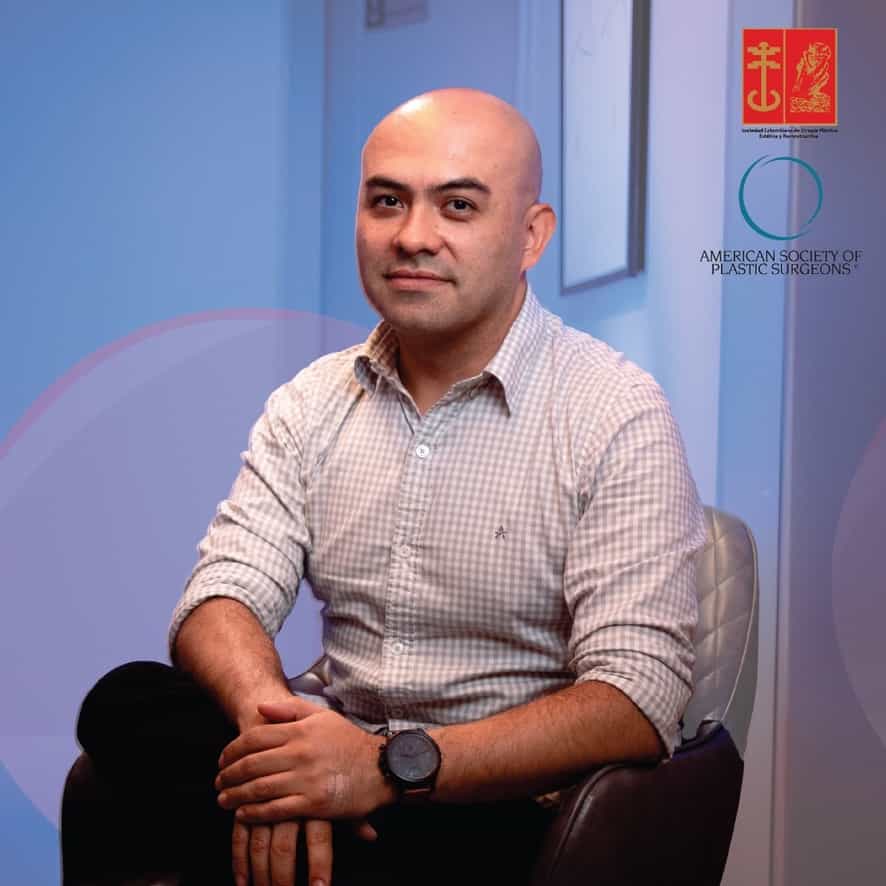
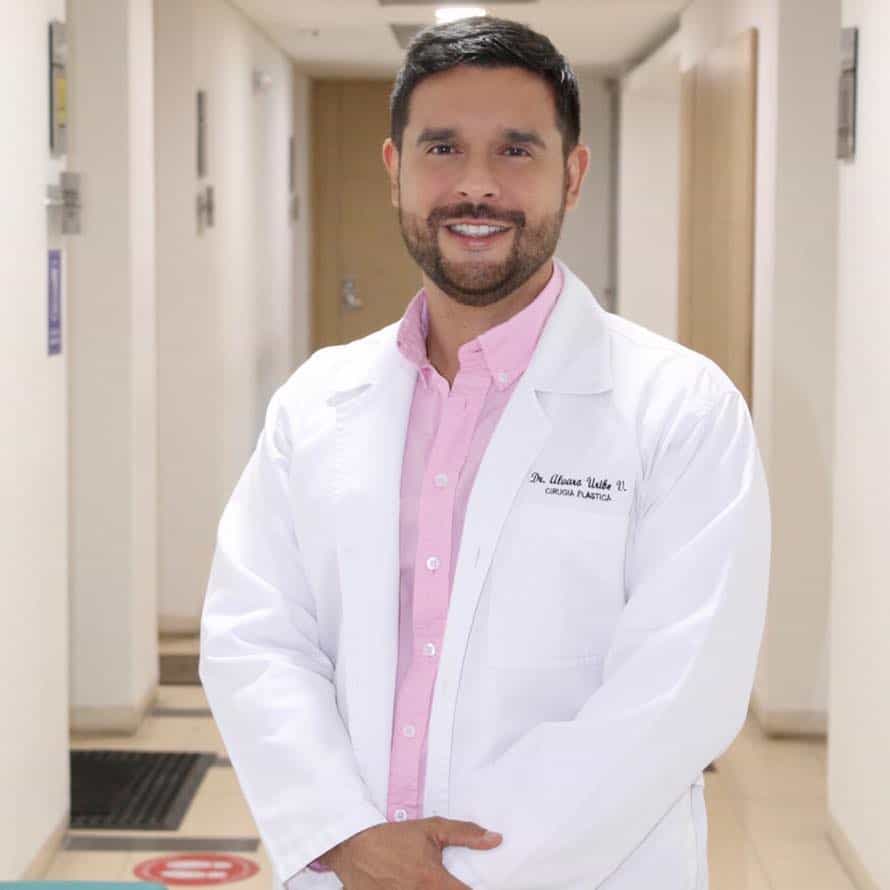
Dr. Daniel Correa Posada
Clinica Especialistas del Poblado - Plastic Surgery in Medellin
- Plastic Surgeon
Medellin, Colombia
Dra Libia Hincapie
Dra Libia Hincapie - Plastic Surgeon in Medellin Colombia
- Plastic Surgeon
Medellin, Colombia
A "Estética Colombiana"
O principal atrativo é o resultado. Os cirurgiões colombianos são famosos por criar curvas dramáticas, porém naturais. Eles são especialistas em afinar a cintura, mantendo as proporções femininas.
Essa estética, combinada com técnicas avançadas para esconder cicatrizes e criar umbigos com aparência natural, atrai pacientes que desejam mais do que apenas uma barriga lisa.
Excelência Acessível
A relação custo-benefício é incomparável. Os pacientes podem se submeter a cirurgias em hospitais credenciados pela JCI, com implantes e anestesia de primeira linha, por uma fração do custo nos EUA ou na Europa.
Essa acessibilidade se estende ao período de recuperação, em que os cuidados de enfermagem de luxo estão ao alcance de quase todos, não apenas dos ricos.
Infraestrutura de recuperação
O conceito de "Casas de Recuperação" está profundamente enraizado no turismo médico colombiano. Essas instalações oferecem um ambiente seguro e voltado para a comunidade, onde os pacientes recebem cuidados de profissionais.
Eles cuidam da medicação, das refeições, da lavanderia e do transporte, eliminando o estresse do autocuidado e permitindo que os pacientes se concentrem inteiramente na recuperação.
Organizar uma cirurgia plástica no exterior pode ser intimidante, mas a PlacidWay é o seu guia de confiança para as melhores clínicas da Colômbia. Nós cuidamos da seleção, da comunicação e da logística, garantindo uma experiência segura e tranquila para a sua transformação corporal.
Avaliação de cirurgiões
Trabalhamos em parceria apenas com cirurgiões certificados pelo Conselho de Cirurgia Plástica do Estado de Nova York (SCCP) e clínicas credenciadas que atendem a rigorosos padrões de segurança, garantindo que você esteja nas melhores mãos.
Consultas Virtuais
Oferecemos avaliações remotas gratuitas, permitindo que você envie fotos e discuta seus objetivos com o cirurgião para receber um plano personalizado antes de viajar.
Orçamentos com tudo incluído
Fornecemos orçamentos transparentes e detalhados que incluem cirurgia, anestesia, vestuário cirúrgico e estadias em casa de recuperação, evitando custos ocultos.
Coordenação de Recuperação
Ajudamos você a reservar sua estadia em casas de recuperação confiáveis, com equipe de enfermagem, em bairros seguros como Usaquén ou El Poblado, garantindo que seu cuidado pós-operatório seja profissional e confortável.
Suporte logístico
Desde traslados VIP do aeroporto até o agendamento de suas massagens e consultas pós-operatórias, nós ajudamos a gerenciar os detalhes práticos da sua viagem.
Defesa do Paciente
Nossa equipe oferece suporte durante toda a sua jornada, atuando como sua defensora para garantir uma comunicação clara e sua satisfação com o atendimento médico.
Transforme seu corpo e sua vida. Entre em contato com a PlacidWay hoje mesmo para obter um orçamento gratuito e personalizado e comece a planejar sua jornada rumo à cirurgia plástica na Colômbia.
Obtenha seu orçamento personalizado gratuito

.jpg)
.png)
.png)
.jpg)

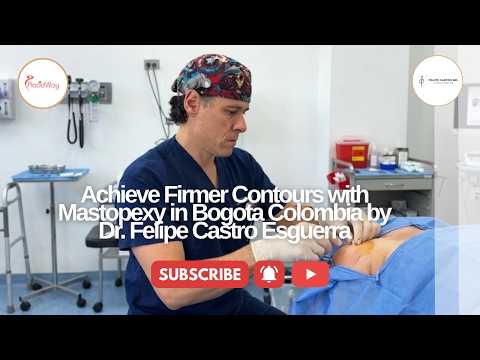
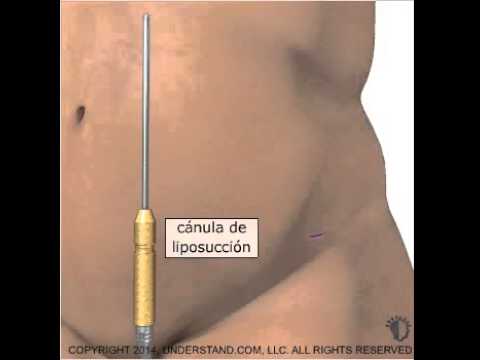
.jpg)
.jpg)
.jpg)
.jpg)








Share this listing