


Contenu
Améliorez votre qualité de vie grâce à la médecine régénérative à Cali, en Colombie.
Cali, en Colombie, souvent considérée comme la capitale mondiale de la salsa, s'impose rapidement comme un pôle d'excellence international en médecine régénérative. Pour les patients en quête de thérapie par cellules souches, Cali offre une combinaison unique de biotechnologies de pointe et d'expertise clinique pointue. Si le tourisme médical en Colombie est souvent associé aux grandes villes comme Bogotá ou Medellín, Cali s'est forgé une place à part en abritant certains des laboratoires les plus avancés et des hôpitaux les plus prestigieux d'Amérique latine.
Choisir la thérapie par cellules souches à Cali, en Colombie, pour votre parcours de soins régénératifs, c'est intégrer un écosystème médical qui privilégie la sécurité et l'intégrité scientifique. Forte de plusieurs décennies d'expérience dans les soins de santé complexes, l'infrastructure médicale de la ville en fait un chef de file naturel pour les applications des cellules souches en orthopédie, neurologie, anti-âge et maladies auto-immunes. Ici, l'accent est mis sur les cellules souches mésenchymateuses (CSM), reconnues pour leur remarquable capacité à réduire l'inflammation et à favoriser la réparation tissulaire.
Ce qui distingue véritablement Cali, c'est son cadre réglementaire rigoureux supervisé par l'INVIMA (l'équivalent colombien de la FDA). Ce cadre garantit que les cellules souches utilisées proviennent de sources éthiques, sont rigoureusement sélectionnées et traitées dans des environnements stériles et à la pointe de la technologie. Des patients du monde entier affluent, attirés par la perspective de traitements très efficaces, souvent indisponibles ou hors de prix dans leur pays d'origine.
En explorant les possibilités de la thérapie par cellules souches à Cali, vous découvrirez une communauté dévouée à une prise en charge personnalisée. Il ne s'agit pas seulement de l'intervention, mais d'une expérience de rétablissement holistique dans une ville réputée pour son climat doux, sa végétation luxuriante et son accueil chaleureux.
Saviez-vous?
La Colombie est régulièrement classée par l'Organisation mondiale de la santé (OMS) parmi les pays d'Amérique latine possédant l'un des meilleurs systèmes de santé, surpassant souvent de nombreux pays à revenu élevé en termes d'accessibilité et de rapport qualité-prix. Cali, en particulier, abrite plusieurs hôpitaux qui figurent régulièrement parmi les dix meilleurs centres médicaux de toute la région.
Aperçu des principaux points
Les cliniques utilisent principalement les cellules souches de la gelée de Wharton dérivées du cordon ombilical, reconnues pour leur grande puissance et leur capacité de régénération.
Les installations respectent scrupuleusement la réglementation INVIMA et les protocoles internationaux de laboratoire en matière d'expansion cellulaire.
Les traitements en Californie sont généralement de 50 % à 70 % moins chers que les protocoles similaires aux États-Unis ou en Europe.
Des équipes spécialisées en tourisme médical assurent un soutien continu en anglais tout au long du cycle de traitement.
La plupart des interventions consistent en de simples perfusions intraveineuses ou des injections ciblées, ne nécessitant qu'un temps de récupération minimal.
La faible altitude et le climat chaud de Cali offrent un environnement idéal pour la relaxation physique après les soins.
La connexion «vallée»
Cali est située dans la vallée du Cauca, une région devenue la « Silicon Valley » colombienne de l'innovation médicale. Les pouvoirs publics locaux et le secteur privé ont investi des millions dans des pôles de compétitivité médicale, faisant de Cali l'une des rares villes d'Amérique latine à posséder des parcs biotechnologiques dédiés à la régénération cellulaire.
Se faire soigner en médecine régénérative à l'étranger est bien plus simple avec une formule tout compris. À Cali, de nombreux établissements de renom proposent des forfaits tout inclus conçus pour simplifier votre parcours médical. Ces forfaits comprennent généralement la procédure de greffe de cellules souches, tous les examens de laboratoire nécessaires, des soins infirmiers spécialisés et une coordination bilingue. Nombre d'entre eux incluent également les transferts aéroport et un hébergement de convalescence haut de gamme. Consultez les options sélectionnées ci-dessous pour trouver le forfait qui correspond à vos besoins médicaux spécifiques et à votre niveau de confort souhaité.
Remarque : Les forfaits tout compris garantissent la transparence des prix et couvrent tout, de l’expansion cellulaire aux consultations de suivi postopératoires.

Price starting from $8,500
Stem Cell Therapy for Autism Package in Cali, Colombia by Stem Cells Kyron
Stem Cells Kyron Colombia
- Stem Cell Therapy
Cali, Colombia

Price starting from $8,500
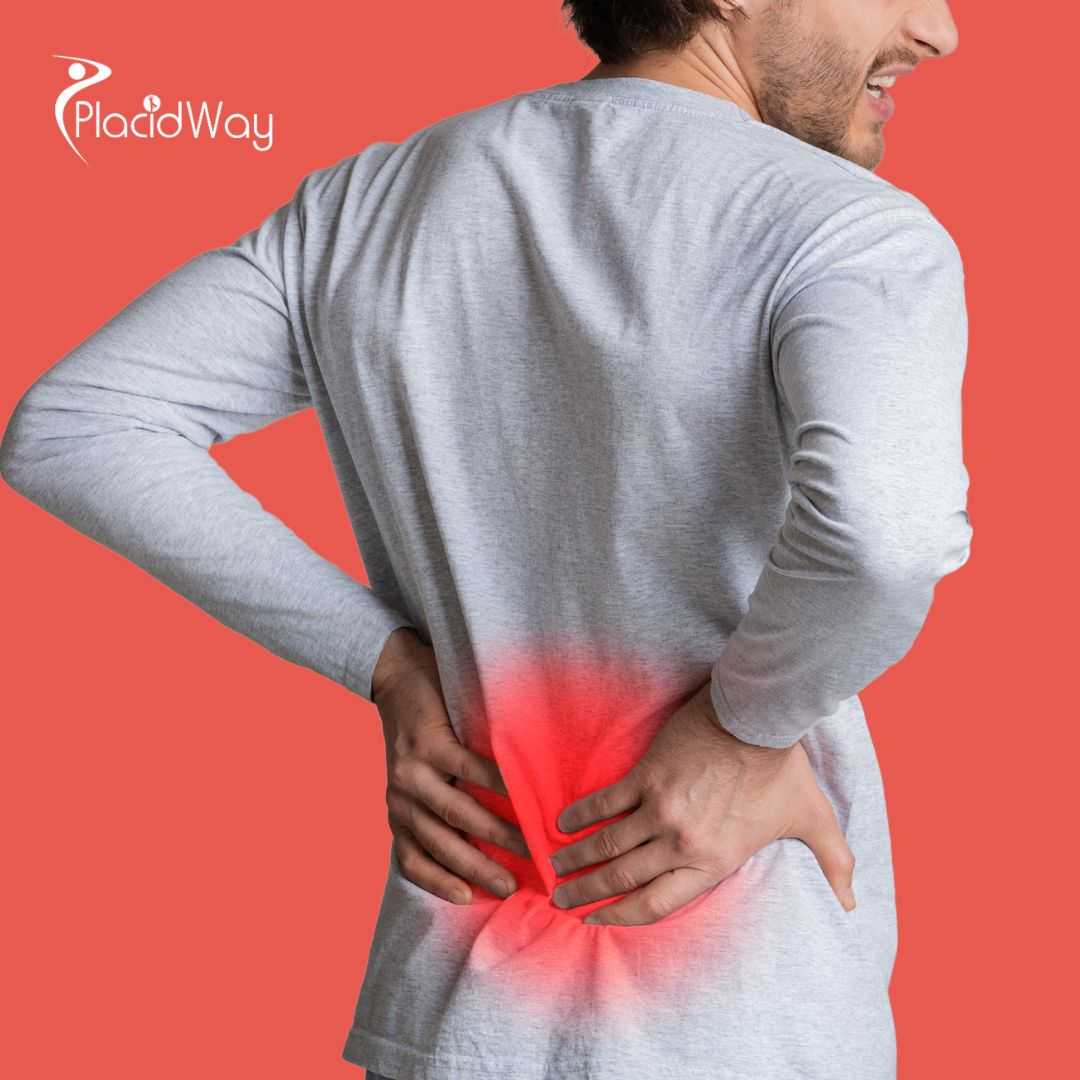
Stem Cell Treatment for Autoimmune Diseases Package in Cali, Colombia by Stem Cells Kyron
Stem Cells Kyron Colombia
- Stem Cell Therapy
Cali, Colombia
Price starting from $8,500
Stem Cell Treatment for Hip Pain Package in Cali, Colombia by Stem Cells Kyron
Stem Cells Kyron Colombia
- Stem Cell Therapy
Cali, Colombia
Price starting from $8,500
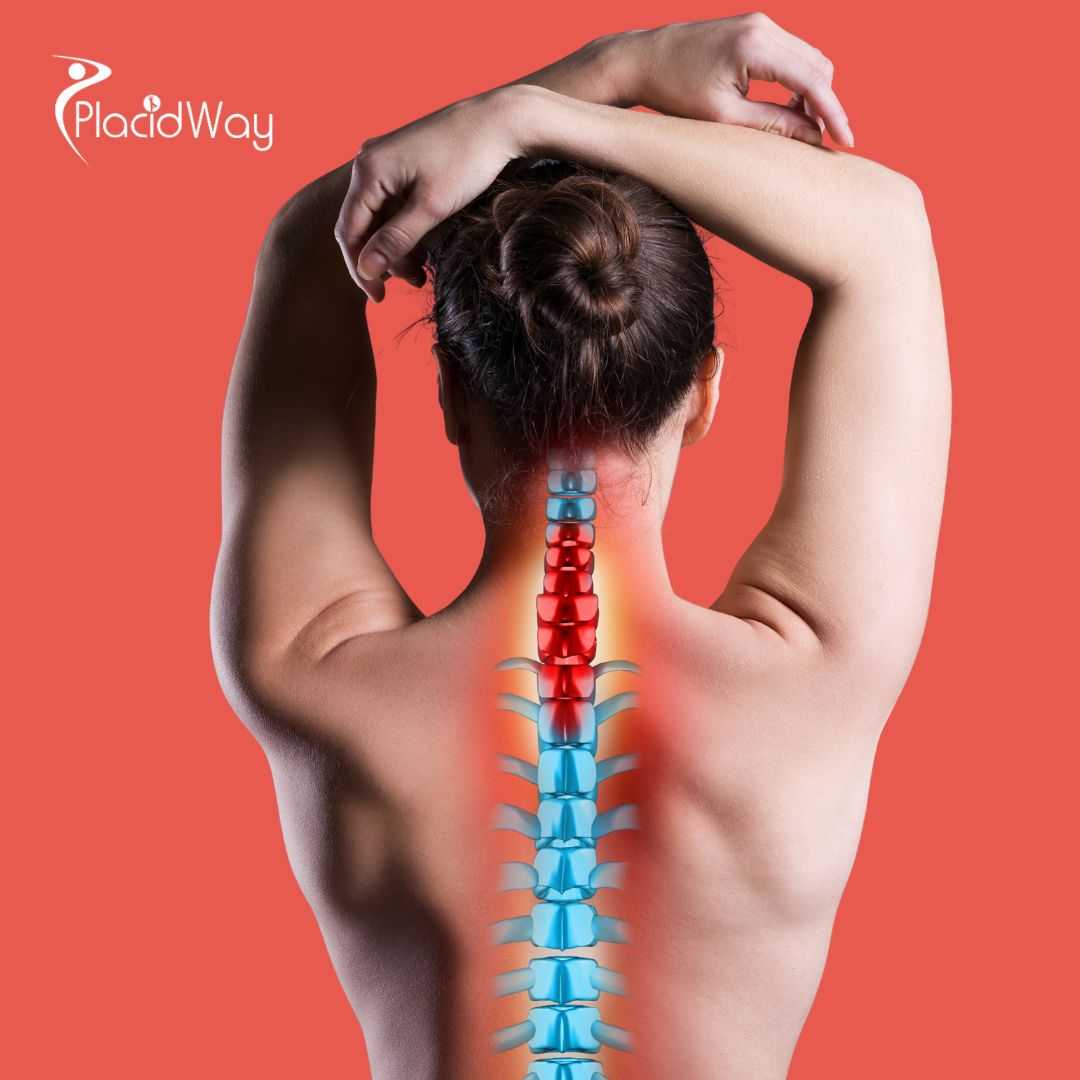
Stem Cell Treatment for Spinal Cord Injury Package in Cali, Colombia by Stem Cells Kyron
Stem Cells Kyron Colombia
- Stem Cell Therapy
Cali, Colombia

Price starting from $8,500
Stem Cell Treatment for Rheumatoid Arthritis Package in Cali, Colombia by Stem Cells Kyron
Stem Cells Kyron Colombia
- Stem Cell Therapy
Cali, Colombia

Price starting from $11,000
Stem Cell Treatment for Neurological Diseases Package in Cali, Colombia by Stem Cells Kyron
Stem Cells Kyron Colombia
- Stem Cell Therapy
Cali, Colombia
Le coût est un facteur déterminant pour de nombreux patients, et Cali offre un avantage considérable en termes de rapport qualité-prix, sans compromettre la qualité des soins. Le prix de la thérapie par cellules souches en Colombie est nettement inférieur à celui pratiqué en Amérique du Nord, grâce à des frais généraux et opérationnels moins élevés, ainsi qu'à des facteurs économiques locaux. Le tableau des coûts ci-dessous présente une vue d'ensemble des tarifs habituels pour différents protocoles de médecine régénérative. Nous vous recommandons d'utiliser ces chiffres comme référence et de demander un devis personnalisé afin de connaître les coûts spécifiques liés à votre plan de traitement et à la dose de cellules administrée.
Conseil budgétaire : assurez-vous de bien vérifier si le prix indiqué comprend le nombre de cellules souches (dosage) nécessaires pour votre cas spécifique.
Stem Cell Therapy Comparaison des coûts des centres en Cali, Colombia
| Fournisseur | Procédure | Prix |
|---|---|---|
| Stem Cells Kyron Colombia | Stem Cell Treatment for Autism, Stem Cell Therapy | $12000 |
| Stem Cells Kyron Colombia | Stem Cell Treatment for Neurological Diseases, Stem Cell Therapy | $11000 |
| Stem Cells Kyron Colombia | Stem Cell Treatment for Autoimmune Diseases, Stem Cell Therapy | $8500 |
| Stem Cells Kyron Colombia | Stem Cell Treatment for Hip Abroad, Stem Cell Therapy | $8500 |
| Stem Cells Kyron Colombia | Stem Cell Treatment for Rheumatoid Arthritis, Stem Cell Therapy | $8500 |
| Stem Cells Kyron Colombia | Stem Cell Treatment for Spinal Cord Injury, Stem Cell Therapy | $13000 |
Stem Cell Therapy Comparaison des coûts dans Colombia
| Pays | Procédure | Prix |
|---|---|---|
| United Kingdom | Bone Marrow Stem Cell Therapies, Stem Cell Therapy | $20000 |
| Canada | Stem Cell Treatment for COPD, Stem Cell Therapy | $17000 |
| United States | Stem Cell Treatment for Autism, Stem Cell Therapy | $25000 |
Cali abrite certains des centres médicaux les plus avancés technologiquement de l'hémisphère sud. Nous avons mis en avant des établissements spécialisés en médecine régénérative et en biologie cellulaire. Ces centres sont reconnus pour leurs salles blanches ultramodernes, leurs équipements de diagnostic de pointe et leur respect des protocoles médicaux internationaux. Nombre de ces hôpitaux font partie du célèbre « quartier médical » de Cali, conçu pour offrir un environnement sûr et efficace aux patients internationaux. Consultez les profils des cliniques pour en savoir plus sur leurs spécialisations et les certifications de leurs laboratoires.
Vérification des certifications : Recherchez les installations qui utilisent des laboratoires certifiés ISO pour le traitement et l’expansion de leurs cellules souches.
Stem Cells Kyron Colombia
Cali, Colombia
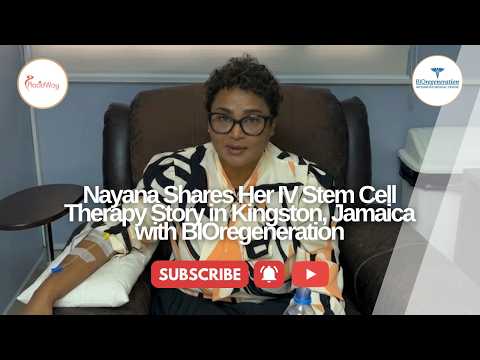
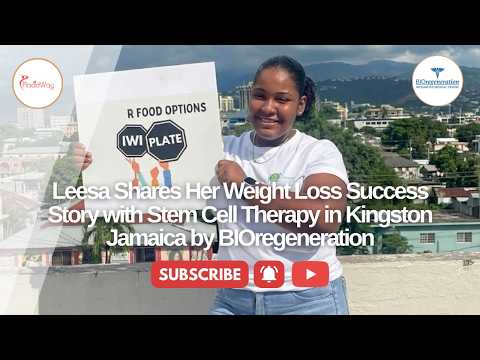
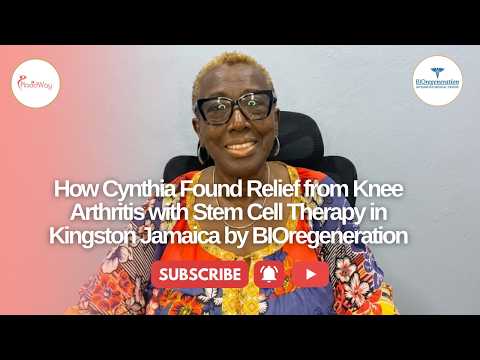
Le pouvoir de la médecine régénérative s'exprime au mieux à travers les témoignages de ceux qui en ont fait l'expérience. Les témoignages vidéo ci-dessous présentent de vrais patients qui racontent leur parcours jusqu'à Cali. Vous découvrirez leurs premiers symptômes, les raisons de leur choix de la Colombie et les améliorations constatées dans leur qualité de vie. Ces vidéos offrent un aperçu réaliste de l'expérience des patients, de la simplicité du processus de perfusion au niveau des soins prodigués par les équipes médicales locales.
Témoignages authentiques : Visionner des témoignages peut vous aider à définir des attentes réalistes quant aux résultats de votre propre traitement.
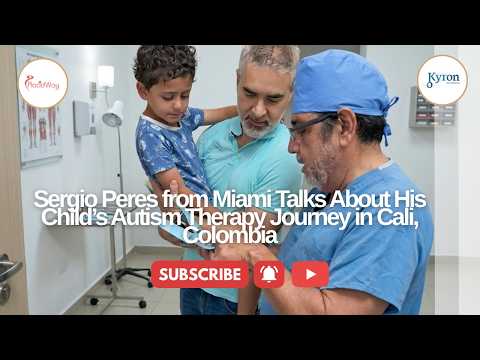
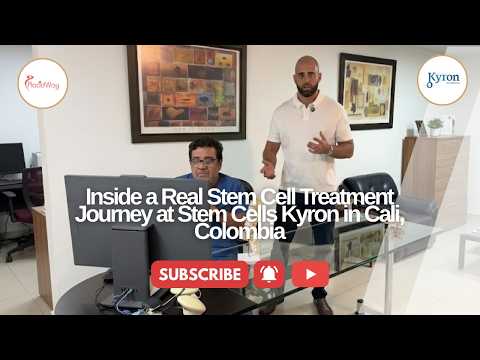
Les témoignages des patients sont essentiels à la confiance dans le tourisme médical. Dans cette section, vous trouverez des avis et des évaluations vérifiés de personnes ayant bénéficié de traitements par cellules souches à Cali. Ces avis abordent souvent des points tels que la propreté des installations, l'amabilité du personnel et la qualité des consultations pré-traitement. La lecture de ces différents points de vue vous permettra de mieux comprendre le haut niveau de satisfaction constaté par la communauté internationale des patients à Cali.
Critère de confiance : Portez une attention particulière aux avis qui abordent le suivi à long terme assuré par les cliniques.

Combien puis-je économiser sur un traitement en Californie ?
Les patients peuvent espérer économiser entre 50 % et 70 % sur leur thérapie par cellules souches à Cali par rapport aux États-Unis ou au Canada. Alors qu'un traitement complet de plusieurs millions de cellules peut coûter entre 15 000 et 25 000 dollars aux États-Unis, des protocoles similaires à Cali coûtent généralement entre 5 000 et 8 000 dollars. Ces économies ne sont pas dues à une moindre qualité, mais au coût moins élevé de la main-d'œuvre médicale, de l'immobilier et des frais administratifs en Colombie. De plus, les cliniques colombiennes proposent souvent des analyses cellulaires plus poussées et des traitements de laboratoire spécialisés, beaucoup plus onéreux dans d'autres pays, ce qui garantit un meilleur rapport qualité-prix par million de cellules injectées.
Quelle est la durée de la période de convalescence ?
L'un des principaux avantages de la thérapie par cellules souches est le temps de convalescence minimal. Pour les perfusions intraveineuses classiques, la période de récupération est quasi inexistante ; la plupart des patients se sentent suffisamment bien pour profiter d'un dîner tranquille à Cali le soir même. Pour les injections articulaires localisées, un léger gonflement ou une douleur peuvent apparaître au point d'injection pendant 24 à 48 heures. La plupart des spécialistes recommandent d'éviter de porter des charges lourdes ou de faire des efforts physiques intenses pendant environ une semaine après l'intervention afin de permettre aux cellules de s'implanter et de commencer leur action. En général, vous pouvez reprendre vos activités quotidiennes normales et rentrer chez vous 3 à 5 jours après le traitement.
Les cellules souches utilisées sont-elles issues de sources éthiques ?
Oui, l'approvisionnement éthique est une priorité absolue pour les cliniques réputées de Cali. La source la plus courante est le tissu du cordon ombilical (gelée de Wharton) provenant d'accouchements à terme et en bonne santé. Ces tissus sont donnés par les mères après une césarienne réussie, à l'issue d'un processus de sélection rigoureux. Cette méthode est sans danger pour la mère et le bébé et évite les controverses éthiques liées aux cellules souches embryonnaires. De plus, comme ces cellules sont « nouvelles », elles sont plus puissantes et ont un potentiel d'expansion supérieur à celui des cellules souches adultes prélevées dans la moelle osseuse ou le tissu adipeux, ce qui permet d'obtenir de meilleurs résultats en matière de régénération pour le patient.
Combien de jours devrais-je rester à Cali ?
Pour un traitement standard par cellules souches, nous recommandons généralement un séjour de 5 à 7 jours. Cela permet une première consultation et un bilan diagnostique le premier jour, l'intervention le deuxième ou le troisième jour, et quelques jours d'observation et de repos avant votre vol retour. Ce calendrier permet à l'équipe médicale de suivre votre réaction initiale et de vous assurer un repos optimal avant votre voyage international. Si votre traitement comprend plusieurs séances ou une kinésithérapie intensive, votre spécialiste pourra vous suggérer un séjour plus long, de 10 à 14 jours, afin d'optimiser les premiers bénéfices de la thérapie.
Ai-je besoin d'un visa pour me rendre en Colombie afin de me faire soigner ?
La plupart des citoyens des États-Unis, du Canada, de l'Union européenne et de nombreux autres pays n'ont pas besoin de visa traditionnel pour un court séjour médical (moins de 90 jours) en Colombie. À votre arrivée, un tampon « PIP » (Permis d'entrée) sera apposé dans votre passeport. Toutefois, il est toujours recommandé de vérifier les exigences en vigueur auprès du consulat colombien de votre pays d'origine. Pour des raisons médicales, il est utile d'avoir à portée de main votre confirmation de rendez-vous à présenter aux services d'immigration si nécessaire. La procédure est généralement très simple, ce qui fait de Cali une destination accessible aux patients internationaux en quête de soins de santé.
La thérapie par cellules souches peut-elle guérir ma maladie ?
Il est important d'utiliser le terme « guérison » avec précaution en médecine. La thérapie par cellules souches est un traitement régénératif visant à réparer les tissus endommagés, à réduire l'inflammation chronique et à moduler le système immunitaire. Bien qu'elle puisse entraîner une rémission durable des symptômes et des améliorations fonctionnelles significatives – donnant ainsi au patient le sentiment d'être « guéri » –, il s'agit techniquement d'une intervention thérapeutique. Dans le cas d'affections comme l'arthrose, elle peut régénérer le cartilage et retarder, voire éviter, le recours à la chirurgie. Pour les maladies auto-immunes, elle peut réinitialiser la réponse immunitaire. Votre spécialiste à Cali discutera avec vous d'objectifs réalistes en fonction de vos antécédents médicaux et de votre état actuel.
Quels sont les risques ou effets secondaires potentiels ?
La thérapie par cellules souches est considérée comme une procédure à faible risque. L'effet secondaire le plus fréquent est une « crise de cicatrisation » temporaire, ou de légers symptômes pseudo-grippaux (fièvre légère, fatigue), liés à la réaction de l'organisme à l'afflux de nouvelles cellules et à la réduction de l'inflammation. Ces symptômes disparaissent généralement en 24 à 48 heures. Les risques locaux incluent de légères ecchymoses, rougeurs ou douleurs au point d'injection. Les complications graves telles que les infections ou les réactions allergiques sont extrêmement rares dans un environnement stérile et professionnel. Les cliniques californiennes réputées utilisent des cellules souches mésenchymateuses (CSM) issues du cordon ombilical ; ces cellules ne possèdent donc pas les marqueurs susceptibles de provoquer une réaction de rejet, éliminant ainsi tout risque de rejet.
Combien de temps durent les effets ?
La durée des résultats dépend fortement de l'affection et du mode de vie du patient après le traitement. Pour les problèmes orthopédiques, de nombreux patients rapportent un soulagement et une amélioration de la fonction qui durent de 2 à 5 ans, voire plus longtemps s'ils maintiennent un poids santé et une activité physique douce. Pour les traitements systémiques ou anti-âge, beaucoup optent pour une séance de rappel tous les 12 à 24 mois afin de maintenir les effets régénérateurs. Les cellules souches déclenchent une cascade biologique de guérison qui se poursuit longtemps après leur intégration, ce qui explique que les améliorations soient souvent durables et non un simple masque temporaire des symptômes.
What is the Price of Stem Cell Therapy for Autism in Cali, Colombia?
Exploring Stem Cell Therapy for Autism in Cali, Colombia Stem cell therapy is a rapidly evolving field of medicine that offers hope for treating a wide range of conditions, including autism. While still considered experimental, stem cell therapy for autism has shown promising results in improving symptoms and enhancing the quality of life for some individuals. If you're considering this treatment option, it's crucial to understand what it entails, its potential benefits and risks, and the costs involved. This article delves into stem cell therapy for autism in Cali, Colombia, a destination gaining popularity for its advanced medical facilities and experienced doctors specializing in this treatment. We'll explore the procedure, discuss the clinics offering it, and provide a breakdown of the costs to help you make informed decisions. Cost of Stem Cell Therapy for Autism in Cali, Colombia The cost of stem cell therapy for autism in Cali can vary depending on several factors, including: Type of stem cells used: Autologous stem cells (from the patient) may be less expensive than allogeneic stem cells (from a donor). Number of stem cell treatments: Some patients may require multiple treatments to achieve optimal results. Clinic and doctor's fees: Different clinics and doctors may have varying fee structures. Additional services: The overall cost may include additional services like accommodation, transportation, and post-treatment care. To give you a general idea, here's an estimated cost table for stem cell therapy for autism in Cali: Stem Cell Therapy Type Average Cost (USD) Details Basic Stem Cell Therapy $8,000 - $10,000 Includes initial consultation, basic treatment, and follow-ups. Advanced Stem Cell Therapy $12,000 - $15,000 Includes specialized cell harvesting and personalized protocols. Comprehensive Stem Cell Package $18,000 - $20,000 Covers advanced therapy, extended stay, and additional therapies. Please Note: These are approximate costs, and the actual expenses may vary. It's crucial to contact the clinics directly for personalized quotes and detailed information about their pricing. Understanding Autism Spectrum Disorder (ASD) Autism spectrum disorder (ASD) is a complex neurodevelopmental condition that affects communication, social interaction, and behavior. It manifests differently in each individual, ranging from mild to severe. Common characteristics of ASD include difficulties with social interaction, repetitive behaviors, and challenges with verbal and nonverbal communication. The exact causes of autism are still being researched, but it's believed to result from a combination of genetic and environmental factors. Currently, there's no cure for autism, but various therapies and interventions can help manage symptoms and improve the quality of life for individuals with ASD. What is Stem Cell Therapy? Stem cells are unique cells with the remarkable ability to develop into various specialized cell types in the body. They act as the body's natural repair system, replacing damaged cells and regenerating tissues. In the context of autism, stem cell therapy aims to harness this regenerative potential to repair and restore damaged or dysfunctional cells in the brain, potentially alleviating autism symptoms. How Stem Cell Therapy is Used for Autism Stem cell therapy for autism typically involves several steps: Stem Cell Source: The stem cells used can come from various sources, including the patient's own body (autologous) or from a donor (allogeneic). Common sources include bone marrow, umbilical cord blood, and adipose tissue (fat). Stem Cell Processing: Once the stem cells are collected, they are processed in a laboratory to ensure their quality and viability. Administration: The processed stem cells are administered to the patient, usually through an intravenous infusion (IV) or intrathecal injection (into the spinal canal). Mechanism of Action: The stem cells are believed to work by reducing inflammation, promoting the growth of new neurons, and modulating the immune system. Potential Benefits of Stem Cell Therapy for Autism While research is ongoing, stem cell therapy for autism has shown promising results in some individuals. Potential benefits may include: Improved Social Interaction: Some patients have reported increased eye contact, better engagement in social activities, and improved communication skills. Reduced Repetitive Behaviors: Stem cell therapy may help decrease repetitive behaviors and stereotypies often associated with autism. Enhanced Communication: Some individuals have experienced improvements in both verbal and nonverbal communication abilities. Improved Cognitive Function: Stem cell therapy may lead to better attention span, memory, and learning capabilities. It's important to note that stem cell therapy for autism is still considered experimental, and results can vary from person to person. Not everyone will experience significant improvements, and more research is needed to fully understand the long-term effects and efficacy of this treatment. Why Choose Cali, Colombia for Stem Cell Therapy? Cali, Colombia, has emerged as a leading destination for stem cell therapy, attracting patients from around the world. Several factors contribute to its popularity: Advanced Medical Facilities: Cali boasts modern hospitals and clinics equipped with state-of-the-art technology for stem cell therapy. Experienced Doctors: The city is home to highly skilled and experienced doctors specializing in stem cell treatments, including those for autism. Cost-Effectiveness: Compared to countries like the United States or those in Europe, stem cell therapy in Cali is often more affordable, making it accessible to a wider range of patients. Accessibility: Cali is well-connected with international flights, making it relatively easy to travel to for treatment. Leading Stem Cell Therapy Clinics in Cali, Colombia Several reputable clinics in Cali specialize in stem cell therapy for autism. These clinics typically offer comprehensive treatment programs that include: Initial Consultation: A thorough evaluation to assess the patient's condition and suitability for stem cell therapy. Stem Cell Harvesting and Processing: Collection and preparation of stem cells from the patient or a donor. Stem Cell Administration: Delivery of stem cells through IV infusion or intrathecal injection. Post-Treatment Monitoring: Regular follow-up appointments to monitor progress and provide ongoing support. Stem Cells Kyron Colombia It's essential to research and choose a clinic with a proven track record, experienced doctors, and a strong commitment to patient safety and care. What to Expect During Your Stem Cell Therapy Journey in Cali, Colombia If you decide to pursue stem cell therapy for autism in Cali, here's a general overview of what you can expect: Initial Consultation: You'll have an initial consultation with the doctor to discuss your medical history, current condition, and treatment goals. The doctor will evaluate your suitability for stem cell therapy and answer any questions you may have. Preparation: If you're deemed a good candidate, you'll receive instructions on how to prepare for the procedure, which may include dietary restrictions or certain medications to avoid. Stem Cell Harvesting and Processing: If using autologous stem cells, they will be harvested from your body, typically from bone marrow or adipose tissue. The cells will then be processed in a laboratory to ensure their quality and viability. Stem Cell Administration: The processed stem cells will be administered to you, usually through an IV infusion or intrathecal injection. The procedure is generally painless and takes a few hours. Recovery: After the procedure, you may need to stay at the clinic or a nearby hotel for a few days for observation. You'll receive instructions on post-treatment care and any necessary medications. Follow-Up: You'll have follow-up appointments with the doctor to monitor your progress and assess the effectiveness of the treatment. FAQs about Stem Cell Therapy for Autism in Cali, Colombia 1. Is stem cell therapy for autism safe? Stem cell therapy is generally considered safe when performed by qualified doctors in reputable clinics. However, like any medical procedure, there are potential risks and side effects, such as infection, bleeding, or allergic reactions. It's crucial to discuss these risks with your doctor before undergoing treatment. 2. Is stem cell therapy for autism covered by insurance? Stem cell therapy for autism is often considered experimental and may not be covered by insurance. It's essential to check with your insurance provider to understand your coverage and any out-of-pocket expenses you may incur. 3. How long does it take to see results from stem cell therapy for autism? The timeline for seeing results can vary from person to person. Some individuals may notice improvements within a few weeks or months, while others may take longer. It's important to have realistic expectations and understand that stem cell therapy is not a guaranteed cure for autism. 4. How many stem cell treatments will I need? The number of treatments required can vary depending on individual needs and response to therapy. Some patients may only need one treatment, while others may benefit from multiple sessions. Your doctor will recommend a treatment plan based on your specific situation. 5. What is the success rate of stem cell therapy for autism? The success rate of stem cell therapy for autism is still being researched. While some studies have shown promising results, more research is needed to determine the long-term efficacy of this treatment. It's important to discuss the potential benefits and limitations with your doctor before making a decision. 6. What are the alternatives to stem cell therapy for autism? There are various other treatment options for autism, including behavioral therapies, speech therapy, occupational therapy, and medication. It's essential to work with a healthcare professional to develop a comprehensive treatment plan that addresses your specific needs and goals. Ready to Explore Stem Cell Therapy for Autism? Connect with PlacidWay! If you're considering stem cell therapy clinics for autism in Cali, Colombia, PlacidWay can help. We connect patients with trusted clinics and experienced doctors specializing in this treatment. Our team can provide you with information, answer your questions, and assist you in planning your medical journey. Contact PlacidWay today to learn more about your options and take the first step towards a healthier future.
How Much Does Stem Cell Therapy Cost for Osteoarthritis in Colombia?
Osteoarthritis is a painful, degenerative condition that affects millions of people worldwide. As traditional treatments often provide only temporary relief, many are now exploring alternative options, with stem cell therapy emerging as a promising solution. For those seeking advanced, yet affordable, care, Colombia has become a leading destination for medical tourism, particularly for regenerative medicine. The cost of stem cell therapy is a major factor for most patients, and Colombia offers a significant price advantage compared to the United States and other Western countries. This guide will provide a detailed breakdown of the costs and other key considerations for anyone considering stem cell therapy for osteoarthritis in Colombia. How much does stem cell therapy for osteoarthritis cost in Colombia? "The cost of stem cell therapy for osteoarthritis in Colombia generally ranges from $7,000 to $15,000 USD. This price range is considerably lower than in many other countries, like the United States, where the same procedure can cost upwards of $20,000 to $50,000." The final price of stem cell therapy in Colombia depends on several factors. The type of cells used, whether they are autologous (from the patient's own body) or allogeneic (from a donor), can influence the cost. Additionally, the number of injections, the specific joints being treated, and any supplementary treatments like physical therapy or hyperbaric oxygen sessions will affect the total price. Patients are advised to get a detailed quote from their chosen clinic, as some packages may include initial consultations, follow-up appointments, and even accommodation. Why is stem cell therapy for osteoarthritis more affordable in Colombia? "Stem cell therapy for osteoarthritis is more affordable in Colombia primarily due to lower operational costs, including reduced labor, facility, and medical supply expenses, while maintaining high standards of care." The lower cost of living and a favorable exchange rate contribute significantly to the affordability of medical treatments in Colombia. Clinics do not have to contend with the high overheads seen in countries like the United States, allowing them to offer the same advanced procedures at a fraction of the price. This affordability does not come at the expense of quality. Many Colombian clinics are equipped with state-of-the-art technology and employ highly trained medical professionals who are specialists in regenerative medicine. The combination of cost savings and high-quality care makes Colombia an attractive destination for regenerative medicine treatments. What factors influence the total cost of the treatment? "The total cost of stem cell therapy is influenced by the type of stem cells used (autologous vs. allogeneic), the number of treatments or injections required, the specific clinic's reputation, and any included services such as post-treatment care or accommodation." The source of the stem cells is a key determinant of price. Autologous stem cell therapy, which uses cells harvested from the patient's own bone marrow or fat tissue, may be less expensive initially as it avoids the costs associated with donor procurement. However, the regenerative potential of these cells can be limited by the patient's age and health. Allogeneic stem cell therapy, which uses donor cells typically sourced from umbilical cord tissue, often involves more extensive processing and testing, which can increase the cost. The number of cells administered and the number of injections needed for a comprehensive treatment plan will also impact the final price. Are there different types of stem cells used for osteoarthritis, and how do they affect the cost? "Yes, the primary types of stem cells used for osteoarthritis are autologous (from the patient) and allogeneic (from a donor). Autologous treatments, such as those using bone marrow or adipose-derived stem cells, may have a different cost structure than allogeneic treatments, which often utilize umbilical cord-derived stem cells." Autologous Stem Cells: These are harvested from the patient's own body. The most common sources are bone marrow and fat tissue (adipose tissue). The procedure involves a minor surgery to collect the cells, which are then processed and re-injected. The cost is tied to the harvesting procedure and the lab work. A key benefit is that there is no risk of immune rejection. Allogeneic Stem Cells: These are derived from a donor, typically from umbilical cord tissue donated after a healthy birth. These cells are considered "immunoprivileged," meaning they are less likely to be rejected by the recipient's body. They are also younger and have a higher regenerative capacity. The cost for these treatments can be higher due to the strict screening, processing, and expansion of the cells in a laboratory setting. Does the number of injections change the price? "Yes, the number of injections significantly impacts the price, as many clinics offer packages that include a specific number of doses, with additional injections costing more." A patient with a single affected joint may require fewer injections than a patient with osteoarthritis in both knees and hips. The treatment plan is highly personalized, and the number of injections is determined by the severity of the condition and the number of joints being treated. Some clinics offer packages for a single injection, while others provide multi-session plans that can be more cost-effective in the long run. It is important to discuss the full treatment protocol with the clinic to understand the total financial commitment. What is typically included in a stem cell therapy package in Colombia? "A typical stem cell therapy package in Colombia may include the initial consultation, physical examinations, the stem cell injection procedure itself, post-treatment care and follow-up, and sometimes, additional therapies like physical therapy or hyperbaric oxygen sessions." Many clinics that cater to international patients offer comprehensive packages to simplify the process. These packages often include services beyond the medical procedure. This might be a detailed diagnostic evaluation to confirm the patient's suitability for stem cell therapy, blood tests, and even airport transfers and hotel stays. These bundled services can make the overall experience more convenient and can offer better value than paying for each component separately. What are the payment options for stem cell therapy in Colombia? "Most osteoarthritis stem cell clinics in Colombia accept major payment methods, including credit cards and wire transfers. Some may require a deposit to secure the treatment date, with the final payment made upon arrival at the clinic." It's crucial to confirm the accepted payment methods and any deposit requirements directly with the clinic before traveling. Many clinics are flexible and have dedicated teams to help international patients manage the financial aspects of their treatment. This includes providing clear invoices and assisting with any necessary paperwork. Is stem cell therapy for osteoarthritis covered by insurance? "Currently, stem cell therapy for osteoarthritis is typically not covered by health insurance in the United States and many other countries, as it is still considered an experimental or unproven treatment by many insurance providers." Because of this, the treatment is generally an out-of-pocket expense for patients. The lack of insurance coverage is a primary reason why patients seek more affordable options abroad. While some clinics in Colombia may offer financing options, it's essential for patients to prepare to pay for the full cost themselves. It is always a good idea to contact your insurance provider to confirm their policy on regenerative medicine treatments before making any decisions. What is the typical recovery time after the procedure? "The recovery time after a stem cell therapy procedure for osteoarthritis is generally minimal, with most patients able to resume normal activities within a few days to a week, although full therapeutic effects may take several months to be noticeable." The procedure itself is minimally invasive and involves simple injections, avoiding the long recovery associated with traditional surgery. Patients may experience some mild soreness or discomfort at the injection site, but this typically subsides quickly. The stem cells begin their work of regeneration and repair over time, so patients should have realistic expectations and understand that significant improvement in pain and mobility may not be immediate. Many clinics recommend a series of follow-up visits to monitor progress and may suggest combining the therapy with physical therapy to maximize results. Are there any additional costs to consider besides the treatment price? "Yes, additional costs may include travel expenses, such as airfare and accommodation (if not included in a package), food, and local transportation. Patients should also budget for any post-treatment medications or follow-up consultations not covered in their package." When planning for medical travel to Colombia, it is important to consider all potential expenses. While the treatment itself is affordable, travel, lodging, and daily living costs can add up. Some clinics offer all-inclusive packages that simplify this, but if not, patients should factor in these costs. It is also wise to set aside a contingency fund for any unforeseen expenses, such as additional medical supplies or a longer-than-expected stay. Is Colombia a safe and reputable destination for medical tourism? "Yes, Colombia has a growing reputation as a safe and reputable destination for medical tourism, with many clinics meeting international standards of quality and care. The country has a well-developed healthcare system and highly trained medical professionals." The Colombian government, through its National Food and Drug Surveillance Institute (INVIMA), regulates medical procedures, including stem cell therapies, ensuring clinics adhere to safety and ethical guidelines. Many clinics specializing in regenerative medicine have built a strong reputation for their expertise, positive patient outcomes, and a commitment to patient safety. The combination of medical expertise, advanced technology, and a focus on patient care has made Colombia a trusted choice for those seeking stem cell treatment for osteoarthritis. How can I find a reputable clinic for stem cell therapy in Colombia? "To find a reputable clinic for stem cell therapy in Colombia, look for clinics with international accreditations, read patient testimonials and reviews, and directly consult with the medical team to discuss their experience and treatment protocols." Conducting thorough research is the most important step. Patients should look for clinics that are transparent about their procedures, the source of their stem cells, and their success rates. Many clinics offer virtual consultations, which is an excellent opportunity to ask detailed questions and assess the professionalism of the staff. Asking for patient testimonials or connecting with former patients can also provide valuable insights into the quality of care and the overall experience. What should I ask during a consultation with a clinic? "During a consultation for stem cell therapy for osteoarthritis, you should ask about the clinic's experience, the type of cells they use, the number of cells per treatment, the full cost breakdown, and the expected outcomes and recovery process." Asking the right questions will help you feel more confident about your choice and ensure you have a clear understanding of the entire process. Key questions include: What is the success rate of this treatment for my specific condition? Where are the stem cells sourced from, and what is the cell count per injection? What is the detailed cost breakdown, including all potential fees? What post-treatment care and follow-up are included? What are the potential risks and side effects? A reputable clinic will be open and willing to answer all your questions, providing you with all the information you need to make an informed decision. Consider exploring solutions with PlacidWay for more information on medical tourism, healthcare services, and finding the right clinic for your needs.
Can Osteoarthritis be Treated with Stem Cells in Colombia?
For many individuals suffering from the chronic pain and stiffness of osteoarthritis, traditional treatments often fall short. This has led to a significant interest in alternative, non-surgical options like osteoarthritis stem cell treatment in Colombia. Colombia has quickly gained a reputation as a global leader in regenerative medicine, making it a popular choice for patients seeking this innovative treatment. The country's medical facilities are modern, the medical professionals are highly trained, and the procedures are more affordable than in many Western countries. This article will provide a comprehensive look at how osteoarthritis is treated with stem cells in Colombia, including the effectiveness, the process, and what patients can expect. Can stem cells effectively treat osteoarthritis? "Yes, stem cells have shown great promise in effectively treating osteoarthritis. They work by addressing the root cause of the condition by reducing inflammation, promoting tissue repair, and stimulating the body's natural healing mechanisms to relieve pain and improve joint function." The effectiveness of stem cell therapy lies in its ability to go beyond simple symptom management. Instead of just masking the pain with medication, stem cells can actively work to regenerate damaged cartilage and tissue within the joint. When injected into the affected area, the stem cells release growth factors and anti-inflammatory agents. This creates an environment that not only helps to reduce pain and swelling but also encourages the body's own cells to begin the repair process. For many patients, this leads to a significant and long-lasting improvement in their condition, often delaying or even eliminating the need for more invasive surgical procedures. How does the stem cell procedure for osteoarthritis work in Colombia? "The stem cell therapy procedure for osteoarthritis in Colombia is typically a same-day, minimally invasive process. It involves a consultation, harvesting of stem cells (usually from the patient's own fat or bone marrow), lab processing, and finally, a precise injection of the concentrated cells into the affected joint." The process begins with a detailed medical evaluation to determine if the patient is a good candidate for the treatment. Once approved, the stem cells are harvested. This is often done via a small liposuction procedure to collect adipose (fat) tissue or through a bone marrow aspiration, both of which are done under local anesthesia. The collected cells are then processed in a state-of-the-art laboratory to isolate and concentrate the stem cells. Finally, the concentrated solution is injected directly into the joint. The entire process is carefully monitored by skilled professionals to ensure safety and precision. Patients can usually return to their hotel the same day and begin their recovery process. What is the typical cost of stem cell treatment for osteoarthritis in Colombia? "The cost of stem cell treatment for osteoarthritis in Colombia is typically between $7,000 and $15,000 USD, which is a fraction of the price in countries like the United States, where the same procedure can cost upwards of $20,000 to $50,000." This significant price difference is a major reason why patients travel to Colombia. The lower cost is primarily due to lower operational expenses, including labor, facility costs, and medical supplies. Despite the lower price, the quality of care remains high, as many Colombian clinics are equipped with advanced technology and follow international medical standards. It's important for patients to get a detailed quote from their chosen clinic, as the final price can vary based on the specific type of cells used (autologous vs. allogeneic), the number of injections, and whether the package includes additional services like hotel stays or physical therapy. Are there different types of stem cells used for osteoarthritis? "Yes, the two primary types of stem cells used are autologous (from the patient's own body) and allogeneic (from a donor). Both are used to treat osteoarthritis and have their own advantages, with the choice often depending on the patient's health and the clinic's protocol." Autologous Stem Cells: These cells are harvested from the patient's own body, most commonly from fat tissue (adipose-derived) or bone marrow. A key advantage of using autologous cells is that there is no risk of immune rejection. The procedure involves a minor harvesting step, but the cells may be less potent in older or less healthy patients. Allogeneic Stem Cells: These cells are sourced from a donor, typically from umbilical cord tissue. They are considered "immunoprivileged," meaning they are less likely to be rejected by the recipient's body. These cells are also younger and often have a higher regenerative capacity, making them a powerful option for patients with more severe joint damage. How safe is stem cell therapy for osteoarthritis in Colombia? "Stem cell therapy for osteoarthritis in Colombia is generally considered a very safe procedure, with a low risk of complications. The country has a well-regulated healthcare system, and many clinics adhere to strict international safety protocols and are supervised by bodies like INVIMA (Colombia's equivalent of the FDA)." The safety of the procedure depends heavily on the clinic and the medical team's expertise. Reputable clinics use advanced laboratory techniques to process the stem cells in a sterile environment, minimizing the risk of infection. The fact that the procedure is minimally invasive also reduces the risks associated with major surgery, such as blood clots or complications from anesthesia. Patients should always research a clinic's credentials, check for international certifications, and read patient testimonials to ensure they are choosing a trusted provider. What is the success rate of stem cell therapy for osteoarthritis in Colombia? "The success rate of stem cell therapy for osteoarthritis can vary, but many clinics in Colombia report positive outcomes, with patients experiencing significant improvements in pain and mobility. Studies and patient testimonials often show success rates between 70% and 80% for appropriate candidates." Success is measured not just by pain reduction but also by an improvement in joint function, allowing patients to return to daily activities and a better quality of life. While individual results can vary based on the severity of the condition, the patient's overall health, and the type of cells used, the overall trend is positive. Many clinics in Colombia have a strong track record of success, backed by dedicated medical teams and personalized treatment plans. What is the recovery time after stem cell treatment? "The recovery time after stem cell therapy for osteoarthritis is minimal. Most patients can return to their daily routine within a few days, with some minor soreness or swelling at the injection site. Full therapeutic effects, however, may take several months to become fully noticeable." Since the procedure does not involve a large incision or a long hospital stay, the downtime is very short. Patients are typically encouraged to rest the treated joint for a day or two and then gradually increase their activity level. The stem cells begin their work of regeneration and repair over time, which is why patients should be patient and have realistic expectations about the timeline for results. A full recovery and the greatest benefits are usually observed over the course of three to six months as the body's natural healing process takes effect. What should I look for in a reputable clinic in Colombia? "When looking for a reputable clinic for osteoarthritis stem cell therapy in Colombia, you should seek out clinics with international accreditations, a transparent process, and a highly experienced medical team. Patient reviews and testimonials are also a valuable resource for gauging a clinic’s credibility and quality of care." A good clinic will provide a comprehensive consultation, clearly explaining the procedure, the source of the stem cells, and the expected outcomes. They should be willing to share information about their doctors' credentials and their experience in treating osteoarthritis. Furthermore, they should be transparent about the cost, with no hidden fees. The best clinics often provide a dedicated patient coordinator to assist international patients with everything from travel arrangements to post-treatment follow-up. Consider exploring solutions with PlacidWay for more information on medical tourism, healthcare services, and finding the right clinic for your needs.
How Does Stem Cell Therapy Help Osteoarthritis Patients in Colombia?
Osteoarthritis is a debilitating joint condition that can severely impact a person's quality of life. For many, conventional treatments like physical therapy, medication, and even surgery offer only temporary relief. This has led to a growing interest in regenerative medicine, with stem cell therapy emerging as a promising, non-surgical alternative. Colombia has become a hub for these advanced treatments, drawing patients from around the world. The country’s combination of skilled medical professionals, modern clinics, and competitive pricing makes it an attractive destination. This detailed guide explores exactly how stem cell therapy for osteoarthritis works and the benefits patients can experience in Colombia. How do stem cells help to treat osteoarthritis? "Stem cells help treat osteoarthritis by acting as a natural repair system. When injected into a damaged joint, they can differentiate into cartilage-producing cells, reduce inflammation, and release growth factors that promote tissue healing and regeneration." The primary mechanism of stem cell therapy is not just about replacing damaged cells, but also about creating a healing environment. The injected cells, particularly mesenchymal stem cells (MSCs), are known for their ability to influence the surrounding tissue. They release powerful signaling molecules that reduce the chronic inflammation characteristic of osteoarthritis. This anti-inflammatory action helps to alleviate pain and swelling. Furthermore, these signals encourage the body’s own cells to repair and regenerate damaged cartilage and bone, potentially slowing or reversing the progression of the disease. What are the main benefits of stem cell therapy for osteoarthritis patients? "The main benefits of stem cell therapy for osteoarthritis include significant pain reduction, improved joint function and mobility, and a potential for long-term tissue repair, all without the risks and long recovery periods of invasive surgery." Patients often experience a marked decrease in pain, which is the most common and immediate benefit. This improvement in comfort allows for greater mobility and an increased ability to perform daily activities. Beyond symptomatic relief, a key benefit of regenerative medicine offered at osteoarthritis stem cell clinics in Colombia is its potential to address the root cause of the problem by stimulating tissue regeneration. For many, this offers a more lasting solution than temporary pain management. Additionally, since the procedure is minimally invasive, the recovery time is short, allowing patients to return to their routine much faster than after a major surgical procedure like a joint replacement. Can stem cell therapy regenerate damaged cartilage? "While research is ongoing, many studies suggest that stem cell therapy has the potential to help regenerate damaged cartilage. The stem cells release growth factors that stimulate the body’s natural repair processes and may directly differentiate into cartilage-like cells, helping to rebuild the joint's protective layer." The regenerative capacity of stem cells is one of the most exciting aspects of this treatment. In a healthy joint, cartilage acts as a cushion. In osteoarthritis, this cartilage wears down, leading to bone-on-bone friction. The goal of stem cell therapy is to not only reduce the pain from this friction but to restore the joint's function. The injected stem cells can influence the local environment, providing the necessary signals for new cartilage to grow. This is what sets it apart from traditional treatments that only manage symptoms without addressing the underlying degeneration. Is stem cell therapy a permanent cure for osteoarthritis? "Stem cell therapy is not considered a permanent cure for osteoarthritis, as the condition is degenerative. However, it can provide long-lasting relief from pain and can significantly improve joint function for several years, potentially delaying or even preventing the need for joint replacement surgery." While stem cell therapy is a powerful tool, it does not stop the natural aging process or other factors that contribute to joint degeneration. Its effectiveness and duration of benefits can vary from person to person. However, for many patients, the relief provided is substantial and can last for an extended period. The objective is to restore function and reduce pain to a level where a patient can enjoy a much higher quality of life. It’s best to view it as a highly effective, long-term management strategy rather than a one-time cure. What is the recovery process like after stem cell therapy? "The recovery process after stem cell therapy for osteoarthritis is typically short and minimally invasive. Patients may experience minor soreness or swelling at the injection site for a few days, but they can usually return to light activities almost immediately." The non-surgical nature of the procedure means there is no extensive post-operative care or long rehabilitation period. The procedure involves a simple injection, often guided by ultrasound to ensure precision. Patients are usually advised to rest the treated joint for a day or two and then gradually resume normal activities. Over the following weeks and months, the patient may notice a progressive improvement in pain and function as the stem cells work to regenerate the tissue. Many clinics recommend combining the therapy with a personalized physical therapy plan to optimize results. Are there any side effects or risks associated with the treatment? "Stem cell therapy for osteoarthritis is generally considered safe, with the most common side effects being mild and temporary, such as swelling or discomfort at the injection site. More serious risks, like infection or a negative reaction, are rare, especially when the procedure is performed in a reputable clinic with proper protocols." Because many clinics in Colombia use autologous stem cells (from the patient's own body), the risk of immune rejection is virtually eliminated. However, like any medical procedure, there are minor risks. Patients should always choose a clinic with a strong track record and licensed medical professionals. A thorough consultation can help patients understand the specific risks for their individual case and ensure they are a good candidate for the procedure. Why do patients choose Colombia for this treatment? "Patients choose Colombia for stem cell therapy due to its combination of high-quality medical care, affordability, and specialized expertise in regenerative medicine. Many clinics are internationally accredited and staffed by skilled doctors who have extensive experience with the procedure." Colombia has invested significantly in its medical infrastructure, establishing itself as a top destination for medical tourists. The cost of living and operational expenses are lower than in countries like the United States, which allows clinics to offer advanced treatments at a much lower price. The doctors and medical teams in Colombia are often highly trained and have a strong focus on patient care and safety. Furthermore, many clinics offer comprehensive packages that include everything from consultations to post-treatment follow-up, making the entire process smooth and convenient for international patients. How can I find a reputable clinic in Colombia for osteoarthritis treatment? "To find a reputable clinic for osteoarthritis stem cell therapy in Colombia, you should look for clinics with international accreditations, review patient testimonials and before-and-after stories, and have a direct consultation with the medical team to ensure they are transparent about their procedures and success rates." Research is key. Start by checking for accreditations from international bodies to verify a clinic’s adherence to high standards. Websites and forums dedicated to medical tourism can provide valuable patient reviews and experiences. It is crucial to schedule a virtual consultation with the clinic's medical staff. Use this opportunity to ask detailed questions about the type of stem cells used, the procedure itself, and what to expect in terms of results and recovery. A reputable clinic will be open and willing to provide all the information you need to make an informed decision. How long does it take to see results after the treatment? "While some patients may feel minor relief within a few weeks, the full results of stem cell therapy for osteoarthritis can take several months to become fully apparent. The regenerative process takes time, with most significant improvements in pain and function becoming noticeable within three to six months." The time it takes to see results varies from person to person, as it depends on factors like the severity of the condition, the patient's overall health, and the type of cells used. The stem cells do not provide instant relief like a painkiller. Instead, they work to repair the damaged tissue and reduce inflammation from within. The gradual improvement is a sign that the body is healing. For this reason, patience is an important part of the process, and consistent follow-up with the medical team is recommended to track progress. Consider exploring solutions with PlacidWay for more information on medical tourism, healthcare services, and finding the right clinic for your needs.
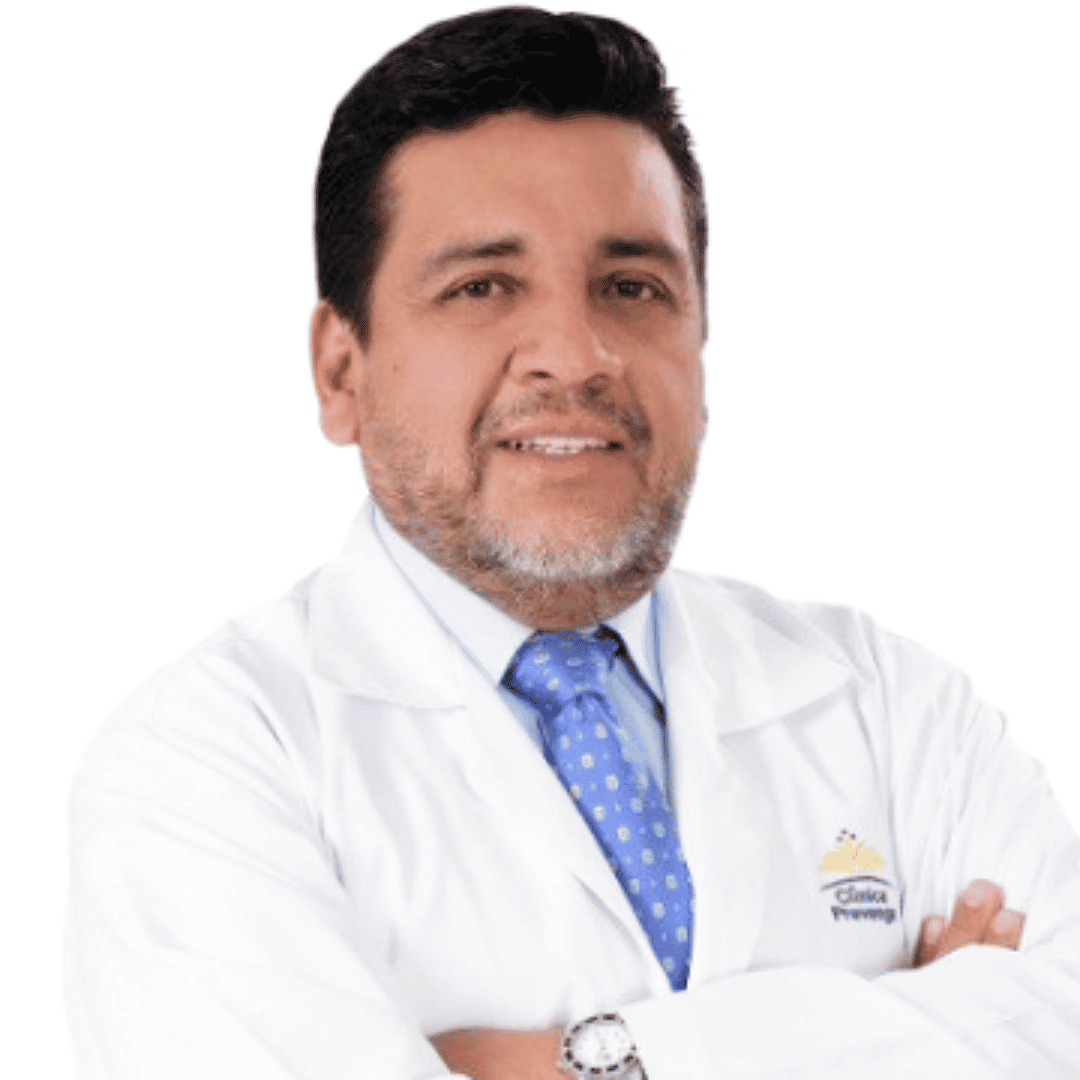
La réputation de Cali en médecine régénérative repose sur l'expertise de ses cliniciens. Nous avons sélectionné un groupe de spécialistes de haut niveau, à la pointe de la biologie cellulaire et des protocoles de médecine régénérative. Ces médecins sont souvent titulaires de diplômes d'études supérieures d'universités internationales et sont membres actifs d'associations mondiales de médecine régénérative. Consultez leurs profils professionnels pour découvrir leurs axes de recherche, leur expérience clinique et les populations de patients qu'ils prennent en charge.
Experts en biologie cellulaire
Chercheurs titulaires d'un doctorat et praticiens cliniques
Nos spécialistes sélectionnés ne sont pas seulement des cliniciens ; ce sont des experts en biologie cellulaire. Ils travaillent en étroite collaboration avec les techniciens de laboratoire pour assurer la culture précise et le contrôle qualité de chaque dose de cellules souches, vous garantissant ainsi un potentiel thérapeutique optimal.
Cliniciens spécialisés
Spécialistes en orthopédie et en neurologie
À Cali, de nombreux spécialistes associent la thérapie par cellules souches à leur spécialité principale, comme l'orthopédie ou la médecine interne. Cette approche intégrée garantit que votre traitement régénératif s'inscrit dans un plan de soins plus global, élaboré par des experts et adapté à votre pathologie.
Infrastructure médicale de classe mondiale
Cali possède une infrastructure médicale parmi les meilleures d'Amérique du Sud. La ville abrite plusieurs établissements et hôpitaux accrédités par la JCI, qui figurent régulièrement en tête du classement des établissements de santé d'América Economía. Ces institutions sont dotées des technologies de pointe en imagerie diagnostique et en laboratoire, garantissant ainsi sécurité et précision pour les applications liées aux cellules souches.
Équilibre coût-qualité
L'un des principaux atouts de la Californie réside dans son excellent rapport qualité-prix. Les patients peuvent y accéder à des protocoles de traitement par cellules souches de pointe, à forte dose, qui seraient financièrement inaccessibles en Amérique du Nord. Le coût de la vie plus bas et les taux de change avantageux permettent de bénéficier de soins médicaux haut de gamme, incluant des séjours de convalescence de luxe et des soins infirmiers personnalisés, tout en réalisant des économies de 60 % ou plus par rapport aux prix pratiqués aux États-Unis.
Une culture de soins et de rétablissement
Le climat et la culture de Cali jouent un rôle essentiel dans le processus de guérison. Réputée pour son climat printanier tout au long de l'année et l'hospitalité légendaire des Cali, la ville offre un environnement apaisant, indispensable à la réussite des soins régénératifs. L'écosystème du tourisme médical y est très développé, proposant un accompagnement bilingue, des coordinateurs de soins dédiés et un large choix d'hébergements, allant des hôtels de charme de luxe aux suites de convalescence.
PlacidWay est votre passerelle privilégiée vers la médecine régénérative de pointe à Cali. Nous comprenons les difficultés liées aux voyages à l'étranger pour des soins et vous proposons un parcours structuré et transparent afin de garantir votre sécurité et votre tranquillité d'esprit.
Vérification approfondie des fournisseurs
Nous présélectionnons chaque clinique de Cali, en vérifiant leur conformité INVIMA, leurs certifications de laboratoire et les qualifications de leurs spécialistes, afin que vous n'ayez pas à le faire.
Transparence des coûts
Nous vous aidons à obtenir des devis détaillés et chiffrés qui vous permettent de comparer les options et de comprendre exactement ce qui est inclus dans votre forfait.
Connexion spécialisée
Nous facilitons la communication directe et les consultations virtuelles avec les meilleurs experts en médecine régénérative de Cali avant même que vous ne réserviez votre vol.
Décisions fondées sur les données
Accédez à des avis de patients vérifiés, à des données de laboratoire et à des études de cas avant-après pour faire un choix pleinement éclairé.
Coordination des rendez-vous
Notre équipe simplifie le processus de planification, veillant à ce que vos examens diagnostiques et vos traitements soient organisés efficacement pendant votre séjour.
Plaidoyer et soutien
De votre première demande de renseignements jusqu'au suivi post-traitement, nos conseillers aux patients sont là pour vous guider et répondre à vos questions.


.png)













Share this listing