Impianti dentali in Croazia

Data di pubblicazione: Data di modifica: Revisionato dal punto di vista medico da: Dr. Octavio Delacruz on Sep 30, 2026 Autore: Rizal Aditya
Impianti dentali in Croazia

Contenuto

Sapevi che la Croazia sta diventando una delle destinazioni più ambite per l'implantologia dentale e l'odontoiatria di qualità? Grazie alle sue strutture sanitarie all'avanguardia e ai professionisti qualificati, molti pazienti internazionali trovano cure eccellenti a prezzi accessibili.

Il sistema sanitario croato è rinomato e offre una vasta gamma di trattamenti adatti sia alla popolazione locale che ai turisti. Con l'aumento del numero di persone che cercano soluzioni odontoiatriche, il Paese ha assistito a un aumento del turismo odontoiatrico, facilitando l'accesso a servizi di alta qualità.

Questa guida esplorerà il panorama delle cliniche di implantologia dentale in Croazia , evidenziando le opzioni disponibili, le esperienze dei pazienti e l'infrastruttura sanitaria complessiva. Scoprirete perché la Croazia si distingue come una scelta fantastica per le vostre esigenze odontoiatriche.

Informazioni chiave a colpo d'occhio

  • Cure odontoiatriche convenienti: la Croazia offre prezzi competitivi per gli impianti dentali.
  • Professionisti qualificati: dentisti esperti forniscono cure di qualità.
  • Strutture all'avanguardia: cliniche moderne dotate delle tecnologie più all'avanguardia.
  • Esperienze dei pazienti: molti pazienti internazionali condividono recensioni positive.
  • Posizione comoda: facile accesso per i turisti che si recano in visita medica dall'Europa e oltre.

Esplora i pacchetti low-cost per impianti dentali e cure odontoiatriche in Croazia, dove PlacidWay ha selezionato ottime opzioni da cliniche affidabili. Questi pacchetti sono selezionati per offrirti il miglior rapporto qualità-prezzo senza rinunciare alle cure di cui hai bisogno. Dai un'occhiata alle nostre offerte e trova il pacchetto perfetto per il tuo budget e le tue esigenze.

`

Gli impianti dentali in Croazia offrono una soluzione conveniente per un sorriso smagliante. Il costo medio di un singolo impianto è di circa 1.200 dollari, molto più basso dei 3.000-4.000 dollari solitamente richiesti negli Stati Uniti. Questo significa che puoi risparmiare fino al 70%! La qualità delle cure è garantita, quindi considera la Croazia per le tue esigenze dentali!

Dental Implants Confronto dei costi dei centri in Croatia

Fornitore Procedura Prezzo
A2 Dental: Premier Dental Clinic in Croatia Dental Implants, Dentistry $850

Dental Implants Confronto dei costi in Croatia

Paese Procedura Prezzo
Canada Dental Implants, Dentistry $3000
United States Dental Implants, Dentistry $3500
United Kingdom Dental Implants, Dentistry $2500

Le nostre cliniche partner in Croazia offrono una vasta gamma di servizi odontoiatrici, tra cui impianti dentali e odontoiatria generale. Questi centri affidabili si concentrano su cure eccellenti e medici qualificati per soddisfare le esigenze dei pazienti internazionali. Continua a leggere per scoprire di più sulle nostre cliniche.
Scopri video utili sugli impianti dentali e sull'odontoiatria in Croazia. Questi video ti aiuteranno a comprendere il processo, cosa aspettarti e ti daranno consigli per la convalescenza. Guarda i video qui sotto per saperne di più e prepararti al meglio per il tuo futuro percorso!

Cos'altro vorresti sapere sui trattamenti odontoiatrici in Croazia ? Quali sono i migliori dentisti e cliniche? Qual è il prezzo medio degli impianti dentali? Sappiamo che stai cercando le risposte a queste domande. Ecco perché abbiamo pensato a tutto questo per te. Leggi e scopri di più.

Cosa sono gli impianti dentali e come funzionano?

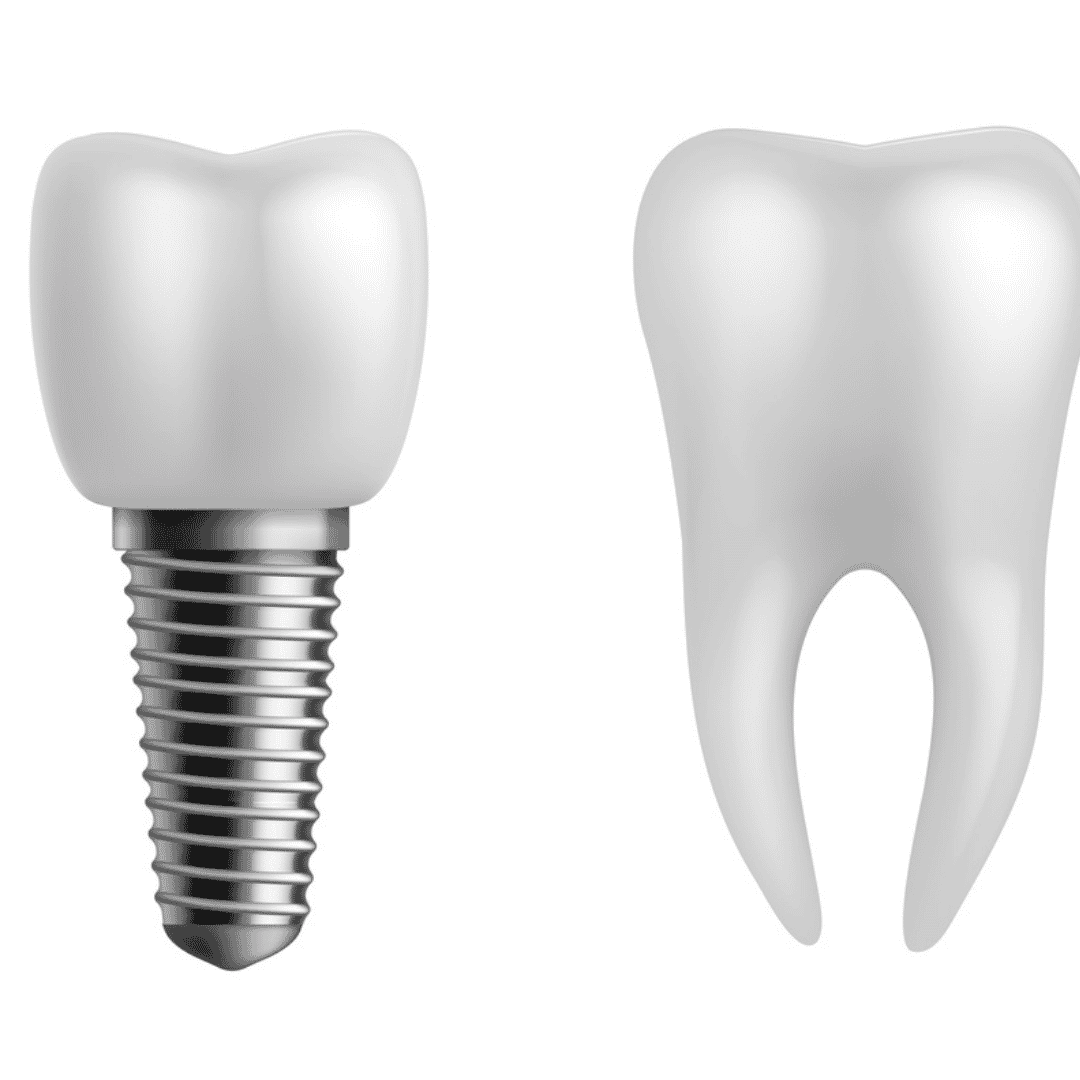
Gli impianti dentali sono radici artificiali inserite chirurgicamente nell'osso mascellare. Costituiscono una base stabile per i denti sostitutivi, imitando i denti naturali nell'aspetto e nella funzione.

Quanto costano gli impianti dentali in Croazia rispetto ad altri paesi?

Gli impianti dentali in Croazia sono notevolmente più convenienti rispetto a molti paesi occidentali, con un potenziale risparmio sui costi fino al 70%.

La qualità dell'assistenza odontoiatrica in Croazia è all'altezza degli standard occidentali?

Sì, i professionisti odontoiatrici croati rispettano elevati standard internazionali e molte cliniche utilizzano attrezzature e materiali di prima qualità.

Quanto dura la procedura di impianto dentale?

La tempistica varia a seconda dei singoli casi, ma in genere prevede alcune visite nell'arco di diversi mesi, per consentire la guarigione e l'integrazione con la mascella.

Ci sono limiti di età per sottoporsi a impianti dentali?

No, non esiste un limite di età specifico per gli impianti dentali, purché il paziente goda di buona salute generale e di una densità ossea sufficiente.

Gli impianti dentali richiedono cure particolari rispetto ai denti naturali?

Gli impianti dentali richiedono una regolare igiene orale, proprio come i denti naturali. Spazzolamento, filo interdentale e controlli dentistici periodici sono essenziali per la loro manutenzione.

È possibile abbinare le cure odontoiatriche a una vacanza in Croazia?

Assolutamente sì! Molti pazienti scelgono il turismo dentale in Croazia, cogliendo l'opportunità di esplorare i meravigliosi paesaggi e le attrazioni culturali del Paese mentre ricevono cure dentistiche.

Queste domande frequenti possono servire come punto di partenza per il tuo viaggio alla scoperta degli impianti dentali in Croazia e per prendere una decisione informata sulla tua salute dentale.

Why Choose Dental Tourism in Croatia?

Patients choose dental tourism in Croatia to access high-quality dental care at significantly lower prices than in many Western countries. The destination combines stringent European medical standards with skilled, English-speaking specialists. Traveling abroad for healthcare has evolved from a niche concept into a structured, accessible option for thousands of patients. Dental tourism in Croatia has grown in popularity primarily because the country offers a compelling balance of modern clinical infrastructure and manageable treatment costs. Patients often face high out-of-pocket expenses for elective or extensive dental procedures in their home countries, prompting them to look across borders for viable alternatives. By seeking care in Europe, patients can often receive treatments such as implants, veneers, and crowns using globally recognized materials. Medical tourism in Croatia benefits from the country's integration into the European Union, which mandates strict healthcare regulations. However, deciding to undergo dental procedures in another country requires careful consideration of travel logistics, clinical standards, and long-term aftercare. Key Takeaways Croatia adheres to EU healthcare directives, ensuring regulated standards for clinical safety and hygiene. Patients may find notable cost differences compared to the US, UK, or Canada, especially for complex restorative work. Major cities like Zagreb, Split, and Rijeka host clinics accustomed to treating international patients. Thorough pre-trip research is required to select appropriately licensed providers and arrange necessary local aftercare. Treatment plans often require multiple visits, particularly for procedures involving bone healing like implants. What are the primary benefits of receiving dental care in Croatia The main advantages include access to lower-cost procedures, compliance with strict European clinical standards, and treatment by highly educated dental professionals. Many facilities cater specifically to international visitors. One of the major draws of seeking care in Croatia is the high educational standard required for dental practitioners. Dentists undergo rigorous university training and must be registered with the national dental chamber to practice. Because Croatia is an EU member state, these practitioners often participate in ongoing education that aligns with wider European guidelines. Additionally, the clinical infrastructure in popular medical hubs is frequently updated. Facilities that focus on international patients often invest heavily in modern diagnostic equipment, such as 3D CBCT scanners and digital impression technology. This allows for precise planning and efficient execution of treatments. Finally, patients appreciate the opportunity to undergo procedures in a geographically accessible location with a mild climate. While the primary goal is medical care, the environment can make the necessary downtime between appointments more comfortable. How do costs compare to Western countries The average dental work cost in Croatia is often substantially lower than in North America or the UK. This price difference is driven by lower local living costs and operational overhead, not a reduction in material quality. Many patients wonder how clinics can offer procedures at reduced rates while using the same implant brands and prosthetic materials found in their home countries. The economic reality is that overhead costs—including facility leasing, staffing, and administrative expenses—are generally lower in Croatia. These savings are frequently passed on to the patient. When calculating potential savings, you must look at the entire financial picture. While the clinical fees are lower, you need to budget for flights, accommodations, local transportation, and potentially multiple trips. For a single filling or minor extraction, the travel costs usually outweigh the savings. However, for extensive procedures like full mouth restorations, bone grafting, or multiple crowns, the financial difference often remains favorable even after factoring in travel expenses. You should always request a detailed, itemized estimate prior to booking any travel. Are the standards and regulations strict for dental facilities Yes, every dental clinic in Croatia is subject to regulatory oversight by the Croatian Ministry of Health and the Croatian Chamber of Dental Medicine, ensuring adherence to EU safety and hygiene protocols. Patient safety is a valid concern when crossing borders for medical care. In Croatia, the profession is tightly regulated. Clinics are subject to periodic inspections to ensure they meet hygiene, sterilization, and operational standards. Practitioners must hold valid licenses and participate in continuous professional development to maintain their standing. Because they operate within the European Union, Croatian clinics must also adhere to EU directives regarding medical devices. This means that the materials used for implants, crowns, and fillings are subject to standardized quality controls. Despite these regulations, quality can still vary between individual providers. Patients are encouraged to verify a provider's credentials, ask about their specific experience with complex procedures, and inquire about their sterilization protocols during the initial consultation phase. Important Consideration: Always inform your prospective dentist of your complete medical history. Existing conditions like diabetes, osteoporosis, or cardiovascular issues can affect your eligibility for oral surgery and impact healing times. What types of restorative and cosmetic procedures are commonly performed International patients most often travel for extensive restorative work, including dental implants, full arch rehabilitations, dental veneers, and high-quality ceramic crowns. Dental Implants: Titanium or zirconia posts used to replace missing tooth roots, requiring precise surgical placement. All-on-4 / All-on-6 Systems: A full arch of prosthetic teeth supported by four to six strategically placed implants, often used for patients with significant tooth loss. Crowns and Bridges: Custom-made caps or pontics designed to restore damaged teeth or span the gaps left by missing teeth. Veneers: Thin ceramic shells bonded to the front of teeth to improve aesthetics, alter shape, or conceal severe discoloration. Bone Grafting and Sinus Lifts: Preparatory surgical procedures necessary for patients who lack sufficient bone volume to support implants. How long is the typical stay required for major treatments Treatment timelines vary widely. Minor restorative work may take a few days, while implant procedures usually require at least two separate visits spaced several months apart to allow for proper bone integration. Understanding the time commitment is vital when planning dental travel logistics. If you are traveling for crowns or veneers, the process typically involves an initial preparation and impression phase, followed by laboratory fabrication, and ending with the final fitting. This can usually be completed in a single trip of five to ten days. Implant dentistry is more complex. The initial surgical placement of the implant requires a brief stay. After placement, the titanium post must fuse with the jawbone—a process called osseointegration—which takes roughly three to six months. During this period, you will return home. Once healing is verified, a second trip is required to expose the implant and attach the permanent abutment and crown. Rushing this process can lead to implant failure, so it is important to adhere to the biological timelines recommended by your dental surgeon. How do professionals handle language barriers Language barriers are generally minimal. English is widely spoken in Croatian healthcare settings, especially in facilities that actively treat international patients, ensuring clear communication regarding your care. Clear communication is fundamental to informed consent and safe medical care. You need to fully understand your diagnosis, the proposed treatment plan, the associated risks, and the cost structure. Fortunately, English proficiency among Croatian medical professionals is high. Many clinics employ dedicated patient coordinators who are fluent in English, Italian, or German. These coordinators assist with scheduling, explaining procedural steps, and bridging any cultural or linguistic gaps between the patient and the clinical team. Before committing to a provider, schedule a preliminary video consultation. This allows you to evaluate the dentist’s communication style, assess your comfort level, and ensure that all your questions can be answered clearly without misunderstanding. What criteria should you use to evaluate a dental provider Patients should evaluate providers based on their verifiable credentials, experience with specific procedures, transparency of treatment plans, and willingness to coordinate local aftercare. Verify the dentist is registered with the Croatian Chamber of Dental Medicine. Look for specialists (e.g., prosthodontists, oral surgeons) rather than general dentists for complex rehabilitations. Request before-and-after case studies relevant to your specific condition. Ensure the clinic provides a transparent, written treatment plan that outlines potential additional costs. Assess their communication and promptness when answering clinical questions. What are the medical and travel risks associated with cross-border care Risks include travel-related stress, the potential for postoperative complications far from the treating dentist, and the difficulty of securing domestic follow-up care for work performed abroad. All medical procedures carry inherent risks, such as infection, adverse reactions to anesthesia, or delayed healing. When you receive treatment abroad, these risks are compounded by the physical toll of travel. Flying too soon after oral surgery can cause increased swelling or sinus complications due to cabin pressure changes. Furthermore, if a complication arises weeks or months after you return home—such as a loose crown or an implant failing to integrate—you will not easily be able to visit the original dentist. Returning to Croatia for minor adjustments is often not financially or logistically viable. Additionally, the legal frameworks governing medical malpractice vary by country. Resolving disputes or seeking recourse for unsatisfactory outcomes can be highly complex across international borders. How should you coordinate aftercare and follow-up Secure a commitment from a local dentist in your home country before you travel. You will need routine cleanings, maintenance of prosthetics, and immediate assistance if complications develop. Postoperative care is a continuous process. Implants, bridges, and veneers require diligent oral hygiene and professional monitoring to ensure longevity. Many local dentists hesitate to adjust or repair extensive dental work performed by someone else, particularly if they are unfamiliar with the specific implant system used. To mitigate this, ask your Croatian clinic for a complete medical file before you leave. This file should include digital X-rays, detailed notes on the procedures performed, and the exact specifications (brand, size, model) of any implants or components used. Discuss your travel plans openly with your local dentist beforehand. Finding a home practitioner who is willing to take on your long-term maintenance is a critical step in ensuring your procedure is a lasting success. Why Choose PlacidWay for Medical Tourism Navigating international healthcare options can be overwhelming. PlacidWay provides an educational platform designed to help patients explore medical opportunities globally. Extensive Directory: PlacidWay offers access to a wide database of healthcare providers across various international destinations. Educational Resources: The platform provides information on different procedures, allowing patients to better understand their options. Direct Connection: Patients can use the service to connect directly with clinics and request specific information or estimates. Provider Comparison: The layout allows users to compare different facilities based on available data and patient reviews. Free Information Gathering: Accessing clinic profiles and requesting initial details through the platform does not carry a fee. Frequently Asked Questions Is medical tourism in Croatia widely recognized for dental care? Yes, patients from the UK, Italy, Germany, and North America frequently visit Croatia for dental care. The country adheres to European Union medical standards and offers a high concentration of skilled dental specialists. Can I receive full mouth restorations in a Croatian dental clinic? Many clinics in Croatia offer complex procedures like full mouth restorations, All-on-4, and All-on-6 implant systems. However, suitability depends on an individual evaluation of your bone density and oral health. Will my home dental insurance cover treatments performed in Croatia? Most national health services and domestic insurance plans do not cover elective dental care abroad. Some private insurers may offer partial reimbursement, but you should verify your policy details before traveling. Are the dental materials used in Croatia regulated? Yes. As an EU member state, Croatia must comply with European regulations regarding medical devices and dental materials, meaning clinics typically use internationally recognized brands for implants and prosthetics. Do international patients need a specific medical visa for dental work in Croatia? Croatia is part of the Schengen Area. Visitors from many countries, including the US, UK, and Canada, can usually enter for short stays without a specific medical visa, though you should check current entry requirements based on your citizenship. What happens if a dental implant fails after I return home from Croatia? If a complication arises after returning home, you will need to seek care from a local dentist. It is vital to establish a relationship with a local professional who is willing to manage aftercare for treatments performed abroad. Is it safe to fly immediately after oral surgery in Croatia? Flying immediately after oral surgery can increase the risk of bleeding, swelling, and sinus pressure complications. Most dentists advise waiting a few days before taking a flight, depending on the extent of the procedure. Do clinics provide detailed treatment plans before I travel? Most reputable providers will request dental X-rays or 3D scans to provide an estimated treatment plan and cost breakdown before you travel, though this plan may change once you are examined in person. How do I verify a Croatian dentist is properly licensed? You can verify a dentist’s credentials through the Croatian Chamber of Dental Medicine, which regulates the profession and ensures practitioners meet national and European educational standards. How do I pay for dental procedures in Croatia? Croatia uses the Euro. Most modern clinics accept major credit cards, bank transfers, and cash. It is wise to confirm payment methods and any potential foreign transaction fees with your provider beforehand. Explore Your Dental Treatment Options Connect with qualified clinics in Croatia to gather information and receive personalized treatment estimates. Request Treatment Information References Oral Health Fact Sheet – World Health Organization (WHO) Cross-Border Healthcare Directives – European Commission Medical Tourism Travel Information – Centers for Disease Control and Prevention (CDC) Global Dental Guidelines – FDI World Dental Federation Professional Standards and Regulations – Croatian Chamber of Dental Medicine Considerations for Dental Treatment Abroad – National Health Service (NHS) Medical Disclaimer: The information provided in this article is intended for educational and informational purposes only and does not constitute medical advice. Treatment outcomes, recovery times, and eligibility vary significantly from patient to patient based on individual health profiles and medical histories. We do not endorse any specific clinic, doctor, or treatment protocol. Always seek the advice of a qualified and properly licensed dentist or medical professional regarding any questions you may have about a dental condition, proposed treatment, or the associated risks before making any healthcare decisions.

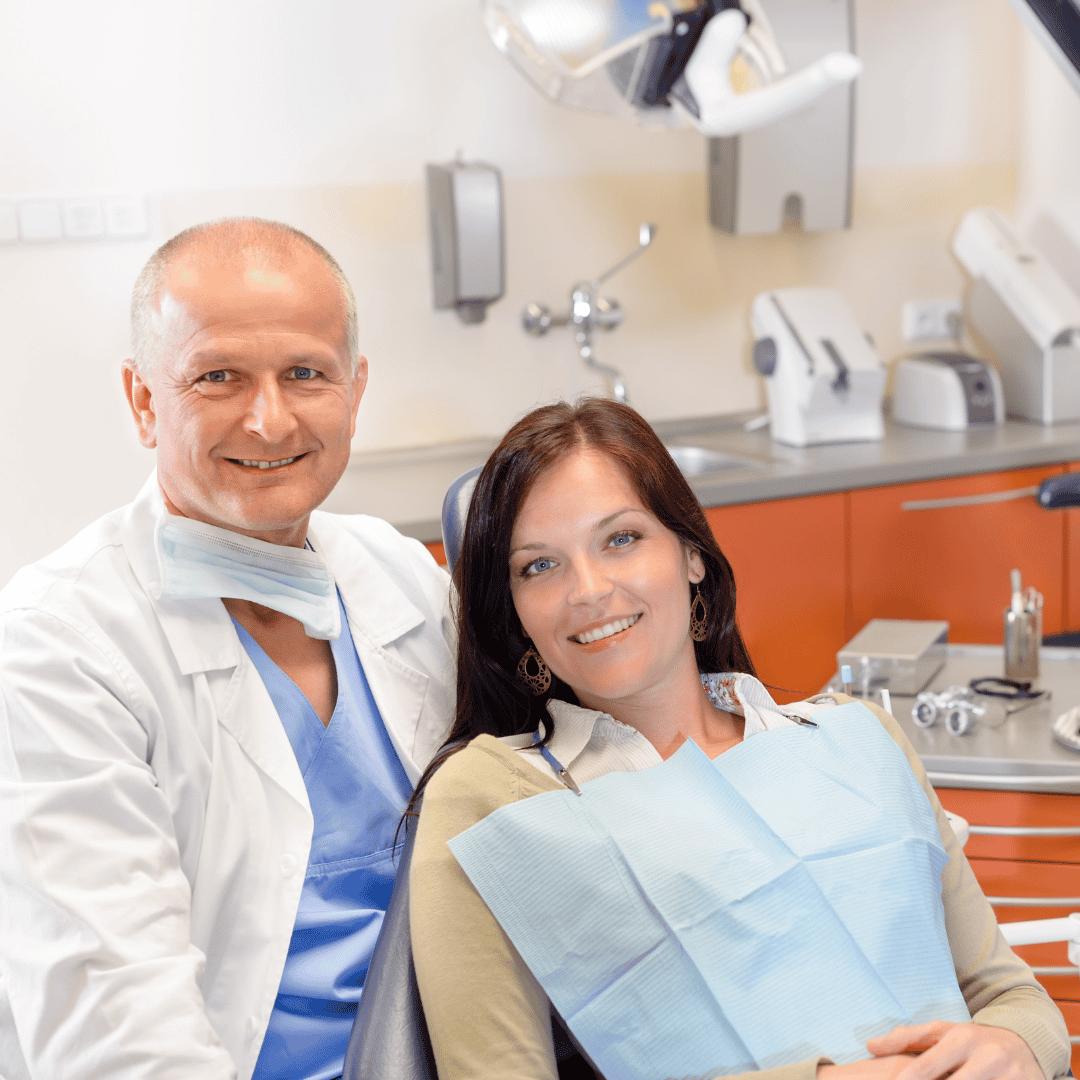
Incontra i nostri esperti chirurghi odontoiatri in Croazia, esperti in tecniche avanzate per impianti dentali. Selezionati con cura per la loro competenza e dedizione alla cura del paziente, questi medici sono qui per aiutarti a raggiungere i tuoi obiettivi dentali. Scopri di più su di loro qui sotto.


Mentre valutate le vostre opzioni di trattamento dentale, permetteteci di presentarvi sette validi motivi per cui scegliere la Croazia per le vostre esigenze dentali può fare la differenza per la vostra salute orale e il vostro benessere generale.

1. Qualità senza compromessi: la Croazia è orgogliosa di offrire servizi odontoiatrici che soddisfano o addirittura superano gli standard internazionali. Grazie a attrezzature all'avanguardia e professionisti altamente qualificati, potrete aspettarvi lo stesso livello di qualità delle cure che vi aspettereste nei più costosi paesi occidentali.

2. Efficienza dei costi: uno degli aspetti più interessanti del turismo dentale in Croazia è il suo rapporto qualità-prezzo. È possibile ottenere risparmi significativi, spesso fino al 70%, su un'ampia gamma di procedure odontoiatriche, compresi gli impianti dentali, senza rinunciare alla qualità o alla sicurezza.

3. Specialisti esperti: i dentisti e i chirurghi orali croati sono rinomati per la loro competenza. Molti vantano anni di esperienza e aggiornano costantemente le proprie competenze attraverso corsi di formazione continua, garantendovi un'assistenza di prim'ordine.

4. Tecnologia avanzata: le cliniche odontoiatriche croate sono dotate delle più recenti tecnologie odontoiatriche, rendendo il trattamento più preciso, efficiente e confortevole. Dall'imaging digitale alle tecniche chirurgiche più innovative, trarrai beneficio dal meglio.

5. Vantaggi del turismo dentale: perché accontentarsi solo di cure dentistiche quando puoi abbinarle a una vacanza indimenticabile? Gli splendidi paesaggi della Croazia, il ricco patrimonio culturale e il clima piacevole offrono lo scenario perfetto per una piacevole esperienza di turismo dentale.

6. Accessibilità: la Croazia è ben collegata alle principali città europee, con diversi aeroporti internazionali e reti di trasporto efficienti, che consentono ai pazienti di raggiungere facilmente la destinazione odontoiatrica prescelta.

7. Assistenza personalizzata: i professionisti odontoiatrici croati adottano un approccio incentrato sul paziente, assicurandosi che le sue esigenze e preoccupazioni specifiche siano affrontate con cura ed empatia. Danno priorità al suo comfort e benessere durante tutto il suo percorso odontoiatrico.

Ti incuriosisce? Esplora il mondo del turismo dentale in Croazia e scopri il mix perfetto tra cure dentistiche di alta qualità e una vacanza indimenticabile in un paese tanto bello quanto attento alla salute orale.

Turismo dentale in Croazia - Una delle destinazioni più economiche al mondo con luoghi meravigliosi

Una volta visitata la Croazia, rimarrete affascinati dalla sua ricca storia, dalla cordialità della gente e dalle numerose spiagge sulla straordinaria costa adriatica. Cosa potete fare in Croazia durante il vostro soggiorno per le cure dentistiche? Vi consigliamo questi luoghi da visitare:

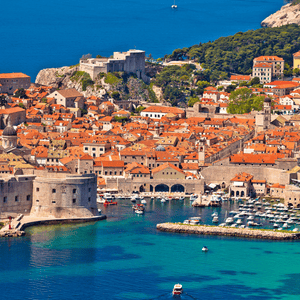
Dubrovnik - patrimonio mondiale dell'Unesco

Dubrovnik Croazia

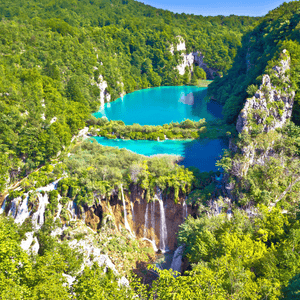
Cascate celestiali nel Parco nazionale dei laghi di Plitvice

Plitvice Croazia

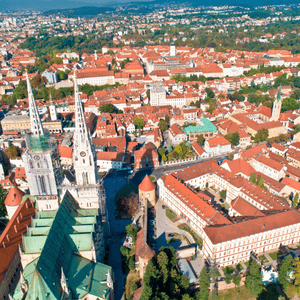
La capitale della Croazia, Zagabria

Zagabria Croazia

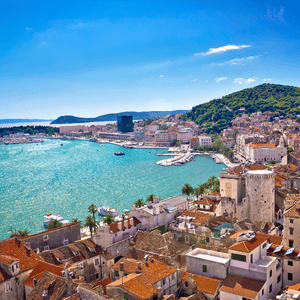
La vivace città vecchia di Spalato

Spalato Croazia

Pronti a scoprire gli impianti dentali in Croazia ? Siamo qui per aiutarvi a ottenere tutte le informazioni di cui avete bisogno! Contattateci oggi stesso e semplificheremo insieme il processo. Il vostro viaggio verso un sorriso più luminoso inizia con un semplice contatto!


contattaci

Impianti dentali in Croazia thumbnail

Informazioni sull'esperienza

Trusted Medical Tourism Platform Since 2007

60+
Countries
2k+
Clinics
19.5k+
Reviews
2.5k+
Qualified Doctors
1.1M+
Patients Served Since 2007