


US Surge for Puerto Vallarta Endoscopic Spine Surgery

Driven by soaring US healthcare costs, thousands are seeking Endoscopic Spine Surgery in Puerto Vallarta. This trend merges elite, ultra-minimally invasive orthopedic care with a serene beachside recovery model, offering patients up to 80% savings without compromising safety.
The Rise of the 'Beachside Recovery' Model in Medical Tourism
The paradigm of post-operative orthopedic care is undergoing a massive global transformation. Historically, patients recovering from spinal procedures were confined to sterile, clinical hospital rooms in the United States, surrounded by harsh fluorescent lighting and the constant, stressful hum of medical machinery. Today, a revolutionary "Beachside Recovery" model has emerged along the Pacific coast of Mexico, fundamentally changing how patients heal from complex neurological and orthopedic interventions. By combining world-class medical infrastructure with the tranquil, resort-style atmosphere of a tropical destination, healthcare providers are prioritizing the psychological well-being of the patient alongside their physical rehabilitation.
Puerto Vallarta sits at the absolute epicenter of this booming medical travel trend. The coastal city's unique geography—nestled between the lush Sierra Madre mountains and the warm waters of the Pacific Ocean—provides an idyllic microclimate that is highly conducive to joint and spinal healing. Patients are seamlessly transitioned from hyper-modern surgical suites to luxury boutique recovery hotels that look and feel like high-end vacation resorts. Here, the warm, stable weather encourages gentle, low-impact walking, which is critical for spinal recovery, while the soothing sound of the ocean naturally mitigates post-operative anxiety, creating a holistic environment that dramatically accelerates the return to a pain-free life.
Did You Know?
Clinical studies suggest that recovering in environments with abundant natural light and scenic views can lower cortisol levels and reduce the need for post-operative pain medication by up to 22%. Puerto Vallarta’s medical recovery facilities are specifically architected to leverage this psychological phenomenon.
Why Americans Choose Endoscopic Spine Surgery in Puerto Vallarta?
The mass exodus of American patients seeking orthopedic relief abroad is primarily driven by a critically fractured domestic healthcare system. In the United States, accessing advanced spinal care is an exhausting labyrinth of insurance pre-authorizations, exorbitant deductibles, and shockingly long wait times. Furthermore, many U.S. insurance providers still classify cutting-edge, ultra-minimally invasive techniques as "experimental," outright refusing to cover them. This forces patients into traditional, highly traumatic open back surgeries that require massive incisions, stripping of muscle tissue, and prolonged, painful rehabilitation periods. Faced with the prospect of medical bankruptcy or antiquated surgical methods, millions of Americans are left suffering from chronic herniated discs, spinal stenosis, and sciatica with no viable domestic solution.
Conversely, pursuing an affordable minimally invasive spine surgery in Mexico bypasses these bureaucratic roadblocks entirely. Puerto Vallarta has specifically positioned itself as a sanctuary for advanced endoscopic techniques, drawing patients who demand the highest tier of medical innovation without the staggering domestic price tag. Situated just a short, direct flight from major U.S. and Canadian transit hubs, this destination allows North American patients to undergo sophisticated neural decompressions and be walking comfortably just hours after their procedure. The ability to reclaim one's mobility through precise, muscle-sparing surgery, while simultaneously escaping the financial toxicity of the U.S. medical system, makes this coastal city the premier choice for international orthopedic travelers.
Anatomy of an Ultra-Minimally Invasive Spine Procedure
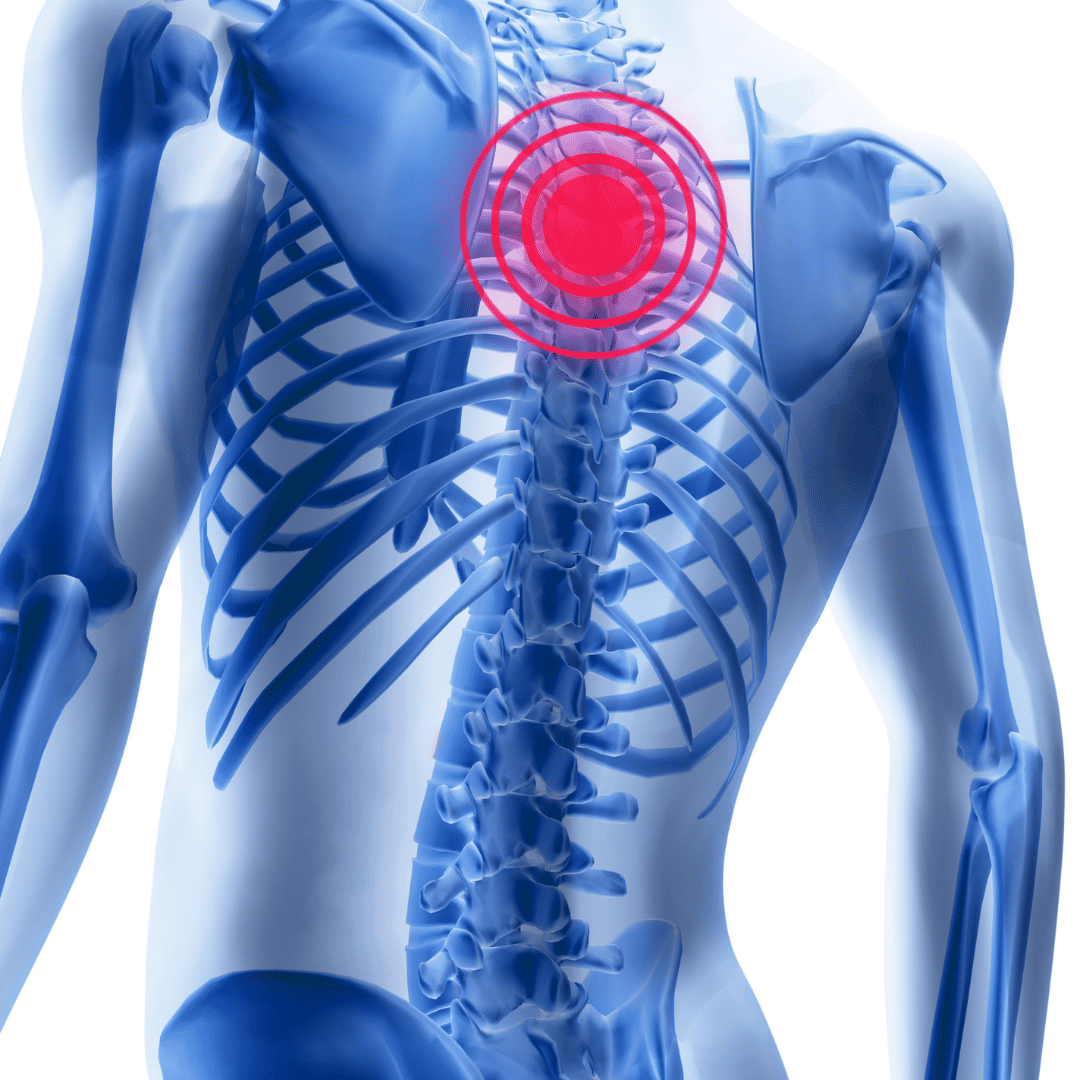
To understand why this specific procedure is generating such international demand, one must look at the groundbreaking mechanics of the surgery itself. Unlike traditional spinal fusions or open laminectomies, endoscopic spine surgery is a highly specialized, ultra-minimally invasive technique that treats spinal lesions through an incision smaller than a dime. When booking these advanced orthopedic packages through trusted platforms, patients benefit from a surgical approach characterized by:
- Micro-Incision Corridors: Surgeons utilize a tiny tubular retractor, typically requiring an incision of less than 8 millimeters, which leaves virtually no visible scarring once fully healed.
- Absolute Tissue Preservation: Because the specialized endoscope dilates the tissue rather than cutting it, the critical stabilizing muscles of the back are left entirely intact, preventing long-term structural weakness.
- High-Definition Magnification: The endoscope features an integrated high-definition camera and fiber-optic illumination, giving the surgeon unparalleled visualization of the spinal nerves, dramatically reducing the risk of neural injury.
- Conscious Sedation Capabilities: Many of these procedures can be performed using local anesthesia and conscious sedation, bypassing the heavy physiological toll and risks associated with general anesthesia.
- Rapid Ambulatory Discharge: Due to the minimal tissue trauma, patients are routinely walking within two hours of surgery and are discharged from the surgical center the very same day.
Cost Comparison: US Spine Surgery vs. Mexican Coastal Clinics
The financial transparency inherent in the Mexican medical tourism model provides a stark, refreshing contrast to the unpredictable billing practices found in the United States. Domestic patients are frequently victimized by surprise medical bills—receiving separate, wildly inflated invoices from out-of-network anesthesiologists, surgical facilities, and diagnostic imaging centers long after their procedure is complete. In Puerto Vallarta, elite medical facilitators operate on a strict, all-inclusive package model. This guarantees that the patient knows exactly what their total financial investment will be before they even board their flight, entirely eliminating financial anxiety from the healing process.
The cost disparity is not a reflection of diminished quality, but rather the result of distinct economic ecosystems. Mexico's highly subsidized medical education, significantly lower administrative overhead, and capped medical malpractice insurance premiums allow top-tier surgical facilities to deliver world-class care at a fraction of the cost. The data overwhelmingly proves that patients can cover their flights, luxury beachside accommodations, VIP concierge services, and the surgery itself while still saving tens of thousands of dollars compared to a standard U.S. hospital bill.
The Advanced Orthopedic Infrastructure Fueling Mexico's Boom
The physical medical landscape in Jalisco's prime coastal city has evolved at a staggering pace, fueled by heavy international investment and the booming medical tourism sector. Gone are the days of rudimentary border clinics; modern patients are welcomed into monumental, state-of-the-art medical towers that rival the most prestigious healthcare facilities in North America. These sprawling medical campuses are equipped with cutting-edge smart operating rooms, advanced 3D fluoroscopy imaging, and imported European endoscopic surgical systems that represent the absolute pinnacle of orthopedic technology. The commitment to maintaining a hyper-modern infrastructure ensures that international patients receive care utilizing the exact same—or often superior—technological standards found in their home countries.
Beyond the hardware, the true strength of this infrastructure lies in its multidisciplinary approach to patient care. Elite medical centers in the region employ integrated teams of bilingual professionals, bringing together neurosurgeons, orthopedic spine specialists, anesthesiologists, and pain management experts under one roof. This cohesive ecosystem starkly contrasts the highly fragmented U.S. healthcare model, where patients are constantly shuffled between disjointed departments and entirely different clinical networks. In this coastal medical hub, real-time collaboration among specialists ensures a seamless, highly optimized surgical execution and a deeply personalized recovery pathway.
"We are witnessing a profound shift in how patients approach complex orthopedic care. Americans are no longer accepting a domestic system that forces them into physical agony and financial ruin. By combining elite, ultra-minimally invasive surgical technology with the restorative benefits of a resort-style recovery environment, destinations like Puerto Vallarta are empowering patients to bypass broken healthcare systems and reclaim their mobility with dignity and absolute safety."
— Pramod Goel, CEO of PlacidWay
Strict Safety Standards and Board Certifications in Jalisco
For any individual contemplating cross-border healthcare, clinical safety and surgeon expertise remain paramount concerns. Fortunately, the medical community specializing in endoscopic spine surgery operates under fiercely rigorous academic and regulatory standards. Becoming an orthopedic spine specialist in Mexico requires an exhaustive educational journey, often spanning over 12 to 14 years. This includes extensive medical schooling, high-pressure orthopedic residencies, and highly competitive, multi-year fellowships dedicated exclusively to mastering minimally invasive spinal techniques. Legitimate practitioners are strictly regulated by national health ministries and must maintain active, verified credentials with the Mexican Council of Orthopedics and Traumatology.
Furthermore, the caliber of surgeons operating in this international hub is distinctly global. It is standard practice for the leading spine surgeons to pursue advanced training and international fellowships in the United States, Germany, or South Korea—countries renowned for pioneering endoscopic technology. Consequently, these elite physicians hold prestigious active memberships in global organizations such as the North American Spine Society (NASS) and AOSpine. Their continuous engagement with the global medical community ensures that the surgical protocols utilized in Puerto Vallarta adhere strictly to the highest international benchmarks for patient safety, sterility, and positive clinical outcomes.
Did You Know?
Because medical tourism facilities cater to a massive global patient base, elite spine surgeons in destination cities often perform a significantly higher volume of specialized endoscopic procedures annually compared to an average domestic surgeon, leading to unmatched surgical precision and deeply refined clinical expertise.
The Strategic Role of PlacidWay in Navigating Cross-Border Healthcare
While the medical and financial advantages of seeking orthopedic care abroad are undeniably compelling, the prospect of independently coordinating an international medical journey can be incredibly daunting. The internet is saturated with unverified information, aggressive marketing campaigns, and an overwhelming array of clinical options. For a patient already suffering from debilitating back pain, the burden of verifying foreign medical credentials, translating complex MRI reports, and negotiating international hospital fees is an insurmountable barrier. This profound information asymmetry highlights the critical necessity of utilizing an established, reputable medical tourism facilitator.
As the industry's premier global connector, PlacidWay meticulously curates a network of heavily vetted, internationally accredited medical facilities and elite specialists. They empower patients to safely navigate the international healthcare landscape by providing an authoritative platform to compare options, read authenticated patient reviews, and access transparent, all-inclusive pricing. By handling the complex logistics—from securing direct virtual consultations with leading neurosurgeons to coordinating ground transportation and medical visas—PlacidWay removes the guesswork entirely, allowing patients to focus 100% of their energy on their health and recovery.
Planning Your Surgical Journey and Post-Op Tropical Retreat
The logistical orchestration of a medical journey to Puerto Vallarta is designed to be an entirely frictionless, concierge-level experience. The process begins long before boarding a flight, with comprehensive remote evaluations where patients securely transfer their latest MRI and CT scans to their chosen surgical team for precise diagnostic review. Upon landing at the international airport, the patient's VIP experience commences immediately. Dedicated bilingual medical liaisons greet patients at the terminal, providing private, climate-controlled transport directly to the hospital for pre-operative blood panels and final, in-person surgical consultations, ensuring every detail is perfectly aligned before the procedure date.
The post-operative phase is where the "Beachside Recovery" model truly shines. Within hours of a successful endoscopic procedure, patients are safely transported to their specialized medical recovery suite. Instead of sterile hospital food and restrictive environments, patients enjoy anti-inflammatory gourmet meals, routine vital check-ins from private nursing staff, and guided physical therapy walks along flat, beautifully manicured coastal paths. After a standard recovery period of five to seven days, a final follow-up evaluation provides medical clearance to fly. Patients return home not just having experienced a tropical retreat, but fundamentally transformed, stepping off the plane with restored mobility and entirely free from the chronic pain that once dictated their lives.




.png)

.png)
.png)



.png)
.png)
.png)











Share this listing