


Tijuana Liver Cancer Care Draws Record US Patients
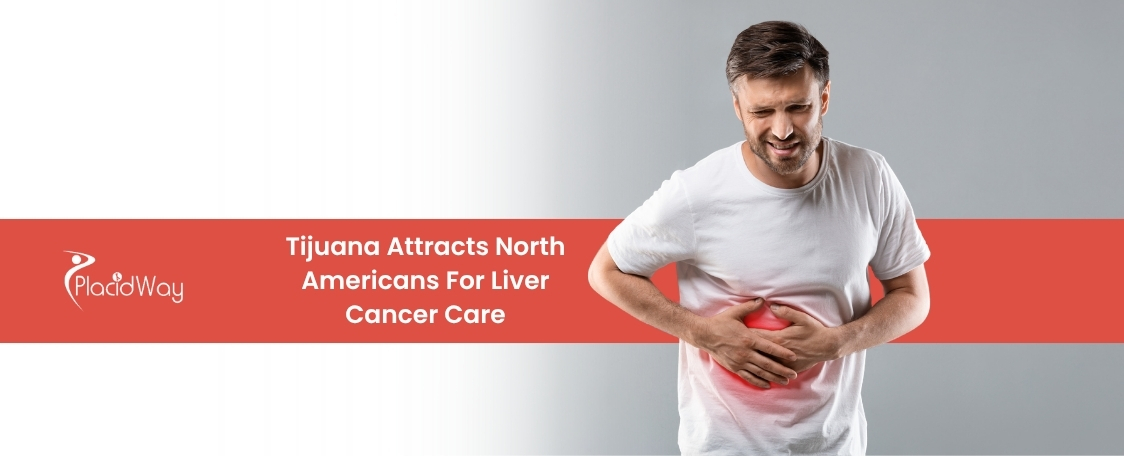
Record numbers of US and Canadian patients are crossing the border for advanced Liver Cancer Treatment in Tijuana. Driven by skyrocketing domestic healthcare costs, patients seek affordable, multi-modality oncological therapies just minutes from San Diego, saving up to 70%.
The Surging Demand for Oncology Medical Tourism in Mexico
The global landscape of medical tourism is undergoing a profound transformation. While border cities were once exclusively known for elective cosmetics and dental procedures, a rapidly growing demographic of medical travelers is now seeking complex, life-saving interventions. In recent years, the demand for cross-border oncology—specifically comprehensive liver cancer care—has seen an unprecedented surge. North American patients, burdened by a fractured domestic healthcare system, are increasingly looking southward to access sophisticated, immediate medical solutions. This shift highlights a critical evolution in the medical tourism sector, transforming the region into a globally recognized epicenter for advanced disease management and critical oncological care.
This escalating demand is primarily driven by the rising incidence rates of hepatocellular carcinoma and other hepatic malignancies across the United States and Canada. As diagnoses climb, patients are frequently met with devastating logistical hurdles, ranging from months-long waitlists for initial specialist consultations to arbitrary insurance denials for cutting-edge targeted therapies. In stark contrast, the medical infrastructure just south of the border offers rapid admission protocols, multidisciplinary tumor boards, and immediate access to vital treatments. By circumventing domestic healthcare bottlenecks, patients are recovering the most valuable asset in any cancer battle: time.
Did You Know?
Research indicates that up to 42% of newly diagnosed cancer patients in the United States completely deplete their life savings within the first two years of treatment. This phenomenon, known as "financial toxicity," is a primary catalyst driving the 300% increase in medical tourists seeking oncological care in Latin America over the past decade.
Why North Americans Choose Liver Cancer Treatment in Tijuana?
The primary motivation for patients crossing the border is the crushing weight of domestic medical expenses. In the United States, the out-of-pocket costs for managing severe hepatic conditions can easily exceed hundreds of thousands of dollars, even for individuals holding comprehensive health insurance policies. High deductibles, copayments, and the frequent refusal of insurance carriers to cover newly approved immunotherapies leave families facing potential bankruptcy. Canadian patients face a different, yet equally dangerous challenge: socialized medicine wait times. The delay between a suspected liver lesion and a biopsy, followed by the wait for surgical intervention, can allow aggressive tumors to metastasize, rendering previously curable cancers entirely inoperable.
Beyond the sheer economics and scheduling advantages, geographic proximity plays a monumental role in this cross-border healthcare migration. Situated a mere 15 to 20 minutes from the San Diego International Airport, patients can essentially access premium international healthcare without leaving the Southern California cultural and geographical sphere. This proximity drastically reduces the physical toll of international travel, a critical consideration for oncology patients dealing with fatigue and compromised immune systems. The lower cost of real estate, subsidized medical education, and reduced administrative bloat in Mexico allow premier facilities to offer elite oncological care at a fraction of the domestic price, passing those life-saving savings directly to the patient.
Understanding Multi-Modality Oncological Approaches in Mexico
Modern cancer care is rarely reliant on a single treatment vector. The most successful clinical outcomes for hepatic malignancies stem from a "multi-modality" approach—a collaborative strategy where various specialized treatments are combined to attack the disease from multiple angles. Premier Mexican oncology programs excel in this multidisciplinary model, offering comprehensive treatment bundles that are heavily restricted or cost-prohibitive in the United States. When pursuing specialized liver cancer care abroad, patients can access a robust arsenal of advanced interventions:
- Transarterial Chemoembolization (TACE): A highly targeted, minimally invasive procedure where chemotherapy is injected directly into the blood vessels feeding the liver tumor, simultaneously blocking the blood supply to starve the cancer cells while minimizing systemic side effects.
- Radiofrequency and Microwave Ablation: Advanced thermal techniques utilized to precisely heat and destroy localized liver tumors without the need for traditional, open surgery, promoting rapid recovery times for non-surgical candidates.
- Next-Generation Immunotherapy: Administration of specialized biological therapies that stimulate the patient's own immune system to recognize, attack, and eradicate aggressive liver cancer cells, often utilized in conjunction with traditional therapies.
- Advanced Surgical Resection: Utilizing high-definition laparoscopic and robotic-assisted surgical technology, highly specialized hepatobiliary surgeons carefully remove malignant sections of the liver while preserving maximal healthy organ function.
- Integrative and Supportive Oncology: A holistic approach combining standard allopathic treatments with rigorous nutritional protocols, advanced pain management, and specialized immunomodulatory therapies designed to strengthen the body during rigorous oncological regimens.
Comparing Oncology Costs: United States vs. Premium Mexican Care
One of the most paralyzing aspects of receiving an oncology diagnosis in the United States is the absolute lack of financial transparency. Patients are routinely subjected to fragmented billing networks, receiving separate, unpredictable invoices from the hospital facility, the primary oncologist, the radiologist, and the anesthesiologist over a period of months. In contrast, the medical tourism infrastructure south of the border operates on a patient-centric model of absolute transparency. International patients are provided with comprehensive, upfront cost assessments that encompass the entirety of their diagnostic imaging, hospital stays, surgical interventions, and specialized medications.
The financial data clearly illustrates the life-saving value proposition of cross-border medical travel. By bypassing the exorbitant markups intrinsic to the U.S. healthcare and pharmaceutical systems, patients can access the exact same targeted therapies, surgical tools, and chemotherapy agents for a fraction of the domestic investment. This profound economic disparity allows families to redirect their financial resources toward recovery, stress reduction, and maintaining their quality of life, rather than servicing insurmountable medical debt.
State-of-the-Art Medical Infrastructure Near the Border
The physical landscape of this bustling border region has been completely reimagined by massive influxes of international healthcare capital. The outdated perception of small, isolated border clinics has been permanently replaced by the towering presence of colossal "medical cities." These ultra-modern, specialized architectural marvels are designed entirely around the holistic patient experience. A patient arriving for specialized oncological care will find themselves in complexes equipped with high-resolution PET-CT scanners, interventional radiology suites, hyperbaric oxygen chambers, and intensive care units that mirror, and frequently surpass, the technological capabilities of renowned domestic hospitals.
Furthermore, because these elite medical hubs are largely fueled by steady, out-of-pocket international investments rather than constrained by slow-moving domestic insurance payouts, they are uniquely positioned to adopt bleeding-edge medical technology at an accelerated pace. From robotic-assisted surgical arms that provide unparalleled precision during complex liver resections to advanced genomic sequencing labs capable of tailoring highly specific immunotherapy protocols, the infrastructure here is deeply committed to innovation. Patients receive world-class care in deeply sterile, hyper-modern environments designed specifically to optimize oncological outcomes and ensure maximum safety.
"When facing a life-threatening diagnosis like liver cancer, patients should not be forced to choose between bankruptcy and survival. The medical infrastructure in Baja California has evolved to offer highly sophisticated, multi-modality oncology programs that rival top-tier global institutions. By bridging this information gap, we empower North American patients to seamlessly access accredited, life-saving treatments abroad without the devastating financial toxicity found in their domestic healthcare systems."
— Pramod Goel, CEO of PlacidWay
Rigorous Safety Standards and Oncology Board Certifications
A prevailing anxiety for patients considering cross-border medical travel involves the regulation and safety of international facilities. However, the realities of modern Mexican oncology practices demonstrate a stringent, highly regulated environment. Elite medical centers catering to an international demographic operate under intense scrutiny, frequently adhering to strict regulatory frameworks enforced by COFEPRIS (Mexico’s equivalent to the FDA). Furthermore, top-tier institutions routinely seek out and maintain global accreditations, such as those from the Joint Commission International (JCI), ensuring their clinical pathways, sterilization protocols, and patient safety metrics align seamlessly with elite global standards.
The caliber of medical professionals leading these oncology programs is equally impressive. The hepatobiliary surgeons, interventional radiologists, and medical oncologists operating in these premier hubs undergo exhaustive, decades-long training. It is industry standard for these specialists to complete extensive fellowships in the United States, Europe, or leading South American medical institutes. Moreover, top practitioners maintain active memberships in prestigious global associations, including the American Society of Clinical Oncology (ASCO). This international cross-pollination of medical knowledge ensures that patients receive evidence-based, globally recognized oncological protocols delivered by highly fluent, bilingual medical experts.
Did You Know?
The speed of care in cross-border medical hubs is unparalleled. While a patient in a public healthcare system might wait 4 to 8 weeks just to receive a diagnostic MRI for a suspected liver tumor, international patients traveling to premium Mexican oncology centers frequently undergo full diagnostic imaging, tumor board evaluation, and the commencement of treatment within a single 72-hour window.
The Strategic Role of PlacidWay in Navigating Cross-Border Oncology
While the life-saving benefits of international medical travel are clear, the logistics of coordinating complex cancer care in a foreign country can be overwhelmingly complex for a patient already battling a severe illness. The digital landscape is saturated with self-promoted clinics and medical brokers, making it incredibly difficult for families to independently verify international accreditations, audit real patient outcomes, or guarantee the authenticity of a surgical team's oncology board certifications. Navigating this vast information asymmetry is precisely where a dedicated, independent medical tourism facilitator becomes an indispensable ally.
PlacidWay serves as the premier strategic connector in this vital patient journey. By maintaining a meticulously vetted global network of accredited hospitals and internationally certified oncologists, they eliminate the guesswork and anxiety of cross-border medical travel. Patients can utilize the platform to seamlessly compare specialized liver cancer programs, review highly transparent pricing structures, and evaluate verified facility credentials. Beyond data, PlacidWay coordinates direct virtual consultations with leading international specialists, empowering patients to ask critical questions and establish a bespoke treatment plan before ever booking a flight. This guided approach allows patients to direct 100% of their energy toward healing and survival.
What to Expect During Your Recovery and Ongoing Care?
The recovery protocol following advanced oncological interventions is arguably as critical as the treatment itself. The medical tourism ecosystem just south of the California border has mastered the art of post-operative oncology care. Unlike the domestic model, which often rapidly discharges patients to manage complex recoveries at home, international patients are integrated into a luxurious, highly monitored recovery environment. Specialized medical boutique hotels provide a serene, low-stress atmosphere specifically tailored for immunocompromised individuals. Patients benefit from 24/7 bilingual nursing support, continuous vital sign monitoring, and customized nutritional plans meticulously designed to support hepatic function and cellular regeneration.
The commitment to the patient extends far beyond the physical discharge date. Recognizing that cancer care is an ongoing, chronic journey, premier facilities coordinate robust long-term follow-up protocols. For patients driving back to the United States, accredited centers provide exclusive Medical Fast-Pass documentation, securing rapid, priority access through border checkpoints to minimize travel fatigue. Furthermore, dedicated international patient coordinators arrange ongoing telemedicine consultations, seamlessly collaborating with a patient’s domestic primary care physician to monitor blood panels, review follow-up imaging, and ensure a continuous, unbroken chain of life-saving medical care.





.png)
.png)
.png)









Share this listing