


Saudi Surge for Robotic Spine Surgery in Turkey
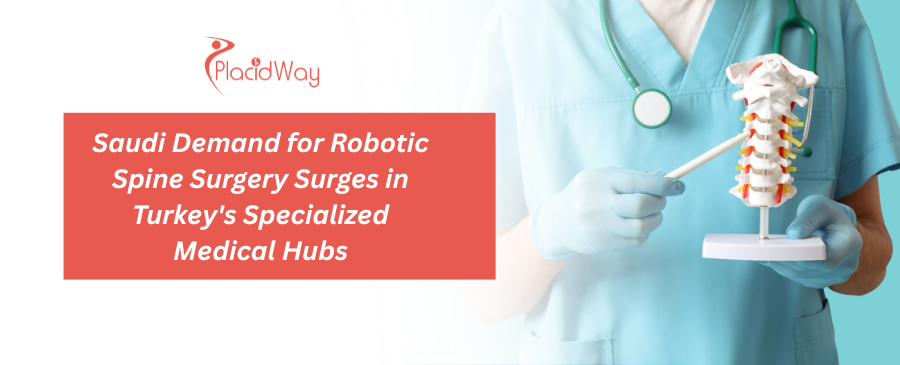
Facing long domestic wait times and soaring costs, Middle Eastern patients are driving a massive 65% year-over-year surge in demand for Robotic Spine Surgery in Turkey, transforming the Eurasian nation into the premier global destination for advanced, minimally invasive spinal care.
The Driving Forces Behind the Saudi Medical Exodus
The demographic and lifestyle shifts within the Gulf Cooperation Council (GCC), particularly in Saudi Arabia, have led to a sharp increase in chronic back pain, degenerative disc diseases, and complex spinal deformities. Sedentary lifestyles, high rates of obesity, and an aging population have placed an unprecedented burden on domestic orthopedic and neurological departments. While Saudi Arabia boasts excellent healthcare facilities, the sudden spike in demand for highly specialized procedures has resulted in significant backlogs. Patients requiring complex interventions are frequently faced with waiting lists stretching several months, an unacceptable timeline for individuals suffering from debilitating neurological pain or progressive mobility loss.
In response to these domestic bottlenecks, Saudi patients are increasingly looking outward, with Turkey emerging as the undisputed destination of choice. The appeal goes far beyond mere geographic proximity. Turkey offers a unique convergence of world-class medical infrastructure and deep cultural affinity. For Saudi travelers, the availability of Halal food, Islamic cultural norms, and Arabic-speaking medical liaisons creates an environment of unparalleled comfort and psychological safety. Combined with frequent, direct, and short flights from Riyadh and Jeddah to Istanbul and Ankara, the logistical barriers to seeking advanced spinal procedures abroad have been virtually eliminated.
Did You Know?
The Turkish government and private sectors have collectively invested over $30 billion into developing massive, ultra-modern "City Hospitals" over the last decade. This infrastructure boom has elevated Turkey to the top three global medical tourism destinations, currently attracting over 1.2 million international patients annually.
Understanding the Technology: What is Robotic Spine Surgery?
The traditional approach to spinal surgery relies heavily on the surgeon's freehand experience and two-dimensional fluoroscopic imaging to place critical hardware, such as pedicle screws, near delicate nerve roots and the spinal cord. While effective, this conventional method carries inherent risks of anatomical miscalculation. Robotic spine surgery fundamentally disrupts this paradigm by integrating advanced 3D imaging, artificial intelligence, and highly precise robotic arms. Before the first incision is ever made, surgeons upload the patient’s CT scans into specialized software to map out the exact trajectory of every surgical instrument and implant, creating a customized, foolproof surgical blueprint.
During the operation in Turkish medical hubs, the robotic arm acts as an infallible guide. It physically aligns to the pre-planned trajectory with sub-millimeter precision, locking into place to ensure that the human surgeon inserts screws and implants at the perfect angle and depth. This minimizes trauma to surrounding muscles and dramatically reduces the risk of nerve damage. For medical tourists, the most crucial benefit of this technology is the vastly accelerated recovery timeline. Because robotic-assisted procedures require significantly smaller incisions and cause less internal tissue disruption, international patients experience far less post-operative pain, drastically reduced blood loss, and are generally cleared to fly back to their home countries weeks earlier than those undergoing traditional open surgery.
Cost vs. Quality: The Economics of Spinal Care for GCC Patients
The financial implications of highly specialized neurological care are a primary catalyst driving the medical exodus from the Gulf. In Saudi Arabia and neighboring GCC countries, access to cutting-edge robotic surgical suites is mostly limited to premium private hospitals where the out-of-pocket costs can be staggering. High import taxes on medical devices, exorbitant salaries for specialized expatriate surgeons, and inflated facility fees push the price of a comprehensive robotic spinal fusion well beyond the reach of many self-paying citizens and underinsured expatriates.
Conversely, Turkey’s medical tourism economy is built upon economies of scale. Because Turkish medical hubs handle such an immense volume of international and domestic patients, they can distribute the overhead costs of multi-million-dollar robotic systems far more efficiently. Furthermore, highly subsidized domestic medical education and strategic government incentives for the healthcare sector allow these high-tech facilities to offer elite procedures at a fraction of the Gulf prices. Patients quickly realize they are securing superior technological care without the premium regional markup.
Comprehensive Care Packages Designed for Middle Eastern Tourists
To mitigate the inherent anxieties of traveling abroad for major neurological surgery, leading medical institutions across Turkey have perfected the model of all-inclusive healthcare packages. These carefully curated bundles are designed specifically with the Middle Eastern demographic in mind, guaranteeing that every logistical and medical need is anticipated and managed proactively. When patients book their journey through verified international portals, they can expect a seamless, concierge-level experience that covers:
- Dedicated Arabic-Speaking Case Managers: Overcoming the language barrier is paramount. Packages include 24/7 access to fluent medical interpreters who translate complex surgical details and assist with daily needs.
- Advanced Diagnostic Imaging: State-of-the-art pre-operative diagnostics, including high-resolution MRIs and 3D CT scans, are fully integrated into the package cost to ensure robotic calibration is flawlessly executed.
- VIP Airport and Ground Logistics: Patients are greeted directly at the tarmac in Istanbul or Ankara, bypassing standard customs queues where possible, and transported in specially modified, ergonomic medical vehicles.
- Halal-Certified Luxury Accommodations: Post-discharge recovery takes place in partnered 5-star hotels that cater strictly to Islamic dietary laws and cultural requirements, featuring specialized orthopedic bedding.
- Integrated Physical Therapy Sessions: Crucial to spinal recovery, customized physical therapy begins immediately in the hospital and continues in the hotel, ensuring patients regain mobility safely before their flight home.
"The shifting dynamics in global healthcare have positioned Turkey as an absolute powerhouse for complex neurological procedures. Saudi patients are no longer willing to accept protracted waiting times or exorbitant domestic costs for life-altering surgeries. By integrating state-of-the-art robotic technology with a deeply culturally sensitive, hospitality-driven approach, Turkey is offering a level of accessible, premium spinal care that is simply unmatched in the current medical tourism landscape."
— Pramod Goel, CEO of PlacidWay
Turkey’s Strategic Position as a Global Neurological Hub
The ascension of Turkey as a primary destination for minimally invasive spine surgery in Istanbul and beyond is not an accident; it is the result of deliberate, strategic centralization of medical expertise. The country has heavily concentrated its neurological and orthopedic talent into highly specialized "Centers of Excellence." These facilities are not standard general hospitals; they are dedicated institutes solely focused on spinal and brain pathologies. This singular focus creates an ecosystem where multidisciplinary teams of neurosurgeons, orthopedic specialists, and robotic technicians collaborate on a daily basis.
Because of this hyper-specialization and the sheer volume of global medical tourists pouring into the country, Turkish spinal surgeons accumulate vast amounts of practical experience at a much faster rate than their international peers. A single specialist in a top-tier Turkish facility may perform more robotic-assisted scoliosis surgeries or complex spinal fusions in a single quarter than a high-level surgeon in the GCC might perform in an entire year. This unrivaled repetition leads to absolute mastery of the robotic platforms, translating directly into exceptionally high success rates and minimized complication risks for the patient.
Did You Know?
Clinical studies show that robotic-assisted spine surgery boasts an astonishing 99.4% accuracy rate for pedicle screw placement. This nearly perfect precision drastically reduces the incidence of nerve damage and almost entirely eliminates the need for future revision surgeries compared to traditional freehand techniques.
Post-Operative Rehabilitation and Luxury Recovery in Istanbul
Undergoing spinal surgery is merely the first step; the quality of post-operative rehabilitation fundamentally determines the long-term success of the procedure. Recognizing that international patients cannot immediately board a plane after complex neurosurgery, Turkish medical hubs have revolutionized the recovery process. The convalescence period is treated with the same meticulous attention to detail as the surgery itself. Patients are transitioned from high-tech surgical wards into specialized recovery suites that feel more akin to luxury boutique hotels than sterile hospital rooms, many featuring calming views of the Bosphorus to promote mental well-being during healing.
During this critical recovery window, patients receive daily, in-room visits from specialized physiotherapists. These experts utilize targeted mobilization techniques to ensure that the spine is healing correctly while simultaneously preventing muscle atrophy. Pain management is carefully monitored and adjusted in real-time by attending specialists. By the time a Saudi patient is medically cleared to fly back to Riyadh or Dammam, they have already completed the most vulnerable phase of their physical rehabilitation under the watchful eye of their original surgical team, ensuring a safe and comfortable journey home.
Safety, Success Rates, and International Board Certifications
For patients traveling internationally for major surgery, clinical safety is the paramount concern. The elite tier of the Turkish medical sector operates under incredibly stringent international guidelines. The facilities catering to international patients frequently hold the prestigious Joint Commission International (JCI) accreditation, which is the global gold standard for healthcare quality and patient safety. This accreditation guarantees that the hospital's protocols—ranging from sterilization of robotic surgical equipment to the administration of anesthesia—are identical to, or exceed, the standards mandated in top-tier American and European hospitals.
Furthermore, the professional credentials of the surgeons utilizing these robotic systems are rigorously maintained. A vast majority of the leading neurosurgeons and orthopedic specialists in Turkey have completed extensive fellowships in the United States, Germany, or the United Kingdom. They maintain active memberships in prestigious global organizations such as the North American Spine Society (NASS) or the European Association of Neurosurgical Societies (EANS). This cross-pollination of global medical education ensures that Saudi patients are operated on by world-class experts who strictly adhere to evidence-based, international best practices.
Navigating Your Medical Journey with PlacidWay's Expertise
While the advantages of undergoing advanced spinal procedures abroad are undeniable, orchestrating a cross-border medical journey for a severe neurological condition is a complex undertaking. Attempting to independently verify the credentials of foreign surgeons, negotiate transparent pricing, and arrange complex medical logistics can quickly overwhelm a patient who is already suffering from debilitating pain. This vast information asymmetry makes the role of a dedicated, globally recognized medical tourism facilitator absolutely critical.
Acting as the premier connector between Middle Eastern patients and the world's elite medical institutions, PlacidWay removes the friction and uncertainty from the medical tourism equation. Through their highly vetted network, patients can easily compare globally accredited facilities, review transparent, all-inclusive pricing models, and read verified testimonials from previous international patients. By managing the logistical heavy lifting—from securing initial virtual consultations with top-tier robotic spine specialists to coordinating post-operative care—PlacidWay ensures patients can focus entirely on what truly matters: their safe, successful recovery and ultimate return to a pain-free life.






.png)
.png)
.png)
.png)











Share this listing