


Colombia's $245M Lyme Immunotherapy Boom

Driven by a crippling lack of domestic options, international patients are flocking for stem cell therapy for Lyme disease in Colombia. This $245M surge in regenerative medicine is transforming Bogota into a global hub for advanced immunotherapy and chronic illness recovery.
The Global Crisis: Why Chronic Lyme Patients Flee to Colombia
The global narrative surrounding Post-Treatment Lyme Disease Syndrome (PTLDS) represents one of the most profound systemic failures in modern Western medicine. For thousands of patients scattered across regions like Spain and Ecuador, domestic healthcare systems offer little more than prolonged courses of traditional antibiotics, which frequently fail to eradicate deeply embedded bacterial infections or address the resulting autoimmune cascade. In European nations, strict regulatory bottlenecks often classify cutting-edge regenerative protocols as experimental, forcing desperate patients to endure years of debilitating neurological and physical degradation while waiting for bureaucratic approvals. The lack of specialized infrastructure for chronic tick-borne diseases has created an urgent, mass exodus of medical tourists seeking advanced, compassionate care outside their home borders.
To bypass these domestic medical dead-ends, patients are increasingly seeking out chronic Lyme treatment in South America, undertaking exhaustive 12,000-kilometer journeys to reach specialized clinics. Colombia has strategically capitalized on this massive healthcare void by heavily deregulating and subsidizing its biotechnology and regenerative medicine sectors. By welcoming international sufferers with open arms and highly progressive treatment frameworks, Colombian medical centers have effectively bridged the geographical treatment gap, offering a sanctuary of hope for those who have been medically abandoned by their local healthcare providers.
Did You Know? Post-Treatment Lyme Disease Syndrome affects up to 20% of all diagnosed patients globally. Because chronic Lyme symptoms frequently mimic Fibromyalgia and Multiple Sclerosis, international patients spend an average of four years receiving misdiagnoses before pursuing specialized immunotherapy abroad.
Unpacking the $245M Surge in Colombian Medical Tourism
The economic impact of this specialized medical migration cannot be overstated. Health economists and industry analysts have tracked a remarkable $245 million influx into Colombia’s medical tourism sector, a surge driven almost entirely by the rapidly expanding fields of cellular therapy and advanced immunology. This massive injection of foreign capital has triggered an unprecedented renaissance in the country's medical infrastructure. Major metropolitan centers are currently undergoing vast urban developments, erecting hyper-modern health clusters designed explicitly to cater to the nuanced needs of international patients arriving from Europe and neighboring Latin American countries.
This robust financial boom is not merely a byproduct of favorable exchange rates; it is the direct result of targeted government initiatives aimed at positioning the nation as the undisputed leader for affordable immunotherapy in Colombia. The capital generated is continuously reinvested into clinical research, the procurement of state-of-the-art laboratory equipment, and the recruitment of internationally trained bio-scientists. Consequently, patients arriving from financially prohibitive healthcare markets are no longer compromising on quality to save money. Instead, they are accessing a superior tier of medical innovation that is heavily backed by national economic interests and rigorous scientific ambition.
How Advanced Immunotherapy is Changing the Lyme Narrative
At the core of this medical revolution is a fundamental paradigm shift in how chronic tick-borne illnesses are conceptualized and treated. Traditional Western medicine has long viewed Lyme disease strictly as an acute bacterial infection to be eradicated with aggressive antibiotics. However, pioneering medical scientists now understand that chronic Lyme is predominantly an autoimmune crisis, wherein the lingering pathogens trigger a hyperactive, self-destructive immune response. Advanced immunotherapy protocols focus on immunomodulation—the strategic recalibration of the body's natural defense mechanisms to stop attacking healthy tissues while simultaneously targeting hiding spirochetes.
The utilization of mesenchymal stem cell therapy in Colombia has become the cornerstone of this holistic healing approach. When introduced into the bloodstream of a chronic Lyme sufferer, these highly potent cells act as intelligent anti-inflammatory agents, navigating directly to areas of severe neurological and muscular damage. Once there, they excrete exosomes and growth factors that repair damaged cellular structures, reduce systemic brain fog, and dramatically lower overall inflammation. This dual-action approach—repairing the damage while retraining the immune system—offers a permanent pathway to remission that standard pharmaceutical interventions simply cannot replicate.
Analyzing the Treatment Cost Gap: Spain, Ecuador, and Beyond
To truly understand the mass mobilization of patients across continents, one must examine the staggering financial disparities inherent in modern regenerative medicine. In Spain, where public healthcare systems routinely deny coverage for chronic Lyme treatments, patients are forced into the private sector. There, the cost of fragmented, out-of-pocket cellular therapies and advanced blood irradiations can easily bankrupt an average household. Similarly, in countries like Ecuador, the sheer lack of high-level immunological laboratories means patients must fly abroad regardless, often facing exorbitant U.S. pricing models if they choose North American facilities.
By comparison, the Colombian healthcare model offers a meticulously structured, all-inclusive pricing paradigm that removes the anxiety of medical debt. Due to a lower cost of living, subsidized scientific education, and reduced bureaucratic overhead, top-tier clinics can offer comprehensive, multi-week immunotherapy packages at a fraction of the global cost. This democratization of premium healthcare ensures that life-saving treatments are no longer reserved solely for the ultra-wealthy.
The Leading Facilities Redefining Regenerative Medicine
The success of this booming industry relies heavily on the architectural and scientific prowess of the specialized facilities dotting the Colombian landscape. These modern medical centers are far removed from standard public hospitals; they function as elite bio-sanctuaries engineered for cellular optimization. Outfitted with highly advanced cleanrooms, proprietary cold-chain logistics for biological materials, and in-house genetic testing laboratories, these facilities represent the absolute apex of regenerative healthcare in the Southern Hemisphere. Patient outcomes are maximized through an interdisciplinary approach, where immunologists, neurologists, and cellular biologists collaborate under one roof.
At the forefront of this medical revolution is Stem Cells Kyron Colombia, a premier facility renowned for its cutting-edge cellular protocols and unmatched international patient care. By offering targeted regenerative treatments in a highly sterile, heavily regulated environment, this clinic provides a vital, science-backed lifeline to international patients seeking long-term remission from debilitating autoimmune and tick-borne diseases. Their commitment to ethical stem cell harvesting, rigorous pathogen screening, and bespoke treatment mapping has cemented their status as a global powerhouse in the field of modern immunotherapy.
"The staggering 12,000-kilometer journeys undertaken by patients from Europe and South America highlight a critical failure in localized chronic illness management. Patients are refusing to accept life-long suffering. Instead, they are leveraging specialized platforms to access Colombia's multi-million-dollar regenerative medicine infrastructure, where elite medical pioneers are successfully redefining what it means to heal from highly complex, systemic diseases."
— Pramod Goel, CEO of PlacidWay
Stringent Medical Protocols and Safety Standards in Bogota
A lingering historical misconception exists among some international demographics regarding the safety of Latin American medical tourism, but empirical data violently contradicts this outdated narrative. The regenerative medicine sector in Colombia is governed by INVIMA (the National Food and Drug Surveillance Institute), which enforces clinical regulations that frequently mirror or exceed the strict mandates of the European Medicines Agency (EMA) and the U.S. FDA. Clinics legally performing stem cell applications are subjected to relentless audits, ensuring zero contamination protocols, ethical cell sourcing, and absolute transparency in biological viability reporting.
Furthermore, the pursuit of top-rated stem cell clinics in Latin America is heavily safeguarded by international accreditation bodies. Many elite Colombian facilities proudly hold accreditations from the Joint Commission International (JCI), the gold standard in global healthcare quality. The practitioners heading these regenerative departments are overwhelmingly board-certified bio-scientists, many of whom have completed specialized fellowships in Switzerland, Germany, or the United States. This rigorous convergence of intense governmental oversight and elite global education guarantees an exceptionally safe, highly effective healing environment for medically fragile travelers.
Did You Know? The World Health Organization consistently ranks Colombia’s healthcare system among the very best in the Americas, outperforming both the United States and Canada in critical metrics related to health infrastructure equality and the rapid adoption of life-saving medical innovations.
Navigating Cross-Border Healthcare with PlacidWay
While the life-altering benefits of international medical travel are well documented, the logistical complexities of planning a transatlantic health journey can overwhelm patients already suffering from chronic fatigue and cognitive impairment. Attempting to independently verify the credentials of foreign laboratories, arrange complex medical visas, or coordinate post-operative care across different languages introduces an unnecessary layer of severe stress. To safely navigate this expansive international healthcare market, reliance on highly established medical tourism facilitators is absolutely paramount.
Operating as an independent, globally trusted connector, PlacidWay meticulously curates an exclusive network of heavily vetted regenerative medicine providers. Patients from Spain, Ecuador, and beyond can easily access verified clinic profiles, compare transparent pricing matrices, read authenticated patient testimonials, and schedule secure virtual consultations directly with leading immunologists. By managing the intricate administrative and credential-verification logistics, PlacidWay actively empowers patients, allowing them to channel all their physical and mental energy directly into their upcoming clinical recovery.
What to Expect During the Holistic Healing Journey
The successful treatment of chronic, systemic illnesses requires vastly more than a single outpatient injection. Leading Colombian medical centers have perfected the concept of a fully immersive, multi-dimensional healing retreat. When booking comprehensive medical packages through verified platforms, international patients can anticipate a highly structured, transformative clinical experience encompassing the following crucial phases:
- Comprehensive Virtual Diagnostics: Weeks prior to the physical journey, patients undergo rigorous telehealth evaluations, submitting extensive blood panels and medical histories to allow the Colombian biomedical team to synthesize a bespoke cellular protocol.
- VIP Arrival and Transition: Upon landing, dedicated medical liaisons facilitate fast-tracked customs clearance and luxury transport, moving patients seamlessly from the airport to specialized, climate-controlled recovery accommodations.
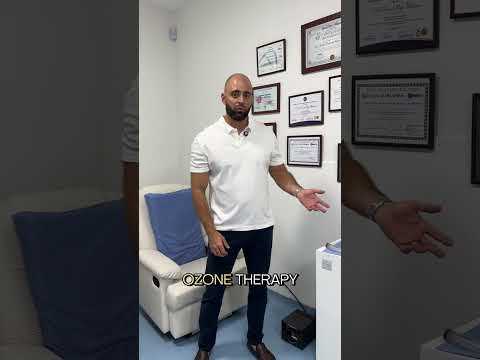
- Synergistic Detoxification: Before biological agents are introduced, patients undergo intensive bio-detox protocols, including specialized IV nutrition, ozone therapy, and lymphatic drainage to prepare the body's terrain for maximum cellular absorption.
- Advanced Cellular Infusions: Under high-definition monitoring, millions of viable, ethically sourced stem cells and exosomes are administered via precise intravenous and targeted localized injections to combat deep-tissue inflammation.
- Continuous Remote Monitoring: The journey does not end upon returning home. Comprehensive packages include months of scheduled virtual follow-ups, ensuring the patient's immune system stabilizes appropriately during the long-term regenerative phase.




.png)

.png)

.jpg)
.png)











Share this listing