
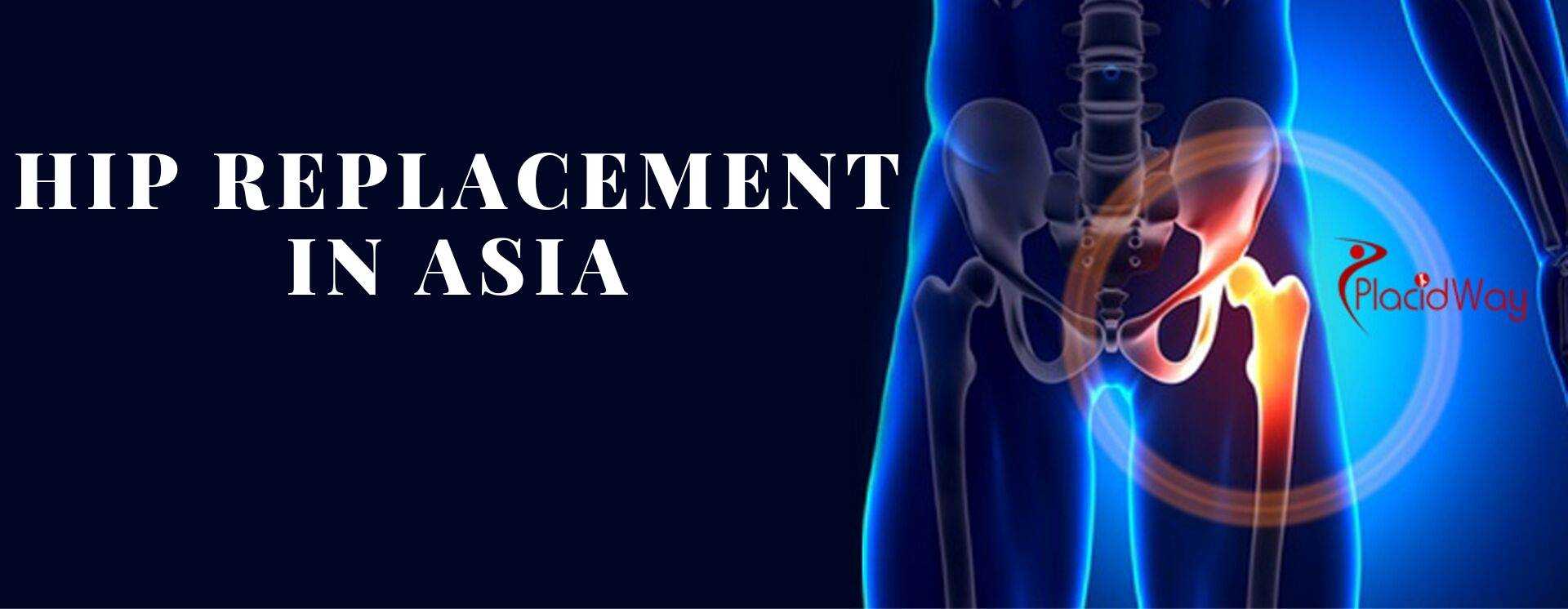
Affordable Options for Hip Replacement Surgery in Asia
If you are struggling with severe joint pain and limited mobility, opting for Hip Replacement Surgery in Asia provides a reliable and cost-effective solution. Patients from around the globe are discovering that affordable hip replacement surgery in Asia offers access to world-class medical facilities, board-certified orthopedic surgeons, and cutting-edge joint replacement technologies without the exorbitant wait times and high costs typically found in Western healthcare systems. Whether you require a total hip arthroplasty or a partial joint replacement, top-rated Asian hospitals deliver exceptional clinical outcomes tailored to your specific anatomical needs.
Choosing this popular medical tourism destination allows you to receive highly personalized orthopedic care while saving thousands of dollars on your overall medical bills. The comprehensive medical packages for joint arthroplasty in Asia are meticulously designed to cater to international patients, ensuring a seamless healthcare experience from the initial orthopedic consultation to advanced post-operative rehabilitation. By leveraging the expertise of internationally trained specialists, patients can regain their independence and enjoy an active, pain-free lifestyle faster than ever before.
Key Takeaways for Your Orthopedic Journey
- Significant Cost Savings: Undergoing hip replacement surgery in Asia can save you up to sixty percent compared to healthcare costs in the United States or the United Kingdom, without compromising on medical quality.
- World-Class Facilities: Asian hospitals are highly accredited by international organizations such as the Joint Commission International, ensuring stringent safety and hygiene protocols.
- Zero Waiting Times: Unlike public healthcare systems, private orthopedic centers in Asia allow you to schedule your joint replacement procedure immediately upon medical clearance.
- Advanced Surgical Techniques: Top orthopedic clinics utilize state-of-the-art technology, including minimally invasive approaches and robotic-assisted surgeries, to enhance precision and speed up recovery.
- Comprehensive Post-Op Care: Medical packages frequently include dedicated physical therapy and rehabilitation programs, ensuring a smooth and rapid return to your daily activities.
Comparing the Cost of Hip Replacement Surgery in Asia
Understanding the financial aspects of your medical journey is crucial, and the cost of hip replacement surgery in Asia remains highly competitive on a global scale. Patients choosing Asian healthcare facilities benefit from lower operational and administrative costs, which translate into highly affordable, all-inclusive medical packages that cover the surgery, hospital stay, and premium prosthetic implants.
| Country | Average Procedure Cost (USD) | Estimated Savings |
|---|---|---|
| Asia (Average) | $8,000 - $12,000 | N/A |
| United States | $35,000 - $45,000 | Up to 75% |
| United Kingdom | $18,000 - $22,000 | Up to 50% |
| Australia | $20,000 - $25,000 | Up to 55% |
Note: The prices listed above are estimates and may vary depending on the complexity of the procedure, the type of implant chosen, and the individual patient's medical condition.
What is Included in Your Orthopedic Package
- Comprehensive pre-operative consultations with a board-certified orthopedic surgeon.
- All essential medical evaluations, including X-rays, MRI scans, and pre-surgery blood tests.
- The complete hip replacement procedure, including the cost of standard, FDA-approved prosthetic implants.
- Operating room fees, anesthesia administration, and specialized surgical equipment usage.
- A standard hospital stay ranging from four to six nights in a private or semi-private room.
- Post-operative medications, pain management protocols, and initial in-hospital physical therapy sessions.
What is Not Included in Your Medical Package
- International or domestic airfare to and from the medical destination in Asia.
- Hotel accommodation and living expenses for the patient and any accompanying companions outside of the hospital.
- Airport transfers, local transportation, and tourism activities.
- Meals, beverages, and personal expenses incurred outside the clinic or hospital premises.
- Travel medical insurance and complications coverage policies.
- Visa processing fees, passport renewals, and any related international travel documentation costs.
Understanding Hip Replacement Surgery in Asia
- The Primary Purpose: This procedure is designed to relieve severe joint pain and restore function in patients suffering from conditions like osteoarthritis, rheumatoid arthritis, or severe joint trauma.
- Types of Surgeries: Specialists in Asia offer both total hip arthroplasty (replacing the entire joint) and partial hip replacement (replacing only the femoral head), depending on the extent of bone damage.
- How the Procedure Works: The surgeon carefully removes the damaged cartilage and bone, replacing them with a highly durable artificial joint made of metal, ceramic, or medical-grade plastic to mimic natural movement.
- Key Medical Benefits: Patients experience a drastic reduction in chronic pain, vastly improved mobility, and the ability to return to a more active and fulfilling lifestyle.
- General Recovery Time: While initial hospital recovery takes a few days, most patients can resume light daily activities within three to six weeks, with complete healing taking a few months.
- Clinical Success Rates: Orthopedic centers in Asia report exceptionally high success rates, with the vast majority of joint implants functioning perfectly for fifteen to twenty years or more.
Who Is the Ideal Candidate for Joint Arthroplasty in Asia?
- Individuals suffering from severe, debilitating hip pain that interferes with routine daily activities such as walking, bending, or climbing stairs.
- Patients who experience continuous joint pain while resting, either during the day or keeping them awake at night.
- Those who have exhausted all non-surgical treatment options, including physical therapy, anti-inflammatory medications, and mobility aids, without sufficient relief.
- Individuals dealing with severe joint stiffness that significantly restricts the ability to lift or move the leg.
- Patients with adequate bone density and overall good health, ensuring they are medically fit to undergo general or spinal anesthesia and major surgery.
- People who possess realistic expectations regarding post-operative rehabilitation and are committed to participating in physical therapy programs.
Day-by-Day Itinerary for Your Hip Replacement Surgery in Asia
- Day 1: Initial Medical Consultation: Upon arriving at the hospital, you will have a comprehensive face-to-face meeting with your orthopedic surgeon to discuss the surgical plan and review your medical history.
- Day 2: Diagnostic Testing: You will undergo routine pre-operative screening, including blood tests, X-rays, and an electrocardiogram, to ensure maximum safety before the procedure.
- Day 3: The Surgical Procedure: The hip replacement surgery takes place, usually lasting between one to two hours, followed by immediate transfer to the recovery ward for close monitoring.
- Days 4 to 6: In-Hospital Recovery: You will remain hospitalized for pain management, wound monitoring, and the initiation of early physical therapy, where specialists will assist you in standing and taking your first steps with walking aids.
- Days 7 to 14: Outpatient Rehabilitation: After discharge from the hospital, you will attend regular follow-up appointments and continued physical therapy sessions to strengthen the joint muscles.
- Day 15: Final Clearance: Your surgeon will perform a final evaluation, remove any remaining sutures, and provide you with medical clearance to travel back to your home country.
What to Expect from Your Hip Replacement Surgery in Asia
Patients preparing for hip replacement surgery in Asia can expect a highly structured, patient-centric medical journey from start to finish. Upon waking up from the procedure, it is normal to experience some localized discomfort and swelling, but advanced pain management protocols employed by top Asian clinics ensure that this is kept to a minimal and tolerable level. Within twenty-four hours, physical therapists will gently encourage you to stand and take a few steps, a crucial milestone that helps prevent blood clots and promotes vital circulation around the newly implanted joint.
As the weeks progress, the realistic outcomes of your orthopedic surgery will become highly apparent. You will notice a dramatic decrease in the joint pain that previously hindered your lifestyle, accompanied by a steady increase in flexibility and structural strength. Patient satisfaction rates for those who undergo this procedure in Asia are overwhelmingly positive, with numerous international travelers reporting that the attentive care, rigorous rehabilitation support, and high quality of the prosthetic implants gave them an entirely new lease on life.
Post-Hip Replacement Surgery Recovery in Asia
- Dedicated Physical Therapy: Engaging in daily, guided physical therapy exercises is paramount to restoring joint mobility and building muscle strength around the new hip.
- Strict Movement Restrictions: To prevent joint dislocation, patients must avoid crossing their legs, bending past ninety degrees at the waist, and twisting the operated leg inward during the early stages of recovery.
- Proper Wound Care: Keeping the surgical incision clean and dry according to the surgeon's exact instructions is essential to prevent localized infections.
- Use of Assistive Devices: Relying on crutches, walkers, or specialized canes is highly recommended for the first few weeks to ensure stability and reduce weight-bearing strain.
- Continuous Pain Management: Taking prescribed anti-inflammatory and pain relief medications on a strict schedule will help manage discomfort and allow you to participate effectively in rehabilitation.
- Gradual Return to Normalcy: While light walking is encouraged immediately, high-impact activities, heavy lifting, and demanding physical sports must be completely avoided until explicitly cleared by the orthopedic specialist.
Why Choose Asia for Your Orthopedic Treatment?
- Exceptional Medical Expertise: Many orthopedic surgeons in Asia have completed fellowships and rigorous medical training in the United States, Europe, or the United Kingdom.
- Internationally Accredited Facilities: The region is home to numerous Joint Commission International accredited hospitals that enforce the highest standards of global healthcare quality and patient safety.
- Multilingual Healthcare Staff: To accommodate the massive influx of medical tourists, premier hospitals employ fluent English-speaking doctors, nurses, and dedicated international patient coordinators.
- Innovative Medical Technology: Facilities invest heavily in cutting-edge diagnostic equipment, 3D imaging, and robotic-assisted surgical systems to deliver precise and successful joint replacements.
- Zero Surgical Waitlists: By choosing private healthcare in this region, international patients can bypass the agonizingly long waiting times commonly found in nationalized healthcare systems.
- Holistic Hospitality and Care: The traditional culture of profound hospitality ensures that patients receive compassionate, deeply attentive nursing care throughout their entire hospital stay.
Explore Asia While You Recover: Top Gentle Attractions
- Tranquil Botanical Gardens: Take slow, gentle walks through universally accessible, beautifully landscaped traditional gardens, perfect for low-impact recovery exercise.
- Fascinating Cultural Museums: Spend an afternoon exploring extensive indoor museums and historical galleries that offer wheelchair accessibility and plenty of comfortable seating areas.
- Scenic Coastal Drives: Hire a comfortable private car to enjoy the breathtaking coastal landscapes and lush countryside scenery without exerting physical effort.
- Premium Shopping Malls: Visit expansive, air-conditioned shopping centers that provide flat walking surfaces, elevators, and numerous cafes for frequent rest breaks.
- Traditional Wellness Centers: Experience physician-approved, mild spa treatments such as gentle upper-body massages or aromatherapy sessions to alleviate surgical stress.
- Exquisite Culinary Experiences: Delight in regional gastronomy by dining at highly-rated, easily accessible local restaurants that offer a variety of healthy, nutrient-rich traditional dishes.
Frequently Asked Questions About Hip Replacement Surgery in Asia
1. Is it safe to undergo hip replacement surgery in Asia?
Yes, it is highly safe. Top-tier private hospitals in this region hold prestigious international accreditations and adhere strictly to global medical standards, utilizing the same FDA-approved implants and surgical protocols as Western hospitals.
2. How long do the artificial joint implants last?
With proper post-operative care and adherence to a healthy lifestyle, modern prosthetic hip joints utilized by leading orthopedic centers are engineered to last fifteen to twenty years, and sometimes even longer.
3. Will there be a language barrier at the hospital?
Language barriers are incredibly rare at specialized medical tourism hospitals. Surgeons, nursing staff, and patient coordinators are highly proficient in English, ensuring clear and transparent medical communication.
4. How soon can I fly home after undergoing joint arthroplasty?
Most orthopedic surgeons recommend waiting at least ten to fourteen days post-surgery before taking a long-haul commercial flight. This waiting period is critical to mitigate the risk of deep vein thrombosis and ensure initial healing.
5. Are minimally invasive surgical techniques available in Asian clinics?
Absolutely. Many renowned surgeons specialize in minimally invasive hip replacement surgery, which utilizes smaller incisions, resulting in less muscle damage, reduced bleeding, and significantly faster recovery times.
6. What specific types of prosthetic implants are used?
Clinics offer a wide variety of high-quality implants, including metal-on-plastic, ceramic-on-plastic, and ceramic-on-ceramic designs. The exact material is chosen based on the patient's age, weight, and overall lifestyle requirements.
7. Do I need to bring my medical records for the consultation?
Yes, it is highly imperative to bring comprehensive medical records, previous surgical histories, current medication lists, and recent MRI or X-ray imaging so your surgeon can make a fully informed evaluation.
8. How painful is the post-operative recovery process?
While initial surgical pain is expected, advanced pain management strategies involving epidurals, nerve blocks, and oral medications keep the discomfort well-controlled. Most patients report that surgical pain is vastly preferable to the chronic arthritis pain they experienced prior.
PlacidWay Can Help You Access Top Orthopedic Care
Navigating international healthcare options can be overwhelming, but PlacidWay is dedicated to connecting you with premium, highly vetted orthopedic specialists for your hip replacement surgery in Asia.
- Verified Medical Centers: We provide exclusive access to internationally accredited hospitals that maintain the highest standards of clinical excellence and patient safety.
- Transparent Price Estimates: We help you obtain clear, comprehensive cost breakdowns from multiple top-tier clinics, ensuring there are no hidden fees in your medical care package.
- Expert Surgeon Profiles: Review detailed credentials, patient testimonials, and professional backgrounds of board-certified orthopedic surgeons before making your decision.
- Dedicated Patient Support: Our professional team assists you in facilitating communication with medical facilities, gathering your health records, and scheduling your critical consultations.
- Streamlined Healthcare Journey: We focus entirely on simplifying your medical experience, allowing you to concentrate fully on your joint replacement surgery and healthy recovery.









.png)
.png)







.jpg)
.jpg)









Share this listing