


.png)
Experience the Best Cataract Surgery in India for Clear Vision
Finding the best cataract surgery in India offers patients an unparalleled opportunity to restore their vision with world-class medical expertise at a fraction of the cost. India has firmly established itself as a premier global hub for advanced ophthalmology, drawing thousands of international patients each year who are seeking high-quality, reliable eye care. Whether you require traditional phacoemulsification or state-of-the-art laser-assisted vision correction, choosing your cataract treatment in India ensures access to highly skilled eye surgeons and the latest medical technology available in the industry.
Beyond the significant cost savings, opting for your affordable cataract surgery in India means benefiting from premium intraocular lens implants and exceptionally successful clinical outcomes. The medical tourism packages available across the country are designed to provide comprehensive care, encompassing thorough preoperative diagnostics, the surgical procedure itself, and meticulous postoperative follow-up. This unique combination of affordability, cutting-edge surgical infrastructure, and patient-centric care makes India the ultimate destination for safely restoring visual clarity and significantly enhancing your daily quality of life.
Essential Insights for Your Cataract Removal Procedure in India
- Massive Cost Savings: Patients can save up to seventy percent on their vision correction packages in India compared to prices in the United States or the United Kingdom, without sacrificing safety or quality.
- World-Class Facilities: You will be treated in JCI-accredited and internationally recognized eye hospitals that maintain the highest standards of global healthcare and hygiene.
- Advanced Medical Technology: Indian ophthalmology centers utilize the latest Femtosecond lasers and premium multifocal or toric intraocular lenses for optimal vision restoration.
- Highly Experienced Surgeons: Eye specialists in India are globally trained, often holding fellowships from prestigious Western medical institutions, ensuring unparalleled surgical precision.
- No Waiting Lists: Unlike public healthcare systems in many Western countries, international patients receive priority scheduling, allowing for immediate consultation and swift surgical intervention.
Evaluating the Cost of Cataract Surgery in India Versus Global Prices
The exceptional affordability of premium eye care is a primary driver for patients seeking vision correction abroad. When exploring the cost of cataract surgery in India, you will immediately notice that the expenses are drastically lower compared to Western healthcare systems. This massive price disparity allows patients to upgrade to advanced intraocular lenses, which might otherwise be financially out of reach in their home countries, while still enjoying significant overall financial savings.
| Country | Estimated Cost (USD) | Estimated Savings |
|---|---|---|
| India | $800 - $1,500 | N/A |
| United States | $3,500 - $6,000 | Up to 75% |
| United Kingdom | $3,000 - $4,500 | Up to 70% |
| Australia | $2,500 - $4,000 | Up to 65% |
| Canada | $2,500 - $3,500 | Up to 60% |
Note: Prices may vary depending on the complexity of the procedure, the type of intraocular lens chosen, and the specific condition of the patient.
What Is Included in Your India Cataract Treatment Package
- Comprehensive Initial Consultation: Detailed preoperative assessment by a senior ophthalmologist to evaluate the eye structure and lens requirements.
- Diagnostic Testing: Thorough biometric measurements and optical coherence tomography to determine the exact power of the intraocular lens needed.
- Surgical Procedure: The actual cataract removal surgery using advanced phacoemulsification or laser technology.
- Standard Intraocular Lens: The cost of a high-quality standard monofocal artificial lens implant used to replace the clouded natural lens.
- Operating Theater Charges: Complete coverage for the use of the surgical facility, advanced medical equipment, and nursing staff during the operation.
- Standard Medications and Post-Op Visits: Provision of essential eye drops for immediate recovery and initial follow-up consultations before clinic discharge.
What Is Not Included in Your Indian Vision Correction Package
- Airfare and Transportation: Flight tickets to and from India, as well as daily local transportation, are the responsibility of the patient.
- Accommodation: Hotel stays or lodging outside of the medical facility during the recovery period are not included in the standard medical package.
- Premium Lens Upgrades: If you choose advanced multifocal, trifocal, or toric lenses instead of the standard monofocal lens, an additional cost will apply.
- Travel Medical Insurance: Comprehensive health and travel insurance to cover unforeseen trip cancellations or general health issues during travel.
- Meals Outside the Clinic: Food and dining expenses incurred while staying at a hotel or exploring the city.
- Visa Processing Fees: Costs associated with applying for and obtaining a medical visa to enter India.
Understanding Cataract Surgery in India: A Comprehensive Guide
- Primary Purpose: The fundamental goal of this procedure is to remove the natural lens of the eye that has become clouded due to aging, injury, or medical conditions, replacing it with a clear artificial lens to restore vivid eyesight.
- Types of Procedures: Indian eye clinics commonly offer both traditional phacoemulsification, which uses ultrasound waves to break up the clouded lens, and cutting-edge Femtosecond laser-assisted surgery for enhanced precision and rapid healing.
- How the Process Works: After administering local anesthesia, the surgeon creates a microscopic incision in the cornea. The cloudy lens is gently broken apart and suctioned out, followed by the insertion of a permanent, customized intraocular lens.
- Key Medical Benefits: Beyond profound improvements in visual clarity and color perception, this surgery significantly reduces the risk of falls, enhances the ability to drive safely at night, and greatly promotes an independent lifestyle.
- Typical Recovery Time: Most patients notice a dramatic improvement in their vision within the first twenty-four hours. Complete stabilization and healing of the eye structure generally take about three to four weeks.
- High Success Rate: Vision correction procedures in India boast an exceptionally high success rate, frequently exceeding ninety-eight percent, making it one of the safest and most reliable medical interventions available today.
Who Is the Ideal Candidate for Lens Replacement in India?
- Individuals Experiencing Vision Loss: Patients whose daily activities, such as reading, watching television, or recognizing faces, are significantly hindered by cloudy, blurred, or dim vision.
- Patients with Glare Sensitivity: Those who struggle with intense glare from headlights, lamps, or sunlight, making night driving difficult or impossible.
- Frequent Prescription Changes: Individuals who find themselves constantly needing new eyeglasses or contact lens prescriptions due to rapidly deteriorating visual acuity.
- Those with Fading Color Perception: People who notice that colors appear yellowed, faded, or significantly less vibrant than they used to be.
- Patients in Generally Good Health: Candidates should be in stable physical condition to safely undergo a minor surgical procedure and adhere to the postoperative care regimen.
- Medical Tourists Seeking Affordability: Individuals looking for premium eye care and advanced intraocular lens options that are financially prohibitive in their home countries.
Your Step-by-Step Itinerary for Cataract Extraction in India
- Day 1: Arrival and Rest. You will arrive in India and settle into your chosen accommodation to rest after your international flight.
- Day 2: Clinical Consultation. Visit the eye hospital for a comprehensive preoperative evaluation, including detailed biometric eye measurements and a consultation with your lead ophthalmologist.
- Day 3: The Surgical Procedure. Arrive at the clinic for your scheduled operation. The outpatient procedure takes less than an hour, after which you will rest briefly before returning to your hotel with a protective eye shield.
- Day 4: Initial Follow-Up. Return to the clinic the morning after surgery. The surgeon will remove the shield, check your intraocular pressure, and evaluate the initial healing progress of the cornea.
- Day 5 to Day 6: Guided Recovery. Relax in your hotel room, diligently applying your prescribed eye drops. Engage only in light, indoor activities while avoiding strain or bright light.
- Day 7: Final Clearance. Attend your final postoperative check-up. Once the ophthalmologist confirms stable healing and satisfactory visual outcomes, you will be medically cleared to fly back home.
What to Expect from Your Cataract Surgery in India
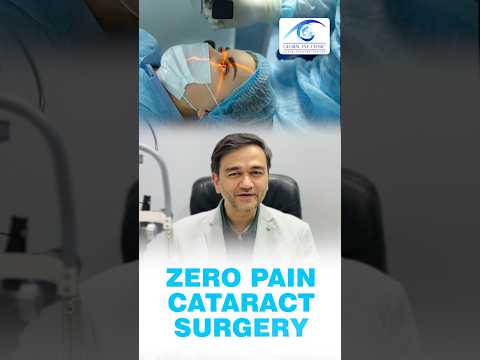
Patients undergoing vision restoration can anticipate a highly streamlined and comfortable experience from start to finish. Following the initial consultation and detailed biometric measurements, the actual surgical intervention is typically swift, often taking less than thirty minutes per eye. Because the procedure utilizes advanced local anesthesia administered via eye drops, you will remain entirely comfortable and pain-free throughout the operation. This localized approach allows for an immediate transition to the recovery phase without the intense grogginess, nausea, or prolonged recovery times associated with general anesthesia.
The immediate aftermath of the operation generally involves a rapid and noticeable improvement in visual clarity, though complete stabilization of your eyesight may take a few weeks. International patients consistently report exceptionally high satisfaction rates regarding both the clinical outcomes and the compassionate, attentive care provided by Indian medical staff. The meticulous attention to postoperative healing ensures that you achieve optimal visual acuity, profoundly enhancing your daily activities, reading abilities, and overall independence.
Post-Cataract Surgery Recovery in India: Essential Care Tips
- Medication Adherence: Diligently apply the prescribed antibiotic and anti-inflammatory eye drops exactly as scheduled to prevent infection and reduce internal swelling.
- Eye Protection: Wear the provided protective eye shield while sleeping during the first week to ensure you do not accidentally rub or press on the treated eye.
- Avoid Water Exposure: Be extremely careful when showering or washing your face. Keep tap water, soap, and shampoo out of your eyes to mitigate the risk of severe bacterial infections.
- Limit Physical Exertion: Completely avoid heavy lifting, vigorous exercise, or bending over at the waist, as these actions can dangerously spike the pressure inside your eye.
- Wear Dark Sunglasses: Whenever you step outside or are in brightly lit rooms, wear high-quality dark sunglasses to protect your sensitive healing eyes from harsh UV rays and glare.
- Attend All Follow-Ups: Never skip your postoperative clinic visits. These evaluations are crucial for your surgeon to monitor your healing trajectory and catch any potential complications early.
Why Choose India for Cataract Surgery?
- Internationally Accredited Centers: India is home to numerous JCI and NABH accredited eye hospitals that adhere to rigorous global protocols for patient safety and clinical excellence.
- Unparalleled Medical Expertise: Indian ophthalmologists perform some of the highest volumes of eye surgeries globally, providing them with unmatched practical experience and surgical dexterity.
- Fluent English Communication: There is virtually no language barrier for international patients, as doctors, nurses, and administrative staff are highly proficient in English.
- Access to Premium Lenses: Indian clinics offer direct access to top-tier imported intraocular lenses from leading global brands, allowing for highly customized visual correction.
- Comprehensive Care Packages: Hospitals provide dedicated international patient departments that offer a seamless experience from airport arrival to medical discharge.
- Exceptional Affordability: The low cost of living and favorable exchange rates mean that patients receive elite medical care at a fraction of Western healthcare costs.
Explore India While You Recover: Top Attractions for Cataract Surgery Patients
- Tranquil Wellness Retreats: Spend your recovery days at peaceful Ayurvedic resorts in Kerala, where you can relax in a serene, low-impact environment perfectly suited for healing.
- Gentle Cultural Tours: Visit the renowned museums and quiet art galleries in Delhi or Mumbai, allowing you to absorb the rich local culture without physical strain.
- Scenic Houseboat Cruises: Enjoy the breathtaking backwaters of southern India from the comfort of a private houseboat, offering relaxation and beautiful sights with minimal physical effort.
- Botanical Gardens: Take slow, leisurely walks through beautifully maintained botanical gardens found in cities like Bangalore, which provide fresh air and a calming atmosphere.
- Culinary Experiences: Delight in mild, carefully prepared Indian cuisine at highly rated local restaurants, enjoying the diverse flavors without needing to venture far from your hotel.
Frequently Asked Questions About Cataract Surgery in India
1. Is it safe to travel to India for vision correction?
Yes, it is incredibly safe. Indian eye clinics maintain strict international sterilization and safety protocols. Thousands of medical tourists safely undergo vision correction here every year with exceptional outcomes.
2. How long do I need to stay in India for my procedure?
A typical stay is around seven to ten days. This timeframe comfortably allows for the initial preoperative consultation, the surgery day, and essential postoperative follow-up appointments before you are cleared to fly.
3. Can I have both eyes operated on during the same trip?
Yes, many international patients opt to have both eyes treated during a single visit. Surgeons usually schedule the second eye operation a few days after the first one to ensure the first eye is healing properly.
4. What types of intraocular lenses are available in Indian clinics?
Top Indian hospitals offer a comprehensive range of premium lenses, including standard monofocal, advanced multifocal for varied distances, and toric lenses specifically designed to correct astigmatism.
5. Does the surgery hurt?
No, the procedure is painless. You will be awake, but numbing eye drops are administered before the operation, ensuring you feel no pain, only slight pressure.
6. How soon will my vision improve after the operation?
Many patients notice significant visual improvements within twenty-four hours. However, it is normal to experience some blurriness for a few days while the eye fully adapts to the new lens.
7. Are the surgeons in India highly qualified?
Absolutely. Leading ophthalmologists in India are board-certified, have vast surgical experience, and many have undergone advanced fellowship training in the United States or the United Kingdom.
8. Can I fly immediately after the surgery?
It is recommended to wait at least five to seven days post-surgery before flying. Your surgeon must evaluate your eye pressure and confirm it is safe for you to endure cabin pressure changes.
9. Is laser-assisted surgery available?
Yes, top-tier eye centers in India are equipped with advanced Femtosecond lasers, offering blade-free surgery that provides greater precision and potentially faster healing times.
10. Will I still need glasses after the procedure?
This depends on the type of intraocular lens you choose. Standard monofocal lenses usually require reading glasses afterward, whereas premium multifocal lenses can significantly reduce or eliminate the need for glasses altogether.
Plan Your Vision Restoration with PlacidWay
Navigating international healthcare can be complex, but PlacidWay is here to make your journey to restored vision seamless, secure, and entirely stress-free.
- Access to Verified Specialists: PlacidWay connects you exclusively with highly credentialed ophthalmologists and internationally accredited eye care centers in India, ensuring your safety and optimal clinical results.
- Transparent Cost Estimates: Receive detailed, upfront pricing and comprehensive medical package options so you can make informed financial decisions without any hidden fees or surprise charges.
- Dedicated Patient Support: Our experienced patient coordination team will guide you through the entire process, from gathering initial medical records to scheduling your direct consultations with top surgeons.
- Customized Medical Itineraries: We assist in tailoring your treatment timeline, ensuring that your medical appointments, surgical dates, and required recovery periods are perfectly aligned with your schedule.
- Post-Treatment Guidance: PlacidWay ensures continuous communication between you and your chosen medical facility, providing peace of mind even after your procedure is successfully completed.










.png)
















Share this listing