


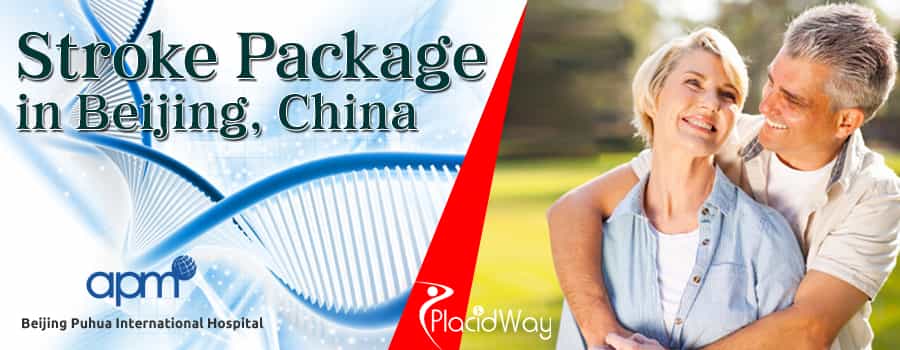
Stroke Treatment in Beijing, China
Pursuing Stroke Treatment in Beijing, China provides patients with an exceptional blend of advanced neurological therapies and dedicated rehabilitative care. Every year, countless medical tourists travel to this historic city to access cutting-edge medical technologies tailored specifically for stroke recovery and neurological restoration. Not only do international patients benefit from top-tier medical expertise, but they also experience highly personalized patient care that addresses both physical and cognitive recovery needs.
Choosing comprehensive stroke rehabilitation in Beijing offers remarkable affordability without compromising the quality of medical outcomes. At leading medical institutions like Beijing Tiantan Puhua International Hospital, Ltd., patients receive multidisciplinary therapeutic interventions designed to maximize independence and quality of life. This destination has become highly sought after for individuals looking to find specialized neurological care, innovative treatment protocols, and a deeply compassionate healthcare environment.
Key Takeaways for Your Medical Journey
- Affordable Pricing: The specialized stroke care package is available for approximately $21425, offering substantial financial savings compared to Western healthcare systems.
- Renowned Clinic: Treatment is provided at Beijing Tiantan Puhua International Hospital, Ltd., a facility internationally recognized for excellence in neurological and neurosurgical care.
- Multidisciplinary Approach: Care plans combine physical therapy, occupational therapy, and advanced medical treatments tailored to each patient's unique deficit profile.
- Experienced Specialists: Patients are evaluated and treated by highly credentialed neurologists and rehabilitation experts with decades of specialized experience.
- World-Class Destination: Beijing offers a culturally rich, welcoming environment with modern medical infrastructure designed to support international healthcare travelers comfortably.
- Holistic Recovery: The clinical programs prioritize long-term functional recovery, integrating both traditional and innovative therapeutic methodologies.
Financial Advantages: Cost of Stroke Treatment in Beijing, China vs Other Countries
Understanding the financial commitment is a vital part of planning your medical journey. Comprehensive neurological rehabilitation and stroke therapy in Western countries can be prohibitively expensive, often resulting in significant out-of-pocket costs even with insurance. By choosing Stroke Treatment in Beijing, China, patients can access premier healthcare facilities and expert medical teams for a fraction of the cost found in the United States, United Kingdom, or Australia.
| Country | Estimated Cost | Estimated Savings |
|---|---|---|
| Beijing, China | $21425 | N/A (Baseline) |
| United States | $85,000+ | Up to 75% |
| United Kingdom | $65,000+ | Up to 65% |
| Australia | $70,000+ | Up to 69% |
Note: The prices listed in the table above are estimates. The final cost may vary depending on the exact complexity of the procedure, the duration of rehabilitation required, and the specific medical condition of the patient.
What’s Included in the Stroke Treatment Package
- Comprehensive Medical Evaluation: Initial diagnostic testing, MRI/CT scan reviews, and deep neurological assessments by a specialist board.
- Customized Rehabilitation Sessions: Daily supervised physical, occupational, and speech therapy programs tailored to the patient's recovery goals.
- Medical Administration: Routine standard medications directly related to post-stroke care and symptom management during the hospital stay.
- Hospital Ward Stay: Accommodation in a specialized neurological inpatient ward with 24-hour nursing support for the duration of the clinical program.
- Specialized Therapy Equipment: Full access to advanced robotic rehabilitation tools, mobility aids, and neuro-stimulation devices within the clinic.
- Follow-Up Consultations: Regular progress checks with the lead neurologist to adjust the ongoing treatment plan and optimize recovery outcomes.
What’s Not Included in the Stroke Treatment Package
- International Airfare: Flight tickets to and from Beijing, China are the responsibility of the patient and their traveling companions.
- External Accommodation: Hotel stays before clinic admission or after medical discharge are not covered in the package price.
- Travel and Medical Insurance: Comprehensive insurance plans covering medical travel complications or trip cancellations must be purchased separately.
- Visa Processing Fees: Costs associated with obtaining a medical or tourist visa to enter China are excluded.
- Personal Expenses and Meals: Food outside of the standard clinic dietary plan, souvenirs, and extra leisure activities are not included.
- Unrelated Medical Treatments: Therapies or medications for pre-existing conditions not related to stroke recovery will incur additional charges.
Understanding Neurological Rehabilitation in China
- Core Purpose: The primary goal of this therapy is to help stroke survivors relearn skills lost when part of the brain was damaged, improving mobility and independence.
- Types of Intervention: Programs typically involve motor-skill exercises, mobility training, cognitive behavioral therapies, and communication therapies.
- How it Works: Therapists utilize the concept of neuroplasticity, stimulating the brain to form new neural pathways through repetitive, targeted exercises.
- Primary Benefits: Patients often experience enhanced muscle strength, improved coordination, restored speech capabilities, and a significant boost in emotional well-being.
- Recovery Timeframe: While the intensive clinical program may last several weeks, neurological recovery is a continuous process that extends for months or years post-treatment.
- Success Rates: Efficacy depends heavily on the severity of the stroke and the speed at which rehabilitation is initiated, but structured programs significantly improve long-term functional outcomes.
Who Is the Ideal Candidate for Stroke Therapy?
- Medically Stable Patients: Individuals who have surpassed the acute phase of their stroke and have stable vital signs without critical life-threatening complications.
- Ischemic and Hemorrhagic Survivors: Patients recovering from either major type of stroke who exhibit motor, cognitive, or speech deficits.
- High Motivation Levels: Individuals who are mentally prepared and motivated to participate actively in rigorous daily physical and occupational therapy sessions.
- Adequate Cognitive Awareness: Patients who can follow basic instructions and engage cooperatively with the rehabilitation team.
- Supportive Companions: Candidates traveling internationally usually need a dedicated family member or caregiver to assist them during the travel and recovery process.
- Clear Medical History: Patients who have provided comprehensive, translated medical records, imaging, and clearance from their local physicians for medical travel.
Day-by-Day Itinerary for Your Stroke Treatment in Beijing, China
- Day 1: Arrival and Settling In. Airport pickup via specialized transport, clinic admission, and an introductory meeting with the nursing staff to ensure immediate comfort.
- Day 2-3: Comprehensive Diagnostics. Extensive medical evaluations, including blood panels, brain imaging (MRI/CT), and baseline functional assessments by the neurology team.
- Day 4: Treatment Plan Strategy. A detailed consultation with the lead neurologist to finalize and explain the customized daily rehabilitation and medical schedule.
- Days 5-14: Intensive Active Therapy. Participation in multiple daily sessions including physical therapy, speech therapy, robotic assisted movements, and standard medical administration.
- Day 15: Progress Evaluation. Mid-program assessment to measure functional gains, adjust medication, and refine therapeutic techniques for optimal results.
- Day 16+: Continued Care and Discharge Planning. Finalizing the intensive phase, providing caregiver training, compiling medical reports, and preparing the patient for safe travel home.
What to Expect from Your Stroke Treatment in Beijing, China?
When undertaking Stroke Treatment in Beijing, China, patients and their families should anticipate a highly structured, rigorous, and deeply supportive healthcare environment. Upon admission, the medical team conducts thorough evaluations to understand the precise nature of the neurological deficits. You can expect your daily routine to be quite busy, involving multiple therapy sessions designed to push the boundaries of neuroplasticity. While the work is physically and emotionally demanding, the clinical staff at Beijing Tiantan Puhua International Hospital, Ltd. provides constant encouragement, utilizing both advanced technology and compassionate human interaction to foster progress.
Outcomes vary uniquely from patient to patient, but the primary expectation should be focused on gradual, steady improvement rather than immediate, miraculous cures. Over the course of the treatment package, many patients experience noticeable gains in motor function, balance, and communication skills. Furthermore, the holistic approach ensures that mental health and emotional well-being are supported alongside physical recovery. By the end of the clinical program, patients generally report a higher degree of independence and leave with a comprehensive home-care strategy to continue their healing journey.
Post-Procedure Recovery Expectations
- Consistency is Key: Continued performance of the prescribed home exercise program is crucial to maintaining the progress achieved during the intensive clinical stay.
- Medication Adherence: Strict compliance with the neurologist's prescribed medication regimen to prevent secondary strokes and manage symptoms.
- Dietary Adjustments: Adopting a heart-healthy, balanced diet rich in antioxidants and low in sodium to support ongoing vascular and neurological health.
- Regular Local Check-Ups: Scheduling ongoing consultations with a local primary care doctor and physical therapist to monitor continued functional progress.
- Emotional Support: Engaging in local or online support groups to manage the psychological impacts of stroke recovery, combating depression and anxiety.
- Patience with the Process: Understanding that neuro-rehabilitation is a marathon, and celebrating small functional victories over the subsequent months and years.
Why Choose Beijing Tiantan Puhua International Hospital, Ltd. for Stroke Care?
- Pioneering Neurological Expertise: The facility is globally recognized for integrating advanced neurosurgical techniques with comprehensive rehabilitative medicine.
- International Patient Focus: The clinic features dedicated international departments, ensuring seamless communication with fluent English-speaking medical staff and coordinators.
- Advanced Infrastructure: Patients benefit from state-of-the-art diagnostic imaging, modern surgical theaters, and specialized robotic rehabilitation units under one roof.
- Multidisciplinary Medical Teams: Care is directed by a collaborative board of neurologists, physiotherapists, nutritionists, and specialized nurses working in unison.
- Transparent Package Pricing: The hospital provides clear, upfront cost estimates, ensuring the $21425 package is delivered without hidden medical fees.
- Proven Track Record: Thousands of international patients have trusted the facility for complex neurological therapies, reflecting a high rate of patient satisfaction and safety.
Explore Beijing While You Recover: Top Attractions for Patients
- The Temple of Heaven: A serene, culturally profound park area featuring wide, accessible pathways ideal for light, accompanied strolls during downtime.
- The Summer Palace: Families and caregivers can enjoy the tranquil lakeside views and historic architecture, offering a peaceful respite from clinical settings.
- National Museum of China: Fully wheelchair accessible and climate-controlled, allowing patients to comfortably absorb the deep history and art of the region.
- Beihai Park: Known for its beautiful gardens and the iconic White Dagoba, providing a relaxing natural environment for mental recuperation.
- Wangfujing Street: A vibrant pedestrian street where caregivers can shop and explore local culinary delights in a modern, easy-to-navigate urban space.
- Chaoyang Park: One of the largest urban parks in the city, perfect for quiet reflection, gentle fresh-air therapy, and viewing scenic landscapes.
FAQs About Stroke Treatment in Beijing, China
1. How long does the typical stroke rehabilitation program last?
The duration of the clinical program varies based on the patient's condition, but typical intensive inpatient packages range from two to four weeks. During this time, daily therapies are conducted to maximize early recovery gains.
2. Is it safe to travel internationally after suffering a stroke?
International travel is generally safe once the patient is medically stable and out of the acute danger phase. It is mandatory to get full clearance from your local neurologist before booking your medical journey.
3. Will there be a language barrier at the hospital?
No, facilities that cater to medical tourists, such as Beijing Tiantan Puhua International Hospital, Ltd., employ bilingual staff and provide professional medical interpreters to ensure clear, precise communication.
4. Does the $21425 package cover all my medications?
The package covers standard medications related directly to your post-stroke care during your stay. Specialized or newly requested drugs, as well as medications for unrelated prior health conditions, are billed separately.
5. Can my family stay with me during the treatment?
Yes, most international patient wards allow for a caregiver or family member to stay in the room or provide access to nearby supportive lodging, recognizing that family support is critical to recovery.
6. Are alternative therapies integrated into the care plan?
Chinese medical facilities uniquely blend evidence-based Western neurology with traditional methodologies, such as specialized acupuncture, which many patients find beneficial for pain management and nerve stimulation.
7. What happens if there is a medical emergency during rehabilitation?
Because the rehabilitation takes place within an advanced, fully-equipped general hospital, any sudden medical emergencies can be instantly managed by on-site critical care response teams.
8. How soon will I see results from the therapy?
Recovery timelines are highly individualized. While some patients observe minor improvements in mobility and speech within the first week, significant functional rebuilding is a gradual process that continues long after the program ends.
9. Do I need a special visa to receive care in China?
Yes, international patients generally require an L-Visa (Tourist) or specialized Medical Visa. The international department of the clinic will supply the necessary medical invitation letters to facilitate the application process.
10. Will my home doctor receive reports of my treatment?
Absolutely. Upon discharge, you are provided with a comprehensive set of translated medical records, imaging files on digital media, and detailed physician notes to ensure seamless continuity of care back home.
Empower Your Future with PlacidWay
Navigating the complexities of international healthcare can be challenging, but PlacidWay is dedicated to simplifying your journey to recovery. Here is how we facilitate your access to world-class medical care:
- Comprehensive Pre-Consultation: We help gather your medical history and imaging to facilitate initial remote evaluations with top neurologists abroad.
- Seamless Clinic Coordination: Our team acts as a direct liaison between you and the international hospital, ensuring prompt responses to all your clinical queries.
- Transparent Financial Guidance: We provide clear, itemized quotes to ensure you fully understand the cost structure and avoid unexpected medical expenses.
- Dedicated Patient Advocacy: From your first inquiry to your post-treatment feedback, a dedicated advocate is available to support and guide your healthcare decisions.
- Secure Document Transfer: We utilize secure platforms to transmit sensitive medical records, guaranteeing patient confidentiality and data safety throughout the process.



.png)

.png)






.png)










Share this listing