



Transform Your Mobility: Primary Total Knee Replacement Procedure in Clark Freeport Zone, Philippines
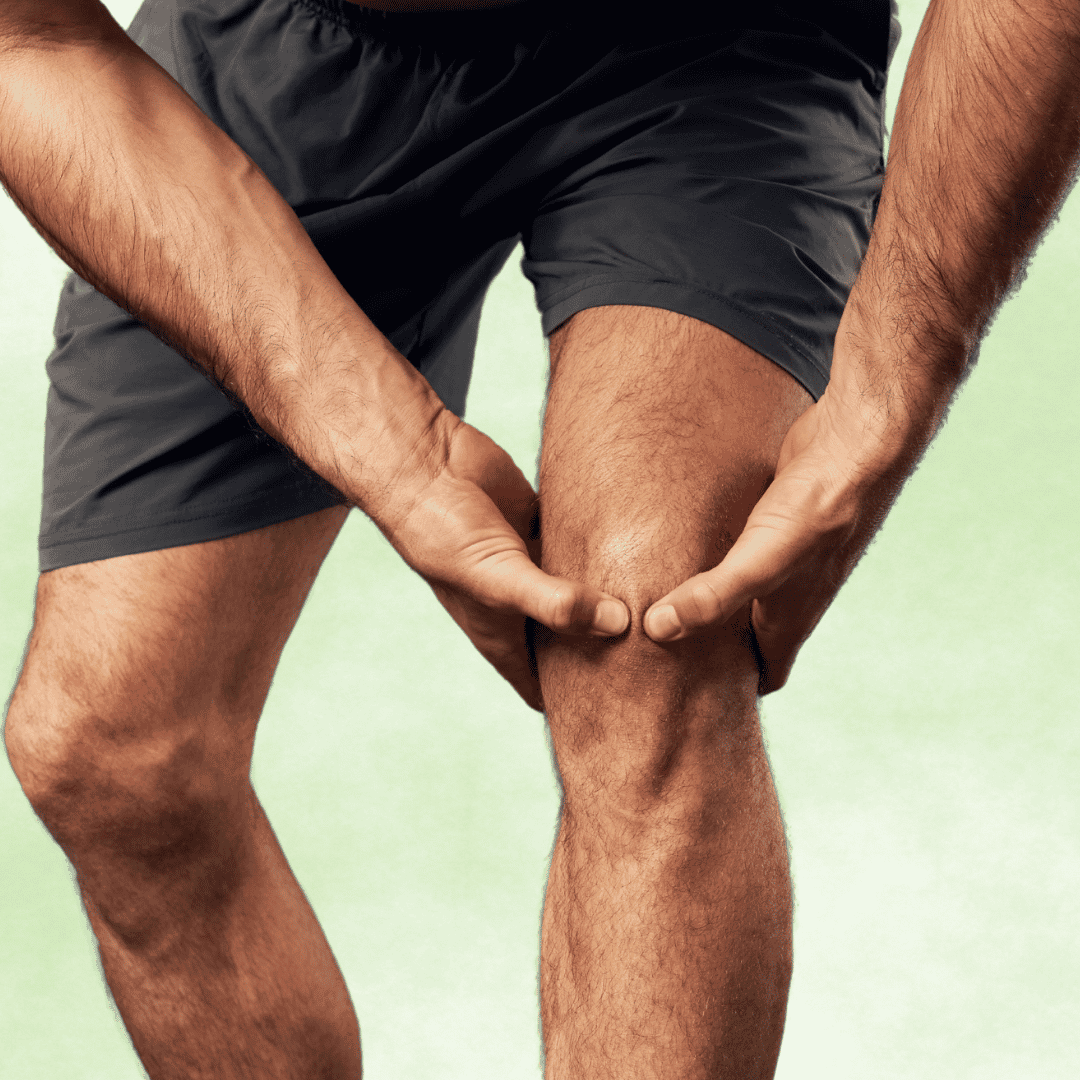
Deciding to undergo a Primary Total Knee Replacement Procedure in Clark Freeport Zone, Philippines is a vital step toward reclaiming a pain-free, active lifestyle. For individuals suffering from severe osteoarthritis, chronic joint pain, or debilitating knee injuries, this medical journey offers a brilliant combination of world-class orthopedic care and outstanding affordability. The Philippines has rapidly emerged as a highly respected medical tourism destination, with modern economic hubs providing specialized orthopedic joint replacement surgeries that meet stringent international healthcare standards.
Choosing to have your knee joint restoration in this particular region means you will benefit from internationally trained orthopedic surgeons, state-of-the-art medical facilities, and highly compassionate English-speaking medical staff. Patients traveling for comprehensive knee replacement surgery packages can expect highly personalized attention without the extensive waiting times common in Western countries. Beyond the clinical excellence, the serene environment and highly accessible infrastructure make it an optimal setting for post-surgical healing and rehabilitation.
Key Takeaways for Your Orthopedic Journey
- Massive Cost Savings: Patients can save up to sixty to seventy percent on their total joint replacement surgery compared to prices in the United States, Australia, or the United Kingdom.
- World-Class Medical Facilities: Hospitals in the region are equipped with advanced robotic-assisted surgical tools and modern orthopedic technology to ensure precision.
- Highly Qualified Surgeons: You will be treated by board-certified orthopedic specialists who possess decades of experience and international medical training.
- No Language Barrier: The medical personnel, from surgeons to physical therapists, are highly proficient in English, ensuring clear and seamless communication.
- Peaceful Recovery Environment: The region offers a secure, uncrowded, and serene atmosphere, which is absolutely vital for a stress-free post-operative rehabilitation period.
Comparing the Cost of Primary Total Knee Replacement Procedure in Clark Freeport Zone, Philippines vs Other Countries
When evaluating the financial aspects of orthopedic care, the affordability of a Primary Total Knee Replacement Procedure in Clark Freeport Zone, Philippines becomes immediately apparent. Western healthcare systems often burden patients with exorbitant out-of-pocket costs, inflated hospital fees, and hidden charges. In contrast, the medical packages provided here are transparent, highly inclusive, and designed to offer exceptional clinical value without compromising on the quality of implants or surgical expertise.
| Country | Average Estimated Cost (USD) | Estimated Savings |
|---|---|---|
| Clark Freeport Zone, Philippines | $9,500 | - |
| United States | $35,000 | Up to 72% |
| Australia | $25,000 | Up to 62% |
| United Kingdom | $20,000 | Up to 52% |
Note: Prices may vary depending on the specific procedure complexity, the type of implant chosen, the specific hospital facility, and the individual patient condition.
What is Included in Your Knee Joint Surgery Package
- Comprehensive pre-operative medical evaluation and specialist consultations.
- The complete Primary Total Knee Replacement surgical procedure by a certified orthopedic surgeon.
- High-quality, internationally approved knee implant prosthesis (FDA-approved or CE-marked).
- Operating theater fees, anesthesia, and the use of all standard medical equipment.
- Post-operative hospital stay (typically three to five days) in a private or semi-private room.
- Initial in-hospital physical therapy sessions and standard post-operative pain management medications.
What is Not Included in Your Knee Replacement Medical Package
- International or domestic airfare to and from the medical destination.
- Hotel accommodation before the hospital admission and after the hospital discharge.
- Meals outside of the hospital setting or additional dietary requests not covered by the clinic.
- Personal travel insurance or specific medical complication insurance policies.
- Extended physical therapy sessions outside of the initial hospital protocol.
- Visa processing fees and personal ground transportation for sightseeing.
Understanding the Total Knee Arthroplasty Process
- Primary Purpose: The main goal of this surgical intervention is to relieve severe, debilitating joint pain and restore full function to a knee damaged by severe arthritis, trauma, or degenerative joint disease.
- Types of Surgical Approaches: Depending on patient anatomy, surgeons may utilize traditional open surgery, minimally invasive techniques, or highly precise robotic-assisted orthopedic surgery to place the implant.
- How the Procedure Works: The surgeon carefully removes the damaged cartilage and underlying bone from the ends of the femur and tibia. A custom-sized metal and plastic artificial joint is then permanently affixed to restore smooth, frictionless movement.
- Expected Benefits: Patients report a dramatic reduction in daily chronic pain, significantly improved mobility, correction of leg deformities, and a much higher overall quality of life.
- Standard Recovery Time: Patients typically begin walking with assistive devices within twenty-four hours. Initial recovery takes three to six weeks, while full integration and optimal strength can take six to twelve months.
- Proven Success Rate: Total joint replacements are considered one of the most successful procedures in modern medicine, with over ninety percent of patients experiencing excellent outcomes that last fifteen to twenty years or more.
Who is the Ideal Candidate for Orthopedic Joint Replacement?
- Individuals suffering from severe, persistent knee pain that severely limits everyday activities such as walking, climbing stairs, or getting out of chairs.
- Patients who experience moderate to severe knee joint pain even while resting, sleeping, or during completely inactive periods.
- People suffering from chronic knee inflammation and joint swelling that does not improve with rest or anti-inflammatory medications.
- Those presenting with a noticeable knee deformity, such as a severe bowing in or out of the knee joint.
- Patients who have exhausted and failed to find relief from all non-surgical conservative treatments, including cortisone injections, physical therapy, and joint-lubricating supplements.
- Individuals who are in generally good health, free from active infections, and have realistic expectations regarding the surgical outcomes and required rehabilitation.
Day-by-Day Itinerary for Your Knee Joint Replacement Experience
- Day 1: Arrival and Medical Consultation. You will arrive at the clinic, undergo your final comprehensive pre-operative tests, meet your surgical team, and discuss the final details of the anesthesia and surgical plan.
- Day 2: The Surgical Procedure. You will be admitted to the hospital early in the morning. The operation typically takes one to two hours, followed by careful observation in the recovery room before being moved to your private room.
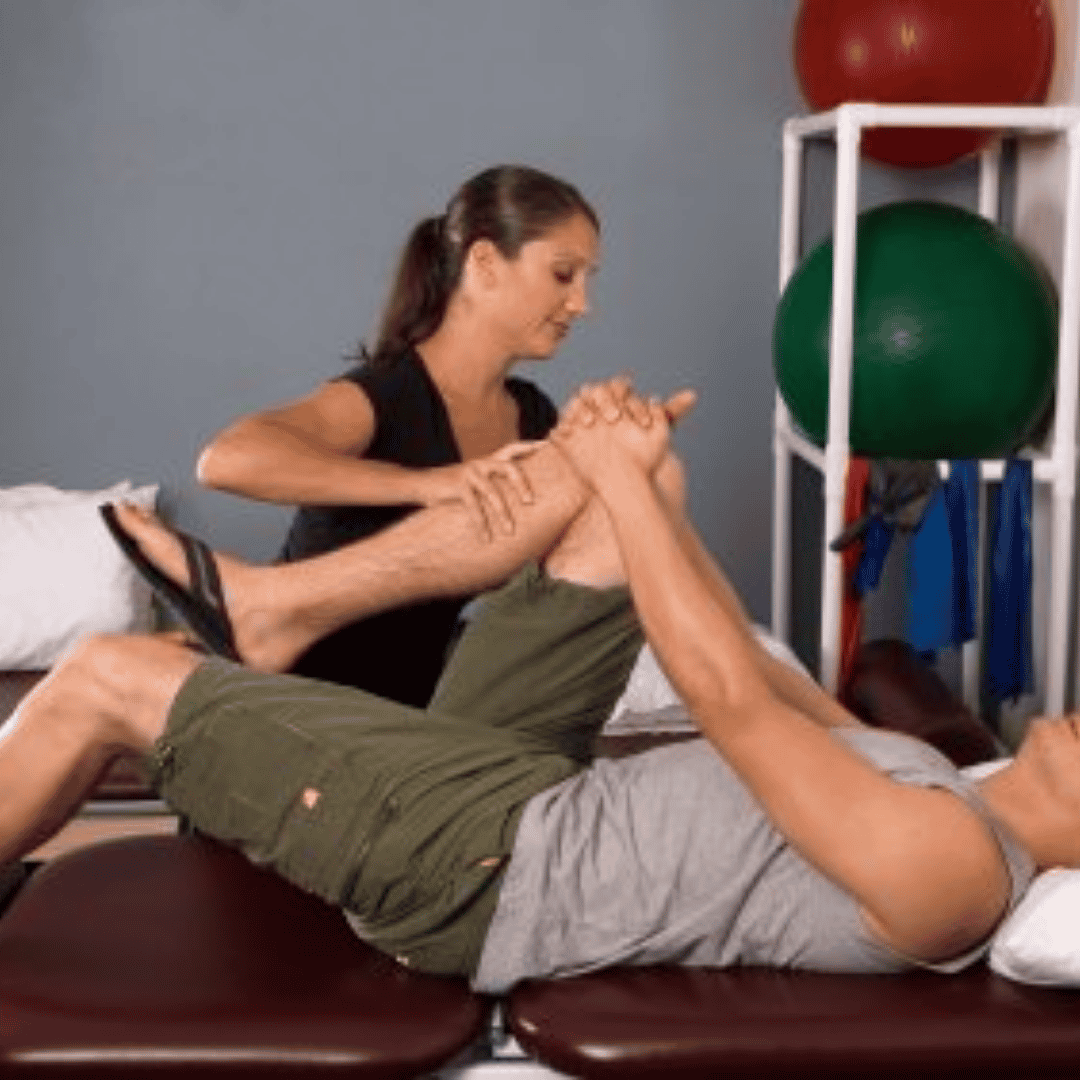
- Days 3 to 5: Hospital Recovery and Initial Mobilization. Under the strict guidance of a physical therapist, you will begin standing and walking using a walker. Pain management protocols will be closely monitored.
- Days 6 to 10: Discharge and Outpatient Rehabilitation. After being discharged from the medical facility, you will rest at your chosen local accommodation and attend scheduled outpatient physical therapy to improve range of motion.
- Days 11 to 14: Final Follow-up and Clearance. You will have a final consultation with your orthopedic surgeon to check the incision, review your progress, and receive your fit-to-fly clearance to return home safely.
What to Expect from Your Primary Total Knee Replacement Procedure in Clark Freeport Zone Philippines?
Knowing exactly what to expect from your Primary Total Knee Replacement Procedure in Clark Freeport Zone Philippines helps alleviate anxiety and prepares you for a successful healing journey. Immediately following the operation, it is completely normal to experience swelling, stiffness, and some degree of manageable pain. Your dedicated medical team will employ advanced, multi-modal pain management strategies to ensure your comfort. You will be pleasantly surprised by how quickly you are encouraged to move; physical therapists will have you on your feet within hours of the surgery to promote crucial blood circulation and begin the joint mobilization process.
As the weeks progress, the initial discomfort will steadily fade, replaced by a noticeable improvement in your joint's function and a dramatic decrease in the arthritic pain you suffered prior to surgery. Patient satisfaction rates for those who travel to this specific medical destination are exceptionally high. Patients frequently praise the attentive, highly personalized nursing care and the robust post-operative support provided by the local clinics. By diligently adhering to your physical therapy routine, you can expect to regain independence and gradually return to your favorite low-impact activities, such as swimming, cycling, and walking without restrictions.
Post-Surgical Recovery and Rehabilitation Guidelines
- Commit strictly to your prescribed physical therapy regimen; performing your daily exercises is the most critical factor in achieving a full range of motion.
- Keep the surgical incision completely dry and clean until your medical provider explicitly instructs you that it is safe to bathe or shower normally.
- Utilize ice packs and elevate your leg frequently throughout the day to successfully manage swelling and prevent fluid accumulation around the joint.
- Always use the recommended assistive walking devices, such as crutches or a walker, until your physical therapist officially clears you to walk unassisted.
- Take all prescribed medications precisely as directed, including blood thinners to prevent blood clots and antibiotics to stave off potential infections.
- Avoid high-impact sports, running, or heavy lifting, as these activities can severely damage the newly placed artificial implant and prolong your recovery.
Why Choose This Philippine Destination for Orthopedic Surgery?
- International Accessibility: The region features its own highly efficient international airport, allowing for direct, stress-free flights without navigating the heavy traffic of the capital city.
- Premium Healthcare Standards: The local hospitals and specialist clinics are recognized for maintaining rigorous international healthcare and safety accreditations.
- Exceptional Cost-to-Value Ratio: Medical tourists benefit from highly affordable treatment packages that do not compromise on the quality of surgical care or prosthetic materials.
- Tranquil Environment: Unlike bustling metropolitan areas, this specific zone is known for its wide open green spaces, clean air, and peaceful atmosphere, which is ideal for healing.
- Highly Experienced Specialists: The region attracts some of the best medical talents in the country, many of whom have undergone fellowships and extensive training in the United States or Europe.
- Cultural Warmth and Hospitality: Filipino medical professionals are globally renowned for their deeply compassionate bedside manner and warm, empathetic patient care.
Explore and Relax: Top Attractions for Recovering Patients
- The Parade Grounds: A massive, incredibly well-maintained park offering flat, paved walking paths that are absolutely perfect for gentle, low-impact rehabilitation walks.
- Clark Museum and 4D Theater: An excellent, highly accessible indoor attraction where you can comfortably learn about the fascinating local history without exerting yourself physically.
- Nayong Pilipino: A culturally rich, expansive park showcasing the diverse heritage of the Philippines. It features paved pathways suitable for patients utilizing wheelchairs or walkers.
- Local Culinary Scene: Pampanga is widely celebrated as the culinary capital of the Philippines. Patients can enjoy world-class dining at highly accessible, comfortable local restaurants.
- Puning Hot Spring: While you must wait until your incision is fully healed to enter the water, the scenic drive and relaxing ambiance of the surrounding area provide excellent mental relaxation.
- High-End Shopping Plazas: Modern, air-conditioned malls provide a safe, flat environment for slow walking while you browse local and international retail stores.
Frequently Asked Questions About Knee Replacement Surgery in This Destination
How long will the artificial knee implant last?
Modern artificial joints used in the Primary Total Knee Replacement Procedure in Clark Freeport Zone Philippines are constructed from highly durable medical-grade metals and resilient plastics. With proper care, weight management, and avoidance of high-impact activities, these implants successfully last between fifteen to twenty years, and in many cases, even longer.
Is physical therapy included in the initial medical package?
Yes, standard medical packages generally include the crucial initial physical therapy sessions conducted while you are admitted to the hospital. Your therapist will teach you fundamental exercises. However, extended outpatient therapy sessions after your hospital discharge may be billed separately depending on the clinic's specific terms.
How soon will I be able to walk after the operation?
You will be encouraged to stand and take your first steps with the assistance of a walker or crutches within twenty-four hours of your surgery. Early mobilization is a vital protocol designed to prevent complications such as deep vein thrombosis and to accelerate the restoration of joint function.
Are the orthopedic surgeons in the region internationally certified?
Absolutely. The top clinics feature board-certified orthopedic surgeons, many of whom have completed rigorous international fellowships, attended global medical conferences, and hold active memberships in prestigious international orthopedic societies, ensuring they utilize the latest surgical techniques.
How long do I need to stay in the country for this treatment?
For a safe and complete medical journey, patients are strongly advised to stay for approximately fourteen to eighteen days. This timeframe comfortably covers your pre-operative assessments, the hospital stay, crucial post-operative monitoring, initial rehabilitation, and final medical clearance before flying.
Is it possible to have both knees replaced simultaneously?
Bilateral knee replacement is an option for certain patients who are in excellent overall cardiovascular health. However, this is a significant medical decision that must be thoroughly evaluated by your surgical team, as it inherently involves a longer time under anesthesia and a more demanding, intense physical rehabilitation process.
What are the potential risks associated with this surgery?
As with any major surgical procedure, there are inherent risks, including infection, blood clots, nerve damage, or implant loosening over time. However, modern medical protocols, strict sterilization procedures, and the administration of preventative medications drastically minimize these occurrences, keeping complication rates remarkably low.
How will my post-operative pain be managed?
Your medical team will utilize a comprehensive pain management strategy. This often includes targeted nerve blocks administered during surgery, followed by intravenous medications while in the hospital, and finally, transitioning to oral pain relievers before you are discharged, ensuring you remain as comfortable as possible.
What should I do to physically prepare for my joint replacement?
Patients are highly encouraged to engage in pre-operative conditioning, often called "pre-hab," which involves targeted exercises to strengthen the upper body and the non-operative leg. Additionally, optimizing your nutrition, stopping smoking, and achieving a healthy weight will significantly improve your surgical outcomes and speed up recovery.
Is the medical destination safe for international tourists?
Yes, the specific zone is a highly secure, gated economic area featuring outstanding infrastructure, heavy security protocols, and excellent emergency services. It is widely considered one of the safest and most well-maintained regions in the country, providing tremendous peace of mind for traveling patients.
Take the Next Step Towards Pain-Free Mobility with PlacidWay
Navigating international healthcare options can seem overwhelming, but PlacidWay Medical Tourism is here to facilitate your journey to better joint health. By choosing to work with our dedicated team, you gain access to a streamlined, transparent, and highly supportive process designed around your specific medical needs.
- Verified Clinic Connections: PlacidWay directly connects you with internationally accredited orthopedic centers and board-certified surgeons, ensuring you receive the highest standard of care.
- Transparent Pricing Details: We provide comprehensive, easy-to-understand cost estimates, allowing you to accurately plan your medical expenses without worrying about hidden surgical fees.
- Direct Surgeon Communication: Our platform facilitates seamless initial consultations and dialogue between you and your chosen medical professionals to discuss your specific diagnosis.
- Personalized Patient Support: Our dedicated medical tourism coordinators are available to guide you through the clinic selection process and assist with securing your medical appointments.
- Comprehensive Medical Guidance: We provide you with all the necessary medical profiles, clinic certifications, and patient reviews needed to make a highly informed healthcare decision.






.png)
.png)
.png)

.jpg)

.png)








Share this listing