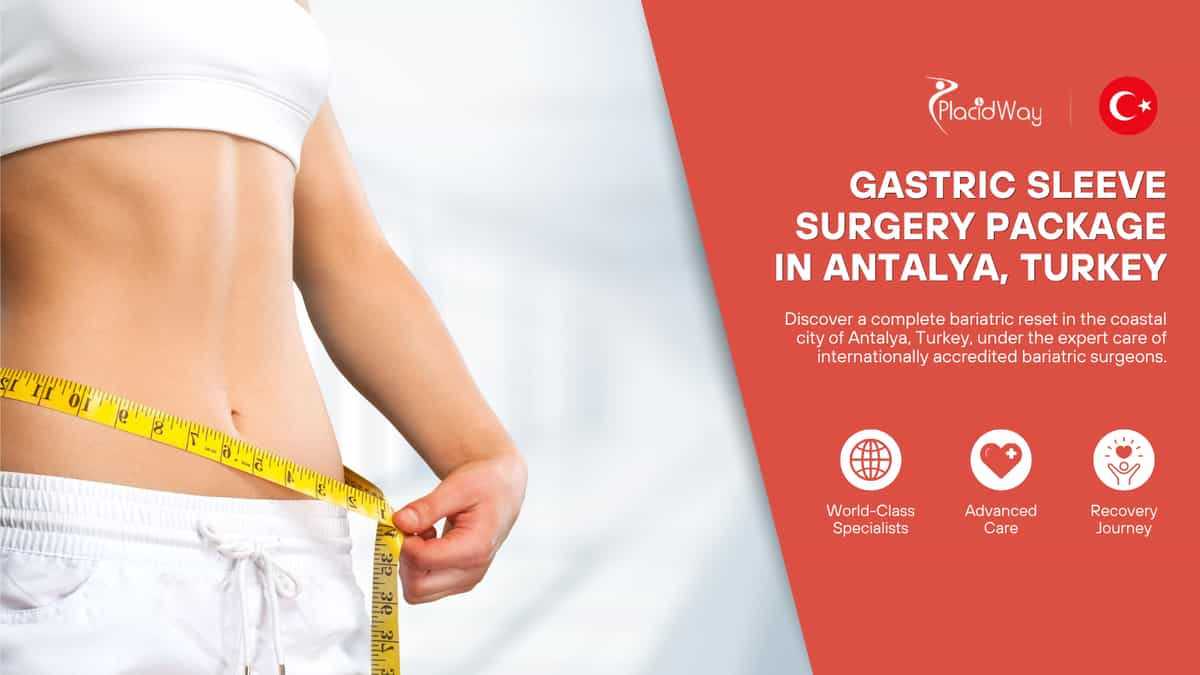
Ready to trade your stubborn scale for a passport stamp and a fresh metabolic start? This comprehensive gastric sleeve surgery package in Antalya, Turkey, offers international patients a complete bariatric reset starting at an estimated $5,000 for a standard 4-to-6-day medical stay. Designed specifically for medical tourists seeking a healthier future, your journey includes the primary laparoscopic procedure, essential hospital fees, and expert nutritional guidance in one of the world’s most renowned coastal recovery destinations. Keep in mind that your final eligibility, travel clearance, and exact pricing will depend entirely on a personalized, thorough medical assessment by the surgical team.
Essential Package Insights at a Glance
- Estimated Starting Cost: Packages begin at $5,000 USD, offering premium surgical intervention at a significant discount compared to Western healthcare systems. Final pricing requires clinical verification.
- Facility Standards: Procedures are conducted in highly regulated, modern private hospitals that adhere to strict Turkish Ministry of Health guidelines and international safety protocols.
- Patient Qualifications: Ideal for patients with a Body Mass Index (BMI) over 40, or those with a BMI over 30 facing severe obesity-related conditions such as hypertension or sleep apnea.
- What to Expect: A minimally invasive laparoscopic procedure that removes approximately 80% of the stomach, restricting food volume and significantly reducing hunger hormones.
- Pre-Travel Essentials: Requires a valid passport, comprehensive remote medical screening, and strict adherence to a pre-operative liver-shrinking liquid diet.
- Travel Logistics: Antalya features a major international airport, making direct flights or simple layovers highly accessible for patients traveling from Europe, the UK, and North America.
Global Bariatric Surgery Cost Comparison
Medical travel to Turkey has surged because it successfully bridges the gap between affordable pricing and uncompromised medical quality. The country's lower cost of living, favorable exchange rates, and government-supported medical tourism infrastructure allow for significant savings. The table below illustrates how the estimated costs in Antalya compare to average out-of-pocket expenses for similar procedures globally.
| Country / Region | Average Estimated Cost (USD) |
|---|---|
| United States | $15,000 – $25,000+ |
| Canada | $14,000 – $19,000 |
| United Kingdom | $10,000 – $15,000 |
| Antalya, Turkey (This Package) | Starting at $5,000 |
Detailed Breakdown of Your Bariatric Investment
Please note: The following table outlines an estimated structural breakdown. Final costs are entirely dependent upon your personalized medical assessment, BMI bracket, and any specific pre-existing health requirements you may have.
| Procedure Items | Estimated Cost | Description |
|---|---|---|
| Surgeon & Specialist Fees | $2,000 | Professional expertise of the primary bariatric surgeon and surgical staff. |
| Hospital & Operating Facility | $1,500 | Operating room utilization and standard 3-night inpatient recovery room. |
| Anesthesia Services | $600 | Anesthesiologist evaluation, continuous monitoring, and administration. |
| Pre-Op Tests & Logistics | $900 | Pre-op bloodwork, endoscopy, VIP airport transfers, and translation. |
| Total Estimated Price | $5,000 | Pending physician's medical clearance. |
What is Included in Your Package
Your comprehensive package is tailored to cover the essential clinical components of your surgical journey in Turkey.
- Laparoscopic Gastric Sleeve surgery (Sleeve Gastrectomy).
- Primary surgeon, anesthesiologist, and nursing fees.
- Routine pre-operative medical evaluations (blood tests, EKG, endoscopy).
- Up to 3 nights of accommodation in a private hospital room.
- VIP ground transportation between Antalya Airport, your hotel, and the clinic.
- Basic post-operative pain medication and antibiotics provided upon discharge.
- Personalized bilingual patient coordinator assistance throughout your stay.
What is Excluded from Your Package
To ensure total financial transparency and help you plan your budget, please note these typical out-of-pocket expenses.
- Roundtrip international airfare to and from Antalya, Turkey.
- Hotel accommodations for recovery days outside of the standard hospital stay.
- Specialized medical clearances (e.g., advanced cardiology tests) if required by your health history.
- Medical complication insurance or extended emergency care.
- Lifelong nutritional supplements and specialized bariatric vitamins.
- Meals, tourism activities, and lodging for accompanying travel companions.
Are You the Right Candidate for Gastric Sleeve Surgery?
Bariatric surgery is a major, life-altering medical decision, not a quick fix for weight loss. To qualify for this procedure safely and ensure long-term success, patients typically need to meet specific health criteria established by global health organizations.
- Body Mass Index (BMI): You have a BMI of 40 or higher, which is classified clinically as severe obesity.
- Comorbidities: Alternatively, you have a BMI between 30 and 39.9, accompanied by serious obesity-related health conditions such as type 2 diabetes, high blood pressure, or severe obstructive sleep apnea.
- Weight Loss History: You have made previous, documented attempts at sustained weight loss through supervised diet and exercise programs without long-term success.
- Mental Readiness: You possess a firm commitment to adapting to necessary, lifelong dietary, behavioral, and nutritional changes post-surgery.
- General Health: You have been evaluated and cleared for general anesthesia, showing an absence of severe, untreated psychological conditions or active substance dependencies.
Essential Health Documents Needed for Your Preliminary Evaluation
Because you are traveling internationally for care, determining your surgical eligibility from afar requires precision. Your surgical team will need to thoroughly review your medical history before granting travel clearance. Preparation usually requires the following documentation:
- A comprehensive, written list of your current medical conditions and previous medical diagnoses.
- An up-to-date log of all prescription medications, over-the-counter drugs, and herbal supplements you take daily.
- Recent standard blood work (such as a Complete Blood Count and Comprehensive Metabolic Panel) to assess organ function.
- Detailed records of any previous abdominal surgeries, as existing internal scar tissue can heavily impact laparoscopic techniques.
- Specific medical clearances (like a recent EKG or pulmonology report) if you are over a certain age or have a known history of cardiac or respiratory conditions.
Understanding the Laparoscopic Gastric Sleeve Procedure Step-by-Step
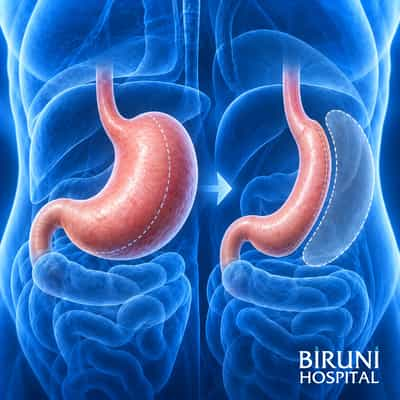
The gastric sleeve, formally known as a Vertical Sleeve Gastrectomy, is a highly effective, restrictive bariatric procedure. Unlike older open surgeries, this is predominantly performed using advanced minimally invasive laparoscopic techniques. This modern approach reduces pain, minimizes visible scarring, and accelerates your recovery. The magic of the sleeve lies in two factors: it physically restricts the volume of food you can eat, and it removes the portion of the stomach responsible for producing the hunger hormone, ghrelin. Here is how the clinical team performs the operation:
- Anesthesia and Comfort: You will be placed securely under general anesthesia by a board-certified anesthesiologist to ensure you are entirely asleep, pain-free, and closely monitored.
- Laparoscopic Access: Rather than making a large, traumatic incision, the surgeon creates 4 to 5 small, keyhole incisions across your upper abdomen to insert a tiny high-definition camera and specialized long-handled surgical instruments.
- Creating the Sleeve: The surgeon uses medical-grade titanium staples to vertically divide your stomach. Approximately 75% to 80% of the outer, stretchy portion of the stomach (the fundus) is separated and entirely removed from your body.
- Securing the Pouch: The remaining portion of the stomach is permanently stapled shut, forming a narrow tube or "sleeve" that closely resembles the size and shape of a small banana.
- Rigorous Leak Testing: Before concluding the surgery, the team conducts a dye or pressure test to ensure the new staple line is completely sealed, guarding against internal leaks.
- Safe Closure: The laparoscope and instruments are carefully removed, and the small abdominal incisions are closed with dissolving sutures or surgical tape, paving the way for your immediate recovery.
Your Medical Journey: From Arrival in Turkey to Post-Op Care
Traveling overseas for major surgery can feel daunting, but knowing exactly what to expect day-by-day significantly reduces travel anxiety. Here is a typical, structured timeline for an international patient traveling to a clinic in Antalya.
Phase 1: Pre-Travel Preparation
Your journey begins at home with a virtual consultation. You will submit your medical records online, speak with the coordination team, and begin a mandatory pre-operative liquid diet (usually 1-2 weeks) designed to shrink your liver and make the surgery safer.
Phase 2: Arrival and Comprehensive Testing
Fly into Antalya International Airport. A dedicated VIP driver will meet you and transport you to the clinic or hotel. You will undergo vital pre-operative testing (including an endoscopy if required) and have an in-person consultation with your surgeon.
Phase 3: Surgery Day
You are prepped for surgery in the morning. The laparoscopic sleeve is performed, typically lasting between 60 to 90 minutes. You will wake up in a monitored recovery ward before being moved to your comfortable, private hospital room.
Phase 4: Hospital Recovery (Days 2 to 4)
You will rest under 24/7 medical supervision. Expert nurses will manage your pain, monitor your vitals via IV, and assist you in walking the hospital halls to prevent blood clots. You will undergo a final leak test and begin sipping clear liquids.
Phase 5: Discharge and Journey Home
After a final evaluation, if your surgeon determines you are healing perfectly, you will be discharged with comprehensive dietary instructions and medications. Transportation will take you to your hotel for final rest, and eventually back to the airport for your flight home.
Expected Travel Duration and Hospital Stay in Antalya
Do not rush your departure. Healing safely is the absolute priority, and international air travel puts specific stressors on a recovering body.
- You will spend a minimum of 2 to 3 nights inpatient at the hospital for close monitoring and IV hydration.
- Most patients benefit from an additional 2 to 3 nights recovering in an Antalya hotel before facing the physical strain of an international flight.
- Your final "fit to fly" travel clearance is strictly dependent on the treating physician's assessment of your individual recovery progress.
- Always plan for a total of 5 to 7 days away from work and home to accommodate clinical needs and avoid unnecessary stress.
Navigating Your Gastric Sleeve Recovery and Nutritional Transition
The surgery is merely the first tool; your profound dedication to the post-op diet dictates your long-term success. Recovery occurs in strictly managed stages to allow your new internal staple lines to heal securely without stretching or leaking.
For the first two weeks, your stomach is swollen, sensitive, and actively healing. You will be restricted to a strict clear and full liquid diet—think broths, unsweetened juices, protein waters, and eventually thin protein shakes. Your primary job is simply staying hydrated. By weeks three and four, you will slowly transition to pureed foods, and eventually soft foods like scrambled eggs, cottage cheese, and flaky white fish.
Months into your recovery, you will eat regular textured foods, but in vastly reduced portions (often no more than a cup of food per meal). Prioritizing dense protein is essential to maintain muscle mass while you rapidly lose fat. Furthermore, you must commit to taking specialized bariatric vitamins and mineral supplements every day for the rest of your life to prevent malnutrition, as your intake volume will be permanently reduced.
Understanding the Potential Risks of Bariatric Surgery
While laparoscopic gastric sleeve surgery is performed safely on thousands of patients globally every year, it remains a major surgical intervention. We believe in total medical transparency regarding your health. Please understand that this list is not exhaustive, and your physician will thoroughly discuss your unique risk profile during your medical consultation.
- Staple Line Leaks: The primary severe risk involves stomach fluid leaking into the abdomen from the surgical staple line, requiring urgent medical intervention and potentially further surgery.
- Bleeding and Infection: Standard surgical risks exist at the external incision sites or internally, which are mitigated by sterile hospital environments and post-op antibiotics.
- Blood Clots (DVT/PE): Deep vein thrombosis or pulmonary embolisms can occur due to post-surgical inactivity. You will be encouraged to walk soon after waking up to prevent this.
- Nutritional Deficiencies: Patients risk iron, calcium, or vitamin deficiencies if they do not strictly adhere to their lifelong supplement regimen.
- Acid Reflux (GERD): The anatomical changes of a gastric sleeve can cause new or worsening severe heartburn in some patients, sometimes requiring daily medication.
Realistic Weight Loss Goals and Health Improvements
Setting reasonable, scientifically grounded expectations is crucial for your mental health post-surgery. The gastric sleeve is an aggressive, powerful tool, and results can be completely transformative when paired with lifestyle changes.
- Significant Weight Reduction: Clinical studies, including those cited by the National Institutes of Health, indicate patients typically lose between 50% to 70% of their excess body weight within the first 12 to 24 months.
- Metabolic Remission: Many patients experience rapid, significant improvement or even remission of obesity-related conditions like type 2 diabetes and hypertension shortly after surgery.
- Quality of Life: Greatly reduced joint pain, vastly improved mobility, increased energy, and the resolution of sleep apnea often accompany the weight loss journey.
- Individual Variance: Please keep in mind that results vary widely from person to person. Your success is heavily dependent on your metabolic baseline, genetics, and unwavering adherence to your new nutritional lifestyle. There are no guaranteed specific numbers or absolute "cures."
Frequently Asked Questions About Traveling for Gastric Sleeve
1. Is it safe for an international patient to travel to Antalya, Turkey for medical care?
Yes, Antalya is a highly developed hub for medical tourism. Thousands of patients travel there safely every year. Reputable clinics handle the logistics meticulously, providing secure VIP shuttle services directly from the international airport to modern, JCI-accredited or Ministry of Health-approved medical facilities.
2. How long does the actual gastric sleeve operation take?
The surgical procedure itself is relatively swift due to advanced laparoscopic techniques, typically taking between 60 to 90 minutes from start to finish. However, you will spend additional time in pre-op preparation and post-op recovery as you safely wake up from general anesthesia.
3. Will I experience a lot of pain after the stomach reduction?
Because the procedure is minimally invasive, acute pain is generally well-managed compared to open surgery. Most patients experience soreness around the small incisions and abdominal cramping or gas pain for the first few days. This is actively managed with IV and oral medications provided by your hospital care team.
4. What happens if I experience a medical complication after returning home?
It is highly recommended that you establish a relationship with a local primary care physician or bariatric specialist in your home country before traveling. If an emergency arises, your local doctor will handle your immediate physical care, while maintaining communication and sharing records with your Turkish surgical team for guidance.
5. Can my stomach stretch back to its original size over time?
The 80% of the stomach removed during surgery is gone permanently. However, the remaining "sleeve" is made of muscular tissue that can stretch slightly over the years if you consistently overeat, drink carbonated beverages, or ignore dietary guidelines. Strict portion control remains vital for lifelong success.
6. Will I really need to take vitamins for the rest of my life?
Yes, absolutely. Because your food intake volume is drastically reduced, it becomes incredibly difficult to absorb enough nutrients through your diet alone. Taking daily bariatric multivitamins, calcium, and often B12 supplements is a mandatory, lifelong commitment to prevent dangerous nutritional deficiencies.
7. How soon can I safely return to work after traveling to Turkey for surgery?
Recovery timelines vary by individual and profession. Most patients with sedentary desk jobs can return to work within 2 to 3 weeks post-surgery. If your job involves heavy lifting or strenuous physical activity, you will typically need 4 to 6 weeks of recovery to ensure your abdominal incisions heal properly without risking a hernia.
8. What is the main difference between a gastric bypass and a gastric sleeve?
A gastric sleeve only restricts stomach size by removing a portion of it. A gastric bypass restricts stomach size and reroutes a portion of your small intestine to limit calorie absorption. The sleeve is generally a faster procedure with fewer long-term intestinal complication risks, though a bypass may be recommended for patients with severe acid reflux or unmanageable diabetes.
9. Do I need a passport and visa to travel to Turkey?
Yes. A valid, unexpired passport is required for all international travel. Depending on your country of citizenship (such as the US, UK, or Canada), you will likely also need an e-Visa to enter Turkey, which can easily be obtained online prior to your departure. Your patient coordinator will guide you through this process.
10. How will I communicate with the medical staff in Antalya if I don't speak Turkish?
Language barriers are not an issue. Leading bariatric centers catering to medical tourists staff bilingual surgeons and nurses. Additionally, your package includes a fluent English-speaking patient coordinator or translator who will be by your side from consultations to discharge, ensuring you understand every aspect of your care.
Take the Next Step in Your Health Journey
If you feel ready to explore your medical options, we are here to help. Reach out to our patient coordination team for a transparent, no-obligation discussion regarding your specific health goals, medical background, and travel logistics.
Request a Free Surgical QuoteMedical Disclaimer: The content provided on this page is intended for general informational and educational purposes only. It is not a substitute for professional medical advice, formal diagnosis, or individualized treatment plans provided by a qualified healthcare professional.
Authoritative Sources and Further Reading
- National Institute of Diabetes and Digestive and Kidney Diseases (NIDDK). "Bariatric Surgery Overview". https://www.niddk.nih.gov
- American Society for Metabolic and Bariatric Surgery (ASMBS). "Bariatric Surgery Procedures". https://asmbs.org
- Centers for Disease Control and Prevention (CDC). "Travelers' Health: Medical Tourism". https://wwwnc.cdc.gov/travel
- Mayo Clinic. "Sleeve Gastrectomy - About the Procedure". https://www.mayoclinic.org
- MedlinePlus (National Library of Medicine). "Weight Loss Surgery Patient Information". https://medlineplus.gov


























Share this listing