
Starting a family is an incredible journey but piecing together international fertility logistics should never feel like an impossible puzzle. This specialized treatment pathway combines advanced microinjection reproductive technology with the serene, stress-reducing environment of the Mediterranean coast to optimize your physical and mental readiness. Patients can expect core medical services including ovarian stimulation monitoring, surgical egg retrieval, advanced fertilization, and embryo transfer starting at an estimated $6,000 for a typical two to three-week stay. Please note that ultimate clinical eligibility, exact medication protocols, and finalized pricing depend entirely on individualized diagnostic assessments and baseline hormonal profiles.
Quick Facts at a Glance
- Estimated Destination Stay Expect to spend 14 to 21 days in the region for comprehensive monitoring, surgical retrieval, and subsequent transfer procedures.
- Clinical Eligibility Requirements Candidacy relies heavily on recent anti-Müllerian hormone (AMH) levels, antral follicle counts, and comprehensive semen analysis parameters.
- Regulatory Environment Spanish law treats all family structures equally and explicitly mandates strict legal anonymity for all third-party gamete donations.
- Medical Accreditations Top regional clinics operate in strict alignment with guidelines set by the Spanish Fertility Society (SEF) and European Society of Human Reproduction and Embryology (ESHRE).
- Pre-Travel Logistics International patients outside the European Union require a valid passport with at least six months of validity and a Schengen visa if applicable.
How Much Does the IVF with ICSI Package Cost in Alicante Spain
Disclaimer: The financial estimates detailed above are representative averages intended for logistical planning. Every patient requires a highly individualized clinical assessment which dictates the final medical protocol and corresponding total expenses.
What Does the IVF with ICSI Package Include and Exclude
Why Is the Sperm Selection Process Crucial for Successful ICSI
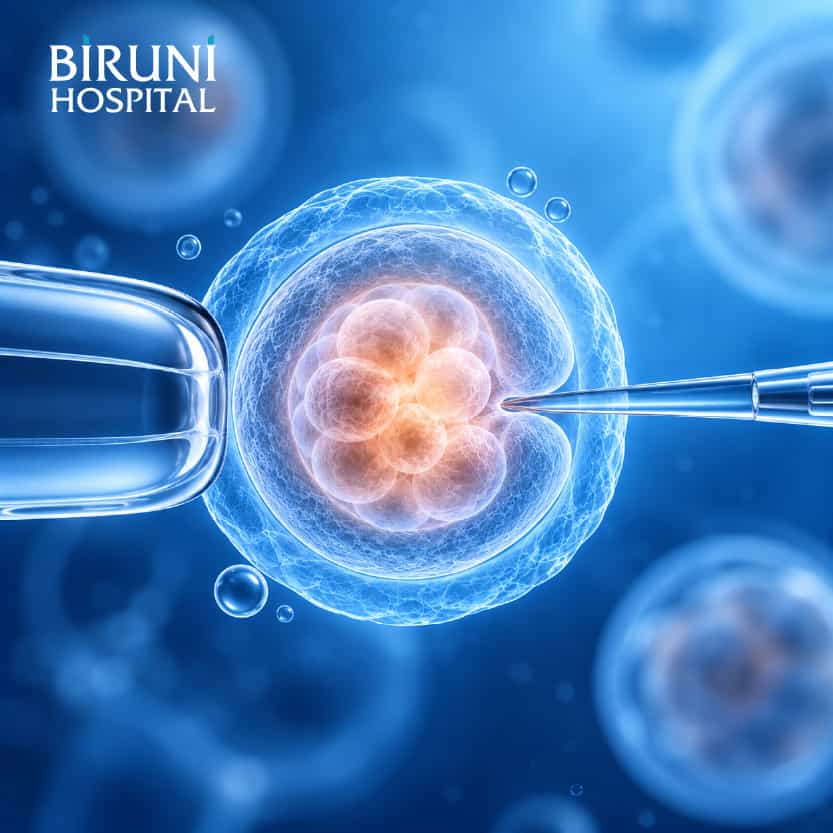
Standard in vitro fertilization relies on thousands of sperm competing naturally to penetrate the protective outer layer of a single oocyte in a petri dish. Intracytoplasmic sperm injection radically alters this dynamic by bypassing natural selection entirely, allowing an embryologist to physically inject one specific spermatozoon directly into the center of the egg. Because this delicate micro-manipulation removes the natural biological barriers that typically prevent genetically weak sperm from fertilizing an egg, the clinical pressure shifts heavily onto the embryologist to visually and technologically identify the healthiest possible candidate from the semen sample.
To mitigate the risk of fertilization failure or poor embryonic development, top-tier laboratories employ highly specialized diagnostic filters before the injection takes place. By analyzing the structural integrity of the head, motility patterns, and the presence of internal vacuoles at extreme magnification, clinical teams can significantly lower the risk of passing on fragmented DNA. Depending on the severity of the male factor infertility, the laboratory may recommend specific advanced cellular sorting techniques to complement the standard microinjection protocol.
- Standard Morphological Assessment Embryologists examine the sample under 400x magnification to identify sperm with normal head shapes, intact midpieces, and robust forward motility before making a selection.
- IMSI Technology Integration Intracytoplasmic Morphologically Selected Sperm Injection magnifies the sample up to 6,000x, allowing scientists to detect microscopic structural defects and vacuoles that indicate severe DNA damage.
- PICSI Binding Assays Physiological ICSI utilizes dishes coated with hyaluronan, a natural substance found around human eggs, ensuring that only fully mature sperm capable of natural binding are selected for the injection.
- Magnetic Cell Sorting Magnetic-Activated Cell Sorting utilizes specialized nanoparticles to bind to and eliminate apoptotic (dying) sperm cells from the sample, leaving only the healthiest cohort available for the laboratory team.
What Legal Requirements Impact Gamete Donation in Alicante Spain
Spain operates under some of the most progressive yet tightly regulated assisted reproduction laws in Europe, making it a highly sought-after destination for patients requiring third-party biological assistance. If your specific treatment pathway eventually requires the introduction of donor eggs or donor sperm, you must navigate a legal framework that strictly enforces absolute anonymity for all participating donors. Unlike jurisdictions in North America where intended parents can browse extensive catalogs featuring childhood photos, educational backgrounds, and personal essays, Spanish legislation prohibits intended parents from ever knowing the identity of their donor, and vice versa.
To compensate for this lack of open selection, the clinical medical team effectively acts as an advanced biological matchmaker for your family building journey. Spanish fertility centers utilize highly sophisticated phenotypic matching protocols alongside comprehensive genetic carrier screening to find a donor who closely mirrors your physical traits and immunological profile. This legally mandated process ensures maximum privacy while maintaining exceptionally high standards for the health, genetic safety, and aesthetic alignment of the donated gametes.
Which Advanced Embryo Culturing Techniques Maximize Blastocyst Development
The delicate multi-day journey from a freshly injected single cell into a robust, multicellular Day 5 blastocyst requires an artificial laboratory environment that flawlessly mimics the conditions of the human fallopian tubes and uterus. Historically, traditional laboratory incubators required embryologists to physically open the chamber doors once a day, manually removing the culture dishes to evaluate cellular division under an external microscope. Unfortunately, these brief moments of exposure subject the highly sensitive embryos to microscopic but impactful fluctuations in ambient temperature, light, and pH levels, potentially triggering unwanted cellular stress.
To resolve this environmental vulnerability, premier reproductive centers have heavily invested in continuous time-lapse incubation systems. These closed-chamber units feature built-in cameras that capture high-definition images of every developing embryo at rapid intervals, allowing scientists to track cell cleavage events dynamically on a digital monitor without ever disturbing the culture dish. This unbroken chain of optimal environmental control drastically improves the odds of the embryo reaching the critical blastocyst stage required for successful implantation.
Benefits of Morphokinetic Embryo Scoring
- Undisturbed Atmospheric Control Embryos remain in a dark, precisely heated environment with exact mixtures of carbon dioxide and oxygen for five continuous days.
- Algorithmic Predictive Software Advanced software analyzes the exact timing of cellular divisions to predict which specific embryo possesses the highest mathematical probability of resulting in a live birth.
- Detection of Abnormal Cleavage Time-lapse imagery allows embryologists to spot rapid, abnormal cell divisions that would otherwise go unnoticed during standard once-a-day manual observations.
- Patient Video Documentation Many clinics can export a short, fast-forwarded video clip of the chosen embryo's initial five days of development to give to the intended parents as a memorable keepsake.
How Do I Transport or Manage My Medications While Traveling for Fertility Care
The foundation of any successful retrieval cycle is the highly calibrated ovarian stimulation protocol, which relies extensively on temperature-sensitive injectable hormones such as gonadotropins and GnRH antagonists. Because these specialized pharmaceuticals must often be administered at mathematically precise intervals to safely mature multiple follicles simultaneously, managing a strict injection schedule while navigating international airport security, fluctuating cabin pressures, and multiple time zone changes introduces a unique logistical challenge. A missed dose or a vial ruined by improper temperature control can severely compromise an entire treatment cycle.
International patients typically address this friction point in one of two ways. Many opt to coordinate with a domestic pharmacy to procure the first week of injectables, safely transporting them in medical-grade cooler bags across borders to begin stimulation before flying. Others prefer to arrive earlier at the Mediterranean destination, purchasing their entire prescribed protocol directly from a local Spanish pharmacy to completely eliminate the anxiety of international medical transport and cold-chain management.
When Should I Plan My Return Flight After the Embryo Transfer
The brief temporal window immediately following the placement of a microscopic blastocyst into the uterine cavity is fraught with understandable anxiety, particularly concerning the physical strains of international travel. While rigorous clinical studies indicate that standard aviation cabin pressure, mild turbulence, and high-altitude radiation exposure do not fundamentally dislodge or harm a transferred embryo, the compounded physical and psychological stress of rushing through bustling airport terminals can negatively impact your baseline hormonal balance. Elevated cortisol levels caused by travel fatigue are generally viewed as counterproductive during the crucial early stages of uterine implantation.
To optimize the biological environment for implantation, fertility specialists overwhelmingly recommend structuring your travel itinerary to include a brief, tranquil resting period before heading back to the airport. Utilizing the gentle Mediterranean climate to enforce a sense of deep relaxation allows your body to recover from the clinical procedures without the immediate shock of long-haul travel logistics, transforming the dreaded two-week wait into a calm, restorative retreat.
- Immediate Post-Procedure Rest (Hours 0-24) Medical professionals strongly advise returning directly to your hotel or local accommodation immediately after the transfer. Avoid heavy lifting, vigorous exercise, or standing in long security lines to minimize involuntary uterine contractions.
- The Tranquil Buffer Day (Hours 24-48) Dedicate this day entirely to stress-free, low-impact activities. Gentle walks along the coastal promenades help promote healthy blood circulation to the uterus without inducing unnecessary physical fatigue.
- Cleared for Aviation (Hours 48+) Once the initial forty-eight hours have elapsed, patients are generally cleared for standard commercial air travel. Opt for aisle seats to allow for frequent stretching and remain heavily hydrated throughout the flight.
- Navigating Airport Logistics Pre-book airport assistance or utilize rolling luggage exclusively. The goal is to absolutely minimize abdominal strain from hauling heavy suitcases onto conveyor belts or overhead bins.
Frequently Asked Questions
Is ICSI necessary if we do not have male factor infertility?
While intracytoplasmic sperm injection was originally developed specifically to treat severe male infertility, many clinics now utilize it proactively in standard cycles to maximize fertilization rates. It is particularly recommended when dealing with low egg yields, advanced maternal age, or patients utilizing previously frozen oocytes.
How long do I need to stay in the region for the complete cycle?
Most international patients plan for an in-country stay of approximately 14 to 21 days. This timeframe covers the critical daily monitoring phase of ovarian stimulation, the surgical egg retrieval, the five-day laboratory culturing period, and the final embryo placement.
Can I undergo ovarian stimulation in my home country before flying?
Yes, many patients partner with a local gynecologist in their home country to conduct the initial baseline ultrasounds and begin their injectable medication protocols. You would then fly to the destination clinic around day seven or eight of stimulation for the final monitoring and surgical retrieval.
Does the package price cover the cost of hormonal medications?
No, pharmaceutical stimulation injectables are almost universally excluded from base medical packages. Depending on the exact dosage required to stimulate your ovaries effectively, expect to budget an additional $1,100 to $1,700 for medications purchased at a local pharmacy.
What happens if I produce a low number of eggs during the retrieval?
If follicular response is lower than anticipated, the medical team will pivot to specialized protocols designed for low ovarian reserve. The laboratory may focus extensively on advanced sperm selection techniques to ensure that the few eggs retrieved have the highest mathematical chance of successful fertilization.
Are genetic testing options like PGT-A legally permitted in Spain?
Yes, Preimplantation Genetic Testing for Aneuploidies (PGT-A) is fully legal and highly regulated in Spain. It is routinely recommended for patients of advanced maternal age or those with a history of recurrent miscarriage to ensure only chromosomally normal embryos are transferred.
How are frozen embryos safely transported if I need to move them later?
Surplus embryos cryopreserved in the laboratory can be safely relocated using specialized international medical courier services. These couriers utilize dry shipper containers heavily saturated with liquid nitrogen to maintain a constant temperature of -196°C throughout the transit journey.
What is the maximum age limit for women seeking fertility care in Spain?
While there is no strict federal law dictating a cut-off age, the Spanish Fertility Society strongly recommends that clinics cease assisted reproductive treatments for female patients once they reach 50 years of age, prioritizing the physical safety of both the mother and the potential child.
Does the Mediterranean diet impact my chances of successful implantation?
Extensive clinical research suggests that a diet rich in olive oil, fresh vegetables, lean proteins, and complex carbohydrates actively reduces systemic inflammation. This healthy nutritional foundation creates a highly receptive uterine environment, which indirectly supports the complex mechanics of embryo implantation.
How quickly can I get an initial virtual consultation before traveling?
Most international departments at premier clinics prioritize cross-border patients and can schedule an initial secure video consultation within one to two weeks. This rapid onboarding allows the medical team to review your historical charts and outline a preliminary stimulation timeline quickly.
Ready to explore your family building options in a serene, world-class medical setting?
Connect with our specialized coordination team to review your specific clinical background and receive a fully transparent, obligation-free financial assessment tailored to your journey.
Request Free QuoteMedical Disclaimer: The clinical information and logistical guidelines provided on this page are strictly for general educational and informational purposes only. This content should never replace formal medical advice, definitive diagnoses, or personalized treatment protocols established by a board-certified reproductive endocrinologist or qualified healthcare provider.
References
- American Society for Reproductive Medicine (ASRM) - Committee Opinion on Intracytoplasmic Sperm Injection
- European Society of Human Reproduction and Embryology (ESHRE) - Clinical Guidelines on Time-Lapse Technology
- World Health Organization (WHO) - Laboratory Manual for the Examination and Processing of Human Semen
- Human Fertilisation and Embryology Authority (HFEA) - Overview and Efficacy of ICSI
- National Center for Biotechnology Information (PubMed) - Magnetic-Activated Cell Sorting in Assisted Reproduction























Share this listing