
What treatment


1+ Top Rated Clinics for Stem Cell Therapy for Lymphoma in Tokyo, Japan
Trusted Medical Tourism Platform Since 2007
What are the best stem cell therapy for lymphoma clinics in Tokyo, Japan?
The best stem cell therapy for lymphoma clinics in Tokyo, Japan are HELENE - Stem Cell Clinic and Azabu Skin Clinic.
These leading facilities strictly adhere to Japanese Ministry of Health, Labour and Welfare guidelines for regenerative medicine. They specialize in advanced autologous stem cell treatments to rebuild the immune system and support oncology recovery, while also offering care for diabetes, neuropathy, osteoarthritis, and anti-aging. Treatment and comprehensive package costs range from $8,000 to $68,000 USD, providing patients with world-class medical infrastructure, state-of-the-art cell processing laboratories, and rigorous post-treatment care.

 82.81% Patient Recommend
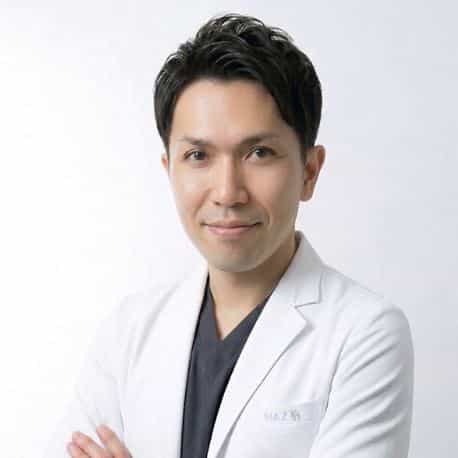
HELENE - Stem Cell Clinic


Overview
Japan Regenerative Medicine Leading Brand With over a decade of experience and more than 17,000 treated patients. Providing cutting-edge stem cell therapies tailored to various health concerns.
Read more details

 100.00% Patient Recommend
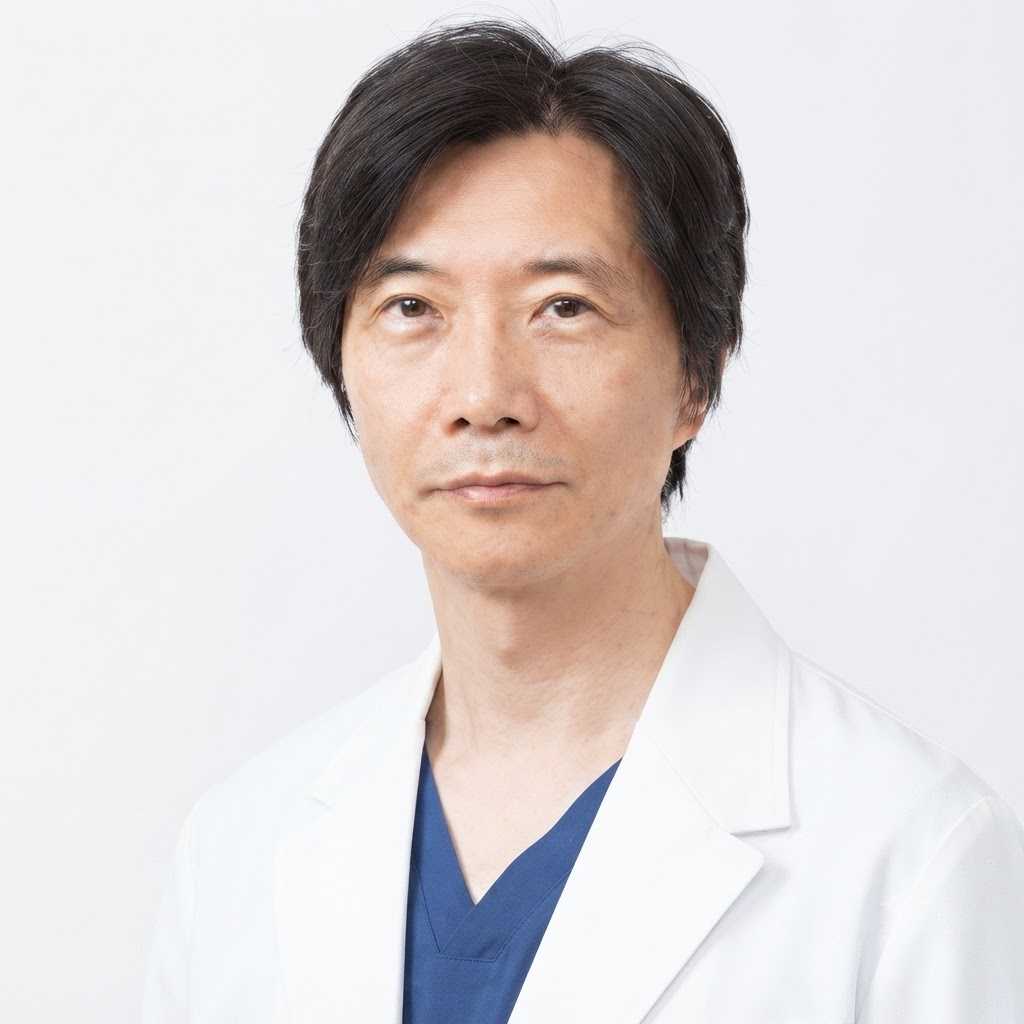
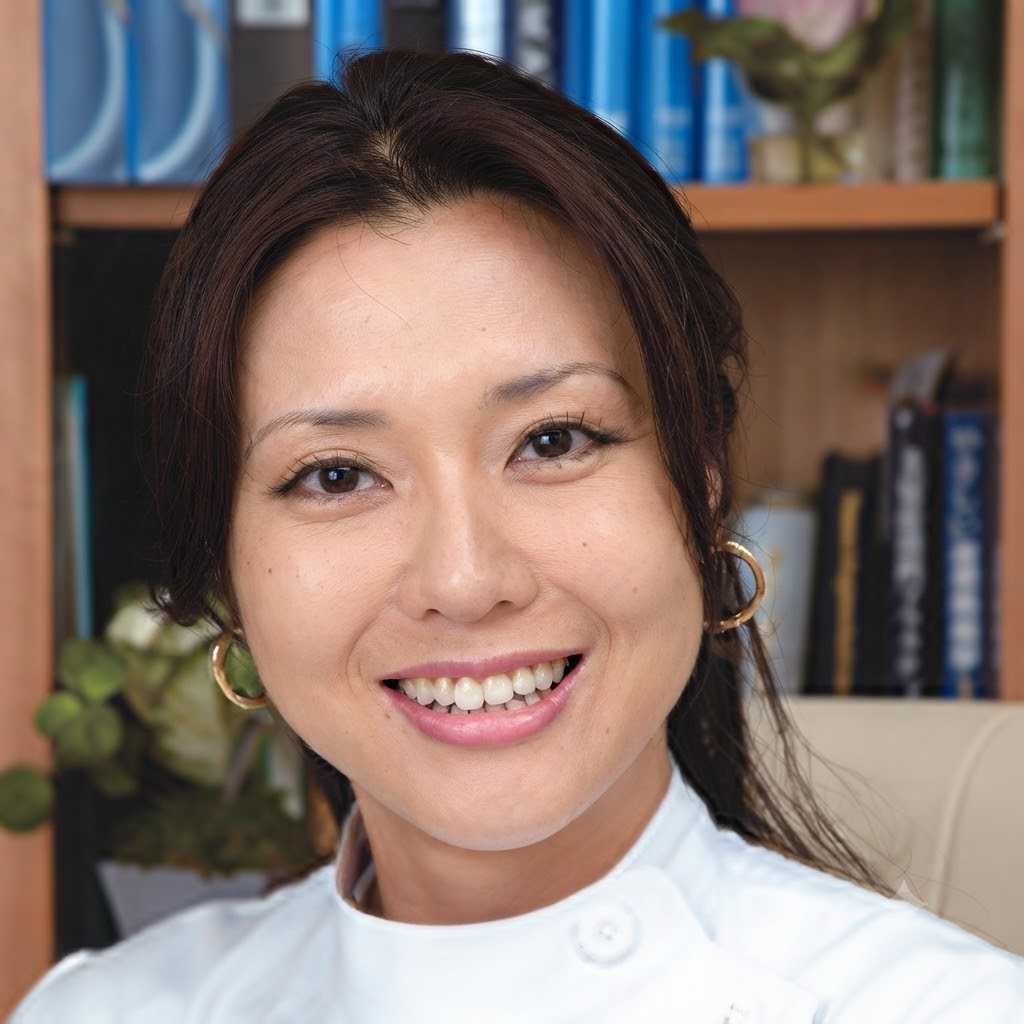
Azabu Skin Clinic - Dermatology and Stem Cell Therapy in Japan
Overview
Azabu Skin Clinic in Tokyo offers advanced stem cell treatments, regenerative treatments, dermatology, and aesthetic care. Book your consultation today.
Read more details
 100.00% Patient Recommend
Cell Grand Clinic - Best Stem Cell Clinic in Japan
Overview
Explore Cell Grand Clinic, the best stem cell clinic in Japan specializing in top regenerative therapies for anti-aging, chronic conditions, and wellness.
Read more details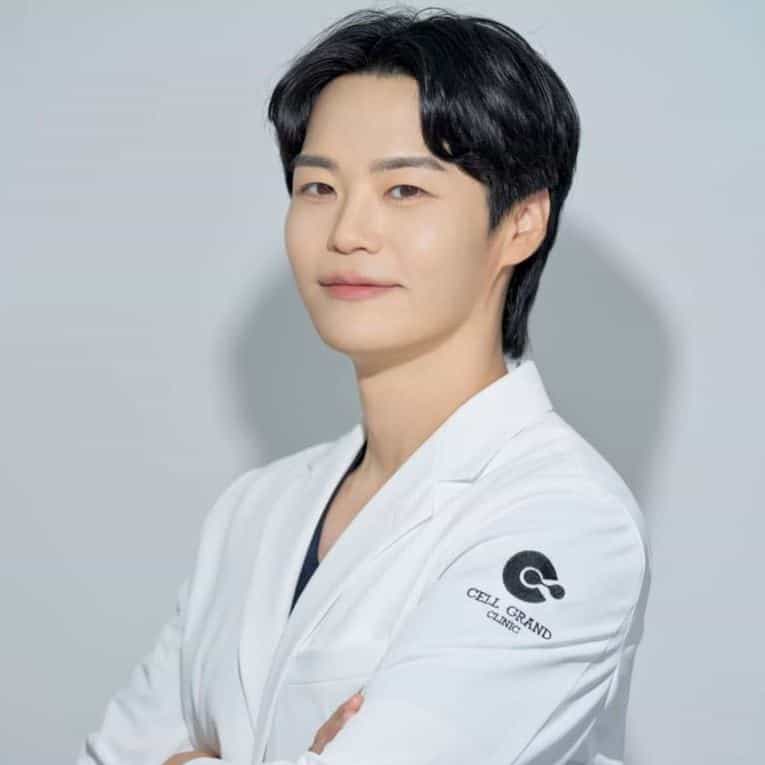
Clinique Haru Osaka Umeda - Japan Stem Cell Treatment
Overview
Clinique Haru Osaka Umeda specializes in Japan stem cell treatments for joint and musculoskeletal conditions using advanced regenerative medicine.
Read more detailsDiscover your treatment options with a free, no-obligation quote!
Get your quote now!
Riso Clinic - Japan Stem Cell Therapy
Overview
Explore Japan stem cell therapy at Riso Clinic in Tokyo. Advanced regenerative treatments for knee osteoarthritis, joint injuries, and cartilage repair.
Read more details
copy.png)
Authored by
Usama Ahmad
Medical content writer with 5+ years of experience specializing in stem cells and regenerative medicine content.
Reviewed by
Dr. Alejandro Fernando
Dr. Alejandro Fernando is a top stem cell specialist in Mexico City, specializing in regenerative medicine, cellular therapies, and chronic disease treatment and Medical Content Reviewer
Last updated on
Which are the best Stem Cell Therapy for Lymphoma clinics in Tokyo, Japan?
When seeking Stem Cell Therapy for Lymphoma in Tokyo, Japan, HELENE - Stem Cell Clinic stands out among the listed options. It's recognized as a leading brand in regenerative medicine, with a high patient recommendation rate and extensive experience in advanced cellular therapies. Patients value its cutting-edge treatments and comprehensive approach to various health concerns, including innovative strategies for lymphoma support.
While many clinics worldwide offer advanced regenerative treatments, finding specialized care for specific conditions like lymphoma in Tokyo requires a focused search. Based on available data, HELENE - Stem Cell Clinic is a prominent facility in Tokyo, Japan. This clinic is celebrated for its commitment to regenerative medicine and has garnered excellent patient feedback, with a 100% patient recommendation rate from 10 reviews. They focus on delivering personalized, cutting-edge stem cell therapies, making them a strong contender for those exploring lymphoma treatment options through regenerative approaches in Japan. Their experience in regenerative medicine broadly supports complex health challenges.
What criteria should I use to select a Stem Cell Therapy for Lymphoma clinic in Tokyo?
When selecting a Stem Cell Therapy for Lymphoma clinic in Tokyo, prioritize facilities with strong accreditations, extensive experience in regenerative oncology, and a clear focus on patient safety and ethical treatment. Look for transparency in treatment protocols, advanced technological capabilities, and comprehensive patient support services tailored for lymphoma care and immune system recovery.
Choosing the right clinic for Stem Cell Therapy for Lymphoma is a critical decision. Key factors to consider in Tokyo include:
- Accreditation and Regulatory Compliance: Ensure the clinic adheres to Japanese Ministry of Health, Labour and Welfare guidelines for regenerative medicine, and ideally holds international accreditations for quality and safety.
- Physician Expertise: Look for specialists with backgrounds in hematology, oncology, and regenerative medicine, specifically experienced in treating lymphoma with cellular therapies.
- Treatment Protocols: Inquire about their specific protocols for lymphoma, including the type of stem cells used (e.g., autologous, allogeneic), cell processing methods, and personalized treatment plans.
- Technology and Facilities: Modern clinics should boast state-of-the-art laboratories for cell processing, advanced diagnostic imaging, and sterile environments crucial for patient safety during and after treatment.
- Patient Testimonials and Outcomes: Review patient feedback and discuss reported success rates for similar lymphoma cases, understanding that individual results can vary significantly.
- Support Services: A good clinic offers holistic support, including pre-treatment counseling, nutritional guidance, psychological support, and robust post-treatment follow-up care.
How does Stem Cell Therapy specifically address Lymphoma in a clinic setting?
In a clinic setting, Stem Cell Therapy for Lymphoma primarily aims to restore the patient's bone marrow function after high-dose chemotherapy or radiation, which are intensive treatments designed to eradicate cancer cells. Healthy stem cells are infused to rebuild the immune system, improving the body's ability to fight off residual cancer and infections, crucial for long-term recovery and remission.
Stem Cell Therapy is a cornerstone in the treatment of various lymphomas, particularly for patients with aggressive or relapsed disease. Here's a general overview of how it works in a specialized clinic:
- High-Dose Chemotherapy: Patients typically undergo intensive chemotherapy, sometimes combined with radiation, to eliminate as many lymphoma cells as possible. This process also destroys healthy bone marrow cells.
- Stem Cell Collection: Before conditioning, the patient's own healthy stem cells (autologous transplant) or compatible donor cells (allogeneic transplant) are collected and stored.
- Stem Cell Infusion: After high-dose therapy, the collected stem cells are infused intravenously, much like a blood transfusion. These cells then travel to the bone marrow, where they begin to produce new, healthy blood cells.
- Immune System Rebuilding: The new stem cells engraft and gradually repopulate the bone marrow, restoring the patient's immune system and blood-forming capacity. This recovery is vital for preventing life-threatening infections and enabling the body to continue fighting any remaining cancer cells.
- Targeted Approaches: Some innovative clinics are exploring ways to enhance stem cell therapy, potentially through combining it with immunotherapies or genetically modified cells to specifically target lymphoma cells more effectively.
What are the primary benefits of choosing a Tokyo clinic for Lymphoma stem cell treatment?
Choosing a Tokyo clinic for Lymphoma stem cell treatment offers access to Japan's advanced medical infrastructure, renowned for cutting-edge regenerative medicine and stringent quality control. Patients benefit from innovative therapies, experienced specialists, and a culture focused on meticulous patient care, which collectively contribute to high standards of cancer treatment and recovery.
Tokyo, Japan, has emerged as a global leader in medical innovation, particularly in regenerative medicine and advanced cancer therapies. The primary benefits of undergoing Stem Cell Therapy for Lymphoma in a Tokyo clinic include:
- Cutting-Edge Research & Technology: Japanese clinics often have access to the latest research and state-of-the-art technologies in stem cell science, offering innovative treatment options.
- Highly Skilled Medical Professionals: Japan is known for its rigorously trained and highly experienced medical professionals, including oncologists and regenerative medicine specialists.
- Strict Quality Standards: The Japanese healthcare system maintains high standards of quality, safety, and ethical practice in medical treatments, including cellular therapies.
- Comprehensive Patient Care: Clinics often provide meticulous, holistic care, ensuring patient comfort and well-being throughout the complex treatment journey.
- Integrated Care: Many facilities offer integrated treatment plans that combine stem cell therapy with other conventional or complementary cancer treatments for optimal outcomes.
What post-treatment care and follow-up are typically provided by Tokyo clinics for Lymphoma patients?
Tokyo clinics offering Stem Cell Therapy for Lymphoma provide comprehensive post-treatment care, focusing on preventing complications and monitoring recovery. This includes regular medical check-ups, blood tests to track immune reconstitution, infection prevention strategies, nutritional support, and tailored rehabilitation programs to aid in the patient's long-term well-being and return to daily life.
Post-treatment care is crucial for patients undergoing Stem Cell Therapy for Lymphoma. Tokyo clinics are typically well-equipped to offer extensive follow-up, which often includes:
- Regular Monitoring: Frequent blood tests and examinations are conducted to monitor engraftment (the process of new stem cells settling in the bone marrow), detect any residual lymphoma cells, and track the recovery of the immune system.
- Infection Control: Patients are highly susceptible to infections after a stem cell transplant. Clinics provide strict infection prevention protocols, including medication and environmental controls, and educate patients on self-care.
- Management of Side Effects: Any side effects from the conditioning regimen or the transplant itself (e.g., mucositis, fatigue, Graft-versus-Host Disease for allogeneic transplants) are closely managed with appropriate medications and supportive therapies.
- Nutritional Support: Dietitians often work with patients to ensure they receive adequate nutrition to support recovery and rebuild strength.
- Rehabilitation Services: Physical therapy or occupational therapy might be recommended to help patients regain strength and functionality lost during treatment.
- Psychological Support: Emotional and psychological support is often available to help patients cope with the challenges of cancer treatment and recovery.
- Long-Term Follow-up: Patients receive a schedule for long-term check-ups to monitor for late complications, recurrence, and overall health.
How do Tokyo clinics ensure patient safety during Stem Cell Therapy for Lymphoma?
Tokyo clinics prioritize patient safety during Stem Cell Therapy for Lymphoma through rigorous protocols, stringent sterile environments, highly trained medical teams, and continuous monitoring. They adhere to national and international guidelines for cell processing and administration, implement strict infection control measures, and provide intensive supportive care throughout the treatment and recovery phases to minimize risks.
Patient safety is paramount, especially for complex procedures like Stem Cell Therapy for Lymphoma. Tokyo clinics employ several measures to ensure patient well-being:
- Sterile Environments: Treatments are conducted in highly sterile environments, such as specialized clean rooms and isolation units, to prevent infections in immunocompromised patients.
- Rigorous Screening: Patients undergo thorough pre-treatment evaluations to assess their overall health, identify any potential risks, and determine their suitability for the therapy.
- Strict Cell Processing Standards: Stem cell collection, processing, and storage follow strict, scientifically validated protocols to ensure cell viability, purity, and safety, often complying with Good Manufacturing Practice (GMP) standards.
- Experienced Medical Teams: A multidisciplinary team of hematologists, oncologists, regenerative medicine specialists, nurses, and support staff, all highly experienced in stem cell transplantation, manages patient care.
- Continuous Monitoring: Patients are continuously monitored for any adverse reactions during the infusion and closely observed for complications, including infections and Graft-versus-Host Disease, in the post-transplant period.
- Infection Control: Aggressive infection control strategies, including prophylactic antibiotics and antifungal medications, are used to protect patients during the period of immune suppression.
- Emergency Preparedness: Clinics are equipped with advanced life support systems and emergency response teams to handle any acute complications that may arise.
What qualifications and specialties do doctors in Tokyo clinics hold for Lymphoma stem cell therapy?
Doctors providing Stem Cell Therapy for Lymphoma in Tokyo clinics typically hold dual specializations in hematology-oncology and regenerative medicine. They possess advanced training in stem cell transplantation, bone marrow disorders, and cancer biology, often with extensive experience in leading clinical trials and applying innovative cellular therapies for complex conditions like lymphoma, ensuring expert-level care.
The medical professionals involved in Stem Cell Therapy for Lymphoma in Tokyo clinics are highly specialized. You can expect doctors to hold the following qualifications and expertise:
- Hematology-Oncology Board Certification: Specialists are typically board-certified in hematology and oncology, indicating expertise in blood disorders and cancer treatment.
- Advanced Training in Stem Cell Transplantation: Many have undergone specific fellowships or extensive training in stem cell and bone marrow transplantation, a highly specialized field.
- Regenerative Medicine Expertise: With Japan being a hub for regenerative medicine, doctors often have additional expertise and certifications in cellular therapy and its application beyond traditional oncology.
- Research and Clinical Trial Involvement: Leading physicians may also be actively involved in research, contributing to the development of new stem cell technologies and participating in clinical trials for lymphoma treatments.
- Multidisciplinary Approach: Clinics often employ a team approach, including collaboration with immunologists, pathologists, and other specialists, to ensure comprehensive care for lymphoma patients.
- International Experience: Given Tokyo's role in medical tourism, many doctors may have international experience or training, and some might be proficient in English to better communicate with global patients.
Are there specific technological advancements in Stem Cell Therapy for Lymphoma at Tokyo clinics?
Yes, Tokyo clinics are at the forefront of technological advancements in Stem Cell Therapy for Lymphoma, incorporating innovations such as advanced exosome therapies, gene editing techniques like CRISPR, and enhanced cell culturing methods. These aim to improve the precision of targeting lymphoma cells, reduce side effects, and optimize immune system restoration, offering cutting-edge regenerative approaches for complex cancers.
Tokyo is a hub for medical innovation, and clinics specializing in Stem Cell Therapy for Lymphoma are often among the first to adopt cutting-edge technologies and approaches. Some specific advancements include:
- Exosome Therapy: Beyond direct stem cell infusion, some clinics are exploring exosome therapy. Exosomes are tiny vesicles released by stem cells that carry genetic information and proteins, facilitating cell-to-cell communication and promoting healing and immune modulation more indirectly.
- Enhanced Cell Culturing Techniques: Advanced labs in Tokyo are continually refining methods to culture and expand specific types of stem cells, ensuring higher purity, potency, and quantity for therapeutic use. This is vital for maximizing the regenerative potential of the treatment.
- Gene-Modified Cellular Therapies: While still largely in clinical trial phases, Japanese research centers and advanced clinics are investigating gene-modified stem cells or immune cells (like CAR T-cells, which are a form of cellular immunotherapy) that can be engineered to specifically recognize and destroy lymphoma cells.
- Precision Medicine Integration: Clinics are increasingly integrating genomic and proteomic data to personalize stem cell therapy, matching the treatment more precisely to the patient's specific lymphoma characteristics for improved efficacy.
- Advanced Imaging for Delivery: High-resolution imaging techniques, such as PET-CT and advanced MRI, are used not only for diagnosis but also for precise guidance during cell delivery and monitoring treatment response.
What are the success factors for Stem Cell Therapy for Lymphoma patients in Japan?
Success in Stem Cell Therapy for Lymphoma in Japan hinges on factors like the patient's overall health, lymphoma type and stage, response to prior treatments, and the clinic's expertise. Early diagnosis, a personalized treatment plan, precise stem cell processing, and rigorous post-transplant care are critical for achieving remission and improving long-term survival and quality of life for cancer patients.
The success of Stem Cell Therapy for Lymphoma in Japanese clinics is influenced by a combination of patient-specific, disease-specific, and treatment-specific factors. Understanding these can help set realistic expectations:
- Disease Characteristics:
- Type and Stage of Lymphoma: Certain types of lymphoma respond better to stem cell therapy than others. Early-stage disease or less aggressive forms generally have higher success rates.
- Response to Prior Treatment: Patients who achieve a partial or complete remission with initial chemotherapy before transplant often have better outcomes.
- Genetic Markers: Specific genetic mutations or biomarkers in the lymphoma cells can also influence prognosis and treatment effectiveness.
- Patient Health Factors:
- Overall Health and Age: Younger patients and those in better general health (fewer comorbidities) tend to tolerate the intensive treatment better and recover faster.
- Immune System Status: A relatively strong immune system prior to conditioning can aid in a smoother recovery post-transplant.
- Clinic and Treatment Quality:
- Expertise of the Medical Team: Highly experienced oncologists and regenerative medicine specialists are crucial for optimizing treatment protocols and managing complications.
- Quality of Stem Cells: The purity, viability, and number of stem cells collected and infused significantly impact engraftment and overall success.
- Supportive Care: Excellent post-transplant care, including infection prevention and complication management, directly influences recovery and survival rates.
What is the recovery timeline for Stem Cell Therapy for Lymphoma at Tokyo facilities?
The recovery timeline for Stem Cell Therapy for Lymphoma at Tokyo facilities typically involves an initial inpatient stay of several weeks for engraftment and acute symptom management. Full immune system recovery can take several months to over a year, requiring diligent outpatient follow-up, adherence to medication, and gradual reintegration into normal activities to ensure long-term health and monitor for complications.
The recovery from Stem Cell Therapy for Lymphoma is a multi-phase process that requires patience and consistent medical oversight. While individual experiences vary, here's a general timeline at Tokyo facilities:
- Phase 1: Immediate Post-Transplant (First 2-4 weeks)
- Hospital Stay: Patients typically remain hospitalized for several weeks after the stem cell infusion.
- Engraftment: During this time, the transplanted stem cells begin to engraft in the bone marrow, starting to produce new blood cells.
- Immune Suppression: The patient's immune system is severely suppressed, making them highly vulnerable to infections. Strict isolation and intensive supportive care are provided.
- Acute Side Effects: Patients may experience fatigue, nausea, mouth sores (mucositis), and other side effects from the high-dose chemotherapy.
- Phase 2: Early Recovery (1-3 months post-transplant)
- Outpatient Care: Most patients are discharged but require frequent outpatient visits for monitoring and transfusions if needed.
- Immune Reconstitution: The new immune system starts to rebuild, but it remains weak. Patients must avoid crowds and adhere to strict hygiene.
- Gradual Return to Activity: Energy levels slowly improve, allowing for light activities and a gradual return to a more normal routine.
- Phase 3: Long-Term Recovery (3 months to over a year)
- Full Immune Recovery: The immune system gradually matures. Complete recovery can take 6-12 months, or even longer for allogeneic transplants due to Graft-versus-Host Disease risk.
- Long-Term Follow-up: Regular check-ups continue to monitor for late complications, recurrence of lymphoma, and overall health.
- Lifestyle Adjustments: Patients receive guidance on diet, exercise, and vaccinations to maintain long-term health and prevent infections.
What role does personalized treatment play in Stem Cell Therapy for Lymphoma in Japan?
Personalized treatment is crucial in Stem Cell Therapy for Lymphoma in Japan, where clinics tailor approaches based on individual patient and disease factors. This includes selecting the optimal stem cell source, customizing conditioning regimens, and fine-tuning post-transplant care to maximize efficacy, minimize toxicity, and improve long-term outcomes for each unique lymphoma patient.
Personalized medicine is increasingly becoming the standard of care in advanced cancer treatments, and Stem Cell Therapy for Lymphoma in Japan is no exception. This tailored approach plays a vital role:
- Individualized Diagnosis: Advanced diagnostic techniques, including molecular profiling of the lymphoma cells, help identify specific genetic mutations or characteristics unique to each patient's cancer. This information guides treatment selection.
- Customized Conditioning Regimens: The high-dose chemotherapy and/or radiation given before a transplant is often adjusted based on the patient's age, overall health, specific type of lymphoma, and previous treatments. This balances efficacy against toxicity.
- Optimal Stem Cell Source Selection: Decisions on whether to use autologous (patient's own) or allogeneic (donor) stem cells, and the specific type of donor (sibling, unrelated, umbilical cord blood), are highly personalized. Factors include disease stage, patient age, and availability of a matched donor.
- Targeted Supportive Care: Post-transplant care, including infection prevention, symptom management, and nutritional support, is tailored to the individual's recovery progress and specific risk factors for complications.
- Long-Term Surveillance: Follow-up plans are customized to the patient's lymphoma type, risk of recurrence, and any lingering side effects, ensuring ongoing monitoring and timely intervention.
- Precision Medicine Approaches: Japanese clinics are integrating cutting-edge research in precision medicine to identify specific molecular pathways driving the lymphoma, potentially allowing for more targeted therapies in conjunction with stem cell treatment.
How do Tokyo clinics integrate Stem Cell Therapy with other Lymphoma treatments?
Tokyo clinics integrate Stem Cell Therapy for Lymphoma into comprehensive treatment plans by combining it with conventional therapies like chemotherapy, radiation, and immunotherapy. This multidisciplinary approach ensures that stem cell transplantation is strategically timed after initial treatments to achieve maximal cancer cell reduction, followed by robust immune reconstitution and sustained remission, optimizing patient outcomes.
Integrating Stem Cell Therapy seamlessly with other treatments is key to maximizing its effectiveness against lymphoma. Tokyo clinics typically employ a multidisciplinary strategy:
- Sequential Treatment: Stem cell therapy is often not a standalone treatment but rather a critical component within a sequence. It typically follows initial cycles of chemotherapy (induction therapy) aimed at reducing the cancer burden.
- Consolidation Therapy: For many lymphoma types, stem cell transplantation serves as "consolidation therapy" after patients have achieved a remission with standard chemotherapy. The high-dose treatment aims to eliminate any remaining cancer cells that survived initial therapy.
- Maintenance Therapy Integration: After a successful stem cell transplant, some patients may receive maintenance therapy, which could involve targeted drugs or immunotherapy, to further reduce the risk of lymphoma recurrence.
- Bridging to Immunotherapy: For certain aggressive or refractory lymphomas, stem cell transplant may be used as a bridge to other advanced immunotherapies, such as CAR T-cell therapy, by preparing the patient's immune system or eliminating a large tumor load.
- Radiation Therapy: In some cases, localized radiation therapy may be administered before or after the stem cell transplant to target specific areas of disease or as part of the conditioning regimen.
- Holistic Support: Beyond direct medical treatments, clinics in Tokyo often integrate supportive care, including nutrition, physical therapy, and psychological counseling, to manage side effects and enhance the overall effectiveness of the combined therapies.
What research and clinical trials are ongoing for Lymphoma stem cell therapy in Japan?
Japan is actively involved in significant research and clinical trials for Lymphoma stem cell therapy, focusing on enhancing treatment efficacy and reducing side effects. Current studies include optimizing conditioning regimens, developing novel cell expansion techniques, exploring gene-edited stem cells, and integrating stem cell transplants with next-generation immunotherapies to improve patient outcomes and achieve more durable remissions.
Japan is a global leader in regenerative medicine research, with many institutions and clinics actively engaged in advancing Stem Cell Therapy for Lymphoma. Ongoing research and clinical trials in Japan often focus on:
- Improving Conditioning Regimens: Researchers are investigating new chemotherapy or radiation protocols that are more effective at eradicating lymphoma cells while minimizing toxicity to healthy tissues, aiming for a better balance between efficacy and side effects.
- Novel Cell Sources and Expansion: Studies are exploring alternative sources of stem cells or improved methods for expanding the number and potency of collected stem cells outside the body, which could benefit patients who have difficulty mobilizing enough cells.
- Gene-Edited Stem Cells: Advanced trials are looking into genetically modifying a patient's own stem cells or immune cells to make them more potent at fighting lymphoma, for example, by engineering them to express specific anti-cancer receptors.
- Integration with Immunotherapy: A significant area of research is combining stem cell transplantation with novel immunotherapies, such as checkpoint inhibitors or bispecific antibodies, to harness the power of the re-established immune system against residual lymphoma cells.
- Reducing Graft-versus-Host Disease (GvHD): For allogeneic transplants, research is ongoing to develop strategies that prevent or mitigate GvHD, a major complication where donor immune cells attack the recipient's healthy tissues.
- Predictive Biomarkers: Japanese scientists are working to identify biomarkers that can predict which patients are most likely to benefit from stem cell therapy and which might experience severe side effects, allowing for more precise patient selection.
How PlacidWay helps individuals access Stem Cell Therapy for Lymphoma in Tokyo, Japan?
PlacidWay provides detailed, up-to-date information about Stem Cell Therapy for Lymphoma, including benefits, risks, and expected outcomes, empowering you with knowledge. We help users compare treatment in various clinics in Japan, ensuring affordable options without compromising on quality by connecting you with top-tier facilities. PlacidWay assists users in finding trusted, accredited clinics and medical professionals specializing in Stem Cell Therapy for Lymphoma in Tokyo, Japan. We offer one-on-one consultations to help users make informed decisions about their treatment, ensuring their specific needs are met with personalized guidance. PlacidWay ensures continued support after the treatment, including assistance with follow-up care and recovery, making your entire medical journey as smooth as possible. Ready to get Stem Cell Therapy for Lymphoma in Tokyo, Japan? Contact us today for a personalized consultation.Share with AI
Share this page with AI assistants to get summaries and insights


List of Best Stem Cell Therapy for Lymphoma Clinics in Japan
Explore Stem Cell Therapy for Lymphoma: Stories, Testimonials, and Procedures
Watch in-depth videos covering everything from Stem Cell Therapy for Lymphoma success stories to detailed procedure explanations. Learn what to expect and hear from real patients.
Safety of Stem Cell Therapy Explained by Cell Grand Clinic in Osaka, Japan
Cancer Treatment
Cell Grand Clinic - Best Stem Cell Clinic in Japan
Osaka, Japan
Stem Cell Therapy in Japan by Dr. Yuichi Wakabayashi: Why Patients Prefer Cell Grand Clinic Osaka
Cancer Treatment
Cell Grand Clinic - Best Stem Cell Clinic in Japan
Osaka, Japan
How Stem Cell Therapy Works at Cell Grand Clinic in Osaka, Japan
Cancer Treatment
Cell Grand Clinic - Best Stem Cell Clinic in Japan
Osaka, Japan
Minimally Invasive Stem Cell Therapy and Advanced Cultivation
Cancer Treatment
HELENE - Stem Cell Clinic
Tokyo, Japan
Unlock the Best Stem Cell Therapy for Lymphoma Packages Just for You
Discover the ultimate Stem Cell Therapy for Lymphoma packages designed to meet your health and wellness goals. Choose the perfect fit for your journey.

Price starting from $19,800
Stem Cell Treatment Online Consultation Package in Osaka, Japan by Cell Grand Clinic
Cell Grand Clinic - Best Stem Cell Clinic in Japan
- Stem Cell Therapy
Osaka, Japan
Price starting from $16,000
Stem Cell Treatment for Autism Package - Malaysia
Dr. Ebenezer Abel Paul - Stem Cells in Malaysia
- Stem Cell Therapy
Kuala Lumpur, Malaysia

Price starting from $19,800
AGA/FAGA Stem Cell Therapy for Hair Loss Package in Osaka, Japan by Cell Grand Clinic
Cell Grand Clinic - Best Stem Cell Clinic in Japan
- Stem Cell Therapy
Osaka, Japan
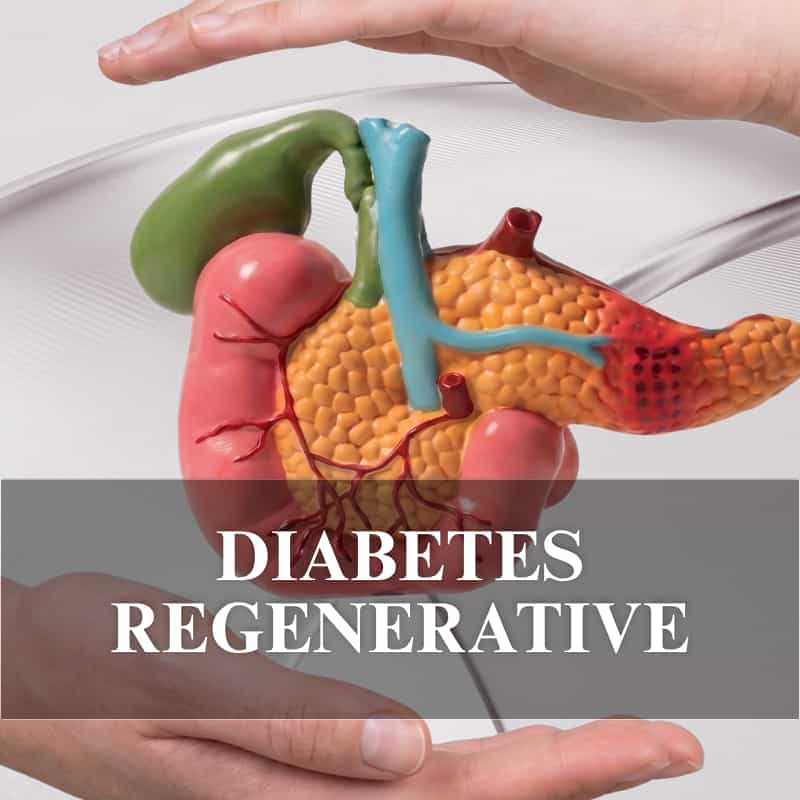
Price starting from $19,800
Diabetes Regenerative Medicine Package in Osaka, Japan by Cell Grand Clinic
Cell Grand Clinic - Best Stem Cell Clinic in Japan
- Stem Cell Therapy
Osaka, Japan
Transformative Stem Cell Therapy for Lymphoma Experiences: Dive into Procedure Insights
Discover the power of Stem Cell Therapy for Lymphoma through compelling patient experiences. Uncover detailed insights into procedures, recovery journeys, and life-changing results.
.png)
Price starting from $9,800
Stem Cell Therapy for Dementia in Kuala Lumpur, Malaysia
- Stem Cell Therapy
Kuala Lumpur, Malaysia
.png)
Price starting from $9,800
Stem Cell for Spinal Cord Injury in Kuala Lumpur, Malaysia
- Stem Cell Treatment for Spinal Cord Injury, Stem Cell Therapy
Kuala Lumpur, Malaysia
.png)
Price starting from $15,800
Stem Cell Therapy for Kidney Failure in Kuala Lumpur, Malaysia
- Stem Cell Treatment for Kidney Failure, Stem Cell Therapy
Kuala Lumpur, Malaysia
.png)
Price starting from $9,800
Stem Cell Therapy for Brain Injury in Kuala Lumpur, Malaysia
- Stem Cell Therapy for Brain Injury, Stem Cell Therapy
Kuala Lumpur, Malaysia








(Translated by Google) The teacher is nice, but I am bothered by the staff\'s private conversations (laughter) and their behavior. (Original) 先生はいい方なのですが、スタッフの私語(笑い声)や対応が気になります。
Read More