
What treatment


3+ Best Clinics for Stem Cell Therapy for Stroke in Japan
Trusted Medical Tourism Platform Since 2007
What are the best stem cell therapy clinics for stroke in Japan?
The leading stem cell therapy clinics in Japan include HELENE - Stem Cell Clinic (Tokyo), Cell Grand Clinic (Osaka), Azabu Skin Clinic (Tokyo), and Clinique Haru Osaka Umeda (Osaka).
These facilities operate under the strict regulations of the Ministry of Health, Labour and Welfare (MHLW) and the Regenerative Medicine Safety Assurance Act. They primarily utilize Mesenchymal Stem Cells (MSCs) to treat neurological conditions such as stroke and spinal cord injuries, alongside diabetes, osteoarthritis, and anti-aging. Treatment costs across these specialized clinics range from $5,000 to $68,000 USD, depending on the targeted condition and comprehensive rehabilitation protocol.
 100.00% Patient Recommend
Cell Grand Clinic - 日本で最高の幹細胞クリニック


Overview
Explore Cell Grand Clinic, the best stem cell clinic in Japan specializing in top regenerative therapies for anti-aging, chronic conditions, and wellness.
Read more details

 82.81% Patient Recommend
HELENE - Stem Cell Clinic
Overview
Japan Regenerative Medicine Leading Brand With over a decade of experience and more than 17,000 treated patients. Providing cutting-edge stem cell therapies tailored to various health concerns.
Read more details
 100.00% Patient Recommend
Azabu Skin Clinic - Dermatology and Stem Cell Therapy in Japan
Overview
Azabu Skin Clinic in Tokyo offers advanced stem cell treatments, regenerative treatments, dermatology, and aesthetic care. Book your consultation today.
Read more details
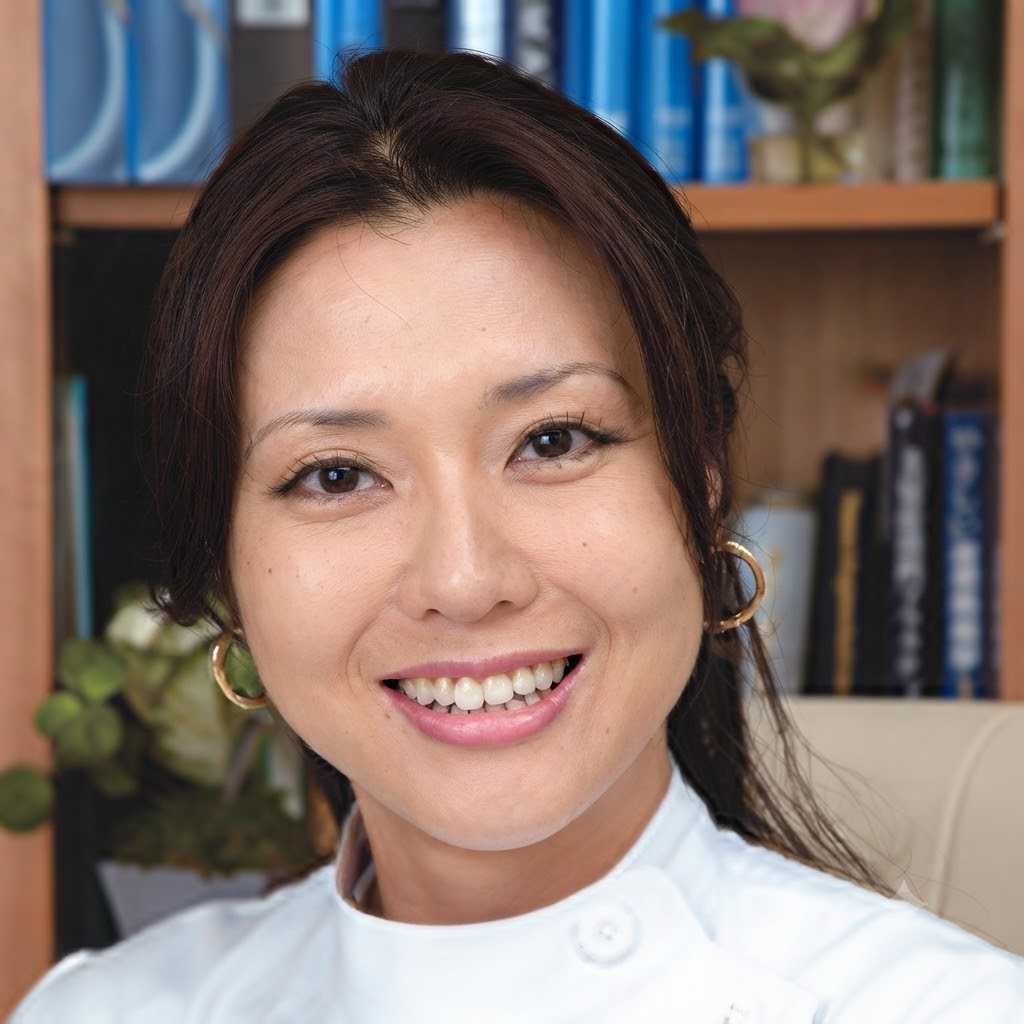
Clinique Haru Osaka Umeda - Japan Stem Cell Treatment
Overview
Clinique Haru Osaka Umeda specializes in Japan stem cell treatments for joint and musculoskeletal conditions using advanced regenerative medicine.
Read more detailsDiscover your treatment options with a free, no-obligation quote!
Get your quote now!
Riso Clinic - Japan Stem Cell Therapy
Overview
Explore Japan stem cell therapy at Riso Clinic in Tokyo. Advanced regenerative treatments for knee osteoarthritis, joint injuries, and cartilage repair.
Read more details
Which are the best Stem Cell Therapy for Stroke clinics in Japan?
For Stem Cell Therapy for Stroke in Japan, top-rated clinics recognized for their expertise include HELENE - Stem Cell Clinic in Tokyo and Cell Grand Clinic in Osaka. These facilities are known for advanced regenerative medicine and patient-focused approaches. HELENE offers cutting-edge therapies with extensive experience, while Cell Grand specializes in treatments for chronic conditions and overall wellness, contributing to strong neurological recovery outcomes.
When considering Stem Cell Therapy for Stroke in Japan, two prominent clinics consistently stand out for their specialized care and advanced regenerative medicine. HELENE - Stem Cell Clinic, located in Tokyo, is a leading brand in Japanese regenerative medicine, with over a decade of experience and a track record of treating thousands of patients. They are recognized for providing cutting-edge stem cell therapies tailored to diverse health concerns, including neurological conditions like stroke. Their approach emphasizes innovation and personalized care, crucial for effective stroke recovery treatment in Japan.
Another highly-regarded institution is Cell Grand Clinic in Osaka. This facility is praised as one of Japan's premier stem cell clinics, specializing in regenerative therapies for chronic conditions, anti-aging, and overall wellness. While their focus extends beyond stroke, their expertise in harnessing stem cells for cellular repair and rejuvenation is highly beneficial for patients seeking neurological recovery. Both clinics adhere to Japan's stringent medical standards and are dedicated to optimizing patient outcomes through advanced research and comprehensive treatment protocols.
What specialized facilities should I look for in a Japanese clinic for Stroke Stem Cell Therapy?
When selecting a Japanese clinic for Stroke Stem Cell Therapy, prioritize facilities offering advanced neurorehabilitation units, dedicated stem cell laboratories for stringent cell processing, and state-of-the-art diagnostic imaging. Look for specialized gyms, robotic therapy, and accessible patient environments, all crucial for maximizing neurological recovery and ensuring comprehensive post-treatment support.
For individuals seeking effective Stem Cell Therapy for Stroke in Japan, the quality and specialization of clinic facilities play a crucial role in the overall treatment success. Look for centers that feature dedicated neurorehabilitation units equipped with modern technology. This includes specialized physical therapy gyms, occupational therapy areas, and speech therapy rooms designed to address the specific deficits associated with stroke.
Advanced diagnostic imaging technologies such as high-resolution MRI, PET scans, and functional imaging are also essential for accurate assessment of brain damage and monitoring treatment progress. Furthermore, world-class clinics should operate their own or have direct access to highly regulated stem cell laboratories. These labs ensure the safe and sterile processing, culture, and storage of stem cells, guaranteeing the highest quality and purity for neurological recovery treatments. Robotic rehabilitation systems, virtual reality therapy, and even hyperbaric oxygen chambers are additional specialized facilities that can significantly enhance the therapeutic outcomes for stroke patients.
How important is the clinic's experience with neurological conditions when seeking stroke rehabilitation in Japan?
A clinic's deep experience with neurological conditions is paramount for effective Stem Cell Therapy for Stroke in Japan. This ensures medical teams possess specialized knowledge in stroke pathophysiology, enabling them to customize treatments, integrate therapies with rehabilitation, and manage complex cases, significantly improving safety and potential neurological recovery outcomes.
When considering Stem Cell Therapy for Stroke in Japan, the clinic's experience with a broad range of neurological conditions is incredibly important. This experience translates into a profound understanding of the intricate mechanisms behind stroke and its diverse presentations. A team well-versed in neurology can accurately diagnose, assess the extent of neurological damage, and tailor the most appropriate stem cell type and delivery method for each patient.
Experienced neurological specialists can also anticipate potential complications and effectively manage them, ensuring patient safety throughout the treatment journey. Moreover, their expertise allows for seamless integration of stem cell therapy with intensive, personalized neurological rehabilitation programs, which are critical for maximizing functional recovery after a stroke. This specialized knowledge is a cornerstone of achieving optimal and sustained improvements in motor function, speech, and cognitive abilities, making it a key factor in choosing a clinic for stroke treatment in Japan.
Do Japanese Stem Cell Therapy centers for stroke offer comprehensive post-treatment rehabilitation?
Yes, leading Japanese Stem Cell Therapy centers for stroke typically integrate comprehensive post-treatment rehabilitation as a crucial component of their care protocols. This holistic approach combines advanced stem cell treatment with intensive physical, occupational, and speech therapy, often using cutting-edge technologies like robotics, to maximize neurological recovery and functional independence.
Absolutely. Japanese Stem Cell Therapy centers renowned for stroke treatment understand that successful neurological recovery extends beyond the cellular therapy itself. These facilities typically offer robust, multi-disciplinary rehabilitation programs designed to complement the regenerative effects of stem cells. Patients often engage in intensive physical therapy aimed at improving mobility, strength, and coordination. Occupational therapy focuses on regaining independence in daily activities, while speech therapy addresses communication and swallowing difficulties.
Many modern Japanese clinics also incorporate advanced rehabilitation technologies, such as robotic-assisted gait training, virtual reality therapy, and brain-computer interface systems. These tools can enhance neuroplasticity and accelerate the recovery process, helping patients achieve greater functional improvements. The emphasis on an integrated care model ensures that patients receive continuous support, optimizing their chances for long-term neurological recovery and a better quality of life after stroke treatment in Japan.
What patient support services are available at top Stem Cell Therapy clinics for stroke in Japan?
Top Stem Cell Therapy clinics for stroke in Japan provide extensive patient support, particularly for international visitors. These services typically include multilingual staff, translation assistance, help with travel logistics like airport transfers and accommodation, visa guidance, and dedicated patient coordinators to ensure a seamless and supportive experience throughout the neurological recovery journey.
For international patients considering Stem Cell Therapy for Stroke in Japan, robust patient support services are a hallmark of leading clinics. These services are designed to alleviate the complexities of seeking medical care abroad and ensure a comfortable experience. You can expect to find:
- Multilingual Staff and Translators: Many clinics employ staff fluent in English and other major languages, and provide professional medical interpretation services to ensure clear communication between patients and the medical team.
- Travel and Accommodation Assistance: Clinics often help arrange airport transfers, local transportation, and recommend suitable accommodations that cater to patient needs, including accessibility.
- Visa and Documentation Support: Guidance and assistance with visa applications and necessary medical documentation for entry into Japan can be provided.
- Dedicated Patient Coordinators: A personal coordinator often guides patients through every step, from initial inquiry and medical record submission to scheduling appointments and post-treatment follow-up.
- Cultural Sensitivity: Clinics are generally prepared to accommodate diverse cultural and dietary needs, making the experience more comfortable for international patients focused on neurological recovery.
How do Japanese clinics ensure safety and ethical practices in Stem Cell Therapy for stroke patients?
Japanese clinics ensure safety and ethical practices in Stem Cell Therapy for stroke by strictly adhering to the Regenerative Medicine Safety Assurance Act. This involves meticulous patient screening, employing highly sterile laboratory conditions for cell preparation, and adhering to transparent, evidence-based treatment protocols. Continuous regulatory oversight and comprehensive informed consent are also foundational pillars for neurological recovery treatments.
Japan is recognized globally for its rigorous regulatory framework concerning regenerative medicine, including Stem Cell Therapy for Stroke. Clinics offering these treatments operate under the Act on the Safety of Regenerative Medicine, enacted by the Ministry of Health, Labour and Welfare (MHLW). This act mandates strict guidelines to ensure both patient safety and ethical conduct. Key aspects include:
- Rigorous Approval Process: All regenerative medicine treatment plans must be submitted to and approved by an authorized Certified Regenerative Medicine Committee and the MHLW.
- Quality Control: Strict standards are maintained for the collection, processing, culture, and storage of stem cells in highly sterile, certified laboratories. This minimizes contamination risks and ensures cell viability and purity.
- Patient Screening: Comprehensive patient evaluations determine suitability for treatment, ensuring that the therapy is appropriate and risks are minimized.
- Informed Consent: Patients receive detailed explanations of the treatment, including potential benefits, risks, alternative therapies, and expected outcomes, allowing for fully informed decision-making.
- Post-Treatment Monitoring: Clinics are required to monitor patients for an extended period post-treatment to track efficacy and detect any adverse events, contributing to ongoing research and safety improvements in neurological recovery.
Are there specific types of stem cells used for stroke recovery treatments in Japan?
Japanese clinics primarily utilize Mesenchymal Stem Cells (MSCs) for stroke recovery treatments, often sourced from bone marrow or adipose tissue due to their regenerative and anti-inflammatory properties. These adult stem cells are favored for their ability to promote neural repair and reduce damage, contributing to enhanced neurological recovery after stroke.
In Japan, various types of stem cells are researched and applied for stroke recovery, with Mesenchymal Stem Cells (MSCs) being the most commonly utilized for clinical treatments. MSCs are multipotent stromal cells that can differentiate into a variety of cell types, but more importantly for stroke, they possess strong anti-inflammatory, immunomodulatory, and neuroprotective properties. These characteristics make them ideal for promoting repair in the brain tissue damaged by stroke.
MSCs are typically sourced from the patient's own body (autologous), commonly from bone marrow or adipose (fat) tissue, which significantly reduces the risk of immune rejection. Some advanced research centers may also explore other types of stem cells, such as neural stem cells (NSCs) or induced pluripotent stem cells (iPSCs), for their potential to directly replace damaged brain cells. However, MSCs currently dominate clinical applications due to their safety profile and ease of extraction and expansion, offering a promising avenue for neurological recovery and functional improvement in stroke patients in Japan.
What is the typical patient journey at a Stem Cell Therapy for Stroke clinic in Japan?
The patient journey at a Japanese Stem Cell Therapy for Stroke clinic typically begins with a thorough medical evaluation and personalized treatment plan development. This is followed by the stem cell procurement and preparation, the therapy administration itself, and then crucial intensive post-treatment neurological rehabilitation, all complemented by structured follow-up care for optimal recovery.
The patient journey for Stem Cell Therapy for Stroke in Japan is carefully structured to ensure comprehensive care and maximize recovery potential. Here's a general outline:
- Initial Consultation and Evaluation: This involves reviewing medical records, detailed neurological assessments, and advanced imaging (MRI, CT scans) to understand the stroke's impact and eligibility for therapy.
- Personalized Treatment Plan: Based on the evaluation, a customized plan is developed, outlining the type of stem cells, number of infusions, and overall treatment duration.
- Stem Cell Procurement and Preparation: If autologous stem cells are used, a minor procedure (e.g., bone marrow aspiration or fat tissue extraction) is performed. The cells are then processed and expanded in a specialized laboratory.
- Stem Cell Administration: The prepared stem cells are administered, typically intravenously or directly into the affected areas of the brain or spinal fluid. This procedure is generally minimally invasive.
- Post-Treatment Rehabilitation: This is a critical phase, involving intensive physical, occupational, and speech therapies to retrain the brain and body. This often includes advanced neurorehabilitation techniques.
- Follow-up and Monitoring: Regular follow-up appointments and assessments are scheduled to monitor neurological recovery, track improvements, and adjust rehabilitation strategies as needed.
How can I verify the accreditation of a Stem Cell Therapy clinic in Japan for stroke treatment?
To verify accreditation for Stem Cell Therapy clinics for stroke in Japan, ensure they are registered with the Ministry of Health, Labour and Welfare (MHLW) under the Regenerative Medicine Safety Assurance Act. Additionally, look for public records of their approved treatment plans and check for affiliations with reputable Japanese medical associations, confirming adherence to national safety and ethical standards.
Verifying the accreditation and legitimacy of a Stem Cell Therapy clinic in Japan is crucial for patients seeking stroke treatment to ensure safety and quality care. The most important step is to confirm the clinic's compliance with Japan's Act on the Safety of Regenerative Medicine. This act is overseen by the Ministry of Health, Labour and Welfare (MHLW), which sets stringent standards for the provision of regenerative therapies.
- MHLW Registration: Check if the clinic is officially registered with the MHLW and has approval for its specific stem cell treatment plans for neurological conditions. This information is often publicly accessible through the MHLW's official website or the clinic's transparent display of their approvals.
- Affiliations: Look for affiliations with reputable Japanese hospitals, universities, or medical research institutions. Such partnerships often indicate a commitment to evidence-based practices and continuous quality improvement.
- Transparency: A credible clinic will be transparent about its accreditations, treatment protocols, success rates, and the qualifications of its medical staff. They should readily provide information on demand.
- Patient Reviews and Testimonials: While not a formal accreditation, consistent positive patient feedback on independent platforms can offer insights into the patient experience and quality of care.
What role does advanced diagnostic technology play in stroke stem cell therapy in Japan?
Advanced diagnostic technology is fundamental to optimizing Stem Cell Therapy for Stroke in Japan. High-resolution MRI, PET scans, and functional imaging precisely map brain damage, guiding personalized treatment plans. These technologies also monitor stem cell integration and track neurological recovery, ensuring adaptive and effective strategies for enhanced patient outcomes and functional improvement.
Advanced diagnostic technology plays an indispensable role throughout the entire process of Stem Cell Therapy for Stroke in Japan, significantly influencing treatment precision and outcomes. Here’s how:
- Precise Damage Assessment: High-resolution imaging techniques, such as Diffusion Tensor Imaging (DTI) and functional MRI (fMRI), allow neurologists to accurately map the extent and nature of brain tissue damage caused by the stroke. This detailed understanding is crucial for tailoring individualized treatment plans.
- Targeted Therapy Delivery: Imaging technologies guide the precise delivery of stem cells to the most affected or therapeutically promising brain regions. This targeted approach maximizes the cells' potential for repair and regeneration, enhancing neurological recovery.
- Monitoring Treatment Efficacy: Post-treatment, advanced diagnostics enable specialists to monitor how the stem cells integrate and function within the brain. They can track changes in brain connectivity, tissue volume, and metabolic activity, providing objective measures of therapeutic progress.
- Personalized Rehabilitation Planning: Detailed diagnostic information helps tailor rehabilitation programs, focusing on specific neurological deficits and adapting strategies based on real-time brain responses. This integrated approach ensures that both cellular therapy and rehabilitation are optimized for the best possible functional improvement in stroke patients in Japan.
How do Japanese clinics integrate Stem Cell Therapy with traditional stroke rehabilitation?
Japanese clinics effectively integrate Stem Cell Therapy with traditional stroke rehabilitation by designing personalized, sequential programs. Stem cell infusions aim to enhance the brain's regenerative capacity, creating a more receptive environment for intensive physical, occupational, and speech therapies. This combined approach is vital for maximizing neuroplasticity and achieving comprehensive, long-lasting neurological recovery and functional gains.
Leading Japanese clinics adopt a synergistic approach, integrating Stem Cell Therapy seamlessly with traditional stroke rehabilitation to optimize neurological recovery. They understand that stem cells are not a standalone cure but a powerful adjunct to conventional therapies. The integration typically follows these principles:
- Sequential and Synchronized Treatment: Stem cell administration is often strategically timed to coincide with critical windows of neuroplasticity, aiming to "prime" the brain for rehabilitation. The regenerative effects of stem cells, such as reducing inflammation and promoting new cell growth, create a more favorable environment for subsequent intensive therapies.
- Personalized Rehabilitation Programs: After stem cell therapy, patients immediately engage in tailored rehabilitation protocols. This includes physical therapy to restore motor functions, occupational therapy for daily living skills, and speech therapy for communication deficits. The rehabilitation is adapted to the individual's specific needs and guided by continuous neurological assessments.
- Enhanced Neuroplasticity: The goal is to leverage the regenerative potential of stem cells to amplify the brain's ability to reorganize and form new neural connections (neuroplasticity). Traditional rehabilitation techniques are then more effective in "training" these new connections, leading to greater functional improvements.
- Continuous Monitoring: Patients undergo ongoing evaluations, often utilizing advanced diagnostic imaging, to monitor both the biological impact of the stem cells and the functional improvements from rehabilitation. This data-driven approach allows for dynamic adjustments to the rehabilitation plan, ensuring a holistic and effective path to neurological recovery in Japan.
What are the long-term follow-up and monitoring protocols for stroke patients receiving stem cell therapy in Japan?
Japanese clinics offering Stem Cell Therapy for Stroke prioritize comprehensive long-term follow-up and monitoring. This typically includes regular neurological assessments, advanced imaging scans, and functional evaluations extending for several months to years post-treatment. This diligent oversight ensures patient safety, tracks the sustained effects of the therapy, and allows for adaptive rehabilitation strategies to optimize ongoing neurological recovery.
Long-term follow-up and monitoring are critical components of Stem Cell Therapy for Stroke in Japan, ensuring sustained patient safety and tracking therapeutic efficacy. Leading clinics establish comprehensive protocols that extend well beyond the initial treatment phase. These typically include:
- Scheduled Neurological Assessments: Patients undergo regular clinical examinations to assess motor function, sensory perception, speech, and cognitive abilities. These assessments are usually performed at predetermined intervals (e.g., 3, 6, 12 months, and annually) to track changes and improvements over time.
- Advanced Imaging Follow-ups: Periodic MRI, CT, or functional imaging (e.g., fMRI, PET scans) may be conducted to monitor structural changes in the brain, stem cell engraftment, and any potential long-term effects. This provides objective data on the biological impact of the therapy on neurological recovery.
- Functional Independence Scales: Standardized scales, such as the Modified Rankin Scale (mRS) or Barthel Index, are used to evaluate improvements in daily living activities and overall functional independence, offering a practical measure of recovery.
- Patient Feedback and Quality of Life Surveys: Clinics often gather qualitative data through patient interviews and validated quality of life questionnaires. This helps understand the patient's subjective experience of recovery and overall well-being.
- Adaptation of Rehabilitation: Based on the follow-up findings, rehabilitation plans can be adjusted to continue supporting and building upon the neurological gains achieved from the stem cell therapy, ensuring a dynamic and responsive approach to long-term care in Japan.
What research and development initiatives are ongoing in Japanese clinics for stroke stem cell therapy?
Japanese clinics are actively engaged in pioneering research and development for stroke stem cell therapy, focusing on enhancing treatment efficacy and safety. Initiatives include exploring new stem cell sources like iPSCs, refining delivery methods, combining therapies for optimal neurological recovery, and conducting clinical trials to advance understanding and validate innovative regenerative medicine approaches for stroke treatment in Japan.
Japan is a global leader in regenerative medicine, and its clinics are at the forefront of ongoing research and development initiatives for stroke stem cell therapy. These efforts are aimed at continuously improving the efficacy, safety, and accessibility of treatments for neurological recovery. Key areas of focus include:
- Exploring New Stem Cell Sources: Beyond Mesenchymal Stem Cells (MSCs), researchers are actively investigating the potential of induced Pluripotent Stem Cells (iPSCs) and Neural Stem Cells (NSCs) to replace damaged brain cells more directly or to create more specialized neural tissues.
- Refining Delivery Methods: Research is ongoing to optimize how stem cells are delivered to the brain. This includes studying different routes (intravenous, intra-arterial, direct injection) and using advanced imaging guidance to ensure maximum cell engraftment and therapeutic effect.
- Combination Therapies: Clinics are exploring the synergistic effects of combining stem cell therapy with other interventions, such as novel pharmacological agents, advanced neurorehabilitation techniques, or neuromodulation strategies, to further enhance neurological recovery.
- Understanding Mechanisms of Action: Fundamental research is delving deeper into how stem cells exert their beneficial effects—whether through differentiation into new cells, secretion of growth factors, or modulation of the immune response. This knowledge helps refine treatment protocols.
- Clinical Trials: Many leading Japanese clinics participate in or conduct their own clinical trials to test new stem cell products and protocols. These trials adhere to stringent national and international ethical standards, contributing vital data to the global understanding of regenerative medicine for stroke.
How PlacidWay helps individuals access Stem Cell Therapy for Stroke in Japan?
PlacidWay provides detailed, up-to-date information about Stem Cell Therapy for Stroke, including benefits, risks, and expected outcomes, empowering you with knowledge. We help users compare treatment options in various clinics in Japan, ensuring affordable choices without compromising on quality. PlacidWay assists you in finding trusted, accredited clinics and medical professionals specializing in Stem Cell Therapy for Stroke in Japan, matching your specific needs. We offer one-on-one consultations to help you make informed decisions about your treatment, ensuring your specific needs are met. PlacidWay also ensures continued support after the treatment, including follow-up care and recovery assistance, for a comprehensive experience. Ready to get Stem Cell Therapy for Stroke in Japan? Contact us today for a personalized consultation.Share with AI
Share this page with AI assistants to get summaries and insights


List of Best Stem Cell Therapy for Stroke Clinics in Japan
Unlock the Best Stem Cell Therapy Packages Just for You
Discover the ultimate Stem Cell Therapy packages designed to meet your health and wellness goals. Choose the perfect fit for your journey.

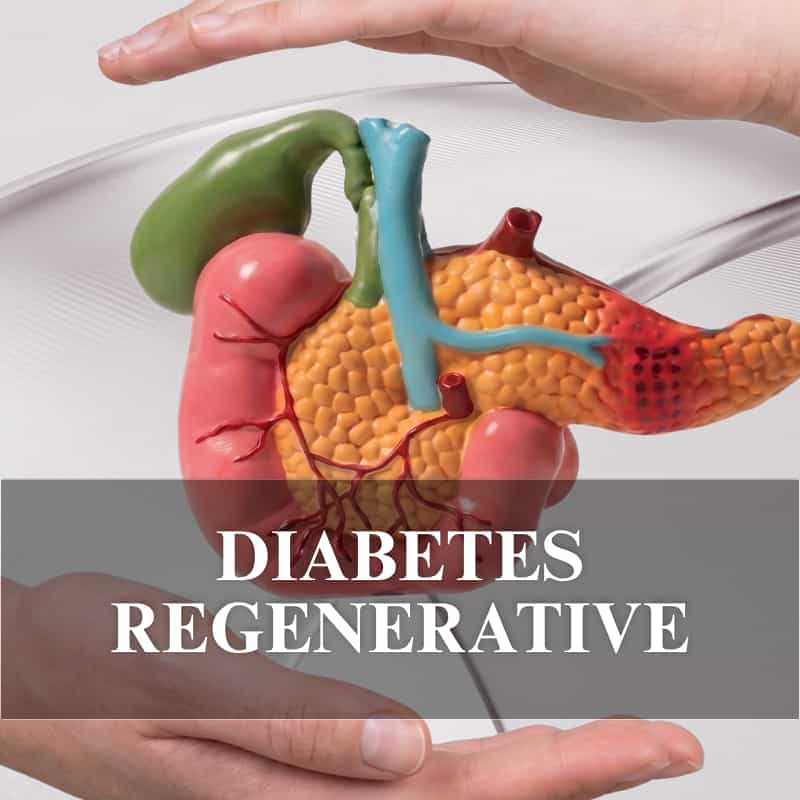
Price starting from $68,000
Advanced Autologous Stem Cell Treatment for Diabetes Package in Tokyo, Japan by HELENE Clinic
HELENE - Stem Cell Clinic
- Stem Cell Therapy
Tokyo, Japan
Price starting from $10,000
Stem Cell Therapy for Stroke Rehabilitation Package in Tokyo, Japan by HELENE Clinic
HELENE - Stem Cell Clinic
- Stem Cell Therapy
Tokyo, Japan
Price starting from $19,800
Diabetes Regenerative Medicine Package in Osaka, Japan by Cell Grand Clinic
Cell Grand Clinic - 日本で最高の幹細胞クリニック
- Stem Cell Therapy
Osaka, Japan
Price starting from $12,800
Stem Cell Therapy for Stroke Package in Kuala Lumpur, Malaysia by FirstCell
FirstCell Malaysia
- Stem Cell Therapy
Kuala Lumpur, Malaysia
Transformative Stem Cell Therapy Experiences: Dive into Procedure Insights
Discover the power of Stem Cell Therapy through compelling patient experiences. Uncover detailed insights into procedures, recovery journeys, and life-changing results.
.png)
Price starting from $10,000
Stem Cell Therapy for Stroke Rehabilitation in Japan
- Stem Cell Therapy for Stroke, Stem Cell Therapy
Japan
.png)
Price starting from $10,000
Stem Cell Therapy for Knee Osteoarthritis in Japan
- Stem Cell Treatment for Knee Osteoarthritis Abroad, Stem Cell Therapy
Japan
.png)
Price starting from $19,800
Stem Cell Therapy for Diabetes in Japan
- Stem Cell Treatment for Diabetes, Stem Cell Therapy
Japan
.png)
Stem Cell for Knee Osteoarthritis in Osaka, Japan
- Stem Cell Therapy for Osteoarthritis, Stem Cell Therapy
Osaka, Japan
Explore Stem Cell Therapy: Stories, Testimonials, and Procedures
Watch in-depth videos covering everything from Stem Cell Therapy success stories to detailed procedure explanations. Learn what to expect and hear from real patients.

Pramod Goel, CEO of PlacidWay Medical Tourism Interview: How AI is Transforming Patient Journeys
Stem Cell Therapy
PlacidWay Medical Tourism
Japan

Cell Grand Clinic: Best Stem Cell Clinic in Japan Featured in Exclusive 28-Minute JP TV Interview
Stem Cell Therapy
Cell Grand Clinic - 日本で最高の幹細胞クリニック
Japan
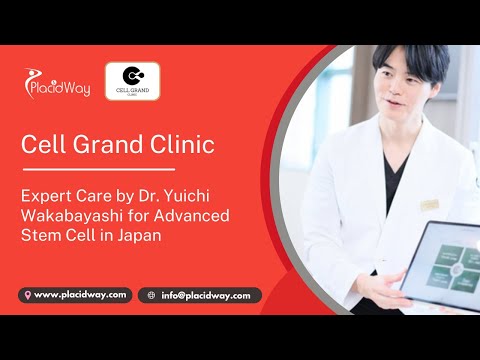
Expert Care by Dr. Yuichi Wakabayashi for Advanced Stem Cell in Japan at Cell Grand Clinic
Stem Cell Therapy
Cell Grand Clinic - 日本で最高の幹細胞クリニック
Japan
Minimally Invasive Stem Cell Therapy and Advanced Cultivation
Stem Cell Therapy
HELENE - Stem Cell Clinic
Japan
Learn More with These Stem Cell Therapy Articles
Take a look at these interesting articles, stories and research that will help you learn more about Stem Cell Therapy.
.png)
Stroke Stem Cell Treatment in Japan: A Comprehensive Guide to Regenerative Recovery
PlacidWay Medical Tourism
- Stem Cell Therapy
Japan
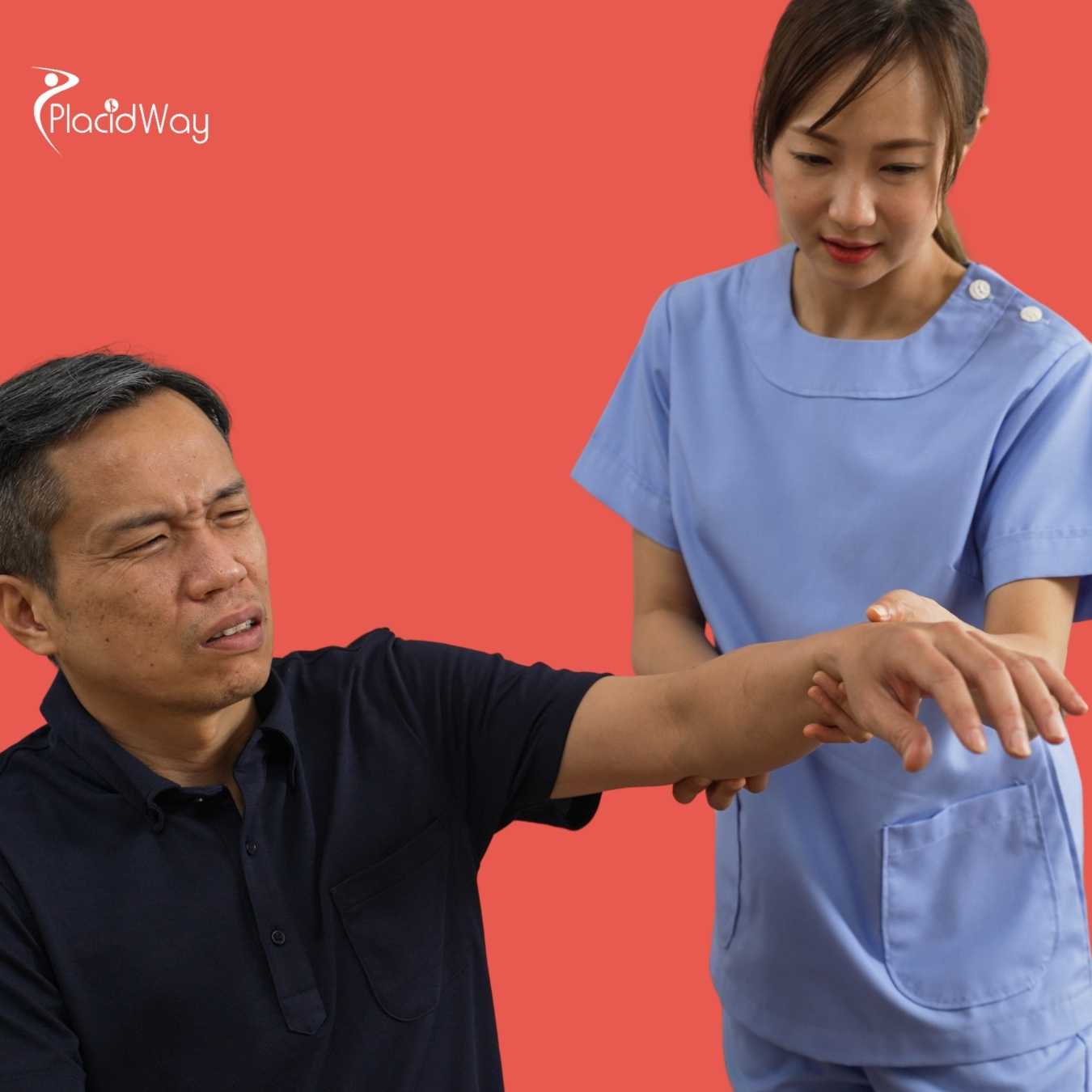
Finding Strength Again: Japan’s Stem Cell Therapy for Stroke Patients from Taiwan
PlacidWay Medical Tourism
- Stem Cell Therapy
Japan

Stem Cell Therapy for Stroke Recovery in Thailand: Advanced Treatments for Australian Patients
PlacidWay Medical Tourism
- Stem Cell Therapy
Thailand

Hope for Post-Stroke Rehabilitation Through Stem Cell Therapy in Osaka, Japan by Cell Grand Clinic
Cell Grand Clinic - 日本で最高の幹細胞クリニック
- Stem Cell Therapy
Japan
Stem Cell Therapy Solutions Near You: Explore Top Medical Centers
Discover how Stem Cell Therapy is transforming lives at leading medical centers in , Japan. Dive into center profile, specialties, doctors, reviews, etc. and explore the best options tailored to your needs in this region.

HELENE - Stem Cell Clinic
Tokyo, Japan

Cell Grand Clinic - 日本で最高の幹細胞クリニック
Osaka, Japan








I have been receiving treatment at CELL GRAND CLINIC for severe atopic dermatitis and other health issues. My atopic dermatitis was extremely severe and affected my entire body. My skin was constantly itchy and oozing, and the condition on my face was so bad that I couldn't go outside without wearing a face mask. It had affected my work and daily life for many years. After searching for help, I finally found Dr. Wakabayashi and decided to consult with him. I am currently undergoing stem cell therapy at the clinic. About two months after my first treatment, I began to notice changes. The itching gradually became less intense, and I also noticed that new wounds and skin damage were occurring less frequently. It has now been about six months, and the improvement throughout my body has been remarkable. When I compare my before-and-after photos, I can hardly believe the difference. So far, I have only received two stem cell treatments, and I am considering continuing with several more sessions. For many years, my atopic dermatitis had a major impact on my work, confidence, and everyday life. Now, I finally feel as though a new chapter of my life is beginning, and I couldn't be happier with the progress I have made. The treatment is certainly not inexpensive for me, but considering the changes I have experienced, I genuinely feel it has been worth it. Based on my personal experience, this is a treatment I would highly recommend to others who are struggling with similar problems.
Read More