


.jpg)
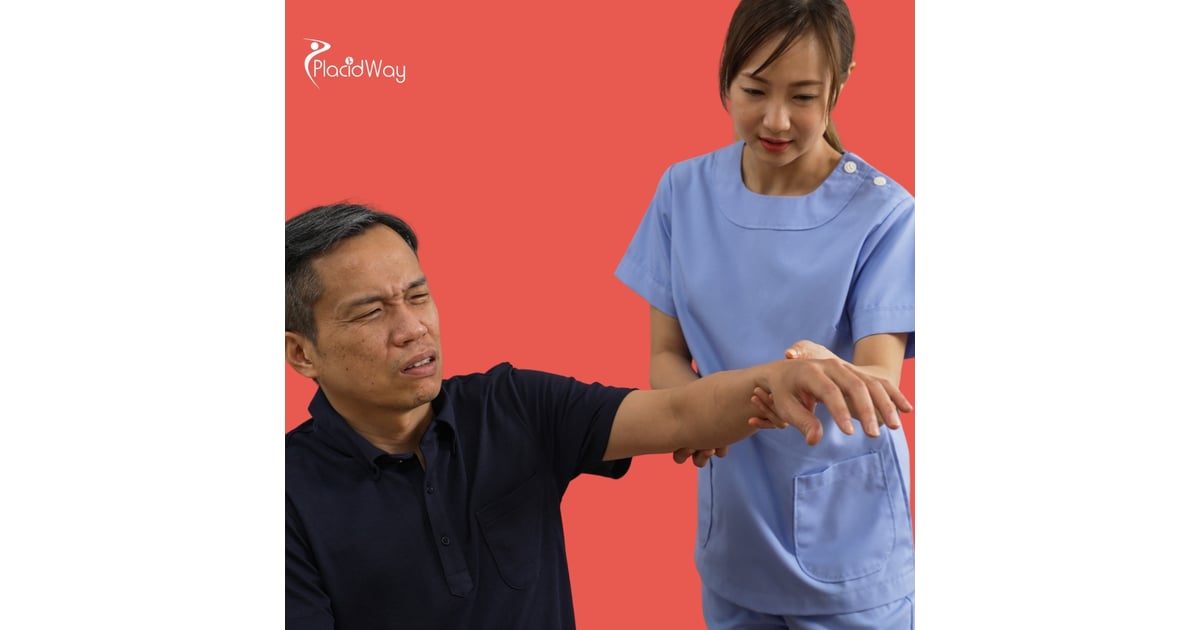
For patients in Taiwan working to recover from the long-term effects of a stroke, Japan has become a leading destination for regenerative treatment options that may help improve neurological function and mobility.
Stem cell therapy for stroke in Japan is generally offered as an adjunct to standard rehabilitation, aiming to support the body’s natural repair processes rather than replace conventional care. Research continues to explore how stem cells may help reduce inflammation, encourage healthier neural pathways, and improve functional recovery over time.
Treatment approaches differ by clinic, but often include comprehensive evaluations, carefully controlled cell preparation, and structured follow-up to monitor progress. While outcomes can vary from patient to patient, many families are drawn to Japan’s strong scientific oversight and its commitment to advancing regenerative medicine responsibly.
Key Takeaways
-
Safety & Regulation: Japan operates under the Act on the Safety of Regenerative Medicine (ASRM), providing the world's most rigorously regulated environment for advanced cellular treatments, essential for neurological conditions.
-
Treatment Advantage: Japanese stem cell clinics for stroke use culture-expanded (multiplied) Mesenchymal Stem Cells (MSCs), delivering high therapeutic doses (100M–300M+ cells) crucial for affecting brain tissue and promoting neuroplasticity.
-
Cost Range: A full stroke regeneration package typically ranges from $15,000 – $35,000 USD (approx. NT$480,000 – NT$1,100,000), reflecting the cost of specialized cell processing and neuro-rehabilitation integration.
-
Logistics: Taiwanese citizens benefit from Visa-Free entry to Japan (up to 90 days), simplifying the required two-visit treatment protocol.
-
Focus: Therapy is targeted at functional recovery in chronic stroke patients (motor deficits, aphasia, spasticity).
Why Japan? The Neuro-Regeneration Edge
While Taiwan has strong domestic medical facilities, Japan’s unique regulatory framework accelerates access to high-potency cell culture techniques necessary for central nervous system repair.
Stroke recovery often hits a plateau after the initial acute phase. Stem cell therapy in Japan aims to restart the healing process in the chronic phase by addressing neuroinflammation and promoting the brain's ability to reorganize itself (neuroplasticity).
The Key Difference: Cell Potency
In Japan, the ASRM allows clinics to take a small sample of the patient's own fat (Autologous ADSCs) or bone marrow, and multiply those cells in a specialized Cell Processing Center (CPC) for 3-5 weeks.
-
Result: The patient receives a dose of 100 million to 300 million viable MSCs. This high cell count is essential for releasing the necessary neurotrophic factors (like BDNF and GDNF) needed to cross the blood-brain barrier (BBB) and create a powerful healing environment in the stroke-affected areas.
The Treatment Protocol: Two Visits from Taipei
Stroke therapy requires a two-step process due to the crucial cell expansion phase in the laboratory.
Visit 1: Diagnostics and Harvesting (2-3 Days)
-
Remote Consultation: Initial review of medical records, including recent MRI/CT brain scans (Resonance Imaging from Taiwan), focusing on the size and location of the lesion (ischemic or hemorrhagic).
-
Arrival in Japan: Final assessment and physical examination by a neurologist specializing in regenerative medicine.
-
Harvesting: A brief, minimally invasive mini-liposuction is performed to collect fat tissue (ADSCs) under local anesthesia.
-
Lab Processing (3-5 Weeks): The cells are cultured under strict GMP conditions. The patient returns to Taipei.
Visit 2: Infusion and Rehabilitation Integration (3-5 Days)
-
Return to Japan: Fly back for the treatment.
-
Administration: The high-dose MSC solution is administered, typically via Intravenous (IV) Infusion. In some specialized protocols, Intrathecal injection (lumbar puncture) may be used to deliver cells directly into the spinal fluid for enhanced CNS access.
-
Integration: The treatment often includes complementary therapies only widely available in Japan, such as advanced Robotic Rehabilitation (e.g., Cyberdyne HAL suits) or specialized Transcranial Magnetic Stimulation (TMS) to enhance neuroplasticity.
Target Outcomes and Patient Candidacy
Stem cell therapy for stroke focuses on achieving measurable functional gains, particularly in chronic patients who have plateaued in their recovery.
Potential Functional Improvements
-
Motor Function: Improved strength and dexterity in paralyzed or weak limbs (e.g., hand function, gait).
-
Speech and Cognition: Improvement in aphasia (speech difficulty) and cognitive focus.
-
Sensation: Restoration of lost or diminished sensation.
-
Spasticity: Reduction in muscle stiffness and spasticity.
Ideal Candidate Profile
-
Patients with chronic stroke (typically 6 months or more post-event) who are medically stable.
-
Patients with measurable functional deficits who are committed to continuing rigorous physical rehabilitation after returning to Taiwan.
Cost and Logistics for Taiwanese Patients
The premium cost in Japan reflects the advanced processing technology and the integration of highly specialized neurological therapies.
|
Destination |
Procedure (Complex Neurological) |
Est. Cost (USD) |
Est. Cost (NTD) |
Key Advantage |
|---|---|---|---|---|
|
Japan |
Cultured MSC IV Infusion + Rehab |
$15,000 – $35,000 |
NT$480K – NT$1.1M |
Regulated high cell count (ASRM). |
|
Taiwan |
Clinical Trial / Low Dose BMC |
$10,000 – $20,000 |
NT$320K – NT$640K |
Limited access, lower concentration. |
|
Mexico/Colombia |
Allogeneic MSCs + Rehab |
$8,000 – $20,000 |
NT$250K – NT$640K |
More affordable, but requires longer travel. |
Travel Logistics
-
Flights: Direct flights are frequent from Taipei (TPE/TSA) to Tokyo (NRT/HND) (3–4 hours).
-
Visa: Taiwanese passport holders enjoy 90-day Visa-Free entry to Japan.
-
Communication: Top clinics provide Mandarin-speaking support for consultation and discharge instructions.
Frequently Asked Questions (FAQ)
Is stem cell therapy legal and safe in Japan for stroke? Yes. It is fully legal and operates under the ASRM law. This regulatory framework ensures cell products are meticulously tested for sterility and viability in certified facilities before they are administered.
How long after my stroke can I receive treatment? The therapy is primarily focused on the chronic phase (months or years after the stroke). Unlike acute treatments, there is no strict time limit, and patients who are years post-stroke can still experience functional gains.
Does this treatment eliminate the need for standard rehabilitation? No. Stem cell therapy is a powerful biological adjunct. It creates a more receptive environment in the brain for healing, but recovery ultimately relies on consistent and intensive physical and speech rehabilitation.
Will the treatment require an overnight hospital stay? The cell infusion procedure itself is usually outpatient, lasting a few hours. Patients are advised to stay locally for a few days before flying, but generally do not require long-term hospitalization for the infusion itself.
Ready to Maximize Your Recovery Potential?
PlacidWay connects Taiwanese patients directly with Japan's leading neurological regenerative centers in Tokyo and Osaka. We provide seamless logistical support and transparent access to the highest quality, regulated cell therapies.
We assist with:
-
Medical Record Translation: Ensuring your reports are accurately assessed by Japanese neurologists.
-
Coordination: Managing the two-visit protocol efficiently and coordinating local transport.
-
Specialist Matching: Finding doctors experienced in stroke rehabilitation and cellular therapy.

.png)



.png)

.png)
-(6).png)
-1.png)
.png)









Share this listing