
What treatment


8+ Best Clinics for Stem Cell Treatment for Liver Diseases in United States
Trusted Medical Tourism Platform Since 2007
What are the best stem cell therapy clinics for liver diseases in the United States?
The leading stem cell therapy clinics in the United States are: Regenestem (Fort Lauderdale), California Wellness Institute (Rancho Mirage), Blatman Health and Wellness Center (Cincinnati), The Institute of Regenerative Medicine (Boca Raton), Thrive MD (Miami), Amira Integrative Health (East Stroudsburg), Stemedix, Inc. (St. Petersburg), and Stem Cell Therapy of Las Vegas (Las Vegas).
These facilities adhere to FDA guidelines and hold accreditations from The Joint Commission (TJC), AABB, and FACT. They utilize mesenchymal stem cells (MSCs) to treat liver conditions including cirrhosis, non-alcoholic fatty liver disease (NAFLD), and chronic hepatitis. Comprehensive treatment costs across these centers generally range from $4,500 to $25,000 USD depending on the disease stage and protocol.
 91.30% Patient Recommend
California Wellness Institute


Overview
Discover Urology and Anti Aging Regenerative Medicine at California Wellness Institute in Rancho Mirage, California, USA - CWIs expert care.
Read more details

 87.50% Patient Recommend
Regenestem Fort Lauderdale, USA


Overview
Regenestem is a leading regenerative medicine center in Fort Lauderdale, USA, specializing in treatments for neurological conditions, COPD, MS, and more.
Read more details
 100.00% Patient Recommend
Personalized Regenerative Medicine
Overview
Personalized Regenerative Medicine provides best Regenerative Medicine in Los Angeles, USA. Book online now PRP Treatment and Regenerative Injections at Personalized Regenerative Medicine.
Read more details 95.02% Patient Recommend
Blatman Health and Wellness Center
Overview
Experience advanced Regenerative Medicine at Blatman Health and Wellness Center in Cincinnati, USA. Rejuvenate your health today!
Read more detailsDiscover your treatment options with a free, no-obligation quote!
Get your quote now!
Kentuckiana Integrative Medicine in Jeffersonville, USA
Overview
Discover regenerative medicine in Jeffersonville, United States by Kentuckiana Integrative Medicine offering advanced therapies for pain relief and healing.
Read more details 89.86% Patient Recommend
PlacidWay Medical Tourism
Overview
Discover affordable, quality healthcare worldwide with PlacidWay Medical Tourism. Access trusted clinics, top doctors, and personalized treatment plans.
Read more details.jpeg)




 100.00% Patient Recommend
The Institute of Regenerative Medicine
Overview
The Institute of Regenerative Medicine provides best Regenerative Medicine in Boca Raton, Florida. Book online now Regenerative Medicine for Knee Joint, Shoulder, Hip at PlacidWay!
Read more details 100.00% Patient Recommend
Amira Integrative Health by MJA Healthcare
Overview
Amira Integrative Health by MJA Healthcare in East Stroudsburg, PA, United States offers top regenerative therapies and holistic care for transformative health.
Read more detailsDiscover your treatment options with a free, no-obligation quote!
Get your quote now! 100.00% Patient Recommend
Thrive MD
Overview
Thrive MD provides best Regenerative Medicine in Miami, Florida. Book online now Regenerative Medicine for Hip, Regenerative Medicine for Knee, and Regenerative Medicine for Shoulder at Thrive MD.
Read more details 100.00% Patient Recommend
Michigan Center for Regenerative Medicine
Overview
The Michigan Center for Regenerative Medicine specializes in regenerative treatments for orthopedic issues of the joints and spine. We specialize in nonsurgical orthopedics to relieve pain and improve function.
Read more details 100.00% Patient Recommend
Victor Regenerative Medicine Centers
Overview
Victor Regenerative Medicine Centers Dr. Steven Victor is located in New York, USA. The highly skilled medical team offers regenerative medicine therapies and aesthetic services to patients around the globe at affordable costs.
Read more detailsWhich are the best clinics for Stem Cell Treatment for Liver Diseases in the United States?
Identifying the "best" clinic often depends on individual patient needs, specific liver disease, and the types of stem cell therapies offered. Generally, leading facilities in the U.S. that offer regenerative medicine for liver conditions are distinguished by:
- Expert Medical Teams: Clinics with experienced specialists in hepatology, regenerative medicine, and interventional procedures.
- Advanced Technology: Access to state-of-the-art diagnostic and treatment equipment for precise therapy application and monitoring.
- Patient-Centric Care: Comprehensive support services, including personalized treatment plans, patient education, and follow-up care.
- Research and Innovation: Involvement in clinical trials and ongoing research to provide access to the latest advancements in liver regeneration and stem cell treatments.
What liver conditions can stem cell therapy address in US clinics?
Stem cell treatment for liver diseases aims to support the liver's natural healing process or replace damaged cells, which can be particularly beneficial for conditions where conventional treatments have limited success.
Common liver conditions considered for stem cell interventions in specialized US clinics include:
- Liver Cirrhosis: Where healthy liver tissue is replaced by scar tissue, impeding function. Stem cells may help reduce fibrosis and promote regeneration.
- Non-Alcoholic Fatty Liver Disease (NAFLD) / NASH: Conditions involving fat accumulation and inflammation in the liver. Stem cell therapy aims to decrease inflammation and prevent further damage.
- Chronic Hepatitis (B and C): Viral infections that can lead to severe liver damage. Stem cells might help modulate the immune response and promote tissue repair.
- Acute Liver Failure: Though less common, in some severe cases, stem cells are explored for their immediate regenerative potential.
How do US clinics determine eligibility for stem cell liver treatment?
Determining a patient's eligibility for stem cell treatment for liver diseases is a rigorous process undertaken by specialized clinics in the United States to ensure both safety and the potential for therapeutic benefit. Key aspects of this evaluation include:
- Detailed Medical History: A comprehensive review of the patient's liver disease progression, previous treatments, current medications, and overall health status.
- Extensive Diagnostic Testing: This often includes liver biopsies, advanced imaging (MRI, CT scans, ultrasound), and a full panel of blood tests to assess liver function, viral load (if applicable), and markers of fibrosis or cirrhosis.
- Overall Health Assessment: Evaluating co-existing medical conditions, immune system status, and potential contraindications for the procedure. Patients must typically be stable enough to undergo the treatment.
- Disease Stage: Clinics often consider the stage of liver disease, with some treatments being more applicable to earlier stages while others focus on mitigating advanced damage.
- Realistic Expectations: Discussions about potential outcomes, limitations, and the experimental nature (for some therapies) of stem cell interventions.
What should I expect during a stem cell liver therapy procedure at a US clinic?
The actual stem cell therapy procedure for liver diseases in US clinics generally involves several distinct phases:
- Preparation: Patients undergo final assessments to confirm readiness. The clinical team provides detailed instructions regarding fasting, medications to avoid, and what to expect on the day of the procedure.
- Cell Harvesting:
- Autologous (from patient's own body): Typically involves a minor surgical procedure to extract bone marrow (often from the hip bone) or adipose (fat) tissue (via mini-liposuction). This is performed under local anesthesia or light sedation.
- Allogeneic (from a donor): Involves preparing donor-derived stem cells, usually mesenchymal stem cells (MSCs) from umbilical cord blood or tissue.
- Cell Processing: The harvested cells are sent to a specialized laboratory within the clinic or an affiliated facility. Here, the stem cells are isolated, concentrated, and sometimes expanded, ensuring a high-quality therapeutic product.
- Cell Delivery: The prepared stem cells are then administered to the liver. Common methods include:
- Intravenous Infusion: Administered directly into a vein, allowing cells to circulate and home in on damaged liver tissue.
- Intra-arterial Injection: Delivered directly into the hepatic artery via a catheter, allowing for more targeted delivery to the liver.
- Post-Procedure Monitoring: After the cell delivery, patients are monitored for a few hours or overnight, depending on the complexity of the procedure and individual patient response. Follow-up appointments are scheduled to track progress.
What are the potential benefits of stem cell treatment for liver disease in the United States?
The potential benefits of undergoing stem cell treatment for liver disease in the United States are largely tied to the regenerative and immunomodulatory properties of stem cells. Clinics offering these innovative therapies aim to achieve several positive outcomes for patients:
- Reduced Inflammation: Stem cells, particularly mesenchymal stem cells (MSCs), possess potent anti-inflammatory properties that can help calm chronic inflammation within the liver, a key driver of liver damage.
- Decreased Fibrosis: By inhibiting the formation of scar tissue and promoting its breakdown, stem cell therapies may reduce liver fibrosis and even reverse early-stage cirrhosis, allowing for healthier tissue.
- Enhanced Tissue Regeneration: Stem cells can differentiate into various cell types, including liver cells (hepatocytes), or stimulate the existing liver cells to proliferate and repair damaged areas, improving overall liver function.
- Improved Liver Function Tests: Patients may observe improvements in liver enzyme levels, bilirubin, and albumin, indicating better liver health.
- Symptom Alleviation and Quality of Life: Reduced fatigue, ascites (fluid retention), and other debilitating symptoms associated with liver disease can significantly enhance a patient's daily life.
- Slowed Disease Progression: For chronic and progressive liver conditions, stem cell treatment might slow down the rate of damage, potentially delaying the need for more invasive procedures like liver transplantation.
Are there specific risks associated with stem cell therapy for liver conditions in US clinics?
As with any medical procedure, stem cell therapy for liver conditions, even in highly regulated US clinics, comes with potential risks. It's crucial for patients to have a thorough understanding of these before proceeding:
- Procedural Risks:
- Infection: Any invasive procedure, such as cell harvesting or injection, carries a risk of infection at the site.
- Bleeding or Bruising: Minor bleeding or bruising can occur at the sites of cell extraction or injection.
- Anesthesia-related Complications: Reactions to local anesthesia or sedation, though generally rare, can happen.
- Immune Response (for allogeneic cells): If donor-derived (allogeneic) stem cells are used, there's a slight risk of the patient's immune system reacting against the introduced cells, though MSCs are known for their immunomodulatory properties, reducing this risk.
- Cell-related Risks:
- Migration or Misplacement: Although rare with advanced imaging guidance, there's a theoretical risk of stem cells migrating to unintended areas or not localizing optimally in the liver.
- Tumorigenicity: A very low theoretical risk, especially with adult mesenchymal stem cells, of uncontrolled cell growth or tumor formation. Reputable clinics use extensively characterized cells to minimize this.
- Unintended Differentiation: The possibility of stem cells differentiating into an undesired cell type, though protocols are designed to guide differentiation towards liver tissue.
- Lack of Efficacy: It's important to remember that not all patients respond to stem cell therapy in the same way, and there's a possibility that the treatment may not yield the desired therapeutic outcome.
How long is the recovery period after liver stem cell treatment in a US facility?
The recovery timeline after stem cell treatment for liver diseases can be divided into immediate post-procedure recovery and the longer-term regenerative response.
Immediate Recovery (First few days to one week):
- Outpatient or Short Stay: Most stem cell treatments are minimally invasive, allowing many patients to return home the same day or after an overnight stay.
- Mild Discomfort: Patients might experience mild soreness, bruising, or swelling at the cell harvest site (e.g., hip for bone marrow, abdomen for fat) and the injection site. This discomfort is usually managed with over-the-counter pain relievers.
- Activity Restrictions: Doctors typically advise avoiding strenuous physical activities, heavy lifting, and intense exercise for a few days to a week to allow the initial healing process.
- Gradual Improvement: The true therapeutic effects of stem cells – reducing inflammation, diminishing fibrosis, and promoting liver cell regeneration – are not immediate. These biological processes take time.
- Monitoring and Follow-ups: Clinics schedule regular follow-up appointments, often involving blood tests and imaging, to track liver function, monitor disease markers, and assess clinical improvements.
- Lifestyle Modifications: Patients are often encouraged to maintain a healthy lifestyle, including diet and exercise, to support the regenerative process and overall liver health.
What accreditation should I look for in a US stem cell clinic for liver diseases?
Choosing a reputable and accredited clinic for stem cell treatment for liver diseases in the United States is paramount for patient safety and efficacy. Here are key accreditations and standards to look for:
- FDA Compliance: Ensure the clinic adheres to U.S. Food and Drug Administration (FDA) regulations regarding human cells, tissues, and cellular and tissue-based products (HCT/Ps). The FDA classifies most stem cell therapies as drugs, requiring rigorous testing and approval. Many legitimate therapies are offered as part of FDA-approved clinical trials.
- The Joint Commission (TJC): Accreditation from TJC signifies that the clinic meets stringent national standards for patient care, safety, and quality of service. This is a widely recognized mark of excellence in US healthcare.
- AABB (formerly American Association of Blood Banks): If the therapy involves blood-derived stem cells or extensive cell processing, AABB accreditation for cellular therapy laboratories is a strong indicator of quality control and safety in handling human cells and tissues.
- Foundation for the Accreditation of Cellular Therapy (FACT): FACT accreditation is highly regarded for clinics performing cellular therapies, especially those involved in bone marrow transplantation or advanced cell processing. It ensures adherence to the highest standards of quality and patient care in cellular therapy.
- State Medical Board Licensing: Verify that the clinic and its medical professionals are properly licensed by their respective state medical boards.
- Professional Memberships: Affiliation with professional organizations focused on regenerative medicine (e.g., International Society for Stem Cell Research - ISSCR) can indicate a commitment to ethical practices and scientific advancement.
Can stem cell treatment for liver disease be combined with other therapies in the US?
In the United States, a holistic approach to treating liver diseases often involves combining advanced regenerative medicine with established conventional therapies. This integrated strategy aims to maximize therapeutic benefits and improve overall patient outcomes. US clinics specializing in stem cell therapy for liver conditions frequently incorporate it alongside:
- Standard Medical Management:
- Antiviral Medications: For patients with chronic hepatitis B or C, antiviral drugs continue to be crucial in controlling viral replication.
- Immunosuppressants: In cases of autoimmune liver diseases, managing the immune response remains a key component of treatment.
- Diuretics: For fluid retention (ascites) associated with advanced liver disease.
- Nutritional Therapy and Dietary Changes: Personalized dietary plans and nutritional supplements are vital to support liver function and overall health, especially for conditions like NAFLD or cirrhosis.
- Lifestyle Modifications: Guidance on weight management, alcohol abstinence, and regular exercise is often provided to complement stem cell effects and prevent further liver damage.
- Adjunctive Therapies: Some clinics might integrate other supportive therapies such as hyperbaric oxygen therapy, intravenous vitamin infusions, or specific detoxification protocols, believing these can enhance the stem cells' regenerative environment.
- Monitoring and Surveillance: Regular follow-up with imaging and lab tests continues to be essential to track the progression of liver disease and the efficacy of the combined treatments.
What is the process for an initial consultation at a US stem cell liver clinic?
The initial consultation is a foundational step in exploring stem cell treatment for liver diseases in the United States. It's designed to gather crucial information, educate the patient, and determine preliminary eligibility. Here’s what you can generally expect:
- Medical History Collection: You'll be asked to provide a detailed medical history, including your liver disease diagnosis, onset of symptoms, progression, and any conventional or alternative treatments you've undergone. It's helpful to bring all relevant medical records, such as lab results, imaging reports (MRI, CT, ultrasound), and previous biopsy reports.
- Current Health Assessment: Discussions about your current health status, any co-existing medical conditions, medications you are taking, and your lifestyle habits (diet, exercise, smoking, alcohol consumption).
- Discussion of Symptoms and Goals: You'll have the opportunity to describe your current symptoms, how they impact your quality of life, and what you hope to achieve with stem cell therapy.
- Education on Stem Cell Therapy: The clinical team will explain the science behind stem cell treatment for liver diseases, the specific types of stem cells they utilize, and how the procedures are performed. They will outline the potential benefits, known risks, and what realistic outcomes might be.
- Preliminary Eligibility Screening: Based on the information gathered, the medical professionals will give you an initial assessment of your potential eligibility for treatment. They may also suggest additional diagnostic tests needed for a full evaluation.
- Questions and Concerns: This is your opportunity to ask any questions you have about the clinic, the treatment, the recovery process, or the long-term outlook.
What post-treatment care and follow-up are typically provided by US stem cell liver clinics?
Post-treatment care and diligent follow-up are crucial components of stem cell therapy for liver diseases, ensuring patient safety and monitoring the efficacy of the regenerative treatment. US clinics typically offer a structured plan that includes:
- Immediate Post-Procedure Monitoring:
- Patients are observed for a few hours or overnight for any immediate adverse reactions.
- Instructions are given for managing mild discomfort, such as soreness or bruising at the injection or harvest sites.
- Scheduled Follow-up Appointments:
- Regular check-ups are scheduled at intervals (e.g., 1 month, 3 months, 6 months, 1 year) to assess the patient’s overall health and liver function.
- These appointments may be in-person or via telemedicine, especially for patients traveling from afar.
- Diagnostic Re-evaluation:
- Follow-up blood tests: To monitor liver enzyme levels, bilirubin, albumin, and other markers of liver health, as well as general health indicators.
- Imaging studies: Repeat ultrasounds, CT scans, or MRIs to assess changes in liver size, fibrosis, and overall architecture.
- Biopsies: In some cases, repeat liver biopsies may be performed to microscopically evaluate changes in liver tissue and fibrosis levels.
- Lifestyle and Nutritional Guidance: Clinics often provide ongoing advice on diet, exercise, and avoidance of hepatotoxins (like alcohol) to support the regenerative process and maintain liver health.
- Medication Management: Adjustment of existing medications or prescription of new ones to support recovery and address any persistent symptoms.
- Patient Support: Access to patient coordinators or support staff for questions and concerns that may arise during the recovery period.
What research and clinical trials are available for liver stem cell treatment in the US?
The United States is at the forefront of medical innovation, with a robust landscape of research and clinical trials for stem cell treatment for liver diseases. This commitment to scientific advancement means patients may have access to cutting-edge therapies that are not yet widely available.
Here’s what to know about research and clinical trials:
- Active Research Areas: Researchers are exploring various types of stem cells, including mesenchymal stem cells (MSCs) from bone marrow and adipose tissue, induced pluripotent stem cells (iPSCs), and liver progenitor cells. These studies focus on:
- Reducing liver fibrosis and inflammation.
- Promoting hepatocyte (liver cell) regeneration.
- Improving overall liver function in conditions like cirrhosis, NAFLD/NASH, and chronic hepatitis.
- Developing gene-edited stem cells for inherited liver disorders.
- Clinical Trial Phases: Trials typically progress through phases:
- Phase 1: Focuses on safety and dosage in a small group of patients.
- Phase 2: Evaluates efficacy and further assesses safety in a larger group.
- Phase 3: Compares the new treatment to standard therapies in an even larger patient population.
- How to Find Clinical Trials:
- ClinicalTrials.gov: This is a comprehensive database of publicly and privately funded clinical studies conducted around the world, including a significant number in the US. You can search by condition (e.g., "liver cirrhosis" and "stem cells") and location.
- University Hospitals and Academic Medical Centers: Many leading institutions are primary sites for stem cell research and often have dedicated centers for regenerative medicine.
- Specialized Clinics: Some private clinics may participate in or conduct their own FDA-approved trials.
- Patient Participation: Eligibility for clinical trials is strict, based on specific criteria related to the patient's liver disease, overall health, and other factors. Participation offers access to new treatments but also involves closer monitoring and a research-oriented approach.
What types of stem cells are commonly used for liver diseases in US clinics?
In the United States, clinics offering stem cell treatment for liver diseases primarily utilize mesenchymal stem cells (MSCs) due to their advantageous characteristics. These cells are favored for several reasons:
- Immunomodulatory Properties: MSCs have a unique ability to modulate the immune system, which reduces the risk of rejection when using allogeneic (donor-derived) cells and helps mitigate inflammation in the liver.
- Multipotency: They can differentiate into various cell types, including liver cells (hepatocytes), or promote the regeneration of existing liver tissue.
- Anti-inflammatory and Anti-fibrotic Effects: MSCs release growth factors and cytokines that help reduce inflammation and combat fibrosis (scarring) in the liver, which is critical in conditions like cirrhosis.
- Autologous Sources (from the patient's own body):
- Bone Marrow-Derived MSCs (BM-MSCs): Harvested from the patient's bone marrow, typically from the hip. This method eliminates the risk of immune rejection.
- Adipose-Derived MSCs (AD-MSCs): Extracted from the patient's fat tissue via a mini-liposuction procedure. These are abundant and relatively easy to obtain.
- Allogeneic Sources (from a healthy donor):
- Umbilical Cord-Derived MSCs (UC-MSCs): Sourced from donated umbilical cord tissue after a healthy birth. These cells are considered "immunoprivileged" and can be used without significant immune matching, offering an off-the-shelf option.
How can I prepare for stem cell treatment for liver disease at a US clinic?
Proper preparation for stem cell treatment for liver disease at a US clinic is essential for both patient safety and optimizing the potential outcomes of the regenerative therapy. Once you’ve been deemed eligible, your clinic will provide specific, tailored instructions, but general steps often include:
- Comprehensive Medical Review: Ensure all your medical records, including recent lab results, imaging scans, and a detailed list of current medications and supplements, have been submitted and reviewed by the clinic. This helps prevent unforeseen complications.
- Medication Adjustments: You might be instructed to temporarily discontinue certain medications, such as blood thinners or anti-inflammatory drugs, for a specified period before the procedure to minimize bleeding risks. Always follow your doctor's advice.
- Dietary Guidelines: Some clinics may recommend specific dietary restrictions or supplements to optimize your body's readiness for treatment. Fasting may be required before the procedure itself.
- Hydration: Maintaining good hydration in the days leading up to the treatment is often advised.
- Avoid Alcohol and Smoking: It's generally recommended to avoid alcohol and smoking for a period before and after the treatment, as these can negatively impact liver health and the healing process.
- Arrange for Support: Plan for transportation to and from the clinic, especially if sedation is used. Having a companion for support during the procedure and initial recovery is highly beneficial.
- Ask Questions: Don't hesitate to clarify any doubts or concerns with your medical team regarding the preparation steps, the procedure itself, or post-treatment expectations.
How PlacidWay helps individuals access Stem Cell Treatment for Liver Diseases in United States?
PlacidWay provides detailed, up-to-date information about Stem Cell Treatment for Liver Diseases, including benefits, risks, and expected outcomes. We help users compare treatment in various clinics, ensuring affordable options without compromising on quality. PlacidWay assists users in finding trusted, accredited clinics and medical professionals specializing in Stem Cell Treatment for Liver Diseases in the United States. We offer one-on-one consultations to help users make informed decisions about their treatment, ensuring their specific needs are met. PlacidWay ensures continued support after the treatment, including follow-up care and recovery assistance. Ready to get Stem Cell Treatment for Liver Diseases in United States? Contact us today for a personalized consultation.Share with AI
Share this page with AI assistants to get summaries and insights


List of Best Stem Cell Treatment for Liver Diseases Clinics in United States
Unlock the Best Stem Cell Therapy Packages Just for You
Discover the ultimate Stem Cell Therapy packages designed to meet your health and wellness goals. Choose the perfect fit for your journey.

Price starting from $25,000
Regenerative Medicine for Autism Package in New York, USA by Victor Regenerative Medicine Centers
Victor Regenerative Medicine Centers
- Stem Cell Therapy
New York, United States

Price starting from $15,000
Stem Cell Therapy for Autism Package in Denver, United States by PlacidWay Hospital
PlacidWay: Global Medical Tourism Platform
- Stem Cell Therapy
Denver, United States

Price starting from $7,500
Affordable Stem Cell Therapy Treatments for Diabetes in Asia
PlacidWay Asia Medical Tourism
- Stem Cell Therapy
, India

Price starting from $4,500
Best Affordable Stem Cell Therapy in Las Vegas, USA For You
PlacidWay US Medical Tourism
- Stem Cell Therapy
Denver, United States
Transformative Stem Cell Therapy Experiences: Dive into Procedure Insights
Discover the power of Stem Cell Therapy through compelling patient experiences. Uncover detailed insights into procedures, recovery journeys, and life-changing results.
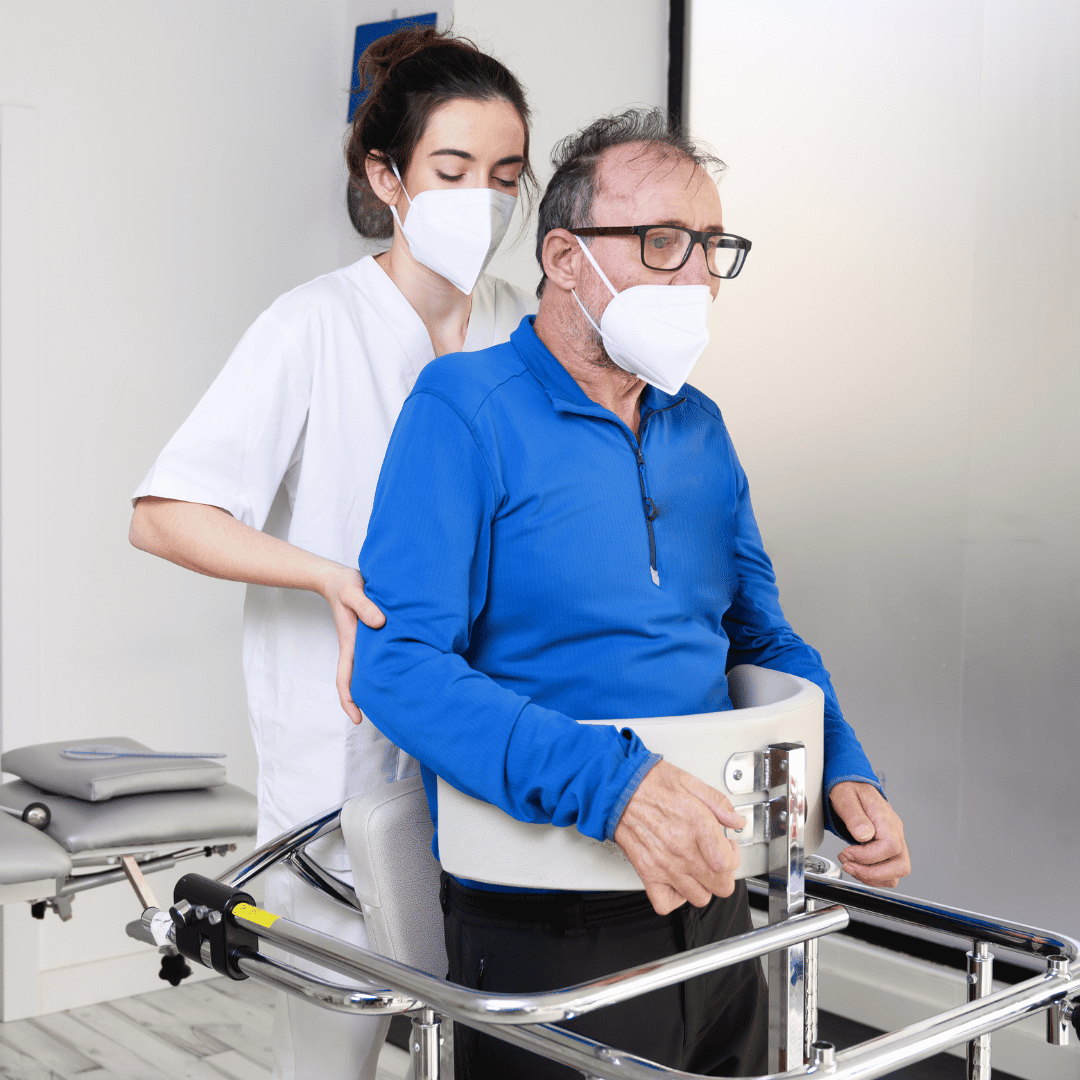
Regenerative Medicine for ALS in United States
- Stem Cell Treatment for ALS, Stem Cell Therapy
United States
.png)
Price starting from $15,000
Regenerative Medicine for Diabetes in United States
- Stem Cell Treatment for Diabetes, Stem Cell Therapy
United States
.png)
Regenerative Medicines for Rheumatoid Arthritis in united states
- Stem Cell Treatment for Rheumatoid Arthritis, Stem Cell Therapy
United States
.png)
Price starting from $15,000
Regenerative Medicine for Multiple Sclerosis in United States
- Stem Cell Treatment for Multiple Sclerosis, Stem Cell Therapy
United States
Explore Stem Cell Therapy: Stories, Testimonials, and Procedures
Watch in-depth videos covering everything from Stem Cell Therapy success stories to detailed procedure explanations. Learn what to expect and hear from real patients.
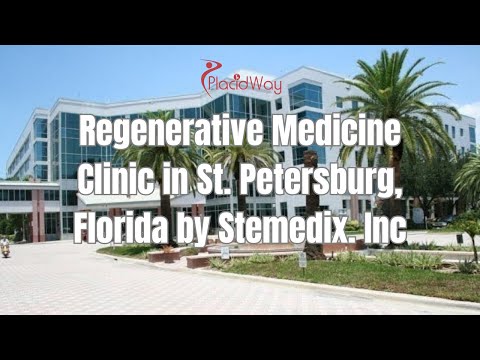
Top-Rated Clinic for Regenerative Medicine in St Petersburg Florida
Stem Cell Therapy
Stemedix, Inc
United States
Best Package for Orthopedic Regenerative Medicine in St Petersburg, Florida
Stem Cell Therapy
Stemedix, Inc
United States

PlacidWay Partners with Vault Cares Network: A Smarter, Safer Path to Medical Care Worldwide
Stem Cell Therapy
Vault Cares Network
United States
Paula Experience after Getting Regenerative Medicine for CRPS in Florida
Stem Cell Therapy
Stemedix, Inc
United States
Learn More with These Stem Cell Therapy Articles
Take a look at these interesting articles, stories and research that will help you learn more about Stem Cell Therapy.

Longevity Tourism & Regenerative Medicine: The New Era of Global Health Travel
PlacidWay Medical Tourism
- Stem Cell Therapy for Longevity
United States

Stem Cell Therapy for Arthritis in Guadalajara, Mexico: A Cost-Effective Solution for New York Patients
PlacidWay Medical Tourism
- Stem Cell Therapy
United States

From Heart Disease to Anti-Aging: Why Patients from the UAE and Saudi Arabia Trust Thai Stem Cell Clinics
PlacidWay Medical Tourism
- Stem Cell Therapy
United States
.png)
Stem Cell Therapy for Type 2 Diabetes: What’s the Real Success Rate?
PlacidWay Medical Tourism
- Stem Cell Therapy
United States
Stem Cell Therapy Solutions Near You: Explore Top Medical Centers
Discover how Stem Cell Therapy is transforming lives at leading medical centers in , United States. Dive into center profile, specialties, doctors, reviews, etc. and explore the best options tailored to your needs in this region.
Blatman Health and Wellness Center
Cincinnati, United States
Kentuckiana Integrative Medicine in Jeffersonville, USA
Louisville, United States
Regenestem Fort Lauderdale, USA
Fort Lauderdale, United States
Personalized Regenerative Medicine
Los Angeles,San Clemente, United States








What kind of treatment does your institute do for multiple sclerosis
Read More