
What treatment


1+ Top Rated Clinics for Stem Cell Treatment for Parkinsons Disease in Tokyo, Japan
Trusted Medical Tourism Platform Since 2007
What are the best stem cell therapy clinics for Parkinson's disease in Tokyo?
The leading facility for regenerative medicine in this region is HELENE - Stem Cell Clinic in Tokyo. Operating under strict Japanese Ministry of Health, Labour and Welfare (MHLW) and GMP regulations, this center specializes in advanced neurological treatments utilizing mesenchymal stem cells (MSCs) and induced pluripotent stem cells (iPSCs).
In addition to targeted Parkinson's disease protocols, the clinic successfully treats neuropathy, diabetes, knee osteoarthritis, and provides cellular anti-aging therapies. Comprehensive stem cell treatment packages at this facility range from $8,000 to $68,000 USD, offering patients state-of-the-art neuroprotective care backed by over a decade of clinical expertise.

 82.81% Patient Recommend
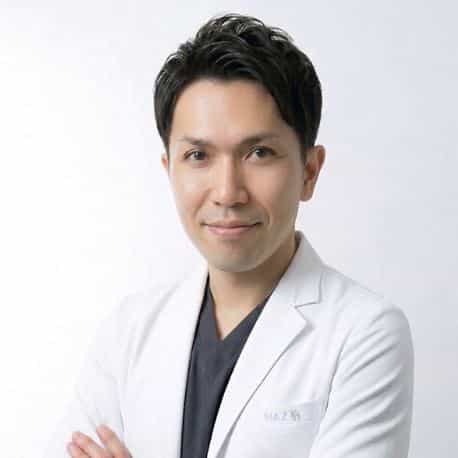
HELENE - Stem Cell Clinic


Overview
Japan Regenerative Medicine Leading Brand With over a decade of experience and more than 17,000 treated patients. Providing cutting-edge stem cell therapies tailored to various health concerns.
Read more details

 100.00% Patient Recommend
Cell Grand Clinic - Best Stem Cell Clinic in Japan
Overview
Explore Cell Grand Clinic, the best stem cell clinic in Japan specializing in top regenerative therapies for anti-aging, chronic conditions, and wellness.
Read more details
Clinique Haru Osaka Umeda - Japan Stem Cell Treatment
Overview
Clinique Haru Osaka Umeda specializes in Japan stem cell treatments for joint and musculoskeletal conditions using advanced regenerative medicine.
Read more details 100.00% Patient Recommend
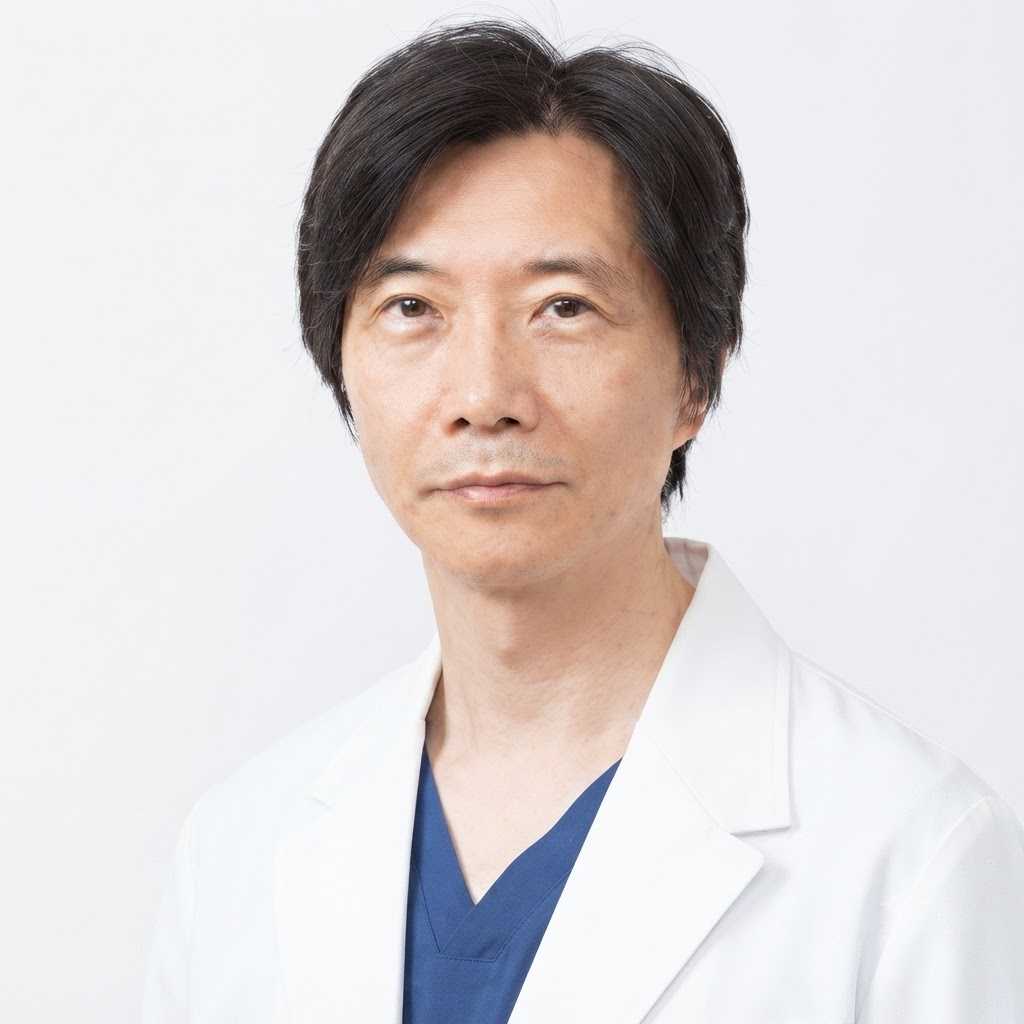
Azabu Skin Clinic - Dermatology and Stem Cell Therapy in Japan
Overview
Azabu Skin Clinic in Tokyo offers advanced stem cell treatments, regenerative treatments, dermatology, and aesthetic care. Book your consultation today.
Read more details
Discover your treatment options with a free, no-obligation quote!
Get your quote now!
Riso Clinic - Japan Stem Cell Therapy
Overview
Explore Japan stem cell therapy at Riso Clinic in Tokyo. Advanced regenerative treatments for knee osteoarthritis, joint injuries, and cartilage repair.
Read more details
Which are the top clinics for Stem Cell Treatment for Parkinson's Disease in Tokyo, Japan?
For Stem Cell Treatment for Parkinson's Disease in Tokyo, Japan, HELENE - Stem Cell Clinic stands out as a leading facility. They are recognized for their regenerative medicine expertise, extensive patient experience, and commitment to advanced stem cell therapies. Patients often seek clinics with established reputations, specialized treatment protocols, and comprehensive patient support in a city like Tokyo.
When considering top clinics in Tokyo for Parkinson's Disease stem cell treatment, HELENE - Stem Cell Clinic is a prominent option. This clinic emphasizes cutting-edge regenerative medicine techniques, backed by over a decade of experience and a substantial number of treated patients. Their focus is on delivering personalized stem cell therapies tailored to individual patient needs, ensuring high standards of care and innovative approaches to various health concerns, including neurological conditions like Parkinson's. While exploring options in Tokyo, patients typically prioritize facilities that demonstrate robust research engagement, offer state-of-the-art technology, and maintain strong patient feedback regarding outcomes and overall experience.
What should I look for in a Stem Cell Treatment for Parkinson's Disease clinic in Tokyo?
When choosing a clinic in Tokyo for Parkinson's stem cell treatment, prioritize accredited facilities with verifiable expertise in neurological regenerative medicine. Look for clinics that offer transparent treatment plans, experienced medical teams, comprehensive patient support, and a commitment to patient safety and ethical practices. Researching patient testimonials and success rates is also crucial.
Choosing the right clinic is a significant decision. Here are key aspects to consider:
- Accreditation and Licensing: Ensure the clinic is officially licensed and follows Japanese medical regulations for regenerative medicine. This guarantees a baseline standard of quality and safety.
- Specialized Expertise: Look for facilities with a strong focus on neurological disorders and specific experience with Parkinson's Disease using stem cell therapies. The medical team should include specialists in neurology and regenerative medicine.
- Treatment Protocols: Inquire about the specific types of stem cells used (e.g., mesenchymal stem cells, neural stem cells), their source, processing methods, and how they are administered. A reputable clinic will have clearly defined and evidence-informed protocols.
- Patient-Centric Care: The clinic should offer a holistic approach, including thorough pre-treatment evaluations, personalized treatment plans, and dedicated post-treatment follow-up and rehabilitation support.
- Transparency and Communication: Expect clear communication regarding the treatment process, potential benefits, risks, and realistic outcome expectations. Language support for international patients can also be a key factor.
- Facility Standards: The clinic environment should be clean, modern, and equipped with advanced medical technology to support complex stem cell procedures.
What types of stem cell therapies are offered for Parkinson's in Tokyo?
Clinics in Tokyo specializing in Parkinson's Disease often offer various stem cell therapies, predominantly focusing on mesenchymal stem cells (MSCs) or induced pluripotent stem cells (iPSCs). These therapies aim to modulate immune responses, reduce inflammation, and support neuroprotection or regeneration, often derived from sources like adipose tissue or bone marrow, or engineered for specific neural cell replacement.
In Tokyo, regenerative medicine clinics may provide several types of stem cell therapies for Parkinson's Disease, with ongoing research continuing to expand options:
- Mesenchymal Stem Cells (MSCs): These are frequently used due to their immunomodulatory, anti-inflammatory, and neurotrophic properties. MSCs can be sourced from a patient's own adipose tissue (fat) or bone marrow, or from umbilical cord tissue. They are administered intravenously or intrathecally to help protect existing dopamine-producing neurons and reduce neuroinflammation.
- Induced Pluripotent Stem Cells (iPSCs): Japan is a leader in iPSC research. This advanced therapy involves reprogramming adult cells into a pluripotent state, then differentiating them into dopamine-producing neurons. These new neurons can then be transplanted into the patient's brain to replace those lost due to Parkinson's. This is often part of clinical trials or highly specialized programs.
- Growth Factors and Exosomes: Some clinics might combine stem cell infusions with growth factors or exosome therapies. Exosomes are tiny vesicles released by stem cells that carry proteins and genetic material, promoting cellular repair and communication, thereby enhancing the regenerative effects.
How do Tokyo clinics ensure the safety of Parkinson's stem cell treatments?
Tokyo clinics adhere to stringent safety protocols for Parkinson's stem cell treatments, complying with Japanese regulatory standards for regenerative medicine. This includes rigorous donor screening, controlled cell processing in certified labs, sterile administration techniques, and thorough patient monitoring for adverse reactions. Ethical oversight and patient education are integral to their safety approach.
Ensuring patient safety is paramount for any medical procedure, especially with advanced therapies like stem cell treatment. Clinics in Tokyo prioritize safety through several measures:
- Strict Regulatory Compliance: Japan has robust regulations for regenerative medicine. Clinics must obtain specific licenses and adhere to guidelines set by the Ministry of Health, Labour and Welfare (MHLW). This involves meticulous reporting and strict adherence to approved treatment plans.
- Comprehensive Patient Screening: Before any treatment, patients undergo extensive evaluations, including medical history reviews, physical examinations, and diagnostic tests, to determine suitability and minimize risks.
- Quality Control in Cell Processing: Stem cells are processed in highly specialized, sterile laboratories (Good Manufacturing Practice - GMP compliant facilities). This ensures the purity, potency, and safety of the cell products, preventing contamination.
- Experienced Medical Teams: Procedures are performed by highly qualified and experienced medical professionals, including neurologists, regenerative medicine specialists, and support staff, trained in administering stem cell therapies.
- Informed Consent: Patients receive detailed information about the procedure, potential benefits, known risks, and alternative treatments. This ensures they make fully informed decisions.
- Post-Treatment Monitoring: Patients are closely monitored for any immediate or delayed adverse effects. Follow-up appointments and ongoing assessments are crucial to track progress and manage any complications effectively.
What patient support services do Tokyo Stem Cell clinics offer for international patients?
Tokyo stem cell clinics often provide comprehensive support for international patients, including multilingual staff and translation services, assistance with travel and accommodation, visa guidance, and dedicated patient coordinators. This ensures a smooth and stress-free experience from initial inquiry through treatment and post-care, making healthcare accessible for visitors.
International patients seeking stem cell treatment for Parkinson's Disease in Tokyo can expect a range of tailored support services designed to ease their medical journey:
- Multilingual Staff and Translation: Many clinics employ staff fluent in English and other major languages, or provide professional medical translation services to ensure clear communication between patients and the medical team.
- Patient Coordinators: Dedicated international patient coordinators act as a single point of contact, assisting with scheduling appointments, managing medical records, and addressing any non-medical concerns.
- Travel and Accommodation Assistance: Clinics can help arrange airport transfers, recommend suitable accommodation options (hotels, serviced apartments), and provide local transportation advice, ensuring comfort during the stay.
- Visa and Immigration Support: Guidance and necessary documentation for medical visas to Japan can be provided, simplifying the entry process for patients and their companions.
- Cultural Sensitivity: Staff are often trained to understand and respect diverse cultural backgrounds, aiming to provide a comfortable and welcoming environment for all patients.
- Post-Treatment Follow-up: Many clinics offer remote follow-up consultations via telemedicine or coordinate with local healthcare providers in the patient's home country for continued care.
What are the expected outcomes for Parkinson's patients undergoing stem cell therapy in Tokyo?
Expected outcomes for Parkinson's stem cell therapy in Tokyo typically include potential improvements in motor symptoms like tremor, rigidity, and bradykinesia, as well as enhancements in non-motor symptoms such as sleep and mood. While not a cure, the therapy aims to slow disease progression and improve overall quality of life, with individual results varying significantly based on patient specifics.
Stem cell therapy for Parkinson's Disease in Tokyo aims to improve a patient's quality of life and potentially slow the progression of the disease, rather than offering a complete cure. Expected outcomes can include:
- Motor Symptom Improvement: Patients may experience a reduction in tremors, rigidity, and bradykinesia (slowness of movement). This can lead to increased mobility, better balance, and easier daily activities.
- Non-Motor Symptom Relief: Beyond motor control, stem cell therapy may positively impact non-motor symptoms associated with Parkinson's, such as sleep disturbances, fatigue, pain, and even mood disorders.
- Neuroprotection and Regeneration: The stem cells are thought to provide neuroprotective effects, safeguarding existing dopamine-producing neurons. In some advanced therapies, there's a potential for partial regeneration or replacement of damaged neural cells, especially with iPSC-derived neurons.
- Inflammation Reduction: Stem cells possess anti-inflammatory properties that can help reduce neuroinflammation in the brain, a factor implicated in Parkinson's progression.
- Improved Quality of Life: The cumulative effect of these improvements can lead to a significantly better quality of life for patients, enhancing independence and reducing reliance on certain medications.
How do clinics in Tokyo maintain quality standards for stem cell treatments?
Tokyo clinics maintain high-quality standards for stem cell treatments through strict adherence to national regenerative medicine laws and ethical guidelines. They utilize certified, state-of-the-art laboratories for cell processing, employ highly trained specialists, and engage in continuous research and development. Regular internal and external audits also ensure ongoing excellence and patient safety.
Maintaining high quality in stem cell treatments is a top priority for clinics in Tokyo, particularly given Japan's advanced standing in regenerative medicine. Their approach involves a multi-faceted commitment to excellence:
- Rigorous Regulatory Framework: Japan's Act on the Safety of Regenerative Medicine (ASRM) provides a stringent regulatory framework that clinics must follow. This act mandates approvals for treatment plans and facility standards, ensuring treatments are provided safely and ethically.
- Accredited Laboratories: Stem cell processing occurs in specialized facilities that meet Good Manufacturing Practice (GMP) standards. These labs are regularly inspected to ensure optimal sterility, precision, and quality control of cell products.
- Expert Medical Personnel: Only highly qualified and experienced medical professionals, often with specialized training in regenerative medicine and neurology, are involved in patient assessment, treatment planning, and procedure execution.
- Advanced Technology and Research: Clinics frequently invest in the latest medical technologies and actively participate in or contribute to ongoing research. This dedication to innovation helps refine treatment protocols and improve patient outcomes.
- Continuous Training and Education: Medical staff undergo regular training to stay abreast of the latest developments, techniques, and safety protocols in the rapidly evolving field of stem cell therapy.
- Patient Outcome Monitoring: Clinics systematically track patient outcomes and adverse events, using this data for continuous improvement and to ensure transparency in their success rates.
What is the typical consultation process for Parkinson's stem cell therapy in Tokyo?
The typical consultation process for Parkinson's stem cell therapy in Tokyo begins with an initial remote assessment of medical records. This is followed by a detailed in-person consultation, including comprehensive diagnostics, a thorough discussion of treatment options, expected outcomes, and a personalized care plan. Ethical considerations and patient questions are addressed carefully before any commitment.
The consultation process for Parkinson's stem cell therapy in Tokyo is thorough and patient-focused, usually involving several stages to ensure complete understanding and suitability for treatment:
- Initial Remote Assessment: Many clinics offer an initial consultation via phone or video call, especially for international patients. During this stage, patients submit their medical history, diagnostic reports, and current medication lists for review by a specialist. This helps determine preliminary eligibility.
- Comprehensive In-Person Evaluation: If deemed a potential candidate, the patient will schedule an in-person visit. This involves:
- Detailed Neurological Examination: A neurologist will conduct a thorough assessment of motor and non-motor symptoms.
- Advanced Diagnostics: This may include MRI scans, PET scans, or other specialized tests to evaluate brain function and disease progression.
- Blood Tests: To assess overall health, screen for underlying conditions, and potentially determine suitable stem cell sources if autologous therapy is considered.
- Treatment Discussion and Personalization: The medical team will present a tailored treatment plan, explaining the specific stem cell type, source, administration method, and expected duration. They will discuss potential benefits, risks, and realistic expectations.
- Ethical and Informed Consent: Patients receive comprehensive information to make an informed decision. All questions are encouraged and addressed clearly.
- Pre-Treatment Preparation: Once a decision is made, the clinic will guide the patient through any necessary preparations, which may include medication adjustments or lifestyle recommendations.
Do Tokyo clinics offer rehabilitation and follow-up care after stem cell treatment for Parkinson's?
Yes, Tokyo clinics offering stem cell treatment for Parkinson's Disease typically provide extensive rehabilitation and follow-up care. This often includes physical therapy, occupational therapy, speech therapy, and continuous monitoring of progress. The goal is to maximize functional improvements and support long-term patient well-being, sometimes coordinating with local therapists.
Post-treatment care is a crucial component of comprehensive stem cell therapy, and clinics in Tokyo are well-equipped to provide ongoing support for Parkinson's patients:
- Personalized Rehabilitation Programs: Following stem cell administration, patients are often encouraged to participate in tailored rehabilitation programs. These may include:
- Physical Therapy: To improve strength, flexibility, balance, and gait.
- Occupational Therapy: To enhance daily living skills and independence.
- Speech Therapy: To address dysarthria and dysphagia, common communication and swallowing difficulties in Parkinson's.
- Nutritional Counseling: To optimize diet for overall health and symptom management.
- Regular Follow-up Appointments: Clinics schedule routine follow-up consultations to monitor the patient's progress, assess symptom changes, and evaluate the effectiveness of the stem cell therapy. These can be in-person or via telemedicine.
- Medication Management: Adjustments to existing Parkinson's medications may be made based on the patient's response to stem cell therapy, aiming to optimize symptom control.
- Long-Term Monitoring: Some clinics engage in long-term observational studies to track the enduring effects of their treatments, contributing to global understanding and improvement of stem cell therapies for Parkinson's.
- Coordination with Home Healthcare: For international patients, clinics may assist in coordinating follow-up care with healthcare providers in the patient's home country, ensuring continuity of support.
What research and innovations are prominent in Tokyo's Parkinson's stem cell clinics?
Tokyo's Parkinson's stem cell clinics are at the forefront of regenerative medicine, particularly with induced pluripotent stem cell (iPSC) research for neural cell replacement. They actively participate in clinical trials exploring novel stem cell applications, neuroprotective strategies, and advanced cellular reprogramming techniques. This commitment to innovation drives new therapeutic breakthroughs and improved patient care in Japan.
Tokyo, and Japan as a whole, is a global leader in regenerative medicine, with significant research and innovation particularly evident in Parkinson's Disease stem cell clinics. Key areas of focus include:
- iPSC Technology Development: Japan is renowned for its pioneering work in induced pluripotent stem cells (iPSCs), with clinics and research institutions actively working on generating dopamine-producing neurons from patient-specific iPSCs. These cells are then transplanted to replace the damaged ones in the brain, offering a personalized treatment avenue.
- Clinical Trials: Many clinics and affiliated research hospitals in Tokyo are involved in clinical trials, testing the safety and efficacy of new stem cell sources, delivery methods, and combination therapies. These trials are crucial for bringing new treatments from the lab to patient care.
- Neuroprotective Strategies: Research extends beyond replacing lost cells to include strategies that protect existing neurons from further degeneration. This involves studying how stem cells can release neurotrophic factors and anti-inflammatory compounds to create a more supportive environment for brain cells.
- Exosome and Growth Factor Research: Clinics are exploring the use of exosomes, which are tiny messengers released by stem cells, to deliver therapeutic molecules to target areas in the brain. This minimizes invasive procedures while leveraging the regenerative potential of stem cells.
- Personalized Medicine Approaches: There's a growing emphasis on tailoring stem cell therapies based on individual patient genetics, disease stage, and specific biomarkers, leading to more effective and personalized treatment protocols.
Are there specific accreditation or certification bodies for stem cell clinics in Tokyo, Japan?
Yes, stem cell clinics in Tokyo, Japan, must adhere to strict national regulations and obtain specific certifications. The primary regulatory body is the Ministry of Health, Labour and Welfare (MHLW) through the Act on the Safety of Regenerative Medicine. Clinics require approval for their regenerative medicine provision plans, ensuring rigorous standards for cell processing, safety, and clinical application.
Japan has a well-defined regulatory framework for regenerative medicine, which includes specific accreditation and certification processes for clinics. This ensures patient safety and the quality of treatments offered:
- Ministry of Health, Labour and Welfare (MHLW): The MHLW is the primary governmental body overseeing regenerative medicine in Japan. All clinics providing stem cell treatments must comply with the "Act on the Safety of Regenerative Medicine (ASRM)," which came into effect in 2014.
- Regenerative Medicine Provision Plans: Under ASRM, medical institutions must submit a "Regenerative Medicine Provision Plan" to the MHLW and receive approval before commencing treatments. This plan details the specific type of stem cell therapy, manufacturing process, quality control, safety measures, and patient follow-up procedures.
- Certified Cell Processing Facilities: Clinics must utilize or be affiliated with "Cell Processing Facilities (CPF)" that are certified by the MHLW. These facilities adhere to strict Good Manufacturing Practice (GMP) or Good Cell and Tissue Practice (GCTP) standards, ensuring the safe and sterile preparation of stem cells.
- Institutional Review Boards (IRBs): Each medical institution offering regenerative medicine is required to have an IRB (or be affiliated with one) that reviews and approves the ethical and scientific validity of their treatment plans before submission to the MHLW.
- Japanese Society for Regenerative Medicine (JSRM): While not a regulatory body, the JSRM sets high academic and ethical standards for research and clinical practice in regenerative medicine, influencing best practices among clinics.
How PlacidWay helps individuals access Stem Cell Treatment for Parkinson's Disease in Tokyo, Japan?
PlacidWay provides detailed, up-to-date information about Stem Cell Treatment for Parkinson's Disease, including benefits, risks, and expected outcomes, helping you make informed decisions. We help users compare various clinics in Tokyo, Japan, ensuring you find affordable options without compromising on quality. PlacidWay assists users in finding trusted, accredited clinics and medical professionals specializing in Stem Cell Treatment for Parkinson's Disease in Tokyo, Japan. We offer one-on-one consultations to help you understand your treatment options, ensuring your specific needs are met. PlacidWay ensures continued support after the treatment, including assistance with follow-up care and recovery. Ready to get Stem Cell Treatment for Parkinson's Disease in Tokyo, Japan? Contact us today for a personalized consultation.Share with AI
Share this page with AI assistants to get summaries and insights


List of Best Stem Cell Treatment for Parkinsons Disease Clinics in Japan
Unlock the Best Stem Cell Therapy Packages Just for You
Discover the ultimate Stem Cell Therapy packages designed to meet your health and wellness goals. Choose the perfect fit for your journey.

Price starting from $12,800
Stem Cell Therapy for Parkinson’s Disease Package in Kuala Lumpur, Malaysia by FirstCell
FirstCell Malaysia
- Stem Cell Therapy
Kuala Lumpur, Malaysia

Price starting from $10,000
Stem Cell Therapy for Parkinson’s Disease Package in Tokyo, Japan by HELENE Clinic
HELENE - Stem Cell Clinic
- Stem Cell Therapy
Tokyo, Japan

Price starting from $16,200
Stem Cell Therapy for Brain or Neurological Disorders Package in Kuala Lumpur, Malaysia by Merkel Clinic
Merkel Clinic
- Stem Cell Therapy
Kuala Lumpur, Malaysia

Price starting from $12,310
Parkinson’s Stem Cell Therapy Program in Bangkok, Thailand by EDNA Wellness
EDNA Wellness - Surgeon-Led Stem Cell Clinic in Bangkok Thailand
- Stem Cell Therapy
Bangkok, Thailand
Transformative Stem Cell Therapy Experiences: Dive into Procedure Insights
Discover the power of Stem Cell Therapy through compelling patient experiences. Uncover detailed insights into procedures, recovery journeys, and life-changing results.
.png)
Price starting from $10,000
Stem Cell Therapy for Parkinson’s Disease in Thailand
- Stem Cell Treatment for Parkinsons Disease, Stem Cell Therapy
Thailand
.png)
Price starting from $10,000
Stem Cell Therapy for Parkinson’s Disease in Japan
- Stem Cell Treatment for Parkinsons Disease, Stem Cell Therapy
Japan

Price starting from $10,000
Stem Cell Therapy for Spinal Cord Injury in Tokyo Japan
- Stem Cell Treatment for Spinal Cord Injury, Stem Cell Therapy
Tokyo, Japan
Stem Cell Therapy for Parkinson's Disease in India
- Stem Cell Treatment for Parkinsons Disease, Stem Cell Therapy
India
Explore Stem Cell Therapy: Stories, Testimonials, and Procedures
Watch in-depth videos covering everything from Stem Cell Therapy success stories to detailed procedure explanations. Learn what to expect and hear from real patients.
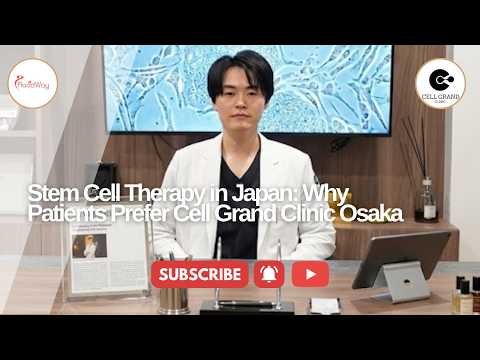
Stem Cell Therapy in Japan by Dr. Yuichi Wakabayashi: Why Patients Prefer Cell Grand Clinic Osaka
Stem Cell Therapy
Cell Grand Clinic - Best Stem Cell Clinic in Japan
Japan
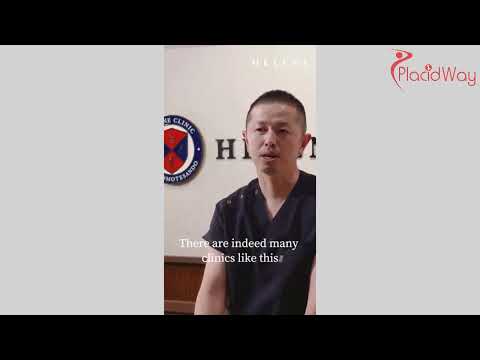
Minimally Invasive Stem Cell Therapy and Advanced Cultivation
Stem Cell Therapy
HELENE - Stem Cell Clinic
Japan
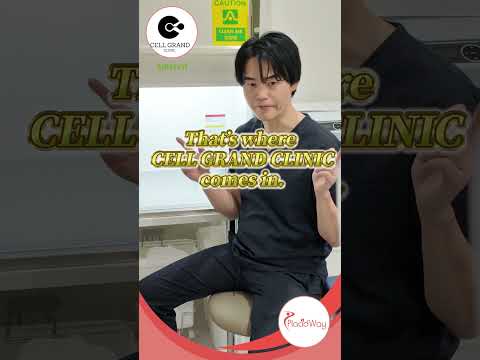
How Stem Cell Therapy Works at Cell Grand Clinic in Osaka, Japan
Stem Cell Therapy
Cell Grand Clinic - Best Stem Cell Clinic in Japan
Japan
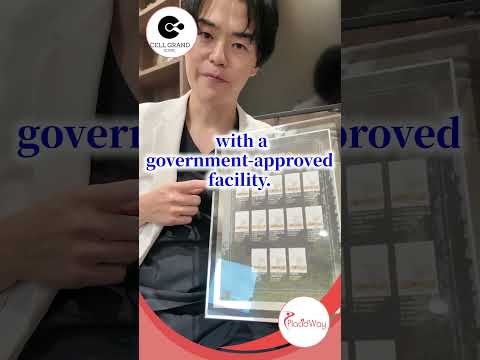
Safety of Stem Cell Therapy Explained by Cell Grand Clinic in Osaka, Japan
Stem Cell Therapy
Cell Grand Clinic - Best Stem Cell Clinic in Japan
Japan
Learn More with These Stem Cell Therapy Articles
Take a look at these interesting articles, stories and research that will help you learn more about Stem Cell Therapy.
.png)
Parkinson’s Disease: Thais Are Finding New Hope with Stem Cells in Tokyo
PlacidWay Medical Tourism
- Stem Cell Therapy
Japan

Reclaiming Clarity: The Advanced Exosome and Stem Cell Protocols for Parkinson’s in Tokyo
PlacidWay Medical Tourism
- Stem Cell Therapy
Japan

Bangkok’s Leading Parkinson’s Stem Cell Clinics in 2026: Success Rates and Safety
PlacidWay Medical Tourism
- Stem Cell Therapy
Thailand

“Amchepry” iPS Cell Therapy for Parkinson’s Disease in Japan: Dr. Yuichi Wakabayashi of CELL GRAND CLINIC Explains the Latest Advances
Cell Grand Clinic - Best Stem Cell Clinic in Japan
- Stem Cell Therapy
Japan
Stem Cell Therapy Solutions Near You: Explore Top Medical Centers
Discover how Stem Cell Therapy is transforming lives at leading medical centers in Tokyo, Japan. Dive into center profile, specialties, doctors, reviews, etc. and explore the best options tailored to your needs in this region.

HELENE - Stem Cell Clinic
Tokyo, Japan
Cell Grand Clinic - Best Stem Cell Clinic in Japan
Osaka, Japan








(Translated by Google) The teacher is nice, but I am bothered by the staff\'s private conversations (laughter) and their behavior. (Original) 先生はいい方なのですが、スタッフの私語(笑い声)や対応が気になります。
Read More