



Patient Profile
◉ Patient: Peter, a fictional UK patient and composite persona
◉ Age: 67, living in England
◉ Main Concerns: Hip pain, limited mobility, NHS waiting, and daily-life challenges
◉ Treatment Explored: Hip replacement in Turkey
◉ Primary Questions: Cost, surgeon, hospital, implants, risks, recovery, and follow-up
◉ Support Person: Elaine, Peter's wife and travel companion
◉ Persona: Fictional composite character, not a real PlacidWay patient
Journey at a Glance
◉ Starting Point: Peter's hip pain begins limiting his daily life.
◉ NHS Journey: He tries conservative treatments and is told he may need surgery.
◉ Waiting: The ongoing wait makes him reconsider his options.
◉ Discovery: Peter begins exploring private care and treatment in Turkey.
◉ Research: He investigates surgeons, hospitals, implants, costs, and risks.
◉ Questions: He asks about recovery, travel, complications, and follow-up.
◉ Decision: Peter compares NHS, UK private, and overseas options.
◉ Next Step: Consult qualified professionals and make an informed decision.
For UK Patients Who Have Tried to Manage the Pain, Waited for Care, and Started Wondering Whether Turkey Could Be Another Way Forward
At first, you stop taking the stairs.
It seems like a small adjustment.
Then you stop walking to the shops because coming home hurts more than going there.
You begin checking whether a restaurant has chairs that are easy to get out of.
You think twice before visiting somewhere that requires a long walk from the car park.
Putting on your socks becomes a job.
Getting into the car requires a particular sequence of movements.
Sleeping becomes a negotiation between your hip, your pillow and whichever position hurts least.
Eventually, your family starts adjusting around you too.
"Don't worry, Dad. We'll come to you."
"Mum, I'll carry that."
"We don't have to go if you're not up to it."
Everybody means well.
But one day you realise something uncomfortable:
Your world has quietly become smaller.
And the hardest part isn't always the pain.
It is waiting for your life to begin again.
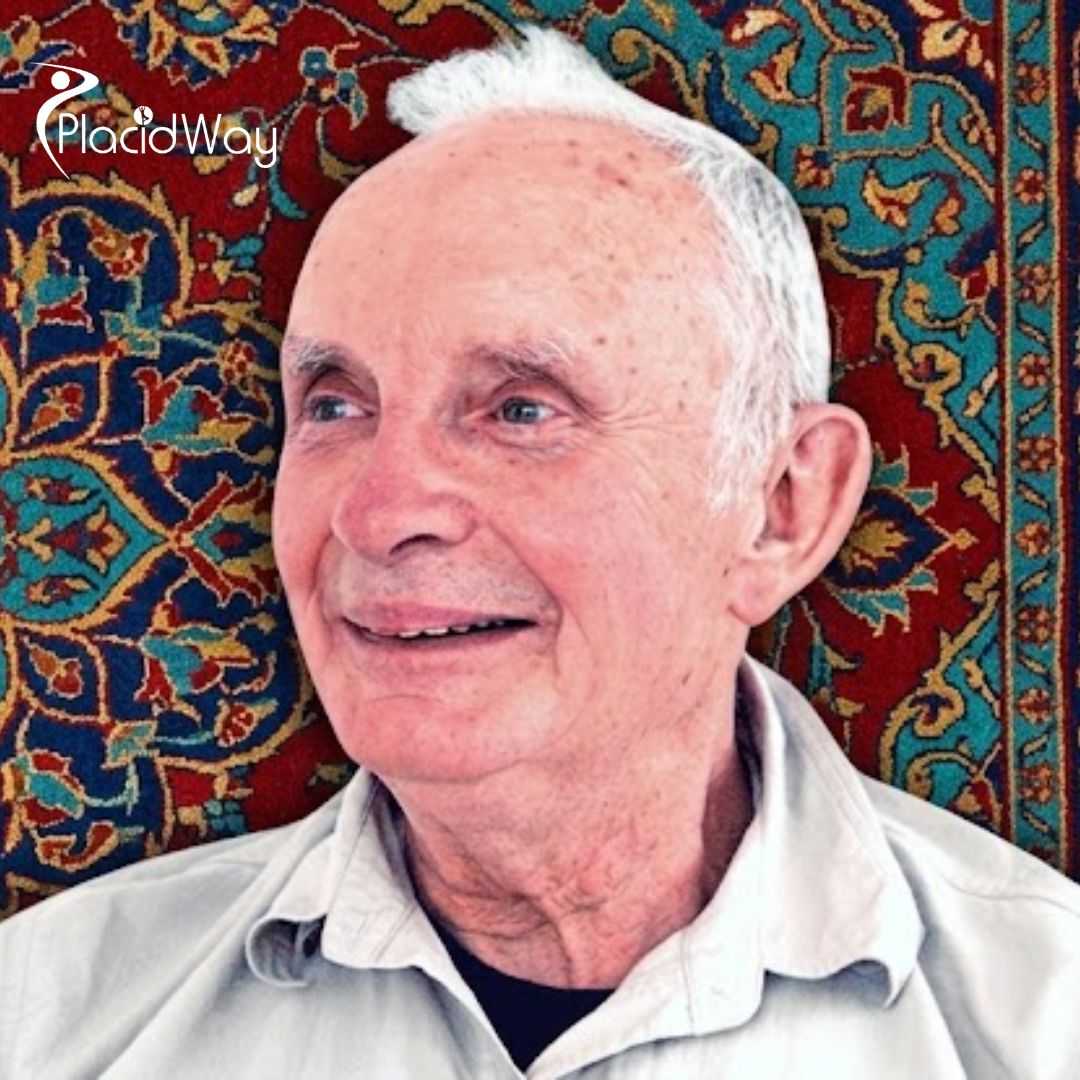
Meet Peter
Peter is not a real PlacidWay patient.
He is a fictional composite created from the kinds of situations and questions UK patients may face when severe hip problems begin affecting daily life and they start investigating treatment abroad.
Peter is 67 and lives in England.
For most of his life, walking was something he never thought about.
He walked the dog.
He worked in the garden.
He went into town with his wife, Elaine.
When their grandchildren visited, he was the one who suggested going outside.
Then his right hip began hurting.
At first he blamed age. Then his back. Then the chair at work.
Eventually, the pain didn't disappear.
His GP referred him for further assessment.
There were X-rays. Appointments. Painkillers. Exercises. Physiotherapy.
Some things helped temporarily.
But over time, getting out of a chair became something Peter had to think about before doing it.
The NHS explains that hip replacement is commonly used for severe pain and stiffness associated with conditions such as osteoarthritis and may be considered when other treatments or lifestyle changes have not helped enough and the loss of movement is affecting everyday life.
Peter eventually hears the words he expected but still wasn't ready for:
"You may need a hip replacement."
Part of him is relieved.
At least there is an explanation.
At least there is something doctors can potentially do.
Then comes another question.
When?
Waiting Looks Different When Every Step Hurts
The NHS in England sets an 18-week maximum waiting-time standard for most non-urgent consultant-led treatment, although exceptions apply and actual waiting times vary between hospitals, treatments and individual circumstances.
Waiting lists have improved. NHS England reported that the overall waiting list had fallen to 7.11 million by March 2026, with 450,000 fewer people waiting longer than 18 weeks compared with July 2024.
Even with that improvement, a substantial number of people were still beyond 18 weeks.
But Peter doesn't experience the healthcare system as a national statistic.
He experiences it on Tuesday morning when he cannot bend far enough to tie his right shoe.
He experiences it when Elaine suggests a weekend away and his first thought isn't where they might go.
It is:
"How much walking will there be?"
He experiences it when his grandson asks him to kick a football and he answers:
"Maybe after my hip is sorted."
Six months earlier, that sentence sounded temporary.
Now Peter isn't sure.
He Has Already Tried to Be Patient
This matters.
People considering treatment abroad are sometimes described as impatient consumers chasing faster healthcare.
That description misses what can happen before they ever type the name of another country into Google.
Peter didn't wake up one morning and decide to have surgery overseas.
-
He tried managing the pain.
-
He took medication as advised.
-
He attended appointments.
-
He did exercises.
-
He cut down activities.
-
He bought a walking stick.
-
He rearranged the house so that things he used often were easier to reach.
He told himself:
"Other people have it worse."
"I'll manage."
Managing eventually became the problem.
Because Peter wasn't asking anymore:
"Can I tolerate this pain?"
He was asking:
"How much of my life am I prepared to organise around it?"
That is a different question.
Then Peter Looks at Private Treatment in the UK
Like many people who become frustrated with waiting, Peter investigates another route.
Private surgery.
He makes enquiries.
The possibility of choosing a date sooner appeals to him.
Then he starts considering the total financial commitment.
He and Elaine have savings.
But those savings aren't simply "money in the bank."
-
Emergency fund
-
Home repairs
-
Retirement
-
Trips they still hope to take
-
Money they might someday need to help their children
Peter sits at the kitchen table with his laptop.
Elaine asks:
"Could we afford it?"
Technically, perhaps they could.
But Peter replies:
"That's not quite the same as being able to afford it, is it?"
And that is when his search changes.
He Isn't Searching for Turkey Yet
Peter's first searches don't look like medical-tourism keywords.
They look like questions from someone whose life is getting smaller:
How long can you safely wait for hip replacement?
What can you do while waiting for hip surgery?
Private hip replacement alternatives UK.
How much does hip replacement cost privately?
Can you have hip replacement abroad?
Only then does another phrase begin appearing repeatedly:
Peter pauses.
Turkey?
He and Elaine had been there once on holiday years ago.
But travelling there for major orthopaedic surgery feels completely different.
His instinctive reaction is:
"I'm not going abroad just because something is cheaper."
That's a good instinct.
Price shouldn't answer a medical question.
But curiosity can begin one.
Why Does Turkey Keep Appearing?
Turkey has developed a formal international-health-tourism sector. Its Ministry of Health maintains lists of healthcare providers authorised to operate within international health tourism, and current Turkish regulations require healthcare providers and intermediary organisations operating in this area to obtain the relevant authorisation.

For a UK patient, that doesn't mean every Turkish hospital, surgeon or treatment plan is appropriate.
It means there is something concrete to verify.
The question should never simply be:
"Is Turkey good for hip replacement?"
Countries don't perform operations.
Surgeons do. Hospitals do. Clinical teams do.
Peter needs to investigate the particular surgeon, hospital, implant, treatment plan and follow-up arrangement being proposed to him.
The UK Foreign, Commonwealth & Development Office makes the same broader point: medical facilities and available treatments can vary significantly both between and within countries, and people considering treatment in Turkey should discuss their plans with a UK clinician and conduct independent research rather than relying only on promotional material.
That changes Peter's approach immediately.
His First Question Was: "How Much?"
PlacidWay's current Turkey hip-replacement information places indicative total hip-replacement pricing around US$8,000–$11,000, depending on factors such as hospital, surgeon, implant, anaesthesia, accommodation and length of stay.
These are indicative figures rather than a personal quote, and the final amount can change once a clinician assesses the individual patient.
Peter notices the price difference.
Of course he does.
But then he remembers something his father used to say:
"Cheap is expensive if you have to buy it twice."
So Peter's next question is much more useful.
"What exactly am I getting?"
-
Is the surgeon's fee included?
-
The anaesthetist?
-
The implant? Which implant?
-
Pre-operative blood tests & imaging?
-
Hospital stay & medication?
-
Physiotherapy?
-
Airport transfers & hotel accommodation?
-
A companion's accommodation?
-
Extra hospital nights if recovery is slower than expected?
-
Treatment if a complication occurs?
-
Follow-up consultations or a return trip?
Suddenly, the advertised number becomes only the beginning of the conversation.
And that's where responsible medical travel should begin too.
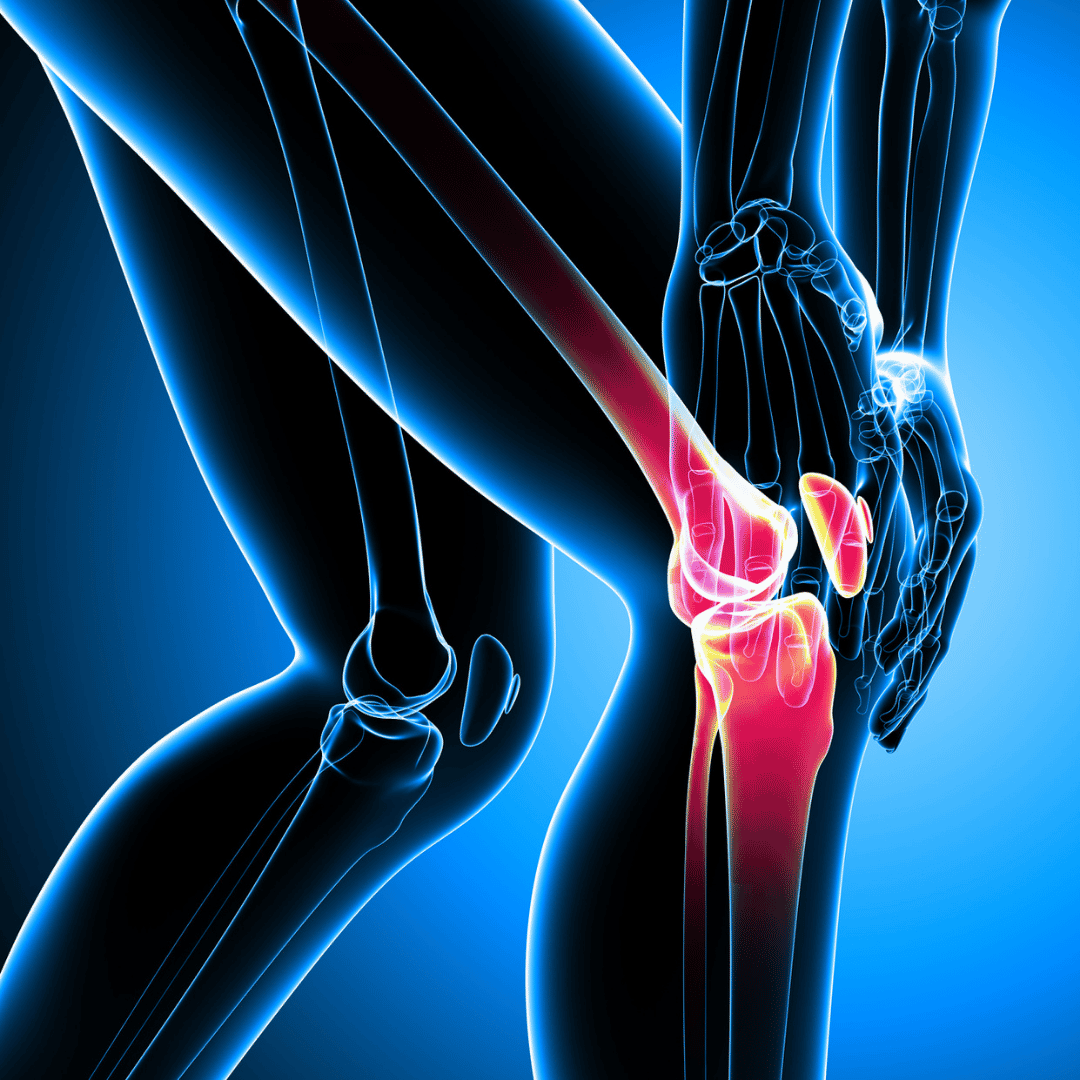
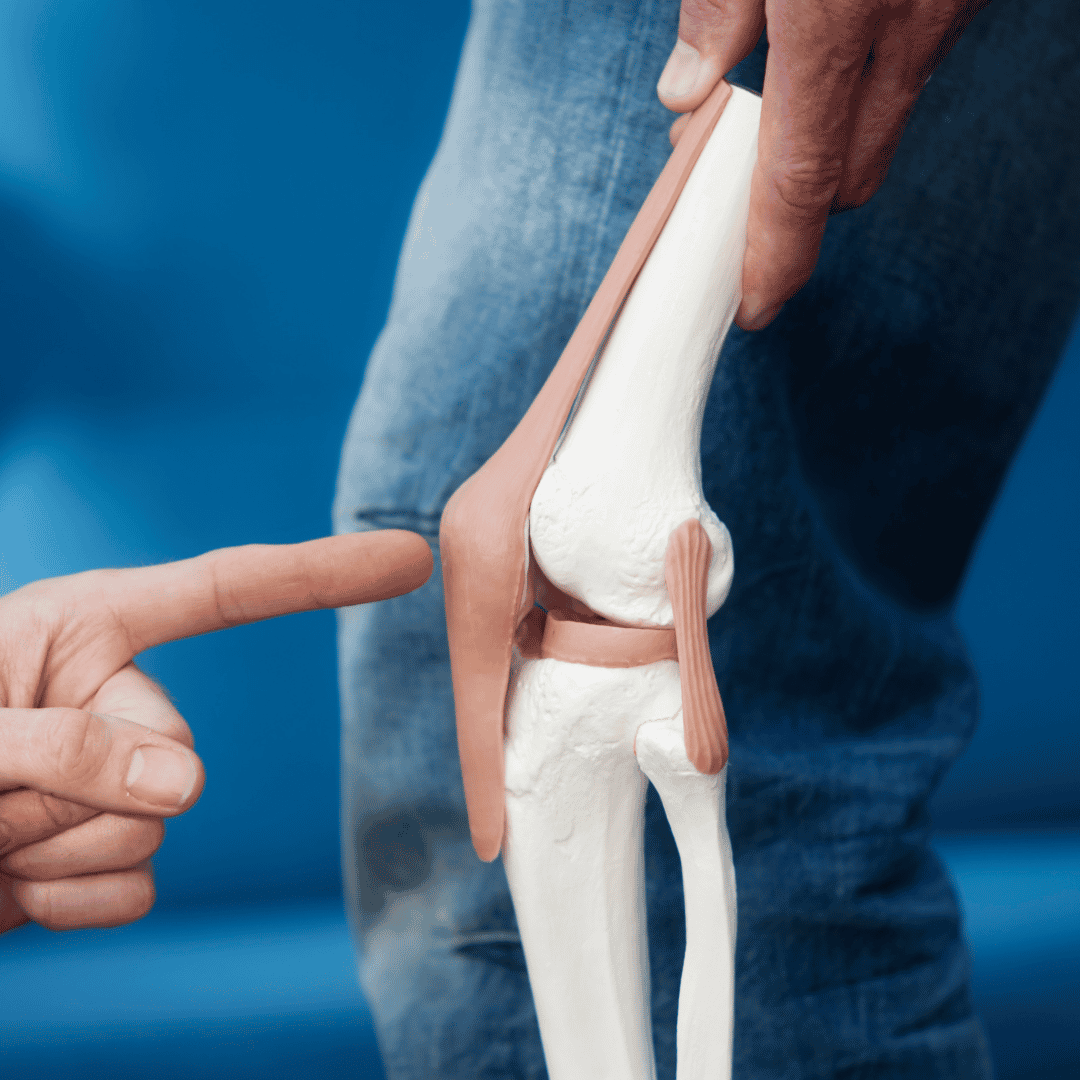
What Does a Hip Replacement Actually Replace?
Peter already knows the phrase "hip replacement."
But until now, he hasn't really understood what is being replaced.
A total hip replacement involves removing damaged parts of the hip joint and replacing them with artificial components, typically using combinations of metal, plastic or ceramic.
It is major surgery, and recovery takes time.
That last part matters enormously when the operation happens in another country.
Because booking surgery is only one part of Peter's problem.
He also has to answer:
How do I safely get home?
The Part of Medical Tourism Brochures Rarely Put on the Front Page
Imagine Peter has his operation in Istanbul.
The surgery goes according to plan.
He gets out of bed with help.
He begins walking with a frame or crutches.
His pain is being managed.
Everyone is pleased with his initial progress.
Now comes the question:
"When can I fly back to Britain?"
That answer should never be decided by the return ticket.
NHS guidance says people who are otherwise well and recovering as expected may leave hospital roughly one to three days after hip replacement, but that does not mean they are ready for air travel.
Rehabilitation begins early and follow-up commonly continues for weeks afterward.
Advice about flying after major hip surgery also varies. Some NHS hospital guidance advises avoiding air travel for at least six weeks where possible, while other NHS guidance notes that many airlines advise avoiding flying for around three months because of the increased risk of deep-vein thrombosis.
That variation tells Peter something important:
The flight home has to be part of the clinical plan before he books the operation.
Not afterward.
"Wait. Does That Mean I Could Need to Stay in Turkey for Weeks?"
Possibly, depending on the surgeon's advice, individual medical risks, airline requirements and the travel plan.
And this is exactly why international hip replacement is very different from flying abroad for a weekend procedure.
Peter starts thinking beyond surgery.
-
If he needs to stay longer, where will he recover?
-
Will there be stairs? Is the shower accessible?
-
How far is the bed from the bathroom? Is there a lift?
-
Can Elaine stay with him?
-
Will he need a raised toilet seat or other mobility equipment?
-
Can physiotherapy take place near the accommodation?
-
How far is the hotel from the hospital?
-
If he develops sudden pain or swelling at night, whom does Elaine call?
-
Does somebody speak English?
-
How quickly can they return to the treating hospital?
This isn't tourism in the usual sense.
Peter isn't looking for the best rooftop restaurant in Istanbul.
He is looking for a chair he can safely get out of.
That's recovery travel.
Elaine Isn't Just Coming on Holiday
Peter initially tells Elaine she doesn't have to come.
She looks at him as if the suggestion is ridiculous.
Of course she's coming.
But that creates another part of the journey almost nobody talks about.
-
Elaine will be the person remembering medications when Peter is tired.
-
She may help him dress.
-
She will listen to the discharge instructions too.
-
She may notice swelling before he does.
-
She needs the hospital telephone numbers, copies of records, surgeon instructions, insurance details, and return-travel plan.
She also needs to know what she should do if Peter suddenly develops chest pain, shortness of breath, fever, unusual wound drainage, calf pain or another concerning symptom.
The FCDO currently advises travellers to make sure their destination can provide the healthcare they may need and to have appropriate insurance for treatment or unexpected medical evacuation. It also notes that UK GHIC and EHIC cards are not valid in Turkey.
Peter isn't the only medical traveller anymore.
Elaine is part of the care system too.
Then Comes the Uncomfortable Conversation About Risk
The possibility of walking without the same arthritic pain is easy to imagine.
Complications are harder to picture.
But Peter needs both conversations.
Hip replacement is a major operation. Potential complications can include infection, blood clots, dislocation and other medical or surgical problems.
NHS guidance specifically highlights the risk of deep-vein thrombosis after hip surgery, which is one reason postoperative travel needs careful planning.
Peter therefore becomes suspicious of phrases such as:
"Completely safe."
"No risk."
"Guaranteed success."
A surgeon he trusts should be willing to tell him what could go wrong.
Not because something necessarily will.
Because informed consent means understanding more than the hoped-for outcome.
Peter's Questions Become Better
At the beginning, Peter asked:
"How soon can you do it?"
"How much does it cost?"
Now he arrives at a consultation with questions that sound very different:
-
Why are you recommending total hip replacement for me now, and what are my alternatives?
-
Who will actually perform my operation, and how much of their work involves hip replacement?
-
Is the hospital currently authorised by the Turkish Ministry of Health for international health tourism?
-
What implant are you proposing, and why is it appropriate for me?
-
Can you give me the implant manufacturer, model and documentation to take home?
-
What complications do you see most often, and how are they managed?
-
How many days do you expect me to remain in hospital and then nearby before travelling?
-
When do you personally believe it will be medically reasonable for me to fly back to the UK?
-
Who provides physiotherapy after discharge, and what rehabilitation should continue when I return home?
-
If I develop a complication in Britain, who communicates with my NHS GP or orthopaedic team?
-
What would you see in my scans, medical history or examination that would make you tell me not to have surgery here?
That final question matters.
Peter doesn't only want a surgeon who is willing to operate.
He wants one who is willing not to.
And There Is Another Question: "Have I Exhausted My Options in Britain?"
Going abroad should not prevent Peter from understanding the choices he may already have within the NHS.
NHS guidance says patients in England can check waiting times through My Planned Care and, in qualifying circumstances, ask for another provider if they are expected to wait beyond the maximum waiting-time standard.
Waiting times vary between hospitals.
So before making an international decision, Peter asks his UK team:
-
Can another NHS provider see him sooner?
-
Has his condition changed enough to warrant reassessment?
-
Is there anything that can better control symptoms while he waits?
-
Would his UK clinician review the proposed Turkish treatment plan?
-
Could they provide copies of his scans and records?
-
Who would handle rehabilitation after he returned?
This is important.
Turkey should be compared with Peter's real alternatives, not with a worst-case assumption about UK healthcare.
The Night Before He Makes a Decision
Peter is back at the same kitchen table.
Only this time there are more documents.
His UK notes. A proposed treatment plan from Turkey. Implant information. Estimated costs. A list of questions. Travel advice.
Elaine has highlighted parts of the paperwork.
Peter says:
"Six weeks ago I was ready to book the first place that could do it quickly."
Elaine replies:
"And now?"
Peter thinks about it.
"Now I want to know who I'm trusting with the next ten or twenty years of walking."
That is what changed.
The research didn't make him more afraid.
It made him more capable of making the decision.
What Peter Actually Wants Isn't a New Hip
This becomes obvious when his daughter asks:
"Dad, what are you most looking forward to when this is over?"
She expects him to say: "No pain."
He doesn't.
He says:
"Walking to school to pick up Ellie."
His granddaughter.
It's less than a mile.
For most people, it wouldn't sound like much of an ambition.
For Peter, it has become enormous.
He wants to walk beside her while she tells him about school.
He wants to take the dog out without measuring the route first.
He wants to go upstairs because he forgot his glasses without wondering whether they're really worth another trip.
He wants Elaine to suggest going somewhere and for his first response not to be:
"How far is the walk?"
That is what a hip replacement represents to him.
Not titanium. Not ceramic. Not a package. Not Turkey.
Movement.
And underneath movement: independence.
Turkey Might Be the Answer. It Might Not Be.
This is an important part of Peter's story.
A PlacidWay article shouldn't end by sending Peter directly to an operating theatre.
-
After reviewing everything, he might decide to stay with the NHS.
-
He might find another NHS hospital with a shorter wait.
-
He might choose private surgery in Britain.
-
A Turkish surgeon might decide he isn't ready for replacement.
-
His health history might make international travel unnecessarily complicated.
-
The proposed recovery period abroad might be impractical.
Or, after discussing the plan with his UK doctor, checking the hospital's authorisation, reviewing the surgeon and implant, understanding the risks, planning rehabilitation and solving the return-flight problem, Peter might decide that Turkey is a reasonable option for him to pursue.
Any of those can be an informed decision.
The goal isn't to persuade him to travel. It is to make sure frustration doesn't make the decision for him.
If Your Life Is Beginning to Revolve Around Your Hip, Start With the Life — Not the Country
Perhaps Peter's story feels familiar.
Maybe you've stopped walking as much. Sleeping badly. Painkillers aren't doing enough anymore.
Maybe you've been told that a replacement could help but you're still waiting.
Maybe you're researching private surgery and the price has made you pause.
And perhaps Turkey has now appeared on your screen.
You do not need to decide today.
Start with different questions:
-
What am I losing while I wait?
-
What options do I genuinely have in the UK?
-
Am I medically suitable for replacement now?
-
What would treatment abroad require beyond the operation itself?
-
How would rehabilitation work?
-
When could I safely travel home?
-
Who would look after me if something went wrong?
-
Can I verify the surgeon, hospital and proposed implant independently?
Then compare.
Not just prices. Paths forward.
Hope Isn't the Promise That Surgery Will Fix Everything
Peter began his search because he was tired of waiting.
But eventually he understood something important.
Hope wasn't getting the earliest possible operation.
Hope wasn't finding the cheapest hospital.
Hope wasn't somebody telling him:
"Don't worry. Everything will be perfect."
What gave him hope was finally having enough information to make a decision that felt like his.
He could ask questions. Compare options. Involve Elaine. Speak with his UK doctor. Investigate Turkey without pretending there were no risks. And choose not to go if the answers weren't good enough.
Because sometimes moving forward doesn't begin with surgery.
Sometimes it begins when the sentence changes from:
"I suppose I'll just have to keep waiting."
to:
"What other informed options do I have?"
PlacidWay — Your Way to Hope
When pain, waiting, access or cost makes healthcare feel as though it has reached a dead end, exploring treatment abroad may reveal additional options — but those options deserve careful investigation.
PlacidWay helps people explore healthcare possibilities across borders, understand treatments and destinations, compare information, ask better questions and prepare for conversations with qualified medical professionals.
For someone like Peter, Turkey isn't the promise of a new life.
It is one possible route worth understanding.
Because every patient deserves the opportunity to discover whether there is another informed way forward.
Explore Your Options for Turkey Hip Replacement
If you are considering Turkey Hip Replacement, PlacidWay Medical Tourism can help you explore providers, treatment options, costs, and important questions to discuss with qualified medical professionals. Compare your options and take the next step with information that supports a more informed decision.
Request InformationDisclaimer: This article is for educational purposes and does not recommend that any individual undergo hip replacement surgery or travel to Turkey for medical treatment. Hip replacement is major surgery and individual suitability, implant choice, risks, rehabilitation needs and fitness for travel require assessment by qualified healthcare professionals. UK patients considering planned treatment abroad should discuss the decision with their UK clinician, verify the provider's current regulatory status, review current FCDO travel advice and obtain appropriate insurance. Postoperative air-travel timing must be determined individually with the treating surgical team and airline rather than from a pre-booked travel itinerary.



.png)
.png)


















Share this listing