


The Complete Guide to Clinics Offering Percutaneous Transluminal Angioplasty
Living with restricted blood flow can be a debilitating experience, but finding the right medical facility for your treatment should not be an insurmountable challenge. For patients exploring which clinics offering percutaneous transluminal angioplasty provide the highest standard of care, the global medical landscape now provides unparalleled options. This minimally invasive procedure is designed to restore vital blood flow, dramatically improving a patient's overall quality of life and physical endurance.
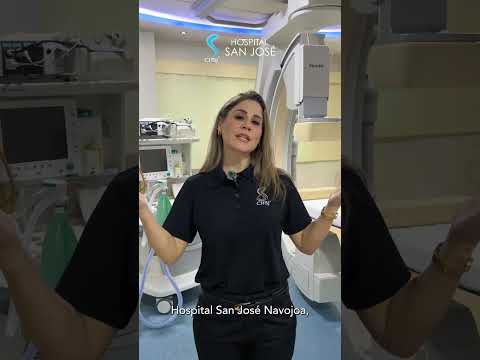
Today, world-class cardiovascular centers across the globe are combining cutting-edge vascular technology with highly accessible pricing structures. Watch to discover how international medical tourism is revolutionizing access to premium balloon angioplasty treatments and empowering patients to take control of their heart health without facing devastating financial burdens.
Video Chapters & Quick Navigation
The global healthcare sector has experienced a monumental shift in how patients approach complex cardiovascular treatments. Individuals suffering from severe arterial blockages are no longer restricted to the medical facilities located strictly within their immediate geographic vicinity. Instead, patients from North America and Western Europe are increasingly looking outward to find highly specialized clinics offering percutaneous transluminal angioplasty abroad.
This remarkable globalization of cardiovascular care ensures that high-quality, life-saving procedures are available to a broader demographic. By researching international hospitals, patients can secure timely interventions without lingering on lengthy domestic waiting lists. Accessing these advanced medical hubs allows individuals to receive prompt, effective care while experiencing significant financial savings.
Understanding Percutaneous Transluminal Angioplasty (PTA)
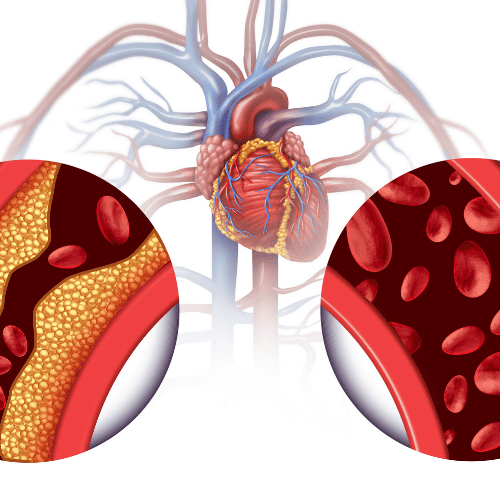
Percutaneous transluminal angioplasty is a widely recognized, minimally invasive surgical procedure designed to open up blocked or narrowed blood vessels. As highlighted at in the video, this technique utilizes a specialized medical catheter equipped with a tiny balloon at its tip. When this catheter reaches the site of the arterial blockage, the balloon is carefully inflated to compress the restrictive plaque against the artery walls.
The primary goal of this procedure is to restore optimal blood flow without the need for traditional, open-heart or bypass surgery. By avoiding large surgical incisions, patients experience drastically reduced physical trauma and a significantly faster recovery timeline. This minimally invasive approach has become the absolute gold standard for treating various forms of arterial disease.
The Mechanics of Arterial Restoration
During the procedure, an interventional cardiologist makes a tiny puncture, typically in the groin or wrist area, to introduce the catheter. Using advanced fluoroscopy and real-time continuous X-ray imaging, the medical team navigates the guidewire directly to the precise location of the compromised blood vessel. This high-definition imaging ensures absolute surgical precision and mitigates potential procedural risks.
Once the plaque is successfully compressed, the surgeon will often deploy a small wire mesh tube known as a stent. This stent acts as a permanent internal scaffold, structurally supporting the artery and preventing it from collapsing back inward. The strategic placement of a drug-eluting stent further prevents scar tissue formation, ensuring long-term vascular patency.
Evaluating Which Clinics Offering Percutaneous Transluminal Angioplasty Are Best
Selecting the optimal medical facility for your cardiovascular procedure is the most critical decision in your healthcare journey. When determining which clinics offering percutaneous transluminal angioplasty meet international excellence standards, patients must look beyond superficial marketing. The most reputable cardiovascular centers are distinguished by their stringent international accreditations and verifiable clinical outcomes.
As noted at , prestigious accreditations like the Joint Commission International (JCI) serve as a global benchmark for patient safety and quality of care. Clinics holding this specific certification adhere to rigorous, standardized protocols that mirror the top hospitals in the United States and the United Kingdom. Patients should always prioritize facilities that openly publish their surgical success rates and infection control statistics.
Surgeon Expertise and Board Certifications
The technological capabilities of a clinic are only as effective as the medical professionals operating the equipment. Elite international clinics aggressively recruit interventional cardiologists who have completed extensive fellowships in North America or Western Europe. These highly credentialed specialists bring an unmatched level of global expertise directly to the catheterization laboratory.
Furthermore, leading vascular surgeons often participate in continuous medical education and global cardiological symposiums. This dedication to ongoing education ensures they remain at the absolute forefront of emerging angioplasty techniques and stent technologies. Patients should proactively request detailed background information and professional profiles of their prospective surgical team prior to booking.
Comprehensive Breakdown of Vascular Conditions Treated
While percutaneous transluminal angioplasty is frequently associated with coronary artery disease, its clinical applications extend far beyond the heart. Specialized international clinics utilize this exact same balloon catheter technique to treat a vast array of debilitating systemic vascular conditions. Recognizing the specific condition you suffer from will help narrow down the most qualified specialist for your unique anatomical needs.
Atherosclerosis, the underlying cause of most arterial blockages, can manifest in the legs, kidneys, and neck. Highly rated cardiovascular tourism destinations offer comprehensive diagnostic departments to accurately map the extent of this systemic plaque buildup. Treatment is then highly customized based on the precise location and severity of the calcified deposits.
Primary Diagnoses Requiring Angioplasty Intervention
- Coronary Artery Disease (CAD): The most common application, focusing on clearing blockages in the arteries supplying the heart muscle to prevent severe myocardial infarctions.
- Peripheral Artery Disease (PAD): Targeting severe blockages in the lower extremities, relieving chronic leg pain during walking and preventing advanced tissue necrosis or amputation.
- Renal Artery Stenosis: Opening the vital arteries leading to the kidneys to effectively manage uncontrollable hypertension and preserve overall renal function.
- Carotid Artery Disease: A critical preventative measure used to clear the major blood vessels in the neck, drastically reducing the immediate risk of a catastrophic ischemic stroke.
Cutting-Edge Technology in Modern Catheterization Labs
The evolution of vascular medicine has introduced a new era of highly sophisticated diagnostic and interventional technologies. When researching which clinics offering percutaneous transluminal angioplasty are the most capable, the presence of an advanced catheterization laboratory (Cath Lab) is non-negotiable. Mentioned at in the provided guide, state-of-the-art clinics utilize integrated, multi-modality imaging systems.
These advanced international facilities invest millions in modernizing their surgical infrastructure to guarantee patient safety. The integration of Intravascular Ultrasound (IVUS) and Optical Coherence Tomography (OCT) allows surgeons to view the interior of the artery in spectacular, high-definition 3D. This level of granular visibility ensures that stents are perfectly sized and fully expanded against the arterial wall, minimizing future complications.
Innovations in Stent and Balloon Design
Premium cardiovascular clinics no longer rely solely on traditional, bare-metal stents for complex arterial reconstructions. Today, the global standard involves utilizing next-generation drug-eluting stents (DES) coated with powerful immunosuppressive medications. These specialized coatings slowly release medication into the vessel wall, dramatically lowering the chances of the artery narrowing again over time.
In cases involving heavily calcified and hardened plaque, top-tier clinics employ specialized cutting balloons or rotational atherectomy devices. These highly engineered tools feature microscopic blades or diamond-tipped burrs designed to safely fracture stubborn calcium deposits prior to balloon inflation. Access to these diverse technological tools allows international surgeons to successfully treat incredibly complex anatomical cases that other facilities might deem inoperable.
Leading Global Destinations for Affordable Cardiovascular Care
The concept of traveling abroad for life-saving heart procedures is rapidly gaining mainstream acceptance among health-conscious consumers. Several key nations have strategically developed their healthcare infrastructure to explicitly cater to the rising demands of international medical tourists. These countries combine world-renowned medical expertise with luxurious recovery environments and dedicated patient concierge services.
For patients residing in the United States and Canada, Mexico has emerged as an incredibly convenient and top-rated medical destination. Cities like Tijuana, Cancun, and Monterrey boast ultra-modern hospital networks located just a short flight from major North American travel hubs. The proximity allows for minimal travel stress, which is highly advantageous for individuals managing symptomatic cardiovascular conditions.
Excellence in Europe and Asia
Across the Atlantic, nations like Turkey and Germany are widely celebrated for their exceptional contributions to modern cardiology. Istanbul, in particular, hosts numerous JCI-accredited mega-hospitals that handle thousands of successful angioplasty procedures annually. These Turkish facilities are renowned for their incredible efficiency, drastically reducing the time between initial consultation and the surgical intervention.
In Asia, India has solidified its reputation as a global powerhouse for complex cardiovascular surgeries and affordable balloon angioplasty treatments. Indian specialty hospitals attract top-tier surgical talent and offer comprehensive treatment packages that cover every logistical aspect of the medical journey. Patients traveling to India consistently report receiving highly personalized, compassionate care that rivals the most expensive private hospitals in the West.
Comprehensive Cost Analysis of Balloon Angioplasty Globally
The astronomical out-of-pocket costs associated with domestic healthcare are the primary catalyst driving patients toward international medical alternatives. In the United States, an uninsured or underinsured patient can easily face medical bills exceeding $30,000 to $50,000 for a single percutaneous transluminal angioplasty. These inflated domestic figures often omit hidden costs like prolonged hospital stays, specialized diagnostic imaging, and separate anesthesiology fees.
Conversely, discovering which clinics offering percutaneous transluminal angioplasty exist in medical tourism hubs reveals a completely different financial reality. As detailed at , international medical centers typically provide transparent, all-inclusive pricing packages that eliminate unexpected financial surprises. These comprehensive packages frequently bundle the surgical procedure, hospital stay, premium medical supplies, and even local transportation into one affordable lump sum.
Global Pricing Comparison Chart
To fully understand the massive financial advantages of medical travel, one must examine the stark contrast in regional pricing. The following table provides a general baseline comparison of what patients can expect to pay for a standard angioplasty with stent placement. These dramatic price reductions are a result of lower localized administrative costs, not a reduction in medical quality or safety standards.
| Country / Region | Estimated Cost (USD) | Typical Package Inclusions |
|---|---|---|
| United States | $30,000 - $50,000+ | Procedure only; heavy hidden fees |
| Mexico | $3,500 - $6,500 | Procedure, 1-2 night stay, diagnostics |
| Turkey | $4,000 - $7,000 | Procedure, luxury VIP transfers, translation |
| India | $2,500 - $4,500 | Procedure, extended hospital stay, meds |
The End-to-End Patient Experience for International Angioplasty
Navigating cross-border healthcare might initially seem overwhelming, but dedicated medical tourism facilitators have streamlined the entire process. The journey typically begins with a comprehensive virtual consultation, allowing international cardiologists to thoroughly review your existing angiograms and medical history. This preliminary assessment guarantees that you are a viable, safe candidate for the procedure before you ever book a flight.
Once medical clearance is established, dedicated patient coordinators handle the intricate logistics of your customized medical itinerary. From securing preferential rates at nearby recovery hotels to arranging specialized airport transfers with trained medical staff, every detail is meticulously planned. This white-glove service ensures that patients can focus entirely on their upcoming procedure and cardiovascular health without unnecessary administrative stress.
Arrival and Pre-Operative Protocols
Upon arriving at the destination clinic, patients are immediately integrated into a rigorous pre-operative screening process to confirm their current health status. Discussed at , this often includes updated electrocardiograms, comprehensive blood panels, and fresh echocardiograms to provide the surgeon with the most current anatomical data. International clinics pride themselves on conducting these advanced diagnostics swiftly, bypassing the weeks of waiting typical in domestic healthcare systems.
Following a successful angioplasty, the post-operative care experience in top international clinics is exceptionally attentive and deeply patient-focused. Individuals generally remain under close observation in a highly equipped cardiac recovery unit for several hours before transitioning to a private, comfortable suite. Nursing staff conduct frequent vital checks and administer necessary antiplatelet medications to ensure the newly placed stent integrates flawlessly.
Life After Percutaneous Transluminal Angioplasty: Sustaining Results
Returning home after a successful medical journey is merely the beginning of your renewed commitment to lifelong cardiovascular health. While the angioplasty procedure masterfully resolves the immediate arterial blockage, it does not cure the underlying systemic condition of atherosclerosis. Long-term success relies heavily on the patient's dedication to implementing aggressive, heart-healthy lifestyle modifications and strict medication adherence.
International cardiologists provide highly detailed discharge summaries and post-operative instructions that must be shared with your local primary care physician. Patients will inevitably be prescribed dual antiplatelet therapy (DAPT), typically involving aspirin and a secondary medication, to prevent dangerous blood clots from forming inside the new stent. Prematurely discontinuing these critical medications without direct medical supervision can lead to catastrophic, life-threatening cardiovascular events.
Cardiac Rehabilitation and Lifestyle Adjustments
To maximize the longevity of your newly restored blood flow, enrolling in a structured cardiac rehabilitation program upon returning home is highly advised. These specialized programs combine medically supervised exercise routines with essential nutritional counseling to help patients safely rebuild their physical stamina. Engaging in regular, moderate aerobic activity strengthens the heart muscle and significantly improves overall vascular elasticity.
Furthermore, aggressively managing controllable risk factors is absolutely paramount to preventing future plaque buildup in other vital arteries. This includes strictly maintaining healthy blood pressure levels, rigidly controlling blood glucose if diabetic, and absolutely eliminating all tobacco consumption immediately. By treating the angioplasty as a vital secondary chance at life, patients can enjoy decades of improved mobility, pain-free walking, and a robust cardiovascular system.
Ready to Reclaim Your Cardiovascular Health?
PlacidWay Medical Tourism seamlessly connects you with the world's highest-rated clinics offering percutaneous transluminal angioplasty. Secure elite vascular care at a fraction of domestic costs. Let our experts handle your medical travel logistics while you focus on a healthy recovery.
REQUEST A FREE QUOTE TODAY



-Package-in-Riyadh,-Saudi-Arabia-at-King-Faisal-Specialist-Hospital-Thumbnail.jpg)













Share this listing