


The Complete Guide to Advanced Herniated Spinal Treatment in Italy
About this guide: Living with chronic back pain can dictate every aspect of your daily life, turning simple movements into agonizing challenges. Finding effective, minimally invasive relief is critical. Patients worldwide are now seeking advanced herniated spinal treatment in Italy by laser doctor Tassi, recognized globally for pioneering minimally invasive spinal procedures in Europe. For decades, the standard approach to severe disc herniation involved risky open-back surgery, extensive hospital stays, and unpredictable recovery times.
Today, medical tourism in Europe offers a revolutionary alternative. By combining the brilliance of Italian medical expertise with cutting-edge laser technology, patients are reclaiming their mobility without the trauma of traditional surgery. Explore how Percutaneous Laser Disc Decompression (PLDD) is changing the landscape of spinal care, offering an outpatient solution that gets you back on your feet in a fraction of the time.
Video Chapters & Quick Navigation
The Hidden Epidemic of Severe Spinal Disc Pain
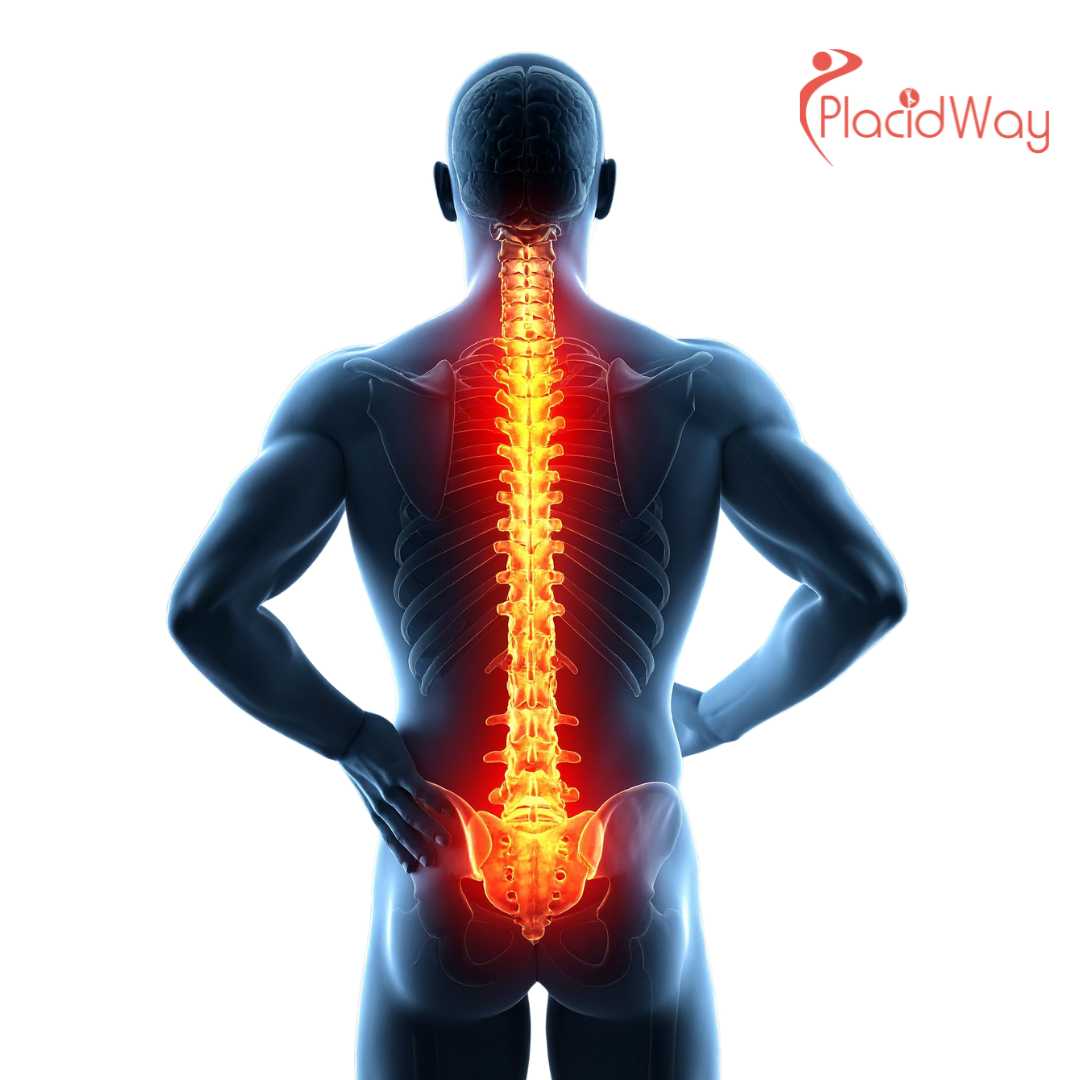
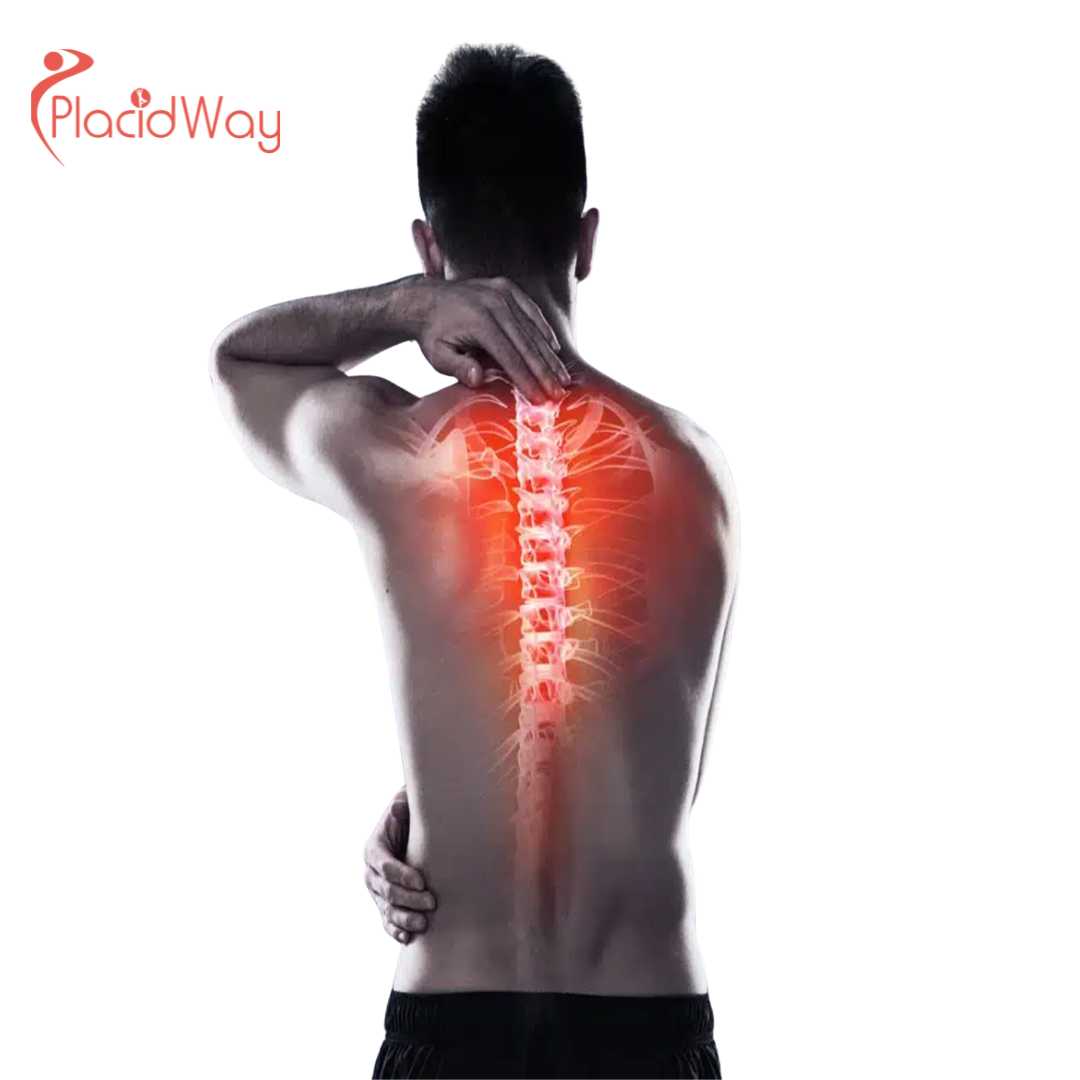
Spinal disc herniation, commonly referred to as a slipped disc or ruptured disc, is one of the most debilitating medical conditions affecting adults globally. When the soft inner core of a spinal disc pushes outward through a tear in the tough exterior ring, it frequently compresses nearby spinal nerves. This compression triggers a cascade of severe neurological symptoms, including agonizing localized back pain, radiating numbness, and sharp, shooting pains down the legs—a condition widely known as sciatica.
For decades, patients suffering from these symptoms were left with terrible choices. Conservative treatments like physical therapy and epidural steroid injections often provide only temporary relief. When these treatments inevitably fail, orthopedic surgeons typically recommend highly invasive open spinal surgery, such as a microdiscectomy or spinal fusion. As noted at in the video, conventional open-back surgeries carry profound risks, including heavy general anesthesia, large incisions, potential nerve damage, and epidural fibrosis (post-surgical scar tissue) which can lead to Failed Back Surgery Syndrome (FBSS).
The Physiological Toll of Untreated Herniations
Ignoring a herniated disc is rarely a viable long-term strategy. The continuous mechanical pressure on the nerve root can cause chronic inflammation, leading to permanent neurological deficits. Patients frequently report progressive muscle weakness in their lower extremities, a loss of deep tendon reflexes, and an inability to perform routine daily tasks.
The psychological toll is equally devastating. Chronic back pain is deeply linked to depression, anxiety, and a diminished quality of life. Finding a definitive, safe intervention is not merely about managing pain; it is about reclaiming one's life. This urgent need for better, safer outcomes paved the way for the adoption of laser-assisted spinal interventions across top European medical centers.
What is Percutaneous Laser Disc Decompression (PLDD)?
Percutaneous Laser Disc Decompression (PLDD) is a state-of-the-art, minimally invasive surgical technique designed specifically to treat symptomatic herniated discs. Unlike traditional surgery that requires cutting through muscles and removing bone to access the spine, PLDD utilizes advanced optical physics to treat the root cause of the pain from the inside out.
During the procedure, as explained around , a very thin hollow needle is introduced directly into the herniated disc under precise fluoroscopic (X-ray) guidance. A specialized optical laser fiber is then threaded through this needle. When the laser is activated, it delivers highly controlled thermal energy to the nucleus pulposus—the jelly-like center of the spinal disc. This thermal energy vaporizes a tiny volume of the disc's liquid content.
The Physics of Spinal Pain Relief
The brilliance of PLDD lies in the laws of physics. The spinal disc is a closed hydraulic system. By vaporizing just a small amount of the nucleus (often less than a few milliliters), the internal pressure of the disc drops dramatically and instantaneously. This negative pressure acts like a vacuum, drawing the herniated, bulging portion of the disc back toward the center and away from the compressed nerve root.
Because the nerve is immediately freed from mechanical compression, patients frequently report a sudden and profound relief from sciatic leg pain while still on the operating table. The procedure requires only local anesthesia, meaning the patient remains awake, alert, and able to provide real-time feedback to the surgical team, virtually eliminating the risk of accidental nerve injury.
Meet Dr. Gian Paolo Tassi: Europe’s Leading Spinal Laser Surgeon
When discussing herniated spinal treatment in Italy, one name stands at the absolute forefront: Dr. Gian Paolo Tassi. Based in Italy, Dr. Tassi is a world-renowned neurosurgeon and a leading global authority on Percutaneous Laser Disc Decompression. His expertise has positioned Italian medical facilities as premier destinations for international patients seeking relief from debilitating spine conditions without the risks of traditional surgery.
Dr. Tassi’s deep involvement with PLDD is historic. He worked closely with the late Professor Daniel S.J. Choy, the brilliant medical mind who originally invented the PLDD procedure in the 1980s. Under this elite mentorship, Dr. Tassi mastered the intricate nuances of laser spine surgery, eventually bringing the refined technique to Italy. As mentioned at , his clinical success rates are internationally recognized, drawing patients from North America, the Middle East, and the United Kingdom.
A Legacy of Surgical Excellence
Dr. Tassi’s clinics in Italy are equipped with state-of-the-art diagnostic and surgical technology, rivaling the top-tier spine centers in the United States and Germany. He has successfully performed thousands of PLDD procedures, establishing a robust clinical track record of safety and efficacy. His meticulous approach ensures that every patient undergoes rigorous pre-operative screening via MRI and CT imaging to guarantee they are the perfect candidate for laser decompression.
Beyond his technical precision, international patients consistently praise Dr. Tassi’s compassionate bedside manner. He dedicates significant time to explaining the biomechanics of the spine to his patients, ensuring they fully understand the procedure, the expected outcomes, and the post-operative rehabilitation process. This level of personalized care is a hallmark of the premium medical tourism experience available in Italy.
Comparing Traditional Spine Surgery vs. Laser Disc Decompression
For patients researching overseas spine surgery options, understanding the distinct clinical differences between traditional open surgery and PLDD is essential. Making an informed decision requires looking closely at surgical trauma, recovery timelines, and long-term spinal stability. Below is a comprehensive comparison to help clarify why minimally invasive laser surgery in Europe is becoming the preferred choice.
| Feature | Traditional Open Surgery (Microdiscectomy) | PLDD with Dr. Tassi in Italy |
|---|---|---|
| Anesthesia Required | General anesthesia (intubation) | Local anesthesia (patient is awake) |
| Incision Size | 1 to 2 inches, cutting muscle and bone | No incision; uses a 1mm needle puncture |
| Hospital Stay | 1 to 3 days inpatient admission | Outpatient procedure; leave same day |
| Scar Tissue Risk | High risk of epidural fibrosis | Virtually zero risk of internal scarring |
| Recovery Timeline | 6 to 12 weeks of restricted activity | 2 to 4 weeks for normal activities |
The table clearly illustrates the massive clinical advantage of the PLDD method. By avoiding general anesthesia and the physical destruction of bone and supporting musculature, the spine's natural biomechanical stability is fully preserved. This translates directly to a faster return to work, sports, and normal daily life.
Why Choose Italy for Minimally Invasive Spine Surgery?
The concept of traveling abroad for medical care—medical tourism—has surged in popularity, but not all destinations are created equal. Italy has rapidly emerged as a European epicenter for high-end medical care, particularly in neurosurgery and orthopedics. The Italian healthcare system is ranked among the best in the world by the World Health Organization (WHO), known for its stringent safety regulations, cutting-edge technology, and highly educated medical professionals.
Choosing Italy for your herniated disc treatment means you do not have to compromise on the quality of care to access affordable medical solutions. Private clinics catering to international patients in cities like Rome, Milan, and Naples are designed to offer a luxury experience. They feature English-speaking medical staff, private recovery suites, and dedicated medical concierge services that handle everything from airport transfers to post-operative physical therapy coordination.
The Healing Power of the Mediterranean
Beyond the operating room, Italy offers an unparalleled environment for physical and mental recovery. Stress plays a significant role in pain perception and systemic inflammation. Recovering in a serene Italian villa, enjoying a climate-friendly Mediterranean environment, and consuming an anti-inflammatory Mediterranean diet can significantly enhance your body's natural healing processes. The psychological relief of being in a beautiful, culturally rich environment turns a daunting medical procedure into an empowering healing journey.
Patient Candidacy: Who Benefits Most from PLDD in Europe?
While PLDD is a revolutionary procedure, it is important to understand that it is not a cure-all for every type of back pain. Accurate patient selection is the single most critical factor in achieving high success rates. Dr. Tassi’s protocols require a comprehensive review of recent MRI scans before a patient is approved to travel to Italy for surgery. This strict vetting process protects the patient and ensures the highest probability of a pain-free outcome.
The ideal candidate for percutaneous laser disc decompression typically presents with a contained (unruptured) herniated disc. This means the soft nucleus has pushed outward, causing a bulge that compresses the nerve, but the outer ligamentous ring (the annulus fibrosus) remains intact. As detailed at , candidates usually suffer from continuous leg pain (sciatica) or arm pain (cervical radiculopathy) that has not responded to at least six weeks of conservative treatments like physical therapy, rest, and anti-inflammatory medications.
Contraindications for Laser Spine Surgery
Patients who are not suitable for PLDD generally include those with a sequestered disc herniation—where a piece of the disc material has completely broken off and is floating in the spinal canal. Additionally, patients with severe spinal stenosis, significant spinal instability (spondylolisthesis), or extensive spinal tumors are typically directed toward more conventional surgical options. A remote consultation with Dr. Tassi’s medical team can quickly determine your eligibility based on digital imaging.
A Step-by-Step Breakdown of the PLDD Procedure with Dr. Tassi
Fear of the unknown is the greatest source of anxiety for patients facing spinal procedures. Understanding exactly what happens from the moment you enter the surgical center in Italy can provide immense peace of mind. The PLDD procedure is remarkable for its efficiency, precision, and lack of surgical trauma.
Step 1: Preparation and Local Anesthesia
Upon arrival at the clinic, you will be prepped for the outpatient procedure. You will be positioned comfortably on the operating table, usually lying on your side or stomach depending on the affected disc. The surgical team will thoroughly sterilize the area, and Dr. Tassi will administer a local anesthetic to numb the skin and the superficial tissues down to the spine. You will feel a slight pinch, followed by numbness, ensuring you remain pain-free while fully awake.
Step 2: Fluoroscopic Needle Placement
Using real-time, high-definition fluoroscopy (a continuous X-ray machine), Dr. Tassi carefully guides a specialized, ultra-thin needle (about 1mm in diameter) through the skin and directly into the center of the herniated disc. The fluoroscopic imaging ensures millimeter-perfect accuracy, avoiding any surrounding nerves or blood vessels. You may feel mild pressure, but no sharp pain.
Step 3: Laser Vaporization
Once the needle is perfectly positioned within the nucleus pulposus, a thin medical-grade laser fiber is introduced through the hollow needle. The laser is activated in short, controlled bursts. The laser energy safely vaporizes a tiny volume of the water-rich nucleus. As the pressure drops, the bulging disc retracts. The laser phase takes only a few minutes per disc.
Step 4: Immediate Recovery
The needle is removed, and a small adhesive bandage is placed over the puncture site—no stitches are required. You will be monitored in a comfortable recovery lounge for a few hours. Most patients are encouraged to stand up and walk shortly after the procedure. It is incredibly common for patients to notice an immediate reduction in their radiating leg or arm pain before they even leave the clinic.
Cost Analysis: Laser Spine Surgery in Italy vs. USA and UK
One of the primary drivers of medical tourism for spine surgery is the staggering difference in healthcare costs. In the United States, an open microdiscectomy or an uninsured laser spine procedure can easily cost between $30,000 and $50,000 or more, factoring in surgeon fees, hospital facility charges, anesthesiology, and post-operative care. In the United Kingdom, while the NHS covers traditional surgeries, patients often face agonizingly long waiting lists that can stretch for over a year, forcing many to endure daily severe pain or pay exorbitant private healthcare fees.
Traveling to Italy for herniated spinal treatment with Dr. Tassi offers a transparent, highly affordable alternative. Patients can save up to 60% to 70% compared to US prices, without any compromise in surgical quality. Medical tourism packages facilitated by agencies often provide all-inclusive pricing. This means your quote covers the surgeon's fee, clinic costs, anesthesia, and necessary pre-operative imaging. There are no hidden fees or surprise medical bills—a stark contrast to the opaque billing practices common in North American healthcare systems.
Maximizing the Value of Your Health Investment
When calculating the true cost of spine surgery, you must factor in the cost of lost wages during a long recovery. Because PLDD allows patients to return to desk work and light activities within a week or two, the economic impact of the surgery is dramatically minimized. You are investing in a rapid return to productivity, making the trip to Europe highly cost-effective.
Real Patient Experiences and Long-Term Success Rates
The clinical success rates of PLDD under the hands of an expert like Dr. Gian Paolo Tassi are exceptional. Peer-reviewed medical literature and decades of clinical data indicate that properly selected patients experience a success rate of 80% to 85% with PLDD. Success is defined as significant, long-lasting pain relief and a return to normal daily activities without the need for subsequent open surgeries.
Patients who travel for this procedure frequently share transformative stories. As highlighted in the video at , individuals who previously relied on heavy narcotic pain medications or walked with canes report walking out of the Italian clinic entirely unassisted. The lack of surgical trauma means that physical therapy can begin sooner, focusing on core strengthening to support the newly stabilized spine.
Planning Your Medical Travel for Herniated Disc Treatment in Italy
Embarking on a medical journey to Europe requires thoughtful logistical planning, but medical tourism facilitators make the process seamless and stress-free. The first step involves an initial remote consultation. You will securely transmit your recent MRI scans and medical history to Dr. Tassi’s team. Within a few days, you will receive a comprehensive medical evaluation determining your eligibility for the laser procedure.
Once approved, dedicated patient coordinators assist with all travel arrangements. Depending on your nationality, traveling to Italy may require a standard Schengen medical visa, which facilitators can help expedite. You will be provided with a selection of nearby, comfortable hotels or recovery apartments suited to your budget and needs. It is highly recommended to travel with a companion who can assist you during the immediate post-operative days, although professional nursing care can also be arranged.
Typically, patients arrive in Italy a day or two before the procedure to settle in and attend an in-person pre-operative consultation. Following the brief outpatient surgery, patients generally stay in Italy for about 5 to 7 days. This allows for a final post-operative checkup with Dr. Tassi before being medically cleared to fly back home. During this brief recovery window, patients can enjoy the tranquil Italian atmosphere, taking gentle, prescribed walks to encourage blood flow and healing, ensuring they return home not just pain-free, but refreshed.
Ready to Reclaim Your Life from Back Pain?
Don't let a herniated disc dictate your future. Discover if you are a candidate for minimally invasive laser spine surgery in Italy with Dr. Tassi. PlacidWay Medical Tourism provides free, personalized quotes and comprehensive travel assistance to connect you with world-class medical care.
GET A FREE QUOTE TODAY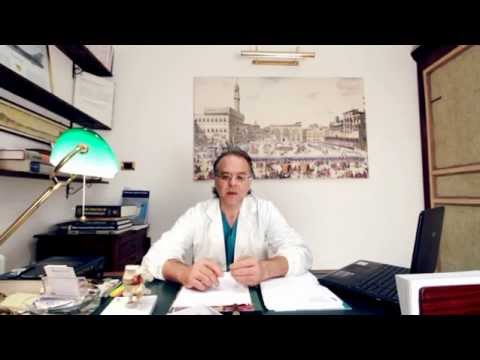
.png)


.png)

.png)



Share this listing