


The Complete Guide to PLDD Laser Decompression of Intervertebral Discs
Back pain caused by a bulging or herniated disc can completely derail your quality of life, making even the simplest daily movements agonizing. For decades, patients suffering from chronic sciatica faced a highly restrictive choice between enduring chronic suffering or undergoing highly invasive open spine procedures.
Today, a revolutionary alternative exists that changes the landscape of spinal care. PLDD laser decompression of intervertebral discs offers an elegant, outpatient solution to severe back pain. Pioneered by the renowned Professor Daniel Choy, this minimally invasive percutaneous laser disc decompression treatment provides profound nerve pressure relief without the trauma, scarring, or extended recovery times associated with traditional open back surgery.
Video Chapters & Quick Navigation
- The Science of Herniated Discs
- Understanding PLDD Laser Surgery
- The Legacy of Prof. Daniel Choy
- The Physics of Pressure Reduction
- Step-by-Step PLDD Procedure
- PLDD vs. Traditional Spine Surgery
- Ideal Candidates for Treatment
- Recovery and Rehabilitation
- Success Rates and Outcomes
- Global Accessibility & Cost
The Science Behind Intervertebral Disc Herniation
To fully grasp how laser spine surgery works, one must first understand the structural anatomy of the human spine. Intervertebral discs act as biological shock absorbers positioned strategically between the bony vertebrae. These discs consist of a tough, fibrous outer ring known as the annulus fibrosus, which securely encases a gel-like inner core called the nucleus pulposus.
Over time, due to age-related degeneration, repetitive stress, or sudden acute trauma, the tough outer layer can weaken and develop micro-tears. As explained at in the presentation, this weakness allows the pressurized gel-like core to bulge outward. When this bulging disc presses against the highly sensitive spinal nerve roots, it triggers an intense cascade of pain.
This localized compression is the primary culprit behind severe radiculopathy, commonly known as sciatica. Patients experience radiating pain, numbness, and tingling that shoots down the buttocks and legs. Resolving this intense nerve compression is the foundational goal of non-surgical herniated disc treatment and minimally invasive surgical interventions alike.
What is PLDD Laser Decompression of Intervertebral Discs?
Percutaneous Laser Disc Decompression, widely abbreviated as PLDD, represents a paradigm shift in neurosurgical intervention. Unlike traditional open back surgery, which requires large incisions, muscle stripping, and bone removal, PLDD achieves nerve decompression through a tiny needle puncture. The procedure leverages highly focused laser energy to physically alter the internal environment of the diseased disc.
During a PLDD laser decompression procedure, a specialized optical fiber is guided directly into the center of the herniated disc under continuous real-time X-ray monitoring. Once perfectly positioned, the surgeon activates a medical-grade laser, typically an Nd:YAG or diode laser, to deliver precise bursts of thermal energy.
This targeted laser energy instantly vaporizes a microscopic volume of the water-rich nucleus pulposus. As detailed at , removing even a tiny fraction of the disc's internal volume creates a profound drop in intradiscal pressure. This internal vacuum effect gently pulls the bulging disc material away from the compressed nerve root, instantly relieving the source of the patient's pain.
The Enduring Legacy of Professor Daniel Choy
The entire field of percutaneous laser disc decompression owes its existence to the pioneering genius of Professor Daniel Choy. In 1986, Dr. Daniel Choy PLDD concepts moved from theoretical physics to clinical reality. Recognizing the severe limitations and high complication rates of open spine surgery, Professor Choy sought a method to decompress discs without destabilizing the spinal column.
Professor Choy hypothesized that since the intervertebral disc is essentially a closed hydraulic system, a minor reduction in internal volume would yield a massive reduction in internal pressure. His groundbreaking research demonstrated that vaporizing just a small amount of nucleus tissue could effectively retract herniations. By 1991, his tireless advocacy and rigorous clinical trials culminated in formal FDA approval for the PLDD procedure.
Today, Professor Daniel Choy's minimally invasive lumbar decompression technique has been widely adopted by top-tier neurosurgeons and orthopedic specialists across the globe. Hundreds of thousands of patients have reclaimed their mobility thanks to his visionary application of laser physics to human anatomy, fundamentally changing how medical science approaches non-surgical herniated disc treatment.
The Remarkable Physics of Intradiscal Pressure Reduction
To truly appreciate the efficacy of PLDD laser spine surgery, one must delve into the fascinating biomechanics of the spinal column. The intervertebral disc operates under the strict rules of fluid dynamics. Because the nucleus pulposus is largely composed of water, it behaves like a contained hydraulic fluid. Liquids cannot be compressed, meaning any added pressure forces the fluid outward against the annulus fibrosus.
When the Nd:YAG laser is activated at in the clinical timeline, it heats the targeted tissue to exactly the boiling point of water. This precise thermal application converts a microscopic portion of the liquid nucleus into gas, which escapes safely through the hollow introduction needle. The vaporization of roughly one cubic centimeter of liquid translates to a disproportionately massive drop in pressure.
Clinical studies inspired by Professor Daniel Choy have shown that reducing the disc volume by a mere 10% can reduce intradiscal pressure by over 50%. This dramatic pressure differential operates like a microscopic suction cup. The bulging portion of the disc is mechanically drawn backward toward the center, immediately relieving the dangerous mechanical pressure and chemical irritation applied to the adjacent spinal nerves.
Step-by-Step: The Clinical PLDD Procedure
One of the most appealing aspects of PLDD laser decompression of intervertebral discs is the streamlined, patient-friendly clinical experience. The entire procedure is performed on an outpatient basis, meaning patients do not have to endure the risks associated with general anesthesia or prolonged hospital stays. The protocol follows a highly standardized, safety-first methodology.
1. Patient Preparation and Local Anesthesia
The patient is positioned comfortably on the surgical table, typically lying face down. The surgical team sterilizes the target area and administers a local anesthetic to thoroughly numb the skin and underlying soft tissues. Because the patient remains awake and responsive, the surgeon can communicate with them continuously to ensure maximum safety and comfort.
2. Fluoroscopic Needle Placement
Utilizing advanced C-arm fluoroscopy, which provides a live X-ray feed, the surgeon carefully introduces a slender 18-gauge hollow needle into the back. The fluoroscopic guidance ensures the needle bypasses blood vessels and nerves, landing perfectly in the center of the damaged disc's nucleus.
3. Laser Vaporization
Once the needle is perfectly situated, a sterile optical laser fiber is threaded down the hollow shaft of the needle. As shown at , the surgeon delivers carefully measured pulses of laser energy. The patient typically feels no pain, only a mild sensation of warmth or a faint popping sound as the nucleus material is safely vaporized.
4. Needle Removal and Bandaging
After a few minutes of laser application, the fiber and needle are swiftly withdrawn. There are no stitches or sutures required. A small adhesive bandage is placed over the microscopic puncture wound, and the active surgical phase is completely concluded, often in under 45 minutes.
Comparing PLDD to Traditional Microdiscectomy Spine Surgery
For patients evaluating their options for sciatica nerve pain relief, comparing minimally invasive laser spine surgery to traditional open microdiscectomy is a critical step. While traditional surgery physically cuts away the herniated disc material, it comes with a significantly higher burden of physical trauma. Traditional procedures require severing stabilizing back muscles and occasionally removing segments of vertebral bone (laminectomy).
Conversely, the PLDD spine surgery technique preserves all muscular, ligamentous, and skeletal structures. Because the anatomy remains entirely intact, the risk of developing post-operative spinal instability is virtually zero. Epidural fibrosis, a condition where aggressive scar tissue wraps around the spinal nerves post-surgery, is a major cause of Failed Back Surgery Syndrome. PLDD avoids this complication entirely because it never enters the epidural space.
| Clinical Factor | PLDD Laser Decompression | Traditional Microdiscectomy |
|---|---|---|
| Anesthesia Required | Local anesthesia only (patient awake) | General anesthesia (patient unconscious) |
| Incision Size | 1mm needle puncture (no sutures) | 1-2 inch scalpel incision (sutures required) |
| Structural Damage | None. Muscle and bone left completely intact. | Requires muscle dissection and potential bone removal. |
| Risk of Epidural Scarring | Extremely Low (Epidural space remains untouched) | High risk (Major cause of recurrent pain) |
| Hospital Stay | Discharged same-day (within 2 hours) | 1 to 3 days inpatient stay common |
Who is the Ideal Candidate for PLDD Laser Spine Treatment?
While percutaneous laser disc decompression is highly effective, patient selection is paramount to achieving excellent clinical outcomes. PLDD is not a universal cure-all for every type of back pain. The ideal candidates for laser disc decompression are individuals suffering from symptomatic contained disc herniations. This means the disc is bulging outward, but the tough outer annulus ring has not completely ruptured or spilled its contents into the spinal canal.
Candidates typically present with radicular pain (sciatica) that radiates down the leg, or cervical radiculopathy radiating down the arm. As highlighted at , doctors generally recommend PLDD for patients who have exhausted at least six weeks of conservative treatments. If physical therapy, chiropractic adjustments, epidural steroid injections, and anti-inflammatory medications have failed to provide lasting relief, PLDD becomes the primary recommendation.
Conversely, certain spinal conditions are contraindicated for PLDD. Patients with extruded discs (where the gel has broken completely free of the disc), severe spinal stenosis, advanced degenerative disc disease with heavy bone spurring, or spinal fractures require different surgical approaches. A comprehensive evaluation of recent MRI scans by a qualified neurosurgeon is the only way to definitively determine a patient's eligibility for Professor Daniel Choy's procedure.
The PLDD Spine Surgery Recovery Time and Rehabilitation
One of the most celebrated benefits of PLDD laser decompression of intervertebral discs is the exceptionally rapid recovery timeline. Because there is no major tissue destruction, the body does not have to expend massive amounts of energy healing severed muscles or mending drilled bones. Many patients report an immediate, noticeable reduction in their primary radiating nerve pain before they even leave the surgical table.
Following the brief outpatient procedure, patients are monitored for one to two hours before being discharged. The standard postoperative protocol mandates 24 hours of strict bed rest, allowing the intradiscal pressure to stabilize. Over the next 48 to 72 hours, patients are encouraged to begin light, short walks. Most individuals can comfortably return to non-strenuous desk jobs within just three to five days.
While the initial recovery is swift, the disc itself continues to heal and retract over several weeks. Patients are advised to avoid heavy lifting, aggressive twisting, or high-impact sports for approximately four to six weeks. Engaging in a tailored physical therapy program during this phase is highly beneficial. Physical therapy strengthens the core musculature, ensuring the newly decompressed spine is properly supported to prevent future injuries.
Evaluating Success Rates and Long-Term Clinical Outcomes
When evaluating any medical procedure, long-term efficacy is just as important as immediate relief. Decades of clinical data following the protocols established by Professor Daniel Choy validate the long-term sustainability of percutaneous laser disc decompression. Extensive peer-reviewed studies published in major neurosurgical journals report an impressive success rate ranging from 75% to 89% for carefully selected patients.
Success is generally defined as a significant reduction in pain scores, restored mobility, and the avoidance of subsequent open back surgeries. Patients who undergo PLDD experience remarkably low recurrence rates of herniation at the treated disc level. Because the structural integrity of the annulus fibrosus is preserved, the disc maintains its crucial load-bearing capabilities.
Furthermore, the complication profile of PLDD is astonishingly low compared to traditional open microdiscectomy. As discussed at in the analysis, serious complications such as thermal nerve injury or disc space infection (spondylodiscitis) occur in less than 0.5% of cases. The utilization of local anesthesia, strict sterile environments, and precise fluoroscopic mapping virtually eliminates the risks of major surgical errors.
Global Accessibility and the Cost of PLDD Treatment
Despite the overwhelming clinical evidence supporting PLDD laser decompression of intervertebral discs, accessing this specialized treatment locally can be challenging and prohibitively expensive. In many western healthcare systems, percutaneous laser disc decompression cost can easily exceed $15,000 to $25,000. Additionally, restrictive insurance protocols often force patients to endure months of ineffective treatments before authorizing any form of surgical intervention.
This massive financial and bureaucratic barrier has driven a surge in medical tourism for herniated disc treatments. Patients are increasingly looking beyond their borders to secure affordable PLDD laser spine surgery without sacrificing clinical quality. Internationally accredited medical centers across Europe, Latin America, and Asia employ elite neurosurgeons—many directly trained in the techniques of Dr. Daniel Choy PLDD.
By partnering with specialized medical tourism facilitators, patients can access all-inclusive PLDD packages that combine world-class neurosurgical care, hospital fees, pre-operative MRI consultations, and recovery accommodations at a mere fraction of domestic prices. You do not have to live with chronic back pain, nor do you have to bankrupt your family to afford the relief you deserve. The precision of laser spine surgery is globally accessible, allowing you to reclaim your active lifestyle safely and economically.
Ready to Reclaim Your Life from Back Pain?
PlacidWay Medical Tourism connects you with globally recognized, top-tier neurosurgeons specializing in Prof. Daniel Choy's PLDD laser decompression. Stop living with sciatica and explore affordable, minimally invasive treatment options today. Let us help you plan a seamless journey to a pain-free life.
GET A FREE QUOTE TODAY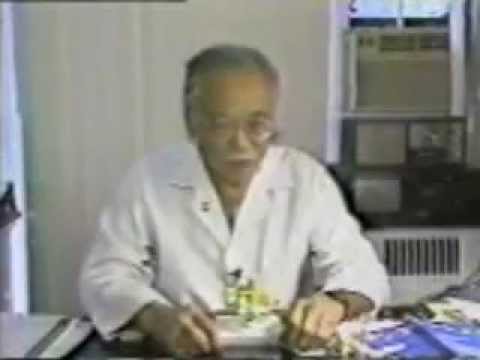


-Treatment-Package-in-Izmir,-Turkey.png)
.png)

.png)




Share this listing