


CAR T Cell Therapy for Multiple Myeloma in Beijing, China: A Canadian Patient's Experience at Bioocus Biotech
Facing a relentless diagnosis, finding effective CAR T Cell Therapy for Multiple Myeloma in Beijing China has become a beacon of hope for international patients. When conventional treatments fail and domestic healthcare wait times stretch into the unknown, patients are forced to look beyond their borders for life-saving cellular therapies.
This remarkable journey chronicles a Canadian patient’s experience traveling to Bioocus Biotech in Beijing. By stepping outside the traditional western medical system, patients are discovering unparalleled access to cutting-edge biotechnology, world-class oncologists, and affordable precision medicine that is rewriting the rules of relapsed and refractory multiple myeloma treatment.
Video Chapters & Quick Navigation
Living with Relapsed Refractory Multiple Myeloma in Canada
Receiving a diagnosis of multiple myeloma is a life-altering event that thrusts patients into a complex world of hematology, aggressive chemotherapy regimens, and stem cell transplants. For many Canadian patients, the initial phases of treatment are managed well within the provincial healthcare systems. However, multiple myeloma remains an incurable blood cancer, characterized by its tendency to eventually relapse and become refractory to standard lines of therapy.
When Canadian patients exhaust conventional treatments—such as immunomodulatory drugs, proteasome inhibitors, and anti-CD38 monoclonal antibodies—their options become alarmingly narrow. The next logical and scientifically proven step is Chimeric Antigen Receptor (CAR) T-cell therapy. Unfortunately, accessing this advanced cellular therapy in Canada presents a monumental challenge.
Waitlists for CAR T cell therapy in Canada can be exceptionally long, and the strict eligibility criteria mean that many patients are denied access when they need it most. As highlighted in the video at , the emotional toll of waiting for provincial health board approvals while a highly aggressive cancer continues to spread is agonizing. This systemic bottleneck forces proactive patients and their families to seek out international medical alternatives before their disease progression makes them ineligible for any treatment at all.
The Search for Viable Alternative Cancer Treatments Abroad
Faced with a shrinking window of opportunity, many patients begin researching alternative cancer treatments abroad. The United States offers FDA-approved CAR-T therapies, but the out-of-pocket costs are astronomical, often exceeding half a million dollars just for the cellular product. This financial barrier makes the US an impossible option for the average Canadian family.
This desperate search for affordable, high-quality, and immediate medical intervention inevitably leads global patients to the burgeoning biotechnology hubs of Asia. In recent years, China has emerged as an undisputed global leader in conducting CAR-T clinical trials and commercializing advanced cellular therapies, offering a lifeline to those who have been left behind by their domestic healthcare systems.
Understanding CAR T Cell Therapy for Multiple Myeloma
To fully grasp why patients are traveling across the globe for this treatment, one must understand the revolutionary science behind CAR T cell therapy. Unlike traditional chemotherapy, which attacks all rapidly dividing cells in the body indiscriminately, CAR-T is a highly targeted, personalized form of immunotherapy. It leverages the patient's own immune system to identify, hunt down, and eradicate cancer cells.
The process begins by extracting the patient's T-cells—the specialized white blood cells responsible for fighting infections and diseases. In a state-of-the-art laboratory, these cells are genetically engineered using a disarmed viral vector. This modification introduces a new gene into the T-cells, instructing them to sprout specialized receptors known as Chimeric Antigen Receptors (CARs) on their surface.
The Role of BCMA in Targeting Myeloma Cells
In the context of multiple myeloma, these newly engineered receptors are specifically designed to seek out and bind to a protein called B-cell maturation antigen (BCMA). BCMA is almost exclusively found on the surface of malignant plasma cells (myeloma cells). By targeting BCMA, the engineered CAR-T cells can precision-strike the cancer without causing widespread damage to healthy tissues.
Once the T-cells are modified and multiplied into the hundreds of millions, they are re-infused back into the patient's bloodstream. As mentioned at in the video, these "living drugs" act as a localized army, multiplying further inside the body and actively destroying the multiple myeloma cells. This targeted mechanism of action has yielded unprecedented deep remission rates in patients who had previously failed all other lines of therapy.
Why Beijing is Leading the Cellular Therapy Revolution
For decades, medical tourism was primarily associated with cosmetic surgery or dental procedures in tropical locales. Today, the landscape has dramatically shifted toward highly complex, life-saving oncology treatments. Beijing, China, stands at the absolute epicenter of this cellular therapy revolution. The city has aggressively invested in biotechnology infrastructure, attracting top-tier global scientific talent and fostering an environment where medical innovation can thrive rapidly.
China currently registers more clinical trials for CAR T-cell therapies than any other nation, including the United States. This immense volume of clinical data translates directly into refined manufacturing processes, superior genetic constructs, and highly experienced clinical teams. When it comes to managing the intricacies of relapsed refractory multiple myeloma, the oncologists in Beijing possess a depth of clinical experience that is difficult to match globally.
Overcoming the Stigma of Medical Tourism in Oncology
There is often an initial hesitation among western patients regarding the quality of care in Asian hospitals. However, facilities catering to international medical tourists in Beijing are distinctly world-class. They operate under stringent international protocols, utilizing the exact same high-grade laboratory equipment, sterile environments, and rigorous quality control measures found in top North American institutions.
Furthermore, these specialized international wings are designed to eliminate the language barrier. Multilingual coordinators, highly fluent in English, accompany patients to every single consultation, procedure, and follow-up appointment. This ensures that the patient and their family are fully informed and comfortable at every stage of their medical journey.
The Bioocus Biotech Advantage: A Sanctuary for International Patients
Bioocus Biotech, located in the heart of Beijing’s advanced medical district, has garnered an international reputation for excellence in the field of cellular immunotherapy. They specialize in treating highly complex, advanced-stage hematological malignancies, making them a primary destination for multiple myeloma patients seeking BCMA-targeted CAR T cell therapy.
What sets Bioocus Biotech apart is their vertically integrated approach to patient care. Unlike fragmented healthcare systems where the laboratory, the hospital, and the outpatient clinics operate in silos, Bioocus provides a seamless ecosystem. From the moment a Canadian patient's medical records are evaluated, to the day they board their flight home in remission, every aspect of their care is meticulously coordinated by a unified medical board.
The Initial Consultation and Logistical Support
As detailed at , the journey begins long before the patient sets foot in China. Comprehensive telehealth consultations allow the medical team at Bioocus Biotech to review pathology reports, previous treatment regimens, and current imaging scans. Once the patient is deemed a suitable candidate, the logistics team assists with securing an expedited medical visa, arranging specialized airport transfers, and booking appropriate accommodations for immunocompromised travelers.
Upon arrival in Beijing, the sheer scale and modernity of the Bioocus Biotech facility often provide immediate peace of mind to anxious patients. The VIP international wards offer private, highly sanitized suites that feel more akin to a premium hotel than a sterile clinical ward, prioritizing the patient's psychological well-being during a highly stressful time.
The Step-by-Step CAR T Cell Therapy Process at Bioocus Biotech
The clinical timeline for CAR T cell therapy in Beijing is highly structured and requires patients to plan for a minimum stay of four to six weeks. This ensures that the patient is fully stabilized and monitored through the critical phases of cellular engineering and post-infusion recovery. The protocol generally follows a rigorous, multi-step pathway tailored to the patient’s specific disease burden.
1. Leukapheresis: Harvesting the Vital T-Cells
The physical process begins with a procedure called leukapheresis. The patient is connected to an apheresis machine, which safely draws blood from one arm, centrifuges it to separate the essential white blood cells (including the T-cells), and returns the remaining red blood cells and plasma back to the patient. This crucial collection process usually takes a few hours and is handled in a highly specialized, comfortable outpatient suite.
2. The Manufacturing Phase and Bridging Therapy
Once harvested, the T-cells are immediately transported to the adjacent Bioocus Biotech clean-room laboratories. Here, the complex genetic modification and expansion take place over the course of two to three weeks. Because multiple myeloma is an aggressive disease, patients cannot simply go without treatment during this waiting period. The clinical team will administer "bridging therapy"—a localized, short-course chemotherapy designed specifically to keep the myeloma cell growth in check without compromising the patient's overall health.
3. Lymphodepleting Conditioning
A few days before the newly engineered CAR-T cells are ready for infusion, the patient undergoes a short course of lymphodepleting chemotherapy, typically utilizing agents like fludarabine and cyclophosphamide. As explained at , this step does not aim to cure the cancer; rather, it suppresses the patient’s existing immune system. This creates a favorable, uncrowded environment in the bloodstream, allowing the infused CAR-T cells to multiply rapidly and establish dominance without being prematurely rejected.
4. The Infusion: Delivering the "Living Drug"
The most anticipated day of the medical journey is the actual infusion of the engineered CAR-T cells. Surprisingly, the infusion itself is relatively anticlimactic and resembles a standard blood transfusion. It typically takes less than thirty minutes. However, the true medical intensity begins in the days immediately following the infusion, as the engineered cells begin to engage and destroy the myeloma cells.
Managing Cytokine Release Syndrome (CRS) and Post-Infusion Care
When millions of CAR-T cells rapidly attack cancer cells, they release massive amounts of inflammatory proteins called cytokines into the bloodstream. This immune system overreaction is known as Cytokine Release Syndrome (CRS). CRS is an expected byproduct of the therapy working effectively, but it requires highly experienced, round-the-clock intensive care management.
Symptoms of CRS can range from high fevers, chills, and fatigue to severe drops in blood pressure and difficulty breathing. Furthermore, patients may experience neurotoxicity, medically termed Immune Effector Cell-Associated Neurotoxicity Syndrome (ICANS). This can cause temporary confusion, difficulty speaking, or tremors.
At Bioocus Biotech, patients are closely monitored in specialized cellular therapy ICU units. The medical team is highly proactive, utilizing specific immunosuppressive medications like tocilizumab (an IL-6 inhibitor) and corticosteroids to rapidly neutralize severe CRS and ICANS without inhibiting the cancer-fighting efficacy of the CAR-T cells. This expert mitigation of life-threatening side effects is a hallmark of top-tier cellular therapy centers in China.
Financial Breakdown: The Cost of CAR T Cell Therapy in China vs. North America
The primary driver behind the surge in medical tourism for oncology is the vast disparity in healthcare costs. While Canadian patients may eventually receive CAR-T for free if they survive the provincial waitlists and meet strict criteria, those who must pay out-of-pocket in North America face financially devastating realities.
In the United States, FDA-approved CAR-T cell therapies for multiple myeloma (such as Abecma or Carvykti) carry list prices approaching $450,000 to $500,000 USD just for the cellular product. When factoring in the leukapheresis, bridging therapy, hospital stays, and ICU management for CRS, the total out-of-pocket medical bill can easily exceed $800,000 to $1,000,000 USD. This pricing model makes domestic private treatment completely inaccessible for the vast majority of families.
By stark contrast, seeking CAR T cell therapy for multiple myeloma at facilities like Bioocus Biotech in Beijing offers an immensely more sustainable financial pathway. The highly optimized manufacturing processes and lower localized operational costs in China translate directly into patient savings.
| Treatment Factor | North America (Private/US) | Bioocus Biotech (Beijing, China) |
|---|---|---|
| Cellular Product Cost | $450,000 - $500,000+ USD | Fraction of the US Cost (Inquire for current packages) |
| Wait Times for Eligibility | Months to Years (Strict Criteria) | 2 to 4 Weeks from Initial Consultation |
| Package Inclusions | Often billed separately per item/day | Comprehensive: Apheresis, Engineering, Hospital Stay, CRS Management |
| Clinical Experience Level | High (Approved Commercial Centers) | Extremely High (Highest Volume of Clinical Trials Globally) |
As noted at in the video presentation, comprehensive medical packages in Beijing often bundle the leukapheresis, laboratory manufacturing, prolonged hospital stays, and necessary ICU management into a single, transparent financial framework. This predictability is crucial for international patients managing their medical funds.
Life After Remission: Monitoring and the Journey Home
The ultimate goal of CAR T cell therapy is to achieve a deep, durable remission. For multiple myeloma patients, the benchmark of success is achieving Minimal Residual Disease (MRD) negativity. This means that using highly sensitive diagnostic tools, the oncologists can detect zero remaining cancer cells in a sample of one million bone marrow cells.
Approximately three to four weeks post-infusion, after the patient has safely navigated the CRS window and their blood counts have stabilized, they are cleared for medical discharge. Bioocus Biotech ensures a comprehensive discharge protocol, providing a deeply detailed, translated medical dossier. This documentation is vital for the patient's local oncologist back in Canada, who will take over the routine, long-term monitoring.
Sustaining Hope for the Future
While the long-term durability of CAR T cell therapy in multiple myeloma is still the subject of ongoing global study, the profound reality is that it grants patients extended years of high-quality life that traditional chemotherapies could no longer provide. The engineered T-cells can persist in the patient's body for months or even years, maintaining an active surveillance system against microscopic myeloma relapse.
The success stories emerging from Beijing are not just medical triumphs; they are deeply human victories. By navigating international boundaries, overcoming logistical hurdles, and embracing advanced biotechnology, patients are successfully rewriting the narrative of relapsed refractory multiple myeloma.
Explore Advanced Cellular Therapy Options
Do not let long domestic wait times limit your fight against multiple myeloma. PlacidWay Medical Tourism partners with world-leading biotechnology centers, including Bioocus Biotech in Beijing, to provide seamless access to affordable, life-saving CAR T Cell Therapy. Our dedicated team manages the logistics, translations, and appointments so you can focus entirely on healing.
GET A FREE MEDICAL QUOTE TODAY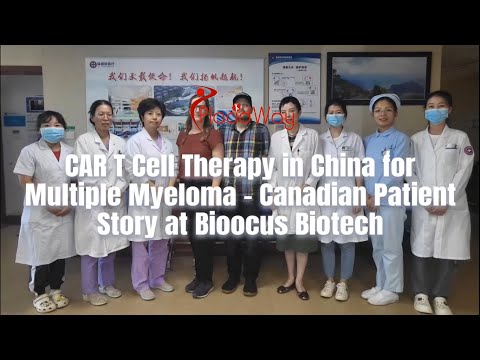

.png)

.png)
.png)









Share this listing