


Transforming Lives: Advanced Adult Stem Cell Treatment for Spinal Cord Injuries
When severe trauma impacts the central nervous system, traditional medicine often offers a bleak prognosis. For patients seeking alternative spinal cord injury treatment options, Paul’s spinal cord injury recovery journey with Beike Biotech stands as a powerful testament to the possibilities of regenerative medicine. By leveraging advanced adult stem cell therapy for spinal cord damage, patients are discovering new pathways to regain lost motor function and sensation. This comprehensive guide explores the science, rigorous rehabilitation protocols, and inspiring patient experiences surrounding cutting-edge neurorestorative treatments available globally.
Video Chapters & Quick Navigation
- Understanding the Complexities of Spinal Cord Injuries
- The Scientific Breakthrough: Beike Biotech Stem Cell Therapy
- Paul's Recovery Journey: A Case Study in Resilience
- Comprehensive Neurorehabilitation: The Missing Link
- Advanced Modalities Amplifying Regenerative Efficacy
- Medical Tourism for Spinal Cord Injury Care
- Navigating Stem Cell Delivery Methods
- Measuring Progress: Realistic Therapy Outcomes
Understanding the Complexities of Spinal Cord Injuries
A spinal cord injury (SCI) drastically alters a person’s physical, emotional, and financial trajectory in a fraction of a second. The central nervous system serves as the body’s main communication highway, sending complex electrical signals between the brain and the extremities. When this delicate highway is damaged due to blunt force trauma, vehicular accidents, or severe sports injuries, the resulting neurological deficit can lead to partial or complete paralysis.
Traditional medical protocols primarily focus on acute trauma management, stabilizing the spine surgically, and mitigating immediate life-threatening complications. Once a patient is medically stable, standard rehabilitation emphasizes adaptation rather than true neurological regeneration. Physical and occupational therapists work tirelessly to teach patients how to navigate daily life from a wheelchair, manage neurogenic bladder symptoms, and prevent secondary complications like pressure ulcers.
The Devastating Impact of Glial Scarring
Conventional medicine falls remarkably short when it comes to actually repairing the severed or damaged nerve fibers within the spinal column. Following the initial trauma, the body naturally initiates an intense inflammatory response. This acute neuroinflammation is quickly followed by the formation of a glial scar—a dense, fibrous barrier created by the immune system to protect the surrounding healthy tissue from further necrotic damage.
While this scarring process is meant to be protective, it actively inhibits new nerve growth and acts as an impenetrable physical and chemical wall. This biological roadblock prevents severed axons from reconnecting, leaving patients with permanent sensory and motor deficits. Overcoming this glial scar is the primary target for advanced regenerative medicine for spinal cord damage.
The Scientific Breakthrough: Beike Biotech Stem Cell Therapy
The landscape of neurological rehabilitation is experiencing a monumental shift thanks to rigorous advancements in regenerative medicine. Beike Biotechnology has emerged as a global leader in providing adult stem cell treatment for spinal cord injury patients who have exhausted all local medical avenues. Unlike conventional pharmaceutical interventions that merely mask neuropathic pain or manage muscle spasticity, stem cell therapy aims to address the root cause of the neurological deficit by promoting profound cellular repair.
Why Umbilical Cord Mesenchymal Stem Cells?
Beike Biotech primarily utilizes umbilical cord mesenchymal stem cells (UC-MSCs) in their specialized neurorestorative protocols. These potent, multipotent adult stem cells are ethically sourced from healthy, full-term pregnancies with the full consent of the donors. They possess remarkable regenerative properties that distinguish them from other biological treatments. One of the most significant medical advantages of UC-MSCs is their inherent immunomodulatory effect.
Upon entering the body, these cells actively seek out inflammation and systematically reduce chronic neuroinflammation at the injury site. By decreasing this toxic, hostile biological response, the stem cells help dissolve the barrier created by the glial scar, creating a more favorable microenvironment for the surviving neurons to function, communicate, and effectively regenerate.
The Power of Paracrine Signaling
Furthermore, these specialized adult stem cells operate as powerful cellular factories, secreting vital neurotrophic factors—proteins that strongly encourage the growth, survival, and differentiation of neurons. This complex biological process, known as paracrine signaling, stimulates the patient’s own endogenous repair mechanisms.
It encourages the formation of new capillary blood vessels (angiogenesis) to increase oxygen delivery to the damaged tissues. Most importantly, it actively aids in the remyelination of damaged nerve fibers, working tirelessly to restore the disrupted communication lines between the brain and the paralyzed muscular system.
Paul's Recovery Journey: A Case Study in Resilience
To truly understand the profound impact of these advanced cellular therapies, one must look at real-world patient outcomes. As highlighted early in the documentary at , Paul’s life was abruptly altered when he sustained a severe, high-impact spinal cord injury. Like thousands of individuals facing this daunting, life-shattering diagnosis, he was initially told by local medical professionals that his condition was irreversible and that walking or regaining significant sensation was completely medically impossible.
Refusing to accept a lifetime of immobility and dependency, Paul began extensively researching alternative spinal cord injury treatment options and holistic neurorehabilitation programs abroad. His diligent search led him to Beike Biotechnology’s comprehensive treatment program. Upon arriving at their specialized partner hospital, Paul underwent a rigorous baseline medical evaluation to perfectly customize his cellular protocol based on his specific lesion level and physiological health.
As detailed around in his patient testimonial, the core of his intensive treatment involved multiple precise infusions of highly viable umbilical cord mesenchymal stem cells. This multi-faceted delivery methodology ensured that the regenerative cells successfully bypassed the blood-brain barrier, targeting the spinal lesion directly and systematically addressing systemic inflammation.
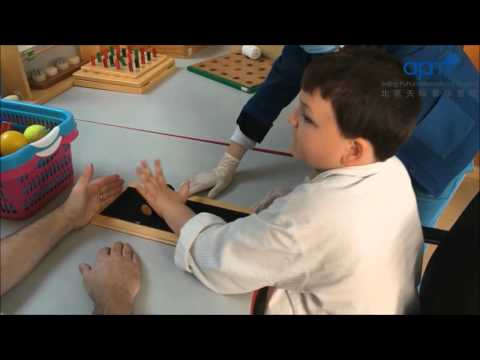
The functional results of his unwavering dedication to the program are nothing short of remarkable. By in the video, Paul notes profound improvements in his core stability, which is an essential functional milestone for complete and incomplete spinal cord injury patients. Enhanced trunk control drastically improves seated balance, greatly reduces the physical energy required for complex wheelchair transfers, and significantly minimizes the risk of deadly secondary respiratory infections. More importantly, Paul experienced a return of crucial tactile sensation in areas previously deemed permanently numb, showcasing the robust neuroplasticity facilitated by comprehensive stem cell interventions.
Comprehensive Neurorehabilitation: The Missing Link in Stem Cell Success
A critical factor distinguishing high-quality regenerative medicine programs from less reputable clinics is the strict integration of intensive physical therapy. Beike Biotech’s scientific approach recognizes that stem cells alone are not a standalone magic cure; they are an incredibly powerful biological tool that requires strict mechanical stimulation to maximize clinical efficacy.
This is exactly why top-tier international stem cell clinics for SCI mandate daily, rigorous neurorehabilitation sessions alongside cellular infusions. Functional medicine protocols employed during these treatment regimens are expertly designed to awaken dormant nerve pathways. When umbilical cord mesenchymal stem cells are introduced into the body, they desperately need directional cues to differentiate properly and form highly useful, functional synaptic connections.
Intensive physical therapy, specialized occupational therapy, and targeted locomotion training provide these essential bio-mechanical signals. By repeatedly performing weight-bearing exercises, stretching spastic muscles, and engaging in assisted walking maneuvers, patients literally teach their injured nervous system how to effectively utilize the newly generated neural pathways.
| Treatment Approach | Traditional Medical Protocols | Comprehensive Regenerative Protocols |
|---|---|---|
| Primary Goal | Symptom management and wheelchair adaptation | Cellular repair, neurogenesis, and functional recovery |
| Therapeutic Focus | Compensatory strategies for permanent deficits | Targeting the glial scar and remyelinating damaged axons |
| Pain Management | Heavy reliance on pharmaceutical painkillers (opioids/gabapentin) | Systemic immunomodulation and reduction of neuropathic inflammation |
| Modality Integration | Standard outpatient physical therapy (1-2x per week) | Intensive, daily multi-disciplinary therapies (HBOT, rTMS, Aqua therapy) |
Advanced Modalities Amplifying Regenerative Efficacy
Beyond traditional physical therapy, cutting-edge international treatment centers incorporate a variety of advanced therapeutic modalities to drastically amplify the healing effects of the stem cells. As Paul experienced during his extensive hospital stay, Hyperbaric Oxygen Therapy (HBOT) is frequently utilized. HBOT involves breathing pure, concentrated oxygen in a specialized pressurized chamber, which exponentially increases the amount of life-giving oxygen dissolved in the blood plasma.
This oxygen-rich environment is absolutely crucial for overall cellular survival. It aggressively accelerates tissue healing, fights off anaerobic bacterial infections, and significantly enhances the engraftment and survival rate of the newly infused mesenchymal stem cells. Furthermore, Transcranial Magnetic Stimulation (rTMS) and specialized neuro-acupuncture are heavily featured in comprehensive neurorehabilitation frameworks.
rTMS safely uses targeted magnetic fields to stimulate dormant nerve cells in the brain and spinal cord, helping to naturally treat debilitating neuropathic pain and severe spasticity often associated with spinal cord damage. Meanwhile, Neuromuscular Electrical Stimulation (NMES) aggressively prevents rapid muscle atrophy in paralyzed limbs by artificially contracting the muscles via electrical impulses. This holistic, strictly scheduled multi-disciplinary approach ensures that every single aspect of the patient’s physical well-being is highly optimized for unprecedented recovery.
Medical Tourism for Spinal Cord Injury: Why Patients Travel Abroad
A major, often heartbreaking hurdle for patients seeking progressive, life-altering therapies is restrictive local medical regulations. In many Western nations, adult stem cell treatment for SCI remains firmly locked behind lengthy, decades-long clinical trials, leaving desperate patients without highly accessible treatment options during the most critical biological window of early intervention. This regulatory bottleneck has heavily fueled the massive rise of medical tourism for spinal cord injury care.
Patients are actively traveling across the globe to specialized hubs in Asia and South America to securely access safe, ethically regulated, and highly effective regenerative therapies. Choosing an international stem cell clinic for SCI involves careful, detailed consideration of strict medical protocols, comprehensive facility accreditations, and robust patient support services.
Top-tier organizations like Beike Biotech operate completely within strict international quality control standards, holding vital laboratory certifications from prestigious bodies like the AABB (Association for the Advancement of Blood & Biotherapies). This unwavering commitment ensures that the umbilical cord tissue undergoes rigorous screening for communicable diseases, immense viability testing, and precise cellular expansion in state-of-the-art laboratory environments before it ever reaches the patient.
Furthermore, these complex international medical journeys are comprehensively managed to completely eliminate stress for disabled travelers and their families. Dedicated, highly trained patient coordinators handle absolutely everything from specialized airport transfers equipped with electronic wheelchair lifts to securing fully accessible, comfortable hotel accommodations. By entirely removing the massive logistical nightmares of international travel, the patient and their primary caregivers can focus 100% of their physical and emotional energy on the rigorous neurorehabilitation program.
Navigating the Complexities of Stem Cell Delivery Methods
The ultimate clinical efficacy of complex regenerative therapies relies heavily on exactly how the mesenchymal stem cells are physically introduced into the patient's body. Top-tier medical facilities utilize highly specialized, minimally invasive delivery methods intricately tailored to the specific nature and level of spinal cord injuries. Standard Intravenous (IV) infusions are a foundational practice, utilizing the body's expansive circulatory system to distribute regenerative stem cells systemically.
This systemic IV approach is highly effective for aggressively reducing whole-body inflammation, profoundly boosting the patient's compromised immune system, and addressing the deep overall cellular fatigue constantly associated with surviving severe physical trauma. However, for complex central nervous system disorders like a complete SCI, localized cellular delivery is absolutely critical to achieving functional milestones.
A precision lumbar puncture, commonly known as an intrathecal injection, is the most direct, highly proven method to safely bypass the restrictive blood-brain barrier. By injecting the potent umbilical cord mesenchymal stem cells directly into the spinal canal's cerebrospinal fluid (CSF), the restorative biological cells have a direct, entirely unobstructed anatomical pathway to the specific spinal lesion. The CSF continuously bathes the entire central nervous system, ensuring the absolute highest concentration of therapeutic cells successfully reaches the precise area of demyelination and dense glial scarring.
Measuring Progress: Realistic Outcomes After Adult Stem Cell Treatment
Managing patient expectations is a foundational cornerstone of highly ethical regenerative medicine. It is incredibly crucial to understand that actively treating a severe spinal cord injury is a marathon, not a quick sprint. While some patients experience rapid, undeniable improvements during their initial clinical stay, the vast majority of the profound neurological healing occurs over the six to twelve months following the final stem cell infusion.
As the robust mesenchymal stem cells continue to biologically modulate the immune system and continuously secrete neurotrophic factors long after the patient returns home, patients gradually notice subtle, yet profoundly life-altering changes. Improvements manifest entirely differently based on the exact injury level, the medical severity (complete vs. incomplete severing), and the patient's unyielding dedication to intensive post-treatment therapy.
Commonly reported initial clinical outcomes include a highly noticeable reduction in severe neuropathic pain and a drastic decrease in violent muscle spasticity, which instantly improves deep sleep quality and overall daily comfort. From a critical functional standpoint, many stem cell patients report immensely enhanced bowel and bladder control. Regaining even partial physiological control over these vital autonomic functions restores a profound sense of personal dignity, significantly reduces reliance on caregivers, and drastically improves the overall baseline quality of life.
As the months actively progress, patients deeply engaging in continued, highly intensive physical therapy often see remarkable motor and sensory gains. This can beautifully range from the vital ability to independently shift body weight to prevent sores, vastly improved cardiovascular endurance during therapy, to actually regaining voluntary, deliberate movement in previously completely paralyzed digits or lower limbs. Paul’s documented experience of feeling distinct temperature changes and permanently regaining core structural strength are classic, inspiring examples of the tangible, life-enhancing functional results that comprehensive cellular therapies can continuously yield for dedicated patients.
Ready to Explore Advanced Stem Cell Treatment Options?
Don't let traditional medical limitations define your recovery. PlacidWay Medical Tourism connects patients worldwide with highly accredited, world-class regenerative medicine clinics offering comprehensive adult stem cell therapy for spinal cord injuries. Take the first step toward regaining your independence today.
GET A FREE MEDICAL CONSULTATION




.png)











Share this listing