
Revolutionizing Women's Health: Robotic-Assisted Uterus Surgery and the Path to Recovery
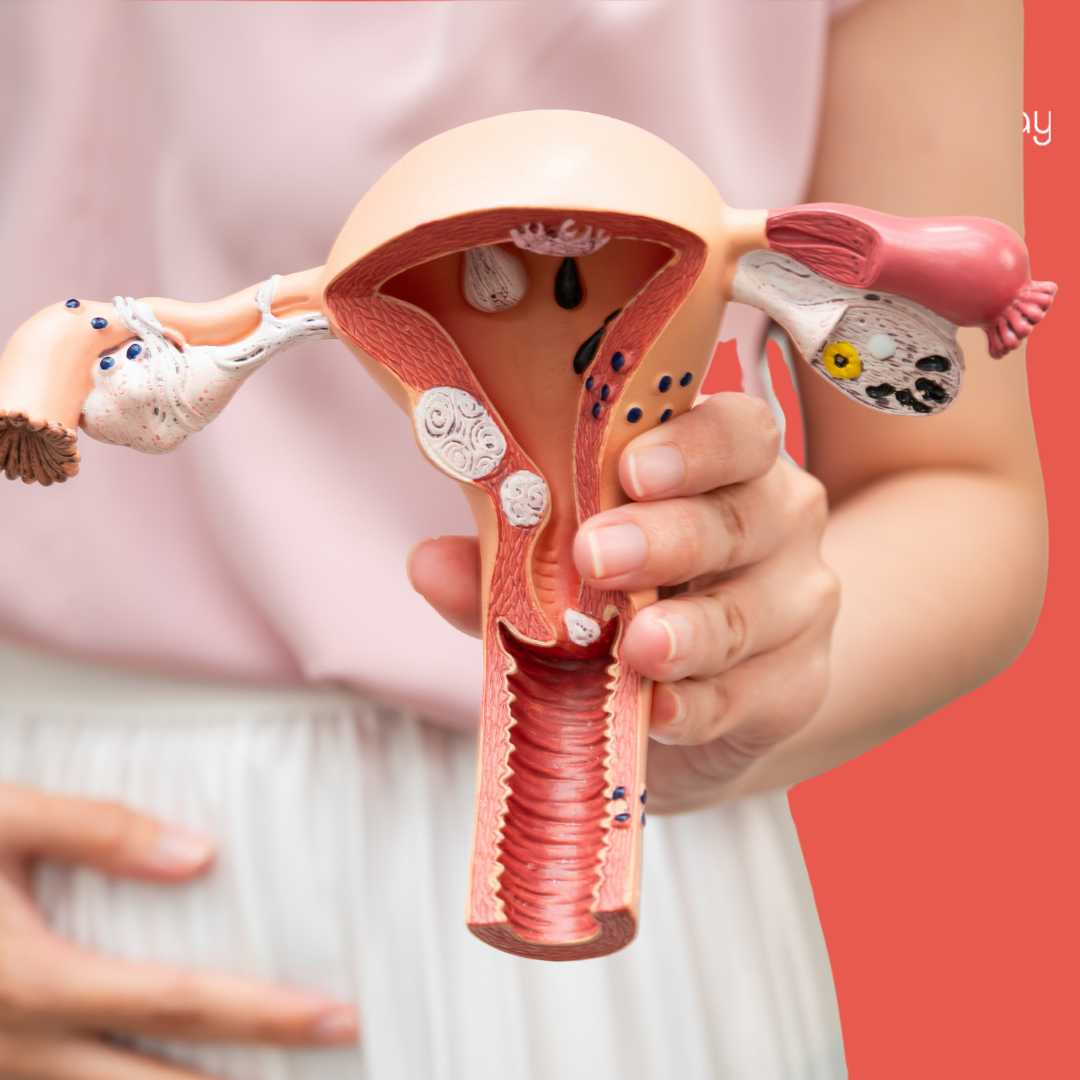
For many women, the silent struggle with uterine fibroids—clinically known as uterine myomatosus—can transform from a minor discomfort into a life-altering medical crisis. It often starts subtly, perhaps a slight decrease in energy or a heavier menstrual cycle, but as the benign muscle nodules grow, the impact becomes impossible to ignore. In this compelling patient story, we follow Ba Yvette Sohou as she navigates the journey from debilitating symptoms to a high-tech surgical solution at the Asklepios Klinik Barmbek in Germany.
Modern medicine has moved far beyond the highly invasive open surgeries of the past. Today, the integration of the da Vinci surgical system allows surgeons to perform complex procedures with unprecedented precision. Watch as we explore how robotic technology provided a "bloodless" and gentle alternative for a patient who prioritized safety and a rapid return to her family and work. This guide explores the intersection of human expertise and robotic precision in modern gynecology.
Video Chapters & Quick Navigation
Recognizing the Signs: When Daily Life Slows Down
The journey often begins not in a doctor's office, but in the middle of a routine day. For Ba Yvette Sohou, the realization hit while she was walking after dropping her daughter at kindergarten [00:03]. She noticed that she was moving significantly slower than the people around her. This loss of physical stamina is a classic, yet often overlooked, symptom of underlying gynecological issues.
As her condition progressed, the physical toll manifested as dizziness and nausea [00:20]. These symptoms are frequently caused by chronic anemia—a direct result of the heavy and prolonged menstrual bleeding associated with large uterine fibroids. When the body loses more blood than it can replenish, hemoglobin levels drop, leading to the exact exhaustion and vertigo Yvette experienced.
It is vital for women to listen to these "whispers" from their bodies. Often, patients attribute fatigue to stress or aging, but as shown in this case, a sudden change in physical capability can be the primary indicator of Uterus Myomatosus.
The Path to Diagnosis: From General Practitioner to Surgeon
The diagnostic pipeline is a critical phase of patient care. In Yvette's story, her family doctor played the pivotal role of identifying the potential cause and referring her to a specialist [00:27]. An ultrasound quickly confirmed that the myomas were too large to be managed conservatively and required surgical intervention [00:41].
Prof. Dr. Gerhard Gebauer, Chief Physician at Asklepios Klinik Barmbek, explains that these are benign muscle knots that develop within the uterine wall [00:48]. While they are not cancerous, their location and size can cause significant disruption to the surrounding tissue and organs.
Addressing the Fear of Blood Transfusions
A specific challenge in this case was the patient's firm desire to avoid blood transfusions [01:40]. With already low hemoglobin levels, a traditional open surgery—which typically involves higher blood loss—would have been high-risk. This necessitated a surgical approach that was not only minimally invasive but also exceptionally precise in controlling bleeding. This is where robotic-assisted technology becomes a game-changer.
The da Vinci System: Robotic Precision in the Operating Room
The da Vinci surgical system is often misunderstood as a "robot that performs surgery." In reality, it is a sophisticated tool that is entirely controlled by the surgeon [01:15]. The surgeon sits at a console a few feet away from the patient, viewing the surgical site through a high-definition 3D camera that provides 10x magnification.
The robotic arms translate the surgeon's hand movements into micro-movements inside the patient's body. One of the greatest advantages is the "Endowrist" technology, which allows the instruments to rotate and flex with even greater dexterity than the human wrist [01:20]. This level of mobility is crucial for navigating the narrow confines of the pelvic cavity.
| Feature | Traditional Open Surgery | Robotic-Assisted (da Vinci) |
|---|---|---|
| Incision Size | Large abdominal incision (10-15 cm) | Multiple tiny keyhole ports (1-2 cm) |
| Blood Loss | Significant risk, often needing transfusion | Minimalized through precise vessel ligation |
| Recovery Time | 6-8 weeks | 2-3 weeks |
| Precision | Limited by human hand & sight | 3D High-Def & Tremor Filtration |
Why Robotic Gynecology is the Gold Standard
Prof. Gebauer emphasizes that the da Vinci system allows for very targeted vessel ligation [01:16]. This means the surgeon can seal blood vessels with extreme accuracy before they are even cut, which is why Yvette did not require a blood transfusion during her procedure.
Furthermore, the 3D maneuverability within the abdominal cavity is superior to standard laparoscopic techniques [01:58]. In standard laparoscopy, the instruments are straight and do not bend, which can make stitching (suturing) the uterus back together after fibroid removal very difficult. The robot removes this limitation, ensuring a stronger repair of the uterine wall.
Patient Safety and Surgeon Comfort
The ergonomic design of the robot also reduces surgeon fatigue. A surgeon who is comfortable and has a perfect view of the anatomy is less likely to make errors. For the patient, this translates to shorter operating times and fewer complications. At Asklepios Klinik, this technology is integrated into a holistic care model where the patient's specific health goals—like avoiding blood products—are the priority.
Expanding Horizons: Beyond Uterine Fibroids
While Yvette's case focused on myomas, the application of robotic surgery in gynecology is far-reaching. Prof. Gebauer highlights that the hospital utilizes this technology for several other complex conditions [02:05]:
- Uterine Cancer: Robotic-assisted hysterectomies allow for precise removal of cancerous tissue while sparing healthy nerves and blood vessels.
- Pelvic Floor Surgery: Treating prolapse with robotic assistance provides better long-term structural integrity.
- Endometriosis: The magnification allows surgeons to see and remove even the smallest endometrial lesions that might be missed in traditional surgery.
The Recovery: Reclaiming Strength and Normalcy
The most profound impact of robotic surgery is seen in the days following the procedure. Unlike open surgery, which requires a week-long hospital stay and months of recovery, robotic surgery patients are often "unbelievably fit" shortly after waking up [01:48]. They experience significantly less pain and can be discharged much sooner.
By the end of her journey, Yvette expresses her relief and joy [02:18]. She feels "really there" again, possessing the strength to manage her household and return to work just like before [02:25]. This rapid return to normal life is not just a convenience; it is a vital part of psychological healing after a major health scare.
For mothers like Yvette, being able to walk at a normal pace and care for her daughter without dizzy spells is the ultimate success. The combination of early detection, specialized gynecological care, and cutting-edge surgical tools makes this recovery possible.
Ready to Reclaim Your Health with Modern Surgery?
PlacidWay Medical Tourism connects you with world-renowned specialists in robotic gynecology. Whether you are facing uterine fibroids or complex endometriosis, we help you find the best care globally.
GET A FREE QUOTEView Full Video Transcript
00:00 I dropped my daughter off at the kindergarten.
00:03 And that day I said, "Well, leave the car and walk a bit."
00:10 During the walk, my steps became slower. I noticed that everyone was passing me.
00:20 Then I slowly felt dizzy until I vomited.
00:27 My family doctor knows that I have a myoma. He said, "Well, you have to go to the gynecologist."
00:35 To see if the myomas are not a cause. That's why he gave me a referral.
00:41 The gynecologist saw that the myomas are too big and they have to come out.
00:48 [Prof. Dr. Gerhard Gebauer] The patient had a Uterus Myomatosus. These are benign muscle knots in the uterus.
00:54 A very common diagnosis, but it can lead to very heavy bleeding, as was the case with the patient.
01:00 The patient wanted to avoid a blood transfusion under all circumstances. With such a low hemoglobin value, that is a critical situation.
01:08 It is all the more important to pay attention to blood loss during surgery to keep it as low as possible.
01:13 With the da Vinci, we can operate very specifically and ligate vessels very specifically.
01:18 We have a three-dimensional mobility in the abdominal cavity compared to normal laparoscopic techniques.
01:25 Overall, blood loss can be minimized. That was very useful for this patient's situation.
01:31 I was relieved that with the robot operation, I didn't need a blood supply.
01:40 Significant advantages besides the surgical technique... we noticed the patients are fit again very quickly after surgery.
01:49 They can be discharged very quickly and have very little pain.
01:55 In gynecology, we have been used to operating endoscopically for many years.
01:59 The da Vinci expands the spectrum of possibilities and allows us to operate even more specifically.
02:05 One possibility is the operation of, for example, uterine cancer. On the other hand, we can perform pelvic floor surgery.
02:11 Or operate on endometriosis patients or, as in this case, patients with Uterus Myomatosus.
02:18 I notice that I'm really there. I have a lot of strength.
02:23 I can do a lot. I can do everything like before.
02:29 With the household, work, and everything.



























Share this listing