
Your Guide to Exceptional Dental Care: Top Clinics in Turkey

Navigating your options for international healthcare requires careful research, especially when deciding where to undergo treatment. If you are exploring dental clinics in Turkey, you likely already know that the country has become a major hub for international patients seeking restorative and cosmetic care. However, with hundreds of facilities available, knowing how to identify the most reliable providers is critical for your safety and the success of your procedure.
Key Takeaways
- Prioritize facilities registered with the Turkish Ministry of Health and those holding international accreditations like JCI or ISO.
- Verify that the attending dentists have specific post-graduate qualifications for the complex procedures you require.
- Thoroughly evaluate the facility's infection control, sterilization protocols, and emergency preparedness.
- Understand that outcomes vary; successful dental work depends heavily on your individual health profile and local aftercare.
- Factor in the need for multiple trips, adequate recovery time, and contingency planning into your travel itinerary.
What criteria define a high-quality dental facility in Turkey?
Finding a reliable dental clinic in Turkey means looking past flashy marketing and focusing on concrete clinical standards. First and foremost, any facility you consider must be officially licensed by the Turkish Ministry of Health. This basic registration ensures the facility meets domestic regulatory requirements for safety and hygiene.
Beyond local registration, you should look for international accreditations. The Joint Commission International (JCI) and the International Organization for Standardization (ISO) provide rigorous, independent evaluations of medical facilities. While not every good facility has JCI accreditation, those that do have proven their commitment to high-level patient care, safety protocols, and continuous quality improvement.
Additionally, the physical environment of the practice matters. A reputable provider will be transparent about their diagnostic tools, such as in-house 3D CBCT scanners, and their infection control processes. Do not hesitate to ask how they sterilize instruments and manage cross-contamination risks.
How does dental treatment in Turkey work for international patients?
The journey usually begins from your home country. Most practices that cater to international visitors require you to send a recent panoramic X-ray or a 3D scan. A dentist will review these images to determine your initial eligibility for treatment and create a preliminary, estimated treatment plan.
- Initial Consultation: Remote review of medical history and diagnostic images.
- In-Person Assessment: Upon arriving, you undergo a comprehensive physical examination to confirm or adjust the initial plan.
- Active Treatment: The procedures are carried out over one or several appointments, depending on complexity.
- Recovery and Observation: A mandatory waiting period to monitor healing, adjust restorations, and manage immediate post-operative concerns before you are cleared to fly.
Be aware that initial remote plans are always estimates. Once the dentist examines your mouth physically, they might discover underlying issues—like inadequate bone density or hidden infections—that can alter the timeline and clinical approach.
Expert Insight: The Importance of Transparency
A trustworthy provider will clearly communicate the limitations of remote assessments. They will prepare you for the possibility that the treatment plan might change once you undergo an in-person clinical evaluation.
What are the common dental procedures performed in Turkey?
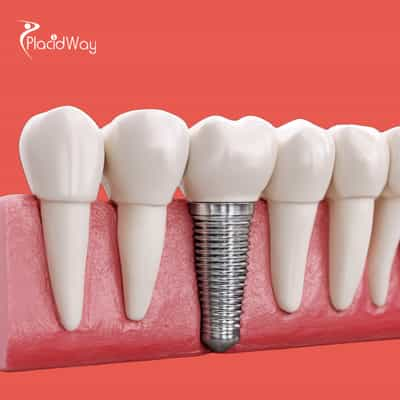
While local patients visit for routine cleanings and check-ups, the international focus is largely on complex or extensive restorative work. Dental implants are among the most common. This procedure involves placing a titanium post into the jawbone to act as a root for a missing tooth, which is later capped with a custom crown.
Cosmetic restorations, such as veneers and crowns, are also widely sought. These require a dentist to reshape your natural teeth and attach custom-fabricated covers to improve function and appearance. Full-mouth rehabilitations, which combine implants, crowns, and sometimes bone grafting, are complex multi-stage procedures designed for patients with extensive tooth loss or severe wear.
| Procedure Type | General Description | Typical Phasing (Estimate) |
|---|---|---|
| Dental Implants | Surgical placement of titanium posts into the jawbone. | Usually 2 trips spaced 3-6 months apart. |
| Dental Crowns | Protective caps placed over reshaped natural teeth or implants. | Often completed in a single trip (5-7 days). |
| Bone Grafting | Adding bone mass to the jaw to support future implants. | Requires months of healing before implant placement. |
How much does dental treatment cost in Turkey?
Evaluating the dental treatment cost in Turkey requires a careful look at what is actually included in a price estimate. Many patients are drawn to the destination because the overall expenses can be lower than in North America or Western Europe. This difference is largely driven by lower domestic operating costs, currency exchange rates, and a highly competitive local market.
However, it is vital to remember that healthcare costs are estimates until a final, in-person assessment is completed. The final price can fluctuate depending on whether you require additional treatments, such as sinus lifts, extractions, or bone grafts. The brand of the materials used (for example, premium globally recognized implant brands versus generic alternatives) will also heavily influence the final bill. Patients should request an itemized estimate to understand exactly what they are paying for before committing to travel.
What qualifications should dentists in Turkey possess?
In Turkey, becoming a general dentist requires a rigorous five-year university degree. After graduation, they must register with the Turkish Dental Association to practice legally. However, for complex procedures, a general dentistry degree is often not enough.
If you are traveling for implants, oral surgery, or extensive cosmetic work, you should seek out specialists. Look for:
- Prosthodontists: Specialists with additional years of training in restoring and replacing teeth (crowns, bridges, dentures).
- Oral and Maxillofacial Surgeons: Specialists focused on complex surgical extractions, bone grafting, and surgical implant placement.
- Periodontists: Experts in treating gum disease and the supporting structures of the teeth.
You have the right to request a dentist's curriculum vitae (CV), verify their educational background, and ask how frequently they perform the specific procedure you are requesting.
Are there risks associated with traveling for dental care?
No medical procedure is entirely risk-free, and combining healthcare with international travel adds layers of complexity. The physical stress of flying, particularly long-haul flights shortly after oral surgery, can exacerbate swelling and increase the risk of complications such as bleeding or deep vein thrombosis.
Furthermore, rushed timelines are a significant risk factor in dental tourism. For instance, placing crowns too quickly over implants that have not properly integrated with the bone can lead to long-term failure. Language barriers can sometimes lead to misunderstandings regarding post-operative care instructions or consent forms. It is essential to ensure that the facility you choose has robust communication protocols in a language you fully understand.
How long should I plan to stay in Turkey for dental work?
Patients often underestimate the time required for safe, high-quality dental care. If you are having a set of veneers or standard crowns crafted, you might expect to stay in the country for 5 to 10 days. This allows time for the initial preparation, the laboratory fabrication of your prosthetics, the fitting, and a few days of observation to adjust your bite before you fly home.
For implants, the timeline is vastly different. A traditional implant procedure generally requires at least two separate trips. The first trip (often 4 to 7 days) involves placing the titanium post in the jaw. You then return home for a healing period of 3 to 6 months to allow the bone to fuse with the implant (osseointegration). The second trip involves uncovering the implant and placing the permanent crown. Patients must strictly adhere to these biological timelines rather than pressuring providers to rush the process.
What happens if I experience complications after returning home?
One of the most critical aspects of any overseas medical procedure is the aftercare plan. Once you return home, you will need routine cleanings, maintenance, and possibly minor adjustments to your new restorations. More importantly, if an infection develops or an implant fails, you cannot easily fly back to Turkey for a quick appointment.
Many local dentists are hesitant to work on extensive dental restorations performed abroad due to liability concerns or unfamiliarity with the specific materials used. Therefore, it is highly recommended to speak with your hometown dentist before you travel. Bring back all your medical records, implant brand information, material certificates, and post-operative X-rays from your trip to ensure your local provider has the information they need to care for you.
How can medical tourism in Turkey benefit dental patients?
The rise of medical tourism in Turkey has pushed local providers to adopt modern technologies and elevate their standards to compete on a global stage. Many top-tier facilities now utilize digital smile design software, CAD/CAM milling machines for same-day crowns, and advanced laser dentistry.
Additionally, larger practices often operate as comprehensive dental hospitals, meaning they have oral surgeons, prosthodontists, endodontists, and on-site laboratories all under one roof. This multidisciplinary approach can streamline complex cases, as specialists can easily collaborate on your care plan without referring you to different offices across town.
What questions should I ask a clinic before committing to treatment?
Empower yourself by treating your initial consultation as an interview. A transparent provider will gladly answer your questions without pressure. Consider asking the following:
- Are you registered with the Turkish Ministry of Health, and do you hold any international accreditations?
- What are the credentials and specializations of the specific dentist who will treat me?
- What brands of implants or materials will you use, and will I receive an authenticity certificate?
- What happens if the treatment plan changes after my in-person exam?
- If I experience a complication after I fly home, how will your team assist me remotely?
Why Choose PlacidWay for Medical Tourism Information?
PlacidWay is a medical information platform designed to help patients research international healthcare options globally, including dental providers.
Frequently Asked Questions
Do dentists in Turkey speak English?
Many dentists and support staff who regularly treat international patients speak English. Clinics that focus on medical tourism often employ bilingual staff or provide translation services to ensure clear communication regarding your treatment plan and consent.
Is it necessary to get a dental X-ray before traveling?
Yes, having a recent panoramic X-ray or 3D scan is usually required for a preliminary online consultation. This allows the dental team to assess your bone density, identify underlying issues, and provide a more accurate estimate before you commit to traveling.
Can I combine a vacation with dental treatment?
While some patients do combine sightseeing with simple procedures, major treatments like implant surgery or full-mouth rehabilitations require significant rest. Swelling, dietary restrictions, and follow-up appointments may limit your ability to enjoy typical vacation activities.
What type of materials are used for crowns and implants in Turkey?
Reputable facilities utilize globally recognized brands and materials, such as titanium for implants and zirconia or E-max for crowns. You should always ask your provider for the specific brand names and material certificates before starting treatment.
Do I need a visa to travel to Turkey for medical reasons?
Visa requirements depend entirely on your nationality. Many international visitors can easily obtain an e-Visa online prior to their trip. Always check the official Turkish government visa website for the most current entry requirements for your specific country.
How do clinics handle patient sterilization and hygiene?
Accredited facilities follow international infection control protocols, utilizing autoclaves for sterilizing instruments, disposable barriers, and strict environmental cleaning. It is perfectly acceptable to ask a clinic about their specific sterilization procedures during your consultation.
Can I get all my dental work done in a single trip?
This depends on the clinical necessity. Minor restorations or single crowns might be completed in one visit. However, traditional implant placements usually require two trips spaced several months apart to allow the titanium post to fuse securely with your jawbone.
What is a dental guarantee, and how do they work?
Some facilities offer limited warranties on the physical materials used (like a broken crown). However, medical outcomes can never be fully guaranteed because the success of a procedure depends heavily on your body's healing response and your ongoing oral hygiene.
Are consultations usually free?
Initial online assessments based on your X-rays are frequently offered at no charge by international patient departments. However, thorough in-person clinical examinations, physical 3D scans, or specialist diagnostic tests upon arrival may incur separate fees.
How do I pay for dental services in Turkey?
Payment methods vary by facility. Most accept major credit cards, bank transfers, and cash. It is important to confirm accepted payment methods, currency preferences, and payment schedules before you travel to avoid any unexpected banking issues.
Ready to Explore Your Dental Options?
Take the next step in your research. Compare reputable providers, review treatment estimates, and ask the right questions before making a medical decision.
Request Treatment InformationReferences
- Patient Safety Fact Sheet – World Health Organization (WHO)
- Medical Tourism Travel Information – Centers for Disease Control and Prevention (CDC)
- Global Oral Health Information – FDI World Dental Federation
- Patient Safety and Quality Standards – Joint Commission International (JCI)
- Healthcare Quality Management Standards – International Organization for Standardization (ISO)
- Healthcare Regulations and Licensing – Republic of Turkey Ministry of Health



















Share this listing