
What treatment


20+ Most Frequently Asked Questions About Addiction Treatment
Find Clear and Concise Answers to Common Questions About Addiction Treatment
Trusted Medical Tourism Platform Since 2007
.png)
Is Ibogaine Treatment Legal and Medically Safe for US Citizens in Mexico?
Yes, Ibogaine treatment in Mexico is fully legal and medically safe for US citizens when performed in strict clinical settings. Regulated facilities utilize advanced cardiac monitoring, extensive pre admission blood work, and highly licensed medical staff to ensure the absolute highest patient safety standards during the detoxification process. Key Takeaways: Safety and Legal Status Fully Legal Status: The therapeutic substance is entirely legal for clinical application and medical use across the entire nation. Stringent Medical Safety: The therapy is remarkably safe only when comprehensive pre screening and continuous twenty four hour electrocardiogram monitoring are utilized. Primary Target Audience: The procedure is highly sought after by US citizens seeking rapid, pain free opioid detoxification outside federal restrictions. Transparent Cost Effectiveness: Comprehensive medical recovery programs generally require an investment between five thousand and twelve thousand dollars. Elevated Facility Standards: Premium destinations function as high end boutique medical hospitals rather than unmonitored spiritual retreats. Why do US citizens travel for Ibogaine treatment in Mexico? US citizens seek this therapy abroad because the powerful plant alkaloid remains a strictly controlled substance federally in the United States. Traveling across the border provides immediate legal access to advanced clinical recovery environments. Complete legal access allows patients to receive life saving care without the fear of federal prosecution or looming legal repercussions. The region offers an abundance of specialized medical professionals who are rigorously trained specifically in this unique neurological detoxification method. Geographical proximity to the United States makes fast flights and easy border crossings highly convenient for patients experiencing severe distress. Leading facilities successfully integrate modern Western medical safety protocols with profoundly effective holistic healing practices. Patients experience a substantial reduction in severe physical withdrawal symptoms compared to the agonizing process found in traditional state side rehabilitation centers. Did You Know? The active therapeutic alkaloid was originally isolated by scientists in the early twentieth century, but its incredible anti addictive properties were famously discovered completely by accident in the nineteen sixties by a scientific researcher attempting to break his own dependencies. What is the average Ibogaine treatment cost in Mexico for a full detox program? The Ibogaine treatment cost in Mexico typically ranges from $5,000 to $12,000 depending on the facility level. This all inclusive price covers intense medical supervision, private accommodation, and ongoing psychological therapies. The financial investment required for this specialized therapy varies significantly based on the chosen level of luxury and the exact intensity of medical supervision provided. While extremely budget friendly options exist in the region, they very often lack the crucial cardiac monitoring equipment and strict emergency protocols that are absolutely necessary for a secure and survivable experience. Premium healthcare facilities naturally charge toward the higher end of the pricing spectrum because they directly employ board certified cardiologists and maintain hospital grade intensive care equipment on site at all times. Furthermore, these exclusive centers provide private sensory controlled suites and organic nutritional support programs designed specifically to heal the physical body alongside the recovering mind. Patients must always remember that traditional health insurance policies in North America strictly do not cover these international alternative therapies due to FDA classifications. Therefore, it is highly recommended to explicitly request an all inclusive price quote upfront to entirely avoid unexpected laboratory fees or sudden pharmacy charges upon arrival. How do I choose a safe Ibogaine treatment clinic in Mexico? Selecting a reliable Ibogaine treatment clinic in Mexico requires aggressively verifying the constant presence of licensed medical doctors and cardiac telemetry equipment. Never choose a recovery facility based solely on lower prices. Strictly verify that the facility directly employs licensed medical doctors as the primary care providers rather than just alternative spiritual guides. Confirm the mandatory physical presence of advanced cardiac life support certified nursing staff on shift around the clock. Ensure the prospective center conducts highly comprehensive pre admission metabolic blood work and cardiovascular stress tests. Directly ask the clinical director about their specific emergency response protocols and the exact physical distance to the nearest major hospital. Request to review verified patient testimonials and aggressively check the official clinical health accreditations of the facility. Thoroughly check if the attending medical staff has extensive, documented experience specifically managing severe chemical dependency withdrawals. Why is medical tourism in Mexico considered the best option for this therapy? The advanced infrastructure for medical tourism in Mexico is highly developed and tailored specifically for demanding international patients. The completely legal status of the medicine allows for radically transparent clinical operations. The country has firmly established itself as a pioneering global leader in alternative addiction therapies by providing a completely legally permissive environment. Attending doctors and clinical researchers can freely develop, share, and continually refine cardiac safety protocols without constantly navigating the highly restrictive bureaucratic hurdles found throughout North America. Furthermore, wildly popular coastal destinations like Baja California and Quintana Roo boast impressively modern, world class healthcare facilities that easily rival private boutique hospitals in the United States. These designated health regions cater heavily to English speaking international patients, completely ensuring that complex communication barriers do not compromise the delivery of critical medical care. The powerful combination of resort like tropical recovery environments and incredibly stringent medical oversight creates an absolutely ideal setting for deep psychological healing. Suffering patients are immediately removed from their daily environmental triggers while being fiercely supported by highly trained multidisciplinary healthcare teams dedicated to their sobriety. What medical screenings are mandatory before taking the initial therapeutic dose? Comprehensive metabolic blood panels and rigorous cardiac stress tests are absolutely mandatory before any administration. These critical screenings ensure the patients liver and heart can safely handle the intense biological stress of the medicine. A complete and thorough blood count test must be run to immediately check for underlying hidden infections or severe bodily anemia. Extensive liver function tests are required to definitively confirm the body can properly metabolize and break down the complex plant alkaloids. Detailed kidney function analysis is utilized to guarantee that powerful toxins can be safely and efficiently flushed from the systemic circulation. Multiple resting and active electrocardiograms are performed to identify any hidden heart rhythm abnormalities or dangerously prolonged QT intervals. Deep psychiatric evaluations are conducted to conclusively rule out severe preexisting mental conditions such as schizophrenia or severe bipolar disorder. How does the medicine physically interact with the brain during recovery? The alkaloid works by firmly binding to multiple receptor sites in the central nervous system to rapidly block withdrawal signals. It simultaneously promotes the massive release of proteins that actively repair damaged neural pathways. When orally ingested, the primary therapeutic compound and its highly active secondary metabolite systematically target the exact neurological receptors previously occupied by heavy illicit substances. By aggressively filling these specific receptor sites, the medicine effectively halts the entire physical craving mechanism and rapidly eliminates the agonizing symptoms of acute biological withdrawal. Beyond simply blocking negative physical cravings, the intense therapy induces a massive internal release of a protein known as glial cell line derived neurotrophic factor. This incredibly specific protein acts exactly like a potent fertilizer for the brain, fiercely stimulating the rapid growth of brand new neural connections and repairing delicate tissue severely damaged by long term substance abuse. This remarkable dual action mechanism provides what many medical professionals describe as a total neurological reset. Desperate patients very often awake from the most intensive phase of the therapy feeling a profoundly deep sense of clarity, with their physical brain chemistry actually functioning much closer to its original pre addiction state. Expert Insight The complex metabolic conversion of the main plant alkaloid within the human liver creates a powerful secondary compound that actually remains deeply embedded in the patients nervous system for several weeks. This provides a highly sustained anti craving effect during the most critically vulnerable early recovery phase. What kind of medical professionals supervise the therapeutic process? Highly reputable facilities utilize a complex multidisciplinary team including licensed medical doctors, cardiologists, and registered nurses. Dedicated clinical psychologists are also constantly present to assist with intense emotional processing. A dedicated attending physician who physically remains inside the clinical suite during the entire highly active phase of the therapy. A senior consulting cardiologist who meticulously reviews all pre admission electrocardiograms and officially clears the patient for medical treatment. Experienced registered nurses holding advanced cardiac life support certifications who monitor blood pressure and vital signs constantly. Licensed psychotherapists who skillfully guide the incredibly crucial mental integration sessions immediately following the intense visionary experience. Professional nutritional specialists who intelligently design specific dietary healing plans to rapidly rebuild physical strength and deeply restore gut health. Are there specific heart conditions that disqualify patients from this therapy? Yes, individuals with any history of severe heart failure, significantly prolonged QT intervals, or major severe arrhythmias are generally disqualified. The intense physical bradycardia induced by the treatment makes it highly unsafe for compromised systems. The active plant alkaloid is scientifically known to significantly lower the resting heart rate and can temporarily alter the delicate electrical activity of the human heart. For a generally healthy individual, these acute physiological changes are perfectly manageable under strict clinical medical supervision, but for someone with a preexisting cardiac condition, the risk of a fatal event is substantially and unacceptably increased. This very specific biological reality is exactly why the pre admission medical screening process must remain utterly uncompromising at all times. Any recovery facility willing to skip or purposefully rush the mandatory electrocardiogram testing is operating highly unethically and placing the desperate patients life in extreme and completely unnecessary physical danger. Patients who are ultimately medically disqualified from undergoing this specific demanding therapy are very often gently guided toward alternative, significantly less physically demanding holistic detoxification methods. Patient survival and clinical safety must absolutely always remain the highest priority in any reputable healthcare tourism environment. Why Choose PlacidWay to find your destination for recovery? PlacidWay seamlessly connects international patients with fully vetted and medically certified treatment centers abroad. Our platform intensely prioritizes clinical safety and honest transparent pricing for individuals seeking authentic addiction recovery. Rigorous Safety Verification: We focus intensely on aggressively verifying the cardiac safety protocols and emergency life support preparedness of every single clinic permitted into our trusted network. Unfiltered Data Access: We consistently provide direct public access to highly verified patient recovery reviews and heavily documented clinical success rates to ensure informed medical decision making. Absolute Financial Transparency: Our global network absolutely guarantees straightforward billing practices that entirely eliminate hidden admission laboratory fees or completely surprise pharmacy medication charges. Seamless Clinical Communication: We proactively facilitate direct initial communication and highly confidential preliminary medical record reviews securely between you and the destination clinic physicians. Relentless Patient Advocacy: Our totally independent medical support team closely monitors your entire healthcare journey to definitively ensure the absolute highest international medical standards are consistently met. Frequently Asked Questions About Recovery Procedures Abroad Is ibogaine treatment legal in Mexico for US citizens? Yes, it is entirely legal for US citizens to travel south of the border to receive this specific therapy. While the substance is highly restricted in the United States, Mexican health authorities allow licensed medical professionals to administer it within controlled clinical environments. How long does a typical ibogaine detox program last in Mexico? Most comprehensive detox programs require a stay of seven to ten days. This timeframe allows for two days of rigorous pre admission medical testing, the intensive treatment day, and several days of essential psychological integration and physical recovery before traveling home. Does ibogaine therapy cure opioid addiction permanently? It is not a magical permanent cure, but rather a powerful neurological interrupt. It eliminates the severe physical withdrawal symptoms and drastically reduces chemical cravings, providing a crucial window of opportunity for the patient to engage in long term psychological therapy and lifestyle changes. What are the main physical risks associated with ibogaine therapy? The primary physical risk involves the cardiovascular system, specifically a condition called bradycardia where the heart rate drops significantly, as well as potential prolongation of the QT interval. This is precisely why mandatory continuous electrocardiogram monitoring is an absolute requirement for patient safety. Can I take my prescribed psychiatric medications before ibogaine treatment? No, most psychiatric medications, especially selective serotonin reuptake inhibitors, must be completely tapered off weeks prior to admission. Combining these daily medications with the powerful plant alkaloids can cause a potentially fatal condition known as serotonin syndrome. How much time is spent in the visionary phase during treatment? The intense visionary and waking dream phase typically lasts between four and eight hours following the administration of the initial flood dose. However, the residual introspective and processing effects can gently persist for an additional twenty four to thirty six hours. Are medical tourism hospitals in Mexico accredited? Yes, many top tier hospitals and specialized recovery centers hold accreditations from the Mexican General Health Council, which is equivalent to the Joint Commission in the United States. International patients should always verify these specific clinical credentials before booking. Can I undergo ibogaine therapy for alcohol dependency in Mexico? Yes, while primarily famous for opioid withdrawal, numerous specialized centers successfully utilize the protocol to treat severe alcohol dependency. The neurological reset mechanism effectively addresses the dopamine pathways disrupted by long term heavy alcohol consumption. What happens if there is a medical emergency during ibogaine treatment? Reputable clinical centers are equipped with fully stocked crash carts, automated external defibrillators, and advanced cardiac life support certified nursing staff. If a severe complication arises, they have strict protocols to stabilize the patient and immediately transfer them to a partnered intensive care unit. Is aftercare provided by Mexican ibogaine treatment centers? The best facilities provide extensive aftercare planning before the patient is discharged. This usually involves connecting the patient with specialized integration coaches, weekly virtual therapy sessions, and a detailed physical recovery plan to follow upon returning to their home country. Secure Your Safe and Legal Recovery Journey Today Do not leave your physical health and ultimate safety to chance. PlacidWay connects you with meticulously vetted, medically supervised addiction recovery centers. Receive a highly customized treatment plan from licensed physicians and discover fully transparent packages designed specifically to guide you securely toward lasting sobriety. Get Your Free Quote...
Read more details

.png)
What Is the Success Rate of Ibogaine for Opioid Withdrawal in Mexico?
The success rate of ibogaine for opioid withdrawal in Mexico is highly promising, with data showing 70 to 80 percent of patients experience minimal withdrawal symptoms and drastically reduced cravings within the first week of their treatment program. Key Takeaways: Addiction Recovery Outcomes Rapid Detoxification: Symptoms are typically eliminated within hours of the first dose. High Efficacy: Up to 80 percent success rate in managing acute withdrawal phases safely. Neurological Reset: The therapy restores dopamine levels to pre-addiction states naturally. Medical Supervision: Top facilities provide 24/7 cardiac monitoring and ICU-level care. Holistic Approach: Combines neurochemical resetting with intensive psychological integration. How does Ibogaine for opioid withdrawal in Mexico work on the brain? The treatment resets the brain by targeting addiction centers and repairing dopamine pathways. This unique mechanism allows patients to detox without experiencing the severe physical pain usually associated with quitting. When administered in a clinical setting, the plant alkaloid works deeply within the central nervous system to interrupt the active cycle of chemical dependency. It binds to the exact same receptor sites that illicit substances previously occupied, essentially blocking the physical craving signals that make traditional rehabilitation so difficult. This immediate chemical intervention provides a crucial window of relief. Furthermore, the therapy promotes the release of a specific protein called glial cell line-derived neurotrophic factor. This protein is responsible for creating new neural pathways and repairing brain tissue that has been severely damaged by prolonged substance abuse. By stimulating this regeneration, the brain begins to heal itself from the inside out, restoring a sense of balance and cognitive clarity. Beyond the physical reset, the psychoactive properties induce a profound dream-like state that lasts for several hours. During this visionary phase, patients often process deep-seated trauma and the root psychological causes of their addictive behaviors. This dual action of physical detoxification and intense psychological therapy makes the treatment highly effective. What is the average Ibogaine for opioid withdrawal cost in Mexico? The Ibogaine for opioid withdrawal cost in Mexico typically ranges from $5,000 to $12,000 per complete program. This variation depends entirely on the length of stay and the level of medical supervision provided. Comprehensive pre-admission medical screenings including blood panels and electrocardiograms. The precise, medically calculated dosage of the active therapeutic alkaloid compound. Continuous twenty-four-hour cardiac monitoring during the primary treatment phase. Accommodation in private, medically equipped suites tailored for sensory management. Professional psychological integration sessions conducted by licensed psychotherapists. Nutritional rehabilitation programs featuring organic meals designed to heal the gut biome. How long does a typical addiction recovery program take in these facilities? A standard comprehensive treatment program generally lasts between seven and ten days. This timeframe ensures complete medical screening, the active psychological phase, and crucial initial recovery before discharge. The initial phase of the timeline focuses entirely on medical stabilization and rigorous safety testing. Upon arrival, patients undergo a minimum of two to three days of physiological assessments to ensure their heart and liver can handle the impending biological stress. This period also allows the medical staff to safely transition patients off long-acting substances. The core treatment day, often referred to as the flood dose day, requires intense focus and up to thirty-six hours of continuous medical observation. During this time, the patient experiences the primary psychoactive effects and the rapid cessation of physical withdrawal symptoms. Complete bed rest and sensory deprivation are strictly enforced during this critical window. The remaining days of the program are dedicated to integration and physical recovery. Patients engage in gentle therapies, massage, and psychological counseling to process their visions and newly regained mental clarity. This buffer period is absolutely essential to ensure the patient is physically stable enough to safely travel back to their home country. What medical protocols does an Ibogaine for opioid withdrawal clinic in Mexico follow? A reputable Ibogaine for opioid withdrawal clinic in Mexico implements strict cardiac monitoring and comprehensive metabolic blood work to ensure patient safety throughout the intense physiological experience. Mandatory cardiac stress tests and multiple electrocardiograms to identify any underlying heart rhythm abnormalities. Comprehensive liver and kidney function panels to verify the body can properly metabolize the plant alkaloids. The establishment of secure intravenous lines prior to treatment for emergency medication access and hydration. One-on-one nursing supervision utilizing hospital-grade telemetry equipment to track real-time vital signs. Immediate availability of automated external defibrillators and fully stocked crash carts in every treatment room. Strict protocols for managing potential bradycardia or hypotensive episodes during the peak therapeutic hours. Is medical tourism in Mexico safe for addiction recovery procedures? Yes, medical tourism in Mexico is highly secure when patients select certified and supervised healthcare facilities. The nation hosts world-class specialized retreats operating under rigorous healthcare regulations. The safety of seeking healthcare abroad depends entirely on the diligence applied when selecting a provider. The country has developed a robust infrastructure dedicated to international patients, featuring modern hospitals and specialized boutique clinics that rival those found in North America. These top-tier facilities employ internationally trained physicians who specialize exclusively in complex detoxification processes. Because the therapeutic substance is completely legal and unregulated by local authorities, doctors are able to focus on establishing gold-standard clinical protocols rather than navigating legal grey areas. This legal freedom has allowed the region to become a global hub for advanced neurological addiction treatments, attracting highly skilled medical professionals dedicated to alternative healing modalities. However, the industry does have variations in quality. Patients must aggressively verify the credentials of their chosen facility, looking specifically for clinical accreditation and advanced life support certifications. Utilizing specialized medical facilitators ensures that patients are only matched with clinics that maintain unblemished safety records and transparent medical practices. What physical preparations are required before undergoing this specific therapy? Patients must stabilize their cardiovascular health and switch to short-acting substances before admission. Complete abstinence from certain psychiatric medications is also required for several weeks prior to treatment. Transitioning away from long-acting synthetic opioids like methadone to shorter-acting alternatives to prevent dangerous drug interactions. Gradually weaning off selective serotonin reuptake inhibitors to avoid the risk of severe serotonin syndrome. Eliminating the consumption of all cardiovascular stimulants, including heavy caffeine and over-the-counter diet pills. Following a prescribed hydration and electrolyte balancing protocol to prepare the body for intense metabolic processing. Participating in preliminary psychological counseling to establish clear intentions and prepare for the emotional intensity ahead. Are there psychological side effects during the intensive treatment phase? The active phase induces intense visionary and dream-like states that confront deep-seated trauma. Patients undergo profound emotional processing that is vital for achieving long-term psychological freedom from addiction. During the first eight to twelve hours after administration, patients enter a phase characterized by vivid waking dreams. These visions often pull directly from the patient's past, presenting memories and past traumas in a detached, objective manner. This allows individuals to view their life choices and behavioral patterns without the overwhelming emotional weight usually attached to them. While this introspection is highly therapeutic, it can also be psychologically exhausting. Patients frequently report feeling a heavy, grounding sensation accompanied by ataxia, which is a temporary loss of full muscle control. This physical immobility forces the individual to remain still and fully engage with the internal psychological review process occurring in their mind. Following the intense visionary phase, a cognitive evaluation period begins where patients analyze the information they just experienced. Having experienced psychotherapists present during this exact timeframe is critical. These professionals help the patient make sense of the abstract visions and translate those insights into actionable strategies for maintaining future sobriety. What kind of aftercare is necessary following this rapid detoxification? Successful long-term recovery requires continuous behavioral therapy and strict lifestyle changes following the detox. The physical neurological reset must be paired with ongoing psychological support to permanently prevent relapse. Immediate enrollment in intensive outpatient cognitive behavioral therapy to address underlying trauma and emotional triggers. Consistent participation in specialized support groups designed specifically for individuals who have undergone alternative therapies. Complete alteration of social environments, ensuring absolute separation from past acquaintances associated with substance use. Implementation of a strict nutritional and fitness regimen to rebuild physical strength and maintain natural dopamine production. Regular psychiatric evaluations to monitor mental health stability and manage any delayed emotional processing. Why Choose PlacidWay for finding a specialized addiction treatment center? PlacidWay successfully connects patients with fully vetted and medically certified treatment centers abroad. Our platform prioritizes clinical safety and honest pricing for individuals seeking authentic, holistic addiction recovery. Comprehensive Clinical Vetting: We focus intensely on verifying cardiac safety protocols, emergency preparedness, and the medical licensing of every physician on staff before adding a clinic to our network. Uncompromised Transparency: We provide direct access to verified patient reviews, documented clinical success rates, and transparent facility histories so you can make highly informed medical decisions. Clear Pricing Structures: Our network guarantees straightforward billing practices that eliminate hidden laboratory fees, unexpected medical upgrade costs, and surprise pharmacy charges. Physician Coordination: We facilitate direct communication and preliminary medical record reviews between your local primary care physician and the specialized destination clinic to ensure continuity of care. Dedicated Patient Advocacy: Our independent medical support team monitors your entire healthcare journey to guarantee your selected facility continually meets the highest international medical standards. Frequently Asked Questions About Recovery Procedures Abroad Is ibogaine legal to use for medical treatments in Mexico? Yes, the substance is unregulated and legal for use in clinical settings across the country. This legal status allows specialized medical professionals to operate dedicated recovery centers that focus on holistic addiction treatment without the legal barriers found in the United States or Europe. What is the success rate for preventing opioid relapse after one year? Studies and clinical observations suggest that between fifty and eighty percent of patients remain free from opioids after one year, provided they engage in rigorous psychological aftercare and behavioral therapy once they return home from their treatment abroad. Can I undergo ibogaine therapy if I have a pre-existing heart condition? Individuals with severe pre-existing heart conditions are generally disqualified from this specific therapy. The substance can cause significant cardiac stress, which is why legitimate centers require extensive electrocardiogram testing and cardiovascular clearance before admission. Do Mexican treatment centers provide medical supervision during the flood dose? Top tier medical tourism facilities provide continuous around-the-clock monitoring. This includes direct supervision by advanced cardiac life support certified nurses and attending physicians who monitor vital signs and heart rhythms continuously during the most intense phases of the therapy. Are there specialized medical tourism zones in Mexico for addiction treatment? Yes, areas like Baja California and Quintana Roo have developed strong medical tourism infrastructures. These regions host numerous accredited healthcare facilities that specifically cater to international patients seeking alternative addiction treatments in safe, resort-like environments. How soon after taking ibogaine do opioid withdrawal symptoms disappear? Most patients report a complete cessation of physical withdrawal symptoms within forty-five minutes to an hour after the administration of the initial flood dose. This rapid physical stabilization is one of the primary reasons individuals seek this specific treatment. What makes Mexican clinics different from unregulated underground retreats? Regulated medical tourism clinics employ licensed physicians, utilize hospital-grade cardiac monitoring equipment, and maintain strict emergency protocols. In contrast, underground retreats often lack essential medical supervision, increasing the risk of adverse health events. Does health insurance cover addiction treatment received in Mexico? Because this specific therapy is classified as experimental and remains unapproved by organizations like the FDA, traditional health insurance providers do not cover the costs. Patients must pay out of pocket, which is why transparent pricing and medical financing options are crucial. Can ibogaine be used for other addictions besides opioids? Yes, while it is most famous for interrupting opioid dependence, many clinics successfully utilize the therapy to treat addiction to alcohol, methamphetamine, and cocaine. The neuroplasticity induced by the treatment helps reset behaviors associated with various substance use disorders. What kind of medical professionals administer the treatment in Mexican facilities? Reputable centers employ multidisciplinary teams consisting of licensed medical doctors, cardiologists, registered nurses, and clinical psychologists. This combination of medical and psychiatric expertise is necessary to safely guide patients through the intense physical and emotional journey. Start Your Transformative Recovery Journey Today Do not leave your health and safety to chance. PlacidWay connects you with top-rated, medically supervised addiction recovery centers. Receive a customized treatment plan from licensed physicians and discover transparent packages designed specifically to guide you safely toward lasting sobriety. Get Your Free Quote...
Read more details.jpg)
How effective is ibogaine therapy in Tijuana for treating heroin addiction?
Ibogaine therapy in Tijuana is highly effective for treating heroin addiction. It successfully interrupts severe withdrawal symptoms and drastically reduces opiate cravings, providing patients with a powerful neurological and psychological reset. Key Takeaways: Healing Heroin Addiction in Tijuana Rapid Detoxification: Eliminates up to 90 percent of physical heroin withdrawal symptoms within 24 hours. Neurological Repair: Promotes neuroplasticity to heal brain pathways damaged by long-term opiate abuse. Psychological Insight: Induces a dream-like state that allows patients to process deep-rooted trauma objectively. Cost Efficiency: Programs are significantly more affordable than traditional long-term inpatient rehab in the USA. Medical Safety: Reputable clinics utilize ICU-level monitoring systems to ensure cardiovascular stability during treatment. How does ibogaine therapy in Mexico interrupt severe heroin withdrawal? Ibogaine therapy in Mexico targets the brain opiate receptors to reset neurochemistry rapidly. This unique botanical interaction effectively blocks the severe withdrawal symptoms that typically accompany intense heroin detox. The science behind how this plant medicine works is truly revolutionary for those struggling with severe opiate dependence. When a patient consumes the clinical extract, the liver metabolizes it into a compound called noribogaine. This newly formed compound binds to multiple receptor sites in the brain simultaneously, including the mu-opioid receptors, which are the exact areas hijacked by long-term heroin abuse. Unlike replacement therapies such as methadone or Suboxone, which simply substitute one opioid for another, noribogaine acts as an antagonist. It blocks the receptors without activating them in an addictive manner. Furthermore, it stimulates the production of Glial cell line-derived neurotrophic factor. This vital protein promotes the survival and repair of damaged neurons, effectively reverting the brain neurochemistry back to its pre-addiction state. Because of this complex biological interaction, patients awake from their visionary phase experiencing an almost total absence of physical withdrawal symptoms. The bone pain, cold sweats, muscle spasms, and intense gastrointestinal distress associated with quitting heroin are dramatically mitigated. This allows the individual to bypass the most grueling physical phase of recovery and focus immediately on their psychological healing. What is the average ibogaine therapy cost in Mexico compared to traditional rehab? The ibogaine therapy cost in Mexico typically ranges between $5,000 and $10,000 per comprehensive program. This presents a vastly more affordable option compared to traditional 30-day inpatient rehabs in the United States. Understanding the financial commitment required for addiction treatment is crucial for families. The investment for a specialized detox across the border is highly competitive. Patients are essentially paying for intensive, specialized medical supervision over a shorter duration. The fee usually encompasses private accommodations, comprehensive pre-screening blood tests, cardiac evaluations, the psychedelic medicine itself, and post-treatment integration coaching. In stark contrast, conventional rehabilitation centers in North America often charge upwards of $30,000 to $50,000 for a standard 30-day stay. These traditional programs rely heavily on talk therapy and substitute medications, which require long-term residence to achieve stabilization. The psychedelic approach condenses the physical stabilization process into a matter of days rather than weeks. Below is a general breakdown comparing standard costs and treatment durations: Treatment Type Average Duration Estimated Cost Range Withdrawal Approach Ibogaine in Tijuana 7 to 10 Days $5,000 to $10,000 Rapid Neurological Reset Standard US Inpatient 30 to 90 Days $30,000 to $50,000 Gradual Tapering / Substitution Luxury US Rehab 30 to 60 Days $60,000+ Medication Assisted Therapy Is an ibogaine therapy clinic in Mexico safe for treating severe addictions? Yes, a medically supervised ibogaine therapy clinic in Mexico adheres to rigorous safety protocols. They utilize comprehensive cardiac screening and continuous vital monitoring during the entire treatment to ensure absolute patient safety. Safety is the most critical component when dealing with powerful entheogenic substances. Because the medicine can cause bradycardia, which is a slowing of the heart rate, and can prolong the QT interval in the heart, thorough medical screening is completely non-negotiable. Top-tier facilities require extensive lab work, including liver function tests and 12-lead electrocardiograms, before you even board a plane. Once you arrive at the facility, safety measures are heavily intensified. The actual dosing room is typically equipped similarly to an intensive care unit. Medical doctors, alongside registered nurses holding Advanced Cardiovascular Life Support certifications, remain in the room with the patient continuously. They monitor blood pressure, oxygen saturation, and cardiac rhythms in real time throughout the 12 to 24 hour psychedelic journey. Furthermore, safe clinics always stabilize their patients first. If someone arrives actively intoxicated or in the very late stages of acute withdrawal, doctors will use short-acting medications to keep them comfortable until their body is strong enough to handle the flood dose. This meticulous medical oversight is what separates reputable medical centers from unsafe underground operations. Did You Know? The medicine is extracted from the root bark of the Tabernanthe iboga shrub, native to West Africa. In Gabon, it has been used for centuries by the Bwiti practitioners for spiritual initiation and profound community healing. Why is medical tourism in Mexico expanding for alternative addiction treatments? Medical tourism in Mexico is booming rapidly because it offers legally approved, highly regulated access to psychedelic therapies. Patients find affordable, world-class medical care located conveniently just across the international border. The primary driver behind this expansion is the stark difference in international drug scheduling laws. In the United States and many European countries, ibogaine is classified as a Schedule I substance, meaning it is illegal to prescribe or administer. In contrast, Mexican health authorities recognize its profound clinical potential, allowing it to be administered safely by licensed physicians in controlled environments. Tijuana has emerged as the global epicenter for this specific medical tourism niche due to its immediate proximity to San Diego, California. Patients can fly into Southern California and be safely transported across the border within minutes. Many individuals seek out a highly specialized New Path Ibogaine Tijuana Clinic program because they provide top-tier medical supervision combined with luxurious recovery settings. This geographic advantage eliminates the need for exhausting long-haul flights while experiencing the vulnerability of early recovery. The facilities cater specifically to international patients, ensuring English-speaking staff, gourmet nutrition designed to rebuild the body, and holistic therapies like yoga and massage that support the intense neurological healing process. How long does the physical detox process take during ibogaine treatment in Tijuana? The physical detox through ibogaine treatment in Tijuana takes approximately 7 to 10 days in total. The core visionary experience lasts 12 to 24 hours, followed by crucial days dedicated entirely to physical rest and psychological integration. When you book a stay in Tijuana for opiate dependence, you are signing up for a very structured timeline. The first two days are purely for stabilization and medical clearance. Patients undergo blood tests, heart monitoring, and psychological evaluations. Doctors use this time to clear out any dangerous adulterants from the system while managing comfort levels meticulously. Day three is typically when the flood dose is administered. This is the acute phase where the medicine does the heavy lifting regarding physical detox. The patient will be bedridden, journeying through the oneirogenic state while their brain chemistry is actively rewired. By day four, the acute visions subside, but the patient remains in a highly sensitive, gray day phase where physical exhaustion is common but heroin withdrawal symptoms are conspicuously absent. Days five through ten are the true recovery and integration period. During this window, the brain is flooded with new neural connections. Patients begin eating solid foods, participating in light physical activities, and working intensely with therapists to process what they saw during their journey. This timeline ensures the patient is physically robust enough to travel home safely. What psychological benefits does ibogaine provide for recovering heroin addicts? Ibogaine provides profound psychological breakthroughs by allowing patients to view their past trauma objectively. This visionary state helps addicts uncover and process the deeply hidden root causes of their severe substance abuse. Substance abuse is rarely the core problem; it is almost always a symptom of unresolved trauma, anxiety, or depression. Ibogaine addresses this by inducing an oneirogenic state, which translates to a waking dream. During this phase, patients often experience a rapid review of their life memories, particularly those associated with emotional pain and their addiction timeline. The remarkable aspect of this medicine is how it disconnects the emotional pain from the memory. A patient might vividly recall a childhood trauma or a deeply regretful action performed while high on heroin, but they observe it from a third-person perspective, almost like watching a documentary. This allows the individual to forgive themselves and others without being overwhelmed by guilt or panic. This psychological unburdening is often described as experiencing ten years of psychotherapy in a single night. After the medicine metabolizes, patients report a massive reduction in anxiety and depression. They feel a renewed sense of purpose and a profound disconnection from their previous identity as a drug user, which is vital for long-term recovery. Clinical Insight Medical researchers note that the neurological window of enhanced plasticity lasts for up to three months post treatment. This golden window makes it the perfect time to establish healthy habits, start intensive counseling, and rebuild a life completely free from chemical dependency. How do Mexican clinics ensure patient safety during the active psychedelic phase? Clinics ensure maximum safety by requiring rigorous pre treatment cardiovascular evaluations. During the psychedelic phase, advanced medical professionals monitor the patient heart rate and oxygen levels constantly using hospital grade equipment. Before any medicine is ingested, intravenous lines are securely placed. This allows the medical team to administer emergency medications or hydrating fluids instantly if required. Because the root alkaloid can cause ataxia, which is a severe loss of motor coordination, patients are strictly required to remain in bed with padded rails to prevent falls or injuries. The monitoring equipment is identical to what you would find in an American hospital. Holter monitors track the heart rhythm to watch for any dangerous prolongation of the QT interval. Pulse oximeters remain on the finger to ensure blood oxygen levels stay within optimal ranges. The medical team works in shifts, meaning a doctor or specialized nurse’s eyes are on the patient every single second. Furthermore, established clinics always have an emergency transfer agreement with a local major hospital in Tijuana. While severe emergencies are exceptionally rare when proper pre-screening is conducted, the presence of a fully equipped crash cart in the treatment room and a rapid transport protocol provides ultimate peace of mind for the patient and their families. What post treatment aftercare is necessary following ibogaine therapy in Mexico? Comprehensive aftercare is vital and includes ongoing behavioral psychotherapy, integration coaching, and lifestyle adjustments. Ibogaine provides a brilliant window of opportunity, but long term sobriety requires continuous, dedicated effort. It is a common misconception that this treatment is a magic bullet that completely cures addiction independently. In reality, it acts as a powerful interrupter. By removing the crushing weight of physical withdrawal and acute cravings, it levels the playing field. However, returning to the exact same environment, friend group, and stressors without a solid plan will eventually lead to relapse. Effective aftercare starts before the patient even leaves Tijuana. Clinics employ integration specialists who help patients interpret their visions and extract actionable life lessons from them. Patients are highly encouraged to arrange outpatient therapy, join structured support groups like SMART Recovery, or transition into a sober living facility back home. Many successful patients emphasize the importance of holistic health practices in their aftercare routine. Rebuilding physical health through nutrition, engaging in daily meditation to utilize neuroplasticity, and starting a rigorous exercise regimen are proven strategies. The brain is primed for new healthy habits immediately after the treatment, making aftercare execution critical. Why Choose PlacidWay for booking your ibogaine treatment in Tijuana? PlacidWay connects patients with fully vetted and internationally accredited ibogaine facilities. We ensure complete medical transparency, absolute safety, and continuous professional support throughout your healing journey. Navigating the complex landscape of alternative medicine can be overwhelming for families already dealing with the stress of addiction. PlacidWay serves as your trusted medical partner, bridging the gap between you and the highest quality care available. Here is why patients rely on us: Strict Medical Vetting: We partner exclusively with clinics that employ board certified medical doctors, utilize advanced cardiac monitoring, and boast spotless safety records. Price Transparency: We provide comprehensive quotes that encompass all medical costs, eliminating any hidden fees and allowing you to budget your recovery accurately. Treatment Plan Customization: Our advisors assist in finding specialized programs tailored perfectly to your specific substance history and psychological needs. Pre Consultation Facilitation: We seamlessly coordinate video calls between you and the lead clinicians so you can have your specific medical questions answered directly by experts. Holistic Care Coordination: We prioritize centers that offer comprehensive aftercare planning and integration therapy to ensure your long term sobriety success. Frequently Asked Questions Is ibogaine legal for medical use in Tijuana Mexico? Yes, ibogaine is an unregulated prescription substance in Mexico, making it completely legal for clinics to administer under the direct supervision of licensed medical professionals. This legal status allows facilities in Tijuana to operate openly and safely. Can ibogaine treat other substance addictions besides heroin? Absolutely. While it is highly renowned for treating opiate and heroin dependence, ibogaine is also incredibly effective for treating addictions to cocaine, methamphetamine, alcohol, and prescription medications like OxyContin and fentanyl. What does the clinical ibogaine experience feel like? The experience is often described as an intense waking dream. Patients typically enter a deep introspective state where they visualize past memories and traumas objectively, allowing them to process emotional wounds without the usual psychological pain. Are there any strict age restrictions for ibogaine therapy in Mexico? Most clinical facilities require patients to be at least 18 years old. While there is no strict upper age limit, older patients undergo much more rigorous cardiovascular testing because the physical toll of the psychedelic phase can be demanding on the heart. Does ibogaine permanently cure heroin addiction overnight? Ibogaine is not a magic cure, but rather a powerful catalyst. It successfully eliminates physical withdrawal and acute cravings, giving the patient a massive head start. However, permanent sobriety requires dedicated integration work and ongoing psychological therapy. How do I physically prepare for an ibogaine treatment in Tijuana? Preparation involves stabilizing your substance use, staying highly hydrated, and completing all required blood work and EKGs. Medical staff will provide a specific protocol to ensure your liver and heart are ready for the metabolization process. What are the primary medical contraindications for taking ibogaine? The main contraindications include severe heart conditions, prolonged QT intervals, liver disease, and certain psychiatric disorders like schizophrenia. This is why undergoing treatment at a fully equipped medical clinic is absolutely mandatory. Can I safely undergo ibogaine therapy if I am taking methadone? Patients on long acting opiates like methadone or Suboxone must switch to a short acting opiate for a specific period before treatment. Ibogaine does not clear long acting synthetic opiates effectively, which can lead to delayed withdrawal symptoms. What is the general success rate of ibogaine for severe opiate addiction? Clinical observations suggest that up to 70 to 80 percent of patients experience a complete cessation of withdrawal symptoms immediately. Long term success relies heavily on the quality of aftercare, but it remains one of the most effective detox methods available. Do Tijuana ibogaine clinics provide psychological support after the flood dose? Top tier clinics provide several days of post treatment integration. During this time, psychologists and recovery coaches work closely with the patient to help them understand their visionary experience and build a solid plan for returning home. Begin Your Path to True Freedom in Tijuana Do not let opiate withdrawal stand in the way of your recovery. PlacidWay connects you with Tijuana's highest rated, medically supervised clinics. Get a free, confidential quote today and start planning your safe, effective transition into a substance free life. Request Your Free Quote Now * Responses typically within 24 hours. Privacy and confidentiality guaranteed....
Read more detailsDiscover your treatment options with a free, no-obligation quote!
Get your quote now!.jpg)
Does ibogaine treatment in Mexico actually work for fentanyl withdrawal and detox?
Yes, ibogaine treatment in Mexico is highly effective for fentanyl detox. It interrupts addiction by resetting brain receptors and significantly reducing withdrawal symptoms, offering patients a faster and more comfortable path to lasting recovery. Key Takeaways: Healing Synthetic Opioid Addiction Safely Rapid Detoxification: Reduces physical withdrawal symptoms within hours, bypassing weeks of standard detox agony. Receptor Reset: Works on multiple brain pathways to restore pre-addiction neurochemistry. Strict Medical Protocols: Requires transition phases and cardiac monitoring due to the complex nature of synthetic substances. Psychological Healing: Provides deep introspective experiences that help process underlying trauma. Cost Effectiveness: Offers comprehensive medical care at a fraction of the cost of long-term luxury rehabs. How does ibogaine treatment in Mexico target fentanyl addiction specifically? It targets addiction by acting on multiple neurotransmitter systems simultaneously to reset the brain. This unique mechanism significantly reduces severe cravings and painful physical symptoms associated with powerful synthetic opioids. The science behind this alternative therapy is deeply rooted in neuroplasticity. When the plant alkaloid enters the body, it stimulates the production of a protein known as Glial cell line-derived neurotrophic factor. This vital protein promotes the survival and growth of neurons, effectively rewiring the neural pathways that have been hijacked by chronic substance abuse. By repairing these damaged circuits, the brain can return to a state remarkably close to its pre-addiction baseline. Specifically for synthetic opioids, the alkaloid works extensively on the NMDA and kappa-opioid receptors. Traditional detox methods simply replace one addictive substance with a lesser one, slowly tapering the body down. This alternative medicine takes a completely different approach by simultaneously blocking the reuptake of serotonin and dopamine while resetting the opioid receptors. This multifaceted action is what creates the sudden and profound interruption of withdrawal symptoms that patients describe as feeling like a complete neurological reset. Fentanyl presents unique challenges because it is incredibly potent and highly lipophilic, meaning it binds tightly to fat cells. This causes the substance to remain in the body long after the last use, leading to prolonged and unpredictable withdrawal phases. The specialized protocols developed in Mexican medical facilities address this by flushing the cellular memory of the drug. The neuro-reset capability breaks the agonizing cycle of synthetic dependency, allowing the individual to bypass the most excruciating phases of acute physical sickness. What is the average ibogaine treatment cost in Mexico compared to traditional rehab? The financial investment for this alternative therapy ranges from five thousand to twelve thousand dollars depending on the facility. This represents a substantial saving when compared to standard luxury rehabilitation centers in the United States or Canada. When evaluating the financial commitment for recovery, transparency is key. The pricing for these specialized programs generally encompasses the entire medical experience. A comprehensive package typically covers round-the-trip airport transportation, luxurious private accommodations, continuous medical monitoring, pre-treatment cardiovascular testing, organic chef-prepared meals, and extensive integration counseling. Facilities that charge toward the higher end of the spectrum often feature oceanfront views, advanced holistic therapies like hyperbaric oxygen chambers, and extended stay options for longer stabilization. In stark contrast, traditional inpatient rehabilitation facilities in North America often require a minimum stay of thirty to ninety days. The costs for these conventional programs can easily exceed thirty thousand dollars, with luxury centers charging upwards of eighty thousand dollars. Furthermore, standard rehabs rely heavily on long-term pharmaceutical substitution therapies, adding recurring monthly medication costs and prolonged outpatient counseling fees to the overall financial burden. The return on investment for choosing an intensive, short-term neuro-reset program is profound. By rapidly interrupting the cycle of chemical dependency in just one to two weeks, patients can return to their families and careers much sooner. This minimizes lost wages and drastically reduces the collateral financial damage caused by active substance abuse, making it a highly cost-effective medical decision for those seeking immediate and lasting change. Feature Plant Medicine Detox Traditional Rehab Average Cost $5,000 - $12,000 $30,000 - $80,000+ Treatment Duration 7 to 14 Days 30 to 90 Days Withdrawal Method Rapid Neurological Reset Prolonged Pharmaceutical Taper Psychological Approach Deep Oneirogenic Introspection Daily Cognitive Behavioral Therapy Is it safe to undergo fentanyl detox at an ibogaine treatment clinic in Mexico? Safety is highly dependent on the medical protocols established by the chosen facility. Leading centers employ comprehensive pre-screening, continuous cardiac monitoring, and board-certified emergency medical staff to ensure patient well-being. Safety is the absolute paramount concern when addressing severe synthetic substance dependencies. Because the plant alkaloid significantly impacts the cardiovascular system by slowing the heart rate, rigorous medical screening is non-negotiable. Before any treatment begins, reputable centers require extensive blood chemistry panels, liver function tests, and a comprehensive electrocardiogram. These tests ensure the patient lacks any underlying conditions that could trigger severe cardiac arrhythmias during the procedure. During the administration of the flood dose, patient safety is maintained through intensive, uninterrupted observation. The individual is connected to modern telemetry monitors that track heart rate, blood pressure, and oxygen saturation in real-time. Board-certified physicians and registered nurses who hold current certifications in Advanced Cardiovascular Life Support remain bedside or in an adjacent monitoring room throughout the entire duration of the acute psychological phase. Selecting a facility with a proven track record of handling high-acuity cases is vital. For instance, choosing an innovative fentanyl detox program at New Path Ibogaine Tijuana guarantees that you receive care structured around strict international medical guidelines. Clinics of this caliber do not cut corners; they enforce the necessary short-acting medication transition periods and employ sophisticated medical infrastructure to mitigate the complex risks associated with synthetic substances. Expert Insight The biggest danger in alternative detox is improper preparation. Synthetic substances require a precise bridging protocol. Attempting to rush the timeline or bypassing the transition to short-acting medications severely increases the risk of medical complications. Patience and strict adherence to the doctors schedule save lives. How long does the typical recovery process take during medical tourism in Mexico? Patients should expect to commit between seven to fourteen days for a complete medical and psychological reset. This timeframe includes arrival preparations, the main treatment day, and crucial integration therapy before returning home. Arrival and Acclimation (Day 1): Patients arrive at the designated airport, usually San Diego, and are chauffeured securely across the border. The first day focuses on settling into the private suite, meeting the medical team, and beginning final diagnostic tests. Medical Stabilization (Days 2-5): For individuals dealing with synthetics, this extended phase is critical. Patients are stabilized on short-acting medications to clear the long-lasting chemicals from fat stores, ensuring the cardiovascular system is perfectly primed. The Flood Dose (Day 6): Under continuous medical supervision, the therapeutic dose is administered. Patients spend the next twelve to twenty-four hours in a deep, introspective state where the profound neurological rewiring and physical detox occur simultaneously. The Gray Day (Day 7): The period immediately following the main treatment is often characterized by extreme physical exhaustion and emotional vulnerability. Patients rest intensively while the brain adjusts to its newly restored neurochemical balance. Integration and Discharge (Days 8-10): The final days are dedicated to rebuilding physical strength through nutrition, engaging in holistic integration counseling, and formulating a bulletproof aftercare strategy before safely traveling back home. What makes fentanyl withdrawal different from other opioid detox processes? Fentanyl is heavily lipophilic, meaning it stores deeply in body fat and releases unpredictably into the bloodstream. This creates prolonged and extremely intense withdrawal periods that standard medical detox methods struggle to manage effectively. The chemical structure of synthetic substances sets them apart from organic opiates like heroin or morphine. They are engineered to be up to fifty times more potent, crossing the blood-brain barrier with terrifying speed. Because the chemical binds so aggressively to the brain receptors, the resulting physical dependence is profoundly deep. When an individual attempts to cease use, the central nervous system responds with a severe shock, triggering withdrawal symptoms that are exponentially more agonizing than traditional substances. The most complicating factor is the lipophilic nature of the chemical. Instead of flushing quickly out of the system, it accumulates in the adipose tissues of the body. Even days after the last use, these fat stores slowly leak the substance back into the bloodstream. This physiological trap makes standard detoxification incredibly difficult, as the withdrawal timeline becomes extended, unpredictable, and highly resistant to standard comfort medications. If alternative neuro-reset therapy is administered while these synthetic traces are still prevalent in the fat cells, the patient risks experiencing precipitated withdrawal, a traumatic event where all withdrawal symptoms hit the body simultaneously at maximum intensity. This unique danger is precisely why specialized cross-tolerance bridging protocols with short-acting medications must be flawlessly executed before the final plant medicine treatment is given. Did You Know? The plant medicine actually metabolizes into a secondary compound called noribogaine once inside the liver. Noribogaine stays in the body for weeks to months, continually acting as an anti-depressant and anti-craving agent, which provides patients a massive advantage during early recovery. Are there psychological benefits to using ibogaine for substance abuse recovery in Mexico? The therapy provides profound psychological breakthroughs by inducing an oneirogenic or dream-like state. Patients often experience deep introspection that allows them to process underlying trauma and the root causes of their addictive behaviors. The healing properties of this botanical medicine extend far beyond mere physical detoxification. The psychological phase of the treatment is often described by patients as undergoing ten years of intensive psychotherapy in a single night. Unlike recreational substances that induce chaotic hallucinations, this medicine creates an oneirogenic state. Patients experience highly structured, waking dreams where their subconscious mind projects vivid memories, past traumas, and pivotal life events like a deeply personal movie. What makes this mental journey incredibly therapeutic is the emotional detachment it provides. Individuals are able to observe their most painful memories and the subsequent damage caused by their addiction without feeling the paralyzing fear or shame normally associated with those thoughts. This unique objective perspective allows the brain to rapidly process and categorize unresolved trauma, fundamentally altering the patient relationship with their own past. This massive psychological unburdening is essential for preventing relapse. Addiction is rarely just a physical disease; it is almost always a coping mechanism for underlying emotional pain. By illuminating these hidden traumas and resetting the mental pathways, the treatment dissolves the psychological necessity for the substance. Patients typically emerge from the experience with a renewed sense of purpose, deep self-forgiveness, and a clear mental slate from which to rebuild their lives. How do patients prepare for their journey to an ibogaine facility in Mexico? Proper preparation involves rigorous medical testing and transitioning off certain contraindicated medications under professional supervision. Mental readiness and setting clear intentions are also vital components for achieving successful long-term outcomes. Comprehensive Medical Screening: Prior to travel, patients must submit recent blood work, liver function panels, and a resting EKG to ensure their body can safely handle the physically demanding nature of the treatment. Medication Discontinuation: Many psychiatric medications, particularly SSRIs and certain anti-anxiety prescriptions, strongly interact with the plant medicine. Patients must work with their home doctors to safely taper off these contraindicated drugs. Substance Bridging Strategy: As mentioned, synthetic users must switch to a short-acting, non-synthetic opioid protocol managed by the facility to guarantee the long-acting chemicals are fully flushed from the system before treatment. Electrolyte Optimization: Ensuring the body is perfectly hydrated and rich in essential minerals like magnesium and potassium protects the heart and helps facilitate a smoother neurochemical transition. Intention Setting: Mental preparation involves journaling, meditating, and clearly defining the internal goals for the journey. Arriving with a mindset of surrender and willingness dramatically improves the psychological efficacy of the experience. What post-treatment care is necessary after receiving ibogaine treatment in Mexico? The period immediately following discharge is critical for maintaining sobriety and requires a structured aftercare plan. Integrating the insights gained during the experience with continuous professional therapy ensures the highest chance of permanent recovery. Following the intense physiological reset, patients enter a unique ninety-day window of heightened neuroplasticity. During this critical time, the brain is highly adaptable, making it the absolute best opportunity to establish new, healthy habits and overwrite years of destructive behavioral patterns. However, the medicine is simply a catalyst; it opens the door, but the patient must consciously choose to walk through it daily through dedicated action and structured routines. Returning to the exact same environment, friend groups, and stressors that fueled the addiction is incredibly dangerous. High-quality recovery requires immediate engagement with specialized integration coaches who understand the profound nature of this specific therapy. These professionals help patients unpack the dense psychological imagery experienced during the flood dose and translate those profound realizations into actionable daily steps. Furthermore, ongoing physical care remains necessary. Although the acute withdrawal is eliminated, patients often benefit greatly from continuing nutritional therapy, engaging in regular physical exercise to naturally boost endorphins, and participating in mindfulness practices like yoga or meditation. Combining this holistic physical wellness with continuous psychological support creates an impenetrable fortress against the threat of future relapse. Why should I choose PlacidWay to find an ibogaine treatment in Mexico? PlacidWay serves as your dedicated medical partner by connecting you with rigorously vetted and globally recognized healthcare providers. Our platform ensures total transparency and connects you with ethical medical professionals tailored to your specific recovery needs. Navigating the landscape of international alternative medicine can be overwhelming, especially when dealing with critical addiction care. PlacidWay eliminates the guesswork and risk by acting as an authoritative bridge between patients and world-class medical facilities. Here is why discerning individuals trust us for their healthcare journey: Rigorous Facility Vetting: We perform extensive background evaluations on all partner clinics, ensuring they possess the necessary medical licenses, emergency protocols, and board-certified staff required for high-risk detoxification. Uncompromising Price Transparency: Our platform provides clear, upfront cost structures. We negotiate comprehensive medical packages that eliminate predatory pricing and prevent any unexpected financial surprises upon arrival. Direct Clinical Access: We facilitate immediate and secure communication lines between the patient and the lead medical directors, allowing you to ask vital clinical questions and verify safety protocols directly before committing. Strict Patient Confidentiality: Recognizing the sensitive nature of addiction recovery, our systems utilize advanced data protection measures to ensure your medical records and personal inquiries remain entirely private and secure. Verified Success Metrics: We supply prospective patients with authentic testimonials and documented clinical outcome data, empowering you to make a deeply informed, evidence-based decision regarding your healthcare provider. Frequently Asked Questions Is ibogaine legal in Mexico for addiction treatment? Yes, ibogaine is an unscheduled substance in Mexico, making it completely legal for medical facilities to administer it for addiction treatment. This legal status allows clinics to operate openly and adhere to strict medical regulations, unlike in the United States where it remains classified as a Schedule I substance. Does ibogaine cause hallucinations during the detox process? Ibogaine is classified as an oneirogen rather than a classic hallucinogen. It induces a dream-like state where patients experience intense visual and auditory memories. This introspective phase is crucial for processing psychological trauma related to addiction, but the patient typically remains aware that they are in a medical setting. Can I undergo ibogaine therapy if I have a pre-existing heart condition? Patients with significant pre-existing heart conditions, such as prolonged QT intervals or severe arrhythmias, are generally excluded from treatment. The medicine naturally slows the heart rate, which is why comprehensive cardiac screening, including an EKG, is absolutely mandatory before any reputable clinic will accept a patient. What is the success rate of ibogaine for synthetic opioid addiction? While individual results vary, clinical observations show that a significant majority of patients experience a complete interruption of physical withdrawal symptoms within twenty-four hours. Long-term success, often defined as sustained sobriety past the six-month mark, heavily depends on the patient committing to structured aftercare and psychological integration therapy. Are there age restrictions for participating in medical tourism in Tijuana? Most reputable medical facilities require patients to be at least eighteen years old to undergo this specific neuro-reset therapy. There is also typically an upper age limit, often around sixty-five years old, because cardiovascular risks naturally increase with age, making the prolonged treatment process potentially hazardous for elderly individuals. How soon after fentanyl use can someone safely take ibogaine? Because synthetic opioids store deeply in fat cells, administering the plant medicine immediately after use can cause severe cardiac complications and precipitated withdrawal. Medical professionals usually require patients to transition to short-acting medical opioids for at least seven to fourteen days before safely administering the flood dose. Will I be conscious during the ibogaine flood dose administration? Yes, patients remain fully conscious but are usually resting quietly in a darkened room with eyes closed. The physical effects make movement difficult, which is called ataxia, so patients stay in bed while medical staff continuously monitor vital signs throughout the intensive six to twelve hour therapeutic window. Do Mexican medical facilities offer specialized diets during recovery? High-quality centers provide specialized, nutrient-dense diets designed to replenish depleted bodies. Meals typically focus on liver-supporting foods, high-quality proteins, and essential electrolytes. On the actual treatment day, fasting is required to prevent nausea, but subsequent days involve careful refeeding to rebuild physical strength. What happens if I experience a medical emergency during treatment in Tijuana? Top-tier clinics are equipped with emergency medical supplies, crash carts, and defibrillators. The onsite staff always includes doctors certified in Advanced Cardiovascular Life Support. Furthermore, these premier facilities have established transfer protocols with local, internationally accredited hospitals in Tijuana to handle any severe, unforeseen complications immediately. How do Mexican ibogaine centers handle post-acute withdrawal syndrome? While the plant medicine vastly reduces acute physical symptoms, mild post-acute withdrawal syndrome can sometimes occur. Clinics manage this by providing holistic integration days, nutritional intravenous drips, and lifestyle counseling. They also equip patients with strategies to naturally boost dopamine and serotonin levels once they return home. Start Your Transformational Journey Today Do not let addiction control your life any longer. PlacidWay connects you with globally recognized, medically supervised centers. Get a free, confidential quote, receive a personalized treatment plan from board-certified specialists, and unlock access to the most advanced recovery protocols available. Get Your Free Quote * Responses typically within 24 hours. Privacy guaranteed....
Read more details.jpg)
Can ibogaine therapy help you detox from OxyContin without experiencing severe withdrawals?
Ibogaine therapy helps patients detox from OxyContin by resetting neural pathways, significantly reducing severe withdrawal symptoms and intense cravings. This medical treatment safely interrupts opioid addiction when performed under expert clinical supervision. Key Takeaways: Opioid Detox Guide Symptom Elimination: The medicine binds to opiate receptors, alleviating up to ninety percent of physical withdrawal agony. Neurological Reset: It promotes the release of GDNF proteins, helping to repair dopamine pathways damaged by prolonged OxyContin abuse. Cost Efficiency: Comprehensive packages generally range from $5,000 to $12,000 USD, offering a rapid alternative to long-term traditional rehab. Safety Protocols: Legitimate clinics require rigorous cardiac pre-screening and provide continuous EKG monitoring during the flood dose. Psychological Healing: The visionary state helps individuals confront underlying trauma that often fuels substance dependency. How does the medicine interrupt opiate dependency biologically? The plant alkaloid works by binding to multiple neurotransmitter sites to reset brain chemistry and block opiate receptors. This complex interaction essentially restores the brain to a pre-addiction state. OxyContin addiction physically alters the brain by desensitizing mu-opioid receptors. When a person stops taking the drug, these starved receptors trigger catastrophic pain signals, resulting in severe physical withdrawals including bone aches, intense nausea, and violent tremors. The plant alkaloid interrupts this cycle by temporarily binding to these exact same receptors, effectively satisfying the brains demand without providing any narcotic high. This mechanism bypasses the acute agony typically associated with cold-turkey detoxification. Furthermore, the active compound stimulates the rapid expression of Glial Cell Line-Derived Neurotrophic Factor. This specialized protein is responsible for the survival and growth of certain types of neurons. By flooding the brain with this protein, the therapy encourages profound neuroplasticity, allowing damaged dopamine and serotonin pathways to repair themselves at an accelerated rate. This is why many individuals report feeling normal and free from physiological cravings within just forty-eight hours. The combination of receptor blocking and neurological regeneration provides a unique biological reset. Unlike replacement therapies such as methadone or buprenorphine, which simply substitute one opioid for another, this procedure completely flushes the synthetic narcotics from the system. It leaves the patient clean, stabilized, and physiologically independent from chemical substances. Expert Insight Medical researchers often compare the process to defragmenting a computer hard drive. The active alkaloids wipe the corrupted dependency software from the neural network, providing the patient with a clean slate to rebuild healthy habits without the crushing burden of physical cravings. What is the average Ibogaine therapy cost in Mexico? Treatment packages typically range from $5,000 to $12,000 depending on the level of medical supervision and facility amenities. This price generally encompasses pre-screening, the procedure itself, and supervised clinical recovery. Understanding the financial commitment is crucial for individuals seeking recovery options. The baseline cost for a standard, medically supervised detox usually starts around $5,000. These programs cover the absolute necessities: preliminary blood work, electrocardiograms, the administered medication, and basic accommodations for a week-long stay. While more affordable, these standard packages might lack private rooms or extensive holistic therapies. Luxury facilities can charge up to $12,000 for their highly specialized programs. At this premium tier, patients benefit from private ocean-view suites, gourmet nutritional planning designed to rebuild physical strength, massage therapy, and intensive psychological integration sessions. More importantly, higher-tier clinics often employ a higher ratio of emergency-trained medical staff, ensuring unparalleled safety during the physically demanding flood dose. When comparing this expense to conventional rehabilitation centers in the United States or Canada, which can easily exceed $30,000 for a thirty-day stint, the value becomes apparent. The short duration and high efficacy rate make this investment highly cost-effective for families desperate to find a solution that rapidly breaks the cycle of chronic relapse. What medical risks exist when treating dependency with this method? The primary risks involve cardiovascular complications such as QT interval prolongation and extreme drops in resting heart rate. Serious adverse events can occur if the patient is not thoroughly screened and constantly monitored. While incredibly effective for mitigating OxyContin withdrawal, the central alkaloid is a powerful cardiovascular agent. It interacts with potassium channels in the heart, which can cause a lengthening of the QT interval on an electrocardiogram. If this interval stretches too far, it can trigger fatal arrhythmias. Therefore, anyone with a history of heart disease, irregular heartbeats, or those taking specific medications that also prolong the QT interval face significant danger if treated without extreme caution. Another major physiological risk is severe bradycardia, where the heart rate drops to abnormally low levels during the peak of the experience. Patients may also experience ataxia, an inability to coordinate voluntary muscle movements, making simple tasks like walking to the restroom hazardous without physical assistance from nursing staff. Because of these profound physiological shifts, the procedure must never be attempted in an uncontrolled environment. Safe administration requires an emergency crash cart on standby, intravenous access established beforehand, and continuous biometric tracking by doctors certified in Advanced Cardiovascular Life Support. Proper medical protocols reduce these risks to a highly manageable level. Did You Know? Certain seemingly harmless substances, like grapefruit juice or specific herbal supplements, can dangerously interact with the medicine by inhibiting liver enzymes. This is why reputable clinics enforce strict dietary and medication restrictions weeks before your arrival. How do patients identify a reputable Ibogaine therapy clinic in Mexico? Selecting a safe facility requires verifying the presence of emergency medical equipment, board-certified doctors, and strict pre-screening protocols. Quality providers prioritize comprehensive patient safety over high turnover rates. The lack of standardized international regulation means the quality of care can vary drastically between facilities. A reputable clinic will always insist on a rigorous intake process. If a provider is willing to accept your payment without reviewing comprehensive blood work and a recent EKG, that is an immediate red flag. High-quality centers will demand liver function tests and cardiac clearances to ensure your body can withstand the physiological stress of the detox process. Many patients research specific providers like New Path Ibogaine Tijuana to ensure they are getting top-tier medical supervision. When looking for New Path Ibogaine in Tijuana Mexico or similar elite facilities, individuals must confirm that the medical director is fully licensed and that the clinic operates with transparency. Legitimate centers will openly discuss their emergency response plans and the exact qualifications of their attending physicians. Furthermore, evaluating patient testimonials and independent reviews is vital. Look for feedback that highlights the quality of aftercare, the cleanliness of the facility, and the empathy of the staff. A world-class clinic understands that the psychedelic experience is only one fraction of the recovery puzzle and will provide substantial psychological support both during your stay and after your departure. Why has medical tourism in Mexico become the leading choice for this procedure? The country provides a regulated, legal environment for the treatment combined with highly experienced medical professionals and affordable care, making it highly accessible for international patients. Because the primary alkaloid remains classified as a Schedule I substance in the United States and Canada, individuals suffering from opioid addiction must look across borders for legal access. The southern neighbor has become the global epicenter for this specialized detox because it permits the clinical administration of the medicine. This legal freedom allows dedicated hospitals and clinics to refine their protocols openly, utilizing modern medical technology to enhance safety. Geographical proximity plays a massive role in this popularity. Border cities and coastal resort towns are easily accessible via short flights or ground transport from major North American hubs. This convenience is crucial for someone battling active OxyContin dependency, as minimizing travel time reduces the risk of entering severe withdrawal during transit. Beyond logistics, the region offers an exceptional standard of hospitality that aligns perfectly with recovery needs. Many facilities are situated in tranquil, natural settings away from the chaotic triggers of urban life. The combination of state-of-the-art medical monitoring, profound privacy, and compassionate, holistic care makes the region the premier destination for alternative addiction intervention. What exactly happens during the administration phase of the procedure? Patients receive a calculated flood dose while connected to cardiac monitors, leading to a deep introspective state lasting up to twelve hours where profound psychological processing occurs. The administration day is a meticulously controlled medical event. The patient is prepped in a darkened, quiet room and connected to continuous vital sign monitors. An intravenous line is established for hydration and emergency access. The exact dosage of the medicine is precisely calculated based on the individuals body weight, the severity of their OxyContin dependency, and their metabolic profile. The medicine is typically administered orally in capsule form. Within thirty to sixty minutes, the patient enters the acute visionary phase. A high-frequency buzzing sound is often reported, followed by a profound state of waking dreams. Patients lie perfectly still with eyes closed, experiencing rapid, vivid memories. This phase is often described as watching a movie of ones own life, allowing the individual to objectively view past traumas, suppressed emotions, and the root causes of their substance abuse without the usual emotional pain attached. This intense processing phase lasts anywhere from eight to twelve hours. Throughout this entire duration, medical staff remain in the room, silently monitoring heart rhythms and breathing patterns. Following the acute visions, the patient transitions into a cognitive evaluation phase. The vivid imagery ceases, but the brain remains highly active, analyzing the information revealed during the visions and untangling the psychological knots that fueled the addiction. How long does the physical recovery take after the session? Most individuals require three to five days of supervised clinical rest to overcome immense physical exhaustion, regain motor function, and begin psychological integration. The immediate day following the flood dose is universally referred to in clinical circles as the grey day. The brain has just undergone a massive neurological reset, similar to a strenuous marathon. Patients feel incredibly lethargic, emotionally raw, and physically drained. It is common to experience lingering ataxia, insomnia, and mild nausea. During this time, profound rest is the only priority, and clinical staff provide nourishing fluids and supportive care. By the second and third days post-treatment, the physical fog begins to lift rapidly. Individuals often report a sudden, profound realization that the crippling bone aches, cold sweats, and stomach cramps associated with OxyContin withdrawal are completely absent. This absence of physical sickness provides a massive boost of hope. Patients begin eating solid foods again, engaging in light physical activity like walking in the clinic gardens, and starting to articulate their experiences to therapists. The final days at the facility are dedicated strictly to integration. The neuroplasticity window is wide open, meaning the brain is highly receptive to new habits. Therapists work with the individual to decode the visions and establish a realistic, actionable plan for returning home. This structured recovery ensures the patient leaves the facility physically stable and mentally prepared to face their environment sober. Does this alternative treatment guarantee a permanent cure for addiction? The therapy provides a massive window of opportunity by removing physical withdrawals and cravings, but it requires ongoing psychological aftercare and lifestyle changes to ensure permanent sobriety. It is paramount to understand that no medical procedure, regardless of how advanced or effective, can magically cure addiction forever. The plant medicine is best described as a powerful catalyst. By painlessly stripping away the physical dependency of OxyContin and resetting the dopamine receptors, it eliminates the immediate physiological need to use. However, the deeply ingrained behavioral habits and environmental triggers still exist back home. The treatment creates a remarkable window of neuroplasticity that lasts for several months. During this period, the brain is highly adaptable, making it much easier to adopt healthy coping mechanisms, engage effectively in talk therapy, and resist passing mental cravings. If a patient utilizes this chemical reset to fundamentally change their social circles, seek trauma counseling, and build a healthy routine, the chances of lifelong success are exceptionally high. Conversely, if an individual returns to the exact same toxic environment and refuses ongoing psychiatric support, relapse remains a significant threat. Reputable medical facilitators emphasize that the clinical detox is merely step one. The true work of recovery begins the moment the patient boards their flight home, armed with a renewed mind and a physically healed body. What pre-treatment testing is required before undergoing Ibogaine therapy in Mexico? Comprehensive medical screening including a twelve-lead EKG, comprehensive metabolic panel, and extensive psychological evaluation are absolutely mandatory to confirm patient safety. Before any reputable clinic will approve an individual for intake, strict medical data must be reviewed. The most critical test is the twelve-lead electrocardiogram. This reading allows cardiologists to measure the hearts resting rhythm and, specifically, the QT interval. Any structural abnormalities or dangerous arrhythmias detected will result in immediate disqualification, as the risk of cardiac arrest during the flood dose would be too severe. Blood work is equally vital. A comprehensive metabolic panel checks the functionality of the liver and kidneys. The liver must be operating efficiently to metabolize the alkaloid properly; if liver enzymes are elevated due to severe alcohol abuse or hepatitis, the medicine could build up to toxic levels in the bloodstream. Additionally, electrolyte balances, particularly potassium and magnesium, must be optimized before administration to protect heart rhythm. Finally, a thorough psychological history is recorded. Patients with active schizophrenia, severe bipolar disorder, or a history of drug-induced psychosis are generally excluded, as the intense psychedelic nature of the procedure could exacerbate these conditions. This rigorous vetting process is the cornerstone of responsible medical tourism, ensuring that only physiologically and psychologically capable candidates undergo the treatment. Why Choose PlacidWay for your Ibogaine therapy in Mexico? We connect you with strictly vetted medical professionals, ensuring full transparency regarding treatment protocols, clinic safety standards, and exact costs to facilitate a secure healing journey. Finding a trustworthy medical provider while battling substance dependency can feel overwhelming. PlacidWay eliminates the guesswork and anxiety from this critical decision. Here is why patients rely on our platform to secure their path to recovery: Stringent Clinic Vetting: We perform comprehensive background checks on all partner facilities. We ensure clinics employ licensed doctors, hold proper emergency certifications, and maintain a pristine safety record before listing them in our network. Comprehensive Medical Record Review: Our system facilitates direct communication between you and the clinics medical team. We ensure your pre-screening blood work and EKGs are evaluated by certified physicians before any financial commitment is made. Transparent Price Negotiation: We negotiate standard global rates to protect you from inflated pricing. You receive clear, itemized quotes outlining exactly what your comprehensive detox package includes. Zero Hidden Fees Guarantee: Navigating foreign healthcare costs can be confusing. We provide absolute clarity on billing, ensuring you are never surprised by unexpected medical charges upon arrival or discharge. Dedicated Patient Advocacy: From the moment you request information until you complete your program, our patient coordinators are available to answer procedural questions, assist with clinical communication, and ensure your treatment protocol is strictly followed. Frequently Asked Questions Is ibogaine legal in Mexico for addiction treatment? Yes, the administration of this plant medicine is completely unregulated and legal in the country. This legal status allows doctors and specialized medical staff to operate dedicated facilities openly, ensuring patients receive care in a safe, clinical environment rather than underground settings. How long do I need to stay in the country for an opioid detox program? Most comprehensive programs require a minimum stay of seven to ten days. This timeframe allows for necessary pre-screening, stabilizing the patient on short-acting opiates if needed, the actual treatment day, and several days of crucial medical observation and emotional integration. Does the medicine cause severe hallucinations during treatment? The treatment induces a deeply introspective, oneiromimetic state, which means it creates dream-like visions while the patient is awake. While highly visual and sometimes intense, these experiences are generally described as therapeutic memory processing rather than recreational hallucinations, helping patients confront the root causes of their dependency. Can I undergo this procedure if I have a preexisting heart condition? Individuals with preexisting heart conditions, particularly those involving arrhythmias or prolonged QT intervals, are generally not candidates for this specific therapy. The medicine significantly impacts cardiac rhythm, which is why rigorous electrocardiogram testing and blood work are mandatory before approval. What is the long-term success rate for opiate dependency using this method? Clinical observations suggest that patients have a significantly higher chance of long-term sobriety compared to traditional rehab, with some studies indicating up to seventy percent of patients remain sober after one year. However, success heavily relies on the patient committing to continuous post-treatment psychological counseling and lifestyle changes. Are mobile phones and laptops allowed during the recovery stay? Most facilities heavily restrict or completely ban digital devices during the first several days of the program. Disconnecting from external stressors, toxic social circles, and daily anxieties is vital for the brain to heal and for the individual to fully focus on their introspective journey and physical recovery. Will I need aftercare counseling once I return to my home country? Ongoing therapy is absolutely critical for sustained recovery. While the physical cravings and withdrawal symptoms are vastly reduced, the psychological habits and environmental triggers remain, making cognitive behavioral therapy or integration coaching essential components of long-term success. How soon after my last OxyContin dose can I receive the treatment? Because OxyContin is a long-acting opioid, doctors usually require patients to switch to a short-acting opiate like morphine for several weeks prior to admission. The final dose of the short-acting opiate is typically administered twelve to twenty-four hours before the flood dose to ensure safety and maximum efficacy. Do international facilities offer financing plans for international patients seeking detox? Direct in-house financing is uncommon for international patients due to cross-border credit verification challenges. However, many individuals utilize specialized medical loans, healthcare credit cards, or third-party financing groups that partner with medical tourism agencies to fund their health journey. What type of medical professionals supervise the administration in Mexican facilities? Top-tier facilities employ board-certified general practitioners, cardiologists, and emergency medicine specialists. It is imperative that the attending staff holds Advanced Cardiovascular Life Support certifications to manage any potential cardiac events swiftly and effectively. Start Your Journey to Recovery Today Do not let opiate dependency control your life any longer. PlacidWay connects you with top-rated, medically supervised facilities specialized in advanced detox protocols. Get a free, secure consultation, understand your clinical options, and take the first step toward reclaiming your freedom. Get Your Free Quote * Responses typically within 24 hours. Complete privacy and confidentiality guaranteed....
Read more details.jpg)
What is the success rate of ibogaine clinics in Tijuana for cocaine addiction recovery?
The success rate of ibogaine clinics in Tijuana for cocaine addiction recovery typically ranges from 70% to 80% for long-term sobriety. This depends heavily on comprehensive medical supervision, personalized aftercare, and patient commitment. Key Takeaways: Cocaine Recovery in Tijuana High Efficacy: Patients report up to an 80% reduction in cocaine cravings immediately following therapy. Neurological Reset: The plant medicine works by repairing dopamine receptors damaged by long-term stimulant abuse. Medical Supervision: Top facilities employ emergency room doctors and advanced cardiac monitoring. Holistic Healing: Programs combine neurochemical correction with intensive psychological integration. Recovering from cocaine dependency is notoriously difficult due to the severe psychological cravings and profound neurological damage the stimulant inflicts on the brain. Traditional rehabilitation methods often yield relapse rates as high as ninety percent within the first year. However, seeking alternative plant-based therapies in specialized Latin American facilities has dramatically changed the landscape of addiction medicine. How does ibogaine physically interrupt cocaine addiction in the brain? The medicine acts as an addiction interrupter by actively resetting the dopamine and serotonin receptors to their pre-addiction state. It effectively rewires the neural pathways that trigger compulsive substance seeking behaviors. Cocaine abuse creates artificial spikes in dopamine levels, which eventually trains the brain to stop producing its own natural feel-good chemicals. When an individual attempts to quit, they experience extreme anhedonia, depression, and overpowering cravings. The psychoactive root extract addresses this issue directly at the neurochemical level by flooding the brain with specialized alkaloids that bind to these exact receptor sites. Once administered, the compound metabolizes into noribogaine, which remains stored in the fat tissues for several weeks. This extended-release mechanism acts as a neurochemical buffer, virtually eliminating post-acute withdrawal symptoms and reducing the desire for stimulants to almost zero. Patients frequently describe waking up feeling as though the mental obsession with cocaine has simply vanished overnight. Furthermore, this therapy promotes rapid neuroplasticity. By stimulating the production of glial cell line-derived neurotrophic factor, it physically helps the brain grow new, healthy neurons. This biological restoration gives patients a crucial window of clarity and emotional stability, allowing them to engage deeply in psychological therapy without the constant distraction of physical withdrawal. Did You Know? Research indicates that a single clinical dose can promote more neurogenesis and brain healing in forty-eight hours than months of traditional abstinence-based cognitive behavioral therapy. What is the average cost of an ibogaine program for cocaine recovery? The standard ibogaine treatment cost in Mexico ranges from $5,000 to $12,000 USD depending on the duration of stay and luxury amenities. This all-inclusive price generally covers clinical screening, medication, lodging, and professional psychological support. Pre-Treatment Diagnostics: Comprehensive blood panels, electrocardiograms, and psychological evaluations are always factored into the baseline cost to guarantee patient safety. Medical Staffing: A significant portion of the fee pays for highly specialized emergency room physicians and registered nurses who monitor your vital signs continuously during the flood dose. High-Quality Medication: Authentic, laboratory-purified hydrochloride extract is expensive to source and process, ensuring you receive exact, contaminant-free dosages. Luxury Accommodations: Many facilities operate as boutique wellness resorts offering private suites, private chefs, and serene environments conducive to mental healing. Integration Therapy: Post-session counseling, somatic therapy, and aftercare planning are vital inclusions that protect your investment by preventing future relapse. Why do international patients prefer treating addiction in Tijuana? Patients seek out an ibogaine clinic in Mexico because the therapy operates in a legalized, highly regulated medical environment. The proximity to the United States border makes logistics incredibly convenient for North American patients. The primary driver for seeking international treatment is legislative freedom. In the United States and many European countries, this powerful plant extract remains classified as a Schedule I substance, making clinical administration entirely illegal. In contrast, Baja California has embraced the therapeutic potential of psychedelics, allowing licensed physicians to administer the treatment openly and safely within proper clinical frameworks. Beyond legality, geographical convenience plays a massive role. Patients flying into San Diego International Airport can be driven across the border to top-tier recovery centers in less than forty-five minutes. This eliminates the stress of long-haul international flights while you are actively dealing with physical fatigue and the intense anxiety associated with early sobriety. Finally, the concentration of expertise in this region is unparalleled. Because the therapy has been practiced openly here for decades, the local medical professionals have accumulated thousands of hours of clinical experience. They have perfected dosing protocols, safety algorithms, and psychological integration techniques that simply cannot be found in underground, unregulated settings elsewhere. What medical screenings are mandatory before undergoing therapy? Strict medical clearance is required before undergoing ibogaine treatment in Mexico to prevent cardiovascular emergencies. This includes extensive blood chemistry panels, metabolic assessments, and twelve-lead electrocardiograms. Cardiac EKG Assessment: The medicine inherently slows the heart rate. Doctors must verify that you do not have prolonged QT intervals or hidden arrhythmias that could trigger a cardiac event. Comprehensive Metabolic Panel: Liver and kidney function tests are mandatory because your internal organs must be healthy enough to efficiently metabolize and excrete the psychoactive alkaloids. Toxicology Screening: Patients must test negative for certain conflicting substances. Active cocaine or methamphetamine in the bloodstream during treatment can lead to fatal heart complications. Psychiatric Evaluation: A thorough mental health background check rules out contraindicating conditions such as schizophrenia, severe bipolar disorder, or a history of active psychosis. Electrolyte Balancing: Dehydration and magnesium deficiencies are extremely common in addicts. Clinics will administer intravenous fluids to correct imbalances before therapy begins. How does the flood dose phase work during cocaine addiction treatment? The flood dose is the intensive, visionary stage of therapy where a massive amount of healing occurs within hours. Patients enter a deeply introspective dream state while doctors monitor their physiological responses continuously. The flood dose typically occurs on the second or third day of your stay, once you are physically stabilized and properly hydrated. You are settled into a quiet, darkened room equipped with advanced telemetry machines that track your heart rhythm and oxygen saturation. During this critical phase, patients undergo a profound neurological reset while constantly monitored by medical professionals. Facilities such as the highly rated New Path Ibogaine Tijuana clinic for cocaine rehabilitation provide the ideal structured environment for this intensive therapeutic process. Within an hour of ingesting the medicine, a high-frequency buzzing sound is often heard, signaling the onset of the visionary phase. For the next twelve to eighteen hours, you may experience intense visual projections. These visions are entirely different from recreational hallucinogens; they are deeply personal, often replaying suppressed childhood memories, traumatic events, and the root psychological causes behind your cocaine dependency in a detached, objective manner. Following the visionary peak comes the gray day or processing phase. As the intense visual effects fade, patients often feel physically exhausted but mentally hyper-aware. This is when the brain actively begins rewiring itself, processing the emotional revelations uncovered during the peak, and laying down the fresh neural pathways necessary for maintaining a sober lifestyle. What role does holistic aftercare play in sustaining cocaine recovery? Aftercare is the bridge between clinical intervention and permanent sobriety. It ensures that the profound insights gained during therapy are integrated into daily habits, preventing relapse when returning to normal life. No matter how powerful the plant medicine is at eliminating physical cravings, it is not a magic bullet that fixes behavioral habits instantly. The treatment provides a clean slate, essentially buying you three to six months of absolute neurochemical freedom from addiction. What you do with that window of freedom determines your long-term success, making post-treatment integration absolutely essential. Holistic aftercare programs address the mind, body, and spirit simultaneously. Facilities combine traditional psychotherapy, somatic experiencing, and mindful meditation to help patients process their profound spiritual visions. Counselors work with you to identify triggers in your home environment, formulate structured daily routines, and rebuild relationships fractured by cocaine abuse. Aftercare Modality Purpose in Recovery Implementation Timeline Integration Coaching Translating psychedelic insights into actionable life changes. Weekly for 3-6 months Cognitive Behavioral Therapy Identifying triggers and restructuring negative thought patterns. Ongoing bi-weekly sessions Nutritional Therapy Rebuilding amino acid profiles depleted by cocaine usage. Daily dietary adjustments Somatic Breathwork Releasing physical trauma stored deep in the nervous system. Daily practice routine A well-structured transition plan also includes regular virtual check-ins with your clinical team. They monitor your mood stability and help navigate the inevitable emotional fluctuations that occur as your brain adjusts to living without chemical stimulants. This continuous support network is precisely why specialized Latin American clinics report such incredibly high long-term success rates. Is the growth of the healthcare sector improving addiction treatment safety? The rapid expansion of medical tourism in Mexico has forced clinics to adopt rigorous international safety standards. Heightened competition ensures top facilities invest heavily in advanced technology and expert medical staff. Ten years ago, underground alternative addiction clinics operated in a gray area with varying degrees of safety protocols. Today, the influx of international patients has transformed Baja California into a globally recognized hub for specialized healthcare. The modern patient demands transparency, board-certified physicians, and hospital-grade emergency equipment, which has effectively elevated the entire industry standard. Top-rated clinics now partner with major local hospitals to facilitate immediate transfer protocols in the rare event of a medical emergency. They utilize advanced telemetry systems, employ bilingual nursing staff with intensive care experience, and strictly adhere to the guidelines set forth by global psychedelic safety organizations. This professionalization guarantees that patients receive world-class care that rivals or exceeds standard hospital environments. Moreover, the influx of capital from international patients has allowed facilities to upgrade their recovery environments. You are no longer treated in sterile, depressing hospital wards. Instead, modern recovery centers function like five-star wellness retreats, featuring ocean views, organic culinary programs, and tranquil meditation gardens that significantly enhance the overall healing experience. What are the common psychological effects experienced during a session? Patients experience a deeply introspective dream state where they confront suppressed traumas objectively. This emotional uncoupling allows individuals to process guilt and shame without feeling overwhelmed by emotional pain. Waking Dream State: The experience is heavily visual, often described as watching a movie of your own life play out rapidly on a screen behind your closed eyelids. Emotional Detachment: Unlike traditional trauma therapy, the medicine numbs the amygdala, allowing you to review incredibly painful memories objectively, without the associated panic or severe anxiety. Ancestral Connectivity: Many individuals report feeling deeply connected to their family lineage, gaining profound forgiveness for the generational trauma that often fuels substance abuse. Ego Dissolution: The rigid defense mechanisms built up by years of cocaine addiction temporarily dissolve, leaving patients feeling humbled, vulnerable, and incredibly receptive to positive change. Neurological Refresh: Following the heavy introspection, a wave of profound peace washes over the patient. They describe their mind feeling physically scrubbed clean of the chaotic static created by drug abuse. Why Choose PlacidWay for your ibogaine recovery journey? PlacidWay connects you with globally accredited, fully licensed addiction treatment centers. We ensure transparency, verified medical credentials, and comprehensive patient advocacy throughout your entire recovery experience. Rigorous Facility Vetting: We perform extensive background checks on all partner clinics, ensuring they utilize hospital-grade telemetry equipment and employ board-certified emergency physicians. Complete Price Transparency: We provide detailed, all-inclusive cost breakdowns that encompass your clinical screenings, accommodations, and post-care therapy, eliminating unexpected hidden fees entirely. Dedicated Patient Advocacy: Our support team acts as your personal liaison, facilitating clear communication between you and the clinical directors to ensure your specific health concerns are prioritized. Pre-Treatment Medical Review: We assist in organizing the secure transfer of your local blood panels and electrocardiogram results to the international clinic for comprehensive pre-approval clearance. Customized Treatment Planning: We recognize that addiction recovery is unique; we connect you with facilities that tailor their psychological integration programs to your specific substance history. Frequently Asked Questions Is ibogaine legal for addiction treatment in Tijuana Mexico? Yes, ibogaine operates in a legally unregulated but permitted framework in Mexico. This allows specialized clinical facilities in Tijuana to administer the plant medicine under strict medical supervision without facing the legal prohibitions present in the United States or Europe. How long does a typical ibogaine treatment program for cocaine last? A comprehensive recovery program typically spans seven to fourteen days. This timeframe allows for necessary pre-treatment medical evaluations, the stabilization phase, the actual flood dose administration day, and several crucial days of neurological integration and supervised rest. Can ibogaine treat addictions other than cocaine dependency? Absolutely. While highly effective for cocaine, this therapy is perhaps most famous for treating opioid and heroin addictions by eliminating severe withdrawal symptoms. It is also increasingly utilized for alcohol dependency, methamphetamine addiction, and severe treatment-resistant depression. What is the difference between pure ibogaine hydrochloride and iboga root bark? Ibogaine hydrochloride is the highly purified, lab-extracted active alkaloid used in medical settings to ensure exact dosing and maximum safety. Iboga root bark is the raw plant material used in traditional spiritual ceremonies, which contains multiple alkaloids and is generally considered too unpredictable for severe addiction treatment. Are there specific age limits for receiving ibogaine therapy in Tijuana? Most reputable facilities restrict treatment to adults between the ages of eighteen and sixty-five. Older patients may be accepted on a case-by-case basis but require extremely rigorous cardiovascular testing due to the physical strain the medicine places on the heart during the acute phase. Is it safe to undergo ibogaine therapy if I have a pre-existing heart condition? Generally, it is not safe. The medicine is known to prolong the QT interval in the heart, which can cause dangerous arrhythmias in individuals with cardiac issues. Comprehensive electrocardiogram screenings are mandatory, and anyone with significant heart defects will be disqualified for their own safety. How soon after using cocaine can I safely take an ibogaine flood dose? Stimulants like cocaine must be completely cleared from your system before administration to prevent severe cardiac complications. Clinical protocols usually require patients to abstain from cocaine for at least three to five days prior to treatment, during which they are supported by medical staff. Can family members accompany patients to Tijuana rehabilitation centers? Many luxury recovery centers allow family members to stay nearby or on-site during the initial intake and post-treatment integration phases. However, during the twenty-four to forty-eight hours of the actual flood dose, patients are kept in isolation with only medical professionals present to avoid psychological distractions. What should I pack for an ibogaine wellness retreat in Mexico? Patients should pack comfortable, loose-fitting clothing, a journal for processing psychological insights, comfortable walking shoes, and any approved prescription medications. Facilities provide all necessary medical garments, specialized nutrition, and personal care items needed during the deeply introspective recovery period. Do Tijuana clinics provide long-term psychological counseling after treatment? Top-tier facilities offer structured aftercare programs that include virtual therapy sessions, integration coaching, and support group networking for several months post-treatment. They also coordinate with your local therapists at home to ensure a seamless transition and sustained long-term sobriety. Start Your Journey to Lasting Sobriety Today Do not let addiction control your future. PlacidWay connects you with globally vetted, medically supervised recovery programs in Tijuana. Receive a completely free, confidential consultation, explore tailored treatment packages, and take the first critical step toward reclaiming your life safely. Get Your Free Quote * Responses typically within 24 hours. Complete privacy and discretion guaranteed....
Read more details.jpg)
Is ibogaine therapy in Mexico a safe and effective treatment for severe alcoholism?
Ibogaine therapy in Mexico offers a highly effective, medically supervised alternative for severe alcoholism. It resets brain receptors to stop cravings and withdrawals. When performed at certified clinics with cardiac monitoring, it is a remarkably safe and transformative treatment. Key Takeaways: Safety & Efficacy Guide Neurological Reset: The medicine rapidly repairs damaged dopamine pathways, eliminating physical alcohol cravings. Medical Supervision: Top facilities require mandatory EKG and liver panels, utilizing ICU-level cardiac monitoring. Cost Efficiency: Programs average $5,000 to $12,000, saving patients tens of thousands compared to conventional US rehabs. Rapid Timeline: The entire medical intervention and initial integration take only 7 to 10 days. Psychological Healing: The visionary state helps patients process deep-rooted trauma driving their addiction. Finding a definitive cure for chronic alcohol dependency can feel like an impossible battle. Traditional methods often result in frustrating cycles of relapse, leaving patients physically drained and emotionally hopeless. However, an innovative solution lies just across the border. This comprehensive guide explores why exploring an ibogaine therapy clinic in Mexico is becoming the preferred choice for individuals seeking a profound, medically backed escape from severe alcoholism. Comparing Treatment Methods For Severe Alcoholism Feature Ibogaine Therapy in Mexico Traditional North American Rehab Treatment Duration 7 to 10 Days 30 to 90 Days Average Cost $5,000 to $12,000 $30,000 to $80,000+ Withdrawal Management Eliminated neurologically within hours Managed slowly via substitute medications Psychological Approach Deep introspective trauma processing Group therapy and ongoing daily meetings How does ibogaine therapy in Mexico physically treat severe alcoholism? The medicine works by resetting the neurochemistry of the brain to its pre-addiction state. It actively repairs dopamine and serotonin receptors damaged by chronic alcohol abuse, halting physical cravings immediately. This powerful plant-derived alkaloid metabolizes in the liver into noribogaine, a compound that binds to multiple neurotransmitter sites simultaneously. Chronic alcohol consumption forces the brain to adapt to constant artificial dopamine spikes. When a patient stops drinking, their depleted neural pathways trigger agonizing physical cravings. This specific treatment interrupts those reward pathways entirely, effectively rewiring the brain back to its baseline functional state. Unlike traditional detox methods that simply mask symptoms with pharmaceutical substitutes, this therapy promotes actual neurogenesis. It naturally stimulates the production of glial cell line-derived neurotrophic factor. This highly specialized protein encourages the growth and repair of new neurons in the brain. This deep physiological healing is the primary reason patients often wake up from their session feeling no desire to consume alcohol ever again. Furthermore, the physical treatment is accompanied by a profound introspective journey. Patients enter a dream-like visionary state where they confront the underlying emotional pain, childhood trauma, or severe stress that originally triggered their drinking habits. By addressing both the broken cellular biology and the deeply rooted psychological trauma, ibogaine therapy in Mexico delivers a comprehensive healing experience unmatched by Western medicine. Did You Know? The active compound is so potent at interrupting addiction that it was originally studied in the US during the 1960s for heroin withdrawals. Today, modern science recognizes its incredible efficacy in resetting the brain circuitry damaged by severe alcohol use disorder. What is the average ibogaine therapy cost in Mexico compared to traditional rehab? The average ibogaine therapy cost in Mexico ranges between $5,000 and $12,000 for a fully supervised medical program. This is vastly more affordable than standard US inpatient rehabs, which easily exceed $40,000. Financial barriers often prevent individuals from receiving the life-saving addiction treatment they desperately need. Standard luxury rehabilitation centers in North America charge astronomical daily rates for basic group therapy and room and board. Over a typical thirty-day stay, families can drain their life savings without any guarantee of long-term success. Conversely, Mexican clinical programs offer rapid, neurologically focused interventions at a highly accessible price point. When you invest in this specialized treatment package, the price encompasses comprehensive pre-admission medical screenings, the precise alkaloid medication, and continuous vital sign monitoring by licensed emergency doctors. Furthermore, these packages include private luxury accommodations, customized nutritional plans, and professional post-treatment psychological integration. Because the therapy works so rapidly, patients only need to stay for about a week, which drastically reduces overhead costs. Patients participating in medical tourism in Mexico also realize massive long-term financial savings. Because the intense neurochemical reset dramatically reduces the likelihood of chronic relapse, individuals require far less intensive ongoing psychiatric support or substitute medications. This makes the initial treatment fee an incredibly cost-effective investment toward permanent sobriety and reclaiming personal wealth lost to active addiction. What medical screenings are required before visiting an ibogaine therapy clinic in Mexico? Rigorous cardiovascular and liver function tests are strictly required before admission. Doctors must confirm your heart and metabolic systems can safely handle the physiological demands of the active plant alkaloid. Patient safety remains the absolute highest priority at any reputable ibogaine therapy clinic in Mexico. Long before you are approved to travel, the medical director will require a standard twelve-lead electrocardiogram. This crucial test checks for underlying arrhythmias or prolonged QT intervals. The medicine naturally slows the heart rate during the deepest phase of the visionary state, making excellent cardiac health non-negotiable for safe administration. In addition to cardiovascular screening, individuals suffering from severe alcoholism must undergo comprehensive metabolic panels and liver enzyme testing. Chronic heavy drinking inflicts massive damage on liver function over time. The medical team must verify that your liver is currently healthy enough to properly metabolize the plant alkaloids without any risk of dangerous toxicity building up in your bloodstream. Finally, psychiatric evaluations form a vital part of the strict pre-admission protocol. Clinical directors must rule out contraindicating mental health disorders such as active schizophrenia, severe bipolar disorder, or a history of psychosis. This rigorous, multi-layered screening process guarantees that only physically robust and mentally appropriate candidates proceed with this profoundly intense medical intervention. How long does the alcoholism treatment process take during medical tourism in Mexico? A complete medically supervised recovery program usually lasts between 7 and 10 days. This highly efficient timeline includes physical stabilization, the active clinical treatment day, and essential neurological integration. Upon arriving at your chosen destination, the first forty-eight hours are dedicated entirely to physical stabilization and mental preparation. Highly trained medical staff will conduct secondary blood tests to ensure your levels match your pre-screening results. They will administer targeted intravenous fluids, essential amino acids, and high-dose vitamins to hydrate your body and prepare your fragile nervous system for the intense neurological reset ahead. The core treatment day involves administering a meticulously calculated clinical dose based upon your exact body weight and specific addiction history. The acute visionary phase of the therapy lasts anywhere from twelve to twenty-four hours. During this critical window, you are continuously monitored by Advanced Cardiovascular Life Support certified physicians utilizing state-of-the-art ICU telemetry equipment to ensure perfect physiological stability. The remaining days of your retreat focus exclusively on physical recovery and psychological integration. You will rest deeply, consume organic nutrient-dense meals, and engage with specialized behavioral therapists. These experts help you process the emotional revelations experienced during your session. This highly structured, rapid timeline makes medical tourism in Mexico exceptionally appealing for busy professionals who cannot abandon their careers for months at a time. What makes specific facilities a standard for patient safety in alcoholism treatment? Elite clinics combine advanced hospital-grade life support technology with luxurious holistic healing environments. They exclusively employ board-certified emergency physicians to monitor every second of the medical procedure. Safety protocols implemented by the premier clinical teams rival those found in major trauma centers across North America. When seeking transformative care, individuals often turn to options like specialized ibogaine therapy for severe alcoholism at New Path Ibogaine Tijuana, where these exceptional medical standards are strictly enforced. Premium facilities utilize continuous electrocardiogram telemetry, real-time pulse oximetry, and pre-placed intravenous lines to ensure absolute control over the patient's physical state. Beyond the impressive machinery, the human element of expertise remains paramount. Top-tier medical centers maintain an incredibly low patient-to-staff ratio. This guarantees that you have a dedicated registered nurse and a licensed emergency doctor standing by your bedside throughout the entire active phase. These medical professionals possess advanced life support certifications and can seamlessly handle any rare, unexpected physiological fluctuations. Furthermore, these specialized environments are deliberately designed to promote deep emotional tranquility. They eliminate the sterile, anxiety-inducing atmosphere of traditional hospitals by offering private suites, soothing lighting, and oceanfront or mountain views. By seamlessly blending rigorous clinical safety with ultimate holistic comfort, patients can entirely surrender to the profound healing journey without experiencing subconscious fear. Expert Insight The reason top clinics mandate a 7 to 10 day stay despite the active treatment only lasting 24 hours is the gray day phenomenon. The body requires significant rest to metabolize the medicine, and the brain needs a quiet sanctuary to map out its newly formed neural pathways safely. Why do patients prefer ibogaine therapy in Mexico over conventional 12 step programs? Conventional programs demand lifelong symptom management and sheer willpower. This advanced clinical therapy provides an immediate neurological reset that completely eliminates the biological urge to consume alcohol. Traditional rehabilitation models operate fundamentally on the belief that addiction is an incurable, chronic disease that patients must battle every single day. They frequently rely on behavioral suppression and replacement medications that merely swap one debilitating dependency for another. This outdated approach can trigger a demoralizing cycle of chronic relapse, leaving those battling severe alcohol use disorder feeling utterly defeated. By contrast, this advanced medical intervention targets the physical root cause of the addiction directly. The powerful alkaloid acts heavily on the NMDA receptors to restore the brain architecture to a pristine, pre-addicted state. Patients overwhelmingly report waking up from their clinical session entirely devoid of the obsessive thoughts, anxiety, and agonizing physical cravings that previously dictated every moment of their lives. Additionally, the treatment facilitates a massive psychospiritual breakthrough. Instead of just discussing traumatic events endlessly in sterile group therapy circles, patients experience vivid, dream-like sequences that help them confront and peacefully resolve buried emotional pain. This incredible dual-action healing repairing the damaged cellular biology while simultaneously healing the traumatized psyche makes it vastly superior to older therapeutic models. What kind of psychological aftercare follows ibogaine therapy in Mexico? Aftercare centers heavily on specialized integration coaching. Therapists help patients decode their profound visionary insights and build healthy, sustainable routines to ensure permanent, lifelong sobriety. The days immediately following your flood dose are referred to as the vital integration phase. During this time, your brain enters a state of heightened neuroplasticity, making it incredibly adaptable and receptive to establishing positive new habits. Clinical facilities provide expert behavioral counselors who sit with you to help decode the powerful visions, intense emotions, and critical life lessons experienced during your deep subconscious journey. Once you return to your home country, the most reputable medical centers continue to provide crucial ongoing support through structured remote video coaching. These specialized integration experts help you navigate the tricky transition back into your normal environment. They work closely with you to identify hidden stress triggers and build robust emotional defense mechanisms so you do not regress into old behavioral patterns. Many successful patients also incorporate holistic wellness practices into their long-term recovery blueprints. This frequently includes embracing somatic experiencing therapy, dedicated meditation practices, and strict nutritional counseling. Comprehensive aftercare is the bridge that guarantees the incredible physiological reset achieved during your medical retreat translates into an unwavering, joyful life of permanent sobriety. Are there any specific medical conditions that prevent you from getting ibogaine therapy in Mexico? Yes, individuals suffering from severe cardiac issues, advanced liver disease, or serious psychiatric disorders cannot receive this treatment. These strict exclusion criteria exist purely to protect patient health. Because the active alkaloid significantly alters normal cardiovascular function by naturally extending the QT interval of the heartbeat, safety parameters are incredibly rigid. Anyone diagnosed with pre-existing heart failure, structural heart defects, or a history of severe arrhythmias is strictly disqualified from undergoing the clinical procedure. The cardiovascular strain is simply too unpredictable for compromised hearts to handle safely. Additionally, patients battling late-stage liver disease or severe cirrhosis face mandatory denial of treatment. The human liver holds the entire responsibility for metabolizing the raw plant medicine into its therapeutic, craving-stopping byproduct. If the liver is critically damaged from decades of relentless alcohol abuse, the body cannot process the medicine correctly, which could lead to a dangerous toxic buildup in the blood. From a psychiatric standpoint, individuals with a documented history of severe schizophrenia, active psychosis, or extreme borderline personality disorder are typically excluded from medical admission. The intensely psychoactive and hallucinogenic nature of the deep treatment can dangerously exacerbate these specific fragile mental health conditions. Honest medical transparency during pre-screening is absolutely vital. Why should you choose PlacidWay to book your ibogaine therapy in Mexico? PlacidWay provides unparalleled expertise in connecting patients with the most reputable clinical centers. We guarantee absolute medical transparency, strictly vetted physicians, and completely secure treatment protocols. Navigating international healthcare systems while dealing with severe addiction can feel incredibly overwhelming and risky. PlacidWay eliminates the confusion and anxiety by serving as your dedicated, highly experienced medical liaison. Here is exactly why thousands of patients trust us with their critical recovery journey: Rigorous Facility Vetting: We perform exhaustive background checks on every single partner clinic, demanding proof of active government accreditations, clean safety records, and valid medical licenses. Board-Certified Specialists: Our team exclusively connects you with medical centers that employ fully licensed cardiologists and emergency physicians to oversee all active treatment phases. Complete Financial Transparency: We provide highly detailed, all-inclusive pricing structures upfront, ensuring you never encounter hidden clinical fees or unexpected pharmacy charges upon arrival. Direct Clinical Consultations: Our patient coordinators facilitate secure, direct video consultations between you and the lead medical directors to address your specific physiological needs before committing. Advanced Safety Verification: We strictly verify that every facility in our network actively utilizes hospital-grade ICU telemetry and advanced life-support equipment to guarantee optimal patient security. Frequently Asked Questions Is ibogaine therapy in Mexico completely legal for treating severe alcoholism? Yes, this plant-based medicine is completely unregulated and legal within the country. This allows highly specialized medical professionals to administer the treatment safely under strict clinical licenses, providing a sanctuary for international patients seeking alternative addiction care. Will I experience severe alcohol withdrawal symptoms during the treatment? No, the medicine works uniquely by binding to the specific neural receptors responsible for physical dependency. This action virtually eliminates acute withdrawal symptoms within hours, allowing patients to bypass the agonizing physical detox phase typically associated with severe alcohol cessation. Can I bring a family member with me to the ibogaine therapy clinic in Mexico? Absolutely, many premium medical facilities offer luxury private suites designed to accommodate a supportive companion. Having a loved one present during the integration days can provide essential emotional support as you process the profound psychological insights gained during your session. How does the success rate of this treatment compare to traditional rehab? Clinical observations and patient reports consistently indicate success rates ranging from 60 to 80 percent for long-term sobriety. This is significantly higher than traditional twelve-step programs, primarily because the medicine addresses both the deep-rooted psychological trauma and the physical brain chemistry simultaneously. What is a flood dose in the context of ibogaine therapy in Mexico? A flood dose refers to the maximum therapeutic amount of the alkaloid administered at one time. Doctors calculate this exact dosage based on your body weight and metabolic health to induce the comprehensive neurochemical reset and the deep psychospiritual visionary state required for healing. Do Mexican clinics accept US health insurance for this procedure? Because this specific medicine has not yet received FDA approval in the United States, insurance providers will not cover international treatments. Therefore, all procedures are self-pay, though many facilities accept major credit cards and partner with third-party medical financing companies. Are the medical staff at Mexican addiction clinics fluent in English? Yes, the top-tier facilities that cater exclusively to international medical tourists employ fully bilingual teams. From the lead cardiologists and registered nurses to the integration therapists and holistic chefs, clear communication is guaranteed to ensure your safety and comfort. How long does the psychoactive phase of the medicine last? The intense visionary and introspective phase typically lasts between 8 and 12 hours. Following this acute period, patients enter a gray zone of deep reflection and physical exhaustion that can last an additional 24 hours before the intense neuroplasticity and integration phase begins. Can this medicine treat co-occurring disorders like depression and alcoholism simultaneously? Yes, the profound neuroplasticity and receptor reset induced by the treatment are highly effective at alleviating severe depression and anxiety. By repairing the dopamine and serotonin pathways, patients often experience a massive relief from the underlying mental health issues that fueled their substance abuse. What should I pack for my medical tourism in Mexico recovery retreat? Patients should pack comfortable, loose-fitting clothing, sandals, and personal toiletries. It is highly recommended to bring a journal for your integration work, uplifting reading materials, and any pre-approved prescription non-narcotic medications cleared by the clinic doctors. Start Your True Recovery Journey Today Do not let addiction dictate another day of your life. PlacidWay connects you with the most highly rated, medically supervised clinics offering profound neurological healing. Get a free, confidential quote, receive a personalized protocol from certified doctors, and unlock life-changing recovery packages designed specifically for your permanent sobriety. Get Your Free Medical Quote * Secure communication. Responses typically provided within 24 hours. Complete privacy guaranteed....
Read more detailsDiscover your treatment options with a free, no-obligation quote!
Get your quote now!.jpg)
How does ibogaine treatment help stop methamphetamine cravings and repair the brain?
Ibogaine treatment in Mexico helps stop meth cravings by resetting dopamine receptors and stimulating glial cell line-derived neurotrophic factor (GDNF). This repairs neural pathways damaged by methamphetamine, ending addiction quickly. Key Takeaways: Healing Methamphetamine Addiction Dopamine Receptor Reset: Rapidly normalizes the brain reward system exhausted by heavy stimulant abuse. Neuroplasticity Boost: Triggers GDNF production, actively repairing damaged neural circuitry and promoting new brain cell growth. Cravings Elimination: Substantially reduces or completely removes post-acute withdrawal syndrome (PAWS) and obsessive drug cravings. Affordable Healing: Comprehensive programs offer competitive pricing compared to lengthy traditional rehabilitation methods. Supervised Safety: Leading destinations provide hospital-grade monitoring to manage cardiovascular risks effectively. How does ibogaine physically repair the brain after severe methamphetamine abuse? The medicine physical repairs the brain by releasing specialized proteins that regenerate damaged neurons. It restores depleted dopamine receptors back to their pre-addiction state. Methamphetamine is highly neurotoxic, meaning prolonged use physically destroys the dopamine and serotonin receptors in the brain. When a person uses this heavy stimulant, the brain is flooded with unnatural levels of dopamine. Over time, the brain defends itself by shutting down these receptors, leaving the user completely incapable of feeling pleasure naturally. This chemical damage is exactly why recovering addicts suffer from severe anhedonia (inability to feel joy) and overwhelming cravings for months or years after quitting. This powerful plant medicine works differently than any conventional pharmaceutical by acting as a profound neuro-regenerator. Once administered, it floods the brain and immediately stimulates the expression of GDNF (Glial cell line-derived neurotrophic factor). GDNF is a highly specialized protein that acts like a fertilizer for the brain. It actively repairs damaged neural pathways, encourages the sprouting of new synapses, and restores the structural integrity of the brain reward center that the stimulant destroyed. Simultaneously, the therapy acts as a chemical reset button. It binds to multiple receptor sites, effectively bringing the dopamine system back to a baseline, pre-addiction state. Because the physical architecture of the brain is being repaired so rapidly, the patient does not have to endure the agonizing months of chemical imbalance that usually trigger relapse. This combined action of resetting receptors and regenerating tissue makes it one of the most effective addiction interrupters known to modern science. What is the typical ibogaine treatment cost in Mexico for methamphetamine addiction? The average ibogaine treatment cost in Mexico ranges from $5,000 to $10,000 for a comprehensive program. Pricing depends largely on the duration of the stay, medical supervision levels, and luxury amenities provided. Understanding the financial investment required for this life-saving therapy is crucial for patients and their families. While the price might initially seem substantial for a one-to-two-week program, it is incredibly cost-effective when compared to standard luxury rehabilitation centers in the United States, which often charge upwards of $30,000 to $50,000 for a 30-day stay with significantly lower long-term success rates for heavy stimulant users. The standard baseline cost usually covers a 7-day medical stay. This fee includes your pre-treatment medical evaluations (blood panels, EKGs), round-the-clock nursing care, the medicine itself, and post-treatment integration therapy. Facilities that charge on the higher end of the spectrum (around $8,000 to $10,000) typically offer private luxury suites, gourmet chefs, intensive psychological counseling, complementary holistic therapies like massage and acupuncture, and extended stabilization periods. It is important to avoid discount centers that offer prices drastically below the $5,000 mark. Administering this profound psychedelic requires a highly trained medical team, advanced cardiac monitoring equipment, and pure, medical-grade hydrochloride extract. Budget facilities often cut corners on critical emergency response equipment or hire inexperienced staff, which drastically increases the risk of severe medical complications during the flood dose. Program Type Estimated Cost Range Typical Inclusions Basic Medical Program (5-7 Days) $5,000 - $6,500 Standard room, EKG, pure dosing, basic nursing. Comprehensive Recovery (7-10 Days) $7,000 - $8,500 Private suite, integration coaching, nutritional therapy. Luxury Executive Program (10-14 Days) $9,000 - $12,000+ Resort amenities, extended integration, specialized therapies, ongoing aftercare. How long does it take for ibogaine to stop methamphetamine cravings completely? The elimination of acute cravings typically occurs within 24 to 48 hours after the flood dose is administered. Patients wake up from the visionary experience feeling completely reset and free from obsessive drug thoughts. Unlike traditional tapering methods or behavioral therapy that takes months or years to slowly manage cravings, this plant medicine works as an immediate physiological interrupter. The core treatment, known as a flood dose, initiates a deep, visionary state that lasts between 8 and 12 hours, followed by a processing phase of another 12 to 24 hours. During this exact window, the intense neurochemical repair is taking place. When the patient finally sleeps and wakes up from the acute phase of the journey, the transformation is often described as miraculous. The obsessive, deafening internal dialogue that constantly demands methamphetamine is silenced. This happens because the medicine has physically restored the brain natural chemical balance, essentially tricking the body into feeling as though it never developed a dependency on the stimulant in the first place. However, it is vital to understand the difference between acute physical cravings and psychological triggers. While the medicine eliminates the agonizing bodily need and the chemical depression (PAWS) that forces users to relapse, the patient will still have memories of their habit. This is why immediate psychological integration is required; the medicine provides a massive window of opportunity, a completely clean slate, but the patient must still choose to walk a new path free from their old environments. Is finding an accredited ibogaine treatment clinic in Mexico safe for international patients? Yes, an accredited ibogaine treatment clinic in Mexico is extremely safe when utilizing strict medical protocols. International patients receive exceptional care from board-certified doctors in hospital-grade environments. Safety is the primary concern for anyone seeking alternative therapies abroad. The reality is that the safety of this procedure depends entirely on the facility you choose. High-end, accredited centers operate with standards that mirror or exceed those found in modern North American hospitals. These top-tier facilities employ specialized ACLS-certified (Advanced Cardiovascular Life Support) medical teams, emergency room physicians, and experienced clinical psychologists. A shining example of this dedication to patient safety and comprehensive recovery can be found when patients enroll in a highly rated ibogaine treatment program for meth addiction at New Path Ibogaine Tijuana Clinic. Clinics operating at this elite level ensure that every patient is monitored continuously via comprehensive cardiac telemetry during the entire active phase of the medicine. If any minor fluctuation in heart rhythm occurs, the medical staff is right there to manage it instantly with intravenous medications. To guarantee safety as an international patient, you must verify that the center requires extensive pre-admissions medical testing. If a clinic agrees to treat you without seeing a recent EKG and comprehensive metabolic blood panel, you should look elsewhere immediately. True medical facilities prioritize patient survival over profit and will not hesitate to decline a patient whose physical health makes the psychedelic therapy too risky. Did You Know? In premier Mexican clinics, the treatment rooms are often designed to look like luxurious hotel suites but have hidden, fully stocked medical emergency crash carts integrated into the cabinetry. This ensures a calm, anxiety-free setting for the psychedelic journey while maintaining instant access to life-saving medical technology. Why is medical tourism in Mexico the leading choice for psychedelic addiction therapy? Medical tourism in Mexico thrives because the substance is legally unscheduled there. This allows specialized doctors to legally provide life-saving psychedelic treatments that remain highly restricted in the US and Canada. The primary driver for patients crossing the border is legislative reality. In the United States, this specific African plant derivative is classified as a Schedule I substance, meaning it is entirely illegal to possess or administer, even in a clinical setting. Conversely, the Mexican government allows it to be used in authorized medical settings. This legal freedom has allowed Mexican clinics to develop decades of specialized clinical expertise that simply does not exist legally in North America. Beyond the legal framework, proximity plays a massive role. For Americans and Canadians suffering from severe addiction, traveling halfway across the world to a clinic in Europe or Africa is often logistically and physically impossible. Destinations located just over the border offer world-class medical facilities just a short flight or drive away, allowing extremely fragile patients to access care quickly and safely without enduring grueling long-haul travel. Furthermore, the infrastructure supporting health travel in these border regions is immense. Cities catering to medical travelers have dedicated fast-pass border lanes, bi-lingual medical staff, and comprehensive VIP transport services that pick patients up directly from major US airports like San Diego. This seamless integration removes the stress of navigating a foreign country while undergoing one of the most intense healing experiences of a lifetime. What medical tests are required before starting ibogaine treatment in Mexico? Patients must pass a rigorous screening including a 12-lead EKG, a comprehensive metabolic panel, and liver and kidney function tests. These ensure the heart and organs can safely process the powerful ibogaine treatment in Mexico. 12-Lead Electrocardiogram (EKG): This is the most critical test. The medicine naturally slows the heart rate and extends the QT interval. The doctor must ensure there are no pre-existing arrhythmias or structural heart defects that could turn fatal during the procedure. Comprehensive Metabolic Panel (CMP): This blood test evaluates the baseline health of the patient, checking electrolyte and fluid balance. Severe methamphetamine users are often highly dehydrated and malnourished, which must be corrected with IV fluids before dosing. Liver Function Tests (LFT): The substance is metabolized almost entirely by the liver through the CYP2D6 enzyme. If a patient has severe liver damage from years of substance abuse, they may not process the medicine correctly, leading to toxic buildup. Complete Blood Count (CBC): Checks for underlying infections or severe anemia, which can complicate the intense physical stress of the 24-hour flood dose experience. Psychiatric Evaluation: A detailed assessment of mental health history to ensure the patient does not suffer from active schizophrenia or severe bipolar disorder, which are strict contraindications for intense psychedelic therapy. How does ibogaine compare to traditional rehab for methamphetamine addiction? Psychedelic therapy actively repairs brain chemistry in a matter of days, stopping cravings immediately. Traditional rehab relies strictly on behavioral therapy over several months while the patient suffers through intense chemical withdrawals. Traditional rehabilitation centers follow a standard 12-step or strictly psychological approach. When a severe methamphetamine addict enters traditional rehab, they are essentially locked in a safe environment and forced to wait out the chemical imbalance. This period of intense anhedonia, deep depression, and agonizing cravings can last from 6 to 18 months. Because the brain is screaming for dopamine, the patient is entirely miserable, leading to incredibly high drop-out and relapse rates within the first 30 days. In stark contrast, the clinical psychedelic approach is primarily a neurological intervention rather than just a behavioral one. The flood dose achieves what months of abstinence attempts to do: it rapidly resets the dopamine and serotonin receptors. Instead of fighting their broken brain chemistry through willpower and group therapy, the patient wakes up from the procedure with a brain that feels fundamentally repaired. The cravings are neutralized organically. This does not mean traditional methods are useless; rather, the psychedelic acts as the ultimate catalyst. Once the biological chains of addiction are instantly broken, the patient is finally in a stable, clear-headed state to actually absorb the psychological counseling and lifestyle coaching that traditional rehabs teach. It fast-tracks the hardest part of recovery, turning years of struggle into weeks of profound healing. What kind of aftercare is necessary following an ibogaine flood dose? Aftercare requires professional integration coaching, continuous psychological therapy, and significant lifestyle changes. The medicine provides a window of opportunity, but active post-treatment effort ensures long-term sobriety. The most dangerous misconception about this therapy is viewing it as a magic bullet that requires zero effort from the patient. While it is true that the medicine completely handles the physiological detox and eliminates the agonizing cravings, it does not magically change the patient living situation, toxic relationships, or deeply ingrained behavioral habits. This is why immediate and robust aftercare is the deciding factor in permanent recovery. Professional integration is the first crucial step. During the flood dose, patients often experience intense, dream-like visions that reveal the deep-rooted trauma or childhood pain that caused their substance abuse. An integration coach or specialized psychologist helps the patient unpack these profound visions, translating the psychedelic experience into actionable, real-world healing strategies. Furthermore, patients must drastically alter their environment upon returning home. Returning to the same friends, the same stresses, and the same routines is a recipe for eventual relapse, even with a reset brain. Successful aftercare plans often involve relocating, continuing weekly cognitive behavioral therapy, joining non-traditional support groups like SMART Recovery, and adopting rigorous new health routines centered around fitness and nutrition to maintain the newly restored dopamine levels. Why Choose PlacidWay for booking your addiction treatment journey? PlacidWay connects you exclusively with rigorously vetted, hospital-grade recovery centers. We ensure transparent pricing, verified medical credentials, and comprehensive patient advocacy throughout your healing process. Navigating the complex world of international alternative therapies can feel overwhelming, particularly when dealing with the life-or-death stakes of severe substance dependency. PlacidWay serves as your secure, trusted bridge to the most reliable medical facilities available. Here is why patients consistently trust us with their recovery journey: Rigorous Clinical Vetting: We do not partner with underground or unregulated providers. Every facility in our network must prove they utilize advanced cardiac monitoring, employ board-certified emergency physicians, and operate with hospital-grade emergency protocols. Transparent Pricing Structures: We eliminate the stress of hidden fees. When you book through PlacidWay, you receive highly detailed, all-inclusive quotes so you understand exactly what the clinical program, medical testing, and specialized therapies will cost upfront. Comprehensive Provider Profiles: We provide full transparency regarding the medical staff who will be treating you. You can review the exact credentials, licensing, and experience levels of the attending physicians and psychologists before making a decision. Dedicated Patient Advocacy: Our support team acts as your personal medical liaison. We assist in securely transferring your medical records, facilitating direct consultations with the head doctors, and ensuring all your specific medical concerns are addressed prior to commitment. Focus on Post-Treatment Success: We understand that the clinical procedure is only the first step. PlacidWay prioritizes partnering with centers that emphasize robust psychological integration and help connect you with long-term aftercare resources for sustained sobriety. Frequently Asked Questions Is ibogaine legal for methamphetamine addiction treatment in Mexico? Yes, ibogaine is an unscheduled substance in Mexico, which allows authorized medical clinics and specialized doctors to administer it legally for addiction treatment. This favorable legal status is why many international patients travel to Mexican clinics to safely access this powerful psychedelic therapy under strict clinical supervision. Can ibogaine cure methamphetamine induced psychosis? Ibogaine is not a cure for active psychosis and is generally contraindicated for patients currently experiencing severe psychiatric episodes like schizophrenia or active methamphetamine-induced psychosis. Patients must be stabilized and fully detoxed from acute psychotic states before safely undergoing an ibogaine flood dose to prevent exacerbating psychiatric symptoms. Are there age restrictions for receiving psychedelic therapy in Mexican clinics? Most reputable medical facilities in Mexico require patients to be at least 18 years old to undergo psychedelic addiction therapy. There is also typically an upper age limit, often around 65 years old, because the cardiovascular strain of a flood dose becomes significantly riskier for elderly patients, though exceptions are sometimes made based on rigorous cardiological evaluations. Will I experience withdrawal symptoms during the ibogaine flood dose? One of the most remarkable benefits of this therapy is its ability to almost completely eliminate withdrawal symptoms. While the patient is experiencing the visionary phase of the treatment, the medicine simultaneously resets the neurochemistry, meaning patients typically wake up from the experience free from the severe physical withdrawals usually associated with quitting hard stimulants. How long do I need to stay in Mexico for a complete meth addiction program? A standard comprehensive program requires a stay of 7 to 14 days. This timeframe allows for necessary pre-treatment medical screenings, a stabilization period, the actual administration day, and several days of crucial medical observation, recovery, and initial psychological integration before the patient is cleared to travel home. What happens if a patient has a heart condition prior to ibogaine therapy? Cardiovascular health is the strictest parameter for this therapy. The substance naturally prolongs the QT interval in the heart, which can cause fatal arrhythmias in compromised individuals. If a patient has a pre-existing heart condition revealed during the mandatory EKG, ethical clinics will refuse treatment to prioritize patient survival and safety. Can I take psychiatric medications while undergoing ibogaine treatment? No, patients must be completely tapered off most psychiatric medications, especially SSRIs, SNRIs, and certain anti-anxiety medications, well before treatment. Combining these pharmaceuticals with psychedelic therapy can lead to dangerous conditions like serotonin syndrome. The tapering process must be managed by a medical professional prior to arrival. Does health insurance cover psychedelic medical tourism procedures in Mexico? Currently, standard health insurance providers in the United States and Canada do not cover psychedelic therapies abroad due to their experimental status and international location. Patients must pay for these medical tourism procedures out-of-pocket, although some clinics accept credit card financing or specialized medical loans. Are family members allowed to accompany patients to Mexican recovery centers? Many high-end facilities allow a supportive family member to accompany the patient to the destination city. However, during the actual 24 to 48-hour clinical treatment phase, family members are usually asked to remain off-site or in a separate waiting area to ensure the patient can focus entirely on their deep psychological journey without external emotional distractions. How do Mexican clinics ensure purity and proper dosing of ibogaine hydrochloride? Premium centers source medical-grade ibogaine hydrochloride (HCl) from highly regulated international pharmaceutical laboratories, ensuring 99 percent purity. Dosing is meticulously calculated based on the precise body weight, gender, addiction severity, and metabolic rate of the individual patient, administered only by trained anesthesiologists or specialized medical doctors. Break Free From Addiction Today Stop suffering through the cycle of relapse and endless cravings. PlacidWay connects you with leading, medically supervised treatment centers for a safe and transformative healing experience. Reach out now to explore your options, review verified clinics, and take the first step toward reclaiming your life. Get Your Free Quote * Patient privacy is our priority. Fast, confidential responses from our medical coordinators....
Read more details.jpg)
Can ibogaine therapy in Tijuana cure complex PTSD and trauma symptoms?
While not a magic cure, ibogaine therapy in Tijuana offers profound relief for complex PTSD by physically resetting neural pathways. It allows patients to process severe trauma without emotional pain. Success depends heavily on proper medical supervision and long-term psychological integration. Key Takeaways: Healing Trauma in Mexico Neurological Reset: The medicine promotes neuroplasticity, disrupting deeply ingrained trauma loops. Safety First: Treatment requires intensive cardiac screening (EKG) and blood work prior to administration. Affordable Healing: Comprehensive packages range from $5,000 to $9,000 USD. Medical Environment: Licensed doctors provide continuous monitoring during the entire psychedelic journey. Integration is Crucial: The procedure opens a healing window, but active therapeutic work ensures lasting results. How does ibogaine therapy in Tijuana work for treating complex PTSD? Ibogaine targets the default mode network of the brain, allowing patients to detach from their emotional pain. This creates a deeply introspective, dream-like state where traumatic memories can be safely processed and reframed. The root of complex Post-Traumatic Stress Disorder lies in the nervous system remaining locked in a constant state of hyper-arousal. Traditional talk therapy often struggles to break this barrier because recalling the trauma triggers an overwhelming physical panic response. The primary advantage of ibogaine therapy in Tijuana is its unique pharmacological ability to pause this fear response. The medicine stimulates the release of Glial Cell Line-Derived Neurotrophic Factor, a protein that rapidly promotes neuroplasticity and repairs damaged neural circuits. During the treatment, patients enter an oneirophrenic state, which means they experience a waking dream. In this deeply altered state of consciousness, the subconscious mind brings suppressed traumatic memories to the surface. However, because the fear center of the brain is chemically muted, the patient acts as an objective observer to their own life events. They can watch their trauma play out without feeling the crushing anxiety that usually accompanies the memory. This neurological decoupling is what many refer to as years of therapy compressed into a single night. By reviewing the past without emotional attachment, patients can forgive themselves, release deeply held guilt, and physically rewire their brain to stop reacting to benign triggers. It fundamentally shifts the perspective from being a victim of the past to being a survivor in the present. Expert Insight Neuroscientists describe the effects of this plant medicine as a reset button for the brain. It interrupts maladaptive thought patterns, providing a critical window of neuroplasticity where new, healthy behaviors can be established through dedicated integration therapy. What is the average ibogaine therapy cost in Tijuana? The ibogaine therapy cost in Tijuana typically ranges from $5,000 to $9,000 for a comprehensive program. This investment includes medical screening, cardiac monitoring, the actual medicine, luxury accommodations, and professional psychological support. When calculating the total financial commitment for this treatment, it is important to understand that you are paying for an intensive, medically supervised medical retreat rather than just a single pill. Because safety is paramount, a massive portion of the fee goes toward maintaining a fully equipped medical team, including emergency physicians and critical care nurses who monitor you around the clock. The price varies based on the length of your stay and the level of luxury provided. A standard 5-day protocol will fall on the lower end of the spectrum, while a 10-day executive retreat featuring holistic therapies, massage, equine therapy, and private chef-prepared meals will reach the higher end. For individuals who have spent tens of thousands of dollars on years of unsuccessful psychiatric treatments, this one-time cost is often viewed as a highly efficient investment in their future. Package Type Duration Estimated Cost Standard Medical Protocol 5-7 Days $5,000 - $6,500 Holistic Integration Retreat 7-10 Days $6,500 - $8,000 Executive Luxury Care 10-14 Days $8,000 - $9,000+ Is it safe to visit an ibogaine clinic in Tijuana for trauma treatment? Yes, visiting a medically equipped ibogaine clinic in Tijuana is highly safe when rigorous cardiac protocols and psychological screenings are strictly enforced by licensed, specialized medical professionals. The safety of this treatment relies entirely on the facility you choose. Because the medicine can cause cardiovascular strain specifically affecting the QT interval of the heart it must never be taken without continuous medical observation. Top-tier centers employ Advanced Cardiac Life Support trained physicians who stay in the room with the patient during the entire acute phase of the journey. For those researching secure environments, finding the best ibogaine treatment center for comprehensive PTSD care in Mexico is absolutely critical. Facilities like New Path Ibogaine Tijuana Clinic exemplify the high standards required in this industry, offering fully equipped emergency response systems, continuous EKG monitoring, and specialized doctors who understand the pharmacology of plant medicine perfectly. Furthermore, psychological safety is just as important as physical safety. A reputable center will not accept every applicant. They screen heavily for contraindications like schizophrenia, bipolar disorder, and borderline personality disorder, as psychedelics can exacerbate these specific conditions. Safe clinics prioritize patient wellbeing over profit margins by turning away medically fragile candidates. Did You Know? The purity of the medicine is crucial for safety. Leading clinics utilize pharmaceutical-grade Ibogaine Hydrochloride (HCL) rather than raw root bark. This guarantees precise dosing based exactly on the patients body weight and heart health. How long does the psychological healing process take after ibogaine? While the acute psychedelic experience lasts 12 to 24 hours, the neuroplastic window remains open for three to six months. Proper integration therapy is essential during this critical timeframe to solidify the healing. The Acute Phase (Day 1-2): The patient undergoes the visionary state, confronting subconscious trauma. This is highly exhausting and requires physical rest and medical oversight. The Gray Zone (Day 3-5): As the intense visions fade, patients process what they saw. Emotional vulnerability is high, and psychologists help decipher the metaphorical imagery presented by the mind. The Afterglow (Weeks 1-4): Patients typically feel a profound sense of peace and a distinct lack of anxiety. The brain is highly malleable, making it the perfect time to build healthy habits and routines. Long-Term Integration (Months 2-6): The medicine opens the door, but the patient must walk through it. Working with an integration coach helps apply the profound insights gained in Mexico to normal daily life. Lifelong Maintenance: The treatment is a massive catalyst for change, but continuing somatic therapy, meditation, and healthy lifestyle choices are required to prevent relapse into old trauma loops. What are the medical protocols before starting ibogaine therapy in Mexico? Reputable clinics demand extensive blood panels, liver function tests, and continuous 12-lead EKG cardiac monitoring. Psychological evaluations ensure patients are mentally prepared to handle the intensity of the treatment safely. Before you are ever approved to book a flight, a thorough medical intake is conducted. Because the compound is metabolized by the liver via the CYP2D6 enzyme, a comprehensive metabolic panel is required to ensure your liver can process and clear the medicine efficiently. Any sign of severe liver failure is an immediate disqualification. The cardiovascular tests are the most rigorous part of the protocol. An electrocardiogram must be reviewed by a cardiologist to check for arrhythmias or prolonged QT intervals. If a patient has a history of severe heart attacks or strokes, they will be denied treatment. This strict boundary is what separates professional clinics from dangerous underground operations. Additionally, patients must undergo a psychiatric evaluation and a full medication review. Certain pharmaceuticals, particularly SSRI antidepressants, antipsychotics, and specific blood pressure medications, interact fatally with psychedelics. Patients must safely taper off these medications over several weeks under the guidance of their home physician before arriving in Mexico. How does medical tourism in Tijuana enhance the psychedelic therapy experience? Medical tourism in Tijuana provides a physical sanctuary away from daily triggers, combining highly affordable healthcare with holistic recovery environments tailored specifically for profound psychological healing. Traveling across borders for treatment creates an immediate psychological shift known as the pilgrimage effect. By leaving behind the environment where the trauma occurred, patients can mentally separate themselves from their daily stressors. The rise of medical tourism in Tijuana has completely transformed the region into a global hub for alternative and holistic mental health care. Modern clinics in Baja California are designed like boutique resorts rather than sterile hospitals. They offer ocean views, private gardens, and serene meditation spaces that calm the nervous system prior to treatment. This environmental design is crucial because the mindset and physical setting heavily dictate the success of a psychedelic journey. Furthermore, the cost-effectiveness of Mexican healthcare allows facilities to offer an incredibly high staff-to-patient ratio. In the United States, keeping a doctor and multiple nurses exclusively dedicated to a single patient for 24 hours would cost astronomical amounts. In Mexico, this level of intense, personalized medical supervision is accessible to middle-class individuals seeking relief from debilitating PTSD. What are the physical and psychological side effects of ibogaine? Physical side effects include ataxia, nausea, and tremors during the acute phase. Psychologically, confronting deeply suppressed trauma can be temporarily overwhelming and emotionally exhausting but is therapeutically necessary. Ataxia: Patients temporarily lose motor control and balance during the journey. This is why patients must remain in bed and use a bedpan or receive assistance to use the restroom. Nausea and Purging: Vomiting is a common side effect of the medicine. Clinics provide anti-nausea medications and intravenous fluids to keep the patient perfectly hydrated. Light and Sound Sensitivity: Sensory perception becomes hyper-acute. The treatment room must be kept dark and quiet, often utilizing eye masks and carefully curated instrumental music. Insomnia: After the major visions end, the brain remains highly active. Patients often cannot sleep for 24 to 48 hours post-treatment, which is managed with mild sedatives and rest. Emotional Fatigue: Reviewing a lifetime of trauma takes a massive psychological toll. The days following the treatment often feature emotional vulnerability and frequent crying as energy blockages release. How do microdosing and flood dosing differ in treating severe trauma? Flood dosing involves a massive, single psychedelic journey to entirely reset the brain, while microdosing uses sub-perceptual amounts over time to gently stabilize mood, boost energy, and reduce daily anxiety. For treating severe, complex PTSD, the flood dose is the standard protocol. This involves administering a high milligram-per-kilogram dose intended to induce the full hallucinogenic and dissociative state. The goal is to completely flood the neural receptors, forcing the brain to bypass the ego and directly access the root cause of the trauma. It is an intense, clinical intervention meant to break the foundation of PTSD rapidly. Microdosing, on the other hand, involves taking a tiny fraction of a flood dose. The patient feels no psychedelic effects, no visual hallucinations, and can go about their daily routine normally. It acts somewhat like a highly effective, natural antidepressant. It promotes subtle neurogenesis over time and gently uplifts the mood without forcing the patient to confront overwhelming visions. Many specialized clinics use a combined approach. The patient undergoes the flood dose at the facility to break the trauma loop. Before returning home, they are provided with a protocol for microdosing. This gentle follow-up helps the brain maintain its newly found plasticity and smooths out the emotional turbulence often experienced during the first few months of integration. Why Choose PlacidWay for booking your ibogaine treatment? PlacidWay ensures you connect with fully accredited, medically supervised centers. We prioritize your safety, therapeutic success, and complete transparency throughout your entire psychological healing journey. Selecting the right medical facility for alternative mental health care is an incredibly serious decision. PlacidWay acts as your dedicated advocate, removing the uncertainty from the process. Here is why patients trust our platform: Rigorous Medical Vetting: We strictly partner with clinics that meet the highest international standards, ensuring they employ certified physicians and maintain full cardiac emergency protocols. Transparent Pricing Models: We provide clear, comprehensive quotes up front so you understand exactly what the treatment, medical tests, and integration support will cost without hidden fees. Pre-Consultation Support: Our team facilitates initial discussions between you and the clinical directors, ensuring your medical history is thoroughly reviewed prior to any financial commitment. Focus on Integration: We prioritize facilities that emphasize psychological aftercare, connecting you with centers that offer comprehensive therapy to guarantee lasting mental health improvements. Total Patient Confidentiality: We understand the sensitive nature of PTSD and trauma recovery. Our communication channels are highly secure, ensuring your medical history and identity remain completely private. Frequently Asked Questions Does ibogaine therapy in Tijuana work for combat veterans with severe PTSD? Yes, many combat veterans seek this specific treatment when traditional therapies fail. The medicine interrupts the brain hyper-arousal states typical in veterans, allowing them to process combat trauma objectively without the associated panic response. Is ibogaine legal in Mexico compared to the United States? Ibogaine is unregulated and legal to administer in Mexico by licensed medical professionals. In contrast, it remains a Schedule I substance in the United States, which is why patients cross the border to receive supervised clinical care. Can I undergo ibogaine therapy if I am currently taking SSRI antidepressants? No, you cannot mix these medications. Patients must safely taper off SSRIs and other psychiatric medications under the guidance of their primary care doctor before receiving treatment, as combining them can cause fatal serotonin syndrome. What makes an ibogaine clinic in Tijuana different from an Ayahuasca retreat? A clinical setting in Mexico operates as a medical facility rather than a spiritual retreat. It involves continuous cardiac monitoring, intravenous fluids, emergency medical equipment, and care provided by doctors rather than shamans. Are there age limits for receiving ibogaine therapy for trauma? Most facilities require patients to be between 18 and 65 years old. Older patients face higher cardiovascular risks and require exceptional preliminary health screenings, and approval is granted on a strict case-by-case basis. How do clinics manage cardiovascular risks during the flood dose? Facilities mandate comprehensive cardiac exams including a 12-lead EKG to check the QT interval. During the session, patients are connected to a cardiac monitor, and Advanced Cardiac Life Support trained doctors are present in the room. Will my insurance cover the ibogaine therapy cost in Tijuana? Health insurance providers in the United States and Canada do not cover this treatment because it is considered experimental and involves an unapproved substance in those countries. Treatment must be paid for completely out of pocket. What happens if I experience extreme anxiety during the treatment? The medical staff is trained to handle psychological distress. They provide grounding techniques, verbal reassurance, and in extreme cases of physical distress, they can administer medications to safely reduce anxiety without stopping the healing process. How has medical tourism in Tijuana evolved to support psychedelic medicine? The region has developed specialized holistic centers that bridge the gap between alternative medicine and allopathic safety standards. These facilities offer luxury accommodations, privacy, and dedicated integration therapy tailored for international patients. Do I need to stay in Mexico for integration therapy after the treatment? While immediate post-care happens at the facility for several days, long-term integration can be done virtually from your home country. Many centers partner with integration coaches who conduct ongoing telehealth sessions to solidify the healing. Start Your Deep Healing Journey Today Do not let complex trauma control your life any longer. PlacidWay connects you with highly vetted, medically supervised clinics in Mexico. Get a free, confidential quote, receive personalized treatment plan details from clinical specialists, and unlock a brighter, peaceful future. Get Your Free Quote * Responses typically within 24 hours. Total privacy guaranteed....
Read more details.jpg)
Does a single dose of ibogaine provide long-term relief for treatment-resistant depression?
A single dose of ibogaine can provide significant long-term relief for treatment-resistant depression by resetting neural pathways. While results vary, many experience months of relief, especially when combined with ongoing integration therapy. Key Takeaways: Healing Depression With Plant Medicine Neurological Reset: The alkaloid promotes neuroplasticity, allowing the brain to forge new, healthier thought patterns. Intensive Processing: A single session allows patients to confront and resolve subconscious trauma safely. Medical Oversight Required: Advanced cardiovascular monitoring is non-negotiable due to the intense physical toll of the process. Integration is Crucial: The visionary experience opens a window of opportunity that must be supported by ongoing talk therapy. Regulated Care: Professional centers offer hospital-grade safety standards within holistic retreat environments. How does ibogaine physically alter the brain to treat depression? The compound resets the brain by increasing the production of vital neurotrophic factors and breaking rigid, negative thought loops. It acts on multiple neurotransmitter systems simultaneously to restore chemical balance. The profound efficacy of this botanical medicine lies in its unique pharmacological profile, which differs drastically from traditional selective serotonin reuptake inhibitors. When ingested, the body metabolizes the main compound into noribogaine, a secondary substance that remains in the system for weeks or even months. This extended presence continues to interact with serotonin and dopamine receptors, essentially rewiring the neurochemistry that contributes to chronic depressive states. By agonizing specific receptors, it gently elevates mood while preventing the extreme highs and lows associated with chemical imbalances. Furthermore, research indicates that the medicine stimulates the release of Glial Cell Line-Derived Neurotrophic Factor. This specialized protein is responsible for the survival, repair, and growth of specific neuronal populations in the brain. For individuals with long-term mental health struggles, certain brain areas often show signs of atrophy or reduced connectivity. The surge in this neurotrophic factor acts like a fertilizer for the mind, promoting intense neuroplasticity and allowing the brain to literally heal physical damage caused by years of chronic stress and trauma. Psychologically, the medicine disrupts the Default Mode Network, which is the brain system responsible for our internal narrative and ego. In depressed individuals, this network is often hyperactive, trapping them in endless cycles of self-criticism and rumination. By temporarily downregulating this network, patients experience a profound sense of detachment from their usual destructive thought patterns. This mental break provides a pristine blank slate, enabling them to construct healthier perspectives on their lives and self-worth. What is the average Ibogaine treatment cost in Mexico? Patients can expect to invest between five thousand and twelve thousand dollars for a comprehensive program. The final price depends heavily on the duration of the stay, the level of medical supervision, and the inclusion of holistic therapies. Understanding the financial commitment is a vital step in planning your healing journey. The Ibogaine treatment cost in Mexico represents a substantial investment, but it is important to view this not merely as the price of a single pill, but as the cost of a highly complex, multi-day medical intervention. The baseline cost generally starts around five thousand dollars for a standard five-day protocol. This fee usually covers the preliminary medical screening upon arrival, the actual plant medicine, round-the-clock nursing care during the acute phase, and basic psychological support. For those seeking elevated comfort and more rigorous medical safety nets, premium options range from eight thousand to twelve thousand dollars. These higher-tier programs often provide private luxury accommodations, gourmet organic meals tailored to promote neurological healing, and an array of complementary therapies such as massage, acupuncture, and hyperbaric oxygen therapy. Most importantly, higher costs usually reflect the presence of advanced life-support equipment and specialized emergency physicians on-site, ensuring absolute safety throughout the intense physiological process. When comparing different facilities, transparency regarding what is included in the quoted price is essential. Some locations might present a lower initial fee but charge extra for mandatory electrocardiograms, liver function panels, or essential integration counseling sessions. It is highly recommended to secure an all-inclusive package. This approach removes financial anxiety during a time when your sole focus should be on deep psychological processing and physical recovery. Feature Traditional Antidepressants Psychedelic Plant Therapy Treatment Duration Daily ongoing medication Single acute session (with aftercare) Mechanism Symptom management via chemical masking Neurological reset and trauma processing Emotional Impact Often causes emotional blunting or numbness Enhances emotional clarity and connectivity Physical Setting At home, unmonitored In-patient clinical environment Are there medical risks associated with ibogaine therapy for mental health? Yes, the administration carries significant cardiovascular risks, primarily related to heart arrhythmias. Strict medical screening, particularly focusing on the electrical activity of the heart and liver function, is absolutely mandatory to prevent life-threatening complications. While the psychological benefits can be life-changing, it is imperative to acknowledge that this plant alkaloid is a potent biological agent with a profound impact on the cardiovascular system. The most notable medical risk is the prolongation of the QT interval, which is a measurement of the time it takes for the heart muscle to recharge between beats. If the medicine causes this interval to stretch too far, it can trigger severe and potentially fatal cardiac arrhythmias. This is why undergoing this therapy outside of a highly medicalized setting is exceptionally dangerous. To mitigate these risks, reputable facilities mandate comprehensive pre-screening protocols. Every prospective patient must undergo a detailed electrocardiogram to map the electrical activity of their heart. Additionally, comprehensive blood panels are drawn to evaluate liver and kidney function. Because the liver is entirely responsible for metabolizing the massive dose of alkaloids, any pre-existing hepatic impairment could lead to toxic buildup in the bloodstream. If a patient shows any signs of cardiovascular instability or liver distress, ethical providers will immediately disqualify them from receiving the treatment. During the active phase, which can last up to twelve hours, continuous telemetry monitoring is the gold standard of care. Medical staff place sensors on the chest to watch the heart rhythm on a monitor in real-time. Intravenous lines are typically established before ingestion, providing a direct pathway to administer emergency medications or hydrating fluids if complications arise. By treating the session with the same seriousness as a minor surgical procedure, specialized centers can reduce the inherent risks to near zero. Did You Know? The plant medicine is metabolically demanding, temporarily draining the body of essential electrolytes like magnesium and potassium. Premium clinics will often administer intravenous vitamin and mineral drips prior to treatment to fortify the heart muscle against potential stress. How should patients prepare for a psychedelic therapy session? Preparation involves strict physical detoxification and focused psychological readiness. Patients must slowly taper off all psychiatric medications under doctor supervision and engage in pre-treatment counseling to set clear intentions. Proper preparation is arguably just as important as the medicine itself when treating severe emotional disorders. The physical preparation phase requires a complete cessation of all potentially interacting substances. For depression patients, this often means going through the arduous process of weaning off SSRIs, SNRIs, and anti-anxiety medications. Combining these pharmaceuticals with psychedelic compounds can lead to serotonin syndrome, a dangerous condition characterized by high fever, seizures, and irregular heartbeat. This tapering process must be managed closely by a prescribing psychiatrist weeks or months before traveling. Psychological preparation involves establishing a firm foundation of intention. Patients are encouraged to work with a therapist to articulate exactly what they hope to heal. The visionary state induced by the medicine can be overwhelmingly chaotic if a person enters it blindly. By setting clear intentions, individuals give their subconscious mind a compass to navigate the flood of suppressed memories and complex emotions that will inevitably rise to the surface during the deep introspective phase. Furthermore, patients are advised to adopt a clean, nutrient-dense diet in the weeks leading up to their arrival. Eliminating alcohol, processed foods, and excessive caffeine helps purify the body and stabilize baseline blood pressure. Engaging in grounding practices such as meditation, breathwork, or gentle yoga can also prime the nervous system to remain calm when faced with the intense sensory shifts that occur immediately following ingestion. What role does therapeutic integration play after the procedure? Integration is the vital process of translating abstract psychedelic insights into tangible behavioral changes. Without dedicated post-treatment therapy, patients risk slipping back into old depressive habits once the initial neurological afterglow fades. The immediate days following the profound visionary state are often characterized by a profound sense of peace and a dramatic reduction in mental heaviness. This period is known as the neuroplastic window, a span of several weeks where the brain remains highly adaptable and receptive to new habits. However, this medicine is not a magic bullet that instantly solves every life problem. It merely clears the dense mental underbrush, providing the energy and clarity needed to undertake real psychological work. Therapeutic integration involves structured conversations with trained counselors who understand the unique nature of non-ordinary states of consciousness. Patients will unpack the often bizarre, symbolic, and deeply emotional visions they experienced. An integration coach helps the individual connect these abstract symbols to their real-world trauma, relationships, and self-destructive behaviors. Through this unpacking process, patients construct an actionable roadmap for maintaining their newly discovered mental equilibrium. Effective integration also requires committing to concrete lifestyle adjustments. If a patient returns to a highly toxic environment, consumes a poor diet, and isolates themselves, the depressive symptoms will eventually reconstruct themselves. Successful long-term relief relies on adopting daily mindfulness practices, engaging in healthy physical activity, and maintaining ongoing psychological support. The plant medicine opens the door to healing, but the patient must actively choose to walk through it every single day. How do I choose a safe Ibogaine treatment clinic in Mexico? Selecting a facility requires rigorous evaluation of their medical team credentials, emergency equipment, and psychological support staff. Prioritize centers that operate with hospital-level transparency and strictly enforce physical screening protocols. The exponential rise in popularity of psychedelic therapies has led to a boom in facilities, making the task of selecting a safe Ibogaine treatment clinic in Mexico somewhat challenging. The absolute first metric of evaluation must be the medical staff. You should seek facilities that employ Advanced Cardiac Life Support certified physicians who are physically present on the premises during the entire ingestion and acute phase. A clinic that relies solely on shamanic facilitators without allopathic medical oversight is unacceptable for this specific compound due to its cardiovascular implications. Transparency is another critical indicator of safety. A reputable center will gladly provide detailed explanations of their emergency protocols, the specific monitoring equipment used, and their proximity to a major modern hospital in case an unexpected transfer is required. They should also demand a full review of your medical history before accepting a deposit. For instance, finding a reputable New Path Ibogaine Tijuana clinic demonstrates how top-tier providers blend luxury environments with uncompromising clinical safety standards to ensure patient well-being. Finally, evaluate the emphasis placed on psychological care. A top-quality facility views the administration of the plant alkaloid as only one part of a broader therapeutic puzzle. Look for centers that include intensive pre-treatment counseling and robust post-treatment integration plans. Read independent patient reviews paying close attention to mentions of the nursing staff demeanor, the cleanliness of the facility, and the quality of emotional support provided when patients were in their most vulnerable states. Is medical tourism in Mexico regulated for alternative mental health treatments? Yes, reputable clinics operate under the strict oversight of the Mexican health authorities. However, the market contains both highly regulated clinical environments and unregulated underground operations, demanding careful patient due diligence. The landscape of medical tourism in Mexico is incredibly diverse, offering everything from world-class dental surgeries to cutting-edge alternative therapies. When it comes to the administration of powerful psychoactive compounds, the regulatory environment is complex. Unlike the United States where this specific alkaloid remains strictly scheduled, the Mexican government allows its use in controlled, therapeutic contexts. This legal flexibility has transformed border cities and coastal towns into global hubs for mental health innovation. Legitimate, high-tier facilities are required to register with COFEPRIS, the Mexican equivalent of the FDA. These licensed centers must adhere to stringent sanitation, staffing, and operational guidelines. They employ licensed physicians, utilize pharmaceutical-grade monitoring equipment, and handle controlled substances with appropriate documentation. By choosing a COFEPRIS-compliant center, international patients ensure they are receiving care that aligns with international medical standards. Conversely, because the plant medicine is not strictly criminalized, numerous underground operators function in gray areas. These pop-up retreats often take place in rented residential properties lacking basic resuscitation equipment or trained emergency personnel. Engaging with these unregulated entities poses immense physical and psychological risks. Navigating this dichotomy requires partnering with established medical tourism facilitators who actively audit and vet the operational licenses of the clinics they recommend. Can ibogaine cure anxiety alongside severe depressive disorders? While it is not a magic cure, the profound psychological reset often dramatically reduces comorbid anxiety by allowing patients to confront and release deep-seated fears and unresolved trauma stored in the subconscious. Depression rarely exists in a vacuum. It is frequently accompanied by crippling anxiety, creating a debilitating cycle where a person feels utterly exhausted yet constantly on edge. Traditional psychiatric approaches usually treat these conditions separately, prescribing a sedative for the panic and a stimulant for the lethargy. The profound benefit of this botanical medicine is its ability to address the root emotional trauma that fuels both of these interconnected conditions simultaneously. During the deep introspective phase, patients often report experiencing a rapid, emotionally detached review of their life experiences. This phenomenon allows individuals to observe past traumatic events without the overwhelming panic that normally accompanies those memories. By safely processing these suppressed fears, the nervous system stops operating in a state of perpetual hyper-arousal. The physical manifestations of anxiety, such as chest tightness and racing thoughts, often dissipate as the underlying psychological tension is resolved. However, it is crucial to note that the immediate aftermath of the treatment can occasionally cause temporary spikes in anxiety. As the brain reorganizes itself and old coping mechanisms are stripped away, patients can feel highly sensitive and vulnerable. This is precisely why staying in a supportive, medically supervised environment for several days post-treatment is essential. Professional staff can help ground the patient, ensuring that this temporary vulnerability transitions into long-term emotional resilience. Fun Fact Many patients describe the visionary state not as a hallucination, but as a waking dream. They report feeling as though an objective, deeply wise internal teacher is guiding them through a filing cabinet of their memories, helping them discard the beliefs that no longer serve them. What is the standard duration of an Ibogaine treatment in Mexico protocol? A safe and effective protocol requires a minimum commitment of five to seven days. This timeframe allows for necessary medical screening, administration, psychological processing, and essential physical stabilization before returning home. Rushing the process of deep neurological and psychological healing is a recipe for disaster. The architecture of a standard Ibogaine treatment in Mexico program is carefully designed to guide the patient through distinct phases of preparation, intense disruption, and careful reconstruction. The first day is strictly dedicated to arrival and medical onboarding. Doctors will run the final electrocardiograms, review bloodwork, and ensure the patient is physically stable. Psychologists will also conduct final intention-setting sessions to mentally prepare the individual. The second day is usually when the flood dose is administered. This is the most critical phase, lasting up to twenty-four hours. The patient will ingest the medicine and enter a deep, highly monitored state. The first block of hours involves intense visual and emotional processing, followed by a longer period of cognitive evaluation where the brain sifts through the insights gained. Patients are confined to their beds, supervised constantly, and discouraged from any physical exertion. The remaining three to five days constitute the vital recovery window. The physical toll of the medicine leaves individuals feeling exhausted, somewhat dizzy, and emotionally raw. During these days, patients receive nourishing meals, engage in light therapeutic discussions, and participate in gentle restorative activities. This buffer zone is critical; it ensures that the cardiovascular system has completely normalized and that the patient is mentally grounded enough to handle the chaotic environment of international travel safely. Why Choose PlacidWay for your alternative depression therapy journey? PlacidWay removes the uncertainty from medical tourism by connecting you exclusively with meticulously vetted, medically staffed facilities that prioritize rigorous safety standards and compassionate psychological care. Embarking on a journey to heal profound trauma using potent botanical medicines requires immense trust in your healthcare providers. Navigating foreign clinics and deciphering complex medical protocols can induce unnecessary stress. PlacidWay acts as your dedicated advocate, ensuring every aspect of your clinical experience meets uncompromising international standards. Here is why patients trust us with their mental health recovery: Uncompromising Clinic Vetting: We perform extensive background checks on all partner facilities, verifying their government licenses, reviewing the credentials of their onsite emergency physicians, and ensuring they possess hospital-grade resuscitation equipment. Transparent Financial Planning: We secure all-inclusive treatment packages that clearly define every medical cost, eliminating hidden fees for necessary safety tests like EKGs or post-treatment therapeutic sessions. Seamless Medical Coordination: Our team facilitates the transfer of your complex psychiatric records and prior bloodwork directly to the clinic directors, ensuring the medical staff understands your exact physiological baseline before you arrive. Dedicated Patient Advocacy: You receive a personal case manager who answers questions, addresses medical concerns, and acts as a direct line of communication between you and the leading medical specialists in the region. Ethical Care Standards: We absolutely refuse to partner with underground or strictly shamanic operators. We only endorse fully medicalized clinical environments that view your physical safety as their paramount responsibility. Frequently Asked Questions Is a passport required for mental health treatment in Tijuana? Yes, international patients traveling to Tijuana or any other Mexican border city for medical care must carry a valid passport. Even if crossing by land from the United States, immigration authorities require a passport for entry and a safe return back home. Can I take my current antidepressants during ibogaine therapy? No, taking selective serotonin reuptake inhibitors or other psychiatric medications alongside psychedelic compounds is highly dangerous and can cause serotonin syndrome. Patients must undergo a medically supervised tapering process to clear these medications from their system before administration. How long does the actual hallucinogenic state last? The intense visionary phase typically lasts between four to eight hours. Following this, patients enter a prolonged introspective processing phase that can last an additional twelve to twenty-four hours, requiring deep rest and minimal external stimulation. What happens if I experience a challenging psychological trip? Reputable facilities employ trained sitters, psychologists, and medical personnel who remain by your side throughout the entire experience. They are trained to guide you through difficult emotional processing using grounding techniques and verbal reassurance. Are family members allowed to stay at the facility with me? Policies vary by facility, but many centers encourage patients to undergo the core treatment alone to minimize external distractions. Family members can often stay at nearby hotels and visit during the preparation and recovery days. What makes Tijuana a popular destination for alternative medicine? Tijuana boasts a highly developed healthcare infrastructure tailored to international patients, offering proximity to the US border, bilingual medical staff, and access to alternative treatments that are legally regulated by Mexican health authorities but unavailable in the US. Is medical staff awake and present during the entire night of treatment? Absolutely. High-quality centers maintain awake, alert medical staff including emergency-trained nurses and physicians who monitor heart rate, blood pressure, and oxygen levels continuously throughout the active phase of the medicine. Can I fly home immediately after the main flood dose? No, flying immediately is strongly discouraged. Patients experience physical exhaustion, sensory sensitivity, and emotional vulnerability for several days. A minimum of three to four days of on-site recovery is required before undertaking international travel. Do Mexican facilities offer post-care psychological support online? Many premium centers include virtual integration counseling as part of their comprehensive packages. These video sessions help patients translate the insights gained during their experience into actionable, long-lasting behavioral changes in their daily lives. What is the success rate for treatment-resistant patients? While individual results vary greatly, clinical observations suggest that a significant majority of patients experience a dramatic reduction in depressive symptoms immediately following treatment. Long-term success relies heavily on diligent psychological aftercare and lifestyle adjustments. Take The First Step Toward Lasting Emotional Relief Do not navigate the complexities of alternative mental health treatments alone. PlacidWay connects you with meticulously vetted, medically supervised facilities in Mexico. Receive a personalized consultation, review highly structured treatment plans, and safely begin your journey toward a renewed mind. Get Your Free Quote Today * Secure, confidential responses typically provided within 24 hours....
Read more details-(2).jpg)
Can Ibogaine Therapy Help Heal Brain Damage and Cognitive Fog From a Traumatic Brain Injury (TBI)?
Yes, ibogaine therapy in Mexico is increasingly used to treat TBI and cognitive fog. It promotes neuroplasticity by boosting GDNF proteins, which helps repair damaged neural pathways, reducing brain fog, and restoring cognitive function safely. Key Takeaways: TBI & Cognitive Fog Recovery Neuroplastic Regeneration: Stimulates massive releases of GDNF proteins to rebuild damaged brain networks. Cost Effectiveness: Premium therapeutic packages range from 5,000 to 12,000 dollars, offering significant value. Specialized Protocols: Treatment utilizes safe, low-dose therapeutic approaches strictly for cognitive healing. Holistic Integration: Combines psychological trauma processing with deep physical neural repair. Rigorous Safety: Mandatory electrocardiogram and metabolic screening guarantee cardiovascular stability. How does ibogaine therapy in Mexico promote neuroplasticity for TBI recovery? Ibogaine therapy in Mexico stimulates the release of essential neurotrophic factors that repair damaged brain cells. This process actively rebuilds neural networks disrupted by traumatic brain injuries. The primary mechanism behind this healing involves the significant upregulation of Glial Cell Line-Derived Neurotrophic Factor. This specialized protein is vital for the survival and regeneration of neurons in the brain. When patients receive treatment, the medicine acts as a powerful catalyst, prompting the brain to enter a state of hyper-plasticity where new, healthy connections form rapidly. Traumatic brain injuries often leave patients with persistent cognitive fog because the standard communication pathways between neurons are severed or chronically inflamed. By encouraging deep neurogenesis, the treatment helps the brain bypass these damaged areas entirely and establish new communication routes. This physiological rewiring is exactly why many individuals report a sudden, profound lifting of mental cloudiness shortly after treatment. Furthermore, the therapy dramatically reduces neuroinflammation, which is a major contributor to ongoing cognitive deficits post-injury. By calming the inflammatory response in the central nervous system, the brain successfully shifts from a defensive survival state into an active, long-term healing phase, allowing for profound cognitive restoration. What is the average ibogaine therapy cost in Mexico for cognitive repair? The ibogaine therapy cost in Mexico ranges from 5,000 to 12,000 dollars depending on the facility and specific healing protocol. This comprehensive price typically covers medical supervision, therapeutic dosing, and necessary accommodation. Medical Staffing: A significant portion of the total cost goes toward ensuring round-the-clock supervision by certified cardiologists and emergency-trained intensive care nurses. Diagnostic Testing: Pre-treatment cardiovascular and comprehensive neurological screenings are included to guarantee your absolute physical readiness for the experience. Accommodation Quality: Prices naturally vary based on whether you select a clinical hospital setting or a luxury holistic retreat environment for your recovery. Therapeutic Support: High-quality healing programs include extensive pre-treatment counseling and post-treatment integration therapy to maximize cognitive benefits. Nutritional Care: Specialized brain-healing diets rich in antioxidants and vital omega fatty acids are carefully prepared and factored into the package price. Aftercare Planning: Premium packages provide extended post-treatment wellness coaching to help you maintain the neuroplastic benefits long after you return home. Are there specialized protocols at an ibogaine therapy clinic in Mexico for brain damage? Yes, an ibogaine therapy clinic in Mexico utilizes low-dose cumulative protocols specifically designed for delicate neurological healing. These tailored approaches focus entirely on cognitive restoration rather than intense addiction interruption. When treating a traumatic brain injury, the clinical objective shifts entirely away from the heavy flood doses typically utilized for severe substance detox. Instead, highly trained specialists administer smaller, mathematically calculated amounts over an extended period. This gentle method maximizes the release of neurotrophic factors while aggressively minimizing the physical stress placed on a brain that is already in a highly vulnerable state. Patients seeking these precise neurological treatments often look for highly rated facilities that deeply understand brain trauma and post-concussion syndrome. For instance, the New Path Ibogaine Tijuana Clinic integrates specialized neurological baseline assessments into their initial intake process to ensure the treatment rhythm perfectly matches the specific severity of the patient cognitive fog. Finding the correct therapeutic facility is absolutely crucial for achieving the best neurological outcomes. Patients can carefully explore comprehensive options and discover a specialized neuro-regenerative ibogaine program in Tijuana to review exactly how these modified medical protocols are safely implemented for optimal brain recovery. Expert Insight Healing a brain injury requires a completely different clinical approach compared to addiction detox. Low-dose protocols ensure the nervous system is gently guided into a parasympathetic healing state, avoiding the overwhelming intensity that could potentially trigger severe anxiety in post-concussion patients. Is medical tourism in Mexico safe for patients with severe brain fog and TBI? Engaging in medical tourism in Mexico is highly safe when coordinated through accredited healthcare facilitators and certified facilities. Strict clinical safety protocols are systematically implemented to protect patients experiencing cognitive impairments. Accredited Facilities: Top-tier healing centers strictly adhere to rigorous medical standards set by international health monitoring boards. Comprehensive Monitoring: Patients suffering from brain injuries receive continuous vital sign tracking throughout their entire therapeutic stay. Specialized Transport: Secure airport-to-clinic transportation ensures patients with deep cognitive fog never have to navigate confusing foreign transit systems alone. Emergency Readiness: Premier medical locations maintain fully equipped intensive care units on-site to handle any unforeseen cardiac or neurological fluctuations instantly. Trained Companions: Dedicated nursing staff intimately accompany patients everywhere to prevent any confusion or disorientation associated with severe brain fog. Thorough Vetting: Working with established medical facilitators guarantees you are placed in authorized facilities with flawlessly proven safety records for neurological care. How long does it take to see cognitive improvements after ibogaine therapy in Mexico? Most patients notice a significant reduction in brain fog within just a few days following their initial treatment. However, the complete neuro-regenerative benefits continue to naturally unfold and strengthen over several months. The immediate aftermath of the clinical treatment often brings a profound, sudden sense of mental clarity. Patients frequently describe this feeling as a rapid lifting of the heavy cognitive veil that typically accompanies a traumatic brain injury. This swift improvement is largely attributed to the sudden, massive reduction of systemic neuroinflammation across the entire brain. Following this initial breakthrough, the brain smoothly enters a prolonged window of heightened neuroplasticity that lasts for roughly three to six months. During this critical biological period, the newly formed neural pathways strengthen, branch out, and solidify. Patients typically experience progressive daily enhancements in memory retention, sharp focus, and complex executive functioning as the weeks pass. To maximize these long-term cognitive gains, neuro-specialists highly recommend engaging in rigorous mental exercises and maintaining a brain-healthy lifestyle during the post-treatment window. The plant medicine acts as the ultimate catalyst, but active mental rehabilitation is required to cement the newly regenerated neural connections permanently into the brain architecture. What medical screenings are required before undergoing ibogaine therapy in Mexico? Comprehensive cardiac and neurological screenings are mandatory to ensure utmost patient safety during the treatment. These tests accurately identify any underlying conditions that could potentially complicate the intensive therapeutic process. Electrocardiogram Testing: A thorough EKG is universally required to verify a healthy QT interval, as the medicine can temporarily affect the rhythmic beating of the heart. Comprehensive Blood Panels: Deep liver and kidney function tests ensure your body organs can safely metabolize and excrete the plant medicine without excess stress. Neurological Assessments: Baseline cognitive evaluations help attending doctors track your progress and heavily customize the dosing protocol to your specific head injury. Metabolic Screenings: Checking core electrolyte balances is crucial since chemical imbalances can significantly increase the risk of cardiac arrhythmias during treatment. Psychiatric Evaluations: Clinical doctors screen for underlying severe psychiatric conditions like active schizophrenia, which may be strictly contraindicated for this specific therapy. MRI Scan Review: Existing brain scans are carefully analyzed by specialists to locate the exact physical areas of trauma and persistent inflammation. Mandatory Medical Test Purpose for Brain Healing Protocol EKG / Electrocardiogram Verifies heart rhythm stability and QT intervals prior to plant medicine administration. Comprehensive Metabolic Panel Checks liver enzymes and vital electrolytes needed for safe metabolic processing. Neurological Baseline Assessment Maps existing cognitive deficits to accurately measure post-treatment neuroplastic growth. Can ibogaine therapy in Mexico help with emotional trauma linked to TBI? The treatment is highly effective at resolving the deep emotional trauma and depression that frequently accompany severe head injuries. It provides a profound psychological reset directly alongside its physical neuro-regenerative properties. A traumatic brain injury rarely affects only physical cognition; it almost always triggers severe emotional distress, heightened anxiety, and profound depression. The therapy induces a unique, heavily introspective dream-like state that allows patients to process these traumatic memories and emotional burdens from a highly detached, objective perspective. During the immersive treatment, individuals often mentally revisit the exact moment of their injury or the immense emotional struggles of their prolonged recovery without the standard associated panic or fear. This deep psychological processing helps sever the intense emotional triggers permanently linked to the trauma, leading to a massive reduction in post-traumatic stress symptoms. By simultaneously repairing the physical brain structures and heavily alleviating the internal psychological burden, the treatment offers a truly holistic avenue for recovery. Patients return home not just with noticeably clearer minds and sharper focus, but with a deeply renewed sense of emotional peace and psychological resilience. Did You Know? Many veterans and professional athletes suffering from chronic traumatic encephalopathy choose this specific therapy because it targets the root neuro-inflammation while simultaneously clearing the deep depression commonly associated with long-term brain injuries. What aftercare is essential following TBI-focused ibogaine therapy in Mexico? Dedicated neurological aftercare is highly critical to sustaining the neuroplasticity initiated by the clinical treatment. This naturally involves rigorous cognitive rehabilitation, intense nutritional support, and ongoing psychological integration. Integration Counseling: Professional therapy helps patients properly process the profound psychological insights gained during the intense treatment session. Cognitive Behavioral Therapy: Engaging in structured mental exercises heavily strengthens the newly formed neural pathways across the brain. Nutritional Optimization: Implementing a strict diet rich in healthy fats, powerful antioxidants, and essential vitamins heavily fuels ongoing brain regeneration. Physical Rehabilitation: Gentle, progressive physical therapy heavily supports overall central nervous system health and vastly improves bodily coordination. Sleep Hygiene Management: Ensuring eight hours of deep quality sleep nightly is incredibly vital, as the brain performs its most significant structural repair work during rest. Ongoing Medical Checkups: Regular follow-up appointments with a trusted neurologist help successfully track cognitive improvements and adjust daily recovery strategies. Are there alternative holistic therapies combined with ibogaine therapy in Mexico? Yes, leading clinics frequently combine the primary treatment with complementary therapies like hyperbaric oxygen and intravenous nutrition. These holistic additions powerfully supercharge the brain healing process and maximize overall neuroplasticity. Hyperbaric oxygen therapy is universally recognized as one of the most powerful complementary treatments for traumatic brain injury recovery. By deeply flooding the entire body with pure oxygen inside a pressurized chamber, it actively oxygenates dormant brain tissues, drastically reducing deep inflammation and naturally accelerating cellular repair alongside the primary plant medicine. Intravenous vitamin therapy is also heavily utilized by premium clinics to rapidly replenish highly depleted neural reserves. Massive doses of glutathione, liquid magnesium, and essential B-complex vitamins are delivered directly into the patient bloodstream, instantly providing the healing brain with the precise molecular building blocks it desperately needs to construct new neural pathways. Somatic bodywork and advanced sound therapy are often seamlessly incorporated to help calm the hyperactive nervous system. These remarkably gentle holistic practices ensure the recovering patient constantly remains in a deeply relaxed parasympathetic state, which is the exact biological environment strictly required for profound cognitive regeneration and lasting healing. Why choose PlacidWay for your ibogaine therapy in Mexico? PlacidWay actively serves as your premier medical guide, ensuring immediate access to top-tier verified facilities for your neurological healing journey. We prioritize your ultimate safety, fully transparent pricing, and absolute clinical excellence above all else. Strict Clinic Vetting: We exclusively partner with advanced medical centers that possess verified government certifications and absolutely flawless clinical safety records. Transparent Pricing Negotiation: Our dedicated team secures comprehensive, all-inclusive medical packages so you never encounter unexpected hidden medical fees during your stay. Comprehensive Medical Screening Reviews: We safely facilitate the secure transfer of your sensitive medical records to ensure specialized doctors thoroughly approve your candidacy beforehand. Dedicated Patient Support Coordination: You receive a personal medical coordinator who continuously guides you through every single clinical and administrative step of your healing journey. Zero Ghost Doctor Risk: We completely guarantee that the highly credentialed neurologist you initially consult with is the exact professional strictly overseeing your entire treatment protocol. Frequently Asked Questions About Healing TBI What is the legal status of ibogaine therapy in Mexico for medical tourists? The treatment is entirely legal and unregulated in the country, allowing specialized clinics to operate openly and safely. Medical tourists can legally travel across the border to receive this powerful neuro-regenerative medicine without facing any legal repercussions from local authorities. Do I need a passport for medical tourism in Mexico to get ibogaine treatment? Yes, a valid passport is absolutely required to cross the border and engage in any international medical treatment. Ensure your passport is valid for at least six months beyond your planned date of return to avoid any unexpected border delays. How does ibogaine differ from other psychedelics used for TBI treatment in Mexico? Unlike traditional psychedelics that primarily affect serotonin receptors, this specific medicine acts heavily on sigma receptors and deeply resets the dopamine system. It is uniquely recognized for producing a massive surge in neurotrophic proteins, which actually rebuild physical brain architecture rather than just shifting psychological perspectives. Can I travel alone for ibogaine therapy in Mexico if I suffer from severe brain fog? While some patients do travel alone, it is highly recommended to bring a trusted companion if your cognitive impairment is severe. Many premium clinics offer dedicated nursing assistants who will meet you at the airport and guide you constantly, ensuring you never have to navigate logistics independently. What is the typical duration of stay for an ibogaine therapy clinic in Mexico? A standard neurological healing protocol typically requires a stay of seven to fourteen days. This timeline allows for comprehensive medical intake, the primary treatment session, adequate physical recovery, and the crucial initial phases of psychological integration before traveling home. Will my health insurance cover ibogaine therapy cost in Mexico? Traditional health insurance policies based in the United States or Europe typically do not cover international alternative treatments. Patients should expect to pay for their comprehensive medical packages out of pocket, though some clinics offer specialized medical financing plans. How do Mexican clinics monitor heart health during ibogaine therapy in Mexico? Top tier medical facilities employ advanced continuous cardiac telemetry to monitor your heart rate and rhythm every single second of the treatment. Board-certified cardiologists or emergency room doctors remain physically present in the room to intervene immediately if any vital signs fluctuate unexpectedly. Are translation services provided during medical tourism in Mexico for ibogaine? Absolutely, premium medical destinations catering to international patients always provide fully bilingual staff and dedicated translation services. You will be able to communicate complex medical symptoms and emotional insights clearly to your doctors and therapeutic guides. What specific dietary restrictions exist before taking ibogaine in Mexico? Clinics mandate a very clean diet free of processed foods, caffeine, and refined sugars for at least two weeks prior to arrival. Additionally, certain medications and supplements must be strictly avoided to prevent dangerous interactions with the primary plant medicine. Can ibogaine therapy in Mexico cure post-concussion syndrome completely? While no treatment can guarantee a total cure, many patients experience a complete reversal of their persistent post-concussion symptoms. The profound neuroplasticity triggered by the medicine often permanently resolves chronic headaches, severe light sensitivity, and intense mental fatigue. Start Your Brain Healing Journey Today Do not let cognitive fog and brain damage dictate your future any longer. PlacidWay connects you directly with safely verified, highly specialized neurological clinics. Get a completely free, no-obligation quote and receive a profoundly personalized treatment plan designed just for your cognitive recovery. Get Your Free Quote * Responses typically within 24 hours. Privacy guaranteed....
Read more details.jpg)
How Does Ibogaine Therapy Work as an Alternative Treatment for Chronic Anxiety?
Ibogaine therapy in Mexico treats chronic anxiety by targeting brain receptors to reset neural pathways. This psychoactive plant medicine disrupts negative thought loops, offering profound psychological breakthroughs and lasting mental relief. Key Takeaways: Anxiety Treatment Breakthroughs Neurological Reset: The medicine promotes rapid neuroplasticity to break chronic stress cycles. Medical Safety: Extensive cardiovascular screening is required before administration. Affordable Access: Programs offer comprehensive healing at competitive international rates. Holistic Integration: Recovery includes psychological counseling to sustain long-term mental clarity. Legal Framework: Permitted clinical settings allow for safe and monitored administration. How does neurobiology play a role during Ibogaine therapy in Mexico for anxiety relief? It works by interacting with serotonin and dopamine receptors to reset neurological pathways. This process interrupts chronic stress responses and provides deep psychological introspection. Chronic anxiety is often rooted in rigid neural pathways that trap the brain in continuous fight or flight responses. Traditional psychiatric medications typically manage symptoms by dulling these emotional responses on a daily basis. However, alternative plant medicine approaches target the root neurobiological cause. By binding to multiple neurotransmitter sites simultaneously, the medicine temporarily disrupts default mode network activity, which is the brain system responsible for rumination and ego-driven anxiety. During the active phase, patients enter a dream-like state while fully awake. This unique state allows them to view traumatic memories and deep-seated fears without the accompanying physiological panic response. For those seeking specialized care, advanced centers like New Path Ibogaine Tijuana provide structured environments where this profound internal exploration can happen safely. The psychological distancing provided by the medicine enables individuals to process emotional blockages that traditional talk therapy might take years to uncover. Following the intense visionary phase, the brain enters a highly receptive state characterized by elevated levels of specific neurotrophic factors. This chemical environment promotes the growth of new dendritic spines, essentially allowing the brain to rewire itself. Patients frequently describe this post-treatment phase as feeling neurologically cleansed, providing them a crucial window of opportunity to establish healthy coping mechanisms free from the heavy burden of chronic panic. What is the average Ibogaine therapy cost in Mexico for an all-inclusive program? The ibogaine therapy cost in Mexico typically ranges from five thousand to twelve thousand dollars depending on the facility and program length. This comprehensive fee covers medical screening, treatment, and basic aftercare. Understanding the financial commitment required for alternative mental health interventions is crucial for prospective patients. The price structures vary significantly based on the level of clinical sophistication and the duration of the inpatient stay. Medical Staffing: A significant portion of the fee pays for round-the-clock supervision by certified cardiologists, emergency room physicians, and registered nurses. Diagnostic Testing: Programs include mandatory blood panels, electrocardiograms, and sometimes stress tests to confirm patient eligibility prior to dosing. Accommodation Quality: Prices fluctuate based on whether the facility offers private luxury suites, specialized dietary chefs, and exclusive seaside locations. Therapeutic Integration: Premium packages incorporate extensive post-treatment psychological counseling, massage therapy, and holistic wellness activities. Medicine Sourcing: The cost reflects the ethical harvesting, purification, and accurate dosing of highly refined alkaloids derived from the root bark. Duration of Stay: Longer observational periods ranging from ten to fourteen days naturally increase the overall financial investment compared to brief five-day protocols. Program Type Average Duration Estimated Cost Range (USD) Basic Clinical Stay 5 to 7 Days $5,000 - $7,000 Comprehensive Wellness Retreat 7 to 10 Days $7,500 - $9,500 Premium Executive Program 10 to 14 Days $10,000 - $12,000+ What should patients prioritize when selecting an Ibogaine therapy clinic in Mexico? Patients must prioritize Ibogaine therapy clinic in Mexico with full medical staffing, emergency protocols, and comprehensive pre-screening. Psychological support and proper facility licensing are also absolutely essential. Selecting the right facility is the single most critical decision a patient will make during their healing journey. The physical toll of plant medicine demands an environment that functions like a high-level medical clinic rather than just a spiritual retreat center. Advanced life support equipment, including automated external defibrillators and intravenous intervention capabilities, must be physically present in the treatment room. Furthermore, the credentials of the attending staff cannot be overlooked. The safest environments employ doctors who specialize in emergency medicine or cardiology, alongside psychologists who have specific training in psychedelic integration. A facility that fails to require extensive pre-arrival blood work and cardiovascular imaging is demonstrating medical negligence and should be avoided entirely. Finally, the ratio of staff to patients during the active administration phase is a strong indicator of safety and quality. A dedicated nurse should remain at the bedside constantly monitoring vital signs, while a psychological guide manages the emotional environment. Transparency regarding these protocols, clear communication of potential risks, and verified patient testimonials are hallmarks of reputable operations. Why is medical tourism in Mexico thriving for alternative mental health interventions? The region offers a legal framework for the use of natural psychoactive substances in clinical settings. The country combines affordable care with highly experienced medical professionals. The global surge in cross-border healthcare seeking has heavily favored destinations that offer innovative treatments unavailable in heavily restricted jurisdictions. Several key factors drive this specific demographic of healthcare seekers: Regulatory Freedom: The decentralized legal status of certain organic compounds allows specialized doctors to develop safe, observed administration protocols without risking their medical licenses. Geographic Accessibility: Border cities and popular coastal regions provide easy, direct flight access for North American and European patients dealing with severe distress. Cost Efficiency: Operating costs, facility maintenance, and high-level medical salaries are comparatively lower, allowing patients to receive luxury care at accessible price points. Holistic Integration: The culture strongly supports combining advanced allopathic monitoring with indigenous wisdom and holistic recovery modalities. Specialized Experience: Due to years of clinical practice, local practitioners have accumulated more direct observational data on plant medicine interactions than most physicians worldwide. Did You Know? Many international patients combine their therapeutic procedures with extended recuperation periods in peaceful coastal towns. The combination of ocean air, warm climates, and separation from daily stressors significantly amplifies the neurological healing process. What medical tests are required before undergoing anxiety treatment procedures? Comprehensive cardiovascular and hepatic evaluations are mandatory before starting the treatment. These tests ensure the body can safely process the substance without adverse physical reactions. Safety in plant-assisted therapy is directly proportional to the rigor of pre-treatment screening. The active alkaloids in the medicine interact significantly with the cardiovascular system, specifically causing a temporary prolongation of the QT interval in the heart. Because of this physiological reality, every ethical program mandates a thorough cardiological workup before admitting a patient. A standard twelve-lead electrocardiogram is the absolute minimum requirement. This non-invasive test measures electrical activity and ensures there are no underlying arrhythmias or structural weaknesses. In addition to heart health, the liver plays the primary role in metabolizing the medicine. Therefore, a comprehensive metabolic panel is ordered to verify hepatic function. If the liver is compromised, the body cannot safely eliminate the alkaloids, leading to dangerous toxicity levels. Furthermore, complete blood counts and electrolyte panels are required. Severe imbalances in potassium or magnesium can exacerbate cardiac risks during the procedure. Patients must submit these tests weeks in advance, and the medical director will often repeat them upon arrival to guarantee baseline stability before administration begins. How long does the recovery and psychological integration phase last? The acute recovery takes a few days, while psychological integration can last several months. Continued therapy is essential to maximize the long-term benefits of the neuroplasticity window. The actual ingestion of the medicine is only the beginning of the healing timeline. The subsequent phases demand deep personal commitment and professional guidance to ensure lasting freedom from anxiety. Acute Physical Recovery: The first twenty-four to forty-eight hours involve extreme physical fatigue, residual ataxia, and a need for uninterrupted rest in a dark, quiet environment. Early Integration: The immediate week following treatment brings sudden emotional clarity. Patients work daily with counselors to verbalize their visions and extract actionable life lessons. The Afterglow Period: For up to three months, patients typically experience elevated moods and decreased anxiety triggers due to lingering active metabolites in the liver. Long-Term Behavioral Changes: Lasting success requires implementing new routines, such as daily meditation or exercise, while the brain is highly adaptable and free from rigid fear patterns. Ongoing Professional Support: Engaging with specialized integration therapists via telehealth ensures patients do not relapse into old, destructive coping mechanisms once they return to their regular environments. What specific role does neuroplasticity play during the brain reset process? The medicine increases glial cell line-derived neurotrophic factor which promotes the growth of new neural connections. This allows patients to break free from ingrained anxious thought patterns. Neuroplasticity refers to the brains incredible ability to reorganize itself by forming new functional connections throughout life. In individuals suffering from generalized anxiety, certain neural pathways linked to fear and hypervigilance become overly strengthened. The brain essentially becomes trapped in a highly efficient loop of distress. Plant medicine intervenes by flooding the brain with proteins that stimulate neurogenesis, particularly a vital protein known as GDNF. This biological mechanism physically alters the landscape of the brain. By enhancing the survival of certain neurons and promoting the branching of dendrites, the therapy creates a unique window of mental flexibility. During this time, the deeply rutted pathways of chronic worry become less dominant, and the patient finds it remarkably easier to choose alternative, calmer responses to external stimuli. This state of heightened plasticity is why immediate post-treatment therapy is so incredibly effective. When a therapist introduces cognitive behavioral techniques during this biological window, the new positive thought patterns solidify much faster than they would in an untreated, anxiety-ridden brain. The biological reset provides the blank canvas, and psychological integration paints the new reality. Did You Know? Studies suggest that the elevated neuroplastic state induced by this specific plant medicine can remain active for up to ninety days post-treatment. This extended duration provides patients ample time to establish new, healthier habits that permanently replace anxiety-driven behaviors. Are there specific physical contraindications for this alternative mental health therapy? Individuals with severe heart conditions, liver disease, or certain psychiatric disorders are generally not candidates. Strict medical screening prevents severe complications. While the psychological benefits can be life-changing, the intense physiological demands of the active alkaloids mean the procedure is not suitable for everyone. Responsible practitioners maintain a rigid list of disqualifying conditions to ensure absolute safety. Cardiovascular Abnormalities: Any history of heart failure, prolonged QT syndrome, or severe arrhythmias makes the treatment dangerously unpredictable and strictly prohibited. Psychiatric Conditions: Patients with active schizophrenia, severe bipolar disorder, or a history of psychosis face significant risks of psychological destabilization. Hepatic Impairment: Since the liver is solely responsible for processing the substance, individuals with cirrhosis or severe hepatitis cannot safely participate. Active Substance Dependencies: While famous for treating addiction, combining the therapy with active alcohol dependency or certain opioids without proper medical detoxification can be fatal. Neurological Disorders: A history of severe seizures, epilepsy, or recent traumatic brain injuries generally disqualifies a patient due to unpredictable neurological responses. Pregnancy: The effects on fetal development are unknown but presumed dangerous, making pregnancy an absolute contraindication. Why Choose PlacidWay for your alternative mental health journey? PlacidWay connects patients with fully vetted and internationally accredited medical facilities. Our platform ensures transparency, safety, and comprehensive clinical support throughout the process. Navigating international healthcare options for highly specialized mental health interventions requires an unparalleled level of trust and verified information. PlacidWay acts as your dedicated advocate, ensuring every aspect of your clinical selection meets rigorous global standards. Here is how our comprehensive platform protects and empowers your healing process: Extensive Clinical Vetting: We perform exhaustive background checks on facility accreditations, ensuring that every center employs certified medical doctors and adheres strictly to international safety protocols. Transparent Financial Planning: Our platform provides clear, upfront breakdowns of medical packages, allowing patients to understand exactly what is included regarding diagnostics, physician fees, and clinical aftercare. Direct Medical Communication: We facilitate immediate introductions between prospective patients and attending head physicians, enabling thorough pre-consultations to address specific cardiovascular or psychological concerns. Emergency Protocol Verification: Patient safety is our primary focus. We prioritize listings for clinics that visibly demonstrate access to advanced cardiac life support equipment and employ dedicated emergency response teams. Verified Patient Outcomes: Access authentic testimonials and documented recovery journeys from previous individuals, giving you confidence in the realistic clinical capabilities of your chosen health center. Frequently Asked Questions About Alternative Anxiety Therapies Is it legal to receive this plant medicine treatment in Mexico? Yes, the administration of this specific plant medicine is legally permitted in clinical settings across the country. This legal framework allows medical professionals to establish highly controlled environments equipped with advanced monitoring systems for maximum patient safety. How long do patients typically stay at the facility for anxiety treatment? Most specialized programs require a stay ranging from seven to fourteen days. This duration allows ample time for preliminary medical testing, the active treatment session, and several days of highly monitored acute psychological integration before returning home. Can I take my prescribed anxiety medications before the procedure? Patients must undergo a strict medical tapering process for most SSRIs, benzodiazepines, and other psychiatric medications before arriving. Mixing active pharmaceutical prescriptions with plant medicine can cause severe adverse reactions like serotonin syndrome. What happens during the active phase of the treatment session? The active phase lasts between twelve and twenty-four hours, during which the patient experiences deep introspective visions and physical ataxia. Medical staff continuously monitor heart rate, blood pressure, and oxygen levels while psychological guides provide emotional grounding. Are there English speaking medical professionals at these facilities? Yes, facilities catering to international patients employ fully bilingual medical staff, psychologists, and nursing teams. Clear communication is absolutely vital for psychological safety and medical compliance throughout the entire therapeutic process. What dietary restrictions must be followed prior to arrival? Clinics typically require patients to follow a clean diet free from processed foods, excessive caffeine, and refined sugars for several weeks prior. Fasting is also strictly enforced for at least twelve hours immediately before the medicine is administered to prevent severe nausea. Does the treatment guarantee a permanent cure for generalized anxiety? While the medicine provides a profound neurological reset and interrupts chronic thought loops, it is not a magical cure. Long-term success relies heavily on the patients commitment to ongoing therapy and lifestyle changes during the post-treatment neuroplasticity window. What kind of psychological support is available during the medical stay? Top facilities provide daily psychological counseling, integration workshops, and somatic therapies like meditation or sound healing. These supportive modalities help patients process the intense emotional material unearthed during their active medicine session. How soon can a patient return to work after completing the program? Medical professionals strongly advise taking an additional one to two weeks off work after returning home. The brain remains in a sensitive, highly plastic state, and immediate exposure to high-stress work environments can disrupt the delicate psychological integration process. Are there age restrictions for participating in this specific therapy? Facilities generally only accept adult patients between the ages of eighteen and sixty-five. Older adults face significantly higher cardiovascular risks and require exceptional preliminary screening to be considered safe candidates for this physically demanding procedure. Start Your Path to Mental Clarity Today Do not let chronic anxiety control your life any longer. PlacidWay connects you with globally accredited, fully supervised medical facilities offering life-changing alternative therapies. Get a free, comprehensive consultation to determine if this advanced neurological reset is the right choice for your healing journey. Get Your Free Quote Responses typically within twenty-four hours. Strict medical privacy is absolutely guaranteed....
Read more details
Is ibogaine treatment an effective way to quit smoking and overcome nicotine dependency permanently?
Ibogaine treatment interrupts nicotine dependency by resetting brain receptors and significantly reducing withdrawal symptoms. While highly effective for severe addictions, comprehensive aftercare is crucial for permanent smoking cessation. Key Takeaways: Nicotine Dependency Resolution Neurological Reset: The medicine binds to nicotinic receptors, halting the physical craving for tobacco. Safety First: Mandatory electrocardiograms and comprehensive blood panels are required before admission. Cost Factors: Programs range between five thousand and ten thousand dollars based on clinical supervision levels. Holistic Care: Leading facilities combine medical oversight with deep psychological integration therapies. Legal Accessibility: Regulated clinical environments in Latin America provide safe access to this specialized therapy. How does Ibogaine treatment in Mexico work for nicotine addiction? Ibogaine targets nicotinic acetylcholine receptors in the brain to reset neural pathways associated with addiction. This process rapidly diminishes cravings and helps patients overcome the physical dependency on tobacco products. The mechanism of action involves a complex interaction with multiple neurotransmitter systems. When administered in a clinical setting, the plant derived alkaloid binds to specific receptor sites that have been hijacked by years of smoking. This binding effectively blocks the receptors, preventing nicotine from creating the artificial dopamine spikes that drive compulsive smoking behavior. Beyond simply blocking receptors, the therapy promotes neuroplasticity. This means the brain is encouraged to form new, healthier neural connections while pruning the deeply ingrained habits associated with lighting up a cigarette. Patients frequently report waking up from their session feeling as though their brain has been restored to a pre addiction state, dramatically lowering the urge to smoke. The psychological component is equally vital to the physical reset. The psychoactive properties of the root bark allow patients to explore the underlying emotional triggers that cause them to seek comfort in smoking. By addressing unresolved trauma or chronic stress during the introspective phase of the journey, individuals are better equipped to handle future stressors without reverting to tobacco use. Here, patients often seek out comprehensive care at New Path Ibogaine Tijuana to ensure a holistic healing environment. What is the average Ibogaine treatment cost in Mexico for smoking cessation? The financial investment for this specialized therapy typically ranges between five thousand and ten thousand dollars. Pricing varies based on the facility amenities, medical supervision levels, and the overall duration of the recovery program. Understanding the pricing structure requires looking at the comprehensive nature of these medical packages. The base cost usually covers the initial medical screening, the specialized medication itself, and the primary day of administration. Because the substance requires meticulous dosage calculation based on body weight and addiction severity, the expertise of the attending medical staff forms a significant portion of the fee. Facility Tier Estimated Cost Range Standard Inclusions Standard Clinical $5,000 - $6,500 USD Medical screening, EKG, physician monitored administration, basic meals, shared accommodation. Premium Holistic $7,000 - $8,500 USD Private rooms, pre and post psychological integration therapy, organic menus, airport transfers. Luxury Resort $9,000 - $12,000+ USD Oceanfront suites, massage therapy, hyperbaric oxygen chambers, prolonged aftercare support programs. Luxury centers offering resort like amenities will naturally fall on the higher end of the pricing spectrum. These facilities often provide private suites, organic chef prepared meals, and extensive complementary therapies such as massage, acupuncture, and intravenous vitamin drips. Budget friendly options exist, but patients must ensure that lower costs do not compromise mandatory safety protocols or emergency medical readiness. When comparing prices, it is essential to factor in the inclusion of psychological aftercare. Programs that offer extensive pre integration counseling and weeks of post treatment follow up calls offer vastly superior long term value. Investing in a properly structured program minimizes the risk of relapse, making the initial expenditure highly cost effective when compared to a lifetime of purchasing tobacco products and managing subsequent health issues. How do you choose a safe Ibogaine clinic in Mexico? Selecting a secure facility requires verifying the presence of board certified emergency physicians and advanced cardiac monitoring equipment. A reputable center will always mandate comprehensive blood work and electrocardiograms prior to admission. Patient safety must always be the absolute highest priority when evaluating potential treatment destinations. The most reliable centers operate much like intensive care units during the administration phase, utilizing continuous Holter monitors to track heart rhythms. Because the substance can cause changes in the electrical activity of the heart, specifically QT interval prolongation, having advanced cardiac life support trained staff in the room is non negotiable. Transparency regarding medical protocols is a strong indicator of a trustworthy facility. High quality providers will eagerly share their screening procedures, emergency response plans, and staff credentials during the initial consultation. They will also be upfront about who is not a candidate for the therapy, turning away individuals with severe preexisting heart conditions or certain psychiatric disorders to prioritize health over profit. Post treatment care facilities and recovery environments also play a major role in clinic selection. The best centers provide a tranquil, highly supportive atmosphere where patients can slowly integrate their profound experiences. Reading verified patient testimonials and speaking directly with former clients can provide invaluable insights into the daily operations and emotional support systems in place at the facility. Did You Know? The purity of the administered alkaloid is a critical safety factor. Premium medical facilities use highly refined pharmaceutical grade hydrochloride extracts rather than raw root bark, which ensures exact dosage control and significantly reduces unpredictable side effects. Why is medical tourism in Mexico growing for alternative addiction treatments? Favorable regulatory frameworks allow skilled medical professionals to administer plant based therapies that remain restricted in other countries. This accessibility is combined with world class hospitality and highly experienced clinical teams. The geographic proximity to the United States and Canada makes the country a highly convenient destination for North Americans seeking alternative healthcare solutions. Short flight times and straightforward border crossings reduce the logistical stress typically associated with international travel. This ease of access allows patients to focus entirely on their upcoming healing journey rather than complex travel arrangements. Regulatory freedom is the primary driver of this medical sector expansion. While many western nations maintain strict prohibitions on certain psychedelic and plant based medicines, Mexican health authorities have permitted their use within controlled, medically supervised environments. This progressive stance has attracted top tier researchers, holistic doctors, and addiction specialists who wish to utilize the most effective tools available for interrupting severe chemical dependencies. The integration of traditional indigenous wisdom with modern allopathic medicine creates a uniquely powerful healing paradigm. Facilities in this region often employ a multidisciplinary approach, combining indigenous plant knowledge with advanced psychiatric care and nutritional science. This holistic methodology treats the entire human being rather than just the physical symptoms of addiction, resulting in profoundly transformative experiences for medical travelers. What is the typical duration of an anti smoking ibogaine therapy program? A standard comprehensive program generally lasts between seven and ten days to ensure maximum safety and proper integration. This timeframe allows for pre treatment medical stabilization, the main administration day, and several days of supervised recovery. The first few days of the program are dedicated entirely to medical and psychological preparation. Upon arrival, patients undergo physical examinations, final blood tests, and detailed consultations with both the medical doctor and the psychotherapist. This stabilization period is crucial for building trust between the patient and the care team, while also ensuring the physical body is adequately hydrated and rested before the intensive central nervous system reset. The administration phase itself usually spans a single day, followed by a profound introspective period lasting twenty four to thirty six hours. During this time, the patient remains in bed under constant medical observation. The body processes the alkaloids, and the patient navigates the visionary and emotional landscapes that facilitate the psychological release of the addiction. The remaining days are focused on physical recovery and cognitive integration. As the ataxia and physical fatigue subside, patients engage in deep processing sessions with integration specialists. They begin to rebuild their physical strength through specialized diets and gentle movement practices. Rushing this recovery phase is highly discouraged, as the brain requires a calm environment to solidify the newly formed neural pathways before returning to the chaotic pace of everyday life. Does this therapy eliminate nicotine withdrawal symptoms entirely? The treatment is renowned for drastically reducing or completely eliminating the physical withdrawal symptoms typically associated with smoking cessation. By saturating the neural receptors, it prevents the severe cravings that cause most quit attempts to fail. Nicotine withdrawal is notoriously difficult because it manifests as both severe physical discomfort and intense psychological distress. Symptoms like extreme irritability, insomnia, anxiety, and insurmountable cravings often drive individuals back to smoking within days. The alkaloid interrupts this cycle by effectively resetting the brain chemistry, allowing the patient to bypass the most agonizing phases of acute physical withdrawal. While the physical urge to consume tobacco is heavily suppressed, patients must still navigate the psychological habits tied to smoking. Hand to mouth fixations, morning coffee rituals, and stress induced triggers require conscious behavioral modification. The medicine provides a massive head start by removing the chemical desperation, but the patient must actively choose to build new, healthier coping mechanisms in their daily routine. The sustained elimination of cravings relies heavily on neuroplasticity, which remains heightened for several months following the session. This post treatment window is often referred to as a state of prolonged afterglow. During this critical period, individuals are highly receptive to new habit formation, making it the perfect time to implement exercise routines, mindfulness practices, and nutritional upgrades that reinforce a smoke free lifestyle. What medical screenings are required before taking this treatment? Rigorous medical evaluation is mandatory to rule out cardiovascular anomalies and liver dysfunction. Essential tests include comprehensive metabolic panels, electrocardiograms, and thorough reviews of all current pharmaceutical medications. The cardiovascular system undergoes significant stress during the active phase of the therapy, making an EKG the most critical pre screening tool. The attending physician specifically looks for a prolonged QT interval, which is a measurement of the time it takes for the heart ventricles to repolarize. If a patient naturally has a prolonged QT interval, administering the substance could trigger dangerous cardiac arrhythmias, rendering them ineligible for the procedure. Liver function tests are equally important because the liver is responsible for metabolizing the plant alkaloids into noribogaine, the compound responsible for the long term anti addictive effects. If the liver is compromised by disease or heavy alcohol abuse, it cannot process the medicine efficiently or safely. A comprehensive metabolic panel ensures all internal organs are functioning optimally to handle the physiological load of the treatment. A meticulous pharmacological review is required to prevent dangerous drug interactions. Many common prescription medications, especially SSRI antidepressants, certain blood pressure medications, and various psychiatric drugs, are strictly contraindicated. Patients often must undergo a medically supervised tapering process to clear these substances from their system weeks before their arrival at the clinic, underscoring the need for transparent communication with the medical team. Did You Know? Caffeine can interact negatively with the cardiovascular demands of the treatment. Reputable clinics will require you to taper off coffee and energy drinks in the week leading up to your arrival to stabilize your baseline heart rate and blood pressure. What psychological support is included during the recovery process? Comprehensive psychological care involves pre treatment intention setting, intensive post session integration therapy, and ongoing virtual support groups. These therapeutic pillars are essential for decoding the profound insights gained during the experience. Preparation begins long before the actual administration. Skilled psychotherapists work with patients to define clear intentions and uncover the deep seated emotional reasons behind their compulsive smoking. This cognitive mapping helps direct the subconscious mind during the visionary phase, allowing the patient to confront and process specific traumas or anxieties that fuel their nicotine dependency. Integration therapy is the most critical component of the immediate aftermath. As patients emerge from the experience, they are often flooded with symbolic imagery and intense emotional revelations. Trained facilitators assist in unpacking these complex visions, helping the patient translate abstract concepts into actionable life changes. This guidance prevents the experience from fading into a mere memory and transforms it into a practical blueprint for a healthier life. Long term success is heavily reliant on sustained community and professional support. Premium programs offer months of weekly telemedicine check ins and access to private alumni networks. Staying connected with a community of individuals who understand the unique nature of this journey provides crucial accountability. This ongoing support network is invaluable when inevitable life stressors threaten to trigger a relapse into old smoking behaviors. Are there distinct phases experienced during the therapeutic journey? The experience is typically divided into three distinct stages comprising the acute visionary phase, the cognitive evaluation phase, and the physical stimulation phase. Each stage plays a specific role in dismantling the addiction architecture. The acute visionary phase begins shortly after ingestion and can last anywhere from four to eight hours. During this period, patients often experience a rapid waking dream state. They may view their past actions, deeply buried memories, and the root causes of their smoking habit from a detached, objective perspective. This phase allows for profound emotional processing without the typical defensive barriers of the ego. Following the visions, patients enter the cognitive evaluation phase, which is often described as a period of intense intellectual processing. Lasting up to twenty four hours, this stage involves deep reflection on the insights gathered during the first phase. The mind feels highly active and analytical, organizing the new perspectives into a cohesive understanding of how to move forward without relying on chemical crutches. The final stage is characterized by residual physical stimulation and a gradual return to baseline motor function. Patients may experience lingering sleeplessness and mild ataxia, requiring them to remain resting. However, this is also the time when the absence of nicotine cravings becomes most apparent. As physical strength returns, the individual steps into their new reality, armed with a neurologically refreshed brain and a profound sense of personal empowerment. Why Choose PlacidWay for booking alternative medical therapies? PlacidWay provides a secure and transparent pathway to accessing world class alternative healthcare facilities globally. Our rigorous vetting processes ensure you are connected only with fully accredited and medically sound treatment centers. Strict Quality Control: We meticulously evaluate every partner facility to guarantee they maintain the highest standards of medical staffing, emergency preparedness, and clinical hygiene. Transparent Pricing Structures: Our platform eliminates hidden fees by providing comprehensive, easy to understand cost breakdowns for all specialized medical packages. Patient Centric Guidance: Our dedicated support representatives provide unbiased information, helping you select the facility that perfectly aligns with your specific clinical and psychological needs. Verified Patient Reviews: We maintain a robust database of authentic patient testimonials, allowing you to make informed decisions based on the real world healing experiences of others. Comprehensive Care Coordination: We facilitate seamless communication between you and the international clinical teams, ensuring all your medical records and pre screening tests are properly reviewed prior to your admission. Frequently Asked Questions Is the plant based addiction therapy legal to undergo in Tijuana? Yes, the administration of this specific plant alkaloid is perfectly legal in Mexico when performed by licensed medical professionals within accredited clinical environments. The government allows these treatments specifically for addiction interruption, drawing thousands of international patients annually who seek solutions unavailable in their home countries due to differing regulatory classifications. Does the treatment cause intense hallucinations while curing nicotine dependency? The therapy is distinctly oneirophrenic, meaning it induces a waking dream state rather than true hallucinations. Patients are generally aware of their surroundings and know they are in a medical facility. The visual experiences are highly introspective, often replaying past memories and emotional traumas that contributed to the psychological aspect of the smoking addiction, allowing for deep cognitive processing. How is the medication administered to the patient during the session? The specialized alkaloid is administered orally, typically in the form of precisely measured capsules. The exact dosage is meticulously calculated by the attending physician based on the patient overall body weight, metabolic rate, and the severity of the chemical dependency. The administration usually happens in staggered doses to ensure maximum absorption and to monitor the cardiovascular response safely. Are there specific age restrictions for individuals seeking this therapy? Most reputable clinics require patients to be at least eighteen years of age to undergo the procedure. For older adults, especially those over sixty, admission is strictly dependent on cardiovascular health. Extensive pre screening is necessary, as the aging heart may not safely tolerate the rigorous physiological demands and prolonged QT intervals associated with the central nervous system reset. What are the expected physiological side effects immediately following ingestion? During the acute phase, patients commonly experience ataxia, which is a temporary loss of muscle coordination making walking difficult. Nausea and vomiting are also highly frequent as the body purges toxins. Light tremors, sensitivity to sound and light, and prolonged periods of sleeplessness are standard side effects that gradually dissipate over the seventy two hours following the initial administration. How soon after the clinic discharge can I resume demanding physical activities? Patients are strongly advised to avoid strenuous physical exertion for at least four to six weeks post treatment. The body and central nervous system require significant time to recalibrate. Gentle exercises like walking and restorative yoga are encouraged during the first month, but heavy weightlifting or high intensity cardiovascular workouts should be delayed until the patient has fully integrated the experience and regained baseline energy levels. Can individuals with a history of severe heart arrhythmias participate? No, individuals with preexisting cardiac arrhythmias, structural heart defects, or a history of heart failure are categorically disqualified from undergoing this specific therapy. The substance places substantial stress on the electrical pathways of the heart. Reputable medical facilities will deny treatment to anyone whose electrocardiogram indicates an elevated risk for dangerous cardiovascular complications during the session. Do medical personnel at these specialized Mexican centers speak fluent English? Yes, the top tier clinics catering to the international medical tourism sector employ fully bilingual staff. From the lead physicians and psychotherapists to the nursing team and integration coaches, seamless English communication is prioritized. This ensures that patients can comfortably express their emotional needs and fully comprehend all medical instructions throughout their deeply vulnerable healing process. What essential items should a patient pack for their stay at the recovery facility? Patients should bring loose, comfortable clothing, preferably athletic wear or pajamas, as they will spend significant time resting in bed. A journal for documenting insights, an eye mask to block out light sensitivity, and personal toiletries are highly recommended. It is strictly advised to leave behind any stressful work materials, valuable jewelry, and obviously, all tobacco products or nicotine replacement items. How do long term success rates compare to standard nicotine replacement therapies? While comprehensive statistical studies are continuously evolving, clinical observations show that this therapy offers significantly higher long term abstinence rates compared to standard patches or gums. By completely eliminating the acute physical withdrawal phase and addressing the deep psychological roots of the addiction simultaneously, patients are provided a profound neurological reset that dramatically lowers the typical relapse rates associated with conventional methods. Start Your True Recovery Journey Today Do not leave your health and safety to chance. PlacidWay connects you with meticulously vetted, medically accredited healing centers in Mexico. Get a free, no obligation quote, receive a personalized protocol review, and unlock access to the most secure therapeutic environments available. Get Your Free Quote * Responses typically within 24 hours. Complete medical privacy guaranteed....
Read more details
Are there any proven benefits of using ibogaine therapy to manage or reverse Parkinson's disease symptoms?
Studies show ibogaine therapy in Mexico helps manage Parkinson disease symptoms by promoting neuroplasticity and boosting glial cell line-derived neurotrophic factor, protecting dopamine neurons, though it cannot fully reverse the condition. Key Takeaways: Managing Parkinson Disease Neurologically Dopamine Protection: Active alkaloids stimulate specific neurotrophic factors that shield surviving dopamine-producing neurons from further rapid degeneration. Motor Function Relief: Patients frequently experience temporary reductions in severe resting tremors and muscle rigidity following a closely monitored session. Expert Infrastructure: Top facilities employ full cardiovascular monitoring systems to mitigate inherent risks associated with botanical alkaloids. Affordable Alternatives: Seeking specialized neurological interventions across the border offers massive financial savings compared to experimental treatments domestically. Symptom Management: While highly beneficial for improving quality of life, this modality serves as an advanced management tool rather than a permanent biological cure. Understanding the profound impact of progressive neurological disorders requires exploring every possible avenue of relief. Traditional pharmaceutical approaches often lose efficacy over time or produce severe involuntary muscle movements known as dyskinesia. Consequently, patients and their families increasingly research alternative interventions. Among these emerging options, specific botanical root alkaloids have demonstrated remarkable neuroprotective properties in preliminary clinical observations. This comprehensive guide explores exactly how international facilities approach these complex neurological challenges, providing patients with necessary data to make informed healthcare decisions. How does Ibogaine therapy in Mexico target Parkinson disease symptoms neurologically? The treatment targets symptoms by triggering the release of Glial Cell Line-Derived Neurotrophic Factor which naturally repairs damaged neural pathways and protects delicate dopamine-producing neurons within the brain. Parkinson disease fundamentally destroys the specific neurons responsible for generating dopamine, a critical neurotransmitter required for smooth, coordinated muscle movement. As these essential cells die off progressively, patients develop characteristic tremors, severe physical stiffness, and generalized slowness of movement. Traditional medications simply attempt to replace this missing dopamine synthetically. However, Ibogaine therapy in Mexico takes an entirely different biological approach by focusing on deep cellular preservation and neuroplasticity rather than simple chemical replacement. When the botanical extract metabolizes in the liver, it converts into a long-acting compound called noribogaine. This specific metabolite binds to various receptor sites in the central nervous system, prompting the brain to massively upregulate the expression of specialized survival proteins. These proteins act like a powerful organic fertilizer for the brain, physically encouraging surviving neurons to sprout new connections and fortifying them against further toxic degradation caused by the disease process. By creating this highly neuroplastic environment, patients often regain a degree of motor control that synthetic drugs struggle to provide long-term. Furthermore, the medicine uniquely resets certain neural pathways associated with mood and motivation, simultaneously alleviating the deep clinical depression and paralyzing apathy that frequently accompany advanced neurodegenerative conditions. Did You Know? The primary neurotrophic factor stimulated by this botanical extract was once tested by pharmaceutical companies through invasive brain surgery. Seeking this therapy internationally provides a non-surgical method to naturally boost this exact same brain-healing protein systemically. What is the average Ibogaine therapy cost in Mexico for neurodegenerative conditions? The total financial investment typically ranges between $6,000 and $15,000 depending on the specific required length of stay, the intensity of cardiac monitoring, and personalized post-care neurological integration protocols. Understanding the exact financial requirements remains crucial for families planning international medical journeys. The baseline Ibogaine therapy cost in Mexico generally starts around the lower end for standard detoxification protocols, but neurodegenerative conditions demand significantly higher levels of specialized oversight. Because older patients with progressive diseases carry higher baseline health risks, facilities must employ comprehensive continuous cardiac telemetry, specialized neurologists, and advanced emergency resuscitation equipment, all of which elevate the overall package price. Premium healthcare packages resting at the higher end of the spectrum often provide luxury private accommodations, specialized organic nutritional therapy designed to reduce systemic inflammation, and prolonged physical therapy sessions. These all-inclusive models guarantee that patients remain under direct expert supervision for up to two weeks. This extended timeframe allows the medical staff to safely taper existing pharmaceutical medications down and carefully monitor the patient as the botanical medicine reaches its peak efficacy. When comparing these expenses to experimental domestic treatments or the lifetime cost of highly specialized synthetic pharmaceuticals, many families find the international route highly economical. Additionally, transparent pricing structures at certified centers mean patients face zero hidden facility fees or unexpected emergency room surcharges common within the standard domestic medical system. Treatment Aspect Standard Domestic Care Alternative Mexican Therapy Primary Mechanism Synthetic dopamine replacement Neuroplasticity and protein repair Treatment Frequency Multiple daily oral doses required Periodic intensive inpatient sessions Estimated Cost High recurring lifetime expenses $6,000 - $15,000 per inclusive package Typical Side Effects Severe dyskinesia, chemical wearing off Temporary ataxia, intense dream states How do patients choose a safe Ibogaine therapy clinic in Mexico for complex neurological conditions? Patients must prioritize facilities featuring board-certified cardiologists, onsite emergency life-support infrastructure, comprehensive pre-treatment physiological screening protocols, and extensive experience handling advanced physical frailty. Selecting the appropriate facility stands as the single most critical decision a patient will make during their recovery journey. Not all wellness centers possess the clinical capability to safely manage patients suffering from advanced neurodegeneration. A premier Ibogaine therapy clinic in Mexico must operate functionally as a specialized miniature hospital rather than a simple holistic retreat. This distinction ensures the immediate availability of advanced cardiovascular life support should any adverse physiological reactions occur during the active metabolic phase. Choosing the right facility is crucial, and places like New Path Ibogaine Tijuana Clinic offer specialized environments tailored to complex medical needs. High-quality centers demand rigorous pre-admission testing, including extensive liver panel bloodwork and stress echocardiograms. They outright reject candidates whose biological systems cannot safely tolerate the intense cardiovascular demands provoked by the botanical alkaloids, proving their commitment to patient safety over simple financial gain. Furthermore, prospective patients should investigate the ratio of highly trained medical staff to active patients. The safest environments maintain a one-to-one nursing ratio during the critical twenty-four hours following administration. Verifying institutional accreditations, reading verifiable patient testimonials regarding motor function improvements, and demanding transparent communication with the head consulting physician prior to booking remain essential steps in the evaluation process. What role does medical tourism in Mexico play for Parkinson patients seeking alternative care? This industry provides legal, expertly supervised access to innovative botanical therapies that remain strictly heavily restricted or completely unavailable within standard North American healthcare systems. The landscape of modern healthcare has shifted dramatically, with international borders no longer serving as absolute barriers to achieving specialized wellness. Medical tourism in Mexico has evolved into a highly sophisticated, billion-dollar sector explicitly designed to welcome international patients. For individuals battling progressive motor disorders, this industry represents a vital lifeline. It bridges the massive gap between cutting-edge alternative neurological research and actual practical patient accessibility. Geographical proximity plays a massive role in this dynamic. Major clinical hubs situated just across the southern border offer immense logistical conveniences for physically compromised individuals who cannot endure exhausting transatlantic flights. Dedicated medical facilitation agencies arrange specialized ground transport designed to accommodate wheelchairs and manage significant mobility limitations seamlessly from designated international airports directly to the private clinical suites. Moreover, the local government has actively supported the development of these advanced clinical zones. By maintaining sensible regulations that permit the controlled use of specific psychoactive botanicals under strict physician supervision, the region attracts top-tier global medical talent. These specialists prefer working in environments where they can utilize the most effective therapeutic tools available without facing the rigid bureaucratic limitations imposed by conservative domestic medical boards. Did You Know? Many border cities maintain dedicated medical fast lanes at their international crossings. This specialized infrastructure allows patients returning from complex procedures to bypass massive traffic delays, ensuring rapid and highly comfortable transit back into their home country. Can Ibogaine therapy in Mexico completely cure Parkinson disease or only manage symptoms? The treatment acts as a powerful management protocol to substantially improve quality of life and potentially slow disease progression, but it does not represent a definitive biological cure. Currently, no medical intervention globally can completely halt or reverse the fundamental underlying genetic or environmental causes of this neurodegenerative disorder. The botanical alkaloids excel at modifying how the brain handles cellular damage, creating robust compensatory neural networks that temporarily mask severe motor deficits. Patients routinely experience a dramatic reduction in the freezing of gait and severe resting tremors, allowing them to resume previously abandoned daily activities. Managing expectations remains vital; patients must understand that underlying neuronal death continues slowly despite the massive influx of protective brain proteins. Many individuals utilize this therapy synergistically alongside reduced doses of standard medications to minimize severe pharmaceutical side effects while maximizing overall mobility. Ongoing holistic lifestyle modifications, rigorous physical therapy, and anti-inflammatory diets remain necessary components to prolong the therapeutic benefits achieved during the clinical stay. What medical screenings are required before undergoing Ibogaine therapy in Mexico? Extensive pre-admission testing involves comprehensive metabolic blood panels, advanced electrocardiograms to measure precise heart rhythms, stress tests, and profound psychiatric evaluations to ensure absolute patient safety. Safety protocols dictate that the screening process begins weeks before a patient ever crosses an international border. The active botanical compound interacts profoundly with the heart channels responsible for regulating electrical impulses. Therefore, discovering any pre-existing cardiac arrhythmias, particularly an elongation of the QT interval, immediately disqualifies a candidate. Physicians demand fresh, perfectly clear EKG readings interpreted by specialized cardiologists prior to extending any formal invitation for admission. Additionally, because the liver holds the sole responsibility for processing and metabolizing the heavy alkaloids, comprehensive hepatic function panels are absolutely mandatory. A compromised liver cannot clear the medicine safely, leading to potentially dangerous toxic build-ups in the bloodstream. Medical staff meticulously review the metabolic panels to verify that liver enzymes operate within strictly defined optimal ranges. Finally, a rigorous review of all current pharmaceutical medications takes place. Many common antidepressants, synthetic dopamine agonists, and specific blood pressure medications create lethal interactions if mixed with the root extract. The consulting medical team designs a highly specific, closely supervised medication tapering schedule to completely clear the body of synthetic contraindications prior to administering the holistic protocol. How long does a typical treatment program for Parkinson disease last at an Ibogaine therapy clinic in Mexico? A comprehensive neurological program generally requires an intensive inpatient commitment lasting between eight to fourteen days to accommodate safe medication tapering, active treatment, and profound physiological integration. Unlike standard opiate detoxification programs that might conclude in less than a week, neurodegenerative interventions demand significantly longer clinical timelines. The initial days upon arrival focus strictly on physical stabilization, acclimatization, and the highly delicate process of slowly reducing synthetic dopamine medications under direct neurological supervision. Rushing this specific preliminary phase risks inducing severe physiological shock or profound physical rigidity. The active metabolic phase itself spans roughly twenty-four to thirty-six hours. During this intense window, the patient rests in a quiet, darkened suite while hooked up to continuous cardiac telemetry. The medical staff administers the precise calculated dosage and monitors vital signs incessantly as the patient enters a profound, dream-like introspective state where deep neural resetting occurs. The subsequent days constitute the integration phase, which proves equally critical to long-term success. Patients experience extreme physical exhaustion but simultaneous mental clarity. Physical therapists work gently with the individual to evaluate returning motor control, while psychological staff assist in processing the intense cognitive visions experienced. Leaving the facility prematurely before the brain fully stabilizes drastically reduces the overall efficacy of the intervention. Are there specific risks associated with using this botanical medicine for older adults? Older demographics face elevated risks involving sudden cardiac arrhythmias, severe unsteadiness causing potential fall hazards, and extended periods of profound cognitive disorientation requiring extended medical observation. The botanical compound places a massive, temporary stress load on the cardiovascular system, which naturally weakened aging hearts may struggle to process safely. Following administration, patients experience intense physical ataxia, making independent walking extremely dangerous without immediate physical assistance from trained nursing staff. Older brains often require substantially longer recovery periods to fully clear the heavy cognitive fog and psychoactive lingering effects associated with the noribogaine metabolite. Age-related kidney and liver sluggishness means the compound remains active in the bloodstream significantly longer, necessitating extended continuous cardiac monitoring beyond standard protocols. The abrupt cessation of long-term synthetic medications required prior to the procedure can trigger intense anxiety and physical discomfort that requires masterful clinical management. To mitigate these distinct age-related variables, top-tier centers often implement a micro-dosing protocol spread over several days rather than administering one massive sudden systemic shock. Why Choose PlacidWay for booking medical tourism in Mexico for neurological treatments? PlacidWay acts as your ultimate patient advocacy shield, connecting you exclusively with heavily vetted, internationally accredited specialists who prioritize exceptional safety and transparent clinical outcomes. Navigating the highly complex world of international alternative medicine independently exposes patients to significant unnecessary risks. By partnering with a premier medical facilitation agency, families secure profound peace of mind. Here is exactly why thousands of patients trust our dedicated process: Strict Facility Vetting: We absolutely refuse to partner with substandard centers. Every clinic in our network undergoes rigorous annual inspections verifying advanced emergency equipment, valid medical licenses, and pristine hygiene standards. Transparent Financial Structures: We eliminate the stress of hidden medical fees. Our negotiated package rates clearly outline every single included service, from advanced diagnostic bloodwork to specialized neurological nursing care. Verified Specialist Credentials: Our dedicated team meticulously cross-references the educational backgrounds, board certifications, and specialized clinical histories of every attending neurologist and cardiologist within our network. Seamless Medical Communication: We facilitate secure, direct digital consultations between your primary care physicians at home and the international clinical team to guarantee absolute continuity of care and protocol alignment. Dedicated Patient Advocacy: From the moment you request information until weeks after you finish treatment, our specialized care coordinators remain entirely dedicated to protecting your interests and ensuring your absolute comfort. Frequently Asked Questions Is Ibogaine therapy in Mexico legal for international patients seeking Parkinson disease relief? Yes, receiving this specific alternative treatment is legally permitted in Mexican jurisdictions. International patients regularly travel across the border to access specialized care centers that operate under local health regulations and provide medically supervised protocols. How soon can patients notice improvements in motor skills after the procedure? Many patients report noticing initial improvements in tremors and motor control within the first week following the primary administration phase. However, neurological integration continues for several months, meaning optimal physical stability often develops gradually as the brain utilizes the increased neurotrophic factors. Does health insurance cover the cost of this alternative treatment across the border? Standard health insurance providers in the United States and Canada do not cover this specific botanical therapy because it remains classified as an experimental procedure in those regions. Patients must rely on out-of-pocket funding, personal medical loans, or specialized healthcare financing options. What type of medical professionals supervise the neurodegenerative protocols? Reputable facilities employ multidisciplinary teams consisting of board-certified cardiologists, emergency medicine physicians, neurologists, and specialized psychiatric nurses. This comprehensive medical staffing ensures all physiological changes are monitored precisely throughout the intense therapeutic window. Can patients continue taking standard levodopa medications during the session? Medical protocols usually require a highly structured tapering of standard dopaminergic medications prior to administration to prevent severe neurochemical interactions. The attending neurologist dictates this tapering schedule to ensure patient safety while avoiding withdrawal complications. Are ongoing booster sessions required to maintain symptom relief for neurodegeneration? Because Parkinson disease is progressive, many patients opt for low-dose maintenance sessions every six to twelve months to sustain the neuroprotective benefits. These subsequent visits are generally shorter and less intensive than the initial primary therapeutic intervention. How do specialists handle the cardiac risks associated with this botanical medicine? Cardiac safety represents the highest priority, requiring mandatory electrocardiograms and echocardiograms prior to acceptance into any program. During the active phase, continuous telemetry monitoring allows cardiologists to track heart rhythms and immediately intervene if bradycardia or prolonged QT intervals occur. What specific dietary restrictions apply before undergoing the procedure? Patients must follow a strict tyramine-free diet and avoid certain citrus fruits, particularly grapefruit, which can interfere with the liver enzymes responsible for metabolizing the medicine. Facilities typically provide specialized nutritional meal plans during the preparation days. Is psychological support integrated into programs addressing neurodegenerative diseases? Absolutely, intensive psychological integration forms a core component of the recovery process. The therapeutic experience often brings profound emotional shifts, so licensed therapists guide patients in processing these psychological changes alongside their physical motor improvements. What is the maximum age limit for receiving this alternative neurological care? While strict age cutoffs vary by institution, acceptance depends primarily on biological vitality and cardiovascular health rather than chronological age alone. Older adults undergo extremely rigorous physical evaluations to ensure their vital organs can withstand the physiological stress of the active metabolic phase. Discover New Hope for Neurological Recovery Today Stop letting progressive symptoms dictate the quality of your life. PlacidWay connects you strictly with internationally accredited, specialist-driven wellness centers dedicated to advanced neurological preservation. Receive comprehensive details, secure a thorough physician review, and start planning your customized healing journey. Get Your Free Quote * Responses typically within 24 hours. Privacy and medical confidentiality guaranteed....
Read more details.png)
Why San Diego Residents are Choosing 7-Day Tijuana Ibogaine Detox to Slash the 12-Month USA Rehab Waitlist?
San Diego residents choose 7-day Ibogaine detox in Tijuana to bypass the 12-month USA rehab waitlist. This rapid protocol addresses addiction at the source for $5,000–$12,000, offering immediate, medically supervised detox options. Key Takeaways: Ibogaine in Tijuana Immediate Availability: Skip the 12-month domestic waitlists with same-week admission. Rapid Recovery: The 7-day protocol targets physical withdrawal and psychological cravings. Border Proximity: Located just 20 minutes from downtown San Diego for easy accessibility. Cost Effectiveness: High-end medical supervision at a fraction of US private rehab costs. For individuals in Southern California struggling with opioid or alcohol dependency, the traditional path to recovery in the United States is often blocked by administrative red tape. Publicly funded programs frequently have waitlists exceeding a year, while private centers can cost upwards of $40,000. This has led to a significant increase in medical tourism in mexico, where an ibogaine clinic in mexico can provide immediate, life-saving intervention. San Diego residents, in particular, are uniquely positioned to take advantage of these advanced therapies due to the geographical and medical hub that is Tijuana. Did You Know? Ibogaine is a naturally occurring alkaloid that resets the brain's neurochemistry. It is often referred to as a 'biological reset' because it helps eliminate the 'opioid-induced' brain fog and physical cravings within a single 24-hour session. Why is the 7-day protocol preferred over long USA waitlists? The 7-day protocol offers an immediate window of opportunity for addicts who are ready to quit now, preventing the high risk of overdose during months of waiting for a domestic bed. Waiting twelve months for a rehabilitation spot is essentially a death sentence for someone in active addiction. The 7-day ibogaine detox in mexico provides a rapid clinical intervention that isn't focused on months of group therapy but on the immediate neurological resetting of the brain. For many, this speed is the difference between life and death. Domestically, the system is designed around long-term maintenance or talk-therapy-heavy residential stays. While valuable, these do not address the immediate physical agony of withdrawal. The Tijuana 7-day protocol utilizes the unique properties of ibogaine to mitigate up to 90% of withdrawal symptoms, allowing the patient to return to their life and family in San Diego in just one week. This rapid timeline also appeals to working professionals. A high-functioning executive or a small business owner in San Diego cannot afford to leave their responsibilities for 90 days. The efficiency of the Tijuana model allows for a profound transformation over a standard vacation week, making recovery accessible to those who previously found it logistically impossible. What makes an Ibogaine clinic in Tijuana safer for San Diego patients? Safety in Tijuana is ensured through 24/7 medical supervision by ACLS-certified staff and immediate proximity to high-level emergency medical infrastructure in the Zona Rio medical district. Top facilities employ board-certified cardiologists to review EKGs before the session. Continuous heart rate and blood oxygen monitoring are standard during the ibogaine session. Clinics utilize high-grade, lab-tested ibogaine HCl rather than crude root bark. Emergency medications and oxygen are kept on-site for immediate response to any fluctuations. Medical staff usually include physicians who have specialized in addiction medicine for over a decade. How does Ibogaine detox in Mexico address the biological root of addiction? Ibogaine metabolizes into noribogaine, which re-sensitizes neurotransmitter sites and boosts GDNF levels, effectively repairing the brain's reward system damaged by chronic drug use. Standard detox programs focus on slowly weaning the body off a substance. Ibogaine takes an entirely different approach. It acts on multiple neurotransmitter systems simultaneously, including serotonin, dopamine, and opioid receptors. This results in a comprehensive 'cleaning' of the receptors, which is why patients often report a complete lack of cravings after the treatment. The increase in Glial Cell Line-Derived Neurotrophic Factor (GDNF) is the most significant biological benefit. This protein promotes the survival and growth of neurons. By flooding the brain with GDNF, ibogaine helps the brain repair the neural pathways that were pruned or damaged during years of substance abuse, restoring a sense of 'wholeness' and mental clarity. Furthermore, the 'dream-like' visionary state induced by ibogaine allows patients to confront the trauma that often drives the addiction. While the biological reset handles the physical side, this psychological experience helps resolve the deep-seated emotional pain, providing a dual-action healing process that traditional 'cold turkey' detox cannot offer. What is the average Ibogaine Treatment cost in Mexico for international patients? The ibogaine treatment cost in mexico typically ranges from $5,000 to $12,000 for a 7-day all-inclusive medical program, which is less than half the price of US private clinics. The lower price includes medical pre-screening, blood work, and cardiologist consultations. Packages often include 24/7 nursing care and private, secure accommodations. Nutritious, chef-prepared meals are usually part of the recovery-focused environment. Post-session integration and psychological counseling sessions are bundled into the fee. The proximity to San Diego means no expensive international flights are required for SoCal residents. Why is medical tourism in Mexico booming for addiction treatment? Mexico offers a regulatory environment that allows for advanced cellular and alkaloid therapies that are still mired in the US clinical trial process, providing patients with immediate access to innovations. The growth of medical tourism in mexico is driven by the speed of medical innovation. While the FDA has kept substances like ibogaine on Schedule I since the 1960s, Mexico allows for its supervised use in specialized clinical settings. This regulatory openness attracts the world's leading addiction researchers and clinicians to open facilities in cities like Tijuana. Additionally, the infrastructure in Mexico has evolved to cater to the high standards expected by North American patients. Modern clinics are often more technologically advanced and aesthetically pleasing than traditional US hospitals. The focus is on 'healing hospitality,' where the patient is treated as a guest, which significantly reduces the clinical anxiety often associated with rehab. Finally, the economic efficiency of Mexico allows for a higher 'staff-to-patient' ratio. In a US facility, you might see a doctor for 10 minutes a day. in a top Tijuana ibogaine clinic in mexico, you often have a dedicated nurse and frequent physician check-ins throughout the entire 7-day stay, ensuring a level of personalized care that is financially impossible in the American healthcare system. How does the San Diego-Tijuana proximity benefit detox patients? The short 20-minute drive from San Diego eliminates the stress of air travel while in withdrawal and allows for easier logistics for family involvement and post-care follow-up. For a San Diego resident, going to a Tijuana ibogaine clinic in mexico is as simple as taking a rideshare or driving across the border. This eliminates the 'travel fatigue' that can break a fragile person's resolve to quit. Being able to return home to your own bed just hours after being discharged on the 7th day is a massive psychological advantage. This proximity also allows for better continuity of care. Some patients choose to have their pre-op blood work done in San Diego and sent ahead. furthermore, the therapists in Tijuana often have networks in Southern California, facilitating a seamless transition into local 'Aftercare' groups or 12-step programs back in San Diego once the physical detox is complete. Lastly, the availability of the 'Medical Fast Lane' at the border makes the return journey painless. Clinics can provide a specialized border pass that bypasses the general 2-3 hour wait at San Ysidro, ensuring that the patient's first experience back in the US is smooth and stress-free, preserving the mental peace achieved during the detox week. What should patients expect during an Ibogaine detox in Tijuana? Patients should expect 2 days of physical stabilization, a 24-hour ibogaine session involving deep internal reflection, and 4 days of integrative recovery and psychological counseling. The first 48 hours are about safety. Doctors stabilize your system, often using short-acting medications to keep you comfortable while the addictive substances clear your body. This 'pre-boarding' phase is critical to ensure that when the ibogaine is administered, your body is in the optimal state to receive it without adverse reactions. The 'flood dose' day is the centerpiece. You will be in a quiet, dark, and monitored room. For 10 to 12 hours, you will experience a rapid-fire review of your life's events—a 'waking dream' that helps you understand the root of your addictive behavior. During this time, medical staff monitor your vitals every 30 minutes to ensure total safety. The final three days are about integration. You will feel physically 'new' but emotionally sensitive. This time is spent in gentle counseling, nutritious eating, and light movement. The goal is to help you process the insights from your session and build a practical 'sobriety plan' for your return to San Diego, ensuring the 7-day detox translates into a lifetime of recovery. Can Ibogaine treatment in Mexico reduce withdrawal symptoms? Ibogaine is uniquely effective at blocking opioid withdrawal symptoms by saturating the receptor sites, often reducing the physical pain of detox by 80% to 95% within hours. It interrupts the physical cycle of dependency without the need for long-term Methadone or Suboxone. Patients typically transition from active use to a 'withdrawal-free' state in under 36 hours. The restless legs, nausea, and bone pain common in traditional detox are drastically minimized. By mitigating physical pain, the patient can focus entirely on the mental aspects of their recovery. This 'painless' aspect is the primary reason ibogaine is considered a breakthrough for opioid addiction. Why choose PlacidWay for Ibogaine detox in Tijuana? PlacidWay acts as your trusted medical liaison, ensuring you are connected only with vetted, high-safety clinics that meet international standards for addiction treatment. Verified Medical Staff: We confirm that every clinic we partner with has ACLS-certified nurses and board-certified physicians specializing in emergency and addiction medicine. Facility Safety Audits: PlacidWay ensures clinics are located in secure areas of Tijuana and maintain the highest levels of hygiene and medical infrastructure. Transparent Pricing Guarantee: We eliminate hidden fees by providing all-inclusive quotes, ensuring San Diego families can budget accurately for their loved one's care. Pre-Trip Record Reviews: Our case managers assist in getting your medical history reviewed by the Tijuana oncologists and physicians before you ever leave San Diego. Patient Advocacy: From the first inquiry to the return across the border, PlacidWay serves as your advocate, ensuring your medical and logistical needs are met with compassion. Feature Standard USA Rehab Tijuana Ibogaine Detox Wait Time 6 to 12 Months 1 to 7 Days (Immediate) Protocol Duration 30 to 90 Days 7 Days (Intensive) Avg. Cost (USD) $20,000 - $50,000 $5,000 - $12,000 Withdrawal Relief Gradual / Pharmaceutical Rapid / Receptor Reset Frequently Asked Questions About Tijuana Detox Is a medical visa required for San Diego residents to visit a Tijuana ibogaine clinic? For most US citizens staying under 180 days for medical treatment, a standard FMM (tourist permit) is sufficient. However, for an ibogaine clinic in mexico, it is highly recommended to carry a medical letter from the facility to utilize the fast-pass medical lane when returning to San Diego via the San Ysidro or Otay Mesa border crossings. How do Tijuana clinics handle pre-treatment cardiac screening for ibogaine? Safety is paramount in medical tourism in mexico. Top-tier clinics require a full EKG and stress test before administration. Because ibogaine can affect the heart's QT interval, board-certified cardiologists in Tijuana supervise the pre-screening process to ensure the patient's heart is strong enough for the 7-day detox protocol. Can I bring a support person from San Diego to the Tijuana detox center? Yes, many facilities specializing in ibogaine detox in mexico offer companion packages. Having a family member or friend present can improve the psychological outcome of the treatment. These packages often include a separate room and meals for the companion within the secure, gated facility. What happens if a patient requires emergency care during the 7-day detox? Accredited facilities in Tijuana are strategically located near major tertiary hospitals. They maintain 24/7 medical staffing including ACLS-certified nurses and ER physicians. In the rare event of a complication, patients are stabilized and can be transferred to a high-level medical center within minutes. Is the ibogaine used in Tijuana clinics legally sourced and lab-tested? Legitimate providers of ibogaine treatment in mexico use pharmaceutical-grade ibogaine HCl or total alkaloid extracts. These substances are lab-tested for purity and alkaloid content. Patients should always ask to see the Certificate of Analysis (COA) to ensure they are receiving genuine material. Do Tijuana clinics offer post-detox integration therapy for US residents? Most clinics provide a 30-day remote integration program. Since San Diego is so close, some patients choose to return to Tijuana for in-person follow-up counseling sessions or micro-dosing protocols. This continuity of care is a major factor in success. Are there recovery-friendly hotels in Tijuana for the post-treatment phase? The Zona Rio and Playas de Tijuana areas host several medical-friendly hotels. These hotels are accustomed to international medical tourists and offer quiet environments and specialized service for those in the post-treatment phase. What is the best time of year for a San Diego resident to visit Tijuana for detox? The weather in Tijuana is identical to San Diego, making it a year-round destination. However, the shoulder seasons of spring and fall are ideal for avoiding peak holiday border traffic, making the transition back to the US much easier. Can ibogaine help with fentanyl addiction specifically? Ibogaine is highly effective, but fentanyl requires a longer stabilization period. Clinics in Tijuana often use a 'bridge' medication for 5-7 days before the ibogaine session to ensure safety, which is why the 7-day program is the mandatory minimum. How do I verify if a Tijuana clinic is government-licensed for ibogaine? Patients should verify the clinic's COFEPRIS license. Booking through a platform like PlacidWay ensures the facility has undergone third-party audits for safety, hygiene, and proper medical staffing requirements. Your Recovery Starts 20 Minutes South of the Border Stop waiting for a bed in a system that's failing you. PlacidWay connects you with the world leaders in ibogaine detox in mexico. Secure your immediate spot in a medically supervised, 7-day detox program designed specifically for rapid results. Request Your Free Confidential Quote...
Read more details
Ibogaine a Viable Shortcut to Detox for Canadians Facing Long Rehab Waitlists
For Canadians facing long rehab waitlists, Ibogaine treatment in Mexico offers a rapid, viable detox shortcut. This alternative therapy interrupts opioid addiction quickly, bypassing months of waiting with a targeted 7 to 10-day clinical program. Key Takeaways for Canadian Patients Rapid Access: Bypasses the 3 to 6-month waitlists common in Canadian public health systems. Neurological Reset: Interrupts opioid withdrawal symptoms and eliminates severe physical cravings. Medical Oversight: Performed under rigorous cardiac monitoring in certified international facilities. Comprehensive Care: Programs encompass pre-screening, acute detox, and psychological integration. How does Ibogaine treatment in Mexico work for opioid detox? Ibogaine treatment in Mexico works by resetting brain neurochemistry to interrupt opioid dependency immediately. It provides a unique biological window to bypass the severe withdrawal symptoms that keep patients trapped in addiction. The medicine functions uniquely by targeting multiple receptor sites within the brain simultaneously. When administered, it metabolizes into noribogaine, which temporarily blocks the reuptake of serotonin and dopamine while binding to opioid receptors. This complex interaction effectively mutes the physical agony typically associated with sudden opioid cessation. Beyond the physical relief, the therapy induces a deeply introspective state that allows patients to confront the root psychological causes of their substance abuse. During this visionary phase, individuals often process past traumas objectively without emotional pain. This dual action heals both the body and the mind concurrently. After the active phase concludes, patients enter a neuroplastic state where the brain is highly receptive to new, healthy behaviors. This crucial window gives Canadians the upper hand in establishing permanent sobriety, transforming what is usually a grueling month-long physical battle into a concentrated medical procedure. What is the average Ibogaine treatment cost in Mexico for Canadians? The average Ibogaine treatment cost in Mexico generally ranges from $5,000 to $12,000 USD depending on facility amenities. This comprehensive fee typically covers rigorous medical supervision, therapy, and residential accommodations. Medical Diagnostics: Costs cover exhaustive pre-treatment blood panels, liver function tests, and essential cardiac EKGs to ensure patient suitability. The Medicine Protocol: Includes the clinical grade medicine itself, tailored specifically to the patient based on body weight and addiction severity. Continuous Monitoring: Funds 24-hour nursing care and specialized doctors who monitor vital signs throughout the intense acute phase. Psychotherapy Integration: Incorporates professional counseling sessions designed to help patients process their profound neurological experiences. Residential Comfort: Provides private or semi-private lodging, specialized nutritional meals to repair the body, and holistic recovery therapies. Did You Know? Many patients mistakenly believe that higher cost guarantees better medicine. However, the variation in pricing usually reflects the luxury level of the accommodations and holistic extras like massage and equine therapy, rather than the core medical protocol itself. How quickly can Canadians access an Ibogaine treatment clinic in Mexico? Canadians can usually be admitted to an Ibogaine treatment clinic in Mexico within one to two weeks of initial contact. This remarkably fast timeline completely bypasses the agonizing months-long waitlists found in public healthcare. The Canadian opioid crisis has severely strained local resources, leading to unacceptable delays for patients desperately seeking residential detox. When an individual decides to get clean, waiting three to six months can result in lost motivation or fatal overdoses. International options solve this critical timing issue. Private centers abroad operate with streamlined intake processes. Once a patient submits their preliminary health questionnaire and initial EKG results, medical directors review the files immediately. If cleared, admission is scheduled based purely on the time required to arrange flights and passports. This rapid deployment to a safe clinical environment is lifesaving. It capitalizes on the exact moment a patient is psychologically ready to commit to sobriety, removing systemic barriers and placing them under specialized medical care before relapse occurs. Is medical tourism in Mexico safe for Canadians seeking addiction therapy? Yes, medical tourism in Mexico is highly safe when patients select fully accredited and properly licensed facilities. Leading international clinics employ board-certified physicians and strictly enforce advanced cardiac safety protocols. Certified Medical Staff: Top facilities employ doctors certified in Advanced Cardiovascular Life Support to handle any potential cardiac anomalies instantly. Rigorous Pre-Screening: Safe clinics reject candidates who fail strict heart and liver health parameters, prioritizing patient survival over profit. Hospital Infrastructure: Premium locations are equipped with crash carts, defibrillators, and direct transfer agreements with nearby major hospitals. Secure Environments: Treatment centers are generally located in gated, heavily secured residential areas providing tranquility and physical safety. Ethical Licensing: Reliable centers operate transparently with local health ministry permits specifically authorizing inpatient behavioral and addiction care. What medical protocols are followed during the Ibogaine experience? Patients undergo rigorous cardiac screening and blood testing before receiving the therapy. During the active phase, medical professionals monitor vital signs and heart rhythms continuously to ensure absolute cardiovascular stability. The protocol begins days before administration. Doctors mandate comprehensive metabolic panels and a 12-lead electrocardiogram to check for prolonged QT intervals. This specific heart rhythm metric is crucial, as the medicine naturally slows the heart rate, and pre-existing bradycardia presents severe risks. On the day of administration, an intravenous line is established to provide constant hydration and immediate access for emergency medications if required. The patient is connected to a cardiac monitor, allowing doctors stationed in the room to observe blood pressure, oxygen saturation, and pulse dynamically throughout the journey. Post-treatment protocols are equally stringent. Patients remain under direct medical observation for at least 48 hours following the peak experience. The medical team evaluates neurological recovery and physical stabilization before allowing the patient to transition into the psychological counseling phase of the program. Comparing Therapy Models Feature Traditional Canadian Rehab Ibogaine Therapy Wait Time 3 to 6 months 1 to 2 weeks Detox Method Substitute tapering (Methadone) Rapid receptor reset Withdrawal Pain Prolonged and difficult Significantly minimized Program Length 30 to 90 days 7 to 14 days How does Ibogaine compare to traditional Canadian rehab programs? Traditional Canadian programs rely heavily on gradual tapering and long-term substitute medications like Suboxone. In contrast, this therapy offers rapid neurological interruption, clearing receptors entirely without substituting one addictive opioid for another. Eradication vs Substitution: Canadian models often replace street opioids with synthetic clinic opioids, whereas international holistic models aim for complete chemical independence. Timeline Efficiency: Traditional cold turkey or tapering requires agonizing weeks of physical sickness, while the neuro-reset method condenses acute detox into a matter of days. Psychological Breakthroughs: Standard rehab relies purely on conscious cognitive behavioral therapy; alternative therapies dive into the subconscious to resolve deeply rooted trauma swiftly. Post-Acute Withdrawal Syndrome: Patients utilizing rapid receptor resets report vastly reduced lingering symptoms like insomnia and depression compared to standard tapering. Treatment Fatigue: Escaping the endless cycle of daily methadone clinic visits gives patients the immediate mental clarity needed to rebuild their professional lives. What physical preparations are required before traveling for Ibogaine? Patients must strictly transition from long-acting synthetic opioids to short-acting alternatives prior to clinic arrival. They must also ensure adequate cellular hydration and pass highly specific comprehensive cardiovascular examinations locally. Preparation dictates safety. Individuals consuming long-acting substances like Methadone or Suboxone must execute a medically supervised switch to short-acting opiates like Morphine for several weeks. This prevents dangerous protracted withdrawals from clashing with the neurological reset window. Furthermore, eliminating all central nervous system stimulants, including certain psychiatric medications and illicit uppers, is non-negotiable. Stimulants place undue stress on the cardiovascular system, which combined with the therapy, could induce severe cardiac events. Total honesty with intake coordinators regarding substance history saves lives. Nutritional preparation is also emphasized. Clinics direct incoming patients to boost electrolytes, consume heart-healthy magnesium supplements, and hydrate aggressively. A fortified physical vessel responds significantly better to the metabolic demands of the intense healing process. What aftercare is necessary once returning to Canada from Mexico? Returning patients require robust psychological support frameworks and holistic lifestyle shifts to maintain their newly achieved sobriety. The medical procedure acts as a profound catalyst for change, not a standalone magical cure. Therapeutic Continuity: Engaging a local Canadian therapist experienced in addiction and psychedelic integration is paramount for unpacking the clinical insights. Environmental Changes: Patients must actively avoid previous social circles and geographic triggers that fostered their initial substance dependency. Community Support: Joining alternative recovery networks, such as SMART Recovery or local integration circles, helps solidify the commitment to sobriety. Nutritional Rebuilding: Following a strict diet rich in amino acids and vitamins is necessary to repair dopamine receptors damaged by long-term opioid abuse. Routine Establishment: Creating rigorous daily schedules filled with exercise, meditation, and productive work prevents the boredom that often precedes a relapse. Why choose PlacidWay for booking Ibogaine treatment in Mexico? PlacidWay connects you exclusively with pre-vetted, medically certified clinics entirely focused on safety and high clinical success rates. We guarantee that you receive ethical care from properly licensed medical professionals. Rigorous Facility Vetting: We perform extensive background checks on clinics, ensuring they possess functioning emergency equipment and strict cardiac protocols. Transparent Financials: Our platform guarantees total pricing clarity, preventing surprise medical bills by presenting comprehensive quotes covering all necessary clinical steps. Credential Verification: We actively verify the medical licenses and board certifications of all attending physicians and head psychiatrists handling your case. Dedicated Patient Advocacy: Our support team acts as your liaison, ensuring your specialized medical records are thoroughly reviewed by clinical directors prior to acceptance. Prioritizing Medical Safety: We absolutely refuse to partner with underground providers, routing patients exclusively to centers adhering to hospital-grade emergency response standards. Frequently Asked Questions About Detox Procedures Abroad Is Ibogaine legal in Mexico for medical use? Ibogaine operates in a medically permitted space within specific licensed clinics in Mexico. While not fully classified as a conventional pharmaceutical, certified doctors can legally administer it under strict medical supervision and established safety protocols. How long does the actual Ibogaine journey last? The acute phase of the medicine lasts between 8 to 12 hours, characterized by deep introspection and physical heaviness. This is followed by a 24-hour processing and recovery period where patients rest and begin cognitive integration. Can I take Ibogaine if I have a heart condition? Patients with severe cardiovascular issues are generally disqualified from this therapy due to the risk of arrhythmias. Comprehensive pre-treatment EKGs and cardiac stress tests are mandatory to ensure your heart can handle the metabolic demands. Do Mexican clinics provide psychological integration? Top-tier centers include on-site psychologists and integration coaches to help patients process the intense insights gained during the session. This psychological support is critical for translating the experience into long-term behavioral changes. What is the success rate of Ibogaine for opioid addiction? While highly effective for immediate detox and eliminating acute withdrawal symptoms, long-term success depends heavily on post-treatment integration. Patients who actively participate in ongoing therapy and lifestyle changes report the highest sustained sobriety rates. Are there age limits for receiving this treatment in Mexico? Most clinics require patients to be between 18 and 65 years old. Exceptions are rarely made and only considered if an older patient is in exceptional physical health with pristine cardiovascular screening results. How soon after using fentanyl can I take Ibogaine? Fentanyl requires a highly specialized transition protocol, often taking several weeks, due to how it stores in lipid fat cells. Attempting treatment while fentanyl is still in the system can lead to severe cardiac complications and ineffective detox. What does the medicine actually feel like? Patients report intense dream-like states, recalling deeply buried past memories, and physical heaviness during the peak hours. It is often described as watching a movie of your own life, allowing for objective emotional processing of root traumas. Will my Canadian health insurance cover the procedure? Provincial health plans and private Canadian insurances do not cover alternative therapies performed abroad. Patients must fund this specialized international medical care out of pocket or through independent healthcare financing. Do I need a companion to travel with me to the clinic? It is highly recommended to have a trusted support person accompany you, though it is not strictly required. Premier clinics provide 24-hour nursing care and supervision, ensuring you are never left alone during your vulnerable recovery stages. Skip the Waitlist and Reclaim Your Life Today Waiting months for domestic care limits your chances of recovery. PlacidWay connects Canadians directly with thoroughly vetted, highly credentialed addiction specialists abroad. Secure your safe, medically supervised detox timeline now and access the transformative care you urgently need. Get Your Free Quote * Responses typically within 24 hours. Complete privacy guaranteed....
Read more details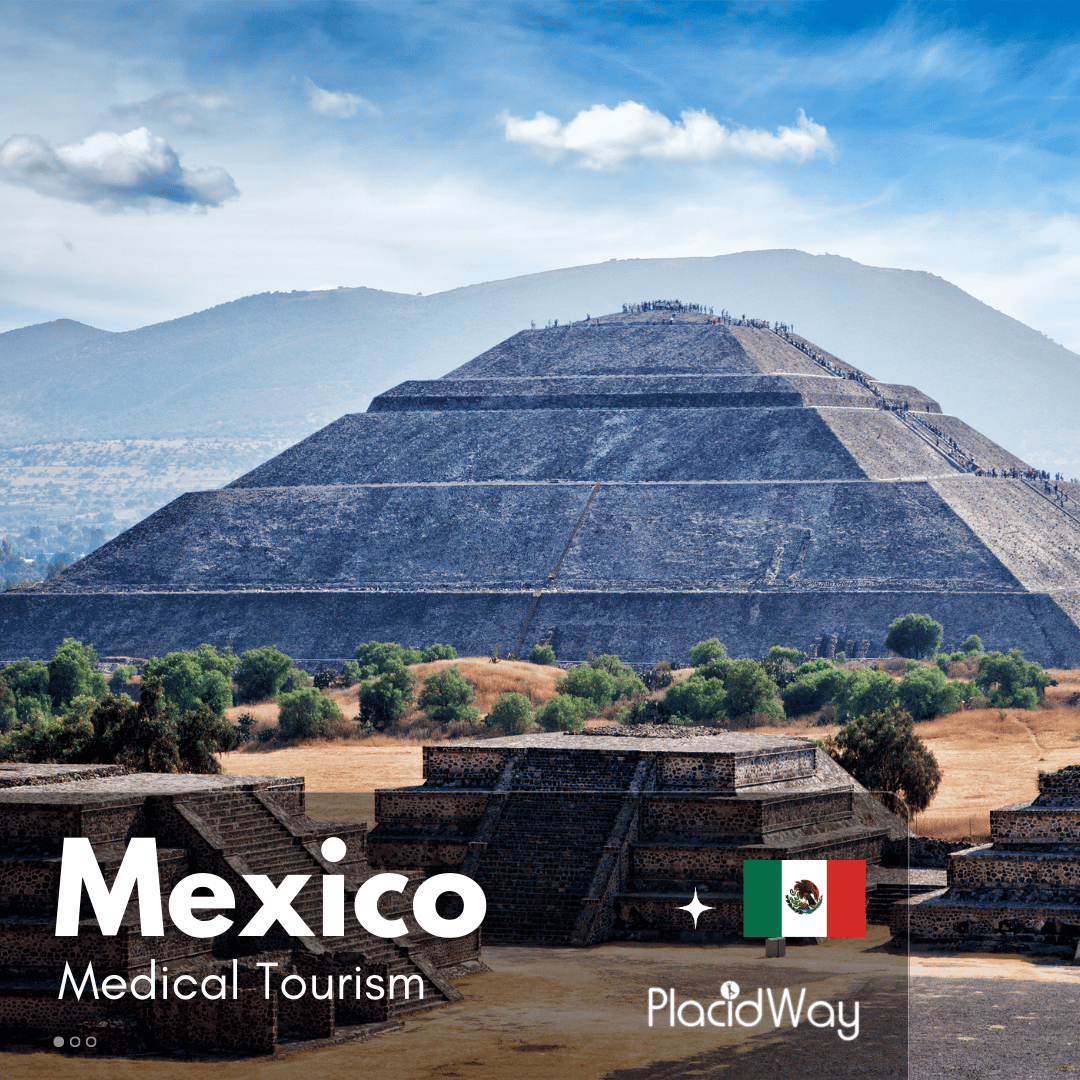
How Ibogaine Therapy Relieves PTSD Symptoms in Mexico?
Ibogaine therapy in Mexico relieves PTSD symptoms by resetting brain neural pathways. It interacts with serotonin and dopamine receptors to disrupt trauma loops, allowing patients to process suppressed memories without severe emotional pain. Key Takeaways: Neurological Reset: The medicine triggers massive neuroplasticity, helping the brain rewire damaged stress response systems. Objective Processing: Patients view their traumatic memories like a movie, eliminating the visceral panic response during recall. Legal Accessibility: The region provides a legally permissible environment for clinical administration by licensed doctors. Medical Supervision: Top facilities require EKG monitoring and ACLS-certified staff to ensure absolute patient safety. Rapid Results: Many individuals report significant symptom reduction in just a few days, compared to years of talk therapy. How does the neurological reset process work for trauma survivors? The medicine repairs damaged neural circuits by increasing the production of GDNF proteins. This promotes rapid neuroplasticity and calms the hyperactive amygdala responsible for fear responses. Post-Traumatic Stress Disorder fundamentally alters the physical structure of the brain. Trauma survivors often suffer from an overactive amygdala, which keeps them locked in a state of perpetual fight-or-flight. Traditional pharmaceuticals attempt to numb this hyperactivity, but the root bark extract takes a different approach by stimulating the release of Glial Cell Line-Derived Neurotrophic Factor. This vital protein acts like fertilizer for the brain, encouraging the growth of new neural pathways and repairing connections damaged by chronic stress. By interacting directly with multiple neurotransmitter sites, including serotonin, dopamine, and opioid receptors, the medicine interrupts deeply ingrained behavioral and emotional loops. During the active phase of the treatment, the brain enters a highly plastic state. This allows the nervous system to effectively unlearn the conditioned fear responses associated with specific traumatic memories, providing a clean slate for psychological recovery. Furthermore, this physiological reset drastically reduces systemic inflammation within the nervous system. Chronic trauma keeps the body in an inflammatory state that degrades cognitive function over time. By eliminating this inflammation and restoring chemical balance, individuals wake up from the treatment feeling mentally sharp, emotionally grounded, and liberated from the overwhelming physical weight of their past experiences. Did You Know? Research suggests that a single flood dose can promote more neuroplasticity in 24 hours than several months of daily meditation and conventional cognitive behavioral therapy combined. What is the average Ibogaine therapy cost in Mexico for PTSD treatment? Patients typically invest between $5,000 and $10,000 for a comprehensive program. Ibogaine therapy cost in Mexico depends on medical supervision levels, luxury amenities, and program duration. Pre-Treatment Diagnostics: The fee covers extensive cardiovascular screenings, liver enzyme tests, and psychiatric evaluations required to ensure the patient can safely metabolize the alkaloid. Medical Supervision: A significant portion of the cost funds the presence of emergency room doctors, anesthesiologists, and registered nurses who monitor vital signs around the clock. The Medicine Itself: High-purity, laboratory-tested hydrochloride extracts are expensive to procure, purify, and dose accurately compared to raw plant material. Psychological Support: Programs include specialized trauma therapists who conduct extensive pre-care preparation and post-care integration counseling sessions. Accommodations and Nutrition: Patients receive private rooms, organic chef-prepared meals designed to support neurotransmitter repair, and access to holistic therapies like yoga and massage. What medical safety protocols exist at a reputable Ibogaine therapy clinic in Mexico? Top facilities enforce rigorous safety standards including mandatory EKG testing and continuous cardiac monitoring. Every trusted Ibogaine therapy clinic in Mexico employs ACLS-certified doctors. Because the medicine significantly slows the heart rate and can prolong the QT interval, comprehensive cardiovascular screening is the absolute highest priority. Before a patient is ever accepted into a program, they must submit resting electrocardiograms and extensive blood work. Doctors analyze these results to rule out congenital heart defects, arrhythmias, and impaired liver function, which could prevent the body from processing the alkaloids safely. During the actual administration, the clinical environment mirrors an intensive care unit. Patients are connected to advanced telemetry monitors that track oxygen saturation, blood pressure, and heart rhythms in real time. A certified medical doctor and multiple specialized nurses remain in the room or view the monitors continuously for the entire duration of the heavy somatic phase, which can last upwards of twelve to twenty-four hours. Furthermore, accredited facilities maintain fully stocked crash carts equipped with defibrillators, intravenous fluids, and emergency cardiovascular medications. While severe complications are extremely rare in heavily screened patients, having hospital-grade emergency protocols in place is what separates a dangerous underground operation from a legitimate medical tourism destination. Feature Traditional SSRI Therapy Medical Plant Therapy Treatment Duration Months to years of daily medication Single intensive session (7-10 day program) Emotional Impact Often numbs both negative and positive emotions Processes deep emotions without attachment Neurological Action Sustains serotonin levels artificially Promotes neuroplasticity and neural repair Dependency Risk High risk of severe withdrawal symptoms Anti-addictive; interrupts chemical dependencies Why is medical tourism in Mexico considered the best option for this specific healing journey? The region offers a fully legal and medically regulated environment for administration. Medical tourism in Mexico provides patients access to highly experienced practitioners in state-of-the-art facilities. The primary reason individuals travel south of the border for this procedure is legal accessibility. In many western nations, these specific alkaloids are classified as Schedule I narcotics, pushing seeking patients into dangerous, unmonitored underground settings. By utilizing established medical infrastructure abroad, patients guarantee they are receiving pure, lab-tested compounds rather than potentially adulterated street material. Beyond legality, the country has cultivated over two decades of specialized expertise in administering these complex plant medicines. Local doctors have treated thousands of severe trauma and addiction cases, allowing them to refine dosing protocols and emergency response tactics to an exact science. This concentration of specialized knowledge simply does not exist in countries where the substance remains criminalized. Additionally, the geographic proximity makes it incredibly convenient for North American patients. Short flight times minimize travel stress, which is crucial for individuals already suffering from severe nervous system dysregulation. The favorable exchange rate also allows these world-class medical facilities to offer luxury accommodations and top-tier psychiatric support at a fraction of what specialized inpatient care costs in the United States. How do practitioners prepare individuals psychologically before the flood dose? Preparation involves intensive psychological counseling and intention-setting workshops. Therapists work to build trust and equip patients with somatic grounding techniques for the visionary state. Medication Tapering: Doctors guide patients through a strict schedule to safely eliminate SSRIs, amphetamines, and anti-anxiety medications that could cause dangerous chemical interactions. Intention Setting: Counselors help patients articulate specific healing goals, creating a mental framework that helps navigate the overwhelming influx of recovered memories during the session. Somatic Grounding Practices: Individuals learn specific breathwork and tactile techniques to anchor their nervous system if the visionary material becomes temporarily intimidating. Nutritional Cleansing: A specialized diet is enforced days before the procedure to optimize liver function, balance electrolytes, and reduce gastrointestinal distress. Trust Building: Spending preliminary days with the nursing staff establishes a deep sense of psychological safety, allowing the patient to completely surrender control during the intense medical procedure. What specific PTSD symptoms show the highest response rate to this alternative medicine? Individuals frequently report massive reductions in hyperarousal, intrusive flashbacks, and severe emotional numbing. The treatment helps disconnect visceral panic responses from traumatic memories. One of the most profound effects reported by combat veterans and assault survivors is the sudden cessation of severe hyperarousal. Individuals who have spent decades scanning rooms for threats and jumping at loud noises find that their baseline nervous system activity drastically lowers. The constant, exhausting hum of adrenaline simply turns off, allowing them to experience true physical relaxation for the first time in years. Intrusive flashbacks and night terrors also show remarkable remission rates. Because the medicine forces the brain to process repressed memories comprehensively during the visionary phase, the subconscious no longer needs to violently push these memories into daily awareness. Patients report that while they still remember their traumas, the memories feel distant, categorized as historical facts rather than imminent, life-threatening dangers. Finally, the treatment effectively shatters the emotional numbing and dissociation common in severe trauma cases. By resetting dopamine pathways, patients regain the capacity to feel joy, empathy, and deep connection to their loved ones. The protective emotional wall constructed by the psyche dissolves, replacing apathy with a renewed sense of purpose and emotional vitality. What happens during the visionary phase of Ibogaine therapy in Mexico? The acute phase induces a waking dream state where individuals view past traumas from an objective perspective. This phase lasts up to twelve hours and facilitates deep emotional processing. Within an hour of ingesting the clinical dose, patients enter what is medically referred to as the oneirophrenic phase. A high-frequency buzzing sound typically signals the onset, followed by a deeply internalized state of consciousness. With their eyes closed, individuals experience rapid, highly structured visual sequences resembling a massive filing cabinet of their life memories being opened and sorted rapidly. The unique phenomenon of this alkaloid is its ability to separate memory recall from emotional distress. A patient might vividly witness the exact moment of their deepest trauma, yet they feel completely detached, viewing the scene as a neutral observer or a wise elder. This emotional anesthesia allows the brain to process horrifying events without re-traumatizing the nervous system, effectively defusing the emotional landmines buried in the subconscious. Following this intense visual review, patients enter a prolonged processing phase. While the visuals subside, a deep intellectual clarity emerges. Patients spend hours engaged in profound introspection, easily connecting the dots between their past traumas and their current destructive behaviors. This cognitive restructuring provides the vital insights needed to completely rebuild their psychological framework in the weeks that follow. Did You Know? Unlike classical psychedelics which dissolve the ego, this plant medicine actually strengthens the ego structure, giving the patient an empowered, highly grounded perspective to confront their innermost fears safely. How vital is the integration phase following the medical procedure? Integration is arguably the most critical component for long-term recovery. Professional counselors help patients decode their visionary experiences and implement these new insights into daily life. Capitalizing on Neuroplasticity: The brain remains highly malleable for several months post-treatment. Integration therapy uses this window to install healthy coping mechanisms before old neurological habits can return. Decoding Symbolism: Therapists help patients translate the bizarre, dream-like metaphors experienced during the flood dose into actionable real-world lessons regarding personal boundaries and self-forgiveness. Somatic Release Therapies: Continued physical practices like trauma-informed yoga and massage help release any residual panic energy still trapped within the muscle tissues. Environment Modification: Counselors assist individuals in identifying toxic relationships or living situations that trigger their symptoms, helping them create a safe post-treatment home environment. Long-Term Accountability: Elite programs provide months of virtual follow-up calls to ensure the patient does not slip back into isolation or dissociative behaviors when life stressors occur. Who is medically disqualified from undergoing this intensive treatment protocol? Individuals with severe heart conditions, abnormal resting EKGs, or active liver disease cannot safely receive this medicine. Certain psychiatric disorders also serve as absolute contraindications. The primary medical disqualifier is cardiovascular instability. Because the active alkaloids temporarily block specific potassium channels in the heart, it causes a prolongation of the QT interval. Patients with a history of heart attacks, severe arrhythmias, prolonged QT syndrome, or unmanaged hypertension face an unacceptably high risk of cardiac arrest and are strictly prohibited from receiving clinical doses. Hepatic health is equally crucial. The liver is entirely responsible for metabolizing the compounds into their long-lasting secondary forms. Individuals suffering from cirrhosis, active hepatitis, or severely elevated liver enzymes cannot clear the medicine from their bloodstream properly, leading to dangerous systemic toxicity. Strict blood panels ensure the liver is functioning optimally before approval. Psychiatrically, the treatment is highly contraindicated for individuals diagnosed with schizophrenia, severe bipolar disorder with active mania, or those with a history of medication-induced psychosis. The intense psychoactive nature of the procedure can permanently exacerbate disorganized thinking in these specific populations. Responsible facilities utilize comprehensive psychological exams to exclude high-risk mental health profiles entirely. Why Choose PlacidWay for booking your PTSD treatment? PlacidWay connects patients with stringently vetted medical centers offering world-class safety protocols. Our platform ensures you receive transparent pricing and comprehensive care without guesswork. Rigorous Facility Vetting: We partner exclusively with certified facilities that employ ACLS-certified medical doctors and utilize advanced EKG monitoring, ensuring your physical safety is never compromised. Complete Price Transparency: We negotiate all-inclusive packages up front. You will never encounter hidden medical fees, diagnostic upcharges, or surprise billing upon discharge. Holistic Program Focus: We prioritize centers that mandate extensive pre-care counseling and robust post-treatment psychological integration, rather than just dispensing the medicine alone. Dedicated Patient Advocacy: Our highly trained support team acts as your personal liaison, translating medical protocols and ensuring the clinic perfectly understands your unique psychiatric history. Quality Assurance Monitoring: We continuously review patient feedback and audit clinical outcomes, instantly removing any facility from our network that fails to maintain absolute excellence in trauma care. Frequently Asked Questions Is Ibogaine legal for medical use in Mexico? Yes, this plant medicine is currently unregulated in the country, allowing licensed medical professionals to administer it legally in clinical settings. This legal framework has established the region as a premier global destination for alternative trauma healing. How long does a typical PTSD Ibogaine retreat last? A comprehensive medical program usually lasts between seven and fourteen days. This timeline allows for proper cardiac screening, psychological preparation, the flood dose administration, and several days of essential post-treatment integration. Can Ibogaine cure PTSD completely? While no medicine offers a guaranteed cure, many patients experience a complete remission of their most severe symptoms. It provides a massive window of neuroplasticity, but lasting results require ongoing psychological integration and lifestyle changes. Are there age limits for receiving Ibogaine treatment? Most medical facilities restrict treatment to adults between the ages of 18 and 65. Older patients may be accepted on a case-by-case basis but require far more rigorous cardiac and hepatic screening due to the physical intensity of the experience. What is the difference between Ayahuasca and Ibogaine for trauma? Ayahuasca works primarily on serotonin receptors and offers a highly emotional, spiritually driven experience. In contrast, the African root bark extract acts on multiple neurotransmitter systems to provide a more objective, detached review of past traumas. Do Mexican Ibogaine clinics accept international health insurance? Because the FDA considers this a Schedule I substance in the United States, major international health insurance providers do not cover the procedure abroad. Patients must pay completely out of pocket or utilize specialized medical financing options. How soon can I fly home after taking a flood dose? Medical protocols mandate that patients remain at the facility under observation for at least four to five days post-administration. Flying too soon can trigger severe motion sickness, anxiety, and cardiovascular complications. Will I be awake during the Ibogaine experience? Yes, patients remain entirely conscious and aware of their surroundings. The medicine induces a waking dream state where individuals can simultaneously interact with medical staff while experiencing profound internal visions and memory recall. What cities in Mexico are most popular for psychedelic medical tourism? Baja California, particularly cities near the US border like Tijuana and Rosarito, hosts the highest concentration of specialized centers. Cancun and Playa del Carmen are also popular for those seeking a more tropical, resort-like healing environment. Can I take my prescribed antidepressants during the treatment? No, combining SSRIs or other antidepressants with this medicine can cause fatal Serotonin Syndrome. Patients must undergo a medically supervised tapering process to clear all psychiatric medications from their system weeks before the procedure. Begin Your Path to True Healing Today Do not let severe trauma control your future any longer. PlacidWay connects you with medically certified, top-rated clinical facilities offering this revolutionary therapy safely. Receive a free, confidential consultation, verify your medical eligibility, and explore tailored treatment packages. Get Your Free Quote...
Read more details
Ibogaine Treatment for Alcoholism in Mexico: Does It Really Work?
Ibogaine Treatment for Alcoholism in Mexico provides a rapid detox by resetting brain receptors and eliminating severe cravings. The Ibogaine Treatment for Alcoholism cost in Mexico ranges from $5,000 to $12,000. Medical tourism in Mexico offers safe, medically supervised Ibogaine Treatment for Alcoholism clinic in Mexico options for this alternative therapy. Key Takeaways: Neurological Reset: The plant medicine targets serotonin and dopamine receptors to interrupt the cycle of chemical dependency. Withdrawal Mitigation: Patients frequently report up to a ninety percent reduction in agonizing physical withdrawal symptoms. Strict Pre-Screening: Mandatory EKG and liver function tests are required due to the cardiovascular intensity of the therapy. Intensive Aftercare: Psychological integration in the days following the acute phase is critical for long-term sobriety. Legal Framework: Progressive healthcare policies allow certified clinics to operate legally and safely south of the border. How does Ibogaine Treatment for Alcoholism in Mexico reset the addicted brain? This therapy targets neurotransmitter receptors to interrupt the cycle of addiction and significantly reduce cravings. It resets the neural pathways associated with chronic alcohol dependence to a pre-addiction state. Ibogaine is a naturally occurring psychoactive alkaloid derived from the root bark of the Tabernanthe iboga shrub. When administered in a controlled medical setting, it interacts deeply with the central nervous system. It primarily targets the serotonin, dopamine, and sigma receptors, which are heavily compromised and structurally altered by prolonged, chronic alcohol abuse. This interaction is fundamentally different from traditional substitution therapies. By occupying and recalibrating these crucial receptors, the plant medicine effectively blocks the brain reward pathways that reinforce addictive behaviors. Patients undergoing Ibogaine Treatment for Alcoholism in Mexico often report a massive, immediate reduction in the physical urge to consume liquor following the acute phase of the therapy. This profound neurobiological reset provides a critical, zero-craving window of opportunity for sustainable behavioral change. Beyond the physical chemical reset, the powerful psychoactive properties induce a deep introspective state known as the oneirophrenic phase. This dream-like waking state allows patients to confront, process, and ultimately detach from underlying emotional traumas or psychological triggers that fuel their destructive drinking habits. This dual action on both the physical brain chemistry and the deeply ingrained psychological trauma makes it a uniquely comprehensive medical approach. What is the average Ibogaine Treatment for Alcoholism cost in Mexico? The typical investment ranges from $5,000 to $12,000 depending on the facility amenities and length of stay. This comprehensive fee generally covers specialized medical screening, the therapeutic dose, and intensive clinical monitoring. When evaluating the financial aspect of this alternative therapy, it is crucial to understand exactly what is included in the baseline price. Standard clinical programs usually start around the lower end of the spectrum, near five thousand dollars. These essential programs provide basic private or semi-private accommodations along with the strictly necessary medical supervision, focusing primarily on absolute clinical safety and the core detoxification protocol without luxury additions. Mid-range to luxury facilities command higher Ibogaine Treatment for Alcoholism cost in Mexico pricing, often exceeding ten to twelve thousand dollars per stay. These premium therapeutic centers offer upscale private suites, chef-prepared holistic meals, and extensive complementary therapies like yoga, massage, sound healing, and specialized psychological counseling. The elevated cost directly reflects the enhanced comfort, resort-style environment, and the higher staff-to-patient ratio during the critical integration phase. While this might seem like a significant upfront out-of-pocket expense, many individuals find it highly cost-effective when compared to traditional inpatient rehab centers in the United States or Europe. Traditional thirty-day facilities can cost tens of thousands of dollars per month and suffer from high relapse rates. The rapid, highly effective nature of this plant-based detox also translates to less time away from demanding careers and vital family obligations. How do I choose a safe Ibogaine Treatment for Alcoholism clinic in Mexico? Selecting a reputable facility requires verifying advanced cardiac life support certification and comprehensive pre-screening medical protocols. You must prioritize clinics equipped with emergency medical equipment and continuous vital sign monitoring. Cardiac Screening Mandates: Verify that the chosen center rigorously mandates comprehensive cardiac screening, including a twelve-lead electrocardiogram and extensive metabolic blood panels, before approving any patient for clinical admission. On-Site Medical Personnel: Ensure the facility directly employs board-certified physicians and registered nurses who remain physically present in the treatment room during the entire duration of the active medicinal phase. Emergency Infrastructure: Check for the guaranteed presence of advanced life support equipment such as automated external defibrillators, crash carts, and emergency oxygen on-site to handle any unforeseen cardiovascular complications. Medicine Purity Standards: Demand absolute transparency regarding the laboratory origin, precise dosing protocols, and verified purity of the pharmaceutical-grade extract being utilized for the neurological detoxification process. Post-Acute Integration: Investigate the depth of integration coaching and psychological aftercare support provided by the center, as the period immediately following the treatment is highly sensitive and requires professional guidance. Independent Verification: Review unbiased third-party accreditations and independent patient testimonials to confirm the ethical standards, historical safety record, and overall legitimacy of the Ibogaine Treatment for Alcoholism clinic in Mexico. Is medical tourism in Mexico safe for addiction recovery therapies? The country offers a progressive legal framework that permits the administration of alternative medicines under strict clinical supervision. This legally protected environment attracts leading medical professionals who specialize in innovative detoxification protocols. The primary driver for individuals exploring medical tourism in Mexico for this specific treatment is legislative freedom. While this powerful alkaloid remains a strictly prohibited Schedule I substance in the United States, it operates in a legally permissible or unregulated space in various Mexican states. This unique jurisdictional advantage allows legitimate, highly clinical facilities to offer life-saving alternative therapies that are entirely unavailable in North America. Furthermore, the established hospitality and healthcare infrastructure designed specifically for international patients is incredibly robust. Major medical hubs across the border have decades of dedicated experience catering to American, Canadian, and European health travelers. They deeply understand the rigorous expectations regarding clinical hygiene, transparent medical communication, and international patient rights, ensuring an exceptionally comfortable and secure environment. The geographical proximity to the United States also plays a massive role in its soaring popularity. Short, direct flights or simple border crossings make the logistical journey significantly less physically taxing for individuals already struggling with severe health degradation related to chronic alcohol abuse. This unmatched accessibility makes it a highly practical, fast-acting option for urgent medical interventions and interventions orchestrated by desperate families. What are the physical prerequisites for undergoing ibogaine therapy in Mexico? Patients must pass rigorous cardiac evaluations because the medicine can significantly alter heart rhythms. Individuals with severe advanced liver disease or active uncontrolled psychiatric disorders are generally disqualified from clinical participation. Electrocardiogram Clearance: A resting EKG is absolutely mandatory to rule out prolonged QT intervals, severe arrhythmias, or other underlying structural heart conditions that could prove fatal during the bradycardic phase of treatment. Hepatic Function Testing: Comprehensive metabolic blood work is required to thoroughly assess liver and kidney function, ensuring the compromised organs can safely metabolize and excrete the powerful psychoactive alkaloids. Medication Tapering Protocols: Patients must undergo a strictly managed tapering process for certain contraindicated medications, particularly SSRI antidepressants, to prevent highly dangerous drug interactions like fatal serotonin syndrome. Psychiatric Evaluation: A thorough psychological intake evaluation is conducted to identify exclusionary conditions such as active schizophrenia or severe bipolar disorder, which strictly contraindicate the use of powerful hallucinogenic substances. Physical Stability Baseline: Individuals must demonstrate a baseline level of physical stability, meaning they absolutely cannot be in the active, life-threatening stages of severe alcohol withdrawal such as delirium tremens upon arrival. Full Medical Honesty: Complete transparency regarding all illicit drug use, prescription drug histories, and overall medical background is critical to allow the clinical team to accurately calculate safe, individualized dosages. How long does the entire ibogaine detox process take in Mexican facilities? Most specialized clinics require a firm commitment of seven to ten days for a complete and medically safe protocol. This timeframe allows for proper medical intake, the acute visionary phase, and crucial initial psychological integration. The initial forty-eight hours upon arrival are strictly dedicated to physical stabilization, hydration, and comprehensive medical screening. Doctors require this vital time to monitor baseline vitals, conduct necessary fresh blood tests, review EKG results, and ensure the patient is physiologically prepared for the intense cardiovascular strain of the treatment. Rushing this pre-care preparation phase is considered extremely dangerous and medically unethical. The actual administration day involves ingesting the calculated medicine and entering a profound, highly introspective state that typically lasts between twelve and twenty-four hours. During this intense period, the patient remains entirely bedridden under constant electronic and physical monitoring by the clinical staff. The day immediately following this journey is universally known as the gray day, characterized by heavy physical exhaustion, ataxia, and extreme emotional vulnerability. The final three to four days of the residential stay are arguably the most important for ensuring long-term sobriety success. This is the critical integration window where patients work daily with psychotherapists to process the deep visions and emotional insights gained during the journey. They also begin gentle physical rehabilitation, utilizing holistic therapies to regain baseline strength before transitioning back to their daily lives and external stressors. What kind of psychological support is provided during ibogaine treatment in Mexico? Quality centers provide extensive pre-treatment intention setting and intensive post-treatment integration counseling. Professional psychologists help patients decode their profound visionary experiences and formulate highly actionable, long-term sobriety plans. Intention Setting Sessions: Pre-session counseling helps patients deeply clarify their internal motivations for seeking sobriety and rigorously prepares them mentally for the intense, sometimes challenging psychological journey ahead. Specialized Integration Therapy: Trained integration specialists are available immediately after the acute phase to help patients vocalize, document, and make rational sense of the complex, abstract emotional memories brought to the surface. Cognitive Behavioral Techniques: Advanced CBT methodologies are often introduced to help individuals recognize long-standing environmental triggers and proactively develop new, healthy coping mechanisms to completely replace destructive alcohol consumption. Holistic Emotional Regulation: Many premium holistic centers incorporate mindfulness practices, guided meditation, and somatic breathwork to teach patients exactly how to manage acute anxiety and mild cravings naturally post-treatment. Relational Repair Strategies: Family therapy options or structured, guided communication strategies are sometimes offered to help begin the difficult process of repairing interpersonal relationships severely damaged by years of chronic substance abuse. Continuous Aftercare Planning: Robust, multi-month aftercare planning is firmly established before discharge, seamlessly connecting patients with local support groups or continuous virtual therapy networks to maintain the forward momentum of their recovery. What are the potential risks of ibogaine therapy for severe alcohol dependence? The most severe clinical risk involves unexpected cardiac complications, specifically dangerous bradycardia and QT interval prolongation. Common, expected mild side effects include physical ataxia, severe nausea, and temporary post-treatment insomnia. The severe cardiovascular impacts are the absolute primary reason this intensive treatment must exclusively be performed in a highly regulated clinical setting. The active alkaloids can significantly slow the resting heart rate and temporarily interfere with the delicate electrical signaling pathways of the heart muscle. Without proper exhaustive pre-screening and continuous telemetry monitoring, these electrical disruptions can lead to fatal cardiac arrhythmias. Neurological and intense physical side effects are virtually guaranteed during the active acute phase of the medicine. Patients universally experience profound ataxia, an inability to safely coordinate voluntary muscle movements, making standing or walking utterly impossible without heavy staff assistance. Severe nausea, dizziness, and purging are also incredibly common as the body physically reacts to the intense, rapid neurological shifts occurring in the brain. In the sensitive days immediately following the active treatment, sleep disturbances and temporary, intense emotional lability are frequently reported. As the brain chemistry rapidly recalibrates and heals, patients might experience overwhelming waves of generalized anxiety, unprompted tearfulness, or profound physical fatigue. The clinical team expertly manages these transition symptoms with compassionate supportive care, nutritional therapy, and, if absolutely necessary, mild non-addictive sleep aids. Why Choose PlacidWay for Ibogaine Treatment for Alcoholism in Mexico? PlacidWay serves as an essential, unbiased patient advocacy and vetting platform to ensure your absolute clinical safety. We connect highly vulnerable individuals with only the most rigorously certified and medically sound holistic centers available. Comprehensive Medical Vetting: We conduct rigorous, independent background checks on all partner clinics to guarantee they exclusively employ board-certified physicians and possess universally required advanced cardiac life support equipment. Transparent Pricing Structures: Our platform provides crystal-clear, upfront breakdowns of what every holistic package includes, fiercely protecting international patients from hidden medical fees, unexpected clinical surcharges, or exploitative pricing. Unbiased Facility Comparisons: We offer highly objective clinical profiles and thoroughly verified patient outcome reviews for multiple top-tier centers, allowing you to choose a facility that perfectly aligns with your specific psychological needs. Direct Medical Communication: We seamlessly facilitate direct, secure consultations between you and the head clinical directors so you can confidentially discuss your complex medical history and addiction profile prior to making any commitment. Post-Treatment Coordination: Our dedicated team helps explicitly ensure that your chosen Ibogaine Treatment for Alcoholism clinic in Mexico has robust psychological integration and virtual aftercare plans securely in place for your return home. Strict Quality Control: We continuously and aggressively monitor the ongoing safety records and long-term clinical outcomes of our network providers, instantly removing any facility that fails to meet our stringent medical excellence standards. Frequently Asked Questions Is ibogaine legal for alcohol addiction treatment in Mexico? Yes, it operates in a legally permissible space in certain Mexican states. While it is heavily restricted or classified as a Schedule I substance in countries like the United States, Mexican healthcare regulations allow certified medical professionals to administer this alternative medicine within strictly controlled clinical environments. Can this alternative medicine completely cure alcoholism in one session? No single therapy acts as a magical cure for chronic addiction. This therapy drastically interrupts chemical dependency and resets neural pathways, effectively eliminating severe cravings. However, long-term sobriety requires continuous psychological support, lifestyle changes, and dedicated integration work after the initial clinical session. What is the success rate for treating severe alcohol abuse? Clinical observations and self-reported patient data suggest a high percentage of individuals achieve immediate short-term abstinence following treatment. Long-term success rates vary widely and are heavily dependent on the patient committing to robust aftercare programs and cognitive behavioral therapy once they return home. Do top-tier clinics offer post-treatment integration coaching? Yes, reputable centers consider psychological integration the most vital component of the recovery journey. They provide trained psychotherapists and counselors who work with patients for several days post-treatment to unpack the visionary experience and develop actionable strategies for maintaining sobriety in everyday life. Will I experience severe physical withdrawals during the process? One of the most profound benefits of this plant alkaloid is its ability to mitigate up to ninety percent of physical withdrawal symptoms associated with severe alcohol dependence. Patients bypass the agonizing days of typical detox, as the medicine resets the dopamine and serotonin receptors almost instantly. Can I take prescription antidepressants while receiving this therapy? Absolutely not. Mixing SSRIs, MAOIs, or other psychiatric medications with these powerful alkaloids can cause fatal neurological reactions such as serotonin syndrome. A strict, medically supervised tapering period is mandatory before any patient can be cleared for administration. What specific medical staff monitors the active administration phase? Rigorous safety protocols dictate the constant presence of a licensed medical doctor, often specializing in cardiology or emergency medicine, alongside registered nurses. This team continuously monitors electrocardiograms, blood pressure, and oxygen saturation throughout the entire twelve to twenty-four hour acute phase. Are there luxury rehabilitation centers offering this service in coastal cities? Yes, regions like Baja California and Quintana Roo host premium, resort-style medical facilities. These centers combine advanced clinical safety with luxurious amenities such as private beachfront suites, organic chef-prepared meals, and holistic therapies like massage and yoga to aid in physical recuperation. How soon can I return to a demanding job after a session? While the acute physical detox is rapid, patients experience extreme emotional vulnerability and physical exhaustion in the weeks following. Medical professionals strongly advise taking at least two to three weeks of low-stress leave to focus entirely on psychological integration and rebuilding physical stamina. Do international health insurance plans cover this specific therapy? Currently, major international health insurance providers and traditional corporate policies do not cover this alternative treatment due to its experimental classification in many Western jurisdictions. Patients must finance the entire cost of the clinical program and travel out of pocket. Start Your Path to True Recovery Today Do not let addiction dictate your future. PlacidWay connects you directly with Mexico's most trusted, medically certified holistic rehabilitation centers. Get a free, confidential quote, receive expert guidance on clinical safety protocols, and discover fully integrated medical tourism packages designed to help you reclaim your life. Get Your Free Quote...
Read more details
Is Ibogaine the Best Solution for Cocaine Dependency in Mexico?
Ibogaine treatment for cocaine dependency in Mexico is highly effective for interrupting addiction pathways. The treatment costs between $5,000 and $10,000, offering medically supervised detox that drastically reduces withdrawal symptoms and cravings. Key Takeaways: Neurobiological Reset: The medicine rapidly repairs dopamine pathways damaged by chronic stimulant abuse, severely diminishing post-acute withdrawal syndromes. Comprehensive Safety: Top-tier centers utilize advanced telemetry, continuous EKG monitoring, and board-certified emergency physicians to ensure total patient safety. Psychological Breakthroughs: The unique visionary state allows individuals to process deep-rooted trauma and address the root emotional causes of their substance reliance. Legally Regulated Framework: Specialized clinical environments operate with full legal compliance, offering a safe alternative to unregulated underground providers in other regions. Holistic Integration: Successful recovery combines the clinical intervention with intensive psychotherapeutic integration, yoga, nutritional balancing, and long-term aftercare planning. Chronic stimulant use severely alters the structural integrity and chemical balance of the human brain. Traditional rehabilitation methods often force patients to endure agonizing months of intense cravings and severe depression, leading to high relapse rates. However, specialized medical intervention utilizing powerful plant-derived alkaloids has revolutionized dependency recovery. By combining rigorous safety protocols with profound neurological repair, these specialized programs offer a unique pathway to total sobriety. How does ibogaine treatment in Mexico work to reset the brain after cocaine dependency? The therapy fundamentally disrupts active addiction by targeting specific neural receptors altered by long-term stimulant abuse. It actively promotes neuroplasticity, restoring depleted dopamine levels and neutralizing the psychological obsession to use. The core mechanism behind this remarkable recovery process involves the release of Glial cell line-derived neurotrophic factor. This powerful protein acts as a fertilizer for the central nervous system, actively repairing and growing new neural connections that were previously destroyed by chronic chemical abuse. By stimulating this cellular regeneration, the brain is effectively coaxed back into a pre-addiction state, rapidly healing the critical reward pathways that govern pleasure and motivation. Cocaine specifically functions by flooding the brain with artificial dopamine and preventing its natural reabsorption, leading to severe receptor downregulation over time. When an individual attempts to quit, they experience profound anhedonia, an inability to feel joy, because their natural dopamine production is compromised. The plant medicine bridges this chemical deficit by interacting with multiple neurotransmitter systems simultaneously, stabilizing the mood and drastically mitigating the crushing depression typically associated with stimulant withdrawal. Beyond the physical neurochemical repair, the active compound induces a highly profound, dream-like visionary state known as the oneirophrenic phase. During this intense introspective period, patients often review crucial memories and process unresolved emotional trauma from an objective, detached perspective. This intense psychological journey enables individuals to confront the deep-seated root causes of their dependency, fundamentally changing their relationship with themselves and their past trauma. What is the average ibogaine treatment cost in Mexico for cocaine addiction? The average ibogaine treatment cost in Mexico typically spans from five thousand to twelve thousand dollars. This comprehensive fee covers the intense medical supervision, luxury accommodation, and extensive therapeutic integration required for a safe recovery. Advanced Medical Diagnostics: A significant portion of the cost is dedicated to exhaustive pre-treatment health screenings. This includes comprehensive metabolic blood panels, advanced electrocardiograms, liver function tests, and detailed psychological evaluations to ensure absolute physical readiness. Specialized Clinical Personnel: The fee covers the continuous, round-the-clock presence of highly credentialed medical staff. This includes board-certified emergency room physicians, registered nurses trained in advanced cardiac life support, and experienced psychological facilitators who monitor vital signs constantly. Pharmaceutical Grade Medicine: Only the highest quality, laboratory-purified hydrochloride extracts are utilized in reputable programs. The cost ensures that the medicine is accurately dosed based on body weight, completely free of impurities, and administered under strict clinical protocols. Luxury Healing Environments: Recovery requires total serenity and comfort. Programs feature private, resort-style accommodations with premium amenities, private chefs preparing nutritious, balancing meals, and peaceful natural surroundings that significantly reduce anxiety during the vulnerable stabilization period. Holistic Integration Therapies: True healing extends beyond the single medicinal dose. The comprehensive pricing structure includes vital complementary therapies such as specialized addiction counseling, integration coaching, restorative yoga, massage therapy, and detailed post-care planning for the transition home. Did You Know? While standard inpatient rehabilitation in North America can exceed forty thousand dollars for a standard thirty-day stay and often yields high relapse rates, specialized plant-based interventions offer a profoundly deeper neurobiological reset at a fraction of the cost and time. Is it safe to visit an ibogaine clinic in Mexico for severe substance abuse? Visiting a fully licensed ibogaine clinic in Mexico is highly secure when meticulous safety protocols are enforced. Strict cardiovascular screenings and continuous medical monitoring effectively eliminate the primary risks associated with the therapy. The safety of this intensive neurobiological intervention relies entirely upon the rigorous clinical standards maintained by the facility. Because the active alkaloid significantly slows the heart rate and extends the electrical repolarization cycle of the heart, underlying cardiovascular issues pose a severe risk. Therefore, world-class clinics mandate extensive physical examinations and advanced cardiac stress tests long before a patient is ever approved for travel. During the actual administration of the medicine, patient safety is the absolute paramount focus. Reputable centers utilize advanced hospital-grade telemetry equipment to continuously monitor the patient’s heart rhythm, blood pressure, and blood oxygen saturation levels throughout the entire active phase. A board-certified physician remains physically present in the room, actively observing the readouts and ensuring the nervous system responds appropriately to the therapeutic dose. Furthermore, leading clinical environments are fully equipped to handle any unforeseen medical emergencies. These facilities maintain fully stocked crash carts, automated external defibrillators, and emergency intravenous medications on standby. By combining a serene, spa-like environment with the rigorous safety standards of an intensive care unit, patients are granted the total peace of mind required to surrender fully to the deeply introspective healing process. Comparing Recovery Pathways Feature Traditional Rehabilitation Advanced Clinical Protocol Treatment Duration Thirty to ninety days standard Seven to fourteen days intensive Cravings Reduction Gradual decline over several months Immediate massive reduction post-treatment Neurological Repair Relies entirely on natural time healing Actively stimulates rapid neuroplasticity Core Focus Behavioral modification and group therapy Receptor resetting and deep trauma processing What medical screenings are required before undergoing ibogaine treatment in Mexico? Rigorous medical qualification involves exhaustive cardiovascular diagnostics, comprehensive blood chemistry analysis, and detailed psychological vetting. These strict protocols ensure the body can safely process the powerful medicinal alkaloids without adverse events. Advanced Electrocardiogram Analysis: A standard resting twelve-lead EKG is absolutely mandatory to measure the electrical activity of the heart. The medical team specifically scrutinizes the QTc interval, as the plant medicine naturally prolongs this electrical phase, making pre-existing arrhythmias highly dangerous. Comprehensive Metabolic Panel: Extensive blood work is drawn to evaluate the critical functioning of the liver and kidneys. Because the liver heavily metabolizes the alkaloids via the CYP2D6 enzyme pathway, optimal hepatic function is required to prevent dangerous toxic accumulation within the bloodstream. Complete Blood Count and Electrolytes: Chronic stimulant abuse frequently leads to severe malnutrition and critical electrolyte imbalances, particularly concerning potassium and magnesium levels. These vital minerals must be perfectly balanced and supplemented prior to treatment to support healthy cardiac function during the session. Detailed Psychiatric Evaluation: An intensive psychological assessment is conducted to rule out absolute contraindications such as active schizophrenia, severe borderline personality disorder, or a history of drug-induced psychosis, ensuring the patient can safely navigate the intense visionary experience. Rigorous Toxicology Screening: Strict urine and blood toxicology panels are performed upon arrival at the facility to verify that the patient has fully abstained from specific conflicting substances, ensuring there are no dangerous pharmacological interactions within the central nervous system. How long does the recovery process take at an ibogaine clinic in Mexico? The comprehensive residential clinical program typically lasts between seven and fourteen days. This timeline allows for proper medical stabilization, the intense twenty-four-hour therapeutic intervention, and crucial days of psychological integration before returning home. The initial phase of the journey, spanning the first two to three days, focuses entirely on physical stabilization and medical optimization. Patients are welcomed into a serene environment where they receive intravenous hydration, heavy vitamin supplementation, and continuous holistic therapies to calm the nervous system. During this critical window, final medical clearances are secured, and individuals work closely with psychologists to set clear, powerful intentions for their upcoming introspective journey. The core intervention, commonly known as flood day, is an intensive physical and spiritual marathon. The active visionary phase typically peaks for eight to twelve hours, during which the patient remains entirely bedbound under constant cardiac telemetry. Following the acute visions, patients enter a prolonged processing phase characterized by deep physical exhaustion and profound emotional openness, requiring absolute silence, gentle care, and uninterrupted rest. The final days of the residential stay are exclusively dedicated to cognitive integration and physical recovery. Often referred to as the gray day, the period immediately following the treatment leaves patients highly sensitive and emotionally raw. Expert facilitators guide them through gentle therapeutic conversations, massage, and specialized somatic therapies, helping them articulate their visions and forge a concrete, actionable plan for maintaining their newly achieved sobriety once they leave the clinical sanctuary. Did You Know? The plant medicine remains in the human body, specifically stored in fat cells, slowly releasing a secondary metabolite called noribogaine for several weeks post-treatment. This creates a powerful afterglow effect, acting as a natural antidepressant and shielding the patient from cravings during the vulnerable early stages of recovery. Why is medical tourism in Mexico popular for psychedelic addiction therapies? Medical tourism in Mexico thrives because the country provides a legal, safe, and medically regulated sanctuary for advanced plant-based treatments that remain highly restricted or classified as illegal under strict North American pharmaceutical laws. The primary driver for international patients seeking this specialized care is the stark difference in global drug classification laws. In the United States and Canada, these powerful botanical medicines are rigidly classified as Schedule I substances, entirely prohibiting their clinical application despite overwhelming anecdotal and emerging scientific evidence of their anti-addiction properties. Conversely, the Mexican medical framework allows for the legal administration of these compounds within controlled, licensed clinical environments, offering desperate patients a legitimate lifeline. Beyond simple legality, the region has cultivated an incredibly sophisticated infrastructure dedicated entirely to psychedelic-assisted therapy. The finest clinics attract world-class medical talent, including brilliant cardiologists and forward-thinking psychiatrists who are passionate about exploring alternative, rapid-detoxification modalities. This concentration of specialized medical expertise ensures that patients receive care that frequently surpasses the safety protocols found in standard western rehabilitation hospitals. Furthermore, geographical accessibility makes this destination highly appealing for individuals struggling with severe dependency. World-renowned clinics are strategically located in beautiful, serene coastal areas like Baja California and the Riviera Maya, easily accessible via brief international flights. This unique combination of strict medical professionalism, legal security, and deeply restorative natural environments creates the perfect incubator for profound personal transformation and lasting sobriety. Can ibogaine therapy for cocaine dependency in Mexico prevent future relapses? While it provides an unparalleled interruption of the addiction cycle and a massive reduction in cravings, it is not a magical cure. Long-term relapse prevention requires dedicated psychological integration and sweeping lifestyle changes. Capitalizing on the Window of Neuroplasticity: The treatment creates a unique, ninety-day neurological window where the brain is incredibly malleable. Patients must utilize this brief period of zero cravings to aggressively build new, healthy neural pathways through positive habits, making it much harder for old addictive behaviors to return. Mandatory Post-Treatment Integration: Processing the intense visionary experience is essential for long-term success. Engaging weekly with a specialized integration coach or psychedelic-informed therapist helps individuals decode the profound psychological insights they received and apply those vital lessons directly to their daily challenges. Total Environmental Restructuring: Returning to the exact same environment, friend group, and stressors that fueled the initial stimulant abuse is a major catalyst for relapse. Successful patients must be willing to completely alter their social circles, cut ties with enablers, and radically redesign their daily routines to support sobriety. Addressing Co-Occurring Psychological Trauma: Because dependency is frequently a coping mechanism for profound unresolved pain, continued psychological counseling is imperative. Participating in cognitive behavioral therapy, somatic experiencing, or eye movement desensitization and reprocessing therapy helps permanently resolve the emotional triggers that lead to drug use. Building a New Support Architecture: Lasting sobriety cannot be achieved in isolation. Connecting with supportive communities, whether through non-traditional recovery circles, spiritual groups, or specialized sober networks, provides the necessary accountability and profound human connection required to thrive without chemical crutches. What type of medical staff monitors patients during ibogaine treatment in Mexico? The safest clinical environments employ highly integrated, multidisciplinary teams comprising emergency medicine physicians, clinical psychiatrists, specialized intensive care nurses, and experienced holistic integration guides to provide comprehensive oversight. The foundation of clinical safety rests firmly on the shoulders of the lead medical physician. Premium facilities strictly employ doctors who hold board certifications in emergency medicine, anesthesiology, or cardiology. These highly trained professionals are experts in advanced cardiac life support, uniquely qualified to interpret real-time electrocardiogram data, manage blood pressure fluctuations, and rapidly intervene at the first sign of any cardiovascular distress during the active session. Working alongside the physiological experts are dedicated clinical psychologists and specialized nursing staff. The nurses provide continuous, compassionate bedside care, monitoring vital signs minute-by-minute and ensuring the patient remains physically comfortable and properly hydrated. Simultaneously, the psychiatric staff offers critical emotional grounding, helping to calm the patient if they encounter particularly challenging or frightening psychological material during their deep visionary journey. Finally, the medical hierarchy is complemented by specialized holistic integration coaches and wellness practitioners. These professionals guide the patient through the softer, but equally vital, aspects of recovery. They facilitate daily restorative practices such as breathwork, sound healing therapy, and meditation, ensuring that once the intense medical detoxification is complete, the patient is spiritually grounded and psychologically prepared to embrace their new, sober reality. Why Choose PlacidWay for ibogaine treatment in Mexico? PlacidWay connects discerning patients directly with fully vetted, medically superior clinics that adhere rigidly to international safety standards. We guarantee total transparency, clinical rigor, and continuous support throughout your health journey. Strict Medical Vetting and Credentialing: We absolutely refuse to partner with substandard or underground providers. Every single facility in our network undergoes an exhaustive audit to ensure they employ fully licensed, board-certified emergency medical personnel and maintain state-of-the-art cardiovascular monitoring equipment. Total Pricing Transparency: We eliminate the immense stress of hidden medical fees by providing comprehensive, upfront cost breakdowns. Patients receive detailed quotes that clearly outline every aspect of their clinical care, psychological screening, and residential accommodations before making any commitment. Uncompromising Focus on Safety Protocols: We exclusively advocate for centers that enforce mandatory, highly rigorous pre-treatment diagnostic testing. Our partner clinics require exhaustive blood panels and EKG clearances, guaranteeing that patient physiological safety is always prioritized over simple admission numbers. Objective and Empowering Patient Resources: We provide families with completely unbiased, scientifically grounded information regarding addiction therapies. By offering access to authentic patient testimonials and detailed facility profiles, we empower individuals to make highly educated decisions regarding their recovery. Dedicated Health Coordination Services: Our platform facilitates seamless, secure communication directly between the patient and the international clinical staff. This ensures that all complex medical questions, psychiatric concerns, and specific treatment methodologies are thoroughly addressed by the doctors well in advance of treatment. Frequently Asked Questions Are there specific age restrictions for ibogaine treatment in Mexico? Most specialized clinical facilities require patients to be at least eighteen years of age to undergo this intensive psychedelic therapy. Older adults, particularly those over sixty, are evaluated on a strict case-by-case basis due to the increased natural risk of age-related cardiovascular issues. Comprehensive medical screening dictates eligibility rather than age alone, ensuring the physical safety of every individual prior to admission. What cardiovascular conditions disqualify a patient from visiting an ibogaine clinic in Mexico? Patients with a history of prolonged QTc intervals, arrhythmias, severe hypertension, congenital heart defects, or recent myocardial infarctions are generally disqualified from this specific plant-based therapy. The active alkaloid naturally slows the heart rate and extends the QT interval, making robust cardiovascular health an absolute necessity. All reputable centers mandate advanced electrocardiogram testing and cardiology clearance before approving any prospective patient for the program. How soon after consuming cocaine can a patient safely begin the protocol? Unlike opioid detoxification which requires stabilization on short-acting medications, patients struggling with stimulant dependency must completely clear the substance from their system before administration. Medical protocols typically require a minimum abstention period of five to seven days from all stimulants prior to receiving the flood dose. This strict timeline prevents dangerous central nervous system interactions and mitigates the risk of severe cardiac complications during the active therapeutic window. Is the medicine utilized in Mexican facilities synthetic or naturally derived from the Tabernanthe iboga plant? Premium centers primarily utilize purely extracted hydrochloride alkaloids derived directly from the root bark of the African Tabernanthe iboga shrub. This highly purified pharmaceutical-grade extract ensures exact dosing and eliminates the unpredictable variables associated with consuming raw root bark. Some advanced facilities also offer total alkaloid extracts which contain secondary medicinal compounds from the plant, providing a holistic botanical approach while maintaining strict clinical safety standards. Do reputable Mexican centers integrate psychological support for co-occurring depressive disorders? Yes, top-tier medical facilities recognize that substance dependency rarely exists in isolation and frequently stems from underlying mood disorders or trauma. These centers employ licensed clinical psychologists and holistic integration coaches who work directly with the patient before and after the clinical dose. This dual-diagnosis approach ensures that underlying depression, anxiety, and post-traumatic stress are addressed comprehensively alongside the physical detoxification process. What exactly constitutes a full clinical dose during the therapy session for severe addiction? The full clinical dose, frequently referred to in medical circles as a flood dose, is carefully calculated based on the precise body weight, metabolic rate, and dependency severity of the individual patient. It typically ranges between fifteen and twenty milligrams per kilogram of body weight. This specific dosage threshold is required to fully saturate the neural receptors, effectively resetting the neurotransmitter pathways and inducing the profound visionary state necessary for psychological breakthroughs. How can international patients verify the credentials of the medical personnel at these centers? Patients should request to see the active medical licenses of the attending physicians, specifically looking for credentials in emergency medicine, cardiology, or anesthesiology. Reputable facilities operate transparently and will readily provide certification documentation for their doctors and nursing staff. Utilizing a recognized medical tourism facilitator offers an additional layer of security, as these organizations perform rigorous background checks and continuous credential verification on all their partner clinics. What is the standard protocol for patients currently taking psychiatric medications alongside their addiction? Patients taking selective serotonin reuptake inhibitors, antipsychotics, or certain anxiety medications must undergo a carefully medically supervised tapering process before arriving. The interaction between the plant medicine and synthetic psychiatric drugs can cause severe complications, including fatal serotonin syndrome. The intake physician coordinates closely with the patient at home to establish a safe weaning schedule, ensuring the nervous system is entirely clear of conflicting pharmaceuticals. How does this specialized protocol compare to traditional rehabilitation models for stimulant abuse? Traditional rehabilitation relies heavily on long-term behavioral therapy, group counseling, and gradual psychological adjustments without addressing the immediate neurochemical imbalances caused by chronic use. The plant-based protocol accelerates this process by physically repairing compromised dopamine receptors and instantly eliminating intense cravings within a matter of days. This powerful neurobiological reset provides the patient with a clear, unburdened mind, significantly enhancing the effectiveness of subsequent behavioral therapies. What type of post-treatment aftercare is recommended after completing medical tourism in Mexico for dependency? The immediate weeks following the intervention present a critical window of neuroplasticity where the brain is highly receptive to new habit formation. Patients are strongly advised to transition immediately into a structured continuing care program, which may include intensive outpatient therapy, sober living environments, or regular sessions with a specialized integration coach. Building new healthy routines, avoiding familiar environmental triggers, and engaging in continuous psychological support are absolutely essential for maintaining lifelong sobriety. Begin Your Path to True Freedom and Recovery Today Do not let dependency dictate your future for another day. PlacidWay connects you directly with the most secure, scientifically advanced clinical environments in the world. Request a comprehensive, risk-free consultation to review rigorous safety protocols and discover how specialized holistic medical programs can help you reclaim your life. Get Your Free Quote...
Read more details
Is Ibogaine the Key to Beating OxyContin Addiction in Mexico?
Ibogaine treatment in Mexico targets OxyContin addiction by resetting brain chemistry and neutralizing withdrawal. Medically supervised programs generally cost between $5,000 and $12,000, lasting 7 to 10 days for a full recovery cycle. Key Takeaways: Rapid Detox: Eliminates 90% of OxyContin withdrawal symptoms within 24 hours. Neuro-Restoration: Resets dopamine and opioid receptors to a pre-addicted state. Cost Advantage: Ibogaine cost in Mexico is significantly lower than multi-month traditional rehab. Safety Focus: Top-tier clinics provide 24/7 ACLS-certified medical monitoring. Location Benefits: Medical tourism in Mexico offers access to experienced addiction specialists. OxyContin addiction remains one of the most challenging hurdles in modern medicine. Traditional tapering methods can take months of agonizing withdrawal, often leading to relapse. This is where Ibogaine treatment in Mexico has emerged as a revolutionary alternative. This naturally occurring alkaloid doesn't just mask symptoms; it addresses the neurological root of dependency. For those trapped in the cycle of opioid abuse, understanding the availability and efficacy of this treatment across the border is the first step toward reclaiming life. What is the success rate of Ibogaine for opioid detox? Clinical observations suggest an 80% success rate in achieving immediate cessation of opioid use post-treatment. Long-term sobriety depends on the patient's commitment to integration and aftercare therapy programs. The high success rate is primarily due to the unique pharmacological profile of Ibogaine. Unlike methadone or buprenorphine, which are substitute opioids, Ibogaine is an opioid antagonist that interrupts the addiction cycle without creating a new dependency. This allows patients to bypass the "revolving door" of traditional maintenance therapy. Furthermore, the success of an Ibogaine clinic in Mexico is often tied to its holistic approach. Most facilities combine the medical session with psychotherapy, nutritional support, and meditation. This multi-pronged strategy ensures that the physical reset is matched by a mental and emotional realignment, providing the patient with the tools necessary to maintain sobriety once they return home. Ibogaine acts as a powerful interrupter that provides a window of opportunity for addicts to change their lifestyle without the physical burden of withdrawal. The success is measured by the total lack of cravings in the weeks following the session, which is attributed to the metabolite Noribogaine. Patients often report a profound psychological shift that allows them to address the underlying trauma that fueled their OxyContin use. Data shows that patients who participate in follow-up integration coaching have significantly higher 12-month sobriety rates. The effectiveness is highest when the treatment is paired with a holistic environment that includes nutritional support and physical therapy. The Ibogaine treatment in Mexico protocols include specific pre-care steps that increase the likelihood of a successful, long-term outcome. How does Ibogaine reset brain receptors? Ibogaine functions as a neuro-adapter that re-sensitizes the brain's mu-opioid receptors. It essentially returns the neural pathways to a state similar to before the addiction began. The mechanism of action is deeply complex. Ibogaine interacts with various neurotransmitter systems, including serotonin, glutamate, and dopamine. By modulating these pathways, it repairs the "reward circuitry" that is typically hijacked by chronic OxyContin use. This repair process is what leads to the dramatic reduction in post-acute withdrawal symptoms. Research into Ibogaine treatment in Mexico has highlighted the role of Noribogaine, the metabolite produced by the liver. Noribogaine has a long half-life and continues to stimulate the production of neurotrophic factors long after the initial dose. This provides a sustained neuroprotective effect, giving the brain the stability it needs to heal from years of chemical abuse. It increases levels of Glial Cell-Derived Neurotrophic Factor (GDNF), which promotes the survival and repair of dopaminergic neurons. By blocking the nicotinic acetylcholine receptors, Ibogaine reduces the reinforcing effects of OxyContin and other addictive substances. The metabolic conversion into Noribogaine stays in the system for weeks, providing a natural anti-depressant effect and stabilizing mood. This reset allows the brain to produce its own endorphins again, ending the dependency on external opioids. The process is often described as a hard-drive defragmentation for the mind, clearing away addictive thought patterns. Studies at an Ibogaine clinic in Mexico confirm that this reset is immediate, often occurring within the first 12 hours of treatment. What are the safety protocols at an Ibogaine clinic in Mexico? Safety protocols include continuous EKG monitoring, ACLS-certified medical staff present 24/7, and strict pre-treatment cardiac and liver screenings. These measures ensure patient stability throughout the session. Safety is the paramount concern for any reputable provider of medical tourism in Mexico. Because Ibogaine can affect the heart's electrical rhythm, clinics must adhere to the highest international medical standards. This includes having advanced life support equipment on standby and maintaining a low patient-to-nurse ratio to ensure constant observation. Pre-treatment screening is where safety begins. Patients must undergo a comprehensive medical workup, including a 12-lead EKG and a metabolic blood panel. If any irregularities are found, the treatment is postponed or modified. This rigorous filtering process is why medically supervised Ibogaine is remarkably safe compared to unregulated settings. Clinics utilize high-grade medical monitors to track heart rate, blood pressure, and oxygen saturation every minute of the session. Emergency equipment, including defibrillators and oxygen tanks, is kept on-site in every treatment room as a standard precaution. A physician specialized in addiction medicine oversees the dosing protocol, adjusting based on real-time response. Intravenous access is often maintained throughout the session to allow for immediate administration of fluids if needed. Post-treatment monitoring continues for 48 hours to manage the "gray day" period of emotional sensitivity. Every Ibogaine clinic in Mexico partnered with PlacidWay follows these strict evidence-based safety guidelines. How much does Ibogaine cost in Mexico compared to other countries? The Ibogaine cost in Mexico ranges from $5,000 to $12,000, which is significantly lower than the $15,000+ charged in parts of Europe or the high costs of unofficial US treatments. The affordability of medical tourism in Mexico does not equate to a lower standard of care. On the contrary, the savings on real estate and labor costs are reinvested into premium medical equipment and luxury amenities. Many patients find that for the same price as a basic hospital-style rehab in the US, they can access a world-class beachside recovery resort in Mexico. When calculating the total Ibogaine cost in Mexico, it is important to look at the long-term value. Traditional rehab programs often have a high failure rate, leading to multiple stays and mounting costs. Ibogaine's ability to provide a rapid, effective detox can actually be the most cost-efficient route to lifelong freedom from OxyContin. Lower operational costs in Mexico allow clinics to provide luxury-level accommodations and 1-on-1 nursing care. Most Mexican packages include all-inclusive features like organic meals, supplementation, and massage therapy. Patients save on medication costs, as pharmaceutical-grade Ibogaine HCL is sourced directly from licensed laboratories. The competitive market ensures that clinics constantly upgrade their facilities to maintain international standards. Transparent pricing models help families plan the financial aspect of recovery without hidden hospital fees. Choosing an Ibogaine clinic in Mexico through PlacidWay ensures access to pre-negotiated, value-driven rates. How long is the recovery period after Ibogaine? The acute recovery from the session takes 48 to 72 hours, but the neuro-restoration phase continues for 3 to 6 months. Patients are advised to stay in Mexico for at least 7 to 10 days. The immediate aftermath of an Ibogaine session is often called the "processing phase." During this time, the brain is highly plastic and receptive to new information. This is why the first week post-treatment is so critical. Clinics in Mexico utilize this time to engage patients in intensive integration sessions, helping them map out a new life free from the triggers of their previous environment. As the patient transitions back to their home life, the Noribogaine in their system acts as a biological safety net. It maintains an elevated mood and suppresses cravings for several months. However, the most successful patients are those who use this period to establish new, healthy habits, such as regular exercise, community support, and professional counseling. The first 24 hours post-dose are spent in a dream-like state, followed by a period of physical recalibration. By day 4, most patients experience a resurgence of natural energy and an improved appetite. Mental clarity typically returns fully by day 7, making this ideal for intensive integration planning. Clinics encourage a slow reintegration into daily life to protect the sensitive neuroplastic state. Post-treatment sleep patterns may take 2-4 weeks to normalize, handled through natural supplements. The Ibogaine treatment in Mexico includes a long-term aftercare plan to support the 6-month neuro-restoration window. Is Ibogaine therapy legal in Mexico for international patients? Ibogaine is not a controlled substance in Mexico, allowing medical facilities to legally administer it under standard healthcare regulations for addiction treatment and research purposes. This legal clarity is a major driver of medical tourism in Mexico. While Ibogaine remains in a legal gray area or is strictly prohibited in other parts of the world, Mexico has embraced it as a valid medical tool for public health. This has allowed for the development of a sophisticated infrastructure of clinics that operate with the same transparency as any other hospital. For international patients, this means they are protected by Mexican health laws and can expect a professional, standardized experience. The clinics are required to maintain specific certifications and are subject to regular inspections. This regulatory oversight is what makes Mexico the safest and most reliable destination for Ibogaine-assisted recovery. This status allows doctors to operate openly, publish clinical findings, and maintain professional accountability. International patients can travel to a certified Ibogaine clinic in Mexico without fear of legal repercussions. The regulatory environment promotes harm reduction and medical innovation rather than punitive measures. Facilities are regularly inspected by local health authorities to ensure they meet sanitation standards. This openness has made Mexico the global epicenter for Ibogaine research and treatment excellence. The legality ensures that the Ibogaine treatment in Mexico is administered by licensed, accountable medical professionals. What are the psychological benefits of an Ibogaine journey? Ibogaine facilitates an intense introspective state that allows patients to view their life choices objectively, often leading to the release of long-held guilt and trauma associated with addiction. Beyond the physical reset, Ibogaine is often described as a "spiritual or psychological catalyst." During the session, many patients experience a "life review," where they revisit significant memories from a detached, non-judgmental perspective. This allows them to see the origins of their addictive behavior and provides a sense of closure that is rarely achieved through traditional therapy alone. This psychological breakthrough is what truly empowers long-term change. By identifying and releasing the emotional anchors of addiction—such as shame, grief, or unresolved trauma—patients can return to their lives with a newfound sense of self-worth and agency. The Ibogaine treatment in Mexico is specifically designed to support this psychological transformation through expert guidance and a peaceful environment. Many patients describe a life review where they process traumatic events without the emotional pain usually attached. It helps break the cycle of self-loathing by showing the patient the mechanical nature of their addiction. The experience often fosters a renewed sense of purpose and connection to family and community. Psychological breakthroughs that would take years in talk therapy can occur in a single 24-hour session. The after-glow effect from Noribogaine provides a stable emotional platform to implement life changes. Every Ibogaine clinic in Mexico offers psychotherapeutic integration to maximize these psychological gains. Why Choose PlacidWay for your recovery journey? PlacidWay provides a secure bridge to verified Mexican facilities, ensuring you receive medically supervised care that meets international safety standards for Ibogaine therapy. At PlacidWay, we believe that every patient deserves access to life-saving treatment without compromising on safety or dignity. Our extensive network of partners in Mexico has been carefully curated to include only those clinics that share our commitment to medical excellence and ethical patient care. We take the guesswork out of medical tourism in Mexico, allowing you to focus entirely on your healing process. Choosing PlacidWay means you have a dedicated advocate by your side throughout your entire journey. From your initial inquiry to your return home, we are here to support you. We understand the complexities of addiction and the courage it takes to seek help, and we are honored to be a part of your success story. Strict Clinic Vetting: We perform on-site inspections and verify credentials of medical directors to ensure they are board-certified and experienced. Transparent Communication: Our team facilitates direct communication with clinics, ensuring your medical questions are answered by the treating physician. Safety-First Approach: We only partner with facilities that maintain full-time medical staff and have immediate access to hospital care if needed. Patient Advocacy: PlacidWay acts as your representative, helping to negotiate all-inclusive packages that cover everything from pre-screening to aftercare. Global Experience: With over a decade in the industry, we understand the specific needs of international patients traveling for recovery. Personalized Guidance: We provide tailored recommendations based on your specific health needs and budget, ensuring a perfect match for your Ibogaine treatment in Mexico. Did You Know? Ibogaine's ability to "reset" the brain is so profound that it is currently being studied by major universities for its potential to treat a wide range of neurodegenerative disorders and treatment-resistant depression, far beyond its initial use in addiction detox. Frequently Asked Questions What are the common side effects of Ibogaine during OxyContin detox? During the initial phase, patients may experience ataxia, which is a lack of muscle coordination, along with nausea and light sensitivity. Visual phenomena or dream-like states are common as the alkaloid interacts with the brain. Medical staff at an Ibogaine clinic in Mexico monitor these effects closely to ensure patient comfort and safety throughout the transition. Can Ibogaine treat alcohol addiction as effectively as OxyContin addiction? Yes, while famous for opioid cessation, Ibogaine is highly effective for alcohol dependency. It works by interrupting the craving cycle and resetting the dopamine signaling pathways. However, alcohol detox often requires a longer pre-stabilization period to prevent dangerous withdrawal seizures before the Ibogaine session begins. Is there an age limit for receiving Ibogaine treatment in Mexico? Most facilities require patients to be between 18 and 65 years old. The primary concern is cardiovascular health rather than chronological age. Patients over 60 undergo more rigorous cardiac stress testing and EKG monitoring to ensure their hearts can safely handle the physiological changes during the session. Why is a heart screening mandatory before Ibogaine therapy? Ibogaine can cause QT interval prolongation, which affects the heart's electrical rhythm. A comprehensive EKG and blood panel are mandatory to rule out pre-existing conditions. Reputable clinics will never proceed without a clean cardiac bill of health, as this is the most critical safety protocol in Ibogaine therapy. Can family members stay with the patient during treatment in Mexico? Many luxury centers allow one companion to stay in a separate room or a shared suite. While family support is encouraged during the integration phase, the actual 24-hour Ibogaine session is usually private to allow the patient to focus on their internal journey without external distractions. Does international insurance cover Ibogaine treatment in Mexico? Most US and Canadian insurance providers do not cover Ibogaine because it is not FDA-approved. However, some patients utilize Health Savings Accounts (HSA) or specialized medical financing. The low Ibogaine cost in Mexico often makes the out-of-pocket expense lower than deductible-heavy traditional rehab in the US. Why choose Mexico over Canada for Ibogaine therapy? Mexico has a more established regulatory framework for medical tourism in Mexico and a longer history of specialized Ibogaine facilities. The weather in Mexican coastal regions also provides a more therapeutic environment for post-treatment reflection, which is considered vital for long-term sobriety compared to colder climates. Are there hidden costs in Mexican Ibogaine packages? Reputable packages are typically all-inclusive. Hidden costs may only arise from specialized laboratory tests if a patient has complex underlying health issues or if they choose to extend their stay for additional integration therapy. Always confirm if airport pick-up and aftercare medications are included in the initial quote. How safe is medical tourism in Mexican border cities for recovery? Medical tourism in Mexico is very safe when patients stick to established medical corridors and use clinic-provided transportation. Facilities are often located in gated communities or serene coastal areas away from urban congestion, specifically designed to provide a secure and peaceful environment for healing. How is patient confidentiality handled for international visitors? Privacy is a cornerstone of Mexican medical hospitality. Clinics follow strict internal data protection protocols similar to HIPAA. Because the treatment occurs outside the patient's home country, it offers an added layer of anonymity, as the records are not linked to domestic employer-based insurance databases. Take the First Step Toward a Clean Life Today Don't let OxyContin control your future any longer. PlacidWay connects you with the most experienced Ibogaine specialists in Mexico. Get a free, confidential quote, receive a professional medical consultation, and discover all-inclusive recovery packages tailored to your journey. Get Your Free Quote Now...
Read more detailsShare with AI
Share this page with AI assistants to get summaries and insights


Table of Contents
- Is Ibogaine Treatment Legal and Medically Safe for US Citizens in Mexico?
- What Is the Success Rate of Ibogaine for Opioid Withdrawal in Mexico?
- How effective is ibogaine therapy in Tijuana for treating heroin addiction?
- Does ibogaine treatment in Mexico actually work for fentanyl withdrawal and detox?
- Can ibogaine therapy help you detox from OxyContin without experiencing severe withdrawals?
Explore Addiction Treatment: Stories, Testimonials, and Procedures
Watch in-depth videos covering everything from Addiction Treatment success stories to detailed procedure explanations. Learn what to expect and hear from real patients.

What to Expect at a Holistic Addiction Recovery Center Offering Medically Supervised Ibogaine Treatment in Mexico
Addiction Treatment
New Path Ibogaine
Tijuana,Rosarito Beach, Mexico
Healing Both Mind and Body: A Guide to Ibogaine Therapy for Addiction and Mental Health in Mexico
Addiction Treatment
New Path Ibogaine
Tijuana,Rosarito Beach, Mexico

Take a Virtual Tour of the Ibogaine Therapy Clinic in Tijuana Mexico at New Path
Addiction Treatment
New Path Ibogaine
Tijuana,Rosarito Beach, Mexico
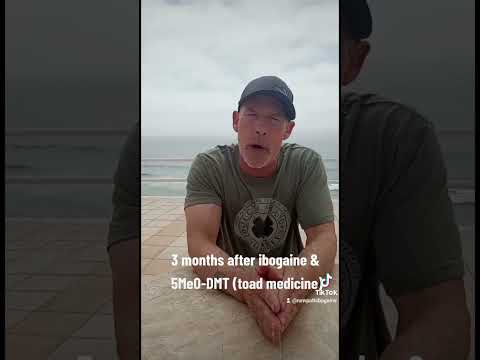
The Road to Recovery: Complete Guide to Ibogaine Treatment for Opiate Addiction in Mexico
Addiction Treatment
New Path Ibogaine
Tijuana,Rosarito Beach, Mexico
Unlock the Best Addiction Treatment Packages Just for You
Discover the ultimate Addiction Treatment packages designed to meet your health and wellness goals. Choose the perfect fit for your journey.

Price starting from $8,000
Stimulant Addiction Treatment Package in Cancun, Mexico by Ibogaine Cancun
Ibogaine Cancun
- Addiction Treatment
Cancun, Mexico
Price starting from $70,000
90-Day Luxury Residential Program for Depression & Anxiety
Mind-U Psychiatric Residential Mental Health Center
- Psychiatry
Tijuana,Rosarito Beach, Mexico

Price starting from $8,000
Methamphetamine Addiction Treatment Package in Cancun, Mexico by Ibogaine Cancun
Ibogaine Cancun
- Addiction Treatment
Cancun, Mexico
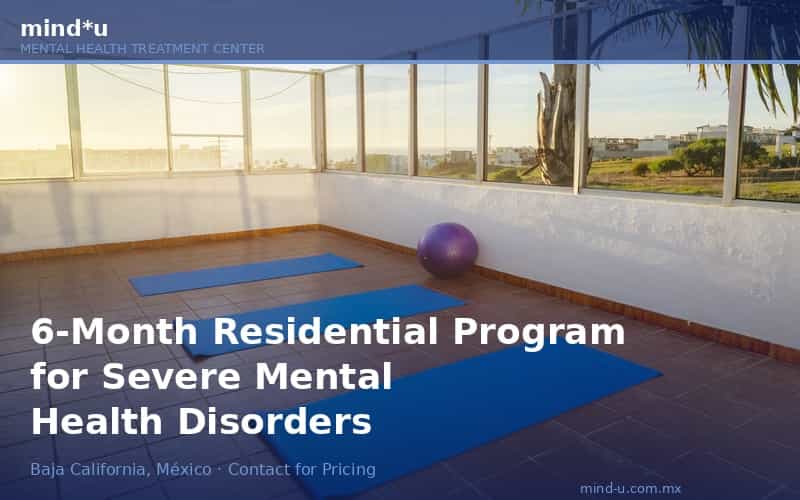
Price starting from $120,000
6-Month Residential Program for Severe Mental Health Disorders
Mind-U Psychiatric Residential Mental Health Center
- Psychiatry
Tijuana,Rosarito Beach, Mexico
Transformative Addiction Treatment Experiences: Dive into Procedure Insights
Discover the power of Addiction Treatment through compelling patient experiences. Uncover detailed insights into procedures, recovery journeys, and life-changing results.
.png)
Price starting from $7,800
Ibogaine Treatment for Anxiety Disorder in Tijuana, Mexico
- Ibogaine Therapy, Addiction Treatment
Tijuana, Mexico
.png)
Price starting from $8,250
Ibogaine Treatment for Methamphetamine Addiction in Tijuana, Mexico
- Methamphetamine Addiction Treatment, Addiction Treatment
Tijuana, Mexico
.png)
Ibogaine Treatment for Parkinson’s Disease in Tijuana, Mexico
- Ibogaine Therapy, Addiction Treatment
Tijuana, Mexico
.png)
Price starting from $7,800
Ibogaine Treatment for Opioid Addiction in Tijuana, Mexico
- Ibogaine Therapy, Addiction Treatment
Tijuana, Mexico







