
What treatment


20+ Most Frequently Asked Questions About Dentistry
Find Clear and Concise Answers to Common Questions About Dentistry
Trusted Medical Tourism Platform Since 2007
.png)
Is It Safe for Italian Patients To Get Dental Implants in Albania?
Yes, it is incredibly safe. Premium dental clinics in Albania utilize the exact same CE-certified materials and 3D imaging technology as Italian clinics, yielding impressive success rates of 95-97%. By making the short flight across the Adriatic, Italian patients typically save 60% to 70% without sacrificing an ounce of clinical quality. If you are struggling with missing teeth or failing dental work, you already know the heavy toll it takes. It is the hesitation before smiling in a family photograph. It is the way you subconsciously cover your mouth when you laugh with friends. It is the daily frustration of avoiding your favorite foods. But when you finally gather the courage to visit a local clinic in Rome or Milan, the quoted price often feels like a punch to the gut. The Servizio Sanitario Nazionale (SSN) rarely covers extensive dental implants, leaving you to shoulder a massive financial burden alone. Because the numbers are so staggering at home, you start looking across the border. You hear whispers from friends or read online forums about taking a quick flight to Tirana and returning with a flawless smile for a fraction of the cost. But the moment you consider it, a protective wave of anxiety hits. You wonder: is it safe for Italian patients to get dental implants in Albania in 2026? It is a completely normal reaction. You are trusting a foreign country with your health, your face, and your hard-earned money. This guide was written specifically for you to cut through the rumors, acknowledge your fears, and provide the honest, numeric facts you need to make a confident decision about your dental health. Quick Facts: Affordable Dental Care in Tirana vs Italy Average Cost Per Implant Italy: €1,500 - €3,000 Albania: €500 - €900 10-Year Success Rate Italy: 95% - 98% Albania: 95% - 97% Initial Recovery Time Italy: 3-7 days Albania: 3-7 days Typical Warranty Offered Italy: 5-10 years Albania: 10 years to Lifetime Severe Complication Rate Italy: 2% - 4% Albania: 2% - 5% (rare) What Exactly Is a Dental Implant and How Does It Work? A dental implant is a tiny, bio-compatible titanium screw inserted into your jawbone to replace a missing tooth root. Once it heals and fuses with the bone, a custom-made crown is attached, giving you a tooth that feels, looks, and bites exactly like the real thing. Think of a dental implant as a permanent, artificial foundation for a tooth. It is predominantly made of titanium—a material your body accepts naturally without rejection. Instead of resting on your gums like traditional dentures, it is anchored securely into your anatomy. Here is the step-by-step breakdown of how the magic happens: Comprehensive 3D Diagnostics: A 3D CBCT (Cone Beam Computed Tomography) scan maps out your jawbone density and nerve pathways to millimeter precision. Surgical Placement: Under local anesthesia (or conscious sedation), the titanium root is gently threaded into your jawbone. The gums are then closed to allow for healing. Osseointegration: Over the next 3 to 6 months, an incredible biological process occurs. Your jawbone naturally grows around and fuses to the titanium post, locking it permanently into place. Attaching the Abutment: Once fully integrated, a small connector piece called an abutment is fastened to the top of the implant. The Final Crown: Finally, a permanent ceramic or zirconia crown expertly shade-matched to your natural teeth is secured onto the abutment. Your smile is completely restored. Unlike outdated bridges that require grinding down perfectly healthy neighboring teeth, an implant stands entirely on its own. Furthermore, implants actually stimulate the jawbone when you chew, halting the premature aging and facial collapse associated with missing teeth. Why choose Albania for dental work over Italy? Albania has revolutionized dental tourism for Italians by combining zero language barriers, highly specialized EU-trained surgeons, ultra-modern facilities, and massive savings—all located just a 60 to 90-minute flight away. Unbeatable Savings: Keep 60% to 70% of your money in your pocket. Because overhead and labor costs in Albania are significantly lower, world-class care becomes suddenly affordable. No Language Barrier: A vast majority of Albanian dental professionals speak perfect Italian. You will never feel misunderstood when discussing your health, easing anxiety instantly. Advanced Technology: Top Albanian clinics are brand new, equipped with advanced panoramic X-rays, intraoral scanners, and 3D printers that many local Italian neighborhood clinics simply cannot afford. Convenience and Speed: Flight times from Rome, Milan, or Bari are incredibly short (often under 90 minutes). Dental tourism clinics prioritize your schedule, completing extensive surgical phases in just 3 to 5 days. VIP Concierge Treatment: Instead of waiting weeks for an appointment in Italy and sitting in a cold waiting room, Albanian clinics offer a concierge experience—complete with airport transfers, hotel booking, and personal coordinators. How much can Italian patients save on dental implants in Albania? Italian patients enjoy massive savings of 60% to 75% across the board. A single implant drops from an average of €2,000 to €700. For full-mouth rehabilitations, you can easily save €15,000 to €25,000. Let us confront the elephant in the room: why is it so much cheaper? Many Italians mistakenly believe that a lower price implies lower quality or unsafe materials. That is entirely false. Dental clinics in Albania import the exact same materials from the exact same manufacturers in Switzerland, Germany, and the USA. The dramatic price difference boils down to economics: dentist salaries, clinic rent, malpractice insurance, and daily operating costs are exponentially lower in Tirana than in Milan or Rome. These massive reductions in operational overhead are passed directly on to you. Procedure Average Price in Italy Average Price in Albania Savings % Single Implant (Titanium Post Only) €1,000 - €1,800 €350 - €600 65-70% Zirconia Crown (Per Tooth) €600 - €1,200 €200 - €350 60-70% Complete Single Tooth (Post + Crown) €1,500 - €3,000 €500 - €900 60-70% Bone Grafting (If needed per site) €500 - €1,500 €150 - €400 70-75% All-on-4 System (One Arch) €8,000 - €14,000 €3,000 - €4,500 60-65% Do not let high prices at home dictate your quality of life. The reality is that €4,000 goes much further in the Albanian economy, allowing you to access premium healthcare that might otherwise be reserved for the wealthy back home. What is the quality of titanium implants in Albania compared to Italy? Yes, the quality is undeniably safe and globally standardized. High-end clinics in Albania adhere strictly to ISO 13485 sterilization protocols and use the exact same globally certified titanium implants you would find in Rome or Florence. When it comes to safety, assumptions and rumors are dangerous. You need facts. The fear of waking up in a subpar facility with non-certified materials in your mouth is common, but it is deeply unfounded when you select a top-tier clinic catering to international patients. Quality Metric Italian Clinics Albanian Clinics Notes Material Standards CE Certified, Grade 4 & 5 Titanium CE Certified, Grade 4 & 5 Titanium Identical rigorous EU standards Premium Brands Straumann, Nobel Biocare Straumann, Nobel Biocare, Megagen Albania imports the same brands Sterilization EU Protocols ISO 13485 Standards Medical-grade autoclaving is universal Success Rates 95% - 98% 95% - 97% Statistically indistinguishable Here is what you should look for to guarantee safety: Implant Passport: Reputable clinics hand you a booklet detailing the exact brand, size, and lot number of your titanium implant. This acts as a global guarantee. State-of-the-art diagnostics: Albanian surgeons rely on 3D computer-guided surgical planning, minimizing human error and ensuring the implant avoids major nerves and sinus cavities. Continuous Education: Many Albanian maxillofacial surgeons complete specialized fellowships in Italy, Germany, or the US, bringing elite surgical protocols back to Tirana. Rigorous Sterilization: Look for clinics that proudly showcase their ISO 13485 certification, proving their instrument sterilization meets harsh international criteria. Do your due diligence. Do not chase the lowest possible price blindly; instead, find the reputable clinic that offers transparent, verifiable European standards. When you do, your safety is completely assured. What is the recovery timeline for dental implants in Albania? The entire journey spans about 4 to 8 months. You will take two short trips to Albania. The physical surgical recovery (swelling) lasts just 3 to 7 days, allowing you to quickly return home to Italy while the bone heals. It is crucial to understand that dental implants are not an overnight miracle. They require a biological healing phase. Here is the typical timeline you can expect when organizing your treatment: Trip 1: Consultation and Surgery (3 to 5 days in Albania): You fly in, undergo detailed 3D scans, and have the implants surgically placed. Many patients return to their hotel the same day. You may receive a temporary denture so you do not leave without teeth. The Healing Phase (3 to 6 months at home in Italy): While you go about your normal life, the crucial osseointegration process occurs. Your jawbone is growing tightly around the titanium. Trip 2: The Final Crowns (5 to 7 days in Albania): Once healing is verified via X-ray, you return for the artistic phase. Impressions are taken, and your custom permanent crowns are crafted and cemented into place. Vital factors to consider before you book: Follow-up X-rays: You can usually get a routine panoramic X-ray done locally in Italy to send to your Albanian surgeon to confirm the bone is ready before booking your second flight. Travel planning: Flight tickets from Italy to Tirana are remarkably cheap (often under €50 round trip with budget airlines), making the two required trips financially negligible. Bone grafting delays: If you suffer from extensive bone loss and require a major sinus lift, your timeline will naturally extend by 4 to 6 months to allow the graft to solidify before implants are placed. Are you an ideal candidate for affordable dental care in Tirana? Ideal candidates have missing teeth, sufficient jawbone density, and healthy gums. If you are a non-smoker with good general health, your chances of success sit squarely at 97%. A reputable clinic will never rush you into the surgical chair if you are not biologically ready. During your free online evaluation, surgeons will assess your viability. You are likely a great candidate if you: Are missing one tooth, multiple teeth, or suffer from failing, loose dentures. Possess adequate jawbone density (or are willing to undergo a standard bone grafting procedure). Are committed to maintaining excellent oral hygiene and daily brushing. Do not currently suffer from untreated, active periodontal (gum) disease. Are a non-smoker or are willing to strictly pause smoking during the healing phase. Are healthy enough to undergo a routine tooth extraction. You may need to reconsider, delay, or consult further if you have: Uncontrolled Diabetes: Elevated blood sugar significantly impairs wound healing and increases the risk of implant failure. It must be managed first. Heavy Smoking Habits: Nicotine constricts blood vessels, starving the surgical site of oxygen. Smoking lowers implant success rates by up to 15%. Active Gum Disease: Periodontitis will attack the implant just as it attacked your natural teeth. Your gums must be treated and restored to health before surgery. Recent Radiation Therapy: Radiation to the head or neck drastically affects bone vitality. Strict medical clearance is required. Bisphosphonate Usage: Certain strong osteoporosis medications can interfere with bone healing. You must disclose all medications to your surgeon. Unrealistic Timeline Expectations: If you are completely unwilling to wait 3 to 6 months for the bone to heal safely, implants are not for you. Do not self-diagnose. Send your recent panoramic X-ray to a top clinic for a free, no-obligation evaluation to find out exactly where you stand. Frequently Asked Questions We know you still have questions. Deciding to cross borders for medical care is a big step. Below are the precise, numeric answers to the most common questions Italian patients ask about getting dental work in Albania. How much can Italian patients save on dental implants in Albania? Italian patients typically save 60% to 70% on dental treatments. A single dental implant in Albania costs between €500 and €900, compared to €1,500 to €3,000 in Italy. A full mouth reconstruction can save you over €15,000. Is it safe for Italian patients to get dental implants in Albania in 2026? Yes, it is incredibly safe. In 2026, premium Albanian clinics use identical CE-certified materials, international sterilization protocols (ISO 13485), and highly trained specialists to deliver success rates of 95-97%, which mirrors Italian clinical outcomes. What is the recovery timeline for dental implants in Albania? Initial swelling and discomfort fade within 3 to 7 days. You can return to work and light activities within a week. The complete bone healing process (osseointegration) takes 3 to 6 months before the final permanent crowns are placed. Do Albanian dentists speak Italian? Yes, a vast majority of dental professionals in Albania are fluent in Italian. Due to geographical proximity and historical ties, Italian is widely spoken, eliminating any language barrier during your medical consultations and treatment. What happens if I have complications after returning to Italy? Reputable clinics in Albania provide extensive warranties (5-10 years or lifetime for the titanium post) and give you a global implant passport. Most minor issues can be addressed by a local Italian dentist, or your clinic will cover the revision if you return to Tirana. What is the quality of titanium implants in Albania? The quality is identical to what you receive in Italy. Albanian clinics import world-renowned, CE-approved titanium implant brands like Straumann, Nobel Biocare, and Megagen directly from their global manufacturers. Which Albanian cities are best for dental implants? Tirana is the primary hub for premium dental tourism in Albania. It hosts the most advanced, internationally certified clinics, offers direct and cheap flights from major Italian cities, and provides excellent accommodation options. Can I get implants in Albania if I have severe bone loss? Yes. If a 3D CBCT scan reveals bone loss, specialists in Albania perform bone grafting or sinus lifts to rebuild the jawbone. This adds 4 to 6 months of healing time but ensures a strong foundation for your implants. How many trips from Italy to Albania will I need? Standard implant procedures require two trips. The first trip (3-5 days) is for the surgical placement of the titanium post. After 3 to 6 months of healing at home, the second trip (5-7 days) is for placing the permanent crowns. How do I verify the quality of a dental clinic in Albania? Look for clinics that showcase CE-certified materials, ISO certifications, transparent pricing, unedited before-and-after photos, and verifiable video testimonials from other Italian patients. Ensure they provide a comprehensive digital consultation before you travel. Is it safe to travel to Albania for dental work alone? Absolutely. Albania, and particularly Tirana, is extremely safe with a very low crime rate. Top dental clinics offer VIP concierge services, including airport pickups and hotel transfers, ensuring a stress-free experience even if you travel solo. Can I finance dental implants in Albania? While cross-border financing can be complex, many Italian patients fund their treatment through personal loans obtained in Italy. Because the overall cost is 60-70% lower, paying out-of-pocket or via a standard bank loan is highly manageable. You have done the research. Now take the next step. You know the success rates are stellar. You know the materials are globally certified. You know the savings are life-changing. It is time to stop hiding your smile. Request a free, personalized evaluation from a verified clinic today. Get My Free Quote No obligation. No pressure. Just honest numbers from top-tier specialists. References Straumann Group. "Titanium Grade Standards for Dental Implants." Nobel Biocare. "Global Implant Manufacturing and CE Certification." PlacidWay Medical Tourism. "Guide to Affordable Dental Implants in Albania" Medical Disclaimer Important: This article is for informational and educational purposes only and does not constitute medical advice. You should always consult with a licensed dentist or maxillofacial surgeon before undergoing any surgical dental procedure. Individual results, healing times, and biological responses will vary. Seek immediate medical attention if you experience severe swelling, excessive bleeding, high fever, or difficulty swallowing after surgery....
Read more details

.png)
How Much Do Italian Patients Save on Dental Veneers in Albania Compared to Italy?
Italian patients save an average of 60% to 75% on dental veneers in Albania compared to Italy. While a single premium porcelain veneer costs €800 to €1,200 in Milan or Rome, the exact same high-quality veneer costs just €250 to €350 in Tirana. A full 10-tooth smile makeover can save you upwards of €8,000 without compromising on beautiful, natural-looking results. Look in the mirror. Are you hiding your smile because of chipped, deeply discolored, or uneven teeth? You probably dream of a perfect, gleaming smile that lights up a room. But every time you visit a local clinic in Italy, the price quotes leave you feeling entirely defeated. We understand that feeling. You are not alone in wondering if there is a better, more affordable way to restore your confidence without draining your family's savings account. If you are exploring options just across the Adriatic Sea, the primary question on your mind is: How much do Italian patients save on dental veneers in Albania compared to Italy? It is completely normal to feel hesitant about traveling for cosmetic dentistry. You might be thinking: Will the materials be safe? Will my teeth look like fake, bulky chiclets? Will I regret making this trip? This guide was written specifically for you. We are going to provide honest, straightforward, and highly detailed information about finding affordable veneers in Albania. By the end of this article, you will have all the facts you need to make an empowered, confident decision about your smile makeover. If you are ready to learn how to get a luxury smile at a fraction of the cost, keep reading. Quick Facts: Dental Veneers in Italy vs. Albania Avg. Cost Per Porcelain Veneer (Italy) €800 - €1,200 Avg. Cost Per Porcelain Veneer (Albania) €250 - €350 Average Savings 60% - 75% Smile Makeover (10 Veneers) in Italy €8,000 - €12,000+ Smile Makeover (10 Veneers) in Albania €2,500 - €3,500 Material Quality & Certification Identical CE-certified E.max / Zirconia Average Procedure Timeline 5 - 7 days (1 single trip) Typical Clinic Warranty 3 - 5 years on porcelain Complication Rate Less than 2% (when done by experts) What Exactly Are Dental Veneers and How Do They Work? Dental veneers are ultra-thin, custom-made shells of tooth-colored material (usually high-strength porcelain) designed to cover the front surface of your teeth. They permanently alter the color, shape, size, and length of your teeth for a flawless smile. Think of a dental veneer like a pristine, durable contact lens for your tooth. Rather than pulling teeth or subjecting you to years of braces, cosmetic dentists use these incredibly thin shields to completely transform your appearance in a matter of days. When placed correctly, they look entirely natural and reflect light exactly like healthy tooth enamel. Here is how the transformation process works: Consultation and Digital Smile Design: The dentist evaluates your facial structure and listens to your goals. Using advanced software, they design a smile that perfectly complements your lips, skin tone, and face shape. Preparation phase: To ensure the veneers do not look bulky, the dentist removes a microscopic layer of enamel from the front of your teeth (usually just 0.3 to 0.5 millimeters—about the thickness of a fingernail). Digital Impressions: A precise 3D scan of your prepared teeth is taken and sent to the dental laboratory. No more choking on messy impression goop! Temporary Veneers: While the lab crafts your permanent set, you will wear temporary veneers to protect your teeth and give you a trial run of your new look. Final Bonding: A few days later, the permanent porcelain veneers are meticulously adjusted for fit and color, then permanently cemented to your teeth using a special curing light. Unlike old-fashioned techniques, modern cosmetic dentistry in Tirana focuses on minimally invasive procedures. Your underlying tooth remains alive and healthy, protected behind its new porcelain shield. Why Choose High-Quality Porcelain Veneers in Albania Over Other Options? High-quality porcelain veneers last 10 to 15 years, resist coffee and wine stains perfectly, and require far less drilling than dental crowns. Choosing Albania means you get this luxury treatment without the luxury price tag. You have choices when it comes to upgrading your smile. You could try endless bleaching treatments, opt for cheaper composite bonding, or get aggressive dental crowns. So why are thousands of Italians choosing porcelain veneers in Albania instead? Immediate, dramatic transformation: Veneers fix multiple problems at once. Whether you have a gap, a chipped tooth, severe yellowing that resists whitening, or slightly crooked teeth, veneers cover it all in one 5-day trip. Unmatched stain resistance: Unlike your natural enamel or cheaper composite bonding, premium porcelain is incredibly dense and non-porous. You can drink your morning espresso or evening red wine without fear; porcelain veneers simply do not stain. Conservative tooth preservation: Dental crowns require grinding your tooth down to a small peg. Veneers only require a light shaving of the front surface, keeping the structural integrity of your natural tooth intact. Incredible longevity: While composite resin veneers might look okay initially, they often chip and dull within 3 to 5 years. High-quality porcelain veneers (like E.max) last 10 to 15 years, and often much longer with good hygiene. Financial freedom: By choosing Tirana dental clinics, you bypass the crushing overhead costs of Italian cities. You get the exact same stunning, VIP results, but you get to keep thousands of euros in your pocket. What is the Cost of Veneers in Italy vs Albania? You will easily save up to 75% across the board. A full smile of 10 premium E.max veneers costs around €2,500 to €3,500 in Albania. The exact same procedure in a clinic in Rome or Milan would cost €8,000 to €12,000. Let us look closely at the numbers. Price is the main reason you are reading this, and you deserve complete transparency. Here is a breakdown of what you can expect to pay for different cosmetic options. Procedure Type Cost in Italy Cost in Albania Your Savings Single Composite Veneer €200 - €400 €80 - €150 60% - 65% Single Porcelain Veneer (E.max) €800 - €1,200 €250 - €350 70% - 75% Single Zirconia Veneer €700 - €1,000 €200 - €300 70% - 75% Smile Makeover (10 E.max Veneers) €8,000 - €12,000 €2,500 - €3,500 70% - 75% Full Mouth (20 E.max Veneers) €16,000 - €24,000 €5,000 - €7,000 70% - 75% Why is there such a massive difference in price? It is critical to understand that the lower cost does NOT mean lower quality materials. Albanian clinics purchase the exact same blocks of Ivoclar Vivadent E.max porcelain from the same global suppliers as Italian dentists. The cost difference is entirely economic. Albania has a significantly lower cost of living, which translates to cheaper commercial real estate for clinics, lower taxes, and lower salaries for dental staff and lab technicians. These massive operational savings are passed directly onto you. Are Dental Clinics in Albania Safe for Getting Veneers? Yes, absolutely. The top clinics in Tirana adhere to rigorous European standards, utilize cutting-edge 3D CAD/CAM technology, and employ highly specialized cosmetic dentists many of whom completed their training in Italy or the UK. It is perfectly natural to feel a bit scared. You are trusting someone in another country to permanently alter your teeth. You might worry about clinic hygiene, or fear ending up with a botched result that you have to pay double to fix back home. We hear these concerns every day. But let the facts put your mind at ease. Quality Metric Clinics in Italy Clinics in Albania Notes Veneer Material Standards CE-certified brands (E.max, Empress) CE-certified brands (E.max, Empress) Exactly the same premium materials are used. Manufacturing Tech Digital impressions, 3D milling Digital impressions, 3D milling Albanian clinics invest heavily in top-tier tech to attract tourists. Infection Control Strict EU health protocols Strict EU health protocols Autoclave sterilization is standard practice. Dentist Training Italian dental universities Many trained in Italy or EU Close ties between the two countries mean shared medical standards. Here is why you can feel completely secure: Premium Brands Only: Reputable clinics pride themselves on transparency. They will show you the exact packaging of the Ivoclar Vivadent or Vita porcelain blocks used for your teeth. Language is Not a Barrier: Due to historical and geographical closeness, a huge percentage of Albanians speak fluent Italian. You will be able to communicate your aesthetic desires perfectly, without anything getting lost in translation. High-Volume Expertise: Because Tirana is a massive hub for dental tourism, top cosmetic dentists there place thousands of veneers a year. Their daily hands-on experience often exceeds that of an average local dentist back home. Modern Facilities: Many clinics catering to Italian patients look like luxury hotels. They are specifically built to calm nerves and provide a VIP, pain-free experience. Your safety and aesthetic results all come down to choosing the right clinic. Do not chase the absolute cheapest price you find on a Facebook ad. Choose a well-reviewed, established center, and you will receive world-class care. What is the Timeline for Dental Veneers in Albania? The entire process is remarkably fast. You can complete a full smile makeover in a single trip taking just 5 to 7 days. You will get your prep done, enjoy a mini-vacation, and fly home with a new smile. One of the best parts about getting your veneers in Albania is efficiency. In Italy, scheduling lab work and multiple appointments can drag the process out for a month. In Tirana, clinics operate with dedicated in-house labs that prioritize your timeline. Day 1: Arrival and Consultation. You take a short (usually 1-2 hour) flight from Italy. At the clinic, you receive an exam, X-rays, and a digital smile design session. Day 2: Preparation. The dentist gently prepares your teeth by removing a tiny layer of enamel. Digital impressions are taken, and temporary veneers are placed so you look completely normal. Days 3-4: Laboratory Magic (and your vacation). While master ceramists digitally mill and hand-paint your custom porcelain veneers, you are free to explore Tirana's cafe culture, museums, or take a day trip to the coast. Day 5: Trial Fitting. You return to the clinic. The temporaries are removed, and the permanent veneers are placed on your teeth using a temporary paste. You get to check the color, shape, and fit in the mirror. Day 6: Final Bonding. Once you give 100% approval, the veneers are permanently cemented. Your bite is checked, and you are ready to show off your new smile. Day 7: Fly Home. You return to Italy looking better than ever. Crucial things to keep in mind: Travel Logistics: Flights from Milan, Rome, or Naples to Tirana are incredibly cheap (often under €50 round trip if booked early). Packages: Many premier clinics offer all-inclusive packages that cover your airport transfers and hotel stays, removing all travel stress. Follow-up: No major follow-up is needed. Just visit your regular Italian hygienist every 6 months for a standard cleaning. Who is a Good Candidate for Dental Veneers in Albania? Ideal candidates have generally healthy teeth and gums but suffer from cosmetic flaws like severe staining, chips, gaps, or slightly crooked teeth. You need sufficient enamel for the veneer to bond securely. Veneers are a cosmetic miracle, but they are not the right solution for every dental problem. It is vital to know if your teeth are healthy enough to support them. You are likely a great candidate if you have: Deep discoloration or stains that do not respond to professional whitening. Chipped, worn down, or naturally abnormally shaped teeth. Gaps between your front teeth that you want closed quickly. Slightly misaligned or uneven teeth (veneers act as "instant orthodontics"). Healthy gum tissue free of active periodontal disease. Adequate natural tooth enamel remaining. You may need to reconsider or seek alternative treatments if you have: Severe tooth decay: Veneers cannot be placed over large cavities. The decay must be removed, and a crown might be necessary instead. Missing teeth: Veneers only cover existing teeth. You will need a dental implant or bridge first. Active gum disease: Bleeding, receding gums must be completely healed before cosmetic work begins. Severe teeth grinding (Bruxism): Clenching your jaw at night can crack porcelain veneers. If you grind your teeth, you must commit to wearing a protective night guard while sleeping. Extremely crooked teeth: Severe misalignment requires traditional braces or clear aligners before veneers can be considered. Too little enamel: If your teeth have been aggressively filed down in the past, a veneer will not have enough surface area to bond securely. Not sure where you stand? The easiest next step is a digital consultation. Most clinics allow you to send photos or X-rays via WhatsApp for a free preliminary evaluation. Frequently Asked Questions We know you still have questions. Patients primarily ask us about exact pricing, how long the results last, what happens in case of an emergency, and travel safety. Here are direct answers to the 12 most common questions about getting veneers in Albania. How much do Italian patients save on dental veneers in Albania compared to Italy? Italian patients typically save 60% to 75% on dental veneers. A single premium E.max porcelain veneer in Albania costs €250-€350, compared to €800-€1,200 in Italy. A complete 10-veneer smile makeover costs around €2,500-€3,500 in Albania versus €8,000-€12,000 in Italy. The massive price difference comes from Albania's lower cost of living and clinic overhead, not from cheaper materials. Are dental clinics in Albania safe for getting high-quality porcelain veneers? Yes, it is highly safe. Top dental clinics in Albania use the exact same CE-certified, world-renowned materials (like Ivoclar Vivadent E.max) as Italian clinics. Furthermore, Albanian clinics adhere to rigorous European sterilization protocols and utilize advanced 3D digital scanning technology to ensure precise, beautiful results. What is the recovery time for dental veneers? The recovery time for veneers is incredibly fast. You may experience mild tooth sensitivity to hot and cold liquids for 3 to 7 days after the enamel preparation and final bonding. Most patients resume eating normally and return to work immediately after the final placement. There is no swelling or bleeding involved. Can I get veneers if I have bone loss or missing teeth? No, dental veneers cannot replace missing teeth or fix bone loss; they only cover existing teeth. If you have bone loss or missing teeth, you will first need dental implants or bone grafting, which take 4 to 8 months to heal. Once healed, veneers can be applied to your remaining natural teeth to seamlessly match your new implants. What happens if a veneer chips or falls off after I return to Italy? Reputable Albanian dental clinics provide a 3 to 5-year warranty on porcelain veneers. If a rare complication occurs, you can often have it re-cemented by a local Italian dentist for a small fee (usually around €50-€100), or the Albanian clinic will replace the veneer for free if you travel back to Tirana. Which Albanian cities are best for dental tourism? Tirana, the capital, is the undisputed hub for dental tourism in Albania. It houses the most advanced clinics, offers direct and cheap flights from major Italian cities, and has excellent hotels and restaurants. Durrës is also popular for patients wanting to combine their dental work with a relaxed beach holiday on the Adriatic coast. Will my Italian dentist be willing to do follow-up care? Yes, routine cleanings and check-ups can be performed by any dentist in Italy. While some local dentists may be initially critical of dental tourism because of lost business, maintaining your veneers simply requires standard professional cleanings and good daily oral hygiene, which any professional dental hygienist can handle easily. How do I know if an Albanian dental clinic is reputable? Always look for clinics that highlight the specific materials they use (like E.max or Zirconia) rather than vague promises. Verify that the dentists have specialized training in cosmetic dentistry, check independent patient reviews, request before-and-after portfolios of past patients, and ensure they provide clear, written price quotes without hidden fees. Is it safe to travel to Albania for dental work alone? Absolutely. Albania is one of the safest countries in Europe for tourists, with a very low crime rate and welcoming locals. Because getting veneers is a non-invasive cosmetic procedure, you will not be incapacitated or heavily medicated. Many Italian patients travel solo, safely enjoying Tirana's cafe culture and sightseeing between their clinic appointments. How many trips to Albania will I need for veneers? You only need one trip! The entire porcelain veneer process is typically completed in 5 to 7 days. You will have your consultation and tooth preparation on the first day, enjoy a few days of free time while the lab crafts your custom veneers, and have them permanently bonded before you fly back to Italy. Can I finance my dental veneers in Albania? While cross-border medical financing is rare, the incredibly low cost (often 70% cheaper than Italy) means many patients simply pay out of pocket, use a standard credit card, or take out a small personal loan at home. Because a full makeover costs around €3,000 instead of €10,000, the savings are so significant that complex clinic financing is rarely necessary. How long do porcelain veneers last? With proper care, high-quality E.max porcelain veneers from Albania will last 10 to 15 years, and often up to 20 years. To maximize their lifespan, you must brush and floss daily, visit your hygienist twice a year, and avoid destructive habits like biting your nails, chewing ice, or opening packages with your teeth. Ready to Transform Your Smile? You have done the research. You know the incredible savings. You know the quality is world-class. The only thing left is taking that exciting first step. Request a free, digital consultation today and get a personalized treatment plan with exact pricing. Get My Free Quote No obligation. No pressure. Just honest answers from cosmetic experts. References Journal of Conservative Dentistry. "Survival rates of porcelain laminate veneers: A systematic review." European Federation of Periodontology. "Oral Health and Cosmetic Restorations." PlacidWay Medical Tourism. "Affordable Dental Care and Veneers in Albania" Medical Disclaimer Important: This article is for educational and informational purposes only and does not constitute medical advice. Always consult a licensed dentist or oral healthcare professional before undergoing any cosmetic dental procedure. Individual results, timelines, and costs may vary. Seek immediate dental attention if you experience severe pain, prolonged sensitivity, or damage to your veneers after placement....
Read more details.png)
Is It Safe To Go to the Dentist in Albania From Italy?
Yes. Dental treatments in Albania are highly safe, offering a 94-96% success rate, matching Italian standards. Clinics use the exact same CE-certified materials found in Italy, but cost 50% to 70% less due to lower local labor and tax rates. If you are struggling with missing, painful, or failing teeth, you know the daily toll it takes. It is the anxiety before a meal, the way you hide your smile in family photographs, and the constant fear of judgment. You have probably visited a local clinic in Italy, hoping for a simple fix, only to be handed a treatment plan that costs as much as a new car. When a full mouth of dental implants in Italy can easily exceed €25,000, you are forced to look for alternatives. Lately, dental tourism in Albania has been making headlines. You have likely heard stories of Italians hopping on a short flight to Tirana and returning with stunning, fully restored smiles for a fraction of the cost. But underneath the hope lies a heavy layer of anxiety. You find yourself asking: Is it safe to go to the dentist in Albania from Italy? Will I end up paying more to fix a botched job? I understand the hesitation. You are trusting a foreign healthcare system with your face, your health, and your savings. I am here to give you honest, transparent answers. No marketing fluff just the verified facts, numbers, and clear comparisons you need to make a confident decision about your smile. Quick Facts: Italy vs. Albania Dental Care Average Cost Per Implant (Italy) €1,500 - €3,000 Average Cost Per Implant (Albania) €500 - €900 Full Mouth Restoration Cost €20K+ (Italy) vs. €6K-€10K (Albania) Typical Warranty 5-10 years (Often lifetime on implant screws) Complication Rate 2% - 5% (Same in both countries) What Is Dental Tourism in Albania and How Does It Work? Dental tourism to Albania means flying 1.5 hours from Italy to Tirana to receive world-class dental care at a fraction of the cost. The process is fully managed for you, including VIP airport transfers, hotel stays, and translation services. Traveling across the Adriatic Sea for dentistry might sound complicated, but reputable Albanian clinics have perfected this process. They treat thousands of Italian patients every year, making the journey seamless and entirely stress-free. Here is step-by-step how the Italy to Albania dentist journey works: Remote Consultation: You send your panoramic dental X-ray from Italy via WhatsApp or email. An Albanian specialist reviews it and provides a precise, no-hidden-fees treatment plan and quote. Travel Coordination: Once you accept, the clinic helps you book a short, 1.5-hour flight (often from Rome, Milan, or Bari). A driver meets you at Tirana airport and takes you to your pre-arranged hotel. First Phase (Surgery): The next morning, you visit the clinic. You undergo a 3D CBCT scan, have a physical consultation, and the implants are surgically placed. You rest for a couple of days and fly back to Italy. Healing Period: For 3 to 6 months, you live your normal life in Italy while the titanium implant safely fuses to your jawbone (osseointegration). Second Phase (New Smile): You return to Tirana for 5 to 7 days. Your custom, permanent porcelain or zirconia crowns are securely attached, and you fly home with a flawless new smile. The beauty of this system is that it removes the logistical nightmares. You are never left to navigate a foreign city alone, and almost everyone in the clinical setting speaks fluent Italian. Why Choose Dental Tourism in Albania Instead of Staying in Italy? Patients choose Albania because they can save up to 70% without sacrificing quality. Furthermore, wait times are non-existent, Italian is widely spoken, and the personalized, VIP care often surpasses the hurried appointments back home. Life-changing savings: Keep €10,000 to €20,000 in your pocket. This is the difference between getting the treatment you desperately need and settling for painful, slipping dentures. Premium materials: You are not getting "cheap" implants. You are receiving premium global brands like Straumann, Megagen, or Nobel Biocare—the exact same boxes opened in Milan or Rome. Language barrier does not exist: Historical and geographic ties mean a massive portion of the Albanian medical workforce speaks perfect Italian. You will clearly understand your treatment every step of the way. VIP Concierge care: Instead of being a number in a waiting room, international patients receive VIP treatment. Free transfers, dedicated coordinators, and personal attention are standard. Vacation element: Tirana is a vibrant, safe, and modern European capital. Between appointments, you can enjoy amazing Mediterranean cuisine and culture at highly affordable prices. How Much Can You Save on Albanian Dental Clinics Compared to Italy? You can confidently expect to save 50% to 70% on major procedures. A single implant that costs €2,000 in Italy will cost around €650 in Albania, yielding over €1,300 in pure savings per tooth. Let's look directly at the math. The primary reason you are researching this is cost, so let's break down exactly what you are paying for in both countries. Procedure Price in Italy Price in Albania Estimated Savings Single Implant (Titanium + Crown) €1,500 - €3,000 €500 - €900 60-70% All-on-4 (One Jaw) €8,000 - €12,000 €3,500 - €4,500 55-65% All-on-6 (One Jaw) €10,000 - €15,000 €4,500 - €5,800 55-65% Zirconia Crown (Per tooth) €500 - €800 €180 - €250 65-70% Bone Grafting €1,000 - €2,000 €300 - €800 60-70% Why is the cost of a dentist in Albania vs Italy so different? It is a common misconception that lower prices mean cheaper, unsafe materials. That is entirely false. Straumann sells their titanium implants for roughly the same wholesale price globally. The massive savings come entirely from the Albanian economy. The cost of labor, clinic rent, electricity, and taxes are dramatically lower in Albania than in Italy. They pass these overhead savings directly to you, the patient. Are Materials Used by Dentists in Albania as Safe as Those in Italy? Yes. Top-tier clinics in Albania are subjected to stringent international regulations and exclusively use CE-certified (European standard) materials. You are getting world-class dentistry, not a downgrade in quality. Safety is not a luxury; it is a necessity. It is normal to fear getting an infection or receiving a "knock-off" implant in a foreign country. To ease your mind, let us compare the exact safety and quality metrics side-by-side. Quality Metric Clinics in Italy Clinics in Albania Notes Implant Materials CE-Certified Titanium CE-Certified Titanium Strict European standards apply to both Success Rates 95-97% 94-96% Clinical outcomes are nearly identical Sterilization High EU standards ISO 13485 Standards Use of modern autoclaves is mandatory Dentist Training Italian Universities Local & EU Universities Many Albanian dentists trained in Italy When assessing safety, keep these crucial facts in mind: CE Marking ensures safety: Any implant used in a reputable Albanian clinic carries the CE mark, proving it complies with EU health, safety, and environmental protection standards. Implant Passports protect you: After surgery, you receive an official implant passport. It contains lot numbers, material specs, and brand names. It guarantees authenticity and allows any dentist worldwide to treat you in the future. High-tech clinics: Modern Albanian clinics heavily invest in advanced technology. You will find state-of-the-art 3D CBCT scanners, intraoral cameras, and CAD/CAM milling machines that rival or surpass average neighborhood clinics in Italy. Elite cross-training: Because of the geographic proximity, many leading oral surgeons in Albania obtained their specializations at prestigious universities in Rome, Milan, or Bologna. Ultimately, verifying the clinic's credentials before you book completely mitigates safety risks. What is the Timeline for Getting Dental Implants in Albania from Italy? The total timeline spans 3 to 6 months. You will take two separate trips to Tirana: a 3-5 day trip for the surgical placement, and a 5-7 day trip months later for the final permanent crowns. Time away from work and family is a big factor. The good news is that flights from Italy are incredibly short (usually under 2 hours), making this highly convenient. Here is what to expect: Trip 1 (3-5 Days) - Surgery Phase: You fly in, receive a final clinical exam, and have your failing teeth extracted (if needed). The titanium implants are inserted into your jawbone. Temporary teeth are provided so you don't return home with a gap. Resting Phase in Italy (3-6 Months): You heal comfortably at home. The bone tightly grips the new implant threads in a biological process called osseointegration. Trip 2 (5-7 Days) - Prosthetic Phase: Once healed, you return to Tirana. Impressions are taken, and your permanent, durable zirconia or porcelain crowns are crafted and cemented into place. Important travel considerations: Flight affordability: Budget airlines like WizzAir and Ryanair run daily, low-cost flights from major Italian cities directly to Tirana. Follow-up protocol: Ensure you ask your clinic about their post-op protocol. Reputable clinics will check in with you via WhatsApp frequently while you heal in Italy. No visa required: Italian citizens do not need a visa to enter Albania, and a simple ID card or passport is sufficient. Who is the Ideal Candidate to Travel from Italy to Albania for Dental Care? If you have missing teeth, require extensive dental work, and are healthy enough to take a short flight, you are an ideal candidate. Smokers and those with severe uncontrolled health issues will need to take extra precautions. Not every patient should jump on a plane. Honesty is the best policy when deciding if dental tourism is right for you. You are likely a great candidate if you: Need expensive, complex work (like All-on-4, All-on-6, or full mouth reconstruction). Want premium implant brands but cannot justify Italian prices. Have good overall physical health to undergo minor surgery and travel. Are comfortable communicating via WhatsApp or email for initial planning. Have a flexible schedule that allows for two short trips within a 6-month window. Maintain good oral hygiene habits. You may need to reconsider if you have: Only one minor cavity: The cost of flights and hotels outweighs the savings for very small procedures. Uncontrolled heart conditions or diabetes: Surgery requires medical clearance. Uncontrolled diabetes dramatically slows healing and invites infection. An inability to fly: If you suffer from severe travel anxiety or conditions that prevent flying. Active, severe periodontal (gum) disease: This must be treated and managed before any implant can safely be placed in the bone. Heavy smoking habits: Smoking restricts blood flow to the gums, increasing the chance of implant failure by up to 15%. You must be willing to quit during the healing phase. Ongoing radiation therapy: Specifically in the head and neck area, as it destroys bone healing capacity. The only way to know with 100% certainty is to take the next step: send an X-ray to an Albanian clinic for a free remote assessment. Frequently Asked Questions It is totally normal to still have questions bouncing around in your head. Below, we have answered the 12 most critical, specific questions Italian patients ask before booking their dental journey to Albania. Is it safe to go to the dentist in Albania from Italy? Yes, it is highly safe. Reputable Albanian dental clinics follow strict European Union guidelines, use CE-certified materials, and employ dentists who often trained in Italy or other EU countries. Success rates are 94-96%, matching Italian standards. How much does a dentist in Albania cost compared to Italy? Dental implants in Albania cost €500-€900 per tooth compared to €1,500-€3,000 in Italy. A full mouth restoration costs €6,000-€10,000 in Albania versus €20,000-€35,000 in Italy, offering savings of 50% to 70%. Do Albanian dental clinics use the same materials as in Italy? Yes. Top clinics in Albania use globally recognized, CE-certified implant brands like Straumann, Nobel Biocare, and Megagen—the exact same high-quality materials your dentist in Italy would use. What is the recovery time for dental implants in Albania? Initial swelling goes down in 3 to 7 days. You can typically fly back to Italy within 48 hours. Full bone healing (osseointegration) takes 3 to 6 months before your permanent crowns are attached. What happens if I have complications after returning to Italy? Most premium Albanian clinics provide a European warranty (often 5-10 years or lifetime on implants). If minor issues arise, they can coordinate with partner dentists in Italy. Serious complications are rare, affecting only 2-5% of patients. Do I need a bone graft before getting implants in Albania? Only if you have suffered significant jawbone loss. A 3D CBCT scan during your consultation will determine this. If required, grafting adds €300-€800 and 4-6 months to your overall treatment timeline. What are the best locations for dental tourism in Albania? Tirana, the capital city, is the best and safest hub for dental tourism. It hosts the most advanced clinics, is highly accessible via a 1.5-hour direct flight from Rome or Milan, and has widespread Italian-speaking staff. Will an Italian dentist provide follow-up care for work done in Albania? Yes, many Italian dentists will provide routine cleanings and check-ups. Simply bring your implant passport (detailing the brand and exact specifications used in Albania) so your local dentist has your complete medical history. How can I verify if a dental clinic in Albania is reputable? Look for ISO 13485 certification, CE-certified materials, detailed before-and-after cases, transparent pricing without hidden fees, and dentists who hold valid European credentials or international memberships. Is it safe to travel alone to Albania for dental treatment? Absolutely. Albania has a very low crime rate and Tirana is incredibly safe for tourists. Clinics often provide VIP transfers from the airport to your hotel and clinic, so you are guided every step of the way. How many trips from Italy to Albania will I need? You will usually need 2 trips. The first trip (3-5 days) is for extractions and implant placement. The second trip (5-7 days), taken 3-6 months later, is for placing your custom permanent crowns. Can I finance my dental implants in Albania? While international financing is tricky, the total out-of-pocket cost in Albania is typically 60% lower than in Italy. Many patients easily fund their treatment using personal savings, a local Italian personal loan, or credit cards. Ready to Get Your Smile Back? You have done the research. You know the numbers. You know it is safe. The only thing left is taking the first step. Request a free consultation today and get a personalized treatment plan with exact pricing for your trip to Albania. Get My Free Quote No obligation. No pressure. Just honest answers from experts. References International Organization for Standardization. "ISO 13485: Medical Devices Quality Management Systems." Straumann Group. "Titanium Grade 5 Implant Standards and Global Use." World Health Organization (WHO). "Oral Health Fact Sheet." FDI World Dental Federation. "Global Guidelines on Dental Implants and Sterilization." PlacidWay Medical Tourism. "Dentistry Clinics and Costs in Albania" Medical Disclaimer Important: This article is for informational purposes only and is not medical advice. Consult a licensed dentist or oral surgeon before undergoing any dental procedure, whether in Italy or Albania. Individual results vary. Seek immediate medical attention if you experience severe swelling, continuous bleeding, fever, or difficulty swallowing after dental surgery....
Read more detailsDiscover your treatment options with a free, no-obligation quote!
Get your quote now!.png)
How Much Cheaper Is Dental Treatment in Albania Compared to the UK?
You can expect to save 60% to 75% on private dental care. A premium dental implant that costs £3,000 in the UK typically costs around £600 in Albania, using the exact same world-class materials and European-certified safety standards. If you are living in the UK with missing teeth, constant dental pain, or a smile you hide behind your hand, you already know the frustrating reality of the current system. Getting an NHS dentist appointment feels like winning the lottery, and when you finally look into private UK dental care, the price estimates can genuinely take your breath away. Being quoted £20,000 or more for a full set of teeth leaves you feeling trapped, forced to choose between your life savings and your self-confidence. You are not alone in this frustration, and you certainly are not out of options. You have likely heard whispers about affordable dental care in Albania, where UK citizens are flying out for a few days and returning with stunning, fully restored smiles. But when you hear how much cheaper it is, a natural, protective skepticism kicks in. You ask yourself: "Is it safe? Am I going to regret this? Are they cutting corners on my health?" This guide is designed to pull back the curtain on UK vs Albania dentistry cost, giving you honest, reassuring facts so you can finally make a decision that protects both your health and your bank account. Quick Facts: UK vs Albania Dental Care in 2026 Average Cost Per Implant UK: £2,500 - £3,500 Albania: £500 - £800 Full Mouth Restoration (All-on-4) UK: £12,000 - £18,000 per jaw Albania: £3,500 - £5,000 per jaw 10-Year Success Rate UK: 95% - 98% Albania: 95% - 97% Typical Material Quality UK: CE/FDA Approved Titanium Albania: CE/FDA Approved Titanium Standard Treatment Warranty UK: 1 to 5 years Albania: 5 to 10 years (sometimes lifetime) What Exactly is Dental Tourism in Albania and How Does it Work? Dental tourism in Albania involves taking a short flight (about 3 hours from the UK) to Tirana, where you receive advanced dental treatments like implants, veneers, or crowns at a fraction of the cost, usually while enjoying a guided city experience. Dental tourism simply means traveling across borders to secure high-quality medical care at a more reasonable price. In 2026, Albania has become a premier European destination for this, offering state-of-the-art facilities equipped with 3D scanners, highly trained specialists, and materials imported straight from Germany, Switzerland, and the USA. If you are looking to get cheap teeth implants in Albania or full mouth restorations, the process is streamlined and heavily tailored for UK patients. Here is what your journey actually looks like: Free UK-based Digital Consultation: Before you ever book a flight, you send over your dental X-rays (or a panoramic radiograph). An Albanian dental specialist reviews your case and provides a comprehensive, transparent treatment plan with exact pricing. Arrival and Concierge Service: You take a short, inexpensive flight to Tirana. Most premium clinics have an English-speaking driver waiting for you at the airport to take you to your arranged accommodation. In-Person Diagnostics (Day 1): You arrive at the clinic, receive a high-tech 3D CBCT scan (Cone Beam Computed Tomography) to assess your jawbone health, and finalize your treatment plan with your surgeon. The Procedure (Day 2-3): Your treatment—whether it is implant placement, tooth extractions, or veneer preparation—is performed under local anesthesia or conscious sedation. The procedures are surprisingly fast due to advanced technology and experienced surgical teams. Recovery and Return: Depending on the procedure, you may have a day or two to explore Tirana or relax in your hotel before flying back home. If you received implants, you will return 3 to 6 months later to have the permanent crowns fitted once your bone has healed. Choosing dental tourism Albania 2026 isn't just about grabbing a cheap deal. It is about skipping the 18-month NHS waiting lists and getting immediate access to private-tier European dentistry. Why Choose Affordable Dental Care in Albania Over the UK? Patients choose Albania to save tens of thousands of pounds, bypass long waiting lists, access premium global implant brands, and enjoy VIP concierge care all while receiving treatment from highly specialized surgeons. It is easy to assume that lower prices mean lower quality, but that is a dangerous misconception when it comes to medical tourism. Here is exactly why thousands of Brits are booking flights for dental work prices in Albania: Life-changing financial savings: You are keeping 60% to 75% of your money in your pocket. A £30,000 UK dental estimate can drop to £8,000 in Albania. You could pay for your flights, hotel, treatment, and a holiday, and still have £20,000 left over. Zero waiting times: If you are in pain or embarrassed by your smile, waiting a year on the NHS is agonizing. In Albania, you can usually schedule your procedure within a matter of weeks. Premium, recognizable brands: Albanian clinics do not use off-brand materials. They use Straumann (Switzerland), Nobel Biocare (Sweden), and Megagen—the exact same high-end implant brands your private Harley Street dentist uses. Specialized expertise: Many UK dentists are general practitioners who place a few implants a month. Albanian implantologists working in tourism clinics place dozens of implants a week, meaning their muscle memory, surgical precision, and experience with complex cases are remarkably high. A stress-free VIP experience: Because you are a traveling patient, clinics handle everything. Airport transfers, hotel bookings, translation services, and post-op medication are usually bundled into the cost. Detailed Breakdown: UK vs Albania Dentistry Cost The primary reason Albania is cheaper is not inferior quality, but a vastly different economy. Albanian clinics pay up to 80% less for rent, utilities, insurance, and staff salaries compared to the UK, passing those exact savings directly to you. Let us look closely at the numbers. When you research how much cheaper is dental treatment in Albania compared to the UK in 2026, the contrast in pricing is staggering across every single procedure. Dental Procedure Private UK Price (Avg) Albania Price (Avg) Your Savings Premium Dental Implant (with Crown) £2,500 - £3,500 £500 - £800 75% - 80% All-on-4 Implants (Per Jaw) £12,000 - £18,000 £3,500 - £5,000 70% - 75% Zirconia Crown £600 - £900 £150 - £250 70% - 75% Porcelain Veneer (E-max) £700 - £1,200 £200 - £300 70% - 75% Bone Grafting (if required) £800 - £1,500 £200 - £400 70% - 75% Why is the price difference so massive? It all comes down to the cost of living and running a business. In the UK, commercial rent in cities like London or Manchester is astronomical. Malpractice insurance, staff wages, and utility bills are incredibly high. In Albania, a highly skilled surgeon's salary is aligned with the local economy, which is significantly lower. Furthermore, Albanian taxes are lower for medical institutions. You are paying for the actual materials and the surgeon's time, without the massive UK overhead tax tacked on. Is It Safe To Get Cheap Teeth Implants in Albania? Yes. Dentistry in Albania is heavily regulated by the Ministry of Health, and reputable clinics comply with stringent European ISO safety standards. The biological success rate of implants in Albania is an impressive 95-97%, virtually identical to the UK. Fear of safety is the number one barrier for people considering dental tourism. You might worry about hygiene, the dentist's qualifications, or what materials are going into your mouth. Let us compare the quality metrics side-by-side to ease your mind. Quality Metric UK Dentistry Albanian Dentistry The Verdict Implant Brands Used Straumann, Nobel, Zimmer Straumann, Nobel, Megagen Identical global suppliers Infection Control Strict CQC protocols ISO 9001 European Standards Both maintain strict sterility Surgical Technology 3D CBCT, Intraoral Scanners 3D CBCT, CAD/CAM milling Equally advanced diagnostics Surgeon Qualifications GDC Registered Albanian Dental Council Many Albanians train in EU/UK Complication Rate 2% - 5% 2% - 5% Biologically equivalent outcomes Here is what gives you peace of mind when traveling for dental care in Albania: CE Marking is standard: Every single material used, from the titanium screws to the local anesthetic, meets European Conformity (CE) requirements. International Training: A vast majority of specialized maxillofacial surgeons in Albania complete fellowships or post-graduate training in Italy, Germany, or the UK before returning home to practice. Reputation is everything: Clinics focused on dental tourism rely almost entirely on positive reviews and word-of-mouth from UK and EU patients. If they were delivering poor quality work, the internet would shut them down overnight. Transparent Guarantees: Reputable clinics issue a physical implant passport containing the unique serial number of your implant, along with written guarantees. Always ask for this documentation. What is the Timeline for Dental Tourism in Albania in 2026? Expect your complete implant journey to take between 3 to 6 months, split across two short trips. Cosmetic dentistry like veneers can be finished in just one 5-7 day trip. Because biology dictates how fast bone heals, you cannot rush an implant. Do not trust any clinic that promises a full permanent set of implanted teeth in three days—that is not medically sound. Here is the realistic timeline you need to plan for: Trip 1: The Surgical Phase (3 to 5 Days in Tirana) You will have your consultation, 3D scanning, extractions (if necessary), and the titanium implants placed into your jaw. You are fitted with temporary teeth so you never walk around with a toothless smile. After a few days of rest, you fly home. The Healing Phase (3 to 6 Months in the UK) This is called osseointegration. The bone in your jaw naturally grows around and fuses to the titanium implant. This must happen properly to ensure the implant lasts a lifetime. You will live normally, eating softer foods initially. Trip 2: The Restoration Phase (5 to 7 Days in Tirana) Once the jaw is fully healed, you return to Albania. The dentist takes precise digital impressions of your healed gums. The laboratory custom-mills your permanent porcelain or zirconia crowns, and they are firmly attached to your implants. You fly home with your final, perfect smile. Crucial Considerations for Your Trips: Flights: Direct flights from London to Tirana are frequent and generally cost under £100 if booked in advance. Accommodation: A high-quality 4-star hotel in Tirana will run you about £40-£60 a night, but remember, many top clinics cover this cost for major treatments. Language: English is fluently spoken by dental staff and generally understood throughout Tirana. Communication is rarely an issue. Aftercare: Secure a local UK dentist who is comfortable doing routine hygiene cleans on implants once you are fully healed. Who is an Ideal Candidate for UK vs Albania Dentistry Cost Savings? You are an excellent candidate if you need extensive, expensive work (multiple implants, All-on-4, full mouth veneers) and are healthy enough for minor surgery. Heavy smokers or those with uncontrolled medical conditions may need to rethink their plans. As wonderful as the savings are, dental tourism isn't a one-size-fits-all solution. You need to assess if you are truly ready for the commitment. You are likely a great candidate for Albanian dental care if: You are facing UK dental quotes of £5,000 or more. (For small jobs like a single filling, the flight cost negates the savings). You require complex work like All-on-4, All-on-6, full mouth reconstructions, or a full set of veneers. Your general health is stable enough to undergo local anesthesia and minor oral surgery. You have the flexibility to take a few days off work for the necessary trips. You are committed to excellent long-term oral hygiene. You are looking for an excuse to visit a beautiful, up-and-coming Mediterranean country! You may need to reconsider or seek extra medical clearance if: You are a heavy smoker: Smoking drastically reduces blood flow to the gums, increasing the risk of implant failure by up to 15%. Most surgeons require you to stop smoking weeks before and after the procedure. You have uncontrolled diabetes: High blood sugar severely impairs wound healing and osseointegration. Your HbA1c levels must be managed. You take certain osteoporosis drugs: Intravenous bisphosphonates carry a rare risk of jawbone necrosis during dental surgery. You suffer from severe dental anxiety: While sedation is available, traveling abroad can elevate anxiety. You must feel comfortable with the journey. You only need a basic check-up or one small filling: The logistics of travel make this impractical. If you fit the profile of a good candidate, your next step is totally risk-free. Getting a free quote involves sending an X-ray via email; it costs nothing to find out exactly what is possible. Frequently Asked Questions If you are still weighing the pros and cons of UK vs Albania dentistry cost, you are not alone. Here are the most common, pressing questions British patients ask before booking their flights to Tirana. How much cheaper is dental treatment in Albania compared to the UK in 2026? In 2026, dental treatment in Albania is typically 60% to 75% cheaper than private UK dental care. A single implant costs £500-£800 in Albania compared to £2,500-£3,500 in the UK. A full mouth restoration costs £6,000-£10,000 in Albania versus £25,000-£40,000 in the UK. The savings remain substantial even after factoring in flights and hotels. Are dental materials used in Albania the same quality as in the UK? Yes, reputable Albanian clinics use the exact same CE-certified and FDA-approved materials as UK dentists. This includes global premium titanium implant brands like Straumann, Nobel Biocare, and Megagen, as well as high-grade E-max porcelain for crowns. The massive price reduction comes from lower operational and labor costs, not from using cheaper, inferior materials. What is the recovery time for major dental work like implants in Albania? Initial swelling and discomfort generally subside in 3 to 7 days, meaning you can easily fly home a day or two after surgery. Most patients comfortably resume normal daily activities and work within 1 to 2 weeks. The underlying bone integration (osseointegration) takes 3 to 6 months to fully heal before the permanent, final crowns can be attached. What happens if I experience complications after returning to the UK? Top Albanian clinics provide robust 5 to 10-year, or even lifetime, warranties on the titanium implants themselves. Serious complications like infection or failure are rare (around 2-5%). If a minor adjustment is needed, many high-end Albanian clinics have partnerships with local UK dentists to handle the fix, or they will cover your flights to return to Tirana for complimentary corrective care. Do I need a bone graft for dental implants in Albania? Bone grafting is only required if you have suffered significant jawbone loss, usually from missing teeth for many years. Your Albanian dentist will determine this definitively via a 3D CBCT scan during your initial consultation. If needed, a bone graft is a routine procedure that adds £300-£600 to your total cost and extends your overall healing timeline by 4 to 6 months. Which Albanian cities are best for dental tourism? Tirana, the capital city, is the undisputed central hub for dental tourism in Albania. It houses the largest concentration of advanced dental facilities, the most experienced English-speaking specialists, and is easily accessible via direct 3-hour flights from London, Manchester, and Birmingham. It also offers excellent hotels and restaurants for your recovery period. Will my UK dentist provide follow-up care after Albanian dental work? Most private UK dentists are happy to provide routine check-ups, X-rays, and hygiene appointments for your new implants. To ensure a smooth transition, always request a detailed medical "implant passport" in English from your Albanian clinic—detailing the exact implant brands, sizes, and batch numbers—to hand over to your local UK dental professional. How can I verify if an Albanian dental clinic is safe and reputable? Do your homework before booking. Look for clinics that hold ISO 9001 quality management certifications and employ surgeons registered with the Albanian Dental Association. They should display transparent, itemized pricing without hidden fees, offer verifiable UK patient testimonials (video reviews are best), and provide clear communication in fluent English without using high-pressure sales tactics. Is it safe to travel solo to Albania for dental treatments? Absolutely. Albania is incredibly welcoming to British tourists and is recognized as one of the safest countries in Europe, with low crime rates. Furthermore, reputable dental clinics provide VIP concierge services, meaning an English-speaking representative will pick you up at the airport, drive you to your hotel, and escort you to the clinic, making solo travel completely stress-free. How many trips from the UK to Albania will my treatment require? For standard implant procedures, expect two trips. Trip one (lasting 3-5 days) covers the surgical extraction and titanium implant placement. Trip two (lasting 5-7 days), taken 3 to 6 months later, involves fitting the final permanent crowns. Purely cosmetic work, like a full set of porcelain veneers without implants, usually requires just a single 5-7 day trip. Can I finance my dental treatment in Albania? While most UK patients pay out of pocket because the total costs are low enough to be covered by personal savings, financing is possible. Some medical tourism agencies offer dedicated payment plans. Additionally, many patients successfully use 0% interest UK credit cards or secure standard personal bank loans to spread out the highly affordable payments over a few years. Stop Letting High UK Prices Hold Your Smile Hostage You have done the research. You know the exact numbers. You know that world-class, European-certified dental care in Albania is safe, accessible, and life-changing. The only thing left is taking that first, risk-free step. Request a free digital consultation today to get a personalized treatment plan with crystal-clear pricing. Get My Free Quote No obligation. No pressure. Just honest answers from real, specialized dentists. References National Health Service (NHS). "Understanding NHS Dental Charges and Private Alternatives." Straumann Group. "Titanium Grade 5 Implant Standards and Global Efficacy." World Health Organization (WHO). "Oral Health Fact Sheet: Global Standards." PlacidWay Medical Tourism. "Dental Implants Cost in Albania" Medical Disclaimer Important: This article is intended for informational and educational purposes only and should not be construed as professional medical or dental advice. Always consult with a licensed local dentist or oral surgeon before making decisions regarding international medical travel or undergoing any dental procedure. Individual recovery times, health suitability, and surgical results will vary. Seek immediate emergency medical attention if you experience severe swelling, prolonged bleeding, fever, or difficulty swallowing after oral surgery....
Read more details.png)
How Much Does an All-on-6 Full Mouth Restoration Cost in Albania for UK Residents?
On average, UK patients pay between £7,000 and £11,000 for a complete upper and lower jaw restoration in Albania. This exact same procedure costs between £24,000 and £35,000 in the UK, allowing you to save up to 70% while receiving premium, CE-certified implants from internationally trained specialists. You have probably been hiding your smile for a while now. Living with missing, failing, or severely painful teeth takes a massive toll on your confidence and your quality of life. You avoid your favorite foods, you cover your mouth when a photo is being taken, and the constant worry about your dental health is exhausting. You already know that an All-on-6 procedure can change your life, but when you saw the quotes from private dental clinics in the UK, your heart likely sank. When you are quoted £30,000 for a smile, it feels completely out of reach. The NHS rarely covers full mouth implants, leaving you stranded. That is exactly why thousands of British residents are boarding short flights to Tirana every year. But naturally, when you ask, "How much does an All-on-6 full mouth restoration cost in Albania for UK residents?", the amazingly low price tag brings up fears. Is it safe? Are the materials cheap? Will you be left stranded if something goes wrong? This guide was written to give you total peace of mind. We are going to look past the marketing fluff and dive into the honest numbers, the safety standards, and the exact process. You deserve a beautiful, functional smile without remortgaging your home, and I promise to give you all the facts you need to make the best decision for your health. Quick Facts: Dental Tourism Albania vs UK Average Cost Per Jaw (UK) £12,000 - £18,000 Average Cost Per Jaw (Albania) £3,500 - £5,500 Full Mouth Restoration Cost (UK) £24,000 - £35,000 Full Mouth Restoration Cost (Albania) £7,000 - £11,000 Long-Term Success Rate 95% - 98% (Identical in both countries) Flight Time from UK Approx. 3 hours (Direct to Tirana) Recovery Time 3-7 days swelling; 4-6 months full healing Typical Warranty Offered 5-10 years (Often lifetime on the implant screw) Complication Rate 2% - 5% (Rare in healthy patients) What Is an All-on-6 Procedure and How Does It Work? The All-on-6 procedure replaces an entire arch of teeth using just 6 strategically placed titanium implants. These 6 posts act as secure roots that hold a permanent, full-bridge of custom artificial teeth that look and bite like natural teeth. If you have lost most of your teeth, or your remaining teeth are failing, you do not need an individual implant for every single tooth. That would be intensely painful, unnecessarily expensive, and structurally difficult. Instead, modern dentistry uses the All-on-6 approach. Here is exactly how the medical process unfolds: Preparation and Extractions: If you have any remaining failing teeth, they are gently extracted. Your gums and jawbone are cleaned to create a healthy foundation. Implant Placement: Six biocompatible titanium screws (the implants) are precisely inserted into your jawbone at strategic angles. These angles maximize the use of your existing bone, which is why bone grafting is often unnecessary. Temporary Bridge Fitting: You will not leave the clinic toothless. A temporary set of fixed teeth is attached to the implants. You can smile and eat soft foods immediately. Osseointegration (Healing): Over the next 4 to 6 months, your jawbone will actually grow around and fuse to the titanium threads. This creates a rock-solid foundation. Final Zirconia Bridge: On your second trip, your temporary teeth are replaced with a permanent, ultra-durable Zirconia or Porcelain bridge. Your smile is completely restored. Unlike removable dentures that sit on top of your gums, an All-on-6 restoration is permanently fixed. It does not move, it preserves your jawbone health, and it gives you back 90% to 100% of your natural bite force. Why Choose All-on-6 Dental Implants in Albania? Beyond saving tens of thousands of pounds, you benefit from highly skilled, European-trained surgeons, state-of-the-art clinics in Tirana, no waiting lists, and a fixed smile that outperforms traditional dentures in every conceivable way. Incredible Value without Compromise: You pay a fraction of the UK price, but receive the same premium brands (like Nobel Biocare or Straumann) used in Harley Street clinics. Zero Waiting Times: The NHS has massive backlogs, and even UK private clinics can keep you waiting. In Albania, you can schedule your procedure within weeks. Bone Preservation: Traditional dentures allow your jawbone to shrink over time, aging your face. All-on-6 implants stimulate the bone, maintaining your facial structure. Total Diet Freedom: Want to bite into a crisp apple? Craving a steak? You can eat whatever you want without fear of your teeth slipping. Complete Convenience: You brush and floss them just like natural teeth. No messy adhesive pastes, and no taking your teeth out at night in a glass of water. UK vs Albania Dental Implant Cost: The Honest Numbers By travelling to Albania, UK residents save an average of 60% to 70% on full mouth restorations. A treatment that costs £30,000 in London will typically cost about £9,000 in Tirana, including premium materials and laboratory fees. Let us look at a direct, line-by-line comparison. Keep in mind that UK prices vary wildly depending on if you are in London versus the North, but these are realistic averages for premium private care. Treatment Phase Private UK Clinic Albania Clinic Estimated Savings Single Jaw All-on-6 (Complete) £12,000 - £18,000 £3,500 - £5,500 65 - 70% Full Mouth (Both Jaws) All-on-6 £24,000 - £35,000 £7,000 - £11,000 65 - 70% Bone Grafting (If needed per jaw) £800 - £1,500 £200 - £400 70 - 75% Consultation & 3D CBCT Scan £150 - £300 Often Free 100% Temporary Acrylic Bridge Included or up to £2,000 Included High Why is the price gap so massive? Is it lower quality? No. The titanium screws made by global brands like Straumann or Nobel Biocare cost the exact same to buy whether the clinic is in London or Tirana. The dramatic savings come purely from economics. The cost of living in Albania is significantly lower than in the UK. Clinic rent, electricity, dental laboratory fees, and dentist salaries are a fraction of UK costs. Furthermore, the Albanian government actively supports medical tourism with favorable tax rates. You are simply not paying the "UK inflation tax." Albania Dental Clinic Safety Standards vs UK Standards Yes, dental tourism in Albania is exceptionally safe. Reputable clinics use CE-certified European materials, follow strict ISO hygiene protocols, and employ surgeons who frequently train in Italy, Germany, or the UK. It is totally natural to feel protective of your health. You might worry about hygiene, outdated techniques, or language barriers. Let us put those fears to rest by looking at the objective facts surrounding Albania dental clinic safety standards. Quality Metric UK Private Clinics Top Albanian Clinics Notes Implant Materials CE/FDA Approved Titanium CE/FDA Approved Titanium Same global manufacturers used Sterilization CQC Standards ISO 13485 Standards Internationally recognized hygiene Implant Brands Straumann, Nobel, Osstem Straumann, Nobel, Megagen World-leading brands available Technology 3D CBCT, Digital Scanners 3D CBCT, CAD/CAM Design Albania clinics are often newer Success Rates 95% - 98% 95% - 98% Biologically identical outcomes To ensure your absolute safety, just remember to do your due diligence: Ask for Implant Passports: Reputable clinics will give you an official booklet with the lot numbers and serial numbers of your specific implants. This proves they are genuine. Look for Specialization: Ensure your dentist is a specialized Implantologist or Maxillofacial Surgeon, not just a general dentist doing weekend courses. Read UK Patient Reviews: Look for video testimonials and independent reviews from other British patients who have completed the entire journey. Communication: The best clinics in Tirana cater specifically to international patients and have fluent English-speaking staff and dental coordinators. The All-on-6 Dental Implants Timeline The process requires two trips to Albania separated by 4 to 6 months. Trip 1 (5-7 days) involves surgery and temporary teeth. Trip 2 (5-7 days) involves fitting your permanent, final bridge. Understanding the timeline helps you plan time off work and coordinate flights from the UK. Here is exactly what to expect from the All-on-6 dental implants timeline: The First Trip (5 to 7 Days in Albania): You fly into Tirana. Day 1 is your comprehensive consultation and 3D scans. Day 2 or 3 is the surgery where extractions occur and the implants are placed. By Day 4 or 5, your temporary fixed bridge is attached. You fly home with a brand new smile. The Healing Phase (4 to 6 Months in the UK): You will live your normal life back in the UK. During this time, you eat a slightly softer diet while the titanium implants fuse seamlessly with your jawbone. The Second Trip (5 to 7 Days in Albania): You return to Tirana. The dentist takes new impressions of your healed gums. A master ceramist crafts your permanent Zirconia bridge. It is securely attached, bite-checked, and you are ready for life. Crucial considerations for UK patients: Flights and Accommodation: Direct flights from London, Manchester, or Luton to Tirana take about 3 hours and can be very cheap. Many top clinics actually offer free hotel stays and airport transfers as part of your package. Bone Grafting for Full Mouth Restoration: If your 3D scan shows severe bone loss, you may need a bone graft. This is usually done during the first trip and adds minimal time, but it ensures your implants have a strong foundation. UK Follow-Up Care: You must maintain your implants. Fortunately, most UK hygienists are perfectly happy to clean implant bridges, and your Albanian clinic will provide all X-rays and records for your local dentist. Who Is a Good Candidate for All-on-6 Implants? Ideal candidates have multiple missing or failing teeth, generally good overall health, and sufficient jawbone density. Heavy smokers or those with uncontrolled diabetes may face lower success rates. It is important to know that while All-on-6 is life-changing, it requires a medical evaluation to ensure it is the right path for you. You are likely a great candidate if you: Have lost most or all of your teeth in one or both jaws. Are currently wearing uncomfortable removable dentures. Suffer from advanced periodontal (gum) disease that is destroying your natural teeth. Have enough jawbone density (or are a candidate for minor bone grafting). Are in reasonably good general health to undergo minor oral surgery. Are committed to maintaining excellent oral hygiene going forward. You may need to reconsider or seek specialized advice if you: Are a Heavy Smoker: Smoking drastically reduces blood flow to the gums, increasing the risk of implant failure by up to 15%. Most clinics will insist you stop smoking weeks before and after surgery. Have Uncontrolled Diabetes: High blood sugar severely impairs healing and fights off infection poorly. If your diabetes is well-managed, however, you can proceed safely. Have Extreme Bone Loss: While All-on-6 is designed to avoid grafts, completely degraded bone might require extensive grafting first, extending the timeline. Take Bisphosphonates: These medications (often for osteoporosis) can interfere with bone healing. You must discuss this with the surgeon. Have Active Oral Infections: Any acute infection must be treated with antibiotics or extractions before placing the permanent titanium screws. If you are unsure, the absolute best next step is to get a free online consultation. Most Albanian clinics allow you to send a panoramic X-ray from your UK dentist to give you a preliminary assessment. Frequently Asked Questions When planning a major procedure abroad, it is normal to have dozens of questions. We have compiled the most common questions British residents ask about getting their All-on-6 implants in Albania, covering everything from real costs to traveling safely. How much does an All-on-6 full mouth restoration cost in Albania for UK residents? For a full mouth (both upper and lower jaws), an All-on-6 restoration in Albania costs between £7,000 and £11,000. In the UK, the exact same procedure typically costs £24,000 to £35,000. This massive 60% to 70% saving is due to lower overheads and labor costs in Albania, not cheaper materials. Are dental clinics in Albania as safe as in the UK? Yes, reputable Albanian dental clinics follow strict European standards, including ISO 13485 for sterilization. They use the exact same CE-certified materials, state-of-the-art 3D scanners, and premium implant brands (like Straumann or Nobel Biocare) that top private UK dentists use. What is the recovery time for All-on-6 dental implants? Initial swelling and mild discomfort subside in 3 to 7 days, and you can usually return to work within a week. Full bone healing (osseointegration), where the jawbone fuses to the implants, takes 4 to 6 months before your final permanent bridges can be safely attached. Will I need bone grafting for a full mouth restoration? It depends entirely on your jawbone density. The All-on-6 system is angled specifically to maximize existing bone and avoid grafting. However, if you have been missing teeth for many years and have significant bone loss, a minor graft may be required. This is determined via a 3D CBCT scan. What happens if I get an infection or complication back in the UK? Top Albanian clinics provide long-term warranties (often 5-10 years on the crown and lifetime on the titanium). Serious complications are rare (2-5%). If a minor issue occurs, your local UK dentist can handle adjustments. In the rare event of implant failure, reputable clinics will replace it for free, though you may need to cover your flight. Can I get All-on-6 implants if I have severe periodontal disease? Yes, but the active infection must be treated first. Typically, your failing teeth are extracted, all infected gum tissue is thoroughly cleaned out, and the implants can often be placed during the exact same surgery. This stops the disease and starts your healing process immediately. Which cities in Albania are best for dental tourism? Tirana, the capital city, is the primary hub for dental tourism in Albania. It houses the most advanced, modern clinics, internationally trained specialists, and offers the most convenient direct, affordable flights from major UK airports like Heathrow, Gatwick, and Manchester. Will a UK dentist agree to do my regular dental check-ups? Yes, the vast majority of private UK dentists and dental hygienists will gladly perform routine cleanings and check-ups on your implants. You simply need to provide them with the "Implant Passport" from your Albanian clinic, which details the exact brand and size of the implants used. How can I verify if an Albanian dental clinic is trustworthy? Look for internationally recognized accreditations (like ISO), ensure the dentists are registered and have European or US training, demand transparency regarding implant brands, and seek out hundreds of verifiable patient reviews or video testimonials specifically from other UK residents. Is it safe to travel to Tirana alone for dental surgery? Absolutely. Tirana is statistically one of the safest capital cities in Europe, known for its warm hospitality. Many UK patients travel alone safely. Furthermore, top clinics provide VIP airport transfers, assist with hotel bookings, and assign an English-speaking coordinator to guide you. How many trips from the UK to Albania will I need? You will need exactly two trips. The first trip (5-7 days) is for the surgical phase: extractions, implant placement, and fitting temporary teeth. The second trip (5-7 days), usually 4-6 months later, is strictly for fitting and adjusting your final, permanent zirconia bridges. Can I finance my dental treatment in Albania from the UK? Albanian clinics usually cannot offer direct credit or finance plans to non-residents. However, because the total costs are up to 70% lower than in Britain, many UK patients comfortably pay using their savings, 0% interest credit cards, or standard low-interest UK personal loans. You have done the research. It is time to smile again. You know the exact costs, you understand the safety standards, and you have seen how life-changing this procedure can be. Do not let fear hold you back from the confidence you deserve. Take the next step to see exactly what is possible for you. Get My Free Quote No obligation. No pressure. Just honest answers tailored to your specific dental needs. References Nobel Biocare. "The All-on-4 and All-on-6 Treatment Concept." Straumann Group. "Implant Success Rates and Titanium Standards." PlacidWay Medical Tourism. "Dental Implants in Albania: A Comprehensive Cost Guide" Medical Disclaimer Important: This article is for informational purposes only and does not constitute medical advice. Consult a licensed dentist or maxillofacial surgeon before making any decisions regarding dental procedures. Individual results, healing times, and candidacy will vary based on your specific health profile. Seek immediate medical attention if you experience severe swelling, excessive bleeding, high fever, or difficulty swallowing after oral surgery....
Read more details.png)
Is Dental Tourism in Albania Safe for German Patients?
Yes, dental tourism in Albania is highly safe for German patients. Albanian clinics use the exact same CE-certified materials (like Straumann) as German clinics, maintain strict EU sterilization standards, and boast a 95-97% success rate. German patients typically save 50% to 70% on comprehensive treatments compared to local prices. If you have recently received a Heil- und Kostenplan (treatment plan) from your local dentist in Germany, you might still be recovering from the shock. Looking at a quote of €20,000 or even €30,000 to fix your smile is a devastating moment. It is the kind of money people save for years to put toward a house or retirement, not a dental procedure. You know you need the treatment the missing teeth, the discomfort, and the hesitation to smile are taking a toll on your daily life but the local costs simply feel insurmountable. So, you start researching alternatives and the idea of traveling abroad emerges. You hear whispers about the Balkans, specifically Tirana, offering world-class dentistry for a fraction of the price. But almost immediately, the doubts creep in. Is dental tourism in Albania safe for German patients? Will you end up with botched work? Will the language barrier be a nightmare? It is completely natural to feel anxious about trusting your health to a clinic in a country you may have never visited. This guide is written specifically for you. We will strip away the marketing fluff and give you the honest, transparent facts, so you can make a confident decision about your health and your finances. Quick Facts: Comparing Dental Costs Germany vs Albania Average Cost Per Implant (Germany) €2,500 - €4,000 Average Cost Per Implant (Albania) €700 - €1,200 Average Savings 50% - 70% Full Mouth Cost (Germany) €20,000 - €35,000 Full Mouth Cost (Albania) €6,000 - €10,000 10-Year Success Rate (Germany) 95% - 97% 10-Year Success Rate (Albania) 95% - 97% Average Recovery Time 3-7 days for swelling; 3-6 months for full healing Typical Warranty 5-10 years (or lifetime on implant material) Complication Rate 2% - 5% (virtually identical in both countries) What Exactly Are Dental Implants? A dental implant acts as an artificial titanium tooth root placed into your jawbone. Once it heals and fuses with the bone, a custom-made crown is secured on top, giving you a tooth that looks and functions naturally. Before you book a flight, it helps to demystify the procedure. A dental implant is simply a highly engineered titanium screw that replaces the missing root of your natural tooth. Titanium is biocompatible, meaning your body accepts it and allows bone to grow around it. Once stable, it provides an incredibly strong anchor for a replacement tooth. Here is the straightforward step-by-step process: Diagnostics and Planning: Using a 3D CBCT scan, the dentist assesses your jawbone density and nerves to precisely plan the implant's exact angle and depth. Surgical Placement: Under local anesthesia, the titanium implant is gently inserted into the jawbone. If a tooth needs extraction first, it is often done during the same visit. Osseointegration (Healing): This is the waiting game. Over the next 3 to 6 months, your natural bone fuses tightly around the titanium threads. You will wear a temporary tooth during this phase. Abutment and Crown: Once the fusion is complete, a small connector piece (abutment) is attached, and your final, customized permanent crown is cemented or screwed into place. Compared to traditional dentures that shift while eating or bridges that require shaving down healthy adjacent teeth, implants are the gold standard because they mimic the structure and health benefits of natural teeth. Why Choose Dental Tourism in Albania over Local German Clinics? Patients choose Albania for 50-70% cost savings, VIP concierge service, immediate access to care without long waitlists, and the ability to combine complex dental work with a relaxing Mediterranean getaway. Massive Financial Relief: You are saving thousands of Euros. For full-mouth restorations, the savings are often enough to buy a new car. You keep your hard-earned money without sacrificing quality. Premium European Materials: Reputable Albanian clinics use the exact same high-end Swiss and German brands your local dentist uses, like Straumann, Camlog, and Nobel Biocare. Advanced Technology: Because Albanian clinics cater heavily to international patients, they reinvest heavily into top-tier technology like 3D scanners, CAD/CAM milling machines, and in-house laboratories, speeding up treatment times. VIP Concierge Care: Top clinics arrange your airport pickup, provide accommodation, and supply a dedicated German-speaking translator. You are treated as a priority, not just another file in a busy waiting room. Zero Wait Times: In Germany, specialist appointments can take months. In Albania, dental tourism clinics are structured to accommodate your schedule immediately. How Much Are Affordable Dental Implants for German Patients? A full tooth replacement (implant, abutment, and crown) in Albania costs roughly €1,000 on average. The same procedure in Germany easily exceeds €3,000, saving you around 65% per tooth. Let us talk numbers. The difference in pricing is staggering, but it is crucial to understand why Albania is cheaper. It is not because they buy cheap, unsafe implants. The cost of living, clinical rent, administrative overhead, and dentist salaries in Albania are significantly lower than in Germany. Furthermore, corporate taxes are lower. All these reduced overheads are passed directly to you as the patient. Treatment Phase Germany Price Albania Price Your Savings Single Implant (Screw Only) €1,200 - €2,000 €400 - €700 60-65% Abutment + Zirconia Crown €1,000 - €1,800 €250 - €450 70-75% Bone Grafting (Per Arch) €800 - €1,500 €200 - €400 70-75% All-on-4 (Full Jaw Restoration) €12,000 - €18,000 €4,000 - €6,000 60-65% Consultation & 3D Scan €150 - €300 Often Free 100% Even after factoring in two round-trip flights from Frankfurt or Berlin to Tirana (often under €150) and a few nights in a nice hotel, your total out-of-pocket expenses remain drastically lower than staying home. Are High-Quality Dental Implants in Albania Really Safe? Yes. The safety and clinical outcomes in Albania mirror those in Germany. Premium clinics strictly adhere to EU medical protocols, employ highly educated specialists, and use universally recognized implant systems. Safety is the defining factor of your decision. Saving money is useless if you compromise your health. Fortunately, dental science is universal, and the tools used by top dentists in Tirana are exactly the same as those used in Munich or Hamburg. Quality Metric German Clinics Albanian Clinics Notes Implant Materials CE-Certified Titanium CE-Certified Titanium Same raw materials globally Leading Brands Used Straumann, Nobel Biocare Straumann, Nobel Biocare Brand passports provided Sterilization Standards Strict EU Protocols Strict EU Protocols (ISO) Clinics catering to tourists are heavily regulated Albanian Dentists Qualifications State Board Certified State Certified, Many EU trained High level of ongoing international education Clinical Success Rate 95-97% 95-97% Outcomes depend on hygiene, not geography Here is why you can feel secure: Implant Passports: Upon completion, you receive an official booklet showing the exact lot numbers and brand of your implants. Your dentist in Germany can verify this authenticity in seconds. European Training: Many Albanian oral surgeons complete advanced training, specializations, or master’s degrees in Italy, Germany, or the UK before returning to practice in Tirana. Reputation is Everything: Clinics aimed at international patients rely heavily on word-of-mouth and online reviews. A single string of bad outcomes would destroy their business model, so they are incredibly diligent about hygiene and safety. Advanced Diagnostics: No reputable clinic places implants blindly. They use modern CBCT (Cone Beam Computed Tomography) scanners to map your entire jawbone in 3D before making a single incision. The only caveat? You must do your homework and choose a clinic that proves its credentials, rather than just picking the lowest price tag on the internet. What to Expect During a Dental Trip to Albania Most comprehensive treatments require two trips. The first trip (3-5 days) covers the surgery. The second trip (5-7 days), 3-6 months later, is to place the permanent crowns. VIP clinics handle all local logistics. Traveling for medical care can sound daunting, but the process is highly streamlined. High-quality dental clinics in Tirana treat thousands of German, Italian, and British patients every year. Here is your typical timeline: Initial Virtual Consultation: You send your recent panoramic X-ray or CBCT scan via email or WhatsApp. The clinic provides a detailed, no-obligation treatment plan in German. Trip 1: The Surgery (3-5 Days): You fly into Tirana. A clinic representative picks you up. You have an in-person consultation, the implants are surgically placed, and you are fitted with temporary teeth. You rest in your hotel or enjoy light sightseeing before flying home. The Healing Phase (3-6 Months): You recover at home in Germany while your jawbone bonds with the new implants. You go about your normal life. Trip 2: The Final Smile (5-7 Days): You return to Albania. The temporary teeth are removed, impressions are taken (often digitally), and the lab creates your permanent zirconia or porcelain crowns. Once fitted and adjusted, you fly home with a perfect smile. Crucial considerations for your trip: Language: Insist on a clinic that has fluent German or English speakers. Most top clinics have dedicated patient coordinators who translate everything for you. Travel Logistics: Direct flights from Germany (Berlin, Frankfurt, Munich) to Tirana are frequent and cheap. Tirana is a vibrant, safe European capital with excellent food and hospitality. Insurance (Krankenkasse): Under EU law (and specific reciprocal agreements), your German statutory health insurance must pay the standard fixed subsidy (Festzuschuss) for treatments done abroad, provided you submit the Heil- und Kostenplan for approval before you travel. Bone Grafting: If your scan shows insufficient bone, a graft will be done during Trip 1. This is routine, but it does mean you cannot skip the 3-6 month healing phase. Are You a Good Candidate for Affordable Dental Implants in Albania? The ideal candidate is missing teeth, has decent overall health, and is willing to travel twice. Smokers and those with uncontrolled medical conditions face higher risks of implant failure and must prepare accordingly. Dental tourism is fantastic, but it is not for everyone. You need to assess your health and lifestyle honestly. You are likely a great candidate if: You are missing one, several, or all of your teeth. You have healthy gums, or are willing to have gum disease treated first. You are looking for a long-term, permanent solution rather than removable dentures. You are physically well enough to undergo routine oral surgery and travel. You have patience for the multi-month healing process. You want to save significant money without compromising on EU-certified materials. You may need to reconsider or take extra precautions if: You are a heavy smoker: Smoking restricts blood flow to the gums and significantly increases the chance of implant failure. You will need to stop smoking before and after surgery. You have uncontrolled diabetes: High blood sugar slows healing and raises infection risks. If your diabetes is well-managed, implants are generally safe. You are undergoing cancer treatments: Radiation to the head or neck, or certain chemotherapy drugs, can prevent bone healing. You take Bisphosphonates: Medications for osteoporosis can rarely cause bone healing issues in the jaw. You cannot travel twice: If taking two short trips over a 6-month period is impossible for your schedule, local treatment might be necessary. You want "cheap" above all else: If you are shopping purely for the lowest bottom-dollar price and ignoring clinic quality, you are risking your health. Quality still has a base cost. If you fit the profile of a good candidate, your very next step should be getting a panoramic X-ray and requesting a virtual consultation. Frequently Asked Questions We know you still have questions. Below are the most common concerns German patients have when researching high-quality dental work in Tirana and greater Albania. How much do dental implants cost in Albania compared to Germany? A single dental implant in Albania costs between €700 and €1,200, whereas the same procedure in Germany typically costs €2,500 to €4,000. For a full mouth restoration, you can expect to pay €6,000 to €10,000 in Albania, compared to €20,000 to €35,000 in Germany. The difference stems strictly from lower labor and operational costs. Are dental implants in Albania of the same quality as in Germany? Yes, top clinics in Albania use the exact same CE-certified, world-renowned implant brands as German clinics, such as Straumann and Nobel Biocare. The success rates are comparable at 95-97%. You receive an international implant passport proving the materials used. What is the recovery time for dental implants placed in Albania? Initial swelling subsides in 3 to 7 days. Most patients return to normal activities within a week. Full osseointegration (bone healing) takes 3 to 6 months before the final permanent crowns can be securely placed. What happens if I experience complications after returning to Germany? Reputable Albanian clinics provide international warranties spanning 5 to 10 years, or even a lifetime for the implant itself. Most complications occur early and can be managed by a local German dentist using the detailed implant passport provided by your Albanian clinic. Can I get dental implants in Albania if I have severe bone loss? Yes. If you suffer from bone loss, an Albanian oral surgeon can perform a bone graft or sinus lift. This adds about 4 to 6 months of healing time before implants can be placed, but it ensures a stable foundation. Which cities are best for a dental trip to Albania? Tirana, the capital, is the primary hub for high-quality dental work in Albania due to its modern infrastructure, heavy concentration of top specialists, and direct flights from Germany. Durres is also popular for patients wanting a coastal recovery environment. Will my German dentist agree to provide follow-up care? Most German dentists will perform routine cleanings and check-ups. You must bring your international implant passport, which details the exact brand, size, and lot number of the materials used in Albania so they know exactly what system they are looking at. How do I find reputable clinics in Albania? Look for clinics with ISO certification, dentists who regularly attend European dental conferences, transparent pricing, and extensive verifiable reviews. Always ask for a video consultation before booking and ensure they offer an implant passport. Is it safe to travel solo to Albania for dental work? Absolutely. Albania is very safe for tourists, boasting low crime rates and a welcoming culture. Many clinics offer VIP concierge services, including airport pickups, hotel transfers, and dedicated translators, making solo travel seamless and highly secure. How many trips to Albania will I need for full treatment? Standard implant procedures require two trips: one for the surgery (3-5 days) and a second trip 3 to 6 months later for the permanent crowns (5-7 days). Some modern immediate-load techniques may require only one extended stay, depending on your bone quality. Will my German Krankenkasse cover dental care in Albania? Statutory health insurance (gesetzliche Krankenversicherung) may pay the standard fixed subsidy (Festzuschuss) for treatments done in other European countries, including non-EU countries in some specific arrangements. You must submit your treatment plan (Heil- und Kostenplan) for approval before traveling. You Deserve to Smile Without Hiding You have done the research. You know the costs in Germany are not your only option. You know it is safe to look beyond borders. The only thing left to do is take the first step. Request a free consultation today and get a personalized treatment plan. Get My Free Quote No obligation. No pressure. Just honest answers. References Straumann Group. "Titanium Grade 5 Implant Standards and Global Use." European Federation of Periodontology. "Guidelines on Implant Dentistry and Patient Safety." Nobel Biocare. "Implant Material Specifications and International Distribution." PlacidWay Medical Tourism. "Dental Treatments in Albania: Cost and Quality Comparison" Medical Disclaimer Important: This article is for informational purposes only and does not constitute medical advice. Consult a licensed dentist or oral surgeon before undergoing any dental procedure. Individual results, healing times, and eligibility vary. Seek immediate medical attention if you experience severe swelling, persistent bleeding, or high fever after any surgery....
Read more details.png)
How Much Does a German Patient Save With All-on-4 Implants in Albania?
A German patient typically saves 50% to 70% on All-on-4 implants in Albania. While this life-changing procedure costs €15,000 to €25,000 per jaw in Germany, the exact same treatment using premium, globally recognized materials costs only €4,000 to €8,000 per jaw in Albania. If you are living with failing teeth, chronic dental pain, or the daily frustration of loose dentures, you already know the emotional toll it takes. You know the hesitation before smiling in family photos. You know the anxiety of ordering at a restaurant, wondering if you will be able to chew your food. You just want your life and your confidence back, but then you look at the estimates from your local German dentist, and the numbers are completely paralyzing. A full mouth restoration in Germany can easily drain a life's worth of savings. The public health insurance (Krankenkasse) only covers a tiny fraction of the cost, leaving you with massive out-of-pocket expenses. So, you start researching alternatives. You hear about dental tourism Albania, where people return with stunning, permanent smiles for a fraction of the price. It sounds almost too good to be true. You wonder: Is it safe? Will the materials hold up? What if something goes wrong? This guide is written directly to you. I will walk you through the honest facts, transparent costs, and essential steps so you can make a confident, informed decision about your oral health without emptying your bank account. Quick Facts: All-on-4 Implants in Germany vs. Albania Average Cost Per Jaw (Germany) €15,000 - €25,000 Average Cost Per Jaw (Albania) €4,000 - €8,000 10-Year Success Rate 95-98% (DE) vs 94-98% (AL) Average Recovery Time 3-7 days initial; 3-6 months full healing Complication Rate 2% - 5% (Rare in both countries) What Exactly Is an All-on-4 Implant and How Does It Work? The All-on-4 procedure is a full mouth restoration technique that supports an entire arch of permanent, natural-looking teeth using just four strategically placed titanium implants per jaw. Instead of replacing every single missing tooth with an individual implant—which is extremely invasive and expensive the All-on-4 procedure uses engineering principles to hold a full row of fixed dentures on just four strong pillars. The two front implants are placed vertically, while the two back implants are tilted at a 45-degree angle. This angled placement is revolutionary because it maximizes your existing bone density, frequently allowing you to avoid costly and time-consuming bone grafting. Here is how the medical process unfolds step-by-step: Detailed Consultation & 3D Scanning: Using a CBCT scanner, the dentist maps your jawbone in 3D to find the strongest anchor points for the implants. Surgical Extraction & Placement: Any remaining failing teeth are gently removed. During the same oral surgery, the four titanium implants are carefully embedded into your jaw. Temporary Prosthesis: On the very same day (or within 24 hours), a temporary set of fixed teeth is attached. You never leave the clinic without a smile. Osseointegration (The Healing Phase): Over the next 3 to 6 months, a biological miracle occurs. Your natural jawbone fuses completely with the titanium implants, locking them in place permanently. Final Restoration: Once fully healed, you return to have your temporary teeth replaced with your final, highly durable zirconia or porcelain crowns. The result? Teeth that do not slip, click, or fall out. You care for them just by brushing and water-flossing. It is the closest thing modern dentistry has to giving you your natural teeth back. Why choose Albania for All-on-4 dental implants? Albania offers a unique combination of world-class European medical standards, highly skilled English-speaking specialists, and incredibly low overhead costs, allowing you to afford premium dentistry without compromise. You might be asking, "Why Albania?" Over the last decade, Tirana dental care has exploded onto the global medical tourism stage. It is not just about cheap prices; it is about high-value care. Here is why German patients are flying to Albania in record numbers: Massive Cost Savings: You retain 50% to 70% of your money. This allows you to afford the absolute best implant brands (like Straumann) that would be entirely out of budget at home. No Long Waiting Lists: Getting complex prosthodontics in Germany can involve months of waiting for specialist appointments. Albanian clinics cater to international timelines, scheduling your surgery within weeks. VIP Concierge Experience: Reputable Albanian clinics treat you like royalty. They provide airport transfers, book your hotel, and offer dedicated patient coordinators who translate and guide you through every step. Modern Technology: Top Albanian dental clinics are heavily invested in state-of-the-art tech. They use the same 3D CBCT scanners, intraoral digital impressions, and CAD/CAM milling machines used in Munich or Berlin. A Beautiful Recovery Environment: Instead of recovering in a stressful daily routine, you get to heal while enjoying the Mediterranean climate, stunning coastlines, and warm hospitality of Albania. All-on-4 implants cost comparison Germany vs Albania By traveling to Albania, you save an average of 65% on your full mouth restoration. A procedure that would cost €20,000 in Germany drops to around €6,000 in Albania, covering the surgery, implants, and permanent crowns. Let us look at the cold, hard numbers. When you receive an estimate for an All-on-4 procedure abroad, you need to compare apples to apples. Below is a realistic breakdown of what German patients face at home compared to the prices they find in top Albanian dental clinics. Procedure Price in Germany Price in Albania Estimated Savings Single Dental Implant (Post + Crown) €2,500 - €3,500 €700 - €1,200 65% - 70% All-on-4 (One Jaw, Complete) €15,000 - €25,000 €4,000 - €8,000 60% - 70% All-on-6 (One Jaw, Complete) €18,000 - €30,000 €5,500 - €9,500 60% - 70% Sinus Lift / Bone Grafting €800 - €2,000 €250 - €600 65% - 70% Initial 3D CBCT Scan & Consult €150 - €300 Often Free 100% Why is the price gap so massive? It has absolutely nothing to do with cheap materials. The titanium posts cost the same on the global market. The savings come entirely from the drastically lower cost of living in Albania. Dentist salaries, clinic rent, dental laboratory fees, and administrative overhead are roughly 60% lower in Tirana than in Frankfurt or Munich. In Albania, you are paying for the actual medical procedure, not the inflated Western European overhead. Safety and quality of All-on-4 implants in Albania Yes, getting dental implants in Albania is exceptionally safe. Leading clinics adhere strictly to European CE and international ISO standards, utilizing exact same implant brands (Straumann, Nobel Biocare) that your German dentist uses. It is perfectly normal to feel anxious about cross-border medical care. "What if they use cheap knock-off materials?" "What if the clinic is not clean?" These fears are valid, but when you choose a properly vetted, top-tier clinic in Albania, the reality is incredibly reassuring. Let's compare the quality metrics directly. Quality Metric Germany Albania Notes Implant Brands Straumann, Nobel, Zimmer Straumann, Nobel, Zimmer Exact same premium brands available Material Standards CE / EU certified CE / EU certified Materials imported from Switzerland/Germany Surgical Success Rate 95% - 98% 94% - 98% Statistically identical clinical outcomes Infection Rates Very Low (1-2%) Very Low (1-2%) Both strictly follow ISO sterilization Sterilization Strict EU standards ISO 13485 standards Autoclave protocols are universal Dentist Training German Universities Albanian + Int'l Training Many specialize in Italy, Germany, or the US Here is what gives you peace of mind: Implant Passports: After your surgery in Albania, you will receive an official implant passport containing the brand, lot number, and exact dimensions of your titanium implants. This proves authenticity and allows any dentist globally to assist you in the future. World-Class Training: Albanian oral surgeons often complete their post-graduate specializations in Western Europe or the United States, bringing the most advanced techniques back home. Strict Sterilization: Reputable clinics maintain hospital-grade sterilization rooms. They use advanced autoclaves and strictly adhere to protocols that prevent cross-contamination. Focus on Medical Tourism: Because top clinics rely heavily on international reviews to survive, their incentive to provide flawless, high-quality care is extremely high. They cannot afford mistakes. Ultimately, the key is doing your homework. When you select a verified, highly-rated clinic in Tirana, you are getting German-level quality at a fraction of the price. Timeline for All-on-4 implants in Albania The entire process requires two trips to Albania spread over 3 to 6 months. Trip one (surgery and temporary teeth) takes 3-5 days. Trip two (permanent crowns) takes 5-7 days. Getting a full mouth restoration is a biological process, not an overnight product. Here is the realistic timeline you need to prepare for: First Trip (3 to 5 Days in Albania): You arrive, have your in-person consultation and 3D scans. The next day, you undergo extractions and implant surgery. Within 24 hours of surgery, your temporary fixed teeth are attached. You fly back to Germany with a functioning smile. The Healing Phase (3 to 6 Months in Germany): You return to your normal life. During this crucial window, osseointegration occurs—your jawbone heals tightly around the titanium. You will eat a softer diet to avoid stressing the new implants. Second Trip (5 to 7 Days in Albania): You fly back to Tirana. The dentist takes final digital impressions of your fully healed gums. The dental lab mills your permanent, highly durable zirconia or porcelain crowns, which are then securely screwed into the abutment connectors. Crucial considerations for your travel: Flights: Direct flights from Frankfurt, Munich, or Berlin to Tirana take only about 2 hours and are often very affordable via budget airlines. Language: English is spoken fluently in all major Albanian clinics, and many have dedicated German translators on staff. You will never be left guessing what is happening. Follow-up Care: Ensure you have a supportive local dentist in Germany who is willing to perform your standard 6-month hygiene cleanings once you return. Bone Grafting Delays: If severe bone grafting is required on trip one, your healing phase may be extended to 6-8 months before the final crowns can be placed. Ideal candidate for All-on-4 implants in Albania Ideal candidates have missing or failing teeth, adequate jawbone (or treatable loss), and are committed to maintaining good oral hygiene. Heavy smokers or those with uncontrolled diabetes face higher risks. The All-on-4 procedure is remarkably versatile, but it is not a magic wand for everyone. Being an informed patient means knowing if you fit the medical criteria. You are likely a great candidate if you: Have lost most or all of your teeth in an arch, or your remaining teeth are failing due to severe decay or gum disease. Currently wear dentures and hate the slipping, adhesives, and reduced ability to taste food. Have moderate bone loss (the angled placement of All-on-4 often bypasses the need for massive bone grafts). Are in generally good health and able to undergo routine oral surgery. Do not smoke, or are willing to strictly quit before and during the healing process. Are ready to commit to brushing, water-flossing, and routine dental visits. You may need to reconsider or seek specialized care if you have: Uncontrolled Diabetes: Elevated blood sugar severely impairs healing and dramatically increases the risk of implant failure. It must be managed first. Heavy Smoking Habits: Smoking constricts blood vessels in the gums, increasing the failure rate by up to 15%. Most clinics require you to stop smoking. Extreme Jawbone Loss: If you have worn dentures for decades, bone loss might be too severe for standard All-on-4. You may need extensive grafting or zygomatic (cheekbone) implants. Active Periodontal Disease: Any active gum infection must be completely cured before implants can be placed to prevent the infection from spreading to the bone. Certain Medications: Bisphosphonates (used for osteoporosis) or recent radiation therapy to the head/neck can interfere with bone healing. Inability to Travel: If you have medical conditions that make flying or traveling stressful, staying local might be your only option. If you fit the good candidate profile, the absolute best next step is securing a panoramic X-ray or CBCT scan in Germany and sending it to a reputable Albanian clinic for a free, no-obligation evaluation. Frequently Asked Questions When you are planning a trip across borders for a major medical procedure, you naturally have dozens of questions. We have compiled the most common questions German patients ask about cost, quality, recovery, and the logistics of Albanian dental tourism. How much does a German patient save with All-on-4 implants in Albania? A German patient typically saves 50% to 70% on All-on-4 implants in Albania. While the procedure costs €15,000 to €25,000 per jaw in Germany, it costs only €4,000 to €8,000 per jaw in Albania, even when using the exact same premium titanium materials. Are All-on-4 implants in Albania as good as those in Germany? Yes, they are highly comparable. Reputable Albanian dental clinics use the same FDA- and CE-approved titanium implant brands (like Straumann or Nobel Biocare) found in Germany. The 10-year success rate in Albania is 94% to 98%, nearly identical to the German average. What is the recovery time for the All-on-4 procedure abroad? Initial swelling and mild discomfort subside in 3 to 7 days. Most patients return to normal activities within 1 to 2 weeks. However, complete osseointegration (bone healing) takes 3 to 6 months. You will wear a functional temporary bridge during this healing phase. Do I need bone grafting for All-on-4 implants in Albania? One of the biggest benefits of the All-on-4 technique is that it often eliminates the need for bone grafting by placing the rear implants at a 45-degree angle. However, severe bone loss might still require minor grafting, which your Albanian dentist will determine via a 3D CBCT scan. What happens if something goes wrong with my implants after I return to Germany? Reputable Albanian clinics offer comprehensive warranties (often 5 to 10 years, or lifetime on the titanium posts). Most complications happen within the first two years and can be managed by a local German dentist using the detailed medical files and implant passports provided by your Albanian clinic. Can I get All-on-4 implants in Albania if I have bone loss? Yes, in most cases. The angled placement of All-on-4 implants maximizes the use of your existing bone. If bone loss is too extreme, you may need a bone graft or a specialized procedure like zygomatic implants, both of which are expertly performed in top Albanian clinics. Which Albanian cities are best for dental tourism? Tirana, the capital city, is the premier hub for dental tourism in Albania. It hosts the most advanced clinics, internationally trained oral surgeons, and offers direct, affordable flights from major German cities like Berlin, Frankfurt, and Munich. Will my German dentist do follow-up care for Albanian implants? Most German dentists will perform routine hygiene and check-ups on implants placed abroad, provided you supply the implant documentation (brand, size, batch number). It is highly recommended to speak with your local dentist before your trip to ensure a smooth transition of care. How do I know if an Albanian dental clinic is reputable? Look for clinics that clearly display ISO certifications, use globally recognized implant brands, feature internationally trained dentists, and have hundreds of verified patient reviews. Transparent pricing and a willingness to offer a video consultation are also strong indicators of quality. Is it safe to travel to Albania for dental work alone? Absolutely. Albania is considered one of the safest countries in Europe for tourists. Many clinics cater specifically to solo international travelers, offering VIP concierge services that include airport pickups, accommodation arrangements, and clinic transfers. How many trips to Albania will I need for full mouth restoration? You will typically need two trips. The first trip (3 to 5 days) is for the extractions, implant surgery, and fitting of the temporary teeth. The second trip (5 to 7 days), scheduled 3 to 6 months later, is for attaching your permanent, custom-made zirconia or porcelain crowns. Can I finance dental tourism in Albania? While international financing can be complex, some medical tourism agencies offer payment plans. However, because the total cost in Albania is typically 60% less than in Germany, most patients simply pay out-of-pocket, using savings or standard personal bank loans from their home country. Ready to Get Your Smile Back? You have done the research. You know the numbers. You know it is safe. The only thing left is taking the first step to reclaim your confidence. Request a free consultation today and get a personalized treatment plan with exact pricing. Get My Free Quote No obligation. No pressure. Just honest answers from real dentists. References American Dental Association. "Dental Implant Costs and Considerations." European Association for Osseointegration (EAO). "Standards in Implant Dentistry." Nobel Biocare. "The All-on-4 Treatment Concept." Straumann Group. "Titanium Grade 5 Implant Standards." PlacidWay Medical Tourism. "Dental Implants Treatment Abroad Costs" Medical Disclaimer Important: This article is for informational purposes only and is not intended to serve as professional medical advice, diagnosis, or treatment. Always consult a licensed dentist or oral surgeon before undergoing any dental procedure. Individual results vary based on personal health and bone density. Seek immediate medical attention if you experience severe swelling, high fever, or difficulty swallowing after oral surgery....
Read more detailsDiscover your treatment options with a free, no-obligation quote!
Get your quote now!.png)
Is Dental Tourism in Albania Worth It for Swiss Patients?
Yes, dental tourism in Albania is highly worth it for Swiss patients, offering 60% to 75% savings on major procedures. You can expect to pay around 800 CHF for an implant in Tirana compared to 3,500 CHF in Zurich, while receiving the exact same premium materials and enjoying success rates of 95-97%. Opening an estimate for extensive dental work in Switzerland can feel like a sudden punch to the gut. If you are dealing with missing teeth, failing crowns, or need a full mouth restoration, you might be staring at a bill that rivals the price of a luxury car. It is incredibly frustrating to feel like you have to choose between your financial security and having a healthy, confident smile. You have probably heard whispers at work or from friends about people taking a quick flight to Tirana and returning a few days later with flawless, natural-looking teeth. It sounds like an absolute dream compared to Swiss dental prices, but underneath the hope, there is a very real fear. You might be wondering: is it actually safe? Will I end up with cheap materials? What if something goes wrong when I am back home? I completely understand those hesitations. This guide is designed to give you the honest, transparent facts about the Swiss patient experience in Albania, so you can confidently decide what is right for your smile. Quick Facts: Swiss Dental Prices vs Albania Average Single Implant (Switzerland) 3,000 - 5,000 CHF Average Single Implant (Albania) 600 - 1,200 CHF Average Savings 65% - 75% Full Mouth Restoration (Switzerland) 40,000 - 70,000 CHF Full Mouth Restoration (Albania) 8,000 - 14,000 CHF 10-Year Success Rate (Switzerland) 96% - 98% 10-Year Success Rate (Albania) 95% - 97% Average Recovery Time 3-7 days initial; 4-6 months healing Typical Warranty 5-10 years (sometimes lifetime on posts) Complication Rate 2% - 4% (very rare) What Is a Dental Implant Procedure and How Does It Work? A dental implant acts as a permanent, artificial tooth root made from biocompatible titanium. It fuses naturally with your jawbone over several months, providing a rock-solid foundation for a custom-made crown that looks identical to your natural teeth. Before booking a dental vacation, it is crucial to understand what you are signing up for. An implant is not just a cosmetic fix; it is a structural replacement for a missing tooth root. It prevents bone loss and gives you your bite force back. Here is how the procedure unfolds step-by-step: Consultation & 3D Imaging: The dentist takes a panoramic x-ray or a 3D CBCT scan to evaluate your jawbone density and pinpoint the exact placement for the titanium root. Surgical Placement: Under local anesthesia, the titanium implant is carefully embedded into your jaw. The gums are stitched up so healing can begin. Osseointegration (The Waiting Game): For the next 3 to 6 months, you return home. Your jawbone will literally grow around and bond to the titanium post. Abutment Attachment: Once fully healed, a small connector post called an abutment is attached to the top of the implant. Final Crown: A beautifully crafted zirconium crown or porcelain crown is fitted over the abutment. Your smile is completely restored. This process offers a permanent, life-changing benefit compared to removable dentures that slip and click, or dental bridges that require grinding down your perfectly healthy adjacent teeth. Why Choose Affordable Dental Implants in Albania Over Swiss Alternatives? Beyond saving up to 75%, Albanian clinics offer the exact same premium implant brands (like Straumann and Nobel Biocare), highly personalized VIP care, and the chance to recover in a beautiful, stress-free Mediterranean environment. Unmatched Cost-to-Value Ratio: Keep your savings intact. For the price of one single implant in Geneva, you can often cover flights, accommodation, and multiple implants in Tirana. Premium Materials: Clinics catering to international patients do not cut corners. They use the same Swiss and German titanium posts and ultra-durable zirconium crowns you would get at home. Jawbone Health: Because implants replace the tooth root, they provide the necessary stimulation to stop bone deterioration, preventing the premature aging common with tooth loss. Superior Aesthetics: Modern Albanian dental labs use digital smile design technology. Your new teeth will perfectly match the color, shape, and translucency of natural enamel. Ultimate Convenience: Many specialized clinics handle everything for you. They arrange your airport transfers, book your hotel, and provide translators, making the logistics of your dental vacation effortless. How Much Can You Really Save in Albania? Swiss patients generally save 65% to 75% on every procedure. An implant with a crown costs roughly 800 CHF to 1,200 CHF in Albania, compared to upwards of 4,000 CHF in Switzerland. Let us look at the raw numbers. Dental care in Switzerland is notorious for being among the most expensive in the world. When you are paying Swiss prices, you are paying for Swiss rents, Swiss salaries, and Swiss insurance premiums. In Albania, the cost of living is drastically lower, which means the overhead costs to run a state-of-the-art clinic are a fraction of what they are in Zurich. Procedure Switzerland (Avg. CHF) Albania (Avg. CHF) Savings Single Implant (Titanium) 2,000 - 3,500 CHF 500 - 800 CHF 70-75% Zirconium Crown 1,200 - 2,000 CHF 250 - 400 CHF 75-80% Bone Grafting 800 - 2,000 CHF 200 - 600 CHF 70-75% All-on-4 (Per Jaw) 20,000 - 35,000 CHF 4,000 - 7,000 CHF 75-80% Full Mouth (Upper & Lower) 40,000 - 70,000 CHF 8,000 - 14,000 CHF 75-80% Why is the price gap so massive? It is vital to know that you are not paying less because the materials are cheap. The top clinics in Tirana import their implants from Switzerland, Germany, and the USA. Manufacturers charge Albanian dentists the same wholesale price for a Straumann implant as they charge a Swiss dentist. The 70% savings come entirely from reduced clinic overhead, affordable real estate, and lower labor costs for staff and technicians. Are Albanian Dentists as Good as Swiss Dentists When It Comes to Safety? Yes. Dental work quality in Albania is world-class when you choose clinics designed for international patients. They utilize CE-certified sterilization, 3D technology, and internationally trained surgeons, achieving a 95-97% success rate. It is perfectly normal to feel protective of your health. Choosing a dentist abroad requires trust, and trust requires transparency. Let us break down exactly how safety and quality compare between your local Swiss dentist and an elite Albanian clinic. Quality Metric Swiss Clinics Albanian Tourist Clinics Notes Implant Brands Straumann, Nobel, Zimmer Straumann, Nobel, MegaGen Identical global brands used Technology CBCT, Digital Scanners CBCT, 3D Printers, CAD/CAM Albania invests heavily in new tech Long-term Success 96% - 98% 95% - 97% Statistically indistinguishable Infection Rate 1% - 2% 1% - 3% Requires patient aftercare compliance Sterilization Swiss Health Protocols CE and ISO 9001 Standards Strict EU-level compliance Here are the facts to put your mind at ease: European Standards: Although Albania is outside the EU, the clinics that treat international patients voluntarily adhere to strict ISO and CE European standards to maintain their global reputation. Continuous Education: Many top Albanian implantologists completed their fellowships or specialization training in Italy, Germany, or the US. Material Passports: Reputable clinics give you an "implant passport" with the serial number and brand of your implant, proving authenticity so any dentist worldwide can verify it. Guarantees: You will often receive a 5 to 10-year warranty on crowns and a lifetime warranty on the titanium implant post itself. The only thing you must do is your due diligence. Do not chase the cheapest price in Albania; choose an established clinic with verifiable reviews. That ensures you get Swiss-level safety for a fraction of the cost. How Long Does the Dental Vacation Process Take for Swiss Patients? The process requires two short trips spanning 4 to 6 months in total. Your first visit to Tirana takes 3-5 days for surgery. You return 3 to 6 months later for 5-7 days to receive your permanent crowns. Direct flights from Zurich, Geneva, or Basel to Tirana take less than two hours. Here is what your timeline will look like: Phase 1: Surgery Trip (3-5 Days in Albania). You will have a comprehensive consultation, extractions if necessary, and your implants placed. You will head back to Switzerland with temporary teeth so you never go without a smile. Phase 2: Healing at Home (3-6 Months). You will go about your normal life in Switzerland while your jawbone fuses naturally to the implants. Phase 3: The Final Smile (5-7 Days in Albania). You fly back for your custom impressions. A few days later, your flawless permanent crowns are attached, adjusted, and polished. Crucial travel considerations: Communication: Most premium clinics in Tirana have fluent English, Italian, and sometimes German-speaking coordinators. Travel Logistics: Take advantage of clinic concierge services. They typically pick you up at the Tirana International Airport and drive you to your pre-arranged hotel. Post-Op Care: Rest for 48 hours after surgery. Enjoy the Albanian cafes and light sightseeing, but avoid strenuous activities. Is It Safe to Travel to Albania for Dental Work Based on Your Profile? Most adults are excellent candidates for implants. However, heavy smokers, patients with uncontrolled diabetes, or those requiring severe bone grafting should undergo a strict pre-evaluation before traveling. To ensure your dental vacation is a resounding success, you need to be physically ready for surgery. You are likely a great candidate if you: Have one or multiple missing teeth causing discomfort. Have a healthy immune system and basic good health. Commit to excellent daily oral hygiene (brushing and flossing). Are a non-smoker or willing to quit temporarily around surgery dates. Have sufficient bone density (or are willing to get a bone graft). Can comfortably arrange time off for two short trips abroad. You may need to reconsider or plan for longer treatment if you: Are a Heavy Smoker: Nicotine restricts blood flow, increasing implant failure rates by up to 15%. You must stop smoking during the healing phase. Have Uncontrolled Diabetes: High blood sugar slows down the bone healing process. You must work with your Swiss doctor to stabilize it first. Take Bisphosphonates: These osteoporosis medications can severely complicate jawbone healing. Suffer from Severe Gum Disease: Periodontitis must be entirely cured before placing implants. Require Massive Bone Grafting: If your jawbone has deteriorated severely over decades, grafting might take an extra 6-8 months before implants can be placed. Have Severe Dental Anxiety: Traveling abroad for surgery requires mental resilience. If you are extremely anxious, you will need a clinic that specializes in IV sedation. Your first step should be emailing a panoramic x-ray to an Albanian clinic for a free remote assessment. They will tell you exactly if you qualify before you ever buy a plane ticket. Frequently Asked Questions When researching whether dental tourism in Albania is worth it for Swiss patients, you likely have specific, detailed questions. Here are the honest answers to the most common concerns we hear. How much do dental implants cost in Albania vs Switzerland? Dental implants in Albania cost between 600 CHF and 1,200 CHF per tooth, compared to 3,000 CHF to 5,000 CHF in Switzerland. A full mouth restoration costs around 8,000 to 12,000 CHF in Albania, versus 40,000 to 70,000 CHF in Switzerland. The massive price difference is purely due to lower operational and labor costs in Albania, not a decrease in material quality. Are Albanian dentists as good as Swiss dentists? Yes, top Albanian dentists undergo rigorous training, often specializing abroad in Italy, Germany, or the US. They use the same internationally recognized protocols and materials as Swiss dentists, achieving comparable 95-97% long-term success rates. Just ensure you choose a clinic experienced in treating international patients. What is the recovery time for dental implants in Albania? Initial swelling subsides in 3 to 7 days. Most patients return to normal activities within a week and can fly back to Switzerland comfortably. Complete osseointegration (bone healing) takes 3 to 6 months for the lower jaw and 4 to 8 months for the upper jaw before final crowns are placed. Do I need bone grafting for dental implants? Bone grafting is only required if a panoramic x-ray or 3D CBCT scan reveals insufficient jawbone density, often caused by having missing teeth for several years. It typically adds 300 CHF to 800 CHF to your treatment and extends the overall healing timeline by 4 to 6 months. What happens if something goes wrong with my implant back in Switzerland? Reputable Albanian clinics offer comprehensive warranties of 5 to 10 years, and sometimes lifetime guarantees on the titanium posts. Most Swiss dentists can handle minor adjustments. Serious complications are rare (around 2-4%), but if a failure occurs, top Tirana clinics will replace the implant free of charge if you return. Can I get implants in Albania if I have bone loss? Yes. Severe bone loss is treated with bone grafting or sinus lifts to rebuild a solid foundation. After a healing period of 4 to 8 months, the jaw will be strong enough to securely hold a dental implant. Your clinic will assess this via a 3D scan. Which locations are best for dental tourism in Albania? Tirana is the primary hub for dental tourism in Albania, offering the highest concentration of specialized clinics, advanced technology, and direct flight connections from Zurich, Geneva, and Basel. The capital also offers modern amenities, great restaurants, and excellent hotels for your recovery. Will my Swiss dentist do follow-up care? Many Swiss dentists will provide routine cleanings and check-ups. You should bring your dental records, implant passports (showing the brand like Straumann), and x-rays back to Switzerland to ensure seamless follow-up care. Be upfront with your local dentist about your travel plans. How do I verify clinic hygiene standards in Tirana? Look for clinics that transparently advertise CE-certified equipment, ISO 9001 certifications, and international sterilization protocols. Ask about their autoclaves and single-use material policies during your initial consultation. High-quality clinics are proud to showcase their sterilization rooms. Is it safe to travel to Albania for dental work alone? Absolutely. Tirana is considered one of the safest capitals in Europe with low crime rates and a welcoming culture. Clinics often provide VIP transfers from the airport to your hotel and clinic, making solo travel seamless and secure for Swiss patients. How many trips to Albania will I need? Traditional implants require two trips. Trip one (3-5 days) is for extractions, grafting, and implant placement. Trip two (5-7 days), occurring 3 to 6 months later, is for fitting your permanent custom crowns. Some clinics offer "teeth in a day," but traditional methods are safest for long-term success. Can I finance dental tourism in Albania? While international financing via Swiss banks specifically for Albanian clinics is rare, the 60-70% reduction in upfront costs means most Swiss patients can pay out of pocket or use personal savings. Payments are usually split 50/50 between your first surgical visit and your second crown visit. Ready to Get Your Smile Back? You have done the research. You know the incredible savings are real. You know the quality is world-class. The only thing left is taking the first step toward your new life. Request a free consultation today to get a personalized treatment plan and exact pricing. Get My Free Quote No obligation. No pressure. Just honest answers to help you decide. References World Health Organization (WHO). "Global Oral Health Status Report." Straumann Group. "Titanium and Roxolid Implant Materials." PlacidWay Medical Tourism. "Affordable Dental Implants in Albania: Patient Guide" Medical Disclaimer Important: This article is for informational purposes only and is not intended to be a substitute for professional medical advice, diagnosis, or treatment. Always seek the advice of a licensed dentist or surgeon with any questions you may have regarding a dental condition or procedure. Individual surgical results will vary. If you experience severe pain, excessive bleeding, fever, or difficulty breathing after any procedure, seek immediate emergency medical attention....
Read more details.png)
How Much Does a Dental Implant in Albania Cost Compared to Switzerland?
A standard dental implant in Albania costs between €500 and €1,200 per tooth, compared to a massive €3,500 to €5,500 in Switzerland. For Swiss patients, this translates to an incredible 70% to 80% savings, even when factoring in flights and accommodation, while still receiving premium, globally recognized implant brands. Living in Switzerland comes with undeniable perks, but affordable dental care is certainly not one of them. If you are missing teeth, you know the daily struggle. You hesitate before smiling in photographs. You pass on your favorite crusty bread or tough meats because chewing is uncomfortable. You find yourself covering your mouth when you laugh, burdened by a quiet, constant embarrassment. When you finally sit in your local Swiss dentist's chair hoping for a solution, the treatment quote can induce absolute sticker shock. A single tooth replacement might drain your savings account; a full mouth restoration could literally cost as much as a luxury car. For most hardworking people, spending CHF 40,000 to CHF 60,000 out-of-pocket is simply impossible, leaving you feeling helpless and trapped. That is why thousands of Swiss residents are looking slightly southeast to the Balkans. You may have heard neighbors or colleagues whispering about dental tourism in Albania and returning with flawless, natural-looking smiles. But naturally, your mind is flooded with questions. Is this actually safe? Are the materials cheap? Will I end up regretting my decision to save money? I have written this guide for you. I know exactly how terrifying it is to balance your health against your finances. Below, you will find honest, transparent information to help you understand the Albania vs Switzerland dental cost comparison, so you can make a confident decision about taking back your smile. Quick Facts: Albania vs Switzerland Dental Cost Average Cost Per Implant (Switzerland) €3,500 - €5,500 Average Cost Per Implant (Albania) €500 - €1,200 Full Mouth Restoration Cost (Switzerland) €35,000 - €60,000+ Full Mouth Restoration Cost (Albania) €7,000 - €14,000 10-Year Success Rate (Switzerland) 95% - 98% 10-Year Success Rate (Albania) 95% - 97% Average Recovery Time 3-7 days initial healing; 3-6 months for bone fusion Typical Warranty 5 years to Lifetime (Depends on the clinic) Complication Rate 2% - 4% (extremely rare) What Exactly Is a Dental Implant and How Does It Work? A dental implant is a tiny, highly engineered titanium post acting as a replacement root for a missing tooth. Once surgically placed into your jawbone, it biologically fuses to the bone, creating an unshakeable foundation for a beautiful, custom-made ceramic crown. Before you commit to traveling, it helps to demystify what is actually going into your mouth. A dental implant is the closest thing modern medicine has to giving you back your natural teeth. It consists of three separate pieces that work together in harmony. Here is a plain-language breakdown of the procedure: Implant Placement (The Root): A specialist carefully inserts a biocompatible titanium screw into your jawbone. Because titanium is accepted by the human body, your bone will grow around it, treating it as if it were natural tissue. Osseointegration (The Waiting Phase): For the next 3 to 6 months, you undergo a natural healing process. The jawbone physically fuses to the microscopic ridges of the titanium implant. This biological lock is what allows you to bite into hard foods later without any slipping. The Abutment (The Connector): Once fusion is complete, a tiny connecting piece called an abutment is fastened to the top of the implant. It sits just barely above your gum line. The Final Crown (The Visible Tooth): Finally, a master technician crafts a porcelain or zirconia crown. It is color-matched, shaped, and polished to mimic the translucency of your natural teeth. It is permanently cemented or screwed onto the abutment. Unlike removable dentures that sit awkwardly on top of your gums and rub uncomfortably, or traditional bridges that require filing down perfectly healthy neighboring teeth, an implant stands alone. It protects your jaw structure and preserves the rest of your mouth. Why Are Affordable Dental Implants in Albania Better Than Alternatives? Choosing affordable dental implants in Albania gives you a permanent, bone-preserving solution that lasts 20+ years for the same price you might pay for inferior, temporary dentures in Switzerland. A Lifetime Investment: While traditional bridges usually fail and need replacing every 7 to 10 years, a high-quality dental implant can last 20 years or even a lifetime with standard brushing and flossing. Stops Premature Aging: When you lose teeth, your jawbone immediately begins to shrink from lack of stimulation (resorption). This causes your cheeks to hollow out, making you look older. Implants stimulate the bone, keeping your facial structure strong and youthful. Unrestricted Eating: Dentures limit your bite force significantly. Implants restore up to 90% of your natural chewing power. You can eat crisp apples, nuts, and steak without anxiety or messy dental adhesives. Protects Healthy Teeth: A traditional tooth bridge requires your dentist to permanently grind down the healthy teeth on either side of your missing tooth. Implants replace only what is missing, leaving your healthy teeth alone. Financial Relief: By choosing dental tourism in Albania, you are accessing premium European-grade materials without the crushing financial burden of the Swiss healthcare system. You keep your savings intact. The Cost of Full Mouth Dental Implants in Albania vs Switzerland You will save roughly 70-80% overall. Even with flights from Zurich or Geneva and 4-star hotel accommodations in Tirana, the total cost difference leaves tens of thousands of Euros in your pocket. Let's look at the actual math. The comparison below highlights standard procedures. Keep in mind that Albanian clinics quote prices in Euros, which is highly favorable for patients earning Swiss Francs (CHF). Procedure Switzerland Price Albania Price Your Savings % Single Implant (Titanium screw only) €1,800 - €2,500 €350 - €600 75% - 80% Single Complete Tooth (Implant + Crown) €3,500 - €5,500 €500 - €1,200 70% - 80% Bone Grafting (Per area) €800 - €1,500 €150 - €400 70% - 80% All-on-4 System (One full arch) €18,000 - €25,000 €3,500 - €6,000 75% - 80% Full Mouth (Upper & Lower All-on-4) €35,000 - €60,000+ €7,000 - €14,000 75% - 80% Why are dental implants cheaper in Albania? The secret is not lower quality. You are often getting the exact same Swiss-engineered implant brands (like Straumann). The massive price drop is entirely due to the cost of living. Dentist salaries, clinic rent, dental assistant wages, laboratory fees, and commercial insurance in Tirana are a fraction of what they are in Zurich or Bern. Those massive operational savings are passed directly to you, the patient. Is It Safe to Get Dental Implants in Albania? Yes. Top clinics in Albania heavily invest in cutting-edge technology to attract international patients. The quality of dental care in Albania meets or exceeds stringent European standards. It is perfectly normal to feel nervous about crossing borders for medical care. You want to know if corners are being cut. The truth is, because the Albanian dental tourism industry relies heavily on international reputation and reviews, elite clinics cannot afford to make mistakes. Let's compare the safety and quality metrics side-by-side. Quality Metric Switzerland Albania The Verdict Implant Brands Used Straumann, Nobel Biocare, Zimmer Straumann, Nobel Biocare, Megagen Identical tier-1 global brands Diagnostic Tech 3D CBCT Scans, Intraoral cameras 3D CBCT Scans, Intraoral cameras Identical modern digital workflows Sterilization Rules Swiss Federal Office of Public Health CE standards, ISO 9001 protocols Equally strict hygiene and autoclaving Doctor Qualifications Swiss university educated Often trained in Italy, Germany, or UK Highly skilled, globally educated specialists To ensure your absolute safety, there are steps you must take. Focus on clinics that specialize in international patients. These clinics will have dedicated English or German-speaking coordinators. Always verify that they use genuine "Implant Passports"—a document providing the serial and lot numbers of your specific implants, proving they are authentic global brands. When you select carefully, the quality of care in Tirana rivals the finest clinics in Europe. Recovery Time for Dental Implants in Albania and the Timeline The process requires two short trips to Albania spaced 3 to 6 months apart. The first trip places the surgical foundation, and the second trip finishes the process with your permanent crowns. The timeline is identical whether you have the procedure done in Geneva or Tirana, as human bone heals at the same rate regardless of geography. Phase 1: The Surgical Trip (3-5 days in Albania) You will have a comprehensive consultation, 3D scans, and treatment planning. The dentist extracts bad teeth (if necessary) and places the titanium implants. If you get a full mouth restoration (All-on-4), you will receive a temporary, functional denture so you never leave without teeth. You fly back to Switzerland to heal. Phase 2: The Healing Period (3-6 months at home) You rest, work, and live normally while osseointegration occurs. Swelling from surgery subsides in about 3 to 7 days. Phase 3: The Restorative Trip (5-7 days in Albania) You return to your clinic. The specialist checks the integration of your implants. The master laboratory custom-crafts your permanent zirconia or porcelain crowns. Your new teeth are fitted, permanently attached, and your smile is completely restored. Crucial travel considerations: Direct flights from Zurich to Tirana are roughly two hours. Many top clinics offer complimentary airport transfers and partner with excellent, affordable local hotels, making the logistics incredibly smooth and stress-free. Who is Eligible for Dental Tourism in Albania? Most people missing one, multiple, or all of their teeth are ideal candidates. A preliminary digital consultation using your local X-rays can determine your exact eligibility before you even book a flight. You want to know if this will work for your unique mouth. It is vital to assess your oral and systemic health realistically. You are likely a great candidate if you: Have one or more missing teeth causing functional or cosmetic distress. Are tired of loose, uncomfortable traditional dentures. Have a jawbone that is fully grown (typically adults over the age of 21). Maintain good daily oral hygiene. Do not smoke, or are willing to pause smoking during the 6-month healing phase. Have reasonable health that allows for minor outpatient oral surgery. You may need extra care or should reconsider if you have: Uncontrolled Diabetes: High blood sugar severely delays wound healing and risks implant failure. Diabetics with tightly controlled HbA1c levels, however, generally do fine. Heavy Smoking Habits: Nicotine constricts blood vessels in the gums. Smoking increases the risk of implant failure by up to 20%. You will need to commit to stopping for a successful outcome. Severe Active Gum Disease: Periodontitis must be entirely treated and eradicated before an implant can be safely placed. Certain Medications: Patients taking bisphosphonates for osteoporosis or undergoing recent radiation to the jaw require thorough evaluation due to bone healing risks. The smartest next step? Contact a clinic for a remote consultation. You can often email a panoramic X-ray from your local Swiss dentist to an Albanian specialist to find out exactly what is possible for you. Frequently Asked Questions If you are still weighing your options between domestic care and traveling for affordable dental implants in Albania, you are not alone. Here are the most critical questions Swiss patients ask before booking their flights. How much does a dental implant in Albania cost compared to Switzerland? A dental implant in Albania typically costs €500 to €1,200 per tooth, whereas the same procedure in Switzerland costs between €3,500 and €5,500. A full mouth restoration in Albania runs €7,000 to €14,000, compared to €35,000 to €60,000+ in Switzerland. The massive price drop is due to lower overhead costs, not inferior materials. Is it safe to get dental implants in Albania compared to Switzerland? Yes, it is highly safe. Top Albanian clinics use the exact same CE-certified and FDA-approved titanium implants (often Swiss-made brands like Straumann) as clinics in Zurich or Geneva. Success rates in Albania are 95-97%, virtually identical to Switzerland, provided you choose an accredited clinic. What is the recovery time for dental implants in Albania? Initial swelling and discomfort subside within 3 to 7 days. You can usually return to work in 1 to 2 weeks. Full bone integration (osseointegration) takes 3 to 6 months before the final permanent crown can be securely attached during your second trip. Do I need bone grafting for dental implants in Albania? Not everyone requires bone grafting. However, if your tooth has been missing for a long time and your jawbone has shrunk, an Albanian specialist will perform a bone graft to rebuild the foundation. This will be determined via a 3D CBCT scan during your consultation. What happens if I experience complications with my Albanian dental implants? Reputable Albanian clinics provide international warranties ranging from 5 years to a lifetime on the implant itself. While severe complications are rare (2-4%), minor adjustments can typically be handled by a local Swiss dentist using the documentation provided by your Albanian specialist. For serious issues under warranty, clinics will repair the work for free (though you handle travel costs). Can I get dental implants in Albania if I have significant bone loss? Absolutely. If you have jawbone deterioration, Albanian specialists perform bone grafting or sinus lifts prior to or during implant placement. This builds a strong foundation, though it extends your total treatment timeline by 4 to 6 months to allow the new bone to harden. Which cities are best for dental tourism in Albania? Tirana, the capital, is the primary hub for dental tourism in Albania. It houses the most advanced, internationally certified clinics, bilingual staff, and offers direct flight access from major Swiss cities like Zurich, Geneva, and Basel. It is also a vibrant, safe city for tourists. Will my Swiss dentist provide follow-up care for implants done in Albania? Most Swiss dentists will perform routine hygiene and check-ups on foreign dental work, provided you bring your implant passport (detailing the exact brand, size, and lot number). Always communicate with your local dentist before traveling to ensure they are comfortable with maintenance. How can I verify the quality of a dental clinic in Albania? Look for clinics that hold ISO certifications, employ specialists with international training (often from Italy or Germany), provide transparent pricing in Euros or CHF, and offer clear, verifiable patient reviews and before-and-after portfolios. A reliable clinic will never rush your decision. Is it safe to travel solo to Albania for dental work? Yes. Albania is known for its high safety index and hospitality toward tourists. Many dental clinics offer VIP concierge services, meaning they pick you up at the airport, drive you to your hotel, and escort you to all appointments, making solo travel effortless and secure. How many trips to Albania will I need for my dental implants? Most standard implant procedures require two trips. Trip one (2-4 days) is for extractions and implant placement. Trip two (5-7 days), occurring 3 to 6 months later, is for fitting and placing the final custom crowns. Some clinics offer "teeth-in-a-day" options, but standard protocols are two trips. How do people usually finance the cost of full mouth dental implants in Albania? Because the out-of-pocket cost in Albania is 70-75% lower than in Switzerland, many patients pay via standard savings, debit, or credit cards. Some Swiss patients use personal bank loans, as the total cost is still far cheaper than taking on the massive debt of domestic treatment. Ready to Stop Hiding Your Smile? You have done the research. You know the quality is world-class and the savings are real. The only thing left to do is find out exactly what your new smile will cost. Request a free, remote consultation today and get a personalized treatment plan with exact, transparent pricing. Get My Free Quote No obligation. No pressure. Just honest answers from real dental experts. References European Federation of Periodontology. "Guidelines on Dental Implant Placement and Care." Straumann Group. "Titanium and Roxolid Implant Materials." World Health Organization (WHO). "Oral Health Status and Strategies." PlacidWay Medical Tourism. "Cost of Dental Implants in Albania" Medical Disclaimer Important: This article is for informational purposes only and is not intended to serve as professional medical advice, diagnosis, or treatment. Always consult a licensed dentist or oral surgeon in your home country or destination before undergoing any dental procedure. Individual results, recovery times, and eligibility vary. Seek immediate emergency medical attention if you experience severe swelling, prolonged bleeding, fever, or difficulty breathing after oral surgery....
Read more details.png)
How Much Does Full Mouth Dental Restoration Cost in Albania vs Western Europe?
In Albania, a complete full mouth restoration costs between €5,000 and €12,000. In Western Europe (like the UK, Germany, or France), the exact same procedure will cost you between €20,000 and €45,000. By choosing Albania, patients typically save 60% to 75% without compromising on international material standards or dental expertise. If you are struggling with severe tooth loss, failing dental work, or uncomfortable dentures, you already know the daily physical and emotional toll it takes. It is the hesitation before taking a bite of an apple. It is the way you hide your smile in family photographs. It is the constant, nagging anxiety about how your teeth look and function. You are deeply ready for a change, but when you look at the price tags in your home country, your heart sinks. When asking exactly how much does full mouth dental restoration cost in Albania vs Western Europe, you might feel a mix of hope and skepticism. You have likely heard stories of people traveling abroad and coming back with stunning, permanent smiles for a fraction of what local clinics charge. But it is perfectly normal to feel fearful. Is it truly safe? Are the materials cheap? Will you regret leaving home for medical care? I am here to promise you honest, transparent, and completely fluff-free information. We are going to look closely at the true Albania dental clinic prices, the quality of care, and what to expect, so you can make a confident, educated decision about your health. Quick Facts: Full Mouth Reconstruction Cost Europe vs Albania Average Cost Per Jaw (Western Europe) €12,000 - €22,000 Average Cost Per Jaw (Albania) €3,000 - €5,500 Full Mouth Total Savings 60% - 75% 10-Year Success Rate (Western Europe) 96% - 98% 10-Year Success Rate (Albania) 95% - 98% Average Recovery Time 5-7 days swelling; 3-6 months for bone integration Typical Warranty Offered 5-10 years to lifetime on materials Major Complication Rate 2% - 4% (extremely rare) What Exactly Is a Full Mouth Dental Restoration and How Does It Work? A full mouth dental restoration (often done via All-on-4 or All-on-6 techniques) involves replacing all missing or failing teeth in your upper, lower, or both jaws with permanent, fixed bridges anchored by 4 to 6 titanium implants per jaw. Think of a full mouth dental restoration as building a brand-new, structurally sound house on a permanent foundation. Rather than replacing 32 individual teeth with 32 individual implants (which is unnecessary, excessively painful, and incredibly expensive), your dental surgeon will strategically place a set number of implants into the strongest parts of your jawbone. Here is the step-by-step reality of what happens: Preparation and Extractions: Any remaining failing teeth are gently removed. If your jawbone has thinned over the years, a bone graft (adding bone material to strengthen the jaw) is performed. Implant Placement: The dental surgeon precisely inserts 4 to 6 titanium artificial roots into your jawbone. Because titanium is highly biocompatible, your body accepts it readily. Temporary Teeth: You will not walk out of the clinic toothless. In most cases, a temporary set of fixed teeth is attached to the implants on the very same day. Osseointegration: This is a big medical term that simply means "bone fusion." Over the next 3 to 6 months, your natural jawbone will grow tightly around the titanium implants, locking them in as permanently as natural roots. Final Restoration: Once your jaw is fully healed and incredibly strong, you return to have your permanent, custom-designed zirconia or porcelain crowns attached. This method stands head and shoulders above removable dentures, which sit on the gums, cause bone loss, and limit what you can eat. Full mouth dental implants give you back 90% to 100% of your natural bite force. Why Choose Affordable Full Mouth Dental Implants in Albania? Choosing Albania means securing premium-grade dental care for a fraction of Western prices. You gain fixed, permanent teeth that preserve your jawbone, allow you to eat anything, and instantly restore your facial structure and confidence. Why undergo this life-changing procedure in Albania rather than struggling with traditional dentures or waiting years to afford care back home? Here is the exact value you get: Lifelong Durability: Affordable full mouth dental implants in Albania use the same elite materials as Western clinics. With proper brushing and check-ups, these implants are designed to last 20 years to a lifetime. Dentures usually need replacement every 5 years. Dietary Freedom: Want to bite into a crisp apple, chew a tough steak, or eat corn on the cob? Fixed implants restore full chewing capacity without the fear of your teeth slipping. Preservation of Youthful Appearance: When you lose teeth, your jawbone shrinks, causing a sunken, aged look. Titanium implants stimulate the jawbone just like natural roots, keeping your facial structure intact and youthful. Zero Slippage or Adhesives: Say goodbye to messy denture glues, clicking noises when you speak, or the embarrassment of teeth shifting out of place during dinner. Incredible Value: You are not getting a "cheap" alternative; you are paying a fair price reflecting Albania's lower cost of living, while receiving top-tier European dental expertise. Full Mouth Dental Restoration Cost in Albania (The Real Savings) You can confidently expect to save up to 75% on comprehensive treatments. A complete upper and lower jaw restoration that might cost €40,000 in the UK or Germany will typically cost under €12,000 in Albania. The numbers speak volumes, but what do they actually encompass? When you are paying for dental tourism in Albania, you need to see a transparent breakdown. Let us look side-by-side at how your home country prices compare to Albania dental clinic prices. Procedure UK / Germany / Italy Albania Savings % All-on-4 (Single Jaw) €12,000 - €18,000 €3,500 - €5,000 70-75% All-on-6 (Single Jaw) €15,000 - €22,000 €4,500 - €6,500 65-70% Bone Grafting (Per Quadrant) €800 - €1,500 €200 - €400 70-75% Sinus Lift €1,200 - €2,500 €300 - €600 70-75% Full Mouth (Upper & Lower) €25,000 - €45,000 €7,000 - €12,000 65-75% Why is there such a massive price difference? The answer is purely economic, not qualitative. In Western Europe, a massive portion of your bill goes toward the clinic's sky-high commercial rent, enormous insurance premiums, heavily taxed utilities, and the high cost of local labor. In Albania, these overhead costs are drastically lower. Furthermore, the Albanian government taxes medical services much lower to promote medical tourism. The premium implant materials the titanium screws and the zirconia blocks—are imported from the exact same global manufacturers (Switzerland, Germany, USA). You are saving on the labor and overhead, completely avoiding a compromise on materials. Is the Safety of Dental Treatments in Albania Comparable to Western Europe? Yes. Top dental clinics in Albania adhere to strict European ISO standards for sterilization and protocol. The success rate of implants placed in Albania mirrors Western Europe at 95-98%. It is the most natural thing in the world to feel protective of your health. You might be thinking: "If it is this much cheaper, they must be cutting corners somewhere." I want to validate that fear as it makes sense to ask. However, when you dig into the data regarding the safety of dental treatments in Albania, the reality is incredibly reassuring. Quality Metric Western Europe Albania Notes Implant Brands Used Straumann, Nobel, Bicon Straumann, Nobel, Bicon Identical, globally sourced materials. Sterilization Standards EU Medical Standards ISO 9001 / EU Directives Top Albanian clinics follow EU protocol. Surgeon Qualifications University + Specialization University + Int'l Training Many Albanian dentists train in Italy/Germany. Technology 3D CBCT, CAD/CAM 3D CBCT, CAD/CAM State-of-the-art digital dentistry is standard. To ensure your absolute safety, you should always verify the following before booking: Ask for Implant Passports: Reputable clinics provide an official "passport" with the serial number and barcode of your specific implants. This proves authenticity and allows any dentist worldwide to treat you in the future. Verify International Training: Look for dental surgeons who have completed advanced implantology courses in Western Europe or the US. Check the Clinic's Technology: They must utilize 3D CBCT scanners. Placing an implant using only 2D X-rays is outdated and riskier. Read Independent Reviews: Seek out video testimonials and unedited reviews from patients from the UK, Italy, or Germany who have traveled there before you. Do your research, choose a certified, high-end clinic, and you will find that the safety and care rival the most expensive clinics in London, Munich, or Rome. What is the Timeline for Full Mouth Restoration in Albania? The complete journey requires two trips spaced 3 to 6 months apart. Total time spent in Albania across both trips is usually 8 to 12 days. You are not just undergoing a medical procedure; you are planning international travel. Knowing the exact timeline for full mouth restoration in Albania eliminates anxiety and helps you coordinate with your job and family. Here is the standard protocol: Trip 1: Surgery & Temporaries (3 to 5 Days in Albania). You arrive, have your 3D scans, and undergo the extractions and implant placement surgery. The next day, fixed temporary teeth are attached. You leave Albania with a beautiful, functional smile. The Healing Phase (3 to 6 Months at Home). While you are back home working and living normally, your jawbone is hard at work fusing tightly to the titanium implants. Trip 2: The Final Smile (5 to 7 Days in Albania). You return to the clinic. They remove the temporary teeth, take precise digital impressions, and custom-mill your permanent, high-strength zirconia or porcelain crowns. Once fitted and adjusted, your journey is complete. Crucial considerations for your travel: Concierge Services: Top clinics provide free airport transfers and have partnerships with local hotels to offer discounted rates. Language Barrier: Do not worry. Premium clinics employ fluent English, Italian, and German speaking coordinators. Downtime: Expect to spend the first 48 hours after surgery resting in your hotel. After that, you are generally fine to do light sightseeing in Tirana. Follow-up Care: Ensure you leave with all your digital X-rays and implant documentation to share with your local dentist for future cleanings. Are You a Candidate for Full Mouth Dental Restoration in Albania? Most adults missing the majority of their teeth are excellent candidates. Even if you have been told you have bone loss, advanced grafting techniques in Albania can often make implants possible. Not everyone is an automatic fit for major dental surgery, and it is vital to know where you stand before booking a flight. You are likely a great candidate if you: Have multiple missing, severely decayed, or broken teeth Are currently wearing uncomfortable or ill-fitting dentures Have generally controlled physical health (blood pressure, blood sugar) Are committed to maintaining excellent oral hygiene moving forward Are a non-smoker, or are willing to completely stop smoking during the 6-month healing phase Understand and are patient with the multi-month healing timeline You may need to reconsider or seek special medical clearance if you have: Uncontrolled Diabetes: High blood sugar dramatically impairs healing and increases the risk of implant failure. If your A1C is controlled, you are fine. Heavy Smoking Habits: Smoking constricts blood flow to the gums, increasing the complication rate by up to 15%. Autoimmune Disorders: Conditions like rheumatoid arthritis or lupus can affect how your body heals. Recent Heart Attack: Elective surgeries must usually wait at least 6 months after a major cardiac event. Severe Osteoporosis on Bisphosphonates: Certain bone-density IV medications pose a risk for jawbone healing (necrosis). You must inform your dentist of these medications. Active, Untreated Gum Disease: Periodontal disease must be fully eradicated before placing new implants to prevent infection. The smartest next step is to get a panoramic X-ray locally and send it digitally to an Albanian clinic. They can tell you with 90% certainty if you are a candidate before you ever buy a plane ticket. Frequently Asked Questions When researching how to choose a dental clinic in Albania and making sense of the process, it is normal to have a lot of specific questions. Here are the 12 most common questions answered honestly to put your mind at ease. How much does full mouth dental restoration cost in Albania vs Western Europe? A full mouth dental restoration in Albania typically costs between €5,000 and €12,000. In Western Europe (like the UK, Germany, or Italy), the exact same procedure ranges from €20,000 to €45,000. This represents a savings of 60% to 75%. Are dental implants in Albania as good as those in the UK or Germany? Yes, dental implants in Albania are of the exact same quality when you choose a reputable clinic. Albanian dentists use globally recognized, premium titanium implants (such as Straumann or Nobel Biocare) that meet strict European safety standards. What is the recovery time for a full mouth dental restoration? Initial swelling and discomfort subside within 5 to 7 days. You can resume light activities in about a week. However, the complete internal bone healing (osseointegration) takes 3 to 6 months before the final permanent crowns are attached. Do I need bone grafting for full mouth dental implants in Albania? Bone grafting is only necessary if you have suffered significant jawbone loss due to missing teeth or gum disease. Your dentist will take a 3D CBCT scan during your consultation to determine if a graft is required to safely anchor the implants. This adds roughly €200 to €400 per area. What happens if I experience complications after returning home from Albania? Top Albanian clinics provide 5 to 10-year, or even lifetime, warranties on the implant materials. If a rare complication occurs (usually within the first year), you can have it assessed by a local dentist, and reputable Albanian clinics will often cover replacement costs or invite you back for correction. Can I undergo full mouth dental restoration in Albania if I have severe bone loss? Yes, in the vast majority of cases. Advanced bone grafting and sinus lifting techniques can rebuild your jawbone over 4 to 8 months. Alternatively, specialized techniques like Zygomatic implants can bypass the need for traditional bone grafts entirely. Which locations in Albania are best for dental tourism? Tirana, the capital city, is the central hub for dental tourism in Albania. It hosts the most advanced, internationally accredited clinics, the best English-speaking specialists, and offers immediate access via the international airport. Will my local dentist in Western Europe provide follow-up care? Yes, most dentists in Western Europe will perform routine cleanings and standard check-ups. Simply bring your implant passport (provided by your Albanian clinic) which details the exact implant brands and sizes used, ensuring seamless continuity of care. How do I verify the quality of a dental clinic in Albania? Look for ISO certifications, verify the dental surgeon's credentials, insist on seeing unedited before-and-after photos, and check independent patient reviews. Reputable clinics will always be fully transparent about the implant brands they use. Is it safe to travel to Albania alone for dental treatments? Absolutely. Albania is one of the safest countries in Europe for tourists. Many dental clinics offer VIP concierge services, including airport pickups, hotel arrangements, and a dedicated patient coordinator, making solo travel highly secure and stress-free. How many trips to Albania will I need for a complete restoration? Most full mouth restorations require two trips. The first trip (3-5 days) is for extractions and implant placement. The second trip (5-7 days), scheduled 3 to 6 months later, is to place your final, permanent porcelain or zirconia crowns. Can I finance my dental treatments in Albania? While international clinics typically do not offer direct financing to foreign patients, the massive 70% savings means many patients can comfortably pay out of pocket or use a standard personal loan from their home country. Ready to Get Your Smile Back? You have done the research. You know the exact costs. You know it is safe, reliable, and entirely possible. The only thing left is taking the first step. Request a free consultation today and get a personalized treatment plan with exact pricing. Get My Free Quote No obligation. No pressure. Just honest answers from real specialists. References European Association for Osseointegration (EAO). "Guidelines for Implant Dentistry and Bone Integration." Straumann Group. "Titanium Grade 5 Implant Standards and Global Efficacy." World Health Organization (WHO). "Global Oral Health Statistics and Treatment Interventions." Nobel Biocare. "All-on-4® Treatment Concept and Success Rates." PlacidWay Medical Tourism. "Dental Treatments and Costs in Albania" Medical Disclaimer Important: This article regarding "How much does full mouth dental restoration cost in Albania vs Western Europe" is for informational purposes only and does not constitute medical advice. Consult a licensed dental professional or oral surgeon before undergoing any dental implant procedure. Individual results, recovery times, and eligibility vary. Seek immediate medical attention if you experience severe swelling, continuous bleeding, fever, or difficulty swallowing after oral surgery....
Read more details.png)
Is It Safe for Chinese Patients to Get Dental Implants in Seoul?
Yes, it is incredibly safe for Chinese patients to get dental implants in Seoul. South Korea boasts a 98% implant success rate, strict government regulations for foreign patient care, and world-class technology like 3D navigation surgery. For patients flying in from China, Seoul offers an unparalleled combination of medical safety, high aesthetic standards, and seamless translation services. If you are struggling with missing teeth, you already know the daily toll it takes. You might find yourself chewing carefully on one side of your mouth, hiding your smile in family photographs, or feeling self-conscious during business dinners. Perhaps you have explored getting tooth replacement in a top-tier Chinese city like Beijing or Shanghai, only to be shocked by the premium prices, or maybe you are simply searching for the absolute highest aesthetic standard available in Asia. You have likely heard about South Korea's reputation as a global hub for medical tourism. Seoul is famous for its flawless cosmetic and dental work. But the moment you seriously consider booking a flight, the anxiety creeps in. Is It Safe for Chinese Patients to Get Dental Implants in Seoul? Will the language barrier be a problem? What if something goes wrong after you fly back home? I completely understand these fears. Traveling across borders for a medical procedure is a massive decision, and you need honest, transparent answers to make it. This comprehensive guide is written specifically for you. We are going to break down the exact costs, compare the clinical quality between domestic Chinese options and South Korean clinics, and walk you through the entire journey. You will get the honest facts you need to feel confident, reassured, and ready to take the next step toward reclaiming your health and your smile. Quick Facts: China vs. Seoul Dental Implants Premium Implant Cost (Tier 1 China) $2,000 - $3,000 Premium Implant Cost (Seoul) $1,000 - $1,500 10-Year Success Rate (China) 92% - 95% 10-Year Success Rate (Seoul) 96% - 98% Average Recovery Time 3-7 days for swelling; 3-6 months for bone fusion What Exactly Is a Dental Implant and How Does It Work? A dental implant is a tiny, biocompatible titanium screw surgically placed into your jaw to act as an artificial tooth root. After it bonds with your natural bone, a lifelike porcelain or zirconia crown is securely attached to the top. To put it simply, a dental implant replaces the entire structure of a missing tooth, from the root hidden beneath the gums to the visible crown you use to chew. The secret to its incredible strength is a biological process called osseointegration, where your jawbone literally grows around and fuses with the titanium. Here is the step-by-step process you will experience: 3D Consultation (CBCT Scan): High-tech imaging maps your jawbone density, nerve pathways, and sinus cavities. This allows Seoul dentists to digitally plan your surgery with millimeter precision before you even sit in the chair. Surgical Placement: Under local anesthesia (or sleep dentistry), the titanium implant is gently guided into the precise location in your jawbone. Thanks to advanced Korean techniques, this is often minimally invasive and highly efficient. Osseointegration (Healing Phase): You will return to China while your jawbone bonds with the titanium over the next 3 to 6 months. This creates a rock-solid foundation. Abutment Connection: On your second trip to Seoul, a tiny connector called an abutment is attached to the implant above the gumline. Custom Crown Placement: Finally, a masterfully crafted, color-matched crown is secured to the abutment. Your smile is instantly and beautifully restored. This is the gold standard for tooth replacement. Unlike traditional dentures, implants will never slip or fall out. Unlike dental bridges, they do not require shaving down healthy neighboring teeth. Why Choose Seoul for Dental Implants Over Domestic Options? Seoul offers world-class surgical precision, unmatched aesthetic outcomes, VIP Chinese translation services, and access to premium implant brands at highly competitive prices compared to top-tier Chinese hospitals. Unrivaled Aesthetic Standards: South Korea is globally recognized for its meticulous attention to beauty. Dentists in Seoul do not just focus on function; they obsess over making sure the shape, color, and translucency of your new tooth perfectly mimic nature. Advanced Technology: Seoul clinics heavily utilize computer-guided, 3D navigation surgery. This reduces incision sizes, cuts surgical time in half, and dramatically minimizes post-operative swelling and pain. Health & Preservation: Implants naturally stimulate your jawbone, preventing the rapid bone loss and facial sagging that occurs when teeth are missing. Convenient Travel: With flights from major Chinese cities like Beijing, Shanghai, and Qingdao taking just 1.5 to 3 hours, traveling to Seoul is often faster than flying across China. Dedicated Concierge Care: Top clinics in Seoul are structured for medical tourism. They provide dedicated Chinese translators, airport pickups, and priority scheduling so you never feel lost or confused. How Much Can Chinese Patients Save on Dental Implants in Seoul? You can save between 30% and 50% on premium treatments. While a high-end imported implant at a VIP clinic in Shanghai might cost $2,500, a comparable world-class procedure in Seoul typically costs $1,000 to $1,500. When considering medical travel, understanding the financial breakdown is crucial. In Tier 1 Chinese cities, the cost of premium imported implants (like the Swiss brand Straumann or the top-tier Korean brand Osstem) has skyrocketed due to import taxes and high operational markups at VIP private hospitals. Procedure Type Premium Clinic (Tier 1 China) Premium Clinic (Seoul) Estimated Savings Single Premium Implant (Full Tooth) $2,000 - $3,000 $1,000 - $1,500 40% - 50% Bone Grafting (Per Arch) $800 - $1,500 $400 - $800 35% - 50% Full Mouth Restoration (All-on-4/6) $25,000 - $40,000 $12,000 - $18,000 45% - 55% Zirconia Crown Upgrade $600 - $1,000 $350 - $600 35% - 40% Why is Seoul more affordable for premium care? South Korea is actually the home of several top-tier global implant manufacturers (like Osstem and Dentium). Because these world-class materials are produced domestically in Korea, local clinics do not pay heavy import taxes. Furthermore, districts like Gangnam have high clinic density, creating healthy competition that drives down prices while keeping quality exceptionally high. Finally, South Korea offers foreign tourists tax refunds on medical procedures, putting money right back into your pocket before you fly home. Are Dental Materials in Seoul Safe and Certified? Yes. The safety standards in Seoul are among the highest in the world. Clinics use strictly FDA and CE-certified materials, and the Korean government heavily regulates clinics permitted to treat international patients to ensure absolute safety. It is entirely normal to worry about safety and infection when receiving surgery abroad. The last thing you want is a substandard material placed into your jawbone. Let us look objectively at why South Korea’s medical safety standards offer incredible peace of mind. Quality Metric Premium China Seoul, South Korea Safety Note Material Certification NMPA / FDA KFDA / FDA / CE Strictly regulated Grade 5 Titanium Government Regulation High (Public & Private) Extreme oversight for foreign patients Must be certified to treat tourists Sterilization Tech Standard Autoclave 14-step ISO protocol + Plasma Infection rates below 1% in Seoul Dentist Training Domestic Medical Degrees Domestic + Frequent US/EU fellowships Seoul dentists lead global conferences Here is why Chinese patients can trust the process in Seoul: Strict Legal Framework: In South Korea, a clinic cannot just decide to market to Chinese patients. They must be officially licensed by the Ministry of Health and Welfare as a medical institution for foreign patients, proving they meet rigorous international safety standards. Authentic Brands: Because the major implant manufacturers (Osstem, Dentium, Megagen) are headquartered in South Korea, the risk of counterfeit materials—an unfortunate reality in some fast-growing markets—is virtually zero. Advanced Diagnostics: Routine use of 3D CBCT scanners ensures the dentist knows exactly where major nerves and sinus cavities are located. This prevents nerve damage and ensures the implant is placed in the densest bone. What is the Recovery Timeline for Dental Implants in South Korea? The complete journey takes about 3 to 6 months, broken into two short trips to Seoul. You will spend roughly 3 to 5 days in Korea per trip, allowing you to heal comfortably back home in China. Time is a major factor when traveling for healthcare. You do not want to be away from work or family in China for weeks on end. Fortunately, modern implantology is incredibly efficient. Trip 1: Consultation & Surgery (3-5 Days in Seoul) You will arrive, get your 3D scans, and have your consultation with your dedicated Chinese translator. Surgery is often performed the next day. You will rest for a day or two to ensure any minor swelling goes down, then fly home. Healing Phase (3-6 Months in China) While you go about your normal daily life back home, your jawbone naturally fuses to the titanium implant. This waiting period is non-negotiable; it is what guarantees lifelong stability. Trip 2: Crown Placement (3-5 Days in Seoul) You return to Seoul. The clinic will take digital impressions (no messy putty) and custom-mill your beautiful new porcelain or zirconia crown in their high-tech lab. The crown is secured, and you fly home with a perfect smile. Crucial considerations for your journey: Flights: Booking flights from Beijing, Shanghai, or Guangzhou is fast and affordable. Visas: Ensure your tourist or medical visa for South Korea is arranged well in advance. Language: Verify your chosen clinic has in-house, native-level Chinese translators. Do not rely solely on translation apps for medical discussions. Bone Grafting: If your 3D scan reveals thin jawbone, grafting will be done during Trip 1. This is routine, but it may extend your healing phase by a couple of months. Who is a Good Candidate for Dental Implants in Korea? Ideal candidates are healthy adults with missing teeth who want a permanent, highly aesthetic solution. A 3D scan in Seoul will definitively confirm if your jawbone can support an implant. Before you book a ticket, it is important to know if your body is ready for this procedure. Implants are suitable for the vast majority of people, but some conditions require extra planning. You are likely a great candidate if you have: One or more missing teeth causing chewing difficulties or aesthetic concerns. Adequate jawbone density (or are willing to undergo safe bone grafting). Healthy gums free from active, severe periodontal disease. A commitment to excellent oral hygiene (brushing, flossing, and check-ups). Overall good health that allows for minor oral surgery. The ability to travel to Seoul for two short trips spaced months apart. You may need to reconsider, or consult closely with a specialist, if you have: Uncontrolled Diabetes: High blood sugar severely impairs wound healing and osseointegration. If your diabetes is well-managed with medication, implants are usually safe. Heavy Smoking Habits: Smoking drastically restricts blood flow to the gums and increases the implant failure rate. You will be asked to stop smoking before and during the healing phase. Certain Medications: Bisphosphonates (used for osteoporosis) or immunosuppressive drugs require careful evaluation by your Korean surgeon. Active Gum Disease: All infections in the mouth must be fully treated and healed before an implant can be safely placed. Recent Heart Attack: Elective surgeries are typically postponed for several months following severe cardiac events. Pregnancy: It is standard medical practice to delay elective surgeries and X-rays until after delivery. If you are generally healthy, the next step is reaching out to a clinic. Many top Seoul clinics offer preliminary online consultations where you can share panoramic X-rays taken in China to get a rough estimate of your eligibility before you travel. Frequently Asked Questions We know that deciding to travel from China to South Korea for dental work comes with many specific questions. We have compiled the most common concerns regarding cost, safety, travel logistics, and long-term care to give you total peace of mind. How much can Chinese patients save on dental implants in Seoul? Chinese patients can save 30% to 50% compared to premium dental clinics in Tier 1 cities like Beijing or Shanghai. A premium global implant in Seoul costs $1,000-$1,500, whereas the exact same procedure might cost $2,000-$3,000 in China. Are dental materials in Seoul safe and certified? Yes, dental materials in Seoul are highly regulated and exceptionally safe. Clinics use FDA-approved and CE-certified titanium implants, including world-leading domestic brands like Osstem and Dentium, as well as premium international brands like Straumann. What is the recovery timeline for dental implants in South Korea? Initial swelling subsides in 3 to 7 days. Most patients fly back to China within a week. Full bone integration takes 3 to 6 months. You will then return for a short second trip to have your permanent crown attached. Do clinics in Seoul provide Chinese translation services? Yes. South Korea's medical tourism infrastructure is highly advanced. Most reputable clinics catering to international patients offer dedicated, in-house fluent Chinese translators who assist from your first consultation through your final recovery. Will I need bone grafting for dental implants in Korea? Bone grafting is only required if you have insufficient jawbone density due to prolonged tooth loss or severe gum disease. A 3D CBCT scan during your consultation in Seoul will determine this. It adds a few months to the total healing timeline. What happens if a complication occurs after I return to China? Reputable Seoul clinics offer international warranties of 5 to 10 years. Because Korean implant brands like Osstem are widely used in China, your local Chinese dentist can easily perform routine maintenance or manage minor issues using the documentation provided by your Seoul clinic. Can I get dental implants in Seoul if I have existing bone loss? Yes. Dentists in Seoul are world-renowned for advanced bone grafting and sinus lift procedures. By using synthetic or natural bone graft materials, they can rebuild your jawbone over 4 to 6 months to safely support a titanium implant. Which districts in Seoul are best for dental tourism? Gangnam and Seocho are the premier districts for medical and dental tourism in Seoul. These areas house the most technologically advanced clinics, highly trained board-certified specialists, and facilities specifically designed for international patients. How do I verify if a Seoul dental clinic is reputable? Look for clinics certified by the Korean Ministry of Health and Welfare for treating foreign patients. Check for board-certified specialists, international ISO certifications, verifiable before-and-after cases, and clear, transparent pricing without hidden fees. Is it safe for Chinese patients to travel to Seoul alone for dental surgery? Absolutely. Seoul is one of the safest cities globally. Many clinics offer VIP concierge services, including airport pickup, hotel booking assistance, and in-clinic translation, making solo travel completely safe and stress-free. How many trips from China to Seoul will I need? Most standard implant procedures require exactly two trips. The first trip (3-5 days) is for extraction, 3D scanning, and implant placement. The second trip (3-5 days), about 3-6 months later, is for placing the custom permanent crown. Ready to Get Your Smile Back? You have done the research. You know the numbers. You know it is safe. The only thing left is taking the first step. Request a free consultation today and get a personalized treatment plan with exact pricing for top-tier care in Seoul. Get My Free Quote No obligation. No pressure. Just honest answers and clear next steps. References American Dental Association. "Dental Implant Costs and Considerations." Korean Ministry of Health and Welfare. "Regulations on Medical Institutions Treating Foreign Patients." Straumann Group. "Titanium Grade 5 Implant Standards." Osstem Implant Global. "Global Success Rates and Research Analysis." PlacidWay Medical Tourism. "Dental Implants in South Korea: A Comprehensive Guide." Medical Disclaimer Important: This article is for informational purposes only and is not medical advice. Consult a licensed dentist or oral surgeon before undergoing any dental procedure. Individual results vary based on anatomy and health conditions. Seek immediate medical attention if you experience severe swelling, continuous bleeding, high fever, or difficulty swallowing after oral surgery....
Read more details.png)
How Much Do Dental Veneers Cost in Korea for Chinese Patients Compared to Beijing and Shanghai?
Dental veneers in Korea cost $400 to $800 per tooth compared to premium clinics in Beijing and Shanghai charging $800 to $1,500 per tooth. For Chinese patients, this means you can save 40% to 50% on a complete smile makeover while accessing some of the world's most advanced cosmetic dental technology and in-house ceramists. If you are reading this, you are likely feeling frustrated by the dental options in your home city. You look in the mirror and wish for a brighter, more symmetrical smile. Maybe your teeth are slightly crooked, deeply stained, or chipped. You know exactly what you want a natural, radiant smile but when you consult top-tier international dental clinics in tier-1 cities, the quotes are absolutely staggering. You find yourself wondering, How Much Do Dental Veneers Cost in Korea for Chinese Patients Compared to Beijing and Shanghai? We understand the hesitation. Traveling to another country for dental work feels intimidating. You might be worried about the language barrier, the quality of the materials, or what happens if something goes wrong after you fly home. Let us put your mind at ease. Chinese patients travel to Seoul by the thousands every year specifically for cosmetic dentistry. This guide will give you the honest numbers, breakdown the exact timeline, and show you precisely why combining a quick trip to Korea with your dental care is the smartest investment you can make for your confidence. Quick Facts: Dental Veneers in Korea vs China (Tier-1 Cities) Average Cost Per Veneer (Beijing/Shanghai) $800 - $1,500 Average Cost Per Veneer (Seoul, Korea) $400 - $800 Full Smile Makeover Cost (16 teeth) China: $12,800+ | Korea: $6,400+ Typical Warranty 5 - 10 years at reputable clinics Treatment Duration 5 - 7 days (One single trip) What Exactly Are Dental Veneers? A dental veneer is an ultra-thin shell of medical-grade porcelain custom-crafted to cover the front surface of your tooth. It instantly corrects color, shape, size, and minor alignment issues to create a flawless, natural smile. Think of a dental veneer like a high-tech, customized contact lens for your tooth. Made from exceptionally strong materials like Lithium Disilicate (commonly known as E-Max) or Zirconia, these shells are permanently bonded to your natural teeth. Here is how the procedure works in simple terms: Digital Smile Design: The dentist takes 3D digital scans of your mouth and face. Together, you design the exact shape, length, and shade of your new smile before anything is touched. Gentle Preparation: To ensure the veneer does not look bulky, the dentist removes a microscopic layer of enamel (usually 0.3mm to 0.5mm). Sometimes, no preparation is needed at all. Temporary Veneers: While the lab creates your permanent porcelain veneers (which takes a few days), you wear temporary acrylic versions to protect your teeth and test-drive your new look. Final Bonding: The temporaries are removed, and the custom porcelain veneers are permanently cemented onto your teeth using specialized UV-cured adhesives. Unlike harsh teeth whitening that fades in 6 months and can damage your enamel, veneers offer a permanent color transformation. And unlike full dental crowns, which require grinding down 60% to 70% of your healthy tooth structure, veneers preserve almost all of your natural tooth. Why Choose Korean Dental Veneers Over Options in Shanghai or Beijing? Korean cosmetic dentists handle a massive volume of aesthetic cases, giving them unmatched expertise in creating highly translucent, "glass-skin" style natural teeth rather than the opaque, unnaturally white "chiclet" teeth often seen elsewhere. Superior Aesthetic Customization: Korean beauty standards emphasize a hyper-natural, translucent look. Their master ceramists hand-paint the fine ridges and subtle gradients into the porcelain, so your teeth look like you were simply born with perfect genetics, not like you bought a new smile. Speed of Treatment: In Beijing, waiting for an external lab to craft your veneers can take 2 to 3 weeks. Top Korean clinics have in-house laboratories and master ceramists on staff, meaning they can perfectly craft and adjust your smile in just 5 to 7 days. Conservative Approach: Korean dentistry is highly focused on preserving your natural biology. They are global leaders in "minimal-prep" and "no-prep" veneer techniques, keeping your underlying teeth incredibly healthy. Seamless VIP Convenience: Dental tourism in Seoul is a highly polished machine. Clinics provide airport pickups, hotel partnerships, and dedicated Mandarin-speaking medical translators who stay by your side for your entire journey. Durability: Because they utilize authentic, imported Swiss and German porcelain systems bonded with high-end adhesives, these veneers effortlessly last 10 to 15 years—or longer with good oral hygiene. Comparing the Cost of Dental Veneers in Korea vs Tier-1 Chinese Cities You can confidently save 40% to 50% on premium dental veneers. Even factoring in flights from Shanghai or Beijing to Seoul and a week in a nice hotel, the total expense is significantly lower than treatment at a private VIP clinic in China. When you research the porcelain veneers price in Beijing or the cost of dental veneers Shanghai vs Seoul, the disparities are shocking. A high-end private clinic in Shanghai's Jing'an district might charge up to $1,500 (approx. 10,700 RMB) for a single E-Max veneer. Let us look at the real numbers. Procedure Beijing / Shanghai Seoul, Korea Savings Composite Veneer (per tooth) $300 - $500 $150 - $250 50% Premium E-Max Porcelain (per tooth) $800 - $1,500 $400 - $800 45-50% Zirconia Veneer (per tooth) $900 - $1,600 $450 - $850 45-50% Full Smile Makeover (16 E-Max teeth) $12,800 - $24,000 $6,400 - $12,800 45-50% Digital 3D Smile Design Consult $200 - $500 $0 - $100 80-100% Why is Korea so much more affordable? The price difference has absolutely nothing to do with lower quality materials. The materials are identical. The savings come from two major factors: First, high import taxes on premium foreign dental materials in China inflate costs. Second, the massive concentration of dental clinics in Seoul (especially in Gangnam) creates intense, healthy competition. This high volume allows clinics to maintain enormous in-house labs, cutting out the expensive third-party laboratory fees that Chinese dentists are forced to pass on to you. Are Dental Veneers Safe in Korea for Chinese Tourists? Yes. Korean dental clinics operate under strict regulations governed by the Ministry of Health and Welfare. Top international clinics utilize the exact same authentic materials (like Ivoclar Vivadent) used in premium Shanghai and US clinics. It is totally normal to feel anxious about undergoing a medical procedure abroad. However, South Korea's medical tourism infrastructure is deeply institutionalized and exceptionally safe. Quality Metric Tier-1 Chinese Clinics Top Korean Clinics Notes Materials Used E-Max, Zirconia E-Max, Zirconia Authentic globally sourced materials Ceramic Labs Mostly external 3rd party Mostly In-house In-house allows faster, precise adjustments 10-Year Success Rate 92% - 95% 95% - 98% Both offer exceptional clinical safety Sterilization NHC regulations KAHF / JCI standards International level hygiene protocols Government Oversight: The Korean government actively monitors clinics that treat foreign patients, holding them to incredibly high standards to protect the country's medical tourism reputation. The Materials are Identical: Whether you pay $1,500 in Shanghai or $600 in Seoul, the physical block of E-Max porcelain comes from the exact same manufacturer in Liechtenstein. Language Is Never an Issue: You do not need to speak a word of Korean. Medical translators are standard staff members who handle all technical communication between you and the doctor. Post-Procedure Support: Elite clinics give you digital copies of your dental scans and material passports, so if you ever need a check-up back in China, your local dentist knows exactly what was used. Your primary job is simply making sure you choose an established, internationally certified clinic, rather than shopping strictly for the lowest basement price. What is the Timeline for Dental Veneers in Seoul? The entire process requires just one trip lasting 5 to 7 days. In between your first and last appointment, you are free to explore Seoul, shop, and enjoy your vacation wearing temporary veneers. Day 1 (Arrival & Consultation): You will meet your translator, receive 3D scans and X-rays, discuss your desired smile design, and finalize costs. Day 2 (Preparation): The dentist gently prepares your teeth. Impressions are sent immediately to the in-house lab. You leave the clinic wearing a beautifully crafted set of temporary veneers. Days 3-5 (Vacation Time): The ceramists hand-layer and bake your custom porcelain veneers. Meanwhile, you enjoy the sights and food of Seoul. Day 6 (Try-In & Bonding): Your temporary veneers are removed. The permanent veneers are tested for fit and shade. If they are perfect, they are permanently bonded. If tiny tweaks are needed, the in-house lab does them on the spot. Day 7 (Final Check & Departure): A quick bite-check to ensure your jaw rests comfortably, and you are ready to fly home to China with your new smile. Travel Logistics: Flights from Beijing or Shanghai to Seoul are incredibly short (2-3 hours) and inexpensive. Follow-up Care: Once bonded, E-Max veneers act just like natural teeth. You can have them checked and professionally cleaned by your regular dentist in China every six months. Who is the Ideal Candidate for Affordable Dental Veneers in Korea? Great candidates want to fix discoloration, minor gaps, or chipped teeth and are willing to travel for a few days to save 50% without sacrificing top-tier aesthetic quality. You are likely a great candidate if you have: Deep intrinsic stains that laser whitening cannot fix (like tetracycline stains). Slightly gapped or irregularly shaped teeth. Chipped or worn-down edges from minor grinding. A desire for a permanent, symmetrical smile makeover. Healthy gums and sufficient tooth enamel remaining. The ability to take 5 to 7 days off for a short trip to Seoul. You may need to reconsider (or explore other treatments) if you have: Severe tooth decay: Cavities must be fully resolved before veneers can be applied. Active gum disease: Periodontitis will compromise the bonding and must be treated first. Extremely crooked teeth: You may need clear aligners (like Invisalign) before getting veneers. Severe nighttime teeth grinding (Bruxism): This can crack porcelain unless you commit to wearing a nightguard. Very weak or broken teeth: You might be better suited for full dental crowns rather than thin veneers. Zero travel flexibility: If you absolutely cannot spare 5 days to leave China. If you fall into the "great candidate" category, your next step is incredibly simple: request an online consultation. Most clinics will review a few photos of your teeth and give you a clear assessment and quote before you ever book a flight. Frequently Asked Questions It is completely normal to have a lot of questions before booking a flight for medical care. Below, we cover the exact concerns patients from Beijing and Shanghai ask regarding cost, timeline, and long-term care when traveling to Seoul. How much do dental veneers cost in Korea compared to Beijing and Shanghai? Dental veneers in Korea typically cost $400 to $800 per tooth, while premium clinics in Beijing and Shanghai charge $800 to $1,500 per tooth for the exact same E-Max or Zirconia materials. This represents a 40% to 50% savings. Are dental veneers in Korea safe for Chinese patients? Yes, Korean dental clinics are among the safest in the world. They follow strict sterilization protocols regulated by the Korean Ministry of Health and use globally recognized, FDA-approved materials. The success rates of 95-98% match or exceed global standards. What is the recovery time for dental veneers in Korea? There is virtually zero downtime. You might experience mild tooth sensitivity to hot or cold for 3 to 7 days, and your gums may feel slightly tender for 2 to 3 days. Most patients return to their normal eating habits and travel activities immediately. Do I need my teeth shaved down for veneers? Not necessarily. Many top Korean cosmetic dentists specialize in 'no-prep' or 'minimal-prep' veneers, meaning they remove less than 0.3 millimeters of enamel—or sometimes none at all. A consultation and 3D scan will determine if you are a candidate for this conservative approach. What happens if something goes wrong with my Korean veneers after I return to China? Reputable Korean clinics provide warranties ranging from 5 to 10 years. Because the materials used (like Ivoclar E-Max) are global standards, any highly skilled local dentist in Beijing or Shanghai can easily perform minor adjustments or manage rare complications like a debonded veneer. How do Korean cosmetic dental standards compare to Beijing and Shanghai? While top-tier clinics in Beijing and Shanghai offer excellent quality, Korean clinics process an exponentially higher volume of aesthetic cases. This high daily repetition gives Korean ceramists and dentists unparalleled expertise in creating highly translucent, natural-looking smiles rather than bulky, opaque white teeth. Which areas in Korea are best for Chinese dental tourists? The Gangnam and Apgujeong districts in Seoul are the gold standard for medical and dental tourism. Clinics in these areas boast in-house ceramic laboratories, top-tier CAD/CAM technology, and dedicated international departments with fluent Mandarin-speaking staff. Will my local dentist in Beijing or Shanghai do follow-up care? Yes. Routine cleanings, X-rays, and check-ups can be performed by any qualified dentist in your home city. Simply inform them that you have porcelain or E-Max veneers so they use the correct non-abrasive polishing pastes during your bi-annual cleanings. How do I know if a Korean dental clinic is reputable for Chinese patients? Look for clinics that hold accreditation from the Korean Accreditation Program for Hospitals Serving Foreign Patients (KAHF). Verify they have in-house master ceramists, utilize authentic branded materials, and offer dedicated Chinese translation services. Is it safe to travel to Korea for dental work alone if I do not speak Korean? Absolutely. South Korea is ranked as one of the safest countries globally. Major dental clinics catering to international patients employ full-time, native-speaking Mandarin translators who accompany you during every step of your consultation and treatment. How many trips to Korea will I need for porcelain veneers? You only need one trip. The entire process for a full smile makeover typically takes 5 to 7 days. Because elite Korean clinics have on-site laboratories, they can manufacture your custom veneers in days rather than the weeks required by most clinics. Can I get a full smile makeover in a single trip to Seoul? Yes. Thanks to digital smile design and in-house milling machines, a full smile makeover (typically 16 to 20 veneers) can be completed seamlessly within a 7-day stay in Seoul, allowing you to combine your procedure with a short vacation. Ready to Stop Hiding Your Smile? You have done the research. You know it is incredibly safe, surprisingly fast, and costs nearly half of what you would pay at home. The only thing left is taking the first step toward the confidence you deserve. Request a free photo consultation today and get a personalized smile plan with exact pricing. Get My Free Quote No obligation. No pressure. Just honest advice from world-class cosmetic dentists. References International Society of Aesthetic Plastic Surgery (ISAPS). "Global Aesthetics and Dental Trends." PlacidWay Medical Tourism. "Dental Veneers Cost in South Korea for International Patients" Journal of Prosthetic Dentistry. "Clinical Performance of Porcelain Veneers: A 10-Year Follow-up." Medical Disclaimer Important: This article is for informational purposes only and is not intended as substitute for professional medical or dental advice, diagnosis, or treatment. Always seek the advice of a qualified and licensed dentist regarding any dental condition or before undergoing any cosmetic procedure. Individual results will vary based on dental anatomy and oral health. Seek immediate medical attention if you experience severe pain, excessive swelling, or signs of infection after any dental treatment....
Read more details.png)
What Is the Total Cost of a Smile Makeover in Korea for Japanese Patients?
The total cost of a smile makeover in Korea for Japanese patients typically ranges from $3,000 to $8,000 (approximately 450,000 to 1,200,000 JPY), depending on the procedures chosen. This represents a 40% to 60% savings compared to the exact same premium treatments in Japan. Are you tired of hiding your teeth when taking photos or laughing with friends? Many people feel self-conscious about severe discoloration, gaps, chipped edges, or uneven teeth. You want that bright, flawless, confident smile, but the staggering prices of cosmetic dentistry at home can make fixing these issues feel like an impossible dream. If you are searching for What Is the Total Cost of a Smile Makeover in Korea for Japanese Patients?, you are likely looking for a high-quality yet affordable solution. It is completely normal to feel a bit anxious about traveling abroad for dental work. You might be wondering about language barriers, the safety of the clinics, and whether the final results will look natural. I promise to give you honest, straightforward information, breaking down the true costs and the process, so you can make the best choice for your confidence and your wallet. Quick Facts: Cosmetic Dentistry in Japan vs. Korea Average Cost for Veneers (Japan) $800 - $1,200 per tooth Average Cost for Veneers (Korea) $400 - $700 per tooth Full Smile Makeover Cost (Japan) $8,000 - $15,000 Full Smile Makeover Cost (Korea) $3,000 - $8,000 Average Treatment Timeline Japan: 3-5 weeks | Korea: 1-2 weeks What Exactly Is a Smile Makeover? A smile makeover is a customized combination of cosmetic dental procedures such as porcelain veneers, ceramic crowns, professional whitening, and gum contouring designed to dramatically improve the aesthetics of your smile. A smile makeover is not a single procedure. It is a highly personalized treatment plan designed to address your unique facial features and dental imperfections. The goal is to create harmony between your teeth, gums, and lips. Here is how the typical process unfolds step-by-step: Digital Smile Design (DSD): Using advanced 3D scanners, the dentist takes digital impressions of your mouth. Specialized software is used to design your new smile, allowing you to see the projected final result before any work begins. Preparation and Whitening: Any underlying issues (like cavities) are addressed. If you are keeping some natural teeth, they may be professionally whitened first so your new restorations can be color-matched to a brighter shade. Tooth Preparation: For veneers or crowns, a tiny amount of enamel (often less than 0.5mm) is gently shaved away to make room for the porcelain, ensuring your new teeth do not look bulky. Restoration Placement: Custom-made porcelain veneers (thin shells attached to the front of teeth) or ceramic crowns (caps that cover the whole tooth) are permanently bonded to your teeth, completing your transformation. By combining these treatments, you get results that a simple whitening kit or braces alone could never achieve. Your smile becomes symmetrical, bright, and perfectly proportioned to your face. Why Choose Korea for Cosmetic Dentistry? Korea offers world-class cosmetic dentistry at a fraction of the cost. Clinics utilize cutting-edge digital technology and in-house labs to complete a full set of custom veneers in just 1 to 2 weeks, with Japanese-speaking staff to guide you. Incredible Savings: You can expect to keep 40% to 60% of your money in your pocket compared to Tokyo or Osaka prices, without sacrificing a single drop of quality. Unmatched Speed: Because top Korean clinics have their own in-house dental laboratories, they do not have to mail molds away. What takes a month in Japan can be finished in 7 to 10 days in Seoul. High Aesthetics: South Korea is famously the beauty capital of Asia. Korean dentists specialize in creating natural, translucent teeth that look beautifully flawless, avoiding the "fake white chiclet" look. Advanced Technology: The integration of 3D CAD/CAM milling machines and dental lasers is standard in Korean clinics catering to international patients. Total Convenience: The top clinics for dental tourism in Korea for Japanese patients provide dedicated native Japanese translators who stay by your side during every appointment. Cost Comparison: How Much Does a Smile Makeover Save You? You can easily save 50% on your total bill. A comprehensive smile makeover combining 8 veneers and gum contouring might cost $10,000 in Japan, but only $4,500 in Korea. Let us look at the real numbers. When planning your budget, it helps to break down the individual procedures that might be included in your customized makeover plan. Procedure Average Price in Japan Average Price in Korea Your Savings Porcelain Veneers (per tooth) $800 - $1,200 $400 - $700 40% - 50% Zirconia Crowns (per tooth) $900 - $1,500 $450 - $800 45% - 50% Professional Teeth Whitening $300 - $600 $150 - $300 50% Laser Gum Contouring $500 - $1,000 $200 - $400 55% - 60% Full Makeover (6-8 front teeth) $8,000 - $15,000 $3,000 - $8,000 45% - 60% Why are the prices so different? Many people assume lower cost means cheaper materials. This is entirely false. Korean clinics use the exact same premium materials (like IPS e.max lithium disilicate) that elite clinics in Tokyo use. The price difference comes from lower commercial real estate costs, lower staff wages, and a highly competitive domestic market in Seoul that naturally drives prices down for consumers. Is It Safe to Get Dental Work in Korea? Yes. South Korea is globally recognized for its advanced medical infrastructure. Clinics strictly adhere to international sterilization protocols and utilize the exact same FDA-approved materials you would find in Japan. It is perfectly natural to feel a bit apprehensive about getting medical care in another country. However, South Korea's dental and medical tourism sector is heavily regulated by the government to ensure the safety of international patients. Quality Metric Japan Korea Notes Veneer Materials E.max, Zirconia E.max, Zirconia Identical global brands used. Lab Technology Outsourced often In-house 3D CAD/CAM Korea heavily invests in digital speed. Sterilization High Standards ISO / High Standards Strict government oversight in both. Dentist Training Rigorous Rigorous / Global Many Korean dentists train in the US/EU. Here are the facts to put your mind at ease: Infection Control: Top clinics utilize multi-step sterilization processes that meet or exceed international ISO standards, utilizing autoclaves and disposable barriers. Global Materials: Dentists in Seoul order their porcelain blocks from the exact same Swiss and German manufacturers (like Ivoclar Vivadent) as dentists in Tokyo. Specialized Expertise: Because of the high demand for cosmetic perfection in Korea, dentists there perform thousands of veneer cases every year, mastering the art of smile design much faster than average dentists. Government Support: Clinics that cater to foreign patients must be officially registered with the Korean Ministry of Health and Welfare. To ensure a safe experience, the key is to choose an established, highly reviewed clinic that specializes in medical tourism, rather than just walking into the cheapest local office you find. How Long Does a Smile Makeover Take in Korea? Total duration is usually 7 to 14 days for one trip. The advanced in-house dental laboratories in Korea allow custom veneers and crowns to be fabricated in just a few days. One of the biggest advantages for Japanese patients is the short flight and the incredibly fast turnaround time. Here is the typical timeline for your trip: Online Consultation (Prior to travel): You send photos and X-rays to the clinic for a preliminary treatment plan and cost estimate. Day 1 in Korea (Evaluation & Prep): In-person 3D scans, finalization of your smile design, and tooth preparation. Temporary veneers are placed so you can comfortably eat and smile. Days 2 to 5 (Lab Production & Sightseeing): While the clinic's master ceramists craft your permanent veneers, you are free to explore Seoul, eat great food, and shop. Day 6 or 7 (Final Placement): The temporary veneers are removed, and your permanent, beautiful new smile is bonded into place. Final bite adjustments are made. Important considerations for your trip: Flights: Flights from Tokyo or Osaka to Seoul take only 2 to 2.5 hours, making this a highly convenient trip. Translators: Always confirm your clinic provides a Japanese-speaking coordinator so you completely understand your treatment options. Accommodation: Choose a hotel in central districts like Gangnam or Myeongdong to be close to the top cosmetic clinics. Follow-up: Ask the clinic about their follow-up protocol and whether they have partner clinics in Japan for routine cleanings. Smile Makeover Candidate Eligibility: Is This Right for You? Ideal candidates have healthy gums and teeth but suffer from cosmetic issues like severe staining, minor chipping, mild crowding, or gaps. If you have active decay or gum disease, it must be treated first. A smile makeover is a transformative investment, but it is not a fix for severe underlying dental diseases. You need a healthy foundation first. You are likely a great candidate if you have: Teeth with stubborn, deep stains that professional whitening cannot fix. Noticeable gaps between your teeth (diastema). Chipped, worn, or unevenly shaped teeth. Mildly crooked or crowded teeth, but you do not want to spend 2 years in braces. A "gummy" smile where too much tissue shows when you laugh. Healthy gums and sufficient tooth enamel for veneer bonding. You may need to reconsider, or complete preliminary treatments, if you have: Active gum disease (Periodontitis): Gums must be fully healed and healthy before placing cosmetic restorations, or they will fail. Severe bite issues: Major overbites or crossbites may require orthodontic treatment (braces/Invisalign) before cosmetic work can begin. Severe tooth grinding (Bruxism): Grinding can crack porcelain veneers. You may need to commit to wearing a nightguard. Extensive tooth decay: Cavities must be filled, or severely decayed teeth may need dental implants rather than just veneers. Extremely thin enamel: Veneers need strong enamel to bond to. If yours is too thin, ceramic crowns may be a better option. If you fit the criteria, the next step is reaching out for a free online assessment to confirm your eligibility. Frequently Asked Questions When researching dental tourism in Korea for Japanese patients, many of the same questions come up. We have compiled the answers below to address your concerns regarding costs, logistics, and quality. What is the average price of a smile makeover in Seoul? The average price of a smile makeover in Seoul ranges from $3,000 to $8,000 for a full transformation (typically 6 to 8 upper teeth). This is about 40 to 60 percent less than the $8,000 to $15,000 it would cost in Japan. Why is a smile makeover in Korea cheaper than in Japan? The lower cost is due to lower operational overhead, highly competitive dental markets in Seoul, and in-house dental laboratories. The savings do not come from using cheaper materials; both countries use the same premium global brands. How many trips to Korea will I need for a smile makeover? Most patients only need a single trip lasting 7 to 14 days. Thanks to advanced digital dentistry and in-house labs, clinics can prep your teeth and fabricate custom veneers or crowns within just a few days. Do Korean dental clinics have Japanese translators? Yes, many top-tier clinics in Seoul catering to medical tourists have fluent Japanese-speaking coordinators on staff to guide you through consultations, procedures, and aftercare instructions. What materials are used for Korean porcelain veneers? Korean clinics use internationally recognized, FDA-approved materials like IPS e.max (lithium disilicate) and Zirconia. These offer maximum durability and a highly natural, translucent appearance. Will I need dental implants as part of my smile makeover? Only if you have missing teeth or teeth that are too severely decayed to save. A standard cosmetic makeover focuses on veneers, crowns, and whitening for existing teeth. Implants will add $800 to $1,500 per tooth to your total cost. What are the hidden costs of dental work in Korea? Reputable clinics offer transparent pricing. However, factor in your flights ($200 to $400 from Japan), hotel stay for 7 to 14 nights ($700 to $1,500), and potential minor fees for 3D X-rays or temporary crowns if not explicitly included in your package. How long do porcelain veneers from Korea last? With proper oral hygiene and regular dental check-ups, high-quality porcelain veneers placed in Korea can last 10 to 15 years, and often much longer. Avoiding hard foods and not grinding your teeth extends their lifespan. Can I travel to Korea for a smile makeover alone? Absolutely. Because a smile makeover is minimally invasive (no general anesthesia is required), hundreds of Japanese patients travel to Seoul solo every month. The recovery is immediate, allowing you to enjoy the city safely. What happens if I experience complications after returning to Japan? Established clinics provide warranties ranging from 3 to 10 years on veneers and crowns. If minor adjustments are needed, they will coordinate with a partner clinic in Japan or reimburse you for simple local fixes. Is gum contouring painful? No. Gum contouring is performed under local anesthesia, so you will not feel pain during the procedure. Korean clinics often use dental lasers, which seal the tissue immediately, resulting in very little swelling and a recovery time of just 1 to 3 days. Can I finance my smile makeover in Korea? Most international patients pay out of pocket using credit cards or savings, as cross-border financing is complex. Because the cost is 40 to 60 percent lower than in Japan, paying directly is often much more manageable for patients. Ready to Get Your Confidence Back? You have done the research. You know the cost savings. You know the quality is world-class. The only thing left is taking the first step. Request a free consultation today and get a personalized smile makeover treatment plan with exact pricing. Get My Free Quote No obligation. No pressure. Just honest answers. References PlacidWay Medical Tourism. "Global Dental Tourism Costs and Comparisons" Mayo Clinic: Dental Implant Surgery Medical Disclaimer Important: This article is for informational purposes only and is not medical advice. Consult a licensed dentist or oral surgeon before undergoing any cosmetic dental procedure. Individual results vary. Seek immediate medical attention if you experience severe swelling, prolonged pain, or fever after returning from dental surgery....
Read more details
How Do Japanese Patients Book Dental Treatment in Seoul? Step-by-Step Guide
Japanese patients book dental treatment in Seoul by scheduling an online consultation, forwarding panoramic X-rays, and coordinating short 2.5-hour flights for care. Dental implants in Seoul cost $1,000-$1,500 per tooth compared to $3,000+ in Japan, allowing for 50-60% savings while accessing world-class, high-speed dental technology. If you live in Japan, you already know the frustration. The National Health Insurance (NHI) is fantastic for basic check-ups and simple cavities. But the moment you need advanced care—like a dental implant to replace a missing tooth, or highly aesthetic zirconia crowns the costs suddenly skyrocket. You are left staring at quotes for ¥400,000 to ¥600,000 per tooth, wondering how you will ever afford to smile confidently again. This is exactly why thousands of Japanese citizens are looking across the sea. A quick two-hour flight to South Korea offers a compelling alternative. But navigating a medical trip in a foreign language can feel overwhelming. You are likely asking yourself: "Is it really safe? How do I communicate? What if something goes wrong after I fly back to Tokyo or Osaka?" We understand those anxieties. This comprehensive How Do Japanese Patients Book Dental Treatment in Seoul? Step-by-Step Guide is written specifically for you. We are going to walk you through the entire Seoul dental treatment process honestly, addressing every fear and providing the clear, actionable steps you need to take control of your dental health without emptying your savings. Quick Facts: Dental Treatment in Japan vs. Seoul Average Cost Per Implant (Japan) $3,000 - $4,500 (approx. ¥450k-¥650k) Average Cost Per Implant (Seoul) $1,000 - $1,500 (approx. ¥150k-¥220k) Average Savings 50% - 60% Full Mouth Implants (Japan) $25,000 - $40,000 Full Mouth Implants (Seoul) $9,000 - $14,000 10-Year Success Rate (Japan) 95% - 97% 10-Year Success Rate (Seoul) 95% - 98% Average Recovery Time 3-7 days for swelling; 3-6 months for bone healing Typical Warranty 5-10 years at reputable Seoul clinics Complication Rate 2% - 4% (rare) How to Schedule a Dentist Appointment in Seoul from Japan The process starts entirely online. You share your recent X-rays via email or messenger apps, receive a preliminary treatment plan with exact costs, and then pick a date to fly over. The clinic handles the scheduling seamlessly. You do not need to fly to Korea just to have a 15-minute chat with a dentist. The Seoul dental tourism infrastructure is incredibly advanced and designed to save you time. Here is the step-by-step process of exactly how you book and execute your treatment: The Remote Consultation: You reach out to a clinic (often via email, LINE, or a medical tourism facilitator). You send them a recent panoramic X-ray from your local Japanese dentist alongside photos of your smile. The Treatment Plan & Quote: Within a few days, the Seoul clinic reviews your scans and sends back a detailed treatment plan in Japanese or English. This includes exact pricing, the timeline, and whether you need preliminary work like bone grafting. Booking the Trip: Once you agree to the plan, you coordinate dates. You book your 2-2.5 hour flight (usually into Gimpo or Incheon airports) and reserve a nearby hotel. Many clinics assist with hotel recommendations or provide VIP airport pickup. Clinic Visit & Surgery: You arrive at the clinic. A 3D CBCT scan is taken to verify the remote plan. You meet your dentist, finalize details, and undergo the procedure (often the same day or the next morning). Return and Heal: After a couple of days of resting and enjoying light tourism, you fly back to Japan. Your jawbone heals for the next 3 to 6 months before your final trip to place the permanent crowns. It is beautifully straightforward. You avoid the endless weeks of waiting for appointments that you often experience at busy domestic clinics. Why Do Japanese Patients Choose Seoul Dental Tourism? Patients choose Seoul for the "Pali-pali" (fast-paced) efficiency, cutting-edge 3D technology, Japanese-speaking coordinators, and premium materials at half the price of Tokyo clinics. Traveling abroad for medical care is a big decision. But compared to sticking with high-priced private options or settling for lower-quality materials covered by insurance at home, the benefits of traveling to Seoul are massive. Speed and Efficiency: South Korea is famous for its "pali-pali" (hurry up) culture. Clinics are equipped with in-house laboratories and 3D milling machines. What takes 3 weeks of waiting for a lab in Japan can often be done in a single day in Seoul. Premium Aesthetics: Korean dentistry places a massive emphasis on aesthetics. If you want a natural, beautiful smile that perfectly matches your facial structure, Seoul dentists are globally renowned for their cosmetic expertise. Advanced Technology: The standard of care in Seoul includes 3D CBCT scanners, digital intraoral scanners (no more messy putty impressions), and computer-guided implant surgery. Language Support: Because Japan is Korea's closest neighbor, top clinics in areas like Gangnam have dedicated Japanese-speaking dentists in Seoul or full-time medical translators by your side every second. Unmatched Convenience: A flight from Fukuoka, Osaka, or Tokyo to Seoul is shorter than the bullet train ride between Tokyo and Kyoto. It is a simple weekend trip. How Much Does a Dental Crown Cost in Seoul vs Tokyo? You save roughly 50% on all major procedures. A premium implant is $1,000-$1,500 in Seoul compared to $3,000+ in Japan. A highly aesthetic zirconia crown is $350-$600 in Seoul vs $800-$1,200 in Japan. Let's look directly at the numbers. While basic dental care in Japan is cheap due to the NHI system, the materials used (like silver amalgams or basic plastics) are often outdated or aesthetically unappealing. If you want premium, long-lasting materials, you have to pay out of pocket (Jiyu Shinryo). Here is how those out-of-pocket costs compare to Seoul. Procedure Japan (Out-of-Pocket) Seoul, Korea Estimated Savings Single Implant (Titanium + Crown) $3,000 - $4,500 $1,000 - $1,500 50-65% Zirconia Crown (Aesthetic) $800 - $1,200 $350 - $600 40-50% Porcelain Veneers (Per Tooth) $900 - $1,500 $400 - $700 50-55% Bone Grafting (If needed) $1,000 - $2,000 $300 - $800 60-70% All-on-4 Full Mouth Restorations $15,000 - $25,000 $6,000 - $10,000 50-60% Why is the price difference so massive? It is all about market competition and domestic manufacturing. South Korea is home to some of the world’s largest and most respected dental implant manufacturers (like Osstem and Dentium). Because the materials are produced domestically and there is intense competition among top-tier clinics in Seoul, overhead costs drop dramatically. You are paying for the exact same high-quality titanium and zirconia, just without the massive markup seen in Japan. Are Dental Clinics in Seoul Safe for Japanese Patients? Yes, absolutely. South Korea boasts a 95-98% dental implant success rate. Top clinics follow rigorous international ISO sterilization standards, and many dentists hold international board certifications. It is perfectly natural to worry about safety when crossing borders for medical care. Let me reassure you: South Korea's medical system is consistently ranked among the best in the OECD. But let us break down exactly how quality compares so you can rest easy. Quality Metric Japan Standard Seoul Standard Notes Implant Materials Grade 4/5 Titanium Grade 4/5 Titanium Same FDA/CE approved materials Clinical Success Rates 95% - 97% 95% - 98% Statistically identical outcomes Technology Used Varies widely by clinic Standardized 3D CBCT & CAD/CAM Seoul clinics highly tech-focused Sterilization Ministry of Health rules ISO 13485 / JCI standards Both strictly regulated Surgical Precision Often freehand Computer-guided prevalent Guided surgery lowers risks To ensure maximum safety, always verify the clinic. Look for: Certifications: The clinic should be certified by the Korean Ministry of Health and Welfare to treat foreign patients. Transparency: They should willingly share the exact brand of implant they use (e.g., Straumann, Osstem) and give you the physical serial number after surgery. Specialization: Ensure your surgery is performed by an oral and maxillofacial surgeon or a dedicated implantologist, not just a general dentist. Communication: A clinic with Japanese native translators prevents any medical misunderstandings. Dental Implant Timeline for Japanese Patients in Korea The entire process spans 3 to 6 months but only requires two short trips to Seoul. Total time spent in the dentist's chair is remarkably minimal. Because you are flying internationally, careful scheduling is key. Here is what your timeline will look like: Trip 1: Consultation & Placement (2 to 3 days in Seoul) You arrive, have your 3D scans, and the surgery is performed. A temporary tooth or healing cap is placed. You fly back to Japan once cleared by the doctor (usually within 48 hours). The Waiting Period (3 to 6 months at home in Japan) This is the osseointegration phase. Your jawbone naturally fuses to the titanium implant. You live your normal life, eat relatively normally, and wait for the bone to solidify. Trip 2: The Final Crown (2 to 3 days in Seoul) You fly back. The dentist takes a digital scan of your healed gums and mills your permanent zirconia crown. It is attached, adjusted for your bite, and you go home with a brand-new smile. Crucial travel considerations: Visas: Japanese passport holders do not currently need a visa for short medical trips to South Korea (K-ETA may apply, check current regulations). Flights: Budget airlines like Peach, Jeju Air, and Jin Air offer daily round-trip flights for under $200. Follow-up: Ask the Seoul clinic to provide a detailed report in English or Japanese. You can hand this to your local Japanese dentist for future cleanings. Are You a Good Candidate for Dental Travel to Seoul? Ideal candidates have missing teeth, seek high-quality restorations at lower prices, and are comfortable taking two short international flights. Not every single person should hop on a plane for dental work. You need to assess your own health and willingness to travel. You are likely a great candidate if you: Need one or more implants, veneers, or crowns. Are facing quotes in Japan that are beyond your budget for premium materials. Have generally good cardiovascular health and can undergo mild oral surgery. Are comfortable communicating via email or messenger apps for the initial steps. Are willing to commit to the 3-6 month healing process. Want access to world-class 3D aesthetic technology. You may need to reconsider if you: Have extreme dental anxiety: Traveling abroad might compound your stress. Have severe uncontrolled diabetes: This drastically lowers implant success rates and impedes healing. Only need minor work: A single cavity filling is cheaper to do on your Japanese NHI than flying to Seoul. Smoke heavily: Smoking increases implant failure. If you cannot quit temporarily, implants might not be for you. Are currently undergoing radiation therapy: Especially in the head or neck region. Cannot take time off work: Though trips are short (2 days), you still need flexibility to travel twice. If you match the "great candidate" profile, your very next step should be gathering your recent X-rays to prepare for an online quote. Frequently Asked Questions We know you still have specific concerns about crossing the Sea of Japan for dental care. Here are the exact answers to the most common questions Japanese patients ask about Seoul dental treatments. How much does a dental crown cost in Seoul vs Tokyo? A premium Zirconia crown in Seoul typically costs $350 to $600. In Tokyo, the same high-quality aesthetic crown costs $800 to $1,200. This represents a savings of roughly 40% to 50% for Japanese patients traveling to Korea. Are dental clinics in Seoul safe for Japanese patients? Yes, Seoul is a globally recognized hub for medical and dental tourism. Clinics adhere to strict ISO and Korean Ministry of Health sterilization standards, boasting success rates of 95-98%, which perfectly match or exceed Japanese standards. What is the recovery time for dental implants in Korea? Initial swelling subsides in 3 to 7 days. Most Japanese patients return home within a few days of surgery. Full jawbone healing (osseointegration) takes 3 to 6 months before you return to Seoul for the final crown. Do I need bone grafting for dental implants in Seoul? Bone grafting is only required if you lack sufficient jawbone density, often caused by long-term tooth loss. A 3D CBCT scan during your Seoul consultation will confirm this. It adds 4 to 6 months to your timeline and $300 to $800 to the cost. What happens if I have complications after returning to Japan? Reputable Seoul clinics offer 5 to 10-year warranties. Serious complications are extremely rare (2-4%). For minor issues, you can visit a local Japanese dentist using the implant documentation (brand, size, specifications) provided by your Korean clinic. Can I get implants in Korea if I have severe bone loss? Yes. Advanced bone grafting and sinus lift procedures performed in Seoul can rebuild the necessary bone structure. While it extends the overall treatment timeline by several months, it allows patients with severe bone loss to safely receive implants. What are the best areas in Seoul for dental treatments? Gangnam and Myeongdong are the top districts for international patients. Gangnam is famous for premium, high-tech aesthetic dentistry, while both areas host clinics with dedicated translation staff and Japanese-speaking coordinators. Will my Japanese dentist do follow-up care after my Seoul trip? Most private dentists in Japan will perform routine cleanings and check-ups. It is highly recommended to bring your translated dental records and X-rays from Seoul so your local provider understands exactly what implant system was used. How do I know if a Seoul dental clinic is reputable? Look for board-certified specialists, internationally recognized implant brands (like Osstem, Dentium, or Straumann), clear pricing without hidden fees, and in-house translation services. Avoid clinics that rush you without requesting preliminary X-rays. Is it safe to travel to Seoul for dental work alone? Absolutely. South Korea is one of the safest countries in the world, and the flight from Japan is just 2 to 2.5 hours. Many clinics offer airport pickup, making solo travel highly convenient and stress-free. How many trips to Korea will I need for dental implants? A standard implant requires two trips. Trip one (2-3 days) is for extraction and implant placement. Trip two (2-3 days), scheduled 3 to 6 months later, is for placing the permanent abutment and custom crown. How do Japanese patients finance dental treatments in Seoul? Because treatment in Seoul is 40-60% cheaper than in Japan, most patients pay out of pocket via major credit cards (Visa, Mastercard) or cash. Ensure you check your card's foreign transaction fees and daily limits before traveling. You Have Done the Research. Claim Your Smile. You know it is safe. You know the cost savings are real. The only thing left to do is see exactly what your personalized treatment will look like. Connect with top-tier Seoul clinics today. Get My Free Quote No obligation. No pressure. Just honest medical estimates. References American Dental Association. "Dental Implant Costs and Considerations." Straumann Group. "Titanium Grade 5 Implant Standards." PlacidWay Medical Tourism. "Top Dental Clinics in South Korea" Medical Disclaimer Important: This article is for informational purposes only and does not constitute medical advice. Always consult a licensed dentist or oral surgeon before deciding on international dental treatments. Individual results will vary based on anatomical and health factors. If you experience severe bleeding, fever, or breathing difficulties after any surgery, seek immediate local emergency medical care....
Read more details.png)
Can Taiwanese Patients Combine K-Pop Tourism and Dental Treatment in Seoul?
Yes! With flight times under 3 hours and highly advanced cosmetic clinics, Taiwanese travelers can achieve a "Korean celebrity smile makeover" while saving 20-40% on high-end cosmetic procedures, easily funding their K-Pop vacation. If you are a fan of K-culture, you have likely marveled at the flawless, radiant smiles of your favorite idols and actors. Perhaps you have looked in the mirror, wishing you could fix a chipped tooth, close a gap, or finally replace that missing molar. But life in Taiwan is busy, and premium cosmetic dentistry or implants at high-end Taipei clinics can carry a surprisingly hefty price tag. You might be wondering: Can Taiwanese Patients Combine K-Pop Tourism and Dental Treatment in Seoul? It sounds like a dream scenario getting world-class dental work done in the morning and cheering at a BTS or Blackpink concert in the evening. I am here to tell you that this is not only possible, but it is becoming one of the most popular travel trends for Taiwanese tourists. You do not have to choose between investing in your health and treating yourself to an unforgettable vacation. This guide will walk you through exactly how to plan your trip, what to expect regarding safety and costs, and how to come home with a smile worthy of a magazine cover. Quick Facts: Dental Tourism (Taiwan vs. Seoul) Average High-End Veneer Cost (Taiwan) $800 - $1,300 USD Average High-End Veneer Cost (Seoul) $400 - $800 USD Flight Time (Taipei to Seoul) Approx. 2.5 Hours 10-Year Success Rate 95% (Taiwan) / 96% (Seoul) Aesthetic Specialty General Care (Taiwan) / K-Beauty Idol Aesthetics (Seoul) What Is K-Pop Dental Tourism and How Does It Work? K-pop dental tourism Seoul style involves strategically booking cosmetic or restorative dental procedures in Korea while filling your recovery time with K-pop concerts, idol cafe visits, and shopping in districts like Gangnam. Combining a holiday with healthcare might sound complicated, but the infrastructure in South Korea makes it remarkably seamless. Medical tourism is heavily supported by the Korean government, meaning clinics are specifically set up to cater to international patients, offering rapid turnaround times that suit a tourist's schedule. Here is how a typical K-Pop dental tourism trip works: Pre-Trip Virtual Consultation: You send your X-rays or photos to a clinic in Seoul. A coordinator (often fluent in Mandarin or English) reviews them with the dentist and provides a treatment plan and timeline. Arrival and In-Person Assessment: You land at Incheon Airport, drop your bags, and head to the clinic for a 3D scan and final consultation. The Procedure: Whether it is the surgical placement of Seoul dental implants or prepping your teeth for a Korean celebrity smile makeover, the clinical work is done using cutting-edge technology to minimize pain and downtime. The K-Pop Experience: While waiting for your permanent crowns or veneers to be crafted in the lab (usually 3 to 5 days), you attend concerts, visit K-Star Road, and enjoy Korean BBQ. Final Placement: You return to the clinic for your final fitting, ensure everything feels perfect, and fly back to Taiwan with a breathtaking new smile. The beauty of this process is the efficiency. What might take several weeks of back-and-forth appointments in Taiwan can often be compressed into a single, highly coordinated vacation week in Seoul. Why Should Taiwanese Patients Choose a Korean Celebrity Smile Makeover? Choosing Seoul means accessing world-leading "K-Beauty" aesthetic standards, English/Mandarin speaking staff, fast-tracked tourist schedules, and savings that essentially pay for your flights and concert tickets. Unmatched Aesthetic Expertise: South Korea is the global capital of cosmetic enhancement. Dentists here are hyper-focused on the "golden ratio" of facial symmetry, ensuring your smile looks naturally dazzling, much like a K-Pop idol's. Speed and Convenience: Seoul clinics understand you are on vacation. They utilize in-house 3D printing and CAD/CAM labs to create crowns and veneers in days, not weeks. Language Support: Top Seoul dental clinics English and Mandarin speaking coordinators accompany you from the waiting room to the dentist's chair, eliminating any stressful language barriers. Cost-Effectiveness: While basic dental care in Taiwan is very affordable under National Health Insurance (NHI), high-end cosmetic work like veneers and implants are out-of-pocket and can be surprisingly expensive. Seoul offers highly competitive rates for premium work. The Ultimate Distraction: Dental anxiety is real. What better way to take your mind off a procedure than knowing you are about to go shopping in Myeongdong or see your favorite group perform live? How Much Does a Smile Makeover Cost in Seoul vs. Taiwan? Taiwanese dental patients in Korea can expect to save 20-40% on cosmetic procedures. For example, a single porcelain veneer is $400-$800 USD in Seoul, compared to $800-$1,300 USD at high-end cosmetic clinics in Taiwan. Let us talk numbers. While Taiwan has excellent, affordable general healthcare, the luxury cosmetic dental market operates differently. In Seoul, the sheer density of aesthetic clinics creates intense competition, which drives down prices while keeping technological standards incredibly high. (Note: Prices are listed in USD for universal comparison, though you will generally pay in KRW). Cosmetic Procedure High-End Clinic (Taiwan) Premium Clinic (Seoul) Estimated Savings Porcelain Veneer (Per Tooth) $800 - $1,300 USD $400 - $800 USD 30-40% Seoul Dental Implants Cost (Standard) $1,500 - $2,500 USD $1,000 - $1,600 USD 25-35% Professional Laser Whitening $400 - $700 USD $200 - $400 USD 30-50% Zirconia Crown $600 - $900 USD $400 - $600 USD 20-30% Full Smile Makeover (16 Veneers) $12,800 - $20,800 USD $6,400 - $12,800 USD Up to 40% Why are prices lower in Seoul for premium aesthetics? It is all about volume, clinic concentration, and government support. In districts like Gangnam, there are hundreds of clinics competing for patients. Furthermore, the Korean government offers tax incentives and support for clinics that cater to international medical tourists. You get the same FDA-approved materials (like Straumann or Osstem implants) and master-level artistry, but at a price that leaves plenty of room in your budget for luxury hotels and merchandise. Is It Safe for Taiwanese Dental Patients to Travel to Korea? Yes. South Korea has strict government regulations for medical tourism. Success rates for implants and veneers match or exceed global standards (95-98%). Clinics use rigorous international sterilization protocols. It is completely normal to feel a bit anxious about getting medical work done outside of Taiwan, where the NHI system feels like a warm safety blanket. You are wondering: "Will the quality be as good? What if I get an infection?" Let us put those fears to rest with hard facts. South Korea is not an emerging medical destination; it is an established global leader in aesthetics. Quality Metric Taiwan Clinics Seoul Clinics Notes Materials Used FDA/CE Approved FDA/CE Approved Identical global brands used. Success Rates (Implants) 95-96% 96-98% Highly specialized surgical volume. Infection Rates Under 2% Under 2% Strict ISO and hospital-grade sterilization. Govt Oversight Ministry of Health Ministry of Health & Welfare (MOHW) Korea requires special permits for treating foreigners. Here are the key safety elements you should keep in mind: Strict Certification: Not just any clinic in Korea can treat foreign patients. The government requires clinics to possess a special medical tourism certification, ensuring they meet rigorous safety and communication standards. World-Class Tech: Seoul clinics invest heavily in 3D CBCT scanners, digital impression wands (no more messy putty in your mouth!), and pain-management systems. High Volume Means High Expertise: Because Korean dentists perform so many cosmetic and implant procedures daily, their muscle memory, technique, and aesthetic eye are incredibly refined. Clear Warranties: Reputable providers will give you written guarantees (often 5 to 10 years) for their implants and restorations. To ensure your safety, the most important action you can take is to verify the clinic's credentials and ensure they specialize in treating international patients. How to Plan a K-Pop Dental Trip to Seoul: Timeline and Process Veneer trips take 5-7 days total. Implant trips require two visits: Trip 1 for surgery (3-4 days), a 3-6 month healing period in Taiwan, and Trip 2 for the final crown (3-4 days). Timing is everything, especially when you are trying to coordinate around concert dates and flight sales. Here is a realistic timeline for combining treatment with your K-Pop tourism: Phase 1: Pre-planning (1-2 months before) Decide on your concert dates. Contact clinics for virtual consultations to lock in your dental appointments around your entertainment schedule. Phase 2: Arrival & Preparation (Day 1-2) Arrive in Seoul. Have your in-person consultation, 3D scans, and tooth preparation (for veneers) or surgery (for implants). You will leave with temporary teeth if necessary. Phase 3: Tourism & Recovery (Day 3-5) Your custom ceramics are being manufactured. You might have mild swelling if you had implant surgery, so stick to soft Korean foods (like Samgyetang or Juk) and low-impact tourism like visiting idol pop-up stores or cafes in Gangnam. If you had veneers, you are ready for a high-energy concert immediately! Phase 4: Final Placement (Day 6-7) Return to the clinic to have your final veneers or implant crowns cemented. The dentist checks your bite. You fly back to Taiwan the next day. Crucial travel considerations: Language Services: Double-check that your clinic has dedicated translators. Do not rely solely on translation apps for medical consent forms. Follow-up Care: Speak to your local dentist in Taiwan before you leave. Ensure they are willing to do routine cleanings on Korean implants. Bone Grafting: If your initial scan shows bone loss, you may need a bone graft. This pushes the implant timeline back, requiring you to wait 4-6 months before the implant can be placed safely. Are You a Good Candidate for K-Pop Dental Tourism in Seoul? Ideal candidates want cosmetic upgrades or implants, love Korean culture, have a few vacation days saved up, and have generally good oral hygiene. Traveling for dental work is an exciting adventure, but it is not the right choice for every single dental issue. Let us see if your profile matches the ideal medical tourist. You are likely a great candidate if you: Desire cosmetic improvements like porcelain veneers, zirconia crowns, or professional whitening. Need 1-2 dental implants and are physically healthy enough for minor oral surgery. Want to upgrade your smile specifically to the high "idol aesthetics" standard. Have a passport ready and can take 5 to 7 days off work in Taiwan. Do not have active, severe gum disease (periodontitis must be managed first). Are a non-smoker, or are willing to quit temporarily to ensure fast healing. You may need to reconsider if you have: A Dental Emergency: If you are in severe pain or have a massive infection, use your Taiwan NHI immediately. Do not wait for a flight. Severe Dental Anxiety: If you need multiple sedation sessions and constant, monthly hand-holding from a familiar local doctor, medical tourism might cause you undue stress. Complex Orthodontics Needed: Braces or long-term aligners require monthly check-ins. Traveling to Seoul every month is not practical. Stick to local Taiwanese orthodontists for traditional braces. Extensive Bone Loss: While bone grafting is common, highly complex jaw reconstructions might require prolonged observation best handled close to home. Heavy Smoking Habits: Smoking massively increases implant failure. If you cannot stop during the healing phase, implants are risky regardless of the country. If you fit the "great candidate" profile, your next logical step is gathering your recent dental X-rays to send out for a free online quote. Frequently Asked Questions We know you still have questions about logistics, safety, and bridging the gap between Taiwan and Korea. Here are the 12 most common questions Taiwanese patients ask when planning their K-Pop dental journey. Can Taiwanese patients combine K-Pop tourism and dental treatment in Seoul? Yes, absolutely! With just a 2.5-hour flight from Taipei, many Taiwanese patients successfully schedule cosmetic dental work or implants around concert dates, shopping in Gangnam, and visiting K-Pop agency landmarks. Clinics are accustomed to tourist schedules. How much does a Korean celebrity smile makeover cost? A full set of porcelain veneers in Seoul typically costs between $400 and $800 USD per tooth, often saving Taiwanese patients 20-40% compared to high-end private cosmetic clinics in Taipei. Exact pricing depends on the clinic's prestige and the material used. Are Seoul dental clinics safe for international patients? Yes, South Korea boasts some of the strictest medical tourism regulations in the world. Clinics catering to international patients must be government-certified, employ high-level sterilization, and use universally recognized FDA-approved materials like Straumann or Osstem. What is the recovery time for dental veneers or implants in Korea? Veneer recovery is almost instant, allowing you to attend a K-Pop concert the very next day. Implant surgery requires 3-7 days of soft food and rest, after which you can comfortably explore Seoul's milder tourist spots without major discomfort. Do I need bone grafting before getting Seoul dental implants? Not always. Only patients with significant jawbone loss (often due to missing a tooth for years) require grafting. A quick 3D CBCT scan during your Seoul consultation will confirm if it is necessary, adding about 4-6 months to your overall timeline. What happens if something goes wrong with my dental work after returning to Taiwan? Top Seoul clinics offer 5-10 year warranties on implants and veneers. For minor adjustments, clinics provide comprehensive English and Mandarin records so your local Taiwanese dentist can easily assist you. Major complications are extremely rare (under 2%). Can I get dental implants in Seoul if I have jaw bone loss? Yes, bone loss is a standard issue treated with bone grafting. Korean specialists are world-renowned for advanced grafting techniques, allowing you to successfully receive implants once the new bone heals over a few months. Which districts in Seoul are best for dental tourism and K-Pop sites? Gangnam and Apgujeong are the premier hubs for both elite dental clinics and K-Pop culture. You can easily walk from your dental appointment to famous entertainment company headquarters, aesthetic cafes, or the famous K-Star Road. Will my Taiwanese dentist do follow-up care for Korean dental work? Yes, most modern dentists in Taiwan will handle your routine cleanings and check-ups. Just be sure to bring your treatment records and X-rays provided by your Seoul clinic. It is polite to notify your local dentist of your plans beforehand. How do I know if a Seoul dental clinic has English or Mandarin translation? Reputable medical tourism clinics advertise their in-house translation services on their websites. When booking, explicitly request a Mandarin or English-speaking coordinator to accompany you throughout your visits, ensuring zero miscommunication. Is it safe to travel to Seoul for dental work alone as a K-Pop fan? Seoul is incredibly safe for solo travelers. The public transit is easy to navigate, crime rates are very low, and clinics provide detailed aftercare instructions to ensure you are comfortable at your hotel. Many solo travelers join fan meetups during recovery. How many trips from Taiwan to Korea will I need for dental implants? Veneers usually require just one 5-7 day trip. Implants generally require two trips: one for the initial surgical placement, and a second trip 3-6 months later to attach the final permanent crown after the bone has healed. Ready to Get Your K-Pop Idol Smile? You have done the research. You know how close Seoul is and how much you can save. The only thing left is taking the first step. Request a free, virtual consultation today to get a personalized quote and start planning your perfect K-Pop dental getaway. Get My Free Quote No obligation. No pressure. Just honest answers from top-rated Seoul professionals. References Korea Tourism Organization. "Medical Tourism in South Korea: Guidelines and Safety." Ministry of Health and Welfare (South Korea). "Regulation of Clinics Treating International Patients." Straumann Group. "Titanium Grade 5 Implant Standards and Global Use." PlacidWay Medical Tourism. "Understanding Dental Implants and Global Pricing Factors." Medical Disclaimer Important: This article is for informational purposes only and is not intended as medical advice. Always consult a licensed dentist or oral surgeon in Taiwan or South Korea before undergoing any dental procedure. Individual recovery times, treatment suitability, and results will vary. Seek immediate medical attention if you experience severe swelling, intense pain, or fever after dental surgery....
Read more details.png)
How Long Does It Take to Get Dental Veneers in Seoul as a Taiwanese Tourist?
For a Taiwanese tourist, getting dental veneers in Seoul typically takes just 4 to 7 days and only requires one trip. Because top Korean clinics use advanced in-house 3D laboratories, you can complete a stunning, permanent smile makeover during a single short vacation. You look in the mirror and imagine a flawless, radiant smile, but instead, you see chipped edges, slight discoloration, or a gap you have felt self-conscious about for years. You have thought about getting cosmetic dentistry at home, but the high costs and drawn-out timelines keep holding you back. So, you find yourself researching options abroad and wondering, How Long Does It Take to Get Dental Veneers in Seoul as a Taiwanese Tourist? It is completely normal to feel hesitant. Booking a 2.5-hour flight from Taipei to Seoul for a medical procedure comes with questions. What if the language barrier is too difficult? What if the timeline is too tight and you get "stuck" in South Korea? What if the quality does not match the beautiful K-pop smiles you see online? This guide is written specifically for you. I am going to walk you through the exact timeline, costs, and honest realities of getting a smile makeover in South Korea, so you can transform your confidence without the anxiety. Quick Facts: Dental Veneers in Taiwan vs Seoul Average Time Required (Taiwan) 2 - 3 weeks (waiting on external labs) Average Time Required (Seoul) 4 - 7 days (in-house 3D milling) Average Cost Per Veneer (Taiwan) $700 - $1,200 USD Average Cost Per Veneer (Seoul) $400 - $800 USD Typical Warranty 5 - 10 years (both locations) What Exactly Are Porcelain Veneers and How Do They Work? Veneers are ultra-thin shells of medical-grade ceramic attached to the front of your natural teeth. They instantly correct stains, chips, gaps, and slight crookedness, giving you a perfectly symmetrical smile. Think of a dental veneer like an ultra-strong, custom-made protective shield for your tooth. Made from high-quality porcelain (like E.max) or zirconia, these thin shells are permanently bonded to the front surface of your teeth. The result is an immediate, natural-looking transformation. Here is the step-by-step process of how dental tourism in Korea makes this happen: Consultation & 3D Imaging: The dentist evaluates your facial structure, lip line, and existing teeth. They use high-tech 3D scanners (no messy clay molds) to map your mouth perfectly. Tooth Preparation (Enamel Reshaping): To ensure the veneers do not look bulky, a tiny fraction of your tooth enamel (about 0.3mm to 0.5mm) is gently buffed away under local anesthesia. Temporary Veneers: While your permanent smile is being crafted in the lab, you will wear comfortable temporary veneers so you can explore Seoul with confidence. Final Bonding: A few days later, you return to the clinic. The dentist checks the fit, color, and shape before permanently cementing the porcelain veneers to your teeth using a specialized bonding light. The beauty of this procedure is its versatility. Whether you want a bright "Hollywood white" smile or a subtly enhanced natural look, the ceramic is custom-tinted to your exact preference. Why Should Taiwanese Tourists Choose Seoul for Dental Veneers Over Clinics at Home? Seoul offers world-leading aesthetic technology, turnaround times of just 4 to 7 days, and prices up to 40% lower than Taiwan, all wrapped in a city perfect for a quick, enjoyable vacation. Unmatched Speed: Most Taiwanese clinics rely on off-site laboratories, meaning you wait 2 to 3 weeks for your veneers. Seoul's top cosmetic dentistry clinics have in-house CEREC 3D milling machines and master ceramists on staff, cutting the wait time to just a few days. Hyper-Advanced K-Beauty Aesthetics: South Korea is the global capital of aesthetics. Their dentists are heavily trained in facial harmony and smile design, ensuring your teeth fit your facial structure rather than looking like standard "chiclets." Dedicated International Support: Top Gangnam clinics cater specifically to medical tourists. They provide free in-house Mandarin translators, airport pickups, and hotel booking assistance. You are never left struggling with a language barrier. Cost Savings: Even factoring in the cost of a round-trip flight from Taipei to Seoul (usually $200-$350 USD) and a hotel, getting 6 to 8 veneers in Korea is often significantly cheaper than staying in Taiwan. Convenience: You get to combine a world-class dental procedure with a fun vacation. You can shop in Myeongdong, eat Korean BBQ, and visit cafes while waiting for your permanent veneers. How Much Will a Smile Makeover in Seoul Cost You? You can expect to save 30% to 50% on premium porcelain veneers in South Korea. A full upper-smile makeover (8 teeth) costs around $3,200-$6,400 in Seoul, compared to $5,600-$9,600+ in Taiwan. It is easy to assume that because Seoul offers such high-end technology, it must be more expensive. Fortunately, that is not the case. Let's break down the realistic numbers for a Taiwanese tourist. Procedure Price in Taiwan (USD) Price in Seoul (USD) Your Savings Single Porcelain Veneer $700 - $1,200 $400 - $800 35% - 40% Full Smile (8 Upper Teeth) $5,600 - $9,600 $3,200 - $6,400 30% - 40% Consultation & 3D Scan $100 - $200 Often Free / Included 100% Temporary Veneers $200 - $400 Included in package 100% Why are prices so much better in South Korea? It is not because they use cheaper materials. The ceramic brands (like Ivoclar Vivadent's E.max) are exactly the same worldwide. The lower price is due to immense competition in districts like Gangnam, government incentives for medical tourism, and economies of scale. Because these clinics perform thousands of smile makeovers a year and own their lab equipment, they eliminate the "middleman" lab fees that Taiwanese dentists have to pass on to you. Are Dental Veneers in Seoul Safe and High Quality for Foreign Patients? Yes, South Korea is globally recognized for medical safety. You receive the exact same world-class materials (like E.max and Zirconia) as you would in Taiwan or the US, placed by rigorously trained specialists. It is totally understandable to worry about the quality of medical care in a foreign country. But South Korea is not an emerging market—it is a global leader in medical and dental tech. Let's look at the facts so you can rest easy. Quality Metric Taiwan Clinics Seoul Clinics Notes Veneer Materials E.max, Zirconia, Feldspathic E.max, Zirconia, Feldspathic Identical global material brands Fabrication Tech External dental labs In-house 3D CAD/CAM milling Seoul's tech allows faster turnaround 10-Year Success Rate 90% - 95% 93% - 96% Incredibly durable in both countries Sterilization High standard JCI / ISO / KAHF certified Korea strictly regulates tourist clinics Here is what gives you peace of mind: Elite Dental Education: Dentistry is one of the most fiercely competitive fields in South Korea. The specialists treating you are among the top 1% of medical professionals in the country, and many hold international board certifications from the US or Europe. Strict Government Oversight: Clinics that cater to international tourists must be certified by the Korean Ministry of Health and Welfare (KAHF). They undergo rigorous inspections for hygiene, safety, and transparent business practices. Language is Handled: You will not accidentally agree to the wrong shade of white. The best clinics provide fluent Mandarin speakers who sit with you and the dentist to ensure your aesthetic goals are perfectly understood. Your safety is never compromised. The only difference is that you are getting the procedure done in a highly optimized, tech-forward environment. Exactly How Long Does It Take to Get Dental Veneers in Seoul as a Taiwanese Tourist? The entire process requires just 4 to 7 days from start to finish. You only need to visit the clinic two times during your vacation in Seoul. Because the flight from Taipei to Seoul is only about 2.5 hours, integrating this dental procedure into a short one-week vacation is incredibly easy. Here is a typical timeline for your trip: Day 1: Arrival & Consultation (2-3 hours). You fly in, head to the clinic, and meet your Mandarin-speaking coordinator. You will have a 3D scan, discuss your smile goals, and lock in the design. Day 2: Preparation & Temporaries (2-4 hours). The dentist gently prepares your enamel (if needed). Impressions are sent to the in-house lab, and you are fitted with comfortable temporary veneers. Days 3 & 4: Explore Seoul! While your custom porcelain veneers are being meticulously crafted, you are free to enjoy your vacation. Shop in Dongdaemun, visit Gyeongbokgung Palace, and enjoy soft Korean foods (like silken tofu stew). Day 5 or 6: Final Bonding (1-2 hours). You return to the clinic. The temporaries are removed, and your permanent veneers are bonded. You leave with a stunning, finished smile. Day 7: Fly Home to Taiwan. You head to Incheon Airport and fly back to Taipei, ready to show off your new look. Crucial tips for planning your trip: Send photos first: Most Korean clinics offer free online consultations. Send photos of your teeth via LINE or WhatsApp before booking flights so you know exactly what is possible and how much it will cost. Schedule a buffer day: Always leave 24 hours between your final bonding and your flight home, just in case minor adjustments to your bite are needed. Check holiday schedules: Avoid booking during major Korean holidays like Chuseok or Seollal, as labs and clinics may be closed. Who Is the Ideal Candidate for a Smile Makeover in South Korea? Great candidates have healthy gums, minor cosmetic flaws (chips, stains, small gaps), and 5 to 7 days of available vacation time. Veneers are not suitable for severe teeth grinding or active gum disease. Before you book that plane ticket from Taiwan, you need to know if you are biologically a good fit for this procedure. Veneers are a cosmetic enhancement, not a cure for underlying dental diseases. You are likely a great candidate if you have: Chipped, cracked, or worn-down front teeth Stubborn discoloration that teeth whitening cannot fix Small gaps between your teeth that you want closed Slightly misaligned or uneven teeth (but not severely crooked) Healthy gums and adequate tooth enamel At least 5 to 7 days available to travel to Seoul You may need to reconsider or get pre-treatment in Taiwan if you have: Severe teeth crowding: Veneers cannot fix drastically crooked teeth; you may need Invisalign or braces first. Active gum disease (Periodontitis): Gums must be pink, healthy, and free of bleeding before veneers can be applied. Treat this at home first. Severe Bruxism (Teeth Grinding): Grinding can crack porcelain veneers. If you grind your teeth, you must commit to wearing a custom night guard while sleeping. Severe enamel loss: If your enamel is too thin, the veneer will not bond properly. In this case, dental crowns might be a better option. Large cavities: Any active decay must be treated before cosmetic work is placed over the tooth. No time: If you can only be in Korea for a weekend (2 days), you cannot get quality custom porcelain veneers. The smartest next step? Take a few well-lit selfies of your teeth and send them to a clinic for a free pre-assessment. Frequently Asked Questions When Taiwanese tourists look into Seoul dental tourism, the same worries usually pop up: language barriers, enamel shaving, and what happens if something goes wrong later. Here are the honest, direct answers to the top 11 questions. How much do porcelain veneers cost in Seoul vs Taiwan? In Seoul, porcelain veneers cost between $400 and $800 USD per tooth, whereas in Taiwan, the same quality of E.max or zirconia veneers often costs $700 to $1,200 USD. For a full smile makeover of 8 teeth, you could save up to 40%, easily covering your travel costs. Will the language barrier be an issue for Taiwanese patients in Korea? No. Most top-tier cosmetic dental clinics in Seoul, particularly in the Gangnam district, have dedicated international departments with fluent Mandarin-speaking coordinators and translators to assist you from consultation to final bonding. Is the enamel shaving process painful? The tooth preparation process is not painful, as local anesthesia is used to numb the area. You may experience mild sensitivity to hot or cold temperatures for 3 to 5 days after your permanent veneers are bonded, which is completely normal and fades quickly. How many trips from Taiwan to Korea will I need? You only need one trip to Seoul. Because most high-end clinics have in-house laboratories and 3D milling machines, the entire process—from consultation to final placement—can be completed in just 4 to 7 days during a single vacation. What happens if a veneer chips after I return to Taiwan? Reputable clinics in Seoul offer 5 to 10-year warranties. If a veneer chips, you can usually have it repaired by a local Taiwanese dentist, and the Korean clinic will reimburse the cost, or they will replace it for free if you travel back. Always confirm warranty details in writing before starting. Which areas in Seoul are best for dental tourism? Gangnam and Apgujeong are the premier districts for cosmetic dentistry in Seoul. These areas are heavily regulated hubs for medical tourism, offering the highest concentration of English and Mandarin-speaking specialists, cutting-edge tech, and high-end aesthetic care. How do I know if a Seoul dental clinic is reputable? Look for clinics that are certified by the Korean Ministry of Health and Welfare for treating foreign patients. Also, check for US or internationally trained prosthodontists, transparent pricing, responsive communication, and extensive before-and-after portfolios. Is it safe to travel to Seoul alone for a cosmetic procedure? Absolutely. Seoul is ranked as one of the safest cities in the world. Getting veneers is a non-invasive procedure, so you will be fully capable of traveling, shopping, taking the subway, and dining out alone during your 4 to 7-day stay. How long do porcelain veneers actually last? High-quality porcelain veneers from Seoul typically last 10 to 15 years, and often up to 20 years with excellent oral hygiene. They are highly resistant to stains from coffee, tea, and everyday wear, ensuring your smile stays bright for a long time. Can I get zero-prep veneers in Korea to avoid enamel loss? Yes. Many Korean clinics specialize in minimal or zero-prep veneers, which require removing less than 0.2mm of enamel, or none at all. A 3D scan during your consultation will determine if your teeth are aligned well enough for this conservative option. Are there financing options for Taiwanese tourists in Korea? International financing is generally not available for non-residents in Korea. Most Taiwanese tourists pay with international credit cards or cash. However, the 30-50% savings usually offsets the need for long-term financing, making out-of-pocket payment much more achievable. Ready to Transform Your Smile in Seoul? You have done the research. You know it takes just a few days, and you know the savings are real. The only thing left is taking the first step toward the confidence you deserve. Request a free consultation today to get a personalized timeline and exact pricing. Get My Free Quote No obligation. No pressure. Just honest answers from top medical tourism coordinators. References American College of Prosthodontists. "Veneers - Uses, Benefits, and Procedures." Korea Tourism Organization. "Medical Tourism in South Korea: Safety and Regulations." PlacidWay Medical Tourism. "Cost Comparison of Dental Veneers Abroad" Medical Disclaimer Important: This article is for informational purposes only and is not medical advice. Consult a licensed dentist or prosthodontist before undergoing any dental procedure. Individual results vary based on dental health, anatomy, and adherence to aftercare. Seek immediate medical attention if you experience severe pain, excessive bleeding, or sudden bite misalignment after surgery....
Read more details.png)
What Do Southeast Asian Patients Need to Prepare Before Getting Dental Work in Seoul?
To prepare for dental work in Seoul, Southeast Asian patients need a local 3D X-ray for virtual consultations, a 5 to 7-day travel window, and an understanding of the 40-60% cost savings compared to high-tier Asian medical hubs. Booking an English-speaking clinic in Gangnam ensures seamless communication and access to world-class 98% success rate technology. If you live in Southeast Asia and have been handed a massive treatment plan by your local dentist, you might be feeling a familiar knot of anxiety in your stomach. Whether you are in Singapore facing sky-high prices, or in a country where you worry about access to top-tier aesthetic dental technology, the frustration is real. You want a healthy, beautiful smile, but the cost or the local quality standards might be holding you back. So, you start exploring dental tourism in South Korea. You have seen the flawless smiles of K-pop idols and heard that Seoul is the global capital of aesthetics and medical tech. But it feels overwhelming, doesn't it? You might be wondering: What Do Southeast Asian Patients Need to Prepare Before Getting Dental Work in Seoul? Will there be a language barrier? Is it safe? This guide is written specifically for you. I am going to walk you through exactly what to expect, how to prepare, and how to protect yourself, so you can make a confident decision without the guesswork. Quick Facts: Southeast Asia vs. Seoul Dental Care Average Cost Per Implant (Singapore/High-End SEA) $3,000 - $4,500 Average Cost Per Implant (Seoul) $1,000 - $1,800 Clinical Success Rates (Complex Procedures) 92-95% (Average SEA) vs. 97-98% (Seoul) Veneer Turnaround Time 2-3 weeks (SEA) vs. 1-3 days (Seoul 1-Day Tech) International Warranty Standard 1-3 years (SEA) vs. 3-10 years (Seoul) What Is the Process of Preparing for Dental Work in Seoul? Preparing for dental tourism in South Korea involves 4 clear steps: gathering local X-rays, holding a virtual consultation, planning a 5-7 day travel itinerary, and verifying your clinic's English support. It is highly structured and easier than most patients expect. Going overseas for medical care can sound intimidating, but preparing for dental work in Seoul is a highly streamlined process. South Korea has spent the last decade building an infrastructure specifically for international medical tourists. Here is the step-by-step preparation journey: Get Local Diagnostics: Before booking flights, visit a local dentist in your home country to get a panoramic X-ray or a 3D CBCT scan. You will email these digital files to Seoul clinics for an accurate preliminary quote. The Virtual Consultation: The Seoul clinic will review your scans and hold a video call with you. They will outline your personalized treatment plan, exact costs, and how many days you need to stay. Travel and Accommodation Prep: Depending on your passport (e.g., Singapore, Malaysia, Thailand), you may enter Korea visa-free or via K-ETA. You will want to book a hotel in the district where your clinic is located—usually Gangnam—to minimize commute times after procedures. On-the-Ground Coordination: Upon arrival, premium clinics provide airport transfers and assign you a dedicated English-speaking coordinator. They handle all communication between you and the doctor. The Treatment: Thanks to advanced in-house labs and 3D milling machines, treatments that take weeks in Southeast Asia (like crowns or veneers) are often completed in a matter of days. Unlike navigating local healthcare systems, the medical tourism agencies and clinic coordinators in Seoul do the heavy lifting for you. You just need to show up prepared. Why Choose Dental Tourism in South Korea Over Local Clinics? Patients choose Seoul for its unbeatable combination of digital dentistry technology, hyper-efficient treatment timelines, world-renowned aesthetic standards, and prices that are up to 60% lower than places like Singapore or Australia. Next-Level Technology: Seoul clinics utilize 3D scanners (goodbye messy putty impressions), AI-assisted implant guides, and in-house CAD/CAM milling machines. This tech is standard in Korea but often reserved only for the most expensive elite clinics in Southeast Asia. Hyper-Speed Timelines: Need veneers or crowns? What takes 2 to 3 weeks of waiting in your home country can often be done in just 1 to 2 days in Seoul because the clinics have their own dedicated dental laboratories on-site. Flawless Aesthetics: South Korea is the global epicenter of beauty. The dentists here are perfectionists when it comes to the shade, shape, and translucency of your teeth, ensuring a natural but brilliant smile. Minimally Invasive Techniques: Because of digital pre-planning, implant surgeries in Seoul often require zero incisions (flapless surgery), resulting in less bleeding, virtually no swelling, and faster healing. The Tourism Bonus: You get to recover while enjoying world-class shopping in Myeongdong, incredible Korean cuisine, and the safe, spotless streets of Seoul. Cost Comparison: Analyzing the Price of Dental Work in Seoul By traveling to Seoul, Southeast Asian patients save an average of 40% to 60% on major procedures. A full set of veneers in Seoul costs about $5,000-$8,000, while the same quality in Singapore or premium Western clinics would easily exceed $15,000. Let us look closely at the numbers. While prices in countries like Vietnam or Thailand might seem low, South Korea offers a "sweet spot"—it provides First-World, elite-level medical care but at significantly lower prices than Singapore, Australia, or the US. Procedure Singapore/Premium SEA Seoul, South Korea Estimated Savings Single Dental Implant (w/ Crown) $3,000 - $4,500 $1,000 - $1,800 50-60% Porcelain Veneer (Per Tooth) $1,000 - $1,500 $500 - $800 40-50% Zirconia Crown $800 - $1,200 $400 - $600 50% All-on-4 (Full Arch Implants) $15,000 - $25,000 $7,000 - $10,000 50-60% Professional Teeth Whitening $600 - $1,000 $200 - $400 60% Why are prices in Seoul more affordable than you'd expect? It is not because they cut corners on materials. Actually, South Korea is home to some of the world's leading implant manufacturers (like Osstem and Dentium). Domestic production keeps material costs low. Furthermore, the extreme concentration of high-end clinics in areas like Gangnam creates fierce competition, which keeps prices fair and drives technological innovation through the roof. Understanding the Quality of Dental Care in South Korea Yes, it is incredibly safe. South Korea enforces some of the strictest medical guidelines in the world. Sterilization, technology, and success rates (98%) routinely outperform averages in the US and parts of Southeast Asia. It is perfectly natural to feel protective of your health. Flying across the ocean to let a stranger perform surgery on your mouth requires immense trust. Let me put your mind at ease. The quality of dental care in South Korea is not just good. It is consistently ranked among the best in the world. Quality Metric Home Country (SEA) Seoul, South Korea Notes Implant Brands Nobel, Straumann, Various Osstem, Dentium, Straumann Korea produces premium global brands Success Rate 92-95% 97-98% Boosted by 3D digital planning Infection Rates Varies widely Less than 1% Mandatory government sterilization audits Dentist Training Local Universities Highly competitive SNU / Yonsei Only top 1% enter Korean dental schools Here are the safety reassurances you need: Government Oversight: The Korean government heavily regulates clinics that treat foreigners. Clinics must be certified by the Ministry of Health and Welfare. No "Blind" Surgery: Reputable Seoul dentists refuse to do freehand implants. They utilize computer-guided 3D stents, meaning the angle and depth of your implant are calculated by software before you even sit in the chair. Language is Not a Barrier: You will not be misunderstood. Clinics that cater to medical tourists employ full-time, medical-fluent English coordinators. Strict Sterilization: Korean clinics follow ultra-modern 14-step sterilization protocols to prevent cross-contamination. As long as you verify your clinic is accredited for international patients, your safety is arguably higher than at many standard clinics back home. Mapping Out the Seoul Dental Treatment Timeline Cosmetic treatments (veneers, crowns) take 1 trip of 3 to 7 days. Surgical treatments (implants) take 2 trips spaced 3 to 6 months apart. Total healing time is identical to doing it in your home country. How much time do you need to take off work? Here is exactly what your Seoul dental treatment timeline will look like: Phase 1: The Initial Visit (3-7 days in Seoul) Day 1: Arrival, deep consultation, 3D scanning, and finalizing the treatment plan. Day 2: The procedure. Whether it is prepping teeth for veneers or surgically placing implant titanium posts. Day 3-5: Recovery and minor adjustments. For veneers, your final smile is fitted on day 4 or 5. For implants, stitches are removed or checked. Day 6: Final check-up and clearance to fly home safely. Phase 2: The Healing Phase (At Home in Southeast Asia) For cosmetic work, you are completely done. Enjoy your new smile! For implants, you will spend 3 to 6 months at home letting your jawbone fuse to the implant (osseointegration). Phase 3: The Final Restoration (4-5 days in Seoul - Implants Only) Return to Seoul. The doctor places your permanent, custom-milled crown onto the healed implant root. You fly home with full chewing function. Crucial Travel Considerations: Visas: Check K-ETA or visa requirements based on your passport well in advance. Flights: Southeast Asia to Incheon (ICN) is generally a comfortable 5 to 7-hour direct flight from hubs like Singapore, KL, Manila, or Bangkok. Accommodation: Stay in Gangnam or Seocho-gu to be within walking distance of top clinics. Avoid staying an hour away just to save a few dollars. Are You Eligible? Candidate Profile for South Korea Dental Care The ideal candidate wants premium, high-tech results, has the ability to travel for 5-7 days, and desires to save thousands of dollars on extensive treatments like implants, full mouth rehabilitations, or smile makeovers. Is dental tourism right for you? It is an investment of time, and you need to be sure it makes sense for your specific medical and financial situation. You are likely a great candidate if you: Need multiple high-cost procedures (implants, veneers, full mouth restorations). Are frustrated by the slow, outdated technology at local clinics. Have a valid passport and the ability to take a week off work. Want natural-looking, K-beauty standard aesthetics. Are generally in good health, making surgery safe. Want to combine necessary healthcare with a well-deserved vacation. You may need to reconsider or seek local care if you: Only need one basic filling: The cost of flights and hotels will outweigh the savings for minor work. Have uncontrolled systemic diseases: Severe, uncontrolled diabetes or heart conditions make long-distance travel and surgery risky. Cannot commit to two trips: If you need implants but absolutely cannot fly to Seoul twice, you might have to stay local. Are currently undergoing chemotherapy: Your immune system needs to be strong for implant healing. Suffer from extreme dental anxiety: While Seoul clinics offer sedation, being far from home might heighten your stress unnecessarily. Have zero jawbone density: While grafting is possible, extreme cases might require multi-year treatments better managed by a doctor down the street. If you match the "great candidate" profile, your next step is simple: get an X-ray locally and reach out for a free virtual quote. Frequently Asked Questions We know you have specific concerns about money, safety, and travel. Here are the 12 most common questions Southeast Asian patients ask before booking their dental work in Seoul, with transparent, honest answers. How much does dental work in Seoul cost compared to Southeast Asia? Patients typically save 40-60% compared to high-cost countries like Singapore. For example, a dental implant in Seoul costs $1,000-$1,800, whereas it can cost $3,000-$4,500 in Singapore. Even compared to Malaysia or the Philippines, Seoul offers much more advanced 3D technology for a similar price. Is the quality of dental care in South Korea better than in my home country? Yes, South Korea is a global leader in digital dentistry. Success rates for implants are around 98%. The clinics use advanced CBCT scanners, 3D printers, and CAD/CAM technology that might be rare or extremely expensive in parts of Southeast Asia. What is the dental work recovery in Seoul like? Recovery depends on the procedure. For implants or extractions, expect swelling for 3-5 days. Most tourists can resume sightseeing within 48 hours. Full bone integration takes 3-6 months. Clinics usually provide pain medication and detailed aftercare instructions in English. What happens if I experience complications after returning home? Serious complications occur in less than 2% of cases. Reputable clinics in Seoul offer warranties ranging from 3 to 10 years. They will provide you with a comprehensive medical record and implant brand details in English so your local dentist in Southeast Asia can easily manage any minor follow-up care. Can I get dental implants in Seoul if I have jaw bone loss? Absolutely. Korean dentists are highly skilled in advanced bone grafting and sinus lifts. A 3D CBCT scan during your consultation will determine if you need a graft, which will add roughly $300-$800 and a few months of healing time to your treatment plan. Which areas in Seoul are the best locations for dental tourism? Gangnam and Myeongdong are the premier districts. Gangnam is famous for high-end aesthetic and surgical dentistry, boasting the highest concentration of English-speaking clinics and board-certified specialists. Will my local dentist in Southeast Asia do my follow-up care? Yes, most local dentists will perform routine cleanings and check-ups. You must bring back your exact treatment records and the brand name of any implants or materials used in Seoul (like Osstem or Dentium) to ensure seamless care. How do I verify if a Seoul dental clinic is safe and reputable? Look for clinics certified by the Korean Ministry of Health and Welfare for treating foreign patients. Verify that the dentists are board-certified specialists, check for international patient reviews, and ensure they have an in-house English translation team. Is it safe to travel to Seoul for dental work alone? Yes, Seoul is one of the safest cities in the world for solo travelers. Public transport is excellent, and crime rates are incredibly low. A companion is only recommended if you are undergoing IV sedation for multiple extensive extractions. How many trips to South Korea will I need? For veneers or crowns, only one trip of 5-7 days is needed. For traditional dental implants, you will need two trips: one for surgery (3-4 days) and a second trip 3-6 months later for the final crown (4-5 days). How do I overcome the language barrier at Seoul dental clinics? Choose a clinic that specifically caters to medical tourists. These clinics employ full-time, medical-fluent English coordinators who stay with you from the consultation through the surgery and follow-up. Can I finance my dental work in South Korea? International financing directly through Korean clinics is rare. Most Southeast Asian patients pay via credit card or cash. Because the savings are often 40-60%, patients generally use savings or secure a personal medical loan from their home country. You Have Done the Research. Ready to Take the Next Step? You know what to expect. You know the timeline. You know the incredible savings and quality waiting for you in Seoul. The only thing left is finding out exactly how much your new smile will cost. Get My Free Quote No obligation. No pressure. References? Osstem Implant. "Global Distribution and Quality Control of Korean Implants." American Dental Association. "Dental Implant Success Rates and Care." PlacidWay Medical Tourism. "Dental Clinics and Cost Information in South Korea." Medical Disclaimer Important: This article is for informational purposes only and does not constitute medical advice. You should always consult with a licensed dentist or oral surgeon before undergoing any dental procedures, whether in your home country or abroad. Individual medical results, healing times, and costs will vary based on your unique anatomy and health condition. Seek immediate medical attention if you experience extreme swelling, high fever, severe pain, or difficulty breathing after any surgery....
Read more details.png)
The Real Cost of a Hollywood Smile in Seoul for Chinese Patients
The Real Cost of a Hollywood Smile in Seoul for Chinese Patients ranges from $4,500 to $12,000 USD (approximately 32,000 to 86,000 RMB) for a full aesthetic makeover. This represents a 30-40% savings compared to equivalent VIP luxury clinics in Tier-1 Chinese cities, while offering world-class Korean aesthetic standards and a rapid 5-7 day completion time. If you are unhappy with your smile, you know exactly how heavy that burden feels. It is the hesitation before taking a photo on your holiday. It is the subconscious habit of covering your mouth when laughing with friends. It is the frustration of trying endless whitening strips that do nothing, while scrolling through social media wondering how your favorite influencers achieved those flawless, glowing teeth. You have likely looked into premium dental clinics in Beijing, Shanghai, or Guangzhou, only to be shocked by the staggering price tags of high-end cosmetic dentistry. So, you start considering medical tourism. You have heard about the legendary aesthetic precision of South Korea. But traveling across borders for dental work is daunting. You are wondering: Is the language barrier going to be an issue? Are they using safe materials? And most importantly, what is The Real Cost of a Hollywood Smile in Seoul for Chinese Patients in 2026 without any hidden fees? This guide is written specifically for you. I understand the anxiety of planning overseas medical treatments. I am going to break down the exact numbers, timeline, and quality comparisons so you can make a confident, pressure-free decision about reclaiming your perfect smile. Quick Facts: Tier-1 China vs. Seoul Smile Makeovers Average Cost for 16 Premium Veneers (Tier-1 China) $8,000 - $18,000 USD (57,000 - 129,000 RMB) Average Cost for 16 Premium Veneers (Seoul) $4,500 - $12,000 USD (32,000 - 86,000 RMB) Average Savings 30% - 40% (for equivalent VIP quality) Treatment Turnaround Time China: 2-4 weeks | Seoul: 5-7 days Standard Warranty China: 1-3 years | Seoul: 5-7 years What Exactly Is a Hollywood Smile and How Does It Work? A "Hollywood Smile" is a complete aesthetic redesign of your visible teeth, primarily using ultra-thin porcelain veneers, crowns, and sometimes laser gum contouring to create a perfectly aligned, white, and natural-looking smile. A Hollywood smile isn't just a single procedure; it is a bespoke architectural redesign of your mouth. In South Korea, dentists are celebrated for their subtle, natural aesthetic—avoiding the fake, bulky "chiclet" look in favor of a translucent, youthful glow that perfectly frames your face. Here is step-by-step how the magic happens: AI Smile Design & Consultation: Using 3D intraoral scanners and AI technology, the dentist maps your facial symmetry. You will see a digital mock-up of your future smile before anything is touched. Minimal Preparation: To ensure the veneers don't look bulky, the dentist gently buffs a microscopic layer (0.1mm to 0.3mm) off the front of your teeth. In 2026, many Korean clinics specialize in "no-prep" veneers, meaning zero shaving is required. Temporary Placement: While your permanent ceramic teeth are milled in the lab, you are fitted with temporaries. Final Bonding: A few days later, the custom porcelain veneers (usually made of ultra-durable E.max or Zirconia) are permanently bonded to your teeth. The result? A perfectly straight, permanently white smile that resists coffee and tea stains better than natural enamel. Why Chinese Tourists Choose South Korea for Dental Veneers Chinese patients flock to Seoul because it offers VIP translation services, 5-day turnaround times due to in-house labs, and world-renowned Korean beauty standards that focus on natural translucency rather than bulky, artificial whiteness. Incredible Speed: Because top Seoul clinics have their own in-house master ceramists and 3D CAD/CAM milling machines, what takes a month in China can be done in 5 to 7 days in Korea. The "Korean Aesthetic": South Korean cosmetic dentists are famous for understanding East Asian facial structures. They design teeth that look perfectly natural, with light-reflecting translucency at the edges. Seamless Language Support: The best dental clinics in Korea for Chinese tourists have dedicated, full-time Chinese translators. You will never feel lost or misunderstood. Minimal Tooth Shaving: Korean clinics invest heavily in ultra-thin veneer technology, prioritizing the health of your underlying natural tooth. Vacation Perks: It is a 2-hour flight from Beijing or Shanghai. You can get world-class dental work while enjoying a shopping and culinary holiday in Myeongdong or Gangnam. What is the Price of a Full Hollywood Smile in Seoul Compared to China? You can save thousands of dollars without compromising on luxury. A full set of premium porcelain veneers that costs up to $18,000 USD in a Shanghai VIP clinic typically costs around $8,000 to $10,000 USD in a top-tier Seoul clinic. Let's look at the numbers. It is vital to compare apples to apples here: we are comparing the absolute best VIP clinics in Tier-1 Chinese cities with the absolute best international clinics in Gangnam, Seoul. Procedure Tier-1 China (Premium) Seoul (Premium) Value / Savings Single Porcelain Veneer (E.max) $600 - $1,200 $400 - $800 ~30% cheaper Full Makeover (16 Veneers) $9,600 - $18,000 $6,400 - $12,000 Save thousands Laser Gum Contouring $500 - $1,000 $300 - $600 ~40% cheaper Professional Zoom Whitening $300 - $600 $200 - $400 Excellent value Why is premium care in Seoul more affordable? It is all about density and competition. Seoul is the aesthetic capital of the world. Because there is such a high volume of patients, clinics can afford the most expensive 3D milling tech and the best materials without passing massive overhead costs to a small number of VIPs. You are getting the benefit of South Korea's hyper-efficient, highly competitive medical infrastructure. Is the Safety of Cosmetic Dentistry in Seoul for International Patients Guaranteed? Yes. Top Seoul clinics adhere to rigorous standards enforced by the Korean Dental Association and use the exact same FDA-approved global materials (like Ivoclar e.max) found in Beverly Hills or Shanghai. It is totally natural to worry about quality when the price is lower. "Are they using cheap materials?" No, they are not. South Korea's medical regulations are incredibly strict, especially for clinics licensed to treat international tourists. Quality Metric Premium Clinics in China Seoul International Clinics Notes Veneer Materials E.max, Zirconia, Feldspathic E.max, Zirconia, Feldspathic Identical global suppliers Tech Integration High, but often outsourced labs Highest global density; in-house labs Seoul offers faster revisions Dentist Training Domestic & International Rigorous KDA licensing Korean dental schools are highly ranked Sterilization High Standards ISO standard, multi-stage autoclave No compromise on hygiene Here is what guarantees your safety: Authenticity Certificates: Reputable clinics give you the authenticity card for the exact porcelain block used for your teeth, proving they used genuine E.max or Straumann materials. In-House Master Ceramists: Because the person making your veneer is down the hall from the dentist, communication is flawless. If the shade is slightly off, they adjust it immediately. Strict Licensing: South Korea heavily regulates clinics that advertise to medical tourists, requiring specialized licenses, malpractice insurance, and clean safety records. Do your research, choose a certified clinic, and your safety is absolutely assured. How Long Does a Hollywood Smile Procedure Take in Seoul? The entire process takes exactly one trip, lasting about 5 to 7 days. You will spend roughly 2 days in the clinic, and the rest of the time enjoying Seoul. One of the biggest advantages of a Seoul Hollywood smile package 2026 is the rapid turnaround. Here is your typical timeline: Day 1 (2-3 hours): Initial consultation, 3D panoramic X-rays, digital smile design. If you agree to the plan, your teeth are gently prepped, temporary veneers are placed, and you are free to go. Days 2-4 (Free Time): You are free to explore Seoul! Go shopping in Dongdaemun, eat incredible food, and relax while the in-house lab crafts your permanent veneers. Day 5 or 6 (2-3 hours): You return to the clinic. The temporaries are removed, and the permanent porcelain veneers are bonded onto your teeth. Bite adjustments are made. Day 7 (30 mins): A quick final check-up to ensure your bite is perfect and your gums are adapting well. You fly home with a flawless smile. Important considerations for your trip: Travel Documents: Ensure your visa to South Korea is sorted (if applicable) before booking clinic dates. Payment: Confirm with the clinic in advance—most take UnionPay, Alipay, and WeChat Pay. Eating with Temporaries: Stick to softer foods for the 3-4 days you have temporary veneers to avoid dislodging them. Are You a Good Candidate for a Seoul Hollywood Smile Package? Most adults with healthy gums and a desire for a perfectly aligned, permanently white smile are excellent candidates. However, severe bite issues may require orthodontics first. You are likely a great candidate if you have: Severely stained teeth that don't respond to professional whitening Chipped, worn, or uneven teeth Slight gaps or minor misalignments you want corrected instantly A gummy smile (often treated with laser contouring alongside veneers) Healthy gums free from active periodontal disease The ability to travel to Seoul for 5 to 7 days You may need to reconsider or undergo preliminary treatment if you have: Severe teeth grinding (Bruxism): You can still get veneers, but you must commit to wearing a nightguard to protect your investment. Active gum disease: This must be fully treated and healed before placing any aesthetic restorations. Severe bite misalignment: If you have a severe overbite or underbite, placing veneers without fixing the bite can cause them to crack. Missing teeth: Veneers only cover existing teeth. If a tooth is missing, you will need a dental implant or a bridge as part of your package. Extremely weakened enamel: If your tooth structure is too weak, crowns might be recommended instead of veneers for better structural support. Unrealistic expectations: Veneers look amazing, but they are still medical prosthetics that require good daily oral hygiene to maintain. If you are unsure, request a virtual consultation. Top clinics will review photos of your teeth and let you know immediately if you are a candidate before you even book a flight. Frequently Asked Questions We know you still have questions about traveling from China to Korea for dental work. Here are the clear, honest answers to the most common concerns regarding cost, safety, and logistics. How much does a full Hollywood smile cost in Seoul? The Real Cost of a Hollywood Smile in Seoul for Chinese Patients in 2026 ranges from $4,500 to $12,000 USD (approx. 32,000 to 86,000 RMB) for a complete set of 16-20 premium veneers or crowns, depending on the materials used and clinic prestige. Are porcelain veneers in Seoul cheaper than in Beijing or Shanghai? Yes, when comparing premium VIP clinics. High-end aesthetic dentistry in Seoul is often 30 to 40 percent more affordable than equivalent luxury clinics in Tier-1 Chinese cities due to intense local competition, in-house labs, and high patient volume. Do I need to speak Korean to get dental work in Seoul? No. The vast majority of clinics catering to international patients employ full-time, fluent Chinese medical translators to guide you through every step of the process, from consultation to aftercare. You will have seamless communication. How long do porcelain veneers from South Korea last? With proper care, brushing, and flossing, premium porcelain veneers (like E.max or Zirconia) placed in Seoul typically last 10 to 15 years, and often much longer. Many clinics provide warranties covering the first 5 to 7 years. Will my natural teeth need to be shaved down significantly? Not necessarily. Seoul is renowned for ultra-thin, minimal-prep or no-prep veneers. In many cases, only 0.1mm to 0.3mm of enamel is gently buffered to ensure the veneer doesn't look bulky, fully preserving your natural tooth structure. Can I combine my dental trip with a vacation in Seoul? Absolutely. Because the procedure typically requires only two main clinic visits spaced 3 to 5 days apart, you will have plenty of time to shop in Myeongdong, dine in Gangnam, and explore the city while your custom veneers are being crafted. What happens if a veneer chips after I return to China? Reputable Seoul clinics offer international warranties. If a minor chip occurs within the warranty period (usually 5-7 years), they will often cover the cost of a replacement veneer, which can be fitted on your next trip or occasionally coordinated with a partner clinic in China. Can I get a Hollywood smile if I have crooked teeth? If your teeth are slightly misaligned, veneers can create an instantly straight appearance, often called "instant orthodontics." However, if you have severe crowding or bite issues, clear aligners may be required before placing veneers. How many trips to Seoul are required for a Hollywood smile? Only one trip is required. The entire process, from your first consultation and digital scan to the final bonding of your permanent veneers, can be completed in just 5 to 7 days. This makes it perfect for a Golden Week holiday. Are the materials used in Korea safe and globally recognized? Yes. Top clinics in Seoul use world-renowned, FDA-approved and CE-marked materials like Ivoclar IPS e.max, ensuring the exact same global standards for biocompatibility and strength that you would find in Beverly Hills or London. Do Seoul dental clinics accept Alipay, WeChat Pay, or UnionPay? Yes, nearly all major international dental clinics in Seoul accept UnionPay credit and debit cards, and a growing majority have fully integrated Alipay and WeChat Pay to easily accommodate the high volume of Chinese medical tourists. Is it safe to travel alone to Seoul for cosmetic dentistry? Extremely safe. Seoul is consistently ranked as one of the safest cities globally for solo travelers. Furthermore, cosmetic dental procedures use local numbing, not general anesthesia, so you will be fully independent and capable of navigating the city immediately after your appointments. Ready to Transform Your Smile? You have done the research. You know it is safe, fast, and far more affordable than local VIP options. Stop hiding your teeth and take the first step toward the radiant smile you deserve. Request a free virtual consultation today and get a personalized treatment plan with exact pricing. Get My Free Quote No obligation. No pressure. Completely confidential. References Ivoclar Vivadent. "IPS e.max System Clinical Longevity and Success Rates." Journal of Prosthetic Dentistry. "Survival Rates of Porcelain Laminate Veneers: A Systematic Review." PlacidWay Medical Tourism. "Cosmetic Dentistry Packages and Costs in South Korea." Medical Disclaimer Important: This article is for informational and educational purposes only and does not constitute medical advice. Consult a licensed dentist or aesthetic specialist before undergoing any dental procedure. Individual results, timelines, and costs may vary. Seek immediate medical attention if you experience severe pain, excessive bleeding, or signs of infection after any dental treatment....
Read more details.png)
Is Getting a Smile Makeover in Seoul Worth the Long Flight for American Patients?
Yes, absolutely. Patients save 50% to 70% on comprehensive treatments, bringing a $30,000 US procedure down to roughly $9,000. Even after factoring in a 14-hour flight and a luxury hotel stay, you save thousands while receiving world-class, digital dentistry in just 7 to 14 days. You have probably spent countless hours staring at the mirror, gently pulling back your lips, wishing your teeth were just a little straighter, a little whiter, a little more perfect. A beautiful smile is not just about vanity; it is about the confidence to laugh without covering your mouth and to speak in meetings without feeling self-conscious. But when you finally sit in a local US dentist's chair and hear the quote often exceeding $20,000 or $30,000 for a full transformation—your heart sinks. Suddenly, that dream feels completely out of reach. So, you start researching alternatives and stumble upon the idea of getting a smile makeover in South Korea. You see the stunning before-and-after photos and the shockingly affordable prices. But then the anxiety sets in. Is Getting a Smile Makeover in Seoul Worth the Long Flight for American Patients? Will the quality be as good? What if something goes wrong 6,000 miles away from home? I know exactly how scary it feels to consider crossing the globe for medical care. This guide is written to give you the honest, unvarnished truth comparing everything from Seoul veneers cost to clinical safety so you can decide if the journey is right for you. Quick Facts: US vs. Seoul Dental Tourism Full Smile Makeover Cost (US) $20,000 - $45,000 Full Smile Makeover Cost (Seoul) $5,000 - $12,000 Treatment Turnaround Time 2-4 weeks (US) vs 5-10 days (Seoul) 10-Year Success Rate 95% - 98% (US) vs 96% - 99% (Seoul) Standard Warranty 1-5 years (US) vs 5-10 years (Seoul) What Is a Smile Makeover and How Does It Work? A smile makeover is a custom combination of cosmetic treatments designed to dramatically improve the appearance of your teeth. It typically includes porcelain veneers, crowns, teeth whitening, and laser gum contouring to create a perfectly balanced, brilliant smile. A smile makeover is not a single, one-size-fits-all procedure. It is a highly personalized treatment plan designed by a master cosmetic dentist to address your specific insecurities—whether that means fixing crooked teeth, closing gaps, masking severe discoloration, or replacing missing teeth. When you undergo cosmetic dentistry in Seoul, the process is streamlined and highly advanced. Here is exactly how it unfolds: Digital Smile Design: Using 3D intraoral scanners (no messy putty!), the dentist maps your mouth. Computer software generates a digital mock-up, allowing you to "try on" your new smile and make tweaks before anything physical is done. Preparation: If you are receiving porcelain veneers or crowns, a microscopic layer of enamel (often less than 0.5mm) is gently removed to make space. Temporary restorations are placed to protect your teeth. In-House Fabrication: Unlike US clinics that mail impressions to third-party labs, elite dental clinics in Seoul use on-site CAD/CAM milling machines. A master ceramist crafts your custom veneers or crowns in mere days. Final Placement: You return to the clinic to have the temporaries removed. The final porcelain pieces are bonded to your teeth using a specialized light-cured cement, instantly transforming your face. Finishing Touches: Laser gum contouring or professional teeth whitening of your lower teeth may be done to ensure everything looks incredibly natural and cohesive. The biggest benefit over traditional orthodontics (like braces or Invisalign) is time. Instead of waiting two to three years for straight teeth, a smile makeover achieves flawless results in just about a week. Plus, it fixes shape and color—things that braces cannot change. Why is a Seoul vs US Smile Makeover Comparison So Favorable for Americans? Seoul offers world-leading aesthetic precision at a fraction of the cost. You get faster turnaround times thanks to on-site labs, cutting-edge digital dentistry, and a dedicated VIP experience tailored specifically for international dental tourism Seoul patients. If you are going to take a 14-hour flight, the payoff has to be massive. Here is why thousands of Americans decide the journey to South Korea is worth every mile: Unmatched Aesthetic Expertise: Seoul is widely considered the cosmetic surgery capital of the world. Dentists there train rigorously in facial symmetry and aesthetics. Your smile won't look like "Chiclets"—it will look brilliantly natural. Blazing Fast Speed: Because top Korean clinics utilize in-house dental laboratories and 3D printing, a full set of porcelain veneers can be finished in 4 to 7 days. In the US, waiting for a third-party lab can leave you in fragile temporary veneers for 3 to 4 weeks. Painless Digital Dentistry: South Korea is a tech hub. Expect painless 3D scanning, computer-guided implant placement, and laser dentistry that minimizes bleeding and reduces recovery time significantly. Complete VIP Care: Dental tourism Seoul clinics are built for foreigners. They provide English-speaking coordinators, arrange your hotel, pick you up from Incheon Airport, and hold your hand through the entire process. An Incredible Vacation: While your new teeth are being crafted, you get to explore ancient palaces, eat world-class Korean BBQ, and shop in bustling night markets. It turns a medical procedure into a memorable holiday. What is the Cost of a Smile Makeover in Seoul? You will save 50-75% on every component. A premium porcelain veneer costs $400-$800 in Seoul compared to $1,500-$2,500 in the US. Even with $2,000 factored in for flights and a nice hotel, the total savings easily exceed $10,000. Let's talk numbers, because this is the primary reason you are researching dental work in Korea. A smile makeover is an investment, but the pricing differences across borders are staggering. Below is a breakdown of what you can expect. Cosmetic Procedure Average US Price Average Seoul Price Your Savings Porcelain Veneers (per tooth) $1,500 - $2,500 $400 - $800 65 - 75% Zirconia Crowns (per tooth) $1,200 - $2,000 $450 - $700 60 - 70% Professional Teeth Whitening $500 - $800 $150 - $300 60 - 70% Dental Implant (implant + crown) $3,500 - $6,000 $1,000 - $1,800 65 - 75% 8-Veneer Smile Makeover $12,000 - $20,000 $3,200 - $6,400 65 - 75% Full Mouth (Upper & Lower 16 teeth) $24,000 - $40,000 $6,400 - $12,800 65 - 75% Why are the Seoul veneers cost and overall prices so drastically lower? It is essential to understand that cheaper does not mean lower quality. The cost of living, commercial real estate rent, and administrative overhead are significantly lower in South Korea than in major US cities. Furthermore, the South Korean government heavily subsidizes healthcare infrastructure and caps malpractice insurance premiums. The materials (like e.max porcelain or Straumann titanium) are exactly the same brands your US dentist uses. You are paying for a fairer economic structure, not a compromised smile. Is It Safe to Get Dental Work in South Korea? Yes, absolutely. South Korea boasts one of the most advanced healthcare systems in the world. Top clinics hold JCI accreditation and use the exact same FDA-approved materials as US clinics, achieving a nearly identical 96-99% success rate. This is the elephant in the room. You want to save money, but you do not want to end up as a horror story on the evening news. I completely understand that fear. The truth is, South Korea is not a developing nation cutting corners. It is a highly modern, wealthy country where medical standards often surpass those found in average American strip-mall dental offices. Quality Metric United States Seoul, South Korea Notes Veneer Materials IPS e.max, Empress, Zirconia IPS e.max, Empress, Zirconia Same global manufacturers Technology Mixed (many traditional molds) Highly Digital (3D scans standard) Seoul leads in digital adoption Infection Control OSHA / ADA Standards JCI / KDA International Standards Equal emphasis on hygiene Aesthetic Success Rate 95-98% 96-99% Clinically identical outcomes Consider these important safety factors: Strict Oversight: The Korean Dental Association rigorously regulates practicing standards, and clinics catering to tourists often obtain Joint Commission International (JCI) accreditation to prove global competency. Elite Training: Dentistry in Korea is highly competitive. Many top specialists complete fellowships in the United States or Europe before bringing those techniques back to Seoul. Volume equals Expertise: Because cosmetic procedures are highly normalized in Korean culture, these dentists perform hundreds of smile makeovers per year, honing an artistic eye that average general dentists simply lack. Pristine Facilities: You will notice that Korean clinics look more like high-end spas. Sterilization rooms are often visible behind glass, showcasing their commitment to absolute hygiene. The key to safety is thorough research. Do not pick the absolute cheapest clinic on Instagram. Pick a verified, board-certified provider, and your risks are no different than driving to your local downtown dentist. What is the Timeline for Cosmetic Dentistry in Seoul? Plan to spend 7 to 14 days in Seoul for a cosmetic smile makeover. If you only need veneers and crowns, it requires 2 or 3 clinic visits within a single week. One of the best parts about traveling to Korea for a smile makeover is the efficiency. Here is what your timeline typically looks like: Day 1 - Arrival & Consultation: You land at Incheon Airport. At your clinic visit, you get 3D X-rays, discuss your aesthetic goals, and finalize the treatment plan. Day 2 - Preparation: Teeth are lightly prepped. Scans are sent directly to the in-house lab. Temporary veneers or crowns are placed so you can eat and socialize. Days 3 to 5 - Vacation Time: Enjoy Seoul! Visit the Gyeongbokgung Palace, shop in Myeongdong, or relax in a traditional jimjilbang (bathhouse). Day 6 - Fitting & Bonding: Your permanent porcelain restorations are ready. The dentist tries them in, makes any necessary adjustments, and securely bonds them to your teeth. Day 8 - Final Check & Flight Home: A quick follow-up to ensure your bite is perfect and your gums are happy. You are cleared to fly home with a stunning new smile. Crucial considerations for your trip: The Flight: Flights from the US to Seoul take 12 to 15 hours. Plan for 1 to 2 days of jet lag recovery. Language Barriers: Choose a clinic with an in-house English translator. Do not rely on Google Translate for medical procedures. Accommodation: Stay in the Gangnam or Apgujeong districts, where most elite clinics are located, to avoid long subway commutes. Food during prep: While wearing temporaries (Days 2-5), stick to soft foods like Korean porridge, soft tofu stew, and noodles. Avoid hard or sticky items. Who Are the Best Candidates for a Smile Makeover in South Korea? Ideal candidates are healthy adults seeking to fix discoloration, gaps, chips, or mild misalignment who have 7-14 days available to travel. Good gum health is required before starting cosmetic work. Flying across the world is a big commitment. It is vital to know if you are clinically ready before you book your ticket. You are likely a great candidate if you: Have chipped, cracked, or naturally small teeth Struggle with severe staining that professional whitening cannot fix Have minor gaps or slight overlapping (without needing full braces) Want to replace old, noticeable dental work with natural-looking porcelain Have a healthy jawbone and generally healthy gums Have the flexibility to take 1 to 2 weeks off from work for travel You may need to reconsider or plan for extra steps if you: Have active gum disease: Periodontitis must be treated and healed before placing any veneers or crowns. Need major bite realignment: Severe overbites or underbites may require orthodontics or jaw surgery, which takes much longer than a week. Grind your teeth severely: Bruxism can crack porcelain. You can still get a makeover, but you must commit to wearing a custom night guard. Have severe bone loss: If you are missing teeth and need implants, poor bone density requires a bone graft first, adding months to your timeline. Cannot handle long flights: If 14+ hours on a plane is physically prohibitive due to back issues or health constraints. Have unrealistic expectations: A good dentist designs a smile that fits your unique facial symmetry, not an exact copy of a celebrity's teeth. If you fit the "great candidate" profile, your next step is scheduling a virtual consultation. A good clinic will review your photos and X-rays remotely and give you a green light before you spend a dime on airfare. Frequently Asked Questions It is totally normal to have a dozen "what-ifs" running through your mind. Below, we cover the most pressing questions Americans ask when considering dental work in Korea, from navigating bone loss to managing post-trip complications. What is the cost of a smile makeover in Seoul? A full smile makeover in Seoul typically costs between $5,000 and $12,000, depending on the treatments required. This is a massive reduction from the $20,000 to $45,000 you would typically pay in the United States for the exact same procedures. Because of low overhead and high tech efficiency, you keep thousands in your pocket. Is it safe to get dental work in South Korea? Yes, it is incredibly safe. South Korea is globally recognized for its advanced healthcare infrastructure. Clinics use state-of-the-art digital dentistry, 3D imaging, and follow rigorous international sterilization protocols, achieving a 96-99% success rate. The standard of care often rivals or beats average US clinics. What is the recovery time for cosmetic dentistry in Seoul? Recovery is surprisingly fast. For veneers and crowns, most patients experience only mild sensitivity that subsides in 3 to 5 days. Because Seoul clinics often have in-house labs, you can complete your entire makeover and recovery in a 7 to 14-day trip, flying home ready to return to work. Do I need bone grafting for a smile makeover? If your smile makeover involves dental implants and you have suffered bone loss, a graft may be needed. A 3D CBCT scan at your consultation will determine this. Bone grafting adds $300 to $800 to your cost and requires an additional healing phase of 4 to 6 months before placing the final tooth. What happens if complications arise with my dental work in Korea? Top clinics offer 5 to 10-year warranties on their restorations. While serious complications are rare (under 2%), minor adjustments can usually be handled by your local US dentist. Reputable Korean clinics provide full English documentation to share with your home provider to ensure seamless continuity of care. Can I get a smile makeover in Seoul if I have bone loss? Yes. While standard veneers do not require bone mass, missing teeth require implants. Bone grafting can successfully rebuild your jaw over 4 to 6 months, making you a perfect candidate for implant-supported crowns or bridges on a subsequent trip to Seoul. Your dream smile is still achievable. Which areas are best for dental tourism Seoul? The Gangnam and Apgujeong districts in Seoul are the global epicenters of cosmetic treatments. These areas host the most advanced, board-certified specialists who cater specifically to international patients with dedicated English-speaking concierges, upscale facilities, and easy access to tourist-friendly hotels. Will my US dentist do follow-up care? Most US dentists are happy to perform routine cleanings and check-ups on international work, provided you bring your treatment records. Always establish a relationship with a local dentist before you fly so you know you have support when you return. They appreciate the transparency and the detailed clinical notes. How do I know if a Seoul dental clinic is reputable? Look for board-certified specialists, JCI (Joint Commission International) accreditation, transparent pricing, and verifiable before-and-after portfolios. Ensure they have dedicated English-speaking staff and utilize modern CAD/CAM digital dentistry. Avoid places that use high-pressure sales tactics or refuse remote video consultations. Is it safe to travel to South Korea alone for a smile makeover? Absolutely. Seoul consistently ranks as one of the safest cities in the world for solo travelers. Public transport is clean and efficient, crime rates are extremely low, and top dental clinics often arrange airport transfers and hotel bookings for you. You will feel highly supported and secure. How many trips to South Korea will I need? If you are getting veneers, crowns, and whitening, it only takes one trip lasting 7 to 10 days. If your smile makeover requires dental implants, you will need two trips spaced 4 to 6 months apart to allow the titanium posts to fuse with your jawbone before the permanent crowns can be placed. Can I finance my dental work in Korea? While US credit systems like CareCredit rarely work internationally, many Americans use personal loans, travel credit cards, or health savings accounts. Because you save 50-70% upfront, many patients simply pay out of pocket for an amount they would have used as a mere downpayment in the US. Ready to Get Your Smile Back? You have done the research. You know the numbers. You know it is safe to trust the experts in Seoul. The only thing left is taking the first step. Request a free consultation today and get a personalized treatment plan with exact pricing. Get My Free Quote No obligation. No pressure. Just honest answers from global dental experts. References Joint Commission International. "JCI-Accredited Organizations in South Korea." Journal of International Society of Preventive & Community Dentistry. "Global Perspectives on Dental Tourism and Quality of Care." Ivoclar Vivadent. "IPS e.max System Specifications and Global Distribution." PlacidWay Medical Tourism. "Complete Guide to Cosmetic Dentistry in South Korea." Medical Disclaimer Important: This article is for informational purposes only and is not intended to replace professional medical or dental advice. Consult a licensed dentist or oral surgeon before undergoing any cosmetic or restorative dental procedure. Individual results, timelines, and costs may vary. Seek immediate medical attention if you experience severe swelling, continuous bleeding, fever, or extreme pain after any surgical procedure....
Read more details.png)
Full Mouth Implants in Korea: All-on-4 vs All-on-6 Cost Guide for Japanese Patients
Full Mouth Implants in Korea cost roughly $7,000 to $12,000 per arch, representing a massive 40% to 60% savings compared to the $15,000+ prices typical in Japan. South Korean clinics use world-class, globally recognized materials and boast a stellar 95-98% success rate, making it a highly accessible, premium option for Japanese patients seeking a total smile restoration. Living with failing teeth or uncomfortable dentures is exhausting. If you are researching a Full Mouth Implants in Korea: All-on-4 vs All-on-6 Cost Guide for Japanese Patients, you probably know the exact feeling. It is the hesitation before ordering a steak at a restaurant. It is the self-conscious way you cover your mouth when laughing with friends. It is the constant, quiet anxiety about your oral health deteriorating day by day. And if you have looked into getting full arch implants in Tokyo or Osaka, you have likely experienced another kind of shock: the staggering price tag. In Japan, national health insurance (NHI) does not cover advanced implantology, leaving you to shoulder costs that can easily rival the price of a luxury car. It is incredibly frustrating to know that a permanent, beautiful solution exists, but feels financially out of reach. That is why thousands of Japanese citizens are looking just a short, two-hour flight away. South Korea has quietly become a global powerhouse in advanced dentistry. This guide is written specifically for you. I promise to give you honest, transparent, and comprehensive information so you can overcome your hesitations, understand your options, and confidently take the next step toward reclaiming your smile. Quick Facts: Japan vs South Korea Dental Implants Average Cost: All-on-4 (Japan) $15,000 - $25,000 per arch Average Cost: All-on-4 (Korea) $7,000 - $10,000 per arch Average Cost: All-on-6 (Japan) $20,000 - $30,000 per arch Average Cost: All-on-6 (Korea) $8,500 - $12,000 per arch Clinical Success Rates 95% - 98% (Both Countries) Typical Recovery Time 3-7 days initial; 3-6 months full bone healing Clinic Warranty 5 to 10+ Years Serious Complication Rate Under 3% (Rare) What Is the Difference Between All-on-4 and All-on-6 Implants? Both procedures replace a full upper or lower arch of teeth using titanium posts. All-on-4 uses four angled implants, making it perfect for patients with bone loss. All-on-6 uses six straight implants, providing maximum stability for those with stronger jawbones. When you are looking at full mouth reconstruction, "All-on-4" and "All-on-6" are the gold standards. Both techniques give you a permanent, non-removable set of teeth that function exactly like natural ones. But how do they actually work? Let's break down the process step by step: Digital Mapping & Assessment: Using advanced 3D CBCT scanners, the dentist evaluates your jawbone density. This precise map determines exactly where the implants will be placed to avoid nerves and utilize the strongest bone. Strategic Placement: During surgery, any remaining failing teeth are extracted. Then, the titanium implants are inserted. In an All-on-4, the back two implants are tilted up to 45 degrees. This clever angling maximizes contact with existing bone, frequently eliminating the need for expensive bone grafts. In an All-on-6, six implants are placed vertically to distribute bite force evenly. Attaching Temporary Teeth: In many cases, a temporary set of acrylic teeth is attached on the very same day. You will not leave the clinic toothless. The Healing Phase (Osseointegration): Over the next 3 to 6 months, a biological miracle happens. Your natural bone grows around and fuses directly to the titanium threads of the implant. This creates an anchor as strong as—or stronger than—natural tooth roots. Final Restoration: Once fully healed, you return for your second trip. The temporary teeth are swapped for a permanent, highly durable Zirconia or Porcelain bridge customized perfectly to your facial structure. Ultimately, All-on-6 offers slightly more stability and bite force distribution, but it requires more healthy bone mass. All-on-4 is an incredibly innovative solution that bypasses mild to moderate bone loss. Your Korean specialist will recommend the best path based on your specific anatomy. Why Choose All-on-4 or All-on-6 Full Mouth Implants in Korea Instead of Dentures? Implants provide 80-100% of your natural bite force and stop facial bone collapse. Dentures only give you 20% bite force, slip while speaking, and cause your jawbone to shrink prematurely. It is tempting to look at traditional dentures as a quick, cheap fix. But when you compare the daily reality of dentures to fixed implants, the differences are life-changing: Incredible Bite Function: Dentures limit you to soft foods. Implants restore almost 100% of your natural chewing power. You can eat crisp apples, chewy meats, and crusty breads without a second thought. Unshakable Confidence: Because All-on-4 and All-on-6 implants are screwed securely into your jaw, they will never slip, click, or fall out while you are talking, laughing, or sneezing. Preserving Facial Structure: When you lose teeth, your body stops sending nutrients to the jawbone, causing it to shrink. This leads to premature wrinkling and a "sunken" facial appearance. Implants stimulate the bone just like natural roots, halting bone loss entirely. No More Messy Adhesives: Say goodbye to sticky pastes, nightly soaking routines, and sore gums. You simply brush and water-floss your new implants as if they were your natural teeth. Unmatched Longevity: Dentures need to be relined or replaced every 5 years as your gums change shape. Titanium implants can last 20 years or even a lifetime with proper oral hygiene. Cost Analysis: How Much Do Full Mouth Implants Cost in Korea? Expect to save between 40% and 60% overall. A complete All-on-4 upper or lower arch in Korea will cost you around $7,000 to $10,000, compared to the $15,000+ charged in Japanese cities like Tokyo or Osaka. Let's talk numbers. When pricing full arch restorations, costs can vary based on the brand of implant used (e.g., Straumann vs. Korean brands like Osstem) and whether you need complex extractions. However, the contrast between Japanese and Korean pricing is stark. Procedure Japan Average Price South Korea Average Price Your Savings All-on-4 (Per Arch) $15,000 - $25,000 $7,000 - $10,000 50 - 60% All-on-6 (Per Arch) $20,000 - $30,000 $8,500 - $12,000 50 - 60% Bone Grafting (If Needed) $1,000 - $3,000 $400 - $800 60 - 70% CBCT Scan & Consultation $200 - $400 Often Free / $50 Up to 100% Tooth Extractions (Per Tooth) $100 - $250 $50 - $100 50 - 60% Why is there such a massive price difference? It is completely natural to wonder if lower prices mean lower quality. The answer is a firm no. South Korea is one of the world's leading manufacturers of dental implants (such as Osstem and Dentium), meaning clinics do not pay heavy import taxes for top-tier materials. Furthermore, the cost of living, clinic overhead, and dentist labor fees are significantly lower in Korea than in Japan's major metropolitan areas. You are paying for the procedure itself, not inflated real estate and high overhead costs. Are Full Mouth Implants in South Korea Safe for Japanese Patients? Yes. Korean clinics utilize the exact same Grade-5 titanium implants, 3D CBCT imaging, and ISO sterilization protocols found in premium Tokyo clinics. The quality of care is world-class. It is perfectly normal to feel nervous about crossing international borders for a medical procedure. You want to ensure you are not trading safety for savings. The good news is that South Korea is globally recognized for its hyper-advanced medical and dental infrastructure. Quality Metric Japan Standard Korea Standard Notes Implant Materials Titanium / Zirconia Titanium / Zirconia Identical biocompatible materials Top Brands Used Straumann, Nobel, Osstem Straumann, Nobel, Osstem, Dentium Korea is home to top global brands Sterilization Strict domestic guidelines ISO 13485 / JCI International health standards met Dentist Training Highly regulated Global training (US/EU/Domestic) Korean surgeons are highly specialized Elite Specialization: South Korea handles a massive volume of medical tourists. Because of this, surgeons perform hundreds of implant procedures monthly, leading to highly refined surgical skills. Technological Superiority: Korean clinics are early adopters of AI-guided surgery, 3D printing, and digital impressions, which means less invasive procedures and faster healing times for you. Language and Comfort: Top dental tourism clinics in Seoul and Busan employ fluent Japanese translators or have Japanese-speaking staff, ensuring that nothing is lost in translation during your treatment. For your peace of mind, always ask prospective clinics for their success rates, verifiable before-and-after photos, and details about their warranty policies. Reputable providers will happily share this. What is the Recovery Time and Timeline for Full Mouth Implants in Korea? The process requires two trips from Japan to Korea. Expect initial surgical recovery to take 3 to 7 days. Total completion of the process, including bone integration, takes 4 to 6 months. Navigating the timeline is simple once you know what to expect. Here is the typical breakdown for a Japanese patient traveling to Korea: Phase 1: The First Trip (3 to 5 Days in Korea) You will fly into Seoul or Busan. On day one, you will undergo a consultation and 3D imaging. Surgery typically occurs on day two. Any failing teeth are removed, the implants are placed, and temporary teeth are attached. You will rest for a day or two to ensure no immediate complications before flying back to Japan. Phase 2: Healing at Home in Japan (3 to 6 Months) You will return to your normal life. For the first few weeks, you will stick to a soft-food diet (like tofu, eggs, and soft fish) while your jawbone fuses to the implants. Swelling and bruising usually vanish after the first week. Phase 3: The Second Trip (3 to 4 Days in Korea) Once your jaw is completely healed and the implants are solidly fused, you will make a short return trip. The dentist will take final impressions and swap your temporary acrylic teeth for your permanent, stunning Zirconia or Porcelain arch. You fly home with your final, lifelong smile. Important Travel Considerations: Short Flights: Flights from Tokyo, Osaka, or Fukuoka to Seoul take between 1.5 and 2.5 hours. It is physically easier than flying domestically within some larger countries. Follow-up Care: It is wise to have a local Japanese dentist lined up for routine cleanings once the process is complete. Post-Op Rest: Do not plan a rigorous sightseeing tour right after your surgery. Spend a day relaxing in your hotel room. How to Know if You Are a Good Candidate for All-on-4 Dental Implants in Korea? The ideal candidate is someone missing most or all of their teeth on an arch, who wants a permanent solution, is in generally good health, and is willing to commit to a 6-month healing process. Not everyone is a perfect fit for full mouth implants right away. It is important to look at your current health profile realistically. You are likely a great candidate if you: Have severe tooth decay, advanced gum disease, or are already missing multiple teeth. Currently wear dentures and hate the way they fit or feel. Have enough jawbone density (or are a candidate for bone grafting/All-on-4 angled placement). Do not have chronic health conditions that severely impair healing. Are committed to maintaining excellent oral hygiene post-surgery. Are prepared to travel to Korea twice within a six-month period. You may need to reconsider or seek extra medical clearance if you: Are a Heavy Smoker: Smoking drastically reduces blood flow to the gums, increasing the risk of implant failure by up to 15%. Clinics will require you to stop smoking weeks before and after the surgery. Have Uncontrolled Diabetes: Elevated blood sugar severely impairs wound healing and increases infection risk. If your diabetes is well-managed (stable HbA1c), you can proceed safely. Have Severe Osteoporosis: Particularly if you are taking intravenous Bisphosphonates, as this can lead to bone healing complications. Are Undergoing Cancer Treatments: Radiation to the head or neck area can complicate bone healing. Have Active Periodontal Disease: Any existing gum infections must be fully treated and cleared up before implants can be placed. Your first step should always be an online consultation. By sending a panoramic X-ray to a Korean clinic, they can give you a highly accurate preliminary assessment before you ever book a flight. Frequently Asked Questions We know you still have questions. Here are the most common concerns Japanese patients have when planning their trip to South Korea for full mouth implants, answered directly. How much do full mouth implants cost in Korea compared to Japan? In Korea, an All-on-4 full arch costs between $7,000 and $10,000, while an All-on-6 ranges from $8,500 to $12,000. In Japan, these same procedures typically cost $15,000 to $25,000 per arch, meaning Japanese patients save 40% to 60% by traveling to South Korea. These savings cover the flight and accommodation multiple times over. What is the main difference between All-on-4 and All-on-6 implants? All-on-4 uses four titanium implants per jaw (two straight in the front, two angled in the back) to support a full arch of teeth, making it highly ideal for patients with some bone loss who want to avoid grafting. All-on-6 uses six vertically placed implants for enhanced stability, which distributes bite pressure more evenly but requires more existing jawbone to anchor properly. Are dental implants in South Korea safe for Japanese patients? Yes, completely safe. South Korea is a global leader in dental technology and medical tourism. Their top-tier clinics use world-renowned implant brands, strictly follow international ISO sterilization standards, and boast clinical success rates of 95-98%, which identically matches or exceeds global averages in Japan, the US, or Europe. What is the recovery time for full mouth implants in Korea? Initial swelling, slight bleeding, and bruising usually peak at 3-5 days and subside within a week. You can return to non-strenuous work in 3-7 days. Complete bone integration (osseointegration) takes 3-6 months. During this healing phase, you will wear temporary fixed teeth, ensuring you never have to go without a smile. Do I need a bone graft for All-on-4 dental implants in Korea? Not always. The beauty of the All-on-4 technique is that it specifically angles the back implants to maximize your existing anterior bone, often bypassing the need for expensive and time-consuming grafting. However, if your bone loss is severe due to long-term denture use, a graft may still be required. A 3D CBCT scan will confirm this. What happens if I experience complications after returning to Japan? Serious complications like implant rejection are quite rare (under 3%). Reputable Korean clinics offer 5 to 10-year, or even lifetime, warranties on the implants themselves. Furthermore, many high-end clinics have partner networks in Japan or will happily coordinate with your local Japanese dentist to manage minor adjustments or post-operative care. Which cities in Korea are best for dental tourism? Seoul is the premier destination, particularly districts like Gangnam, which are globally famous for clustering world-class medical and aesthetic facilities. Busan is also highly popular for Japanese patients due to its extreme proximity (accessible via a short flight or ferry from Fukuoka) and slightly lower overhead costs compared to the capital. Will my local Japanese dentist provide follow-up care? Most Japanese dentists are willing to assist with routine cleanings, maintenance, and X-rays if you provide them with your "implant passport"—a document detailing the exact brand, size, and specifications used by your Korean surgeon. It is highly recommended to speak with a local dentist to secure their support before you travel. How do I verify the quality of a dental clinic in Korea? Look for clinics that have dedicated international patient departments, offer transparent Japanese or English translation services, hold ISO 13485 or JCI certifications, and transparently use globally recognized implant brands like Straumann, Nobel Biocare, or top-tier Korean brands like Osstem or Dentium. Avoid clinics that pressure you into immediate decisions. Is it safe to travel solo from Japan to Korea for this surgery? Yes, South Korea is exceptionally safe with low crime rates, and the flight from Japan is incredibly short. Many top-tier dental clinics offer comprehensive concierge services, including airport pickup and hotel booking assistance for solo travelers. However, having a family member or friend accompany you is always comforting for the first 24 hours post-surgery. How many trips from Japan to Korea will I need? Most patients require exactly two trips. Trip one (lasting 3-5 days) covers your consultation, extractions, implant placement, and the fitting of your temporary teeth. Trip two (lasting 3-4 days), scheduled 3-6 months later after the bone has healed, is exclusively for placing and adjusting the final, permanent zirconia or porcelain bridge. Can I finance my dental implants in Korea? Because you are an international patient without Korean residency, local in-house financing or payment plans are usually unavailable. Japanese patients typically pay upfront via credit card, international wire transfer, or cash. However, because the total costs are roughly 50% lower than in Japan, the out-of-pocket cash price is often much more manageable. Ready to Get Your Confidence Back? You have done the research. You know that world-class dental care is just a short flight away at a fraction of the cost. The only thing left is taking the first step toward a permanent, beautiful smile. Request a free consultation today to get your personalized treatment plan and exact pricing. Get My Free Quote No obligation. No pressure. Just honest guidance to help you make the best decision for your health. References Journal of Korean Association of Oral and Maxillofacial Surgeons. "Clinical Outcomes of Dental Implants in South Korea." Osstem Implant. "Global Implant Distribution and Titanium Standards." Japan Dental Association. "National Health Insurance Coverage Limits for Restorative Dentistry." PlacidWay Medical Tourism. "Dental Implants Cost in South Korea: Complete Guide" Medical Disclaimer Important: This article is intended for general informational and educational purposes only and does not constitute professional medical or dental advice. You should always consult with a licensed dentist or oral surgeon to determine if dental implants are the right treatment for your specific medical history and condition. Individual results will vary. If you experience severe pain, excessive swelling, fever, or difficulty breathing/swallowing after any dental procedure, seek immediate emergency medical attention....
Read more detailsShare with AI
Share this page with AI assistants to get summaries and insights


Table of Contents
- Is It Safe for Italian Patients To Get Dental Implants in Albania?
- How Much Do Italian Patients Save on Dental Veneers in Albania Compared to Italy?
- Is It Safe To Go to the Dentist in Albania From Italy?
- How Much Cheaper Is Dental Treatment in Albania Compared to the UK?
- How Much Does an All-on-6 Full Mouth Restoration Cost in Albania for UK Residents?
Explore Dentistry: Stories, Testimonials, and Procedures
Watch in-depth videos covering everything from Dentistry success stories to detailed procedure explanations. Learn what to expect and hear from real patients.
Dental implants by Dr. Michel elenes
Dentistry
Complete Advanced Dentistry - Dental Clinic in Los Algodones
Los Algodones, Mexico
Caso Solucionado en Master Class - Jairo Alfonso Reyes
Dentistry
Armonia Dento Facial - Dental Clinic in Bogota Colombia
Bogota, Colombia
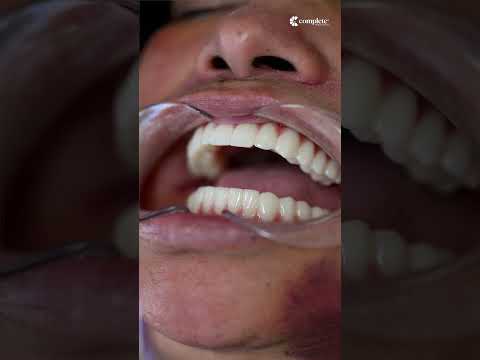
Fixed teeth in 2 days? Yes, it’s possible.
Dentistry
Complete Advanced Dentistry - Dental Clinic in Los Algodones
Los Algodones, Mexico

Low Cost Dental Implants in Los Algodones Mexico: Full Procedure & Savings Guide
Dentistry
PlacidWay Medical Tourism
Denver, United States
Unlock the Best Dentistry Packages Just for You
Discover the ultimate Dentistry packages designed to meet your health and wellness goals. Choose the perfect fit for your journey.
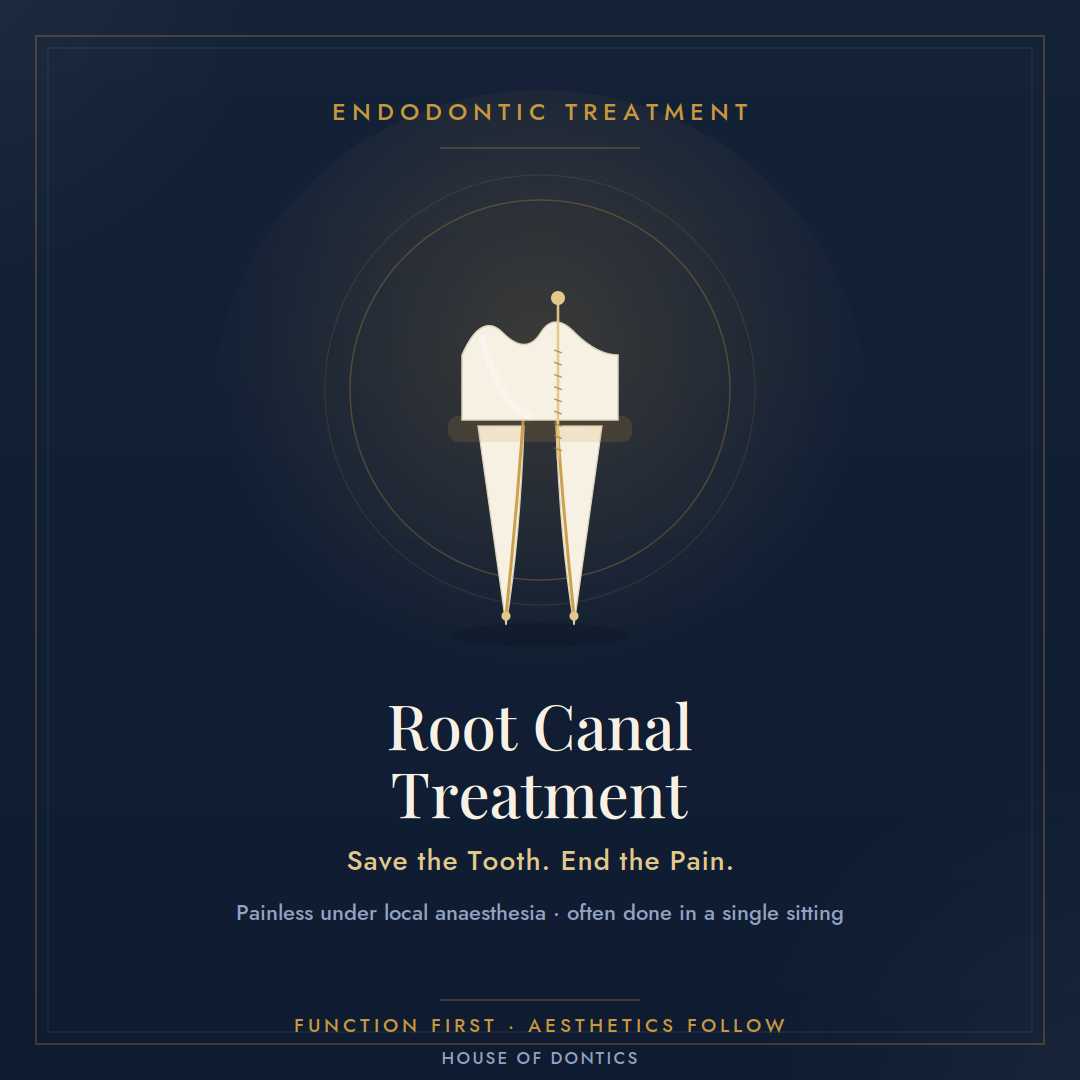
Price starting from $79
Root Canal Package at House of Dontics Dental Clinic in Ahmedabad, India , Ahmedabad, India
House of Dontics Dental Clinic in Ahmedabad, India
- Dentistry
Ahmedabad, India

Price starting from $2,999
All on 4 Dental Implants Package in Ahmedabad, India by House of Dontics Dental Clinic
House of Dontics Dental Clinic in Ahmedabad, India
- Dentistry
Ahmedabad, India
Price starting from $2,699
Hollywood Smile Package at House of Dontics Dental Clinic in Ahmedabad, India , Ahmedabad, India
House of Dontics Dental Clinic in Ahmedabad, India
- Dentistry
Ahmedabad, India
Price starting from $11
Dental Fillings (LED Composite per tooth) Package at House of Dontics Dental Clinic in Ahmedabad, India , Ahmedabad, India
House of Dontics Dental Clinic in Ahmedabad, India
- Dentistry
Ahmedabad, India
Transformative Dentistry Experiences: Dive into Procedure Insights
Discover the power of Dentistry through compelling patient experiences. Uncover detailed insights into procedures, recovery journeys, and life-changing results.
.png)
.png)
Price starting from $8,850
All-on-6 Dental Implant in South Korea
- All on 6 Dental Implants, Dentistry
Seoul, South Korea
.png)
.png)







