
A Guide to Breast Implants Cost in Colombia
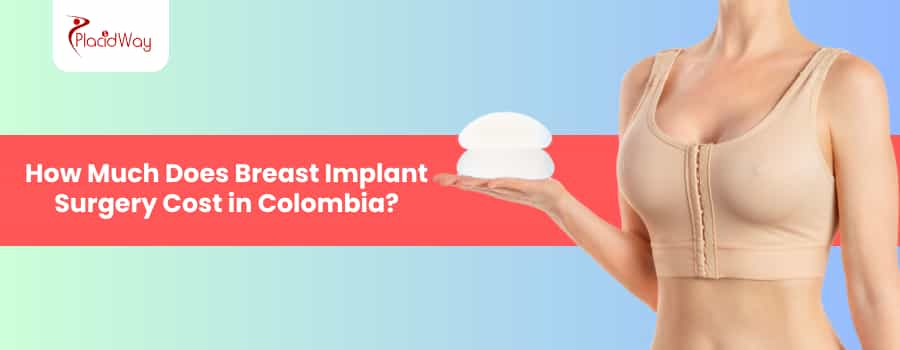
Making the decision to undergo body contouring is highly personal, and selecting the right implant material is one of the most important choices you will make. As you explore the possibility of getting breast implants in Colombia, you will find that local board-certified plastic surgeons typically offer both silicone and saline options. Colombia has grown into a major hub for aesthetic medicine, drawing international patients who seek experienced providers and modern surgical techniques.
Choosing between silicone and saline involves looking closely at your natural anatomy, understanding how different materials interact with your body over time, and factoring in the logistics of traveling for surgery. Let us walk through the essential details to help you hold an informed, productive conversation with your chosen medical provider.
Key Takeaways
- Silicone implants typically provide a softer, more natural tissue feel, while saline implants allow for smaller surgical incisions.
- Both materials are widely utilized by reputable surgeons in Colombia and are approved by major international health regulators.
- Proper medical evaluation is required; your existing breast tissue and body frame heavily influence which implant works best.
- Ruptures behave differently depending on the material, making long-term monitoring essential regardless of your choice.
- Planning for an adequate recovery period in Colombia before flying home is critical to minimize postoperative risks.
What are the main differences between silicone and saline implants?
The primary distinction between the two types comes down to what is inside the silicone shell. Saline implants contain sterile saltwater. Because they are filled after being placed in the breast pocket, they require a noticeably smaller incision. If your goal is to minimize surgical scarring as much as possible, this can be an appealing characteristic. However, because the liquid moves more freely, they can sometimes ripple or feel slightly firmer than natural breast tissue.
Silicone implants, on the other hand, are pre-filled with a highly cohesive, viscous silicone gel. Modern silicone implants are often referred to as "gummy bear" implants because the gel holds its shape even if the outer shell is compromised. This material closely replicates the density and movement of natural breast tissue. Because they are inserted fully formed, your surgeon will need to make a slightly larger incision to place them properly.
Your surgeon will explain how these differences interact with your body. For instance, if you have very little natural breast tissue, silicone might be recommended to avoid the visible rippling that saline can sometimes cause.
Why do patients travel for breast implants in Colombia?
Over the last decade, cities like Bogotá, Medellín, and Cali have become prominent destinations for medical travel. The appeal goes beyond simply reducing costs. Many Colombian plastic surgeons complete extensive specialized training, and a significant number participate in international medical societies, ensuring they stay current with global safety and surgical standards.
Patients also appreciate the comprehensive care models often found in Colombian clinics. It is common for facilities catering to international patients to offer structured recovery protocols, including lymphatic drainage massages, nutritional guidance, and dedicated nursing care during the crucial early days of healing. This holistic approach helps patients feel supported while navigating their recovery far from home.
Are silicone implants safe for medical tourists?
Safety is a valid concern for anyone undergoing surgery, especially when traveling abroad. High-quality silicone implants manufactured by leading global brands are routinely used in Colombia. These medical devices undergo rigorous testing and clinical trials to ensure their safety and durability in the human body. The introduction of highly cohesive gel has significantly improved the safety profile of silicone options compared to older generations.
However, safety relies not just on the implant, but on the patient and the provider. Before you are approved for surgery, a responsible doctor will review your complete medical history, screen for autoimmune conditions, and order preoperative blood work. Furthermore, flying adds an element of risk, such as deep vein thrombosis (DVT). You must follow your surgeon's strict timeline for when it is safe to board an airplane after your procedure.
How much do silicone and saline breast implants cost in Colombia?
Financial considerations often play a role in the decision-making process. Typically, silicone implants carry a higher price tag than saline implants because the manufacturing process for cohesive gel is more complex and expensive. When reviewing quotes from clinics, it is important to understand exactly what is included. A comprehensive estimate should cover the surgeon’s fee, anesthesiology, facility costs, the implants themselves, and often postoperative garments.
While these estimated prices are notably lower than those often found in North America or Western Europe, patients should prioritize credentials over bargains. Prices that seem excessively low can sometimes indicate hidden fees, counterfeit materials, or surgeons lacking the proper board certification. Always request an itemized breakdown before committing financially.
How do saline implants feel compared to silicone?
The tactile difference between the two materials is one of the most common reasons patients lean toward silicone. Because saline is a fluid, it behaves differently inside the breast pocket. In women with very thin skin or minimal existing breast tissue, saline implants can sometimes exhibit visible rippling or wrinkling along the edges of the breast. They can also feel slightly heavier or firmer to the touch.
However, many patients and surgeons still achieve beautiful, natural-looking results with saline. If a patient has a good amount of native breast tissue to cover the implant, the difference in feel is much less noticeable. During your consultation, your surgeon may have sample implants for you to hold, allowing you to feel the difference in density and texture yourself.
What happens if a silicone or saline implant ruptures?
Implant ruptures are a reality that all patients must consider, as implants are not indestructible. If a saline implant tears, the sterile saltwater leaks out immediately. The body absorbs and naturally excretes the water harmlessly. The visual result is sudden—the affected breast will deflate entirely, alerting you instantly that a replacement or removal surgery is needed.
Silicone ruptures behave differently. Because the gel is thick and cohesive, it usually stays within the implant shell or the surrounding scar tissue capsule even if a tear occurs. This is known as a silent rupture because you might not notice any changes in breast shape or feel. Due to this, the FDA recommends regular MRI screenings for patients with silicone implants to check for silent ruptures over the lifespan of the device. If a silicone implant ruptures, it must be surgically removed and the breast pocket thoroughly cleaned.
How do I choose the right breast implants clinic in Colombia?
Your safety and results depend entirely on the skill of your provider and the quality of their facility. Begin by ensuring the doctor is a certified plastic surgeon recognized by the Colombian Society of Plastic, Aesthetic and Reconstructive Surgery (SCCP). Many top surgeons are also international members of organizations like the American Society of Plastic Surgeons (ASPS) or the International Society of Aesthetic Plastic Surgery (ISAPS).
Beyond the surgeon, evaluate the clinic itself. The facility should be equipped with modern surgical technology and have clear protocols for handling medical emergencies. Ask questions during your virtual consultation about their infection rates, their specific postoperative care plans, and what brand of implants they use. Transparency is a hallmark of a trustworthy medical provider.
How long do both types of breast implants typically last?
A common misconception is that breast augmentation is a one-time procedure. While modern implants are highly durable, the risk of rupture or complications like capsular contracture increases by roughly one percent for every year the implant is in the body. Consequently, most patients will undergo at least one revision surgery during their lifetime.
Additionally, your body will change over time due to aging, gravity, weight fluctuations, or pregnancy. Even if the implant itself remains intact, you may decide after a decade or so to replace the implants, change their size, or combine a replacement with a breast lift to maintain your desired aesthetic. Planning for future revision surgeries is an important part of the long-term financial and physical commitment of breast augmentation.
What should I expect during recovery in Colombia before flying home?
The immediate days following surgery involve significant rest and careful management of swelling and discomfort. Your surgeon will likely prescribe pain medication and antibiotics to prevent infection. You will also be required to wear a specialized surgical compression bra to support the implants as they begin to settle into their new pockets. During this time, your mobility will be restricted, particularly regarding raising your arms or lifting anything heavier than a few pounds.
It is crucial not to rush your departure. Air travel involves prolonged sitting, cabin pressure changes, and carrying luggage—all of which pose risks to a healing body. Your surgeon will monitor your incisions during follow-up visits and will only provide clearance to fly when they are confident that your initial healing phase is progressing without complications like hematoma or severe inflammation.
Can my medical history affect which implant material I can get?
A responsible medical assessment is the foundation of a successful procedure. If you have a history of autoimmune disease, your surgeon may discuss specific risks related to silicone implants, as some patients report systemic symptoms (often referred to colloquially as Breast Implant Illness). While major medical organizations have not definitively linked silicone to autoimmune diseases, a conservative approach is always warranted for patients with pre-existing conditions.
Furthermore, previous surgeries, radiation therapy, or significant chest wall asymmetries may dictate not only the implant material but also its profile (how far it projects) and placement (above or below the pectoral muscle). Honest communication about your complete medical history, lifestyle, and medications is vital to ensure you are a safe candidate for surgery.
Why Choose PlacidWay for Medical Tourism in Colombia?
Navigating healthcare options in a foreign country can feel overwhelming. PlacidWay serves as an informational resource to assist patients in understanding their choices. Here is how PlacidWay supports individuals looking into medical travel:
- Educational Resources: PlacidWay offers detailed guides, cost estimates, and procedure information to help patients research treatments abroad.
- Global Network: The platform connects patients with medical facilities and clinics across Colombia and the world.
- Provider Transparency: Patients can review clinic profiles, read about surgeon credentials, and view facility accreditations.
- Direct Communication: The service facilitates initial contact, allowing patients to ask direct questions to international medical teams.
- Comparative Tools: PlacidWay allows individuals to compare different clinics, procedures, and estimated pricing structures to make informed decisions.
Frequently Asked Questions
Is it safe to fly back home after getting breast implants in Colombia?
Flying is usually permissible once your surgeon gives you medical clearance, which is often 7 to 10 days after surgery. Air travel too soon after surgery can increase the risk of deep vein thrombosis (DVT) and exacerbate swelling. You must adhere to your surgeon's specific timeline.
Do clinics in Colombia use FDA-approved implants?
Reputable clinics in Colombia use breast implants manufactured by well-known global brands that hold approvals from major health regulatory bodies, including the US FDA and European CE marks. Always ask your provider which specific brands they utilize.
Will getting breast implants in Colombia affect my future mammograms?
Both silicone and saline implants can obscure some breast tissue during a mammogram. You must inform your radiologist about your implants so they can use specialized imaging techniques, known as implant displacement views, to examine the breast tissue properly.
How soon can I exercise after breast augmentation in Colombia?
Light walking is encouraged immediately to promote circulation, but strenuous exercise, heavy lifting, and intense upper body workouts are usually restricted for at least 4 to 6 weeks to allow the incisions to heal and the implants to settle.
Do silicone implants weigh more than saline implants?
Silicone implants are slightly heavier than saline implants of the exact same volume because the cohesive silicone gel is denser than sterile saltwater. However, most patients do not notice a significant difference in daily life.
Can I breastfeed after getting breast implants?
Many women successfully breastfeed after augmentation. However, depending on the incision site (especially periareolar incisions around the nipple) and implant placement, there is a risk that milk ducts or nerves could be altered, which may affect milk supply.
What is capsular contracture and does the implant type matter?
Capsular contracture occurs when the natural scar tissue around the implant hardens and squeezes the implant. It can happen with both silicone and saline implants, though surgical technique and implant placement play a larger role in prevention than the material itself.
Are there age restrictions for getting breast implants in Colombia?
Ethical surgeons in Colombia require patients to be adults. For saline implants, the FDA recommends patients be at least 18 years old, and for silicone implants, the recommendation is typically 22 years old for aesthetic augmentation, as breast development must be fully complete.
Can I combine breast implants with other procedures in Colombia?
Yes, many patients choose to combine augmentation with a breast lift, liposuction, or other contouring procedures. Your surgeon will evaluate your health to determine if a combined, longer surgery is safe for you, keeping in mind the increased recovery demands.
How do I handle follow-up care once I return to my home country?
Before leaving Colombia, your surgeon should provide a detailed discharge summary. You will need to establish care with a local physician or plastic surgeon in your home country to monitor your long-term healing, manage any delayed complications, and perform routine check-ups.
Explore Your Options for Breast Augmentation
Connect with accredited clinics, compare treatment options, and gather the information you need to make an educated decision about your medical journey.
Request Treatment InformationReferences
- Risks and Complications of Breast Implants – U.S. Food and Drug Administration (FDA)
- Breast Augmentation Implant Types – American Society of Plastic Surgeons (ASPS)
- Breast Implants: Saline vs. Silicone – Mayo Clinic
- Medical Tourism Safety and Travel Risks – Centers for Disease Control and Prevention (CDC)
- Patient Safety Guidelines for Medical Travelers – International Society of Aesthetic Plastic Surgery (ISAPS)
- Comparing Silicone and Saline Implants – Breastcancer.org



















Share this listing