
What treatment


20+ Most Frequently Asked Questions About Cosmetic/Plastic Surgery
Find Clear and Concise Answers to Common Questions About Cosmetic/Plastic Surgery
Trusted Medical Tourism Platform Since 2007

Beyond the Factory: Why is Seoul the Global Epicenter of Aesthetic Wellness?
Seoul has evolved into the global epicenter of "aesthetic wellness" by combining unparalleled anatomical precision with high-end hospitality. Discerning patients travel to South Korea for boutique, one-patient-per-day clinics, advanced Deep Plane techniques, and bundled pricing (typically $5,000 to $15,000) that prioritizes natural longevity over transient trends. Key Takeaways: Aesthetic Wellness in South Korea Boutique Revolution: Elite clinics restrict schedules to one surgery per day for absolute surgeon focus. Deep Plane Mastery: Shift towards structural mid-face repositioning rather than skin-pulling techniques. Predictable Science: Mandatory 3D CT mapping and physical bone modeling prior to facial contouring. Accelerated Healing: Post-op care includes Hyperbaric Oxygen Therapy (HBOT) and Healite LED treatments. Radical Transparency: Bundled pricing structures eliminate hidden facility and anesthesia fees. For decades, the Gangnam district of Seoul has been stereotyped as a high-octane "factory" of plastic surgery. Yet, a more sophisticated narrative has emerged. The question is no longer if Seoul is leading the industry, but why it has become the preferred sanctuary for those seeking restorative medicine. As a consultant in this space, I have identified five key revelations setting the global benchmark. 1. What is the "One-Patient-Per-Day" Boutique Revolution in Gangnam? In a model prioritizing patient-centricity over volume, top-tier boutique clinics strictly limit surgeons to one operation daily, ensuring total cognitive and physical bandwidth is dedicated to a single patient's safety and results. This counter-intuitive move is the cornerstone of their safety protocol. By dedicating a full day to a single patient, globally recognized surgeons ensure absolute surgical focus and undivided attention. This contrasts sharply with the "factory-style" model often found in high-traffic Western clinics, where fatigue can compromise the micro-details of a complex procedure. In Seoul, true luxury is not just found in marble lobbies; it is found in the surgeon's unhurried precision. As one patient from Australia noted: "From the minute I walked in for surgery, I was given the doctor's undivided attention. The care I received during and after my surgery was nothing short of amazing." 2. How does the Deep Plane technique achieve 8 subtle markers of natural beauty? The Deep Plane Facelift releases underlying ligaments to reposition facial structures, avoiding a "pulled" look. Specialists target 8 aesthetic markers, including naturally shaped ears, restored mid-face volume, and minimally visible incisions. The technical gold standard in Seoul has shifted away from the traditional SMAS lift. Instead, specialists champion the Deep Plane Facelift. This technique allows for a structural repositioning of the mid-face and jawline. The result is not a "tight" face, but a deeply "restored" one. Surgeons aim for specific aesthetic markers that signify a masterful, natural result: Naturally Shaped Ears: Avoiding the "pixie ear" distortion caused by excessive skin tension. Natural Eye Shape: Ensuring lifting effects do not pull or alter the patient's almond eye shape. Symmetrical Lifting: Restoring balance to asymmetrical features via structural tension. Defined Jawline: Addressing submental bulkiness for a sharp, clean profile. Restored Volume: Lifting deep malar fat pads instead of relying heavily on superficial fillers. 3. Why is Millimeter Precision (3D CT Mapping) vital for facial contouring in Korea? Seoul clinics replace guesswork with predictable science by using high-resolution 3D CT scans and 3D-printed skull models to plan exact bone removal paths before the patient even enters the operating room. In the high-stakes realm of facial contouring such as V-Line surgery and Zygoma (cheekbone) reduction—accuracy is paramount. The process begins with high-resolution 3D CT scanning to map the facial bone structure and safely identify the exact path of the inferior alveolar nerve. To mitigate the "fear of the unknown," elite surgeons now utilize 3D-printed physical bone models of the patient's actual skull to perform a dry run. By the time the first incision is made with piezoelectric surgical instruments (which cut bone while leaving soft tissues completely unharmed), every millimeter has been pre-validated. 4. What makes Seoul's Recovery "Bio-Hack" a Hospitality-Medical Hybrid? Post-operative care in Seoul involves clinical bio-hacks like Hyperbaric Oxygen Therapy (HBOT) and Healite LED to reduce swelling timelines by 50%, complemented by luxury touches like professional in-clinic hair washes. In Seoul, the surgical journey does not end with the final suture. The post-operative window is treated with the same intensity as the surgery itself. Clinics aggressively integrate advanced therapies to promote cell regeneration and flush out lymphatic fluid rapidly. Perhaps the most telling detail of Seoul’s hospitality-medical hybrid is the "professional hair wash" service. It serves as a vital bridge between the clinical and the spa experience, restoring a patient's dignity and comfort during the most vulnerable days of recovery. 5. How does radical pricing transparency benefit medical tourists in Gangnam? Unlike Western systems where facility fees multiply the quote, top Korean clinics offer all-inclusive, bundled pricing. This covers surgery, anesthesia, and valuable post-op deswelling packages without hidden costs. A major draw for the global elite is the straightforward nature of the Korean pricing model. Below is an estimated guide to aesthetic investments, which highlights the value of bundled services. Procedure Type Estimated Cost (USD) Primary Strategic Benefit Deep Plane Facelift $14,600 Structural longevity; avoids "pulled" look Full V-Line Surgery $8,000 – $12,000 Precision reshaping of jaw and chin Rhinoplasty (Primary) $2,190 – $3,650 Tip refinement and bridge harmony Upper/Lower Blepharoplasty $1,095 – $4,380 Restores youthful, bright expression Zygoma Reduction $5,000 – $7,000 Softens harsh mid-face proportions Why Choose PlacidWay for Medical Tourism in South Korea? PlacidWay connects international patients exclusively with government-accredited, boutique clinics in Seoul, ensuring transparent pricing, multi-lingual support, and a zero "ghost doctor" guarantee. The evolution of medical travel in Seoul represents a profound shift from "vanity" to "precision restoration." However, navigating a foreign medical system requires an expert advocate. Here is why discerning patients choose PlacidWay: Strict Clinic Vetting: We partner only with clinics registered with the Korean Ministry of Health, prioritizing those with unblemished safety records. Zero Ghost Doctors: We mandate strict transparency protocols, ensuring the surgeon you consult with is the exact surgeon performing your procedure. Comprehensive Support: From virtual consultations to airport transfers, we handle the logistics so you can focus entirely on your restorative journey. Frequently Asked Questions About Aesthetic Wellness in Seoul How much does plastic surgery in Seoul typically cost? The cost of plastic surgery in Seoul varies by procedure, but medical tourists often save 30% to 50% compared to US prices. For example, a Deep Plane Facelift averages $14,600, while primary Rhinoplasty ranges from $2,190 to $3,650. These prices generally include bundled care like anesthesia and post-op deswelling treatments. Is it safe to get a facelift or plastic surgery in South Korea? Yes, it is highly safe when booking through accredited channels. South Korea has strict medical regulations, including the "Real Name Surgery" system that mandates the consulting doctor performs the surgery. Top clinics utilize 3D CT mapping and advanced endoscopic tools to minimize risks and maximize anatomical precision. What is a Deep Plane Facelift and why is it popular in Seoul? A Deep Plane Facelift repositions the underlying muscular structure (SMAS) rather than just pulling the skin. It is popular in Seoul because it provides structural longevity and a highly natural, restored appearance without the artificial "wind-tunnel" look associated with older lifting techniques. What is the "one-patient-per-day" policy in Gangnam clinics? Boutique clinics in Gangnam often restrict lead surgeons to one major surgery per day. This prioritizes patient safety and surgical precision, ensuring the doctor's complete cognitive and physical bandwidth is dedicated to a single patient, avoiding the fatigue common in high-volume "factory" clinics. How long should I stay in Seoul for recovery after facial surgery? For major facial contouring or a facelift, a stay of 10 to 14 days is recommended. This allows enough time for the initial swelling to subside, for sutures to be safely removed, and for patients to undergo intensive post-operative deswelling therapies offered by the clinics. What are post-operative deswelling treatments in Korean clinics? Korean clinics integrate advanced bio-hacks for recovery, including Hyperbaric Oxygen Therapy (HBOT), Healite LED therapy, and Radiofrequency (RF) massages. These treatments promote cell regeneration, flush out lymphatic fluid, and can reduce the swelling timeline by nearly half. What is V-Line surgery in South Korea? V-Line surgery is a facial contouring procedure that reshapes the jaw and chin into a slimmer, softer "V" shape. Surgeons in Seoul use 3D CT mapping and piezoelectric surgical instruments to safely and precisely shave or reposition the bone. Do doctors in Seoul speak English? Many top board-certified surgeons in Seoul speak English, and clinics catering to international patients employ full-time medical translators. Agencies like PlacidWay ensure you have a dedicated coordinator to bridge any communication gaps during consultations and recovery. Can I finance my medical tourism trip to Seoul? While Korean clinics rarely offer direct in-house financing to international patients, most accept major global credit cards. Patients often use third-party medical loans or financing plans from their home country to fund their aesthetic wellness journey. Why choose PlacidWay for booking aesthetic procedures in Seoul? PlacidWay partners strictly with government-accredited clinics that have zero malpractice histories. They provide transparent bundled pricing, assist with travel and accommodation coordination, and ensure you receive personalized support throughout your entire medical journey. Start Your Transformation Journey in Korea Today Don't leave your safety to chance. PlacidWay connects you with Korea's top-rated, government-accredited aesthetic wellness clinics. Get a free, no-obligation quote, receive a personalized treatment plan from board-certified surgeons, and unlock exclusive medical tourism packages designed just for you. Get Your Free Quote...
Read more details


What Skin Conditioning And Mobility Exercises Help Before Thigh Lift Surgery In Gangnam?
To prepare for a thigh lift in Gangnam, South Korea, stop smoking and avoid blood-thinning meds two weeks prior. Arrange post-op compression garments and a recovery hotel nearby. Complete all required medical tests requested by your chosen clinic. Key Takeaways: Gangnam Leg Contouring Preparation Health Optimization: Reach your goal weight and maintain it for six months before booking. Logistical Planning: Book accommodations in Gangnam for at least fourteen days post-surgery. Financial Readiness: Expect packages ranging from six thousand to nine thousand dollars. Medical Abstinence: Strictly avoid herbal supplements, aspirin, and nicotine to prevent complications. Wardrobe Adjustments: Pack loose skirts or wide-leg pants to accommodate severe initial swelling. What medical evaluations are needed before a Thigh Lift in South Korea? You must undergo comprehensive cardiovascular and blood testing to ensure general anesthesia safety. These tests are typically conducted one to two days before your operation directly at the facility. Because leg contouring is an extensive surgical process that removes large amounts of excess skin and fat, surgeons require absolute certainty regarding your cardiovascular health. A standard pre-operative panel includes an electrocardiogram to check your heart rhythm, a chest X-ray to evaluate lung capacity, and comprehensive blood work to check for anemia, clotting factors, and infection. International patients are often advised to have basic blood work done in their home country a month before flying. This preliminary step prevents the heartbreaking scenario of flying across the globe only to be denied surgery due to an unforeseen health issue like low hemoglobin levels. Once you arrive, the medical staff will run their own definitive tests to establish a baseline. Additionally, the surgical team may utilize ultrasound imaging to assess the thickness of subcutaneous fat versus skin laxity. This mapping allows the surgical team to precisely plan the incision patterns, ensuring maximum skin removal with the least possible tension on the final closure lines. Did You Know? Surgical centers in Gangnam often have full diagnostic laboratories in-house. This means you do not have to travel to different hospitals for pre-op testing; everything from blood draws to X-rays happens in the same building. What is the average Thigh Lift cost in South Korea? The Thigh Lift cost in South Korea ranges between six thousand and nine thousand dollars. This competitive pricing includes advanced medical technology and premium aftercare therapies. The total investment for your body contouring journey depends heavily on the technique required. A minor inner crescent lift, which targets the upper groin area, falls on the lower end of the spectrum. Conversely, an extended bilateral lift, which addresses tissue from the groin down to the knee, represents the higher end of the pricing scale. Country / Region Average Estimated Cost (USD) Inclusions United States $12,000 - $18,000 Surgery only United Kingdom $10,000 - $15,000 Surgery and standard follow-up South Korea $6,000 - $9,000 Surgery, deswelling therapy, translation When budgeting, it is critical to look beyond the base surgical fee. Premium packages in Asia typically bundle necessary post-operative care, saving you hundreds of dollars. This often encompasses specialized compression garments, multiple sessions of radiofrequency deswelling massages, and necessary prescription medications. Furthermore, international patients benefit from a value-added tax refund system. The local government allows medical tourists to reclaim a percentage of the tax paid on cosmetic procedures directly at the airport upon departure, effectively lowering the overall financial burden. How do I identify a safe Thigh Lift clinic in South Korea? To find a reputable Thigh Lift clinic in South Korea, look for government accreditation, board-certified plastic surgeons, and transparent safety policies regarding anesthesia and emergency care. Verify Board Certification: Ensure the surgeon holds official certification from the national plastic surgery association, proving they have completed specialized contouring training. Check for Anesthesiologists: The facility must employ full-time, dedicated anesthesiologists rather than on-call doctors to monitor you continuously during the operation. Demand Real Name Surgery: Choose centers that strictly enforce policies guaranteeing the consulting doctor is the sole individual performing the operation. Review Emergency Systems: Confirm the presence of uninterrupted power supplies and automated external defibrillators within the operating theater. Seek Medical Tourism Certification: Look for centers officially recognized by the Ministry of Health and Welfare to treat foreign patients safely. What should my packing list include for medical tourism in South Korea? Your packing list must prioritize extreme comfort and convenience. Bring highly adjustable clothing, slip-on footwear, essential medical records, and voltage adapters for your electronics. Packing for medical tourism in South Korea requires anticipating limited mobility. After a lower body contouring procedure, bending over or lifting your legs will be challenging. Pack slip-on shoes with good traction, as tying shoelaces will be practically impossible for the first week. Clothing choices are crucial. Tight pants, jeans, and leggings should be left at home. Instead, pack loose-fitting maxi skirts, extremely baggy sweatpants, and long button-down shirts. Your legs will be wrapped in thick bandages and bulky compression garments, significantly increasing your thigh circumference temporarily. Soft, dark-colored fabrics are recommended in case of minor fluid drainage. Do not forget your administrative essentials. Bring printed copies of your passport, medical visa documentation if applicable, pre-operative lab results, and any emergency contact lists. Since local pharmacies require specific localized prescriptions, bring an adequate supply of your regular non-blood-thinning daily medications. How long is the mandatory stay in Gangnam after surgery? International patients are required to remain in the country for at least ten to fourteen days post-operation. This period covers crucial follow-up appointments, drain removals, and suture management. The initial twenty-four hours are typically spent hospitalized under close observation. The nursing staff monitors your vital signs, manages pain via intravenous drips, and ensures there is no excessive bleeding. Once discharged to your hotel, the real recovery timeline begins, requiring rest and very gentle, short walks around your room. Days three through seven involve frequent trips back to the surgical center. Medical staff will empty and eventually remove your surgical drains, clean the incision sites, and change your dressings. They also utilize this time to initiate advanced deswelling therapies to expedite the healing process. Stitch removal usually happens between days ten and fourteen. Leaving the country before this milestone is strictly prohibited by medical professionals due to the high risk of incision reopening or infection during air travel. Only after a final physical assessment will your surgeon issue the medical clearance certificate needed for your flight home. Did You Know? Many premium recovery hotels in the Gangnam district are interconnected with medical centers or are located just a block away. Some even offer specialized menus featuring low-sodium, high-protein meals designed specifically for post-operative patients. How do Korean surgeons minimize scarring during thigh reduction? Surgeons utilize strategic incision placement hidden in natural body folds and employ multi-layered suturing techniques. This minimizes tension on the skin surface, preventing scars from widening. Asian medical aesthetics place a massive emphasis on scar mitigation. To achieve a flawless Thigh Lift in South Korea, specialists meticulously plan incisions. For patients with mild skin laxity, the incision is confined purely to the groin crease. When the patient wears underwear or a bikini, the scar remains entirely invisible. When an extended lift is necessary, the vertical incision runs down the inner inseam of the leg. Rather than a straight line which can contract and become noticeable, surgeons often use a subtle zigzag or curved pattern that naturally blends with the leg mechanics. The closure is performed using multi-layered internal dissolving stitches that hold the deep tissue together. By securing the deep fascial layers firmly, the top layer of skin experiences zero pulling tension. This lack of tension prevents hypertrophic scarring. Furthermore, patients are provided with a strict scar management protocol including customized silicone sheets and fractionated laser sessions before they return home. What dietary changes are necessary weeks prior to the operation? Dietary preparation focuses on reducing inflammation, stopping bleeding risks, and promoting tissue healing. You must adjust your intake of specific vitamins, herbs, and macronutrients. Cease Herbal Supplements: Stop taking garlic, ginseng, ginger, and ginkgo biloba, as these drastically increase bleeding during surgery. Eliminate Omega Acids: Fish oils and Vitamin E supplements act as mild blood thinners and must be paused two weeks prior. Increase Protein Intake: Consume lean meats, tofu, and legumes to build the amino acid reserves necessary for rapid cellular repair. Lower Sodium Consumption: Heavily processed and salty foods exacerbate post-operative swelling; transitioning to a low-sodium diet early helps immensely. Hydrate Aggressively: Drink ample water daily to ensure your skin is supple and your circulatory system is functioning optimally. How do Gangnam facilities handle aftercare and deswelling? Top facilities implement rigorous aftercare protocols involving high-tech equipment. Treatments like smart light therapy and ultrasound massages rapidly decrease edema and soothe traumatized tissues. Aftercare in Seoul goes far beyond a simple follow-up consultation. Medical tourists are treated to advanced therapeutic regimens designed to halve the normal recovery time. SmartLux light therapy is a staple; exposing the surgical site to specific wavelengths of red and near-infrared light stimulates mitochondria, accelerating skin regeneration. High-frequency ultrasound massages are subsequently introduced. These gentle, non-contact treatments generate deep tissue heat, which encourages the lymphatic system to flush out the excess fluids and trapped blood responsible for severe bruising. This ensures the newly contoured skin adheres smoothly to the underlying muscle. Finally, precise compression management is overseen by specialists. You are fitted with a custom medical garment that applies calculated pressure to specific leg zones. The staff teaches you exactly how to don and doff this garment safely, ensuring it supports your new contours without compromising circulation. Why choose PlacidWay for your procedure? PlacidWay simplifies the complex landscape of international healthcare. We provide unparalleled support, secure pricing, and access to rigorously vetted medical professionals dedicated to patient safety. Uncompromising Verification: We conduct exhaustive background checks, partnering only with medical institutions that boast zero malpractice history and hold international safety accreditations. Transparent Financials: We negotiate comprehensive, all-inclusive medical packages so you never face hidden surgical fees, unexpected anesthesia costs, or surprise facility charges. Dedicated Advocacy: Our patient coordination team acts as your personal health advocate, bridging cultural gaps and ensuring your specific aesthetic goals are clearly understood by the surgeon. Elite Specialist Access: We connect you directly with elite board-certified plastic surgeons who specialize exclusively in massive weight loss contouring and complex body lifts. Continuous Care Assurance: From the initial virtual consultation to the final post-operative follow-up, our team monitors your satisfaction and health status meticulously. Frequently Asked Questions About Leg Contouring in Gangnam Is general anesthesia used for thigh contouring in Gangnam? Yes, this extensive surgical procedure requires general anesthesia to ensure complete patient comfort and absolute immobility. Due to the deep tissue work and precise skin excision required, local anesthesia is insufficient. Patients undergo comprehensive pre-operative health screenings to confirm they are fit for general anesthesia. Will there be visible scars after leg skin removal surgery? Scarring is inevitable whenever skin is surgically removed. However, board-certified surgeons in Gangnam specialize in strategic incision placement, typically hiding scars along the natural groin crease or the inner inseam of the leg. Intensive post-operative scar care, including silicone gels and laser treatments, helps fade these marks significantly over time. Can I combine liposuction with thigh skin excision in Seoul? Combining these two methods is highly common and often recommended. Liposuction removes stubborn fat deposits, while the excision removes the resulting loose skin. This dual approach provides a smoother, more contoured silhouette. Your surgeon will evaluate your skin elasticity to determine if combination therapy is the best approach for your body type. How soon can I fly back home after thigh surgery in Asia? Most international patients are cleared to fly back home ten to fourteen days post-operation. This timeframe allows the initial critical healing phase to pass, ensures all surgical drains are removed, and minimizes the risk of deep vein thrombosis associated with long-haul flights. Your surgeon must provide final medical clearance before you board a plane. Do Gangnam surgical facilities provide English translators? Top-tier facilities catering to international patients employ dedicated in-house translation departments. These professional medical interpreters accompany you during consultations, pre-operative testing, the morning of your surgery, and all follow-up appointments to ensure clear communication and complete peace of mind. Are lymphatic drainage massages included in Seoul surgical packages? Comprehensive medical packages typically include several sessions of lymphatic drainage massage and specialized deswelling therapies. These non-invasive treatments are crucial for reducing fluid retention, minimizing bruising, and preventing the formation of hard scar tissue beneath the skin, accelerating your overall healing process. What happens if I experience swelling during my flight back? Swelling during air travel is normal due to cabin pressure changes and prolonged sitting. To mitigate this, patients are instructed to wear their medical-grade compression garments, stay heavily hydrated, avoid salty airplane food, and perform seated ankle exercises. Walking the aisle periodically also keeps blood circulating. Can I walk normally right after thigh reduction surgery? You will be encouraged to take short, gentle walks within a day after surgery to promote blood circulation, but your gait will not be normal immediately. A slight waddle or restricted stride is expected due to tightness and swelling. Full mobility and normal walking mechanics typically return after three to four weeks. Is a body mass index limit enforced for leg contouring candidates? Surgical facilities usually require patients to have a body mass index below thirty for safety and optimal aesthetic results. The procedure is designed for body contouring and skin removal, not weight loss. Patients who have recently experienced massive weight loss must maintain a stable weight for at least six months before qualifying. How do Korean surgeons manage pain control post-operation? Pain management involves a multi-modal approach. Initially, intravenous pain medication is administered during your overnight hospital stay. Upon discharge, you will receive a specific regimen of oral analgesics, muscle relaxants, and anti-inflammatory drugs. Pain typically peaks in the first three days and becomes highly manageable within a week. Start Your Transformation Journey with PlacidWay Do not leave your body contouring goals to chance. Connect with accredited experts and discover transparent pricing for your procedure. Take the first step toward a confident new you by exploring world-class medical options. Get Your Free Quote * Secure, confidential, and personalized support....
Read more details
What Factors Help Select Between Bone Reduction Forehead Contouring And Filler Or Fat Grafting In Gangnam?
Choosing forehead contouring in Gangnam depends on your aesthetic goals. Surgical implants offer permanent volume for flat foreheads, while non-surgical fat grafting and fillers provide subtle, temporary rounding with zero downtime and lower costs. Key Takeaways: Forehead Contouring Methods Surgical Precision: Custom silicone implants provide a permanent, dramatic enhancement for deep brow bones. Non-Surgical Ease: Micro-fat grafting uses your own cells for a softer, organic volume increase with minimal recovery. Advanced Diagnostics: Korean clinics utilize sophisticated 3D CT imaging to ensure absolute facial symmetry regardless of the method chosen. Cost Considerations: Non-surgical methods are more budget-friendly initially but may require future maintenance sessions. A beautifully rounded, smooth forehead is a hallmark of youth and femininity in Asian beauty standards. For individuals dealing with a flat, asymmetrical, or heavily sloped upper face, seeking aesthetic enhancement in Seoul has become the gold standard. When navigating the elite clinics of Gangnam, patients face a primary decision: committing to a permanent surgical implant or opting for the subtle enhancement of non-surgical injectables. Understanding the nuances of each approach is vital for achieving a harmonious profile. What is the primary difference between surgical and non surgical forehead contouring in Gangnam? The primary difference lies in the longevity of results and the invasiveness of the technique. Surgical contouring utilizes permanent custom implants while non-surgical relies on temporary dermal fillers or semi-permanent fat transfers. Surgical augmentation represents a permanent structural change to your facial anatomy. Surgeons make a discreet incision behind the hairline to create a pocket directly above the forehead bone. Into this pocket they carefully insert a pre-molded solid silicone implant that has been uniquely crafted to match the exact curvature of your skull. This method is unparalleled for addressing severe flatness or prominent brow ridges because the solid material fully masks underlying bone irregularities without shifting over time. Conversely non-surgical contouring is a minimally invasive artistry focused on soft tissue enhancement. Fat grafting involves harvesting adipose tissue from your thighs or abdomen via gentle liposuction. The fat is purified in a centrifuge and then meticulously injected in microscopic layers across the forehead. This technique requires no scalpel incisions and leaves no visible scars making it incredibly appealing to patients seeking a softer organic look. The choice between these two distinct pathways dictates your entire medical journey. Surgical intervention requires dedicated downtime for swelling resolution and stitch removal but guarantees lifelong results. Non-surgical methods allow patients to return to casual activities almost immediately but require an understanding that the body will naturally resorb some of the injected volume over several years requiring eventual touch-ups. Feature Surgical Implant Non-Surgical (Fat Grafting) Longevity Permanent Semi-permanent (varies by retention) Invasiveness High (Incision behind hairline) Low (Micro-injections) Ideal For Severe flatness, deep brow bones Mild asymmetry, soft volume needs Who is the ideal candidate for surgical forehead contouring in South Korea? The ideal candidate for a surgical implant has a severely sloped forehead, prominent supraorbital ridges, or a deep horizontal depression that soft tissue injections cannot adequately camouflage. Patients who find that their side profile looks overly masculine or harsh due to a prominent brow bone are exceptional candidates for surgical implants. When the underlying bone structure features significant dips or ridges, injecting fat or fillers often fails to provide a smooth surface because soft tissue mimics the rigid bone underneath. A solid custom silicone shell acts as a structural bridge hiding these bony imperfections completely and providing a seamless convex curve. Furthermore individuals who desire a highly projected dramatic volume increase should heavily consider the surgical route. While fat grafting is excellent for subtle enhancements transferring too much fat into the tight forehead area can lead to poor cell survival rates or a heavy spongy appearance. An implant provides maximum structural projection without weighing down the delicate forehead skin ensuring the overlying tissue remains taut and youthful. Lastly the ideal surgical candidate is someone willing to undergo a brief but strict recovery period. This includes wearing compressive bandages avoiding strenuous physical activity and patiently waiting for post-operative swelling to subside. If you value a one-time permanent solution and have realistic expectations about the surgical healing process proceeding with a custom implant at a reputable Korean facility will yield immensely satisfying results. Did You Know? In South Korea the custom silicone implant used for your forehead is crafted almost two weeks before your actual surgery. Doctors use a 3D plaster mold or digital CT rendering to carve the implant specifically for your skull meaning no two forehead implants are ever identical. Why is fat grafting highly recommended for non surgical forehead augmentation? Fat grafting is recommended because it utilizes completely biocompatible material from your own body ensuring zero risk of allergic rejection while providing a soft natural texture. Dual Benefit: The procedure involves mild liposuction to harvest fat thereby subtly contouring a donor site like the lower abdomen or inner thighs while simultaneously enhancing the face. Stem Cell Rejuvenation: Adipose tissue is rich in adult stem cells. When injected into the forehead these cells promote immense skin rejuvenation improving overall skin texture tone and elasticity. Customizable Volume: Surgeons layer the fat in microscopic droplets across multiple tissue planes allowing them to sculpt specific areas like the temples and glabella for holistic facial harmony. Zero Foreign Body Reaction: Because the filler material is purely autologous your immune system completely accepts it eliminating the risks of capsule formation or implant rejection. Natural Tactile Feel: Once the transferred fat integrates with your existing blood supply the forehead feels completely natural to the touch with no hard edges or artificial stiffness. How much does forehead contouring cost in South Korea compared to western clinics? The forehead contouring cost in South Korea ranges from $2,000 to $4,500 depending on the technique which is roughly forty to fifty percent lower than comparable treatments in North America or Europe. Financial accessibility combined with world class medical expertise is a primary driver for international patients. Surgical silicone implant procedures typically require an investment between $3,500 and $4,500. This fee is highly comprehensive usually covering the pre-operative 3D CT scans the fabrication of the custom implant anesthesia fees and the surgery itself. In western countries a similar custom fabricated craniofacial implant procedure can easily exceed $8,000. For those opting for non-surgical pathways micro-fat grafting generally costs between $1,500 and $2,500. A significant financial advantage in Korean clinics is that this price frequently includes a secondary touch up session scheduled a few months later to ensure optimal volume retention. Dermal fillers are the most economical choice costing approximately $800 to $1,200 depending on the volume of hyaluronic acid required. It is crucial to factor in the holistic value provided by these facilities. The quoted prices often bundle essential aftercare therapies such as deswelling light treatments medication and in person translation services. By eliminating hidden fees and providing transparent pricing models the Korean medical sector ensures that patients receive premium aesthetic care without the exorbitant markups common in western healthcare systems. What advanced technology does a premium forehead contouring clinic in South Korea use? Premium clinics utilize high resolution 3D CT scanners and advanced computer aided design software to map your facial skeleton ensuring precision in both surgical planning and implant fabrication. The technological infrastructure within a top tier forehead contouring clinic in South Korea is staggering. Before any procedure is confirmed patients undergo rigorous three dimensional Computed Tomography scanning. This technology generates a flawless digital replica of your craniofacial bone structure allowing surgeons to identify minute asymmetries locate nerve pathways and measure the exact thickness of your existing bone and soft tissue. If you proceed with surgical implants this digital blueprint is exported to sophisticated CAD software. The surgical team digitally sculpts the implant on the screen manipulating its projection and margins until it aligns perfectly with your aesthetic desires and anatomical limitations. This file is then sent to a specialized laboratory where the solid silicone is carved or 3D printed guaranteeing a seamless fit that prevents future fluid accumulation or shifting. Even for non-surgical fat grafting technology plays a vital role. Clinics utilize advanced closed loop centrifuge systems like the Lipokit to harvest and purify fat without exposing it to the air. This dramatically increases the viability and survival rate of the fat cells. Additionally post-operative technology such as SmartLux LED therapy devices and hyperbaric oxygen chambers are standardly employed to accelerate cellular repair and minimize visible bruising. How does the recovery process differ between surgical and non surgical methods? Surgical recovery requires a dedicated rest period of seven to ten days for swelling and stitch removal while non-surgical fat grafting requires only three to four days of mild social downtime. Initial Swelling: Surgical implants cause moderate swelling that slowly descends down the face towards the eyes over the first three days. Fat grafting causes minor puffiness localized directly to the injection sites. Bandaging Protocol: Implant patients must wear a firm compression bandage wrapped around their head for roughly three days to secure the implant pocket. Fat graft patients wear zero compression to avoid crushing the newly transferred fat cells. Stitch Removal: Surgical incisions within the hairline require suture removal around day seven or ten. Non-surgical methods use tiny cannula entry points that heal independently within forty eight hours without stitches. Activity Restrictions: Both methods prohibit strenuous exercise saunas and heavy lifting for one month but surgical patients must be exceptionally careful to sleep strictly on their backs to avoid implant pressure. Final Results: Fat grafting results settle into their permanent state after roughly three months once cell survival is determined. Surgical implants reveal their final contour much faster usually within four to six weeks once deep tissue edema resolves. Are there any significant risks associated with forehead implants or fat grafting? While highly safe under expert care surgical implants carry rare risks of fluid accumulation or shifting whereas fat grafting risks involve uneven volume resorption or minor calcification. Safety is the cornerstone of Gangnam surgical practices but all medical procedures carry inherent risks. With surgical implants the most specific risk is seroma formation which is an accumulation of clear fluid around the implant. This typically occurs if the implant pocket is made too large or if the patient fails to wear the required compression bandages. Korean specialists mitigate this by ensuring an absolute custom fit through 3D printing drastically reducing empty spaces where fluid could gather. Infection and implant displacement are incredibly rare thanks to strict sterilization protocols and precise pocket dissection. If an implant does shift slightly or if a patient eventually decides they no longer want it the silicone piece can be easily and safely removed through the original incision without causing permanent damage to the underlying bone. For non-surgical fat grafting the primary concern is predictability. The body naturally absorbs a percentage of the transferred fat and this absorption can occasionally be slightly asymmetrical. Surgeons combat this by slightly over-correcting the volume during the initial procedure and scheduling a secondary touch up to perfect the symmetry. Adhering strictly to post-operative guidelines such as maintaining a stable body weight and avoiding smoking heavily safeguards against these risks. How does the Korean volume aesthetic influence forehead contouring techniques? The Korean aesthetic heavily prioritizes a youthful three dimensional facial profile characterized by a smoothly convex forehead that catches the light creating a vibrant and innocent appearance. In South Korea facial beauty is deeply analyzed through the lens of volume and dimension. A flat or receding forehead is often viewed as making the face look harsh wide or aged. The desired aesthetic goal is a beautifully rounded contour that flows seamlessly into the bridge of the nose. This convex curve catches ambient light perfectly which naturally highlights the center of the face drawing attention away from wide cheekbones or a square jaw. This cultural preference dictates how surgeons approach the procedure. Rather than just adding bulk they focus intensely on the transition zones. For instance when performing fat grafting a skilled Gangnam surgeon will ensure the fat softly tapers into the temples to prevent a localized bulging look. The goal is never to create a protruding brow but rather a continuous elegant slope that enhances facial harmony. This aesthetic philosophy is beneficial for international patients because Korean surgeons are masters of subtlety. They possess a refined eye for balancing the upper middle and lower thirds of the face. Whether you are seeking a dramatic augmentation or a minor structural adjustment their techniques are universally aimed at producing a soft sophisticated and highly natural outcome that defies obvious surgical intervention. Why is medical tourism in South Korea considered the top choice for facial contouring? Medical tourism in South Korea dominates the global market because it uniquely combines hyper-specialized surgical expertise cutting edge medical technology and comprehensive patient centric hospitality. Hyper Specialization: Surgeons in Gangnam often dedicate their entire careers to specific facial regions allowing them to master complex craniofacial anatomy far beyond general plastic surgeons. Stringent Safety Standards: The Korean government heavily regulates medical facilities catering to international patients ensuring mandatory safety equipment like continuous power supplies and emergency intensive care units. Transparent Accountability: The widespread implementation of Real Name Surgery systems and closed circuit television monitoring in operating rooms guarantees that only your chosen specialist performs the procedure. Holistic Care Packages: Clinics provide end to end services encompassing airport transfers hotel accommodations multi lingual translation and intensive post operative deswelling therapies. Global Aesthetic Competence: Having treated thousands of international visitors Korean surgeons deeply understand diverse ethnic anatomical differences and can tailor their techniques to match varied western and eastern beauty standards. Why Choose PlacidWay for your forehead contouring journey in Gangnam? PlacidWay connects you with globally accredited clinics and board-certified facial contouring specialists in Gangnam ensuring a safe transparent and highly personalized medical journey. Rigorous Clinic Vetting: We exclusively partner with medical facilities that pass stringent background checks for malpractice and adhere to strict international safety protocols. Transparent Pricing Structures: Our platform provides all inclusive cost estimates upfront protecting you from the hidden medical fees often associated with international healthcare. Certified Surgeon Matching: We pair you meticulously with highly specialized board certified plastic surgeons who possess documented expertise in complex craniofacial aesthetics. Comprehensive Treatment Planning: You receive detailed pre-operative remote consultations allowing you to discuss your specific aesthetic goals directly with your chosen medical team before committing. Dedicated Patient Advocacy: Our representatives act as your personal healthcare liaisons ensuring seamless communication and prioritizing your medical needs throughout your entire clinical experience. Frequently Asked Questions About Forehead Contouring in Korea Is forehead contouring surgery painful? The procedure itself is performed under general anesthesia or deep sedation so you will not feel any pain during the operation. Post-operative discomfort is generally mild to moderate and is easily managed with oral painkillers prescribed by your clinic. Most patients report a feeling of tightness rather than sharp pain. Can forehead implants cause hair loss? Temporary hair thinning near the incision site can occasionally happen due to surgical trauma but permanent hair loss is extremely rare. Korean surgeons use specialized zigzag incision techniques behind the hairline to protect hair follicles and ensure that any scarring is completely hidden by your natural hair growth. How long do forehead fillers last compared to fat grafting? Hyaluronic acid fillers typically last between nine to eighteen months depending on your metabolism. Fat grafting offers much longer lasting results because once the transferred fat cells survive the initial healing phase they become a permanent part of your facial tissue, though slight volume reduction can occur over many years. Will a forehead implant look unnatural or visible under the skin? When performed by a highly skilled specialist an implant will look entirely natural. Korean clinics utilize 3D CT scanning to print an exact replica of your skull creating a custom silicone implant that fits flush against your bone structure eliminating any visible edges or unnatural transitions. Do I need to shave my head for surgical forehead contouring? You do not need to shave your head for this procedure. Surgeons carefully part your hair and make a small incision within the hairline. They may trim a very tiny amount of hair directly on the incision line but this is completely invisible once your hair is styled normally. What is the minimum age for getting forehead contouring in Seoul? Patients must be at least eighteen years old and have fully developed facial bones before undergoing any structural facial contouring surgery. Surgeons will evaluate your bone maturity during the initial consultation to ensure the procedure is safe and appropriate for your physical development. Can I combine forehead contouring with a rhinoplasty in the same surgery? Yes combining these two procedures is incredibly common and highly recommended for achieving optimal facial harmony. Enhancing the forehead often changes the visual profile of the nose so addressing both the forehead and the nasal bridge simultaneously allows the surgeon to create a perfectly balanced and graceful side profile. Are there English speaking staff at Gangnam plastic surgery clinics? Top tier clinics catering to international patients employ dedicated in-house English speaking translators and patient coordinators. They will accompany you during consultations, medical examinations, surgery day preparations, and all post-operative checkups to ensure you understand every step of your medical journey. How soon can I wash my hair after a forehead implant procedure? Most clinics allow you to wash your hair gently around three to five days after the surgery once the initial bandages are removed. Some premium facilities even include complimentary professional hair washing services in their aftercare packages so the nurses can safely clean your hair without disturbing the incision site. Does medical insurance cover any part of facial bone contouring in Korea? Because forehead contouring is classified as an elective cosmetic procedure standard medical insurance does not cover the costs. Patients are responsible for all expenses out of pocket which is why utilizing a medical tourism agency helps secure the best possible all-inclusive packages and transparent pricing. Discover Your Perfect Profile in South Korea Take the guesswork out of international healthcare. PlacidWay connects you with premium vetted clinics in Gangnam ensuring exceptional surgical safety and stunning aesthetic results. Explore customized treatment plans and secure your comprehensive medical package today. Get Your Free Quote * Secure confidential consultation. Responses typically within 24 hours....
Read more detailsDiscover your treatment options with a free, no-obligation quote!
Get your quote now!.png)
Is Mommy Makeover Surgery In Turkey Safe?
A mommy makeover in Turkey is highly safe when performed at internationally accredited hospitals by board certified plastic surgeons. Facilities adhere to strict European medical standards, ensuring advanced care and excellent patient outcomes. Key Takeaways: Safety & Quality Expert Surgeons: Medical professionals undergo rigorous, decade long training programs. Accredited Facilities: Treatments take place in JCI accredited hospitals equipped with modern ICUs. Comprehensive Testing: Mandatory pre operative physical exams and blood panels ensure patient fitness. Advanced Aftercare: Dedicated post operative nursing staff monitor vital signs continuously. What procedures are included in a mommy makeover in Turkey? This comprehensive treatment combines several surgical techniques customized to restore a woman's pre pregnancy figure. It specifically targets the breasts, abdomen, and areas with stubborn fat deposits. The primary component usually involves abdominal rejuvenation, specifically a tummy tuck. Pregnancy significantly stretches the abdominal muscles and skin, often leading to a condition called diastasis recti where the muscles separate. A tummy tuck surgically repairs these torn muscles and removes the excess, drooping skin, resulting in a much firmer and flatter abdominal profile. Breast enhancement is the second major pillar of this transformative process. Depending on how pregnancy and breastfeeding have altered the breast tissue, a patient may require a breast lift to correct severe sagging, breast implants to restore lost volume, or a combination of both. The surgeon meticulously works to elevate the breast position and reshape the tissue to achieve a youthful contour. Finally, liposuction is integrated to address localized pockets of fat that are highly resistant to traditional diet and rigorous exercise. Surgeons commonly target the flanks, lower back, and thighs to create a seamless, contoured silhouette. By performing these procedures simultaneously, patients achieve holistic body rejuvenation under a single anesthesia session, which streamlines the overall healing process. How much does a mommy makeover cost in Turkey compared to other countries? The financial investment required is remarkably lower than in Western nations without sacrificing medical quality. Patients typically save between fifty to seventy percent on their total medical bills. The average mommy makeover cost in Turkey ranges from five thousand to eight thousand dollars for a comprehensive package. In stark contrast, the exact same combination of surgeries in the United States or the United Kingdom easily exceeds fifteen thousand to twenty five thousand dollars. The dramatic price difference is largely driven by lower domestic labor costs, reduced administrative overhead, and favorable currency exchange rates. International packages bundle multiple expenses together, meaning hospital fees, surgeon fees, and anesthesia costs are combined into one transparent price. This cost efficiency allows patients to access premium medical brands, such as globally recognized breast implants, which might be financially out of reach in their home countries. How do I choose a safe mommy makeover clinic in Turkey? Selecting the right medical facility requires diligent research and verification of international credentials. You must prioritize hospitals that maintain independent quality accreditations and verifiable safety records. Your first step is to verify the institutional accreditations of the hospital. You should specifically look for facilities certified by the Joint Commission International or the International Organization for Standardization. These rigorous global standards ensure the facility utilizes strict sterilization protocols, advanced surgical technology, and emergency preparedness systems comparable to top tier Western hospitals. Equally important is investigating the specific credentials of your prospective plastic surgeon. Ensure the specialist is a board certified member of recognized medical societies, such as the International Society of Aesthetic Plastic Surgery. Reviewing their dedicated portfolio of before and after photographs, specifically focusing on patients with similar body types to yours, provides crucial insight into their artistic skill and surgical capability. Finally, utilize patient advocacy platforms to read verified testimonials regarding the comprehensive care experience. A highly rated mommy makeover clinic in Turkey will not only showcase excellent surgical results but will also highlight superior pre operative communication, transparent pricing, and attentive post operative nursing care. Establishing absolute trust with your medical team is the foundation of a safe surgical journey. What is the recovery timeline for this combination surgery? Because this involves multiple surgical sites, the recovery process demands patience and strict adherence to medical guidelines. Full tissue healing and final scar maturation evolve gradually over several months. The first week involves significant rest, as patients will experience localized swelling, bruising, and manageable discomfort at the incision sites. Patients must walk in a slightly bent over position for the initial ten days to completely avoid placing any tension on the fresh abdominal incisions. By week three, most individuals can comfortably transition back to light, non physically demanding desk jobs and perform basic daily household routines. Strenuous cardiovascular exercise, heavy lifting, and intense core workouts must be completely avoided for a strict minimum of six to eight weeks. It generally takes up to six full months for all deep tissue swelling to subside completely, revealing the absolute final contoured surgical results. How does medical tourism in Turkey ensure high quality healthcare standards? The government has implemented strict oversight to protect international patients and elevate the country as a premier healthcare destination. Continuous regulatory audits guarantee absolute compliance with modern medical safety protocols. The Ministry of Health actively monitors and inspects all private hospitals that cater to foreign patients. Facilities must obtain specific operational licenses to participate in the international healthcare sector, which mandates stringent criteria regarding surgical safety, intensive care unit availability, and sanitation. This governmental involvement significantly reduces the risk of substandard care. Additionally, the competitive nature of the medical sector drives continuous technological investment. Top hospitals constantly upgrade their operating theaters with state of the art cardiovascular monitors, modern anesthesia delivery systems, and advanced sterilization units. This technological arms race directly benefits the patient by drastically minimizing the risk of intraoperative complications and post surgical infections. Furthermore, the educational standards for specialist physicians are incredibly demanding. Prospective plastic surgeons must complete extensive medical degrees followed by highly competitive, multi year residency programs in reconstructive surgery. Many of these elite doctors pursue additional fellowships in Europe or North America, bringing cutting edge techniques back to their home institutions to further refine patient outcomes. What are the physical requirements to qualify for these procedures? Not every patient is an immediate candidate for extensive body contouring. Surgeons evaluate several specific physical health parameters to ensure your body can safely tolerate multiple simultaneous operations. You must be at or very close to your ideal, sustainable target weight before booking the operation to achieve the best possible aesthetic results. Patients should have a Body Mass Index preferably under thirty, as higher indices significantly elevate the risks associated with general anesthesia and wound healing. Active tobacco smoking completely disqualifies a candidate, and patients must absolutely cease all nicotine consumption at least one month prior to the surgical date. A comprehensive pre operative blood panel must confirm excellent organ function, adequate hemoglobin levels, and the complete absence of active systemic infections. Individuals must have realistic psychological expectations regarding surgical outcomes, fully understanding that cosmetic surgery enhances contours but does not achieve absolute perfection. How is pain managed during and after the surgical process? Modern pain management protocols prioritize patient comfort and safety above all else. A dedicated anesthesiologist meticulously tailors a multimodal pain relief strategy specifically for your unique physiological profile. During the actual operation, you will be placed under deep general anesthesia, meaning you will be completely asleep and entirely unaware of the surgical process. The anesthesiologist continuously monitors your heart rate, blood pressure, and oxygen saturation levels, making precise micro adjustments to the medication to maintain total physiological stability throughout the extended duration of the complex surgery. Immediately upon waking in the recovery room, long acting local anesthetics injected directly into the abdominal muscles and breast tissues during the procedure will begin to take effect. These targeted nerve blocks significantly blunt the initial wave of post operative pain, allowing you to transition smoothly out of sedation without experiencing sudden, severe discomfort. For the remainder of your hospital stay and subsequent recovery at your accommodation, you will be provided with a strictly scheduled regimen of oral analgesics and anti inflammatory medications. This proactive approach prevents pain from escalating, allowing you to rest comfortably and focus entirely on healing while minimizing the dependency on heavy narcotic painkillers. What should I expect during the initial consultation phase? The pre operative consultation is the foundational step for a successful transformation. This detailed medical dialogue ensures absolute alignment between your aesthetic desires and surgical reality. The physician will conduct a thorough physical examination of your abdominal skin laxity, underlying muscle separation, and overall breast tissue density. You will undergo an extensive review of your complete medical history, including previous abdominal surgeries, childbirth methods, and any current prescription medications. The surgical team will capture detailed, clinical baseline photographs from multiple specific angles to aid in meticulous pre operative surgical planning and architectural design. Your doctor will present a highly customized surgical plan, clearly detailing exact incision placements, recommended implant sizes, and targeted liposuction zones. You will receive absolutely transparent documentation outlining every single potential surgical risk, anticipated recovery milestones, and all inclusive financial responsibilities. Why Choose PlacidWay for your procedure? Navigating international healthcare systems requires expert guidance to guarantee safety and quality. PlacidWay serves as your dedicated medical advocate throughout the entire clinical journey. Strict Facility Vetting: We exclusively partner with internationally certified hospitals that strictly adhere to rigorous Western standards of medical safety and clinical hygiene. Verified Medical Credentials: Our dedicated team thoroughly validates the board certifications, educational backgrounds, and surgical success rates of every single partner physician. Absolute Price Transparency: We provide comprehensive, customized medical quotes that clearly detail all surgical costs, anesthesia fees, and hospital charges without any hidden financial surprises. Seamless Medical Coordination: Our patient care representatives facilitate the swift and secure transfer of all your preliminary medical records directly to the attending foreign surgical team. Continuous Patient Advocacy: From the moment of your very first inquiry until long after your final post operative checkup, our support staff remains available to address any clinical concerns. Frequently Asked Questions About Mommy Makeover Surgery How soon after giving birth can I have surgery? You should wait at least six months to a full year after giving birth or finishing breastfeeding before undergoing these procedures. Your body needs adequate time to fully heal from childbirth and for your hormones to stabilize. Breast tissue must return to its baseline size and shape to ensure accurate surgical planning and long lasting results. Can I breastfeed after having a breast lift and augmentation? Breastfeeding may still be possible depending on the specific surgical technique used by your plastic surgeon. Incisions that avoid severing the milk ducts and nerves around the areola generally preserve lactation ability. However, any breast surgery carries a slight risk of reducing milk production, so you should discuss your future nursing plans during your consultation. Will a future pregnancy ruin the results of my surgery? A subsequent pregnancy will stretch your abdominal skin and underlying muscles again, potentially reversing the effects of a tummy tuck. Your breasts may also undergo structural changes due to hormonal fluctuations. Surgeons strongly advise waiting until you have completely finished having children before investing in these comprehensive cosmetic procedures. Are the surgical scars permanent after abdominal and breast surgery? Yes, surgical scars are permanent, but experienced surgeons strategically place incisions in discreet areas that can be easily hidden by underwear or bikini bottoms. Over time and with proper scar care regimens, these marks will significantly fade and flatten. Advanced laser therapies and silicone scar sheets can also be utilized to minimize their appearance. Is it safe to fly back home after undergoing multiple body contouring procedures? Flying is generally safe after you have been medically cleared by your attending surgeon, which usually takes about ten to fourteen days post operation. Patients are advised to stay hydrated, wear medical compression socks, and walk up and down the airplane aisle periodically. These precautions are essential to prevent deep vein thrombosis and ensure a comfortable journey. What kind of post operative garments are required during the healing phase? You will need to wear customized medical grade compression garments around your abdomen and a specialized surgical bra for your breasts. These garments must be worn around the clock for the first four to six weeks to reduce tissue swelling, improve blood circulation, and help your body conform to its newly sculpted contours. Do hospitals provide translation services for international patients seeking medical treatments? Yes, reputable healthcare facilities catering to international patients employ dedicated multi lingual patient coordinators. These professionals stay by your side during medical consultations, surgical preparations, and recovery phases to ensure clear communication. This completely eliminates the language barrier between you and the medical staff. What happens if there is a complication after returning to my home country? Top tier medical facilities offer extensive post operative follow up care via secure telemedicine platforms. If an unexpected complication arises, your surgical team will coordinate with your local healthcare provider to ensure you receive the necessary medical attention. Many comprehensive medical packages also include specialized insurance to cover revision surgeries if clinically required. Are the silicone and saline implants used in breast augmentation FDA approved? Yes, certified medical centers exclusively utilize high quality, internationally recognized implant brands that carry approval from stringent regulatory bodies like the FDA or CE mark. Patients receive an official product passport containing the exact serial numbers and warranty information for the implants used during their surgical procedure. How long will the final results of my body contouring last? The results of body contouring can be incredibly long lasting provided you maintain a stable weight through a balanced diet and regular exercise. While the aging process and gravity will naturally affect your body over the decades, the major structural improvements such as tightened abdominal muscles and removed excess skin are permanent changes. Start Your Transformation Journey Today Don't leave your safety to chance. PlacidWay connects you with globally rated, internationally accredited medical facilities. Get a free, no obligation quote, receive a personalized treatment plan from board certified surgeons, and unlock exclusive healthcare options designed just for you. Get Your Free Quote * Responses typically within 24 hours. Privacy guaranteed....
Read more details.png)
Why Is Rhinoplasty Surgery In Thailand So Popular?
Rhinoplasty in Thailand is globally popular due to the perfect blend of world-class surgeons, advanced JCI-accredited hospitals, and affordable costs ranging from $1,500 to $4,500, offering massive savings without compromising on quality care. Key Takeaways: Aesthetic Excellence & Medical Value Exceptional Affordability: Patients save between fifty to seventy percent compared to surgical prices in North America or Europe. Surgical Mastery: Specialists are internationally recognized for their versatile expertise in both Asian and Caucasian nasal anatomy. Uncompromised Safety: Procedures are performed in deeply regulated, internationally accredited medical facilities utilizing cutting-edge sterilization. Advanced Techniques: Access to state-of-the-art ultrasonic bone sculpting and complex autologous rib cartilage grafting. Luxurious Recovery: The destination offers unparalleled hospitality, allowing patients to heal in absolute comfort and tranquil privacy. What Is The Average Cost Of Nasal Reshaping Compared To Other Countries? The average rhinoplasty cost in Thailand ranges between $1,500 and $4,500 depending on the complexity of the procedure. This represents a significant saving of up to seventy percent compared to prices in the United States or Australia. When prospective patients meticulously evaluate their global healthcare options, pricing inevitably stands out as a primary deciding factor. Medical facilities in Southeast Asia offer highly competitive rates predominantly because the general cost of living, administrative expenses, and operational overheads are substantially lower than in Western nations. This robust economic advantage is passed directly to the international patient, completely avoiding the inflated healthcare markups seen elsewhere without reducing the rigorous standard of clinical care. The exact financial investment required depends heavily on the specific surgical approach utilized by your chosen doctor. A standard closed approach involving minor tip refinement or a straightforward silicone implant tends to fall on the lower end of the pricing spectrum. Conversely, highly complex open structural surgeries requiring extensive autologous rib grafting, or secondary revision procedures correcting previous surgical failures, require significantly more operative time and thus command a higher premium. However, these comprehensive quotes usually completely cover the lead surgeon fee, dedicated anesthesiologist, sterile operating room charges, and all essential post-operative medications. Even when factoring in the supplementary expenses of international long-haul flights, premium hotel accommodations, and local transportation, the total financial outlay remains drastically lower than staying domestic. Patients can indulge in a lavish, highly supported recovery period in a tropical paradise while still saving many thousands of dollars on their overall medical and aesthetic journey. How Do Specialists Customize The Procedure For Different Ethnicities? Surgeons performing cosmetic facial procedures here are globally renowned for their versatile expertise in both Asian and Caucasian facial anatomy. They flawlessly tailor every operation to match the unique ethnic characteristics and goals of the patient. • Extensive decades-long training allows specialists to flawlessly perform structural augmentation commonly requested by Asian patients seeking significantly higher nasal bridges and refined tip projection. • Top aesthetic surgeons seamlessly execute complex reduction methodologies for Caucasian patients looking to permanently remove prominent dorsal humps or elegantly narrow a bulbous nasal tip. • Advanced computer-aided 3D imaging technology is deeply integrated during initial consultations to help patients accurately visualize highly realistic outcomes based on their specific underlying bone structure. • Surgical innovators frequently harvest autologous cartilage grafts from the patient ear or rib cage to provide exceptionally natural-looking and structurally permanent support for the most demanding aesthetic cases. • Profound cultural sensitivity and a deep, intuitive understanding of diverse global beauty standards ensure that final surgical results look completely harmonious and perfectly balanced with the rest of the facial features. What Makes Medical Facilities Here Internationally Recognized For Safety? A top-tier rhinoplasty clinic in Thailand rigorously adheres to stringent international safety protocols and frequently holds Joint Commission International accreditation. This guarantees patients receive holistic care that exceeds global standards. The uncompromising commitment to international patient safety begins the very moment a person steps into a certified medical facility. Leading cosmetic centers and boutique aesthetic hospitals are heavily equipped with cutting-edge surgical technology, highly advanced cardiovascular life-support systems, and ultra-sterile, positive-pressure operating environments meticulously engineered to prevent any conceivable risk of airborne or contact infection. Medical professionals operating in these prestigious facilities undergo exceptionally rigorous background checks and often hold elite international board certifications from esteemed medical boards located in the United States, the United Kingdom, or Australia. Their unwavering dedication to continuous medical education and global fellowship participation guarantees they remain intimately updated on the safest, most effective surgical methodologies available in the modern aesthetic industry. Comprehensive pre-operative health screenings are completely mandatory before any invasive cosmetic surgery is officially approved by the medical board. These strict, multipoint physiological evaluations ensure that every single patient is physically robust enough to handle general anesthesia, thereby dramatically reducing the statistical likelihood of unexpected intra-operative or post-operative medical complications. Which Surgical Techniques Are Most Commonly Used For Nose Reshaping? The most common techniques utilized by experts include open rhinoplasty, closed rhinoplasty, and synthetic implant-based augmentation. The chosen methodology depends entirely on the intricate anatomical needs of the individual patient. • The closed endonasal technique involves making all surgical incisions entirely inside the nostrils, ensuring absolutely zero visible external scarring and promoting a remarkably faster, less painful overall healing timeline. • The open structural approach requires a microscopic incision across the columella, providing the operating doctor with maximum direct visibility and unparalleled control for highly complex reshaping and extensive structural grafting. • Premium silicone and Gore-Tex implant augmentation is exceptionally popular for individuals requiring significant bridge elevation, utilizing hypoallergenic medical-grade materials flawlessly carved to perfectly fit the native nasal bone. • Advanced autologous cartilage grafting techniques meticulously use the patients own biological tissue from the internal septum or rib to rebuild the nasal tip, offering the most natural-feeling and long-lasting architectural support. • Modern ultrasonic piezo-surgery employs highly specialized vibratory tools to gently reshape and smooth dense nasal bones with microscopic precision, resulting in significantly less facial bruising and surrounding soft tissue trauma. Why Is The Environment Uniquely Suited For Cosmetic Surgery Recovery? The robust infrastructure supporting medical tourism in Thailand is purposely designed to provide a stress-free, luxurious environment for post-surgical recovery. Patients massively benefit from exceptional hospitality and dedicated wellness services. Successfully recovering from major cosmetic surgery requires absolute tranquility, dedicated comfort, and zero environmental stress, which this globally celebrated destination provides in absolute abundance. International medical tourists can freely choose from countless premium boutique hotels and luxury serviced apartments located mere minutes from their chosen surgical centers, completely eliminating the exhausting stress of long, bumpy commutes during the highly sensitive initial healing phase. The world-renowned hospitality industry here works in deeply synchronized tandem with leading healthcare providers. Many premium accommodations offer highly specialized, bespoke amenities explicitly designed for recovering surgical patients, including dedicated in-room private nursing care, custom anti-inflammatory dietary menus formulated to rapidly reduce facial swelling, and exceptionally comfortable electronically adjustable beds to keep the head safely elevated during sleep. The inherently serene, tropical environment plays a massive, scientifically proven role in boosting psychological well-being and immune response post-surgery. Instead of recovering in a sterile, depressing clinical setting or rushing back to a highly stressful corporate work environment, patients can deeply relax in absolute luxurious privacy while easily taking advantage of gentle holistic healing therapies, such as specialized lymphatic drainage massages provided by highly trained wellness therapists. What Is The Typical Recovery Timeline After Receiving A Nose Job? The initial intensive recovery phase takes approximately one to two weeks, during which major swelling visibly subsides. However, the complete maturation of the tissues and final aesthetic results take up to a full year to manifest entirely. • Patients are strictly required to wear a rigid, custom-molded protective nasal splint for the first seven days to heavily support the newly fractured bone and manipulated cartilage during the most highly fragile biological healing stage. • Experiencing mild to moderate purple bruising heavily localized around the delicate under-eye area is completely normal and typically fades entirely within the first ten to fourteen days of dedicated bed rest. • The vast majority of individuals feel completely comfortable and highly confident returning to non-strenuous desk work and light social activities immediately after the two-week mark, once the highly visible external splint and fine stitches are carefully removed. • Intense cardiovascular exercises, heavy weight lifting, and extreme bending must be strictly avoided for an absolute minimum of four to six weeks to prevent dangerously increased facial blood pressure and potentially catastrophic internal bleeding. • While the overall facial profile looks phenomenally improved after just a few short months, residual microscopic swelling continues to imperceptibly resolve over twelve to eighteen months, particularly refining the highly dense tissue around the very tip. Are Revision Surgeries Common And Can They Be Performed Effectively Here? While initial primary surgeries possess remarkably high success rates, revision procedures are heavily sought by patients deeply unhappy with previous providers. Highly specialized local surgeons excel at correcting complex functional and aesthetic surgical failures. Secondary revision procedures are inherently and exponentially more complex than virgin primary surgeries primarily because the attending doctor must carefully navigate heavily altered internal anatomy, dense layers of unpredictable scar tissue, and severely compromised structural integrity. It fundamentally requires an absolute master level of surgical skill, infinite patience, and profound anatomical knowledge to successfully rebuild a rapidly failing nasal framework without causing further irreversible tissue necrosis. Elite reconstructive specialists practicing in this specific region are heavily and continuously sought after globally for their unparalleled expertise in complex autologous rib cartilage grafting. This advanced technique is absolute necessity when native septal cartilage has been foolishly depleted or destroyed in previous botched operations. This incredibly strong, abundant biological tissue allows them to forcefully reconstruct the collapsed bridge and drooping tip with incredible long-term stability. International patients desperately traveling for crucial revision work massively benefit from highly thorough digital consultations prior to booking their flights. Expert surgeons brilliantly utilize advanced digital diagnostic imaging to deeply assess suspected internal structural damage and meticulously create a highly detailed, personalized surgical blueprint to perfectly restore both vital breathing functionality and beautiful facial harmony simultaneously. What Risks Are Associated With Cosmetic Nasal Surgery And How Are They Minimized? Potential inherent risks include postoperative infection, adverse anesthesia reactions, asymmetrical healing, and restrictive breathing difficulties. These valid concerns are heavily minimized by exclusively choosing accredited facilities and strictly adhering to medical guidelines. • Postoperative bacterial infections are exceptionally rare largely due to the mandatory intravenous administration of broad-spectrum prophylactic antibiotics and the ruthlessly rigorous sterilization protocols relentlessly maintained in modern operating theaters. • Dangerous internal bleeding is safely managed by strictly forbidding the consumption of blood-thinning pain medications, alcohol, and herbal supplements for two full weeks prior to the scheduled surgery date. • Severe anesthesia complications are comprehensively mitigated through exhaustive cardiovascular blood panels and respiratory health screenings conducted long before any international patient is officially cleared for the operating room. • Profound aesthetic dissatisfaction is highly prevented through extensive two-way communication, the use of highly accurate 3D morphing software, and setting exceptionally realistic psychological expectations during the initial clinical consultation. • Long-term functional breathing issues are systematically avoided by ensuring the operating surgeon aggressively prioritizes strong structural integrity and absolute airway preservation over overly aggressive, visually appealing but structurally weak cosmetic reduction. How Do I Best Prepare For My Comprehensive Cosmetic Consultation? Thoroughly preparing involves gathering your complete medical history, defining your aesthetic goals clearly, and documenting a list of clinical questions. This allows the surgeon to accurately assess your candidacy and recommend the absolute safest surgical approach. Always start the critical preparation phase by meticulously compiling a highly comprehensive personal medical history document, specifically detailing any previous bodily surgeries, currently prescribed medications, known drug allergies, and hidden pre-existing health conditions. Absolute, uncompromising transparency is incredibly critical for both the head anesthesiologist and the lead surgeon to formulate a flawlessly safe, highly customized operative strategy. Proactively bring highly clear visual references or photographs of aesthetic results you find personally appealing, but deeply remain realistic about what can actually be achieved based strictly on your specific biological facial anatomy. The seasoned surgeon will intelligently use these provided references to deeply understand your personal taste, not as a guaranteed exact blueprint, as every single face demands customized proportional balancing. Carefully prepare a highly detailed written list of specific questions regarding the surgeons exact years of relevant experience, the exact anatomical techniques they plan to deploy on your face, and their historically documented complication rates. Do not ever hesitate to firmly ask about their official clinical revision policies in the event of asymmetry, and clearly understand exactly what kind of intensive post-operative care is legally included in their final quoted fee structure. Why Choose PlacidWay For Your International Medical Journey? PlacidWay serves as your premier medical facilitation partner, ensuring you securely connect with the most reputable and globally accredited healthcare providers. We completely remove the guesswork from your medical journey by offering transparent, safe healthcare solutions. Exclusive Vetted Network We meticulously maintain an exclusive, highly curated network of rigorously vetted, internationally accredited hospitals and board-certified surgeons to absolutely guarantee your utmost clinical safety and aesthetic excellence at all times. Dedicated Clinical Coordination Our highly dedicated patient coordination team provides flawless, barrier-free communication between you and the foreign medical provider, aggressively ensuring all your complex clinical questions are answered promptly and accurately. Transparent Financial Packaging We expertly negotiate highly transparent, all-inclusive medical pricing packages so you completely understand every single aspect of your procedural costs without ever encountering any shocking hidden hospital fees or surprise surgical charges. Comprehensive Provider Analytics Our advanced platform offers deeply comprehensive provider profiles, including verified global patient testimonials, authentic before-and-after clinical galleries, and highly detailed doctor credential verification to heavily aid your critical decision-making process. Unwavering Patient Advocacy We aggressively provide ongoing, compassionate advocacy and steadfast support throughout your entire hospital experience, fiercely ensuring you receive premium, VIP-level medical care from the initial digital consultation straight through to your final clinical discharge. Frequently Asked Questions About Nasal Surgery Is it safe to fly after getting a nose job in Thailand? You should wait at least seven to ten days before flying internationally. Flying too soon can significantly increase swelling and risk bleeding due to rapid cabin pressure changes. Your operating surgeon will provide official medical clearance before you are permitted to board a flight home. Do I need a specific visa to enter Thailand for medical treatment? Many nationalities automatically receive a visa exemption for tourist stays up to thirty days, which is usually sufficient for standard surgical recovery. For longer rehabilitation periods or highly complex treatments, you can apply for a specific Medical Visa through your local Thai embassy prior to departure. Are silicone nasal implants safe for long-term use? Modern medical-grade silicone implants utilized by top specialists are highly safe and rigorously designed to last a lifetime. However, autologous cartilage grafting is often recommended for active patients seeking the absolute lowest possible risk of tissue rejection or eventual implant extrusion. Can I combine rhinoplasty with a chin augmentation procedure? Combining a nose job with chin augmentation is highly popular and frequently recommended as it dramatically improves overall facial harmony and profile balance. Performing them concurrently also ensures you only undergo general anesthesia and the associated recovery period once. Will my nose be tightly packed with gauze after surgery? Traditional heavy nasal packing is rarely utilized by advanced cosmetic surgeons today. Most elite providers utilize soft internal silicone splints or leave the airway completely open, which significantly reduces post-operative discomfort and allows for remarkably easier breathing during the initial healing phase. How soon can I wear prescription glasses after nasal surgery? You must strictly avoid resting heavy glasses on your delicate nasal bridge for at least four to six weeks post-operation. The constant downward pressure can permanently indent the healing bones and cartilage. If vision correction is necessary, you can tape the frames to your forehead or wear soft contact lenses. Do local clinics provide fluent English-speaking medical staff? Premier hospitals and exclusive aesthetic clinics catering to international patients exclusively employ fluent English-speaking board-certified surgeons, intensive care nurses, and dedicated international medical coordinators to ensure absolute clarity and seamless communication regarding your specialized care. What is an alarplasty and is it included in a standard procedure? Alarplasty is a highly specific surgical alteration designed to narrow wide nostrils or reduce the nasal base. While it is frequently performed concurrently with complete structural reshaping, it is medically considered a separate surgical step and should be thoroughly discussed during consultation to determine if it is included in your official quote. Can I go to the beach or swim during my surgical recovery? Swimming in public pools or the ocean is strictly prohibited for a minimum of four to six weeks to prevent severe bacterial infections in your healing incisions. You must also religiously avoid direct sun exposure to prevent permanent hyperpigmentation and severe darkening of your sensitive surgical scars. Will my domestic health insurance cover cosmetic surgery abroad? Standard health insurance policies universally deny coverage for purely cosmetic enhancements. However, if your surgical plan involves correcting a documented functional breathing disorder, such as a severe deviated septum, a minor portion of the functional repair might be reimbursable, though international out-of-network coverage varies drastically by provider. Begin Your Facial Transformation Journey Safely Today Do not leave your critical aesthetic and medical safety up to chance. Allow PlacidWay to securely connect you with elite, internationally accredited facial surgeons. Request a completely free, zero-obligation quote right now to receive highly personalized treatment plans and unlock exclusive medical packages engineered explicitly for your absolute success. Get Your Free Quote * Secure form. Guaranteed privacy. We aim to respond within twenty-four hours....
Read more details.png)
How Natural Are Deep Plane Facelift Results In Turkey?
A deep plane facelift in Turkey delivers exceptionally natural results by repositioning the underlying muscle layer beneath the SMAS rather than just pulling the skin tight. This advanced technique completely avoids the artificial, wind-blown look. Key Takeaways: Deep Plane Facelift Excellence Structural Rejuvenation: Lifts muscles and fat pads together for genuine anatomical restoration. Invisible Scarring: Tension-free skin closure guarantees whisper-thin, perfectly concealed incisions. Financial Value: Premium surgeries cost a fraction of Western prices without compromising safety. Long-Lasting Outcomes: Results typically endure for ten to fifteen years due to ligament release. Holistic Care: Packages seamlessly integrate hospital stays, transfers, and advanced deswelling therapies. Why does a deep plane facelift in Turkey look more natural than a traditional SMAS lift? Turkish surgeons release the retaining ligaments beneath the SMAS layer to lift the entire facial structure vertically. This prevents the stretched skin appearance associated with older superficial facelift techniques. A deep plane facelift in Turkey targets the structural foundation of the face rather than superficial tissues. By navigating completely under the superficial musculoaponeurotic system, surgeons can mobilize the heavy fat pads and descended muscle layers as a single, cohesive unit. This profound anatomical adjustment restores volume directly to the cheekbones where it originally resided during your youth. In stark contrast, traditional facelifts often rely on separating the skin from the underlying muscles and pulling it tightly to smooth out wrinkles. Over time, this intense tension creates a highly unnatural, windswept appearance that distorts the natural shape of the mouth and the corners of the eyes. Because the traditional method does not release the deep facial ligaments, the internal tissues continue to sag, placing immense stress on the healing skin. The mastery of the vertical vector is what truly sets this advanced technique apart. Specialists in Turkey utilize a strictly vertical lifting motion, directly opposing the downward pull of gravity. This method inherently avoids flattening the midface, ensuring that your natural facial expressions remain beautifully intact and completely unrecognizable as surgical alterations. Anatomical Insight The face contains rigid tethers called zygomatic and mandibular retaining ligaments. A true deep plane procedure is the only technique that completely severs these dense fibrous bands, allowing the facial tissues to float freely upward without any superficial skin tension. What is the average deep plane facelift cost in Turkey compared to Western clinics? Patients typically invest between four thousand five hundred and eight thousand dollars for this advanced procedure in Turkish medical centers. This represents a massive saving compared to the exorbitant fees charged in North America or Europe. The financial accessibility of a deep plane facelift cost in Turkey is a primary catalyst for the surge in international patients. This profound price disparity is rooted in the regions lower operational overhead, localized medical supply manufacturing, and favorable currency exchange rates. It is crucial to understand that lower costs do not reflect a compromise in clinical excellence or surgical safety standards. When you book through an accredited deep plane facelift clinic in Turkey, the quoted price is almost always comprehensive. These meticulously designed packages routinely cover rigorous pre-operative cardiovascular testing, the surgical theater fees, general anesthesia managed by specialists, and multiple nights in a private VIP hospital suite with round-the-clock nursing supervision. Furthermore, evaluating the true cost of medical tourism in Turkey requires a long-term perspective. Because this specific surgical methodology offers permanent structural repositioning, patients are liberated from the recurring, high-cost cycles of temporary dermal fillers, superficial thread lifts, and energy-based skin tightening devices that ultimately fail to correct severe anatomical ptosis. Location Average Cost Range (USD) Inclusions Turkey $4,500 - $8,000 Surgery, Hospital Stay, VIP Transfers, Meds, Aftercare United States $20,000 - $45,000 Surgery & Facility Fees Only (Outpatient) United Kingdom $15,000 - $25,000 Surgery, Anesthesia, Limited Follow-up How long do the results of a deep plane facelift in Turkey actually last? The rejuvenating effects of this comprehensive surgery are exceptionally long-lasting, typically enduring between ten to fifteen years. Because the foundational facial ligaments are permanently repositioned, the face ages gracefully from a much younger baseline. ? Structural Integrity Restored: By elevating the muscle and fat pads as a unified block, the architectural foundation of the face is rebuilt, preventing the rapid sagging seen in skin-only lifts. ? Enhanced Collagen Production: The deep surgical dissection stimulates a profound healing response in the dermal layers, which drastically improves overall skin elasticity and cellular texture for years following the procedure. ? Ligament Release Longevity: The complete surgical release of the masseteric and zygomatic retaining ligaments ensures that the midface cannot immediately pull back down as gravity exerts its daily force over the next decade. ? Preservation of Facial Dynamics: Patients maintain their authentic micro-expressions because the delicate superficial facial nerves are meticulously protected by the overlying fascial tissues during the sub-SMAS dissection. ? Lifestyle Synergy: Implementing strict lifestyle habits, including diligent ultraviolet sun protection, abstaining from nicotine products, and maintaining a stable body mass index, heavily multiplies the longevity of the aesthetic outcome. What is the recovery timeline when visiting a deep plane facelift clinic in Turkey? The initial social downtime ranges from ten to fourteen days, during which major swelling and bruising begin to subside. Full tissue healing and the final settling of the facial contours emerge gradually over a period of three to six months. During the pivotal first week of recovery, patients will experience the maximum peak of inflammatory swelling and a distinct feeling of tightness spanning the jawline and anterior neck. However, contrary to logical assumptions, the deep plane technique actually produces significantly less bruising than superficial skin lifts. This is because the surgical plane beneath the SMAS is relatively avascular, meaning there is remarkably less bleeding during tissue separation. As you transition into the second week at your chosen deep plane facelift clinic in Turkey, the aesthetic improvements become rapidly apparent. Most medical tourists feel entirely comfortable enjoying the local culture and dining out, utilizing light mineral makeup and oversized sunglasses to conceal minor imperfections. Any residual discoloration shifts to a faint yellow hue and quickly dissipates as the circulatory system clears the localized fluids. The elite medical facilities catering to international patients offer advanced post-operative healing protocols to radically accelerate this recovery timeline. Routine access to hyperbaric oxygen therapy chambers heavily saturates the blood with healing oxygen, while prescribed manual lymphatic drainage massages effectively guide excess edema away from the fragile facial tissues, ensuring a supremely comfortable healing phase. Which specific signs of facial aging does a deep plane facelift in Turkey treat best? This sophisticated surgery excels at eradicating severe jowls, deep nasolabial folds, and profound midface volume loss. It provides unparalleled, permanent rejuvenation for the lower face and neck region simultaneously. The absolute primary target of this comprehensive anatomical procedure is the prominent, heavy sagging along the mandibular border, universally recognized as jowls. By elevating the continuous sheet of the platysma muscle and the facial SMAS layer, the surgeon meticulously sculpts an angular, youthful jawline that completely transforms the lower facial profile and eliminates the squared-off appearance associated with advanced aging. Furthermore, the deep plane approach brilliantly addresses the localized deflation and drooping of the malar fat pads in the upper cheeks. Rather than masking these deep creases between the nose and mouth with synthetic hyaluronic acid injectables, the surgeon physically repositions this heavy adipose tissue upward. This action beautifully softens the harsh nasolabial folds and physically restores the high cheekbone volume of your youth. The cervical region also receives a dramatic, inherently integrated improvement. Because the superficial muscles of the face seamlessly blend into the neck muscles, executing a deep tissue lift automatically generates immense tightening across the upper neck. This effectively eradicates the dreaded turkey wattle appearance, excises excess submental fat, and carves out a sharp, elegant cervicomental angle. How do surgeons performing a deep plane facelift in Turkey prevent visible scarring? Surgeons utilize meticulously hidden incision patterns that follow the natural contours of the ear and extend seamlessly into the hairline. Because there is absolutely no tension placed on the skin closure, scars heal as virtually invisible fine lines. ? Strategic Incision Mapping: The scalpel pathway is brilliantly camouflaged. It originates high within the temporal hair tuft, subtly traces the interior edge of the tragus cartilage, loops tightly beneath the earlobe, and completely vanishes into the dense posterior occipital scalp. ? Tension-Free Skin Draping: The absolute cornerstone of invisible scarring is internal load-bearing. The immense weight of the elevated facial tissues is entirely supported by permanent, deep fascial sutures, leaving the superficial skin to be gently re-draped and closed without any stretching force. ? Preservation of Ear Anatomy: By removing dermal tension, surgeons actively prevent pixie ear deformity, a severe complication of older techniques where the earlobe is aggressively pulled downward by the healing, tightening skin. ? Advanced Suturing Techniques: Highly specialized, multi-layered subcutaneous suturing methods are employed using microscopic surgical threads, ensuring the external skin edges align with absolute millimeter perfection. ? Proactive Scar Management: Following suture removal, patients are heavily equipped with medical-grade silicone sheeting and specialized topical gels designed to aggressively flatten and fade the healing incision lines over the subsequent six months. Is medical tourism in Turkey safe for complex cosmetic surgeries like a deep plane facelift? The country maintains rigorous healthcare standards through intense government regulation and widespread adherence to international accreditation protocols. World-class hospital infrastructure guarantees that complex surgeries are performed in highly secure, sterile environments. Safety within the sphere of medical tourism in Turkey is enforced through an ironclad system of checks and balances. The national Ministry of Health mandates extremely strict operational licenses for all private healthcare institutions, executing unannounced audits to verify absolute compliance with global surgical and pharmacological safety metrics. Facilities failing to meet these exceptional standards face immediate closure. Beyond government oversight, the most prestigious surgical centers boast elite accreditations from organizations like the Joint Commission International. This specific gold-standard certification guarantees that the Turkish facility operates utilizing the exact same life-saving protocols, sterilization technology, and patient care methodologies mandated in top-tier American and Western European medical establishments. Crucially, complex facial reconstructions are strictly prohibited in isolated, unequipped outpatient strip-mall clinics. Your procedure will take place deep within a fully integrated, multi-disciplinary hospital. This environment provides unparalleled security, ensuring immediate, on-site access to specialized intensive care units, emergency blood banks, and advanced cardiovascular support teams should any incredibly rare surgical anomaly occur. What should patients expect during consultation at a deep plane facelift clinic in Turkey? The consultation involves an exhaustive facial anatomy analysis utilizing advanced three-dimensional imaging technology. The surgeon evaluates your unique bone structure, skin laxity, and medical history to formulate a highly customized surgical blueprint. The clinical assessment commences with a meticulous physical examination of your facial architecture. The specialist heavily palpates the superficial skin layers to determine collagen density and manually assesses the exact degree of deep fat pad descent. This tactile evaluation is critical to confirming that your unique physiology will respond optimally to the aggressive sub-SMAS lifting vectors. To eliminate any communication barriers regarding aesthetic goals, state-of-the-art volumetric vector imaging systems are subsequently utilized. These advanced digital scanners instantly map the topography of your face, allowing the surgeon to manipulate a three-dimensional model of your bone structure on a high-definition monitor. This deeply visual process perfectly aligns patient expectations with the highly precise realities of surgical intervention. The final phase of the consultation is rooted in supreme clinical transparency. The surgical team will initiate a highly detailed dialogue covering every imaginable aspect of the journey. This includes a blunt discussion of potential anesthetic risks, the exact chronological milestones of the recovery phase, and precise instructions regarding post-operative pharmaceutical management, ensuring you are profoundly educated before entering the surgical theater. Why choose PlacidWay for your deep plane facelift in Turkey? Our organization provides a secure, completely transparent pathway to premium international healthcare by exclusively partnering with strictly vetted, globally accredited medical centers. We systematically eliminate the guesswork and extreme stress from your complex surgical journey. Rigorous Medical Vetting: We categorically refuse to collaborate with unverified practitioners. Our network exclusively features highly specialized, board-certified facial plastic surgeons possessing flawless safety records, extensive fellowship training, and verifiable global credentials. Direct Medical Record Transfer: Our secure, encrypted digital platform facilitates the immediate, seamless transmission of your private diagnostic imagery and extensive medical history directly to the surgical team, guaranteeing an accurate preliminary assessment before you make any commitments. Transparent Pricing Negotiation: We aggressively advocate for your financial protection. We secure completely exhaustive, all-inclusive medical quotes encompassing every surgical fee, anesthesia cost, and facility charge, ensuring absolutely zero hidden medical expenses arise post-surgery. Dedicated Patient Advocacy: Upon inquiry, you are assigned a dedicated medical coordinator who provides continuous, specialized clinical support. They act as your aggressive personal liaison, bridging any communication gaps between you and the complex foreign medical hierarchy. Strict Safety Compliance Verification: We do not rely on past reputations. We continuously monitor and audit our partnered medical facilities to absolutely guarantee they maintain the highest echelon of modern sterilization protocols and intensive care readiness at all times. Frequently Asked Questions What is the ideal age to get a deep plane facelift in Turkey? The ideal age typically ranges between forty-five and sixty-five years old. During this period, patients generally have enough skin elasticity to heal beautifully while exhibiting the moderate to severe structural sagging that this advanced surgical technique addresses most effectively. However, biological age and tissue quality are far more important than chronological age when Turkish surgeons evaluate candidacy. Can I combine a neck lift with my deep plane facelift in Turkey? Yes, a neck lift is inherently integrated into the deep plane technique. Because the superficial musculoaponeurotic system in the face connects directly to the platysma muscle in the neck, surgeons lift and reposition these structures simultaneously. This creates a seamless, youthful transition from the midface down through the jawline and cervicomental angle. Will I experience nerve damage from a deep plane facelift procedure in Turkey? The risk of nerve damage is exceedingly low when performed by highly trained facial plastic surgeons. The deep plane dissection actually occurs beneath the fascial layer that protects the facial nerves. This anatomical pathway allows the surgeon to glide over the nerves safely, making it structurally safer than superficial methods when executed by an expert. How soon can I fly home after a deep plane facelift in Turkey? Most international patients are advised to remain in the country for ten to fourteen days post-surgery. This window allows for the safe removal of all sutures, comprehensive follow-up evaluations by your surgeon, and ensures that the initial post-operative swelling has subsided enough to make commercial air travel comfortable and medically safe. Are drainage tubes used during a deep plane facelift in Turkey? Small, closed-suction drains are frequently placed behind the ears for the first twenty-four hours. These tiny tubes actively remove excess blood and lymphatic fluid from the surgical site, which dramatically reduces post-operative bruising and swelling. They are completely painless to remove before you are discharged from the hospital facility. Do clinics offering a deep plane facelift in Turkey provide lymphatic massages? Premium surgical packages typically include several sessions of manual lymphatic drainage massage. These specialized, feather-light treatments stimulate the lymphatic system to clear excess fluids and cellular debris from the facial tissues. This significantly accelerates the healing timeline and helps the newly contoured facial structures settle into their permanent position faster. What type of anesthesia is used for a deep plane facelift in Turkey? The procedure is exclusively performed under deep intravenous sedation or full general anesthesia. This ensures you are completely asleep, comfortable, and pain-free throughout the comprehensive operation. Board-certified anesthesiologists continuously monitor your vital signs in fully equipped, accredited hospital operating theaters to guarantee maximum patient safety. How do I sleep after undergoing a deep plane facelift in Turkey? You must sleep strictly on your back with your head elevated at a forty-five-degree angle for the first two to three weeks. Utilizing a contoured travel pillow or a specialized wedge pillow prevents you from inadvertently rolling onto your surgical incisions and utilizes gravity to continuously drain inflammatory fluids away from the face. Can a deep plane facelift in Turkey correct severe jowls and nasolabial folds? Absolutely. This technique is specifically designed to eradicate heavy jowling and deep smile lines. By releasing the zygomatic and mandibular retaining ligaments, the surgeon can physically elevate the descended malar fat pads back up onto the cheekbones, directly smoothing out the lower face without the need for artificial fillers. Will my hair need to be shaved for deep plane facelift incisions in Turkey? No hair is ever shaved during this modern procedure. Elite surgeons meticulously part your existing hair along the planned temporal and occipital incision lines, taping it securely out of the surgical field. This hair-sparing technique ensures that your incisions are completely hidden by your natural hairline immediately after the surgery. Restore Your Natural Youth with Confidence Do not compromise on your facial anatomy or your surgical safety. PlacidWay connects you exclusively with globally accredited hospitals and board-certified facial plastic surgeons specializing in advanced structural rejuvenation. Gain complete access to transparent medical data, highly vetted experts, and securely negotiated pricing. Get Your Free Quote * Secure consultation. Strict patient privacy guaranteed. Responses typically provided within 24 hours....
Read more details.png)
Is Facial Contouring Surgery In South Korea Advanced?
Facial contouring surgery in South Korea is globally recognized as the most advanced. Surgeons utilize cutting edge 3D CT scanning and precise bone shaving techniques to achieve dramatic yet natural V-line results with high safety standards. Key Takeaways: Advanced Facial Reshaping Unmatched Precision: Procedures rely on comprehensive 3D mapping to protect critical facial nerves. Surgical Innovation: Pioneers of the renowned V-line surgery and highly sophisticated zygoma reduction techniques. Accelerated Healing: Exclusive post-operative deswelling programs utilizing hyperbaric oxygen and LED therapy. Rigorous Safety: Real-time anesthesia monitoring and strict adherence to international safety protocols. Value for Investment: World-class medical expertise combined with highly competitive procedural pricing. How advanced is facial contouring surgery in South Korea compared to other countries? South Korean facial contouring is exceptionally advanced due to high cultural demand, leading surgeons to pioneer ultra precise bone shaving and repositioning techniques. This results in minimal tissue damage and incredibly harmonious facial proportions. The evolution of facial contouring surgery in South Korea is entirely unprecedented on the global stage. What began as reconstructive maxillofacial surgery has been refined into an intricate art form aimed at profound aesthetic enhancement. Because changing the bone structure of the face requires immense anatomical knowledge, the nation has invested heavily in developing specialized techniques that drastically reduce trauma to surrounding soft tissues. Surgeons train extensively for over a decade specifically in craniofacial modifications, giving them an unparalleled level of specialized experience that is incredibly rare to find in Western medical hubs. A primary marker of this advancement is the transition from aggressive bone cutting to highly sophisticated, smooth sculpting. Medical innovators in the region frequently utilize piezoelectric surgery instruments, which operate using high-frequency ultrasonic waves. These state-of-the-art tools are engineered to slice cleanly through dense facial bone while leaving delicate surrounding nerves, blood vessels, and mucosal tissues completely unharmed. This selective cutting ability represents a monumental leap in patient safety, significantly lowering the risk of post-operative numbness and severe bruising. Furthermore, the global influence of these techniques is undeniable, as medical professionals from all over the world travel to the capital specifically to observe and learn these nuanced methodologies. The dedication to minimizing incisions—often relying exclusively on intraoral approaches—ensures that patients undergo massive structural transformations without bearing visible external scars. This unique combination of high volume experience, technological adoption, and aesthetic dedication firmly positions the nation as the undisputed pioneer in facial bone reshaping. What is the average facial contouring surgery cost in South Korea? The facial contouring surgery cost in South Korea typically ranges from $5,000 to $15,000 depending on the exact combination of procedures. This represents a significant value given the world class expertise and comprehensive care provided. Understanding the financial investment required is crucial for anyone planning a medical journey abroad. The pricing framework is generally highly transparent and structured around the specific areas of the face being modified. A full facial contouring package, often referred to as multi-point contouring, encompasses alterations to the cheekbones, jawline, and chin simultaneously. While the overall sum might seem substantial, it is remarkably cost-effective when compared to the premium prices demanded by top-tier specialists in North America or Western Europe for comparable levels of surgical expertise. Specific Procedure Type Estimated Cost Range (USD) Zygoma (Cheekbone) Reduction $5,000 - $7,000 Mandible (Square Jaw) Reduction $5,500 - $8,000 Genioplasty (Chin Contouring) $4,000 - $6,000 Full V-Line Surgery (Jaw + Chin) $8,000 - $12,000 3-Point Contouring (Cheeks + Jaw + Chin) $12,000 - $16,000 It is vital to recognize that these base prices frequently cover an extensive array of essential services beyond the time spent in the operating theater. When receiving a comprehensive quotation, you are usually looking at a bundled package that includes pre-operative medical clearances, the fee for the board-certified anesthesiologist, inpatient hospital stays, and dedicated post-operative swelling reduction therapies. Opting for these inclusive packages ensures that you do not encounter unexpected financial burdens during your critical healing period. How do I choose the right facial contouring surgery clinic in South Korea? Selecting a top facial contouring surgery clinic in South Korea requires verifying board certification and ensuring the facility possesses in house emergency systems. You should also look for clinics that prioritize functional jaw health alongside aesthetic improvements. Examine Medical Certifications: Only consult facilities where the primary operators hold prestigious board certifications specifically in plastic surgery or maxillofacial reconstruction, ensuring they have passed rigorous national medical standards. Demand Anesthesia Transparency: A reputable medical center must maintain a dedicated anesthesiologist on staff full time. This specialist must be present throughout the entirety of your operation to monitor your vital signs continuously. Assess Emergency Infrastructure: The facility must be equipped with modern uninterrupted power supply systems, cardiac defibrillators, and malignant hyperthermia treatment protocols to handle any unforeseen medical emergencies seamlessly. Review the Before and After Portfolio: Look meticulously at long-term follow-up photos of previous patients to evaluate consistency in achieving natural, proportionate results that align beautifully with varied facial architectures. Check for Comprehensive Aftercare: The recovery phase is just as critical as the surgery itself. Ensure the center offers intensive post-operative deswelling treatments and multiple scheduled follow-ups to monitor bone fusion and soft tissue healing. Did You Know? Many top-tier facial bone facilities utilize advanced physical bone models printed via a 3D printer specifically mimicking your skull structure. The surgeon performs a complete practice surgery on this physical model before you ever enter the operating room, ensuring absolute perfection during the actual procedure. What role does 3D technology play in Korean facial bone surgery? Advanced 3D CT scanning and specialized modeling software are the backbone of modern Korean facial contouring. These technologies allow surgeons to map your intricate nerve pathways and plan bone reductions with millimeter precision before the operation begins. The integration of high-resolution 3D CT scanning is arguably the most critical safety and aesthetic innovation in modern facial osteotomy. Unlike traditional two-dimensional X-rays, which provide a flat and often misleading view of bone density and structure, a 3D scan generates a complete, rotatable digital replica of your entire skull. This allows the medical team to thoroughly evaluate the exact thickness of your facial bones and accurately assess any pre-existing asymmetries that need to be addressed to achieve perfect balance. More importantly, this three-dimensional mapping acts as a highly detailed GPS for the surgeon, highlighting the precise location of the inferior alveolar nerve running through the lower jaw. Striking or damaging this nerve causes permanent numbness in the lower lip and chin. By utilizing the 3D map, the surgeon can definitively calculate the maximum safe margin for bone resection, guaranteeing that they achieve the most dramatic contouring possible without ever compromising nerve integrity or functional movement. Furthermore, advanced simulation software takes this 3D data and applies it to soft tissue algorithms. During your consultation, the doctor can manipulate the digital bone structure and show you an incredibly accurate rendering of how your external skin and muscles will drape over the newly shaped bone. This virtual foresight aligns patient expectations with surgical reality, ensuring both parties are targeting the exact same aesthetic outcome long before the anesthesia is administered. What are the specific recovery stages for facial contouring surgery? Recovery involves intense initial swelling for the first two weeks followed by gradual refining over several months. Korean clinics accelerate this timeline using specialized deswelling therapies and comprehensive post operative monitoring. Days One to Three: This is the phase of peak acute inflammation. You will spend one or two nights hospitalized for observation. Breathing and swallowing may feel slightly uncomfortable due to internal mouth swelling, and you will wear a tight compression band continuously. Week One to Two: Swelling begins to noticeably subside, traveling downward toward the neck. You will adhere strictly to a liquid or puree diet. This is when intensive post-care treatments, like LED and oxygen therapies, are administered to accelerate lymphatic drainage. Month One: At this stage, approximately eighty percent of the major visible swelling has dissipated. You can confidently return to normal social activities, though your face may still feel slightly stiff, and you must continue avoiding heavily textured or hard foods. Months Three to Six: The subtle, minor swelling completely resolves, allowing the skin to shrink-wrap beautifully around your new bone structure. Sensation gradually returns to any areas that felt temporarily numb, and the final aesthetic outcome becomes permanently apparent. Long Term Maturation: Beyond six months, the titanium plates (if used) remain securely in place, and the bone healing process is fully complete. Patients enjoy their refined, youthful V-line contour with complete structural stability and functional chewing power. How does medical tourism in South Korea facilitate facial contouring procedures? Medical tourism in South Korea is heavily supported by the government ensuring international patients receive transparent pricing and exceptional care. Specialized agencies streamline the entire clinical process for a stress free medical journey. The framework supporting global patients traveling for advanced reconstructive enhancements is unparalleled. The Ministry of Health and Welfare actively monitors and regulates medical facilities that cater to foreigners, ensuring they meet rigorous international safety benchmarks. This governmental oversight prevents malpractice and demands high standards of care, making the environment incredibly secure for individuals flying in for major surgeries. Strict regulations also mandate that certified facilities hold comprehensive liability insurance, providing an extra layer of reassurance for patients. Beyond safety regulations, the infrastructure is intentionally designed to remove the daunting barriers of traveling for surgery. Top-tier medical hubs employ vast departments of multi-lingual coordinators who handle everything from pre-arrival medical consultations via video link to translating complex surgical terminology in person. This ensures that every question regarding your bone structure, anesthesia, and recovery is answered with absolute clarity, completely eliminating the anxiety associated with language barriers in a clinical setting. Furthermore, the integration of specialized medical facilitation agencies turns a potentially overwhelming process into a highly organized itinerary. These organizations assist in securing necessary medical visas, arranging accommodations specifically optimized for post-operative recovery, and coordinating all transportation between the hospital and the hotel. By taking the logistical burden entirely off the patient's shoulders, individuals can focus one hundred percent of their energy on resting and healing after their transformative facial procedure. What are the main differences between jaw reduction and zygoma reduction? Jaw reduction focuses on narrowing the lower mandible and softening the square angles of the jawline. Zygoma reduction targets the mid face by pushing protruding cheekbones inward to create a smoother and softer facial width. Understanding the distinct zones of facial bone modification is essential for determining which procedure will achieve your desired aesthetic. Mandible reduction, commonly known as square jaw surgery, addresses the lowest portion of the face. For patients with a wide, flared, or overtly masculine lower jaw, surgeons utilize an intraoral incision to access the jawbone. They then carefully excise the protruding angles of the mandible and often slim down the masseter muscle. This creates a highly sought-after slender, curved lower profile that sweeps elegantly toward the chin. Conversely, zygoma reduction focuses entirely on the mid-face region. Prominent or excessively wide cheekbones can create a harsh, disproportionately broad appearance that casts severe shadows on the face. During this procedure, the surgeon makes strategic micro-incisions to fracture the cheekbone, rotate it inward, and secure it tightly with tiny titanium plates. This highly technical movement effectively narrows the overall width of the face, resulting in a significantly softer, more youthful, and gentle facial expression. While they target entirely different regions of the skull, they are fundamentally complementary procedures. The majority of patients seeking a dramatic transformation opt to undergo both simultaneously, often referred to as multi-point facial contouring. By balancing the reduction of both the mid-face width and the lower jawline, surgeons can harmonize the entire facial architecture, creating a perfectly proportioned oval or V-shaped profile that remains natural from every angle. Are there significant risks associated with facial bone reshaping? While all major surgeries carry risks like infection or nerve damage, Korean specialists mitigate these through meticulous pre operative planning and the use of piezoelectric surgical tools. Safety is dramatically improved when choosing fully accredited facilities. Any surgical intervention involving the skeletal structure and general anesthesia inherently carries a level of risk, and it is vital to approach the process fully informed. The most specific concern regarding lower face contouring is potential damage to the inferior alveolar nerve, which provides sensation to the lower lip and chin. If this nerve is bruised or stretched during the bone shaving process, patients may experience temporary numbness or tingling. In highly rare cases involving inexperienced practitioners, severing the nerve can result in permanent loss of sensation, highlighting the absolute necessity of choosing an elite specialist. Another potential complication, particularly in mid-face surgeries like cheekbone reduction, is bone non-union or facial sagging. If the newly repositioned zygoma bone is not securely anchored with high-quality titanium plates, it may shift during the healing process, causing asymmetry. Furthermore, if excessive bone is removed without addressing the overlying soft tissue, the skin may lose its scaffolding, leading to premature drooping. Master surgeons anticipate this by performing simultaneous soft tissue lifting techniques to ensure the skin remains taut and youthful. However, the advanced medical ecosystem in this region is specifically engineered to minimize these adverse outcomes to an absolute fraction of a percent. The mandatory implementation of extensive 3D CT mapping ensures the surgeon knows the exact trajectory of every nerve and blood vessel before making a single cut. Coupled with strict infection control protocols and robust post-operative monitoring, the environment provides the safest possible conditions for executing these complex anatomical transformations. Why choose PlacidWay for your facial contouring journey in Korea? PlacidWay serves as your ultimate patient advocate by connecting you exclusively with rigorously vetted and globally recognized medical facilities. We prioritize your clinical safety and ensure seamless communication with your chosen medical team. Comprehensive Medical Vetting: We perform exhaustive background checks on all partner facilities, rigorously evaluating their clinical success rates, specialized surgeon credentials, and adherence to international safety protocols to guarantee exceptional care. Direct Doctor Communication: We bridge the clinical gap by facilitating highly detailed, direct medical consultations between you and top-tier craniofacial specialists, ensuring your precise anatomical needs are fully understood before commitment. Transparent Treatment Pricing: Our network guarantees clear, upfront medical quotations that outline every clinical expense, completely shielding you from predatory hidden medical fees or discriminatory pricing structures. Dedicated Patient Advocacy: From the moment you inquire until you are fully recovered, our team acts as your fiercely loyal medical advocate, ensuring your clinical rights are respected and your health remains the absolute priority. Tailored Clinical Matchmaking: Because facial bone structure varies drastically, we meticulously analyze your specific surgical goals to connect you exclusively with the precise surgical team that specializes in your required bone reduction methodology. Frequently Asked Questions About Facial Bone Reshaping Is it safe to fly after facial contouring surgery in South Korea? Flying is generally safe after about fourteen days following your procedure. Changes in cabin pressure can exacerbate swelling and discomfort during the initial healing phase, so your surgical team will strongly advise against early air travel. You must wait until your post operative check up confirms that your incisions are healing correctly and the initial acute inflammation has subsided. How long do I need to stay in Seoul for jaw reduction? Patients are typically advised to remain in the city for at least fourteen to twenty one days. This extended duration ensures that the medical team can monitor your initial recovery, remove any stitches safely, and provide multiple sessions of specialized deswelling treatments. Staying close to your medical facility during this critical window drastically reduces the risk of unmanaged complications. Will I have visible scars after cheekbone reduction? Most incisions are made completely inside the mouth or hidden discreetly within the natural hairline near the sideburns. This internal approach is specifically designed to eliminate visible external scarring on the face. Over time, the tiny incisions hidden in the hairline fade remarkably, becoming virtually undetectable even upon close inspection. What dietary restrictions follow Korean facial bone surgery? You will adhere to a strict liquid diet for the first week, consuming only nutritional shakes, clear broths, and fresh juices to prevent chewing motions that could disrupt bone healing. Moving into the second and third weeks, you will transition to soft foods like porridge, mashed potatoes, and scrambled eggs. Hard, chewy, or spicy foods must be strictly avoided for at least two to three months to protect the internal incisions and newly positioned bones. Are titanium plates permanent after V line surgery? The medical grade titanium pins and plates used to secure the newly contoured bones are highly biocompatible and can remain in your body permanently without causing any health issues. They are completely safe and will not trigger airport security alarms. However, if a patient personally prefers not to have foreign objects in their body, they can opt for a secondary minor procedure to remove them after one year when the bones are fully fused. How do I manage swelling during Korean winter months? Winter is actually an ideal time for recovery as the naturally cold environment acts as an ambient ice pack, significantly assisting in reducing facial inflammation. You will need to wrap up warmly when stepping outside, focusing on protecting your neck and chest while letting the cool air soothe your face. Additionally, wearing thick winter clothing easily conceals bulky compression garments. Can I combine rhinoplasty with facial contouring? It is exceedingly common to combine a nose job with bone contouring to achieve a completely balanced and harmonious facial profile in a single operation. Performing these together allows the surgeon to perfectly align the projection of the nose with the newly softened angles of the jaw and cheekbones. It also consolidates your recovery time, requiring only one period of general anesthesia. What happens during a pre operative consultation in Seoul? The consultation is highly exhaustive, beginning with comprehensive 3D CT scans, panoramic X rays, blood tests, and an electrocardiogram to ensure absolute physical readiness. The surgeon then uses the 3D imaging to demonstrate exactly where the bone will be excised, allowing you to visualize the anticipated outcome on a digital model. This process ensures both complete medical safety and total alignment on your aesthetic goals. Do Korean clinics provide specialized post op deswelling treatments? Premium medical facilities offer highly dedicated aftercare programs featuring smart LED light therapy, hyperbaric oxygen chambers, and gentle radio frequency massages. These advanced treatments dramatically accelerate cellular regeneration and help flush out lymphatic fluid, reducing the overall swelling timeline by almost half compared to standard rest and ice methods. Is English widely spoken in Gangnam plastic surgery centers? Top tier international medical centers employ dedicated in house medical interpreters who are highly fluent in English and fully trained in complex anatomical terminology. They remain by your side during every single step of the process, from the initial consultation and pre operative checks to post surgery follow ups, ensuring zero miscommunication regarding your health and surgical goals. Transform Your Profile Safely with PlacidWay Do not compromise on your facial harmony. Allow PlacidWay to connect you with elite, government accredited facial contouring specialists. Receive a comprehensive medical assessment, explore transparent cost breakdowns, and take the first step toward your aesthetic goals with complete confidence. Get Your Free Quote * Responses typically within 24 hours. Privacy guaranteed....
Read more detailsDiscover your treatment options with a free, no-obligation quote!
Get your quote now!.png)
Are Body Contouring Procedures In Colombia Safe?
Body contouring in Colombia is highly safe when performed by board-certified plastic surgeons in accredited facilities. The country follows rigorous health standards, making medical tourism in Colombia a top global choice for safety, advanced technology, and world-class surgical expertise at competitive prices. Key Takeaways: Safety & Quality in Colombia Expert Accreditation: Surgeons are typically members of the SCCP, requiring extensive specialized training. Cost Advantage: Patients save 40-60% on body contouring cost in Colombia compared to US prices. Strict Regulations: The Ministry of Health (INVIMA) regulates all medical devices and clinic certifications. Holistic Recovery: Colombian "Recovery Houses" offer specialized nursing care that is rare in other destinations. Advanced Technology: Use of Vaser, J-Plasma (Renuvion), and MicroAire is standard in premium clinics. How do Colombian regulations ensure safety for body contouring in Colombia? The Colombian government enforces strict oversight through the Ministry of Health and specialized medical boards. This ensures every body contouring clinic in Colombia meets international hygiene and safety protocols. Safety is the cornerstone of the Colombian medical industry. The Sociedad Colombiana de Cirugía Plástica Estética y Reconstructiva (SCCP) is the primary body that vets surgeons. To be a member, a surgeon must complete five years of medical school, followed by four or more years of specialized plastic surgery residency. This is a higher barrier to entry than in many other countries, ensuring that your doctor is a true specialist, not a general practitioner performing "cosmetic" tasks. Furthermore, surgical facilities are inspected by the Superintendencia de Salud. These inspections cover everything from sterilization equipment to the presence of on-site anesthesiologists. Unlike some countries where "office-based" surgery is common with minimal oversight, major body contouring in Colombia is typically performed in comprehensive clinics equipped to handle emergencies. This infrastructure provides a safety net that is critical for invasive procedures like abdominoplasty or high-volume liposuction. Mandatory certification for all anesthesiologists attending surgeries. Rigorous INVIMA approval for all medical gases, implants, and sutures. Compulsory reporting of surgical outcomes to national health databases. Zero-tolerance policy for "fake" or "underground" clinics in major medical hubs. High standards for post-operative monitoring in the first 24 hours. Did You Know? Colombia is ranked by the World Health Organization (WHO) as having a better healthcare system overall than many developed nations, including the USA and Canada, due to its accessibility and high standards of specialist care. What is the average body contouring cost in Colombia compared to the USA? The cost of surgery in Colombia is significantly lower due to lower labor and overhead costs, not a reduction in quality. Patients can expect to pay $3,500 to $7,000 for procedures that cost $15,000+ in the US. Understanding the body contouring cost in Colombia requires looking at the "all-inclusive" nature of the market. While a surgeon in the US might charge a "surgeon's fee" and then add on anesthesia, facility fees, and garments, Colombian clinics often provide a single price. This transparency makes medical tourism in Colombia highly attractive for budget-conscious patients who still want "white-glove" service levels. Procedure Type Avg. Cost in USA Avg. Cost in Colombia Lipo 360 + BBL $12,000 - $18,000 $4,000 - $6,500 Tummy Tuck (Abdominoplasty) $10,000 - $15,000 $3,500 - $5,500 Mommy Makeover $20,000 - $30,000 $7,000 - $11,000 These savings allow patients to afford additional safety measures, such as staying in premium recovery houses or opting for advanced "no-cut" technologies like J-Plasma skin tightening. It is important to remember that the cheapest option is rarely the safest. When evaluating a body contouring clinic in Colombia, look for mid-to-high-range pricing, as this usually reflects investments in top-tier medical staff and emergency infrastructure. Why is Liposculpture the most common body contouring in Colombia? Colombia is the birthplace of "High-Definition Liposculpture." Surgeons focus on muscle etching and athletic contours rather than just fat removal, providing superior aesthetic results. The "Colombian Curve" is a globally recognized aesthetic standard. Unlike traditional liposuction, which can leave the body looking flat, Colombian body contouring in Colombia focuses on three-dimensional art. Surgeons use the fat harvested to highlight the natural shadows of the abdomen, the projection of the buttocks, and the definition of the waistline. This artistic approach has turned cities like Cali and Medellin into meccas for body transformation. Safety in high-definition work is maintained through the use of ultrasound technology. By liquefying the fat before removal, surgeons can be more precise while minimizing trauma to the blood vessels and nerves. This leads to less bruising, a lower risk of irregularities (rippling), and a much faster physical recovery for the patient. It is this combination of artistry and safety that keeps Colombia at the forefront of the industry. How can I verify a body contouring clinic in Colombia for safety? Verification involves checking professional memberships and facility accreditations. Never book a surgery based solely on social media "Before & After" photos, which can be edited. To ensure you are choosing a legitimate body contouring clinic in Colombia, start with the SCCP website. You can search for your surgeon's name in their directory. If they are not listed, they may not be a certified plastic surgeon. Secondly, ask if the clinic has JCI (Joint Commission International) or AAAASFH accreditation. These are the "gold standards" for surgical facility safety and are recognized globally. Check the RNVE: The Registro Nacional de Vendedores de Servicios de Salud is a public record of all authorized health providers in Colombia. Virtual Consultation: A safe surgeon will always insist on a video call to discuss your BMI, health history, and realistic goals before accepting you as a patient. Transparency: Reliable clinics will provide a full breakdown of their medical team, including the lead anesthesiologist. What does the recovery process look like for medical tourism in Colombia patients? Recovery is an active process in Colombia. It includes specialized massages, compression garments, and medical monitoring to ensure the body heals without seromas or fibrosis. One of the reasons medical tourism in Colombia is so successful is the aftercare culture. In the US, patients are often sent home with a list of pills. In Colombia, you are expected to undergo daily Lymphatic Drainage Massages for at least 10 to 14 days. These massages are performed by specialized therapists who manually move fluid out of the body through small incision sites or the lymphatic system, which prevents "hardening" (fibrosis) of the tissue. Patients are also required to wear "Fajas" (high-compression garments) 24/7. These garments help the skin re-attach to the muscle and prevent fluid buildup. Because Colombian surgeons are masters of body contouring, they often prescribe "Foams" and "Boards" to be placed under the garment to ensure the stomach remains flat and the waist stays defined during the crucial first weeks of healing. Is "Vaser Lipo" the safest tech for body contouring in Colombia? Vaser (Ultrasound) and J-Plasma (Radiofrequency) are highly safe as they are "tissue-selective," meaning they preserve blood vessels while targeting fat or skin laxity. Technology plays a massive role in the safety profile of body contouring in Colombia. Vaser Lipo uses ultrasound waves to vibrate fat cells until they break apart, leaving connective tissue and blood vessels intact. This "tissue-selective" approach is far safer than older, aggressive "manual" liposuction techniques that caused massive bruising and longer recovery times. For patients with mild to moderate skin laxity, Colombian clinics often use J-Plasma (Renuvion). This technology uses cold helium plasma to "shrink" the skin from the inside out. By avoiding large incisions for skin removal, surgeons reduce the risk of visible scarring and infection, making it a safer alternative for patients who aren't quite ready for a full tummy tuck but want a tight, contoured look. How do Colombian "Recovery Houses" enhance safety? Recovery houses provide 24/7 specialized nursing care, medical-grade meals, and on-site massage therapy, reducing the risk of post-op complications significantly. A "Recovery House" is a specialized facility for international patients. Unlike a hotel, these houses have adjustable hospital beds, handrails in the showers, and 24-hour nursing staff who specialize in plastic surgery recovery. They monitor your vital signs, ensure you are taking your antibiotics on time, and assist you with the difficult task of walking and showering during the first three days when you are most vulnerable. They also provide "post-op nutrition." Colombian recovery houses serve low-sodium, high-protein meals designed to reduce inflammation and promote tissue repair. Having a professional team monitor your drainage tubes and swelling daily means that any potential issue (like an infection or a seroma) is caught immediately, long before it becomes a medical emergency. What are the risks of traveling abroad for body contouring in Colombia? The primary risks involve travel-related complications like DVT and the lack of immediate long-term follow-up with the primary surgeon once the patient returns home. No surgery is without risk, and medical tourism in Colombia adds the variable of travel. The most significant risk is Deep Vein Thrombosis (DVT), which is why Colombian surgeons require a minimum wait time before you can fly home. They also often prescribe blood thinners and require the use of compression socks for the flight home. It is crucial to follow these instructions to the letter. Another risk is "fragmented care." If you return to your home country and have a minor issue, your local doctor may be hesitant to treat a surgery they didn't perform. This is why PlacidWay recommends patients always have a "complication insurance" policy in place. This ensures that if you need local care, the costs are covered and you have a clear path for medical assistance. Why Choose PlacidWay for your procedure in Colombia? PlacidWay acts as your bridge to the best Colombian medical care, ensuring you only deal with vetted, high-quality, and ethical surgical teams. PlacidWay understands that your safety is paramount. We don't just provide a list of doctors; we provide a curated experience designed to eliminate the stress and uncertainty of traveling for surgery. Here is why patients trust us: Strict Vetting Process: We verify the licenses and malpractice history of every surgeon on our platform. We only work with the top 10% of clinics that meet international safety standards. Price Protection: We ensure you get the same rates as local patients, preventing "medical tourist inflation" and providing transparent, all-inclusive quotes. Patient Advocacy: Our team is available to help translate, coordinate medical record reviews, and ensure your concerns are addressed by the surgeon directly. Local Coordination: We help facilitate links to the best recovery houses and private transportation, so you are never left alone in a foreign city. Safety First Culture: If our surgeons believe your BMI is too high or your health history too risky for travel, we will tell you. We prioritize your life over a surgical booking. Frequently Asked Questions About Body Contouring in Colombia Do I need a specific visa for body contouring in Colombia? Most international patients from the US, Canada, and Europe can enter Colombia on a standard tourist permit (PIP) for up to 90 days. However, for extensive surgeries requiring longer recovery, you may apply for a Type M (Medical) visa. It is essential to check current requirements based on your specific nationality before booking. What is the recommended BMI for body contouring in Colombia? Safety protocols in Colombia generally require patients to have a BMI under 30 or 32 for major body contouring. High BMI increases the risk of complications like pulmonary embolism or poor wound healing. Surgeons will verify this through photos and history. How long should I stay in Colombia after body contouring surgery? A minimum stay of 15 to 21 days is recommended. The first week is for immediate monitoring, and the following weeks are for essential lymphatic drainage massages and ensuring you are safe to fly without DVT risks. Are the medical supplies and implants used in Colombia FDA approved? Top-tier clinics in Colombia use implants and medical supplies that are certified by INVIMA (Colombia's equivalent to the FDA). Many use world-renowned brands like Mentor or Motiva for aesthetic work, ensuring global safety compliance. Can I travel alone for body contouring in Colombia? It is highly discouraged for the first 5-7 days. If you must travel alone, you must book a professional recovery house where nurses can provide the constant assistance you will need with mobility, hygiene, and medication. What happens if there is a complication after I return home? Your surgeon will provide a detailed report for your local healthcare provider. We strongly recommend "Complication Insurance" for all medical tourists, which covers the cost of care if any issues arise once you return home. How do I pay for my procedure in a Colombian clinic? Most clinics accept credit cards (with potential fees) and wire transfers. It is important to clear large international payments with your bank beforehand to ensure your funds are available upon arrival. Is it safe to walk around the city after surgery in Colombia? While tourist hubs are safe, you will be physically weak. Use only verified clinic transport or secure apps like Uber, and avoid carrying valuables. Focus on resting in your recovery facility rather than sightseeing. Does the clinic provide the compression garments? Most all-inclusive packages include at least one medical-grade compression garment (faja). You will likely need to purchase a second, smaller one as your swelling subsides during the recovery weeks. What language do the nurses and staff speak? Surgeons usually speak English, but support staff may only speak Spanish. Facilitators like PlacidWay ensure you have access to English-speaking coordinators who can bridge any communication gaps during your stay. Secure Your Safety & Transformation Today Don't compromise on your health. PlacidWay connects you with Colombia's elite, board-certified surgeons and accredited surgical centers. Receive a customized quote, access exclusive all-inclusive recovery packages, and start your journey with the peace of mind you deserve. Get Your Free Safety Assessment * Expert medical review within 24 hours. Confidential and Secure....
Read more details
How Much Does Breast Augmentation in Colombia Cost?
The breast augmentation cost in Colombia ranges from $3,000 to $4,500 USD. This covers surgeon fees, premium silicone implants, anesthesia, and facility charges. This pricing offers international patients massive savings compared to US and UK prices. Key Takeaways: Affordability & Excellence Exceptional Value: Patients routinely save between forty to sixty percent on total surgical expenses compared to standard North American medical rates without sacrificing clinical quality. Elite Expertise: South American plastic surgeons undergo rigorous medical training and are globally recognized for their advanced aesthetic techniques and natural body contouring results. Premium Materials: Only globally recognized breast implant brands featuring cohesive silicone gel technology are utilized by respected medical professionals in the region. Holistic Aftercare: The local medical culture heavily emphasizes comprehensive post operative therapies including specialized lymphatic drainage massages to ensure optimal healing. Modern Facilities: Top tier medical institutions maintain strict international health accreditations and feature state of the art surgical equipment and intensive care capabilities. What factors influence the breast augmentation cost in Colombia? The total price fluctuates based on the surgical complexity, the specific brand of implants chosen, the geographic location of the clinic, and the expertise level of the performing specialist. Surgeon Pedigree and Demand: Highly sought after professionals who hold active memberships in prestigious organizations like the Colombian Society of Plastic Surgery understandably command higher professional fees. Their extensive years of specialized training, low complication rates, and proven artistic aesthetic consistently justify this premium investment. Implant Brand and Technology: The specific medical devices inserted drastically impact your final financial total. Next generation ergonomic implants featuring advanced nanotextured surfaces and highly cohesive form stable gels are significantly more expensive than older generation traditional smooth round silicone or standard saline alternatives. Clinical Facility Standards: Undergoing your procedure inside a fully equipped hospital setting with an adjacent intensive care unit costs marginally more than a smaller outpatient surgical center. This nominal price difference guarantees maximum patient safety and immediate access to emergency medical interventions if an unexpected surgical complication arises. Geographic City Location: Medical hubs located in affluent metropolitan districts such as Bogota and Medellin maintain slightly higher operating overheads compared to smaller provincial towns. These major urban centers attract the highest caliber of medical talent and offer superior infrastructure for international aesthetic travelers. Comprehensive Package Inclusions: When evaluating a price quote for your breast augmentation cost in Colombia, you must identify exactly what services are bundled. Premium packages frequently incorporate the anesthesiologist fees, operating room time, specialized compression garments, mandatory follow up consultations, and occasionally local airport ground transportation. Are silicone or saline implants preferred for breast augmentation in Colombia? Modern highly cohesive silicone gel implants are overwhelmingly preferred by South American specialists due to their superior natural texture, structural stability, and exceptionally low rates of visible rippling. The aesthetic medical community across Latin America has almost entirely transitioned away from traditional saline filled devices. The primary reason for this medical shift is the undeniable textural superiority of highly cohesive silicone gel. Often referred to by patients as gummy bear implants, these advanced medical devices perfectly mimic the precise density and natural movement of actual human breast tissue. When a patient requests a soft and totally natural outcome for their breast augmentation in Colombia, cohesive silicone is the definitive recommendation. Furthermore, these advanced silicone structures provide incredible form stability inside the chest cavity. Unlike liquid saline which can drastically shift and create visible water balloon rippling effects under thin skin, cohesive gel retains its intended anatomical shape regardless of body movement. If the outer shell were to ever sustain an accidental tear, the thick interior gel strictly remains contained within the immediate pocket rather than painfully deflating into the body. During your personalized clinical consultation, your aesthetic specialist will help you navigate the nuances between various silicone profiles including moderate, high, and ultra high projection. They will meticulously measure your existing chest base width and assess your natural skin elasticity to select the exact silicone implant dimensions required to safely achieve your desired volumetric goals without causing permanent stretch marks or tissue damage. How safe is undergoing a procedure at a breast augmentation clinic in Colombia? The safety profile is exceptionally high when you purposefully select a board certified specialist operating within an internationally accredited hospital environment featuring strict preoperative medical clearances. The South American nation has fiercely elevated its domestic medical regulations to successfully position itself as a premier global hub for cosmetic enhancements. The foremost indicator of supreme safety is the active presence of the Colombian Society of Plastic Surgery. Medical professionals who achieve and maintain membership within this elite organization have successfully completed over a decade of exhaustive surgical training, passed rigorous medical board examinations, and consistently demonstrated flawless ethical patient care. When you choose a fully verified breast augmentation clinic in Colombia, you are entering a medical ecosystem that aggressively prioritizes comprehensive preoperative screening. International patients are never rushed into the operating theater. You must first undergo an extensive battery of mandatory medical tests including complete blood counts, coagulation profiles, electrocardiograms, and thorough consultations with the attending anesthesiologist. If any slight abnormality is detected during these vital safety screenings, the surgery is immediately postponed. Furthermore, elite surgical facilities operate under stringent international sterilization protocols that mirror or frequently exceed North American medical standards. These modern operating rooms utilize advanced HEPA air filtration systems, employ dedicated sterilization technicians, and utilize state of the art vital sign monitoring equipment. This massive infrastructure investment guarantees that every aesthetic patient remains completely secure and physiologically stable throughout the entire duration of their anesthetic experience. What is the typical recovery time and protocol after breast surgery? Patients typically experience an acute resting phase of three to five days, resume light activities after one week, and achieve final settled cosmetic results within three to six months. Immediate Acute Rest: The first seventy two hours demand absolute physical downtime. You will experience expected muscle tightness, moderate swelling, and varying degrees of physical discomfort. Your prescribed oral pain management medications and muscle relaxants are critical during this highly sensitive initial healing window. Lymphatic Drainage Therapy: Unlike western recovery protocols, South American surgical aftercare heavily mandates specialized therapeutic touch. You will likely attend several gentle post operative massage sessions designed specifically to manually expel excess stagnant surgical fluids, dramatically reduce painful tissue inflammation, and encourage the breast muscle to relax. Medical Compression Garments: You must religiously wear a specialized high compression surgical bra both day and night. This vital garment acts as a stabilizing external framework, effectively forcing the heavy new implants downward into their correct anatomical pockets while simultaneously preventing dangerous fluid accumulation. Aviation Safety Restrictions: Commercial air travel poses a distinct threat of deep vein thrombosis to recent surgical patients. Leading aesthetic surgeons strictly enforce a mandatory local recovery stay of at least ten to fourteen days. This waiting period ensures your incisions are securely closed and your circulatory system is safe for pressurized high altitude flights. The Drop and Fluff Phase: Your chest will initially appear abnormally high and feel uncomfortably firm. Over the subsequent three to six months, gravity alongside natural tissue relaxation will allow the devices to gracefully drop into their final lower position. The overlying skin will gently stretch, allowing the breast to fluff outward into a beautifully natural teardrop silhouette. Can I combine other cosmetic procedures with my breast enhancement? Yes, combining aesthetic surgeries is extremely popular and highly cost effective. However, strict safety protocols limit the total allowable time under general anesthesia to prevent severe physiological stress. International travelers frequently maximize their surgical journey by bundling multiple aesthetic enhancements into a single comprehensive operation. The most famous combination is the Mommy Makeover. This transformative surgical plan seamlessly pairs a breast lift and augmentation with aggressive abdominal contouring and muscle repair. Performing these complementary procedures simultaneously guarantees a dramatic full body aesthetic transformation while requiring only a single, unified recovery period away from work and family obligations. Another highly requested combination alongside your breast augmentation in Colombia involves high definition VASER liposuction. Surgeons expertly remove stubborn localized fat deposits from the flanks, abdomen, and back to radically narrow the natural waistline. By aggressively cinching the waist and simultaneously increasing upper chest volume, the surgeon architecturally crafts an exaggerated and highly desirable hourglass silhouette that is virtually impossible to achieve through diet and exercise alone. Despite the massive financial appeal of bundling surgeries, ethical medical professionals strictly prioritize patient survival and safety above aesthetic greed. The human body can only endure a specific duration of surgical trauma and continuous general anesthesia before the risk of dangerous blood clots and severe blood loss becomes unacceptable. Most responsible chief surgeons will absolutely refuse to perform any combination procedure that aggressively exceeds a six hour operational window. How do I properly select the best breast augmentation clinic in Colombia? You must perform exhaustive independent research focused on verifying legitimate medical board certifications, examining extensive photographic evidence of past results, and ensuring absolute transparent communication. Mandatory Board Certification: Never allow an unverified physician to perform invasive surgery. You must independently verify that your chosen doctor is an active, good standing member of the local specialized plastic surgery society. This non negotiable credential confirms they possess the specific surgical mastery required for complex breast reconstructions. Scrutinize the Visual Portfolio: A reputable breast augmentation clinic in Colombia will proudly display a massive gallery of unedited surgical outcomes. You must meticulously review these visual records, specifically searching for previous patients who share your exact baseline body type and initial chest anatomy to accurately gauge the surgeons artistic capability. Facility Accreditation Status: The aesthetic beauty of the waiting room is utterly irrelevant. You must demand documented proof that the actual operating theater possesses active national health ministry certifications. This legally ensures the surgical environment maintains rigorous sterilization protocols and possesses modern life saving emergency equipment. Assess Communication Quality: Language barriers in a medical setting can lead to disastrous surgical misunderstandings. Your chosen facility must provide a dedicated, highly fluent bilingual patient coordinator who remains physically present during all clinical consultations and important preoperative medical briefings. Demand Absolute Financial Transparency: Ethical medical institutions provide crystal clear, itemized financial documents prior to your arrival. You must receive a formal written quote that explicitly details exactly what surgical services, medical devices, and post operative care items are included within the final requested price. What hidden fees should I expect beyond the basic surgical price? Patients must independently budget for essential secondary expenses including specialized laboratory tests, mandatory medical garments, outpatient prescription medications, and therapeutic recovery massages. When calculating your total expected breast augmentation cost in Colombia, simply looking at the surgeons base fee is a dangerous financial mistake. Many clinical quotes intentionally exclude the mandatory preoperative laboratory diagnostics. Because complete blood panels and detailed electrocardiograms must be performed locally within forty eight hours of your scheduled surgery, you must allocate an additional hundred to two hundred dollars strictly for these vital safety clearances. Furthermore, post operative healing requires specific external equipment and internal pharmacology. The high grade surgical compression bras are specialized medical devices that are rarely included in basic surgical packages and must be purchased separately. Upon discharge from the recovery room, you will also receive a substantial written prescription for powerful antibiotics, anti inflammatory pills, and strong pain management medications which must be independently filled and paid for at a local private pharmacy. Finally, you must financially account for the robust post surgical aftercare protocol. The highly recommended lymphatic drainage massage sessions are typically billed individually by specialized physical therapists. Depending on the exact speed of your personal cellular healing, you may require anywhere from three to ten unique sessions. Failing to properly budget for these crucial massages can negatively impact your final aesthetic result and prolong painful tissue inflammation. How does medical tourism in Colombia benefit international aesthetic patients? Patients gain immediate access to world class surgical artistry at deeply discounted rates due to highly favorable international currency exchange ratios and lower domestic cost of living indexes. The primary driving force behind the massive explosion of medical tourism in Colombia is the undeniable economic advantage. Patients earning their living in strong currencies like the United States Dollar, the British Pound, or the European Euro hold incredible purchasing power within the South American economy. This powerful currency conversion allows international travelers to afford premium, elite tier plastic surgeons and VIP recovery accommodations for a fraction of the cost of a mediocre procedure in their home country. Beyond the immense financial savings, this specific region has cultivated an incredibly robust infrastructure completely dedicated to serving aesthetic travelers. The concept of the luxury recovery house is a prime example of this dedication. These specialized boutique accommodations provide round the clock registered nursing care, organic medically tailored meals, and seamless private transportation to all clinical appointments, ensuring the patient never has to navigate post surgical stress alone. Lastly, the immense sheer volume of cosmetic procedures performed annually within the country forces local surgeons to rapidly achieve unparalleled technical mastery. A busy aesthetic specialist in Medellin or Bogota may successfully execute more body contouring surgeries in a single month than an average North American doctor performs in an entire year. This intense repetition breeds an exceptional level of artistic refinement and surgical precision that international patients aggressively seek out. What should I expect during my initial surgical consultation? The consultation is an exhaustive physical examination involving precise anatomical measurements, intensive medical history reviews, and the physical testing of various external implant sizing devices. Comprehensive Medical Interview: The attending specialist will aggressively question your complete medical background. You must honestly disclose any past surgical procedures, chronic health conditions, active smoking habits, and every single medication or herbal supplement you currently consume to prevent catastrophic anesthetic interactions. Precise Chest Measurements: Utilizing specialized medical calipers, the doctor will meticulously measure your chest wall width, the precise distance from your collarbone to your nipples, and assess your overall breast tissue thickness. These exact mathematical numbers strictly dictate the maximum implant diameter your body can safely accommodate. Physical Sizing Sessions: You will wear a specialized tight fitting sports bra and strategically place various external implant sizers inside. This highly interactive process allows you to visually experiment with different volumes and profiles in a full length mirror to clearly communicate your exact aesthetic desires. Advanced Digital Simulations: Many premium clinics now employ cutting edge three dimensional body scanning technology. This software generates a highly accurate digital avatar of your current torso and morphs the image to simulate exactly how different implant sizes will alter your final anatomical silhouette. Surgical Blueprint Finalization: Based on the collected data and your aesthetic goals, the surgeon will finalize the exact operative blueprint. This includes selecting the precise incision location, determining whether the implant will rest above or below the chest muscle, and confirming the exact final volume to be ordered. Why choose PlacidWay for your breast augmentation in Colombia? PlacidWay acts as your ultimate medical safety advocate by providing exclusive access to rigorously vetted elite surgeons, enforcing absolute pricing transparency, and delivering dedicated bilingual patient coordination. Strict Surgeon Verification Protocols: We eliminate the overwhelming stress of independent medical research. Our comprehensive quality control team meticulously audits every partnered clinic to ensure active board certifications, impeccable ethical track records, and zero history of unresolved malpractice claims. Transparent Price Negotiation: We aggressively protect our clients from predatory financial practices and hidden local markups. PlacidWay secures incredibly competitive, highly detailed all inclusive medical packages so you understand every single financial obligation long before you arrive at the clinic. Fierce Patient Advocacy: You are never treated as a mere transaction. Our dedicated medical coordinators actively champion your specific aesthetic goals, ensuring your clinical preferences and safety concerns are clearly communicated and thoroughly respected by the chosen surgical team. Seamless Clinical Coordination: Navigating foreign medical schedules can be exceptionally difficult. We handle the complex logistics of scheduling your initial virtual consultations, securing your preferred surgery dates, and organizing all necessary preoperative laboratory testing appointments. Comprehensive Aftercare Support: Our commitment absolutely does not end when you exit the operating room. We maintain continuous communication throughout your critical early recovery phases, ensuring you receive proper follow up care and have immediate access to your surgeon to address any healing concerns. Frequently Asked Questions About Breast Surgery in Colombia How long should I stay in Medellin or Bogota after getting breast implants? International patients are strictly advised to remain in the country for a minimum of ten to fourteen days post surgery. This mandatory timeframe allows your surgeon to monitor your initial healing phases, safely remove any surgical drains if they were utilized, and clear you for high altitude air travel without the risk of deep vein thrombosis. Do Colombian plastic surgeons use FDA approved breast implants? Yes, reputable board certified plastic surgeons exclusively utilize top tier premium silicone and saline implants that boast clearance from the United States Food and Drug Administration as well as European CE marks. Popular and globally trusted brands frequently selected include Motiva, Mentor, and Allergan Natrelle. Will I need to wear a surgical bra after breast implant surgery in Colombia? Wearing a specialized medical grade compression garment is a non negotiable aspect of your recovery protocol. You will be required to wear this specific post operative bra around the clock for at least four to six weeks to stabilize the new implant position, minimize excessive fluid buildup, and support the healing breast tissues. What is a recovery house and do I need one for my breast surgery in Colombia? A recovery house is a specialized residential facility designed exclusively for cosmetic surgery patients. While not strictly mandatory for a standalone breast procedure, they provide exceptional value by offering round the clock nursing care, medically appropriate meals, medication management, and transportation to your follow up clinical appointments. Can I sunbathe or go to the beach in Cartagena after my breast surgery? Direct sun exposure on healing surgical incisions must be completely avoided for a minimum of six to twelve months to prevent permanent hyperpigmentation and severe scar darkening. Additionally, submerging your healing body in ocean water or public swimming pools is strictly prohibited for at least four to six weeks to eliminate the high risk of severe bacterial infections. Do Colombian clinics require a mammogram before breast implant surgery? Clinical protocols dictate that any female patient over the age of forty, or those possessing a documented family history of breast cancer, must submit a recent clear mammogram or breast ultrasound prior to surgical approval. This vital screening ensures the underlying breast tissue is completely healthy before introducing any foreign medical devices. How soon can I exercise after getting breast implants in South America? Light cardiovascular walking is encouraged immediately to promote healthy blood circulation. However, strenuous cardiovascular activities and heavy lower body lifting must be paused for four to six weeks. Any upper body weight training or chest targeted exercises must be strictly avoided for eight to twelve weeks to allow the muscle pocket to completely heal around the implant. Are post operative lymphatic massages mandatory in Colombia? While breast procedures require fewer massages than body contouring surgeries like liposuction, most top tier surgeons still strongly prescribe three to five gentle lymphatic drainage sessions. These specialized therapeutic massages significantly accelerate the reduction of painful post surgical swelling and help the breast tissue soften beautifully. Can I finance my cosmetic surgery in Colombia as an international patient? Direct in house financing or installment payment plans through South American medical facilities are generally unavailable to patients lacking local citizenship and domestic credit histories. International patients are expected to secure their own personal medical loans in their home countries or utilize major global credit cards to fund their aesthetic procedures. What happens if I experience a complication after returning home from Colombia? Ethical medical facilitators and premium surgeons offer continuous virtual follow up care through video consultations for several months post procedure. In the rare event of a sudden severe complication, you must seek immediate emergency care at your local hospital, though you can request your original surgeon to securely share all surgical operative notes with your local attending physician. Start Your Aesthetic Transformation Journey Today Stop letting high domestic prices delay your cosmetic goals. PlacidWay connects you directly with internationally accredited medical facilities and elite board certified surgeons for unparalleled quality and savings. Request a comprehensive consultation, receive a fully transparent quote, and let our dedicated team guide you toward achieving the beautiful, natural results you desire. ...
Read more details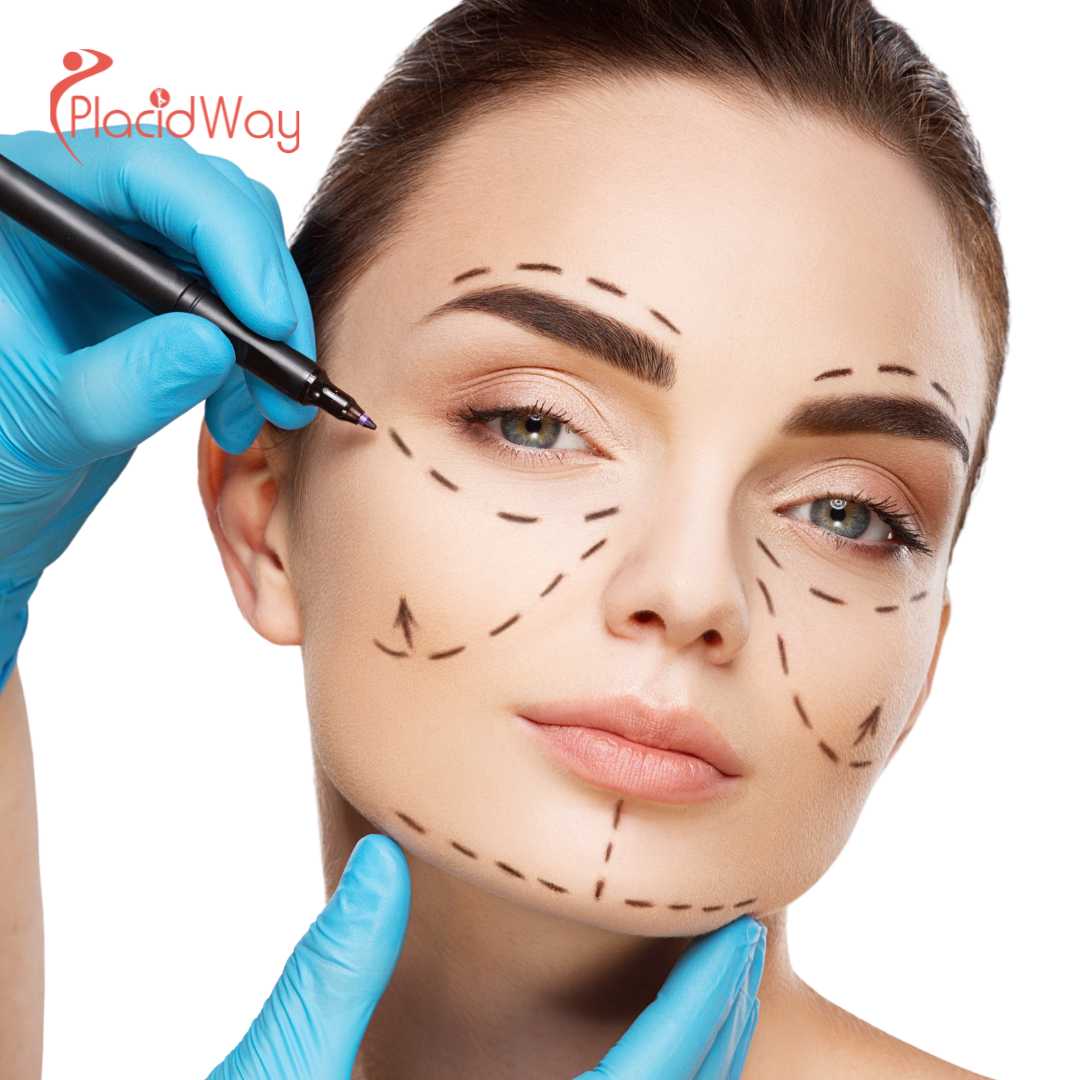
How Much Does V-Line Surgery Cost in South Korea?
The average V-Line surgery cost in South Korea ranges from $5,500 to $10,000 USD. This complete price typically includes the comprehensive jaw reduction and chin contouring procedures, mandatory pre-operative medical tests, specialized general anesthesia, and essential post-operative deswelling care at accredited aesthetic centers. Key Takeaways: Facial Contouring Abroad Financial Investment: Expect to budget between $5,500 and $10,000 USD for a primary, non-revision procedure. Surgical Technique: The operation perfectly combines mandible angle reduction and genioplasty to achieve the desired slender oval shape. Required Stay: International patients must remain in the country for 10 to 14 days for stitch removal and safety monitoring. No Visible Scars: Elite specialists perform the entire bone shaving process through intraoral incisions hidden inside the mouth. High Patient Safety: Strict regulations ensure board certified anesthesiologists and continuous monitoring during the entire operative period. What exactly does V-Line surgery in South Korea entail? This transformative procedure creates a slender, harmonious facial profile by precisely reshaping the lower jawbone and chin. It combines mandible angle reduction and advanced genioplasty to transform a square or wide jaw into a smooth, elegant contour. The surgical process begins with an incredibly detailed three dimensional CT scan to map the intricate facial nerve pathways and underlying bone structure. Elite surgeons utilize this digital mapping to plan precise bone removal without risking damage to the crucial inferior alveolar nerves. Every incision is strategically made entirely inside the mouth, typically along the lower gum line, to ensure absolutely no visible external scarring occurs on your face or neck area after healing. During the mandible angle reduction phase, the specialist expertly shaves or cuts the prominent, angular bone at the back of the jaw near the ears. This specific action dramatically reduces the horizontal width of the lower face. Immediately following this, the genioplasty phase involves precisely cutting the central chin bone, removing a specific middle section, and bringing the remaining pieces together. This T-osteotomy technique creates a sharper, more defined point that anchors the new facial silhouette. Finally, the surgeon secures the newly shaped bone structures using microscopic titanium plates and medical grade screws. These specialized fixtures are designed to be permanent, completely biologically safe, and entirely unnoticeable under the skin. The internal intraoral incisions are then carefully closed using specialized dissolvable stitches, completing the structural transformation and beginning the critical healing phase. What factors influence the V-Line surgery cost in South Korea? The total financial expense depends heavily on the complexity of your natural bone structure, the operating surgeons specific expertise, and the chosen facilities technological capabilities. Adding concurrent procedures will also increase your final investment. Surgeon Expertise and Elite Reputation: Highly experienced, board certified facial contouring specialists rightfully command premium fees. Their extensive background ensures unparalleled surgical precision, flawless safety records, and the unique artistic ability to deliver perfectly symmetrical, natural looking results that less experienced practitioners cannot match. Advanced Clinic Facilities and Technology: Premium medical centers equipped with state of the art three dimensional modeling software, dedicated in house intensive care units, and rigorous sterilization protocols charge more than basic aesthetic clinics. This investment directly translates to superior patient safety and outcome predictability. Individual Procedure Complexity: Patients presenting with highly asymmetrical jawlines or requiring extensive, complicated bone shaving will face higher costs. Specialized nerve relocation techniques or the need to address exceptionally thick cortical bone require longer operating times and greater surgical exertion. Inclusion of Complementary Treatments: The final calculated price frequently fluctuates if you decide to add synergistic procedures during the same operation. Removing buccal fat pads, reducing enlarged masseter muscles, or performing double chin liposuction concurrently will naturally increase the overall surgical invoice. Comprehensive Care Package Inclusions: Higher initial price tags usually cover incredibly extensive post operative care. This includes intensive deswelling light treatments, overnight hospital monitoring, dedicated personal translation services, and specialized nutritional meal plans designed specifically to accelerate your recovery. Revision Versus Primary Bone Surgery: If you are traveling to correct a previous, unsatisfactory jaw surgery performed in another country, expect a significant price increase. Revision procedures require highly intricate reconstructive techniques, bone grafting, and navigating existing scar tissue, making the operation substantially more difficult. Expert Insight on Pricing Transparency Always request a completely itemized invoice before finalizing your medical travel plans. Some seemingly low initial quotes aggressively exclude the mandatory cost of general anesthesia, overnight hospital stays, and required post operative medications. An honest, reputable facility will always provide a firm, all inclusive price point during your final virtual consultation. How do I choose the best V-Line surgery clinic in South Korea? Selecting the perfect facility requires verifying official government accreditations, checking the head surgeons specific board certifications in plastic surgery, and demanding transparent patient safety protocols above all else. Your absolute first step is ensuring the medical center holds current, valid certification from the Ministry of Health and Welfare. This vital certification guarantees the facility meets incredibly strict international standards for patient care, sterilization, and emergency medical preparedness. Furthermore, you must verify that the facility utilizes a strict real name surgery policy, which legally and ethically binds your consulting doctor to be the only individual performing your operation. Next, meticulously investigate the specific doctors academic background and surgical focus. Facial bone contouring requires an intimately detailed understanding of complex maxillofacial anatomy. You should look exclusively for specialists who have dedicated their entire careers to facial bone surgeries, rather than general practitioners who divide their attention across a wide variety of unrelated cosmetic body procedures. Finally, carefully evaluate their dedicated aftercare and recovery programs. The highest quality centers provide comprehensive recovery suites equipped with continuous vital monitoring, advanced deswelling radio frequency therapies, and highly trained nursing staff. Robust post operative care drastically reduces complication risks and significantly accelerates your healing timeline, which is absolutely crucial for international patients operating on a restricted travel schedule. Why is medical tourism in South Korea so popular for facial contouring? The destination offers an unmatched combination of elite surgical skill, cutting edge medical technology, and highly competitive pricing. Their cultural emphasis on perfect facial harmony drives constant, rapid innovation in bone reshaping techniques. Surgeons in South Korea perform exponentially more facial bone contouring procedures annually than doctors in any other nation globally. This incredibly high volume of specialized surgeries translates directly into unparalleled muscle memory, unmatched precision, and continuous surgical refinement. They have successfully developed specialized microscopic instruments and minimally invasive techniques that significantly reduce tissue trauma, leading to remarkably less post operative swelling. The entire medical infrastructure is specifically designed from the ground up to accommodate international visitors incredibly smoothly. Major, reputable hospitals employ huge, dedicated international departments featuring full time medical translators, dedicated patient concierges, and streamlined preoperative testing centers. This robust support system makes navigating a highly complex medical procedure in a foreign country feel completely organized, safe, and stress free. Furthermore, the cost to quality ratio is simply extraordinary for international visitors. Patients can safely receive transformative treatment from world renowned bone specialists using absolute top tier technology for a mere fraction of what a standard, comparable procedure would cost in the United States, Australia, or Europe. This massive economic advantage, seamlessly combined with definitively superior aesthetic outcomes, makes the international journey highly worthwhile. What is the expected recovery timeline for facial bone contouring in Seoul? Initial recovery absolutely requires a ten to fourteen day stay in the country for monitoring and safe stitch removal. While most visible swelling subsides within one month, the final refined bone structure takes several months to fully reveal itself. Days One to Three Post Surgery: This represents the most intense, critical swelling period. You will strictly require liquid diets administered via syringe, constant head elevation even while sleeping, and dedicated, continuous wearing of specialized facial compression garments to support the newly structured delicate tissues. Days Four to Seven Post Surgery: Subcutaneous bruising may reach its peak visibility and physically shift downward towards your neck area due to gravity. During this timeframe, patients slowly transition to very soft foods like rice porridge and mashed sweet potatoes as the intraoral incisions begin their early, crucial healing phase. Days Eight to Fourteen Post Surgery: The major, uncomfortable swelling starts to decrease noticeably day by day. Your surgical clinic will carefully and safely remove any remaining non dissolvable stitches from inside your mouth, finally clearing you medically to fly back to your home country comfortably. Weeks Three to Four Post Surgery: Approximately eighty percent of the highly noticeable facial swelling completely dissipates. This rapid reduction allows most international patients to confidently return to their normal workplace environments and regular social activities without drawing unwanted attention to their recent operation. Months Two to Six Post Surgery: Very subtle, residual deep tissue swelling continues to fade gradually over these months. Your normal chewing functions fully return to normal strength as your complex facial muscles adapt entirely to your brand new, refined underlying bone structure. The One Year Mark: The ultimate, perfect facial profile is officially achieved. All internal soft tissues have completely healed, settled, and tightened perfectly around the new titanium secured bone framework, permanently showcasing your final beautiful aesthetic result. Are there any hidden fees associated with jaw reduction surgeries in Korea? Highly reputable international departments always provide transparent pricing, but patients must proactively account for mandatory preoperative medical clearances, prescription pharmacy medications, and specialized facial compression garments. Before any major facial operation can commence, you must undergo comprehensive, mandatory health screenings. These non negotiable tests include detailed electrocardiograms to check heart health, extensive chest x rays to verify lung capacity for anesthesia, and broad spectrum blood work. While premium medical tourism packages often include these tests, standalone low cost surgical quotes absolutely might not. You should explicitly demand to know if medical clearance tests are fully bundled into your initial financial estimate. Post operative necessities also inevitably add minor costs to your overall medical travel budget. You will need to purchase high quality, specialized facial compression bands to control swelling, unique medical grade mouthwashes to keep your surgical incisions perfectly sterile, and various prescription medications including strong antibiotics and advanced painkillers. These essential pharmacy costs are typically paid separately, completely out of pocket, immediately after your discharge from the hospital. Additionally, it is important to note that all elective cosmetic procedures are currently subject to a mandatory ten percent value added tax implemented by the government. Fortunately, international visitors holding foreign passports can legally claim a full tax refund at the airport departure terminal. You must rigorously ensure your chosen clinic provides the official, stamped medical tax refund certificates to successfully process this financial claim before boarding your flight home. Did You Know? Advanced Deswelling Care Many elite medical centers include Hyperbaric Oxygen Therapy in their premium surgical packages. Spending daily sessions inside these pressurized, pure oxygen chambers saturates your bloodstream, which is clinically proven to drastically speed up bone healing and reduce deep tissue bruising by up to forty percent compared to natural resting alone. Can I combine facial contouring with other cosmetic procedures during my trip? Yes, combining procedures is highly common and frequently recommended by top doctors to achieve absolute facial harmony, save significantly on overall anesthesia fees, and consolidate your required recovery downtime. The single most frequent, and arguably most effective, combination is pairing lower jaw reduction directly with zygoma reduction, commonly known as cheekbone reduction surgery. Addressing both the upper facial width and the lower jaw width simultaneously allows the surgeon to create a perfectly balanced, flawlessly smooth contour flowing from the temples all the way down to the chin. This comprehensive full facial contouring approach undeniably yields the most dramatic, proportionate, and harmonious aesthetic transformations. Many international patients also intelligently opt for soft tissue modifications during their primary bone surgery session. Procedures like delicate rhinoplasty, precise double eyelid surgery, or targeted buccal fat removal are routinely and safely performed together. Since you are already fully sedated under general anesthesia, adding these complimentary surgeries is highly time efficient and dramatically minimizes the total physiological stress placed on your body compared to undergoing multiple separate operations over several years. However, it is vital to understand that combining multiple major surgeries inherently increases the immediate post operative facial swelling and requires a fundamentally more resilient physical constitution. Your dedicated surgical team will thoroughly and scientifically evaluate your overall health profile, age, and blood test results to determine exactly how many complex procedures can be safely and responsibly executed during a single, uninterrupted operation session. What type of anesthesia is utilized during Korean facial bone surgeries? Because the complex procedure involves heavily reshaping bone structures directly adjacent to your airway, it strictly requires comprehensive general anesthesia. This ensures absolute patient safety and zero movement. Mandatory Dedicated Anesthesiologists: Absolutely top tier medical facilities employ full time, dedicated, board certified anesthesiologists. These vital specialists remain physically present inside the operating theater from the moment of initial induction until you are fully and safely awake in the specialized recovery room. Advanced Airway Management Techniques: Since the entire surgery takes place completely inside the mouth, highly specialized nasal intubation techniques are utilized. This securely protects your breathing airway while giving the head surgeon completely unobstructed access to safely reshape your lower jawbone. Continuous Multi Point Vitals Monitoring: State of the art medical equipment constantly and aggressively tracks your heart rate, precise blood pressure, continuous oxygen saturation, and core body temperature to guarantee your body responds perfectly and safely throughout the lengthy procedure. Malignant Hyperthermia Prevention Protocols: Elite hospitals proactively stock specialized, expensive emergency medications like Dantrolene. This ensures they can immediately counteract any rare, severe genetic reactions to anesthetic gases, absolutely prioritizing your ultimate safety above all other factors. Highly Customized Dosage Planning: The expert anesthesia team calculates incredibly precise medication volumes based strictly on your specific body mass index, chronological age, and individual metabolic rate. This careful planning facilitates a smooth, completely nausea free waking process post surgery. Intensive Post Anesthesia Care Units: Immediately following the successful surgery, you are safely transferred directly to a specialized intensive care recovery suite. Here, dedicated nurses monitor your delicate transition back to full consciousness with extreme, undivided medical diligence. Why Choose PlacidWay for your facial contouring journey abroad? We provide an incredibly secure, fully transparent, and highly organized medical pathway to the worlds best facial contouring professionals. Our dedicated team aggressively protects your health and financial interests every step of the way. Rigorous Elite Medical Vetting: We proudly and exclusively partner with fully accredited, top tier government approved medical facilities. These chosen centers must maintain absolutely unblemished safety records and employ strictly board certified, highly experienced facial bone contouring specialists to remain in our network. Transparent, Locked Price Guarantees: Our advanced platform entirely eliminates confusing international pricing disparities and hidden fees. We provide clear, all inclusive written quotes so you completely understand every single financial aspect of your operation before making any binding medical commitments. Direct High Level Specialist Access: We seamlessly facilitate direct, secure virtual consultations with leading head surgeons. This vital access allows you to clearly discuss your specific aesthetic goals, share your medical history, and receive deeply customized surgical plans right from the comfort of your living room. Dedicated Compassionate Patient Advocacy: Our highly experienced, multilingual support team acts as your fiercely dedicated personal medical liaison. We actively ensure flawless, accurate communication between you and the foreign medical staff throughout your entire clinical journey, leaving zero room for dangerous misunderstandings. Comprehensive Uncompromising Safety Protocols: We place the highest priority on institutions that strictly and legally enforce real name surgery policies. We guarantee that our partner clinics utilize only the absolute most advanced surgical sterilization equipment and emergency medical technologies available in the modern world today. Frequently Asked Questions About Facial Contouring Is jaw reduction surgery results permanent over time? Yes, the results of jaw reduction surgery in South Korea are entirely permanent. Because the expert surgeon physically removes and perfectly reshapes the actual hard bone structure of your mandible and chin, the bone itself will absolutely not grow back. However, it is important to note that normal aging processes affecting your soft skin elasticity and natural facial fat distribution will still occur naturally over the coming decades. Does facial bone contouring negatively affect chewing or speech abilities? When flawlessly performed by a highly skilled, board certified specialist, the complex procedure does not impair your long term chewing or speech capabilities. You will certainly experience temporary muscle stiffness and noticeable difficulty opening your mouth fully during the very first few weeks of early recovery. Once the surrounding muscles fully heal and adapt to the new bone structure, your full normal functional movement completely returns. How long must I remain in Seoul following a mandible reduction? International patients are strictly and medically required to stay locally in Seoul for a strict minimum of ten to fourteen days post surgery. This mandatory duration is legally required for the surgical team to closely monitor your initial healing phase, properly manage your major swelling, and safely remove the delicate intraoral stitches before you are medically cleared for safe high altitude commercial air travel. Will my skin sag after the underlying jaw bone is removed? Skin sagging is a very valid medical concern, particularly for slightly older patients presenting with already decreased natural skin elasticity. However, elite facial contouring surgeons use highly specialized periosteal lifting techniques to pull and reattach the soft tissues securely during the bone shaving process. If significant laxity is strongly anticipated pre-surgery, they may strongly recommend combining the bone reduction with a specialized soft tissue facial lifting procedure. What are the strict dietary restrictions following facial contouring? For the incredibly crucial first three days, you are strictly restricted to a clear liquid diet administered carefully using a medical syringe, completely avoiding standard straws to prevent dangerous internal suction complications. For the subsequent two weeks, you must consume only very soft, easily swallowed foods like smooth blended soups, nutritional protein shakes, and rice porridge. Hard, excessively chewy, or intensely spicy foods are strictly forbidden for at least one full month. Are the titanium screws used in the chin safe to leave in permanently? The microscopic titanium plates and tiny screws utilized to securely anchor the newly shaped chin bone are manufactured from elite medical grade, perfectly biocompatible materials. They are completely safe to remain seamlessly inside your body permanently and will absolutely not trigger standard metal detectors at international airports. Surgical removal is entirely optional and rarely requested unless a patient has a highly specific personal psychological preference. Are international medical tourists eligible for tax refunds on cosmetic surgeries? Yes, international visitors holding valid foreign passports are legally eligible to receive a financial refund on the ten percent value added tax automatically applied to elective cosmetic procedures. Your chosen surgical clinic must issue a specific, government stamped medical tax refund certificate upon discharge. You will then present this vital document at the designated automated refund kiosks at Incheon International Airport immediately before your final departure. Why is a three dimensional CT scan absolutely mandatory before jaw surgery? A comprehensive three dimensional CT scan is entirely non negotiable because it uniquely allows the head surgeon to precisely and digitally map the exact location of the inferior alveolar nerve running directly through your jawbone. Knowing this extremely precise nerve pathway actively prevents catastrophic accidental nerve damage during the heavy bone cutting process, strictly ensuring you absolutely do not lose vital physical sensation in your lower face and lip area. What exactly happens during an online virtual consultation with a Korean surgeon? During a formal virtual consultation, you will securely submit clear, multi angle, well lit photographs of your face alongside your detailed personal medical history. The specialist surgeon will deeply analyze your specific facial proportions, determine definitively if you are a mathematically suitable candidate for bone contouring, explain the exact recommended surgical approach, and provide a highly realistic assessment of the achievable aesthetic outcomes. Will my domestic medical insurance cover any portion of cosmetic bone contouring abroad? No, standard domestic health insurance plans absolutely do not cover complex surgical procedures performed strictly for voluntary aesthetic enhancement, nor do they typically cover planned elective medical treatments located abroad. Jaw reduction is legally and medically classified globally as an elective cosmetic surgery, meaning all associated international financial investments must be covered entirely out of pocket by the traveling patient. Start Your Facial Transformation Journey Today Do not leave your surgical safety or final aesthetic outcome to chance. PlacidWay connects you exclusively with top rated, government accredited facial contouring clinics. Get a completely free, no obligation financial quote, receive a highly personalized treatment plan from board certified elite surgeons, and unlock exclusive comprehensive medical packages designed strictly for your success. ...
Read more details
Is Facial Contouring Surgery in South Korea Safe for International Patients?
Facial contouring surgery in South Korea is extremely safe for international patients when done at accredited facilities. Board-certified surgeons use advanced 3D CT imaging to protect facial nerves. The procedure costs between $5,000 and $15,000. Key Takeaways: Safety & Quality in Korean Bone Reduction Advanced Nerve Protection: Strict usage of high resolution 3D CT scanners prevents any damage to the inferior alveolar nerve during jaw shaving. Board-Certified Expertise: Only highly specialized maxillofacial and plastic surgeons with over a decade of bone surgery experience perform these operations. Cost Efficiency: Patients save significantly compared to Western countries, receiving world-class inpatient care and advanced hardware for less. Intensive Aftercare: Standard packages include daily deswelling treatments like hyperbaric oxygen therapy and infrared light sessions. Guaranteed Transparency: Strict government regulations mandate operating room surveillance to ensure complete surgical accountability. What are the common types of facial contouring surgery in South Korea? The most common procedures involve altering the cheekbones, jawline, and chin. Surgeons customize these three main operations to achieve a balanced, slim, and aesthetically pleasing facial structure. Zygoma reduction, commonly known as cheekbone reduction, targets excessively wide or protruding upper facial bones. The surgeon makes precise intraoral and temporal incisions to fracture and rotate the cheekbone inward. This technique effectively reduces the overall width of the midface without leaving any visible external scars, creating a much softer and more feminine facial profile. Mandible angle reduction focuses on the lower third of the face, specifically targeting a square or wide jawline. During this operation, the specialist carefully shaves down the prominent bone at the back of the jaw and removes excess cortical bone layers. By reducing both the angle and the thickness of the jawbone, patients achieve a dramatically slimmer lower face that enhances their natural features. Genioplasty, or chin surgery, is the final component often utilized to perfect the facial ratio. Depending on the patients natural anatomy, the surgeon will cut and move the chin bone forward, backward, or reduce its vertical height. When combined with cheek and jaw reduction, this trio forms the foundation of comprehensive facial contouring surgery in South Korea, yielding remarkably harmonious results. Did You Know? Many international patients travel specifically to achieve the highly sought after V-line aesthetic. This cultural beauty standard emphasizes a sleek, uninterrupted curve from the earlobe down to a delicate, tapered chin, which is meticulously crafted through combined jaw and chin osteotomies. How much does facial contouring surgery cost in South Korea? The financial investment depends entirely on how many facial regions require alteration. Generally, patients can expect to pay anywhere from a few thousand dollars for a single area to upwards of fifteen thousand for a complete facial reconstruction. Individual Bone Procedures: If a patient only requires cheekbone reduction or a simple jaw shaving, the individual cost typically ranges between $5,000 and $7,000. This localized approach is highly cost effective for minor facial balancing. Combined Two-Piece Surgery: Choosing to address both the cheekbones and the jawline simultaneously generally costs between $9,000 and $11,000. Bundling procedures significantly reduces total operating room and anesthesia fees. Comprehensive Three-Piece Surgery: The full transformation involving the cheeks, jaw, and chin represents the highest tier of intervention. This extensive reconstruction ranges from $12,000 to $15,000, offering the most dramatic aesthetic shift. Included Facility Amenities: It is crucial to understand that facial contouring surgery cost in South Korea usually encompasses preoperative laboratory tests, electrocardiograms, overnight hospital stays, and dedicated nursing care. Postoperative Value Additions: Unlike Western clinics that charge separately for recovery therapies, Korean pricing models frequently include comprehensive deswelling treatments, nutritional pumpkin juices, and specialized facial compression garments at no extra charge. How do surgeons protect nerves during facial contouring surgery in South Korea? Nerve preservation is the absolute highest priority during any bone reduction. Medical teams utilize state of the art imaging to map every single nerve pathway long before the patient ever enters the operating room. The most critical anatomical structure surgeons must avoid is the inferior alveolar nerve, which runs directly through the lower jawbone. Damage to this pathway can result in permanent numbness of the lower lip and chin. To guarantee safety, hospitals mandate comprehensive three dimensional computed tomography scans during the initial consultation. This advanced imaging allows the doctor to see the exact location and depth of the nerve canal hidden within the bone tissue. Armed with this highly detailed digital map, the surgeon calculates the precise millimeter distance between the outer bone surface and the nerve itself. This creates a strictly defined safe zone for bone excision. The specialist knows exactly how much bone can be shaved or cut away without ever coming close to the delicate neural pathways, eliminating the guesswork that plagued older surgical techniques. During the actual procedure, doctors employ specialized piezoelectric surgical instruments that utilize ultrasonic vibrations to cut through solid bone. These highly advanced tools are explicitly designed to slice through calcified tissue while harmlessly bouncing off soft tissues and nerves. This technological safeguard ensures that even if the instrument nears a nerve pathway, it will not sever or permanently damage the structure. What is the recovery timeline for facial contouring surgery in South Korea? Healing from major bone reduction requires immense patience and strict adherence to medical guidelines. While initial recovery takes a few weeks, seeing the final refined facial shape takes several months of tissue settling. First Forty Eight Hours: This phase involves the most intense swelling and discomfort. Patients remain hospitalized overnight with surgical drains placed in the mouth to remove excess blood, while receiving continuous intravenous pain management. The First Week: Major swelling peaks around the third day and slowly begins to subside. Patients must wear a specialized facial compression bandage continuously to support the newly shifted soft tissues and limit the accumulation of fluid. Two to Three Weeks: Most visible bruising fades significantly by this point. The surgeon removes the intraoral stitches, and patients generally feel comfortable enough to return to non strenuous daily activities and office work. One to Three Months: Approximately seventy percent of the total swelling dissipates during this window. The new facial contours begin to reveal themselves clearly, though minor internal swelling may still cause the face to feel slightly stiff or tight. Six to Twelve Months: The bones fully fuse in their new positions, and the overlying skin completely shrink wraps to the altered skeletal frame. This marks the end of the recovery journey, showcasing the absolute final aesthetic result. How do I choose a safe facial contouring surgery clinic in South Korea? Selecting the right facility is the single most important decision for a patient traveling abroad. Focus strictly on verifying credentials, dedicated medical staff, and emergency preparedness rather than purely looking at aesthetic before and after photos. The foundational step in finding a reliable facial contouring surgery clinic in South Korea is checking for official government accreditation. Exceptional facilities hold certification from the Ministry of Health and Welfare, proving they meet rigorous standards for international patient safety, hygiene protocols, and ethical business practices. Unaccredited centers present unnecessary risks and should be completely avoided by foreign visitors. Secondly, verify the presence of a dedicated, in house board-certified anesthesiologist. Major bone procedures require prolonged general anesthesia. Safe clinics never utilize freelance anesthesiologists who jump between multiple hospitals daily. A dedicated specialist stays entirely focused on monitoring your vital signs, regulating oxygen levels, and managing your pain from the moment you fall asleep until you fully awaken in the recovery room. Finally, prioritize facilities that operate transparently. The best centers actively promote their real name surgery policies and maintain continuous operating room surveillance cameras. Furthermore, elite hospitals maintain proper emergency infrastructure, including uninterruptible power supply systems and automated external defibrillators, ensuring they can handle any rare intraoperative complications swiftly and effectively. What role does technology play in facial contouring surgery in South Korea? Modern bone reduction relies heavily on cutting edge technological innovations to guarantee precision. From virtual surgical planning to customized biological materials, science heavily guides the surgeons scalpel. The integration of three dimensional virtual surgical planning has completely revolutionized maxillofacial procedures. Before ever entering the operating theater, the specialist uploads the patients cranial scans into sophisticated software. This allows the doctor to virtually cut, move, and reshape the skeletal structure on a computer monitor, predicting the exact soft tissue changes and ensuring perfect bilateral symmetry. Another massive technological leap involves the use of 3D printed titanium plates and cutting guides. Traditionally, surgeons manually bent flat metal plates to fit the newly fractured cheekbones. Today, bioengineers print customized titanium hardware that perfectly matches the unique topography of the patients newly contoured bone, resulting in unparalleled stability, zero gaps, and drastically accelerated bone healing. Additionally, postoperative healing technology has advanced remarkably. Premium surgical centers now feature comprehensive recovery lounges equipped with hyperbaric oxygen chambers. Pumping pure oxygen into the bloodstream drastically reduces cellular inflammation and accelerates tissue regeneration, allowing international patients to overcome the most difficult phases of recovery in record time. Expert Insight The utilization of customized 3D printed surgical guides eliminates almost all human error regarding the angle and depth of bone excision. The guide is temporarily screwed onto the jawbone during surgery, giving the oscillating saw an exact, unmovable path to follow, which perfectly replicates the preoperative digital plan. Are there dietary rules after facial contouring surgery in South Korea? Because the surgical incisions are located entirely inside the mouth, strict dietary modifications are mandatory to prevent infection and avoid placing mechanical stress on the newly stabilized jawbones. For the first seven days following the procedure, patients must adhere strictly to a clear liquid diet. Nutritious broths, protein shakes, and pureed soups are essential. It is absolutely critical that nothing requires chewing, and patients must avoid using straws, as the sucking motion creates negative pressure in the mouth that can violently rupture the delicate intraoral suture lines. Moving into the second and third weeks, the diet transitions to very soft foods that require minimal to no chewing effort. Mashed potatoes, scrambled eggs, silken tofu, and thoroughly cooked rice porridge become the standard meals. During this entire period, spicy, acidic, or heavily salted foods must be completely avoided as they can severely irritate the healing incisions and exacerbate facial swelling. Proper oral hygiene is intertwined with these dietary restrictions. After consuming any liquid or soft food, the mouth must be meticulously rinsed with a specialized antibacterial mouthwash prescribed by the clinic. Traditional toothbrushing is strictly forbidden for several weeks until the surgeon confirms the incisions have completely closed, ensuring no food particles trigger a postoperative infection. What makes medical tourism in South Korea ideal for facial contouring? The nation combines unparalleled surgical mastery with an incredibly robust infrastructure designed specifically to cater to foreign patients from the moment they land until their safe departure. Unrivaled Surgical Volume: Maxillofacial experts in Seoul perform more bone reductions in a single month than many Western surgeons perform in an entire decade, resulting in exceptionally refined and perfected operative techniques. Seamless Language Support: The boom in medical tourism in South Korea has led top hospitals to employ massive international departments, providing dedicated, medically fluent translators for English, Mandarin, Russian, and Arabic speakers. Tax Exemption Benefits: The government actively encourages foreign medical visitors by offering immediate value added tax refunds on cosmetic procedures, effectively reducing the overall surgical bill by ten percent right at the airport. Patient Focused Infrastructure: The immediate areas surrounding major medical districts are densely packed with recovery friendly hotels, specialized pharmacies, and restaurants serving restorative foods perfectly suited for postoperative dietary needs. Stringent Malpractice Laws: The government enforces incredibly strict regulations regarding patient safety, requiring extensive documentation, background checks on specialists, and massive financial penalties for facilities that violate health protocols. Why choose PlacidWay for facial contouring surgery in South Korea? Partnering with a globally recognized facilitator ensures that your journey prioritizes uncompromising medical safety, rigorous doctor verification, and complete financial transparency. Strict Maxillofacial Vetting: We bypass general practitioners and exclusively connect our patients with highly specialized, board-certified facial bone specialists who have proven, flawless safety records. Transparent Financial Negotiation: Our team secures comprehensive, all inclusive medical quotes upfront, entirely eliminating the risk of hidden laboratory fees, unexpected anesthesia charges, or inflated foreigner pricing. Continuous Medical Coordination: From the initial digital x-ray review to your final postoperative consultation, our dedicated medical coordinators bridge the communication gap between you and the surgical team. Emergency Preparedness Priority: We strictly limit our partnerships to hospital level facilities fully equipped with uninterrupted power supplies, onsite blood banks, and permanent anesthesiology departments. Advocacy Against Unethical Practices: By heavily screening all partner facilities, we provide an absolute guarantee that you are protected against fraudulent practices like the swapping of doctors while you are sedated. Frequently Asked Questions About Facial Contouring Surgery in South Korea Is there an age limit for facial contouring surgery in South Korea? Patients must be at least eighteen years old to undergo bone reduction procedures. Surgeons require the facial bones to be fully developed and fused before making any surgical alterations. Older patients can also undergo the procedure, provided they pass comprehensive preoperative health screenings and possess adequate bone density. Do I need to remove wisdom teeth before facial contouring surgery in South Korea? It is not always mandatory to remove wisdom teeth beforehand. However, if your wisdom teeth are impacted along the planned surgical incision line on the jawbone, the surgeon might extract them during the bone reduction procedure to prevent future infections and ensure a smooth mandibular contour. Can I wear braces during facial contouring surgery in South Korea? Yes, you can undergo bone reduction procedures while wearing orthodontic braces. Facial contouring focuses on the outer perimeter of the facial skeleton and does not alter your dental bite or occlusion. The surgeon will simply use protective guards over your braces during the operation to prevent any damage. How long must I stay for facial contouring surgery in South Korea? International patients should plan to remain in the country for a minimum of fourteen to twenty days. This timeframe allows the medical team to monitor your initial healing, manage postoperative swelling, and safely remove the intraoral stitches before you are cleared for long distance air travel. What happens if titanium plates reject after facial contouring surgery in South Korea? Titanium is completely biocompatible, making rejection exceptionally rare. If a patient experiences sensitivity or inflammation around the plate years later, a minor outpatient procedure can be performed to remove the hardware. Once the facial bones have fully healed and fused, the titanium plates are no longer medically necessary. Are pins and plates permanent in facial contouring surgery in South Korea? The titanium pins and plates used to secure the newly positioned bones are designed to remain in your body permanently without causing harm. Some patients choose to have them removed after six to twelve months for personal peace of mind, though surgeons generally advise leaving them unless they cause irritation. Will skin sag after facial contouring surgery in South Korea? Skin sagging is a potential risk because reducing the underlying bone structure leaves excess soft tissue. To combat this, specialized surgeons perform customized bone lifts during the procedure, securing the muscle and skin higher up on the bone. Patients with lower skin elasticity might combine the contouring with a facial lifting procedure. Can I fly safely after facial contouring surgery in South Korea? Flying is completely safe once your surgeon provides medical clearance, usually around two weeks postoperatively. The pressurized cabin of an airplane will not harm your newly contoured bones, though you might experience a temporary increase in facial swelling due to changes in cabin pressure during the flight. Is it possible to reverse facial contouring surgery in South Korea? Because the procedure involves permanently removing sections of bone, it cannot be traditionally reversed. If a patient desires more volume later in life, doctors can perform reconstructive procedures using customized 3D printed bone implants or extensive fat grafting to restore the lost facial width and structure. Do hospitals provide translators for facial contouring surgery in South Korea? Accredited facilities dedicated to international patients employ full-time, medically trained translators. These professionals accompany you during all consultations, preoperative examinations, and postoperative follow-ups to ensure you completely understand the surgical plan, risks, and recovery instructions without any language barriers. Begin Your Facial Transformation Journey Today Do not compromise on your safety or results. Let PlacidWay connect you directly with elite, board-certified maxillofacial specialists. Request a comprehensive, obligation-free medical quote today and discover the safest path to achieving your aesthetic goals. ...
Read more details
Is Male Breast Reduction Surgery in Guadalajara, Mexico Safe?
Male Breast Reduction in Guadalajara Mexico is safe when performed by board-certified plastic surgeons in accredited facilities. Clinics use advanced techniques like ultrasound liposuction, yielding excellent results for $2,500 to $4,500 on average. Key Takeaways: Safety & Quality Expert Specialists: Surgeons possess extensive international training and board certifications. Modern Facilities: Top centers utilize cutting-edge technology identical to North American standards. Financial Savings: Patients save significantly compared to domestic healthcare prices. Comprehensive Care: Medical packages frequently encompass pre-operative testing and post-operative monitoring. Privacy Focus: Traveling abroad allows for discreet recovery away from social obligations. What factors determine Male Breast Reduction Surgery cost in Guadalajara, Mexico? The total expense of male breast reduction surgery depends on the severity of the condition, the surgical technique required, and the chosen medical facility. Prices typically range from $2,500 to $4,500 USD encompassing surgeon fees, anesthesia, and operating room charges. Severity of Condition: Mild cases requiring only localized fat removal are less expensive than severe glandular enlargement that demands complex tissue excision and skin tightening. Surgical Techniques Used: Advanced methods like VASER or ultrasound-assisted liposuction require specialized equipment, which can slightly elevate the baseline procedure pricing. Surgeon Expertise: Highly sought-after specialists with decades of experience and robust international credentials generally charge higher professional fees than less experienced practitioners. Facility Type: Procedures performed in fully equipped, internationally accredited hospitals carry higher facility fees compared to those done in smaller private surgical boutiques. Anesthesia and Medication: The choice between local anesthesia with sedation versus general anesthesia impacts the cost, alongside the required post-operative antibiotics and painkillers. Post-Operative Garments: High-quality medical compression vests, essential for proper chest healing and skin retraction, are often factored into the comprehensive pricing model. How do I select a reliable Male Breast Reduction Surgery clinic in Guadalajara, Mexico? Choosing a trustworthy facility requires verifying board certifications, checking international accreditations, and reviewing before-and-after portfolios. Patients must prioritize clinics that maintain rigorous hygiene and patient safety protocols above all else. The most crucial step in selecting a facility is ensuring the lead surgeon is certified by the Mexican Association of Plastic, Aesthetic and Reconstructive Surgery. This certification guarantees that the specialist has completed rigorous medical training, passed comprehensive examinations, and adheres strictly to ethical surgical standards. Uncertified practitioners pose significant health risks and should be completely avoided by international patients. Furthermore, it is vital to assess the physical infrastructure of the medical center. The best facilities operate within or are closely affiliated with major hospitals, ensuring immediate access to intensive care units and advanced life-saving equipment should an unprecedented emergency arise. Patients should request virtual tours or detailed photographs of the operating theaters and recovery suites prior to making any financial commitments. Finally, communication plays a massive role in surgical success. A premier clinic will employ bilingual patient coordinators and medical staff to ensure seamless interactions. Understanding your pre-operative instructions, surgical risks, and post-operative care requirements in your native language eliminates confusion and significantly enhances the overall safety and comfort of your medical journey. Medical Fact Gynecomastia is not just caused by excess fat. True gynecomastia involves the hypertrophy of glandular breast tissue, which cannot be reduced through diet or exercise alone. It requires precise surgical excision to permanently flaten the masculine chest wall. What surgical techniques are used for Male Breast Reduction Surgery in Guadalajara, Mexico? Surgeons primarily use liposuction to remove excess fat and surgical excision to eliminate dense glandular tissue. Often, a combination of both methods is applied to achieve a flat, masculine chest contour with minimal scarring. For patients suffering primarily from pseudogynecomastia, which is an accumulation of localized adipose tissue without glandular enlargement, liposuction is the standard approach. Specialists in the region frequently utilize advanced modalities like VASER ultrasound technology. This technique emulsifies the fat cells before extraction, allowing for smoother contouring, reduced tissue trauma, and significantly less post-operative bruising compared to traditional suction methods. When dense, fibrous glandular tissue is present underneath the nipple-areola complex, liposuction alone is entirely insufficient. In these genuine gynecomastia cases, the surgeon must perform an excision. This is delicately done through a discreet peri-areolar incision located at the bottom edge of the areola. The surgeon carefully dissects and removes the gland, ensuring the chest wall is left completely flat while preserving the blood supply to the nipple. In severe cases, particularly those involving massive weight loss or older patients with poor skin elasticity, skin resection becomes absolutely necessary. Once the fat and glands are removed, the deflated skin may sag significantly. Surgeons address this by removing the excess skin and repositioning the nipple to a higher, more natural position on the chest, ensuring a taut and aesthetically pleasing masculine contour. What should international patients expect during the recovery process in Guadalajara? Recovery involves wearing a compression garment for several weeks and managing mild discomfort with prescribed medication. Most patients can return to light activities within a few days but must stay in the city for initial follow-up appointments. Immediate Post-Op Care: Patients wake up wearing a tight compression vest and may feel groggy from anesthesia. Pain is generally categorized as a dull ache rather than sharp agony and is easily managed with oral analgesics. Surgical Drains: Small plastic tubes might be temporarily inserted under the skin to collect excess blood and fluid. These are meticulously monitored and usually removed by the nursing staff within two to four days. Compression Garments: Wearing the provided medical vest continuously for three to six weeks is mandatory. This vital garment minimizes massive swelling, supports the newly contoured tissues, and helps the skin retract tightly over the chest muscles. Activity Restrictions: While slow, short walks are highly encouraged to promote healthy blood circulation, any strenuous lifting, rigorous cardio, or reaching arms high above the head must be strictly avoided for several weeks. Follow-Up Appointments: International travelers must remain in the region for approximately a week. This duration allows the specialist to conduct in-person evaluations, remove sutures if necessary, and officially clear the patient for air travel. Are the medical standards in Guadalajara comparable to the United States or Canada? Yes, the surgical standards in this region rival those found in North America. Top-tier facilities adhere to strict international health guidelines and utilize the exact same highly regulated, internationally approved surgical equipment. The city has heavily invested in establishing a world-class healthcare infrastructure designed specifically to cater to discerning international patients. Many of the leading private hospitals boast accreditations from prestigious global organizations that mandate the highest levels of sterilization, patient monitoring, and emergency response capabilities. The operating theaters are indistinguishable from those found in top-tier American medical centers. Furthermore, the medical professionals operating in these premium facilities are exceptionally qualified. A vast majority of the top plastic surgeons in Mexico have undergone extensive fellowship training in the United States, Europe, or Brazil. They regularly attend international medical conferences, stay updated on the latest minimally invasive techniques, and frequently publish their findings in globally recognized peer-reviewed medical journals. The regulatory environment overseen by Mexican health authorities is also incredibly stringent when it comes to surgical implants, anesthesia protocols, and bio-hazardous waste disposal. Patients can rest assured knowing that the medications, surgical tools, and safety protocols employed during their procedure strictly mirror the exacting safety standards they would expect from top healthcare systems in their home countries. Expert Insight Many international patients incorrectly assume that lower costs equate to lower quality care. In reality, the price discrepancy is entirely driven by the lower cost of living, reduced administrative overhead, and different malpractice insurance structures in the region, rather than any compromise in medical excellence or surgical safety. How does medical tourism in Guadalajara, Mexico benefit gynecomastia patients? Traveling for this procedure offers substantial financial savings without compromising on surgical quality. Patients also enjoy the psychological privacy of recovering away from home in a culturally rich and relaxing environment. The most obvious advantage is the profound economic benefit. Patients from high-cost healthcare regions often find that they can finance their entire medical journey including premium surgical care, luxury accommodation, and local transportation for a fraction of the cost of the surgery alone back home. This powerful cost arbitrage allows patients to afford top-tier surgeons they might otherwise be unable to access. Beyond the financial aspect, the region offers an unparalleled level of privacy. Gynecomastia is deeply personal and often causes intense psychological distress. By undergoing the procedure abroad, men avoid awkward conversations with coworkers or acquaintances during the immediate, highly visible stages of recovery. They can return home weeks later looking naturally fit, with the swelling already significantly diminished. Lastly, the hospitality deeply ingrained in the local culture dramatically improves the recovery experience. Dedicated medical tourism facilitators and clinic staff provide personalized, concierge-level attention. From arranging specialized dietary needs to providing private nursing care in upscale recovery boutiques, the patient experience is meticulously designed to be as stress-free and comfortable as possible. What are the potential risks and how do Mexican surgeons mitigate them? As with any surgery, risks include infection, asymmetry, and changes in nipple sensation. Surgeons minimize these complications through comprehensive pre-operative screening, precise surgical planning, and meticulous aftercare protocols. Pre-Operative Blood Work: Comprehensive laboratory tests are legally mandated to detect underlying clotting disorders, anemia, or hidden infections that could compromise patient safety during anesthesia. Infection Control: Operating rooms adhere strictly to international sterilization protocols. Furthermore, patients are administered prophylactic intravenous antibiotics before the first incision and prescribed oral antibiotics for the recovery phase. Preventing Hematomas: Surgeons utilize meticulous cauterization techniques during tissue removal to seal blood vessels immediately. The mandatory use of compression garments further prevents blood from pooling under the skin. Ensuring Symmetry: Highly experienced specialists painstakingly mark the chest while the patient is standing upright prior to sedation, ensuring precise, symmetrical tissue removal across both pectoral regions. Protecting Sensation: By employing advanced, minimally invasive tissue dissection techniques, surgeons carefully navigate around the delicate nerve pathways supplying the areola, significantly preserving long-term nipple sensation. What happens during the initial consultation for chest contouring in Mexico? The initial assessment involves a physical examination, a review of medical history, and a detailed discussion of aesthetic goals. The surgeon will accurately determine whether the enlargement is due to fat, glandular tissue, or a combination. For international patients, the process almost always begins with a comprehensive virtual consultation. Patients securely submit high-resolution photographs of their chest from various specific angles, along with a detailed medical history questionnaire. The surgeon evaluates these materials to provide a preliminary surgical plan, identify potential contraindications, and generate an accurate financial quotation before the patient ever books a flight. Upon arriving at the medical facility, a crucial in-person physical examination takes place. The specialist carefully palpates the chest to distinguish between soft adipose tissue and firm, rubbery glandular mass. They evaluate the skin elasticity to determine if excision and lifting will be required. This hands-on assessment is vital for finalizing the exact surgical technique required to achieve optimal results. During this meeting, open dialogue is highly encouraged. The surgeon will thoroughly explain the realistically achievable outcomes, the location of potential scars, and the expected recovery timeline. Patients must disclose all current medications, especially any history of utilizing anabolic steroids, hormone supplements, or recreational substances, as these factors drastically impact anesthesia safety and post-operative healing. Why Choose PlacidWay for Male Breast Reduction Surgery in Guadalajara, Mexico? PlacidWay serves as a dedicated partner connecting patients with thoroughly vetted, highly qualified surgical specialists. We ensure a seamless, secure, and transparent healthcare experience from the first inquiry to the final recovery stage. Strict Credential Verification: We perform rigorous background checks on every partner facility, ensuring they maintain valid national certifications, employ board-certified plastic surgeons, and uphold flawless malpractice records. Transparent Pricing Models: Our dedicated platform eliminates hidden medical costs by providing clear, all-inclusive package details that break down exact fees for surgeons, operating rooms, and essential medical garments. Secure Medical Record Transfer: We facilitate the safe and encrypted transfer of your private medical history, pre-operative blood work, and surgical photographs directly to the chosen clinical team for pre-evaluation. Dedicated Patient Coordination: Every patient is assigned a dedicated coordinator who bridges any cultural or linguistic communication gaps, ensuring you perfectly understand every aspect of your proposed medical treatment. Comprehensive Aftercare Support: We maintain continuous communication channels between you and the surgical team long after the procedure is completed, guaranteeing that any post-operative concerns are addressed swiftly and professionally. Frequently Asked Questions About Male Chest Contouring Is it safe to undergo general anesthesia for gynecomastia surgery in Mexico? Modern clinics in Mexico use board-certified anesthesiologists and state-of-the-art monitoring equipment to ensure complete safety during the procedure. Pre-operative cardiac and pulmonary screenings are strictly enforced before any patient is cleared for surgery. How long do I need to stay in Guadalajara after male breast reduction? Patients are typically advised to remain in the city for seven to ten days to allow for proper initial healing, drain removal, and post-operative clearance before flying back to their home country. Will my health insurance cover male chest contouring in Mexico? Cosmetic procedures are rarely covered by standard health insurance policies. However, the significantly lower out-of-pocket expenses in the region make it an highly affordable alternative for uninsured patients. Can gynecomastia return after surgery in Guadalajara? The surgical removal of glandular tissue is permanent. However, significant weight gain or the use of certain anabolic steroids can cause remaining fat cells to expand, making a healthy lifestyle essential post-surgery. What type of scarring should I expect from this procedure? Surgeons strategically place tiny incisions along the lower edge of the areola or in the natural folds of the chest to ensure scars fade naturally over time and remain virtually unnoticeable to the naked eye. Do I need to lose weight before traveling to Mexico for this surgery? While reaching a stable target weight improves final contouring results, patients with isolated glandular enlargement can undergo surgery regardless of their body mass index as long as they are generally healthy. How quickly can I resume weightlifting after chest surgery? Most specialists recommend waiting four to six weeks before engaging in strenuous chest exercises to prevent internal bleeding and ensure the underlying chest muscle and overlying skin heal properly. Is Guadalajara a safe city for international medical tourists? The city features dedicated medical districts with high security and excellent infrastructure. Patients sticking to these designated areas and following standard travel safety protocols experience safe, comfortable, and highly enjoyable stays. What kind of pre-operative tests are required upon arriving at the clinic? Standard requirements include complete blood counts, coagulation profiles, and electrocardiograms. These vital medical tests ensure the patient is physically fit to undergo surgery and anesthesia safely without underlying complications. Will I need surgical drains after my male breast reduction? Depending on the extent of tissue removal, small surgical drains may be placed temporarily to prevent fluid accumulation. These are usually removed painlessly by the nursing staff within the first few days of recovery. Start Your Transformation Journey in Mexico Today Do not let gynecomastia dictate your confidence any longer. PlacidWay connects you with top-rated, accredited surgical clinics offering affordable, life-changing procedures. Get a free, no-obligation evaluation from board-certified specialists and discover your tailored medical package today. ...
Read more details
How Much Does Gynecomastia Surgery in Guadalajara, Mexico Cost?
The average gynecomastia surgery cost in Guadalajara, Mexico ranges from $2,500 to $4,500. This price typically includes the surgeon fees, anesthesia, operating room costs, and basic post-op garments, saving patients up to sixty percent. Key Takeaways: Male Breast Reduction in Guadalajara Cost Efficiency: Save thousands compared to standard US or Canadian healthcare prices. Advanced Methods: Access modern combinations of VASER liposuction and precision gland excision. Expert Surgeons: Treatments are performed by highly trained, board-certified plastic surgeons. Fast Recovery: Most men return to non-strenuous work within five to seven days. All-Inclusive Options: Packages often bundle medical fees, facility costs, and anesthesia. What factors determine the final gynecomastia surgery cost in Mexico? The final price depends heavily on the severity of tissue enlargement, the surgical techniques utilized, and facility grade. Complex cases requiring extensive skin excision will naturally incur higher medical fees than simple liposuction. Severity of the Condition: Gynecomastia is graded on a scale from one to four. Grade one involves minor localized tissue growth, while grade four presents significant breast enlargement with excess sagging skin. Treating higher grades requires longer operating times and more complex surgical maneuvers, which directly increases the financial investment. Choice of Surgical Technique: If a patient only has pseudo-gynecomastia consisting entirely of fat, simple liposuction might suffice, keeping costs at the lower end of the spectrum. However, true gynecomastia involving dense glandular tissue requires precise surgical excision, and sometimes skin tightening, elevating the overall surgical fees. Anesthesia Administration: Procedures performed under local anesthesia with light twilight sedation are more cost-effective. Conversely, if the surgeon determines that general anesthesia is necessary for safety and comfort during a complex excision, the mandatory fees for an accredited anesthesiologist will be added to the total balance. Facility Standards: Opting for an internationally accredited hospital with state-of-the-art operating suites will cost slightly more than an outpatient clinic. These premium facilities ensure maximum safety protocols, sterile environments, and advanced life-support systems, providing immense peace of mind for international patients. Post-Operative Essentials: Comprehensive pricing structures usually factor in necessary aftercare items. This includes prescription medications for pain management and infection prevention, as well as specialized medical-grade compression vests required for the crucial healing weeks. Which techniques are available at a top tier gynecomastia surgery clinic in Mexico? Specialists in Mexico primarily utilize advanced liposuction methods combined with direct glandular excision to achieve a flat, masculine chest contour. The exact surgical approach is meticulously tailored to the specific ratio of fat versus dense gland tissue present. When assessing a patient, surgeons first determine the composition of the enlarged breast. If the enlargement is predominantly fatty tissue, advanced liposuction techniques are the primary tool. High-end facilities often employ VASER liposuction, which utilizes ultrasonic energy to selectively break down fat cells while preserving surrounding blood vessels and nerves. This minimally invasive approach requires very small incisions, resulting in rapid recovery and excellent skin retraction for a taut chest appearance. However, many men suffer from true gynecomastia, characterized by a firm, rubbery mass of glandular tissue situated directly beneath the areola. Liposuction alone cannot break down this dense tissue. In these scenarios, the surgeon performs a direct excision. A precise, crescent-shaped incision is carefully made along the lower edge of the areola. The surgeon then meticulously removes the targeted gland, ensuring the final chest contour lies flat and natural without leaving an indent or crater. The most successful and commonly performed approach is a hybrid technique. The surgeon begins with liposuction to remove excess fat and feather the edges of the chest for a smooth transition. Then, through the same tiny access points or a small periareolar incision, they extract the rigid glandular disc. For patients with severe cases involving stretched, inelastic skin, further surgical steps may be required to remove the redundant skin and reposition the nipple complex higher on the chest wall. Did You Know? The male chest requires a specific aesthetic approach. Skilled surgeons do not just remove tissue; they sculpt the remaining fat and muscle fascia to highlight the natural pectoral definition, ensuring the final result looks athletic rather than simply flat. How much can I save through medical tourism in Mexico for this treatment? Patients crossing the border for this life-changing procedure routinely save up to sixty percent compared to domestic healthcare pricing. These remarkable financial benefits allow men to access elite surgical care without accumulating massive medical debt. The financial disparity between North American healthcare systems and Latin American medical hubs is significant. In the United States, patients can easily face bills exceeding eight thousand to ten thousand dollars for comprehensive chest contouring, especially when facility fees and anesthesia are unbundled. By choosing to seek treatment in Guadalajara, the same high-quality surgical intervention is available for a fraction of that cost, making an otherwise unaffordable luxury highly accessible. These lower costs do not imply a compromise in medical quality or patient safety. The dramatic price reduction is primarily driven by macro-economic factors. The lower cost of living, reduced overhead expenses for medical facilities, and favorable currency exchange rates all contribute to the affordability. Furthermore, the medical malpractice insurance premiums that severely inflate US healthcare prices are structured entirely differently south of the border, allowing clinics to pass those savings directly to the patient. To fully grasp the financial advantage, one must look at the comprehensive nature of the medical packages offered to international visitors. While a domestic quote might only cover the surgical time, packages designed for international patients frequently bundle the pre-operative laboratory tests, the operating room reservation, board-certified anesthesiologist fees, and essential post-operative supplies into one transparent price tag. Procedure Component Estimated US/Canada Cost Estimated Guadalajara Cost Surgeon Fees & Excision $4,500 - $6,000 $1,800 - $2,500 Facility & Anesthesia Fees $2,000 - $3,500 $600 - $1,200 Garments & Medications $300 - $500 Included in most packages Total Estimated Cost $6,800 - $10,000+ $2,500 - $4,500 What is the recovery process like after gynecomastia surgery in Mexico? The initial healing phase requires diligent rest and strict adherence to post-operative guidelines. Most men experience moderate soreness and swelling for the first week but can safely resume light daily activities shortly thereafter. Immediate Post-Op Care: Right after waking from anesthesia, patients will notice their chest is tightly wrapped. Mild to moderate pain is completely normal and effectively managed with prescribed oral analgesics provided by the medical team. Mandatory Compression Garments: A specialized elastic vest must be worn constantly, day and night, for the first three to four weeks. This essential garment reduces dramatic swelling, helps the skin contract smoothly over the new chest contour, and prevents the buildup of excess fluids. Drain Management: In cases where extensive tissue was removed, small surgical drains might be temporarily placed under the skin to siphon off excess blood and fluid. These are typically removed painlessly during the first follow-up appointment a few days later. Activity and Movement Restrictions: While short, gentle walks are encouraged immediately to promote blood circulation, any strenuous pushing, pulling, or lifting must be strictly avoided. Patients must sleep on their backs elevated with pillows to minimize fluid accumulation in the upper body. Long-Term Healing Timeline: Most bruising dissipates within three weeks. While the chest will look significantly improved immediately, the final refined contour may take up to six months to fully emerge as deep tissue swelling resolves entirely. Are male breast reduction results permanent after visiting a gynecomastia surgery clinic in Mexico? The physical removal of the problem tissue provides highly permanent contouring results. Because excised glandular and fat cells do not regenerate, the flat, masculine appearance is designed to last a lifetime under normal health conditions. From a surgical standpoint, the procedure yields permanent structural changes. When the surgeon excises the dense glandular disc from beneath the nipple complex, that specific tissue is gone forever. It cannot spontaneously regrow. Similarly, the localized fat cells destroyed and suctioned away via liposuction are permanently eliminated from the chest region, fundamentally altering the physical composition of the pectoral area. However, the longevity of these flawless results requires active patient cooperation. While the removed fat cells are gone, the remaining fat cells in the chest can still expand if the patient experiences significant overall body weight gain. Maintaining a stable, healthy diet and an active lifestyle is absolutely crucial to protecting the aesthetic investment and preventing the chest from appearing disproportionately large due to new fat deposits. Furthermore, patients must strictly avoid substances known to severely disrupt hormonal balances. The abuse of anabolic steroids, excessive consumption of certain recreational drugs, or utilizing unprescribed testosterone supplements can trigger a resurgence of glandular growth. As long as hormonal equilibrium is maintained and massive weight fluctuations are avoided, patients can confidently expect their new, masculine physique to endure permanently. Expert Insight It is highly advised that patients reach their target body weight before undergoing surgery. Operating on a stable physique allows the surgeon to sculpt the exact final contours, eliminating the risk of skin sagging that might occur if a patient loses massive amounts of weight post-surgery. How should patients prepare for their gynecomastia surgery in Mexico? Thorough preparation involves optimizing physical health and organizing logistical details prior to travel. Proper pre-operative steps drastically reduce surgical risks and ensure a smoother, faster healing process once the procedure is complete. Medical Clearances and Testing: Patients must complete specific blood work and sometimes an electrocardiogram before traveling. These results must be shared with the surgical team to guarantee the patient is healthy enough to safely undergo general anesthesia. Medication Adjustments: For at least two weeks before the operation, patients must strictly avoid aspirin, anti-inflammatory drugs like ibuprofen, and herbal supplements like fish oil or vitamin E, as these act as blood thinners and increase bleeding risks. Smoking and Alcohol Cessation: Nicotine severely constricts blood vessels, delaying healing and increasing the risk of tissue necrosis. Patients are mandated to quit smoking entirely at least a month prior to surgery. Alcohol should also be avoided in the days leading up to the procedure. Workplace Coordination: Men should arrange for at least one to two weeks off from their professional duties, depending on the physical demands of their job. Desk workers recover faster, but those in manual labor roles will need extended leave. Packing for Comfort: When packing for the trip, include loose-fitting, button-down shirts. After surgery, raising arms above the head to pull on a t-shirt will be extremely difficult and painful, making button-ups a medical necessity. What timeline is required for medical tourism in Mexico when treating gynecomastia? International patients should prepare to dedicate approximately five to seven days to their surgical journey in Guadalajara. This vital timeframe allows for comprehensive preoperative evaluations, the surgery itself, and critical post-operative monitoring before flying home. The journey begins with arrival in the city. On the first or second day, patients attend an exhaustive, in-person consultation with their chosen specialist. During this vital appointment, the surgeon examines the chest anatomy, finalizes the specific surgical plan, and anesthesiologists review the pre-flight laboratory results. This face-to-face meeting is crucial for establishing trust and finalizing all physical preparations. The actual surgical procedure is typically scheduled for the second or third day. Because this is an outpatient surgery, patients arrive at the clinic in the morning, undergo the operation which lasts roughly one to three hours, and rest in a designated recovery suite until the anesthesia wears off. By the afternoon or early evening, patients are safely discharged to return to their comfortable local accommodations with a dedicated companion. The remaining days in the city are dedicated to healing under close medical supervision. Two or three days after the operation, the patient returns to the clinic for a comprehensive check-up. The surgical team inspects the incision sites, evaluates the initial swelling, and safely removes any drainage tubes if they were utilized. Only after this final medical clearance are patients approved to board an airplane and journey home. What is included in the comprehensive gynecomastia surgery cost in Mexico? Reputable medical facilities present transparent, bundled packages designed specifically to alleviate financial anxiety for international visitors. These packages integrate all core clinical requirements into one straightforward, easily manageable payment structure. Professional Medical Fees: The bulk of the cost covers the profound expertise of the primary plastic surgeon, as well as the specialized assistance provided by the scrub nurses and surgical technicians throughout the operation. Anesthesiology Services: Depending on whether local sedation or general anesthesia is required, the package secures the presence and continuous monitoring by a fully licensed, board-certified anesthesiologist to ensure absolute safety. Operating Theater Utilization: The quoted price covers all overhead costs associated with using an internationally accredited, fully sterile surgical suite equipped with advanced heart monitoring and emergency response technology. Essential Surgical Garments: Proper healing relies on specialized post-operative clothing. Top clinics in Mexico provide the vital medical-grade compression vest directly after the surgery, saving patients from sourcing these expensive items independently. Follow-up Consultations: The necessary post-operative appointments, including drain removal and wound inspection, are factored into the initial cost. Patients will not face unexpected billing when they return for these mandatory check-ups. Why Choose PlacidWay for your gynecomastia surgery in Mexico? PlacidWay provides an unparalleled global healthcare network connecting patients with strictly vetted, internationally accredited medical facilities. Our commitment to transparent pricing and verified clinical excellence guarantees a safe, seamless surgical experience. Strictly Vetted Medical Professionals: PlacidWay executes exhaustive background evaluations, verifying the board certifications, extensive surgical experience, and flawless malpractice records of every plastic surgeon within our network. Transparent Financial Structures: We prioritize absolute financial clarity. Patients receive comprehensive quotes detailing exactly what is included in their medical package, completely eliminating the anxiety of hidden medical fees or sudden upcharges. Direct Consultations with Specialists: We facilitate immediate communication channels between patients and top-tier surgeons. This enables individuals to discuss their anatomical concerns, share medical histories, and receive preliminary surgical plans before leaving home. Uncompromising Safety Standards: We exclusively partner with clinics and hospitals that strictly adhere to, or actively exceed, global standards for surgical sterilization, intensive patient monitoring, and emergency preparedness. Personalized Healthcare Coordination: Our dedicated medical advisors provide comprehensive, individualized support throughout the entire clinical process, ensuring every medical concern is addressed promptly and professionally. Frequently Asked Questions About Male Breast Reduction Is it safe to undergo male breast reduction in Guadalajara? Yes, it is highly safe when you select accredited medical facilities and board-certified plastic surgeons. Guadalajara boasts a robust healthcare infrastructure with modern hospitals that adhere strictly to international sterilization and patient care protocols. Do I need a passport to travel to Guadalajara for medical procedures? Yes, all international travelers must present a valid passport to enter the country by air. Ensure your passport has at least six months of validity remaining from your planned date of entry to avoid any border crossing issues. Can I combine liposuction with gland removal during my surgery in Mexico? Absolutely. In fact, most comprehensive chest contouring procedures utilize a combination approach. Surgeons perform liposuction to remove peripheral fatty tissue and blend the chest contours before carefully excising the dense glandular tissue beneath the areola. When can I return to the gym after male breast reduction in Guadalajara? Patients can typically resume light cardiovascular exercises like walking after two weeks. However, you must strictly avoid heavy lifting, chest workouts, and intense upper body strain for at least four to six weeks to prevent internal bleeding and ensure proper healing. Will there be visible scars after my gynecomastia treatment in Mexico? Surgeons use highly refined techniques to minimize scarring. Incisions are usually placed strategically along the lower border of the areola where the skin color changes, making the resulting thin scar virtually invisible once fully faded over several months. Are compression garments provided by the Mexican clinics? Most all-inclusive surgical packages include the first post-operative compression vest. Your surgical team will fit you into this specialized garment immediately following the procedure to control swelling and support the new chest contours. Can I fly immediately after my male breast reduction surgery in Guadalajara? No, immediate air travel is strongly discouraged. Medical guidelines require patients to remain in the city for at least five to seven days post-surgery to attend critical follow-up appointments and clear the initial high-risk window for blood clots. What type of anesthesia is utilized for this cosmetic procedure in Mexico? The choice depends on the complexity of your case. Minor lipo-dominant procedures may only require local anesthesia with intravenous sedation. However, complete glandular excision usually necessitates general anesthesia administered by a licensed anesthesiologist. Is post-operative lymphatic massage recommended after treatment in Guadalajara? Yes, many specialists highly recommend gentle lymphatic drainage massages starting a week or two after surgery. These specialized massages help disperse accumulated fluids, reduce swelling significantly, and prevent the formation of hard scar tissue beneath the skin. Do Mexican medical facilities offer specialized care for severe gynecomastia cases? Certainly. Top tier clinics have extensive experience handling advanced grades of the condition, including cases requiring significant skin resection or nipple repositioning. They utilize advanced surgical planning to restore a natural, masculine chest appearance even in severe instances. Regain Your Confidence with Elite Care Stop letting chest insecurities dictate your life. PlacidWay connects you exclusively with top-rated, strictly vetted specialists offering world-class male breast reduction. Discover your personalized treatment plan, secure premium medical care, and enjoy profound cost savings today. ...
Read more details.png)
How Much Does Brazilian Butt Lift Surgery in Tijuana Cost?
The Brazilian Butt Lift cost in Tijuana typically ranges from $3,500 to $5,500. This affordable price usually covers surgery, anesthesia, facility fees, and post-op care, saving patients up to sixty percent compared to US or Canadian clinic prices. Key Takeaways: Body Contouring in Mexico Cost Efficiency: Average savings of over fifty percent compared to typical North American surgical centers. All-Inclusive Care: Packages frequently bundle laboratory tests, surgical garments, and private recovery room stays. Uncompromised Safety: Operations are performed by highly credentialed surgeons utilizing mandatory ultrasound guidance. Close Proximity: Located just minutes across the San Diego border, making travel logistics incredibly simple. Modern Facilities: Internationally accredited hospitals feature specialized intensive care units and state-of-the-art technology. What factors influence the Brazilian Butt Lift cost in Tijuana? The total financial investment for your procedure heavily depends on the required number of liposuction areas, the specific surgical technology utilized, and the luxury level of your chosen medical facility. The primary factor influencing your total expense is the number of body areas requiring liposuction to harvest adequate donor fat. A standard contouring procedure usually includes fat extraction from the abdomen and flanks, completely reshaping the midsection. However, if your unique anatomy requires adding the upper back, inner thighs, or arms to gather enough volume, this will incrementally increase the surgical fees. Each additional treatment area demands significantly more time in the operating room and higher anesthesia usage, which naturally raises the overall base price. Another significant element impacting your invoice is the technological modality utilized during the delicate fat extraction process. Advanced, minimally invasive modalities such as Vaser ultrasound-assisted liposuction or J-Plasma skin tightening technology will undoubtedly add to the overall package price. These premium technologies are highly sought after by international patients because they promote drastically smoother skin retraction, minimize post-operative bruising, and yield higher fat cell survival rates upon transfer to the gluteal region. Finally, the specific Brazilian Butt Lift clinic in Tijuana you select plays a massive role in the final pricing structure. High-end boutique medical centers equipped with luxurious private recovery suites, hyperbaric oxygen chambers, and dedicated personalized nursing staff charge a premium compared to higher-volume, budget-focused surgery centers. It is also crucial to verify whether your quoted price encompasses necessary supplementary expenses like preoperative laboratory testing, specialized surgical compression garments, and immediate post-operative prescription medications. Procedure Scope Estimated Price Range (USD) What is Typically Included Standard Liposuction (1-2 Areas) + Transfer $3,500 - $4,200 Surgeon fee, anesthesia, basic faja, one night stay. Lipo 360 (Full Torso) + Transfer $4,500 - $5,000 Extensive lipo, pre-op tests, premium garment, medications. Lipo 360 + Advanced Tech (Vaser/J-Plasma) $5,200 - $6,000+ All inclusive, advanced skin tightening, lymphatic massages. Is it safe to get a Brazilian Butt Lift in Tijuana right now? Undergoing this body contouring procedure is highly safe when you strictly select a credentialed plastic surgeon operating in an accredited hospital. The city features world-class medical facilities meeting elite international standards. The paramount safety concern regarding this specific contouring procedure involves the precise anatomical placement of the harvested fat. Reputable Mexican medical professionals prioritize patient life by exclusively utilizing ultrasound-guided fat grafting techniques. This modern, advanced methodology allows the surgical team to visualize exactly where the injection cannula is positioned in real-time, ensuring the fat is deposited purely into the safe subcutaneous tissue layer while completely avoiding the dangerous deep gluteal muscles and major blood vessels. Rigorous preoperative clearance is another critical safety pillar for medical tourism in Tijuana. Elite plastic surgeons require international patients to undergo comprehensive blood panels, resting electrocardiograms, and thorough medical history evaluations long before clearing them for the operating table. If a patient presents with an excessively high body mass index, uncontrolled blood pressure, or low hemoglobin levels, ethical doctors will firmly postpone the aesthetic procedure until the patient reaches a biologically safe baseline. The surgical environment itself serves as the final guarantee of your well-being during the intensive operation. Premium border-town medical centers boast state-of-the-art operating theaters equipped with continuous cardiac monitoring, independent backup power generators, and fully staffed on-site intensive care units. Having a dedicated, board-certified anesthesiologist present continuously for the entire duration of your surgery dramatically mitigates systemic risks and ensures a deeply controlled, complication-free awakening process. Did You Know? Real-time ultrasound-guided fat grafting has completely revolutionized the safety profile of gluteal augmentation globally. By utilizing a portable sonic probe over the skin during the injection phase, expert surgeons achieve a virtually flawless safety record by completely eliminating the risk of accidental deep muscular injections. How do I choose the right Brazilian Butt Lift clinic in Tijuana? Selecting the best medical facility requires verifying the primary surgeon credentials, checking strict hospital accreditations, and meticulously reviewing extensive clinical portfolios to ensure aesthetic alignment. Verify Board Certifications: Ensure your designated surgeon is fully recognized by the top Mexican medical boards, specifically the Consejo Mexicano de Cirugia Plastica, Estetica y Reconstructiva. This proves they underwent rigorous, specialized training in cosmetic procedures. Evaluate Hospital Infrastructure: The chosen facility must be a fully equipped hospital, not just a small outpatient clinic. It must feature independent sterilization units, emergency resuscitation equipment, and preferably an on-site intensive care ward. Demand Ultrasound Usage: You must explicitly ask the medical team if they mandate continuous ultrasound imaging during the fat grafting stage. If they decline or dismiss this life-saving technology, immediately look for another provider. Analyze the Aesthetic Portfolio: Carefully study dozens of before-and-after photographs featuring patients with a body type similar to yours. This helps confirm that the surgical team naturally aligns with your desired contouring goals, whether subtle or highly dramatic. Connect with Previous Patients: Seek out independent video testimonials and read detailed reviews on verified third-party platforms. Hearing firsthand accounts about the bedside manner and aftercare quality provides invaluable insight into the facility operations. What is the recovery process for a Brazilian Butt Lift in Tijuana? A successful recovery demands absolute adherence to strict post-operative behavioral modifications. Patients must entirely avoid applying direct pressure to their buttocks while wearing specialized medical compression garments constantly. Zero Direct Pressure Rule: You cannot sit directly on your newly augmented posterior for a minimum of four to six weeks. Doing so cuts off vital blood circulation to the delicate grafted fat cells, causing them to die and ruining the aesthetic result. Utilizing the BBL Pillow: When sitting is absolutely unavoidable, you must use a specialized support pillow. This firm cushion rests solely under your distal thighs, allowing your buttocks to hover freely in the air without bearing any body weight. Mandatory Faja Usage: A tight, medical-grade compression garment must be worn twenty-four hours a day, removing it strictly for brief showers. This garment aggressively controls extreme liposuction swelling and physically molds your healing body into its new hourglass shape. Frequent Gentle Mobility: While heavy exercise is banned, frequent slow walking around your recovery room is mandatory starting the day of surgery. This gentle movement is crucial for maintaining cardiovascular circulation and completely preventing fatal deep vein thrombosis. Lymphatic Drainage Commitment: You will experience intense fluid build-up in the liposuctioned areas. Professional lymphatic drainage massages are required to manually push this excess fluid out of the body, preventing painful hard lumps and accelerating the visible healing timeline. Sleeping Positions: You must train yourself to sleep exclusively on your stomach or gently on your sides to protect the grafted fat. Many patients surround themselves with large body pillows to prevent accidental rolling onto their back during deep sleep. How long should I stay for medical tourism in Tijuana after a BBL? Medical professionals strongly recommend residing locally in the city for a minimum of seven to ten days following your major surgery. This vital timeline ensures proper initial healing and facilitates mandatory physical examinations. The first forty-eight hours following massive body contouring are physically demanding and require close professional monitoring. During this acute phase, you will experience significant fluid drainage from your liposuction incision points, profound fatigue from the anesthesia, and generalized soreness. Staying in a local hospital room or a specialized medical recovery boutique ensures you have immediate access to registered nurses who can properly manage your pain medication schedule, assist you with basic hygiene, and monitor your vital signs continuously. As you progress through the first week, your surgical team needs physical access to your body to conduct crucial follow-up appointments. By day four or five, the surgeon will need to formally evaluate your skin elasticity, check for any early signs of hidden infection, and safely remove any surgical drains placed during the operation. Attempting to travel thousands of miles home before these drains are professionally removed drastically increases your risk of severe complications and extreme physical discomfort. Furthermore, undertaking a long commercial flight or a multi-day road trip too soon after extensive liposuction places you at an incredibly high risk for developing deep vein thrombosis, which are life-threatening blood clots. Remaining close to your Brazilian Butt Lift clinic in Tijuana allows your body to safely navigate the peak inflammatory phase. It also gives you the perfect opportunity to complete your initial, highly important rounds of professional lymphatic drainage massage locally before enduring the stress of international travel. Can I combine a tummy tuck with my Brazilian Butt Lift in Tijuana? Combining these two highly transformative cosmetic procedures is entirely possible and frequently requested among medical tourists. However, this complex combination requires an exceptionally healthy patient and careful medical clearance. Simultaneously performing a gluteal augmentation and an abdominoplasty is widely known in the cosmetic industry as the ultimate lower body makeover. The primary advantage of combining these surgeries is condensing your downtime. Instead of undergoing two separate major operations months apart, enduring two distinct rounds of general anesthesia, and requesting multiple leaves of absence from your workplace, you consolidate the entire transformative process into one single, highly intensive healing period. Despite the logistical benefits, the recovery dynamics of this combined procedure are notoriously complex. A tummy tuck requires you to sleep slightly bent at the waist, often on your back, to avoid pulling the fresh abdominal incisions apart. Conversely, a fat transfer demands you never sleep on your back to protect the new gluteal shape. Patients undergoing both must master side-sleeping surrounded by specialized support cushions, which demands high mental resilience and significant physical assistance from a dedicated caregiver during the first two weeks. Due to the prolonged time spent under deep anesthesia and the massive fluid shifts involved in altering both the front and back of the torso simultaneously, top-tier Mexican surgeons maintain incredibly strict qualification criteria. Only patients presenting with perfect blood work, exceptional cardiovascular endurance, and an optimal body mass index will be approved for this dual procedure. If the surgical risk is deemed too high, ethical doctors will firmly recommend staging the surgeries several months apart. What type of anesthesia is used for a Brazilian Butt Lift in Tijuana? Plastic surgeons almost exclusively utilize full general anesthesia or specialized epidural blocks paired with deep intravenous sedation for this highly comprehensive, full-body contouring procedure. Because comprehensive body contouring requires extensive liposuction across multiple anatomical zones including the abdomen, flanks, and lower back, complete patient immobility is non-negotiable. General anesthesia ensures that you are entirely unconscious, completely pain-free, and unaware of the passing time. This profound level of sedation allows the operating surgeon to work with maximum precision and speed, creating the smoothest possible liposuction contours without causing the patient any psychological distress or physical discomfort. Alternatively, some highly specialized Mexican clinics prefer utilizing an epidural block combined with deep twilight sedation. This technique involves injecting a local anesthetic near the spinal cord, thoroughly numbing the entire lower half of the body while you sleep peacefully through an intravenous drip. The major benefit of this approach is a drastically reduced incidence of post-operative nausea and grogginess, allowing you to wake up feeling remarkably clear-headed while still enjoying excellent pain control during the immediate recovery hours. Regardless of the specific anesthetic modality chosen, elite facilities strictly require a separate, board-certified anesthesiologist to be present in the surgical suite. This dedicated medical specialist is solely responsible for continuously monitoring your vital signs, managing your airway, and adjusting fluid replacement levels while the plastic surgeon focuses entirely on the aesthetic sculpting. This collaborative, dual-doctor approach is the gold standard for patient safety in modern cosmetic surgery. How does the quality of a Brazilian Butt Lift clinic in Tijuana compare to the US? Premium surgical facilities situated in this vibrant border city directly rival top-tier American surgical centers regarding advanced technology, hygiene protocols, and luxurious, patient-centric care models. A common misconception regarding international medical travel is that lower prices equate to inferior medical technology. In reality, the top clinics catering to foreign patients utilize the exact same FDA-approved surgical equipment found in Beverly Hills or Miami. You will find identical high-definition Vaser liposuction machines, MicroAire power-assisted liposuction devices, and advanced continuous ultrasound monitors in Mexican operating rooms. The dramatic cost savings stem entirely from structural economic differences in real estate and administrative overhead, not from utilizing outdated medical tools. Furthermore, the standard of personalized nursing care often drastically exceeds what patients experience in high-volume American aesthetic centers. Because labor costs are balanced differently, premium clinics afford to provide extended overnight hospital stays, dedicated one-on-one nursing care, and highly personalized attention. Instead of being rushed out the door mere hours after waking up from general anesthesia, international patients recover comfortably in private medical suites surrounded by attentive healthcare professionals. Finally, the surgeons themselves possess exceptional educational backgrounds. Many leading plastic surgeons in this region completed advanced fellowships in the United States, Europe, or Brazil, mastering the most globally advanced aesthetic techniques. They maintain active memberships in prestigious international societies, such as the International Society of Aesthetic Plastic Surgery, ensuring their surgical protocols remain rigidly aligned with the most current, evidence-based global safety standards. Why Choose PlacidWay for your Brazilian Butt Lift in Tijuana? Partnering with our platform ensures you connect strictly with vetted, globally accredited medical professionals. We provide highly comprehensive advocacy to make your cross-border healthcare journey entirely seamless. Rigorous Medical Vetting: We perform extensive background checks on every medical facility in our network. We exclusively partner with board-certified plastic surgeons possessing immaculate, proven safety records and internationally recognized credentials. Transparent Cost Structures: Navigating foreign medical billing can be confusing. We negotiate incredibly clear, all-inclusive treatment packages upfront, ensuring you completely understand your financial commitment and never face hidden medical fees upon arrival. Dedicated Care Coordination: Our specialized patient advocacy team acts as your personal liaison. We assist with scheduling virtual consultations, securely transferring your personal medical records, and bridging any potential language barriers with the clinic staff. Relentless Quality Assurance: We do not just make introductions; we continuously monitor ongoing patient feedback, clinical outcomes, and facility accreditations to guarantee our partner network maintains the highest conceivable standard of clinical excellence. Tailored Treatment Plans: Every body is unique. We take the time to deeply understand your specific aesthetic goals and physiological baseline, helping match you with the precise specialized surgical team best equipped to deliver your desired outcome safely. Frequently Asked Questions About Body Contouring What is the maximum amount of fat that can be safely transferred during the procedure? The maximum volume of fat that can be safely grafted depends heavily on your unique anatomy, skin elasticity, and the natural capacity of your gluteal region. Generally, reputable surgeons limit the transfer to eight hundred to one thousand cubic centimeters per side to ensure optimal fat survival and prevent dangerous complications. Injecting excessive amounts overwhelms the blood supply, leading to fat necrosis where the transferred cells die and form hard lumps. A conservative approach prioritizing proper blood circulation yields a much softer, natural, and long-lasting aesthetic result. Will I lose the transferred fat if I lose weight after my surgery? Yes, significant weight loss following your gluteal augmentation will directly impact your surgical results. The fat cells transferred to your buttocks behave exactly like fat cells anywhere else in your body. If you enter a caloric deficit and lose weight, those specific cells will shrink in size, causing a reduction in your overall gluteal volume. Conversely, if you gain weight, those cells will expand. Medical professionals strongly advise patients to reach a stable, maintainable target weight before undergoing the procedure to ensure the longevity and consistency of their newly contoured silhouette. How long do the final results of the fat transfer procedure actually last? The results of a successful fat grafting procedure are considered permanent. During the first three to six months post-surgery, you can expect a natural reduction of twenty to forty percent of the transferred volume as the body reabsorbs non-viable cells. However, the fat cells that successfully establish a blood supply and survive this initial period will remain in your gluteal region indefinitely. Maintaining a healthy, consistent lifestyle and avoiding dramatic weight fluctuations are the most effective ways to preserve your enhanced curves for decades. Are lymphatic drainage massages absolutely necessary after returning home from Mexico? Lymphatic drainage massages are an absolutely critical component of your post-operative recovery journey. Liposuction creates significant internal trauma, leading to fluid accumulation, severe swelling, and the potential formation of hard scar tissue known as fibrosis. Specialized massage therapists use gentle, targeted pressure to manually push this trapped fluid toward your lymph nodes for natural elimination. Skipping these sessions can lead to prolonged discomfort, asymmetrical healing, and lumpy skin texture. You should arrange for ten to fifteen sessions with a certified local therapist before you even travel for surgery. Can I cross the border easily after participating in medical tourism in Tijuana? Crossing the international border back into the United States is generally a smooth process, provided you plan accordingly. Your chosen clinic will provide you with official medical documentation confirming your recent surgical procedure, which you can present to border agents if questioned about your physical condition or swelling. The most significant challenge is the physical discomfort of sitting in border traffic. Many patients utilize medical fast-pass lanes provided by their clinics to expedite the crossing, minimizing the time spent sitting in a vehicle during the delicate early recovery phase. Can I get a Brazilian Butt Lift in Tijuana if I am very thin? Patients with a very low body mass index often face challenges qualifying for traditional fat grafting because they lack the necessary donor fat in their abdomen, flanks, or thighs. During your virtual consultation, the surgical team will assess your total body adiposity to determine if enough volume can be harvested to make a noticeable difference. If you are extremely thin, your surgeon might recommend alternative body contouring methods, such as silicone gluteal implants, or they may ask you to follow a medically supervised weight gain protocol prior to scheduling your operation. Do facilities offering a Brazilian Butt Lift in Tijuana offer financing plans? While direct in-house financing from Mexican medical facilities is extremely rare for international visitors due to the complexities of cross-border credit collection, you still have multiple payment avenues. Most top-tier medical centers readily accept major international credit cards, allowing you to utilize your own existing credit lines. Additionally, many patients successfully secure personal medical loans through specialized third-party financing companies based in their home countries before traveling. It is essential to secure your funding completely before placing your surgical deposit to avoid any last-minute stress. How soon can I resume strenuous exercise and heavy weightlifting? Returning to your normal fitness routine requires extreme patience to protect your vulnerable new fat grafts. Light, low-impact walking is encouraged immediately to promote circulation and prevent blood clots. However, you must strictly avoid any strenuous cardiovascular activities, heavy weightlifting, or exercises that engage the gluteal muscles for at least six to eight weeks. Engaging the glutes too early increases metabolism in that area, which can burn off the newly transferred fat before it establishes a permanent blood supply. Always await formal medical clearance from your surgeon. Will my Brazilian Butt Lift clinic in Tijuana provide the necessary recovery garments? Premium surgical packages almost always include your Stage One compression garment, commonly known as a faja. You will wake up from anesthesia already wearing this vital piece of medical equipment. The faja applies even, consistent pressure to your liposuctioned areas to reduce swelling and promote skin retraction, while featuring specialized cut-outs to avoid compressing the newly grafted buttocks. As your swelling naturally decreases over the first few weeks, you will be responsible for purchasing smaller, Stage Two garments in your home country to maintain the required level of tight compression. What is the standard BMI limit for patients seeking body contouring in Mexico? Strict safety protocols dictate the maximum allowable Body Mass Index for elective cosmetic surgeries under general anesthesia. Most highly accredited hospitals set a strict BMI limit of thirty to thirty-two for body contouring procedures. Operating on patients with a higher index exponentially increases the risks of severe complications, including blood clots, prolonged anesthesia recovery, and serious wound healing issues. If your index exceeds the clinic requirements, you will be kindly advised to undergo a supervised weight loss program before being approved for surgical intervention. Begin Your Aesthetic Transformation Safely Eliminate the stress of navigating international healthcare alone. PlacidWay connects you exclusively with globally accredited clinics offering transparent, all-inclusive contouring packages. Secure your peace of mind and request a personalized, no-obligation evaluation from top-rated board-certified experts today. ...
Read more details.png)
How Much Does Rib Cartilage Rhinoplasty Cost in South Korea?
The average rib cartilage rhinoplasty cost in South Korea ranges from $7,000 to $15,000. This price typically covers the complex cartilage harvesting, advanced 3D CT scans, general anesthesia, and comprehensive post-operative care over a 7 to 10-day stay. Key Takeaways: Procedure Insights Autologous Safety: Utilizing your own tissue virtually eliminates the risks of foreign body rejection and severe infection. Value Proposition: The pricing directly reflects the expertise required to perform two simultaneous, highly technical surgeries. Revision Excellence: This method is globally recognized as the gold standard for fixing severely botched or collapsed primary nose jobs. All-Inclusive Care: Reputable packages often encompass essential diagnostic tests, dedicated deswelling therapies, and all necessary medications. Extended Healing: Patients must commit to a minimum ten-day medical tourism timeline to ensure safe stitch removal and flight clearance. Why is rib cartilage rhinoplasty in South Korea more expensive than standard implants? The higher price directly reflects the complexity of performing two simultaneous surgeries on the body. Medical professionals must carefully harvest the tissue from the chest before precisely sculpting the facial features. Utilizing autologous tissue requires a highly specialized surgical team capable of operating safely on both the torso and the face. This dual-site approach significantly extends the total time spent in the operating room, which naturally increases facility usage fees, anesthesiologist compensation, and required sterile materials. Operating on two entirely different anatomical zones simultaneously demands a level of logistical coordination and medical mastery that standard silicone implant procedures simply do not require. Furthermore, carving the harvested tissue demands exceptional skill to ensure long-term structural integrity and to prevent the material from warping over time. Surgeons spend years, often decades, mastering these specific concentric carving techniques. Their advanced aesthetic expertise and deep understanding of tissue tension command a premium rate in the competitive international medical field, driving the base price higher than operations relying on pre-manufactured synthetic materials. The procedure also incorporates cutting-edge diagnostic technology, heavily relying on advanced 3D imaging to map the exact amount of material needed before making a single incision. This meticulous planning phase adds to the overall baseline expense but drastically improves patient safety and aesthetic predictability. By thoroughly visualizing the internal skeletal structure beforehand, surgeons can execute the operation with flawless precision, minimizing intraoperative surprises. What exactly does the rib cartilage rhinoplasty cost in South Korea include? Comprehensive packages usually encompass all necessary medical interventions from the initial consultation to final clearance. You can expect diagnostics, the dual-stage surgery, and essential recovery therapies to be fully covered. Extensive pre-operative diagnostics including high-resolution 3D CT scans, comprehensive blood panels, and electrocardiograms to ensure complete surgical readiness and safety. The total specialized surgeon fee encompassing both the delicate harvesting process and the highly intricate primary facial reconstruction phases of the operation. Board-certified anesthesiologist fees dedicated to securely administering and constantly monitoring general anesthesia throughout the exceptionally lengthy procedure. Exclusive operating room facility charges alongside the costs of all associated sterile medical supplies and surgical instruments required for a complex dual-site intervention. Post-operative cellular regeneration treatments such as specialized anti-inflammatory light therapies and professional facial lymphatic drainage massages. All necessary post-surgical clinical support including standard antibiotics, targeted pain management prescriptions, and initial wound dressing applications. Is autologous rib cartilage better than donor rib for rhinoplasty? Autologous material sourced directly from your own body provides the absolute highest level of biocompatibility with zero risk of tissue rejection. While donor material is a viable alternative, it carries a slightly higher long-term absorption rate. When you actively choose to utilize your own tissue, you completely eliminate the dangerous risk of foreign body rejection and drastically lower the statistical chances of severe post-operative infection. The body's immune system recognizes the grafted material as its own, allowing it to seamlessly integrate the newly placed structural framework into the existing facial anatomy. This organic assimilation creates a permanent, highly stable, and beautifully natural-looking result that can confidently last a lifetime. Donor material, formally known in the medical community as irradiated homologous cartilage, offers the distinct logistical benefit of avoiding a secondary chest incision and significantly reducing overall time spent under anesthesia. However, because it is inherently not living tissue sourced directly from the patient, the host body may gradually absorb microscopic portions of it over a span of several years. This unpredictable absorption can potentially alter the structural integrity and aesthetic outcome long after the initial recovery phase. Leading specialists who focus heavily on rib cartilage rhinoplasty in South Korea strongly prefer utilizing autologous grafts for primary complex cases and nearly all severe structural revisions. The unparalleled tensile strength and sheer abundance of your own tissue make it the ultimate building block for creating a highly defined, dramatically projected, and unyielding nasal tip that artificial implants or donor tissues struggle to safely replicate. How long should I stay for medical tourism in South Korea after this procedure? International patients must meticulously plan for a mandatory stay of at least ten to fourteen days. This extended timeline allows medical staff to safely remove all necessary stitches and thoroughly monitor the delicate chest incision. The first three to five days following the operation involve the most significant systemic swelling and require absolute, uninterrupted rest. During this highly critical recovery window, patients must routinely visit the surgical facility for specialized deswelling treatments and professional wound cleaning. These frequent visits are vital to swiftly identify and entirely prevent any early-stage complications, ensuring the graft is settling appropriately into its newly constructed position. Stitches originating from the external facial incisions are typically ready to be removed around the seventh day, while the deeper chest incision might require up to ten or twelve days before the thick sutures are safely extracted. Leaving the country before achieving these crucial medical milestones is highly discouraged by all reputable medical professionals, as attempting to remove these specific sutures independently can lead to severe scarring or wound reopening. Engaging successfully in medical tourism in South Korea means perfectly balancing your bodily recovery with complex international travel logistics. Waiting the full suggested two-week duration ensures that you are officially medically cleared to handle dramatically changing cabin pressures during your long flight home without risking sudden, dangerous internal bleeding, severe fluid retention, or terrifying graft displacement. Does a rib cartilage rhinoplasty clinic in South Korea offer revision surgery? Yes, these advanced medical centers are globally recognized for masterfully handling the most severe and highly complex reconstructive revision cases. They specifically utilize this exceptionally strong tissue when previous operations have entirely depleted softer materials. Patients desperately seeking secondary or tertiary revision surgery very often suffer from completely depleted septal or ear cartilage resulting from their initial, failed procedures. When the central nasal structure has dramatically collapsed, severely contracted, or visibly deformed due to aggressive scarring, only a remarkably strong and highly abundant material can successfully rebuild the missing foundational framework effectively. Finding an elite, highly qualified rib cartilage rhinoplasty clinic in South Korea is absolutely essential because secondary revision surgeries are exponentially more difficult than standard initial operations. Thick, unpredictable scar tissue from previous surgical work makes tissue dissection incredibly challenging, requiring a master level of anatomical knowledge, extreme surgical precision, and vast experience with managing compromised blood supply. These top-tier international facilities routinely employ state-of-the-art diagnostic imaging tools to accurately evaluate the extent of the hidden internal damage before ever drafting a comprehensive reconstruction plan. They frequently use highly specialized masking techniques, such as carefully wrapping minced structural tissue in a soft bodily membrane, to strategically build a completely smooth, natural-looking bridge that flawlessly hides previous surgical irregularities. What hidden expenses should I expect alongside the main clinic fees? While preliminary surgical packages are highly comprehensive, international patients must diligently budget for external daily living and extended recovery expenses. Proper proactive financial planning completely prevents stressful surprises during the healing process. The strictly mandatory Value Added Tax applied to all elective cosmetic procedures, though a significant portion of this is easily refundable at the designated airport terminals upon your final departure. Extended premium hotel accommodations strictly required if your body miraculously heals slower than originally anticipated and the attending surgeon prudently delays your official flight clearance. Essential nutritional recovery aids such as highly concentrated traditional Korean pumpkin juice, which is universally recommended by local professionals for rapidly reducing systemic fluid retention. Highly specialized, medical-grade silicone scar sheets and premium topical ointments specifically needed for effectively fading the delicate chest incision site over several months. Routine local transportation costs navigating between your recovery hotel and the medical facility for multiple mandatory follow-up appointments and essential dedicated deswelling therapy sessions. Potential administrative fees for officially translated medical documents perfectly detailing the procedure, which are often strictly required by your local primary care physician upon safely returning to your home country. How do surgeons prevent the harvested graft from warping over time? Elite specialists consistently utilize advanced concentric carving techniques and highly specific saline soaking methods to totally neutralize the natural tension of the tissue. This incredibly precise preparation strictly ensures the facial bridge remains perfectly straight for life. Costal cartilage inherently possesses a very strong structural memory and a determined biological tendency to curve based on its original, semi-circular position protecting the chest cavity. If carved incorrectly or hastily by an inexperienced hand, this built-in tension can suddenly release many months after the surgery, causing the newly constructed facial profile to visibly warp, bend, or severely deviate to one specific side. To expertly counteract this natural phenomenon, top-tier professionals employ the meticulous concentric carving method, which involves delicately extracting only the absolute straightest, most balanced central core of the material while safely discarding the tension-heavy curved outer layers. This perfectly balanced central core demonstrably contains the least amount of hidden structural tension, making it highly stable and exceptionally reliable for long-term facial bridge augmentation. Additionally, numerous esteemed professionals vastly prefer utilizing the advanced Diced Cartilage Fascia method for building the upper bridge. In this innovative approach, the strong tissue is literally minced into hundreds of tiny pieces and tightly wrapped in a soft, natural bodily membrane. This ingenious process completely and permanently destroys the structural memory of the tough tissue, entirely eliminating any possibility of future warping while providing a beautifully smooth, undeniably natural anatomical contour. Will I have a large noticeable scar from the harvesting process? Modern minimally invasive harvesting techniques intentionally leave a very small, highly discrete incision that fades significantly over several months. Surgeons meticulously place this minor cut deeply within the natural folds of the body to ensure absolute maximum concealment. The precise incision required to safely extract the necessary building material typically measures only a remarkably brief two to three centimeters in total length. By effectively utilizing sophisticated endoscopic visual tools and highly specialized, low-profile tissue retractors, the expert medical team can easily access the underlying skeletal structure without ever creating a large, visually disruptive, or painfully traumatic opening on the torso. For female patients undergoing this specific procedure, the small incision is strategically and thoughtfully hidden deep within the natural inframammary fold directly beneath the breast crease. For male patients, the minor cut is perfectly aligned with the natural lower contours of the pectoral muscle, ensuring that the resulting, subtly faded mark remains incredibly difficult to notice even when participating in shirtless activities. Comprehensive, long-term scar management protocols represent an utterly integral part of the overall premium recovery process. Reputable facilities provide highly specific, detailed instructions on applying surgical tension tape, using medical-grade silicone gel strictly, and maintaining rigorous UV sun protection to guarantee the minor incision heals completely flat and blends seamlessly into the surrounding natural skin tone. What makes the recovery process for this specific procedure unique? Healing from this advanced dual-site procedure requires diligently managing both facial swelling and mild torso discomfort simultaneously. The comprehensive recovery timeline absolutely demands strict adherence to physical limitations and targeted daily aftercare routines. Unlike a standard, straightforward cosmetic enhancement, patients must proactively navigate the active healing of the sensitive chest wall where the crucial structural tissue was freshly harvested. This specific torso area can easily feel quite sore, incredibly similar to a very deep, intense muscle ache from a strenuous workout, especially when forcefully coughing, deeply laughing, or making any sudden, twisting upper body movements during the critical first week. Successfully managing the inevitable facial swelling practically requires strictly sleeping at a rigid, elevated forty-five-degree angle to constantly promote downward fluid drainage and actively prevent heavy blood from dangerously pooling in the highly delicate nasal tissues. Furthermore, patients are strictly, unequivocally advised against wearing any form of heavy eyewear or sunglasses, as the concentrated weight can easily and permanently indent the newly constructed, vulnerable bridge before the grafts fully solidify. Engaging in any seriously strenuous physical cardiovascular activity or engaging in heavy, straining weightlifting is completely, universally prohibited for a strict minimum of at least six to eight full weeks. Elevating the resting heart rate prematurely can easily induce severe facial throbbing, drastically increase localized inflammation, and severely, perhaps permanently, compromise the highly intricate internal cellular healing process of both interconnected surgical sites. Why choose PlacidWay for your international medical journey? PlacidWay provides a highly secure, completely transparent, and incredibly supportive dedicated pathway to the most prestigious international medical facilities. We prioritize your total clinical safety and absolute personal satisfaction above all other factors. We meticulously vet every single partner facility to ensure they consistently meet and strictly exceed stringent international medical safety, hygiene, and technological quality standards. Our highly dedicated team expertly negotiates transparent, exceptionally detailed, all-inclusive pricing packages so you never encounter unexpected, stressful hidden medical fees upon your arrival. We seamlessly connect you directly with elite, highly decorated, board-certified facial plastic surgeons who specialize entirely and exclusively in highly complex autologous facial reconstructions. Every single valued patient receives dedicated, highly personalized multilingual support throughout their entire medical journey, starting from the very first inquiry through to the final post-operative clearance. We offer comprehensive, thoroughly detailed pre-consultation services designed specifically to perfectly match your highly specific aesthetic goals and unique anatomical medical needs with the absolute ideal clinical specialist. Frequently Asked Questions About the Procedure How painful is the chest site after the tissue extraction? The chest site generally feels like a deep muscle bruise or ache rather than sharp pain. Most patients manage this discomfort easily with prescribed oral analgesics during the first three days. Sneezing or coughing may cause brief, sharp twinges, but the overall pain level is highly manageable and subsides significantly within a week. Can I use ear cartilage instead of rib for a dramatic lifting effect? While ear tissue is excellent for subtle tip refinement, it lacks the structural strength required for a dramatic lift or full bridge augmentation. Ear tissue is soft and curved, making it highly unsuitable for building a strong, straight foundation. Only rib tissue provides the volume and rigid support necessary for significant structural changes or complex reconstructive work. How long does the swelling last after this intensive facial surgery? The majority of visible acute swelling subsides within the first three to four weeks, allowing you to return to normal social activities. However, the microscopic internal swelling, particularly around the highly refined nasal tip, can take up to twelve or even eighteen months to completely resolve. The final, perfectly chiseled result is only truly visible after a full year of healing. What age is considered best for utilizing your own tissue for nose reshaping? The ideal age range is typically between twenty and forty-five years old. During this period, the cartilage is usually abundant, strong, and has not yet begun to calcify or turn into bone. In older patients, the tissue may become too brittle to carve effectively, prompting surgeons to recommend donor material instead. Are 3D CT scans absolutely mandatory for pre-operative consultations? Yes, advanced 3D CT imaging is non-negotiable for this level of surgical complexity. These scans allow the medical team to evaluate your internal septal structure, identify any hidden deviations, and precisely measure the quality and calcification level of your rib before making any incisions. How do I safely wash my face and hair during the initial recovery period? You must keep the facial splint and all bandages completely dry for the first week. Patients typically use facial cleansing wipes or damp washcloths to carefully clean around the surgical area. For hair washing, it is highly recommended to visit a local salon where they can wash your hair while you recline, ensuring zero water touches your face. Will my newly constructed nose feel rock hard permanently? Initially, the entire nasal structure will feel incredibly stiff and unyielding due to the rigid nature of the grafted tissue and internal swelling. Over several months, the tip will soften slightly and feel more integrated, but it will never be as squishy or flexible as a natural, unoperated nose. This firmness is the trade-off for permanent structural integrity. Do international medical facilities offer direct financing for foreign patients? Direct in-house financing or payment plans are exceedingly rare for international patients due to the inability to perform cross-border credit checks. You are generally expected to pay the full balance upfront using major international credit cards or via secure bank wire transfers prior to the surgery date. What is the overall success rate of complex reconstructive revision cases? When performed by elite, board-certified specialists using autologous tissue, the functional and aesthetic success rates are exceptionally high. However, patients must maintain highly realistic expectations, as revision work is fundamentally about significant improvement rather than achieving absolute perfection from severely damaged foundational tissue. How quickly can I safely resume my normal exercise routine? Light walking is highly encouraged immediately to promote healthy blood circulation and reduce swelling. However, rigorous cardiovascular exercises, heavy weightlifting, and any activities involving sudden head movements must be strictly avoided for at least eight weeks to prevent dangerous internal bleeding and graft shifting. Start Your Transformation Journey Today Do not leave your facial reconstruction to chance. PlacidWay seamlessly connects you with the most highly rated, internationally accredited surgical facilities. Obtain a completely free, zero-obligation estimate, acquire a highly personalized treatment blueprint directly from board-certified reconstructive specialists, and instantly unlock exclusive international health packages meticulously designed just for your specific needs. ...
Read more details.png)
How Much Does Double Eyelid Surgery Cost in South Korea?
The average double eyelid surgery cost in South Korea ranges from $1,500 to $3,500 USD. This price depends on the surgical method used, such as non-incisional or full-incisional, the complexity of your case, and the facility type chosen. Key Takeaways: Exploring Your Options Highly Competitive Pricing: Patients enjoy world-class expertise at a fraction of the cost found in North America or Western Europe. Advanced Surgical Techniques: Access to cutting-edge microscopic methods that minimize trauma and accelerate healing timelines. Comprehensive Safety Standards: Facilities operate under strict government regulations ensuring maximum patient protection. Customized Aesthetic Outcomes: Surgeons prioritize facial harmony and individualized anatomy over a uniform approach. Streamlined Medical Journey: Dedicated international departments provide seamless translation and aftercare support. Deciding to undergo aesthetic enhancement is a significant personal choice, and understanding the financial and medical landscape is crucial for a successful outcome. The Asian blepharoplasty, commonly sought after to create a distinct crease in the upper eyelid, requires immense precision and a deep understanding of unique anatomical structures. The pricing ecosystem in this region is incredibly dynamic, shaped by rapid technological advancements, intense professional competition, and a massive influx of global patients seeking perfection. By breaking down every variable that influences the final price tag, prospective patients can make empowered, educated decisions regarding their care. What factors influence the double eyelid surgery cost in South Korea? The final financial commitment for double eyelid surgery in South Korea fluctuates based on technique complexity, the reputation of the operating specialist, and the inclusion of complementary procedures like medial epicanthoplasty. Understanding the variations in pricing requires looking closely at the specific surgical approach dictated by your unique anatomy. A straightforward non-incisional method, which utilizes specialized sutures to create a fold without removing skin, represents the most economical tier. However, if your eyelids possess excess adipose tissue or significant skin laxity, a full incisional approach becomes medically necessary. This technique demands greater surgical time, advanced skill in tissue manipulation, and intricate suturing, naturally driving the overall investment higher. The professional standing and distinct expertise of your chosen specialist also heavily dictate the price. Highly sought-after board-certified surgeons who have dedicated decades exclusively to periorbital rejuvenation command premium fees. Their extensive portfolios, low complication rates, and mastery of complex anatomical anomalies justify this premium. Conversely, newly established practitioners might offer introductory rates to build their patient base, though experts strongly advise prioritizing demonstrable skill over initial savings when altering facial focal points. Additionally, the baseline cost often expands when necessary complementary procedures are added to achieve facial harmony. Many patients require ptosis correction to strengthen the levator muscle, ensuring the eyes open fully and symmetrically. Others may benefit from an epicanthoplasty, a delicate procedure designed to eliminate the inner corner web, thereby lengthening the horizontal dimension of the eye. Each of these necessary additions requires specific expertise and increased operating theater time, directly impacting the comprehensive treatment package. How do non-incisional and incisional techniques differ for double eyelid surgery in South Korea? Non-incisional techniques use micro-sutures through tiny punctures for quick recovery, while incisional techniques involve removing excess skin and fat for permanent, structural changes to the eyelid architecture. The Micro-Puncture Approach: The non-incisional method, frequently referred to as the burying method, involves creating microscopic pinholes along the designated crease line. High-tensile medical threads are meticulously woven through these points, tethering the skin to the underlying levator aponeurosis to create a dynamic fold without aggressive cutting. Ideal Candidacy Constraints: This minimally invasive option is strictly reserved for younger patients possessing thin eyelid skin, minimal orbital fat, and excellent skin elasticity. It is completely ineffective for individuals with heavy, drooping lids or significant hooding, as the sutures cannot support heavy tissue burdens. Accelerated Rehabilitation: The primary advantage of the suture method is the remarkably brief downtime. Patients typically experience minor swelling that resolves within days, allowing them to resume normal social activities and professional obligations almost immediately, making it incredibly popular among active professionals. Comprehensive Structural Modification: Conversely, the full incisional method requires a delicate, continuous scalpel stroke along the predetermined crease. This allows the specialist comprehensive access to the internal anatomy, enabling the precise excision of redundant skin, hypertrophic orbicularis muscle, and protruding preaponeurotic fat pads. Permanent Architectural Fixation: By physically anchoring the dermal layer to the tarsal plate or levator expansion, the incisional method guarantees absolute permanence. Unlike sutures which can theoretically loosen over a decade, a properly executed incisional crease will maintain its definition throughout the natural aging process. Extended Healing Trajectory: Due to the significant tissue manipulation involved, the incisional approach necessitates a longer commitment to recovery. Suture removal happens after one week, and while major swelling dissipates within a month, the complete maturation of the scar and final settling of the tissue can take up to an entire year. Did You Know? Many top facilities have pioneered a partial-incision technique. This hybrid approach combines the permanence and fat-removal capabilities of the full incision with the minimal scarring and rapid recovery profile of the suture method, offering an ideal middle ground for patients with moderate tissue density. Is medical tourism in South Korea safe for cosmetic eye procedures? Participating in medical tourism in South Korea is extraordinarily safe due to stringent government oversight, mandatory facility accreditations, and advanced technological integration in operating theaters. The safety infrastructure surrounding cosmetic enhancement in this region is recognized globally as exemplary. The Ministry of Health and Welfare exercises rigorous control over all facilities catering to international patients. Any institution seeking to treat foreigners must undergo grueling inspections to achieve specialized accreditation, ensuring their hygiene protocols, emergency response systems, and surgical equipment meet elite international standards. This intense regulatory environment virtually eliminates the risk of encountering substandard care when utilizing properly vetted channels. Furthermore, technological integration plays a massive role in risk mitigation. Premium operating rooms are equipped with hospital-grade sterilization units, uninterrupted power supply systems, and real-time vital sign monitoring that exceeds basic requirements. Many reputable centers have also voluntarily installed continuous closed-circuit television monitoring in all surgical suites. This absolute transparency protects patients and definitively eradicates unethical practices, ensuring you are exclusively treated by your designated specialist. Safety also extends beyond the operating table into comprehensive post-operative management. Dedicated international patient wards employ registered nurses fluent in multiple languages, ensuring seamless communication regarding medication schedules and early warning signs of complications. Should an incredibly rare emergency arise, these specialized facilities have streamlined protocols for immediate transfer to tertiary university hospitals, providing a bulletproof safety net for every individual traveling for care. What should I expect during recovery from eyelid surgery? Recovery involves immediate cold therapy to manage swelling, strict elevation of the head, and a carefully monitored timeline for suture removal, ensuring optimal healing and minimal discomfort. Immediate Post-Operative Phase: The first forty-eight hours require diligent application of ice packs for twenty minutes every hour while awake. This drastic temperature control constricts blood vessels, actively preventing severe hematoma formation and significantly mitigating the initial burst of inflammatory swelling around the delicate periorbital tissues. Positional Restrictions: Maintaining strict head elevation is non-negotiable. Patients must sleep propped up on several pillows or utilize an inclined wedge pillow to utilize gravity in draining excess lymphatic fluid away from the face. Bending over, heavy lifting, or any activity that increases intracranial pressure must be completely avoided. Incision Care Protocols: Keeping the surgical site immaculately clean is paramount. Specialists will provide sterile saline solutions and specific antibiotic ointments. These must be applied meticulously with sterile cotton swabs to prevent crusting and shield the vulnerable incisions from environmental bacterial contamination during the first crucial week. Suture Extraction Timeline: For patients undergoing incisional techniques, a pivotal milestone occurs between day five and day seven when non-absorbable sutures are carefully removed by the medical staff. This painless process drastically relieves tightness and marks the transition from acute healing into the remodeling phase. Managing Visual Fluctuations: It is incredibly common to experience heightened light sensitivity, excessive tearing, or paradoxical dry eyes as the anatomy adjusts. Facilities provide specialized lubricating drops to maintain corneal health. Using digital screens should be minimized to prevent severe ocular fatigue during this sensitive period. Long-Term Tissue Maturation: While patients feel socially presentable within two to three weeks, the internal tissues continue to remodel intensely. The incision line will transition from a noticeable pink hue to a faded white over several months. Ultimate final results, displaying perfect symmetry and natural tissue drape, are evaluated at the six-month mark. How do I choose the best double eyelid surgery clinic in South Korea? Selecting the perfect double eyelid surgery clinic in South Korea requires verifying board certification, analyzing extensive before-and-after portfolios, and ensuring seamless communication through professional coordination. The foundation of an exceptional choice lies in rigorous credential verification. You must look exclusively for specialists officially certified by recognized national plastic surgery boards. This certification guarantees the practitioner has completed over a decade of grueling medical education, surgical residency, and specialized fellowship training specifically focused on aesthetic and reconstructive techniques. Verifying these credentials acts as your primary filter against undertrained practitioners operating outside their scope of expertise. Once credentials are established, meticulously evaluating a specialist’s portfolio is mandatory. Do not simply look for beautiful results; look for results that mirror your specific baseline anatomy. A masterful surgeon should present hundreds of varied cases demonstrating consistent symmetry, natural crease formation, and pristine scar management across different eye shapes, skin thicknesses, and age demographics. This visual evidence proves their ability to adapt their technique rather than applying a uniform, factory-style approach to every patient. Finally, evaluate the infrastructure of communication and transparency. The consultation process should feel educational, not transactional. Exceptional facilities utilize advanced imaging technology to simulate potential outcomes and engage in thorough discussions regarding surgical risks, realistic expectations, and detailed aftercare protocols. The presence of dedicated, fluent medical translators ensures that nuanced anatomical concepts are perfectly understood, guaranteeing you and your specialist share an identical vision before stepping into the operating room. Can I combine blepharoplasty with other facial procedures? Yes, combining blepharoplasty with complementary surgeries like rhinoplasty or facial fat grafting is highly recommended. It ensures comprehensive facial harmony while condensing the total recovery timeline into a single period. Combined Procedure Aesthetic Purpose Estimated Combined Cost (USD) Eyelid Surgery + Ptosis Correction Strengthens eye muscles to eliminate a sleepy appearance and improve vision clarity. $2,500 - $4,500 Eyelid Surgery + Rhinoplasty Balances the central facial axis, enhancing the profile while brightening the upper face. $6,000 - $10,000 Eyelid Surgery + Full Face Fat Grafting Restores youthful volume to hollow areas like cheeks and forehead alongside eye rejuvenation. $4,500 - $7,000 Simultaneous aesthetic enhancement is a sophisticated strategy utilized by leading experts to achieve total facial harmony. Because altering one feature profoundly impacts the perceived proportions of neighboring features, performing a blepharoplasty simultaneously with an epicanthoplasty or rhinoplasty allows the specialist to calibrate the delicate balance between the eyes, nose, and overall facial framework. This comprehensive approach yields vastly superior, natural-looking aesthetics compared to isolated, piecemeal surgeries performed over several years. From a physiological standpoint, consolidating procedures represents a massive advantage regarding recovery. The human body mounts an incredible inflammatory and healing response to surgical trauma. By combining operations, patients undergo only a single systemic healing phase, requiring only one cycle of anesthesia, one course of antibiotics, and one period of professional downtime. This synergistic healing effectively cuts the total rehabilitative timeline in half compared to spacing procedures out sequentially. Furthermore, bundling treatments often introduces significant financial efficiency. Premium centers frequently offer structured packages for complex combination cases. Because you are utilizing the operating theater, anesthesiologist, and nursing staff for one continuous session rather than multiple separate bookings, the administrative overhead drops considerably. These savings are inherently passed on to the patient, making comprehensive facial optimization a more accessible investment. What pre-operative medical tests are required before surgery? Mandatory pre-operative diagnostics include comprehensive blood coagulation panels, detailed cardiovascular evaluations, and profound anatomical eye examinations to guarantee absolute physiological readiness. Comprehensive Hematology Panels: Extensive blood work is non-negotiable. Specialists meticulously analyze complete blood counts to rule out underlying infections or anemia. Crucially, they evaluate complex coagulation profiles to ensure your blood clots at a normal rate, a mandatory metric for preventing dangerous intraoperative hemorrhage during delicate tissue dissection. Cardiovascular and Respiratory Assessment: Even under local anesthesia with sedation, cardiovascular stability is paramount. Routine electrocardiograms are performed to detect hidden arrhythmias or structural heart anomalies. For older demographics, chest X-rays may be mandated to confirm pristine lung function, ensuring the body can safely metabolize sedative medications. Ophthalmological Baseline Evaluations: Before altering external aesthetics, the internal health of the eye must be confirmed. Tests measuring intraocular pressure are conducted to rule out glaucoma. Additionally, schirmer tests measure tear production to ensure you do not suffer from severe dry eye syndrome, a condition that surgery could critically exacerbate. Pharmacological Audit and Allergy Screening: A rigorous review of all current medications, including seemingly harmless herbal supplements and vitamins, is conducted. Many common supplements act as potent blood thinners. Identifying specific allergies to anesthetics, antibiotics, or latex ensures the immediate prevention of life-threatening anaphylactic reactions in the operating room. High-Resolution Anatomic Imaging: Premium centers utilize advanced topographic imaging systems to map the unique landscape of your facial structure. This creates precise digital blueprints, allowing the specialist to measure exact millimeters of skin redundancy and orbital fat volume, ensuring the surgical plan is flawlessly calibrated to your distinctive anatomy. Psychological Readiness Evaluation: Ethical practice demands confirming that a patient holds healthy, realistic expectations regarding aesthetic outcomes. A brief psychological consultation ensures the individual understands the permanent nature of the procedure, comprehends the recovery timeline, and is pursuing enhancement for personal satisfaction rather than external pressures. Are revision eyelid surgeries more expensive than primary ones? Yes, revision procedures consistently demand a significantly higher financial investment, frequently costing fifty to one hundred percent more than primary surgeries due to compounded anatomical complexity and intense scar tissue management. The elevated cost of corrective intervention is entirely justified by the exponential increase in surgical difficulty. When a specialist operates on an untouched, pristine eyelid, the anatomical landmarks are distinct and predictable. However, during a revision, the surgeon must navigate through a chaotic landscape of dense, unpredictable scar tissue. This fibrous material alters the natural planes of the tissue, forcing the surgeon to dissect incredibly slowly to avoid devastating injury to vital structures like the delicate levator muscle or the eye itself. Furthermore, corrective cases often present with a severe deficit of available tissue. A botched primary surgery frequently removes too much skin or vital fat, leaving the eyelid looking hollow or unable to close fully. Correcting this requires profound reconstructive mastery. The specialist may need to perform complex fat grafting maneuvers, transferring adipocytes from other areas of the body to rebuild the orbital volume, or employ intricate tissue rearrangement techniques to lower a crease that was placed unnaturally high. Because the margin for error in a revision scenario is absolutely zero, these operations command the attention of only the most elite, highly specialized practitioners. The procedure duration is frequently doubled, tying up the operating room and anesthesia resources for extended periods. The premium pricing directly reflects the immense stress, advanced reconstructive skill set, and significantly extended time commitment required to salvage and perfect a previously compromised aesthetic outcome. Why choose PlacidWay for your eyelid enhancement journey? PlacidWay acts as your ultimate medical advocate, seamlessly connecting international patients with elite, extensively vetted specialists while ensuring absolute pricing transparency and dedicated clinical support throughout your entire treatment. Rigorous Facility and Specialist Vetting: We eliminate the guesswork and anxiety of finding safe medical care abroad. Our strict proprietary evaluation system guarantees that every partnered institution possesses flawless safety records, holds international accreditations, and employs only elite, board-certified reconstructive specialists. Absolute Eradication of Hidden Costs: Financial ambiguity is a major stressor for international patients. PlacidWay negotiates directly with elite providers to deliver comprehensive, all-inclusive medical packages. We ensure that diagnostic testing, surgical fees, anesthesia, and essential post-operative medications are explicitly detailed upfront. Direct Clinical Communication Channels: Before you ever commit to a procedure, we facilitate direct dialogue between you and the operating specialist. We ensure your medical history, imaging, and aesthetic goals are comprehensively reviewed, allowing the doctor to formulate a precise, customized surgical blueprint specifically for your anatomy. Dedicated Patient Advocacy and Coordination: Navigating a foreign healthcare infrastructure requires expert guidance. Our dedicated medical coordinators provide continuous, multilingual support, ensuring seamless translations during complex clinical consultations and meticulously managing your medical scheduling to maximize efficiency and safety. Exclusive Access to Advanced Methodologies: Through our extensive global network, we connect patients to specialized centers renowned for pioneering cutting-edge microscopic techniques. This ensures you benefit from the latest innovations in tissue preservation, rapid recovery protocols, and superior aesthetic outcomes not readily available locally. Frequently Asked Questions About Eyelid Modification Do international patients pay more for eyelid surgery? Reputable facilities maintain standard pricing tiers for all patients regardless of nationality. However international packages might seem slightly higher initially because they often bundle essential services like translation, dedicated coordination, and extensive post-operative aftercare that local patients might not require. Always request an itemized breakdown to understand exactly what your payment covers. Will I experience visible scarring after the procedure? Scar visibility depends heavily on the technique utilized. Non-incisional methods leave virtually zero visible scarring as they rely on microscopic punctures. Full incisional methods do create a fine line, but expert surgeons place this incision precisely within the new natural crease of your eye, rendering it practically invisible once the healing process is fully complete after a few months. How long do the results of Korean eyelid surgery last? The longevity of your results varies by method. Suture-based non-incisional techniques can last anywhere from five to ten years, though they may loosen over time depending on your skin elasticity and eye rubbing habits. Conversely, full incisional techniques offer permanent results because they fundamentally alter the anatomical structure by removing excess fat and securing the skin to the underlying muscle. Can I wear makeup during the healing process? Medical professionals strictly advise against applying any eye makeup, including eyeliner, eyeshadow, or mascara, for at least two to three weeks following your operation. Introducing cosmetic products to healing incisions dramatically increases the risk of severe bacterial infection and can cause permanent pigment tattooing inside the healing tissues. You must wait until your specialist provides explicit clearance. What type of anesthesia is utilized for eyelid modification? Most blepharoplasty procedures are performed utilizing local anesthesia combined with light intravenous sedation. This means you will be relaxed and entirely pain-free, but awake enough to open and close your eyes when the surgeon asks. This dynamic assessment is crucial for the doctor to ensure perfect symmetry and crease height while your eye muscles are actively engaged. Are there age restrictions for cosmetic eye enhancement? While there is no strict legal age limit, ethical surgeons require patients to have fully developed facial anatomy, typically reached by age eighteen. For younger patients seeking correction for functional issues like severe ptosis that impairs vision, exceptions are made with comprehensive parental consent and extensive psychological evaluation to ensure realistic expectations. How soon can I fly home after the operation? It is highly recommended to wait at least seven to ten days before taking a flight. Cabin pressure changes and intensely dry recycled air can exacerbate swelling and discomfort. Furthermore, you must remain in the country for your crucial follow-up appointment to have your stitches safely removed by your primary medical team before embarking on international travel. What happens if I rub my eyes while healing? Rubbing your eyes during the critical early healing phases can cause catastrophic damage to the surgical outcome. It can snap delicate internal sutures, causing the new crease to completely unravel or heal asymmetrically. It also introduces bacteria from your hands directly into vulnerable incisions. Patients are often provided with protective eyewear to prevent accidental rubbing while sleeping. Will my vision be affected temporarily? It is entirely normal to experience temporary blurred vision immediately following the procedure. This is primarily caused by specialized protective ointments applied to your corneas during surgery, combined with natural postoperative swelling that may alter the shape of your eyelid margin. This blurriness typically resolves on its own within the first twenty-four to forty-eight hours. Do swelling and bruising last a long time? Initial major swelling and discoloration usually peak within the first three days and visibly subside by the end of the second week. However, microscopic residual swelling can persist along the lash line for up to six months. Adhering strictly to your prescribed aftercare routine, including consistent cold compresses and keeping your head elevated, significantly accelerates the resolution of these side effects. Begin Your Path to Aesthetic Confidence Today Taking the next step towards realizing your aesthetic goals should be exciting, not overwhelming. Let PlacidWay seamlessly connect you with globally recognized specialists. Request a comprehensive, complimentary review of your case to explore tailored solutions and exact pricing structures designed exclusively for your unique anatomical needs. ...
Read more details.png)
Is Blepharoplasty in South Korea Safe for Foreigners?
Blepharoplasty in South Korea is highly safe for foreigners when performed by board-certified plastic surgeons at government-accredited facilities. The country offers advanced techniques like non-incisional double eyelid surgery with minimal downtime. Key Takeaways: Safety & Quality in Korea Unmatched Safety Standards: Mandatory operating room monitoring and government accreditation protect international patients. Pioneering Techniques: Access to advanced minimally invasive methods ensuring invisible scarring and rapid healing. Comprehensive Health Screening: Strict pre operative medical tests guarantee patients are physically prepared for anesthesia. Cost Effective Packages: World class surgical care available at a fraction of western healthcare prices. Dedicated International Support: Specialized departments providing seamless translation and post operative recovery management. What makes South Korea the global leader for double eyelid surgery? South Korea leads globally due to its surgeons possessing unmatched anatomical expertise and performing the highest volume of eyelid surgeries worldwide. This immense practice results in highly refined and natural looking surgical outcomes. The sheer volume of procedures performed annually gives these medical professionals unparalleled experience. A typical specialist dedicates their entire practice solely to facial procedures and specifically eye contouring. This hyper specialization ensures that they understand the intricate differences in muscle tone orbital fat distribution and skin elasticity across various patient demographics. Furthermore the medical infrastructure supports continuous innovation in surgical methods. The country is recognized for developing minimally invasive techniques that reduce tissue trauma and promote faster healing times. International patients benefit directly from this continuous cycle of clinical research and surgical refinement. Safety protocols are rigorously enforced by government health ministries to maintain this global leadership status. Facilities catering to international patients must pass stringent safety inspections and maintain pristine records regarding patient outcomes and infection control rates ensuring the absolute highest level of medical integrity. How much does Blepharoplasty cost in South Korea compared to western countries? Blepharoplasty cost in South Korea generally ranges from 1500 to 4000 USD depending on the specific technique and complexity. This is significantly more affordable than the 4000 to 8000 USD average found in North America or Europe. Procedure Type Average Cost in South Korea Average Cost in USA/UK Non Incisional Double Eyelid $1,500 - $2,500 $3,500 - $5,000 Full Incisional Blepharoplasty $2,000 - $3,500 $4,500 - $7,000 Complex Revision Surgery $3,000 - $5,500 $6,000 - $10,000+ The affordability factor does not equate to a compromise in quality. The competitive nature of the medical sector in Seoul drives prices down while simultaneously pushing the standard of care upward. Facilities provide transparent pricing structures that bundle surgical fees anesthesia and post operative care into one comprehensive package. International patients often find that even when factoring in flights and accommodation the total expense remains lower than undergoing the procedure in their home country. This financial advantage allows patients to access world class surgical expertise without experiencing severe financial strain. It is vital to request an all inclusive quote prior to finalizing any medical travel plans. Reliable agencies ensure that all potential costs including mandatory pre operative blood tests and specialized recovery garments are clearly outlined before the patient arrives at the clinic. What are the different blepharoplasty techniques used by Korean surgeons? Surgeons utilize several tailored methods including natural adhesion partial incision and full incision techniques. The choice depends entirely on the thickness of the patient eyelid skin and the amount of excess orbital fat. Natural Adhesion Method: This non incisional technique uses micro punctures to create a double eyelid crease without cutting the skin resulting in zero visible scarring and rapid recovery. Partial Incision Technique: A hybrid approach where tiny incisions are made to remove small amounts of fat while still utilizing sutures to form a durable crease ideal for patients with moderate eyelid fat. Full Incision Blepharoplasty: The traditional method involving a full length cut along the new crease line which allows for maximum removal of skin and fat ensuring a permanent and highly defined result. Ptosis Correction: Often combined with standard eyelid surgery this involves tightening the levator muscle to elevate a drooping upper eyelid and create a more alert and vibrant appearance. Epicanthoplasty and Canthoplasty: These supplementary procedures modify the inner or outer corners of the eyes to increase the overall width and horizontal length of the palpebral fissure. How do I choose a safe Blepharoplasty clinic in South Korea as a foreigner? Selecting a safe Blepharoplasty clinic in South Korea requires verifying board certification and ensuring the facility holds official government accreditation for treating international patients. Thorough background checks are essential. Your primary focus must be confirming that the operating surgeon is a board certified specialist rather than a general practitioner. The national medical association provides databases where credentials can be verified ensuring your physician has completed the rigorous decade long training required for specialization. Transparency in the operating room is another critical safety indicator. Reputable facilities offer real time monitoring systems and operate under strict real name surgery protocols guaranteeing that the consultant you meet is the exact person performing your procedure and completely eliminating the risk of unapproved substitutions. Patient reviews and verified before and after portfolios offer invaluable insight into a facility track record. Utilizing a certified medical facilitator can help navigate these checks as they maintain lists of pre vetted institutions with flawless safety histories and dedicated international patient departments. What is the typical recovery timeline for eyelid surgery in Seoul? The initial recovery phase lasts approximately seven to fourteen days during which major swelling and bruising subside. Full maturation of the eyelid crease and complete internal healing can take up to six months. Immediately following the procedure patients are advised to apply cold compresses diligently to minimize localized edema. The first forty eight hours represent the peak of post surgical swelling but discomfort is generally mild and easily managed with prescribed oral analgesics. Suture removal typically occurs between day five and day seven post operation. Once the stitches are removed patients often experience a rapid decrease in tightness and visual bruising allowing many to comfortably return to light social activities or sightseeing around the city before heading home. Specialized aftercare programs accelerate this timeline significantly. Premium facilities provide complementary deswelling treatments such as targeted light therapy and specialized facial massages which stimulate lymphatic drainage and promote faster tissue regeneration ensuring a beautiful outcome. Did You Know? Drinking pumpkin juice or eating pumpkin soup is a traditional and highly effective post surgical remedy used extensively by local patients to rapidly reduce facial swelling and water retention after cosmetic procedures. How does medical tourism in South Korea cater to non Korean speaking patients? The medical tourism in South Korea infrastructure is exceptionally accommodating featuring dedicated international departments with fluent in house translators and comprehensive concierge services. Language barriers are virtually eliminated. Recognizing the immense influx of overseas visitors top tier healthcare providers have integrated professional medical interpreters into every step of the patient journey. These coordinators ensure seamless communication during the initial consultation surgical planning and all subsequent follow up appointments. Beyond simple translation these international departments manage logistical challenges such as navigating local transportation and coordinating appointment schedules. This level of personalized care allows patients to focus entirely on their surgical preparation and recovery without the stress of navigating a foreign healthcare system. Documentation and medical records are routinely provided in multiple languages including English ensuring that patients have clear written instructions for post operative care and appropriate medical summaries to share with their local physicians upon returning home. Are revision blepharoplasty procedures common for international patients in Korea? Yes many international patients travel specifically for revision surgery to correct unsatisfactory results obtained in their home countries. Korean specialists are globally renowned for their expertise in complex secondary procedures. Revision surgeries are inherently more complicated than primary procedures due to the presence of scar tissue and altered anatomical structures. Specialists in Seoul have developed advanced techniques to release old scar tissue restore natural fat planes and reconstruct the eyelid to achieve bilateral symmetry. Timing is a critical factor in secondary surgeries. Specialists generally advise waiting a minimum of six months after the initial operation before attempting any corrective measures allowing all internal tissues to soften and the final results of the primary surgery to become fully apparent before intervention. Due to the high level of technical skill and extended operating time required these corrective procedures command a higher premium than initial surgeries. However patients willingly make this investment to secure the expertise necessary to resolve functional issues and restore their cosmetic confidence. What pre operative medical tests are required before eyelid surgery in Korea? Comprehensive pre operative screening is mandatory including comprehensive blood panels electrocardiograms and physical evaluations. These tests guarantee that patients are physically healthy enough to safely undergo local or general anesthesia. Before any surgical intervention takes place patients must undergo a rigorous health assessment to identify any underlying conditions that could complicate the procedure or the recovery process. Blood tests evaluate clotting factors blood sugar levels and overall immune system health preventing unforeseen complications. An electrocardiogram is routinely performed to ensure optimal cardiovascular function especially if the surgical plan involves intravenous sedation. This cardiovascular check provides the anesthesiology team with crucial baseline data to monitor patient stability throughout the operation. The efficiency of the local healthcare system means these diagnostic tests are usually conducted on site during the initial consultation. Results are processed rapidly allowing the surgical team to review the data and grant final medical clearance without delaying the scheduled procedure. How do Korean surgeons tailor blepharoplasty for different ethnic eye shapes? Surgeons utilize a highly customized approach analyzing the unique epicanthal folds orbital bone structure and skin thickness of each patient. The goal is to enhance the natural beauty of the specific ethnicity rather than applying a universal template. A profound understanding of ethnic anatomical variations sets these specialists apart. For patients of Asian descent the focus is often on creating a dynamic natural crease while carefully managing the epicanthal fold to prevent an artificially westernized appearance that clashes with other facial features. For Caucasian or Middle Eastern patients the surgical goals frequently shift toward removing redundant skin that causes a hooded appearance or addressing under eye fat herniation. Surgeons adjust their vectors of lift and fat removal volumes to respect the deeper set eyes and higher brow ridges typical of these demographics. During the consultation phase advanced three dimensional imaging is often utilized to simulate potential outcomes. This collaborative planning process ensures the patient and the surgeon share a unified vision regarding the final crease height depth and overall aesthetic contour preventing any post surgical dissatisfaction. Why choose PlacidWay for Blepharoplasty in South Korea? PlacidWay serves as your ultimate patient advocate providing access to strictly vetted clinics transparent pricing and comprehensive medical itineraries. We ensure your international medical journey is secure and successful from start to finish. Strict Quality Assurance: We partner exclusively with government accredited facilities that maintain flawless safety records and employ board certified surgical specialists. Unmatched Price Transparency: Our platform provides clear comprehensive pricing structures eliminating hidden fees and ensuring you understand the total investment before making any commitments. Dedicated Patient Advocacy: We act as your personal liaison communicating directly with medical teams to prioritize your health concerns and secure priority consultation slots. Pre Consultation Services: We facilitate direct communication and virtual evaluations between you and the surgical team allowing you to receive professional medical opinions before leaving your home country. Verified Patient Reviews: Our extensive database features authentic testimonials and verifiable visual portfolios giving you the confidence to make an informed decision regarding your healthcare provider. Frequently Asked Questions About Blepharoplasty in Korea Can I wear contact lenses after blepharoplasty in South Korea? You must avoid wearing contact lenses for at least two to three weeks following your procedure. Inserting and removing lenses requires pulling on the delicate eyelid tissue which can disrupt the healing incisions and increase the risk of infection. Will eyelid surgery in Korea change my eye shape entirely? The goal of this procedure is enhancement rather than complete alteration. Skilled specialists focus on creating a youthful refreshed appearance while meticulously preserving your fundamental facial identity and natural eye shape. Is local anesthesia or twilight sedation used for Korean eyelid surgery? Most procedures are performed under local anesthesia combined with intravenous twilight sedation. This ensures you remain completely pain free and relaxed throughout the operation while avoiding the deeper risks associated with general anesthesia. How long should I stay in South Korea for upper blepharoplasty? International patients are strongly advised to remain in the country for a minimum of seven to ten days. This timeframe covers the initial surgery the critical suture removal appointment and a final post operative clearance examination. Do Korean clinics offer virtual consultations for international patients? Yes the vast majority of facilities catering to overseas visitors provide comprehensive virtual evaluations. By submitting clear photographs and medical histories patients can receive preliminary surgical plans and cost estimates before booking their trip. What happens if I experience complications after returning to my home country? Reputable providers maintain dedicated international follow up protocols via secure messaging platforms. In the rare event of a complication they collaborate with your local healthcare providers to ensure you receive appropriate and immediate medical attention. Can I combine blepharoplasty with rhinoplasty during my trip to Korea? Combining facial procedures is incredibly common and often recommended. Performing both surgeries simultaneously reduces overall anesthesia exposure consolidates the recovery period and significantly lowers the total financial cost of your medical journey. Are the stitches used in Korean eyelid surgery dissolvable? Surgeons typically prefer non dissolvable micro sutures for the external skin incisions because they cause less tissue reaction and result in cleaner invisible scars. These are professionally removed at the clinic approximately one week post operation. How soon can I fly back home after my blepharoplasty procedure? You are generally cleared for international air travel within forty eight hours after suture removal. However you must inform your surgeon about your flight schedule so they can provide specific guidance regarding cabin pressure and eye hydration. Is there an age limit for undergoing blepharoplasty in South Korea? There is no strict upper age limit provided the patient is in excellent general health and passes all pre operative cardiovascular evaluations. The procedure is routinely and safely performed on patients well into their seventies to correct functional vision impairment caused by sagging skin. Start Your Transformation Journey in Korea Today Don't leave your safety to chance. PlacidWay connects you with Korea's top-rated, government-accredited clinics. Get a free, no-obligation quote, receive a personalized treatment plan from board-certified surgeons, and unlock exclusive medical tourism packages designed just for you. ...
Read more details.png)
What Is Tip Plasty and Is It Common in South Korea Clinics?
Tip plasty in South Korea is a highly frequent and refined cosmetic procedure focusing exclusively on reshaping the nasal tip cartilage. It is extremely common among patients seeking subtle facial harmony without altering the nasal bridge. Key Takeaways: Navigating Nasal Tip Refinement Targeted Enhancement: The surgery focuses solely on the lower third of the nose altering cartilage rather than bone. High Demand: It ranks as one of the most sought after minimally invasive facial contouring surgeries in East Asia. Autologous Materials: Specialists heavily favor using the patients own ear or septal cartilage for natural safe results. Rapid Recovery: Because the nasal bones remain intact the bruising and downtime are significantly reduced. Aesthetic Harmony: The primary goal is achieving proportional facial balance matching the specific cultural aesthetic desires of the patient. Why is this specific procedure so popular among international patients visiting East Asia? Patients travel globally because specialists in this region have perfected techniques that elevate and define the nasal tip while maintaining ethnic harmony. The emphasis on subtle natural looking results drives this massive international demand. The surgical landscape in this region places a massive premium on facial balance rather than dramatic Westernized changes. Many patients present with adequate bridge height but feel their nasal tip is too broad bulbous or downturned. By isolating the surgery strictly to the alar and lower lateral cartilages specialists can deliver transformative results without the extensive trauma associated with breaking nasal bones. This targeted approach resonates deeply with patients wanting to look refreshed and harmonious rather than surgically altered. Furthermore the anatomical expertise found in these specialized surgical centers is unparalleled. Surgeons perform thousands of these specific refinements annually developing an acute understanding of diverse cartilage thickness and skin textures. They utilize advanced suturing techniques to narrow the tip and strategically place autologous grafts to provide structural support that resists gravity over time. This high volume of specialized practice ensures that international patients receive care from true masters of facial proportion. The integration of cutting edge technology also plays a massive role in attracting a global clientele. Preoperative consultations often involve sophisticated three dimensional imaging and virtual simulation. This allows the patient and the specialist to visually agree on the exact degree of elevation and narrowing before the procedure begins. When you combine this predictable outcome model with the rapid recovery times it is easy to understand why the region has become the global epicenter for nasal tip refinement. Did You Know? Many specialists use a technique called the strut graft where a tiny piece of cartilage acts like a supporting pillar inside the nose. This invisible pillar prevents the newly lifted tip from dropping downwards when you smile or as you age over the years. What is the average tip plasty cost in South Korea for international patients? The average tip plasty cost in South Korea ranges between two thousand and four thousand five hundred US dollars. This transparent pricing depends heavily on the complexity of the cartilage grafting required and the facility reputation. When evaluating financial considerations it is important to understand that the base price typically covers the surgical fee anesthesia and basic post operative care. A straightforward procedure involving simple suturing to narrow a bulbous tip will sit at the lower end of this financial spectrum. However if the patient requires complex structural work utilizing rib cartilage or revision techniques to correct previous unsatisfactory surgeries the financial investment will increase accordingly reflecting the surgical time and skill required. International patients often benefit from comprehensive packages designed to eliminate hidden financial surprises. Premier facilities bundle essential services such as preoperative electrocardiograms blood panels necessary pharmaceutical prescriptions and customized compression garments into a single unified quote. This approach allows travelers to budget accurately before boarding their flights. It is highly advisable to request an itemized financial breakdown during your virtual consultation to ensure complete clarity regarding what is and is not included. Value must be weighed alongside the pure monetary figure. While you might find cheaper surgical options in neighboring developing nations the premier safety standards hygienic protocols and aesthetic artistry found here justify the investment. You are paying for a lifetime result executed by a board certified specialist operating in a government regulated environment. Prioritizing safety and proven expertise over minor financial savings is the most crucial decision a patient can make. What types of biological materials do surgeons prefer for reshaping the lower nose? Specialists overwhelmingly prefer utilizing the patients own biological tissue specifically autologous cartilage. The most commonly harvested materials include septal cartilage from inside the nose and conchal cartilage from the back of the ear. Septal Cartilage: This is the absolute gold standard for creating strong structural support. Because it is harvested from the dividing wall inside the nose it requires no extra external incisions making it highly efficient. Ear Cartilage: Known formally as conchal cartilage this material is naturally curved and incredibly soft. Specialists use it primarily to shape and contour the very tip creating a natural rounded aesthetic that feels entirely authentic to the touch. Rib Cartilage: Reserved for complex revisions or patients with severely depleted natural tissue. It provides abundant strong material but requires a small chest incision and slightly more recovery time. Fascia Coverings: Sometimes surgeons wrap the newly sculpted cartilage in a thin layer of natural tissue called fascia usually taken from the scalp. This creates a smooth soft camouflage preventing the firm cartilage edges from showing through thin skin. Total Avoidance of Silicone: While synthetic implants might be used for the nasal bridge top tier professionals strictly avoid using silicone in the nasal tip to completely eliminate the risk of long term extrusion or tissue thinning. How does this specific tip refinement differ from a comprehensive rhinoplasty procedure? The primary difference lies in surgical scope and skeletal manipulation. Tip refinement strictly alters the soft cartilage at the end of the nose whereas comprehensive rhinoplasty involves reshaping the upper bony structure and the bridge. A comprehensive nasal surgery is a major undertaking designed to alter the entire architecture of the nose. If a patient wishes to shave down a prominent dorsal hump narrow a wide upper bony bridge or correct severe internal breathing obstructions a full procedure is mandatory. This requires specialized tools to file or intentionally fracture the nasal bones leading to significant bruising particularly around the eyes and a much longer stabilization period. Conversely isolated tip surgery is remarkably focused. The specialist only manipulates the alar cartilages the soft fibrous tissue and the skin covering the lower third of the nose. Because the upper bony vault remains completely undisturbed patients rarely experience the classic raccoon eyes bruising associated with traditional nasal surgeries. The physical trauma to the face is minimized making the entire experience significantly more tolerable for the patient. This focused approach also means the surgical time is drastically reduced often taking just an hour or two under twilight sedation rather than deep general anesthesia. For patients who are genuinely satisfied with the height and straightness of their nasal bridge but simply desire a more elevated refined or narrower point this targeted surgical option provides the maximum aesthetic return with the absolute minimum physical disruption. Feature Tip Refinement Only Comprehensive Rhinoplasty Surgical Area Lower third only (Cartilage) Entire structure (Bone and Cartilage) Bone Alteration None Yes (Filing or breaking) Bruising Profile Minimal to none around eyes Moderate to severe around eyes Average Surgical Time 1 to 2 hours 3 to 4 hours How long is the recovery timeline for a cartilage contouring procedure? The initial social downtime is remarkably brief usually lasting about seven days until external splints and sutures are removed. However complete internal healing and final tip definition can take up to one full year to manifest. The first week requires patience and strict adherence to medical protocols. You will likely wear a protective thermoplastic splint taped over your nose to apply gentle pressure and minimize swelling. Sleeping with your head elevated on several pillows is mandatory to prevent fluid accumulation in the facial tissues. While pain is generally described as a dull ache rather than sharp agony you will experience a feeling of congestion similar to a heavy cold as the internal tissues react to the surgical intervention. By the end of the first week you will return to the facility to have the splint and any non dissolvable stitches meticulously removed. This is a highly anticipated milestone. At this point the majority of the visible swelling will have subsided enough for you to comfortably return to basic social activities or light office work. You will immediately notice the structural improvement although the tip will still feel quite firm and appear slightly larger than the final intended outcome. The final phase of recovery is a slow subtle process of tissue refinement. The delicate skin covering the tip holds onto microscopic swelling longer than any other facial area. Over the ensuing months this residual inflammation gradually dissipates revealing the precise sharp definition carved by the specialist. While you will look fantastic at the one month mark it is vital to manage your expectations and understand that the absolute final refined contour will settle in beautifully around the twelve month anniversary of your surgery. What makes a tip plasty clinic in South Korea stand out globally? A premier tip plasty clinic in South Korea distinguishes itself through absolute specialization rigorous government safety certifications and an ecosystem totally dedicated to comprehensive international patient care. Unlike general practice centers that offer every imaginable cosmetic service elite facilities often house dedicated facial contouring departments. These departments are spearheaded by surgeons who have dedicated their entire professional careers solely to facial architecture. This hyper specialization ensures that the professional operating on you possesses a depth of knowledge and a refined artistic eye that a generalist simply cannot match. They understand the microscopic nuances of nasal harmony better than anyone in the industry. Furthermore standout facilities operate under incredibly strict safety and transparency protocols. The implementation of real name surgical guarantees ensures the specialist you consult with is the exact individual holding the instruments during your procedure. Operating rooms are equipped with hospital grade sterilization units uninterrupted power supplies and advanced monitoring technology. Many elite centers even provide dedicated post operative deswelling treatments such as medical grade LED light therapy and specialized lymphatic drainage massages to accelerate your healing journey. Finally the infrastructure supporting global travelers is flawless. Top tier clinics employ highly trained medical interpreters who bridge any communication gap translating complex medical terminology with precise accuracy. From dedicated recovery lounges designed for maximum comfort to responsive digital concierge teams that answer post operative questions long after you have returned home these facilities create an environment of total trust safety and unparalleled aesthetic excellence. Are there any potential complications associated with localized cartilage refinement? While statistically incredibly safe due to the minimally invasive nature of the work all surgical interventions carry some degree of risk. The most common concerns revolve around subtle aesthetic asymmetries or prolonged localized swelling. Asymmetry: The human healing process is entirely unpredictable. Even if a specialist perfectly aligns the cartilage during surgery uneven scar tissue formation can occasionally lead to a very slight aesthetic imbalance requiring minor future adjustments. Infection Risks: Although rare in highly sterile certified facilities any incision presents a pathway for bacteria. Strict adherence to prescribed antibiotic regimens and diligent hygiene protocols during the first week are absolutely critical. Cartilage Warping: Natural biological materials have internal memory. In rare instances harvested cartilage grafts can slightly bend or warp as they heal altering the straightness of the newly formed tip structure over time. Prolonged Numbness: The tiny sensory nerves in the lower nose are disrupted during the procedure. Patients will experience a numb stiff sensation at the very end of their nose that can persist for several months before resolving completely. Thick Skin Challenges: Patients presenting with highly sebaceous thick skin may not see the ultra refined sharp angles they desire. Thick skin does not shrink wrap easily over the new cartilage framework sometimes leading to a softer less defined outcome. How does medical tourism in South Korea specifically cater to tip refinement patients? The entire ecosystem of medical tourism in South Korea is meticulously engineered to make international surgical travel seamless safe and highly efficient specifically for minimally invasive facial procedures. The infrastructure begins working long before the patient boards an airplane. Dedicated digital coordinators facilitate comprehensive virtual consultations allowing patients to transmit photographs and medical histories securely. Board certified specialists review these files and provide detailed customized surgical blueprints and exact financial projections. This preliminary remote diagnostic process ensures that patients travel with absolute confidence knowing exactly what can logically be achieved and what the total investment will be. Upon arrival the support system becomes incredibly hands on. The premier medical districts particularly in areas like Gangnam are surrounded by infrastructure designed for recovering patients. Pharmacies specialize in dispensing specific surgical aftercare kits and local accommodations range from specialized recovery hotels with adjustable medical beds to premium serviced apartments. The integration of specialized medical translation services within the surgical facilities guarantees that patients fully understand every single aspect of their preoperative instructions and consent forms. Furthermore the proactive approach to postoperative healing is a hallmark of this regional medical tourism model. Recognizing that international patients operate on strict travel timelines clinics utilize aggressive deswelling protocols. Daily appointments for lymphatic massage LED light therapy and specialized wound care are standard inclusions in the international package. This aggressive timeline management ensures that patients are medically cleared comfortable and looking presentable enough to board their international flights safely within a week to ten days. Why Choose PlacidWay for your facial contouring journey? PlacidWay removes the immense stress and uncertainty of international medical planning by connecting you exclusively with globally vetted elite surgical facilities and prioritizing your absolute safety above all else. Rigorous Facility Verification: We conduct exhaustive background checks ensuring every partner facility possesses correct government accreditations flawless safety records and internationally recognized hygiene certifications. Direct Specialist Access: We bypass the confusing middle layers connecting you directly to board certified specialists who focus strictly on advanced cartilage manipulation and facial structural harmony. Absolute Financial Transparency: We negotiate comprehensive bundled packages on your behalf completely eliminating hidden medical fees and ensuring the price you are quoted is the exact price you pay for your medical care. Comprehensive Clinical Coordination: Our specialized health coordinators assist in gathering your local medical records transmitting diagnostics securely and setting up vital preliminary digital consultations with your chosen surgical team. Dedicated Patient Advocacy: We stand by your side entirely serving as your independent medical advocate ensuring your clinical expectations are met and prioritized from the initial inquiry through your final surgical discharge. Frequently Asked Questions About Nasal Tip Refinement In Seoul Is local anesthesia sufficient for reshaping the nasal tip in Seoul? Most surgeons prefer to use conscious sedation or twilight anesthesia rather than just local numbing. This ensures you remain completely comfortable and still while the specialist works on the delicate cartilage structures without requiring the deep sleep of general anesthesia. Can I wear glasses immediately after a nasal tip refinement procedure? You should avoid wearing heavy glasses resting directly on the bridge for at least three to four weeks. Even though the primary work is on the tip the frames can slide down and put unwanted pressure on the healing cartilage causing shifting or swelling. Are nasal tampons required after isolated tip surgery? Unlike extensive structural surgeries that alter the septum deeply isolated tip refinement rarely requires traditional uncomfortable nasal packing. Surgeons typically use soft silicone splints or light gauze that allows you to breathe much easier during the initial recovery phase. How long should I stay in Seoul after having my nasal tip modified? A stay of seven to ten days is highly recommended. This timeline allows you to attend the crucial follow-up appointment where the surgeon removes the exterior stitches and assesses the initial healing ensuring everything is stable before you fly. Will refining my nasal tip change my smile or upper lip movement? During the first few weeks your upper lip may feel stiff due to swelling and the proximity of the incisions to the depressor septi muscle. However this is temporary and your natural smile and lip mobility will return completely once the localized inflammation subsides. Do Korean surgeons prefer open or closed incisions for the nasal tip? The choice depends on your specific anatomy but open incisions are widely favored for complex refinements. Making a tiny incision across the columella allows the specialist complete visibility to precisely graft and sculpt the cartilage for a symmetrical and refined result. Can a bulbous tip be corrected without breaking the nasal bones? Absolutely and this is the primary benefit of this specific procedure. Correcting a bulbous appearance involves removing excess fat reshaping the alar cartilages and suturing them closer together entirely bypassing any need to fracture or alter the upper nasal bones. Is it safe to fly back home a week after nasal cartilage surgery? Flying after one week is generally safe provided your specialist clears you during the final consultation. Cabin pressure changes might cause minor temporary swelling but taking prescribed decongestants and staying hydrated will minimize any discomfort during your journey. Will I have visible scarring after a Korean nasal tip operation? The external incision used in an open approach is placed meticulously in the natural shadow of the columella making it virtually undetectable once fully healed. Korean specialists are renowned for their delicate suturing techniques that leave incredibly faint marks. Can dermal fillers be dissolved before undergoing surgical tip refinement? Yes existing hyaluronic acid fillers must be completely dissolved using an enzyme injection prior to surgery. Surgeons require a clear view of your natural cartilage framework to create an accurate surgical plan and achieve a permanent refined outcome. Ready To Redefine Your Profile With Top Specialists? Do not leave your facial harmony to chance. Let PlacidWay connect you directly with elite government accredited specialists. Secure a precise surgical plan ensure transparent medical pricing and take the first confident step toward achieving your ideal aesthetic outcome safely and securely. ...
Read more details.png)
Is Bridge Augmentation Safe in South Korea?
Yes, bridge augmentation in South Korea is considered highly safe due to strict government regulations, the mandatory use of CCTV in operating rooms, and the "Real-Name Surgery" system. South Korea is a global leader in rhinoplasty, utilizing advanced 3D CT technology and board-certified surgeons to minimize risks. Key Takeaways: Bridge Augmentation in South Korea World-Class Safety: Strict medical laws and the "Real-Name Surgery" system prevent ghost surgeries, ensuring only assigned doctors perform the procedure. Advanced Techniques: Clinics utilize 3D-CT scanning for precise planning and offer diverse materials like silicone, Gore-Tex, and autologous rib cartilage. Cost Effective: Procedures typically range from $2,000 to $5,000, significantly lower than in the US or Europe for comparable quality. Recovery Speed: Most patients can return to social activities within 2 weeks, with stitches removed around day 7. Medical Tourism Infrastructure: Dedicated visa categories (C-3-3) and English-speaking coordinators make the process seamless for international patients. Is bridge augmentation safe in South Korea? South Korea has earned its reputation as the "plastic surgery capital of the world," and for good reason. When it comes to bridge augmentation (a key component of rhinoplasty), the country offers a unique combination of high-volume experience, cutting-edge technology, and rigid safety protocols. Unlike many other destinations, South Korea has implemented specific laws to protect foreign patients, including the requirement for CCTV in operating rooms to prevent unauthorized medical practices. What makes bridge augmentation in South Korea unique? In South Korea, bridge augmentation is rarely a "one-size-fits-all" procedure. Korean surgeons are renowned for their ability to customize the nasal bridge height and shape to harmonize with Asian and Caucasian facial features alike. The focus is on "dynamic stability"—creating a nose that looks natural when you smile, talk, or move. The procedure typically involves elevating the nasal dorsum using either synthetic implants or the patient's own tissue. What sets Korean clinics apart is the extensive pre-operative analysis. Using 3D-CT scanners, surgeons can visualize the nasal bone structure, septal cartilage deviation, and skin thickness before making a single incision. This reduces the risk of nerve damage and ensures the chosen implant fits perfectly. How much does bridge augmentation cost in South Korea? One of the primary drivers for medical tourism in South Korea is the cost-to-quality ratio. While not the cheapest in Asia, it offers premium medical care at a fraction of Western prices. The cost varies depending on the complexity of the surgery (e.g., if tip plasty is included) and the materials used. Procedure Type Average Cost (USD) Recovery Time Standard Bridge Augmentation (Silicone) $2,000 - $4,000 7-10 Days Bridge + Tip Plasty (Complete Rhinoplasty) $4,000 - $7,000 2 Weeks Rib Cartilage Rhinoplasty (Autologous) $9,000 - $12,000 2-3 Weeks Revision Bridge Augmentation $5,000 - $15,000 2-4 Weeks Did You Know? Tax Refund Update 2026: For years, tourists could claim a 10% VAT refund on cosmetic surgeries. However, recent policy changes effective January 1, 2026, have restricted this benefit. Always verify with your clinic if you are eligible for any tax savings before booking. What materials are used for bridge augmentation in South Korea? Safety often depends on the material used. South Korean surgeons are masters of both synthetic and autologous (from your own body) materials. The choice depends on your skin thickness, desired height, and medical history. 1. Silicone Implants Silicone remains the gold standard for primary bridge augmentation in Korea. Modern implants are soft, anatomical, and come in various shapes (I-shape, L-shape). They are easy to carve for a custom fit and easy to remove if a revision is needed later. 2. Gore-Tex & Silitex Gore-Tex (e-PTFE) is a porous material that allows tissue to grow into it, creating a very stable and natural-looking bridge. "Silitex" is a hybrid popular in Korea, combining the firmness of silicone with the tissue integration of Gore-Tex, offering the best of both worlds. 3. Autologous Cartilage (Rib, Ear, Septum) For patients who reject synthetic materials or need significant structural rebuilding (often in revision cases), Korean surgeons frequently use the patient's own rib cartilage. This is considered the safest option immunologically as there is zero risk of rejection. How does the recovery process work for tourists? Recovery is a crucial part of the safety equation. If you are traveling to South Korea for bridge augmentation, you should plan to stay for at least 7 to 10 days. Day 1-2: You will likely have nasal packing (cotton) inside your nose to prevent bleeding. You must breathe through your mouth. Day 3-5: Swelling peaks. You may have a splint or cast on your nose bridge to maintain the shape. Day 7: This is the milestone day. The external cast and stitches are usually removed. Most patients feel comfortable flying home after this appointment. Month 1-6: Residual swelling (about 20-30%) subsides gradually. The final refined shape of your bridge will be visible around the 6-month mark. Are there specific clinics for bridge augmentation in Seoul? While we do not promote specific doctors, the Gangnam and Apgujeong districts in Seoul are the global hubs for these procedures. When choosing a clinic, look for those that: Display the "Excellent Medical Tourism Facilitator" certification from the Korean government. Have in-house anesthesiologists who monitor you during the entire surgery. Provide a "Certificate of Surgery" detailing exactly what was done and what implants were used. What are the risks and safety regulations? South Korea takes patient safety seriously. The introduction of the CCTV Act mandates that operating rooms record surgeries to ensure transparency. This protects patients from "ghost surgery" (where a different doctor performs the surgery than the one hired). Common risks of bridge augmentation include infection, implant shifting, or extrusion. However, infection rates in top-tier Korean clinics are extremely low (often under 1%) due to sterile environments and advanced antibiotic protocols. Korean surgeons are also experts in "revision rhinoplasty," meaning they are highly skilled at fixing complications if they do occur. How do I get a medical visa for South Korea? Many tourists can enter South Korea visa-free or via the K-ETA (Korea Electronic Travel Authorization) for short stays (up to 90 days), which covers most bridge augmentation procedures. However, if you require a longer stay or are from a country that requires a visa, you can apply for the C-3-3 Medical Tourist Visa. This requires an invitation letter from a registered medical institution or facilitator, proving you have a scheduled appointment. Why is South Korea preferred over other countries? Beyond price, the preference for South Korea stems from aesthetic specialization. In Western countries, rhinoplasty often focuses on reduction (removing bumps). In South Korea, the expertise lies in augmentation—building up the bridge to create definition. For patients with flatter nasal bridges (common in Asian, African, and some Hispanic ethnicities), Korean surgeons possess unrivaled experience in creating structural support that looks natural, not "plastic." Is language a barrier for international patients? No, language is rarely a barrier in major clinics. The medical tourism industry is a pillar of the Korean economy. Accredited clinics employ full-time coordinators fluent in English, Chinese, Russian, Japanese, and Thai. These coordinators accompany you from the initial consultation through surgery and post-op care, ensuring you fully understand the surgeon's instructions and safety protocols. Frequently Asked Questions 1. Is bridge augmentation painful in South Korea? Most patients report that the procedure is not painful because it is performed under local anesthesia with sedation (twilight sleep) or general anesthesia. Post-operative pain is typically mild and managed with prescribed painkillers. The most common complaint is congestion, not pain. 2. Can I fly home immediately after nose surgery in Korea? No, you should not fly immediately. It is recommended to wait at least 7 days until the stitches and nasal splint are removed. Flying too soon can increase swelling due to cabin pressure and raises the risk of bleeding. 3. How long does a bridge implant last? Silicone and Gore-Tex implants are designed to be permanent. Unless there are complications like infection or shifting, or if you decide to change the look, you do not need to replace them. Autologous cartilage grafts are also permanent and integrate with your natural bone. 4. What is the "Shadow Doctor" or "Ghost Surgery" concern? This refers to a situation where a different doctor performs the surgery than the one you consulted with. South Korea has cracked down on this severely with mandatory CCTV laws and strict penalties. Always choose clinics that guarantee "Real-Name Surgery." 5. Is a rib cartilage nose job better than silicone? "Better" depends on the case. Rib cartilage reduces the risk of infection and rejection to near zero because it is your own tissue. However, it requires a longer surgery and leaves a small scar on the chest. It is preferred for revisions or significant augmentations. 6. Can I combine bridge augmentation with double eyelid surgery? Yes, this is extremely common in South Korea. Combining procedures saves on recovery time and anesthesia costs. Surgeons will plan the surgeries to ensure facial harmony between the eyes and the nose. 7. Do Korean clinics offer virtual consultations? Yes, almost all major clinics offer free online consultations via WhatsApp or KakaoTalk. You can send photos of your face (front and side profile) to get a preliminary assessment and a cost estimate before booking your flight. 8. What happens if I am not happy with the results? Reputable clinics in South Korea often have an "Aftercare Service" or revision policy. If the dissatisfaction is due to a surgical error, revision might be free or discounted. Always clarify the revision policy in writing before surgery. 9. Is bridge augmentation covered by insurance? Generally, no. Bridge augmentation is considered a cosmetic procedure. However, if you have a deviated septum that affects breathing (septoplasty), that specific portion of the surgery might be reimbursable depending on your home country's insurance policy, but this is rare for medical tourism. 10. How do I pay for surgery in South Korea? Most clinics in South Korea accept major credit cards (Visa, Mastercard, Amex) and cash (USD or KRW). Some also accept wire transfers. Be aware that paying by card might incur a small processing fee, whereas cash payments can sometimes facilitate a slight discount. Ready to Transform Your Look Safely? Get a free quote and personalized treatment plan from top-rated, board-certified clinics in South Korea....
Read more details.png)
Is Thread Lifting Effective in Korean Aesthetic Clinics?
Thread lifting in South Korea is highly effective, utilizing advanced techniques like the "Mint Lift" to achieve natural V-line contours. Costs typically range from $1,500 to $4,500 USD, depending on the thread type (PDO, PLLA) and the number of threads used. Korean clinics are renowned for their expertise in non-surgical rejuvenation, offering immediate lifting results with minimal downtime. Key Takeaways: Thread Lifting in Korea Advanced Technology: Korea is the birthplace of many thread technologies, including the 360-degree barbed Mint Lift. Cost-Effective: Procedures are generally 30-50% cheaper than in the US or Europe for comparable quality. Minimal Downtime: Known as the "lunchtime facelift," most patients resume normal activities within 2-3 days. Dual Benefit: Provides immediate mechanical lifting and stimulates long-term collagen production. Versatile Options: Clinics offer various materials like PDO, PLLA, and PCL tailored to different skin ages. Is thread lifting effective in Korean aesthetic clinics? South Korea is globally recognized as the capital of aesthetic innovation, and thread lifting is one of its most perfected procedures. By using dissolvable medical-grade sutures to physically lift sagging tissue, Korean dermatologists and plastic surgeons can restore youthful contours without the risks associated with general anesthesia or invasive surgery. Did You Know? The popular "Mint Lift" (Minimally Invasive Nonsurgical Thread) was developed in Korea. It features 360-degree helical barbs that provide stronger anchoring power than traditional threads, leading to longer-lasting and more visible lifting effects. How much does a thread lift cost in South Korea? The cost of a thread lift in Korea is significantly lower than in Western countries, often by a margin of 40-60%, without compromising on quality or safety. The price structure is typically determined by the number of threads required, the type of material used (PDO vs. PLLA), and the reputation of the clinic. Procedure Package Estimated Cost (USD) What's Included Basic Lift (Partial Face) $1,000 - $2,000 4-8 PDO threads, local anesthesia Full Face Lift $2,500 - $4,500 12-20 threads (Mixed types), sedation Premium V-Line Package $4,500 - $6,000 Full lift + Fillers/Botox + Skin Booster Which type of thread is best: PDO, PLLA, or PCL? Korean clinics customize treatments using three main types of threads, each serving a different purpose. Understanding the difference is crucial for medical tourists planning their trip: PDO (Polydioxanone): The most common and affordable type. It dissolves in 6-9 months but creates collagen that lasts up to a year. Ideal for skin tightening and younger patients (late 20s to 30s). PLLA (Poly-L-Lactic Acid): Known as the "sculptra" of threads. These are stiffer and stimulate more volume, making them perfect for hollow cheeks and deeper folds. Results can last 18+ months. PCL (Polycaprolactone): The newest generation, offering high flexibility and durability. PCL threads dissolve very slowly (up to 2 years) and provide the longest-lasting results, often recommended for patients over 40. How long do thread lift results last in Korea? While a thread lift is not permanent, the results in Korean clinics are optimized for longevity due to advanced layering techniques. Typically, the visible lifting effect lasts between 1 to 2 years. However, the procedure provides a "biological lift" by stimulating your body's natural collagen production. This means that even after the threads dissolve, your skin remains firmer and more elastic than it would have been without the treatment. Many patients schedule "maintenance" procedures every 18 months to sustain the V-line contour. What is the recovery time for a thread lift in Seoul? One of the main attractions of medical tourism in Korea for thread lifts is the minimal downtime. Most patients experience: Day 1-2: Mild swelling and bruising may occur. The face may feel "tight" or tender. Day 3-5: Visible swelling subsides significantly. Makeup can be applied to cover any residual bruising. Day 7: Most patients feel comfortable attending social events. Because no general anesthesia or large incisions are used, you do not need to stay in the hospital. You can enjoy sightseeing in Seoul (while avoiding strenuous hiking or saunas) almost immediately. Are Korean thread lift doctors qualified and safe? South Korea has some of the strictest medical regulations in the world. Board-certified plastic surgeons and dermatologists in Korea undergo rigorous training and handle a high volume of cases, giving them superior dexterity and artistic judgment. When choosing a clinic for a thread lift in Korea, look for "Board Certified" credentials and membership in the Korean Society of Plastic and Reconstructive Surgeons (KSPRS). Reputable clinics catering to international patients also adhere to high sterilization standards to prevent infection. Can I combine a thread lift with other Korean beauty treatments? Yes, in fact, "stacking" treatments is a hallmark of the Korean approach to beauty. Surgeons often recommend combining threads with other non-surgical modalities for a synergistic effect: Ultherapy or HIFU: Used to tighten the deep SMAS layer of the skin before inserting threads. Dermal Fillers: Used to restore volume in areas like the temples or chin to balance the lift. Skin Boosters (Rejuran Healer): Injected to improve skin texture and hydration, giving the "glass skin" glow alongside the lift. Why is the "Mint Lift" so popular in Korea? The Mint Lift is a heavy-duty PDO thread specifically designed for strong fixation. Unlike older threads that had weak barbs cut into the thread shaft (weakening the core), Mint threads are molded with 360-degree helical barbs. This design allows for a powerful "anchoring" effect, making it highly effective for lifting heavier jowls and defining the jawline. It is FDA-cleared and widely considered the gold standard in Korean aesthetic clinics. Am I a good candidate for a Korean thread lift? The ideal candidate for a thread lift in Korea is someone with mild to moderate skin laxity who is not yet ready for a surgical facelift. Typically, this includes men and women aged 30 to 55. If you have excessive sagging or very thin skin, a surgeon might recommend alternative procedures. The goal of a Korean thread lift is natural rejuvenation—restoring the "V-shape" of youth rather than pulling the skin overly tight. Is a thread lift in Korea cheaper than in the USA or UK? Absolutely. A comprehensive full-face thread lift in the USA can cost between $4,000 and $8,000. In contrast, a similar high-quality procedure in Korea typically ranges from $2,000 to $4,500. Even when factoring in travel and accommodation, many patients find they save money while accessing superior technology and experienced specialists who perform thousands of these procedures annually. Frequently Asked Questions What is the average price of a thread lift in Korea? The average price for a thread lift in Korea ranges from $1,500 to $4,500 USD. Costs vary based on the number of threads (usually 8-20 for a full face) and the type of material used (PDO, PLLA, or PCL). Is a thread lift in Korea painful? Most patients report minimal discomfort. Korean clinics typically use local anesthesia or light sedation (twilight sleep) to ensure the procedure is painless. You may feel some soreness or tightness for a few days afterward. Can I fly home immediately after a thread lift in Korea? It is generally safe to fly 24-48 hours after the procedure. However, most doctors recommend waiting 2-3 days to monitor for any immediate swelling or complications and to allow the threads to settle. What are the side effects of thread lifting? Common side effects include mild bruising, swelling, and a feeling of tightness. Less common risks include dimpling (which usually resolves on its own), thread extrusion, or asymmetry, all of which can be corrected by an experienced surgeon. How do I choose the best clinic for thread lift in Korea? Look for clinics that specialize in anti-aging and medical tourism. Check for board certification, before-and-after photos, and reviews from international patients. PlacidWay can help verify clinic credentials. Do Korean clinics speak English? Yes, major clinics in Seoul (Gangnam area) that cater to international patients have dedicated English-speaking coordinators and translators to assist you throughout the consultation and procedure. How many threads are usually used in a full face lift? For a comprehensive full-face lift, doctors typically use between 12 to 20 threads. This often includes a mix of long 'cog' threads for lifting and shorter smooth threads for collagen stimulation. What is the difference between a surgical facelift and a thread lift? A surgical facelift involves cutting and removing excess skin, offering permanent results but requiring weeks of recovery. A thread lift is non-surgical, uses sutures to lift tissue, requires no cutting, and has a recovery time of just a few days. Is the "Fox Eye" thread lift available in Korea? Yes, the Fox Eye or "Cat Eye" lift is a popular trend in Korea. It uses specialized threads to lift the outer corners of the eyes and eyebrows for an elongated, exotic look. Does a thread lift leave scars? No, a thread lift does not leave visible scars. The threads are inserted via fine needles or cannulas, leaving only tiny pin-prick marks that heal and vanish within a few days. Ready to Rejuvenate Your Look in Korea? Connect with top-rated board-certified clinics in Seoul and get a personalized quote for your thread lift procedure. Experience world-class beauty treatments at a fraction of the cost....
Read more detailsShare with AI
Share this page with AI assistants to get summaries and insights


Table of Contents
- Beyond the Factory: Why is Seoul the Global Epicenter of Aesthetic Wellness?
- What Skin Conditioning And Mobility Exercises Help Before Thigh Lift Surgery In Gangnam?
- What Factors Help Select Between Bone Reduction Forehead Contouring And Filler Or Fat Grafting In Gangnam?
- Is Mommy Makeover Surgery In Turkey Safe?
- Why Is Rhinoplasty Surgery In Thailand So Popular?
Unlock the Best Cosmetic Plastic Surgery Packages Just for You
Discover the ultimate Cosmetic Plastic Surgery packages designed to meet your health and wellness goals. Choose the perfect fit for your journey.

Price starting from $7,500
Mommy Makeover Package in Istanbul, Turkey at VM Medical Park Florya
Medical Park Hospitals Group in Istanbul, Turkey
- Cosmetic/Plastic Surgery
Istanbul, Turkey
.png)
Price starting from $15,000
Breast Augmentation in Seoul, Korea by JK Plastic Clinic
JK Plastic Surgery
- Cosmetic/Plastic Surgery
Seoul, South Korea
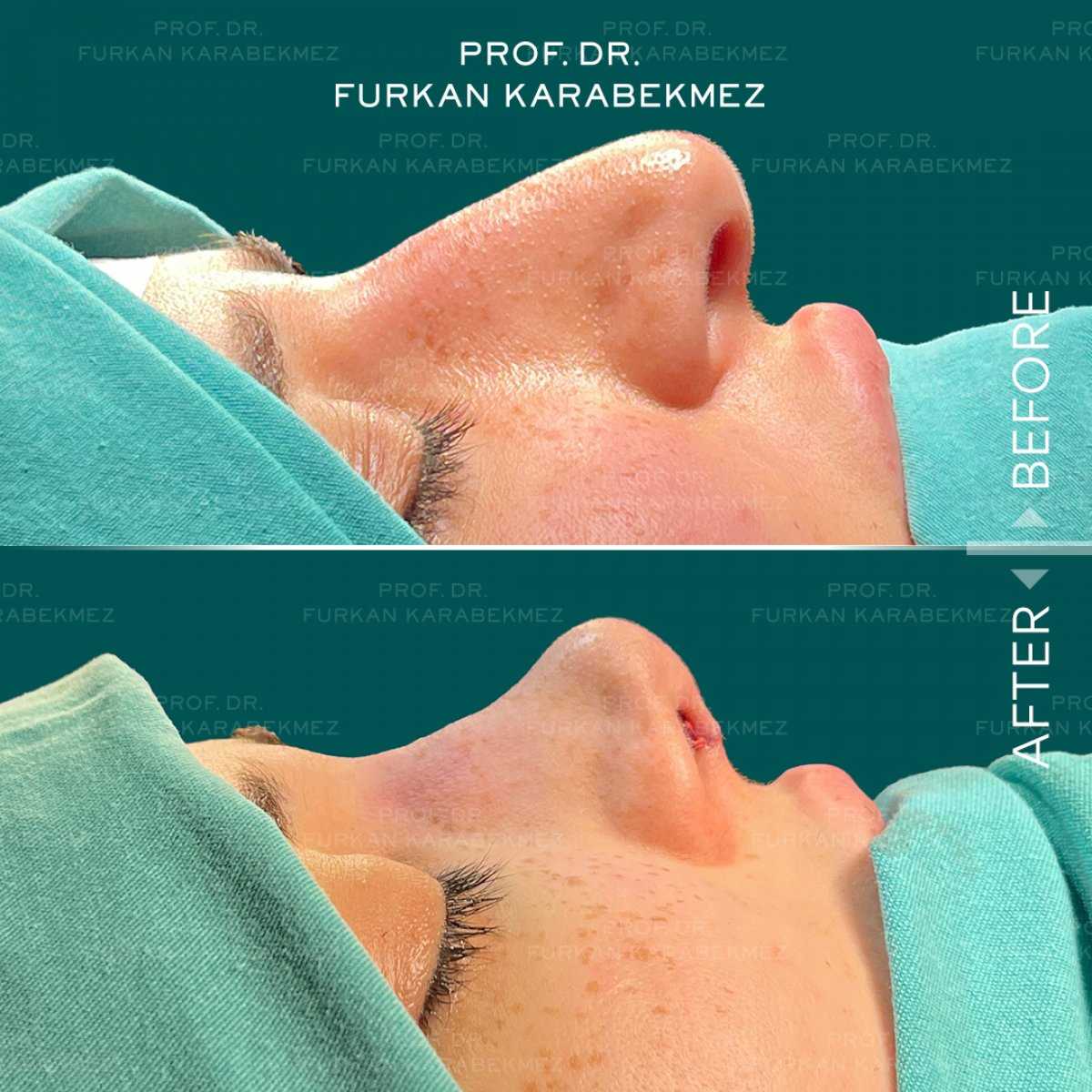
Price starting from $3,100
Nose Surgery Rhinoplasty special discount Package at Prof. Dr. Furkan Karabekmez Clinic | Best Plastic Surgery Ankara, ankara, Turkey
Prof. Dr. Furkan Karabekmez Clinic | Best Plastic Surgery Ankara
- Cosmetic/Plastic Surgery
Ankara, Turkey

Price starting from $9,000
Breast Augmentation Package in Jeddah, Saudi Arabia by Andalusia Health Group
Andalusia Health Group in Jeddah, Saudi Arabia
- Cosmetic/Plastic Surgery
Jeddah, Saudi Arabia
Transformative Cosmetic Plastic Surgery Experiences: Dive into Procedure Insights
Discover the power of Cosmetic Plastic Surgery through compelling patient experiences. Uncover detailed insights into procedures, recovery journeys, and life-changing results.
.png)
Price starting from $4,500
Breast Reduction in New Delhi, India
- Breast Reduction, Cosmetic/Plastic Surgery
New Delhi, India
.png)
.png)
Price starting from $3,200
Breast Augmentation In Mexico City, Mexico
- Breast Augmentation, Cosmetic/Plastic Surgery
Mexico City, Mexico

Price starting from $2,500
Rhinoplasty Package in Santo Domingo, Dominican Republic
- Nose Surgery Rhinoplasty, Cosmetic/Plastic Surgery
Santo Domingo, Dominican Republic
