


Transform Your Look: Facial Contouring Surgery for Global Patients
Facial contouring surgery in South Korea is extremely safe for international patients when done at accredited facilities. Board-certified surgeons use advanced 3D CT imaging to protect facial nerves. The procedure costs between $5,000 and $15,000.
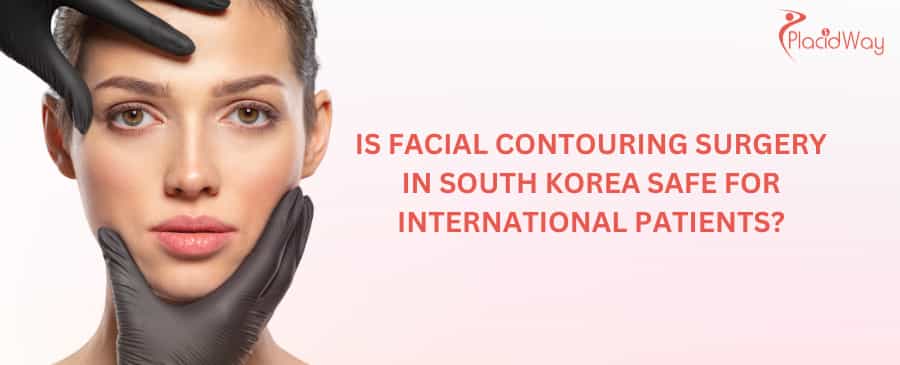
Key Takeaways: Safety & Quality in Korean Bone Reduction
- Advanced Nerve Protection: Strict usage of high resolution 3D CT scanners prevents any damage to the inferior alveolar nerve during jaw shaving.
- Board-Certified Expertise: Only highly specialized maxillofacial and plastic surgeons with over a decade of bone surgery experience perform these operations.
- Cost Efficiency: Patients save significantly compared to Western countries, receiving world-class inpatient care and advanced hardware for less.
- Intensive Aftercare: Standard packages include daily deswelling treatments like hyperbaric oxygen therapy and infrared light sessions.
- Guaranteed Transparency: Strict government regulations mandate operating room surveillance to ensure complete surgical accountability.
What are the common types of facial contouring surgery in South Korea?
The most common procedures involve altering the cheekbones, jawline, and chin. Surgeons customize these three main operations to achieve a balanced, slim, and aesthetically pleasing facial structure.
Zygoma reduction, commonly known as cheekbone reduction, targets excessively wide or protruding upper facial bones. The surgeon makes precise intraoral and temporal incisions to fracture and rotate the cheekbone inward. This technique effectively reduces the overall width of the midface without leaving any visible external scars, creating a much softer and more feminine facial profile.
Mandible angle reduction focuses on the lower third of the face, specifically targeting a square or wide jawline. During this operation, the specialist carefully shaves down the prominent bone at the back of the jaw and removes excess cortical bone layers. By reducing both the angle and the thickness of the jawbone, patients achieve a dramatically slimmer lower face that enhances their natural features.
Genioplasty, or chin surgery, is the final component often utilized to perfect the facial ratio. Depending on the patients natural anatomy, the surgeon will cut and move the chin bone forward, backward, or reduce its vertical height. When combined with cheek and jaw reduction, this trio forms the foundation of comprehensive facial contouring surgery in South Korea, yielding remarkably harmonious results.
Many international patients travel specifically to achieve the highly sought after V-line aesthetic. This cultural beauty standard emphasizes a sleek, uninterrupted curve from the earlobe down to a delicate, tapered chin, which is meticulously crafted through combined jaw and chin osteotomies.
How much does facial contouring surgery cost in South Korea?
The financial investment depends entirely on how many facial regions require alteration. Generally, patients can expect to pay anywhere from a few thousand dollars for a single area to upwards of fifteen thousand for a complete facial reconstruction.
- Individual Bone Procedures: If a patient only requires cheekbone reduction or a simple jaw shaving, the individual cost typically ranges between $5,000 and $7,000. This localized approach is highly cost effective for minor facial balancing.
- Combined Two-Piece Surgery: Choosing to address both the cheekbones and the jawline simultaneously generally costs between $9,000 and $11,000. Bundling procedures significantly reduces total operating room and anesthesia fees.
- Comprehensive Three-Piece Surgery: The full transformation involving the cheeks, jaw, and chin represents the highest tier of intervention. This extensive reconstruction ranges from $12,000 to $15,000, offering the most dramatic aesthetic shift.
- Included Facility Amenities: It is crucial to understand that facial contouring surgery cost in South Korea usually encompasses preoperative laboratory tests, electrocardiograms, overnight hospital stays, and dedicated nursing care.
- Postoperative Value Additions: Unlike Western clinics that charge separately for recovery therapies, Korean pricing models frequently include comprehensive deswelling treatments, nutritional pumpkin juices, and specialized facial compression garments at no extra charge.
How do surgeons protect nerves during facial contouring surgery in South Korea?
Nerve preservation is the absolute highest priority during any bone reduction. Medical teams utilize state of the art imaging to map every single nerve pathway long before the patient ever enters the operating room.
The most critical anatomical structure surgeons must avoid is the inferior alveolar nerve, which runs directly through the lower jawbone. Damage to this pathway can result in permanent numbness of the lower lip and chin. To guarantee safety, hospitals mandate comprehensive three dimensional computed tomography scans during the initial consultation. This advanced imaging allows the doctor to see the exact location and depth of the nerve canal hidden within the bone tissue.
Armed with this highly detailed digital map, the surgeon calculates the precise millimeter distance between the outer bone surface and the nerve itself. This creates a strictly defined safe zone for bone excision. The specialist knows exactly how much bone can be shaved or cut away without ever coming close to the delicate neural pathways, eliminating the guesswork that plagued older surgical techniques.
During the actual procedure, doctors employ specialized piezoelectric surgical instruments that utilize ultrasonic vibrations to cut through solid bone. These highly advanced tools are explicitly designed to slice through calcified tissue while harmlessly bouncing off soft tissues and nerves. This technological safeguard ensures that even if the instrument nears a nerve pathway, it will not sever or permanently damage the structure.
What is the recovery timeline for facial contouring surgery in South Korea?
Healing from major bone reduction requires immense patience and strict adherence to medical guidelines. While initial recovery takes a few weeks, seeing the final refined facial shape takes several months of tissue settling.
- First Forty Eight Hours: This phase involves the most intense swelling and discomfort. Patients remain hospitalized overnight with surgical drains placed in the mouth to remove excess blood, while receiving continuous intravenous pain management.
- The First Week: Major swelling peaks around the third day and slowly begins to subside. Patients must wear a specialized facial compression bandage continuously to support the newly shifted soft tissues and limit the accumulation of fluid.
- Two to Three Weeks: Most visible bruising fades significantly by this point. The surgeon removes the intraoral stitches, and patients generally feel comfortable enough to return to non strenuous daily activities and office work.
- One to Three Months: Approximately seventy percent of the total swelling dissipates during this window. The new facial contours begin to reveal themselves clearly, though minor internal swelling may still cause the face to feel slightly stiff or tight.
- Six to Twelve Months: The bones fully fuse in their new positions, and the overlying skin completely shrink wraps to the altered skeletal frame. This marks the end of the recovery journey, showcasing the absolute final aesthetic result.
How do I choose a safe facial contouring surgery clinic in South Korea?
Selecting the right facility is the single most important decision for a patient traveling abroad. Focus strictly on verifying credentials, dedicated medical staff, and emergency preparedness rather than purely looking at aesthetic before and after photos.
The foundational step in finding a reliable facial contouring surgery clinic in South Korea is checking for official government accreditation. Exceptional facilities hold certification from the Ministry of Health and Welfare, proving they meet rigorous standards for international patient safety, hygiene protocols, and ethical business practices. Unaccredited centers present unnecessary risks and should be completely avoided by foreign visitors.
Secondly, verify the presence of a dedicated, in house board-certified anesthesiologist. Major bone procedures require prolonged general anesthesia. Safe clinics never utilize freelance anesthesiologists who jump between multiple hospitals daily. A dedicated specialist stays entirely focused on monitoring your vital signs, regulating oxygen levels, and managing your pain from the moment you fall asleep until you fully awaken in the recovery room.
Finally, prioritize facilities that operate transparently. The best centers actively promote their real name surgery policies and maintain continuous operating room surveillance cameras. Furthermore, elite hospitals maintain proper emergency infrastructure, including uninterruptible power supply systems and automated external defibrillators, ensuring they can handle any rare intraoperative complications swiftly and effectively.
What role does technology play in facial contouring surgery in South Korea?
Modern bone reduction relies heavily on cutting edge technological innovations to guarantee precision. From virtual surgical planning to customized biological materials, science heavily guides the surgeons scalpel.
The integration of three dimensional virtual surgical planning has completely revolutionized maxillofacial procedures. Before ever entering the operating theater, the specialist uploads the patients cranial scans into sophisticated software. This allows the doctor to virtually cut, move, and reshape the skeletal structure on a computer monitor, predicting the exact soft tissue changes and ensuring perfect bilateral symmetry.
Another massive technological leap involves the use of 3D printed titanium plates and cutting guides. Traditionally, surgeons manually bent flat metal plates to fit the newly fractured cheekbones. Today, bioengineers print customized titanium hardware that perfectly matches the unique topography of the patients newly contoured bone, resulting in unparalleled stability, zero gaps, and drastically accelerated bone healing.
Additionally, postoperative healing technology has advanced remarkably. Premium surgical centers now feature comprehensive recovery lounges equipped with hyperbaric oxygen chambers. Pumping pure oxygen into the bloodstream drastically reduces cellular inflammation and accelerates tissue regeneration, allowing international patients to overcome the most difficult phases of recovery in record time.
The utilization of customized 3D printed surgical guides eliminates almost all human error regarding the angle and depth of bone excision. The guide is temporarily screwed onto the jawbone during surgery, giving the oscillating saw an exact, unmovable path to follow, which perfectly replicates the preoperative digital plan.
Are there dietary rules after facial contouring surgery in South Korea?
Because the surgical incisions are located entirely inside the mouth, strict dietary modifications are mandatory to prevent infection and avoid placing mechanical stress on the newly stabilized jawbones.
For the first seven days following the procedure, patients must adhere strictly to a clear liquid diet. Nutritious broths, protein shakes, and pureed soups are essential. It is absolutely critical that nothing requires chewing, and patients must avoid using straws, as the sucking motion creates negative pressure in the mouth that can violently rupture the delicate intraoral suture lines.
Moving into the second and third weeks, the diet transitions to very soft foods that require minimal to no chewing effort. Mashed potatoes, scrambled eggs, silken tofu, and thoroughly cooked rice porridge become the standard meals. During this entire period, spicy, acidic, or heavily salted foods must be completely avoided as they can severely irritate the healing incisions and exacerbate facial swelling.
Proper oral hygiene is intertwined with these dietary restrictions. After consuming any liquid or soft food, the mouth must be meticulously rinsed with a specialized antibacterial mouthwash prescribed by the clinic. Traditional toothbrushing is strictly forbidden for several weeks until the surgeon confirms the incisions have completely closed, ensuring no food particles trigger a postoperative infection.
What makes medical tourism in South Korea ideal for facial contouring?
The nation combines unparalleled surgical mastery with an incredibly robust infrastructure designed specifically to cater to foreign patients from the moment they land until their safe departure.
- Unrivaled Surgical Volume: Maxillofacial experts in Seoul perform more bone reductions in a single month than many Western surgeons perform in an entire decade, resulting in exceptionally refined and perfected operative techniques.
- Seamless Language Support: The boom in medical tourism in South Korea has led top hospitals to employ massive international departments, providing dedicated, medically fluent translators for English, Mandarin, Russian, and Arabic speakers.
- Tax Exemption Benefits: The government actively encourages foreign medical visitors by offering immediate value added tax refunds on cosmetic procedures, effectively reducing the overall surgical bill by ten percent right at the airport.
- Patient Focused Infrastructure: The immediate areas surrounding major medical districts are densely packed with recovery friendly hotels, specialized pharmacies, and restaurants serving restorative foods perfectly suited for postoperative dietary needs.
- Stringent Malpractice Laws: The government enforces incredibly strict regulations regarding patient safety, requiring extensive documentation, background checks on specialists, and massive financial penalties for facilities that violate health protocols.
Why choose PlacidWay for facial contouring surgery in South Korea?
Partnering with a globally recognized facilitator ensures that your journey prioritizes uncompromising medical safety, rigorous doctor verification, and complete financial transparency.
- Strict Maxillofacial Vetting: We bypass general practitioners and exclusively connect our patients with highly specialized, board-certified facial bone specialists who have proven, flawless safety records.
- Transparent Financial Negotiation: Our team secures comprehensive, all inclusive medical quotes upfront, entirely eliminating the risk of hidden laboratory fees, unexpected anesthesia charges, or inflated foreigner pricing.
- Continuous Medical Coordination: From the initial digital x-ray review to your final postoperative consultation, our dedicated medical coordinators bridge the communication gap between you and the surgical team.
- Emergency Preparedness Priority: We strictly limit our partnerships to hospital level facilities fully equipped with uninterrupted power supplies, onsite blood banks, and permanent anesthesiology departments.
- Advocacy Against Unethical Practices: By heavily screening all partner facilities, we provide an absolute guarantee that you are protected against fraudulent practices like the swapping of doctors while you are sedated.
Frequently Asked Questions About Facial Contouring Surgery in South Korea
Is there an age limit for facial contouring surgery in South Korea?
Patients must be at least eighteen years old to undergo bone reduction procedures. Surgeons require the facial bones to be fully developed and fused before making any surgical alterations. Older patients can also undergo the procedure, provided they pass comprehensive preoperative health screenings and possess adequate bone density.
Do I need to remove wisdom teeth before facial contouring surgery in South Korea?
It is not always mandatory to remove wisdom teeth beforehand. However, if your wisdom teeth are impacted along the planned surgical incision line on the jawbone, the surgeon might extract them during the bone reduction procedure to prevent future infections and ensure a smooth mandibular contour.
Can I wear braces during facial contouring surgery in South Korea?
Yes, you can undergo bone reduction procedures while wearing orthodontic braces. Facial contouring focuses on the outer perimeter of the facial skeleton and does not alter your dental bite or occlusion. The surgeon will simply use protective guards over your braces during the operation to prevent any damage.
How long must I stay for facial contouring surgery in South Korea?
International patients should plan to remain in the country for a minimum of fourteen to twenty days. This timeframe allows the medical team to monitor your initial healing, manage postoperative swelling, and safely remove the intraoral stitches before you are cleared for long distance air travel.
What happens if titanium plates reject after facial contouring surgery in South Korea?
Titanium is completely biocompatible, making rejection exceptionally rare. If a patient experiences sensitivity or inflammation around the plate years later, a minor outpatient procedure can be performed to remove the hardware. Once the facial bones have fully healed and fused, the titanium plates are no longer medically necessary.
Are pins and plates permanent in facial contouring surgery in South Korea?
The titanium pins and plates used to secure the newly positioned bones are designed to remain in your body permanently without causing harm. Some patients choose to have them removed after six to twelve months for personal peace of mind, though surgeons generally advise leaving them unless they cause irritation.
Will skin sag after facial contouring surgery in South Korea?
Skin sagging is a potential risk because reducing the underlying bone structure leaves excess soft tissue. To combat this, specialized surgeons perform customized bone lifts during the procedure, securing the muscle and skin higher up on the bone. Patients with lower skin elasticity might combine the contouring with a facial lifting procedure.
Can I fly safely after facial contouring surgery in South Korea?
Flying is completely safe once your surgeon provides medical clearance, usually around two weeks postoperatively. The pressurized cabin of an airplane will not harm your newly contoured bones, though you might experience a temporary increase in facial swelling due to changes in cabin pressure during the flight.
Is it possible to reverse facial contouring surgery in South Korea?
Because the procedure involves permanently removing sections of bone, it cannot be traditionally reversed. If a patient desires more volume later in life, doctors can perform reconstructive procedures using customized 3D printed bone implants or extensive fat grafting to restore the lost facial width and structure.
Do hospitals provide translators for facial contouring surgery in South Korea?
Accredited facilities dedicated to international patients employ full-time, medically trained translators. These professionals accompany you during all consultations, preoperative examinations, and postoperative follow-ups to ensure you completely understand the surgical plan, risks, and recovery instructions without any language barriers.
Begin Your Facial Transformation Journey Today





.png)


.jpg)



.jpg)
.jpg)
.jpg)
.png)









Share this listing