What treatment
What treatment
Having Vaginoplasty in San Juan, Philippines will cost you on an average $726. The surgeon will be able to give you the final price after the first consultation when he/she will determine what type of procedure is needed, how long will it take, what materials will be used, etc. If you are from another country and you want to have Vaginoplasty in San Juan, Philippines you can also benefit from the many packages offered to international patients, which include airport pick-up, transportation to and from the hotel and clinic, pre and post operative care, case manager, translator, or even accommodation. By choosing Vaginoplasty in San Juan, Philippines you will find top plastic surgeons, accredited medical facilities, highly experienced medical staff, modern techniques and affordable prices. Besides all these you will also recover and relax in one of the most beautiful countries in the world. Finding the right plastic surgeon in San Juan, Philippines for you can be hard. There are so many, each of them promising great results. But there are some questions that you can ask, which will help you find the right one for you. How many years of experience do you have performing Cosmetic/Plastic Surgery? What are the advantages and disadvantages of Vaginoplasty? What about the risks and complications? How often have you performed Vaginoplasty? What should I expect after the surgery? What if I am not happy with the Vaginoplasty results? How long should I be staying for recovery? Are you certified? Are you a member of any Cosmetic/Plastic Surgery association or society? What if something goes wrong during Vaginoplasty procedure? Philippines has won its reputation as one of the best destinations for medical tourism, offering superlative medical care in the plastic surgery field. Internationally accredited medical facilities are located in large cities such as San Juan. Surgeons and physicians in Philippines provide high class care and expertise to both local and international patients and most of them have been trained in Europe and the US. Below you can find some of the best plastic surgeons in San Juan, Philippines that offer most affordable price for Vaginoplasty. Find out more about the best plastic surgeons in San Juan, Philippines! Contact us and choose the best plastic surgeon!...
Read more detailsThe price for Labiaplasty in San Juan, Philippines starts at $726. The final price will be established after the surgeon will examine you and will determine exactly what type of procedure you need, how long the procedure will take and what materials and medical equipment will be used. The price will also depend on the clinic and surgeon’s experience that you will choose. Fortunately, most Cosmetic/Plastic Surgery clinics in San Juan, Philippines offer their international patients attractive packages at affordable prices. Some of them also include accommodation options and transportation from the airport, so the only thing you will have to worry about is how to get to San Juan, Philippines for Labiaplasty. For Labiaplasty each patient will to be treated with care and attention, with a treatment plan developed according to his/her needs and budget. In San Juan you can find cutting edge technology, excellent Cosmetic/Plastic Surgery and highly professional teams of experts performing Labiaplasty. By choosing Labiaplasty in San Juan, Philippines you will get the perfect body you have always desired. Forget about hiding your body behind flared clothes or extreme diets and stop daydreaming that one day you will get the looks you wished for! Cosmetic surgery in San Juan, Philippines can offer you a perfect look! With latest technology, specialized surgeons, perfect recovery environment and affordable prices you have a variety of clinics to choose from. Finding the right Labiaplasty surgeon for you in San Juan, Philippines can be quite a challenge. Here are some questions that you can ask the Cosmetic/Plastic Surgery clinic to make sure that they are the right choice for you. How many years of experience do you have performing Cosmetic/Plastic Surgery? How often have you performed Labiaplasty? What are the advantages and disadvantages of Labiaplasty at your clinic? What about the risks and complications? How long should I be staying for recovery in San Juan, Philippines? Are you certified to perform Labiaplasty? Are you a member of any Cosmetic/Plastic Surgery association or society in Philippines? How do you address issues when something goes wrong during Labiaplasty procedure? What if I am not happy with the Labiaplasty results? What should I expect after the Labiaplasty surgery? Philippines is one of the best medical and touristic destinations in the world for Cosmetic/Plastic Surgery. Medical tourists from all over the world come here to take advantage of the affordable prices, top surgeons, modern clinics, as well as the beautiful touristic attractions. Find out more about the best Labiaplasty in San Juan, Philippines! Contact us and choose the best Cosmetic/Plastic Surgery surgeon!...
Read more detailsAre you considering nose surgery in the Philippines? This article will guide you through the cost and options available, helping you make an informed decision. The Philippines has become a popular destination for medical tourism, and its reputation for excellent healthcare services at an affordable price is a key factor. When it comes to nose surgery, also known as rhinoplasty, the Philippines offers a range of options to suit various budgets and preferences. Whether you are looking for a subtle enhancement or a more significant transformation, there are skilled surgeons and state-of-the-art clinics that can cater to your needs. The cost of nose surgery in the Philippines is generally significantly lower compared to other countries such as the United States or Australia. However, it's important to keep in mind that the price can vary depending on factors such as the complexity of the procedure, the surgeon's experience, and the location of the clinic. In this article, we will delve into the different types of nose surgery available, provide an overview of the expected costs, and explore the factors to consider when choosing a surgeon. Join us on this informative journey to discover your options for nose surgery in the Philippines. Types of Nose Surgery Procedures Nose surgery, commonly referred to as rhinoplasty, encompasses a variety of procedures aimed at enhancing both the aesthetic appeal and functionality of the nose. One of the most common types is the open rhinoplasty , where incisions are made on the outside of the nose, allowing the surgeon to have a clear view of the underlying structures. This method is particularly beneficial for more complex reshaping or reconstruction cases, as it provides greater access and control over the nasal framework. Patients often opt for open rhinoplasty when they desire significant changes, such as correcting a hump, altering the tip, or addressing breathing difficulties. Another prevalent option is closed rhinoplasty , which involves incisions made within the nostrils. This technique is less invasive than the open approach and typically results in minimal scarring since all incisions are hidden. Closed rhinoplasty is often chosen for less complex procedures where subtle changes are required, such as refining the nasal tip or straightening the bridge. The recovery time for closed rhinoplasty is generally shorter, making it an attractive option for many patients seeking quicker results with less visible evidence of surgery. In addition to these primary techniques, there are specialized forms of nose surgery, such as revision rhinoplasty and ethnic rhinoplasty . Revision rhinoplasty is performed to correct or enhance the results of a previous nasal surgery that may not have met the patient's expectations. This procedure can be more complex due to the changes made during the initial surgery, and it often requires an experienced surgeon. Ethnic rhinoplasty, on the other hand, aims to respect and maintain the unique characteristics of a patient's ethnic background while achieving the desired aesthetic improvements. Surgeons who specialize in ethnic rhinoplasty take into account cultural nuances and individual preferences, ensuring a result that harmonizes with the patient's overall appearance. Benefits of Nose Surgery Undergoing nose surgery can lead to a multitude of benefits beyond mere aesthetic improvements. One of the most significant advantages is the boost in self-esteem and confidence that many patients experience following the procedure. A well-proportioned nose can enhance facial harmony, leading individuals to feel more comfortable in their skin. This newfound confidence can have a cascading effect on various aspects of life, including personal relationships and professional opportunities, as individuals feel more at ease interacting with others. In addition to cosmetic benefits, rhinoplasty can also improve nasal functionality. Many individuals suffer from breathing difficulties due to structural issues within the nose, such as a deviated septum or enlarged turbinates. Surgical intervention can correct these issues, leading to improved airflow and overall respiratory health. Patients often report significant relief from chronic nasal congestion, snoring, and sinus infections following surgery, allowing them to enjoy a better quality of life. This functional aspect of rhinoplasty is particularly essential for individuals who have experienced long-term discomfort or health issues related to their nasal structure. Moreover, nose surgery can provide long-lasting results. With advancements in surgical techniques and technology, patients can expect outcomes that not only enhance their appearance but also stand the test of time. While aging and other factors can affect the nose, the foundational changes made during rhinoplasty can maintain their integrity for many years. This permanence adds to the overall value of the procedure, as patients can enjoy their improved appearance and breathing for a lifetime with proper care and maintenance. Factors to Consider Before Getting a Nose Surgery Before committing to nose surgery, it is crucial to carefully consider several factors to ensure a successful outcome. One of the primary considerations is the motivation behind the surgery . Prospective patients should reflect on their reasons for seeking rhinoplasty, as well as their expectations for the results. It is essential to approach the procedure with realistic goals, understanding that while surgery can enhance appearance, it may not resolve underlying issues related to self-image or personal satisfaction. Consulting with a mental health professional may also be beneficial for individuals who have deep-seated concerns about their appearance. Another important factor is the timing of the surgery . Patients should evaluate their personal and professional commitments before scheduling the procedure. Recovery from rhinoplasty can take several weeks, and it may require time off work or adjustments to daily activities. Ensuring that there is ample time for healing and recuperation will contribute to a smoother recovery process. Additionally, it is advisable to avoid scheduling surgery during periods of high stress or significant life changes, as these can impact overall emotional well-being during recovery. Lastly, individuals should take into account the financial implications of nose surgery. While rhinoplasty in the Philippines is generally more affordable than in many Western countries, costs can still vary significantly based on the surgeon's expertise, the complexity of the procedure, and the clinic's location. It is vital to budget not only for the surgery itself but also for associated expenses, such as pre-operative consultations, anesthesia, and post-operative care. Patients should explore financing options if necessary and ensure they are comfortable with the overall investment before proceeding. The Cost of Nose Surgery in the Philippines One of the most compelling reasons individuals consider nose surgery in the Philippines is the cost. On average, the price of rhinoplasty in the country ranges from $1,500 to $4,000, which is substantially lower than the costs typically found in countries like the United States, where procedures can exceed $10,000. This affordability makes the Philippines an attractive destination for medical tourism, drawing in patients from various parts of the globe. However, it is important to note that the price can fluctuate based on several factors, including the surgeon's experience, the complexity of the procedure, and the specific location of the clinic. When evaluating costs, prospective patients should also consider the type of rhinoplasty they are seeking. Open rhinoplasty tends to be more expensive than closed rhinoplasty due to the increased level of expertise and time required for the procedure. Additionally, revision rhinoplasty can also carry a higher price tag, as it often involves correcting previous surgical work and may require more intricate techniques. Understanding these distinctions can help patients better anticipate their financial commitments. Lastly, while the cost of nose surgery in the Philippines is appealing, it is essential to balance affordability with quality. Patients should conduct thorough research on potential clinics and surgeons, looking at their qualifications, experience, and patient reviews. Choosing the cheapest option may not always lead to the best results, so investing in a qualified and reputable surgeon can ultimately save money and prevent costly revisions down the line. Thus, prospective patients should weigh the costs against the potential outcomes to make an informed decision. Understanding the Different Options for Nose Surgery in the Philippines In the Philippines, a variety of options for nose surgery are available, catering to the diverse needs and preferences of patients. Clinics across the country offer both surgical and non-surgical rhinoplasty options. Non-surgical rhinoplasty, often referred to as liquid rhinoplasty, utilizes dermal fillers to achieve temporary changes in the shape of the nose. This procedure is less invasive and requires no downtime, making it an attractive option for those hesitant about undergoing surgery. While results are not permanent, they can last from six months to two years, providing an opportunity for patients to experiment with their desired look without a significant commitment. For those seeking more lasting results, traditional surgical options remain the most effective. As previously mentioned, open and closed rhinoplasty are the two primary surgical techniques. Additionally, some clinics offer specialized procedures, such as tip plasty , which focuses on reshaping the nasal tip to create a more refined appearance. This targeted approach is often less invasive than full rhinoplasty and can yield excellent results for individuals with minimal concerns about their nasal bridge or overall structure. Furthermore, patients interested in ethnic rhinoplasty will find skilled surgeons in the Philippines who understand the nuances of different ethnic backgrounds. These specialists are adept at preserving cultural features while enhancing the nose's appearance to meet individual preferences. By offering a wide range of options, the Philippines ensures that patients can find a solution tailored to their unique needs and aspirations, whether they seek subtle adjustments or more dramatic transformations. Choosing the Right Surgeon for Your Nose Surgery Selecting the right surgeon is one of the most critical steps in the nose surgery process. A qualified and experienced surgeon can make a significant difference in the outcome of the procedure. It is essential to conduct thorough research on potential candidates, starting with their credentials and board certifications . Look for surgeons who are certified by relevant medical boards and associations, as this indicates a commitment to maintaining high standards of practice. Additionally, consider their experience with rhinoplasty specifically, as a surgeon who specializes in this field will have a deeper understanding of the complexities involved. Another important aspect to evaluate is the surgeon's portfolio of past work . Most reputable surgeons will have before-and-after photos of previous patients, which can provide valuable insight into their skills and aesthetic sensibility. Pay close attention to the results achieved for patients with similar nasal structures and desired outcomes. This will help you gauge whether the surgeon’s style aligns with your vision for your own nose. Moreover, the initial consultation is a crucial opportunity to assess the surgeon’s approach and communication skills. During this meeting, you should feel comfortable discussing your goals, concerns, and any questions you may have. A good surgeon will listen attentively, provide honest feedback, and ensure that you have a clear understanding of the procedure, potential risks, and expected results. Trust and rapport between the patient and surgeon are essential for a successful experience, so take the time to find someone you feel confident working with throughout the process. Preparing for Nose Surgery Preparation for nose surgery is vital to ensure a smooth procedure and recovery. Once you have chosen your surgeon and scheduled the surgery date, the next step is to undergo a pre-operative consultation . During this appointment, your surgeon will provide specific instructions tailored to your individual needs. This may include guidelines on medications to avoid, dietary restrictions, and lifestyle changes to make in the days leading up to surgery. Following these instructions closely can help minimize risks and complications. In addition to medical preparations, it is also beneficial to prepare your home environment for recovery. Stocking up on necessary supplies, such as ice packs, comfortable clothing, and medications prescribed by your surgeon, can make the recovery process more manageable. It’s also wise to arrange for someone to assist you during the initial days post-surgery, as you may experience discomfort and require help with daily tasks. This support can significantly ease the transition back to normalcy after the procedure. Lastly, consider the mental and emotional aspects of preparing for nose surgery. It is natural to feel a mix of excitement and anxiety before undergoing any surgical procedure. Engaging in relaxation techniques, such as deep breathing or meditation, can help alleviate stress and promote a positive mindset. Surrounding yourself with supportive friends or family members can also provide comfort and encouragement during this time. A focused and calm approach to preparation can enhance your overall experience and contribute to a successful outcome. Recovery and Aftercare for Nose Surgery The recovery process following nose surgery is a crucial phase that significantly impacts the final results. Immediately after surgery, patients are typically advised to rest in a comfortable position, keeping their heads elevated to minimize swelling. Swelling and bruising around the eyes and nose are common and may peak within the first few days. Patients should be prepared for some discomfort during this time, but pain management will be provided through prescribed medications. Following the surgeon's post-operative care instructions is essential for promoting healing and achieving the desired outcome. During the initial recovery period, it is vital to avoid strenuous activities and heavy lifting, as these can increase the risk of complications. Most surgeons recommend taking at least a week off from work or school to allow for adequate recovery. Patients should also avoid exposing the surgical site to excessive sunlight, as this can hinder healing and lead to unfavorable scarring. Keeping the surgical area clean and dry, along with attending follow-up appointments, will help ensure that the healing process is on track. As the swelling begins to subside, patients will gradually notice changes in the appearance of their noses. While the final results of rhinoplasty can take several months to fully materialize, many individuals report satisfaction with their new look long before the complete healing process is finished. It is important to remain patient and trust the healing journey. Regular communication with the surgeon during recovery can help address any concerns and ensure that the outcome aligns with the patient's expectations. Is Nose Surgery in the Philippines Right for You? Deciding whether nose surgery in the Philippines is the right option for you involves careful consideration of numerous factors. The appealing cost of procedures, combined with the availability of skilled surgeons and advanced medical facilities, makes the Philippines an attractive destination for those seeking aesthetic improvements. However, it is essential to approach the decision with a clear understanding of your motivations, expectations, and the potential risks involved. Reflecting on the benefits of nose surgery can help clarify whether the procedure aligns with your personal goals. For many, the prospect of improved self-confidence and enhanced facial harmony is a compelling reason to pursue rhinoplasty. However, it is crucial to ensure that these desires stem from a healthy perspective and are not driven solely by external pressures or unrealistic ideals. Ultimately, thorough research, open communication with potential surgeons, and a strong support system can guide you in making an informed decision about nose surgery in the Philippines. By weighing the pros and cons, understanding the available options, and preparing adequately, you can embark on this transformative journey with confidence and excitement, knowing that you are taking steps toward achieving the look you desire....
Read more detailsThe initial recovery time after a rhinoplasty in Thailand is 7 to 10 days before you can return to non-strenuous activities or fly home. However, full healing takes 6 to 12 months, with most swelling subsiding within the first 3 months. If you have been scrolling through Instagram or browsing medical tourism forums, you have probably noticed that Thailand has become a massive hotspot for cosmetic procedures, especially rhinoplasty. It is not just about the attractive price tag; it is the promise of combining world-class medical care with a tropical getaway. But let's be real for a second—getting a nose job in Thailand isn't exactly a typical beach holiday. You need to know exactly what you are signing up for when it comes to downtime. Many patients worry about being stuck in a hotel room while their friends are out exploring, or worse, getting on a long-haul flight before they are physically ready. The truth is, while the rhinoplasty recovery time in Thailand follows a standard biological timeline, the logistics of being abroad add a few layers to the process. You are not just healing; you are navigating a foreign country, managing check-ups, and dealing with a climate that can actually impact your swelling. In this guide, we are going to break down everything you need to know. We will cover the nitty-gritty of the healing schedule, from the moment you wake up from anesthesia to the day you see your final results. We will also tackle the big questions about cost, safety, and the practical "dos and don'ts" of recovering in a place known for its spicy food and sunny beaches. Whether you are flying from Australia, the UK, or the US, this is your roadmap to a safe and smooth journey. What does the first week of rhinoplasty recovery in Thailand look like? The first week is the most intensive phase where you will experience peak swelling, congestion, and wear a nasal splint. Most patients spend days 1-3 resting in their hotel, with the splint typically removed by day 7. The first week is truly the "hump" of the recovery process. Immediately after your surgery, you will likely feel groggy and experience some nasal congestion, almost like a heavy head cold. This is completely normal. Your surgeon will place a plastic or metal nasal splint on the bridge of your nose to protect the new structure, and you may have packing inside your nostrils for the first 24 hours. In terms of pain, most patients report that it is more uncomfortable than painful. The pressure from the swelling can be annoying, but it is usually manageable with the pain relief medication provided by your Thai clinic. You should plan to spend the first 3 to 4 days strictly relaxing in your hotel room. This isn't the time for sightseeing; it is the time for ice packs and room service. By day 5 or 6, you will start to feel more like yourself. The bruising around your eyes—often called "panda eyes"—will begin to turn yellow and fade. The big milestone happens around day 7, when you will return to the clinic to have your stitches and splint removed. Seeing your new nose for the first time is exciting, but remember, it will still be very swollen! How long does swelling last after a nose job? Visible swelling decreases significantly after 2 to 3 weeks, making you "socially presentable." However, residual swelling, especially at the tip, can persist for 6 to 12 months before the final definition emerges. Swelling is the biggest test of patience during rhinoplasty recovery in Thailand. In the humid climate of Thailand, you might actually find that swelling persists a little longer if you spend too much time outdoors in the heat. About 80% of the visible swelling usually goes down within the first month. This means you can go back to work or see friends without it being obvious you had surgery. The remaining 20% of swelling is subtle and often only noticeable to you and your surgeon. This "deep" swelling affects the definition of the nasal tip and the bridge. It can fluctuate day by day; you might wake up with a puffier nose in the morning that settles by the evening. It is crucial not to judge your final results too early. Realistically, you won't see the refined, delicate features of your new nose until about the one-year mark. Trust the process and keep up with your anti-inflammatory protocols, like sleeping with your head elevated and avoiding salty foods. What is the cost of rhinoplasty in Thailand compared to other countries? Rhinoplasty in Thailand typically costs between $2,500 and $4,500 USD, which is 50-70% less than prices in the US, UK, or Australia, where the same procedure can range from $8,000 to over $15,000. One of the main drivers for medical tourism is the significant cost savings. In Western countries, cosmetic surgery fees have skyrocketed due to insurance premiums, labor costs, and facility fees. Thailand offers a high standard of care at a fraction of the price, largely due to the lower cost of living and government support for the medical tourism industry. However, "cheaper" does not mean lower quality if you choose the right facility. The cost usually includes the surgeon's fee, anesthesia, facility costs, and post-op medications. Some premium packages even include airport transfers and hotel stays during your recovery period. Here is a detailed comparison of average rhinoplasty costs: Country Average Cost (USD) Potential Savings Thailand $2,500 - $4,500 — Australia $8,000 - $15,000 60% - 70% United States $7,000 - $12,000+ 50% - 65% United Kingdom $6,000 - $10,000 50% - 60% New Zealand $9,000 - $16,000 60% - 70% Is it safe to get a nose job in Thailand? Yes, it is generally safe if you choose a JCI-accredited hospital and a board-certified plastic surgeon. Thailand is a global medical hub with high standards, but due diligence in selecting a reputable clinic is essential. Safety should always be your top priority. Thailand was one of the first countries in Asia to embrace JCI (Joint Commission International) accreditation, which is the gold standard for global healthcare safety. Many top hospitals in Bangkok and Phuket meet the same rigorous safety protocols as hospitals in the US or Europe. That said, the popularity of the procedure has led to many smaller, unregulated clinics popping up. You must avoid "bargain basement" offers that seem too good to be true. Always verify that your surgeon is certified by the Society of Plastic and Reconstructive Surgeons of Thailand. Experienced surgeons there are often internationally trained and fluent in English, ensuring clear communication. Risks exist with any surgery, regardless of location. These include infection, bleeding, or dissatisfaction with the aesthetic result. The key to minimizing these risks in Thailand is thorough research and prioritizing surgeon expertise over the lowest possible price. When can I fly home after rhinoplasty in Thailand? Most surgeons recommend waiting at least 7 to 10 days post-surgery before flying. This allows time for the initial swelling to settle, splint removal, and ensures there are no early complications before you board a plane. Flying too soon after surgery is a major risk. The changes in cabin pressure can increase swelling and, in rare cases, cause bleeding. Furthermore, the dry air in the cabin is not ideal for healing nasal tissues. Your surgeon will want to see you for a follow-up—usually around day 7—to remove your cast and check your healing progress before clearing you for travel. When you do fly, it is smart to take precautions. Stay hydrated, use a saline nasal spray (if approved by your doctor) to keep your nose moist, and avoid lifting heavy luggage into the overhead bin. Ask for assistance at the airport or travel with a companion who can handle the heavy lifting for you. If you are taking a long-haul flight (over 6 hours), getting up to walk around the cabin occasionally is important to prevent blood clots, a risk that is slightly elevated after any surgery. Can I eat spicy Thai food during recovery? No, you should avoid spicy foods for at least 2 weeks after surgery. Spices can dilate blood vessels, increase swelling, and cause a runny nose, which can irritate the surgical site and disrupt healing. We know, it is tempting. You are in the land of Pad Thai and Tom Yum Goong, and you want to indulge. However, eating spicy food is one of the worst things you can do for a fresh rhinoplasty. The heat from chili peppers contains capsaicin, which can trigger nasal congestion, sneezing, and a runny nose. Blowing your nose is strictly forbidden in the early weeks, so anything that makes your nose run is a problem. Additionally, spicy foods can raise your body temperature and blood pressure slightly, which can lead to increased swelling or even minor bleeding. Stick to mild, soft foods for the first week. Thailand offers plenty of non-spicy options like Congee (rice porridge), clear noodle soups, and fried rice that are gentle on your system. Also, keep an eye on your sodium intake. Soy sauce and fish sauce are high in salt, which causes water retention and puffiness. Ask for "low sodium" or plain meals where possible. What type of accommodation is best for recovery? Choose a hotel that offers room service, adjustable air conditioning, and plenty of pillows for elevation. Staying near your clinic in Bangkok or Phuket minimizes travel time for follow-ups and reduces stress. Your hotel will be your sanctuary for the first week, so choose wisely. You don't need a 5-star resort, but you do need comfort and convenience. Look for a hotel that is within a 15-20 minute taxi ride of your hospital. Bangkok traffic can be brutal, and you don't want to be stuck in a car for an hour with a throbbing nose. Ensure your room has a good refrigerator to store ice packs and cold drinks. You will also need to sleep with your head elevated to reduce swelling, so ask the hotel for extra pillows upon arrival or look for rooms with adjustable beds. Good blackout curtains are also a plus, as you will be sleeping a lot during the day. Many medical tourists prefer "serviced apartments" or hotels connected to shopping malls, as this gives easy access to pharmacies, supermarkets, and restaurants without having to brave the heat or chaotic streets. How do I manage the language barrier? Top international hospitals in Thailand have dedicated international centers with English-speaking staff and interpreters. However, downloading a translation app like Google Translate is helpful for navigating taxis and local shops. At major hospitals like Bumrungrad or Samitivej, the language barrier is rarely an issue during your medical appointments. Doctors are often fluent in English, and there are dedicated coordinators for international patients. They will explain your post-op care instructions clearly. The challenge usually arises outside the hospital. Taxi drivers, convenience store clerks, and hotel staff may have varying levels of English proficiency. Having a translation app on your phone can be a lifesaver for simple things like asking for "extra ice" or "soft pillows." It is also a good idea to have your hotel address written in Thai to show taxi drivers, ensuring you get back to your recovery base safely and without stress. What happens if I have complications after returning home? You must have a plan for local follow-up care in your home country. Before leaving, ask your Thai surgeon for a detailed medical report and operative notes to share with a local GP or specialist if emergencies arise. This is perhaps the most critical aspect of medical tourism that is often overlooked. Once you fly home, your Thai surgeon cannot physically examine you. While many clinics offer WhatsApp or video consultations for check-ups, they cannot treat an infection or a complication remotely. Before you book your trip, research local doctors at home who are willing to provide post-operative care for patients who have had surgery abroad. Not all surgeons are comfortable doing this, so it is best to know beforehand. In a worst-case scenario, like severe bleeding or infection, you would need to go to your local emergency room. Ask your Thai surgeon for a "Fit to Fly" certificate and a comprehensive summary of the procedure performed. This documentation is vital for any doctor back home to understand your medical history quickly. Can I go sightseeing or swimming while in Thailand? Swimming is strictly prohibited for at least 2-4 weeks to prevent infection. Sightseeing should be limited to indoor, air-conditioned environments to avoid overheating and sun exposure, which worsen swelling. It is natural to want to enjoy your time in a beautiful country, but you must treat this trip as a medical journey first and a vacation second. Swimming in pools or the ocean poses a serious infection risk to your incisions. The bacteria in public water sources can lead to severe complications. Sun exposure is another enemy of healing. UV rays can darken fresh scars and prolong swelling. If you do go out, wear a wide-brimmed hat and stick to the shade. Avoid crowded night markets or busy tourist spots where you might accidentally get bumped in the face. A gentle walk in an air-conditioned mall is a safer way to get some steps in without risking your recovery. What should I pack for my rhinoplasty trip? Pack button-up shirts or loose clothing that doesn't go over your head, a travel neck pillow for sleeping upright, dry shampoo, and slip-on shoes to avoid bending over. Packing the right items can make your recovery significantly more comfortable. The most important rule is to bring clothing that does not require you to pull it over your head. Button-down pajamas and shirts are essential to avoid snagging your sensitive nose. A travel neck pillow (the U-shaped kind) is not just for the plane; it is excellent for keeping your head stabilized and elevated while you sleep in your hotel bed. Since you won't be able to wash your face properly for a few days, facial cleansing wipes and dry shampoo are great for feeling refreshed. Don't forget entertainment! You will have a lot of downtime, so load up your tablet with movies, books, or podcasts. Also, bring a universal travel adapter to keep your devices charged. Will I have visible scars? If you have an open rhinoplasty, there will be a tiny scar on the columella (base of the nose), which usually fades to be invisible. Closed rhinoplasty leaves no visible external scars. Scarring is a common concern, but skilled Thai surgeons are experts at minimizing it. In an "open" procedure, the small incision made between your nostrils heals remarkably well. For the first few months, it might look slightly red or pink, but with proper care—like keeping it out of the sun and applying silicone scar gel—it typically fades to a barely visible white line. If you undergo a "closed" rhinoplasty, all incisions are made inside the nostrils, meaning there is absolutely no visible scarring on the outside. Your surgeon will recommend the best approach based on your anatomy and the changes you want to make. How painful is the removal of packing and stitches? The removal process is generally described as uncomfortable or weird rather than painful. It is a quick procedure that brings immediate relief from pressure and congestion. Many patients dread the "unpacking" appointment more than the surgery itself! The anxiety is usually worse than the reality. Removing nasal packing feels like a strange sliding sensation and can make your eyes water, but it is over in seconds. Once the packing is out, you will likely be able to breathe through your nose much better, which is a huge relief. Stitch removal produces a tiny pinching sensation. Most surgeons use dissolvable stitches inside the nose, so they only need to remove the external ones on the columella. The entire appointment typically takes less than 15 minutes. Should I travel alone or with a companion? It is highly recommended to travel with a friend or family member. Having support for luggage, food runs, and emotional comfort during the first few emotional days of recovery is invaluable. While plenty of people travel solo for surgery, having a "surgery buddy" makes the experience much smoother and safer. In the first 48 hours, you might feel groggy from medication and not want to leave your bed. A companion can handle pharmacy runs, talk to hotel staff, and ensure you are eating and drinking enough. If you must travel alone, consider hiring a nurse or a specialized medical concierge service for the first day or two. Many agencies in Thailand offer this service specifically for international patients. What about insurance coverage? Elective cosmetic surgery is rarely covered by standard travel insurance. You need to purchase a specialized medical travel insurance policy that covers complications arising from the procedure. Standard travel insurance policies almost universally exclude coverage for medical tourism and any complications related to elective surgery. If you develop an infection or need to stay longer than planned due to a medical issue, a regular policy won't pay out. You must look for specific "medical tourism insurance." These policies are designed to cover the unique risks of traveling for surgery, including trip cancellation due to medical reasons, complications that require extended stays, and even corrective surgery if things go wrong. Do not skip this step; it is your financial safety net. Ready to Start Your Journey? Explore PlacidWay today to find top-rated clinics, compare affordable packages, and connect with world-class surgeons for your medical tourism needs in Thailand. Explore Your Options with PlacidWay...
Read more detailsPatients traveling to Thailand for breast reduction surgery should expect high-quality medical care at 50-70% lower costs than Western countries. You will likely need to stay in the country for 10-14 days for recovery and follow-up. The experience combines board-certified expertise with a medical tourism holiday. Breast reduction surgery, clinically known as reduction mammaplasty, is a life-changing procedure for many women suffering from the physical and emotional burden of overly large breasts. If you are considering this procedure, Thailand has emerged as a global leader, offering a compelling mix of affordability, medical expertise, and hospitality. But traveling abroad for surgery is a big decision, and you likely have dozens of questions about what the journey actually looks like. In this comprehensive guide, we will walk you through everything you need to know about getting a breast reduction in Thailand. From the moment you land in Bangkok or Phuket to your final follow-up appointment, we cover the costs, the techniques used by surgeons, and the reality of the recovery process. Unlike general advice, we will look at the specific logistics of being a medical tourist—like how long you need to book your hotel and what you should actually pack in your suitcase. We understand that safety is your top priority. That is why we also dive deep into hospital accreditations and how to vet your surgeon to ensuring you are in safe hands. Whether you are looking to relieve chronic back pain or simply want to feel more confident in your body, this guide provides the practical, expert-backed answers you need to plan your trip with confidence. What is breast reduction surgery? "Breast reduction surgery is a procedure that removes excess fat, glandular tissue, and skin from the breasts to achieve a breast size that is more in proportion with your body and to alleviate the discomfort associated with overly large breasts." Breast reduction is not just a cosmetic procedure; for many, it is a medical necessity. The surgery involves making incisions to remove excess tissue and skin, followed by reshaping the remaining breast tissue to create a smaller, lighter, and firmer contour. In many cases, the nipple and areola are also repositioned to a higher, more youthful height to match the new breast shape. The goal is to relieve the physical burden of heavy breasts, which often cause chronic back, neck, and shoulder pain, as well as deep grooves from bra straps. Beyond the physical relief, the surgery frequently leads to a significant boost in self-esteem and the ability to participate in physical activities that were previously painful or difficult. Why is Thailand a popular destination for breast reduction? "Thailand is popular for breast reduction because it offers world-class medical facilities and JCI-accredited hospitals at a fraction of the cost found in the West, combined with highly experienced surgeons who are experts in international patient care." Thailand has built a reputation as the "medical hub of Asia" for good reason. The country boasts a high concentration of hospitals accredited by the Joint Commission International (JCI), which is the gold standard for global healthcare safety. This means you are receiving care that meets or exceeds the rigorous standards you would expect in the US or Europe. Furthermore, plastic surgeons in Thailand are renowned for their skill and artistry. Many have trained abroad in the US, UK, or Australia and are fluent in English, removing the language barrier that concerns many medical tourists. When you combine this medical excellence with the country's famous hospitality and service culture, it creates a supportive environment that is ideal for recovery. What is the cost of breast reduction in Thailand vs other countries? "The average cost of breast reduction in Thailand ranges from $3,500 to $6,000, whereas the same procedure in the US or Australia can cost between $10,000 and $20,000, offering savings of up to 60-70%." Cost is often the primary driver for patients choosing Thailand. The lower price is not a reflection of lower quality but rather the lower cost of living and overheads in Thailand. Below is a comparison table to give you a clear idea of the potential savings. Country Average Cost (USD) What is Included? Thailand $3,500 - $6,000 Often includes surgery, anesthesia, 1-2 nights hospital stay, and medications. USA $10,000 - $20,000 Usually surgeon's fee only; facility and anesthesia fees are often extra. Australia $12,000 - $18,000 Surgery and hospital fees; insurance may cover some if medically necessary. UK $8,000 - $15,000 Private care costs; waitlists for NHS are extremely long. It is important to note that while the sticker price is lower, you should also factor in the cost of flights and accommodation. However, even with these travel expenses, most patients still save thousands of dollars compared to having the surgery at home. Who is a good candidate for breast reduction surgery? "Good candidates are physically healthy individuals who suffer from back pain, neck pain, or skin irritation due to large breasts, have realistic expectations, and are non-smokers or willing to quit before surgery." The ideal candidate for breast reduction is someone who feels their breast size is restricting their quality of life. This includes physical symptoms like chronic pain, deep shoulder indentations from bra straps, or rashes forming in the breast fold. Emotional distress and self-consciousness are also valid and common reasons for seeking this surgery. Surgeons in Thailand will also look for patients who are at a stable weight. Significant weight fluctuations can alter breast size, potentially reversing the results of the surgery. Additionally, being a non-smoker is crucial, as nicotine constricts blood vessels and can severely impair healing, leading to complications like tissue necrosis. What surgical techniques are used in Thailand? "Breast reduction surgeons in Thailand typically use the Anchor (Inverted-T) incision for significant reductions or the Vertical (Lollipop) incision for moderate reductions, depending on the amount of tissue to be removed and the desired shape." Your surgeon will choose the technique that best fits your anatomy. The Anchor incision is the most common for standard breast reductions. It involves an incision around the areola, one vertically down to the breast crease, and one along the crease itself. This allows for maximum tissue removal and reshaping. For patients requiring a smaller reduction, the Vertical or Lollipop incision might be used. This eliminates the horizontal scar along the breast crease, resulting in less visible scarring. In rare cases where the reduction is mostly fat rather than glandular tissue, liposuction-only reduction may be an option, though this does not address excess skin. How long do I need to stay in Thailand after surgery? "It is highly recommended to stay in Thailand for at least 10 to 14 days post-surgery to allow for initial healing, drain removal, and a final follow-up check before flying home." Planning your trip duration is critical. You should arrive 1-2 days before surgery for your consultation and pre-op tests. After the surgery, you will likely spend 1-2 nights in the hospital for monitoring. The remaining days are spent recovering in your hotel. Flying too soon after surgery carries risks, including deep vein thrombosis (DVT) and wound complications due to cabin pressure changes. Staying for two weeks ensures that your surgeon can clear you for travel and remove any non-dissolvable stitches or drains if they were used. What is the recovery timeline like? "Most patients can return to non-strenuous work within 2 weeks, but full recovery takes about 6 weeks for physical activities, and up to 6 to 12 months for scars to fade and breasts to settle into their final shape." Recovery happens in stages. The first 3-5 days are the most uncomfortable, and you will need to rest and manage pain with medication. You will be wearing a surgical compression bra 24/7 to minimize swelling and support your new contours. By the end of the first week, many patients feel well enough to take short walks and explore their local area gently. Heavy lifting and strenuous exercise must be avoided for at least 4-6 weeks. It is normal for your breasts to feel high and tight initially; they will "fluff" and drop into a natural position over the next few months. Patience is key, as the final results are usually seen after the 6-month mark. Is it safe to have breast reduction in Thailand? "Yes, breast reduction in Thailand is very safe when performed at accredited international hospitals by board-certified plastic surgeons who adhere to strict safety protocols and use modern technology." Safety in medical tourism depends largely on your research. Thailand's top private hospitals are equipped with state-of-the-art operating theaters and intensive care units that rival those in the West. They strictly follow international protocols for infection control and patient safety. However, risks exist with any surgery, regardless of location. These include infection, bleeding, or reaction to anesthesia. To mitigate these, ensure you choose a facility that has JCI accreditation and a surgeon who is specialized in breast procedures. Avoid "cheap" clinics that operate outside of major hospital systems. How do I choose the right surgeon in Thailand? "Look for a surgeon who is board-certified by the Society of Plastic and Reconstructive Surgeons of Thailand and preferably a member of international bodies like ISAPS, with a robust portfolio of before-and-after photos." Don't just rely on a hospital's brand name; research the specific doctor. Check their credentials to ensure they are a certified plastic surgeon, not just a cosmetic doctor. Membership in the International Society of Aesthetic Plastic Surgery (ISAPS) or similar organizations is a good indicator that they stay updated with global standards. Request to see before-and-after photos of patients with a similar body type to yours. This helps you understand the surgeon's aesthetic style. Also, look for reviews from previous international patients to gauge their bedside manner and communication skills. What should I expect during the consultation? "During the consultation, the surgeon will examine your breasts, discuss your medical history, measure your breast tissue, and create a surgical plan tailored to your goals and anatomy." Your first consultation (often done virtually before you travel, then in-person upon arrival) is comprehensive. The surgeon will take detailed measurements of your breast size, nipple position, and skin elasticity. They will ask about your desired cup size—though keep in mind cup sizes vary by brand, so describing a "look" or showing photos is often more accurate. This is also the time to be honest about your medical history, including any medications you take. The surgeon will explain the incision placement, potential risks, and realistic outcomes. Do not hesitate to ask questions; a good surgeon will want you to be fully informed. What pre-operative tests are required? "Standard pre-op tests include a complete blood count, blood clotting tests, an EKG for heart health, and often a mammogram to ensure there are no underlying breast abnormalities before surgery." Safety checks are mandatory. Once you arrive in Thailand, the hospital will run a battery of tests to ensure you are fit for general anesthesia. If you are over the age of 35 or have a family history of breast cancer, a mammogram or breast ultrasound is standard procedure. If any abnormalities are found in the breast tissue during these tests, the surgery may be postponed or cancelled for your safety. It is often recommended to have these tests done in your home country a few weeks before traveling to avoid wasted trips, though Thai hospitals can perform them quickly upon arrival. Will I have scars after breast reduction? "Yes, scarring is an unavoidable part of breast reduction surgery, but the scars typically fade significantly over time and are easily hidden under bras and swimwear." It is important to manage expectations regarding scars. The "anchor" technique leaves a scar around the areola, down the center of the breast, and under the breast crease. Initially, these will be red and firm. However, skilled Thai surgeons are experts at suturing techniques that minimize tension on the skin, which helps reduce scar width. You will be given instructions on scar care, which may include silicone sheets or gels to use once the wounds have healed. Most patients find that the relief from pain and the improved breast shape far outweighs the presence of scars, which fade to thin white lines over 12-18 months. Can I breastfeed after breast reduction surgery? "Breastfeeding may be possible after reduction surgery, but it cannot be guaranteed as the procedure involves removing some milk ducts and potentially damaging nerves essential for milk production." If you plan to have children in the future, discuss this with your surgeon. Techniques that keep the nipple and areola attached to the underlying blood and nerve supply (the pedicle) offer the best chance for future breastfeeding. However, milk supply may be reduced. Some women choose to postpone breast reduction until after they have completed their families. This avoids the changes pregnancy brings to the breasts, such as swelling and stretching, which could alter the cosmetic results of the surgery. Does health insurance cover breast reduction in Thailand? "Most international health insurance plans do not cover medical tourism or elective surgeries abroad, so you should expect to pay out-of-pocket, though some specialized plans may offer partial coverage." Generally, this is a self-pay procedure. While breast reduction can be covered by insurance in countries like the US or Australia if deemed "medically necessary," this coverage rarely extends to facilities outside the insurer's network or country. You will likely need to finance the trip yourself. However, the cost in Thailand is often lower than the "gap" payment or deductible you might pay in your home country, even with insurance. Always check with your provider, but plan for a cash or credit card payment. What should I pack for my surgery trip? "Pack button-up shirts or zip-front hoodies that are easy to put on without raising your arms, slip-on shoes, your prescribed medications, and entertainment like books or a tablet for your recovery days." Packing smart makes your recovery much smoother. You will not be able to lift your arms above your head comfortably for a week or two, so avoid t-shirts or pullovers. Loose, comfortable clothing is essential. Bring slip-on shoes so you don't have to bend down to tie laces. Also, consider bringing a neck pillow (like for airplanes) to help you sleep upright, which is often recommended to reduce swelling. Don't forget universal travel adapters for your electronics so you can stay connected with family back home. What are the risks and complications? "Potential risks include infection, delayed wound healing, changes in nipple sensation (temporary or permanent), asymmetry, and adverse reactions to anesthesia, though serious complications are rare." While Thai surgeons are highly skilled, complications can occur. Nipple sensation changes are common; for most, it returns as nerves heal, but for some, it can be permanent. Wound healing issues, particularly at the "T-junction" where the incisions meet, can also happen, especially in smokers or diabetics. To minimize these risks, strictly follow your surgeon's pre- and post-op instructions. This includes keeping the incision sites dry and clean and wearing your compression garment as directed. If you notice signs of infection like excessive redness or fever, seek immediate care at your hospital. Can I combine breast reduction with other procedures? "Yes, breast reduction is often combined with a tummy tuck or liposuction as part of a 'Mommy Makeover,' but this increases the surgery time, cost, and recovery period." Many patients choose to maximize their trip by combining surgeries. The most common combination is a breast reduction with a breast lift (which is usually part of the reduction anyway) and a tummy tuck (abdominoplasty). This can provide a dramatic body transformation. However, combining procedures means a longer time under anesthesia and a more difficult recovery. Your surgeon will evaluate your overall health to determine if it is safe to perform multiple procedures at once. Safety is always the primary concern. Ready to transform your life and body? If you are looking for affordable, high-quality breast reduction options, explore PlacidWay. We connect you with top-rated medical centers and surgeons in Thailand and around the world, ensuring you have the support and information you need for a safe and successful medical journey. Get Your Surgery...
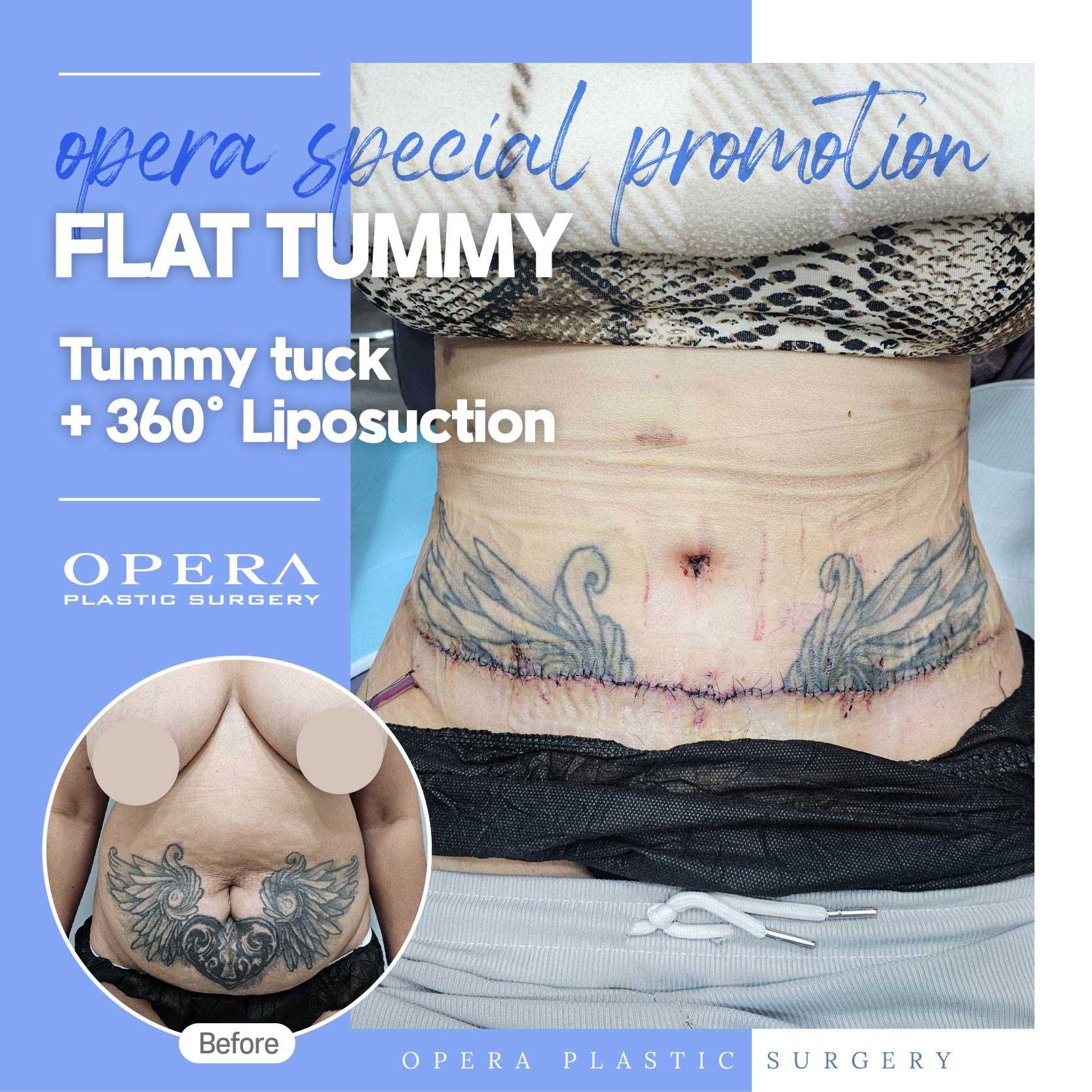
Read more detailsA comprehensive Tummy Tuck and Liposuction plan in Thailand typically includes surgeon fees, anesthesia, 1-2 nights of hospital stay, 7-12 days of hotel recovery, pre-op tests, airport transfers, and post-operative nursing care. Thailand has earned a reputation as a global capital for medical tourism, particularly for body contouring procedures like the "Lipoabdominoplasty"—the powerful combination of a tummy tuck and liposuction. For many, the appeal lies not just in the lower cost, but in the all-inclusive nature of the packages that turn a major surgery into a managed recovery vacation. However, navigating the details of these packages can be confusing. Does the price include the hotel? What about the compression garments? Are there hidden costs for medication? Understanding exactly what is included is the first step to planning a safe and successful transformation. In this guide, we will break down every component of a standard full tummy tuck and liposuction plan in Thailand, from the moment you land at the airport to your final check-up before flying home. What is typically included in the surgical cost? “The core surgical cost covers the surgeon’s fee, operating theater charges, general anesthesia by a certified anesthesiologist, and standard nursing care during the procedure.” When you see a quote for surgery, it almost always covers the medical essentials. This includes the fee for your board-certified plastic surgeon and the entire surgical team. Crucially, it covers the cost of general anesthesia, which is standard for a full tummy tuck, and the fees for the anesthesiologist who monitors you throughout the operation. It also includes the use of the operating theater and all standard surgical supplies (sutures, dressings, etc.). Most reputable hospitals in Bangkok and Phuket use JCI-accredited facilities, meaning the safety standards mirror those in the West. Is the hospital stay included in the package? “Yes, most full tummy tuck packages include a mandatory 1 to 3-night hospital stay in a private room for monitoring and drain management.” Unlike in some Western countries where tummy tucks are increasingly outpatient, Thai packages prioritize safety by including a hospital admission. You should expect to stay 1 to 3 nights in the hospital depending on the extent of the liposuction and muscle repair. During this time, you will likely be in a private room with 24-hour nursing care. This allows the medical team to manage your pain IV drips, monitor your blood pressure, and handle surgical drains before you move to a hotel. Are pre-operative tests part of the price? “Standard packages often include routine pre-op exams like blood work, EKG, and chest X-rays, but specialized tests for underlying conditions may cost extra.” Your safety is paramount, so a battery of tests is required before you can be cleared for surgery. Most comprehensive packages will include a "Standard Surgical Panel": complete blood count (CBC), electrolyte check, coagulation profile, EKG (heart check), and sometimes a chest X-ray (especially for smokers or patients over 40). However, if you have a specific medical condition (like thyroid issues or high blood pressure) that requires clearance from a specialist, those additional consultations and tests will likely be billed separately. Does the plan cover accommodation? “Many medical tourism agencies offer ‘all-inclusive’ packages with 7–14 nights in a partner hotel, while direct hospital bookings may only cover the hospital admission.” This is the biggest variable. If you book through a medical tourism agency, your package likely includes 10-14 days in a specialized recovery hotel or resort. These hotels are often equipped with adjustable beds and staff who are used to seeing post-op patients. If you book directly with a hospital, the quote usually covers only the medical side (surgery + hospital nights). You would then be responsible for booking your own hotel for the remainder of your recovery in Thailand. Always clarify this before paying a deposit. What is the cost of a full Tummy Tuck and Liposuction in Thailand? “A combined Tummy Tuck and Liposuction plan in Thailand generally costs between $5,500 and $8,500, depending on the extent of liposuction and hospital luxury level.” Combining procedures (Lipoabdominoplasty) is more cost-effective than doing them separately because you save on anesthesia and facility fees. Below is a breakdown of typical costs. Procedure Type Average Cost (USD) Includes Standard Tummy Tuck + Lipo (Abdomen) $5,500 - $7,000 Surgery, 2 nights hospital, standard tests, anesthesia. Extended Tummy Tuck + Lipo 360 $7,500 - $9,500 Surgery (flanks/back), 3 nights hospital, VASER upgrade. Mommy Makeover (Tummy + Lipo + Breast) $10,000 - $14,000 Full combo surgery, often 14 days hotel included. Australia/USA Equivalent $18,000 - $25,000+ Usually surgery only (no hospital stay or hotel). Note: Prices vary by surgeon experience and hospital prestige. "Lipo 360" refers to liposuction of the entire midsection (abdomen, waist, and back). Are medications and compression garments included? “Your package typically includes a 'take-home' medication pack (antibiotics, painkillers) and one compression garment, though buying a spare is recommended.” You won't be sent back to your hotel empty-handed. Hospitals provide a standard discharge pack containing antibiotics to prevent infection, analgesics (painkillers) for comfort, and supplies for dressing changes. Most importantly, you will be fitted with a medical-grade compression garment (faja) immediately after surgery. Tip: While one garment is included, you will need to wear it 24/7 for weeks. It is highly advisable to purchase a second one (usually $50-$100 extra) so you can wash one while wearing the other. What type of liposuction is included in the plan? “Standard packages usually include traditional liposuction; advanced techniques like VASER or BodyTite often require an upgrade fee of $500–$1,000.” Be careful with the fine print here. A basic "Tummy Tuck + Lipo" package often defaults to standard suction-assisted liposuction. If you want VASER Liposuction (which uses ultrasound to break down fat and is gentler on tissue) or "High Definition" etching, you often have to pay an upgrade fee. This upgrade is often worth it for smoother results and slightly faster recovery, so ask your surgeon specifically: "Is this quote for VASER or traditional liposuction?" Are airport transfers and transportation covered? “Yes, nearly all international packages include VIP airport pick-up and drop-off, as well as transfers between your hotel and the hospital for check-ups.” To minimize stress, Thai clinics almost always provide chauffeur services. A driver will meet you at the arrivals hall (often at Suvarnabhumi or Phuket International Airport) and take you to your hotel or the hospital. This service also typically covers the trips you'll need to make for your follow-up appointments during your stay. This is a huge benefit, as navigating Bangkok traffic with a fresh surgical incision is not something you want to do in a standard taxi. Is post-operative nursing care included at the hotel? “Some premium packages include daily nurse visits to your hotel room for wound cleaning, while budget options require you to visit the clinic for care.” This feature varies by package tier. High-end "recovery packages" include a nurse visiting your hotel room daily to change dressings, check drains, and monitor your vitals. This is incredibly convenient as it limits how much you have to move around. In standard packages, you will likely be expected to travel back to the clinic (using the provided transport) for these checks every 2-3 days. If you are traveling alone, the in-room nursing add-on is highly recommended. Does the plan include meals? “Meals are always provided during your hospital stay, but you are typically responsible for your own food once you move to your hotel.” While you are an inpatient at the hospital, all meals are included (and Thai hospitals are famous for having surprisingly good, menu-style food). Once you discharge to your hotel, you are on your own for food. However, many recovery hotels offer room service with "post-surgery friendly" menus (low sodium to reduce swelling, high protein for healing). Budgeting an extra $15-$25 per day for food delivery or room service is a smart move. Are follow-up appointments included? “All follow-up visits during your stay in Thailand are included in the surgical fee, including drain removal and wound assessments.” You won't pay extra to see your doctor after surgery. The surgical package covers all necessary follow-ups while you are in the country. This typically involves 2-3 visits: one for drain removal (usually day 3-5), one for a general wound check (day 7-10), and a final "fit to fly" assessment. Some clinics also offer free virtual consultations for up to 6 months post-op once you are back home, ensuring you have support if you have questions about your scar healing later on. What happens if complications arise? “Standard packages do NOT cover treatments for major complications; purchasing specialized medical travel insurance is essential to cover potential extra hospital costs.” This is the most critical "exclusion" to be aware of. While minor touch-ups might be free, if you develop a complication that requires a return to the operating room or an extended hospital stay (like a hematoma or infection), you will be billed for it unless you have insurance. Standard travel insurance will not cover this. You must purchase Medical Complication Insurance (specific to medical tourism) before you travel. This costs relatively little (often $100-$200) but can save you thousands if things don't go exactly to plan. Are flights included in the package? “No, airfare is almost never included in surgery packages, so you must book and pay for your own flights to Bangkok or Phuket.” "All-inclusive" in medical tourism usually refers to the "Ground Package" (surgery, hotel, transport). It rarely includes your international flights. You need to book these yourself. Pro Tip: Book a flexible ticket. Recovery varies, and if your surgeon recommends staying 2 extra days because a drain is outputting too much fluid, you want the ability to change your flight without a massive penalty. Is physical therapy or lymphatic massage included? “Some luxury packages include 1-2 sessions of lymphatic drainage massage, but usually, this is an optional add-on service.” After liposuction, lymphatic drainage massage is often recommended to reduce swelling and prevent lumpiness. While some premium packages might toss in a complimentary session at the hospital's wellness center, it is usually an extra service. If you want a full course of massages (e.g., every other day), you should budget extra for this. Thai hospitals often have excellent physical therapy departments that offer this service at a reasonable rate. What documents are provided for my return? “The package includes a detailed medical report in English, a 'Fit to Fly' certificate for the airline, and instructions for your local GP.” Documentation is key for a smooth trip home. Your surgeon will provide a "Fit to Fly" certificate, which airlines often require for passengers who have recently had surgery. You will also get a full medical report in English detailing exactly what was done, which you can give to your doctor back home. Some clinics also provide a "implant ID card" if any implants were used (though not applicable for standard tummy tucks), and a receipt for insurance or tax purposes. Ready to transform your body with confidence? Find the best Tummy Tuck & Liposuction packages in Thailand with verified patient reviews and transparent pricing. Explore tailored medical tourism packages on PlacidWay today. +5...
Read more detailsDiscover your treatment options with a free, no-obligation quote!
Get your quote now!Facial aesthetic surgery in South Korea is technically advanced due to the integration of 3D CT scanning for precise bone mapping, AI-driven simulation for result prediction, and innovative techniques like V-line surgery. High procedure volumes lead to unmatched surgical expertise and rapid recovery. When you think of the global capital of beauty and skincare, one country likely comes to mind immediately: South Korea. But beyond the famous 10-step skincare routines and K-pop aesthetics lies a medical industry that is lightyears ahead of the rest of the world. If you've ever wondered why facial aesthetic surgery in South Korea produces such natural, harmonious results, the answer isn't just about skilled hands—it's about the groundbreaking technology those hands are using. South Korea has fundamentally redefined what is possible in cosmetic medicine. It is no longer just about "fixing" a feature; it is about architectural precision. The integration of 3D CT scanning, artificial intelligence, and regenerative medicine has turned surgery into a high-tech art form. Whether you are looking into V-line surgery to reshape your jaw or considering a rhinoplasty that perfectly suits your ethnic features, the technical sophistication found here is unmatched. In this guide, we will dive deep into the specific technologies and techniques that set South Korea apart. We aren't just talking about trends; we are talking about the medical engineering and safety protocols that make this country the safest and most advanced place to enhance your natural beauty. Why is South Korea considered the plastic surgery capital of the world? South Korea is considered the plastic surgery capital because it has the highest number of procedures per capita, fostered by a culture that views aesthetic enhancement as self-care, driving immense competition and rapid technological innovation among clinics. The title "Plastic Surgery Capital of the World" isn't just a marketing slogan; it is backed by hard data. South Korea consistently records the highest number of cosmetic surgeries per capita globally. This incredible volume creates a unique ecosystem where experience accumulates rapidly. A surgeon in Seoul might perform as many facial contouring procedures in a month as a surgeon elsewhere might perform in a year. This repetition leads to a mastery of technique that is hard to find anywhere else. Furthermore, the cultural acceptance of cosmetic procedures in Korea drives intense competition between clinics. To stand out, medical centers must constantly invest in the latest equipment and training. This "arms race" of innovation ensures that patients have access to the most cutting-edge tools, from robotic surgical assistants to advanced recovery chambers, raising the standard of care for everyone. What advanced technologies are used in Korean facial surgery? Facial surgery in South Korea uses cutting-edge technologies such as 3D Cone Beam CT scanners for nerve mapping, endoscopic cameras for minimal scarring, ultrasonic bone scalpels, and AI-powered simulation software to predict surgical outcomes with high accuracy. The technology suite in a modern Korean clinic often resembles a scene from a sci-fi movie. Standard X-rays have been largely replaced by 3D Cone Beam CT (Computed Tomography) scanners. These devices create a perfect three-dimensional model of your skull, allowing surgeons to see not just the bone, but the nerves and soft tissue layers. This is critical for preventing nerve damage during complex jaw surgeries. Another game-changer is the use of ultrasonic bone scalpels. Unlike traditional saws that use friction and heat, ultrasonic tools use high-frequency vibrations to cut bone while leaving soft tissue, nerves, and blood vessels unharmed. This results in significantly less bleeding during surgery and a much faster, less painful recovery for the patient. How does 3D CT scanning improve facial contouring safety? 3D CT scanning improves safety by providing a detailed 360-degree view of the facial structure, allowing surgeons to precisely map nerve pathways and bone density, thereby minimizing the risk of nerve damage and ensuring symmetrical results in contouring surgeries. Safety is the primary concern for anyone undergoing surgery, and 3D CT scanning is the cornerstone of safety in Korean facial contouring. Before a surgeon even makes an incision, they analyze the 3D map of your face to locate the inferior alveolar nerve—a critical nerve running through the jaw. Damaging this nerve can cause permanent numbness, but with 3D mapping, surgeons in South Korea can plan their cuts with millimeter precision to avoid it. Additionally, these scans reveal the thickness and density of the bone. This information allows the surgeon to determine exactly how much bone can be safely removed to achieve the desired aesthetic without compromising the structural integrity of the face. It turns what used to be an estimation into an exact science. What is the "V-line" surgery technique origin? "V-line" surgery originated in South Korea as a combination of mandible reduction and genioplasty (chin surgery) to transform a square or wide jawline into a slim, feminine "V" shape, a technique now perfected with the "Three-Layer Approach." The V-line surgery is perhaps the most famous export of Korean aesthetic medicine. Originally developed to treat patients with facial trauma or congenital deformities, it was refined by Korean surgeons into a cosmetic procedure to soften strong, square jawlines. The technique involves reshaping the mandible (jawbone) and the chin in a single procedure to create a continuous, smooth curve from the ear to the chin tip. Modern V-line surgery in Korea uses a "Three-Layer Approach." Surgeons don't just cut the bone; they also address the masseter muscle (the chewing muscle) and the removal of the buccal fat pad if necessary. By sculpting bone, muscle, and fat simultaneously, they ensure the skin drapes naturally over the new jawline, preventing the "sagging" look that can sometimes follow bone reduction. How do Korean surgeons minimize scarring in face lifts? Korean surgeons minimize scarring by utilizing endoscopic facelift techniques where tiny incisions are hidden within the hairline or behind the ears, and by using high-definition cameras to lift the SMAS layer without the need for large, visible cuts. The "pulled" look and visible scars around the ears are things of the past in South Korea. The standard today is the endoscopic facelift. This minimally invasive technique involves making small incisions, often less than an inch long, hidden deep within the hairline. Through these tiny openings, surgeons insert an endoscope—a thin tube with a camera and light—that transmits high-definition images to a screen. Using special instruments, the surgeon lifts the deeper muscular layer of the face (the SMAS layer) rather than just tightening the skin. Because the tension is placed on the muscle and not the skin, the incisions heal without stretching, leaving virtually invisible scars. This technique is particularly effective for mid-face lifts and forehead lifts, offering a youthful look without the downtime of traditional surgery. What is the role of stem cells in Korean facial rejuvenation? Stem cells in Korean facial rejuvenation are used to enhance fat grafting survival rates and improve skin quality. By mixing harvested fat with concentrated stem cells, the graft lasts longer and stimulates collagen production for a glowing complexion. Fat grafting—taking fat from the thigh or abdomen and injecting it into the face—is common worldwide, but Korea has advanced it with stem cell technology. In traditional fat grafting, a significant percentage of the transferred fat is reabsorbed by the body. Korean clinics solve this by isolating stem cells from the harvested fat using a centrifuge and then mixing these potent cells back into the fat graft before injection. These stem cells do two things: first, they help the fat cells establish a blood supply, drastically increasing the survival rate of the graft for longer-lasting volume. Second, the stem cells release growth factors that rejuvenate the overlying skin, improving texture, tone, and elasticity. It is a dual-benefit procedure that restores volume and "glow" simultaneously. Are Korean plastic surgeons more experienced than Western surgeons? Generally, plastic surgeons in South Korea possess higher specialized experience due to the sheer volume of cases they handle; a specialist in Seoul may perform thousands of specific procedures like blepharoplasty or rhinoplasty, leading to exceptional technical refinement. While "better" is subjective, "more experienced" is often statistically true when it comes to specific facial procedures. Due to the high demand, Korean surgeons tend to hyper-specialize. In the West, a plastic surgeon might perform breast augmentation, tummy tucks, and facelifts. In Korea, it is common to find surgeons who perform only rhinoplasty or only eye surgery. This hyper-specialization means a single surgeon may have performed thousands of the exact procedure you are seeking. They have encountered every possible anatomical variation and complication, allowing them to handle complex cases with a level of predictability and finesse that generalist surgeons cannot match. What is the "Golden Ratio" used in Korean aesthetic surgery? The "Golden Ratio" in Korean surgery is a mathematical guide (often 1:1:0.8 for the forehead, mid-face, and lower face) used to analyze facial proportions and ensure that enhancements create a balanced, harmonious look rather than just changing individual features. Korean aesthetic philosophy is deeply rooted in balance rather than exaggeration. Surgeons use the concept of the Golden Ratio to plan surgeries. They analyze the face vertically and horizontally, often aiming for a vertical ratio of 1:1:0.8 (upper, middle, and lower face) to achieve a youthful, "baby-faced" appearance. This contrasts with Western trends that might favor a longer, more mature lower face. This mathematical approach ensures that a new nose doesn't look out of place with the chin, or that wider eyes don't throw off the balance of the cheekbones. It is a holistic approach where the goal is harmony, making the surgical work undetectable to the untrained eye. How does robotics play a role in Korean facial surgery? Robotics in Korean facial surgery are used for hair transplants and precise bone contouring, offering distinct advantages like eliminating hand tremors and allowing for sub-millimeter precision in delicate areas that are difficult for human hands to navigate. Robotic assistance is rapidly moving from general surgery to aesthetic procedures in Korea. One of the primary uses is in robotic hair restoration, where robotic arms harvest hair follicles with incredible speed and precision, minimizing damage to the donor area. In facial bone surgery, robotic arms can be used to hold guides or instruments with absolute stability, eliminating even the slightest natural hand tremor. This technology is particularly exciting for the future of microsurgery, allowing for incisions and sutures so small they are barely visible to the naked eye, further reducing scarring and recovery time. How advanced is rhinoplasty in South Korea compared to other countries? Rhinoplasty in South Korea is highly advanced, particularly in "tip plasty" and the use of autologous materials like rib cartilage to build projection without artificial implants, catering specifically to the structural needs of Asian noses while maintaining ethnic harmony. Rhinoplasty in Korea has evolved to address the specific challenges of Asian nasal anatomy, which often features thicker skin and weaker cartilage compared to Caucasian noses. To achieve definition and projection, Korean surgeons have pioneered the use of autologous rib cartilage. This involves taking a small piece of cartilage from the patient's rib to build a strong, natural-looking structure for the nose tip and bridge. Unlike silicone implants, which can sometimes look artificial or cause complications over time, rib cartilage becomes part of the nose's own structure. This technique allows for dramatic yet natural changes that are durable and resistant to infection. What anesthesia monitoring systems are used in Korea? Korean clinics employ advanced real-time anesthesia monitoring systems that track vital signs, depth of sedation (BIS monitoring), and oxygen levels continuously, often overseen by dedicated anesthesiology specialists to ensure patient safety throughout the procedure. Safety in anesthesia is a top priority. Top-tier Korean clinics use BIS (Bispectral Index) monitoring, a technology that measures brain wave activity to determine exactly how deep the patient is sleeping. This prevents "anesthesia awareness" (waking up during surgery) and ensures the patient isn't given more medication than necessary. Furthermore, the "Real-Name Surgical System" has been implemented in many hospitals to combat "shadow doctors." This system ensures that the specialist you consulted with is the exact person performing the surgery, verified by CCTV in the operating room and strict identity checks. How does simulation software help predict surgery results? AI-powered simulation software analyzes the patient's current facial data to generate a realistic "after" image, allowing patients to visualize the outcome of bone shaving or lifting procedures and enabling surgeons to plan precise cuts before entering the operating room. Imagine seeing your new face before the surgery even begins. Korean clinics use sophisticated 3D simulation software like Morpheus3D to scan the face and virtually perform the surgery. Patients can see how a 3mm reduction in their jawbone will change their front profile, or how a specific nose shape will look from a 45-degree angle. This isn't just a sales tool; it's a communication bridge. It ensures the patient and surgeon have the exact same aesthetic goal in mind. If a patient wants a result that isn't anatomically possible, the simulation shows why, managing expectations and leading to higher satisfaction rates. What makes Korean double eyelid surgery (Blepharoplasty) different? Korean double eyelid surgery is distinct for its variety of techniques, including the "non-incisional" or "buried suture" method which creates a natural crease without cutting the skin, and "ptosis correction" to strengthen eye muscles for brighter, more alert eyes. While double eyelid surgery is performed worldwide, Korea has refined it into over a dozen specific techniques. The most popular is the non-incisional method, where tiny holes are made in the eyelid to weave a thread through, creating a crease without cutting the skin. This results in little to no swelling and a recovery time of just a few days. Another advancement is the integration of ptosis correction with aesthetic surgery. Many people have sleepy-looking eyes due to weak muscles. Korean surgeons almost always check for this and tighten the muscle during the eyelid surgery, resulting in eyes that are not just bigger, but brighter and more alert. What post-care technologies are used to speed up recovery? Post-care in Korea includes advanced technologies like Hyperbaric Oxygen Chambers to rush oxygen to tissues, Smartlux LED therapy to reduce swelling, and high-frequency deswelling treatments, creating a comprehensive "after-service" culture that halves recovery time. The surgery is only half the battle; the recovery is the rest. Korean clinics are famous for their "After-Service" care. This includes the use of Hyperbaric Oxygen Chambers, where patients breathe pure oxygen in a pressurized environment. This floods the blood with oxygen, significantly speeding up tissue repair and reducing bruising. Patients also receive Smartlux LED therapy, which uses specific light wavelengths to reduce inflammation and pain. Combined with professional deswelling massages and lymphatic drainage treatments, patients often find they are "camera ready" in half the time it would take with standard recovery protocols. How much does facial aesthetic surgery cost in South Korea? Facial aesthetic surgery in South Korea costs significantly less than in the USA, with savings of 30-50%, while offering higher technology standards; for example, a facelift in Korea averages $6,000-$10,000 compared to $15,000+ in the US. One of the most attractive aspects of Korean medical tourism is the cost-to-quality ratio. While it is not the cheapest option in the world (countries like Turkey or Thailand may be lower), it offers a premium medical environment at a price 30-50% lower than the United States. You are paying for top-tier technology and expertise, not just a procedure. Below is a detailed comparison of average costs for popular facial procedures in 2025/2026. Procedure South Korea (Average USD) USA (Average USD) Turkey (Average USD) Rhinoplasty (Nose Job) $3,000 - $6,000 $8,000 - $15,000 $2,500 - $4,500 Facelift (Full) $6,000 - $12,000 $15,000 - $25,000 $3,500 - $6,000 Blepharoplasty (Eyelids) $1,500 - $3,000 $4,000 - $7,000 $1,200 - $2,500 V-Line Surgery (Jaw + Chin) $8,000 - $12,000 $20,000 - $40,000* $4,500 - $7,500 Fat Grafting (Full Face) $2,000 - $4,000 $5,000 - $10,000 $1,500 - $3,000 *Note: V-line surgery is considered highly specialized and is less commonly performed by general plastic surgeons in the USA, leading to higher specialist fees. Is medical tourism for plastic surgery in Korea safe? Yes, medical tourism in Korea is safe due to strict government regulations, hospital accreditation systems designed for foreign patients, and the prevalence of comprehensive safety infrastructure like emergency power systems and on-site anesthesiologists. The South Korean government actively regulates the medical tourism industry to ensure safety. Hospitals attracting foreign patients must meet specific accreditation standards regarding facility safety, hygiene, and staff qualifications. Many top clinics are also accredited by international bodies like the JCI (Joint Commission International). Furthermore, the infrastructure in Seoul is built for this. Clinics provide airport pickups, multilingual coordinators who stay with you during surgery, and legal protection insurance for foreign patients. It is a system designed to make you feel as safe and cared for as you would be in your home country, if not more so. Ready to explore world-class facial aesthetic options? Explore Facial Surgery Solutions...
Read more detailsThe requirements for FTM top surgery in Thailand generally include being at least 18 years old, having a diagnosis of gender dysphoria, and often two referral letters from mental health professionals. International patients also need a valid passport and thorough medical documentation. Undergoing FTM (Female-to-Male) top surgery is a significant step in a transgender person's transition journey, helping to align one's physical appearance with their gender identity. Thailand has emerged as a leading destination for gender-affirming surgeries, drawing international patients due to its renowned surgeons, state-of-the-art facilities, and competitive pricing. Many individuals are curious about what it takes to access this life-changing procedure in a country known for its medical expertise. Navigating the requirements for FTM top surgery can feel complex, especially when planning international medical travel. This comprehensive guide will break down all the essential criteria, from age and medical documentation to mental health evaluations and the practicalities of a medical trip to Thailand. Our aim is to provide clear, actionable information to help you understand what's needed to pursue top surgery safely and effectively in this popular medical tourism hub. What are the general eligibility requirements for FTM top surgery in Thailand? Eligibility for FTM top surgery in Thailand typically includes being 18 years or older, demonstrating persistent gender dysphoria, and often living consistently as male for a specified period, as guided by WPATH standards. Most reputable clinics and surgeons in Thailand adhere to the World Professional Association for Transgender Health (WPATH) Standards of Care. These guidelines are widely accepted internationally and help ensure ethical and safe practices for gender-affirming care. For FTM top surgery, this usually means a person must be at least 18 years old to give informed consent for surgery. Beyond age, a diagnosis of persistent and well-documented gender dysphoria is a key requirement. This diagnosis should typically come from a qualified mental health professional. While not always strictly mandatory, some surgeons may prefer that patients have lived in their affirmed gender role for some time, often referred to as "real-life experience," though this is becoming less common as an explicit requirement for top surgery compared to genital surgeries. Do I need a referral letter for FTM top surgery in Thailand? Yes, most reputable clinics and surgeons in Thailand require at least one, and often two, referral letters from qualified mental health professionals for FTM top surgery. Referral letters are a crucial part of the FTM top surgery requirements. These letters serve to confirm a diagnosis of gender dysphoria and assess a patient's readiness for surgery. Typically, you will need a letter from a licensed mental health professional, such as a psychiatrist, psychologist, or therapist, who has experience working with transgender individuals. This letter should affirm that you meet the criteria for gender dysphoria and are psychologically prepared for the procedure. Some surgeons or clinics may request a second letter, especially if you have not been on hormone therapy or if there are complex medical or psychological considerations. If you are currently undergoing hormone therapy (testosterone), a letter from your endocrinologist or prescribing physician confirming your hormone regimen and overall health is also often beneficial, though typically not a primary referral letter for the surgery itself. These letters help the surgical team understand your journey and ensure appropriate care. What documentation is required for FTM top surgery in Thailand as an international patient? International patients pursuing FTM top surgery in Thailand will need a valid passport, required visa (if applicable), comprehensive medical history, and mental health referral letters. As an international patient traveling for FTM top surgery, thorough documentation is essential. Your passport must be valid for at least six months beyond your intended stay in Thailand. Depending on your nationality, you may also need to obtain a medical visa or a visa on arrival; checking current Thai immigration policies for your country is highly recommended. Beyond travel documents, you will need to compile your medical history. This includes: Your FTM top surgery referral letters from mental health professionals. Recent blood test results and other relevant diagnostic reports. A list of all current medications and any known allergies. Documentation of any prior surgeries or significant medical conditions. Photographs of your chest may be requested by the surgeon for pre-operative assessment. It is wise to have both physical and digital copies of all your documents, and to communicate directly with your chosen clinic regarding their specific documentation requirements well in advance of your travel dates. Is hormone therapy (testosterone) mandatory before FTM top surgery in Thailand? While not always strictly mandatory, many surgeons in Thailand recommend or prefer patients to have been on testosterone for a period before FTM top surgery to optimize surgical outcomes. The requirement for hormone therapy (testosterone) before FTM top surgery can vary among surgeons and clinics in Thailand. For most, it is not an absolute prerequisite. However, many surgeons prefer patients to have been on testosterone for at least 6-12 months prior to surgery. This preference stems from several potential benefits that testosterone therapy can offer. Testosterone can contribute to chest wall muscle development and fat redistribution, which can potentially lead to better surgical contours and a more masculine chest appearance post-surgery. It may also help to reduce the overall density of breast tissue in some individuals, making the surgical process more straightforward. Ultimately, the decision of whether to undergo top surgery without prior hormone therapy will be made in consultation with your surgeon, considering your individual anatomy and goals. What is the typical age requirement for FTM top surgery in Thailand? The standard age requirement for FTM top surgery in Thailand is 18 years or older, consistent with international medical and legal standards for major elective surgeries. In Thailand, similar to many other countries, the legal age for consenting to major medical procedures like FTM top surgery is typically 18 years. This ensures that patients are adults who can fully understand the implications of the surgery and provide informed consent without needing parental or guardian approval. Most reputable clinics and surgeons will strictly adhere to this age limit. While some countries may have pathways for minors to undergo certain gender-affirming procedures with parental consent and extensive psychological evaluation, this is generally not the case for FTM top surgery in Thailand for international patients. The focus is on ensuring the patient is an adult who is mature, has a clear understanding of the procedure, and has the capacity to make such a significant decision independently. How long should I plan to stay in Thailand for FTM top surgery? Patients should plan for a stay of approximately 2 to 3 weeks in Thailand for FTM top surgery, which allows for pre-operative consultations, the surgery itself, and crucial post-operative recovery and check-ups. A typical FTM top surgery trip to Thailand requires careful planning for your stay. You should anticipate arriving a few days before your scheduled surgery for initial consultations, medical evaluations, and to settle in. The surgery itself usually involves a one or two-night stay in the hospital, depending on the procedure and your recovery. The most critical part of your stay post-surgery involves regular follow-up appointments with your surgeon. These appointments are essential for drain removal (if applicable), wound checks, and ensuring proper healing. Most surgeons require you to stay in Thailand for at least 10-14 days after your surgery to monitor your initial recovery, address any immediate concerns, and provide clearance for safe travel back home. A total stay of 2 to 3 weeks is a realistic and recommended timeframe for a smooth experience. What is the average cost of FTM top surgery in Thailand, and what does it include? The average cost of FTM top surgery in Thailand typically ranges from $5,000 to $9,000 USD, often including surgeon's fees, anesthesia, hospital stay, and initial post-operative care. One of the main reasons many individuals consider FTM top surgery in Thailand is the significantly lower cost compared to Western countries, without compromising on quality of care. The price can vary depending on the surgeon's experience, the specific surgical technique used, and the clinic's facilities. Most packages for FTM top surgery in Thailand are comprehensive and generally include: Surgeon's fees Anesthesiologist's fees Hospital facility fees (including operating room and overnight stay) Compression garment Initial post-operative follow-up appointments and drain removal Nursing care during your hospital stay It is important to clarify with your chosen clinic exactly what is covered in their quoted price. What is usually not included are: Flights and international travel expenses Accommodation outside of the hospital stay Meals outside of the hospital stay Pre-operative medical tests (though some clinics may include these) Medications prescribed for post-operative recovery Travel insurance or medical complications insurance Additional costs for extended stays or unexpected complications How do I choose a reputable surgeon and clinic for FTM top surgery in Thailand? To choose a reputable surgeon and clinic for FTM top surgery in Thailand, research their experience, review patient testimonials, verify facility accreditations, and assess their communication and international patient services. Selecting the right surgeon and clinic is paramount for a successful FTM top surgery outcome. Begin by researching surgeons who specialize in gender-affirming surgeries, specifically FTM top surgery. Look for evidence of their expertise, such as certifications from relevant surgical boards, years of experience, and the number of FTM top surgeries they have performed. Reviewing before-and-after photos of previous patients can give you an idea of a surgeon's aesthetic style and typical results. Patient testimonials and reviews on independent forums and websites are also valuable. Ensure the clinic itself is accredited by recognized international bodies, which speaks to their safety and quality standards. Good communication with the clinic's international patient coordinator, including clear explanations of the process and costs, is another strong indicator of a reputable provider. What are the common types of FTM top surgery procedures offered in Thailand? The common types of FTM top surgery procedures offered in Thailand include Double Incision with Nipple Grafts, Peri-areolar (Keyhole), and Inverted T or Fishmouth techniques. Thai surgeons offer various techniques for FTM top surgery, tailored to individual patient anatomy and goals. The choice of procedure primarily depends on chest size, skin elasticity, and desired nipple placement. The most common techniques include: Double Incision with Nipple Grafts: This is suitable for individuals with larger chests. It involves two horizontal incisions across the chest, allowing for significant tissue removal and chest contouring. The nipples and areolas are removed, resized, and grafted back onto the chest in a masculine position. This technique offers the flattest result but leaves noticeable scars. Peri-areolar (Keyhole): Ideal for patients with smaller chests, good skin elasticity, and minimal breast tissue. An incision is made around the areola, through which tissue is removed. The nipple and areola remain attached, preserving sensation. Scars are minimal, but not all chest sizes are suitable for this method. Inverted T or Fishmouth: Less common, these techniques are variations that can offer good results for moderate chest sizes, often allowing for some nipple pedicle preservation while still achieving significant chest flattening. They may result in a scar resembling an inverted T shape or two curved incisions. Your surgeon will discuss which technique is best suited for your body during the consultation. What are the risks associated with FTM top surgery, and how are they managed in Thailand? Risks associated with FTM top surgery include infection, hematoma, seroma, nipple complications (loss or asymmetry), and scarring, which are managed through careful surgical technique, stringent hygiene, and comprehensive post-operative care. Like any surgical procedure, FTM top surgery carries potential risks, though serious complications are relatively rare. Reputable clinics in Thailand take extensive measures to minimize these risks and manage any issues that arise. Common potential risks include: Infection: Managed by prescribing antibiotics, maintaining sterile environments, and advising on proper wound care. Hematoma (blood collection): Prevented through careful surgical technique and managed by drains or, in rare cases, surgical intervention. Seroma (fluid collection): Addressed by using drains, wearing compression garments, and potentially aspiration if persistent. Nipple Complications: Such as loss of nipple grafts, asymmetry, or reduced sensation. Surgeons employ precise grafting techniques and provide detailed aftercare instructions to optimize graft survival and appearance. Scarring: All techniques leave scars. Surgeons aim for discreet placement, and patients are given guidance on scar care to promote optimal healing. Anesthesia risks: Standard risks associated with general anesthesia, carefully monitored by qualified anesthesiologists. Thai clinics prioritize patient safety and adhere to international medical standards. They provide thorough pre-operative assessments to identify and mitigate risks, detailed post-operative care instructions, and readily available medical staff to address any concerns during your recovery period in Thailand. Considering FTM top surgery in Thailand? Explore your options and connect with trusted clinics through PlacidWay. Visit PlacidWay for comprehensive solutions related to medical tourism and healthcare services....
Read more detailsFull body liposuction in Thailand can be safe and effective when performed by board-certified plastic surgeons in internationally accredited facilities that adhere to stringent safety and hygiene protocols. Thorough research and careful selection of your clinic and surgeon are paramount to a successful outcome. Before diving into the specifics, let's address the question directly: Is full body liposuction in Thailand safe? The straightforward answer is yes, it can be, provided you approach it with diligent research and make informed choices. Thailand has emerged as a global leader in medical tourism, drawing thousands of international patients seeking various procedures, including cosmetic surgeries like full body liposuction. This popularity isn't just about attractive pricing; it's also a testament to the high standards of care, experienced medical professionals, and advanced facilities available in many of its top hospitals and clinics. However, like any significant medical procedure, safety is never guaranteed without personal vigilance. The key to a safe and successful full body liposuction experience in Thailand lies in selecting a reputable, accredited clinic and a highly qualified, board-certified surgeon. Patients should prioritize facilities with international accreditations, transparent practices, and comprehensive pre- and post-operative care plans. Understanding the procedure, its potential risks, and what constitutes a good medical provider will empower you to make the best decision for your health and aesthetic goals. Is Full Body Liposuction in Thailand Generally Safe? Yes, full body liposuction in Thailand is generally safe when performed in reputable, accredited clinics by experienced, board-certified surgeons who prioritize patient safety and adhere to international medical standards. Thailand has invested significantly in its medical infrastructure, with many hospitals and clinics achieving international accreditation, such as Joint Commission International (JCI). This accreditation signifies adherence to rigorous patient safety and quality-of-care standards comparable to leading Western facilities. For full body liposuction, this means that top Thai clinics are equipped with modern technology, employ skilled medical staff, and follow strict hygiene protocols, reducing the risk of complications. The safety of full body liposuction, regardless of location, relies heavily on several factors: the surgeon's expertise, the quality of the medical facility, and the patient's overall health. In Thailand, many plastic surgeons have received training from renowned international institutions and are members of global plastic surgery associations. They perform these procedures regularly, gaining extensive experience. However, it is crucial for individuals to conduct their own thorough research to ensure they are choosing a provider with a proven track record and excellent patient outcomes. What Are the Risks Associated with Full Body Liposuction? Risks associated with full body liposuction include infection, contour irregularities, fluid accumulation (seroma), nerve damage, skin changes, and complications related to anesthesia, though serious complications are rare with experienced surgeons. While full body liposuction is generally safe, it carries inherent risks like any surgical procedure. It's important for patients to be fully aware of these before proceeding. Common, less severe risks often include: Bruising and Swelling: These are temporary and expected, subsiding over several weeks. Numbness: Temporary or, in rare cases, permanent changes in skin sensation in treated areas. Seroma: Fluid accumulation under the skin, which may require drainage. Contour Irregularities: Uneven results, dents, or lumps if fat removal is uneven. More serious, though rare, complications can include infection, excessive bleeding, allergic reactions to anesthesia, skin necrosis (tissue death), or fat embolism (a fat particle entering the bloodstream). To minimize these risks, a thorough pre-operative medical evaluation is essential to ensure the patient is a suitable candidate, and adherence to all post-operative instructions is critical for proper healing and recovery. How to Choose a Reputable Clinic for Liposuction in Thailand? To choose a reputable clinic for liposuction in Thailand, look for facilities with JCI accreditation, verify the surgeon's board certifications and experience, read patient reviews, and ensure clear communication and transparent pricing. Selecting the right clinic is the most crucial step in ensuring a safe and successful full body liposuction experience. Here’s a checklist to guide your decision: Accreditation: Prioritize clinics with international accreditations like JCI (Joint Commission International). This signifies adherence to global benchmarks for quality and patient safety. Surgeon Credentials: Verify that the surgeon is board-certified in plastic surgery by the Thai Medical Council and ideally has membership in international plastic surgery organizations. Inquire about their specific experience with full body liposuction. Facility Standards: Ensure the clinic has state-of-the-art equipment, sterile operating rooms, and robust emergency protocols. Patient Reviews and Testimonials: Look for independent reviews and testimonials from previous patients. Request before-and-after photos specific to the surgeon’s work. Communication and Transparency: A reputable clinic will offer thorough consultations, clear explanations of the procedure, associated risks, expected outcomes, and transparent pricing without hidden fees. Don't hesitate to ask questions, no matter how minor they seem. A good clinic and surgeon will welcome your inquiries and provide comprehensive answers to build your confidence and trust. What Qualifications Should a Surgeon Have for Liposuction in Thailand? A surgeon performing full body liposuction in Thailand should be a board-certified plastic surgeon with specialized training and extensive experience in liposuction, ideally holding membership in recognized professional surgical associations. The surgeon's qualifications are paramount to the success and safety of your full body liposuction. A qualified surgeon should possess: Board Certification: This is non-negotiable. Ensure the surgeon is certified by the Thai Board of Plastic Surgery. This indicates they have completed rigorous training, passed demanding examinations, and adhere to ethical standards. Specialized Training: Beyond general plastic surgery, look for surgeons who have specific training and a keen understanding of body contouring techniques, including the various types of liposuction (e.g., VASER, tumescent, laser-assisted). Extensive Experience: Ask about the number of full body liposuction procedures they have performed and request to see before-and-after photos of their actual patients. A surgeon with a deep portfolio demonstrates consistent results and familiarity with different body types. Professional Memberships: Membership in organizations like the International Society of Aesthetic Plastic Surgery (ISAPS) or the Thai Society of Plastic and Reconstructive Surgeons suggests a commitment to ongoing education and best practices. During your consultation, assess the surgeon's communication style, their ability to understand your aesthetic goals, and their willingness to discuss potential risks and realistic outcomes. A good surgeon will be transparent and prioritize your safety above all else. What is the Typical Cost of Full Body Liposuction in Thailand? The typical cost for full body liposuction in Thailand ranges from $5,000 to $15,000, significantly less than in many Western countries, depending on the number of areas treated, complexity, and clinic reputation. One of the primary reasons people consider full body liposuction in Thailand is the significant cost savings compared to Western nations like the US, UK, or Australia. While prices vary, a general estimate for full body liposuction can range from approximately $5,000 to $15,000 USD. This cost typically includes surgeon's fees, anesthesia, facility fees, and some post-operative care. Several factors influence the final cost: Number of Areas: Treating more body areas (e.g., abdomen, thighs, arms, back) will increase the overall price. Volume of Fat Removed: Procedures involving larger volumes of fat removal may incur higher costs. Technique Used: Advanced techniques like VASER liposuction or laser-assisted liposuction might be slightly more expensive than traditional methods due to specialized equipment. Surgeon's Experience and Clinic Reputation: Highly sought-after surgeons and internationally accredited facilities may charge more for their expertise and premium services. It's crucial to obtain a detailed, itemized quote from the clinic during your consultation to understand exactly what is included and to avoid any unexpected expenses. Always remember that while cost is a factor, it should not be the sole determinant when choosing a medical procedure of this nature. What Does the Recovery Process Involve After Full Body Liposuction? Recovery after full body liposuction typically involves wearing compression garments for several weeks, managing swelling and bruising, light activity, and gradually returning to normal routines over 4-6 weeks, with final results visible in several months. The recovery process after full body liposuction is a critical phase for achieving optimal results and minimizing complications. Immediately after the procedure, you can expect some discomfort, swelling, and bruising in the treated areas. Pain medication will be prescribed to manage any discomfort. Key aspects of the recovery process include: Compression Garments: You will be required to wear compression garments continuously for several weeks (typically 4-6 weeks). These garments help reduce swelling, promote skin retraction, and support the new contours. Activity Restrictions: Strenuous activities, heavy lifting, and intense exercise should be avoided for at least 3-4 weeks. Light walking is often encouraged soon after surgery to promote circulation and prevent blood clots. Managing Swelling and Bruising: Swelling can persist for several weeks or even months, gradually subsiding. Bruising will typically fade within 2-4 weeks. Following your surgeon's advice on diet, hydration, and gentle movement can aid this process. Follow-up Appointments: Regular follow-up appointments with your surgeon are essential to monitor your healing progress, remove any drains if necessary, and address any concerns. While initial results are often visible once swelling begins to decrease, the final aesthetic outcome may take several months to fully manifest as all residual swelling resolves and tissues settle. Patience and adherence to post-operative instructions are vital for a smooth recovery and satisfactory results. Are There Specific Accreditation Standards for Medical Facilities in Thailand? Yes, many leading medical facilities in Thailand hold international accreditations such as Joint Commission International (JCI), which signifies adherence to global benchmarks for quality of care, patient safety, and operational excellence. Thailand's reputation as a medical tourism hub is built, in part, on its commitment to high standards in healthcare. Many of its premier hospitals and clinics have sought and achieved international accreditations, with JCI being the most recognized. JCI accreditation is a testament to a facility's dedication to meeting global standards in areas like: Patient Safety: Implementing robust protocols to prevent surgical errors, infections, and other adverse events. Quality of Care: Ensuring consistent and high-quality medical, nursing, and support services. Infection Control: Adhering to strict hygiene and sterilization practices to minimize infection risks. Staff Qualifications: Verifying the credentials and ongoing training of all medical professionals. Beyond JCI, the Thai Medical Council plays a crucial role in regulating doctors and ensuring they meet professional and ethical standards. When considering full body liposuction in Thailand, specifically choosing a JCI-accredited facility provides an added layer of assurance regarding the quality and safety of your care, aligning with the best practices found worldwide. How Does Post-Operative Care Work for International Patients in Thailand? Reputable Thai clinics provide comprehensive post-operative care for international patients, including scheduled follow-up appointments, medication management, access to English-speaking staff, and often assistance with local accommodation and transportation for a smooth recovery. Excellent post-operative care is crucial for the safety and success of full body liposuction, especially for international patients. Thai medical tourism providers are well-versed in catering to overseas visitors and often have dedicated international patient departments to facilitate a seamless experience. This typically includes: Scheduled Follow-up Visits: Clinics arrange follow-up appointments before you return home to monitor healing, remove stitches or drains, and address any concerns. Medication and Supplies: Prescriptions for pain relief, antibiotics, and other necessary medications are provided, along with clear instructions for their use. Compression garments are also supplied. Language Support: English-speaking coordinators and medical staff are readily available to ensure clear communication throughout your stay. Accommodation and Transportation Assistance: Many clinics offer or recommend nearby recovery hotels or guesthouses and can help arrange transportation to and from the airport and clinic. It is important to discuss the duration of your stay required for adequate post-operative monitoring with your surgeon before traveling. Most patients stay in Thailand for at least 1-2 weeks after full body liposuction to ensure initial healing is progressing well before long-haul travel. What Are the Alternatives to Full Body Liposuction? Alternatives to full body liposuction include non-surgical fat reduction treatments (like CoolSculpting or truSculpt), other surgical body contouring procedures (such as tummy tucks or body lifts), and lifestyle changes involving diet and exercise. While full body liposuction is effective for targeted fat removal and body contouring, it's not the only option. Depending on your goals and health status, several alternatives might be considered: Non-Surgical Fat Reduction: CoolSculpting (Cryolipolysis): Uses controlled cooling to freeze and eliminate fat cells. truSculpt (Radiofrequency): Uses radiofrequency energy to heat and destroy fat cells. SculpSure (Laser Lipolysis): Employs laser energy to target and reduce fat cells. These options are less invasive, have no downtime, but typically achieve more modest results over several sessions compared to surgical liposuction. They are best for small, localized pockets of fat. Surgical Body Contouring Procedures: Tummy Tuck (Abdominoplasty): Removes excess skin and fat from the abdomen and tightens abdominal muscles, ideal for significant loose skin after weight loss or pregnancy. Body Lift: A more extensive procedure that addresses excess skin and fat around the torso, thighs, and buttocks. These are more invasive than liposuction but can address concerns like loose skin that liposuction alone cannot. Lifestyle Changes: For overall weight loss and body shape improvement, a consistent regimen of diet and exercise remains fundamental. Liposuction is a contouring procedure, not a weight-loss solution, and is best suited for individuals near their ideal weight with stubborn fat pockets. A consultation with a qualified surgeon can help you determine the most appropriate treatment plan for your specific needs and desired outcomes. How Does Thailand's Medical Tourism Compare to Other Countries for Cosmetic Surgery? Thailand stands out in medical tourism for cosmetic surgery due to its combination of world-class accredited facilities, highly skilled surgeons, competitive pricing, excellent patient hospitality, and an appealing recovery environment compared to many Western and even other Asian destinations. Thailand has solidified its position as a premier destination for medical tourism, particularly for cosmetic surgery, attracting hundreds of thousands of international patients annually. When compared to other popular medical tourism destinations, Thailand offers a unique blend of advantages: Feature Thailand's Offering Comparison to Other Destinations Quality of Care Many JCI-accredited hospitals, modern facilities, highly trained surgeons. Comparable to Western standards; often exceeds in patient-centric services. Cost-Effectiveness Significant savings (30-70% less) compared to North America or Europe. Generally more affordable than Singapore or South Korea, competitive with Mexico/Turkey. Surgeon Expertise Many internationally trained and experienced plastic surgeons. Strong expertise, especially in cosmetic procedures due to high volume. Patient Experience Renowned for hospitality, English-speaking staff, dedicated international patient services. Often cited for superior patient comfort and welcoming environment. Recovery Environment Offers appealing tourist destinations for discreet and relaxing recovery. Adds value with tourism opportunities during recovery, unlike solely clinical destinations. While countries like South Korea are renowned for specific aesthetic procedures (e.g., facial surgery) and Mexico/Turkey offer competitive pricing, Thailand provides a more comprehensive package of high-quality care, affordability, and a globally recognized tourism infrastructure that makes the entire medical journey pleasant and supportive. Ready to explore your options for full body liposuction or other medical treatments? PlacidWay connects you with top-tier international clinics and hospitals, offering transparent information and personalized assistance to help you make informed decisions about your healthcare journey. Visit PlacidWay today to discover solutions tailored to your needs....
Read more detailsThe amount of fat needed for a BBL in Thailand typically ranges from 500cc to 1000cc per side, but this can vary significantly based on your body type and desired aesthetic outcome. A consultation with a qualified surgeon is essential to determine the precise volume required for your unique goals. Getting a Brazilian Butt Lift (BBL) in Thailand has become a popular choice for many seeking to enhance their silhouette, combining a memorable travel experience with high-quality cosmetic surgery. If you're considering this procedure, one of the first questions you might have is, "How much fat do I actually need for a BBL in Thailand?" It's a very practical and important question, as the success of the procedure hinges on having enough donor fat and the surgeon’s expertise in transferring it effectively. Understanding the fat requirements for a BBL isn't a one-size-fits-all answer; it depends on a variety of personal factors, including your current body composition, your aesthetic goals, and the surgeon's recommendations. Thailand offers an appealing destination for this cosmetic journey, known for its skilled surgeons, modern facilities, and competitive pricing. Let's delve into the details of fat volume, the procedure itself, and what you can expect when choosing Thailand for your BBL. How much fat is typically needed for a BBL in Thailand? Typically, for a BBL in Thailand, surgeons aim to transfer between 500cc and 1000cc of purified fat per buttock, but this can range from 300cc to over 1500cc depending on individual patient goals and available donor fat. The volume of fat required for a BBL is highly individualized. While general ranges exist, your surgeon will assess your specific case during the consultation. For a moderate enhancement, surgeons might transfer around 500-800cc per side. Patients looking for a more dramatic increase in projection and volume could require 1000cc or more per buttock. It's important to remember that not all harvested fat survives the transfer process. Surgeons often overfill slightly to account for the natural reabsorption of some fat cells, which typically ranges from 30% to 50%. This reabsorption rate means that to achieve a desired final volume, a significantly larger amount of fat must initially be transferred. What factors influence the amount of fat required for a BBL? Several factors influence the fat volume needed for a BBL in Thailand, including your existing body shape, desired outcome, skin elasticity, and the amount of extractable fat from donor areas. Determining the ideal fat volume for a BBL is a complex process influenced by several key factors: Your current body shape and size: Patients with a naturally smaller frame or less existing buttock volume may require less fat to achieve a noticeable change, while those with a larger starting point might need more to create significant projection. Desired aesthetic outcome: Do you want a subtle lift, a moderate curve, or a dramatic, curvaceous look? Your aesthetic goals directly impact the fat volume. A subtle enhancement will naturally require less fat than a significant augmentation. Availability of donor fat: This is perhaps the most crucial factor. A BBL relies on harvesting fat via liposuction from other areas of your body, such as the abdomen, flanks, back, or thighs. If you have insufficient fat in these areas, your options for a BBL may be limited. Skin elasticity: Good skin elasticity in the buttock area can better accommodate the transferred fat and contribute to a smoother, more natural-looking result. Poor elasticity might limit the amount of fat that can be safely transferred. Surgeon's technique and experience: A skilled surgeon in Thailand will carefully assess these factors to recommend the optimal fat volume and ensure the fat is purified and injected precisely for the best survival rate and aesthetic outcome. Is there a minimum or maximum fat requirement for a BBL? While there isn't a strict universal minimum fat requirement, patients typically need enough donor fat to harvest at least 500-1000cc in total. The maximum is limited by the amount of harvestable fat and what the body can safely accommodate without compromising blood supply to the grafted fat. For a noticeable BBL result, a certain amount of fat is necessary. Generally, if a patient has very little excess fat (e.g., extremely lean individuals), they may not be suitable candidates for a traditional BBL, as there simply isn't enough donor fat to harvest for a meaningful augmentation. Some surgeons might consider a "skinny BBL" for those with minimal fat, where smaller volumes are transferred for subtle contouring. On the other hand, there's also a practical maximum. The body can only safely accept a certain amount of fat in the buttocks without risking complications like fat necrosis or poor survival rates. Overfilling can compromise the blood supply to the newly transferred fat cells, leading to uneven results or increased reabsorption. A skilled surgeon will know these limits and advise you appropriately to ensure both safety and optimal results for your BBL in Thailand. Where is fat harvested from for a BBL? For a BBL, fat is typically harvested through liposuction from areas with excess fat, most commonly the abdomen, flanks (love handles), lower back, inner thighs, or outer thighs. The beauty of the Brazilian Butt Lift is that it not only augments the buttocks but also sculpts other areas of your body. The fat is removed from areas where it is unwanted, creating a more contoured physique. The most common donor sites include: Abdomen: Excess fat around the belly is a primary source, contributing to a flatter stomach. Flanks (Love Handles): Removing fat from the sides of the waist enhances the hourglass figure. Lower Back: Liposuction in this area can significantly improve the curvature and definition of the waist. Thighs (Inner and Outer): Fat from the thighs can be used, simultaneously slimming these areas. The selection of donor sites is strategic. Surgeons in Thailand often utilize liposuction to not only collect fat but also to sculpt the surrounding areas, creating a more aesthetically pleasing transition between the waist and buttocks, which is key to achieving a desirable BBL outcome. What if I don't have enough fat for a BBL? If you lack sufficient donor fat for a BBL, alternative options include considering buttock implants or exploring a 'skinny BBL' for subtle contouring, or gaining a small amount of weight under medical supervision prior to the procedure. Not everyone has ample donor fat, and that's perfectly normal. If, during your consultation for a BBL in Thailand, it's determined you don't have enough fat, your surgeon might suggest a few alternatives: Buttock Implants: This is a surgical option where silicone implants are placed to augment the buttocks. It's a different procedure entirely but can achieve significant volume for those without sufficient fat. "Skinny BBL": For individuals who are lean but still desire some improvement, a "skinny BBL" might be performed. This involves transferring smaller volumes of fat (e.g., 200-400cc per side) to provide subtle shaping and contouring, rather than a dramatic increase in size. Weight Gain: In some cases, a surgeon might advise a modest, healthy weight gain (5-10 pounds) prior to surgery, if safe and appropriate for your health, to increase donor fat availability. This should always be done under professional medical guidance. A thorough consultation with a qualified surgeon in Thailand is crucial to discuss all viable options based on your unique body and goals. What is the BBL recovery process like in Thailand? BBL recovery in Thailand typically involves 2-3 weeks of restricted sitting, wearing compression garments, and avoiding strenuous activities, with full results visible after 3-6 months as swelling subsides and fat settles. Recovering from a BBL, whether in Thailand or elsewhere, requires patience and strict adherence to post-operative instructions to ensure the best results and fat survival. Immediately after your BBL in Thailand, you can expect some swelling, bruising, and discomfort in both the donor and recipient areas. Key aspects of the recovery process include: No Direct Sitting: For the first 2-3 weeks, you will be advised to avoid direct pressure on your buttocks. This often means sleeping on your stomach or sides and using a BBL pillow when sitting to elevate the buttocks and protect the newly grafted fat. Compression Garments: You'll need to wear compression garments on the liposuctioned areas for several weeks to help reduce swelling, promote skin retraction, and support healing. Activity Restrictions: Strenuous exercise, heavy lifting, and activities that put pressure on the buttocks should be avoided for several weeks, gradually resuming as advised by your surgeon. Follow-up Appointments: If recovering in Thailand, ensure your stay allows for necessary post-operative check-ups with your surgeon. While the initial recovery period is usually 2-3 weeks, it takes several months for all the swelling to completely resolve and for the final BBL results to become apparent as the fat cells settle and some reabsorption occurs. What are the risks associated with a BBL in Thailand? Like any surgery, BBL in Thailand carries risks including infection, excessive bleeding, fat embolism, uneven results, fat necrosis, and complications from anesthesia, though these are minimized by choosing a qualified and experienced surgeon. While a BBL can yield fantastic results, it's essential to be aware of the potential risks, which are similar regardless of where the procedure is performed. These include: Infection: Any surgical procedure carries a risk of infection, though strict sterile techniques minimize this. Excessive Bleeding or Hematoma: Bleeding can occur during or after surgery, potentially leading to blood accumulation (hematoma). Fat Embolism: This is a very rare but serious complication where injected fat enters the bloodstream and travels to the lungs or brain. Proper injection techniques significantly reduce this risk. Fat Necrosis: Some fat cells may not survive the transfer and can harden, forming lumps. Asymmetry or Uneven Results: While surgeons strive for symmetry, slight irregularities can occur. Seroma: Fluid accumulation under the skin in the donor areas. Complications from Anesthesia: As with any general anesthesia, there are inherent risks. To minimize these risks, it is paramount to choose a board-certified or highly qualified surgeon in Thailand with extensive experience specifically in BBL procedures. Always ensure the clinic adheres to international safety standards. Why choose Thailand for a BBL procedure? Thailand is a popular medical tourism destination for BBLs due to its experienced surgeons, internationally accredited facilities, competitive pricing, and the opportunity to combine recovery with a vacation. Thailand has firmly established itself as a global hub for medical tourism, particularly for cosmetic procedures like the BBL. There are several compelling reasons why people choose Thailand: Highly Skilled Surgeons: Many Thai plastic surgeons are internationally trained and certified, with extensive experience in advanced cosmetic techniques, including BBL. State-of-the-Art Facilities: Hospitals and clinics in major Thai cities like Bangkok and Phuket boast modern equipment and adhere to high international standards of patient care and safety. Cost-Effectiveness: The cost of a BBL in Thailand is often significantly lower than in Western countries, making it an attractive option without compromising on quality. Recovery in Paradise: Patients can combine their surgical recovery with a relaxing vacation, enjoying Thailand's renowned hospitality and beautiful scenery. This can contribute to a more positive recovery experience. The combination of high-quality medical care, affordability, and a pleasant environment makes Thailand an appealing choice for those seeking a BBL. How to find a reputable BBL surgeon in Thailand? To find a reputable BBL surgeon in Thailand, look for board certification, extensive experience specifically in BBLs, positive patient reviews, and accreditation of their facility by international bodies. Choosing the right surgeon is arguably the most critical step in a successful BBL journey. When considering a BBL in Thailand, here's how to ensure you select a reputable professional: Check Qualifications and Board Certification: Verify the surgeon's credentials. Look for board certification from recognized plastic surgery boards, and ensure they are registered with the Thai Medical Council. Experience with BBLs: Inquire about their specific experience and specialization in Brazilian Butt Lift procedures. Ask to see before-and-after photos of their previous BBL patients. Facility Accreditation: Ensure the clinic or hospital where the surgery will take place is accredited by international organizations such as JCI (Joint Commission International), indicating high standards of patient safety and care. Patient Reviews and Testimonials: Read reviews from previous patients. While not the sole factor, consistent positive feedback is a good sign. Clear Communication: The surgeon and their team should be able to communicate clearly with you, answer all your questions, and provide transparent information about the procedure, risks, and recovery. A thorough consultation will allow you to assess the surgeon's approach and comfort level, ensuring you feel confident in your choice for your BBL in Thailand. What is the typical cost of a BBL in Thailand? The typical cost of a BBL in Thailand ranges from approximately $4,000 to $8,000 USD, significantly lower than in Western countries, but prices vary based on the surgeon's expertise, clinic reputation, and the extent of liposuction required. The cost of a BBL in Thailand is one of its most attractive features for medical tourists. While prices vary, they are generally much more affordable compared to North America, Europe, or Australia. Here's a breakdown of what influences the cost: Surgeon's Fees: Highly experienced and sought-after surgeons may charge more. Clinic/Hospital Reputation: Premier, internationally accredited facilities often have higher fees. Extent of Liposuction: The number of donor areas and the amount of fat to be removed will influence the overall price. More extensive liposuction adds to the cost. Anesthesia Fees: The cost of the anesthesiologist and anesthesia medications. Post-Operative Care: This may include compression garments, medications, and follow-up appointments. While the range provided ($4,000-$8,000 USD) serves as a general guideline, it is crucial to obtain a personalized quote during your consultation. This quote should include all aspects of the procedure to avoid any hidden costs. Always ensure the price reflects a comprehensive package that covers the surgery itself, facility fees, and aftercare for your BBL in Thailand. Ready to explore your options for a Brazilian Butt Lift or other healthcare services? Visit PlacidWay to connect with top-tier medical providers in destinations like Thailand and beyond, and start your journey towards your desired aesthetic and wellness goals....
Read more detailsThe cost of otoplasty (ear pinning) in Thailand typically ranges from $1,500 to $4,000 USD. This price can vary significantly based on the clinic's reputation, the surgeon's experience, the complexity of the procedure, and what is included in the treatment package, such as anesthesia, facility fees, and post-operative care. Thinking about otoplasty, also known as ear pinning surgery, to reshape your ears? Thailand has emerged as a leading destination for individuals seeking high-quality cosmetic procedures at a more affordable cost compared to many Western countries. Understanding the financial aspects of this procedure is a common starting point for many considering medical travel. Otoplasty in Thailand offers a compelling blend of skilled surgeons, modern facilities, and attractive pricing, making it an excellent option for those looking to address prominent ears. This guide will help you understand the various factors that contribute to the overall cost, what to expect from your treatment package, and how to plan your medical journey effectively. We will cover everything from average prices to hidden fees, ensuring you have a clear picture before making your decision. What is the average cost of otoplasty in Thailand? The average cost of otoplasty in Thailand ranges from $1,500 to $4,000 USD. This estimate covers the surgical procedure, including the surgeon's fee, anesthesia, and the use of the surgical facility. The price of otoplasty in Thailand is influenced by several factors, which can cause the cost to fall anywhere within the stated range. The reputation and location of the clinic play a significant role; clinics in major cities like Bangkok or Phuket, especially those with international accreditations, might charge more due to higher operational costs and demand. Similarly, a highly experienced and renowned surgeon with a long track record of successful otoplasty procedures may have a higher fee. The complexity of the ear pinning procedure itself also impacts the price. Some patients may require minor adjustments, while others might need more extensive reshaping, which naturally incurs a higher cost. Furthermore, the type of anesthesia used (local with sedation or general) and the duration of the surgical facility's use are factored into the total. It is always best to get a detailed quote directly from the clinic after a consultation. How does the cost of otoplasty in Thailand compare to Western countries? Otoplasty in Thailand is significantly more affordable than in Western countries, often costing 50% to 70% less than prices found in the United States, Canada, the UK, or Australia. The cost difference for otoplasty between Thailand and Western nations is a primary driver for medical tourism. For instance, in the United States, otoplasty can range from $3,000 to $6,000 or even higher, excluding anesthesia and facility fees. In contrast, Thailand's lower cost of living, reduced overhead for medical facilities, and differing economic structures allow clinics to offer the same high-quality procedures at a fraction of the price. This substantial saving does not typically reflect a compromise in quality but rather a difference in economic scales. Many Thai hospitals and clinics adhere to international standards, employing Western-trained surgeons and utilizing state-of-the-art equipment. Patients often find that even when factoring in travel and accommodation expenses, the overall cost of otoplasty in Thailand remains considerably lower than undergoing the procedure in their home country. This makes Thailand an attractive option for budget-conscious individuals seeking excellent aesthetic outcomes. What is typically included in an otoplasty package in Thailand? An otoplasty package in Thailand typically includes the surgeon's fee, anesthesia costs, use of the surgical facility, initial consultations, and immediate post-operative care and follow-up appointments. When you receive a quote for otoplasty in Thailand, it's crucial to understand exactly what services are encompassed within the stated price. Most reputable clinics offer comprehensive packages designed to cover the core aspects of your surgery. This usually includes the initial consultation where the surgeon assesses your ears and discusses your desired outcome, the surgeon's professional fee for performing the procedure, and the cost of the anesthesia administered by a qualified anesthesiologist. Furthermore, the package typically covers the use of the operating room and its equipment, any necessary medical supplies during the surgery, and immediate post-operative care, which may involve bandages, pain medication, and the first few follow-up visits to monitor your healing. Some premium packages might also include airport transfers, a certain number of nights in a recovery hotel, or assistance with visa applications, though these are less common and should be explicitly confirmed. Are there hidden costs for ear pinning surgery in Thailand? While most reputable clinics provide transparent pricing, potential hidden costs for ear pinning surgery in Thailand can include flights, accommodation, extended stays, additional medications, travel insurance, and unforeseen complications. To avoid unexpected expenses, it's vital to inquire about all potential costs upfront. While the surgical package itself is usually clear, you need to budget for non-medical expenses related to your trip. These include round-trip airfare to Thailand, accommodation for your stay (typically 7-10 days are recommended for recovery), and daily living expenses such as food, local transportation, and sightseeing. If your recovery takes longer than anticipated or you wish to extend your stay for tourism, these costs will increase. Other potential out-of-pocket expenses might include prescribed post-operative medications that are not covered in the package, specialized headbands or compression garments, and travel insurance that specifically covers medical complications abroad. Although rare, unforeseen complications requiring additional treatment would also incur extra costs. Always ask for a detailed breakdown of all services and potential additional fees before committing to ensure complete transparency. How can I find a reputable clinic for otoplasty in Thailand? To find a reputable clinic for otoplasty in Thailand, look for international accreditations like JCI, verify the surgeon's board certification and experience in otoplasty, read patient reviews, and consider clinics that offer virtual consultations. Finding the right clinic and surgeon is paramount for a successful otoplasty outcome. Start by researching clinics that hold international accreditations such as Joint Commission International (JCI), which signifies adherence to global standards of patient care and safety. Focus on clinics located in major medical tourism hubs like Bangkok or Phuket, as they often have more experience with international patients and offer comprehensive services. Next, meticulously research the plastic surgeons affiliated with these clinics. Ensure they are board-certified in plastic surgery and have extensive experience specifically with otoplasty procedures. Look for before-and-after photos of their work and read patient testimonials on independent review platforms. A virtual consultation can also be incredibly helpful to assess the surgeon's communication style, discuss your goals, and feel comfortable with their approach before traveling. Ask about their facility, equipment, and emergency protocols. Is medical tourism for otoplasty in Thailand safe? Medical tourism for otoplasty in Thailand is generally safe, provided patients choose internationally accredited clinics and highly qualified, board-certified surgeons with proven experience in ear pinning procedures. Thailand has built a strong reputation as a safe and reliable destination for medical tourism, attracting hundreds of thousands of patients annually. Many of its hospitals and clinics are equipped with cutting-edge technology and adhere to stringent international safety and quality standards, comparable to those found in Western countries. The key to a safe experience lies in patient diligence in selecting their medical provider. It's crucial to verify the credentials of both the clinic and the surgeon. International accreditations like JCI are strong indicators of quality and safety. Furthermore, ensure your chosen surgeon is specialized in plastic surgery and has a strong portfolio in otoplasty. Like any surgical procedure, otoplasty carries inherent risks, but choosing a reputable provider significantly mitigates these. Planning adequate recovery time in Thailand before flying home is also a crucial safety measure. What are the qualifications of otoplasty surgeons in Thailand? Otoplasty surgeons in Thailand are typically board-certified plastic surgeons, often with international training and affiliations, possessing extensive experience in cosmetic and reconstructive ear surgery. The standard of surgical qualifications in leading Thai medical facilities is very high. Otoplasty surgeons in Thailand who cater to international patients often hold certifications from the Thai Board of Plastic and Reconstructive Surgery. Many have also pursued advanced training or fellowships in Western countries, bringing a global perspective and sophisticated techniques to their practice. They frequently participate in international conferences and professional societies, staying updated with the latest advancements in cosmetic surgery. When evaluating a surgeon, look for details about their education, specific training in otoplasty, and the number of years they have been practicing. It's also beneficial to review patient testimonials and before-and-after galleries to gauge their aesthetic results and patient satisfaction. A highly qualified surgeon will be transparent about their credentials and happy to answer all your questions during a consultation. What is the recovery period like for otoplasty in Thailand? The initial recovery period for otoplasty in Thailand typically involves wearing a head dressing for 1-2 weeks, followed by a lighter headband for several more weeks, with most swelling subsiding within 1-2 months. Understanding the recovery process is key to planning your medical trip to Thailand. Immediately after otoplasty, your head will be wrapped in a bulky dressing to protect the ears and aid healing. This dressing is usually kept on for about a week. You may experience mild to moderate pain, swelling, and bruising, which can be managed with prescribed pain medication. It's recommended to have someone with you during the first few days post-surgery. After the initial dressing is removed, you will typically be advised to wear a lighter, softer headband, particularly at night, for several weeks or even months to maintain the new ear position while they heal. Most patients can return to light activities and work within 1-2 weeks, but strenuous activities and contact sports should be avoided for at least 6-8 weeks. Significant swelling usually subsides within a month, with full results becoming apparent over several months as the tissues settle. Can I combine otoplasty with other procedures in Thailand? Yes, many patients choose to combine otoplasty with other cosmetic procedures in Thailand, such as rhinoplasty, blepharoplasty, or breast augmentation, to optimize their travel and recovery time. Combining multiple cosmetic procedures during one trip to Thailand is a popular option for medical tourists, often referred to as a "combo surgery." This approach can be cost-effective as it consolidates travel and accommodation expenses and allows for a single recovery period. For example, some patients choose to have otoplasty along with a facelift, eyelid surgery (blepharoplasty), or even minor non-surgical treatments like injectables. However, it is crucial to discuss this possibility thoroughly with your surgeon. Combining procedures can increase the duration of anesthesia and the overall stress on your body, potentially prolonging recovery or increasing risks. Your surgeon will assess your health, the complexity of the desired procedures, and your ability to tolerate multiple surgeries to determine if it is a safe and appropriate option for you. Planning a slightly longer stay in Thailand for combined procedures is often recommended to allow for adequate recovery before traveling back home. What financing options are available for otoplasty in Thailand? For otoplasty in Thailand, financing options typically involve upfront payment via bank transfer or credit card, as personal medical loans or insurance coverage for cosmetic procedures abroad are generally not available. Since otoplasty is usually an elective cosmetic procedure, it is rarely covered by health insurance, whether in your home country or in Thailand. Therefore, patients typically fund the procedure out-of-pocket. Most Thai clinics require full payment before the surgery is performed. Common payment methods include direct bank transfers, major credit cards (Visa, MasterCard, American Express), and sometimes cash. While some medical tourism facilitators or personal loan providers in your home country might offer financing for overseas medical procedures, these are not typically offered directly by Thai clinics. It's advisable to have the funds readily available before you travel. Carefully budgeting for the surgery, travel, accommodation, and any contingency funds is essential to ensure a smooth and stress-free medical journey. Ready to explore your options for otoplasty in Thailand or other medical tourism solutions? Contact PlacidWay today to connect with top-rated clinics and experienced surgeons, and receive personalized assistance for your healthcare journey....
Read more detailsGetting a full body contouring package in Thailand involves researching reputable clinics, understanding available procedures like liposuction, tummy tucks, and breast lifts, and consulting with qualified surgeons to tailor a personalized treatment plan that suits your aesthetic goals and budget. Thailand has become a premier destination for individuals seeking high-quality medical and cosmetic procedures, and full body contouring is no exception. With its world-class facilities, experienced surgeons, and significantly more affordable costs compared to Western countries, it’s understandable why so many are considering this beautiful country for their aesthetic transformation. Deciding to undergo such a comprehensive procedure requires careful planning and research, but the results can be truly life-changing. Full body contouring in Thailand offers a unique opportunity to achieve your desired physique through a combination of surgeries designed to reshape and tighten various areas of the body. Whether you're looking to address loose skin after significant weight loss or simply refine your natural curves, Thailand provides a supportive and professional environment to make your goals a reality. This guide will walk you through everything you need to know about securing a full body contouring package in this popular medical tourism hub, ensuring you make informed decisions every step of the way. What does a full body contouring package in Thailand typically include? A full body contouring package in Thailand often combines several procedures such as liposuction, tummy tuck (abdominoplasty), breast augmentation or lift, arm lift (brachioplasty), and thigh lift, customized to individual patient needs. Full body contouring is not a single procedure but a combination of surgeries designed to reshape and improve the appearance of multiple areas of the body. In Thailand, clinics typically offer personalized packages that may include various procedures based on your specific aesthetic goals and areas of concern. These packages are often tailored after an initial consultation where your surgeon assesses your body and discusses your desired outcomes. Common procedures found within a full body contouring package can include: Liposuction: To remove stubborn fat deposits from areas like the abdomen, flanks, thighs, and arms. Tummy Tuck (Abdominoplasty): To tighten abdominal muscles and remove excess skin and fat from the midsection. Breast Augmentation or Lift (Mastopexy): To enhance breast volume or lift sagging breasts. Arm Lift (Brachioplasty): To remove excess skin and fat from the upper arms. Thigh Lift: To reduce excess skin and fat in the thigh area. Lower Body Lift: A comprehensive procedure addressing the abdomen, buttocks, and outer thighs. The exact combination will depend on your individual needs, often aiming to address concerns following significant weight loss or the natural effects of aging. Many packages also include pre-operative consultations, post-operative care, follow-up appointments, and sometimes even accommodation and airport transfers, making the experience seamless for international patients. How much does full body contouring cost in Thailand compared to Western countries? Full body contouring costs in Thailand are significantly lower than in Western countries, often 50-70% less, making it a cost-effective option for comprehensive aesthetic procedures. One of the primary reasons Thailand attracts so many medical tourists for full body contouring is the substantial cost savings. Procedures that might be prohibitively expensive in countries like the United States, Canada, Australia, or the UK are often available at a fraction of the price in Thailand, without compromising on quality or safety. While exact prices vary widely based on the number and type of procedures included in the package, the clinic's reputation, and the surgeon's experience, you can expect significant savings. For example, a combination of a tummy tuck and liposuction might cost upwards of $15,000-$30,000 in Western countries, whereas a similar package in Thailand could range from $8,000-$18,000. These figures are estimates, and a detailed quote will be provided after a personalized consultation. Factors contributing to the lower costs include lower overhead for clinics, competitive pricing among numerous high-quality providers, and a favorable exchange rate for many international currencies. When considering the total cost, remember to factor in travel expenses, accommodation, and a budget for post-operative care items, although many packages may include some of these elements. How do I choose a reputable clinic for full body contouring in Thailand? To choose a reputable full body contouring clinic in Thailand, look for international accreditation like JCI, review surgeon credentials and experience, check patient testimonials and before/after photos, and ensure comprehensive pre- and post-operative care. Selecting the right clinic and surgeon is paramount for a successful full body contouring experience. Thailand boasts many excellent medical facilities, but due diligence is crucial. Start by looking for clinics that have international accreditations, such as those from the Joint Commission International (JCI). JCI accreditation signifies that a hospital or clinic meets stringent international standards for patient care and safety, comparable to top facilities in Western countries. Beyond accreditation, thoroughly research the surgeons who will be performing your procedures. Ensure they are board-certified, have extensive experience specifically in full body contouring, and are members of reputable professional organizations like the Thai Society of Plastic and Reconstructive Surgeons. Review their portfolios, paying close attention to before-and-after photos of previous patients with similar body types and goals to yours. Reading patient reviews and testimonials on independent platforms can also provide valuable insights into other people's experiences with the clinic and its staff. Consider the communication aspect as well. A good clinic will have staff who are fluent in English and provide clear, transparent information about the procedures, costs, and recovery process. They should also offer a detailed consultation process, whether in-person or virtual, where all your questions are answered and a personalized treatment plan is developed. What are the qualifications of plastic surgeons in Thailand for body contouring? Many plastic surgeons in Thailand specializing in body contouring are internationally trained, board-certified by the Thai Medical Council, and possess extensive experience in complex aesthetic procedures, often with fellowships abroad. Thailand's reputation as a medical tourism destination is built on the expertise of its medical professionals. Plastic surgeons performing full body contouring in Thailand are often highly qualified, many having received their training both locally and in Western countries like the US, UK, Australia, or Germany. They typically hold certifications from the Thai Medical Council and are specialized in plastic and reconstructive surgery. When selecting your surgeon, always verify their credentials. Look for evidence of specific training in cosmetic surgery, memberships in international plastic surgery associations, and a proven track record of successful full body contouring procedures. Many experienced surgeons will have a sub-specialty or a particular focus within aesthetic surgery, ensuring they are at the forefront of the latest techniques and technologies. It's important to have an open discussion with your prospective surgeon about their experience with the specific combination of procedures you are considering. A skilled surgeon will be able to demonstrate their proficiency through detailed explanations and a comprehensive portfolio of their work, instilling confidence in their abilities to achieve your desired results. What is the recovery process like for full body contouring in Thailand? The full body contouring recovery process in Thailand typically requires an initial stay of 2-4 weeks for close post-operative monitoring and follow-up appointments, with complete healing extending over several months. Full body contouring is a significant surgical undertaking, and the recovery process requires patience and adherence to post-operative instructions. Immediately after surgery, you can expect some pain, swelling, and bruising, which will be managed with prescribed pain medication. You will likely need to wear compression garments for several weeks to help reduce swelling and support the newly contoured areas. During your initial recovery period in Thailand, which typically lasts between two to four weeks, the clinic will provide detailed aftercare instructions. This will include wound care, activity restrictions, and scheduling follow-up appointments to monitor your healing progress and remove stitches. It is essential to avoid strenuous activities, heavy lifting, and intense exercise during this time. Rest is crucial, and having a support person can be very beneficial. While significant improvements will be noticeable relatively quickly, the final results of your full body contouring will become apparent as swelling subsides over several months. Full recovery can take anywhere from six months to a year, depending on the extent of your procedures and your body's individual healing capabilities. Long-term commitment to a healthy lifestyle will help maintain your results. Are full body contouring packages in Thailand safe? Full body contouring packages in Thailand are generally safe when performed in internationally accredited clinics by board-certified surgeons who adhere to strict safety protocols and provide thorough pre- and post-operative care. The safety of any surgical procedure is a primary concern, and full body contouring is no different. When performed in reputable, internationally accredited facilities in Thailand by experienced, board-certified plastic surgeons, the risks are comparable to those in any developed country. These leading clinics prioritize patient safety through stringent sterilization protocols, modern equipment, and highly trained medical staff, including anesthesiologists and nurses. However, like all surgeries, full body contouring carries inherent risks such as infection, bleeding, adverse reactions to anesthesia, and scarring. The key to minimizing these risks lies in comprehensive pre-operative evaluations, open communication with your medical team about your health history, and strict adherence to post-operative care instructions. It's crucial to be honest about any pre-existing conditions or medications you are taking. Choosing a clinic with JCI accreditation is a strong indicator of its commitment to patient safety and quality of care. These facilities are regularly audited to ensure they meet global benchmarks. By doing your research and selecting a reputable provider, you can significantly enhance the safety and success of your full body contouring journey in Thailand. What is the typical duration of a full body contouring trip to Thailand? A full body contouring trip to Thailand typically requires a stay of 2 to 4 weeks, allowing sufficient time for initial consultations, the surgical procedure, hospital recovery, and essential post-operative follow-up appointments before returning home. Planning your trip duration is a crucial aspect of getting a full body contouring package in Thailand. While the surgery itself might take several hours, the entire process from consultation to initial recovery requires a longer stay. Most clinics recommend that international patients plan for a minimum stay of two to four weeks. This timeline allows for: Initial Consultation and Pre-operative Assessments: Usually takes a few days to conduct all necessary tests and finalize the surgical plan. Surgery Day: The actual day of the procedure. Hospital Stay: Depending on the extent of your surgery, you might stay in the hospital for 1-3 nights for immediate post-operative monitoring. Early Recovery and Follow-ups: The bulk of your stay will involve resting, recovering in your accommodation, and attending multiple follow-up appointments with your surgeon. During these visits, dressings will be changed, drains (if any) will be removed, and your healing progress will be assessed. Staying for the recommended duration ensures that any immediate complications can be addressed and that you receive adequate medical attention during the most critical phase of your recovery. Rushing your departure could compromise your results or lead to issues once you are back home without direct medical supervision. Can I combine full body contouring with other medical treatments in Thailand? Yes, combining full body contouring with other medical treatments like dental work, wellness retreats, or general health check-ups is common in Thailand, leveraging its status as a diverse medical tourism destination. Thailand's comprehensive medical tourism infrastructure makes it an ideal location for individuals looking to combine multiple treatments into a single trip. Many patients choose to integrate their full body contouring journey with other medical or wellness services available at competitive prices. Popular combinations often include: Dental Work: High-quality and affordable dental procedures, such as veneers, crowns, or implants, can often be scheduled before or after your body contouring recovery, provided your surgeon approves. Dermatological Treatments: Skin rejuvenation treatments, laser therapies, or scar revision might complement your surgical results. Wellness and Spa Retreats: Many resorts offer specialized recovery programs or relaxation therapies that can aid in your post-operative healing and overall well-being. General Health Check-ups: Taking advantage of the advanced diagnostic services for a general health assessment is also a popular choice. However, it is crucial to discuss any plans for additional treatments with your body contouring surgeon and primary care physician beforehand. Some procedures might require separate recovery times or could potentially interfere with your post-surgical healing. Proper planning ensures that all treatments can be performed safely and effectively without compromising your health or results. What are the common risks associated with full body contouring surgery? Common risks with full body contouring surgery include infection, excessive bleeding, seroma (fluid accumulation), poor wound healing, noticeable scarring, and adverse reactions to anesthesia, though serious complications are rare with qualified surgeons. Like any major surgical procedure, full body contouring carries a certain degree of risk. While experienced surgeons and accredited clinics in Thailand take extensive precautions to minimize these, it's essential to be aware of potential complications. Understanding these risks allows you to make an informed decision and prepare adequately. Potential risks associated with full body contouring include: Infection: Though sterile techniques are used, any surgery carries a risk of infection, which can be managed with antibiotics. Hematoma/Seroma: Accumulation of blood (hematoma) or fluid (seroma) under the skin, which may require drainage. Poor Wound Healing: Particularly in patients with underlying health conditions or those who smoke. Numbness or Sensation Changes: Temporary or, in rare cases, permanent changes in skin sensation in the treated areas. Unfavorable Scarring: While surgeons strive for discreet scars, their appearance can vary based on individual healing. Deep Vein Thrombosis (DVT) and Pulmonary Embolism (PE): Blood clots that can form in the legs and travel to the lungs, a serious but rare complication, often mitigated by early ambulation and preventative measures. Anesthesia Risks: Adverse reactions to general anesthesia. Asymmetry or Unsatisfactory Aesthetic Results: While surgeons aim for symmetry and ideal results, individual healing and factors can sometimes lead to minor asymmetries. Your surgeon will discuss all potential risks during your consultation and outline steps taken to mitigate them. Following all pre- and post-operative instructions diligently is the best way to reduce the likelihood of complications. How do I prepare for a full body contouring procedure in Thailand? Preparation for full body contouring in Thailand involves a thorough medical evaluation, stopping certain medications, arranging travel and accommodation, making lifestyle adjustments like quitting smoking, and planning for comprehensive post-operative support. Thorough preparation is key to a smooth and successful full body contouring experience in Thailand. Once you have chosen your clinic and surgeon, they will provide you with a detailed set of pre-operative instructions. It is vital to adhere to these guidelines to ensure you are in the best possible health for surgery and to minimize risks. Key preparatory steps include: Medical Evaluation: Undergo a comprehensive health check-up, including blood tests and potentially a cardiogram, to ensure you are fit for surgery. Medication Review: Disclose all medications, supplements, and herbal remedies you are taking. You may need to stop certain medications, especially blood thinners like aspirin or ibuprofen, several weeks before surgery. Lifestyle Adjustments: If you smoke, you will be strongly advised to quit several weeks before and after surgery, as smoking can significantly impair healing. Maintain a healthy diet and stay hydrated. Travel and Accommodation: Book your flights and secure suitable accommodation for your entire recovery period. Consider staying in a serviced apartment or a hotel with good amenities to make your recovery more comfortable. Support System: Arrange for a trusted companion to travel with you or ensure you have access to local support during your initial recovery phase. Financial Planning: Confirm all costs, including the surgical package, flights, accommodation, and an emergency fund. Communicate openly with your medical team about any concerns or questions you have during this preparatory phase. Being well-informed and prepared will contribute significantly to a positive surgical outcome and a comfortable recovery period. Ready to explore your options for full body contouring in Thailand or other medical tourism destinations? Visit PlacidWay to connect with world-class clinics and find tailored healthcare solutions....
Read more detailsA buttock lift primarily removes excess skin and tightens the buttocks, ideal for saggy skin, while a BBL (Brazilian Butt Lift) uses fat transfer to add volume and reshape the buttocks. If you're considering buttock enhancement procedures in Thailand, it's natural to encounter terms like "buttock lift" and "Brazilian Butt Lift" (BBL). While both aim to improve the appearance of the buttocks, they are distinctly different procedures designed to address varying concerns and achieve specific aesthetic goals. Understanding these differences is crucial for making an informed decision that aligns with your desired outcome. Thailand has become a global hub for cosmetic surgery, offering world-class facilities and experienced surgeons, making it a popular destination for those seeking these transformations. The core distinction lies in their primary objectives. A buttock lift is primarily a skin-tightening procedure, often chosen by individuals who have experienced significant weight loss, resulting in loose, sagging skin around their buttocks. On the other hand, a BBL is a volume-adding and reshaping procedure, ideal for those who desire more fullness, better projection, or a more curvaceous silhouette using their own body fat. Both procedures offer unique benefits and cater to different patient profiles, and a thorough consultation with a qualified surgeon in Thailand will help determine which option is best suited for your individual needs. What is the core difference between a buttock lift and a BBL in Thailand? The core difference is that a buttock lift removes excess skin and tightens tissue for a firmer, lifted look, while a BBL (Brazilian Butt Lift) enhances volume and shape by transferring fat from other parts of the body to the buttocks. The fundamental distinction between a buttock lift and a BBL in Thailand revolves around their surgical approach and aesthetic goals. A buttock lift, also known as a gluteal lift, is predominantly a contouring procedure focused on addressing skin laxity and tissue sagging. It involves surgically removing excess skin and underlying tissue, often from the upper or lower part of the buttocks, and then repositioning the remaining skin for a smoother, tighter, and more elevated appearance. This procedure does not add volume but rather improves the firmness and contour by eliminating loose skin. Conversely, a BBL is a fat grafting procedure. It begins with liposuction to harvest unwanted fat from areas such as the abdomen, flanks, or thighs. This harvested fat is then purified and meticulously injected into specific areas of the buttocks to enhance volume, improve projection, and create a more desirable, rounded shape. The BBL is all about adding natural volume and sculpting a more hourglass figure, utilizing the patient’s own fatty tissue to achieve a fuller, more youthful derriere. Who is an ideal candidate for a buttock lift procedure in Thailand? Ideal candidates for a buttock lift in Thailand are individuals with significant loose or sagging skin around the buttocks, often following substantial weight loss, who desire a firmer and more elevated gluteal contour. An ideal candidate for a buttock lift in Thailand typically includes individuals who have experienced significant changes in their body contour, often due to massive weight loss, aging, or genetic predisposition. These individuals often present with: Significant skin laxity: The primary concern is loose, sagging skin on the buttocks and potentially the upper thighs. Stable weight: Candidates should have maintained a stable weight for at least 6-12 months prior to surgery. Good general health: Free from medical conditions that could impair healing or increase surgical risks. Realistic expectations: Understanding that a buttock lift improves contour and firmness but does not add volume. Non-smokers: Smoking can significantly compromise healing and increase complication rates. This procedure is best suited for those whose main goal is to remove excess skin and tighten the underlying tissue to achieve a smoother, more toned appearance rather than adding size or projection. It effectively addresses the "deflated" look that can occur after weight fluctuations. Who is an ideal candidate for a Brazilian Butt Lift (BBL) in Thailand? Ideal candidates for a BBL in Thailand are healthy individuals with sufficient excess fat in donor areas (e.g., abdomen, thighs) who wish to enhance buttock volume, shape, and projection for a more curvaceous silhouette. Candidates for a Brazilian Butt Lift (BBL) in Thailand are generally looking to improve the size and shape of their buttocks by adding natural volume. Key characteristics of an ideal BBL candidate include: Sufficient donor fat: A crucial requirement is having enough harvestable fat from other areas of the body (such as the abdomen, flanks, or thighs) for transfer. Desire for increased volume and projection: The primary goal is to achieve a fuller, more rounded, or lifted appearance. Good skin elasticity: While not as critical as for a buttock lift, good skin elasticity can contribute to better contouring results. Good general health: Similar to a buttock lift, candidates must be in good overall health and free from serious medical conditions. Non-smokers: Smoking negatively impacts fat graft survival and healing. The BBL is particularly popular among those seeking to achieve a more pronounced hourglass figure, improve hip-to-waist ratio, or correct flat or asymmetrical buttocks. Since it uses the patient's own fat, the results are natural-looking and feeling. What does a buttock lift procedure in Thailand involve? A buttock lift procedure in Thailand typically involves general anesthesia, incisions to remove excess skin and fat from the buttocks, and then lifting and tightening the remaining tissue to create a smoother, more elevated contour. The buttock lift procedure in Thailand is a surgical operation that aims to reshape and firm the buttocks. It is usually performed under general anesthesia. The specific incision patterns vary depending on the amount of skin to be removed and the desired outcome, but common approaches include: Upper buttock lift: An incision is made across the upper part of the buttocks, often hidden in the lower back or upper buttock crease. This approach effectively lifts the entire buttock area. Lower buttock lift: Incisions are made in the gluteal fold, allowing for the removal of excess skin and fat from the lower part of the buttocks, addressing sagging in that specific area. Circular or full body lift: In cases of massive weight loss, a buttock lift might be part of a larger body lift procedure, with incisions extending circumferentially around the body. After the incisions are made, the surgeon carefully removes the redundant skin and, if necessary, some underlying fat. The remaining skin and tissue are then pulled taut, lifted, and sutured into their new, higher position. Drains may be placed to collect any fluid accumulation, and compression garments are applied to support the new contours and minimize swelling. The goal is to achieve a smoother, firmer, and more youthful-looking posterior. What does a BBL procedure in Thailand involve? A BBL procedure in Thailand involves three main steps: liposuction to collect fat from donor areas, purification of the harvested fat, and then careful injection of this fat into specific areas of the buttocks to enhance volume and shape. The Brazilian Butt Lift (BBL) in Thailand is a multi-step procedure that harnesses the body's natural resources to enhance the buttocks. It typically consists of three primary stages: Fat Harvesting (Liposuction): The procedure begins with liposuction, usually performed under general anesthesia. The surgeon removes unwanted fat from various donor sites on the patient's body, such as the abdomen, flanks ("love handles"), thighs, or back. This step not only provides the fat for transfer but also sculpts the donor areas, contributing to an overall more contoured physique. Fat Purification: The collected fat is then processed to separate healthy, viable fat cells from blood, anesthetic fluid, and damaged cells. This purification process ensures that only the highest quality fat is reinjected, maximizing graft survival and enhancing results. Fat Injection: Finally, the purified fat is strategically injected into different layers of the buttocks using small cannulas. The surgeon meticulously sculpts the buttocks, paying close attention to achieving the desired volume, projection, and symmetry. This precise placement of fat is crucial for creating natural-looking and aesthetically pleasing results, often focusing on the upper and outer quadrants of the buttocks for a lifted and rounded appearance. The amount of fat injected depends on the patient's goals and available donor fat. The procedure not only augments the buttocks but also helps to refine the surrounding body contours, creating a more harmonious and balanced silhouette. How do the recovery periods compare for buttock lifts and BBLs in Thailand? Recovery from a buttock lift is generally longer and more involved due to extensive incisions and skin removal, requiring several weeks of limited activity. BBL recovery, while requiring strict avoidance of direct pressure on the buttocks for 2-4 weeks, typically allows for a quicker return to light activities. The recovery periods for a buttock lift and a BBL in Thailand differ significantly due to the nature of the procedures. Buttock Lift Recovery: A buttock lift involves extensive incisions and skin removal, leading to a more substantial recovery period. Initial discomfort: Patients can expect significant pain, swelling, and bruising, managed with medication. Activity restrictions: Strenuous activities, heavy lifting, and prolonged sitting are typically restricted for 4-6 weeks. Incision care: Meticulous care of the long incisions is crucial to prevent infection and promote proper healing. Full recovery: It can take several months for swelling to fully subside and for the final results to become apparent. Most patients return to normal activities within 6-8 weeks, but full healing may take up to a year. BBL Recovery: BBL recovery is unique due to the fat transfer aspect, specifically the need to protect the newly grafted fat. Discomfort: Moderate pain, swelling, and bruising are expected, primarily from the liposuction donor areas. Sitting restrictions: Patients must avoid direct pressure on the buttocks for at least 2-4 weeks, often using a "BBL pillow" or sitting on their thighs. Compression garments: Worn on donor areas for several weeks to reduce swelling and aid contouring. Activity: Light activities can often be resumed within 1-2 weeks, with a return to full exercise usually around 6-8 weeks. Fat survival: The final results of a BBL can take 3-6 months to stabilize as some of the transferred fat may not survive. What is the typical cost range for a buttock lift in Thailand? The typical cost range for a buttock lift in Thailand is approximately $4,000 to $8,000 USD, depending on the clinic's reputation, the surgeon's experience, the extent of the procedure, and whether it's part of a larger body lift. The cost of a buttock lift in Thailand is significantly more affordable than in many Western countries, making it an attractive option for medical tourists. Several factors influence the final price: Clinic and surgeon reputation: Highly reputable clinics and experienced surgeons may charge more. Extent of the procedure: A more extensive lift involving greater skin removal or combined with other procedures will cost more. Anesthesia fees: These are typically included but vary based on duration. Hospital stay: Some procedures may require an overnight stay, adding to the cost. Pre- and post-operative care: Consultations, follow-up appointments, and any necessary medications. While the range of $4,000 to $8,000 USD is a general estimate, it's essential to obtain a personalized quote during a consultation, as each patient's needs are unique. This cost usually includes the surgeon's fee, anesthesia, facility fees, and some aftercare. What is the typical cost range for a BBL in Thailand? The typical cost range for a Brazilian Butt Lift (BBL) in Thailand is approximately $3,500 to $7,000 USD, influenced by the number of liposuction donor sites, the volume of fat transferred, and the chosen clinic and surgeon. A Brazilian Butt Lift (BBL) in Thailand is also offered at a competitive price compared to many Western nations, drawing patients globally. The total cost can vary based on several factors: Number of liposuction areas: The more areas from which fat is harvested, the higher the cost. Volume of fat transferred: Larger volume transfers may require more extensive liposuction and surgical time. Surgeon's expertise: Highly skilled and sought-after surgeons may have higher fees. Clinic facilities: The quality and accreditation of the clinic play a role in pricing. Anesthesia and operating room fees: These are standard components of the overall cost. Post-operative garments and care: Compression garments and follow-up visits are typically included. The estimated range of $3,500 to $7,000 USD covers the primary components of the BBL procedure. It's important to remember that these are estimates, and a detailed quote from a Thai clinic will provide the most accurate pricing for your specific BBL procedure. Patients often find that the combined cost of the procedure, travel, and accommodation in Thailand is still less than the procedure alone in their home country. Why is Thailand a popular destination for buttock enhancement procedures? Thailand is a popular destination for buttock enhancement procedures due to its combination of high-quality, internationally accredited medical facilities, experienced surgeons, significantly lower costs compared to Western countries, and the appeal of combining recovery with a vacation. Thailand has firmly established itself as a leading global hub for medical tourism, particularly for cosmetic surgery procedures like buttock lifts and BBLs. Several compelling reasons contribute to its popularity: Cost-Effectiveness: Procedures in Thailand are often a fraction of the cost found in countries like the US, UK, or Australia, without compromising on quality. This allows patients to access top-tier care at a more affordable price. Highly Qualified Surgeons and Modern Facilities: Many Thai surgeons are internationally trained and board-certified, possessing extensive experience in complex cosmetic procedures. Hospitals and clinics are state-of-the-art, often equipped with the latest technology and adhering to international safety and hygiene standards. Reputation for Excellence: Thailand has built a strong reputation for delivering excellent aesthetic results and providing exceptional patient care, attracting thousands of international patients annually. Medical Tourism Infrastructure: The country offers a well-developed infrastructure to support medical tourists, including specialized agencies that assist with travel, accommodation, and post-operative care, making the entire experience seamless. Discreet Recovery and Vacation Opportunity: The chance to recover in a beautiful, serene environment, often combined with a relaxing vacation, is a significant draw. This allows patients to heal away from the scrutiny of their daily lives. This combination of quality, affordability, and the allure of an exotic recovery environment makes Thailand a premier choice for individuals seeking buttock enhancement. What are the potential risks and considerations for buttock lift and BBL in Thailand? Potential risks for both buttock lift and BBL in Thailand include infection, bleeding, poor wound healing, and anesthesia complications. For BBL, additional risks involve fat embolism and uneven fat survival, while buttock lifts carry risks of prominent scarring and seroma. Like any surgical procedure, buttock lifts and BBLs in Thailand carry inherent risks and considerations that patients should be aware of. While clinics in Thailand adhere to high standards, understanding these potential issues is vital for informed consent. General Surgical Risks (applicable to both): Infection: A risk with any surgery, though minimized with proper sterile techniques and antibiotics. Bleeding and Hematoma: Internal bleeding that can cause swelling and bruising. Seroma: Accumulation of fluid under the skin, which may require drainage. Adverse Reaction to Anesthesia: Though rare, this can include allergic reactions or respiratory issues. Scarring: While surgeons strive to place incisions discreetly, scarring is inevitable with a buttock lift. Asymmetry: Slight differences in shape or size between the two sides. Numbness or nerve damage: Temporary or, in rare cases, permanent changes in sensation. Specific Risks for Buttock Lift: Prominent scarring: Due to the nature of skin removal, scars can be more extensive, although surgeons aim to place them strategically. Delayed wound healing: Particularly in areas of tension. Skin necrosis: In rare cases, portions of the skin may die due to impaired blood supply. Specific Risks for BBL: Fat embolism: A severe and potentially life-threatening complication where fat enters the bloodstream. This risk is minimized by experienced surgeons using safe injection techniques. Fat absorption/uneven survival: Not all transferred fat will survive, leading to a slight loss of volume over time or requiring touch-up procedures. Lumps or irregularities: Can occur if fat is not injected smoothly or uniformly. When considering these procedures in Thailand, it is paramount to choose a board-certified surgeon with extensive experience in gluteal enhancement and a reputable, accredited facility to minimize these risks and ensure the safest possible outcome. A thorough pre-operative consultation is essential to discuss all potential complications and ensure you are an appropriate candidate. Ready to explore your options for buttock enhancement or other cosmetic procedures? PlacidWay connects you with world-class clinics and experienced surgeons in top medical tourism destinations like Thailand. Discover comprehensive solutions for your healthcare needs and begin your journey to a more confident you....
Read more detailsYes, combining labiaplasty with vaginoplasty in Thailand is a common and often recommended approach for individuals seeking comprehensive vaginal rejuvenation. This allows for a single surgical session and recovery period. Welcome to a comprehensive guide for those considering intimate aesthetic and reconstructive surgeries, specifically focusing on whether labiaplasty can be combined with vaginoplasty in Thailand. For many individuals, addressing concerns related to both the external appearance and internal tightness of the vaginal area can significantly improve comfort, confidence, and quality of life. The good news is that these two procedures are frequently performed together, offering a holistic solution to vaginal rejuvenation. Thailand has become a premier destination for medical tourism, particularly for cosmetic and gender-affirming surgeries, due to its world-class facilities, highly skilled surgeons, and competitive pricing. Combining labiaplasty and vaginoplasty in a single surgical session is not only possible but often recommended by specialists to streamline the surgical process and recovery. This approach minimizes the total time away from daily life and allows for a more cohesive aesthetic and functional outcome. Let's dive deeper into the specifics of these combined procedures in Thailand, addressing common questions and concerns you might have. Can Labiaplasty and Vaginoplasty Be Performed Together in Thailand? Yes, labiaplasty and vaginoplasty can be and frequently are performed together in Thailand. This combined approach allows patients to achieve comprehensive aesthetic and functional improvements with a single surgical recovery period. It is indeed very common for patients to undergo both labiaplasty and vaginoplasty simultaneously in Thailand. Surgeons often recommend this combined approach when a patient has concerns regarding both the external appearance of the labia (often due to excess or asymmetrical tissue) and the internal laxity of the vaginal canal, which can result from childbirth, aging, or genetics. By addressing both issues at once, patients can achieve a more harmonious and satisfying overall result. The primary advantage of combining these procedures is the efficiency it offers. Instead of undergoing two separate surgeries, with two distinct recovery periods, patients can consolidate their surgical experience. This means less total time under anesthesia, one period of post-operative care, and a singular healing journey. From a practical standpoint, this can be particularly beneficial for international patients traveling to Thailand, as it optimizes their stay and reduces overall travel and accommodation costs associated with separate trips. Why is Thailand a Popular Choice for Combined Vaginal Surgeries? Thailand is a popular choice for combined vaginal surgeries due to its high-quality medical facilities, experienced surgeons, significantly lower costs compared to Western countries, and attractive medical tourism packages. Thailand has firmly established itself as a global hub for medical tourism, especially for cosmetic and reconstructive surgeries. Several factors contribute to its popularity for procedures like combined labiaplasty and vaginoplasty. Firstly, Thai hospitals and clinics boast state-of-the-art technology and adhere to international standards of care, often accredited by organizations like Joint Commission International (JCI). This ensures that patients receive world-class medical attention in modern, well-equipped environments. Secondly, the cost-effectiveness is a major draw. Surgical procedures in Thailand can be significantly more affordable than comparable treatments in Western countries, often without compromising on quality. This allows patients to access top-tier surgical expertise and facilities at a fraction of the price they might pay at home. Thirdly, many Thai surgeons are highly specialized and internationally trained, with extensive experience in intimate aesthetic surgeries, building a strong reputation for excellent results. Finally, the appeal of Thailand as a tourist destination also plays a role. Patients can combine their medical journey with a recovery period in a beautiful, relaxing setting, often accompanied by family or friends. Many clinics offer comprehensive packages that include accommodation, airport transfers, and post-operative care, making the entire experience seamless and stress-free for international patients. What are the Benefits of Combining Labiaplasty and Vaginoplasty? Combining labiaplasty and vaginoplasty offers benefits such as a single surgical session, one recovery period, cohesive aesthetic and functional results, and potential cost savings on anesthesia and facility fees. The decision to combine labiaplasty and vaginoplasty provides several distinct advantages for patients. The most immediate benefit is the consolidation of the surgical process. Instead of undergoing two separate invasive procedures, patients can achieve their desired outcomes through a single operation. This means less time under general anesthesia, which inherently carries certain risks, and a more streamlined surgical experience overall. Another significant benefit is the singular recovery period. Healing from surgery requires time, rest, and adherence to post-operative instructions. By combining the procedures, patients only need to dedicate one block of time for recovery, minimizing disruption to their personal and professional lives. This also translates to a single course of pain management and post-operative care, making the journey less arduous. Furthermore, combining these procedures often leads to more aesthetically pleasing and functionally balanced results. A skilled surgeon can tailor both procedures to complement each other, ensuring that the external appearance of the labia harmonizes with the internal tightness and contour of the vagina. This synergistic approach often results in greater patient satisfaction and a more natural-looking outcome, addressing all concerns simultaneously. What is the Typical Cost of Combined Labiaplasty and Vaginoplasty in Thailand? The typical cost for combined labiaplasty and vaginoplasty in Thailand can range from approximately $3,500 to $7,000 USD, significantly lower than in many Western countries, and often includes facility fees and surgeon's fees. One of the most compelling reasons for patients to choose Thailand for combined intimate surgeries is the cost-effectiveness. While prices can vary based on the clinic, the surgeon's experience, the complexity of the case, and included services, the overall cost is generally a fraction of what one would expect to pay in countries like the United States, Canada, or Australia. In Western countries, these combined procedures can easily cost upwards of $10,000 to $15,000 USD, or even more. In Thailand, the estimated range for combined labiaplasty and vaginoplasty typically falls between $3,500 and $7,000 USD. This price usually encompasses the surgeon's fees, anesthesia costs, operating room fees, and sometimes even post-operative medications and initial follow-up appointments. It is crucial to obtain a detailed quote from your chosen clinic to understand exactly what is included in the total price. When comparing costs, remember to factor in potential travel expenses such as flights and accommodation. However, even with these additional costs, the total expenditure for combined procedures in Thailand often remains substantially lower than undergoing the same surgeries in one's home country. This financial advantage allows many individuals to access high-quality care that might otherwise be unaffordable. What is the Recovery Process Like for Combined Vaginal Rejuvenation? The recovery process for combined labiaplasty and vaginoplasty typically involves 2-4 weeks of initial healing, with discomfort managed by medication, and a return to full activity, including sexual intercourse, after 6-8 weeks. Recovering from combined labiaplasty and vaginoplasty requires patience and strict adherence to your surgeon's post-operative instructions. Immediately after surgery, you can expect some swelling, bruising, and discomfort in the vaginal area. Pain medication will be prescribed to manage any pain effectively. It is common to experience a sensation of tightness, especially from the vaginoplasty, and tenderness from the labiaplasty. For the first few days, rest is paramount. You will need to avoid strenuous activities, heavy lifting, and prolonged sitting. Applying ice packs as directed can help reduce swelling and discomfort. Good hygiene is critical to prevent infection, and you will be given specific instructions on how to clean the area. Most dissolvable sutures are used, which will disappear on their own over several weeks. Initial healing usually takes about 2 to 4 weeks, during which most of the significant swelling and bruising will subside. You can typically return to light daily activities after a week or two, but strenuous exercise, tampon use, and sexual intercourse should be avoided for at least 6 to 8 weeks, or as advised by your surgeon. Full internal healing can take several months, but patients generally feel comfortable and see significant results much sooner. How Do I Choose a Qualified Surgeon and Clinic in Thailand? To choose a qualified cosmetic surgeon and clinic in Thailand, look for board-certified plastic surgeons with specific experience in labiaplasty and vaginoplasty, check clinic accreditations (like JCI), review patient testimonials, and request virtual consultations to assess communication and professionalism. Selecting the right surgeon and clinic is the most critical step in ensuring a safe and successful outcome for combined vaginal surgeries in Thailand. Start by researching surgeons who specialize in female genital cosmetic surgery and have extensive experience specifically with both labiaplasty and vaginoplasty. Look for board certifications from reputable medical organizations, which indicate a high level of training and expertise. Beyond individual surgeon credentials, evaluate the clinic or hospital. Prioritize facilities that are internationally accredited, such as by the Joint Commission International (JCI). JCI accreditation signifies that the hospital meets rigorous international standards for patient safety and quality of care. It is also beneficial to read patient reviews and testimonials, though always approach these with a critical eye. Finally, schedule virtual consultations with a few shortlisted surgeons. This allows you to discuss your goals, ask specific questions about their experience, understand the proposed surgical plan, and gauge their communication style. A good surgeon will be transparent about potential risks, provide clear pre- and post-operative instructions, and make you feel comfortable and confident in your decision. Do not hesitate to ask for before-and-after photos of their previous patients, ensuring these are relevant to the procedures you are considering. What Are the Potential Risks and Complications of Combined Procedures? Potential risks of combined labiaplasty and vaginoplasty include infection, bleeding, scarring, unsatisfactory aesthetic results, changes in sensation, and complications related to anesthesia, though severe complications are rare with experienced surgeons. As with any surgical procedure, combining labiaplasty and vaginoplasty carries potential risks and complications, though serious issues are rare when performed by a qualified and experienced surgeon. General surgical risks include adverse reactions to anesthesia, excessive bleeding, and infection at the surgical site. Following pre-operative instructions, such as avoiding certain medications, and post-operative care, particularly maintaining good hygiene, can significantly mitigate these risks. Specific to labiaplasty, potential complications can include persistent swelling, asymmetry, unsatisfactory aesthetic results requiring revision, and changes in sensation (either increased sensitivity or numbness). For vaginoplasty, risks can include over-tightening or insufficient tightening, pain during intercourse (dyspareunia), and wound dehiscence (opening of the surgical incision). It is crucial to have a thorough discussion with your surgeon about all potential risks and how they are managed. Choosing a reputable clinic and an experienced surgeon in Thailand who has a proven track record in these specific procedures is your best defense against complications. They will employ meticulous surgical techniques and provide comprehensive aftercare instructions to promote optimal healing and reduce the likelihood of adverse outcomes. Transparent communication with your medical team about your health history and any concerns is also vital. How Long Should I Plan to Stay in Thailand for Surgery and Initial Recovery? For combined labiaplasty and vaginoplasty in Thailand, it is recommended to plan a stay of at least 10-14 days. This allows for pre-operative consultations, the surgery itself, and crucial initial recovery before returning home. When planning medical travel to Thailand for combined vaginal surgeries, it is important to allocate sufficient time for the entire process, including pre-operative assessments, the surgery, and initial recovery. Most surgeons and clinics recommend a minimum stay of 10 to 14 days in Thailand. This timeframe typically breaks down into several key phases. Upon arrival, you will typically have a face-to-face consultation with your surgeon, undergo necessary pre-operative tests, and prepare for the procedure, which might take 1-2 days. The surgery itself is usually performed on day 2 or 3 of your stay. Following the surgery, you may spend one night in the hospital, depending on the clinic's protocol and your individual recovery. The bulk of your stay will then be dedicated to the initial recovery phase, which involves managing discomfort, monitoring healing, and attending follow-up appointments. During this 10-14 day period, your surgeon will ensure that your immediate healing is progressing well, remove any non-dissolvable stitches if necessary, and provide final instructions before you are cleared to travel home. While some patients might feel well enough to travel slightly sooner, allowing this recommended time ensures you are comfortable and stable for your journey, minimizing potential complications that could arise from long-haul travel too soon after surgery. What is the Consultation Process for These Procedures in Thailand? The consultation process for combined labiaplasty and vaginoplasty in Thailand typically begins with a virtual consultation (online) to discuss goals, assess suitability, and receive a quote, followed by an in-person examination upon arrival before surgery. For international patients considering combined labiaplasty and vaginoplasty in Thailand, the consultation process usually involves a two-stage approach: an initial remote consultation followed by an in-person consultation once you arrive in Thailand. The remote consultation is a crucial first step, allowing you to connect with potential surgeons and clinics from your home country. During the virtual consultation, which can be conducted via video call or secure online forms, you will typically be asked to provide your medical history, current health status, and photos of the areas you wish to address. You will discuss your aesthetic and functional goals, and the surgeon will assess your suitability for the combined procedures, explain the surgical techniques, and outline expected outcomes and potential risks. This is also the time to clarify pricing and what is included in the package. Many clinics will provide a preliminary treatment plan and cost estimate based on this initial assessment. Upon your arrival in Thailand, a comprehensive in-person consultation will take place. This session will involve a physical examination, detailed discussions about the surgical plan, and any final questions or concerns you might have. This hands-on assessment ensures the surgeon has all the necessary information to proceed safely and effectively, customizing the procedure to your specific anatomy and desires before the surgery date. Are There Any Age or Health Restrictions for Undergoing Combined Procedures? Generally, patients should be 18 years or older, in good overall health, without serious chronic medical conditions, and have realistic expectations to undergo combined labiaplasty and vaginoplasty in Thailand. A thorough medical evaluation determines suitability. While there are no strict upper age limits for combined labiaplasty and vaginoplasty, general health and psychological readiness are more critical factors than age alone. Most surgeons prefer patients to be at least 18 years old, ensuring full physical development and the capacity for informed consent. The ideal candidate is someone who is in good overall physical and mental health. Patients with significant chronic medical conditions, such as uncontrolled diabetes, severe heart disease, or bleeding disorders, may not be suitable candidates due to increased surgical risks. Smokers are typically advised to quit several weeks before surgery, as smoking can impair healing and increase complication rates. A thorough review of your medical history, current medications, and any allergies will be conducted during the consultation process. Beyond physical health, having realistic expectations about the outcomes of the surgery is also crucial. A good candidate understands that while these procedures can offer significant improvements, they are not a "perfecting" solution. Your surgeon will discuss what can realistically be achieved, ensuring your expectations align with the potential results. Psychological readiness and a clear understanding of the recovery process are just as important as physical health. Considering combined labiaplasty and vaginoplasty in Thailand? PlacidWay can connect you with top-tier clinics and experienced surgeons, offering solutions for your medical tourism and healthcare needs. Explore your options and start your journey towards enhanced well-being today....
Read more detailsIn Thailand, typically 3 to 5 liters of fat can be safely removed during a single liposuction session, though in some cases, up to 6-8 liters may be considered depending on the patient's BMI and overall health. The exact amount depends on individual factors and the surgeon's assessment for safety. Considering liposuction in Thailand is a popular choice for many individuals seeking to refine their body shape and remove stubborn fat deposits. It's natural to wonder, "How much fat can actually be removed?" This is a crucial question, as safety is always paramount in any cosmetic procedure. Generally, surgeons in Thailand adhere to international safety guidelines, which typically recommend removing no more than a certain volume of fat in a single session to minimize risks and ensure a smooth recovery. The goal of liposuction is not significant weight loss, but rather body contouring, targeting localized areas of fat that haven't responded to diet and exercise. Thai clinics are renowned for their high standards of care, experienced surgeons, and modern facilities, making the country a top destination for medical tourists. Understanding the limits of fat removal, what factors influence this, and what to expect throughout the process will help you make an informed decision for your aesthetic journey in Thailand. What is the typical limit for fat removal in liposuction in Thailand? In Thailand, the typical safe limit for fat removal in a single liposuction session is generally between 3 to 5 liters. For patients with higher body mass index (BMI) or extensive areas, some experienced surgeons may remove up to 6-8 liters, but this is less common and highly dependent on individual health and safety protocols. Liposuction is a body contouring procedure, not a weight-loss solution. Its primary purpose is to sculpt and reshape specific areas by removing localized fat deposits. The amount of fat that can be safely removed during one session is a critical consideration to prevent complications. While guidelines exist, the exact volume varies by patient and surgeon. Thai surgeons, like their international counterparts, prioritize patient safety above all else. They follow established medical protocols that suggest a conservative approach to fat removal. Removing excessive amounts of fat in one go can significantly increase the risks of complications, including fluid shifts, blood loss, and anesthesia-related issues. Therefore, your surgeon will thoroughly evaluate your health, BMI, and the target areas to determine a safe and effective volume for your liposuction in Thailand. Is there a maximum amount of fat that can be safely removed? Yes, there is a maximum amount of fat that can be safely removed during liposuction, typically capped at 5 liters (approximately 11 pounds) of total aspirate (fat and fluid) in an outpatient setting. Removing more can increase risks such as fluid imbalance, infection, and prolonged recovery. Higher volumes are only considered under specific conditions and in a hospital setting. The concept of a maximum safe limit is central to responsible liposuction practice. The American Society of Plastic Surgeons (ASPS) generally advises against removing more than 5 liters of total aspirate (which includes fat, blood, and tumescent fluid) in an outpatient procedure. While this is a common benchmark, the precise limit can be influenced by various factors. For larger volumes of fat removal, often termed "mega-liposuction," the procedure typically needs to be performed in a hospital setting with overnight observation to manage potential fluid shifts and monitor the patient closely. Thai hospitals and clinics adhere to these international safety standards, ensuring that even if a patient requires a larger volume removal, it is done under the safest possible conditions with appropriate medical support readily available. What factors determine how much fat can be removed in a single liposuction session? Several factors determine the safe amount of fat removed during liposuction, including the patient's overall health, body mass index (BMI), skin elasticity, the number and size of treatment areas, and the surgeon's experience. Individual health conditions and realistic expectations also play a crucial role in planning your liposuction in Thailand. Determining the safe volume of fat removal is a highly individualized process that involves a comprehensive assessment by your surgeon. Here are the key factors considered: Patient's Overall Health: General health, including any pre-existing medical conditions like heart disease, diabetes, or blood clotting disorders, will significantly influence the surgical plan. Healthier patients generally tolerate larger fat removal volumes better. Body Mass Index (BMI): A higher BMI doesn't necessarily mean more fat can be removed. Liposuction is most effective for individuals near their ideal weight with localized fat deposits. Patients with very high BMIs may be advised to lose weight first. Skin Elasticity: Good skin elasticity is vital for achieving smooth, natural-looking results after fat removal. If the skin lacks elasticity, removing a large amount of fat can lead to loose, sagging skin, necessitating additional procedures like a tummy tuck. Number and Size of Treatment Areas: Treating multiple large areas in a single session can increase the total fat volume removed, potentially elevating risks. Surgeons often recommend staging procedures if many areas need significant contouring. Surgeon's Experience and Technique: An experienced plastic surgeon will accurately assess the safe limits for each patient and employ techniques that minimize trauma and maximize safety, ensuring optimal results for liposuction in Thailand. Realistic Expectations: Patients should have realistic expectations about the outcomes. Liposuction is for contouring, not drastic weight loss. Is liposuction in Thailand safe? Yes, liposuction in Thailand is generally considered safe, especially when performed by board-certified plastic surgeons in accredited facilities. Many clinics adhere to international standards, offer state-of-the-art technology, and provide comprehensive patient care, making it a reliable destination for medical tourism. Thailand has emerged as a global leader in medical tourism, renowned for its high-quality healthcare services, experienced medical professionals, and modern hospitals. The safety of liposuction in Thailand is a key reason for its popularity. Reputable clinics and hospitals in major cities like Bangkok and Phuket are often internationally accredited, ensuring they meet rigorous standards for patient safety, hygiene, and medical expertise. Before undergoing liposuction, it's crucial to research and choose a board-certified plastic surgeon with extensive experience in the procedure. These surgeons operate in accredited facilities equipped with advanced technology and follow strict safety protocols, including comprehensive pre-operative assessments, meticulous surgical techniques, and attentive post-operative care. Like any surgical procedure, there are inherent risks, but choosing the right provider significantly mitigates these concerns, making liposuction in Thailand a safe option for many. What are the risks associated with removing too much fat? Removing too much fat during liposuction can lead to significant risks, including fluid and electrolyte imbalances, excessive blood loss, prolonged recovery, skin irregularities, infection, and fat embolism. Surgeons in Thailand prioritize safety by adhering to strict limits to minimize these serious complications. While liposuction is a generally safe procedure when performed correctly, exceeding the recommended fat removal limits can introduce serious health risks. These risks underscore why surgeons are cautious about the volume of fat they remove in a single session. Potential complications of removing too much fat include: Fluid and Electrolyte Imbalances: The body's fluid balance can be disrupted, leading to serious health issues. Excessive Blood Loss: Removing large volumes of tissue can lead to significant blood loss, potentially requiring transfusions. Prolonged Recovery and Swelling: Larger removal volumes typically mean more extensive tissue trauma, resulting in longer healing times and more persistent swelling and bruising. Skin Irregularities and Deformities: Over-suctioning an area can result in uneven contours, dimpling, or a 'scooped-out' appearance, which can be difficult to correct. Infection: Any surgical procedure carries an infection risk, which can be heightened with more extensive tissue manipulation. Fat Embolism: A rare but serious complication where fat particles enter the bloodstream and travel to the lungs or brain. These risks highlight the importance of choosing an experienced surgeon who prioritizes patient well-being and adheres to safe surgical limits for liposuction in Thailand. How much does liposuction cost in Thailand? The cost of liposuction in Thailand typically ranges from $2,000 to $6,000 USD per area, depending on the clinic's reputation, the surgeon's experience, the specific areas treated, and the volume of fat removed. This is often significantly less than prices in Western countries, making Thailand an attractive option for affordable quality care. One of the compelling reasons many individuals choose Thailand for liposuction is the significant cost savings compared to Western countries, without compromising on quality or safety. The overall cost will vary based on several factors: Factor Influence on Cost Number of Areas Treated Treating multiple areas (e.g., abdomen, thighs, arms) will increase the total cost. Volume of Fat Removed Larger volumes or more extensive procedures may incur higher fees. Clinic and Surgeon's Reputation Renowned surgeons and internationally accredited clinics often have higher fees. Anesthesia Fees Costs for anesthesia and anesthesiologist services are included. Pre/Post-operative Care This typically covers consultations, follow-up appointments, and sometimes compression garments. It's essential to get a detailed quote from your chosen clinic that outlines all inclusions to avoid hidden costs. Many packages for liposuction in Thailand offer comprehensive care, making the budgeting process straightforward for international patients. Who is an ideal candidate for liposuction in Thailand? An ideal candidate for liposuction in Thailand is typically a non-smoker, near their ideal body weight, with localized fat deposits resistant to diet and exercise, and good skin elasticity. Candidates should be in good overall health and have realistic expectations about the procedure's outcomes. Liposuction is not a universal solution for weight loss but a targeted procedure for body contouring. The best results are seen in individuals who meet specific criteria. If you're considering liposuction in Thailand, assessing if you're an ideal candidate is the first step towards a successful outcome. Key characteristics of an ideal candidate include: Good General Health: Free from serious medical conditions that could increase surgical risks or impair healing. Stable Weight: Near your ideal body weight with no significant fluctuations in the recent past. Liposuction is not a weight-loss tool but for refining body shape. Localized Fat Deposits: Persistent pockets of fat that haven't responded to diet and exercise, such as on the abdomen, flanks, thighs, or arms. Good Skin Elasticity: Healthy, elastic skin will retract smoothly after fat removal, leading to a firmer, more contoured appearance. Poor elasticity can result in loose skin. Non-Smoker: Smoking can impair circulation and healing, increasing complication risks. Realistic Expectations: Understanding that liposuction offers improvement, not perfection, and requires maintaining a healthy lifestyle for lasting results. A thorough consultation with a Thai plastic surgeon will determine your suitability for the procedure. What is the recovery process like after liposuction in Thailand? After liposuction in Thailand, patients typically experience swelling, bruising, and discomfort for several weeks. A compression garment must be worn for 4-6 weeks to reduce swelling and aid skin retraction. Most patients can return to light activities within a few days, with full recovery taking several months for final results to appear. The recovery process after liposuction is a crucial part of achieving optimal results. While the initial days involve some discomfort and swelling, adhering to your surgeon's post-operative instructions is vital for a smooth and effective healing journey. Here's a general overview of what to expect during recovery from liposuction in Thailand: Immediately After Surgery: You will likely have drainage tubes in place for a short period and be fitted with a compression garment. Mild to moderate pain is common, managed with prescribed medication. First Week: Swelling and bruising will be most noticeable. You should rest but also take short, gentle walks to promote circulation and prevent blood clots. Avoid strenuous activities. Weeks 2-4: Swelling gradually subsides, though some may persist. Continue wearing your compression garment diligently. Most patients can return to light work or daily routines. Months 1-3: Significant improvement in swelling and contour will be visible. Strenuous exercise can usually be resumed. The skin continues to contract and conform to the new contours. 6 Months and Beyond: Final results become apparent as all residual swelling resolves and the skin fully settles. Maintaining a healthy lifestyle is key to preserving your new shape. Your Thai medical team will provide detailed aftercare instructions and be available for follow-up consultations to ensure your recovery progresses well. Can I combine liposuction with other procedures in Thailand? Yes, it is common and often beneficial to combine liposuction with other cosmetic procedures in Thailand, such as a tummy tuck (abdominoplasty), breast augmentation, or a Brazilian Butt Lift (BBL) using the removed fat. Combining procedures can achieve more comprehensive body transformations and optimize recovery time. Combining cosmetic procedures is a popular option in Thailand, often referred to as a "mommy makeover" or comprehensive body contouring. This approach allows patients to address multiple aesthetic concerns in a single surgical session, potentially reducing overall downtime and anesthesia exposure compared to undergoing separate procedures. Common combinations with liposuction include: Tummy Tuck (Abdominoplasty): Liposuction is frequently performed alongside a tummy tuck to remove excess fat from the abdomen and flanks, while the tummy tuck tightens loose abdominal skin and muscles. Brazilian Butt Lift (BBL): This procedure involves using fat removed via liposuction from areas like the abdomen or thighs to enhance the shape and volume of the buttocks. Breast Augmentation or Lift: Liposuction can be combined with breast procedures to achieve a more balanced and harmonious body silhouette. Arm or Thigh Lift: For patients with significant skin laxity after fat removal, a lift procedure can remove excess skin for a smoother contour. Your surgeon in Thailand will discuss the safety and feasibility of combining procedures during your consultation, ensuring that the combined approach is appropriate for your health and aesthetic goals. Why choose Thailand for liposuction and medical tourism? Thailand is a top choice for liposuction and medical tourism due to its world-class hospitals, highly skilled and often internationally trained plastic surgeons, advanced medical technology, significantly lower costs, and excellent patient care. The country also offers a pleasant recovery environment with its renowned hospitality and beautiful destinations. Thailand has established itself as a premier destination for medical tourism, attracting thousands of patients annually seeking high-quality and affordable cosmetic procedures like liposuction. Several factors contribute to its popularity: Expert Medical Professionals: Thai plastic surgeons are often internationally trained, board-certified, and possess extensive experience in a wide range of cosmetic procedures, including advanced liposuction techniques. State-of-the-Art Facilities: Hospitals and private clinics in Thailand boast modern infrastructure, cutting-edge medical technology, and adhere to international safety and hygiene standards. Many are accredited by organizations like the Joint Commission International (JCI). Affordable Costs: The cost of liposuction in Thailand is considerably lower than in Western countries, often 50-70% less, making high-quality cosmetic surgery accessible to a broader demographic. Exceptional Patient Care and Hospitality: Thai culture is known for its warmth and hospitality. Patients receive attentive, personalized care, often with dedicated international patient coordinators to assist with every step of their medical journey. Recovery in a Vacation Setting: The opportunity to recover in a beautiful, relaxing environment is a significant draw. Thailand's stunning beaches, vibrant cities, and tranquil resorts provide an ideal backdrop for post-operative rest and recuperation. Ease of Travel: Thailand is easily accessible from most parts of the world, with well-developed tourism infrastructure. Choosing Thailand for your liposuction means combining top-tier medical care with a unique travel experience. To explore solutions related to medical tourism, healthcare services, or other relevant offerings, please visit PlacidWay....
Read more detailsUpper blepharoplasty (eyelid surgery) in Thailand typically costs between $1,500 and $3,500 USD. This price range includes the surgeon's fee, anesthesia, and facility charges, offering significant savings compared to Western countries while maintaining high standards of care. Are you considering upper blepharoplasty to rejuvenate your appearance or improve your vision, and looking for options abroad? Thailand has emerged as a leading destination for medical tourism, particularly for cosmetic procedures like eyelid surgery. People from all over the world are drawn to Thailand not just for its stunning landscapes and vibrant culture, but also for its high-quality medical facilities and skilled surgeons, often at a fraction of the cost found in Western countries. This comprehensive guide will walk you through everything you need to know about the cost of upper blepharoplasty in Thailand. We'll explore the typical price ranges, what influences these costs, what's usually included in a package, and address common concerns about quality, safety, and recovery. Our goal is to provide you with clear, precise answers to help you make an informed decision about your eyelid surgery journey in Thailand. How much does upper blepharoplasty cost in Thailand? Upper blepharoplasty in Thailand typically costs between $1,500 and $3,500 USD, offering a competitive price point compared to many Western nations. The cost of upper blepharoplasty in Thailand is significantly lower than in countries like the United States, the UK, Australia, or Canada. While prices can vary based on several factors, most patients can expect to pay within the range of $1,500 to $3,500 USD. This fee generally encompasses the surgeon's fee, the cost of anesthesia, and the use of the operating facility. The affordability does not usually come at the expense of quality. Many Thai hospitals and clinics adhere to international standards and boast modern equipment and highly trained medical professionals. The lower operational costs and cost of living in Thailand contribute to these reduced prices, making it an appealing option for those looking to enhance their appearance without incurring substantial debt. What factors influence the cost of eyelid surgery in Thailand? Factors influencing the cost of eyelid surgery in Thailand include the clinic's reputation, the surgeon's experience and qualifications, the specific technique used, and the geographical location of the clinic within Thailand. Several key factors play a role in determining the final cost of upper blepharoplasty in Thailand. Understanding these can help you anticipate expenses and choose a clinic that fits your budget and expectations. Clinic Reputation and Accreditation: Highly reputable clinics, especially those with international accreditations (like JCI), often have higher prices due to their established quality of care, state-of-the-art facilities, and excellent patient outcomes. Surgeon's Experience and Qualifications: A board-certified plastic surgeon with extensive experience specifically in blepharoplasty, and a strong portfolio of successful cases, may charge more for their expertise. Location within Thailand: Prices can vary slightly between major cities like Bangkok and Phuket, which tend to be more expensive, versus smaller towns or less prominent clinics. Type of Anesthesia: While local anesthesia with sedation is common and usually included, general anesthesia might incur additional costs. Complexity of the Procedure: If the surgery involves more complex corrections or is combined with other procedures, the cost will naturally increase. Is the quality of upper blepharoplasty in Thailand comparable to Western countries? Yes, many clinics and hospitals in Thailand offer upper blepharoplasty quality comparable to Western standards, with internationally accredited facilities and highly skilled, often Western-trained, surgeons. The perception that lower costs equate to lower quality is often a misconception when it comes to medical tourism in Thailand. The country has heavily invested in its healthcare infrastructure and has become a global hub for medical and cosmetic procedures. Many hospitals and clinics cater specifically to international patients, boasting modern technology, English-speaking staff, and luxurious facilities. Numerous Thai plastic surgeons have received training in Western countries and hold international certifications, ensuring they meet rigorous standards of practice. When choosing a clinic, it's essential to look for accreditations such as the Joint Commission International (JCI), which signifies adherence to the highest international standards in patient safety and quality of care. This commitment to excellence ensures that patients receive treatments on par with, and sometimes even exceeding, what they might find in their home countries. What is typically included in the upper blepharoplasty package price in Thailand? Standard upper blepharoplasty packages in Thailand typically include the surgeon's fee, anesthesia costs, operating room charges, and initial post-operative follow-up consultations. When you receive a quote for upper blepharoplasty in Thailand, it usually comes as an all-inclusive package for the medical procedure itself. This is designed to give you a clear understanding of the core costs involved. Typically, a package price will cover: Surgeon's Fee: Compensation for the plastic surgeon's expertise and time. Anesthesia Fee: The cost of the anesthetic medication and the services of the anesthesiologist or nurse anesthetist. Operating Room (OR) Charges: The cost for using the sterile surgical facility and its equipment. Initial Consultations: Pre-operative consultations to discuss your goals and assess your suitability for the procedure, and post-operative follow-ups to monitor your healing. It's always wise to confirm precisely what is included with your chosen clinic to avoid any surprises. How can I find a reputable surgeon for eyelid surgery in Thailand? To find a reputable surgeon for eyelid surgery in Thailand, seek out board-certified plastic surgeons with extensive blepharoplasty experience, review patient testimonials, examine before-and-after photos, and verify clinic accreditations. Finding the right surgeon is paramount for a successful outcome in any cosmetic procedure. In Thailand, where many options exist, thorough research is key. Here's how to ensure you're choosing a highly reputable professional: Verify Board Certification: Ensure your surgeon is certified by the Thai Board of Plastic Surgery or an equivalent international board. This confirms they have met stringent training and ethical standards. Check Experience and Specialization: Look for surgeons who have a significant amount of experience specifically with blepharoplasty procedures. Ask for their number of cases and years of practice. Review Before-and-After Photos: A reputable surgeon will have a portfolio of their work. Pay attention to results that align with your desired aesthetic. Read Patient Reviews and Testimonials: Look for consistent positive feedback regarding patient care, surgical results, and overall experience. Online forums and medical tourism platforms can be good resources. Confirm Clinic Accreditations: Choose clinics that are internationally accredited, such as by JCI, indicating high standards of safety and quality. What are the potential savings for upper blepharoplasty in Thailand compared to the US or UK? Patients can typically save between 50% to 70% on upper blepharoplasty costs in Thailand when compared to prices for the same procedure in the United States or the United Kingdom. The cost savings for upper blepharoplasty in Thailand are a primary driver for many international patients. These savings can be substantial, making the journey worthwhile even when factoring in travel and accommodation expenses. To illustrate, consider the average costs: United States: Upper blepharoplasty can range from $3,000 to $6,000 USD, or even higher, often not including anesthesia or facility fees. United Kingdom: Prices typically fall between £2,500 and £5,000 (approximately $3,200 to $6,400 USD). Thailand: As mentioned, the cost is generally $1,500 to $3,500 USD for a comprehensive package. This means a patient could potentially save thousands of dollars, allowing them to allocate funds to other aspects of their medical trip or simply enjoy significant financial relief. Are there any hidden costs associated with eyelid surgery in Thailand? While package prices are often comprehensive, potential hidden costs for eyelid surgery in Thailand might include pre-operative tests, specific medications, extended post-operative care, or additional treatments not specified in the initial quote. While many Thai clinics offer transparent, all-inclusive packages for the surgery itself, it's crucial to be aware of potential expenses outside the surgical fee. Being prepared for these can help prevent any unwelcome surprises. Common additional costs to consider: Pre-operative Medical Tests: While a basic physical exam might be included, specialized blood tests or eye exams (if needed) might be an extra charge. Medications: Post-operative prescriptions for pain relief, antibiotics, or eye drops are typically not included in the surgical package. Accommodation and Travel: Flights, hotels, and local transportation are significant expenses that patients must budget for independently. Translator Services: While many clinic staff speak English, for specific or sensitive discussions, a professional translator might be desired and could incur a fee. Travel Insurance: Standard travel insurance often does not cover complications from elective cosmetic surgery, so specialized medical travel insurance may be a separate cost to consider for peace of mind. Always request a detailed quote from your chosen clinic, asking for a breakdown of all potential costs before committing to the procedure. What is the recovery period like for upper blepharoplasty, and how long should I stay in Thailand? The initial recovery for upper blepharoplasty involves 1-2 weeks for major bruising and swelling to subside. It is generally recommended to stay in Thailand for at least 7-10 days after surgery for stitch removal and crucial post-operative check-ups. Understanding the recovery timeline is vital, especially when planning medical travel. Upper blepharoplasty is a relatively quick procedure, but proper healing takes time. Immediate Post-Op (First Few Days): You can expect some bruising, swelling, and mild discomfort around the eyelids. Cold compresses are usually recommended. Vision may be temporarily blurry due to swelling and eye drops. First Week: Swelling and bruising will be most noticeable during this period. Stitches are typically removed around day 5-7. You should avoid strenuous activities, heavy lifting, and rubbing your eyes. Two Weeks Post-Op: Most significant bruising and swelling should have resolved, and you can generally return to light daily activities. Residual minor swelling might last for several weeks. Full Recovery: It can take several months for all swelling to completely disappear and for the final results to become fully apparent. For patients traveling for surgery, staying in Thailand for at least 7-10 days post-surgery is crucial. This allows for stitch removal by the surgeon and ensures you receive necessary follow-up care and monitoring, minimizing the risk of complications before you fly home. What are the risks associated with upper blepharoplasty? Risks associated with upper blepharoplasty include temporary bruising and swelling, infection, dry eyes, difficulty closing eyes temporarily, asymmetry, and, rarely, vision changes; however, complications are uncommon with an experienced surgeon. As with any surgical procedure, upper blepharoplasty carries potential risks, though serious complications are rare, especially when performed by a qualified and experienced surgeon. It's important to be aware of these possibilities: Common and Temporary Side Effects: Bruising and swelling around the eyes. Temporary blurred vision due to swelling or ointments. Dryness or irritation of the eyes. Mild discomfort or pain. Less Common Risks: Infection at the incision sites. Difficulty closing the eyes completely (often temporary). Asymmetry in the eyelid appearance. Excessive scarring (rare). Very Rare but Serious Risks: Vision changes or loss of vision. Hematoma (a collection of blood under the skin). Adverse reaction to anesthesia. Choosing a highly skilled surgeon and diligently following all pre- and post-operative instructions significantly minimizes these risks. During your consultation, your surgeon will discuss these risks in detail and assess your individual health to ensure you are a suitable candidate. Is upper blepharoplasty covered by insurance in Thailand or my home country? Upper blepharoplasty is generally not covered by insurance, either in Thailand or a patient's home country, unless it is deemed medically necessary to correct impaired vision. Elective cosmetic procedures are typically self-funded. For most individuals, upper blepharoplasty is considered an elective cosmetic procedure, aimed at improving appearance rather than addressing a life-threatening or debilitating medical condition. As such, it is rarely covered by standard health insurance policies. Medical Necessity: Insurance might cover the procedure only if it's medically necessary. This typically means that excess skin on the upper eyelids significantly obstructs your field of vision, impacting your daily life. You would need documentation from an ophthalmologist and sometimes pre-authorization from your insurance provider. International Insurance: If you are traveling for the surgery, your domestic health insurance almost certainly won't cover it in Thailand. While travel insurance can cover medical emergencies abroad, it usually specifically excludes elective cosmetic procedures. You might need specialized medical tourism insurance, which comes with its own conditions and premiums. Therefore, it is essential to plan for upper blepharoplasty as a self-funded expense and confirm any potential coverage with your insurance provider well in advance, providing full transparency about the nature of the procedure. Considering upper blepharoplasty in Thailand? Explore your options and connect with trusted international providers through PlacidWay. We help you find quality healthcare solutions worldwide....
Read more detailsA lower body lift in Thailand after weight loss typically costs between $8,000 and $15,000 USD, though prices can vary based on clinic reputation, surgeon experience, and the extent of the procedure. This makes Thailand a cost-effective option compared to Western countries. Achieving significant weight loss is a remarkable accomplishment, a testament to dedication and hard work. Yet, for many, this journey brings a new challenge: excess loose skin, particularly around the abdomen, thighs, and buttocks. This can obscure the incredible results of weight loss and lead to discomfort, irritation, and self-consciousness. A lower body lift is a transformative surgical procedure designed to address this by removing excess skin and fat, reshaping the contours of the lower body for a smoother, more toned appearance. If you're considering a lower body lift, you're likely wondering about the costs involved, especially if you're exploring options abroad. Thailand has emerged as a leading destination for medical tourism, attracting patients from all over the world due to its reputation for high-quality medical care, experienced surgeons, and significantly more affordable prices. We'll delve into what you can expect regarding the cost of a lower body lift in Thailand after weight loss, breaking down the factors that influence pricing, comparing it to Western countries, and providing essential information to help you plan your procedure. What is the average cost of a lower body lift in Thailand? The average cost for a lower body lift in Thailand after weight loss typically ranges from $8,000 to $15,000 USD, though this can fluctuate based on specific clinic offerings and the complexity of your individual case. The cost of a lower body lift in Thailand after weight loss can vary, but generally falls within the range of $8,000 to $15,000 USD. This figure usually encompasses the surgeon's fee, anesthesia, hospital facility costs, and some post-operative care. It's important to understand that this is an average, and your personal quote might be higher or lower depending on several key factors. For example, a more extensive lift that requires significant skin removal from multiple areas or involves additional contouring might be at the higher end of the spectrum. Conversely, a less complex case could be more affordable. Clinics in major cities like Bangkok or Phuket, known for their international patient services, might have slightly different pricing structures compared to those in other regions, though competition often keeps prices competitive across reputable providers. When you receive a quote, it's crucial to ask for a detailed breakdown of what is included. This ensures full transparency and helps you budget accurately for your medical journey. Remember, the cheapest option isn't always the best; prioritize quality, safety, and surgeon experience above all else. What factors influence the total price of a lower body lift in Thailand? Factors influencing a lower body lift cost in Thailand include the surgeon's experience and reputation, the clinic's accreditation and facility standards, anesthesia fees, the duration of hospital stay, and the overall complexity and extent of the individual procedure. Several variables contribute to the final cost of a lower body lift in Thailand. Understanding these factors will help you make an informed decision and budget effectively: Surgeon's Fees: Highly experienced and internationally recognized surgeons with a strong portfolio in body contouring after weight loss may charge more. Their expertise often translates to better results and reduced risks. Clinic and Hospital Accreditation: Facilities with international accreditations like JCI (Joint Commission International) typically have higher operating costs due to their adherence to stringent safety and quality standards, which can be reflected in the price. Anesthesia Fees: The cost of anesthesia depends on the type used (general or local with sedation) and the duration of the surgery, administered by a qualified anesthesiologist. Hospital Stay and Facility Costs: This includes the use of operating rooms, recovery suites, and the length of your inpatient stay, which can vary from one to several nights depending on the procedure's invasiveness and your recovery needs. Extent and Complexity of the Procedure: Some patients require more extensive skin removal and reshaping than others. The more areas addressed (e.g., abdomen, hips, outer thighs, buttocks) and the degree of skin laxity, the longer the surgery, and thus, the higher the cost. Pre- and Post-Operative Care: This may include initial consultations, pre-surgical tests, post-operative garments, medications, and follow-up appointments. Comprehensive packages often include these, but it's essential to confirm. Considering these points ensures that you're not just comparing price tags but also the value and quality of care you will receive. How does the cost of a lower body lift in Thailand compare to Western countries? A lower body lift in Thailand is significantly more affordable, often costing 50-70% less than in Western countries like the US, UK, or Australia, while generally maintaining high standards of medical care and surgeon expertise. One of the primary reasons patients choose Thailand for a lower body lift is the substantial cost savings compared to Western nations. In countries like the United States, United Kingdom, Canada, or Australia, a lower body lift can typically range from $15,000 to $30,000 USD or even more, depending on the region, surgeon, and complexity. In contrast, Thailand offers the same procedure for often 50% to 70% less. This significant difference is not an indicator of lower quality of care. Instead, it's primarily due to several economic factors, including lower operating costs, lower medical malpractice insurance, and a lower cost of living and labor within Thailand. The favorable exchange rate for many foreign currencies also contributes to the affordability. Patients can access world-class facilities and highly skilled surgeons who are often internationally trained and board-certified, at a fraction of the price they would pay at home. This makes the dream of achieving a contoured physique after weight loss more accessible for many individuals. What is included in a typical lower body lift package in Thailand? A typical lower body lift package in Thailand often includes the surgeon's fee, anesthesia, hospital stay for a few nights, post-operative compression garments, and initial follow-up consultations with the surgeon. When clinics in Thailand offer lower body lift packages, they are often designed to provide a comprehensive solution for international patients. While inclusions can vary slightly from one clinic to another, a typical package generally covers the following: Surgeon's Fee: Compensation for the plastic surgeon performing the procedure. Anesthesiologist's Fee: The cost for the medical professional administering and monitoring anesthesia. Hospital Facility Fees: Covers the use of the operating room, equipment, and nursing staff. Hospital Stay: Typically includes 2-3 nights in a private room for initial recovery and monitoring. Post-Operative Garments: Compression garments are essential for swelling reduction and supporting the healing tissues. Initial Follow-up Consultations: Essential checks with the surgeon during your stay to ensure proper healing. It's important to clarify what is not included. These commonly excluded items are your international flights, local transportation, accommodation before and after your hospital stay, meals outside the hospital, and any extended recovery support. Always get a detailed, itemized quote to avoid surprises. Are there hidden costs associated with a lower body lift in Thailand? While reputable Thai clinics are transparent, potential additional costs for a lower body lift might include pre-operative lab tests, prescribed medications, unexpected extended hospital stays due to complications, and personal travel expenses like accommodation and local transport. While most reputable clinics in Thailand pride themselves on transparent pricing, it's wise to be aware of potential additional costs that might not be included in the initial quoted package. These aren't necessarily "hidden" if you ask the right questions, but they can add up if not anticipated. Potential additional costs could include: Pre-operative Medical Tests: While some basic tests might be included, more extensive blood work or specialist consultations required based on your medical history may incur extra fees. Prescribed Medications: Pain relief, antibiotics, or other medications for your recovery period once you leave the hospital. Unexpected Extended Stays: If complications arise or your recovery is slower than anticipated, requiring more nights in the hospital or a longer stay in Thailand, this will add to your costs. Travel and Accommodation: Flights, airport transfers, and hotel stays before or after your hospital discharge are almost always separate costs. Budget for at least two to three weeks of accommodation in Thailand to allow for proper initial recovery. Personal Expenses: Food, entertainment, and shopping during your recovery period. To minimize surprises, always request a comprehensive, itemized quote and ask about all potential out-of-pocket expenses directly with the clinic's international patient coordinator before you travel. What should I look for in a clinic and surgeon for a lower body lift in Thailand? When choosing a clinic and surgeon for a lower body lift in Thailand, prioritize internationally accredited facilities (like JCI), board-certified plastic surgeons with extensive body contouring experience after weight loss, robust safety protocols, and clear patient testimonials. Selecting the right clinic and surgeon is paramount for a successful and safe lower body lift, especially when traveling abroad for medical care. Here’s what to look for: International Accreditation: Seek out hospitals and clinics accredited by international bodies like the Joint Commission International (JCI). JCI accreditation signifies adherence to global standards for patient safety and quality of care. Surgeon Qualifications and Experience: Ensure your surgeon is board-certified in plastic surgery, with specific expertise in post-weight loss body contouring. Inquire about their experience with lower body lifts, ask to see before-and-after photos of their previous patients, and understand their surgical philosophy. Facility Standards: The clinic should have modern equipment, sterile operating rooms, and dedicated recovery areas with trained nursing staff. Communication: Choose a clinic with excellent communication, offering English-speaking staff or readily available interpreters, and prompt responses to your inquiries. Patient Testimonials and Reviews: Look for genuine reviews from past international patients. These can offer insights into patient experience, satisfaction with results, and the overall standard of care. A thorough vetting process will build your confidence and ensure you're in capable hands for your transformative procedure. What is the recovery process like after a lower body lift, and does it affect overall cost? Recovery after a lower body lift typically involves 2-4 weeks of limited physical activity, significant swelling, and discomfort, necessitating a dedicated recovery period in Thailand that directly impacts your overall travel and accommodation expenses. The recovery process after a lower body lift is extensive and requires careful planning. Immediately after surgery, you will likely stay in the hospital for 2-3 nights for monitoring. You'll have drains to collect fluid and will need to wear compression garments to reduce swelling and support your new contours. Key aspects of recovery include: Initial Weeks (1-3): Expect significant swelling, bruising, and discomfort, managed with prescribed pain medication. Movement will be limited, and you'll need assistance with daily tasks. You cannot sit directly on your buttocks for several weeks to protect the incisions. Activity Restrictions: Heavy lifting and strenuous exercise will be restricted for at least 6-8 weeks. Walking is encouraged for circulation but only light activity. Duration of Stay in Thailand: It is highly recommended to plan for a minimum of 2-3 weeks in Thailand post-surgery. This allows for initial healing, drain removal, and essential follow-up appointments with your surgeon before you are cleared to travel back home. This extended stay directly impacts your overall cost due to the need for accommodation, meals, and any personal assistance during your recovery period. Budgeting for a comfortable and safe recovery environment is crucial for optimal results and a smooth healing journey. Is Thailand a safe destination for medical tourism, specifically for lower body lifts? Thailand is recognized as a safe and reputable medical tourism destination, with many hospitals globally accredited and offering state-of-the-art facilities and highly skilled medical professionals for procedures like a lower body lift. Thailand has solidified its reputation as a global hub for medical tourism, attracting millions of patients annually. This includes individuals seeking complex cosmetic procedures like lower body lifts. The safety and quality of medical care are significant drivers of this popularity. Many hospitals and clinics catering to international patients adhere to the highest international standards. They are often equipped with state-of-the-art technology, employ English-speaking medical staff, and have robust patient safety protocols in place. Key aspects contributing to Thailand's safety reputation include: International Accreditations: A large number of hospitals hold JCI accreditation, ensuring global benchmarks for quality and safety. Highly Trained Professionals: Thai plastic surgeons are often internationally trained, holding certifications from prestigious boards and associations. Dedicated International Patient Services: Many hospitals have specialized departments to assist foreign patients with everything from appointments to accommodation and translation services. As with any medical procedure, risks exist, but choosing a well-vetted, accredited facility and an experienced surgeon in Thailand helps mitigate these risks, making it a safe and appealing option for a lower body lift. Can I combine a lower body lift with other cosmetic procedures in Thailand? Yes, many patients choose to combine a lower body lift with other cosmetic procedures such as a breast lift, arm lift, or liposuction in Thailand, which can be more cost-effective when bundled into a single surgical plan. It's very common for individuals who have undergone significant weight loss to have excess skin in multiple areas beyond the lower body. Therefore, combining a lower body lift with other contouring procedures is a popular option in Thailand, often referred to as a "post-bariatric makeover." Commonly combined procedures include: Breast Lift: To address sagging breasts. Arm Lift (Brachioplasty): To remove excess skin from the upper arms. Thigh Lift: Sometimes performed separately or as part of a more extensive lower body lift, specifically targeting the inner or outer thighs. Liposuction: To remove stubborn pockets of fat that remain after weight loss. Combining procedures can be more cost-effective as it allows you to consolidate anesthesia, facility fees, and recovery time into one trip. However, it's crucial to discuss this thoroughly with your surgeon. Performing multiple extensive procedures at once increases surgical time and can heighten risks and prolong recovery. Your surgeon will assess your health and determine what can safely be combined in a single session. How do I prepare for a lower body lift consultation in Thailand? To prepare for a lower body lift consultation in Thailand, gather your complete medical history, a list of current medications, detailed information about your weight loss journey, and prepare specific questions regarding the procedure, recovery, and transparent cost breakdown. A well-prepared consultation, whether virtual or in-person, is key to a successful lower body lift experience. Being thorough ensures your surgeon has all necessary information and that you get all your questions answered. Here’s what to prepare: Medical History: Compile a detailed medical history, including any chronic conditions, previous surgeries, allergies, and current medications (prescription, over-the-counter, and supplements). Weight Loss Journey Details: Provide information on your highest weight, lowest weight, current stable weight, method of weight loss (diet, exercise, bariatric surgery), and how long you have maintained your current weight. Photos: Take clear, well-lit photos of your lower body from various angles (front, back, sides) to send to the clinic. This helps the surgeon assess the extent of skin laxity. List of Questions: Prepare a comprehensive list of questions covering: The surgeon's experience with lower body lifts. What the procedure entails for your specific case. Potential risks and complications. Expected recovery timeline and restrictions. Post-operative care instructions. A detailed, itemized breakdown of all costs. What happens if complications arise. Realistic Expectations: Understand the potential outcomes and limitations of the surgery. Clear communication of your goals is essential. Being prepared allows for a more productive discussion and helps both you and your surgeon ensure the best possible plan for your lower body lift. Considering a transformative lower body lift in Thailand after your weight loss journey? Explore your options and connect with world-class clinics and surgeons through PlacidWay. Visit PlacidWay to learn more about medical tourism solutions, get personalized quotes, and start planning your path to a confident new you....
Read more detailsForehead bone reduction surgery in Thailand reshapes the brow bone for a softer, more feminine appearance, commonly chosen for facial feminization. Thailand offers advanced surgical techniques, experienced surgeons, and competitive pricing, making it a leading destination for this specialized procedure. Welcome to our comprehensive guide on forehead bone reduction surgery in Thailand. If you're exploring options to refine your facial features, particularly the forehead and brow area, you're not alone. Many individuals seek to achieve a more harmonious and often more feminine facial profile, and this specialized surgery can be a powerful tool in that journey. Thailand has emerged as a global leader in medical tourism, especially for cosmetic and gender-affirming procedures, attracting patients worldwide with its blend of expert surgeons, state-of-the-art facilities, and accessible pricing. This procedure, also known as brow bone reduction or forehead contouring, is designed to reduce the prominence of the brow bone and reshape the forehead for a smoother, softer look. Whether you're considering this surgery for aesthetic reasons or as part of a larger facial feminization process, understanding the nuances of the procedure, what to expect, and why Thailand stands out as a destination is crucial. Let's explore all the important questions people are asking about forehead bone reduction surgery in Thailand. What is forehead bone reduction surgery? Forehead bone reduction surgery, also known as brow bone reduction or forehead contouring, is a cosmetic procedure that reshapes the frontal bone to reduce brow bossing and create a smoother, more aesthetically pleasing forehead contour. It is frequently performed as part of facial feminization surgery. Forehead bone reduction surgery is a precise surgical technique aimed at altering the shape and projection of the forehead and brow bone. The goal is to reduce any prominent ridges above the eyes, often referred to as brow bossing, which can give the face a more masculine or heavy appearance. By carefully contouring the bone, surgeons can achieve a softer, flatter, and often more feminine forehead profile. The procedure typically involves making an incision along the hairline, allowing the surgeon access to the frontal bone. Depending on the extent of reduction needed, techniques can range from shaving down the bone to more complex procedures involving bone reconstruction. This surgery can significantly impact overall facial balance and is a cornerstone for many individuals seeking facial feminization. Why choose Thailand for forehead bone reduction surgery? Thailand is a top destination for forehead bone reduction surgery due to its internationally accredited hospitals, highly skilled surgeons specializing in facial feminization, competitive pricing, and excellent patient care, all within a welcoming tourist environment. Thailand has solidified its reputation as a premier medical tourism hub, particularly for complex cosmetic and reconstructive procedures like forehead bone reduction. Several factors contribute to its popularity: Expert Surgeons and Facilities: Many Thai surgeons have extensive training and experience in facial feminization surgeries, including forehead contouring, often from Western countries. Hospitals are modern, equipped with advanced technology, and meet international safety and hygiene standards. Cost-Effectiveness: The cost of forehead bone reduction surgery in Thailand is significantly lower compared to countries like the United States, Canada, or Australia, without compromising on quality or safety. This makes advanced procedures accessible to a wider range of patients. Comprehensive Patient Care: Thai clinics are known for their holistic approach to patient care, offering personalized consultations, pre-operative support, post-operative recovery assistance, and often language-friendly staff to ensure a comfortable experience for international patients. Furthermore, the opportunity to recover in a beautiful, serene environment adds to Thailand's appeal, allowing patients to combine their medical journey with a relaxing retreat. What are the different types of forehead bone reduction? There are primarily three types of forehead bone reduction: Type 1 (shaving the brow bone), Type 2 (filling the area behind the brow bone), and Type 3 (bone setback or reconstruction), with Type 3 being the most common for significant reduction. The technique used for forehead bone reduction depends on the individual's anatomy and the desired outcome. Surgeons typically classify the procedures into three main types: Type 1 Forehead Reduction (Brow Shaving): This method is suitable for individuals with minimal brow bossing and a thick frontal sinus wall. The surgeon carefully shaves down the prominent bone to achieve a smoother contour. It's the least invasive option. Type 2 Forehead Reduction (Augmentation): Less common for reduction, this involves augmenting the area behind the brow ridge, typically using bone cement or implants, to minimize the appearance of the brow bossing by making the surrounding forehead appear more projected. Type 3 Forehead Reduction (Frontal Bone Setback/Reconstruction): This is the most common and effective technique for significant brow bossing. It involves removing the anterior wall of the frontal sinus, reshaping it, and then reattaching it in a more recessed position. This allows for substantial reduction and reshaping of the forehead. The choice of technique is determined during your consultation, based on your bone structure, the thickness of your skull bone, and the specific aesthetic goals you wish to achieve. Who is a good candidate for forehead bone reduction surgery? Good candidates for forehead bone reduction surgery are healthy individuals with prominent brow bones, realistic expectations, and a desire for a softer or more feminized forehead contour. They should ideally be non-smokers and have stable psychological health. Determining candidacy for forehead bone reduction surgery involves several factors, focusing on both physical and psychological health. Generally, ideal candidates: Have Prominent Brow Bones: Individuals with a noticeable ridge or bossing above their eyes that they wish to reduce are primary candidates. This is particularly common in those seeking facial feminization. Are in Good General Health: Candidates should be free from serious medical conditions that could complicate surgery or recovery. A thorough medical evaluation will be conducted. Have Realistic Expectations: Understanding the potential outcomes and limitations of the surgery is crucial. Surgeons will discuss what results are achievable based on individual anatomy. Are Non-Smokers: Smoking can impair healing and increase complication risks, so patients are usually advised to stop smoking well in advance of surgery. Individuals who are emotionally and psychologically prepared for the changes and the recovery process also tend to have more satisfactory outcomes. What is the cost of forehead bone reduction surgery in Thailand? The cost of forehead bone reduction surgery in Thailand typically ranges from $4,000 to $10,000 USD. This price includes surgeon's fees, anesthesia, hospital facilities, and post-operative care, offering significant savings compared to Western countries. One of the most compelling reasons individuals choose Thailand for forehead bone reduction surgery is the cost-effectiveness. While prices can vary based on the complexity of the procedure, the surgeon's experience, and the clinic's reputation, you can generally expect a substantial saving: Region Estimated Cost Range (USD) Thailand $4,000 - $10,000 United States $8,000 - $20,000+ Western Europe $7,000 - $18,000+ It's important to get a detailed quote from your chosen clinic, as the final price typically covers: Surgeon's fees Anesthesia fees Operating room and hospital stay charges (if applicable) Pre-operative consultations Post-operative follow-up appointments and medication Some clinics may also offer package deals that include accommodation or airport transfers for international patients. What should I expect during recovery from forehead bone reduction surgery? Recovery from forehead bone reduction typically involves swelling, bruising, and numbness for several weeks. Most patients can return to light activities within 1-2 weeks, with full healing taking several months. Head elevation and avoiding strenuous activity are crucial. The recovery process for forehead bone reduction surgery requires patience and adherence to post-operative instructions. Here’s a general timeline of what to expect: Immediately After Surgery: You will likely experience swelling and bruising around the forehead and eyes, which may extend to the cheeks. Pain medication will be prescribed to manage discomfort. A compression bandage may be applied. First Week: Swelling and bruising will be most prominent. Keeping your head elevated, even while sleeping, is vital. You should avoid strenuous activities. Numbness in the scalp and forehead is common. 2-4 Weeks: Much of the initial swelling and bruising will subside, allowing you to see initial results. Numbness may persist, and some patients report itching as nerves begin to heal. Light activities can usually be resumed. Several Months: Full healing and resolution of all swelling can take anywhere from 3 to 6 months. The final results of the forehead contour will become more apparent as the tissues settle. Your surgeon will provide specific guidelines on wound care, activity restrictions, and follow-up appointments. It is crucial to follow these instructions diligently to ensure optimal healing and results. What are the risks associated with forehead bone reduction surgery? While generally safe, risks of forehead bone reduction surgery include infection, excessive bleeding, nerve damage leading to numbness or weakness, unfavorable scarring, and asymmetry. Selecting an experienced surgeon minimizes these potential complications. Like any surgical procedure, forehead bone reduction carries potential risks, though serious complications are rare, especially with an experienced surgeon. These include: Infection: Though sterile techniques are used, any surgery carries a small risk of infection. Bleeding: Excessive bleeding during or after surgery. Nerve Damage: Temporary or, in rare cases, permanent numbness in the forehead and scalp area, or weakness in facial muscles. Asymmetry: Slight irregularities or asymmetry in the forehead contour. Scarring: While incisions are typically placed within the hairline to minimize visibility, unfavorable scarring can occur. Anesthesia Risks: Reactions to anesthesia are a general risk of any surgical procedure. Choosing a reputable clinic and a board-certified surgeon in Thailand with specific expertise in facial feminization surgery can significantly reduce these risks. A thorough discussion of potential complications will be part of your pre-operative consultation. How do I choose the right surgeon and clinic in Thailand? Choosing the right surgeon and clinic in Thailand involves researching their credentials, reviewing before-and-after photos, checking patient testimonials, and ensuring international accreditation. Look for surgeons with extensive experience in facial feminization surgery. Selecting the right surgeon and clinic is paramount for a successful outcome. Here’s a checklist to guide your decision: Surgeon's Qualifications and Experience: Verify that the surgeon is board-certified, has specialized training in plastic surgery or facial feminization, and extensive experience specifically with forehead bone reduction. Ask to see their portfolio of before-and-after photos. Clinic Accreditation: Ensure the clinic or hospital is internationally accredited (e.g., JCI - Joint Commission International). This indicates adherence to high standards of patient safety and quality of care. Patient Testimonials and Reviews: Read reviews from previous international patients. Look for consistent positive feedback regarding surgical results, patient care, and communication. Communication: Choose a clinic with excellent communication, offering clear, prompt responses to your questions and having staff fluent in English or other relevant languages. Comprehensive Packages: Inquire if they offer comprehensive packages for international patients, including airport transfers, accommodation assistance, and post-operative care coordination. A good surgeon will also provide a detailed consultation, explaining the procedure thoroughly, discussing realistic expectations, and outlining potential risks. What preparations are needed before forehead bone reduction surgery in Thailand? Before forehead bone reduction surgery in Thailand, preparations include undergoing medical evaluations, stopping certain medications (e.g., blood thinners), quitting smoking and alcohol, arranging travel and accommodation, and securing necessary medical clearances from your home doctor. Proper preparation is key to a smooth surgical experience and recovery. Once you've chosen your surgeon and clinic, you'll typically be guided through a series of preparatory steps: Medical Evaluation: You'll undergo a comprehensive medical assessment, including blood tests, physical examinations, and potentially imaging of your skull (like a CT scan) to plan the surgery precisely. Medication Review: Discuss all medications, supplements, and herbal remedies you are taking with your surgeon. You will likely need to stop blood-thinning medications (like aspirin, ibuprofen, certain herbal supplements) several weeks before surgery. Lifestyle Adjustments: If you smoke, you will be advised to stop several weeks before surgery to improve healing. Avoiding alcohol is also recommended. Maintain a healthy diet and stay hydrated. Travel and Accommodation: Plan your flights and accommodation well in advance. Ensure you have a comfortable place to recover and that your chosen clinic can assist with arrangements if needed. Support System: Arrange for a companion to travel with you, or ensure you have support during your immediate post-operative period, especially if you are traveling alone. Your clinic will provide a detailed checklist to ensure you are fully prepared for your forehead bone reduction surgery in Thailand. Is forehead bone reduction permanent? Yes, the results of forehead bone reduction surgery are considered permanent. The bone that is reshaped or removed will not grow back, providing a lasting change to the forehead contour and facial profile. One of the most significant advantages of forehead bone reduction surgery is the permanence of its results. Once the bone is reshaped, shaved, or set back, it provides a lasting change to your facial structure. The bone tissue that has been removed or altered will not regenerate, meaning the new, smoother forehead contour will endure over time. While the bone structure itself is permanent, it's important to remember that the rest of your face will continue to age naturally. Skin elasticity, muscle tone, and fat distribution can change over the years. However, the fundamental reduction and reshaping of your brow bone and forehead will remain a permanent feature of your facial profile. Maintaining a healthy lifestyle and following your surgeon's advice on sun protection can help preserve the overall aesthetic outcome for many years. If you're considering forehead bone reduction surgery in Thailand or exploring other medical tourism options, PlacidWay can connect you with top-tier clinics and experienced specialists worldwide. Explore our comprehensive solutions for your healthcare journey today....
Read more detailsPreparing for a nose job in Thailand involves thorough research, choosing a reputable surgeon and clinic, understanding costs, and planning your travel and recovery carefully. It's crucial to consult with your chosen surgeon, complete all necessary medical checks, and follow pre-operative instructions diligently for a successful experience. Considering a nose job, or rhinoplasty, in Thailand? You're not alone. Thailand has become a global hub for medical tourism, attracting thousands each year seeking high-quality cosmetic procedures at competitive prices. While the idea of combining a tropical getaway with a life-changing aesthetic procedure is exciting, proper preparation is key to a smooth and successful experience. Thinking about a nose job in Thailand means planning for more than just the surgery itself – it involves understanding the medical process, managing travel logistics, and ensuring a comfortable recovery in a foreign country. Getting ready for your nose job in Thailand requires a multi-faceted approach. From selecting the right surgeon and understanding the procedural costs to knowing what medical tests you'll need and how long you should stay for recovery, every detail contributes to a positive outcome. This guide will walk you through the essential steps to prepare for your rhinoplasty journey in Thailand, ensuring you feel confident and well-informed every step of the way. How much does a nose job cost in Thailand? The cost of a nose job in Thailand typically ranges from $2,000 to $6,000 USD, depending on the complexity of the procedure, the surgeon's experience, and the clinic's reputation, often including consultations and follow-up care. One of the primary reasons many individuals consider a nose job in Thailand is the significant cost savings compared to Western countries. While exact prices vary, you can expect the cost of rhinoplasty in Thailand to be considerably lower without compromising on quality. This price range usually covers the surgeon's fee, anesthesia, facility charges, and often includes initial consultations and some post-operative follow-up appointments. It's important to obtain a detailed quote from your chosen clinic or surgeon, as some packages might include accommodation or airport transfers, especially for international patients. Be sure to clarify what is included in the price and inquire about any potential hidden fees, such as post-operative medications or unexpected complications. Understanding the full financial picture upfront will help you budget effectively for your nose job in Thailand. How do I choose the best rhinoplasty surgeon in Thailand? Choosing the best rhinoplasty surgeon in Thailand involves researching their qualifications, board certifications, experience with nose jobs, reviewing before-and-after photos, and reading patient testimonials to ensure expertise and a good track record. Selecting the right surgeon is arguably the most crucial step in preparing for your nose job in Thailand. Look for board-certified plastic surgeons with extensive experience specifically in rhinoplasty. Thai medical standards are high, with many surgeons having international training and affiliations. Don't hesitate to ask about their qualifications, how many nose jobs they perform annually, and their specialization. Furthermore, review their portfolio of before-and-after photos to ensure their aesthetic style aligns with your desired results. Reading patient testimonials and reviews on independent platforms can also provide valuable insights into other patients' experiences with the surgeon and clinic. A thorough consultation, either in person or virtual, is essential to discuss your goals, assess your suitability for the procedure, and build trust with your chosen medical professional. What medical tests are required before a nose job in Thailand? Before a nose job in Thailand, you will typically need a blood test (CBC, blood chemistry), urine test, ECG (electrocardiogram), and a chest X-ray to assess your overall health and suitability for surgery. To ensure your safety and suitability for a nose job, your surgeon in Thailand will require a series of pre-operative medical tests. These tests are standard protocol to identify any underlying health conditions that could affect the surgery or recovery process. Common tests include a complete blood count (CBC), blood chemistry tests, coagulation profile (to check blood clotting), and a urinalysis. Depending on your age and medical history, you might also undergo an electrocardiogram (ECG) to assess heart function and a chest X-ray to check lung health. It's advisable to complete these tests either in your home country and bring the results with you, or arrange to have them done at the Thai clinic a few days before your scheduled surgery. Your surgeon will review all results to confirm you are in optimal health for the procedure. What should I pack for my rhinoplasty trip to Thailand? When packing for a nose job in Thailand, include comfortable, loose-fitting clothes (front-button shirts), essential medications, travel documents, sunglasses, a wide-brimmed hat, soft pillows, and entertainment items for recovery. Packing smartly for your nose job in Thailand can significantly enhance your comfort during recovery. Beyond your usual travel essentials, consider the specific needs post-surgery. Pack loose-fitting, front-button shirts or blouses that don't need to be pulled over your head, as this can irritate your nose. Soft, supportive pillows (like a travel neck pillow) can be helpful for maintaining an elevated head position while sleeping, which is crucial for reducing swelling. Don't forget your personal medications, a copy of your prescriptions, and any comfortable eyewear you might need, such as prescription glasses (avoid contact lenses immediately after surgery). Sunglasses and a wide-brimmed hat will be essential for protecting your sensitive nose from the sun during your recovery period. Finally, bring entertainment like books, tablets, or headphones to help pass the time during your downtime. How long should I plan to stay in Thailand after a nose job? After a nose job in Thailand, it's recommended to stay for at least 10 to 14 days to allow for initial recovery, cast removal, and follow-up consultations with your surgeon before returning home. The duration of your stay in Thailand after a nose job is critical for a safe and effective recovery. Most surgeons recommend staying for a minimum of 10 to 14 days post-surgery. This timeframe allows for the initial swelling to subside, the removal of any splints or casts, and essential follow-up appointments with your surgeon. These appointments ensure that your healing is progressing as expected and address any immediate concerns. Leaving too soon could mean missing crucial post-operative care and potentially complicating your recovery. Planning for a slightly longer stay also provides a buffer in case of unexpected delays or if you simply need more time to feel comfortable traveling home. It's best to discuss the exact recommended stay duration with your surgeon based on your specific procedure and healing progress. What pre-operative instructions should I follow before a nose job? Before a nose job, you must stop smoking and drinking alcohol, avoid blood-thinning medications (aspirin, ibuprofen) for at least two weeks, arrange for post-op support, and maintain good hydration and nutrition. Your surgeon will provide a detailed list of pre-operative instructions, and it's vital to follow them precisely to minimize risks and ensure a smooth procedure. Generally, you will be advised to stop smoking and consuming alcohol for at least two weeks before surgery, as these can impair healing and increase complication risks. Similarly, discontinue any blood-thinning medications, including aspirin, ibuprofen, certain herbal supplements, and vitamin E, for at least two weeks prior to your nose job. It's also important to arrange for someone to assist you immediately after surgery, especially if you are traveling alone, even if it's just for transportation from the clinic and initial care. Maintain a healthy diet and stay well-hydrated in the days leading up to your surgery. Inform your surgeon about all medications, supplements, and vitamins you are taking during your consultation. What is the typical recovery process after a nose job in Thailand? After a nose job, expect swelling, bruising around the eyes and nose, and discomfort for the first week. A splint or cast will be worn for 5-7 days. Most initial swelling subsides within a few weeks, but full results can take up to a year. The recovery process after a nose job in Thailand is similar to anywhere else, and understanding it will help you manage expectations. Immediately after surgery, you'll likely have a splint or cast on your nose, along with some packing inside your nostrils. Expect swelling and bruising around your eyes and nose, which typically peaks within the first 2-3 days and then gradually subsides. Pain medication will be prescribed to manage any discomfort. Your splint or cast will usually be removed after 5 to 7 days, at which point you might see the initial contours of your new nose. While most visible swelling resolves within a few weeks, subtle swelling can persist for several months, and the final results of your nose job may not be fully apparent for up to a year. During this time, it's crucial to follow your surgeon's aftercare instructions, avoid strenuous activities, and protect your nose from impact and sun exposure. Are hospitals in Thailand safe and well-equipped for plastic surgery? Yes, many hospitals in Thailand are internationally accredited, offer modern facilities, advanced technology, and highly qualified medical staff, making them safe and well-equipped for plastic surgery, including nose jobs. Thailand has invested significantly in its healthcare infrastructure, making it a leading destination for medical tourism. Many Thai hospitals catering to international patients are accredited by prestigious international organizations like the Joint Commission International (JCI), which signifies adherence to rigorous global standards for patient safety and quality of care. These facilities boast state-of-the-art operating rooms, advanced diagnostic equipment, and often employ multilingual staff. The medical teams are typically highly skilled, with many plastic surgeons having received training in Western countries. When planning for your nose job in Thailand, researching clinics and hospitals with international accreditations and a strong reputation for cosmetic surgery will ensure you receive care in a safe and professional environment. These facilities prioritize patient well-being and offer comprehensive services tailored to international visitors. How do I manage language barriers and communication during my medical trip? Most major clinics and hospitals in Thailand have English-speaking staff or dedicated international patient coordinators to help manage language barriers. Utilize translation apps for general communication and ensure clear communication with your medical team. While English is widely spoken in tourist areas and major medical facilities, communicating effectively is crucial for your medical journey. Reputable clinics and hospitals offering cosmetic procedures like a nose job in Thailand understand the needs of international patients. They often have English-speaking doctors, nurses, and dedicated international patient coordinators who can facilitate communication, assist with appointments, and translate medical information. Before confirming your trip, inquire about the language support available at your chosen clinic. For everyday interactions outside the hospital, having a translation app on your phone can be very helpful. Always ensure that you fully understand all instructions and information provided by your medical team, and don't hesitate to ask for clarification if anything is unclear. Clear communication is vital for your comfort and safety during your nose job experience in Thailand. What are the potential risks and complications of rhinoplasty? Potential risks of rhinoplasty include infection, excessive bleeding, adverse reaction to anesthesia, persistent swelling, numbness, breathing difficulties, and unsatisfactory aesthetic results, requiring careful discussion with your surgeon. Like any surgical procedure, a nose job carries potential risks and complications, regardless of where it's performed. While serious complications are rare, it's essential to be aware of them. Common potential risks include infection at the surgical site, excessive bleeding, adverse reactions to anesthesia, and persistent numbness or changes in sensation in or around the nose. Some patients might experience temporary breathing difficulties through the nose post-surgery due to swelling. A significant concern for some patients is achieving an unsatisfactory aesthetic outcome, which might necessitate revision surgery. During your consultation for a nose job in Thailand, your surgeon will thoroughly discuss these risks, explain how they are mitigated, and outline the steps you can take to minimize them. Choosing a highly experienced and qualified surgeon is the best way to reduce the likelihood of complications and achieve the desired results. Ready to explore your options for a nose job in Thailand or other medical tourism solutions? Contact PlacidWay today to connect with top-tier medical facilities and experienced surgeons worldwide, ensuring a smooth and successful healthcare journey tailored to your needs....
Read more details