


Affordable Laparoscopic Inguinal Hernia Repair in Tijuana, Mexico

Dealing with an inguinal hernia can be painful and disruptive to daily life. When local healthcare options involve long wait times or high out-of-pocket expenses, some patients explore seeking treatment abroad. Planning for Laparoscopic Inguinal Hernia Repair in Mexico requires a clear understanding of the financial commitments, medical logistics, and necessary safety precautions before making a decision.
Key Takeaways
- Average estimated costs range between $3,500 and $5,500 in Tijuana.
- Pricing typically bundles surgical fees, anesthesia, and operating room use.
- The procedure relies on small incisions but still requires general anesthesia.
- Patients usually stay in the city for three to five days post-surgery for monitoring.
- Suitability for surgery depends on individual health factors and prior abdominal operations.
What factors influence the laparoscopic inguinal hernia repair cost in Mexico?
While the baseline price offers a helpful starting point, understanding your specific `Laparoscopic Inguinal Hernia Repair cost in Mexico` requires looking at your unique medical profile. Not every hernia is the same, and the complexity of your anatomy directly impacts the resources required in the operating room.
- Unilateral vs. Bilateral: Repairing hernias on both sides of the groin simultaneously requires more time and additional materials, naturally increasing the price.
- Type of Surgical Mesh: Various brands and materials exist. Specialized meshes, such as those designed to minimize tissue adhesion, may carry a premium.
- Facility Accreditation: Hospitals or surgery centers holding international accreditations often have higher overhead costs, which can reflect in their pricing.
- Surgeon Experience: Specialists with extensive training in minimally invasive techniques may charge higher professional fees than general practitioners.
- Pre-Operative Testing: Blood panels, EKGs, and imaging required before surgery might be billed separately from the main surgical package.
What is usually included in the quoted price?
When reviewing financial estimates, you will often encounter "packaged" pricing. This model is common in cross-border healthcare to simplify the payment process for international patients. A standard package typically covers the primary surgeon's fee, the anesthesiologist's fee, use of the operating theater, the surgical mesh, and standard post-operative recovery room time.
However, it is vital to understand what falls outside these packages. Travel expenses, hotel accommodations, meals, and passports are your responsibility. Furthermore, standard packages usually do not cover the cost of managing unexpected medical complications, extended hospital stays, or specialized medications required if an emergency arises. Always ask the provider directly about their policy on unforeseen medical costs.
How do you select a laparoscopic inguinal hernia repair clinic in Mexico?
Choosing a `Laparoscopic Inguinal Hernia Repair clinic in Mexico` requires diligent research. Start by verifying the surgeon's credentials. Look for membership in recognized professional bodies, such as the Mexican Association of General Surgery (AMCG) or international organizations focusing on hernia repair and laparoscopy.
Equally important is the facility itself. Investigate whether the clinic or hospital holds domestic accreditations from the General Health Council (CSG) in Mexico or international bodies. A reputable clinic will be transparent about their safety protocols, infection rates, and the medical equipment they use. During your initial conversations, the staff should be willing to answer detailed medical questions without pressuring you to book a procedure immediately.
Who is typically considered a suitable candidate for this approach?
Laparoscopic surgery is not automatically the right choice for everyone. A qualified healthcare professional must review your medical history to determine if this approach aligns with your needs. Generally, patients with bilateral hernias or those who have experienced a hernia recurrence after a traditional open surgery are often considered good candidates for laparoscopy.
Conversely, contraindications exist. If you have extensive scar tissue from previous lower abdominal surgeries, navigating the laparoscope can be difficult and increases the risk of injuring internal organs. Additionally, because the procedure involves pumping gas into the abdomen to create working space, patients with severe heart or lung conditions may not be able to safely tolerate the physiological stress of the procedure.
What happens during a laparoscopic inguinal hernia operation?
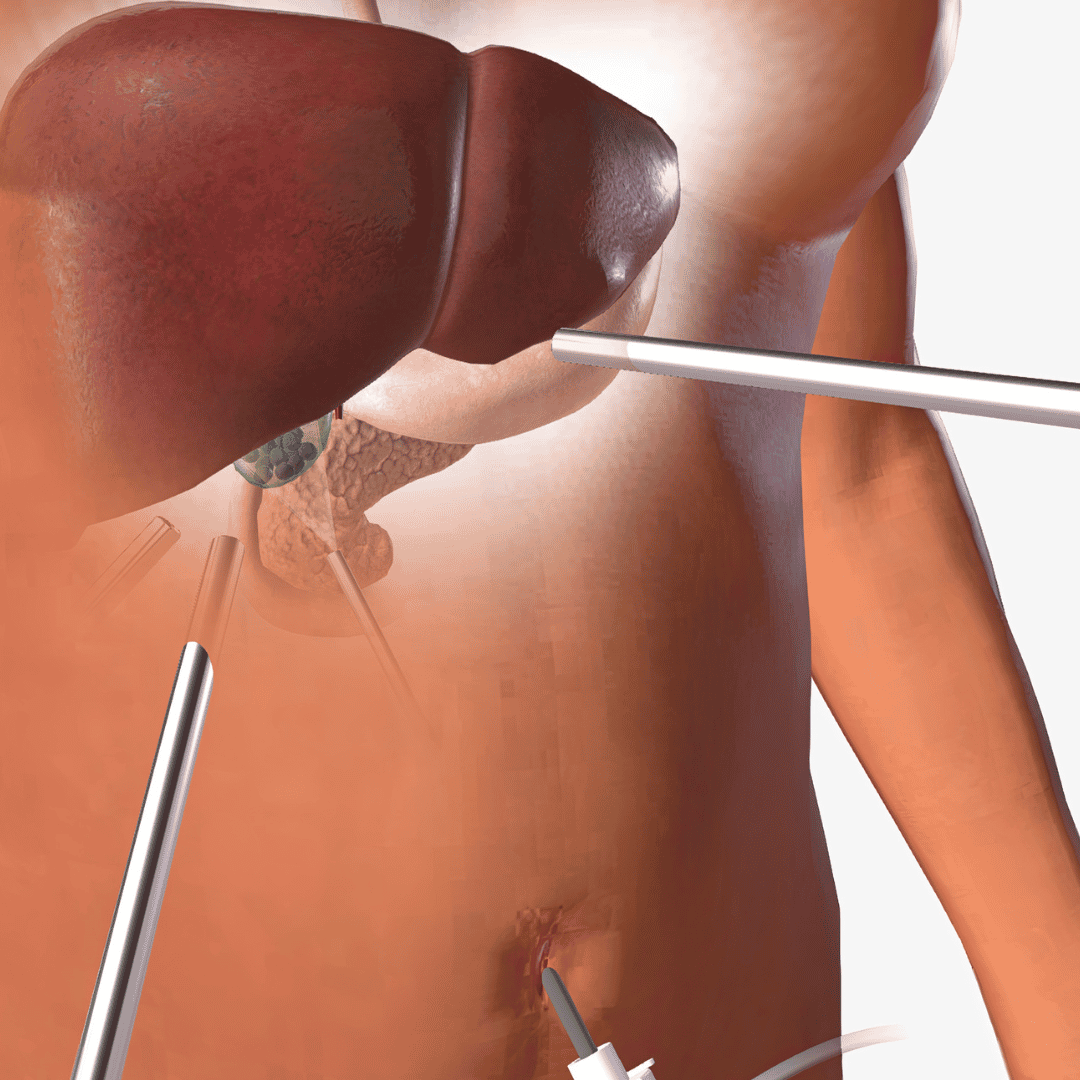
The procedure is typically performed under general anesthesia. Once you are asleep, the surgeon creates three small incisions near the navel and lower abdomen. A harmless gas (usually carbon dioxide) is introduced to expand the abdominal cavity, providing the surgeon with a clear view of the internal structures via a laparoscope—a thin tube with a high-definition camera.
Using long, specialized instruments inserted through the other incisions, the surgeon carefully pulls the protruding intestine or fatty tissue back into its proper place. A piece of synthetic mesh is then positioned over the weakened defect in the abdominal wall and secured with tacks, sutures, or surgical glue. Finally, the instruments are removed, the gas is released, and the incisions are closed.
What are the potential risks and complications of this treatment?
No surgical procedure is entirely without risk. It is important to have realistic expectations and understand the potential complications before traveling for medical care. If complications arise, they may require additional interventions either during the initial trip or after returning home.
- General Surgical Risks: These include adverse reactions to anesthesia, bleeding, blood clots, and infections at the incision sites.
- Organ Injury: The instruments used during laparoscopy can potentially damage nearby structures, such as the bladder, bowels, or blood vessels.
- Chronic Pain: Some patients experience long-term pain (post-herniorrhaphy neuralgia), which may be caused by nerve entrapment or inflammation around the mesh.
- Recurrence: The hernia can return months or years later if the mesh shifts or the tissue weakens further.
- Conversion to Open Surgery: If the surgeon encounters excessive scar tissue or bleeding, they may need to convert the laparoscopic procedure into a traditional open surgery for safety.
What should I expect during the recovery process?
Recovery experiences vary widely depending on the individual's overall health and the complexity of the repair. Immediately after waking up, you may feel groggy and experience some soreness at the incision sites. Pain in the shoulder is also common for the first day or two; this is referred pain caused by the carbon dioxide gas used to inflate the abdomen pressing against the diaphragm.
Your surgical team will encourage you to walk lightly as soon as you are able, as this promotes blood circulation and helps prevent clots. While the smaller incisions of laparoscopy often mean a faster return to daily activities compared to open surgery, internal healing takes time. Heavy lifting, intense exercise, and straining must be avoided for several weeks to prevent the mesh from dislodging or the repair from failing.
How long should I plan to stay in Tijuana for post-operative care?
Proper scheduling is critical for your safety. Traveling long distances immediately after general anesthesia and abdominal surgery increases the risk of deep vein thrombosis (blood clots) and places unnecessary stress on your body. Rushing the journey home can also make managing post-operative pain much more difficult.
Staying locally for a few days allows your surgeon to evaluate your incision sites, remove any drains if used, and confirm that your recovery is progressing normally. Before you are cleared to travel, your doctor should evaluate you and provide a detailed discharge summary, physical copies of imaging, and clear instructions for your local healthcare provider back home.
What are the limitations of medical tourism in Mexico for this procedure?
Engaging in `medical tourism in Mexico` requires recognizing that your care involves two different healthcare systems. Once you cross the border back home, the clinic in Tijuana can no longer provide direct physical care. You must secure a local primary care physician or surgeon willing to manage your long-term follow-up and monitor for late-stage complications.
- Insurance Limitations: Local health insurance policies rarely cover complications arising from elective surgeries performed abroad.
- Continuity of Care: Transferring medical records between countries can be challenging; ensure you leave Mexico with all your documents in hand.
- Language Barriers: While many doctors in Tijuana speak English, auxiliary staff or emergency room personnel may not, which can complicate communication.
- Regulatory Differences: Medical liability and patient recourse laws in Mexico differ significantly from those in the U.S. or Canada.
Why Choose PlacidWay for Medical Tourism in Mexico?
PlacidWay operates as a medical tourism portal, helping patients research and connect with international healthcare providers. Utilizing this platform offers several specific features:
- Access to Information: The platform provides a centralized database where patients can review clinic profiles, available treatments, and estimated pricing ranges.
- Direct Communication: PlacidWay facilitates direct contact between patients and international medical centers, allowing you to ask specific questions to the clinic staff.
- Free Research Tools: Patients can use the website to browse facilities and request initial information at no cost.
- Global Network: The platform lists medical providers across various regions in Mexico, giving patients multiple geographical options.
- Comparative Options: By viewing multiple clinic profiles side-by-side, patients can compare facility accreditations and stated medical focus areas.
Frequently Asked Questions
Is laparoscopic hernia repair done under general or local anesthesia?
This procedure almost always requires general anesthesia. The abdominal muscles must be completely relaxed to allow the surgeon to safely inflate the abdomen with gas and manipulate the internal tissues.
Can bilateral inguinal hernias be repaired at the same time in Tijuana?
Yes. One of the main advantages of the laparoscopic approach is that a surgeon can often repair hernias on both sides of the groin through the same small incisions during a single operation.
Will the surgical mesh need to be replaced in the future?
Surgical mesh is designed to be a permanent implant that integrates with your body's tissues. It typically does not need replacement unless a specific complication, such as a deep infection or mesh failure, occurs.
How soon after surgery can I drive back across the border?
You should not drive for at least several days following surgery. You must be completely off prescription pain medications and able to comfortably perform sudden movements, like pressing hard on the brake pedal.
Do I need a passport to travel to Tijuana for medical care?
Yes. U.S. and Canadian citizens must present a valid passport or an approved Western Hemisphere Travel Initiative (WHTI) document to cross the land border into Mexico and return home.
Can I cross the border back to the U.S. on the same day as surgery?
Medical professionals generally advise against traveling on the same day. Because the surgery requires general anesthesia, staying nearby allows your surgical team to monitor your initial recovery and address any immediate post-operative concerns.
What diet should I follow after a hernia operation?
A diet high in fiber and fluids is usually recommended. Preventing constipation is important because straining during bowel movements can put unnecessary pressure on the newly repaired hernia site.
Is it normal to have swelling in the groin after the procedure?
Mild to moderate swelling and bruising in the groin area are common after hernia surgery. However, severe, rapidly expanding swelling or intense pain should be evaluated by a healthcare professional immediately.
Are medical records from my local doctor required before traveling?
While requirements vary, providing your recent medical history, imaging (like ultrasounds), and blood test results helps the surgical team in Tijuana confirm that you are a safe candidate for the procedure.
What happens if I develop a fever after returning home?
A fever can be a sign of infection. If you develop a fever, persistent pain, or severe redness after returning home, you should seek immediate evaluation from a local physician or emergency department.
Interested in Exploring Your Options?
Compare treatment options and gather the information you need to make an informed decision about your healthcare journey.
Request Treatment InformationReferences
- Patient Information for Laparoscopic Inguinal Hernia Repair – Society of American Gastrointestinal and Endoscopic Surgeons (SAGES)
- Inguinal Hernia: Diagnosis and Treatment – Mayo Clinic
- Hernia Repair Information for Patients – American College of Surgeons (ACS)
- Inguinal Hernia Overview and Management – Cleveland Clinic
- Inguinal Hernia Repair Medical Encyclopedia – MedlinePlus (U.S. National Library of Medicine)
- Patient Resources on Hernia Types and Surgery – Americas Hernia Society

























Share this listing