
What treatment


20+ Key FAQs on Laparoscopic Surgery in Mexico
Questions About Laparoscopic Surgery in Mexico? Start Here
Trusted Medical Tourism Platform Since 2007

How Much Does an Appendectomy Cost in Mexico
The estimated appendectomy cost in Mexico usually ranges from $2,500 to $6,500. This procedure is typically a medical emergency, meaning patients should seek immediate local care rather than planning standard cross-border travel. For most people, appendicitis strikes without warning. It is a rapid, painful condition that requires immediate surgical intervention. Because of this, scheduling an appendectomy in Mexico is very different from planning an elective procedure like dental work or cosmetic surgery. However, understanding the costs and medical protocols is highly valuable for expatriates living in the region, tourists vacationing south of the border, and residents living close to the US-Mexico border. If you find yourself facing an unexpected medical emergency while traveling, knowing what to expect can help you navigate the healthcare system more confidently. Key Takeaways Acute appendicitis is a medical emergency; do not delay treatment to travel long distances. Estimated prices in private facilities typically range between $2,500 and $6,500. Costs vary based on whether the surgery is laparoscopic or open, and if complications like a rupture occur. Private hospitals often require upfront payment or a deposit, even if you carry travel insurance. Recovery takes time, and you may need medical clearance before you are permitted to fly home. Why is an appendectomy considered an emergency procedure? Appendicitis causes the appendix to become inflamed and swollen, carrying a high risk of rupture. If it bursts, bacteria spill into the abdominal cavity, causing a life-threatening infection called peritonitis. The appendix is a small, finger-shaped pouch attached to the large intestine. When it becomes blocked, bacteria multiply rapidly. This causes the appendix to swell and fill with pus. Because this process happens quickly—often over just 24 to 72 hours—there is no time to delay. Unlike elective surgeries commonly associated with medical tourism in Mexico, you cannot safely wait days or weeks to schedule your procedure. Seeking immediate medical evaluation at the nearest emergency room is the only safe option if you experience severe abdominal pain, particularly in the lower right side. What factors influence the total appendectomy cost? The final price you pay depends heavily on the surgical technique used, how long you stay in the hospital, and whether your appendix ruptured prior to the operation. While average estimates provide a baseline, medical emergencies are unpredictable. Several variables will dictate the final bill you receive from an appendectomy clinic in Mexico or private hospital: Surgical approach: Laparoscopic surgery requires specialized equipment and is sometimes slightly more expensive upfront, but it often results in a shorter hospital stay. Complications: If the appendix has already perforated (ruptured), the surgeon must clean the abdominal cavity thoroughly. This requires an open surgery, intensive intravenous antibiotics, and a longer hospital admission, driving costs higher. Hospital location: Private hospitals in major cities or tourist zones often charge more than facilities in smaller towns. Diagnostic tests: Blood work, CT scans, and ultrasounds needed to confirm the diagnosis will add to the overall total. How do the estimated prices compare to the US and Canada? Patients paying out-of-pocket often find that emergency surgeries in Mexican private hospitals cost between 50% to 70% less than the uninsured rates billed by facilities in the United States. In the United States, an uninsured patient might face bills ranging from $10,000 to over $35,000 for an emergency appendectomy, depending on the hospital and the complexity of the case. In Canada, the public health system covers the cost for residents, but visitors or those facing wait-time concerns for other surgeries often look at international prices as a benchmark. For American expats or tourists facing an emergency without valid travel insurance, the lower private healthcare rates in neighboring regions provide significant financial relief. However, it remains essential to prepare for unexpected out-of-pocket expenses, as emergency rooms require immediate payment arrangements. Laparoscopic vs. open appendectomy: Which is performed? Surgeons perform both laparoscopic and open appendectomies. The choice depends on the severity of the infection, your individual anatomy, and the surgeon's assessment during the emergency. Many private facilities are well-equipped to perform laparoscopic (minimally invasive) surgery. During this procedure, the surgeon makes one to three tiny incisions in the abdomen, inserting a special camera and surgical tools to remove the appendix. This method usually means less post-operative pain and a faster recovery. An open appendectomy involves a single larger incision in the lower right side of the abdomen. A doctor may choose this traditional method if your appendix has ruptured, if you have scar tissue from previous abdominal surgeries, or if the laparoscopic view is restricted. Both methods are effective and routinely practiced. Important Consideration: Even if a surgery begins laparoscopically, the surgeon may need to convert to an open procedure mid-operation if they discover widespread infection or severe inflammation that makes minimally invasive removal unsafe. What is usually included in the surgery bill? A standard hospital bill for this procedure typically combines surgeon fees, operating room charges, anesthesia, diagnostic imaging, and your hospital room stay. When reviewing an estimate or a final bill, it helps to know how the costs are broken down. Private facilities generally itemize the following expenses: Professional Fees: This includes the lead general surgeon, the anesthesiologist, and assisting nurses. Facility Fees: Charges for the time spent in the operating room and the recovery room. Diagnostics: Blood tests, urinalysis, and imaging (ultrasound or CT scan) used to diagnose the appendicitis. Room and Board: The cost per night for your hospital room, which is often private in these facilities. Medications: Anesthesia drugs, pain management medication, and IV antibiotics administered during your stay. How do expats and tourists manage unexpected emergencies? Expats and travelers experiencing symptoms usually go directly to the emergency department of a local private hospital, where they undergo immediate evaluation and arrange payment or insurance verification. If you are visiting or living abroad, medical emergencies require quick thinking. It is often recommended to seek out a recognized private hospital rather than a public clinic for emergency surgery, as private facilities are more accustomed to dealing with foreigners and often have English-speaking staff. Keep in mind that admission into a private hospital for an emergency usually requires a credit card hold or a cash deposit upfront. Even if you have comprehensive travel health insurance, the hospital may require you to pay out-of-pocket first and file a claim for reimbursement later, though some hospitals have direct billing agreements with major international insurers. What should you expect during the recovery period? Recovery times vary, but most patients can resume light activities within a few days of a laparoscopic surgery, while full recovery from an open procedure may take several weeks. Immediately after waking up, you will likely feel groggy from the anesthesia and experience some pain at the incision sites. The medical team will manage your pain with medication and monitor you for any signs of infection. Most patients are encouraged to stand up and walk short distances within a day of surgery, as this helps prevent blood clots and promotes healing. If your appendix ruptured, your recovery will take longer. You will need to remain in the hospital to receive a course of intravenous antibiotics to ensure the abdominal infection is fully cleared. Once discharged, you will receive instructions on how to care for your incisions, what signs of infection to watch for (such as fever or increased redness), and restrictions on heavy lifting. How do you identify a safe facility for emergency surgery? In an emergency, head to a reputable private hospital. You can look for facilities that hold national certifications from the General Health Council (CSG) or international accreditations like JCI. While you cannot spend weeks researching an appendectomy clinic in Mexico while in acute pain, tourists and expats should familiarize themselves with local healthcare options before an emergency strikes. Knowing the location of a well-equipped, 24-hour private emergency room in your destination city is a vital part of travel preparation. Private hospitals typically employ board-certified general surgeons and maintain modern operating rooms, intensive care units, and imaging technology. If you are staying at a resort or hotel, the front desk or concierge often has protocols in place to transport guests to the nearest safe, accredited private medical facility quickly. Does standard medical insurance cover emergency surgery abroad? Domestic health insurance policies often do not cover medical care received in another country, making dedicated travel health insurance crucial for international visitors. Many people assume their home insurance will protect them anywhere, but coverage usually stops at the border. Medicare, for instance, generally does not cover healthcare services provided outside the United States. For this reason, purchasing travel medical insurance before crossing the border is highly recommended. If you have a medical emergency like appendicitis, a good travel insurance policy can help offset the sudden out-of-pocket expenses. Always read your policy documents carefully to understand how to notify the insurer during an emergency, what deductibles apply, and whether they offer evacuation coverage if local facilities cannot handle complex complications. Is it safe to travel or fly after appendix removal? You must wait for medical clearance before flying. Commercial airlines and surgeons typically recommend waiting at least a few days to a week after uncomplicated abdominal surgery before air travel. Flying too soon after abdominal surgery presents several risks. Changes in cabin pressure can cause trapped gas in the abdomen to expand, leading to severe pain or stress on your healing incisions. Additionally, sitting for long periods during a flight increases the risk of deep vein thrombosis (DVT), a dangerous condition where blood clots form in the legs. Your surgeon will evaluate your recovery and advise you when it is safe to travel home. If you flew to your destination, you may need to extend your hotel stay for several days post-discharge. Once home, you should schedule a follow-up appointment with your local primary care doctor to ensure your recovery is progressing without complications. Why Choose PlacidWay for Medical Tourism Information? Navigating healthcare options globally requires access to reliable, organized information. PlacidWay helps patients understand their options abroad. Extensive Network: PlacidWay provides information on a wide network of medical centers and specialists across various countries. Educational Resources: The platform offers articles, guides, and comparative tools to help patients learn about different medical procedures. Facility Details: Patients can review facility profiles, accreditations, and available services before reaching out. Bilingual Communication: PlacidWay connects patients with facilities that have English-speaking staff and international patient departments. Transparent Information: The platform facilitates direct communication with clinics so patients can request estimates and understand cost structures. Frequently Asked Questions Can I plan an appendectomy in advance? In rare cases involving chronic appendicitis, a doctor might schedule the procedure in advance. However, the vast majority of appendectomies are emergency surgeries performed to treat acute appendicitis. How long does the actual surgery take? An uncomplicated laparoscopic appendectomy typically takes between 30 to 60 minutes. Open surgeries or cases involving a ruptured appendix may take longer. Will I have a large scar after the procedure? Laparoscopic surgery usually leaves three very small scars on your abdomen. An open appendectomy will leave a larger single scar, typically one to three inches long in the lower right abdomen. What happens if an appendix ruptures before surgery? A ruptured appendix can spread infection throughout the abdomen, leading to a serious condition called peritonitis. This requires immediate open surgery, extensive abdominal cleaning, intravenous antibiotics, and a longer hospital stay. Do Mexican hospitals accept US health insurance? Some private hospitals in tourist or border areas may work directly with certain US health insurance networks, but many require upfront payment. You often need to file a claim with your provider for reimbursement later. How long will I need to stay in the hospital? For a standard laparoscopic procedure without complications, patients usually stay one or two nights. A ruptured appendix often requires a hospital stay of several days to a week for antibiotic treatment. What are the common signs I might need an appendectomy? Common symptoms include sudden pain that begins around your navel and shifts to your lower right abdomen, nausea, vomiting, loss of appetite, and a low-grade fever. If you experience these, seek emergency medical care immediately. Can I eat normally right after my appendix is removed? You will typically start with clear liquids a few hours after surgery. If your stomach tolerates fluids, your care team will gradually reintroduce solid, easily digestible foods over the next few days. Are antibiotics sufficient instead of surgery? While some mild, uncomplicated cases of appendicitis might be managed with antibiotics initially, surgical removal remains the standard of care to prevent recurrence and the risk of a dangerous rupture. What is the difference between chronic and acute appendicitis? Acute appendicitis comes on suddenly and requires emergency surgery to prevent rupture. Chronic appendicitis involves long-standing or recurring inflammation and pain, which is much less common. Need Information on Medical Options Abroad? Compare treatment options, understand facility capabilities, and request detailed information to help you make informed healthcare decisions. Request Treatment Information References Appendicitis Diagnosis and Treatment – Mayo Clinic Appendectomy Patient Guide – American College of Surgeons Medical Tourism Travel Health Information – Centers for Disease Control and Prevention (CDC) Treatment for Appendicitis – National Institute of Diabetes and Digestive and Kidney Diseases Appendectomy Information – MedlinePlus (U.S. National Library of Medicine) Blood Clots and Travel – Centers for Disease Control and Prevention (CDC) Disclaimer: The information provided in this article is for educational and informational purposes only and does not constitute medical advice, diagnosis, or treatment planning. All costs, recovery timelines, and surgical outcomes are estimates and can vary significantly based on individual medical needs and facility pricing. Appendicitis is a severe medical emergency. Do not delay treatment. Always seek immediate evaluation from a qualified healthcare provider if you experience symptoms of acute appendicitis....
Read more details

How Much Does Laparoscopic Gallbladder Removal Cost in Mexico
The average laparoscopic gallbladder removal cost in Mexico typically ranges from $3,500 to $5,500. This estimate usually covers the surgeon's fees, anesthesia, facility charges, and basic pre-op tests, though prices vary by patient needs. For patients suffering from painful gallstones or severe inflammation, surgery is often the most effective treatment. However, the high price of healthcare in regions like the United States and Canada can make accessing this necessary procedure financially stressful. Because of this, thousands of patients look across the border each year to find relief. Understanding the typical laparoscopic gallbladder removal cost in Mexico helps individuals make informed decisions about their healthcare and finances. By combining medical treatment with international travel, patients can often access care that fits their budget without compromising on safety or facility standards. If you are exploring a gallbladder removal clinic in Mexico, it is crucial to look beyond just the price tag. You must consider the quality of the surgical team, the safety of the facility, and the logistics of recovery. Key Takeaways The estimated cost for this procedure in Mexico ($3,500–$5,500) is often a fraction of the cost in the US. Laparoscopic surgery is minimally invasive, usually requiring only small incisions and resulting in quicker healing. Patients should plan to stay in Mexico for roughly 3 to 7 days post-surgery for adequate recovery before flying. Medical clearance from your local physician is strongly recommended before traveling internationally for surgery. Evaluating a clinic’s accreditations and the surgeon's board certifications is an essential part of prioritizing patient safety. What is the average cost of laparoscopic gallbladder removal in Mexico? Expect to pay an estimated $3,500 to $5,500 for a laparoscopic cholecystectomy in Mexico. In contrast, uninsured patients in the US may face bills ranging from $10,000 to over $20,000 for the same procedure. The final price you pay can depend on several factors, including the specific city you choose, the complexity of your medical condition, and the type of medical facility. Border cities like Tijuana or Nuevo Laredo may have slightly different pricing structures than resort destinations like Cancun or Puerto Vallarta. When reviewing a quote, it is helpful to understand the general cost breakdown. Although each facility structures its pricing differently, a comprehensive estimate generally includes: Service Component Description Surgeon's Fee Compensation for the lead surgeon performing the operation. Anesthesiologist Fee Covers the administration and monitoring of general anesthesia. Operating Room & Facility Use of the surgical suite, recovery room, and standard hospital stay (often 1-2 nights). Pre-op Tests & Medications Basic blood work, ECG, and medications administered during the hospital stay. Why is gallbladder surgery more affordable in Mexico? Medical care in Mexico is more affordable primarily due to lower administrative costs, reduced overhead expenses, and a lower overall cost of living compared to the US and Canada. A lower price does not inherently mean lower medical standards. The cost of running a hospital, purchasing property, and paying staff salaries is significantly less in Mexico. Furthermore, many physicians in Mexico receive government-subsidized medical education, allowing them to graduate without the massive student debt that often burdens doctors in the United States. Additionally, the medical malpractice insurance rates for practitioners are lower, which translates to reduced operational overhead. This favorable economic environment has contributed to the rise of medical tourism in Mexico, allowing clinics to pass those financial savings directly onto international patients while still maintaining modern, well-equipped surgical centers. What is typically included in a surgery package in Mexico? Most surgery packages bundle the facility fee, surgeon's fee, anesthesiologist fee, operating room supplies, and routine pre-operative laboratory tests into one transparent price estimate. When gathering information from a facility, ask for a detailed, itemized quote. Transparent medical centers will clearly define what is included. Typically, standard packages include the surgical procedure itself, overnight hospital monitoring if needed, and initial post-operative medications provided before discharge. It is equally important to understand what is not included. Patients should budget separately for: Airfare or ground transportation to the destination. Hotel accommodations for the recovery days after hospital discharge. Prescription medications required after you return home. Costs associated with managing unforeseen medical complications or a longer hospital stay. Companion travel expenses and meals. Am I a good candidate for laparoscopic gallbladder removal in Mexico? Ideal candidates are generally in good overall health, have diagnosed gallstones or gallbladder inflammation, and have been evaluated and cleared for international travel by their local physician. Laparoscopic cholecystectomy is a common procedure, but it is not suitable for everyone. Patients who suffer from recurrent biliary colic (pain caused by gallstones), acute cholecystitis (inflammation), or biliary dyskinesia (poor gallbladder function) are frequently recommended for surgery. However, your medical history plays a crucial role in your eligibility. Conditions such as severe obesity, bleeding disorders, severe heart or lung disease, or extensive scar tissue from previous abdominal surgeries may make laparoscopic surgery overly risky or impossible. In such cases, an open surgery might be required, which involves a longer recovery and may complicate international travel. Always consult with a local healthcare professional to discuss whether traveling abroad for surgery is medically appropriate for your specific situation. How is the laparoscopic gallbladder removal procedure performed? Under general anesthesia, a surgeon makes small incisions in the abdomen, inserts a tiny lighted camera and specialized tools, carefully detaches the gallbladder, and removes it. This technique, also known as minimally invasive surgery, typically takes between one and two hours to complete. To provide a clear view of the organs and space to work, the abdomen is gently inflated with carbon dioxide gas. The camera transmits high-definition video to a monitor, allowing the surgical team to navigate with precision. Once the gallbladder is isolated, the surgeon clips and cuts the bile duct and blood vessels connected to it. The gallbladder is then carefully extracted through one of the incisions, usually the one near the belly button. After verifying there is no bleeding or bile leakage, the gas is released, and the small incisions are closed with sutures or surgical glue. Because the cuts are very small, the healing process is usually much faster than traditional open surgery. What are the potential risks and complications of this surgery? While generally safe, potential risks include infection, bleeding, bile leaks, injury to the common bile duct or nearby organs, and risks associated with general anesthesia. Any surgical procedure carries inherent risks, and it is vital to have realistic expectations. Though severe complications are relatively rare, a known risk of gallbladder surgery is injury to the common bile duct. If this tube is accidentally damaged, bile can leak into the abdomen, causing serious pain and infection. This type of injury often requires additional corrective surgery. Furthermore, occasionally, a surgeon may discover during a laparoscopic procedure that the anatomy is too complex or the inflammation is too severe to proceed safely. In these instances, the surgeon will convert the operation into an open surgery. This means a larger incision is made, and the recovery timeline will be significantly longer. Patients traveling for laparoscopic gallbladder removal in Mexico must understand that if complications arise, they may need to stay in the country much longer than originally planned. How long is the recovery period before I can travel home? Most patients are advised to stay near the clinic in Mexico for 3 to 7 days after the surgery to ensure there are no immediate complications and to gain medical clearance for travel. Immediate recovery begins in the hospital, where nurses will monitor your vital signs as you wake up from anesthesia. Many patients can walk with assistance later the same day and are discharged within 24 hours. However, traveling home immediately is not advised. The residual gas in the abdomen and the physical stress of surgery require a resting period in a comfortable hotel or recovery house. Before you depart, your surgical team will usually schedule a follow-up appointment to check your incisions, remove any drains if used, and provide final clearance for travel. Once you return home, full internal healing can take a few weeks. You will likely be instructed to avoid heavy lifting, strenuous exercise, and certain physical activities for about a month. It is critical to arrange a follow-up appointment with your primary care doctor at home to monitor your long-term recovery. How should I prepare for my medical trip to Mexico? Preparation involves obtaining local medical clearance, gathering your medical records and imaging, ensuring you have a valid passport, and planning for a comfortable recovery space. Medical Records: Request physical or digital copies of your recent abdominal ultrasounds, blood work, and surgical history to provide to your Mexican medical team. Local Clearance: Discuss your plans with your primary care provider to ensure your heart and lungs are healthy enough for general anesthesia and international travel. Travel Documents: Ensure your passport is valid for at least six months beyond your planned travel dates. Check if you require any specific visas or tourist cards for entry. Packing: Bring loose-fitting clothing with elastic waistbands. Tight clothing rubbing against your abdominal incisions will be uncomfortable after surgery. Also, pack slip-on shoes to avoid bending over. Support System: Plan for a companion to accompany you. Navigating airports, managing luggage, and handling basic tasks can be difficult in the days immediately following abdominal surgery. How can I verify the safety and quality of a gallbladder removal clinic in Mexico? You can verify quality by checking for national or international accreditations, confirming the board certification of the surgeons, and asking about the facility's infection control protocols. Thorough research is the cornerstone of safe medical travel. Start by looking for hospitals that hold accreditation from recognized bodies. In Mexico, the Consejo de Salubridad General (CSG) is the highest national health authority standard. Some facilities also achieve Joint Commission International (JCI) accreditation, which applies the same rigorous safety and quality standards found in top US hospitals. When evaluating the medical staff, ask about their educational background and specialized training. The lead surgeon should be a board-certified general surgeon, ideally with specific fellowship training or extensive experience in laparoscopic techniques. Do not hesitate to ask a clinic for statistics regarding their complication rates or infection rates. A reputable facility will be transparent and open to answering your medical safety questions. Why Choose PlacidWay for Medical Tourism in Mexico? PlacidWay serves as a global medical tourism resource, providing patients with the tools and information necessary to research healthcare options abroad. Global Healthcare Access: Provides access to a wide directory of international hospitals, clinics, and medical professionals across Mexico and beyond. Information Comparison: Allows patients to compare facility accreditations, doctor credentials, and publicly available treatment options in one place. Educational Resources: Offers informative articles, patient guides, and destination profiles to help users understand various medical procedures. Patient Coordination: Features built-in tools that help individuals request information and gather cost estimates directly from healthcare providers. Transparent Communication: Connects patients with facilities that strive to provide clear, upfront pricing estimates for medical procedures. Frequently Asked Questions Does laparoscopic gallbladder removal cure gallstones permanently? Yes, because the entire gallbladder is removed during the procedure, gallstones cannot form in the gallbladder again. However, in rare instances, stones can form in the bile ducts. Will I need to follow a special diet after surgery in Mexico? Most patients are advised to eat a low-fat diet immediately following surgery. Because bile now flows directly from the liver to the intestines, consuming high-fat foods may cause bloating, gas, or diarrhea initially. Dietary tolerance usually improves over time. Can I fly home the day after my gallbladder surgery? Flying immediately after abdominal surgery is generally not recommended due to the risk of blood clots and the expansion of residual surgical gas at high altitudes. Most surgeons advise waiting 3 to 7 days before flying. What happens if I develop a complication after returning home? If you experience severe pain, fever, jaundice, or persistent vomiting after returning home, you should seek immediate emergency medical care locally. It is essential to share your Mexican surgical records with your local physician. Will my US or Canadian health insurance cover surgery in Mexico? Standard US and Canadian health insurance policies typically do not cover elective surgery abroad. Some specialized medical tourism insurance policies or employer self-funded plans may offer coverage, but you must verify this directly with your provider. How painful is the recovery from laparoscopic gallbladder removal? Pain is usually moderate and manageable with prescribed oral pain relievers. Patients often report shoulder pain for a few days, which is caused by the carbon dioxide gas used to inflate the abdomen during surgery. Are the surgical instruments used in Mexico safe and sterile? Accredited hospitals and specialized surgery centers in Mexico follow stringent international protocols for sterilization and infection control. When researching facilities, look for those recognized by the General Health Council (CSG) or the Joint Commission International (JCI). What is the difference between laparoscopic and open gallbladder surgery? Laparoscopic surgery uses several small incisions and a camera, leading to a faster recovery and less pain. Open surgery requires one large incision beneath the ribs and is typically reserved for complex cases, severe inflammation, or when laparoscopic surgery cannot be safely completed. Do doctors at Mexican clinics speak English? Many surgeons and medical staff working in popular medical tourism destinations in Mexico are bilingual and speak fluent English. Clinics catering to international patients usually provide dedicated translation services if needed. Do I need a companion to travel with me for this surgery? While not strictly mandatory at all facilities, bringing a companion is highly recommended. You will need assistance carrying luggage, moving around immediately after surgery, and navigating the trip back home. Compare Treatment Options Researching gallbladder removal surgery abroad? Connect with qualified facilities, request information, and gather detailed pricing estimates to make an informed decision about your healthcare journey. Request Treatment Information References Treatment for Gallstones – National Institute of Diabetes and Digestive and Kidney Diseases (NIDDK) Cholecystectomy (gallbladder removal) – Mayo Clinic Cholecystectomy (Gallbladder Removal) Patient Guide – American College of Surgeons (ACS) Laparoscopic Cholecystectomy – Cleveland Clinic Medical Tourism: Travel to Another Country for Medical Care – Centers for Disease Control and Prevention (CDC) Patient Information for Laparoscopic Gallbladder Removal – Society of American Gastrointestinal and Endoscopic Surgeons (SAGES) Medical Disclaimer: The information provided in this article is for educational and informational purposes only and does not constitute medical advice. Treatment outcomes, recovery times, costs, and suitability vary by individual. This content should not replace professional medical consultation, diagnosis, or treatment. Always seek the advice of a qualified healthcare provider with any questions you may have regarding a medical condition or treatment plan....
Read more details
How Much is Hernia Surgery Without Insurance?
Without insurance, hernia surgery in the US typically costs between $4,000 and $15,000. This depends on the hernia type, surgical method, and facility. Medical tourism abroad can often reduce these out-of-pocket expenses to roughly $2,500 to $4,500. Finding out you need an operation can be stressful, especially when asking, "How much is hernia surgery without insurance?" For uninsured or underinsured patients, the out-of-pocket expenses for medical care in the United States can be overwhelming. A hernia occurs when an internal organ or tissue pushes through a weak spot in the surrounding muscle or connective tissue. Because hernias do not heal on their own, surgical intervention is generally the only effective treatment. Navigating the healthcare system as a self-pay patient requires understanding how surgical quotes are calculated. From facility fees to the cost of surgical mesh and anesthesia, the final bill can vary dramatically. Many patients are now looking beyond their local hospitals and exploring medical tourism as a viable, cost-effective alternative without sacrificing the quality of their care. Key Takeaways Uninsured hernia surgery in the US often ranges from $4,000 to $15,000. Costs fluctuate based on the surgical approach (open vs. laparoscopic) and facility type. Self-pay patients can often negotiate cash discounts with local billing departments. Traveling abroad for treatment can reduce total procedure costs by up to 60-70%. Delaying necessary hernia surgery due to cost can lead to severe, life-threatening complications. What is the average out-of-pocket cost for hernia surgery? The average cost for an uninsured patient in the United States usually falls between $4,000 and $15,000. Outpatient surgery centers are generally more affordable than traditional hospital settings. When paying out of pocket, the price you are quoted is rarely a single number. Instead, it is a compilation of several different medical services. A typical hernia surgery bill includes the surgeon’s professional fee, the anesthesiologist's fee, and the facility fee for the operating room. Additionally, you may be billed for pre-operative consultations, blood work, imaging (like ultrasounds or CT scans), and the surgical mesh used to reinforce the abdominal wall. Where you have the surgery plays a massive role in the final price. Ambulatory surgery centers (ASCs) typically have lower overhead costs than large hospitals, allowing them to offer lower cash-pay rates. Many ASCs and independent surgeons are willing to bundle these services into a single, transparent self-pay rate if they know you are paying cash upfront. It is highly recommended that self-pay patients request an itemized estimate in writing before agreeing to the procedure. This helps prevent surprise bills for auxiliary services, such as pathology or post-operative recovery room time. Why is hernia repair so expensive without health coverage? Without insurance, you are subject to standard "chargemaster" rates, which are heavily inflated prices hospitals set before negotiating discounts with insurance companies. The primary reason medical procedures are expensive for the uninsured is the absence of pre-negotiated network discounts. Insurance companies use their vast membership pools to bargain with hospital networks, driving down the actual amount paid for a procedure. Uninsured patients, however, are often billed the hospital's gross charges, which can be artificially inflated to offset administrative costs and unpaid medical debts from other patients. Furthermore, medical supplies like biological or synthetic mesh implants can be costly. Modern hernia repair relies heavily on specialized materials designed to integrate with your body's tissues while minimizing the risk of infection or rejection. The overhead of maintaining advanced surgical technology, adhering to strict regulatory compliance, and carrying high malpractice insurance premiums all contribute to the steep prices found in the US healthcare system. How does the type of hernia affect the overall price? The location, size, and complexity of the hernia dictate the surgical time and resources needed, which directly impacts the total cost of the operation. Not all hernias are the same, and the medical approach varies depending on the diagnosis. The most common types include: Inguinal Hernias: Occurring in the inner groin, these are the most common type. Because they are routine, pricing is often standardized, though bilateral (both sides) repairs will cost more. Umbilical Hernias: Located near the belly button, these are often straightforward to repair, sometimes resulting in a slightly lower cost. Hiatal Hernias: These occur internally when the stomach pushes up through the diaphragm. Repairing them often requires a more specialized, complex approach, leading to higher surgical fees. Incisional Hernias: Developing at the site of a previous surgical scar, these can be quite complex due to scar tissue (adhesions). They frequently require longer operating times and larger pieces of mesh, increasing the overall price. Open vs. Laparoscopic surgery: Which is more affordable? Traditional open surgery is generally less expensive than laparoscopic or robotic surgery because it requires fewer specialized instruments and equipment. During an open hernia repair, the surgeon makes a single incision over the hernia site to push the protruding tissue back into place and secure the mesh. Because this method requires standard surgical tools and no advanced camera equipment, the operating room fees and equipment costs are usually lower. In contrast, laparoscopic surgery is minimally invasive. The surgeon makes several tiny incisions and uses a laparoscope (a small camera) and specialized instruments to perform the repair from the inside. While laparoscopic and robotic repairs typically offer faster recovery times and less post-operative pain, they come with a higher price tag. The equipment is expensive to maintain, and the procedures may require specialized surgical training. When considering options without insurance, you must weigh the upfront cost of the surgery against the potential economic benefit of a faster return to work provided by a laparoscopic approach. Can I travel for more affordable hernia surgery abroad? Yes, many uninsured patients participate in medical tourism. Getting hernia surgery in Mexico, for example, can save patients thousands of dollars while offering comparable medical care. For patients who cannot afford domestic self-pay rates, medical tourism is a practical alternative. By traveling across borders, patients can access high-quality medical facilities that operate under a lower cost of living and favorable exchange rates. Opting for hernia surgery in Mexico is particularly popular for North American patients due to geographical proximity. Cities near the border or popular tourist hubs often have specialized hospitals catering specifically to international patients. Many of the surgeons operating in these facilities have trained internationally and utilize the same modern surgical mesh and techniques found in the US and Canada. While cost savings are a major draw, patients must factor in the cost of flights, accommodations, and passport fees. However, even with travel expenses included, the total financial outlay is often significantly less than paying out of pocket at home. What is typically included in international medical packages? The hernia surgery cost in Mexico and similar destinations is frequently bundled into an all-inclusive medical package, reducing financial guesswork for the patient. One of the most frustrating aspects of domestic healthcare is receiving multiple bills from different providers months after a procedure. Facilities catering to international patients usually solve this by offering bundled packages. A comprehensive package typically includes: Surgeon and anesthesiologist fees. Operating room use and nursing staff. Standard surgical mesh and medical supplies. Pre-operative evaluations (EKG, basic blood panels). Ground transportation between the airport, hotel, and clinic. Always ask for a written breakdown of what is and isn't included. You may need to budget separately for prescription pain medication to take back to your hotel, meals, and your travel companion's expenses. Are there risks to delaying hernia surgery because of cost? Delaying treatment to save money can be extremely dangerous. Hernias can become incarcerated or strangulated, transforming a routine elective surgery into a life-threatening emergency. Hernias do not improve over time; they generally grow larger and become more painful as the abdominal wall weakens further. While a small, reducible hernia (one that can be pushed back in) might seem like a minor annoyance, it carries an inherent risk of complications. The most severe complication is strangulation. This occurs when a portion of the intestine or fatty tissue pushes through the hernia defect and becomes trapped (incarcerated). If the surrounding muscle clamps down on the tissue, it cuts off the blood supply. A strangulated hernia can cause tissue death (gangrene) within hours, requiring emergency surgery, bowel resection, and a prolonged hospital stay. If you experience sudden, severe pain, nausea, vomiting, or if the hernia bulge turns red or purple, you must seek immediate emergency medical attention, regardless of your insurance status. Important Consideration: Emergency surgery in the US without insurance can easily exceed $30,000 to $50,000. Planning an elective repair—whether domestically or abroad—is financially and medically safer than waiting for an emergency. How can uninsured patients finance or pay for their procedure? Uninsured patients can explore medical financing, personal loans, hospital payment plans, or health savings accounts (HSAs) to manage the costs of surgery. If paying a lump sum is out of reach, there are several ways to fund your procedure. Many domestic hospitals and surgery centers offer their own internal payment plans, allowing you to pay off the balance in monthly installments, sometimes without interest. Third-party medical credit cards are another common option. These cards often offer promotional periods of 6 to 18 months with no interest if the balance is paid in full. However, interest rates can be exceptionally high if you miss a payment or fail to pay off the balance within the promotional window. If you are planning to travel for care, check with the international clinic beforehand. While some facilities accept medical credit cards or work with international medical loan providers, many require payment via wire transfer, standard credit card, or cash upon arrival. How do I choose a safe hernia surgery clinic abroad? Finding a reliable hernia surgery clinic in Mexico requires diligent research into facility accreditations, surgeon credentials, and clinical hygiene standards. When engaging in medical tourism in Mexico or anywhere else, patient safety must be the top priority. Do not choose a facility based solely on the lowest price. Instead, look for hospitals and clinics that hold recognized accreditations, such as the Joint Commission International (JCI) or the local equivalent from the country's health ministry. Verify the operating surgeon's credentials. Ask where they completed their medical training and residency, and check if they are board-certified in general surgery within their country. Many top-tier international surgeons hold memberships in recognized global organizations, such as the American College of Surgeons (FACS) or international hernia societies. It is also highly advisable to request a virtual consultation before booking flights. This allows you to speak directly with the doctor, ask about their complication rates, discuss the specific type of mesh they intend to use, and gauge your comfort level with their communication skills. What should I expect during recovery after returning home? Recovery typically takes a few weeks. You must plan for limited mobility, avoid heavy lifting, and establish a plan for post-operative care with a local physician once you return. After hernia surgery, your body needs time to integrate the mesh and heal the muscle wall. For the first few days, you can expect soreness, swelling, and bruising around the incision site. Walking gently is encouraged to prevent blood clots, but strenuous activity and lifting anything heavier than 10-15 pounds is strictly prohibited for at least 4 to 6 weeks. If you traveled abroad for the procedure, flying home poses specific considerations. Sitting in an airplane seat for extended periods can be uncomfortable and slightly increases the risk of Deep Vein Thrombosis (DVT). Wearing compression socks, staying hydrated, and walking the aisle during the flight can help mitigate these risks. Crucially, you must have a plan for local follow-up care. Ask your international surgeon for a complete copy of your medical records, operative report, and details of the mesh used, translated into English if necessary. This ensures that if you experience a complication like an infection or a seroma (fluid buildup), a local primary care physician or urgent care center can safely treat you. Why Choose PlacidWay for Medical Tourism? Navigating healthcare options abroad can be complex, especially when attempting to balance cost with safety. PlacidWay serves as an educational and connecting platform for patients seeking medical treatments internationally. Here is how the platform assists patients: Access to Information: PlacidWay provides directories of international clinics and hospitals, allowing patients to review provider profiles and facility accreditations. Transparent Estimates: The platform helps patients request and compare customized cost estimates for procedures like hernia repair from multiple providers. Global Reach: Patients can explore options in various regions, including Latin America, Europe, and Asia, depending on their geographic preferences. Direct Communication: PlacidWay facilitates initial contact and helps coordinate virtual pre-consultations between patients and international medical teams. Multilingual Support: The service assists in bridging communication gaps, helping patients receive information in their native language. Frequently Asked Questions Can a hernia heal on its own without surgery? No, hernias do not heal or go away on their own. While some small, asymptomatic hernias can be monitored under a doctor's supervision, surgery is the only way to repair the anatomical defect in the abdominal wall. Is hernia surgery considered a medical emergency? Most hernia repairs are elective procedures. However, if a hernia becomes incarcerated (trapped) or strangulated (blood supply is cut off), it becomes a life-threatening medical emergency requiring immediate surgery. How long does a typical hernia surgery take? Depending on the complexity, type of hernia, and surgical approach, the procedure typically takes between one to two hours. Patients often return home the same day or the following morning. Will I definitely need surgical mesh for my repair? Surgical mesh is used in the majority of modern hernia repairs because it strengthens the abdominal wall and significantly lowers the recurrence rate. However, some small hernias can be repaired using just sutures, depending on your surgeon's assessment. How soon can I fly home after having hernia surgery abroad? Most surgeons recommend staying in the destination country for 3 to 7 days after the procedure. This allows for an initial follow-up appointment and ensures you are stable enough to handle the physical stress of air travel. Can I pay for my surgery in installments if I lack insurance? Many hospitals and surgical centers offer payment plans or work with medical financing companies. When traveling abroad for care, some clinics also accept third-party medical credit cards, though full payment is typically required before the procedure. Are there hidden fees in medical tourism packages? Patients should always request a fully itemized quote. While many packages bundle the surgeon, facility, and anesthesia fees, you must clarify if pre-operative blood work, specialized mesh, post-op medications, and travel accommodations are included. What happens if I experience a complication after returning home? If complications like infection or severe pain occur after you return home, you must visit a local urgent care or emergency room immediately. It is vital to bring your surgical records translated into English for your local healthcare providers. Do I need a companion to travel with me for the procedure? Yes, having a companion is highly recommended. You will need someone to help carry luggage, assist you in navigating the airport, and provide support during the first few days of your recovery when your mobility is limited. Is an umbilical hernia cheaper to repair than an inguinal hernia? Umbilical hernias are often slightly less complex to repair than inguinal hernias, which may result in a marginally lower cost. However, the final price depends heavily on the size of the defect and whether an open or laparoscopic technique is used. Explore Your Hernia Surgery Options Compare verified facilities, evaluate transparent costs, and connect with international medical providers. Request Treatment Information References Hernia Repair - American College of Surgeons (ACS) Inguinal Hernia Diagnosis and Treatment - Mayo Clinic Hernia Overview, Types & Repair - Cleveland Clinic Hernia Surgical Mesh Implants - U.S. Food and Drug Administration (FDA) Medical Tourism - Centers for Disease Control and Prevention (CDC) Complications in Hernia Surgery - National Institutes of Health (PubMed) Disclaimer: The information provided in this article is for educational and informational purposes only and does not constitute medical advice, diagnosis, or treatment planning. Hernia types, surgical techniques, costs, risks, and recovery periods vary significantly by individual patient. Not everyone is a suitable candidate for surgery or medical travel. Always consult with a qualified, licensed healthcare professional regarding any medical condition, changes to your health, or prior to making any decisions about undergoing surgery at home or abroad....
Read more detailsDiscover your treatment options with a free, no-obligation quote!
Get your quote now!
What is the Average Price of Laparoscopic Inguinal Hernia Repair Treatment in Tijuana, Mexico?
The average price of laparoscopic inguinal hernia repair in Tijuana, Mexico, typically ranges from $3,500 to $5,500. This estimate usually covers the surgeon, anesthesia, and facility fees, but final costs depend on your specific medical needs. Dealing with an inguinal hernia can be painful and disruptive to daily life. When local healthcare options involve long wait times or high out-of-pocket expenses, some patients explore seeking treatment abroad. Planning for Laparoscopic Inguinal Hernia Repair in Mexico requires a clear understanding of the financial commitments, medical logistics, and necessary safety precautions before making a decision. Key Takeaways Average estimated costs range between $3,500 and $5,500 in Tijuana. Pricing typically bundles surgical fees, anesthesia, and operating room use. The procedure relies on small incisions but still requires general anesthesia. Patients usually stay in the city for three to five days post-surgery for monitoring. Suitability for surgery depends on individual health factors and prior abdominal operations. What factors influence the laparoscopic inguinal hernia repair cost in Mexico? The exact price for your surgery depends on variables like the facility's location, the surgeon's expertise, the type of mesh used, and whether you are treating a unilateral or bilateral hernia. While the baseline price offers a helpful starting point, understanding your specific `Laparoscopic Inguinal Hernia Repair cost in Mexico` requires looking at your unique medical profile. Not every hernia is the same, and the complexity of your anatomy directly impacts the resources required in the operating room. Unilateral vs. Bilateral: Repairing hernias on both sides of the groin simultaneously requires more time and additional materials, naturally increasing the price. Type of Surgical Mesh: Various brands and materials exist. Specialized meshes, such as those designed to minimize tissue adhesion, may carry a premium. Facility Accreditation: Hospitals or surgery centers holding international accreditations often have higher overhead costs, which can reflect in their pricing. Surgeon Experience: Specialists with extensive training in minimally invasive techniques may charge higher professional fees than general practitioners. Pre-Operative Testing: Blood panels, EKGs, and imaging required before surgery might be billed separately from the main surgical package. What is usually included in the quoted price? Most treatment packages in Tijuana bundle the essential clinical fees together, but you should always request an itemized breakdown before committing to surgery. When reviewing financial estimates, you will often encounter "packaged" pricing. This model is common in cross-border healthcare to simplify the payment process for international patients. A standard package typically covers the primary surgeon's fee, the anesthesiologist's fee, use of the operating theater, the surgical mesh, and standard post-operative recovery room time. However, it is vital to understand what falls outside these packages. Travel expenses, hotel accommodations, meals, and passports are your responsibility. Furthermore, standard packages usually do not cover the cost of managing unexpected medical complications, extended hospital stays, or specialized medications required if an emergency arises. Always ask the provider directly about their policy on unforeseen medical costs. Important Consideration: Always clarify if the initial surgical consultation and follow-up appointment are included in the quoted package, as well as any take-home medications required for your recovery. How do you select a laparoscopic inguinal hernia repair clinic in Mexico? Identifying an appropriate facility involves researching board certifications, facility safety accreditations, and the surgeon’s specific track record with minimally invasive techniques. Choosing a `Laparoscopic Inguinal Hernia Repair clinic in Mexico` requires diligent research. Start by verifying the surgeon's credentials. Look for membership in recognized professional bodies, such as the Mexican Association of General Surgery (AMCG) or international organizations focusing on hernia repair and laparoscopy. Equally important is the facility itself. Investigate whether the clinic or hospital holds domestic accreditations from the General Health Council (CSG) in Mexico or international bodies. A reputable clinic will be transparent about their safety protocols, infection rates, and the medical equipment they use. During your initial conversations, the staff should be willing to answer detailed medical questions without pressuring you to book a procedure immediately. Who is typically considered a suitable candidate for this approach? Suitable candidates generally include adults with reducible inguinal hernias who are healthy enough for general anesthesia, though prior surgeries may complicate eligibility. Laparoscopic surgery is not automatically the right choice for everyone. A qualified healthcare professional must review your medical history to determine if this approach aligns with your needs. Generally, patients with bilateral hernias or those who have experienced a hernia recurrence after a traditional open surgery are often considered good candidates for laparoscopy. Conversely, contraindications exist. If you have extensive scar tissue from previous lower abdominal surgeries, navigating the laparoscope can be difficult and increases the risk of injuring internal organs. Additionally, because the procedure involves pumping gas into the abdomen to create working space, patients with severe heart or lung conditions may not be able to safely tolerate the physiological stress of the procedure. What happens during a laparoscopic inguinal hernia operation? The surgeon makes small abdominal incisions, inflates the area with gas, and uses a tiny camera and specialized instruments to reposition the bulging tissue and secure a supporting mesh. The procedure is typically performed under general anesthesia. Once you are asleep, the surgeon creates three small incisions near the navel and lower abdomen. A harmless gas (usually carbon dioxide) is introduced to expand the abdominal cavity, providing the surgeon with a clear view of the internal structures via a laparoscope—a thin tube with a high-definition camera. Using long, specialized instruments inserted through the other incisions, the surgeon carefully pulls the protruding intestine or fatty tissue back into its proper place. A piece of synthetic mesh is then positioned over the weakened defect in the abdominal wall and secured with tacks, sutures, or surgical glue. Finally, the instruments are removed, the gas is released, and the incisions are closed. Did You Know? There are two main types of laparoscopic hernia repair: TAPP (Transabdominal Preperitoneal) and TEP (Totally Extraperitoneal). The surgeon chooses the specific technique based on your anatomy and their expertise. What are the potential risks and complications of this treatment? While often successful, laparoscopic hernia repair carries risks such as infection, bleeding, chronic groin pain, nerve injury, and the possibility of the hernia returning. No surgical procedure is entirely without risk. It is important to have realistic expectations and understand the potential complications before traveling for medical care. If complications arise, they may require additional interventions either during the initial trip or after returning home. General Surgical Risks: These include adverse reactions to anesthesia, bleeding, blood clots, and infections at the incision sites. Organ Injury: The instruments used during laparoscopy can potentially damage nearby structures, such as the bladder, bowels, or blood vessels. Chronic Pain: Some patients experience long-term pain (post-herniorrhaphy neuralgia), which may be caused by nerve entrapment or inflammation around the mesh. Recurrence: The hernia can return months or years later if the mesh shifts or the tissue weakens further. Conversion to Open Surgery: If the surgeon encounters excessive scar tissue or bleeding, they may need to convert the laparoscopic procedure into a traditional open surgery for safety. What should I expect during the recovery process? Many patients can walk the same day and return to light desk work within one to two weeks, but strenuous physical activities must usually be avoided for four to six weeks. Recovery experiences vary widely depending on the individual's overall health and the complexity of the repair. Immediately after waking up, you may feel groggy and experience some soreness at the incision sites. Pain in the shoulder is also common for the first day or two; this is referred pain caused by the carbon dioxide gas used to inflate the abdomen pressing against the diaphragm. Your surgical team will encourage you to walk lightly as soon as you are able, as this promotes blood circulation and helps prevent clots. While the smaller incisions of laparoscopy often mean a faster return to daily activities compared to open surgery, internal healing takes time. Heavy lifting, intense exercise, and straining must be avoided for several weeks to prevent the mesh from dislodging or the repair from failing. How long should I plan to stay in Tijuana for post-operative care? Medical providers typically recommend staying in the city for three to five days after surgery to attend follow-up appointments and ensure there are no immediate complications. Proper scheduling is critical for your safety. Traveling long distances immediately after general anesthesia and abdominal surgery increases the risk of deep vein thrombosis (blood clots) and places unnecessary stress on your body. Rushing the journey home can also make managing post-operative pain much more difficult. Staying locally for a few days allows your surgeon to evaluate your incision sites, remove any drains if used, and confirm that your recovery is progressing normally. Before you are cleared to travel, your doctor should evaluate you and provide a detailed discharge summary, physical copies of imaging, and clear instructions for your local healthcare provider back home. What are the limitations of medical tourism in Mexico for this procedure? Traveling across borders for surgery requires careful planning around aftercare, understanding local healthcare standards, and accepting that resolving long-term complications will require care back home. Engaging in `medical tourism in Mexico` requires recognizing that your care involves two different healthcare systems. Once you cross the border back home, the clinic in Tijuana can no longer provide direct physical care. You must secure a local primary care physician or surgeon willing to manage your long-term follow-up and monitor for late-stage complications. Insurance Limitations: Local health insurance policies rarely cover complications arising from elective surgeries performed abroad. Continuity of Care: Transferring medical records between countries can be challenging; ensure you leave Mexico with all your documents in hand. Language Barriers: While many doctors in Tijuana speak English, auxiliary staff or emergency room personnel may not, which can complicate communication. Regulatory Differences: Medical liability and patient recourse laws in Mexico differ significantly from those in the U.S. or Canada. Why Choose PlacidWay for Medical Tourism in Mexico? PlacidWay operates as a medical tourism portal, helping patients research and connect with international healthcare providers. Utilizing this platform offers several specific features: Access to Information: The platform provides a centralized database where patients can review clinic profiles, available treatments, and estimated pricing ranges. Direct Communication: PlacidWay facilitates direct contact between patients and international medical centers, allowing you to ask specific questions to the clinic staff. Free Research Tools: Patients can use the website to browse facilities and request initial information at no cost. Global Network: The platform lists medical providers across various regions in Mexico, giving patients multiple geographical options. Comparative Options: By viewing multiple clinic profiles side-by-side, patients can compare facility accreditations and stated medical focus areas. Frequently Asked Questions Is laparoscopic hernia repair done under general or local anesthesia? This procedure almost always requires general anesthesia. The abdominal muscles must be completely relaxed to allow the surgeon to safely inflate the abdomen with gas and manipulate the internal tissues. Can bilateral inguinal hernias be repaired at the same time in Tijuana? Yes. One of the main advantages of the laparoscopic approach is that a surgeon can often repair hernias on both sides of the groin through the same small incisions during a single operation. Will the surgical mesh need to be replaced in the future? Surgical mesh is designed to be a permanent implant that integrates with your body's tissues. It typically does not need replacement unless a specific complication, such as a deep infection or mesh failure, occurs. How soon after surgery can I drive back across the border? You should not drive for at least several days following surgery. You must be completely off prescription pain medications and able to comfortably perform sudden movements, like pressing hard on the brake pedal. Do I need a passport to travel to Tijuana for medical care? Yes. U.S. and Canadian citizens must present a valid passport or an approved Western Hemisphere Travel Initiative (WHTI) document to cross the land border into Mexico and return home. Can I cross the border back to the U.S. on the same day as surgery? Medical professionals generally advise against traveling on the same day. Because the surgery requires general anesthesia, staying nearby allows your surgical team to monitor your initial recovery and address any immediate post-operative concerns. What diet should I follow after a hernia operation? A diet high in fiber and fluids is usually recommended. Preventing constipation is important because straining during bowel movements can put unnecessary pressure on the newly repaired hernia site. Is it normal to have swelling in the groin after the procedure? Mild to moderate swelling and bruising in the groin area are common after hernia surgery. However, severe, rapidly expanding swelling or intense pain should be evaluated by a healthcare professional immediately. Are medical records from my local doctor required before traveling? While requirements vary, providing your recent medical history, imaging (like ultrasounds), and blood test results helps the surgical team in Tijuana confirm that you are a safe candidate for the procedure. What happens if I develop a fever after returning home? A fever can be a sign of infection. If you develop a fever, persistent pain, or severe redness after returning home, you should seek immediate evaluation from a local physician or emergency department. Interested in Exploring Your Options? Compare treatment options and gather the information you need to make an informed decision about your healthcare journey. Request Treatment Information Medical Disclaimer: The information provided in this article is for educational purposes only and does not constitute medical advice, diagnosis, or treatment recommendations. All surgeries carry risks. Outcomes, recovery times, and suitability for treatment vary by individual. Always consult with a qualified healthcare professional to determine if a specific medical procedure is appropriate for your health needs. References Patient Information for Laparoscopic Inguinal Hernia Repair – Society of American Gastrointestinal and Endoscopic Surgeons (SAGES) Inguinal Hernia: Diagnosis and Treatment – Mayo Clinic Hernia Repair Information for Patients – American College of Surgeons (ACS) Inguinal Hernia Overview and Management – Cleveland Clinic Inguinal Hernia Repair Medical Encyclopedia – MedlinePlus (U.S. National Library of Medicine) Patient Resources on Hernia Types and Surgery – Americas Hernia Society...
Read more details
How Much Does Hernia Surgery Cost in Mexico?
The estimated cost of hernia surgery in Mexico typically ranges from $2,500 to $4,500, depending on the hernia type, surgical method, and facility. This often represents a significant saving compared to US prices without compromising care. Many patients dealing with abdominal pain and physical discomfort find themselves seeking affordable and timely treatment options outside their home healthcare system. If you are exploring hernia surgery in Mexico, you likely have detailed questions about pricing structures, patient safety, and the logistics of traveling for medical care. A hernia occurs when an internal organ or fatty tissue pushes through a weak spot in the surrounding muscle or connective tissue. Because hernias typically do not heal on their own and can worsen over time, they usually require surgical intervention to repair. Choosing to travel across the border for this procedure has become a popular option for uninsured or underinsured patients, but it requires thorough research. This comprehensive guide covers estimated costs, recovery expectations, and essential details to help you make a medically informed decision. Key Takeaways Estimated prices for hernia repair generally fall between $2,500 and $4,500. Laparoscopic and open surgery techniques are both widely available across major clinics. Patients typically need to remain in the country for 5 to 7 days for post-operative monitoring before flying home. Final costs fluctuate based on the use of surgical mesh, anesthesia type, and facility location. A formal medical consultation is necessary to confirm your specific surgical needs and eligibility for travel. What is the average cost of hernia repair in Mexico? The hernia surgery cost in Mexico typically ranges between $2,500 and $4,500. This estimate usually covers the primary surgeon fee, operating room use, and basic anesthesia. Understanding the financial aspects of receiving care abroad requires looking at what is included in the initial estimate. In many North American healthcare systems, patients receive separate bills from the surgeon, the hospital, and the anesthesiologist. By contrast, international clinics often package these fees together to provide a more straightforward financial expectation. Procedure Type Estimated Cost in Mexico Estimated Cost in US/Canada Open Inguinal Hernia Repair $2,500 - $3,500 $6,000 - $10,000+ Laparoscopic Repair $3,500 - $4,500 $8,000 - $15,000+ Complex / Hiatal Repair $4,500 - $6,000+ $15,000 - $25,000+ These figures are estimates. Your final quote may vary depending on the severity of your condition and the specific protocols of the treating facility. It is advisable to request a written, itemized estimate before committing to any treatment plan. What factors affect the final price of hernia surgery? Your total expense depends on the surgical approach, the type of hernia being treated, hospital fees, and the geographic location of your chosen hernia surgery clinic in Mexico. Pre operative testing and post surgery medications also add to the final bill. Several distinct variables influence the amount you will pay for care. Understanding these elements can help you budget appropriately and avoid unexpected medical expenses. Surgical Technique: Minimally invasive laparoscopic surgery generally costs more than traditional open surgery due to the specialized equipment and training required. Use of Mesh: Most modern repairs utilize synthetic mesh to strengthen the abdominal wall. The type and size of this material can influence the cost. Facility Type: Procedures performed in large, internationally accredited hospitals often carry higher fees than those done in smaller outpatient surgical centers. Diagnostic Tests: Blood work, electrocardiograms, and imaging studies required before clearance will be added to your total expenses. Length of Stay: If your condition requires an overnight stay in the hospital rather than an outpatient discharge, facility fees will increase accordingly. Important Consideration When reviewing price quotes, always ask the coordinator if the quoted amount covers treatments for unexpected complications, as most standard medical packages do not. What are the common types of hernia surgery performed in Mexico? Surgeons in Mexico typically perform inguinal, umbilical, hiatal, and incisional hernia repairs using either open surgery or minimally invasive laparoscopic techniques. The appropriate method depends on the size and location of the tissue defect. Inguinal hernias occur in the inner groin and are the most common type, particularly among men. Umbilical hernias appear near the belly button, while incisional hernias develop at the site of a previous surgical scar. Hiatal hernias involve the upper stomach pushing through the diaphragm and often require a more complex procedure. During open surgery, the doctor makes a single incision over the hernia, pushes the protruding tissue back into place, and stitches the muscle wall closed, frequently reinforcing it with mesh. Laparoscopic surgery involves several very small incisions through which a camera and specialized surgical instruments are inserted. Many patients prefer the laparoscopic approach because it may offer a faster recovery period and less post operative pain, though not everyone is a suitable candidate for this method. Is it safe to travel to Mexico for hernia repair? Traveling for surgery can be safe for eligible candidates if they select appropriately accredited facilities and qualified medical professionals. However, participating in medical tourism in Mexico requires careful evaluation of both medical and travel related risks. Patient safety must always be the priority when considering international healthcare. Many hospitals and private clinics catering to international patients maintain high standards of hygiene, modern technology, and rigorous protocols. Some facilities achieve accreditation from recognized bodies like the Joint Commission International, which indicates adherence to strict global safety standards. However, safety is never absolute. The standard of care can vary widely between different facilities and regions. It is essential to verify the credentials of the operating surgeon, ensuring they have specific board certification in general surgery. Furthermore, patients must consider the risks of traveling, as sitting for long periods during flights or drives shortly after an operation increases the risk of developing blood clots. What should patients expect during the recovery period? Most patients experience mild to moderate discomfort for a few days, with a gradual return to light activities within one to two weeks. Full recovery, especially for strenuous work or heavy lifting, may take up to six weeks. Immediately following the operation, you will spend a few hours in a recovery room while the anesthesia wears off. You will likely feel soreness, tightness, and mild swelling around the incision sites. Your medical team will prescribe pain management medications and provide detailed instructions on keeping the wound clean and dry to prevent infection. Mobility is encouraged shortly after the procedure to promote healthy circulation, but you must avoid lifting heavy objects or engaging in vigorous exercise. Having a companion travel with you is highly recommended, as you will need assistance carrying luggage, moving around your hotel, and managing daily tasks during the first few days of recovery. Am I a good candidate for this procedure abroad? Good candidates are generally in stable health without severe underlying conditions that could complicate anesthesia or air travel. A thorough evaluation by a medical professional is necessary to confirm your eligibility for surgery away from home. Not everyone is suited for medical tourism. Ideal candidates have a clear diagnosis and do not suffer from complex co-morbidities such as severe heart disease, uncontrolled diabetes, or extreme obesity, which can heighten surgical risks. Prior to booking a trip, you should discuss your plans with your primary care physician at home. They can help provide necessary medical records and advise if international travel poses an unacceptable risk to your specific health profile. The foreign surgical team will also require a detailed medical history to determine if they can safely perform the operation in their facility. How do I prepare for a hernia operation in another country? Preparation involves sharing your complete medical records with your foreign surgeon, arranging a comfortable place to stay for recovery, and organizing secure transportation. You may also need to adjust certain medications before the procedure. Proper planning is vital for a smooth medical journey. Begin by securely transmitting your ultrasound or imaging results and blood work to the clinic for a preliminary assessment. Follow all pre operative guidelines provided by the surgical team, which often include fasting for a specific period before the operation and temporarily stopping blood thinning medications or certain supplements. Logistically, book accommodation that is close to the clinic to minimize travel time for your follow-up appointments. Pack loose, comfortable clothing that will not rub against your incisions, and ensure your passport and any required travel documents are up to date well in advance of your departure. What are the potential risks and complications of hernia surgery? Like any operation, hernia repair carries risks such as infection, bleeding, adverse reactions to anesthesia, and chronic pain. There is also a small possibility that the hernia could recur in the future. While generally considered a routine procedure, it is important to acknowledge that complications can happen. Surgical site infections require prompt antibiotic treatment. Some patients experience prolonged nerve pain in the groin area following an inguinal repair. Additionally, complications related to the synthetic mesh, such as migration or tissue reaction, can occasionally occur and may require further intervention. When having surgery abroad, the distance from your operating surgeon becomes a factor if complications arise after you return home. You must be prepared to seek care from local emergency services or your primary physician if you experience symptoms like a high fever, severe swelling, or excessive bleeding once you are back in your home country. How long do I need to stay in Mexico after the procedure? Surgeons usually recommend staying near the clinic for 5 to 7 days after the operation to monitor for immediate complications. This timeframe allows for necessary follow up appointments and ensures you are medically cleared to travel. Attempting to travel too soon after abdominal surgery is strongly discouraged. The initial recovery days are critical for monitoring how your body responds to the operation. During your follow-up visit, the doctor will check your incisions for signs of infection, evaluate your pain levels, and remove any non-dissolvable stitches or staples. Once you are cleared to travel, take precautions for the journey home. Keep hydrated, walk around the airport terminal or take breaks during long drives to promote blood flow, and avoid carrying your own heavy luggage. Always adhere to the specific travel timeline provided by your attending physician. Why Choose PlacidWay for Medical Tourism in Mexico? Navigating international healthcare requires reliable information. PlacidWay helps patients research their options through a comprehensive global platform. Extensive Provider Network PlacidWay offers access to a wide directory of international clinics and hospitals, allowing patients to compare different facilities easily. Educational Resources Patients can review informational guides, facility details, and provider profiles to help them make informed healthcare choices. Transparent Communication The platform facilitates direct contact with healthcare facilities so you can ask specific medical and financial questions directly to the source. Focus on Patient Empowerment We provide the necessary tools and information needed to research treatments independently and comprehensively. Global Perspective PlacidWay highlights diverse treatment destinations, allowing individuals to weigh healthcare options and estimated costs across borders. Frequently Asked Questions Do surgeons in Mexico use mesh for hernia repairs? Yes, surgeons in Mexico frequently use surgical mesh during hernia repairs. The use of mesh helps reinforce the weakened abdominal wall and typically reduces the risk of the hernia returning compared to non-mesh repairs. The specific type of mesh depends on the surgical technique and your individual medical needs. Can I get hernia surgery in Tijuana or Cancun? Yes, both Tijuana and Cancun are popular destinations for medical tourism and have facilities that offer hernia surgery. Tijuana is often preferred by North American patients for its close proximity to the border, while Cancun is popular for those combining medical care with a supportive recovery environment. Will my local health insurance cover hernia surgery in Mexico? Most standard domestic health insurance plans do not cover elective procedures performed in foreign countries. However, some specialized medical tourism insurance policies or specific employer-sponsored cross-border plans might offer partial coverage. Patients should contact their insurance provider directly to verify any out-of-network or international benefits. How soon can I fly after a laparoscopic hernia repair? Physicians generally advise waiting at least 5 to 7 days before flying after a laparoscopic procedure. Air travel too soon after surgery increases the risk of deep vein thrombosis (blood clots) and discomfort from changes in cabin pressure. Always get direct medical clearance from your treating surgeon before flying. Is a hiatal hernia repair more expensive than an inguinal repair? Hiatal hernia repair is typically more complex and requires accessing the diaphragm near the stomach, which often makes it more expensive than a standard inguinal (groin) hernia repair. The final price difference depends on the exact surgical approach and the time required under anesthesia. What happens if I experience complications after returning home? If complications such as infection, severe pain, or bleeding occur after you return home, you should seek immediate care at a local emergency room or urgent care center. It is critical to bring your translated surgical records from Mexico so your local healthcare providers understand exactly what procedure was performed. Do I need a passport or specific visa for medical care in Mexico? International patients traveling to Mexico by air require a valid passport. Depending on your country of citizenship, you may enter Mexico on a standard tourist permit for medical procedures. Always check current governmental travel and visa requirements prior to planning your medical trip. Can I undergo other medical procedures at the same time as a hernia repair? Combining treatments is sometimes possible, but it significantly increases the time spent under anesthesia and the risk of complications. Any decision to combine a hernia repair with another procedure must be carefully evaluated and approved by your surgeon and anesthesiologist based on your overall health. How do I verify a Mexican surgeon is properly credentialed? You can verify credentials by asking the clinic for the surgeon's medical license number (cédula profesional) and checking it against the Mexican government registry. Additionally, look for memberships in recognized professional organizations such as the Mexican Association of General Surgery or international surgical boards. Are there financing options for international medical procedures? While foreign clinics rarely offer direct payment plans to international patients, you can often secure funding through personal medical loans, third-party medical financing companies in your home country, or by using dedicated medical credit cards. Discuss payment schedules with your chosen facility beforehand. Ready to Compare Treatment Options? Review clinic profiles, compare estimated costs, and request detailed treatment information to help you plan your healthcare journey. Request Treatment Information References Inguinal Hernia - National Institute of Diabetes and Digestive and Kidney Diseases (NIDDK) Hernia Repair - American College of Surgeons (ACS) Medical Tourism Travel Health Information - Centers for Disease Control and Prevention (CDC) Inguinal Hernia Symptoms & Causes - Mayo Clinic Hernia Overview & Treatments - Cleveland Clinic Preparing for Hernia Surgery - American Society of Anesthesiologists Medical Disclaimer: The information provided in this article is for educational and informational purposes only and does not constitute medical advice. Treatment outcomes, recovery times, and costs vary significantly by individual. Always consult with a qualified, licensed healthcare professional regarding diagnosis, treatment options, and medical eligibility before making any healthcare or travel decisions....
Read more details
How to Get Hernia Surgery Without Insurance?
Getting Hernia Surgery Without Insurance is possible by exploring affordable self-pay options, comparing prices across hospitals and surgical centers, and requesting transparent cost estimates before treatment. The total cost depends on factors such as the type of hernia, whether open or laparoscopic surgery is performed, the surgeon's experience, hospital fees, diagnostic tests, and post-operative care. Many international patients also choose medical tourism to reduce expenses while receiving quality care from accredited providers. Countries such as Mexico, Turkey, Egypt, Azerbaijan, India, and China offer cost-effective hernia surgery with experienced surgeons, modern medical facilities, and comprehensive treatment packages that may include consultations, surgery, accommodation, and follow-up care. Key Takeaways: Affordable Self-Pay Hernia Care Massive Cost Reductions: Self-pay patients can save between 50% to 75% on surgical expenses by traveling overseas. Transparent Bundled Packages: International programs typically bundle surgical fees, anesthesia, mesh, and hospital stays. World-Class Quality: Access to board-certified general surgeons operating in JCI-accredited and highly modern global facilities. Zero Waitlists: Immediate surgical scheduling prevents long painful delays often found in over-burdened public systems. What Factors Affect the Cost of Hernia Repair? The total medical bill for fixing a hernia varies extensively based on multiple administrative, operational, and physical variables. For patients paying out-of-pocket, understanding these moving parts helps in choosing the most cost-effective treatment strategy. Geographic Location: Healthcare operations in the US carry high overhead fees, whereas overseas clinics leverage lower regional cost structures. Surgical Approach: The choice between a traditional open incision or a minimally invasive technique influences equipment fees. Type of Anesthesia: Utilizing general anesthesia requires an anesthesiologist and specialized monitoring, costing more than local sedation. Operating Facility Fees: Inpatient hospital stays significantly increase pricing compared to outpatient ambulatory surgery centers. Surgical Materials: The brand, composition, and sizing of the medical mesh used to reinforce the abdominal wall affect baseline material costs. Does the Type of Hernia Affect the Surgery Cost? Yes, the specific type, anatomical location, and severity of the hernia directly dictate the complexity of the operation and the resulting medical costs. Simple, primary groin hernias like standard inguinal hernias or small umbilical (navel) hernias are usually straightforward to repair, requiring less operating time and standard sizing materials. Conversely, incisional hernias (which develop at the site of past surgical scars) or large hiatal hernias (occurring inside the upper stomach region) demand specialized equipment, complex tissue manipulation, and extended time under anesthesia. Furthermore, if a hernia becomes recurrent or strangulated, it transitions into a high-risk medical emergency requiring extensive surgical reconstruction, which multiplies the hospital fees significantly. Where to Find the Best Countries for Hernia Surgery Abroad Navigating cross-border medical options allows uninsured individuals to locate world-class healthcare centers that specifically cater to international self-pay medical travelers. 1. Mexico: Hospital Cyntar (Tijuana, Mexico) Hospital Cyntar is a premium bariatric and general surgery provider located just minutes across the US-Mexico border. Highly favored by North American self-pay medical travelers, the clinic specializes in low-cost outpatient laparoscopic hernia interventions, utilizing ultra-modern sterilization standards and providing comprehensive bilingual support packages. 2. Turkey: Medical Park Hospitals Group (Istanbul, Turkey) As Turkey’s largest elite healthcare network, Medical Park combines strict JCI-accredited clinical safety with European-certified micro-surgical teams. Their general surgery departments offer sophisticated multi-port laparoscopy setups for intricate abdominal wall revisions at highly competitive international rates. 3. Egypt: Andalusia Health Group (Cairo, Egypt) Andalusia Health Group serves as a major healthcare hub across North Africa. Their modern surgical towers in Cairo feature highly optimized outpatient tracking tracks, advanced biological mesh options, and renowned general surgical professors expert in large-scale ventral hernia closures. 4. Azerbaijan: Liv Bona Dea LLC (Baku, Azerbaijan) Liv Bona Dea brings unparalleled global diagnostic and operating theater infrastructures to the Caspian region. The facility hosts state-of-the-art robotic and keyhole laparoscopy technologies, ensuring minimal pain and rapid downtime solutions for international clients seeking complex anatomical repairs. 5. India: Rungta Hospital (Indore, Rajasthan, India) Rungta Hospital is globally prominent for delivering extremely cost-efficient, high-volume surgical care without sacrificing medical fidelity. Their skilled surgical units specialize heavily in tension-free mesh placements, providing exceptionally low-cost hernia interventions for global healthcare consumers. 6. China: Xin Hongqiao Henuo Branch (Shanghai, China) Situated within Shanghai's elite international medical zone, this premier center integrates highly innovative, western-standard micro-surgical approaches with personalized therapeutic tracking. It specializes in pediatric hernia management, state-of-the-art imaging systems, and precision tissue suturing. Is Laparoscopic Hernia Repair More Expensive Than Open Surgery? Generally, laparoscopic (minimally invasive keyhole) hernia surgeries carry a higher initial equipment fee compared to conventional open surgeries, though total net expenses often balance out. Laparoscopic operations require advanced technology, specialized video towers, miniature camera gear, and specific disposable tools, which add direct line items to the medical bill. However, for a self-pay patient, the indirect economic parameters are highly favorable: laparoscopic procedures produce far less postoperative pain, carry lower infection rates, and feature exceptionally faster recovery tracks. This allows uninsured individuals to safely minimize time away from work and avoid costly prolonged hospital tracking stays, rendering it highly economical in the long run. How Much Does Hernia Repair Cost Without Insurance? Navigating hernia care out-of-pocket demonstrates a vast economic disparity between the domestic US private market and global medical alternatives. In the United States, an uncomplicated self-pay hernia operation can quickly escalate into a severe financial burden once separate bills from the facility, primary surgeon, and anesthesiologist arrive. Leading overseas centers reduce these non-clinical administrative overheads dramatically, presenting clear all-inclusive transparent cost models. Surgical Fix Type Estimated Cost (US Private Self-Pay) Estimated Cost (Global Package Average) Traditional Open Inguinal Repair $6,500 - $11,000 $1,800 - $3,200 Advanced Laparoscopic Repair (Mesh Included) $9,000 - $15,000+ $2,500 - $4,500 Complex Incisional/Ventral Reconstruction $20,000+ $4,800 - $7,500 What Is Included in the Total Cost of Hernia Repair? When reviewing financial quotes for surgical care, patients must verify that the provided numbers reflect a true all-inclusive bundle rather than just a standalone baseline surgical fee. Pre-Operative Diagnostics: Crucial baseline blood profiles, localized ultrasound scans, and physical fitness health screenings. Surgeon & Professional Fees: Direct compensation covering the main operating micro-surgeon and technical nursing personnel. Anesthesia Services: The costs of sedation medications alongside the dedicated administration and monitoring fees of the anesthesiologist. Operating Room & Materials: Covered facility time, high-grade surgical mesh, sutures, and specialized laparoscopic disposables. Post-Acute Recovery Care: Scheduled follow-up clinic checks, initial pain prescriptions, and immediate recovery-room tracking. Can I Negotiate the Cost of Hernia Surgery? Yes, self-pay consumers possess significant leverage to negotiate lower upfront healthcare fees, particularly when organizing care ahead of time. If looking domestically, patients should request the specific "cash pay" or "self-pay" rate from administrative billing offices, which is almost always significantly lower than standard commercial insurance list prices. However, international clinics completely bypass this tedious administrative bargaining process. They specialize directly in upfront, clear fixed pricing models tailored explicitly for medical tourists, ensuring patients never face unexpected line-item fees or surprise post-operative statements. Did You Know? The human abdominal wall is under constant internal structural pressure. Modern prosthetic surgical meshes function like a flexible structural patch, reducing the long-term recurrence rate of traditional hernia repairs from roughly 10% down to less than 1%, ensuring the wall stays permanently safe. Does Recovery Time Depend on the Type of Hernia Surgery? Post-operative healing windows and physical activity restrictions are directly dependent on the surgical approach chosen by the medical team. Patients undergoing standard laparoscopic hernia repairs typically encounter much smaller tissue disruptions, allowing them to walk comfortably within hours and safely resume light office duties within 1 to 2 weeks. Conversely, a traditional open hernia repair necessitates a larger mechanical incision through overlaying muscle and tissue structures. This requires a much more conservative recovery pathway, usually mandating 4 to 6 weeks of strict restrictions against heavy lifting or strenuous physical strain to safeguard the newly sutured tissue planes from tearing. What Should I Consider Before Choosing a Hernia Surgeon? Selecting the correct clinical professional requires evaluating concrete safety markers, verified specialization credentials, and operational facility history over raw financial cost. Board Certification: Confirm the surgeon holds active board credentials in general abdominal surgery from a recognized medical council. Volume of Operations: Prioritize specialists who perform high volumes of hernia operations annually, minimizing complication variables. Laparoscopic Competency: Ensure the professional possesses deep fellowship experience specifically within advanced minimally invasive tracking tracks. Hospital Accreditation: The primary operating facility should carry verified international quality seals such as JCI or equivalent national licenses. International Coordination: Look for specialists backed by efficient international patient departments to handle electronic health transmissions smoothly. What Questions Should I Ask Before Scheduling Hernia Repair? Conducting a proactive pre-surgical consultation ensures clear expectations regarding the procedural steps, financial clarity, and personal recovery safety guidelines. "Are there any additional, unlisted facility or pharmacy expenses excluded from this self-pay package quote?" "Which specific type of surgical mesh material do you intend to use for my abdominal reinforcement, and why?" "What is your personal historical complication and structural recurrence rate for this exact type of hernia?" "How do you safely structure follow-up consultations and care management once I return home from your clinic?" "In the event of an unexpected overnight observation stay, what extra hospital facility costs will be incurred?" Take Control of Your Health Today Safely Do not let the lack of local medical insurance limit your access to vital, pain-free living. Explore highly accredited, affordable medical packages from top-tier institutions for Hernia Surgery in the World. Let our specialized global care teams build your custom pathway today. Get a Free Custom Quote Today...
Read more details
How Much Does A Laparoscopic Inguinal Hernia Repair Cost in Tijuana, Mexico?
The laparoscopic inguinal hernia repair cost in Tijuana, Mexico generally ranges from $3,500 to $5,500. This highly affordable price point includes surgeon fees, operating room charges, and advanced mesh materials for a complete surgical package. Key Takeaways: Hernia Surgery Across the Border Significant Savings: Patients typically save between 50 to 70 percent compared to standard domestic healthcare costs. Minimally Invasive: The procedure uses small keyhole incisions, leading to reduced scarring and minimal trauma. Rapid Recovery: Most patients return to light, normal activities within a week due to advanced surgical techniques. Quality Materials: Internationally recognized synthetic meshes are used to ensure long term abdominal wall reinforcement. Border Proximity: The convenient location allows easy access for North American patients seeking immediate care. What does a laparoscopic inguinal hernia repair in Tijuana, Mexico involve? This minimally invasive procedure repairs the weakened muscle wall through tiny incisions. Surgeons use a slender camera and specialized tools to restore protruding tissue and place a supportive mesh. The operative process begins with the administration of general anesthesia to guarantee complete patient comfort. The surgical team then gently inflates the abdominal cavity with a harmless medical gas. This inflation creates a dome like space, granting the specialist a clear, expansive view of the internal organs and the exact location of the muscular defect. Following this preparation, the medical team inserts a high definition laparoscope through one of the small entry points. Utilizing the magnified video feed, the specialist carefully retracts the herniated intestine or fatty tissue back into its proper anatomical position. A durable synthetic mesh is then positioned meticulously over the weakened groin area to reinforce the structural integrity of the wall. Finally, the mesh is firmly anchored using biocompatible tacks or modern surgical adhesives to prevent any shifting. The surgical instruments are withdrawn, the carbon dioxide gas is safely expelled, and the small keyhole incisions are neatly closed with absorbable sutures. This precise approach ensures excellent cosmetic outcomes and drastically reduces post-operative discomfort. Why is the laparoscopic inguinal hernia repair cost in Tijuana, Mexico so affordable? The lower expenses are primarily due to the regional economic structure rather than a decrease in medical quality. Reduced administrative overhead, favorable exchange rates, and lower malpractice insurance premiums drive the savings. Reduced Administrative Burden: Facilities operate with streamlined billing departments because they do not have to navigate complex domestic insurance networks and their associated red tape. Favorable Currency Valuation: The economic exchange rate greatly favors international currencies, amplifying the purchasing power of patients paying out of pocket for private healthcare. Lower Facility Overhead: The costs required to maintain advanced surgical centers, including utility bills and commercial real estate, are substantially lower south of the border. Affordable Malpractice Insurance: Medical professionals pay drastically less for mandatory liability coverage, allowing them to pass these operational savings directly to the patient. Competitive Pricing Models: The dense concentration of high quality surgical centers creates a competitive market that naturally keeps package prices accessible for self paying individuals. How do I select the best laparoscopic inguinal hernia repair clinic in Tijuana, Mexico? Choosing the right facility requires evaluating safety certifications, surgical expertise, and patient reviews. It is critical to prioritize internationally accredited hospitals over exceptionally cheap but unverified medical offices. Begin your selection process by verifying the credentials of the lead surgical team. Ensure that the general surgeons are board-certified in their home country and ideally hold international affiliations with recognized surgical colleges. Their primary focus should be on abdominal and minimally invasive procedures, backed by years of documented hands-on experience. Next, strictly evaluate the surgical center itself for modern safety standards. The ideal facility will possess accreditations from reputable healthcare organizations, demonstrating compliance with rigorous sterilization protocols and emergency preparedness. An established intensive care unit on the premises is a strong indicator of a highly capable hospital environment. Finally, examine transparent communication practices and previous patient testimonials. A premier medical provider will willingly offer comprehensive virtual consultations prior to your arrival and present clear, all-inclusive pricing documents. Avoid facilities that refuse to detail the specific brand of surgical mesh they use or rush you into booking without a thorough medical screening. What makes medical tourism in Tijuana, Mexico a safe choice for this surgery? The region has heavily invested in dedicated healthcare districts designed specifically to serve international patients securely. Strict hospital regulations, bilingual medical staff, and modern surgical equipment contribute to an exceptionally safe clinical environment. The local government understands the vast economic importance of healthcare travelers and strictly regulates private hospitals to maintain pristine international reputations. Facilities catering to foreign visitors continuously update their medical technology to mirror the exact standards found in premium North American or European healthcare institutions. This commitment to excellence ensures patients receive top tier clinical care. Furthermore, the physical locations of these premier surgical centers are deeply concentrated in secure, upscale commercial zones near the border crossings. These specialized medical districts are highly monitored and frequently offer enclosed, safe environments where clinics, pharmacies, and recovery accommodations are interconnected. This minimizes unnecessary transit and maximizes patient safety during the vulnerable post-operative period. Safety is further reinforced by the extensive availability of cross border telemedicine support. Prior to crossing the border, patients undergo rigorous remote medical clearance. Following the physical procedure and return home, patients remain closely connected to their surgical team through digital health platforms, ensuring any potential complications are identified and managed proactively. What types of surgical mesh are utilized during this specific procedure? Surgeons utilize FDA approved synthetic materials specifically engineered to integrate seamlessly with human tissue. These advanced meshes provide durable support and significantly lower the chance of hernia recurrence. Polypropylene Mesh: This is the gold standard material widely used globally due to its exceptional strength and proven long term stability within the abdominal wall. Partially Absorbable Mesh: A hybrid option combining durable synthetic fibers with materials that dissolve over time, designed to leave behind less foreign material once healing is complete. Lightweight Mesh Designs: Modern porous designs encourage rapid tissue ingrowth while maintaining flexibility, which helps reduce chronic discomfort or stiffness after recovery. Biologic Mesh Alternatives: In rare cases involving active infections, surgeons may utilize tissues derived from organic sources, though these are less common for standard elective repairs. Self Gripping Mesh: Innovative technological options feature microscopic hooks that cling to the surrounding muscle, entirely eliminating the need for invasive tacks or sutures to hold it in place. How long is the expected recovery timeline after a minimally invasive hernia operation? Because the muscular wall is not subjected to large incisions, the initial healing phase is remarkably swift. Patients typically resume desk work within a week, though strenuous activities remain restricted. During the first forty eight hours following the operation, patients will experience moderate soreness around the incision sites and a feeling of internal tightness. It is highly recommended to engage in frequent, short walks around the recovery room to promote healthy blood circulation and help dissipate the harmless carbon dioxide gas used during the surgery. Oral pain relievers efficiently manage this early discomfort. By the end of the first week, most individuals feel comfortable enough to return to sedentary office jobs and manage light household duties. Driving is usually permitted once the patient is no longer taking prescription painkillers and can comfortably operate vehicle pedals. However, physical movements should still be deliberate to avoid sudden strain on the healing groin area. Complete structural recovery takes approximately six to eight weeks. During this critical window, the synthetic mesh is permanently bonding with your natural muscle fibers. Lifting heavy objects, performing intense core exercises, and engaging in high impact sports must be completely avoided to prevent the mesh from dislodging and causing a surgical failure. Can surgeons repair bilateral hernias simultaneously during one operative session? Yes, an exceptional advantage of the minimally invasive approach is the ability to access both sides of the groin through the same small incisions. This prevents the need for multiple independent surgeries. Single Anesthesia Event: Repairing both defects concurrently means the patient only has to undergo general anesthesia once, significantly minimizing overall medical risks. Unified Recovery Period: Instead of enduring two separate healing phases months apart, the patient completes the entire recovery process simultaneously, allowing for a faster return to normal life. No Additional Incisions: The camera and instruments utilized for the right side can easily be maneuvered internally to repair the left side without creating extra external wounds. Cost Effective Solution: Addressing both issues in a single hospital visit reduces facility fees and surgical block time, making it highly economical for out of pocket patients. Preventative Correction: Sometimes a hidden hernia on the opposite side is discovered during the procedure, and it can be preemptively fixed immediately before it becomes symptomatic. What pre-operative medical evaluations are necessary before crossing the border? Thorough medical screening is vital to guarantee you are a safe candidate for general anesthesia. Standard requirements include recent blood panels, cardiovascular assessments, and a review of daily medications. Before an international surgical date is finalized, your assigned medical coordinator will request a comprehensive blood chemistry panel. This routine laboratory test checks for healthy red blood cell counts, proper blood clotting capabilities, and normal kidney and liver function. These metrics assure the anesthesiologist that your body can successfully process surgical medications. Patients over a certain age or those with a history of cardiovascular conditions will be strictly required to submit a recent electrocardiogram. This painless test records the electrical signals in the heart to detect any hidden rhythm abnormalities. For individuals with respiratory concerns, a simple chest x ray may also be requested to verify clear lung capacity. Finally, complete transparency regarding your current pharmaceutical intake is mandatory. You must provide a detailed list of all prescription drugs, over the counter supplements, and vitamins you consume. Certain compounds, specifically blood thinners and herbal supplements, must be paused weeks in advance to prevent dangerous bleeding complications during the operation. Why choose PlacidWay to coordinate your medical journey south of the border? PlacidWay functions as your premier medical provider network, linking you directly with highly qualified international surgical teams. We simplify the entire process of accessing top tier healthcare while prioritizing safety and transparency. Strict Facility Vetting: We perform rigorous background checks on all partner hospitals, demanding international accreditations and untarnished medical safety records before adding them to our network. Expert Surgeon Access: Our platform exclusively connects patients with board certified specialists who possess extensive documented experience in advanced minimally invasive abdominal procedures. Absolute Price Transparency: We advocate for patients by presenting clear, comprehensive quotes that detail surgical costs, eliminating the stress of hidden fees and unexpected hospital bills. Dedicated Patient Advocacy: Our knowledgeable support team guides you through collecting pre operative medical records and facilitates smooth communication directly with the foreign medical staff. Seamless Virtual Consultations: We organize secure telehealth meetings between you and your prospective surgeon, ensuring all your clinical questions are thoroughly answered before making any commitments. Frequently Asked Questions About Cross Border Surgery Do I need a passport to cross the border for surgery in Tijuana? Yes, a valid passport is required for all international travel between the United States and Mexico. While you might be able to enter Mexico via land borders with a birth certificate and photo ID, re-entering the United States efficiently requires a valid passport book or passport card. Will US health insurance cover my hernia operation in Mexico? Most standard US health insurance plans do not cover elective or non-emergency procedures performed outside the country. However, the cash price for surgery in Mexico is often lower than the out-of-pocket deductibles and copays associated with using insurance in the United States. How soon can I safely drive after an abdominal procedure? Patients are generally advised to wait at least one to two weeks before driving. You must be completely off all prescription pain medication and capable of making sudden physical movements, such as hitting the brakes hard, without experiencing severe abdominal discomfort. What happens if I experience complications upon returning home? In the rare event of a medical emergency upon returning home, you should visit your local emergency room immediately. For minor concerns, your surgical team in Mexico will provide extensive post-operative telehealth support to guide you through normal healing symptoms. Are English speaking medical professionals available in Tijuana surgical centers? Yes, facilities catering to international patients ensure that lead surgeons, primary nurses, and patient coordinators are highly fluent in English. This guarantees clear communication regarding your medical history, surgical risks, and post-operative care instructions. How many nights should I remain in the hospital post-surgery? Minimally invasive hernia repairs are often performed on an outpatient basis. However, international protocols usually recommend staying one night in the hospital for observation, followed by a few days resting in a nearby recovery facility or hotel before traveling. Is general anesthesia mandatory for this specific operation? Yes, general anesthesia is strictly required for this approach. The abdominal cavity must be inflated with gas to create workspace for the camera and tools, which necessitates complete muscle relaxation and deep unconsciousness for the safety of the patient. When can I resume heavy weightlifting at the gym? You must strictly avoid heavy lifting for a minimum of six to eight weeks to allow the surgical mesh to properly integrate with your abdominal wall. Returning to intense physical activity too early significantly increases the risk of the hernia returning. Can my companion stay in my hospital room overnight? Many private facilities accommodate one companion staying overnight in your private suite. The rooms often feature a sleeper sofa or comfortable recliner to ensure your family member or friend can remain close by during your immediate recovery phase. How quickly can I take a shower after the incisions are closed? Most surgeons allow patients to take a brief shower 48 hours after the operation. You will be instructed to let soapy water gently run over the waterproof bandages without scrubbing the area, and to carefully pat the incisions dry afterward. Take Control of Your Health and Finances Today Don't let high domestic medical bills prevent you from living pain free. Connect with verified, internationally recognized surgical centers and secure an affordable, all inclusive medical package tailored to your exact health needs. Get Your Free Quote * Responses typically within 24 hours. Privacy guaranteed....
Read more detailsTable of Contents
- How Much Does an Appendectomy Cost in Mexico
- How Much Does Laparoscopic Gallbladder Removal Cost in Mexico
- How Much is Hernia Surgery Without Insurance?
- What is the Average Price of Laparoscopic Inguinal Hernia Repair Treatment in Tijuana, Mexico?
- How Much Does Hernia Surgery Cost in Mexico?
- How to Get Hernia Surgery Without Insurance?
Unlock the Best Laparoscopic Surgery Packages Just for You
Discover the ultimate Laparoscopic Surgery packages designed to meet your health and wellness goals. Choose the perfect fit for your journey.
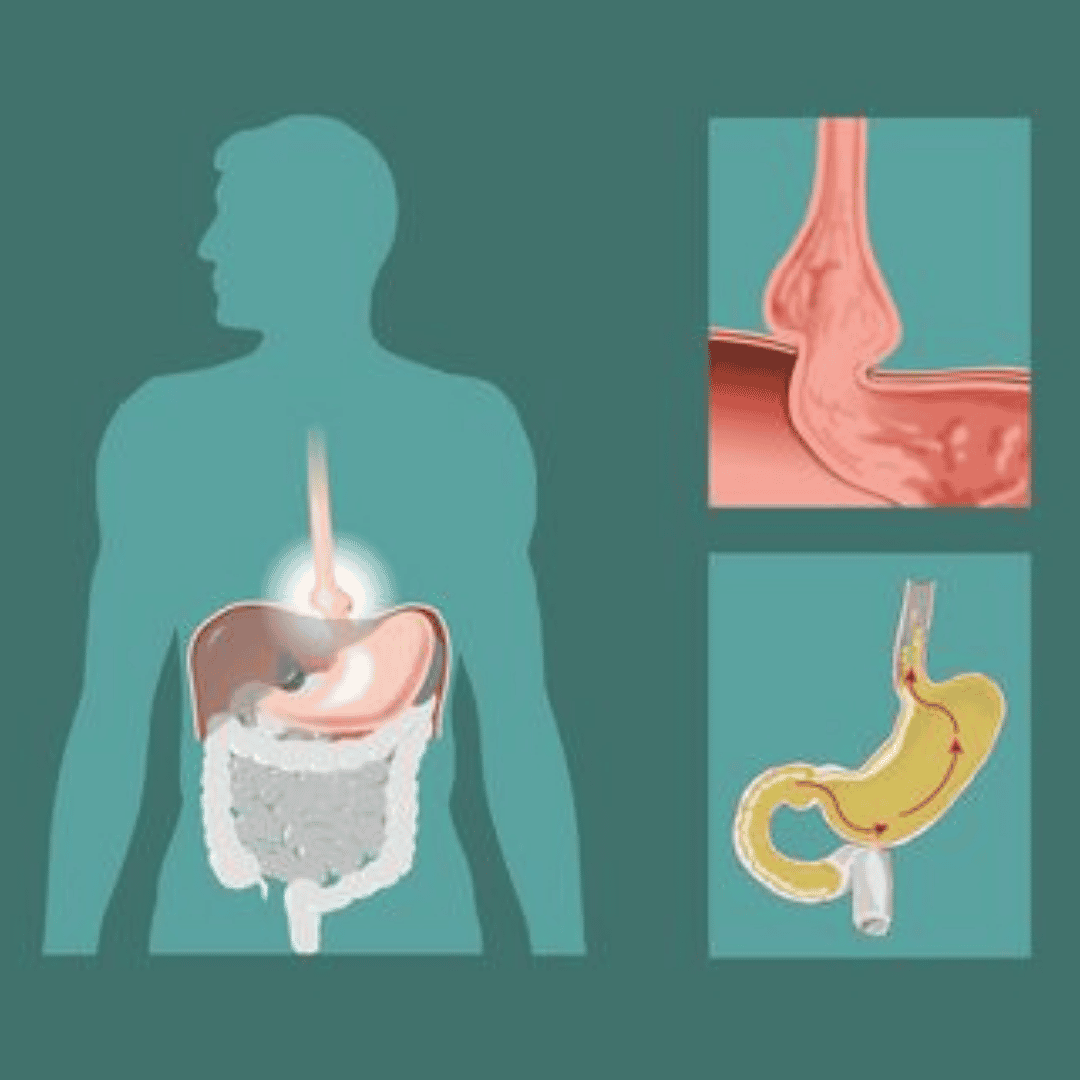
Price starting from $4,100
Low Cost Package for Hiatal Hernia Repair in Merida, Mexico
Bypass Gastrico Merida
- Laparoscopic Surgery
Merida, Mexico

Price starting from $3,990
Top Package for Inguinal Hernia Repair Surgery in Mexicali, Mexico
Dr. Ricardo Garcia Audelo
- Laparoscopic Surgery
Mexicali, Mexico

Laparoscopic Gall Bladder Removal in Tijuana, Mexico
Obesity Bariatric Surgery by Dr. Jorge Maytorena
- Laparoscopic Surgery
Tijuana, Mexico

Price starting from $3,500
Hernia Repair Surgery Package in Puerto Vallarta, Mexico by VMC Hospital
Hospital Vallarta Medical Center in Puerto Vallarta, Mexico
- Laparoscopic Surgery
Puerto Vallarta, Mexico
Laparoscopic Surgery Solutions Near You: Explore Top Medical Centers
Discover how Laparoscopic Surgery is transforming lives at leading medical centers in , Mexico. Dive into center profile, specialties, doctors, reviews, etc. and explore the best options tailored to your needs in this region.

Hernia Clinic Mexico and Bariatric Center
Merida, Mexico

Dr. Cristobal Garza | Spanish Profile
Piedras Negras, Mexico

Dr. Javier Piri Sarmiento - IVF Specialist in Tijuana Mexico
Tijuana, Mexico

Fertility Beyond Borders - Dr. Felix Atondo
Tijuana,Guadalajara,Cancun, Mexico
Transformative Laparoscopic Surgery Experiences: Dive into Procedure Insights
Discover the power of Laparoscopic Surgery through compelling patient experiences. Uncover detailed insights into procedures, recovery journeys, and life-changing results.

Price starting from $2,200
Inguinal Hernia Repair Surgery in Mexico
- Laparoscopic Inguinal Hernia Repair, Laparoscopic Surgery
Mexico

Price starting from $2,200
Hernia Repair in Mexico: Quick Recovery
- Laparoscopic Inguinal Hernia Repair, Laparoscopic Surgery
Mexico

Price starting from $4,200
Gallbladder Removal Surgery in Saudi Arabia
- Laparoscopic Gallbladder Removal, Laparoscopic Surgery
Saudi Arabia
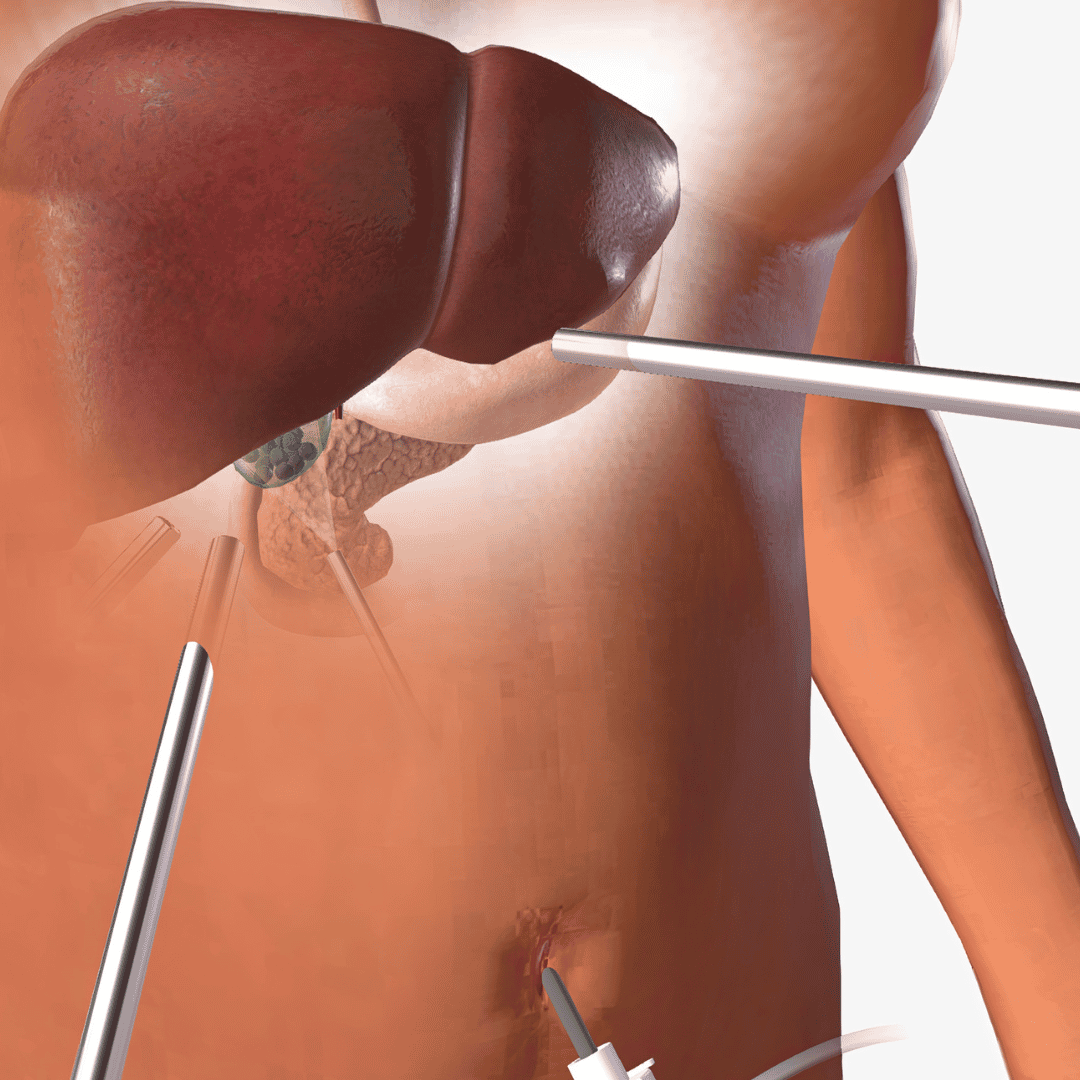
Price starting from $3,660
Gallbladder Removal Surgery in Mexico
- Laparoscopic Gallbladder Removal, Laparoscopic Surgery
Mexico
Explore Laparoscopic Surgery: Stories, Testimonials, and Procedures
Watch in-depth videos covering everything from Laparoscopic Surgery success stories to detailed procedure explanations. Learn what to expect and hear from real patients.

Choose from the Best Packages for Hernia Repair in Mexico
Laparoscopic Surgery
PlacidWay Latin America Medical Tourism
Mexico

Save Now On Affordable Inguinal Hernia Surgery in Mexicali, Mexico
Laparoscopic Surgery
PlacidWay Latin America Medical Tourism
Mexico

Laparoscopic Solutions | Inguinal Hernia Surgery Testimonial
Laparoscopic Surgery
Laparoscopic Solutions
Mexico

Watch Best Laparoscopic Hernia Repair Package in Tijuana, Mexico
Laparoscopic Surgery
PlacidWay Latin America Medical Tourism
Mexico
Learn More with These Laparoscopic Surgery Articles
Take a look at these interesting articles, stories and research that will help you learn more about Laparoscopic Surgery.

Important Information on Laparoscopic Inguinal Hernia Repair in Mexicali, Mexico
PlacidWay Mexico Medical Tourism
- Obesity/Bariatric Surgery
Mexico

Escaping US Medical Debt: Why Hernia Surgery in Mexico is the Best Option
PlacidWay Medical Tourism
- Laparoscopic Surgery
Mexico

Hernia Repair in Piedras Negras, Mexico: Cost Comparison, Clinic Safety, and Patient Eligibility
PlacidWay Mexico Medical Tourism
- Laparoscopic Surgery
Mexico

Blue Net Hospitals and PlacidWay Join to Improve Medical Tourism
Blue Net Hospitals
- Cosmetic/Plastic Surgery
Mexico







