
Laparoscopic Inguinal Hernia Repair Cost in Tijuana, Mexico
The laparoscopic inguinal hernia repair cost in Tijuana, Mexico generally ranges from $3,500 to $5,500. This highly affordable price point includes surgeon fees, operating room charges, and advanced mesh materials for a complete surgical package.
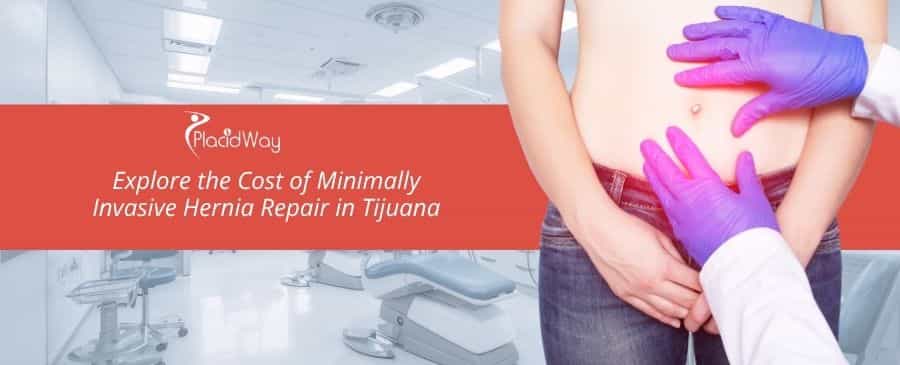
Key Takeaways: Hernia Surgery Across the Border
- Significant Savings: Patients typically save between 50 to 70 percent compared to standard domestic healthcare costs.
- Minimally Invasive: The procedure uses small keyhole incisions, leading to reduced scarring and minimal trauma.
- Rapid Recovery: Most patients return to light, normal activities within a week due to advanced surgical techniques.
- Quality Materials: Internationally recognized synthetic meshes are used to ensure long term abdominal wall reinforcement.
- Border Proximity: The convenient location allows easy access for North American patients seeking immediate care.
What does a laparoscopic inguinal hernia repair in Tijuana, Mexico involve?
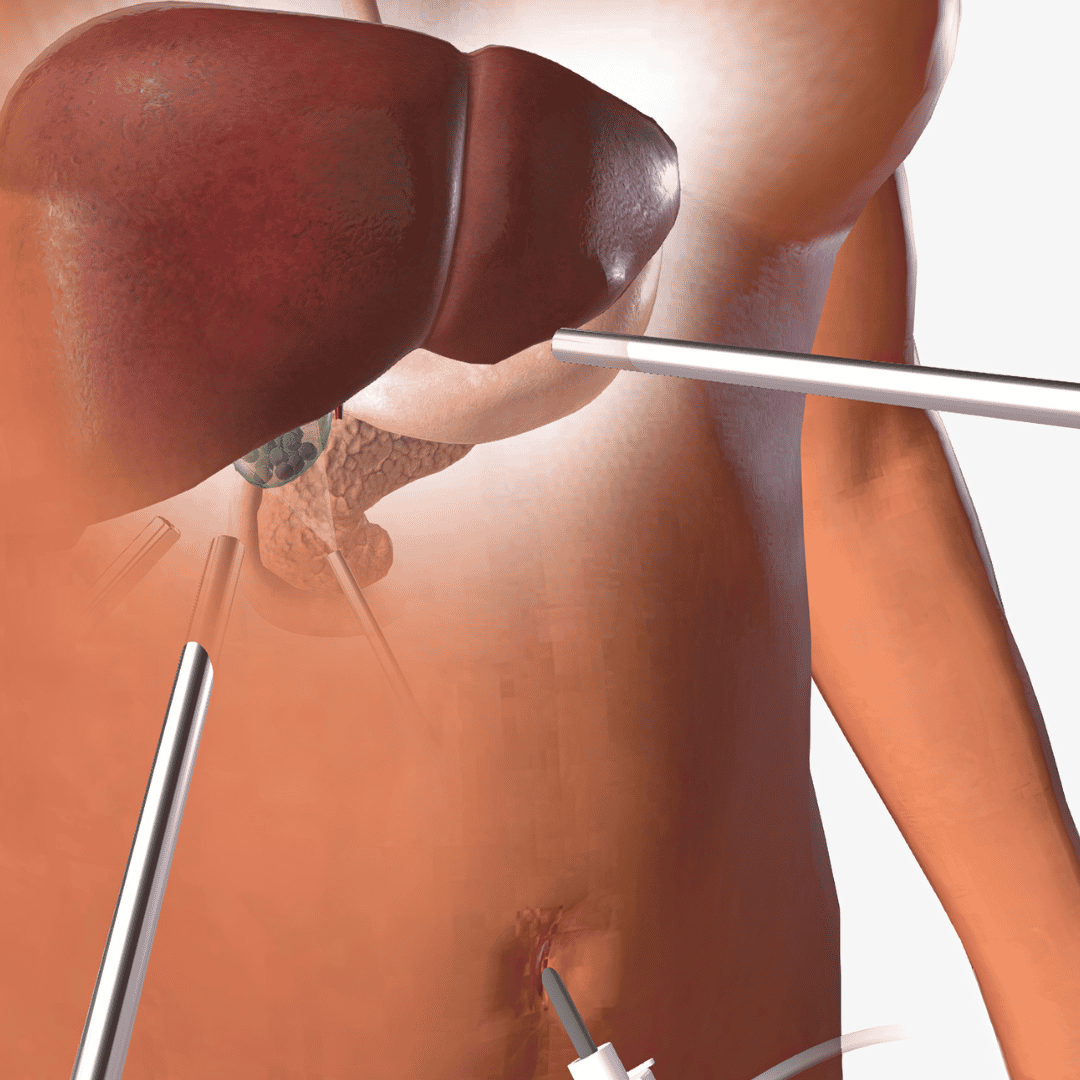
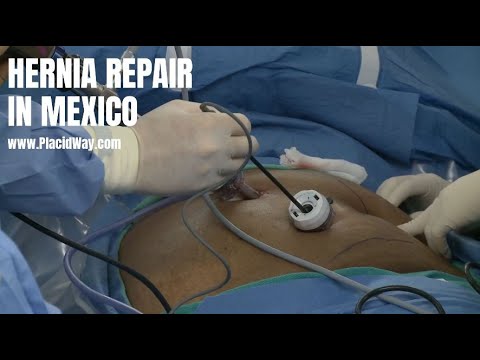
This minimally invasive procedure repairs the weakened muscle wall through tiny incisions. Surgeons use a slender camera and specialized tools to restore protruding tissue and place a supportive mesh.
The operative process begins with the administration of general anesthesia to guarantee complete patient comfort. The surgical team then gently inflates the abdominal cavity with a harmless medical gas. This inflation creates a dome like space, granting the specialist a clear, expansive view of the internal organs and the exact location of the muscular defect.
Following this preparation, the medical team inserts a high definition laparoscope through one of the small entry points. Utilizing the magnified video feed, the specialist carefully retracts the herniated intestine or fatty tissue back into its proper anatomical position. A durable synthetic mesh is then positioned meticulously over the weakened groin area to reinforce the structural integrity of the wall.
Finally, the mesh is firmly anchored using biocompatible tacks or modern surgical adhesives to prevent any shifting. The surgical instruments are withdrawn, the carbon dioxide gas is safely expelled, and the small keyhole incisions are neatly closed with absorbable sutures. This precise approach ensures excellent cosmetic outcomes and drastically reduces post-operative discomfort.
Why is the laparoscopic inguinal hernia repair cost in Tijuana, Mexico so affordable?
The lower expenses are primarily due to the regional economic structure rather than a decrease in medical quality. Reduced administrative overhead, favorable exchange rates, and lower malpractice insurance premiums drive the savings.
- Reduced Administrative Burden: Facilities operate with streamlined billing departments because they do not have to navigate complex domestic insurance networks and their associated red tape.
- Favorable Currency Valuation: The economic exchange rate greatly favors international currencies, amplifying the purchasing power of patients paying out of pocket for private healthcare.
- Lower Facility Overhead: The costs required to maintain advanced surgical centers, including utility bills and commercial real estate, are substantially lower south of the border.
- Affordable Malpractice Insurance: Medical professionals pay drastically less for mandatory liability coverage, allowing them to pass these operational savings directly to the patient.
- Competitive Pricing Models: The dense concentration of high quality surgical centers creates a competitive market that naturally keeps package prices accessible for self paying individuals.
How do I select the best laparoscopic inguinal hernia repair clinic in Tijuana, Mexico?
Choosing the right facility requires evaluating safety certifications, surgical expertise, and patient reviews. It is critical to prioritize internationally accredited hospitals over exceptionally cheap but unverified medical offices.
Begin your selection process by verifying the credentials of the lead surgical team. Ensure that the general surgeons are board-certified in their home country and ideally hold international affiliations with recognized surgical colleges. Their primary focus should be on abdominal and minimally invasive procedures, backed by years of documented hands-on experience.
Next, strictly evaluate the surgical center itself for modern safety standards. The ideal facility will possess accreditations from reputable healthcare organizations, demonstrating compliance with rigorous sterilization protocols and emergency preparedness. An established intensive care unit on the premises is a strong indicator of a highly capable hospital environment.
Finally, examine transparent communication practices and previous patient testimonials. A premier medical provider will willingly offer comprehensive virtual consultations prior to your arrival and present clear, all-inclusive pricing documents. Avoid facilities that refuse to detail the specific brand of surgical mesh they use or rush you into booking without a thorough medical screening.
What makes medical tourism in Tijuana, Mexico a safe choice for this surgery?
The region has heavily invested in dedicated healthcare districts designed specifically to serve international patients securely. Strict hospital regulations, bilingual medical staff, and modern surgical equipment contribute to an exceptionally safe clinical environment.
The local government understands the vast economic importance of healthcare travelers and strictly regulates private hospitals to maintain pristine international reputations. Facilities catering to foreign visitors continuously update their medical technology to mirror the exact standards found in premium North American or European healthcare institutions. This commitment to excellence ensures patients receive top tier clinical care.
Furthermore, the physical locations of these premier surgical centers are deeply concentrated in secure, upscale commercial zones near the border crossings. These specialized medical districts are highly monitored and frequently offer enclosed, safe environments where clinics, pharmacies, and recovery accommodations are interconnected. This minimizes unnecessary transit and maximizes patient safety during the vulnerable post-operative period.
Safety is further reinforced by the extensive availability of cross border telemedicine support. Prior to crossing the border, patients undergo rigorous remote medical clearance. Following the physical procedure and return home, patients remain closely connected to their surgical team through digital health platforms, ensuring any potential complications are identified and managed proactively.
What types of surgical mesh are utilized during this specific procedure?
Surgeons utilize FDA approved synthetic materials specifically engineered to integrate seamlessly with human tissue. These advanced meshes provide durable support and significantly lower the chance of hernia recurrence.
- Polypropylene Mesh: This is the gold standard material widely used globally due to its exceptional strength and proven long term stability within the abdominal wall.
- Partially Absorbable Mesh: A hybrid option combining durable synthetic fibers with materials that dissolve over time, designed to leave behind less foreign material once healing is complete.
- Lightweight Mesh Designs: Modern porous designs encourage rapid tissue ingrowth while maintaining flexibility, which helps reduce chronic discomfort or stiffness after recovery.
- Biologic Mesh Alternatives: In rare cases involving active infections, surgeons may utilize tissues derived from organic sources, though these are less common for standard elective repairs.
- Self Gripping Mesh: Innovative technological options feature microscopic hooks that cling to the surrounding muscle, entirely eliminating the need for invasive tacks or sutures to hold it in place.
How long is the expected recovery timeline after a minimally invasive hernia operation?
Because the muscular wall is not subjected to large incisions, the initial healing phase is remarkably swift. Patients typically resume desk work within a week, though strenuous activities remain restricted.
During the first forty eight hours following the operation, patients will experience moderate soreness around the incision sites and a feeling of internal tightness. It is highly recommended to engage in frequent, short walks around the recovery room to promote healthy blood circulation and help dissipate the harmless carbon dioxide gas used during the surgery. Oral pain relievers efficiently manage this early discomfort.
By the end of the first week, most individuals feel comfortable enough to return to sedentary office jobs and manage light household duties. Driving is usually permitted once the patient is no longer taking prescription painkillers and can comfortably operate vehicle pedals. However, physical movements should still be deliberate to avoid sudden strain on the healing groin area.
Complete structural recovery takes approximately six to eight weeks. During this critical window, the synthetic mesh is permanently bonding with your natural muscle fibers. Lifting heavy objects, performing intense core exercises, and engaging in high impact sports must be completely avoided to prevent the mesh from dislodging and causing a surgical failure.
Can surgeons repair bilateral hernias simultaneously during one operative session?
Yes, an exceptional advantage of the minimally invasive approach is the ability to access both sides of the groin through the same small incisions. This prevents the need for multiple independent surgeries.
- Single Anesthesia Event: Repairing both defects concurrently means the patient only has to undergo general anesthesia once, significantly minimizing overall medical risks.
- Unified Recovery Period: Instead of enduring two separate healing phases months apart, the patient completes the entire recovery process simultaneously, allowing for a faster return to normal life.
- No Additional Incisions: The camera and instruments utilized for the right side can easily be maneuvered internally to repair the left side without creating extra external wounds.
- Cost Effective Solution: Addressing both issues in a single hospital visit reduces facility fees and surgical block time, making it highly economical for out of pocket patients.
- Preventative Correction: Sometimes a hidden hernia on the opposite side is discovered during the procedure, and it can be preemptively fixed immediately before it becomes symptomatic.
What pre-operative medical evaluations are necessary before crossing the border?
Thorough medical screening is vital to guarantee you are a safe candidate for general anesthesia. Standard requirements include recent blood panels, cardiovascular assessments, and a review of daily medications.
Before an international surgical date is finalized, your assigned medical coordinator will request a comprehensive blood chemistry panel. This routine laboratory test checks for healthy red blood cell counts, proper blood clotting capabilities, and normal kidney and liver function. These metrics assure the anesthesiologist that your body can successfully process surgical medications.
Patients over a certain age or those with a history of cardiovascular conditions will be strictly required to submit a recent electrocardiogram. This painless test records the electrical signals in the heart to detect any hidden rhythm abnormalities. For individuals with respiratory concerns, a simple chest x ray may also be requested to verify clear lung capacity.
Finally, complete transparency regarding your current pharmaceutical intake is mandatory. You must provide a detailed list of all prescription drugs, over the counter supplements, and vitamins you consume. Certain compounds, specifically blood thinners and herbal supplements, must be paused weeks in advance to prevent dangerous bleeding complications during the operation.
Why choose PlacidWay to coordinate your medical journey south of the border?
PlacidWay functions as your premier medical provider network, linking you directly with highly qualified international surgical teams. We simplify the entire process of accessing top tier healthcare while prioritizing safety and transparency.
- Strict Facility Vetting: We perform rigorous background checks on all partner hospitals, demanding international accreditations and untarnished medical safety records before adding them to our network.
- Expert Surgeon Access: Our platform exclusively connects patients with board certified specialists who possess extensive documented experience in advanced minimally invasive abdominal procedures.
- Absolute Price Transparency: We advocate for patients by presenting clear, comprehensive quotes that detail surgical costs, eliminating the stress of hidden fees and unexpected hospital bills.
- Dedicated Patient Advocacy: Our knowledgeable support team guides you through collecting pre operative medical records and facilitates smooth communication directly with the foreign medical staff.
- Seamless Virtual Consultations: We organize secure telehealth meetings between you and your prospective surgeon, ensuring all your clinical questions are thoroughly answered before making any commitments.
Frequently Asked Questions About Cross Border Surgery
Do I need a passport to cross the border for surgery in Tijuana?
Yes, a valid passport is required for all international travel between the United States and Mexico. While you might be able to enter Mexico via land borders with a birth certificate and photo ID, re-entering the United States efficiently requires a valid passport book or passport card.
Will US health insurance cover my hernia operation in Mexico?
Most standard US health insurance plans do not cover elective or non-emergency procedures performed outside the country. However, the cash price for surgery in Mexico is often lower than the out-of-pocket deductibles and copays associated with using insurance in the United States.
How soon can I safely drive after an abdominal procedure?
Patients are generally advised to wait at least one to two weeks before driving. You must be completely off all prescription pain medication and capable of making sudden physical movements, such as hitting the brakes hard, without experiencing severe abdominal discomfort.
What happens if I experience complications upon returning home?
In the rare event of a medical emergency upon returning home, you should visit your local emergency room immediately. For minor concerns, your surgical team in Mexico will provide extensive post-operative telehealth support to guide you through normal healing symptoms.
Are English speaking medical professionals available in Tijuana surgical centers?
Yes, facilities catering to international patients ensure that lead surgeons, primary nurses, and patient coordinators are highly fluent in English. This guarantees clear communication regarding your medical history, surgical risks, and post-operative care instructions.
How many nights should I remain in the hospital post-surgery?
Minimally invasive hernia repairs are often performed on an outpatient basis. However, international protocols usually recommend staying one night in the hospital for observation, followed by a few days resting in a nearby recovery facility or hotel before traveling.
Is general anesthesia mandatory for this specific operation?
Yes, general anesthesia is strictly required for this approach. The abdominal cavity must be inflated with gas to create workspace for the camera and tools, which necessitates complete muscle relaxation and deep unconsciousness for the safety of the patient.
When can I resume heavy weightlifting at the gym?
You must strictly avoid heavy lifting for a minimum of six to eight weeks to allow the surgical mesh to properly integrate with your abdominal wall. Returning to intense physical activity too early significantly increases the risk of the hernia returning.
Can my companion stay in my hospital room overnight?
Many private facilities accommodate one companion staying overnight in your private suite. The rooms often feature a sleeper sofa or comfortable recliner to ensure your family member or friend can remain close by during your immediate recovery phase.
How quickly can I take a shower after the incisions are closed?
Most surgeons allow patients to take a brief shower 48 hours after the operation. You will be instructed to let soapy water gently run over the waterproof bandages without scrubbing the area, and to carefully pat the incisions dry afterward.
Take Control of Your Health and Finances Today
* Responses typically within 24 hours. Privacy guaranteed.
.jpg)

.png)
.png)





.jpg)
.jpg)
.jpg)









Share this listing