
Explore the Cost of Appendectomy in Mexico

For most people, appendicitis strikes without warning. It is a rapid, painful condition that requires immediate surgical intervention. Because of this, scheduling an appendectomy in Mexico is very different from planning an elective procedure like dental work or cosmetic surgery.
However, understanding the costs and medical protocols is highly valuable for expatriates living in the region, tourists vacationing south of the border, and residents living close to the US-Mexico border. If you find yourself facing an unexpected medical emergency while traveling, knowing what to expect can help you navigate the healthcare system more confidently.
Key Takeaways
- Acute appendicitis is a medical emergency; do not delay treatment to travel long distances.
- Estimated prices in private facilities typically range between $2,500 and $6,500.
- Costs vary based on whether the surgery is laparoscopic or open, and if complications like a rupture occur.
- Private hospitals often require upfront payment or a deposit, even if you carry travel insurance.
- Recovery takes time, and you may need medical clearance before you are permitted to fly home.
Why is an appendectomy considered an emergency procedure?
The appendix is a small, finger-shaped pouch attached to the large intestine. When it becomes blocked, bacteria multiply rapidly. This causes the appendix to swell and fill with pus. Because this process happens quickly—often over just 24 to 72 hours—there is no time to delay.
Unlike elective surgeries commonly associated with medical tourism in Mexico, you cannot safely wait days or weeks to schedule your procedure. Seeking immediate medical evaluation at the nearest emergency room is the only safe option if you experience severe abdominal pain, particularly in the lower right side.
What factors influence the total appendectomy cost?
While average estimates provide a baseline, medical emergencies are unpredictable. Several variables will dictate the final bill you receive from an appendectomy clinic in Mexico or private hospital:
- Surgical approach: Laparoscopic surgery requires specialized equipment and is sometimes slightly more expensive upfront, but it often results in a shorter hospital stay.
- Complications: If the appendix has already perforated (ruptured), the surgeon must clean the abdominal cavity thoroughly. This requires an open surgery, intensive intravenous antibiotics, and a longer hospital admission, driving costs higher.
- Hospital location: Private hospitals in major cities or tourist zones often charge more than facilities in smaller towns.
- Diagnostic tests: Blood work, CT scans, and ultrasounds needed to confirm the diagnosis will add to the overall total.
How do the estimated prices compare to the US and Canada?
In the United States, an uninsured patient might face bills ranging from $10,000 to over $35,000 for an emergency appendectomy, depending on the hospital and the complexity of the case. In Canada, the public health system covers the cost for residents, but visitors or those facing wait-time concerns for other surgeries often look at international prices as a benchmark.
For American expats or tourists facing an emergency without valid travel insurance, the lower private healthcare rates in neighboring regions provide significant financial relief. However, it remains essential to prepare for unexpected out-of-pocket expenses, as emergency rooms require immediate payment arrangements.
Laparoscopic vs. open appendectomy: Which is performed?
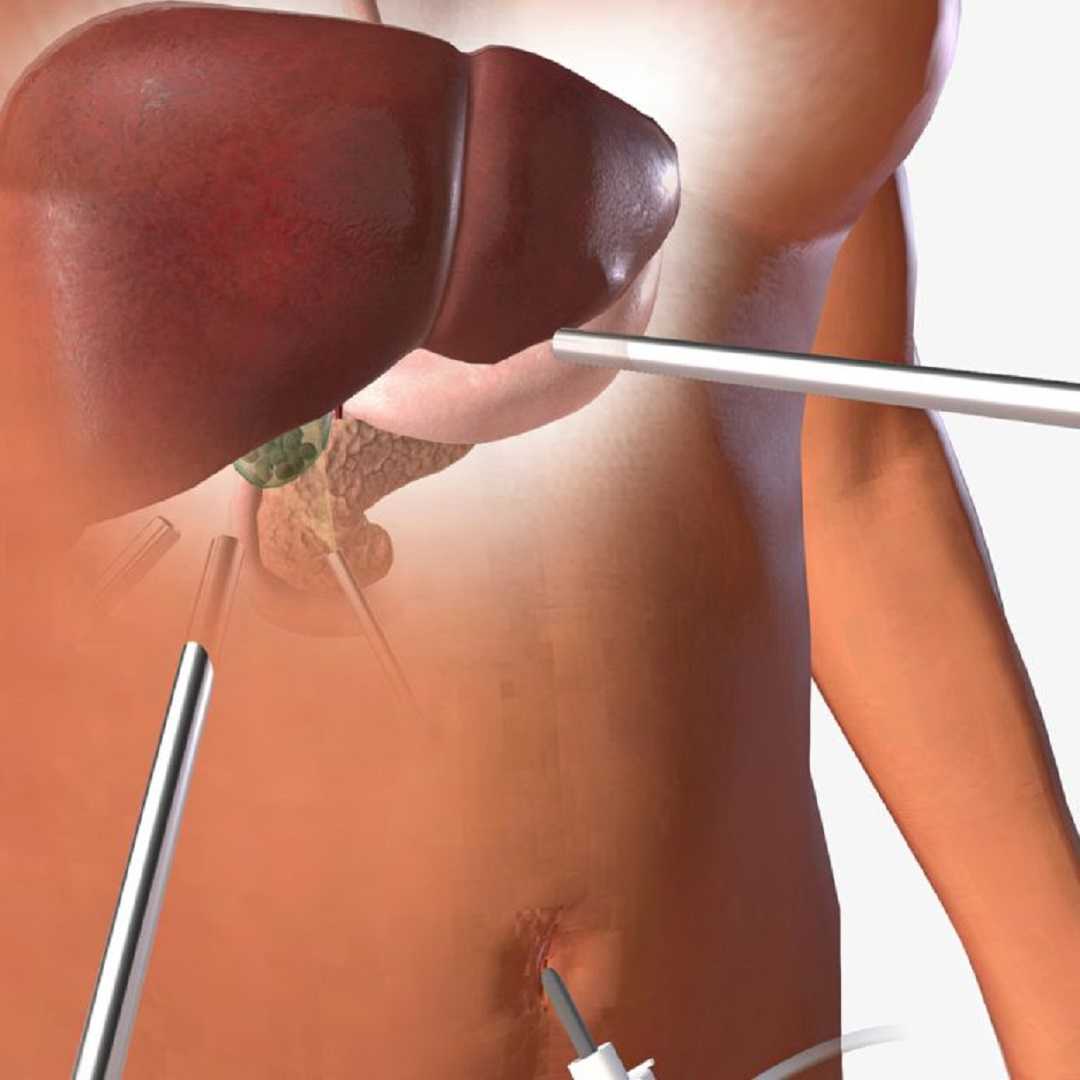
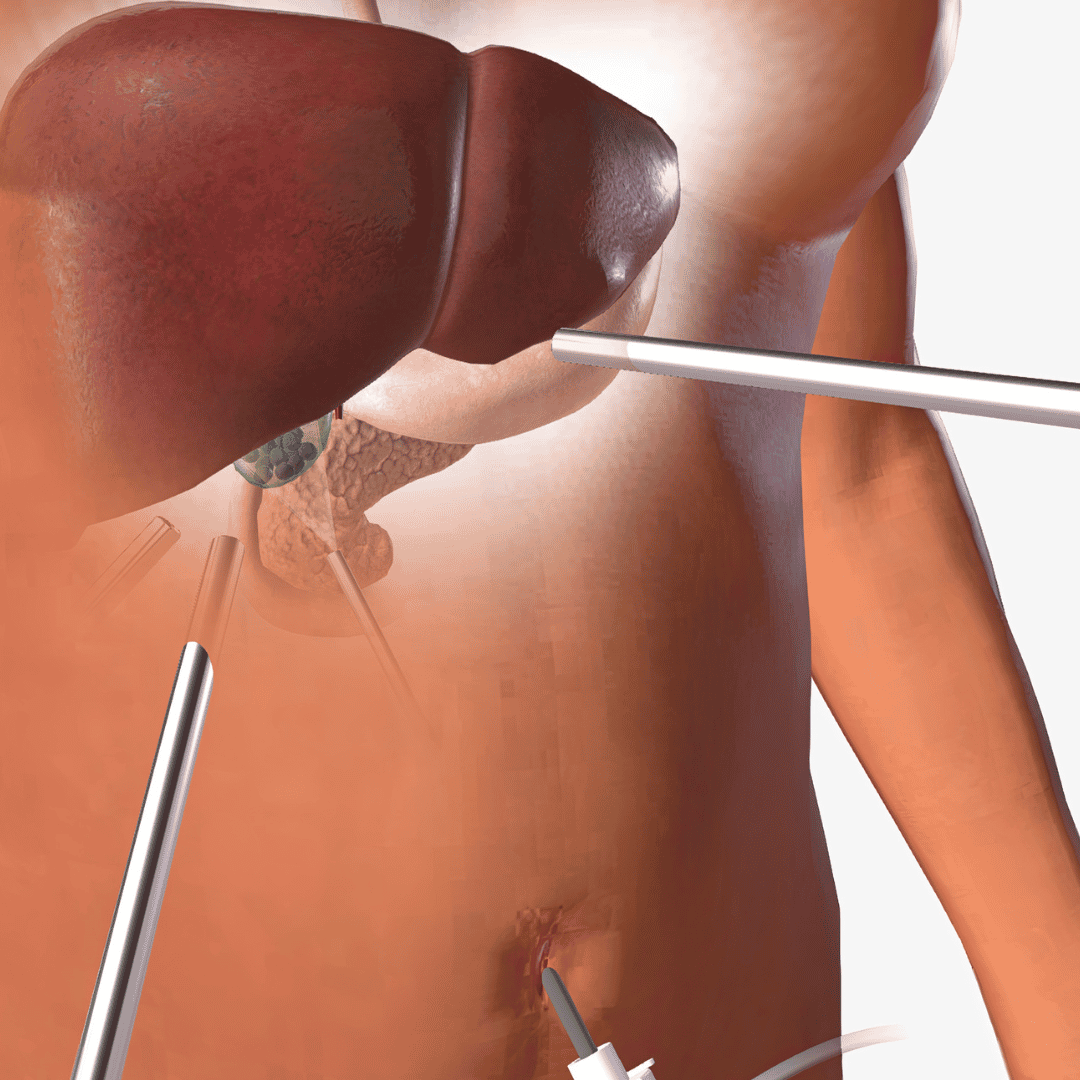
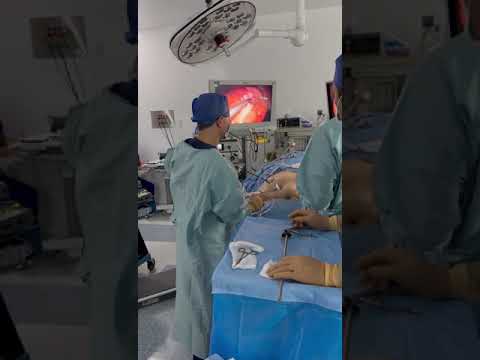
Many private facilities are well-equipped to perform laparoscopic (minimally invasive) surgery. During this procedure, the surgeon makes one to three tiny incisions in the abdomen, inserting a special camera and surgical tools to remove the appendix. This method usually means less post-operative pain and a faster recovery.
An open appendectomy involves a single larger incision in the lower right side of the abdomen. A doctor may choose this traditional method if your appendix has ruptured, if you have scar tissue from previous abdominal surgeries, or if the laparoscopic view is restricted. Both methods are effective and routinely practiced.
What is usually included in the surgery bill?
When reviewing an estimate or a final bill, it helps to know how the costs are broken down. Private facilities generally itemize the following expenses:
- Professional Fees: This includes the lead general surgeon, the anesthesiologist, and assisting nurses.
- Facility Fees: Charges for the time spent in the operating room and the recovery room.
- Diagnostics: Blood tests, urinalysis, and imaging (ultrasound or CT scan) used to diagnose the appendicitis.
- Room and Board: The cost per night for your hospital room, which is often private in these facilities.
- Medications: Anesthesia drugs, pain management medication, and IV antibiotics administered during your stay.
How do expats and tourists manage unexpected emergencies?
If you are visiting or living abroad, medical emergencies require quick thinking. It is often recommended to seek out a recognized private hospital rather than a public clinic for emergency surgery, as private facilities are more accustomed to dealing with foreigners and often have English-speaking staff.
Keep in mind that admission into a private hospital for an emergency usually requires a credit card hold or a cash deposit upfront. Even if you have comprehensive travel health insurance, the hospital may require you to pay out-of-pocket first and file a claim for reimbursement later, though some hospitals have direct billing agreements with major international insurers.
What should you expect during the recovery period?
Immediately after waking up, you will likely feel groggy from the anesthesia and experience some pain at the incision sites. The medical team will manage your pain with medication and monitor you for any signs of infection. Most patients are encouraged to stand up and walk short distances within a day of surgery, as this helps prevent blood clots and promotes healing.
If your appendix ruptured, your recovery will take longer. You will need to remain in the hospital to receive a course of intravenous antibiotics to ensure the abdominal infection is fully cleared. Once discharged, you will receive instructions on how to care for your incisions, what signs of infection to watch for (such as fever or increased redness), and restrictions on heavy lifting.
How do you identify a safe facility for emergency surgery?
While you cannot spend weeks researching an appendectomy clinic in Mexico while in acute pain, tourists and expats should familiarize themselves with local healthcare options before an emergency strikes. Knowing the location of a well-equipped, 24-hour private emergency room in your destination city is a vital part of travel preparation.
Private hospitals typically employ board-certified general surgeons and maintain modern operating rooms, intensive care units, and imaging technology. If you are staying at a resort or hotel, the front desk or concierge often has protocols in place to transport guests to the nearest safe, accredited private medical facility quickly.
Does standard medical insurance cover emergency surgery abroad?
Many people assume their home insurance will protect them anywhere, but coverage usually stops at the border. Medicare, for instance, generally does not cover healthcare services provided outside the United States. For this reason, purchasing travel medical insurance before crossing the border is highly recommended.
If you have a medical emergency like appendicitis, a good travel insurance policy can help offset the sudden out-of-pocket expenses. Always read your policy documents carefully to understand how to notify the insurer during an emergency, what deductibles apply, and whether they offer evacuation coverage if local facilities cannot handle complex complications.
Is it safe to travel or fly after appendix removal?
Flying too soon after abdominal surgery presents several risks. Changes in cabin pressure can cause trapped gas in the abdomen to expand, leading to severe pain or stress on your healing incisions. Additionally, sitting for long periods during a flight increases the risk of deep vein thrombosis (DVT), a dangerous condition where blood clots form in the legs.
Your surgeon will evaluate your recovery and advise you when it is safe to travel home. If you flew to your destination, you may need to extend your hotel stay for several days post-discharge. Once home, you should schedule a follow-up appointment with your local primary care doctor to ensure your recovery is progressing without complications.
Why Choose PlacidWay for Medical Tourism Information?
Navigating healthcare options globally requires access to reliable, organized information. PlacidWay helps patients understand their options abroad.
- Extensive Network: PlacidWay provides information on a wide network of medical centers and specialists across various countries.
- Educational Resources: The platform offers articles, guides, and comparative tools to help patients learn about different medical procedures.
- Facility Details: Patients can review facility profiles, accreditations, and available services before reaching out.
- Bilingual Communication: PlacidWay connects patients with facilities that have English-speaking staff and international patient departments.
- Transparent Information: The platform facilitates direct communication with clinics so patients can request estimates and understand cost structures.
Frequently Asked Questions
Can I plan an appendectomy in advance?
In rare cases involving chronic appendicitis, a doctor might schedule the procedure in advance. However, the vast majority of appendectomies are emergency surgeries performed to treat acute appendicitis.
How long does the actual surgery take?
An uncomplicated laparoscopic appendectomy typically takes between 30 to 60 minutes. Open surgeries or cases involving a ruptured appendix may take longer.
Will I have a large scar after the procedure?
Laparoscopic surgery usually leaves three very small scars on your abdomen. An open appendectomy will leave a larger single scar, typically one to three inches long in the lower right abdomen.
What happens if an appendix ruptures before surgery?
A ruptured appendix can spread infection throughout the abdomen, leading to a serious condition called peritonitis. This requires immediate open surgery, extensive abdominal cleaning, intravenous antibiotics, and a longer hospital stay.
Do Mexican hospitals accept US health insurance?
Some private hospitals in tourist or border areas may work directly with certain US health insurance networks, but many require upfront payment. You often need to file a claim with your provider for reimbursement later.
How long will I need to stay in the hospital?
For a standard laparoscopic procedure without complications, patients usually stay one or two nights. A ruptured appendix often requires a hospital stay of several days to a week for antibiotic treatment.
What are the common signs I might need an appendectomy?
Common symptoms include sudden pain that begins around your navel and shifts to your lower right abdomen, nausea, vomiting, loss of appetite, and a low-grade fever. If you experience these, seek emergency medical care immediately.
Can I eat normally right after my appendix is removed?
You will typically start with clear liquids a few hours after surgery. If your stomach tolerates fluids, your care team will gradually reintroduce solid, easily digestible foods over the next few days.
Are antibiotics sufficient instead of surgery?
While some mild, uncomplicated cases of appendicitis might be managed with antibiotics initially, surgical removal remains the standard of care to prevent recurrence and the risk of a dangerous rupture.
What is the difference between chronic and acute appendicitis?
Acute appendicitis comes on suddenly and requires emergency surgery to prevent rupture. Chronic appendicitis involves long-standing or recurring inflammation and pain, which is much less common.
Need Information on Medical Options Abroad?
Compare treatment options, understand facility capabilities, and request detailed information to help you make informed healthcare decisions.
Request Treatment InformationReferences
- Appendicitis Diagnosis and Treatment – Mayo Clinic
- Appendectomy Patient Guide – American College of Surgeons
- Medical Tourism Travel Health Information – Centers for Disease Control and Prevention (CDC)
- Treatment for Appendicitis – National Institute of Diabetes and Digestive and Kidney Diseases
- Appendectomy Information – MedlinePlus (U.S. National Library of Medicine)
- Blood Clots and Travel – Centers for Disease Control and Prevention (CDC)

























Share this listing