
Explore Laparoscopic Gallbladder Removal Cost in Mexico

For patients suffering from painful gallstones or severe inflammation, surgery is often the most effective treatment. However, the high price of healthcare in regions like the United States and Canada can make accessing this necessary procedure financially stressful. Because of this, thousands of patients look across the border each year to find relief. Understanding the typical laparoscopic gallbladder removal cost in Mexico helps individuals make informed decisions about their healthcare and finances.
By combining medical treatment with international travel, patients can often access care that fits their budget without compromising on safety or facility standards. If you are exploring a gallbladder removal clinic in Mexico, it is crucial to look beyond just the price tag. You must consider the quality of the surgical team, the safety of the facility, and the logistics of recovery.
Key Takeaways
- The estimated cost for this procedure in Mexico ($3,500–$5,500) is often a fraction of the cost in the US.
- Laparoscopic surgery is minimally invasive, usually requiring only small incisions and resulting in quicker healing.
- Patients should plan to stay in Mexico for roughly 3 to 7 days post-surgery for adequate recovery before flying.
- Medical clearance from your local physician is strongly recommended before traveling internationally for surgery.
- Evaluating a clinic’s accreditations and the surgeon's board certifications is an essential part of prioritizing patient safety.
What is the average cost of laparoscopic gallbladder removal in Mexico?
The final price you pay can depend on several factors, including the specific city you choose, the complexity of your medical condition, and the type of medical facility. Border cities like Tijuana or Nuevo Laredo may have slightly different pricing structures than resort destinations like Cancun or Puerto Vallarta.
When reviewing a quote, it is helpful to understand the general cost breakdown. Although each facility structures its pricing differently, a comprehensive estimate generally includes:
| Service Component | Description |
|---|---|
| Surgeon's Fee | Compensation for the lead surgeon performing the operation. |
| Anesthesiologist Fee | Covers the administration and monitoring of general anesthesia. |
| Operating Room & Facility | Use of the surgical suite, recovery room, and standard hospital stay (often 1-2 nights). |
| Pre-op Tests & Medications | Basic blood work, ECG, and medications administered during the hospital stay. |
Why is gallbladder surgery more affordable in Mexico?
A lower price does not inherently mean lower medical standards. The cost of running a hospital, purchasing property, and paying staff salaries is significantly less in Mexico. Furthermore, many physicians in Mexico receive government-subsidized medical education, allowing them to graduate without the massive student debt that often burdens doctors in the United States.
Additionally, the medical malpractice insurance rates for practitioners are lower, which translates to reduced operational overhead. This favorable economic environment has contributed to the rise of medical tourism in Mexico, allowing clinics to pass those financial savings directly onto international patients while still maintaining modern, well-equipped surgical centers.
What is typically included in a surgery package in Mexico?
When gathering information from a facility, ask for a detailed, itemized quote. Transparent medical centers will clearly define what is included. Typically, standard packages include the surgical procedure itself, overnight hospital monitoring if needed, and initial post-operative medications provided before discharge.
It is equally important to understand what is not included. Patients should budget separately for:
- Airfare or ground transportation to the destination.
- Hotel accommodations for the recovery days after hospital discharge.
- Prescription medications required after you return home.
- Costs associated with managing unforeseen medical complications or a longer hospital stay.
- Companion travel expenses and meals.
Am I a good candidate for laparoscopic gallbladder removal in Mexico?
Laparoscopic cholecystectomy is a common procedure, but it is not suitable for everyone. Patients who suffer from recurrent biliary colic (pain caused by gallstones), acute cholecystitis (inflammation), or biliary dyskinesia (poor gallbladder function) are frequently recommended for surgery.
However, your medical history plays a crucial role in your eligibility. Conditions such as severe obesity, bleeding disorders, severe heart or lung disease, or extensive scar tissue from previous abdominal surgeries may make laparoscopic surgery overly risky or impossible. In such cases, an open surgery might be required, which involves a longer recovery and may complicate international travel. Always consult with a local healthcare professional to discuss whether traveling abroad for surgery is medically appropriate for your specific situation.
How is the laparoscopic gallbladder removal procedure performed?
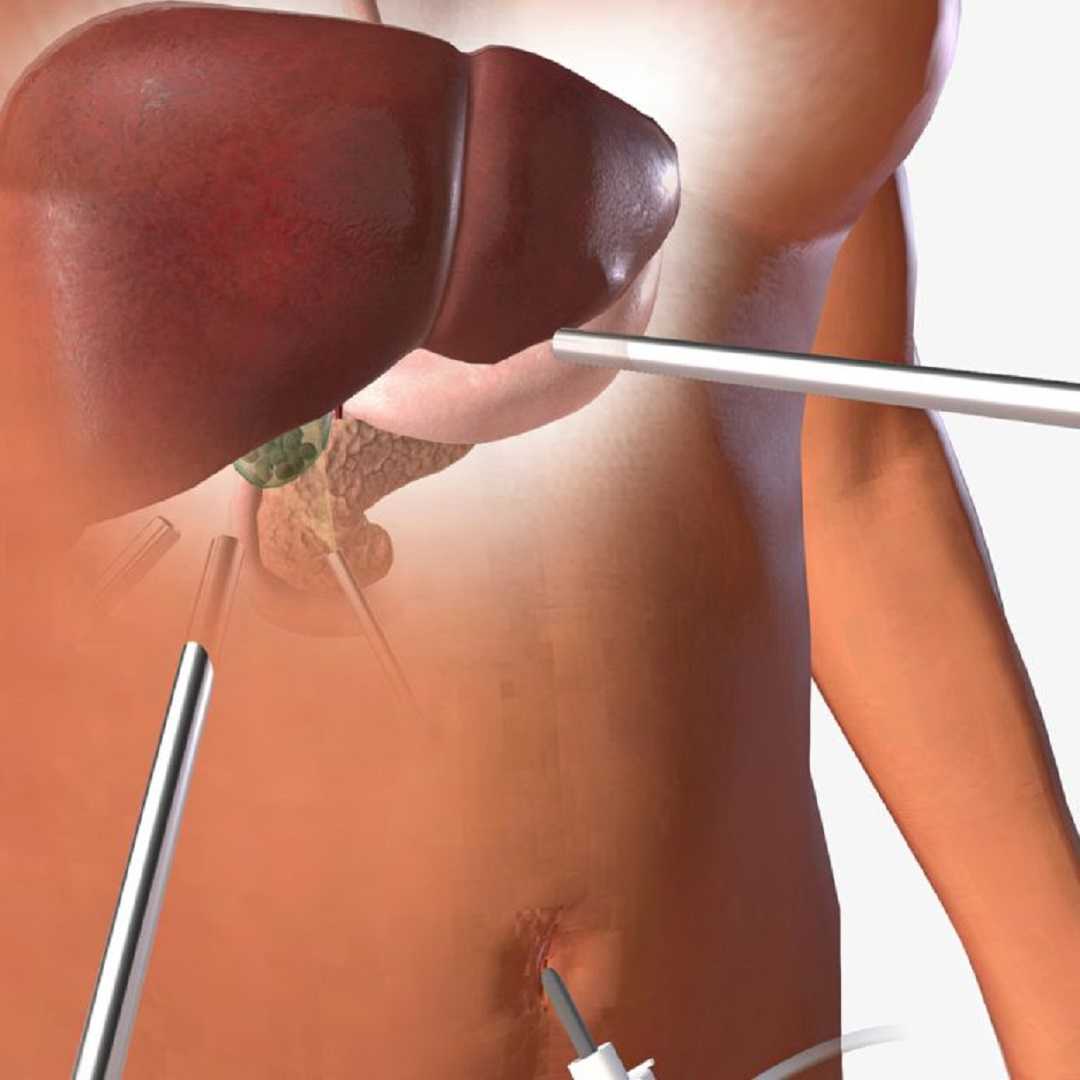
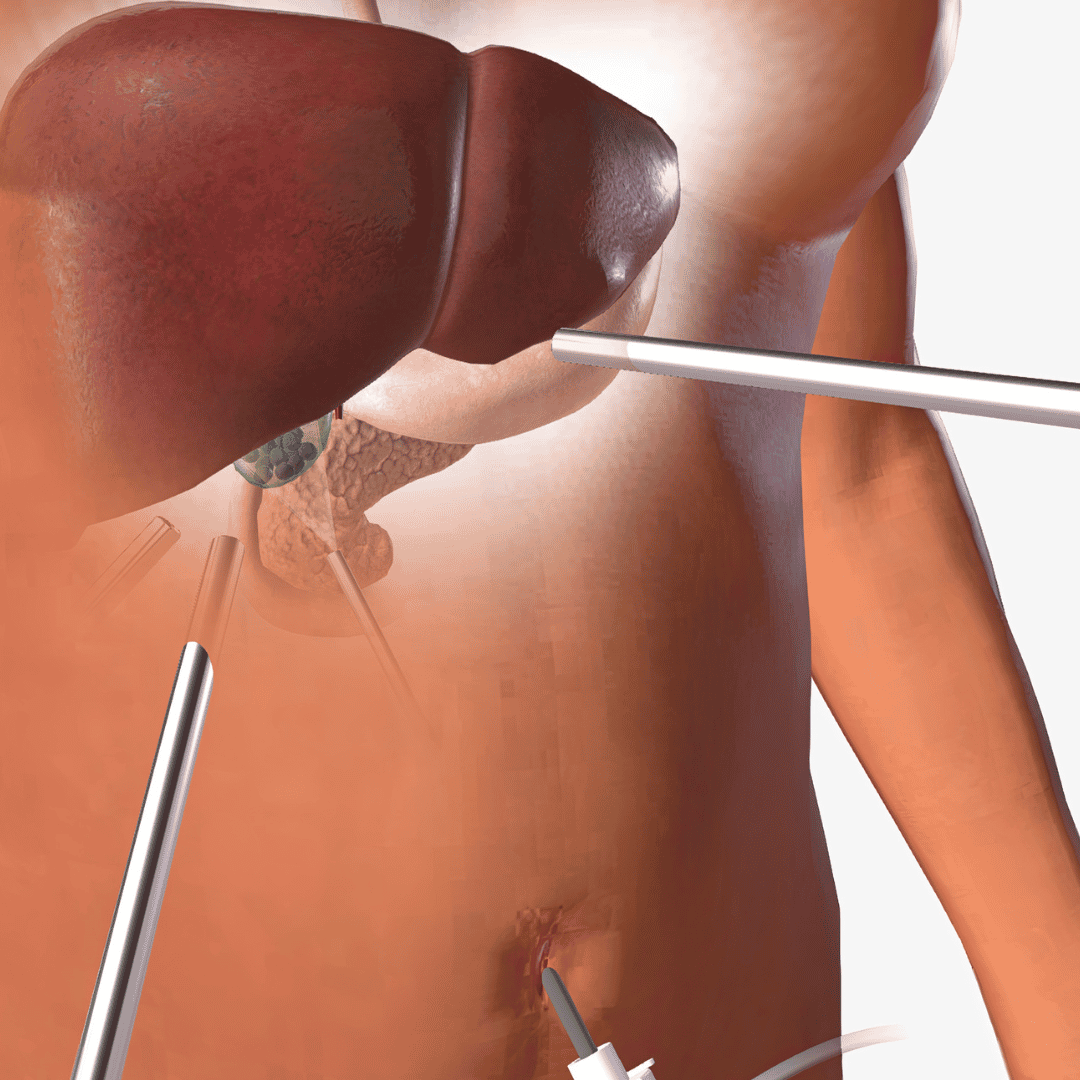
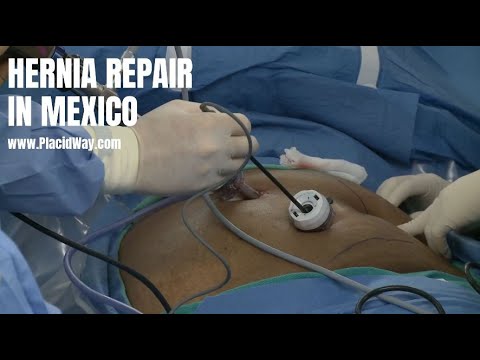
This technique, also known as minimally invasive surgery, typically takes between one and two hours to complete. To provide a clear view of the organs and space to work, the abdomen is gently inflated with carbon dioxide gas. The camera transmits high-definition video to a monitor, allowing the surgical team to navigate with precision.
Once the gallbladder is isolated, the surgeon clips and cuts the bile duct and blood vessels connected to it. The gallbladder is then carefully extracted through one of the incisions, usually the one near the belly button. After verifying there is no bleeding or bile leakage, the gas is released, and the small incisions are closed with sutures or surgical glue. Because the cuts are very small, the healing process is usually much faster than traditional open surgery.
What are the potential risks and complications of this surgery?
Any surgical procedure carries inherent risks, and it is vital to have realistic expectations. Though severe complications are relatively rare, a known risk of gallbladder surgery is injury to the common bile duct. If this tube is accidentally damaged, bile can leak into the abdomen, causing serious pain and infection. This type of injury often requires additional corrective surgery.
Furthermore, occasionally, a surgeon may discover during a laparoscopic procedure that the anatomy is too complex or the inflammation is too severe to proceed safely. In these instances, the surgeon will convert the operation into an open surgery. This means a larger incision is made, and the recovery timeline will be significantly longer. Patients traveling for laparoscopic gallbladder removal in Mexico must understand that if complications arise, they may need to stay in the country much longer than originally planned.
How long is the recovery period before I can travel home?
Immediate recovery begins in the hospital, where nurses will monitor your vital signs as you wake up from anesthesia. Many patients can walk with assistance later the same day and are discharged within 24 hours. However, traveling home immediately is not advised. The residual gas in the abdomen and the physical stress of surgery require a resting period in a comfortable hotel or recovery house.
Before you depart, your surgical team will usually schedule a follow-up appointment to check your incisions, remove any drains if used, and provide final clearance for travel. Once you return home, full internal healing can take a few weeks. You will likely be instructed to avoid heavy lifting, strenuous exercise, and certain physical activities for about a month. It is critical to arrange a follow-up appointment with your primary care doctor at home to monitor your long-term recovery.
How should I prepare for my medical trip to Mexico?
- Medical Records: Request physical or digital copies of your recent abdominal ultrasounds, blood work, and surgical history to provide to your Mexican medical team.
- Local Clearance: Discuss your plans with your primary care provider to ensure your heart and lungs are healthy enough for general anesthesia and international travel.
- Travel Documents: Ensure your passport is valid for at least six months beyond your planned travel dates. Check if you require any specific visas or tourist cards for entry.
- Packing: Bring loose-fitting clothing with elastic waistbands. Tight clothing rubbing against your abdominal incisions will be uncomfortable after surgery. Also, pack slip-on shoes to avoid bending over.
- Support System: Plan for a companion to accompany you. Navigating airports, managing luggage, and handling basic tasks can be difficult in the days immediately following abdominal surgery.
How can I verify the safety and quality of a gallbladder removal clinic in Mexico?
Thorough research is the cornerstone of safe medical travel. Start by looking for hospitals that hold accreditation from recognized bodies. In Mexico, the Consejo de Salubridad General (CSG) is the highest national health authority standard. Some facilities also achieve Joint Commission International (JCI) accreditation, which applies the same rigorous safety and quality standards found in top US hospitals.
When evaluating the medical staff, ask about their educational background and specialized training. The lead surgeon should be a board-certified general surgeon, ideally with specific fellowship training or extensive experience in laparoscopic techniques. Do not hesitate to ask a clinic for statistics regarding their complication rates or infection rates. A reputable facility will be transparent and open to answering your medical safety questions.
Why Choose PlacidWay for Medical Tourism in Mexico?
PlacidWay serves as a global medical tourism resource, providing patients with the tools and information necessary to research healthcare options abroad.
Frequently Asked Questions
Does laparoscopic gallbladder removal cure gallstones permanently?
Yes, because the entire gallbladder is removed during the procedure, gallstones cannot form in the gallbladder again. However, in rare instances, stones can form in the bile ducts.
Will I need to follow a special diet after surgery in Mexico?
Most patients are advised to eat a low-fat diet immediately following surgery. Because bile now flows directly from the liver to the intestines, consuming high-fat foods may cause bloating, gas, or diarrhea initially. Dietary tolerance usually improves over time.
Can I fly home the day after my gallbladder surgery?
Flying immediately after abdominal surgery is generally not recommended due to the risk of blood clots and the expansion of residual surgical gas at high altitudes. Most surgeons advise waiting 3 to 7 days before flying.
What happens if I develop a complication after returning home?
If you experience severe pain, fever, jaundice, or persistent vomiting after returning home, you should seek immediate emergency medical care locally. It is essential to share your Mexican surgical records with your local physician.
Will my US or Canadian health insurance cover surgery in Mexico?
Standard US and Canadian health insurance policies typically do not cover elective surgery abroad. Some specialized medical tourism insurance policies or employer self-funded plans may offer coverage, but you must verify this directly with your provider.
How painful is the recovery from laparoscopic gallbladder removal?
Pain is usually moderate and manageable with prescribed oral pain relievers. Patients often report shoulder pain for a few days, which is caused by the carbon dioxide gas used to inflate the abdomen during surgery.
Are the surgical instruments used in Mexico safe and sterile?
Accredited hospitals and specialized surgery centers in Mexico follow stringent international protocols for sterilization and infection control. When researching facilities, look for those recognized by the General Health Council (CSG) or the Joint Commission International (JCI).
What is the difference between laparoscopic and open gallbladder surgery?
Laparoscopic surgery uses several small incisions and a camera, leading to a faster recovery and less pain. Open surgery requires one large incision beneath the ribs and is typically reserved for complex cases, severe inflammation, or when laparoscopic surgery cannot be safely completed.
Do doctors at Mexican clinics speak English?
Many surgeons and medical staff working in popular medical tourism destinations in Mexico are bilingual and speak fluent English. Clinics catering to international patients usually provide dedicated translation services if needed.
Do I need a companion to travel with me for this surgery?
While not strictly mandatory at all facilities, bringing a companion is highly recommended. You will need assistance carrying luggage, moving around immediately after surgery, and navigating the trip back home.
Compare Treatment Options
Researching gallbladder removal surgery abroad? Connect with qualified facilities, request information, and gather detailed pricing estimates to make an informed decision about your healthcare journey.
Request Treatment InformationReferences
- Treatment for Gallstones – National Institute of Diabetes and Digestive and Kidney Diseases (NIDDK)
- Cholecystectomy (gallbladder removal) – Mayo Clinic
- Cholecystectomy (Gallbladder Removal) Patient Guide – American College of Surgeons (ACS)
- Laparoscopic Cholecystectomy – Cleveland Clinic
- Medical Tourism: Travel to Another Country for Medical Care – Centers for Disease Control and Prevention (CDC)
- Patient Information for Laparoscopic Gallbladder Removal – Society of American Gastrointestinal and Endoscopic Surgeons (SAGES)























Share this listing