
A Guide to Hernia Surgery Cost Without Insurance

Finding out you need an operation can be stressful, especially when asking, "How much is hernia surgery without insurance?" For uninsured or underinsured patients, the out-of-pocket expenses for medical care in the United States can be overwhelming. A hernia occurs when an internal organ or tissue pushes through a weak spot in the surrounding muscle or connective tissue. Because hernias do not heal on their own, surgical intervention is generally the only effective treatment.
Navigating the healthcare system as a self-pay patient requires understanding how surgical quotes are calculated. From facility fees to the cost of surgical mesh and anesthesia, the final bill can vary dramatically. Many patients are now looking beyond their local hospitals and exploring medical tourism as a viable, cost-effective alternative without sacrificing the quality of their care.
Key Takeaways
- Uninsured hernia surgery in the US often ranges from $4,000 to $15,000.
- Costs fluctuate based on the surgical approach (open vs. laparoscopic) and facility type.
- Self-pay patients can often negotiate cash discounts with local billing departments.
- Traveling abroad for treatment can reduce total procedure costs by up to 60-70%.
- Delaying necessary hernia surgery due to cost can lead to severe, life-threatening complications.
What is the average out-of-pocket cost for hernia surgery?
When paying out of pocket, the price you are quoted is rarely a single number. Instead, it is a compilation of several different medical services. A typical hernia surgery bill includes the surgeon’s professional fee, the anesthesiologist's fee, and the facility fee for the operating room. Additionally, you may be billed for pre-operative consultations, blood work, imaging (like ultrasounds or CT scans), and the surgical mesh used to reinforce the abdominal wall.
Where you have the surgery plays a massive role in the final price. Ambulatory surgery centers (ASCs) typically have lower overhead costs than large hospitals, allowing them to offer lower cash-pay rates. Many ASCs and independent surgeons are willing to bundle these services into a single, transparent self-pay rate if they know you are paying cash upfront.
It is highly recommended that self-pay patients request an itemized estimate in writing before agreeing to the procedure. This helps prevent surprise bills for auxiliary services, such as pathology or post-operative recovery room time.
Why is hernia repair so expensive without health coverage?
The primary reason medical procedures are expensive for the uninsured is the absence of pre-negotiated network discounts. Insurance companies use their vast membership pools to bargain with hospital networks, driving down the actual amount paid for a procedure. Uninsured patients, however, are often billed the hospital's gross charges, which can be artificially inflated to offset administrative costs and unpaid medical debts from other patients.
Furthermore, medical supplies like biological or synthetic mesh implants can be costly. Modern hernia repair relies heavily on specialized materials designed to integrate with your body's tissues while minimizing the risk of infection or rejection.
The overhead of maintaining advanced surgical technology, adhering to strict regulatory compliance, and carrying high malpractice insurance premiums all contribute to the steep prices found in the US healthcare system.
How does the type of hernia affect the overall price?
Not all hernias are the same, and the medical approach varies depending on the diagnosis. The most common types include:
- Inguinal Hernias: Occurring in the inner groin, these are the most common type. Because they are routine, pricing is often standardized, though bilateral (both sides) repairs will cost more.
- Umbilical Hernias: Located near the belly button, these are often straightforward to repair, sometimes resulting in a slightly lower cost.
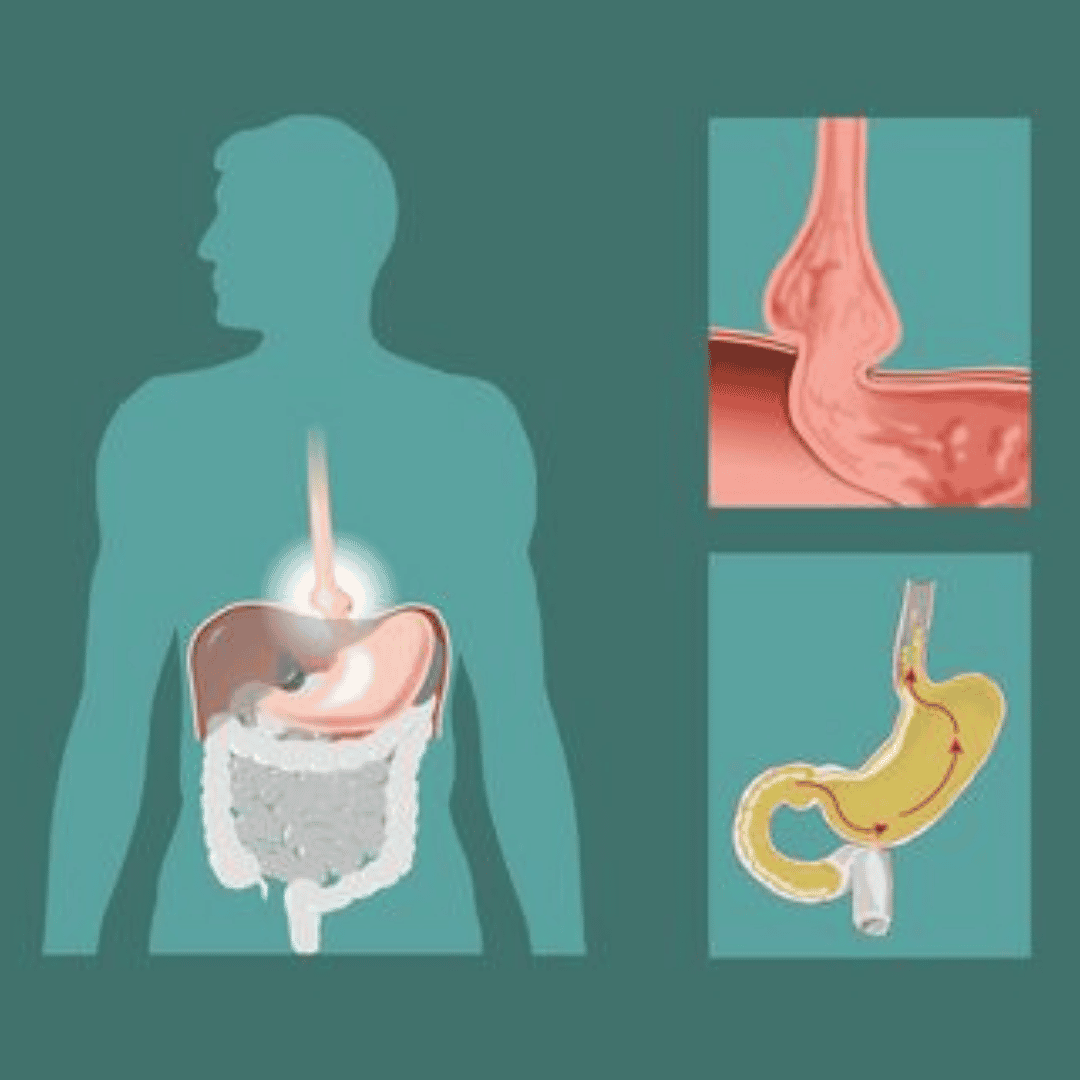
- Hiatal Hernias: These occur internally when the stomach pushes up through the diaphragm. Repairing them often requires a more specialized, complex approach, leading to higher surgical fees.
- Incisional Hernias: Developing at the site of a previous surgical scar, these can be quite complex due to scar tissue (adhesions). They frequently require longer operating times and larger pieces of mesh, increasing the overall price.
Open vs. Laparoscopic surgery: Which is more affordable?
During an open hernia repair, the surgeon makes a single incision over the hernia site to push the protruding tissue back into place and secure the mesh. Because this method requires standard surgical tools and no advanced camera equipment, the operating room fees and equipment costs are usually lower.
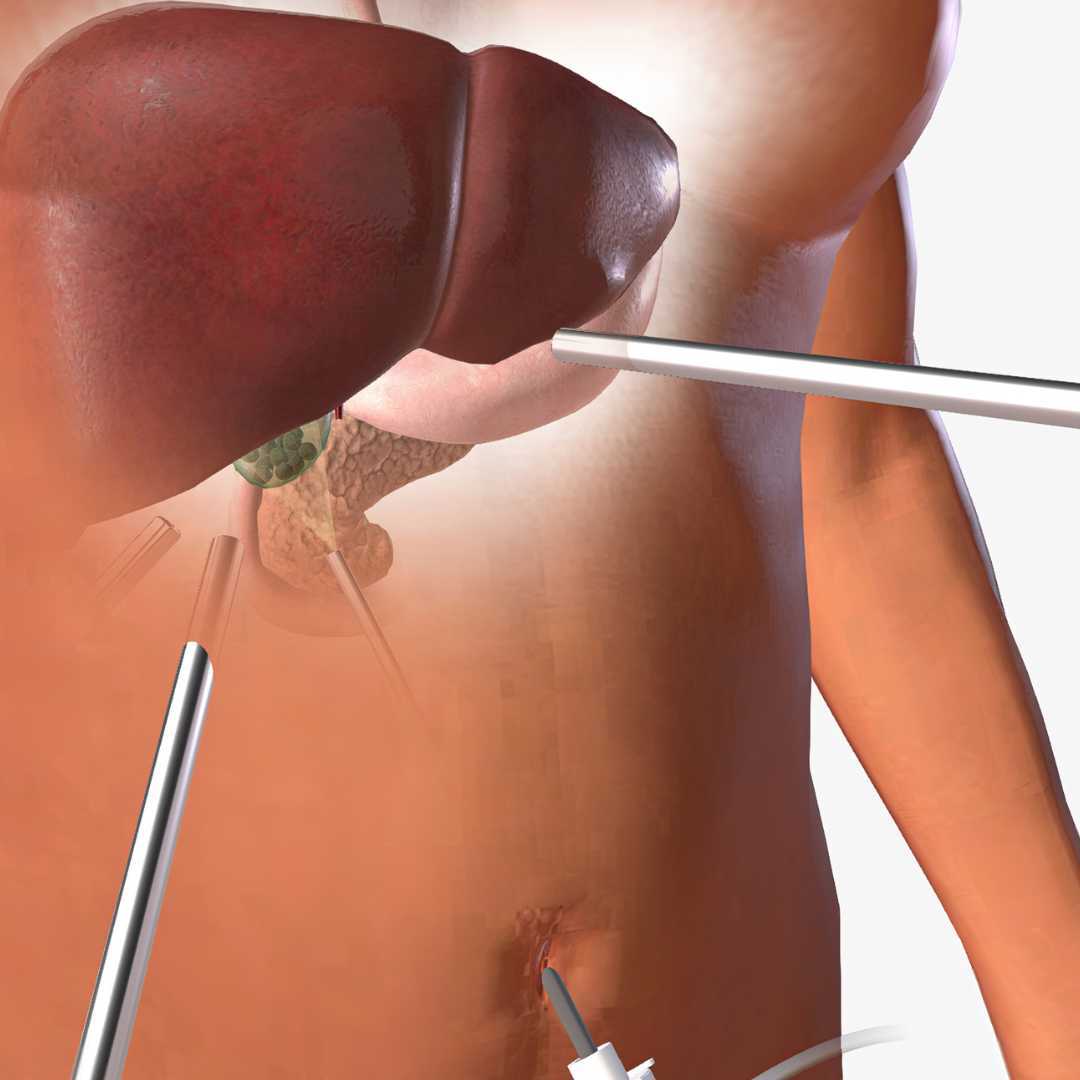
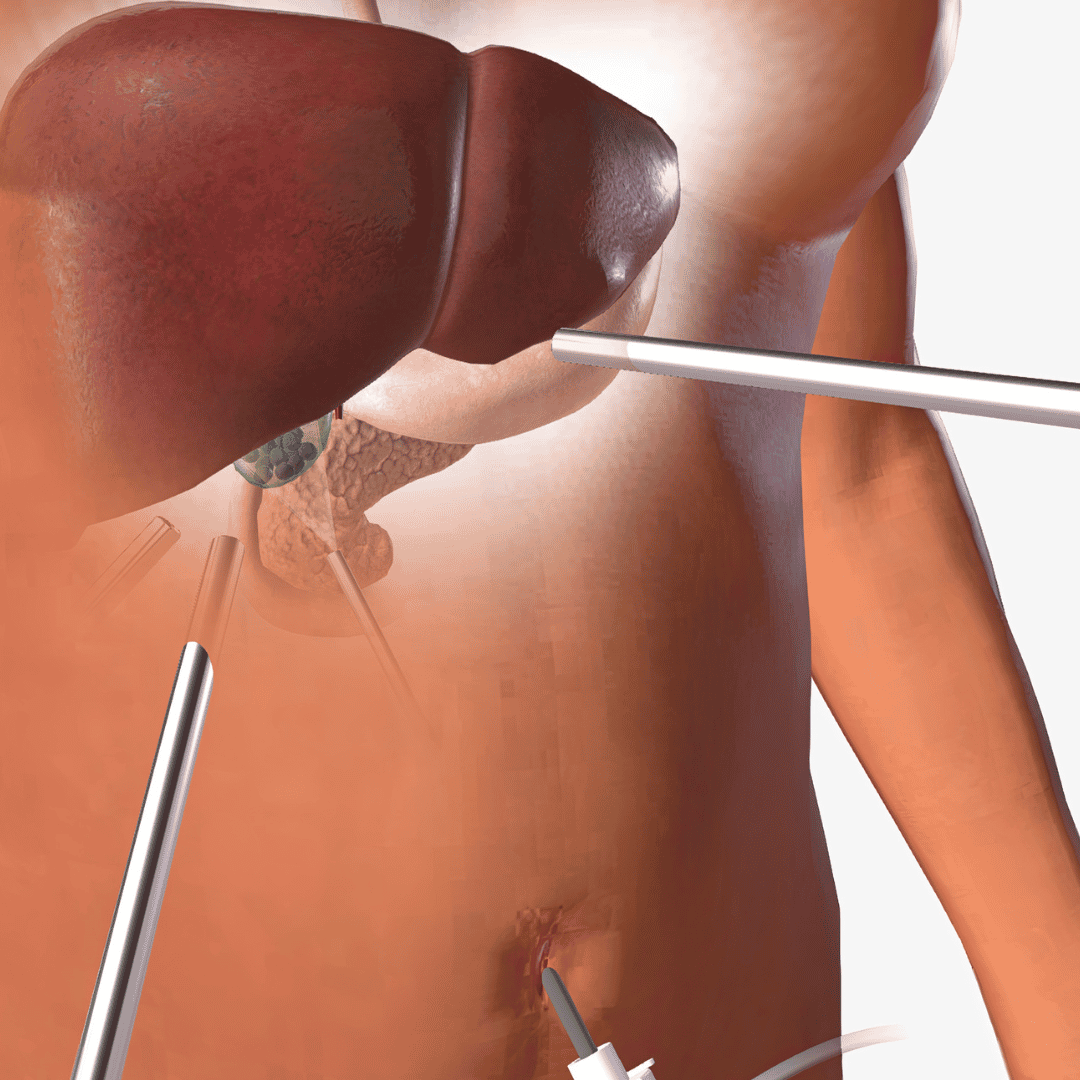
In contrast, laparoscopic surgery is minimally invasive. The surgeon makes several tiny incisions and uses a laparoscope (a small camera) and specialized instruments to perform the repair from the inside. While laparoscopic and robotic repairs typically offer faster recovery times and less post-operative pain, they come with a higher price tag. The equipment is expensive to maintain, and the procedures may require specialized surgical training.
When considering options without insurance, you must weigh the upfront cost of the surgery against the potential economic benefit of a faster return to work provided by a laparoscopic approach.
Can I travel for more affordable hernia surgery abroad?
For patients who cannot afford domestic self-pay rates, medical tourism is a practical alternative. By traveling across borders, patients can access high-quality medical facilities that operate under a lower cost of living and favorable exchange rates.
Opting for hernia surgery in Mexico is particularly popular for North American patients due to geographical proximity. Cities near the border or popular tourist hubs often have specialized hospitals catering specifically to international patients. Many of the surgeons operating in these facilities have trained internationally and utilize the same modern surgical mesh and techniques found in the US and Canada.
While cost savings are a major draw, patients must factor in the cost of flights, accommodations, and passport fees. However, even with travel expenses included, the total financial outlay is often significantly less than paying out of pocket at home.
What is typically included in international medical packages?
One of the most frustrating aspects of domestic healthcare is receiving multiple bills from different providers months after a procedure. Facilities catering to international patients usually solve this by offering bundled packages.
A comprehensive package typically includes:
- Surgeon and anesthesiologist fees.
- Operating room use and nursing staff.
- Standard surgical mesh and medical supplies.
- Pre-operative evaluations (EKG, basic blood panels).
- Ground transportation between the airport, hotel, and clinic.
Always ask for a written breakdown of what is and isn't included. You may need to budget separately for prescription pain medication to take back to your hotel, meals, and your travel companion's expenses.
Are there risks to delaying hernia surgery because of cost?
Hernias do not improve over time; they generally grow larger and become more painful as the abdominal wall weakens further. While a small, reducible hernia (one that can be pushed back in) might seem like a minor annoyance, it carries an inherent risk of complications.
The most severe complication is strangulation. This occurs when a portion of the intestine or fatty tissue pushes through the hernia defect and becomes trapped (incarcerated). If the surrounding muscle clamps down on the tissue, it cuts off the blood supply. A strangulated hernia can cause tissue death (gangrene) within hours, requiring emergency surgery, bowel resection, and a prolonged hospital stay.
If you experience sudden, severe pain, nausea, vomiting, or if the hernia bulge turns red or purple, you must seek immediate emergency medical attention, regardless of your insurance status.
How can uninsured patients finance or pay for their procedure?
If paying a lump sum is out of reach, there are several ways to fund your procedure. Many domestic hospitals and surgery centers offer their own internal payment plans, allowing you to pay off the balance in monthly installments, sometimes without interest.
Third-party medical credit cards are another common option. These cards often offer promotional periods of 6 to 18 months with no interest if the balance is paid in full. However, interest rates can be exceptionally high if you miss a payment or fail to pay off the balance within the promotional window.
If you are planning to travel for care, check with the international clinic beforehand. While some facilities accept medical credit cards or work with international medical loan providers, many require payment via wire transfer, standard credit card, or cash upon arrival.
How do I choose a safe hernia surgery clinic abroad?
When engaging in medical tourism in Mexico or anywhere else, patient safety must be the top priority. Do not choose a facility based solely on the lowest price. Instead, look for hospitals and clinics that hold recognized accreditations, such as the Joint Commission International (JCI) or the local equivalent from the country's health ministry.
Verify the operating surgeon's credentials. Ask where they completed their medical training and residency, and check if they are board-certified in general surgery within their country. Many top-tier international surgeons hold memberships in recognized global organizations, such as the American College of Surgeons (FACS) or international hernia societies.
It is also highly advisable to request a virtual consultation before booking flights. This allows you to speak directly with the doctor, ask about their complication rates, discuss the specific type of mesh they intend to use, and gauge your comfort level with their communication skills.
What should I expect during recovery after returning home?
After hernia surgery, your body needs time to integrate the mesh and heal the muscle wall. For the first few days, you can expect soreness, swelling, and bruising around the incision site. Walking gently is encouraged to prevent blood clots, but strenuous activity and lifting anything heavier than 10-15 pounds is strictly prohibited for at least 4 to 6 weeks.
If you traveled abroad for the procedure, flying home poses specific considerations. Sitting in an airplane seat for extended periods can be uncomfortable and slightly increases the risk of Deep Vein Thrombosis (DVT). Wearing compression socks, staying hydrated, and walking the aisle during the flight can help mitigate these risks.
Crucially, you must have a plan for local follow-up care. Ask your international surgeon for a complete copy of your medical records, operative report, and details of the mesh used, translated into English if necessary. This ensures that if you experience a complication like an infection or a seroma (fluid buildup), a local primary care physician or urgent care center can safely treat you.
Why Choose PlacidWay for Medical Tourism?
Navigating healthcare options abroad can be complex, especially when attempting to balance cost with safety. PlacidWay serves as an educational and connecting platform for patients seeking medical treatments internationally. Here is how the platform assists patients:
- Access to Information: PlacidWay provides directories of international clinics and hospitals, allowing patients to review provider profiles and facility accreditations.
- Transparent Estimates: The platform helps patients request and compare customized cost estimates for procedures like hernia repair from multiple providers.
- Global Reach: Patients can explore options in various regions, including Latin America, Europe, and Asia, depending on their geographic preferences.
- Direct Communication: PlacidWay facilitates initial contact and helps coordinate virtual pre-consultations between patients and international medical teams.
- Multilingual Support: The service assists in bridging communication gaps, helping patients receive information in their native language.
Frequently Asked Questions
Can a hernia heal on its own without surgery?
No, hernias do not heal or go away on their own. While some small, asymptomatic hernias can be monitored under a doctor's supervision, surgery is the only way to repair the anatomical defect in the abdominal wall.
Is hernia surgery considered a medical emergency?
Most hernia repairs are elective procedures. However, if a hernia becomes incarcerated (trapped) or strangulated (blood supply is cut off), it becomes a life-threatening medical emergency requiring immediate surgery.
How long does a typical hernia surgery take?
Depending on the complexity, type of hernia, and surgical approach, the procedure typically takes between one to two hours. Patients often return home the same day or the following morning.
Will I definitely need surgical mesh for my repair?
Surgical mesh is used in the majority of modern hernia repairs because it strengthens the abdominal wall and significantly lowers the recurrence rate. However, some small hernias can be repaired using just sutures, depending on your surgeon's assessment.
How soon can I fly home after having hernia surgery abroad?
Most surgeons recommend staying in the destination country for 3 to 7 days after the procedure. This allows for an initial follow-up appointment and ensures you are stable enough to handle the physical stress of air travel.
Can I pay for my surgery in installments if I lack insurance?
Many hospitals and surgical centers offer payment plans or work with medical financing companies. When traveling abroad for care, some clinics also accept third-party medical credit cards, though full payment is typically required before the procedure.
Are there hidden fees in medical tourism packages?
Patients should always request a fully itemized quote. While many packages bundle the surgeon, facility, and anesthesia fees, you must clarify if pre-operative blood work, specialized mesh, post-op medications, and travel accommodations are included.
What happens if I experience a complication after returning home?
If complications like infection or severe pain occur after you return home, you must visit a local urgent care or emergency room immediately. It is vital to bring your surgical records translated into English for your local healthcare providers.
Do I need a companion to travel with me for the procedure?
Yes, having a companion is highly recommended. You will need someone to help carry luggage, assist you in navigating the airport, and provide support during the first few days of your recovery when your mobility is limited.
Is an umbilical hernia cheaper to repair than an inguinal hernia?
Umbilical hernias are often slightly less complex to repair than inguinal hernias, which may result in a marginally lower cost. However, the final price depends heavily on the size of the defect and whether an open or laparoscopic technique is used.
Explore Your Hernia Surgery Options
Compare verified facilities, evaluate transparent costs, and connect with international medical providers.
Request Treatment InformationReferences
- Hernia Repair - American College of Surgeons (ACS)
- Inguinal Hernia Diagnosis and Treatment - Mayo Clinic
- Hernia Overview, Types & Repair - Cleveland Clinic
- Hernia Surgical Mesh Implants - U.S. Food and Drug Administration (FDA)
- Medical Tourism - Centers for Disease Control and Prevention (CDC)
- Complications in Hernia Surgery - National Institutes of Health (PubMed)























Share this listing