
Affordable Knee Replacement Without Insurance
Total knee replacement without insurance can cost from approximately $15,000 to more than $70,000. In comparison, current provider-listed packages start at around $4,500 in India, $7,380 in Mexico, and vary by destination and treatment package.

Key Takeaways: Uninsured Knee Surgery Costs
- High Domestic Expenses: Uninsured patients facing knee replacement surgery cost without insurance in North America frequently encounter itemized bills approaching $30,000 to $70,000.
- Procedure Variability: Total out-of-pocket pricing depends on hospital facility fees, surgeon remuneration, anesthesia, and implant material choices.
- Substantial Global Savings: Exploring medical tourism in countries like India, Turkey, Mexico, or Thailand allows self-pay patients to reduce expenses by 50% to 80%.
- Credential Verification: Self-pay patients must verify surgeon licensing through official national registries and confirm international hospital accreditations.
- All-Inclusive Bundles: International medical travel packages combine surgical fees, implant hardware, and hospital stays into transparent single-price estimates.
What Is the Average Knee Replacement Surgery Cost Without Insurance in the US?
Out-of-pocket costs for uninsured total knee arthroplasty in United States hospitals typically span from $15,000 on the lower end to more than $70,000.
Managing severe knee osteoarthritis or joint structural damage without health coverage presents a major financial hurdle. When evaluating knee replacement surgery cost without insurance, patients must contend with unhedged hospital master pricing, separate physician fee schedules, and independent anesthesiology billings. Without negotiated commercial insurance discounts, uninsured individuals are held personally liable for the full retail cost of care.
Data from orthopedic registries indicates that a standard unilateral total knee replacement without complications averages roughly $29,300 in domestic settings, though metropolitan medical centers often bill significantly higher rates. Additional factors such as inpatient recovery length, specialized durable medical equipment, and outpatient rehabilitation can further inflate out-of-pocket financial exposure.
Because domestic billing structures can be opaque, hospital financial counselors often urge uninsured patients to inquire about prompt-pay discounts, self-pay bundled pricing tiers, or hospital charity care eligibility before scheduling elective joint reconstruction.
Did You Know?
Hospital facility fees account for the largest share of an uninsured surgical bill, covering operating room time, specialized nursing, and sterile instrumentation.
How Do Costs Vary Across Global Markets for Self-Pay Joint Arthroplasty?
Self-pay joint arthroplasty pricing varies by destination, ranging from $6,000 to $18,000 internationally compared to $30,000+ in the United States.
The wide price disparities between domestic and international healthcare markets have driven the growth of medical travel. Patients seeking affordable joint reconstruction can evaluate destinations that maintain high clinical standards while offering reduced procedural overhead.
Reviewing a typical knee replacement cost in India, Turkey, Mexico, or Thailand demonstrates how international hospitals provide comprehensive care packages at a fraction of US retail billing. Lower administrative expenses, reduced liability insurance costs, and local economic factors allow these facilities to pass significant savings onto self-pay patients.
The comparative table below outlines estimated out-of-pocket pricing for knee replacement surgery across various global destinations:
| Country / Destination | Estimated Self-Pay Cost (USD) | Average Savings vs US | Typical Wait Time |
|---|---|---|---|
| United States | $15,000 – $70,000+ | Baseline Reference | 2 to 8 weeks |
| India | $6,000 – $10,500 | 75% – 85% Savings | 1 to 3 weeks |
| Turkey | $8,500 – $13,500 | 65% – 80% Savings | 1 to 2 weeks |
| Mexico | $11,000 – $16,500 | 60% – 75% Savings | 1 to 3 weeks |
| Thailand | $13,000 – $18,000 | 55% – 70% Savings | 1 to 3 weeks |
What Specific Expense Breakdown Factors Drive Up Uninsured Joint Surgery Costs?
Cost drivers include facility operating fees, specialist orthopedic surgeon remuneration, anesthesia services, prosthetic components, and inpatient recovery stays.
Uninsured patients reviewing medical bills should understand how expenses accumulate during joint arthroplasty. Out-of-pocket pricing is typically structured around several distinct medical service components:
- Surgeon & Specialist Fees: Professional compensation for the primary orthopedic joint reconstruction surgeon and surgical assistants.
- Hospital Facility Charges: Operating room duration fees, sterile instrument processing, and inpatient ward nursing care.
- Anesthesia Services: Charges billed by attending anesthesiologists for general or regional anesthesia administration and physiological monitoring.
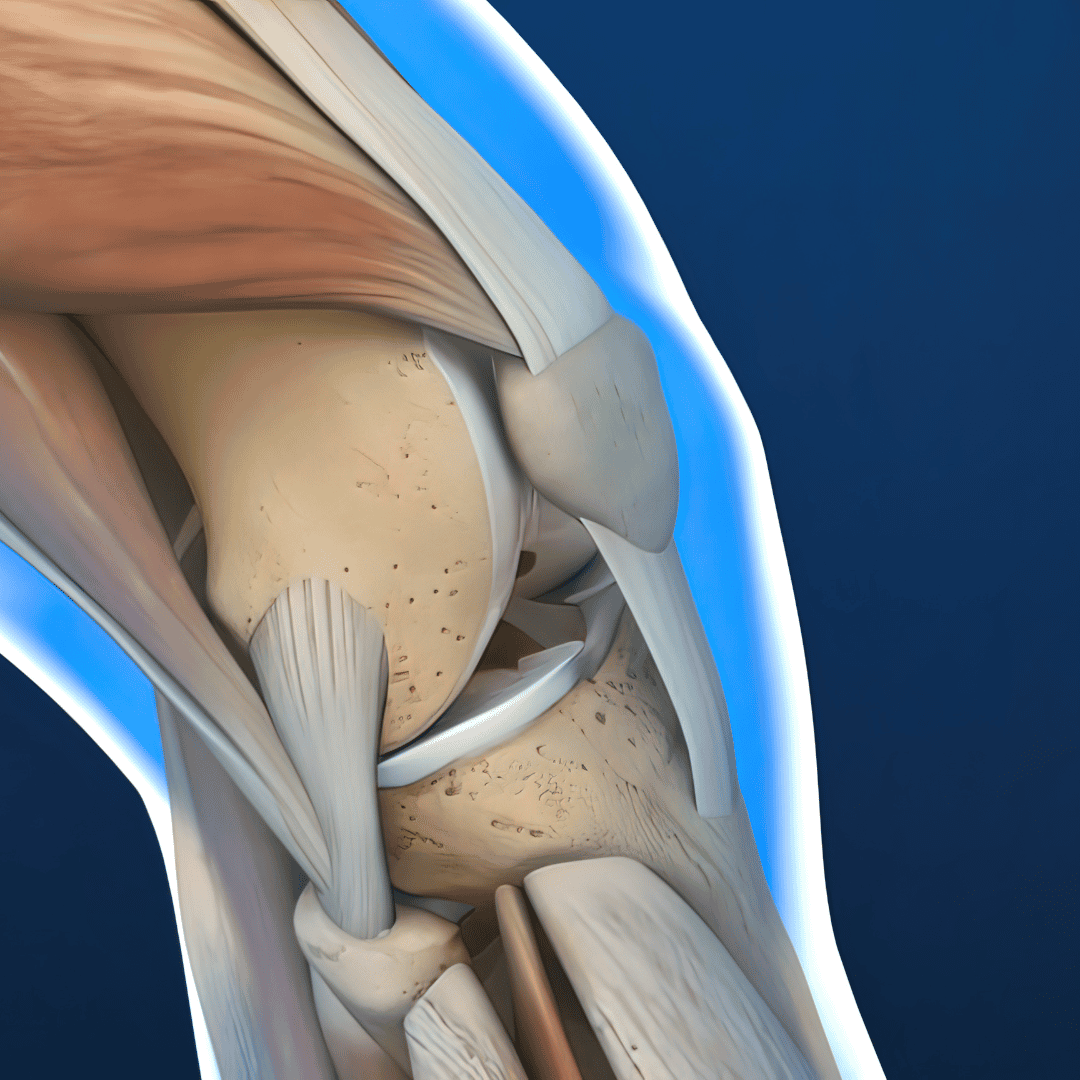
- Prosthetic Implants & Hardware: The artificial knee joint components, including femoral, tibial, and patellar metal and polyethylene pieces.
- Diagnostics & Rehabilitation: Pre-operative blood panels, diagnostic X-rays, and immediate inpatient physical therapy sessions.
Important Consideration
Patients should request a written, all-inclusive price quote from hospital billing departments to ensure that ancillary services like pathology or unexpected post-op imaging are not billed separately.
What Credentials Should You Verify When Evaluating International Joint Centers?
Credential verification requires confirming official national medical licensing, board certifications in orthopedic surgery, fellowship training, and hospital quality accreditations.
Thorough background checks are vital when planning surgical care abroad. Patients must look beyond promotional materials to verify individual clinical credentials. For instance, when evaluating an orthopedic surgeon in Mexico, patients should check their official professional license (cédula profesional) through the Secretariat of Public Education (SEP) registry and confirm board certification from the Mexican Council of Orthopedics and Traumatology (CMOT).
Similarly, when researching an orthopedic doctor in India, Turkey, or Thailand, patients should verify registration with the respective national medical council or Ministry of Health. Active board certification and subspecialty fellowship training in adult joint reconstruction indicate high expertise.
Facility quality must be vetted alongside physician backgrounds. Selecting hospitals accredited by international bodies like Joint Commission International (JCI) ensures that centers adhere to strict sterilization, surgical safety, and infection control standards.
What Rehabilitation Steps and Recovery Timelines Apply After Knee Arthroplasty?
Physical rehabilitation begins within 24 hours of surgery, followed by 10 to 14 days of local post-op monitoring and 8 to 12 weeks of outpatient physical therapy.
Surgical intervention represents only the first phase of restoring joint mobility; structured physical therapy is essential for achieving optimal functional outcomes. Reputable international hospitals initiate bedside mobilization and assisted walking within 24 hours of total knee arthroplasty to prevent stiffness and promote healthy circulation.
Prior to hospital discharge, the clinical team provides comprehensive written instructions covering incision care, infection surveillance, pain management schedules, and physical activity limits. Patients receive complete copies of their medical files, operative notes, and digital radiographs to share with their healthcare providers at home.
International patients are generally advised to remain near the treating hospital for 10 to 14 days to complete initial wound checks, stitch removals, and physical milestones before receiving official fit-to-fly clearance.
What Clinical Risks and Complications Are Associated with Self-Pay Joint Surgery?
Clinical risks include surgical site infection, blood clots, joint stiffness, component loosening, and the need for coordinated follow-up care after returning home.
All surgical interventions carry inherent clinical risks, including superficial or deep wound infections, excessive bleeding, nerve irritation, joint stiffness, or adverse reactions to anesthesia. In joint replacements, long-term risks include component wear, instability, or aseptic loosening over time.
Traveling internationally introduces added health considerations, particularly regarding deep vein thrombosis (DVT) and pulmonary embolism during long-distance air travel. International surgical teams manage DVT risks by prescribing anticoagulant medications, utilizing mechanical compression devices, and enforcing early walking protocols.
Patients can minimize risks by disclosing their complete medical history during pre-op evaluations, adhering strictly to rehabilitation instructions, and establishing communication with a local physical therapist in their home country prior to departure.
How Should Uninsured Patients Prepare for Medical Travel and Surgical Logistics?
Preparation involves gathering diagnostic imaging, completing virtual pre-consultations, verifying visa requirements, and arranging travel companion support.
Proper pre-travel planning helps ensure a well-organized medical journey. Start by compiling recent weight-bearing X-rays, MRI scans, and clinical notes from your home doctor. Transmitting these digital files for remote pre-consultations allows international orthopedic teams to review your case and formulate a precise treatment plan.
Check entry visa requirements based on your citizenship and travel method (air, land, or sea) to ensure compliance with local regulations. Traveling with a companion is strongly recommended to assist with personal mobility during early recovery.
Finally, confirm all financial and logistical agreements in writing before departure. Understanding package inclusions helps prevent unexpected expenses and allows you to focus fully on your physical recovery.
Why Choose PlacidWay for Connecting with Orthopedic Care Abroad?
PlacidWay connects patients with accredited international hospitals, providing transparent cost comparisons, verified facility profiles, and direct communication channels.
Navigating global healthcare options without insurance can feel complex. PlacidWay serves as a global medical information resource, helping self-pay individuals explore accredited treatment centers and connect directly with experienced orthopedic specialists worldwide.
1. Access to Broad Global Healthcare Directories
Browse comprehensive profiles of accredited hospitals and specialty orthopedic clinics across leading medical tourism destinations.
2. Transparent Cost Estimates
Review estimated procedure pricing and package details to plan your medical travel budget effectively.
3. Direct Medical Facility Communication
Connect directly with hospital international patient offices to share medical imaging and request case evaluations.
4. Verified Specialist Documentation
Examine surgeon background details, subspecialty fellowship histories, and hospital accreditations before booking.
5. Comprehensive Educational Resources
Access detailed procedure guides, destination overviews, and planning checklists to support your healthcare journey.
Frequently Asked Questions
How much does knee replacement surgery cost without insurance in the United States?
Total knee replacement surgery cost without insurance in the United States typically ranges from $15,000 to over $70,000, depending on the hospital, geographic location, and case complexity.
Can uninsured patients negotiate hospital billing fees for joint arthroplasty?
Yes, uninsured patients can often request prompt-pay discounts, self-pay bundled rates, or financial hardship assistance directly from hospital billing departments prior to scheduling elective operations.
What components are typically included in an international knee replacement package?
Self-pay international medical packages generally bundle surgeon fees, operating room expenses, hospital room stays, prosthetic joint components, diagnostic imaging, and initial bedside physiotherapy.
Why is knee replacement surgery significantly cheaper in countries like India or Turkey?
Knee replacement surgery is more affordable abroad due to lower operational overhead, favorable administrative cost structures, reduced malpractice insurance rates, and local currency valuations.
How long do international patients need to stay abroad after a knee replacement?
Patients are generally advised to remain locally near the treating hospital for 10 to 14 days following total knee replacement to complete initial wound checks, stitch removal, and physical therapy milestones.
Are prosthetic knee implants used overseas FDA cleared or internationally certified?
Reputable accredited hospitals overseas routinely utilize FDA-cleared or CE-certified prosthetic implant systems manufactured by established global biomechanical device companies.
What clinical risks are associated with paying out-of-pocket for joint surgery?
Potential clinical risks include surgical site infection, deep vein thrombosis, joint stiffness, component wear, and the unexpected financial burden of managing post-operative complications.
How can self-pay patients verify the credentials of an international orthopedic surgeon?
Patients can verify professional credentials through official national medical council registries, confirming active medical licensing, specialty board certification, and fellowship history.
Does health insurance cover any portion of knee replacement surgery performed abroad?
Coverage depends entirely on your specific insurance policy terms. Certain global health plans or specialized medical travel insurance policies offer partial out-of-network reimbursement.
What post-operative care must be arranged after returning home from joint surgery?
Patients must establish ongoing outpatient physical therapy, follow-up radiographic monitoring, and clinical evaluations with a local orthopedist in their home country.
Explore Self-Pay Knee Replacement Options
Compare accredited international hospitals, review specialist qualifications, and request personalized procedure estimates for your joint care journey.
Request Treatment InformationReferences
- Activities After Total Knee Replacement Guidelines – American Academy of Orthopaedic Surgeons (AAOS)
- Total Joint Arthroplasty Outcomes and Economics – National Center for Biotechnology Information (NCBI)
- Pre-Travel Consultation & Health Guidelines – Centers for Disease Control and Prevention (CDC)
- WHO Surgical Safety Guidelines – World Health Organization (WHO)
- International Healthcare Facility Accreditation Standards – Joint Commission International (JCI)
- Evaluation of Orthopedic Surgery Outcomes – PubMed




























Share this listing