


CAR T-Cell Therapy in China: Expanding Beyond Blood Cancers
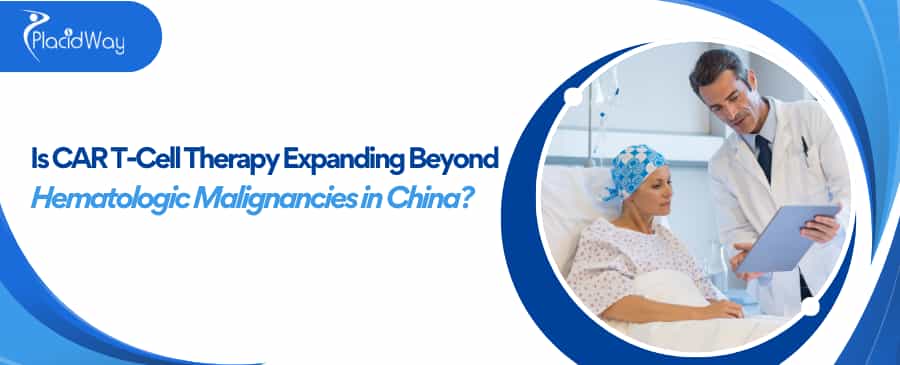
Yes, CAR T-Cell therapy in China is expanding beyond blood cancers to successfully target solid tumors like liver, gastric, and pancreatic cancers. The country leads global trials, providing highly innovative options for international patients.
Key Takeaways: Solid Tumor Cellular Therapy Innovations
- Unprecedented Expansion: Treatments are actively shifting from liquid leukemias to complex solid masses.
- Targeted Biomarkers: High success rates observed targeting Claudin18.2 in stomach cancers and GPC3 in liver cancers.
- Cost Accessibility: Highly competitive pricing structures make groundbreaking treatments more accessible globally.
- Advanced Engineering: Utilization of multi-targeted receptors to overcome the hostile tumor microenvironment.
- Global Access Pathways: Streamlined international patient programs facilitate safe and efficient medical journeys.
How is CAR T-Cell Therapy in China adapting to treat solid tumors?
Chinese medical researchers are modifying cellular receptors to recognize novel antigens specific to dense tissue masses. This scientific breakthrough breaks the previous limitation where immunotherapy primarily worked on liquid blood cancers.
The fundamental biology of a solid tumor presents profound challenges compared to hematologic malignancies. Blood cancers involve malignant cells freely circulating within the bloodstream, making them highly accessible to engineered immune cells. In contrast, solid tumors construct fortified physical barriers, surrounded by dense fibrotic tissue that literally blocks immune cells from entering. Researchers driving CAR T-Cell Therapy in China have recognized that simply infusing standard engineered cells is insufficient for these fortified masses.
To overcome this, biotechnology laboratories are utilizing advanced genetic engineering techniques. Instead of targeting traditional markers like CD19 found on B-cells, scientists are programming T-cells to identify highly specific proteins expressed exclusively on the surface of solid organ tumors. Furthermore, they are developing methods to degrade the extracellular matrix, effectively dissolving the protective wall that the cancer builds around itself, allowing the engineered lymphocytes to infiltrate and destroy the malignant cells.
The pace of this adaptation is driven by an unparalleled volume of clinical research. The country currently hosts the highest number of ongoing clinical trials globally dedicated specifically to cellular therapies for solid tumors. With robust state backing and dynamic collaboration between academic hospitals and private biotech firms, these clinical pathways rapidly translate laboratory breakthroughs into viable patient treatments, offering unprecedented hope for those with late-stage organ cancers.
Which specific solid cancers are currently targeted by CAR T-Cell Therapy in China?
Current oncological advancements focus heavily on hepatocellular carcinoma, advanced gastric cancer, and aggressive pancreatic cancer. These diseases represent some of the most challenging and lethal malignancies in modern medicine.
- Hepatocellular Carcinoma (Liver Cancer): Researchers are achieving remarkable success by targeting the GPC3 protein, which is highly overexpressed in liver cancer cells but absent in healthy tissues, minimizing collateral damage.
- Advanced Gastric Cancer: Stomach cancers are notoriously difficult to treat, but therapies targeting the Claudin18.2 biomarker have demonstrated profound tumor shrinkage in early-phase clinical trials.
- Pancreatic Cancer: Given its devastating prognosis, extensive research is focused on developing cellular therapies capable of penetrating the incredibly dense stroma characteristic of pancreatic tumors.
- Non-Small Cell Lung Cancer: Novel clinical pathways are investigating therapies engineered to seek out mesothelin receptors, offering a potential lifeline for patients resistant to traditional targeted chemotherapy.
- Colorectal Malignancies: Scientists are exploring combination therapies, pairing engineered cells with checkpoint inhibitors to prevent the tumor from hiding from the artificially enhanced immune system.
The Claudin18.2 target was initially thought to be too difficult to reach safely, but Chinese biotechnology firms successfully pioneered the specific molecular binders needed to attach engineered T-cells to this elusive gastric cancer marker.
What makes the CAR T-Cell Therapy cost in China more affordable for international patients?
The CAR T-Cell Therapy cost in China typically ranges significantly lower than Western counterparts due to localized manufacturing. This creates an accessible avenue for patients facing prohibitive medical expenses at home.
One of the most compelling reasons international patients seek these advanced treatments overseas is the profound difference in healthcare economics. In Western nations, cellular therapies can easily exceed four hundred thousand dollars just for the cellular product, excluding hospital stays and intensive care requirements. Conversely, the overall financial burden in Eastern medical hubs is a fraction of this price, primarily driven by highly integrated and localized biotechnology supply chains that eliminate expensive cross-border shipping and import tariffs for biological materials.
Furthermore, the government heavily subsidizes biotechnology research and development as a core national strategic initiative. This state-level support dramatically lowers the initial research overhead for private pharmaceutical companies. When these cost savings are passed down the line, hospitals can offer cutting-edge clinical trial participation and compassionate use therapies at price points that remain financially viable for self-funding international patients.
Finally, lower operational costs within the clinical setting do not equate to a compromise in medical quality. The cost of highly skilled medical labor, advanced hospital infrastructure, and supportive oncological care is structurally lower. This allows patients to receive continuous, premium multidisciplinary monitoring—a critical necessity during the high-risk post-infusion recovery phase—without incurring the devastating daily hospitalization fees typical of North American healthcare systems.
How can international patients access a top CAR T-Cell Therapy clinic in China?
Finding a specialized CAR T-Cell Therapy clinic in China requires applying through dedicated international patient departments. A thorough evaluation of translated medical records dictates patient eligibility for these highly specialized programs.
Accessing complex cellular therapies abroad begins long before booking a flight. The initial step involves comprehensive remote medical triage. Patients must submit detailed, up-to-date medical documentation, including pathology reports, radiological imaging, and most importantly, next-generation sequencing results. These documents undergo rigorous review by a multidisciplinary tumor board at the receiving hospital to confirm that the patient possesses the exact cellular biomarkers targeted by the clinic’s specific therapeutic protocols.
Once medical eligibility is conditionally approved, navigating the logistical framework becomes the next priority. Top-tier medical institutions operate specialized international patient centers designed to assist with securing medical visas. These departments provide official letters of invitation required by embassies and help coordinate the complex logistics of transporting fragile patients across international borders, ensuring that travel schedules align perfectly with laboratory manufacturing timelines.
Upon arrival, the onboarding process is highly streamlined to minimize patient fatigue. International patients are typically assigned a dedicated medical concierge and a medically trained translator. This team guides the patient through mandatory baseline testing, re-evaluating organ function and disease progression to grant final medical clearance before initiating the physically demanding apheresis process to collect the patient’s initial immune cells.
What are the primary biological challenges of treating solid tumors with these engineered cells?
The primary hurdles include penetrating the dense physical barrier of solid masses and surviving the hostile, acidic environment the cancer creates. Scientists are engineering specialized armored cells to overcome these exact biological defenses.
- Immunosuppressive Microenvironment: Solid tumors actively secrete biochemical signals that paralyze or kill approaching immune cells, creating a toxic zone that standard cellular therapies struggle to survive within.
- Impenetrable Physical Barriers: Unlike liquid cancers, organ tumors are encased in a dense extracellular matrix composed of collagen and fibroblasts, physically blocking engineered lymphocytes from making direct contact with malignant cells.
- Antigen Heterogeneity: Cells within a single solid tumor often display different proteins. If the engineered cells only target one protein, the cancer cells lacking that marker will survive and trigger a devastating relapse.
- Off-Target Toxicity Risks: Finding a protein that exists exclusively on cancer cells and nowhere else in the body is incredibly difficult, raising the risk that engineered cells might accidentally attack healthy vital organs.
- Premature Cellular Exhaustion: The continuous battle against a large solid mass often causes the engineered T-cells to become fatigued, losing their lethal capabilities before the entire tumor is eradicated.
How does medical tourism in China support patients seeking advanced cancer care?
The landscape of medical tourism in China is rapidly evolving to accommodate complex oncological care. Dedicated international pathways ensure foreign patients receive specialized coordination, psychological support, and rigorous medical oversight.
Historically, medical travel focused on elective procedures, but the paradigm has shifted dramatically towards high-acuity oncological care. Major metropolitan centers are transforming into global biotechnology hubs, supported by sophisticated infrastructures designed to handle critically ill international travelers. Hospitals are heavily investing in VIP international wings that mimic the comforts of premium hospitality while integrating state-of-the-art medical telemetry, ensuring patients remain comfortable during extended isolation periods required after cellular infusion.
A crucial pillar supporting this influx of international patients is the robust linguistic and cultural support system. Understanding that navigating a foreign medical system during a cancer battle is terrifying, premier institutions provide round-the-clock medical interpreters. These professionals do not simply translate words; they possess deep medical knowledge, ensuring that complex concepts like lymphodepletion, cytokine storms, and genomic sequencing are clearly communicated to patients and their anxious families.
Furthermore, the ecosystem extends beyond the hospital walls. Medical facilitators coordinate recovery accommodations in sanitized, patient-friendly apartments located minutes away from the treating hospital. This allows patients to leave the clinical environment once stabilized while remaining in close proximity for mandatory daily blood work and rapid intervention should delayed adverse inflammatory reactions occur, blending advanced safety with necessary psychological comfort.
Selecting the right facility is paramount. Patients should strictly seek out institutions that maintain dedicated cellular therapy wards, as the nursing staff must possess highly specialized training to detect the subtle, early neurological signs of treatment-related toxicities before they escalate.
What is the typical duration of stay for international patients receiving this treatment?
International patients typically need to remain in the host country for four to eight weeks. This critical timeframe covers immune cell collection, laboratory manufacturing, the infusion procedure, and mandatory post-treatment monitoring.
- Initial Assessment and Apheresis (Week 1): The patient undergoes final medical clearance followed by apheresis, a procedure similar to dialysis where white blood cells are filtered from the bloodstream.
- Cellular Manufacturing Phase (Weeks 2-4): The collected cells are sent to a highly sterile biotechnology laboratory where they are genetically reprogrammed and multiplied. Patients may rest or receive bridging therapy during this wait.
- Lymphodepleting Chemotherapy (Days prior to infusion): The patient receives a brief course of specific chemotherapy to temporarily wipe out their existing, ineffective immune cells, creating space for the new engineered cells to thrive.
- The Infusion Procedure (Day 0): The genetically enhanced lymphocytes are reintroduced into the patient’s bloodstream via an intravenous drip, a process that surprisingly only takes a few hours.
- Critical Post-Infusion Monitoring (Weeks 5-8): This is the most dangerous period. The patient remains under strict observation to manage severe immune reactions as the new cells aggressively attack the tumor mass.
What specific genetic innovations drive the success of solid tumor cellular treatments?
Biotechnology scientists are utilizing dual-targeted receptors and integrating synthetic biology to enhance lymphocyte persistence. These modern innovations allow the engineered cells to survive longer and attack multiple cancer markers simultaneously.
To combat the high failure rate associated with earlier generations of cellular therapies, researchers are deploying dual-targeted approaches. By programming the lymphocytes to recognize two distinct cancer antigens rather than just one, they dramatically reduce the chance of antigen escape. If the tumor mutates and stops expressing the primary protein, the engineered immune cells can still detect and destroy the malignant mass using the secondary target, significantly lowering relapse rates in complex diseases.
Another profound innovation involves the creation of armored cellular constructs. Understanding that the solid tumor environment is deeply immunosuppressive, scientists engineer these cells to secrete their own protective cytokines, such as Interleukin-12. This self-sustaining armor not only shields the engineered cells from the toxic environment but also recruits the patient’s innate immune system, turning ordinary bystander cells into active participants in the fight against the cancer.
Finally, researchers are refining regional delivery methods to maximize efficacy while reducing systemic toxicity. Instead of injecting the cells into a general peripheral vein, interventional radiologists are utilizing hepatic artery infusions or direct intratumoral injections. Delivering the engineered army directly to the physical site of the tumor ensures a massive concentration of lethal cells exactly where they are needed, bypassing the need for the cells to navigate the entire circulatory system to find their target.
What are the comprehensive safety protocols for solid tumor cellular therapies?
Comprehensive safety protocols involve strict, round-the-clock monitoring for Cytokine Release Syndrome and neurological toxicities. Advanced medical facilities utilize prophylactic pharmacological treatments to minimize severe systemic inflammation.
The sheer power of these genetically enhanced immune cells makes safety management the most critical aspect of the entire process. When the engineered cells encounter the solid tumor and begin destroying it en masse, they release massive amounts of inflammatory proteins called cytokines into the bloodstream. This triggers Cytokine Release Syndrome, which can manifest as dangerously high fevers, sudden blood pressure drops, and severe organ dysfunction. Medical teams conduct meticulous physiological monitoring to administer specialized blockers precisely when inflammation reaches dangerous thresholds.
Alongside inflammatory storms, patients are at risk for Immune Effector Cell-Associated Neurotoxicity Syndrome. This condition occurs when the intense immune response temporarily breaches the blood-brain barrier, leading to confusion, language difficulties, or even seizures. To guard against this, oncological nurses perform rigorous, standardized cognitive assessments multiple times a day. If neurological symptoms emerge, rapid response protocols utilizing high-dose corticosteroids are immediately initiated to halt brain swelling.
Beyond the acute hospital phase, comprehensive safety extends into long-term pharmacovigilance. Patients are required to undergo periodic blood tests and imaging for years after their initial treatment. This protracted follow-up ensures that any delayed toxicities are caught early and verifies that the engineered cells have not triggered unintended secondary health issues, ensuring the long-term well-being of the medical traveler.
Why Choose PlacidWay for accessing cellular therapies abroad?
PlacidWay serves as your secure medical facilitation partner, expertly connecting you to advanced oncological therapies globally. Our network ensures you receive transparent, prioritized access to highly innovative cellular treatments.
Navigating experimental oncological treatments in a foreign healthcare system requires profound expertise and unwavering advocacy. PlacidWay removes the immense burden of independent research, allowing patients and their families to focus entirely on healing and recovery.
- Rigorous Medical Network Vetting: We partner exclusively with internationally accredited hospitals and biotechnology laboratories that demonstrate impeccable safety records and employ board-certified cellular therapy specialists.
- Transparent Financial Structuring: Advanced cancer care is expensive, but we provide comprehensive, pre-negotiated cost estimates that outline all laboratory, hospital, and medical fees, preventing devastating hidden financial surprises.
- Expedited Clinical Review: We bypass standard bureaucratic delays by coordinating directly with international patient departments, ensuring your complex pathology and genomic reports are reviewed by multidisciplinary tumor boards rapidly.
- Dedicated Patient Advocacy: You are never treated as a mere number. Our patient coordinators act as your personal medical advocates, ensuring your clinical preferences and safety requirements remain the absolute priority throughout your care.
- Cross-Border Medical Integration: We establish secure communication protocols between your local primary oncologist and the overseas treating physicians, guaranteeing a seamless transition of complex medical data for your long-term follow-up care.
Frequently Asked Questions About Cellular Therapies Abroad
Is it legal for international patients to receive experimental cancer treatments in Chinese hospitals?
Yes, international patients can legally access advanced oncological treatments. Many top-tier medical facilities have dedicated international departments that legally enroll foreign patients into approved clinical trials or compassionate use programs under strict regulatory oversight from the National Medical Products Administration.
How long does the cellular manufacturing process take for international patients?
The laboratory manufacturing phase typically takes between fourteen and twenty-eight days. During this time, the patient’s extracted T-cells are genetically modified and multiplied in a highly controlled biotechnology laboratory before being prepared for the final infusion.
Are language barriers a significant problem when undergoing complex medical procedures abroad?
Premium medical institutions catering to international patients provide dedicated, medically trained interpreters. These professionals ensure that all consultations, consent forms, and daily medical updates are clearly understood in the patient’s native language, eliminating critical communication gaps.
What happens if a patient develops severe side effects while receiving treatment away from home?
Facilities offering advanced cellular therapies maintain specialized intensive care units designed specifically to handle treatment-related complications like Cytokine Release Syndrome. They are fully stocked with necessary antidote medications, such as specialized receptor antagonists, to stabilize patients immediately.
Can I use my domestic health insurance to cover advanced oncological procedures in Asia?
Standard domestic health insurance rarely covers experimental or international treatments. However, some premium global health insurance policies or specialized medical travel coverage might reimburse a portion of the costs. Patients typically rely on self-funding or specific medical loans for these procedures.
Do Chinese medical facilities adhere to international quality and safety standards?
Yes, many facilities specializing in international patient care hold prestigious global accreditations, such as Joint Commission International. Furthermore, their cellular laboratories often comply with Good Manufacturing Practice standards, ensuring the highest level of biological safety and quality control.
Will my primary oncologist be kept informed about my progress during the cellular therapy?
Comprehensive medical coordination ensures that your home oncologist receives translated, detailed medical reports at every stage of the process. This collaborative approach guarantees a seamless transition of care once you return to your home country for long-term monitoring.
What is the general success rate for treating solid tumors with these engineered cells?
While outcomes vary drastically depending on the specific cancer type and disease stage, early phase trials for certain targets like Claudin18.2 in gastric cancer have shown objective response rates exceeding fifty percent. However, these therapies are still largely in clinical trial phases and results are continually evolving.
Are nutritional and holistic support services available during the recovery phase?
High-end medical centers integrate comprehensive holistic care, including specialized oncological nutritionists, physical therapists, and psychological support counselors. This multidisciplinary approach helps strengthen the patient’s immune system and improves overall well-being during the arduous recovery period.
How do I know if my specific cancer mutation is eligible for these specialized therapies?
Eligibility is determined through rigorous next-generation sequencing and immunohistochemistry testing. You must provide detailed pathology reports and recent imaging to the overseas medical team, who will conduct a multidisciplinary tumor board review to match your specific biomarker profile with available therapies.
Discover Your Cellular Therapy Options Today
* Medical reviews are conducted confidentially. Responses typically provided within 48 hours.






.png)









Share this listing